For psoriasis, targeting skin protein may help control inflammation

Results from a Michigan Medicine study reveal that targeting a protein found in the skin may reduce the severity of psoriasis.
Interferons play a major role in activating the body’s response to viral threats, but they have also been detected in the lesions of many psoriasis patients at abnormal levels. Psoriasis is an autoimmune disease that causes overproduction of skin cells and impacts nearly 30 million people in the world.
Using a model that mimics psoriasis in mice, researchers found that changing the levels of interferon kappa, a protein made by skin cells, altered the severity of inflammation and production of cell signaling molecules, called cytokines, that induce inflammation characteristic of psoriasis. Investigators found more psoriasis-like inflammation when more interferon kappa was present, while decreasing interferon kappa levels reduced disease.
The findings, published in the Journal of Investigative Dermatology, suggest using therapies to modulate interferon states may limit inflammation in psoriasis patients.
“We’ve known that psoriatic inflammation is marked by interferon-related gene expression, but how interferons alter the severity of the disease has not been clear,” said J. Michelle Kahlenberg, M.D., Ph.D., associate professor of rheumatology at Michigan Medicine and senior author of the paper. “Understanding how interferon kappa may modulate psoriasis brings us one step closer to optimizing our treatments.”
The research team induced psoriasis in mouse models, splitting them into groups with interferon kappa at low, normal or elevated levels. The overexpressed protein alone didn’t induce the disease, but it primed the skin for the inflammatory response that followed.
“This work shows how the context of the skin environment can shape inflammatory responses.” said Mehrnaz Gharaee-Kermani, DVM, M.P.H., Ph.D., lead author of the study and a senior research lab specialist at Michigan Medicine. “It will be exciting to see how this can be applied in clinic.”
The research team is conducting further studies to understand the role of interferon kappa in psoriasis patients through their Taubman Institute-sponsored study at Michigan Medicine and in partnership with Johann E. Gudhonsson, M.D., Ph.D., receiving funding through the National Psoriasis Foundation. Several treatments are used against the disease, but there is no cure.
A few current psoriasis drugs inhibit interferons, but many that are more specific are still in the trial phase. Coupled with the study’s findings, personalized medicine will be paramount as physicians attempt to treat this disease, Kahlenberg said.
“Until now, treatments have been tested by studying a drug in hundreds of patients, lumping the average of them all together and targeting the average of those patients,” Kahlenberg said. “As any patient who has been on these medications will tell you, this trial-and-error approach wastes patient time and money trying to get control of the disease. Understanding a patient’s background level of interferon might help us target things within that person to make their disease better faster and stay in remission.”
Story Source:
Materials provided by Michigan Medicine – University of Michigan. Original written by Noah Fromson. Note: Content may be edited for style and length.

Read more →

A fast, accurate system for quickly solving stubborn RNA structures from pond scum, the SARS-CoV-2 virus and more

The single-stranded genetic material RNA is best known for guiding the assembly of proteins in our cells and carrying the genetic code for viruses like SARS-CoV-2 and HIV. But 40 years ago, scientists discovered another hidden talent: It can catalyze chemical reactions in the cell, including snipping and joining RNA strands. This gave new momentum to the idea that RNA was the driving force behind the evolution of large molecules that ultimately led to life.
While scientists have learned a lot since then, they haven’t been able to get 3D images of naked RNA molecules in high enough resolution to see all the pockets and folds and other structures that are key to understanding how they function. The molecules are like fidgety kids with floppy arms that won’t hold still for a photo unless they’re part of a larger molecular complex that pins them in place.
A new system developed at Stanford University and the Department of Energy’s SLAC National Accelerator Laboratory solves that problem. It combines computer software and cryogenic electron microscopy, or cryo-EM, to determine the 3D structures of RNA-only molecules with unprecedented speed, accuracy and resolution.
In two new studies, the research team led by SLAC/Stanford Professor Wah Chiu and Stanford Professor Rhiju Das push the resolution of the technique to as high as 3.1 angstroms — just shy of the point where individual atoms become visible — and apply it to two RNA structures that are of profound interest to scientists.
The first study, published in Nature today, reveals the first full-length, near-atomic structure of a catalytic RNA, or ribozyme, from a one-celled creature called Tetrahymena that lives in pond scum. It was the first ribozyme ever discovered and has served as a sort of lab rat for studying ribozymes ever since.
The second, which has been posted as a preprint, reveals tiny pockets in a bit of RNA from SARS-CoV-2 called the frameshift stimulation element, or FSE. It subtly tricks infected cells into making alternative sets of viral proteins, and plays such an important role in the virus’s ability to replicate that it remains the same even when other parts of the virus mutate to create new variants. This makes it a good potential target for drugs to treat COVID-19, its variants and maybe even other coronaviruses, and a number of research groups have been exploring that possibility.

Read more →

Discovery raises possibility of new medication for Alzheimer’s, Parkinson’s

Researchers from Oregon Health & Science University have for the first time demonstrated it’s possible to use a synthetic thyroid hormone to regulate a gene implicated in neurodegenerative diseases like Alzheimer’s, Parkinson’s and multiple sclerosis.
The findings from tests in cells and mice, published today in the journal Cell Chemical Biology, raise the possibility of development of new medication to treat debilitating diseases.
“This is the first example reported that shows it’s possible to increase the expression of the TREM2 gene in a way that will lead to healing in certain diseases,” said senior author Tom Scanlan, Ph.D., professor of physiology and pharmacology in the OHSU School of Medicine. “This will generate a lot of excitement.”
The paper’s first author is Skylar J. Ferrara, Ph.D., a postdoctoral fellow in the OHSU School of Medicine’s chemical physiology and biochemistry department.
The discovery builds on a 2013 publication linking genetic variants of TREM2 to risk of Alzheimer’s disease.
The new research from OHSU builds on that work by showing that it’s possible to turn on TREM2 expression and the TREM2 pathway using a compound originally developed more than two decades ago to lower cholesterol.

Read more →

New technique illuminates DNA helix

Cornell researchers have identified a new way to measure DNA torsional stiffness — how much resistance the helix offers when twisted — information that can potentially shed light on how cells work.
Understanding DNA is critically important: It stores the information that drives how cells work and is increasingly being used in nano- and biotechnology applications. One key question for DNA researchers has been what role the helical nature of DNA plays in processes that take place on DNA.
As a motor protein moves forward along DNA, it must twist or rotate the DNA, and therefore work against the torsional resistance of the DNA. (These motors can carry out gene expression or DNA replication as they move along DNA.) If a motor protein encounters too much resistance, it may stall. While scientists know that DNA torsional stiffness plays a crucial role in the fundamental processes of DNA, measuring torsional stiffness experimentally has been exceedingly difficult.
In “Torsional Stiffness of Extended and Plectonemic DNA,” published July 7 in Physical Review Letters, researchers report on a new way to measure DNA torsional stiffness by measuring how hard it is to twist the DNA when the DNA end-to-end distance is held constant.
“We figured out a very clever trick to measure the torsional stiffness of DNA,” said senior author Michelle Wang, the James Gilbert White Distinguished Professor in the Physical Sciences in the Department of Physics in the College of Arts and Sciences and investigator of the Howard Hughes Medical Institute.
“Intuitively, it seems that DNA will become extremely easy to twist under an extremely low force,” Wang said. “In fact, many people have made this assumption. We found that this is not the case, both experimentally and theoretically.”
The first author is Xiang Gao, postdoctoral fellow in the Laboratory of Atomic and Solid State Physics.
The technique also offers new opportunities to study twist-induced phase transitions in DNA and their biological implications. “Many colleagues commented to me that they were really excited about this finding as it has broad implications for DNA processes in vivo,” Wang said.
Yifeng Hong, Fan Ye and James T. Inman, Department of Physics, Laboratory of Atomic and Solid State Physics, were co-authors on the paper. The research was supported by funding from the National Institutes of Health and the Howard Hughes Medical Institute.
Story Source:
Materials provided by Cornell University. Original written by Linda B. Glaser. Note: Content may be edited for style and length.

Read more →

Targeting mitochondria shows promise in treating obesity

A team of University of California, Irvine, scientists have discovered a novel pharmacological approach to attenuate the mitochondrial dysfunction that drives diet-induced obesity. The results of their study were published recently in the journal, EMBO Molecular Medicine.
Consuming a high-fat diet can lead to obesity and metabolic disorders such as diabetes and fatty liver. Palmitate, a fat abundant in a Western diet, triggers metabolic dysfunction by causing excessive mitochondrial fission within cells. Mitochondria play a crucial role in a cell’s energy production, but also coordinate cell stress responses. Too much mitochondrial fission impairs their function, undermining metabolism and increasing toxic by-products associated with insulin resistance in some tissue types.
“Elegant genetic studies in mice show that maintaining mitochondrial networks in a fused state can overcome high fat diet-induced obesity. Our study uses a small molecule to re-shape mitochondria in multiple tissues simultaneously, reversing obesity and correcting metabolic disease even though mice continue to consume the unhealthy diet,” said senior author Aimee Edinger, UCI Chancellor’s Fellow and professor of developmental & cell biology.
In their new study, Professor Edinger and her team utilized their patented water-soluble, orally bioavailable, synthetic sphingolipid SH-BC-893 to inhibit endolysosomal trafficking proteins required for mitochondrial fission. The study was conducted using in vitro experiments and a high-fat diet-induced obesity mouse model. The researchers observed that SH-BC-893 prevented mitochondrial dysfunction in the liver, brain, and white adipose tissue of mice consuming a Western diet. As a result, circulating levels of critical metabolic hormones, leptin and adiponectin, were normalized leading to weight loss, improved glucose handling, and reversal of fatty liver disease despite continued access to high-fat food.
“Imbalances in the hormones leptin and adiponectin that accompany obesity create an uphill battle for people trying to lose weight. Having too much leptin can increase appetite while too little adiponectin activity is linked to many metabolic diseases. How or why is not really clear, but the state of the mitochondria may be an important link between these hormones and obesity,” said Elizabeth Selwan, a former graduate student researcher in UCI’s Department of Developmental and Cell Biology and co-lead author of the study.
The study’s findings suggest that SH-BC-893 could be a promising therapy for managing diet-induced obesity. The authors found the drug to be safe and effective in the mouse model and plan on further investigating the compound for possible use in human patients.
“This compound works through a novel mode of action — if it is safe and effective in humans, it would offer a new weight loss strategy that could also be combined with other treatments,” said Professor Edinger.
Researchers who contributed to this work were: Vaishali Jayashankar, Amandine Verlande, Maggie Goodson, Kazumi Eckenstein, Giedre Milinkeviciute, Brianna Hoover, Angela Fleischman, Karina Cramer and Selma Masri from the University of California, Irvine; Sarah Hancock and Nigel Turner from the University of New South Wales; and Bin Chen and Stephen Hanessian from the Université de Montréal.
The study was supported by the University of California, Irvine, the National Institutes of Health, UCI Beall Applied Innovation, the National Health and Medical Research Council of Australia, the Concern Foundation for Cancer Research, the V Foundation for Cancer Research, and the U.S. Department of Education.
Story Source:
Materials provided by University of California – Irvine. Note: Content may be edited for style and length.

Read more →

Silica nanostructure with chemo-enzymatic compartmentalization

As COVID-19 vaccinations are well underway, people await a return to normal life. However, fears also grow due to unforeseen side effects like the rare thrombosis. In the body, life is maintained by the movement of substances or energy. Chemical reactions are regulated by the presence of organelles or core structures of cells that accommodate specific enzymes or cofactors. A nanoreactor with both the activity of a synthetic catalyst, such as an artificial organelle that mimics a cell, and the properties of an enzyme creates a platform for selectively synthesizing natural enantiomeric bioactive molecules that can respond to pathogens — such as drugs — in the body. However, until now, a nanoreactor with the functions of both a synthetic catalyst and an enzyme for such a platform has not been reported.
To this, a research team at POSTECH has recently synthesized a chemo-enzymatic nanostructure that can selectively synthesize one enantiomer while acting like an artificial organelle in the cell.
A research team led by Professor In Su Lee, Research Professor Amit Kumar, and Ph.D. candidate Seonock Kim of POSTECH’s Department of Chemistry has succeeded in designing a silica nanostructure (SiJAR) as an artificial organelle for selective synthesis of enantiomers in cells. This research finding was selected as the front cover of Angewandte Chemie, and published online on June 21, 2021.
The first consideration in designing nanostructures for intracellular applications is to stably co-localize and maintain the reactive surface of catalytic nanocrystals while protecting the enzyme from inactivation. Until now, the catalysis of nature-inspired hollow nanostructures accommodating catalytic nanocrystals or enzymes, or both, has only been experimentally proven and has not been demonstrated in living organisms. This is because microporous closed nanostructures restrict the entry and co-localization of catalytic nanocrystals and large-size biomolecules.
The research team synthesized round jar-shaped SiJARs with chemo-responsive metal-silicate lids by modifying the chemical composition of a section in the reactor using spatiotemporal-controlled thermal conversion chemistry. Due to the divided configuration of SiJAR, different catalytic noble metals (Pt, Pd, Ru) were selectively modified on the lid-section by galvanic reactions. Subsequently, the lid was opened under mild acidic conditions or an intracellular environment, creating a wide-passage into the shell while shifting the residual metal catalyst of the lid inwards. This open structure accommodates large enzymes, thus facilitating encapsulation.
The nanoreactor synthesized in this study is composed of silica with high biocompatibility and by protecting catalytic nanocrystals or large biomolecules in an open-mouth silica-compartment, it performed asymmetric aldol reaction with high enantioselectivity via an enzyme-metal co-operative transition state stabilization. In addition, the researchers confirmed that it functions as an artificial catalytic organelle by stably performing the reaction inside living cells.
The hybrid chemoenzymatic nanodevice, customizable through this sophisticated solid-state conversion strategy, has a structure and function similar to that of intracellular organelles, and can be utilized for synthesizing active therapeutics and bioimaging probes locally inside cells to be suitable for use in next generation bioimaging and treatment.
“With the results of this research using the unique Nanospace-Confined Chemical Reactions (NCCR), we look forward to developing the technology that artificially regulates cell functions,” commented Professor In Su Lee who led the study.
This study was conducted with the support from the Leader Researcher Program and the National Creative Research Initiative Program of the National Research Foundation of Korea funded by the Ministry of Science and ICT of Korea.
Story Source:
Materials provided by Pohang University of Science & Technology (POSTECH). Note: Content may be edited for style and length.

Read more →

Skin cells from frontotemporal dementia patients may prove useful in revealing disease mechanisms and in biomarker and drug research

A new study from the University of Eastern Finland suggests that skin fibroblasts from frontotemporal dementia patients may be useful in investigating underlying disease mechanisms as well as in biomarker and drug research.
Frontotemporal dementia (FTD) is the second most common cause of dementia in the working age population. The most common genetic cause of FTD is the C9orf72 hexanucleotide repeat expansion. This expansion is exceptionally common in Finnish FTD patients. Currently, there are no efficient therapies for FTD, it is challenging to diagnose, and the disease mechanisms remain largely unclear.
The new study explored whether skin cells from FTD patients, obtained through skin biopsy performed at Kuopio University Hospital, show specific cell pathological hallmarks or functional alterations compared to healthy individuals, which could promote better understanding of molecular mechanisms of FTD and be useful in the discovery of novel biomarkers or in testing drug effects. Both C9orf72 repeat expansion carriers and patients with sporadic FTD, for whom the underlying cause of disease is unknown, were included in the study.
Cell pathological changes related to the C9orf72 repeat expansion have not been widely described in other cells than neurons so far. In the present study, skin fibroblasts of FTD patients carrying the C9orf72 expansion were found to contain pathological RNA foci in the nuclei, which were derived from the expanded repeat sequence. These findings indicate that skin fibroblasts of carriers of the C9orf72 expansion partially show similar pathological changes to those found in the brain. Thus, patient skin cell cultures may possess potential, for example, as platforms for testing drug effects when screening compounds that could prevent formation of the abnormal RNA foci and the subsequent pathological dipeptide repeat (DPR) proteins derived from these abnormal RNAs.
The brains of FTD patients typically also show other pathological protein inclusions. The present study showed that in the skin fibroblasts of both sporadic and C9orf72 expansion-carrying FTD patients, there were substantially more and larger p62 protein-containing vesicles than in the healthy control fibroblasts. Accumulation of p62 could be a sign of defective ability of the cells to degrade proteins, but defects in the function of the main cellular protein degradation routes, the proteasomes or autophagosomes, were not detected in this study. On the other hand, the present findings raise the question whether the increased number and size of p62 vesicles in skin fibroblasts could be utilised as disease biomarkers in the diagnostics of FTD.
The current study also revealed that skin fibroblasts from both sporadic and C9orf72 expansion-carrying FTD patients displayed a significantly weaker energy metabolism. These changes were detected in assays where the basal respiration and ATP-mediated energy production by the cells’ power plants, the mitochondria, were measured. Because the defective energy metabolism and the changes in p62 vesicles were detected in both sporadic and C9orf72 expansion-carrying patients, these pathological alterations may represent common pathological changes in FTD patients regardless of their genetic background.
The changes observed in the skin fibroblasts are partially similar to those observed in the brain of FTD patients.
“Because brain cells can rarely be obtained from the brains of living patients, other patient-derived cells, such as skin fibroblasts, are extremely useful in research. Their use enables clarifying disease mechanisms at the cellular and molecular level, and may prove useful in biomarker or drug research, even at the individual level. In addition, patient-derived skin cells may be utilised as sources to produce induced pluripotent stem cells (iPSCs), which in turn can be further differentiated in the laboratory to different types of brain cells and used as human disease models in research,”explains Research Director Annakaisa Haapasalo, in whose laboratory at the A.I. Virtanen Institute for Molecular Sciences at the University of Eastern Finland the study was conducted.
In the Haapasalo Lab, FTD patient-derived skin cells have also been utilised to generate iPSCs and further differentiated to different types of brain cells, such as neurons and microglia. Examination of these cells is currently ongoing.
“It will be interesting to find out if similar cell pathological and energy metabolism changes can be detected in the iPSC-derived neurons or microglia produced from these skin fibroblasts,”says Postdoctoral Fellow Dorit Hoffmann from the Haapasalo Lab, who is the co-first author of the newly published study.
Story Source:
Materials provided by University of Eastern Finland. Note: Content may be edited for style and length.

Read more →

Sajid Javid says NHS waiting lists will rise

The health secretary has urged people to come forward and “know that the NHS is there for them”.Speaking after June’s figures for England showed more people waiting two years for an appointment, Sajid Javid said he expected a “huge increase in demand” for NHS services as people sought care in the wake of coronavirus lockdowns.

Read more →

A Return to Freedom, After Nearly a Year Trapped Indoors Under Lockdown

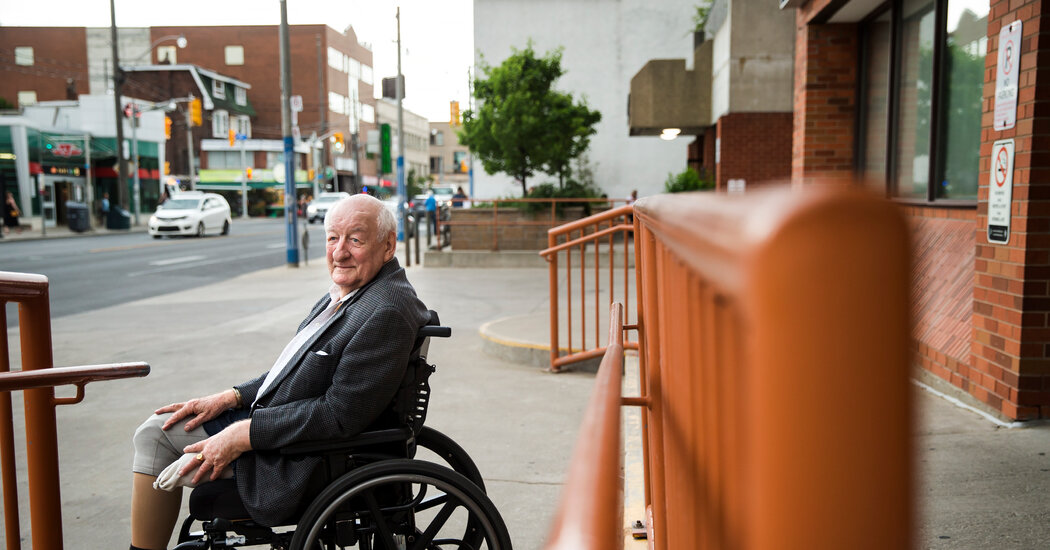
“This is more fun than I’ve had in a year.” In June, a long-term-care home resident experienced the joy of the outside world after nearly a year locked indoors because of coronavirus restrictions.TORONTO — Ted Freeman-Atwood, 90, rolled out of his tall brick nursing home in his wheelchair, wearing a blue tweed jacket with a white handkerchief peaking from its breast pocket. “This is the farthest I’ve traveled since last year,” he told the manager of his favorite restaurant two blocks away, who greeted him by name.It was a beautiful day in June. The sky clear, the sun generous and Toronto’s streets alive. After eight months of near-constant, government-enforced closures, small storefronts flung open their doors to customers and restaurant patrons spilled out from sidewalk patios onto the road.It was Mr. Freeman-Atwood’s first real outing since August 2020; his second since the coronavirus pandemic began.He ordered a glass of pinot grigio, explaining how he hadn’t tasted that pleasure in almost a year because “the joint I live in doesn’t want drunk old men pawing girls after 5 p.m.”Toronto — the city labeled “the lockdown capital of North America” by the national federation of small businesses — was giddy with liberty and freedoms that many had considered chores back in February 2020. Since December, gatherings in the city — even outdoors — had been banned, filling the city with a sense of loneliness. No one felt this more acutely than residents of Toronto’s nursing homes. Ground zero for the pandemic’s cruel ravages, they account for 59 percent of the country’s Covid-19 deaths. As a result, they also became the most fortified. Locked down since last March, most facilities refused all visitors for months.For all but five weeks between March 2020 and June 2021, care home residents in Toronto were not permitted to leave their buildings for nonmedical reasons, not even a stroll. Many compared themselves to caged animals or prisoners. The lucky ones lived in residences with attached courtyards, where they could at least feel the sun on their faces.Mr. Freeman-Atwood was not among the lucky ones.“I’m bored to tears,” he said in January, two weeks after he’d received his first dose of the Moderna vaccine. “I do virtually nothing. Today, nothing awful happened, noting half-awful happened, nothing brilliant happened, nothing half-brilliant happened.”He added, “I’m in my room all day.”The child of a British army general and a mother from Newfoundland, Mr. Freeman-Atwood had lived a large, roaming life. He traveled around the world as a child and spent most of his adulthood in Rio de Janeiro, where he eventually became president of Brascan, a large Canadian firm that owned the biggest hydroelectric utility in the Southern Hemisphere, until he negotiated its sale to the Brazilian government.When he left the care home, Mr. Freeman-Atwood carried with him the record of the first vaccinations he received as a baby, against small pox in 1930.  Tara Walton for The New York TimesIn 2012, Mr. Freeman-Atwood moved into the Nisbet Lodge, a Christian nonprofit long-term care home in Toronto’s busy Greektown neighborhood. He’d suffered five aneurysms in 10 years, and had one leg removed because of bad circulation. After gangrene eventually set into the remaining leg, the doctors amputated that one, too.His second wife had died from cancer, and he’d stubbornly refused an offer from his only child, Samantha, to take him in.“I’m too much of a bloody nuisance,” he explained. “I’m in a wheelchair. I can’t get up or downstairs. Why should I inflict that on her?”Before the pandemic, Mr. Freeman-Atwood regularly met Samantha, his son-in-law and two grandsons for lunch at nearby restaurants; he visited the bank and local cheese shop; and once a week, he wheeled his way to the liquor store for some wine, which he would smuggle back to his room.Then, in March 2020, he lost what was left of his relatively independent lifestyle. He survived an outbreak in the home, during which 35 staff members and 53 residents tested positive. Four residents died. Mr. Freeman-Atwood tested positive, but experienced no symptoms.He could no longer see his daughter, who found the trips to the building to drop off cookies and supplies for him heartbreaking.On regular phone calls throughout the winter and spring, Mr. Freeman-Atwood’s only complaint was boredom. Sometimes, the sound of his neighbor moaning in pain echoed hauntingly in the background.“I know it could be a hell of a lot worse,” he said. “I’d love to go out. What if I picked it up and then came back?”During the pandemic, Canadian geriatricians sounded an alarm about “confinement syndrome.” Residents in nursing homes were losing weight, as well as cognitive and physical abilities because of social isolation — concerning given that even in nonpandemic times most residents die within two years of arriving at a care home.Mr. Freeman-Atwood tried to stay busy. He had three newspapers delivered on Saturdays, tabulated the tax returns for four people in the spring and completed 300 exercise repetitions each morning before getting out of bed.Searching for a new watch to replace his broken one.Tara Walton for The New York TimesA big day for him was a rare trip to the building’s dining room on the top floor, where he could speak to one young waitress in German, a language he had perfected in 1956 in Austria, when he worked doing the accounts of an aid group tending to Hungarian refugees.He met his first wife, who was also working with refugees, in Vienna. “We were young enough to think we were doing good,” he said.As the pandemic dragged on, Mr. Freeman-Atwood also revealed some vulnerable moments.In late March, he was presiding over a second-floor meeting of the residents’ council, which he has led since moving in. Outside, the city was in early bloom, the forsythia bushes glowing an electric yellow of promise. In an instant, the sun spilled through the windows.“It was drawing us out, calling, ‘Come out, come out, come out and play,’” said Mr. Freeman-Atwood. “‘You’ve had your two Moderna jabs, why can’t you come out?’ The answer is, ‘No, the rest of the world hasn’t. And when will that be, nobody knows.”Canada’s nursing homes were the first places to receive the country’s vaccines and by February, every resident of these homes in Ontario had been offered a first dose. Still, the restrictions did not change.At lunch during his afternoon out.Tara Walton for The New York TimesGovernment officials were “so burned by poor performance, the last thing they wanted is to be that minister who allows more bad things to happen,” said Dr. Samir Sinha, the director of geriatrics at Sinai Health System and University Health Network in Toronto. He was among those lobbying the government this past spring to relax its restrictions.“At this point,” he said, “the risks of loneliness and social isolation are far greater than dying from Covid in these homes.”Though the Delta variant has reached Ontario in recent months, it has not caused the damage — or shutdowns — as seen in other parts of the world, in part because of the high rate of vaccinations. Eighty-two percent of the province’s eligible population has received at least one vaccine dose, as of Aug. 11.When Mr. Freeman-Atwood finally emerged in June, it wasn’t to go on a grand voyage. His dream outing was much simpler. He rolled into a dollar store a block from his building to peruse the cheap watches, since his had broken. “Do you remember me?” he asked the man behind the counter. He was like a shipwreck survivor, giddy from the joys of basic social interaction.“This is my first time outside in a year,” he exclaimed.The restaurant patio bubbled with noises, like an awakening orchestra. The music from speakers threaded with boisterous conversation. A toddler at a neighboring table screamed; her parents explained this was her first time at a patio.Meals were savored, checks slow to arrive. Mr. Freeman-Atwood ordered two more glasses of wine.“This is more fun than I’ve had in a year,” he said.On the way back to his building, he pushed past storefronts that hadn’t survived the pandemic; “For Sale” signs posted in their dusty windows. The sky was turning a bruising purple; storm clouds were gathering.Mr. Freeman-Atwood said he didn’t know how long these freedoms would last, or whether we’d pay for them. But he was already planning another outing.Heading home at the end of his first outing in 10 months.Tara Walton for The New York TimesVjosa Isai

Read more →