CRISPR screening tool identifies new drug target for leukemia

A CRISPR screening tool identified a new therapeutic target to treat acute myeloid leukemia (AML) that has the potential to leave patients with fewer side effects than current approaches, according to a new study from Penn Medicine published online in Molecular Cell. The target, known as ZMYND8, isn’t a mutated gene, rather an epigenetic regulatory protein that cancer cells need to control gene expression crucial for them to stay alive and grow.
“We’ve discovered that cancer cells in patients with AML rely heavily on ZMYND8, and thanks to a sophisticated CRISPR-based screening approach, we pinpointed the exact ‘druggable pocket’ to target,” said senior author Junwei Shi, PhD, an assistant professor of Cancer Biology in the Perelman School of Medicine at the University of Pennsylvania, and member of the Penn Epigenetics Institute and Abramson Family Cancer Research Institute.
“The findings suggest that delivering drug inhibitors against ZMYND8 could disrupt the AML vulnerable gene regulation circuits,” added Zhendong Cao, a PhD student investigator in Shi’s lab. “It’s an opportunity to develop better precision medicine compounds than current treatments to treat this blood cancer — which we are currently working on right now.”
AML affects more than 20,000 patients a year, including both children and adults, and has a five-year survival rate of just 27 percent for people over 20. The standard of care includes chemotherapy; however, not all patients respond, so newer approaches are needed to expand options and improve survival.
CRISPR has allowed scientists to not only modify genes with more ease and less cost than previous approaches, but also enabled them to simultaneously screen for thousands of specific functional protein domains with high potential for therapeutic targeting.
The researchers used CRISPR to precisely disrupt the domain function of proteins in cancer cells, map their molecular functions, and modify them to use in mouse models. They found that inhibiting the epigenetic reader function of ZMYND8 in mice left them with smaller tumors and better survival.
The researchers also found a biomarker — the expression level or the epigenetic status of the gene IRF8 from AML cells — to predict the sensitivity of cancer cells to a ZMYND8 inhibitor. Furthermore, the researchers validated the high expression of IRF8 and presence of IRF8 enhancer DNA element using blood samples from patients treated at Penn Medicine to support their finding.
“Many genetic and epigenetic alterations have been identified in cancer but few are actionable targets,” said co-author Shelley L. Berger, PhD, the Daniel S. Och University Professor in the departments of Cell and Developmental Biology and Genetics in the Perelman School of Medicine and director of the Penn Epigenetics Institute. “CRISPR revealed here, for the time, an unexpected epigenetic-linked molecular circuity that AML is dependent on, and one that we can potentially manipulate. It opens a new door toward better treatments for these patients using next-generation epigenetic inhibitors.”
The study was supported with a Linda Pechenik Montague Investigator Award, by the Cold Spring Harbor Laboratory sponsored research, and start-up package from University of Pennsylvania.
Story Source:
Materials provided by University of Pennsylvania School of Medicine. Note: Content may be edited for style and length.

Read more →

You’re cooler than you think! Hypothermia may go unnoticed when exercising in the cold

In a study published this month in Physiology & Behavior, research teams at the University of Tsukuba, led by Takeshi Nishiyasu, and at Niigata University of Health and Welfare, led by Tomomi Fujimoto, have found that, when exercising, people cannot perceive decreases in their core body temperature caused by the cold as well as they can when they are resting. This research has implications for recreational activities in colder climates, such as hiking and skiing.
Body temperature is maintained in several ways. Although your body subconsciously adjusts energy, fluid secretion, and blood flow to control heat loss through shivering, sweating, and dilation or constriction of blood vessels, a person’s conscious behavior — seeking shelter or relief when too hot or too cold — plays an important role in keeping the body’s core temperature within the narrow range required by its systems. “Both behavioral and autonomic thermoregulation depend on input from sensors located centrally and peripherally in the body,” notes Professor Nishiyasu.
During exercise, heat produced by muscles is partially dispersed to the surroundings with the help of temperature-regulating responses like sweating. In addition, skin temperature sensation is reduced, possibly because of a built-in mechanism that dulls pain during exercise by releasing opioids in the brain — this is also known as a runner’s high.
Normally, the perception of core body temperature is unaffected by these changes. In cold environments, however, heat that is produced by muscles during exercise is lost to the environment more easily. In fact, in a previous study, the research team demonstrated that shivering kicks in at a lower core temperature during exercise than it does at rest.
Lead author Tomomi Fujimoto explains, “While this suggested to us that temperature inputs to the hypothalamus were affected, the question remained whether exercise affected skin or core temperature sensation in cold environments.”
To answer this question, the team monitored skin temperature, core body temperature (measured by inserting a probe through the nasal cavity), skin sensation, and perception of cold, as well as heart rate, blood pressure, and oxygen uptake in healthy young men, both as they rested and as they performed low-intensity exercise while partially submerged in a cold water tank.
Skin temperature sensation appeared to be unaffected in this scenario because the exercise was low intensity, that is, not intense enough to elicit a “high”; however, they found that the perception of core body temperature was affected by exercise.
This study revealed important information for people living in colder climates or those who perform recreational water activities. Both physiological and behavioral thermoregulation can be affected by reduced perception of the cold. Consequently, there is a need for such people to pay close attention to body temperature.
Story Source:
Materials provided by University of Tsukuba. Note: Content may be edited for style and length.

Read more →

New approach identifies T cells in COVID-19 patients

T cells play an important role in the human immune system. The blood cells classified as lymphocytes are formed in the bone marrow. From there they travel through blood vessels to the thymus gland in the breastbone. They then form receptors on their cellular surface to identify and fight foreign matter. The T cells also stimulate the formation of B cells, which produce antibodies to attack viruses. Virus-specific immune responses by T cells can be detected in the blood months or even years after an infection.
In view of the millions of people infected by Covid-19 and the emerging fourth wave of the pandemic, it is of great interest to learn more about the T cells that fight the virus. The T cells are enormously important for protecting against a SARS-CoV-2 infection or preventing serious illness. “We’re especially interested in how many of these specific T cells are present in the body of an infected person, the qualities that enable these cells to respond to the virus, and how long the T cells last,” says Dr. Kilian Schober of the TUM Institute for Medical Microbiology, Immunology and Hygiene.
Identifying the T cells that fight SARS-CoV-2
An interdisciplinary team of researchers at TUM, Helmholtz Zentrum München and LMU Munich has now succeeded in developing a method for finding the T cell receptors that respond to SARS-CoV-2. The team divided blood samples taken from seriously infected Covid-19 patients into two pools. The samples in the first pool were then stimulated with the virus antigen, with the second pool left untreated. “This enabled us to identify the T cells that responded to the virus and characterize a precise phenotype,” says Dr. Herbert Schiller, group leader at Helmholtz Zentrum München. “So we now have a profile to identify a T cell that fights SARS-CoV-2.”
T cells show whether the infection is still active
The Munich researchers now know what T cells look like that have recently been exposed to the virus-fighting antigen. Similar T cells were found not only in the blood, but also in the respiratory tract of patients. This made it possible to distinguish between cells still in the “hot phase” and those that have become dormant (“cold”) — in other words, whether a patient is still fighting the infection or has already overcome it.
The results of the study are highly significant. They enable us to distinguish between SARS-CoV-2-specific T cells in different organs (blood or lungs), different activation states (antigen seen recently or not) and in different illness contexts (seriously ill/virus positive or mildly ill/virus negative). “We now have a better understanding of the appearance of T cells targeting SARS-CoV-2 and how numerous they are in the blood and respiratory tract,” says Prof. Dirk Busch, the Director of the TUM Institute for Medical Microbiology, Immunology and Hygiene. “In the future, this process can probably also be used to determine how many protective T cells are present after a vaccination.”
Providing T cells with receptors to save seriously ill patients
The team working with lab director Prof. Dirk Busch also succeeded in modifying T cells of healthy individuals to enable a first response to SARS-CoV-2. “That shows that it might be possible to equip the T cells of patients with receptors to fight the virus more effectively,” says Kilian Schober. This is the first step towards an adoptive T cell treatment for seriously ill Covid-19 patients. The process may also be applicable to other diseases through better characterization of T cell responses — an important hope for treatments of autoimmune conditions and cancers.
Further information:
Along with Prof. Dirk Busch, Dr. Kilian Schober and Dr. Herbert B. Schiller, the project was headed by Dr. Benjamin Schubert, Research Group Leader at Helmholtz Zentrum München, and Prof. Fabian J. Theis, Chair of Mathematical Modelling of Biological Systems at TUM and head of the Institute for Computational Biology at Helmholtz Zentrum München. Dr. Kilian Schober is now conducting research at the Universitätsklinikum Erlangen and the Friedrich-Alexander-Universität Erlangen-Nürnberg.
Story Source:
Materials provided by Technical University of Munich (TUM). Note: Content may be edited for style and length.

Read more →

Flawed quality control in the brain

Proteins are the “tools” of our cells — they are essential to all vital tasks. However, they are only able to do their jobs if they fold correctly and adopt their respective, very specific 3D structure. To ensure that nothing goes wrong with the folding process, it is strictly monitored in the cell. The consequences of a flawed quality control can be seen, for example, in the deposition of misfolded proteins in neurodegenerative diseases such as Alzheimer’s. Researchers at the Max Planck Institutes of Neurobiology and of Biochemistry have now developed a mouse line that makes the state of protein balance visible in the mammalian brain for the first time. In this way, the processes of protein quality control can now be studied in healthy and diseased neurons in more detail.
Proteins fulfill all important tasks in our body: They transport substances, protect against diseases, support the cell and catalyze chemical reactions — to name just a few. With the building instructions in our genetic code, every protein can be produced as a long chain of amino acids. However, that’s not the end of the story: in order to perform their vital functions, proteins have to fold into complex 3D structures.
Each cell contains a whole machinery that helps proteins to fold, corrects folding errors and discards misfolded proteins. As a kind of quality control, the system thus contributes to proteostasis — the controlled function of all proteins.
In healthy cells, this quality control works very well. With age, however, it gradually deteriorates. This can become a problem, especially for nerve cells. These cells do not renew themselves and are therefore dependent on stable protein function throughout their lives. In fact, neurodegenerative diseases such as Alzheimer’s, Parkinson’s or Huntington’s disease have in common that certain misfolded proteins overload the quality control system and are not disposed of. These proteins accumulate, clump together and eventually form deposits in the brain tissue. Depending on the disease, this can lead to impaired memory or muscle control — with no chance of a cure so far. The ability to enhance the neurons’ quality control could thus present a promising therapeutic option.
New mouse line
In order to study the quality control defects in the individual diseases in more detail, scientists led by Irina Dudanova developed a new mouse line. With these animals, the state of proteostasis can be visualized in the mammalian brain for the first time.
The researchers introduced the protein that normally makes fireflies glow into the neurons of the mouse. Optimized to the body temperature of the beetle, the protein needs constant help to fold in “warmer” mammals. Only then can it adopt its correct structure and produce light. In order to precisely track the location of the luminescent protein in the cell, the scientists additionally labeled it with a dye. In this way, they showed that the protein is evenly distributed and glows in healthy neurons. However, if the protein quality control is overstrained, the beetle protein makes clumps and no longer glows as strongly. The beetle protein therefore serves as a proteostasis sensor.
The researchers then crossed the newly developed mouse line with mice that represent different neurodegenerative diseases. In mice showing signs of Alzheimer’s disease, the luminescent protein formed clumps, signaling strong proteostasis disturbance. Interestingly, this was not the case in Chorea Huntington mice. Irina Dudanova relates, “The different results were quite surprising. When we had a closer look at the possible reasons, we found that both the misfolded proteins themselves and their location in the cell play an important role.”
Variation within the cell
While the misfolded protein in the Alzheimer’s model forms deposits in the cell body, it clumps together in the cell nucleus in the Huntington’s mice. Accordingly, protein quality control and its capacity can vary greatly within a cell. “This shows how complex protein quality control is and how different its alterations can be in individual neurodegenerative diseases,” explains Irina Dudanova.
With the new mouse line, scientists now have a tool to specifically investigate this complexity — both in healthy and in diseased neurons. Irina Dudanova and her team plan to investigate other neurodegenerative diseases and to find out whether different cell types in the brain are affected at different rates. In addition, the mouse line could help to assess the effectiveness of different therapies for neurodegenerative diseases.
Story Source:
Materials provided by Max-Planck-Gesellschaft. Note: Content may be edited for style and length.

Read more →

Half of pediatric opioid prescriptions are 'high risk'

Children and young adults who have pain from surgery, dental care and other conditions are often prescribed opioids.
But half of these prescriptions, a new national study suggests, are high risk because of their potential for adverse outcomes.
What’s more, a small group of prescribers in the top 5% of prescriptions account for half of all opioid prescriptions for children and young adults and half of high risk prescriptions. Many of these prescribers are dentists or surgeons, and a disproportionate share practice in the South, according to the study in Pediatrics.
Researchers analyzed roughly four million opioid prescriptions dispensed to kids and young adults under age 21 in 2019. Prescriptions that exceeded a recommended supply or dose or included a drug or combination of drugs not recommended for children were considered high risk.
“Our study suggests that children and young adults are frequently exposed to unsafe opioid prescriptions, increasing their risk of overdose, misuse, and addiction,” said lead author Kao-Ping Chua, M.D., Ph.D., a pediatrician and researcher at University of Michigan Health C.S. Mott Children’s Hospital and the Susan B. Meister Child Health Evaluation and Research Center.
“The fact that these prescriptions were so heavily concentrated among a small group of prescribers suggests that quality improvement efforts should target these prescribers.”
The most common types of high-risk opioid prescriptions were those for acute pain and that went beyond three or seven days. A three-day supply is usually enough for acute pain and prescriptions exceeding seven days are rarely necessary, according to the Centers for Disease Control and Prevention.

Read more →

Too much time on a computer, watching TV or other sedentary activities raises stroke risk

Adults younger than age 60 whose days are filled with sedentary leisure time (which includes using the computer, TV, or reading) and little physical activity have a higher stroke risk than people who are more physically active, according to new research published today in Stroke, a journal of the American Stroke Association, a division of the American Heart Association.
According to American Heart Association statistics, U.S. adults spend an average of 10.5 hours a day connected to media such as smartphones, computers or television watching, and adults ages 50 to 64 spend the most time of any age group connected to media. Data also indicate that stroke-related deaths decreased in 2010 among adults 65 years and older. However, death from stroke appears to be on the rise among younger adults, ages 35 to 64 years — increasing from 14.7 in every 100,000 adults in 2010 to 15.4 per 100,000 in 2016. Previous research suggests the more time adults spend sedentary, the greater their risk of cardiovascular disease including stroke, and nearly 9 in 10 strokes could be attributed to modifiable risk factors such as sedentary behaviors.
“Sedentary time is increasing in the United States and Canada,” said study author Raed A. Joundi, M.D., D.Phil., a stroke fellow in the department of clinical neurosciences at the Cumming School of Medicine at the University of Calgary in Canada. “Sedentary time is the duration of awake activities that are done sitting or lying down. Leisure sedentary time is specific to the sedentary activities done while not at work. It is important to understand whether high amounts of sedentary time can lead to stroke in young individuals, as a stroke can cause premature death or significantly impair function and quality of life.”
In this study, researchers reviewed health and lifestyle information for 143,000 adults with no prior stroke, heart disease or cancer who participated in the Canadian Community Health Survey in years 2000, 2003, 2005, 2007-2012. Researchers followed the participants for an average of 9.4 years (until Dec. 31, 2017) and identified strokes through linkages with hospital records.
They reviewed the amount of time spent each day in leisure sedentary activities (hours spent on computer, reading and watching TV) and divided them into categories of less than four hours per day; four to less than six hours per day; six to less than eight hours per day; and eight hours or more a day. They also divided physical activity into quartiles, or four equal categories, where the lowest quartile was the least physically active and equivalent to going for a walk for 10 minutes or less daily. “A walk of 10 minutes or less per day is lower than half of what the American Heart Association’s physical activity guidelines recommend,” Joundi said.
The American Heart Association recommends adults get at least 150 minutes, or 2.5 hours, of moderate-intensity physical activity per week.
Analysis of study participants found: During the follow-up period, an average of 9.4 years, 2,965 strokes occurred. Nearly 90% of those were ischemic strokes, the most common stroke type, which occurs when a vessel supplying blood to the brain is obstructed. The average daily leisure sedentary time among all participants was 4.08 hours. Individuals aged 60 and younger had an average leisure sedentary time of 3.9 hours per day. Average daily leisure sedentary time was 4.4 hours for adults aged 60 to 79, and 4.3 hours for those 80 years and older. Adults 60 years and younger who had low physical activity and reported eight or more hours of leisure sedentary time a day had a 4.2 times higher risk of stroke compared to those reporting less than four hours of daily leisure sedentary time. The most inactive group — those reporting eight or more hours of sedentary time and low physical activity — had 7 times higher risk of stroke compared to those reporting less than four hours of sedentary time a day and higher levels of physical activity.”Adults 60 years and younger should be aware that very high sedentary time with little time spent on physical activity can have adverse effects on health, including increased risk of stroke,” Joundi said. “Physical activity has a very important role in that it reduces the actual time spent sedentary, and it also seems to diminish the negative impact of excess sedentary time. Physician recommendations and public health policies should emphasize increased physical activity and lower sedentary time among young adults in combination with other healthy habits to lower the risks of cardiovascular events and stroke.”
A significant limitation of the study’s results was that the survey did not ask participants about occupation-related sedentary time; this could mean sedentary time is underreported among people who have desk jobs, for example.
Co-authors are Scott Patten, M.D., Ph.D.; Jeanne Williams, M.Sc.; and Eric E. Smith, M.D., M.P.H. Dr. Joundi was supported by the Canadian Institutes of Health Research. Other author disclosures are listed in the manuscript, and no external funding was reported for this study.
Story Source:
Materials provided by American Heart Association. Note: Content may be edited for style and length.

Read more →

Experts urge caution, increased education about opioid use for people with heart disease

The misuse of opioids in the United States continues to lead to high rates of dependency as well as a staggering number of deaths due to overdose. The American Heart Association is addressing the opioid epidemic and advancing the science on opioid use and its effects on heart and brain health through evidence-based research, detailed in a new American Heart Association Presidential Advisory and published today in the Association’s flagship journal Circulation.
More than 67,000 people died due to drug overdoses in the U.S. in 2018, and two-thirds of those deaths involved opioids. In the 12-month period from December 2019 to December 2020, there was a 30% increase in drug overdose deaths compared to the previous 12-month period, according to a recent, provisional data analysis from the U.S. Centers for Disease Control and Prevention. The advisory notes several specific strategies for addressing the issue: improve education and training for the public and health care professionals on how to safely manage pain and opioid overdose; and support treatment for opioid use disorder, including creating and developing partnerships with federal, state, local and employer-based programs. Through strong, collaborative partnerships, healthier communities with more equitable access to care can help to reverse the rate of opioid overdoses and deaths in the U.S.
“Opioid abuse accelerated during the COVID-19 pandemic due to disruption of the illicit drug supply environment, more limited access to medications, and social isolation and depression related to pandemic safety measures,” said chair of the writing group Sheryl L. Chow, Pharm.D., FAHA, an associate professor of pharmacy practice at Western University of Health Sciences in Pomona, California, and associate clinical professor of medicine at the University of California, Irvine. “Opioid overdose is now a leading cause of death for Americans 25 to 54 years of age, and opioid use disorder affects more than 2 million Americans.”
The AHA partnered with a team of leading health authorities — physicians, scientists and a pharmacist with expertise and knowledge in the field of medicine, pharmacotherapy, research and federal regulations — to develop the presidential advisory. It highlights recommendations, algorithms and guidance for health care professionals and researchers who specialize in heart and brain health. The volunteer writing group used data and information from more than 90 evidence-based epidemiology studies, reviews, consensus statements and guidelines already published.
“Health care professionals who manage pain in the setting of cardiovascular disease and stroke should be encouraged to receive training in management of pain using non-opioid strategies and on screening for opioid use disorder,” said Chow. “Lay responders should also be encouraged to receive formal CPR training with specific instructions on naloxone administration because opioid overdose often occurs in public, and CPR is more likely to be given by bystanders.”
Key points detailed in the advisory include: CPR guidelines and algorithms are reviewed for both health care professionals and lay rescuers for when a person has a suspected opioid overdose. CPR training for lay people should emphasize calling 911 and initiating CPR before administering naloxone because it may be hard for a lay rescuer to identify the cause of the cardiac arrest, and naloxone will only be effective if opioid overdose is the cause of the cardiac arrest. (Naloxone is an emergency medication that can rapidly and effectively be lifesaving in the case of an opioid or other illicit drug overdose.) For people with cardiovascular disease and muscle or joint pain, acetaminophen, aspirin and non-acetylated salicylates should be considered first for pain management as alternatives to opioids. Morphine is used to reduce pain for some coronary patients, yet the medication may reduce the therapeutic effectiveness of P2Y12-receptor antagonists (antiplatelet/clot-preventing medications). Parenteral antiplatelet agents (medications given intravenously) may be considered for acute coronary syndrome treatment when administered with morphine in the hospital setting. An expansion of free, syringe exchange programs should be considered to reduce the risk of infective endocarditis, a serious infection of the heart lining, which can occur when needles are shared for intravenous drug use. A coordinated approach to opioid management should occur among federal, state and local health and law enforcement agencies, as well as in the workplace setting through organizational initiatives.The American Heart Association is committed to advancing the science on opioid use and its effects on patients with cardiovascular disease through evidence-based research; improving education and training for the public and health care professionals on how to safely manage pain or opioid overdose and support treatment for opioid use disorder; and creating and developing partnerships with federal, state, local and employer-based programs.
“This advisory includes both immediate and long-term strategies to help mitigate the devastating intersection of opioid abuse and cardiovascular disease,” said Ivor J. Benjamin, M.D., FAHA, former president of the American Heart Association (2017-2018), and director of the cardiovascular center, co-director of the NIH T32 Postdoctoral Fellowship in Cardiovascular Sciences and professor of medicine at the Medical College of Wisconsin in Milwaukee. “Together with our partners throughout public health, policy and government infrastructures, we can help support health care professionals and people in our communities more effectively avoid the preventable deaths caused by opioid use disorder and opioid overdose.”
This presidential advisory was prepared by the volunteer writing group on behalf of the American Heart Association.
Co-authors are Comilla Sasson, M.D., Ph.D., FAHA, vice-chair of the writing committee, vice president for science & innovation for emergency cardiovascular care at the American Heart Association; Ivor J. Benjamin, M.D., FAHA, former president of the American Heart Association, and director of the cardiovascular center at the Medical College of Wisconsin; Robert M. Califf, M.D., head of clinical policy and strategy at Verily Life Sciences and Google Health, a former commissioner of the U.S. Food and Drug Administration, former vice chancellor for health data science at Duke University School of Medicine and the founding director of the Duke Clinical Research Institute; Wilson Compton, M.D., M.P.E., deputy director of the National Institute on Drug Abuse (NIDA) of the National Institutes of Health; Elizabeth Oliva, Ph.D., investigator at the VA Center for Innovation to Implementation (Ci2i) at the VA Palo Alto Health Care System and a senior evaluator for the VA Program Evaluation and Resource Center; Chester Robson, D.O., M.H.C.D.S., medical director of clinical programs and quality for Walgreens Corporation; and Eduardo J. Sanchez, M.D., M.P.H., FAHA, FAAFP, the American Heart Association’s chief medical officer for prevention.

Read more →

The Times's Newsletter The Veggie Isn't Just For Vegetarians

The writer behind The Veggie talks about the meatless trend and what she envisions for the newsletter.Times Insider explains who we are and what we do, and delivers behind-the-scenes insights into how our journalism comes together.Tejal Rao, The New York Times’s California restaurant critic, enlisted a fridge full of ’70s-era vegetable Muppets this month to help announce her new vegetarian newsletter on Twitter — and her followers couldn’t get enough of the googly-eyed cabbage, corn, carrot and coconut chilling on the shelves.That’s the inviting spirit Ms. Rao hopes to bring to her newsletter, The Veggie, which debuted last week and comes out every Thursday. It’s part of The Times’s effort to serve readers who want to eat more vegetables.In a conversation, Ms. Rao discussed her ambitions for the newsletter, revealed some rejected titles and divulged the one vegetable she can’t stand.You’re an omnivore — when did you start eating vegetarian foods?I’ve been eating vegetarian food my whole life. Both of my parents cooked at home a lot and it was probably vegetarian at least a few times a week — a Gujarati-style dal with rice and a vegetable or two, or something more French or Italian-leaning, built around dried lentils and starches, and seasonal vegetables. Meat and seafood were a part of the week but weren’t necessary at every meal and weren’t always at the center of the meal.How did your diet change during the pandemic?When the supply chain broke down, I bought way, way less meat and fish. I signed up to get a farm box delivery every other week and cooked mostly vegetables, and that really reoriented me as a cook.Vegetarian recipe views on NYT Cooking increased nearly 50 percent over the past year. Did the idea for this newsletter predate the pandemic, or did it grow out of the uptick in interest in vegetarian content?My editors have been talking about publishing more and more vegetarian recipes for years, and the newsletter is something I’ve wanted The Times to do for a long time, but that data is still useful because it points to an immediate appetite for the work.Is the newsletter geared toward longtime vegetarians, or toward people who may not be vegetarian but who want to incorporate more veggies into their diets?It’s for anyone with an interest. But I have to admit, I especially love the idea of persuading people who think they’re not at all interested in vegetarian food that they are, that it’s delicious, that it’s approachable, that it’s very much for them.Was it always called The Veggie?One of the rejected names was Totally Herbaceous, which didn’t get far because it’s too long and very silly and no one liked it. We all immediately liked The Veggie — it just felt warm, friendly and inviting. And that idea came from Owen Dodd, an engineer who worked on The Veggie in its earliest days. A lot of the rejected names didn’t feel right because they connoted diet culture in some small, insidious way, and I absolutely didn’t want to do that — The Veggie isn’t about abstaining, it’s about feasting.Is there still a social stigma around being vegetarian?I think it depends on where you are, who you spend time with and what you have access to, but to me that feels so misguided, and so boring.It seems like The Times is including more vegetarian recipes in its coverage these days. Is that the case?We’re publishing fewer meat recipes than we used to, and the number of vegetarian recipes will only continue to increase.You’re based on the West Coast. How does California’s vegetarian scene compare to New York City’s?There’s a really vibrant vegetarian and vegan scene here, from baking to cheesemaking to fast food. I’ve reported on it a little bit — I wrote a piece about vegan taquerias last year. But what’s really exciting is that it’s not happening just here.Confession time: Is there a vegetable you really don’t like?Raw bell peppers, something about the aroma and the wateriness is a little repulsive to me. I love them cooked, though! Just not raw.Oh, no! They’re my favorite vegetable!Why?They explode with crunchy, juicy goodness. The orange and yellow ones are the best.Hmm, no. [Laughs]To sign up to receive The Veggie, click here.

Read more →

Those Anti-Covid Plastic Barriers Probably Don’t Help and May Make Things Worse

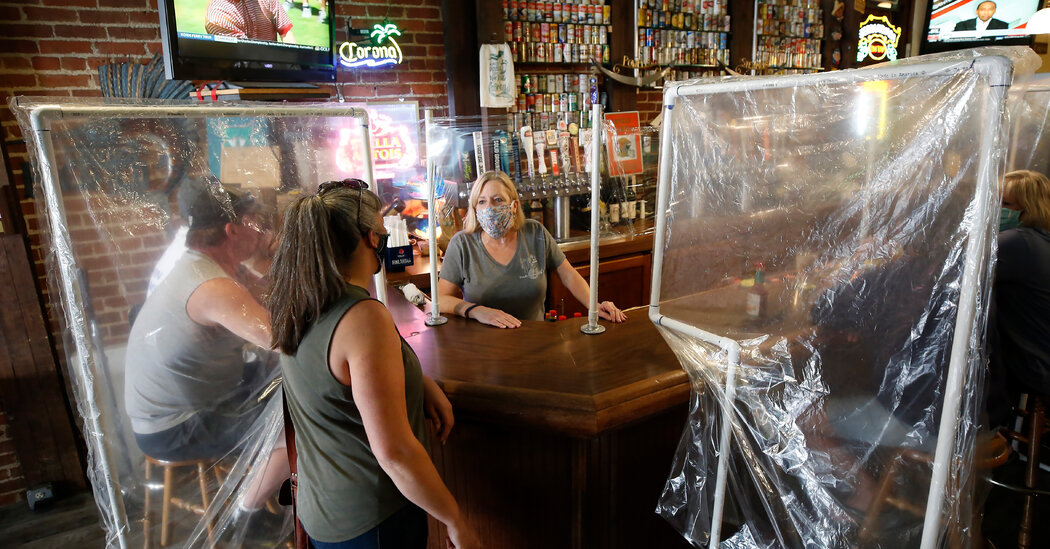
Clear barriers have sprung up at restaurants, nail salons and school classrooms, but most of the time, they do little to stop the spread of the coronavirus.Covid precautions have turned many parts of our world into a giant salad bar, with plastic barriers separating sales clerks from shoppers, dividing customers at nail salons and shielding students from their classmates.Intuition tells us a plastic shield would be protective against germs. But scientists who study aerosols, air flow and ventilation say that much of the time, the barriers don’t help and probably give people a false sense of security. And sometimes the barriers can make things worse.Research suggests that in some instances, a barrier protecting a clerk behind a checkout counter may redirect the germs to another worker or customer. Rows of clear plastic shields, like those you might find in a nail salon or classroom, can also impede normal air flow and ventilation.Under normal conditions in stores, classrooms and offices, exhaled breath particles disperse, carried by air currents and, depending on the ventilation system, are replaced by fresh air roughly every 15 to 30 minutes. But erecting plastic barriers can change air flow in a room, disrupt normal ventilation and create “dead zones,” where viral aerosol particles can build up and become highly concentrated.“If you have a forest of barriers in a classroom, it’s going to interfere with proper ventilation of that room,” said Linsey Marr, professor of civil and environmental engineering at Virginia Tech and one of the world’s leading experts on viral transmission. “Everybody’s aerosols are going to be trapped and stuck there and building up, and they will end up spreading beyond your own desk.”There are some situations in which the clear shields might be protective, but it depends on a number of variables. The barriers can stop big droplets ejected during coughs and sneezes from splattering on others, which is why buffets and salad bars often are equipped with transparent sneeze guards above the food.But Covid-19 spreads largely through unseen aerosol particles. While there isn’t much real-world research on the impact of transparent barriers and the risk of disease, scientists in the United States and Britain have begun to study the issue, and the findings are not reassuring.A study published in June and led by researchers from Johns Hopkins, for example, showed that desk screens in classrooms were associated with an increased risk of coronavirus infection. In a Massachusetts school district, researchers found that plexiglass dividers with side walls in the main office were impeding air flow. A study looking at schools in Georgia found that desk barriers had little effect on the spread of the coronavirus compared with ventilation improvements and masking.Before the pandemic, a study published in 2014 found that office cubicle dividers were among the factors that may have contributed to disease transmission during a tuberculosis outbreak in Australia.British researchers have conducted modeling studies simulating what happens when a person on one side of a barrier — like a customer in a store — exhales particles while speaking or coughing under various ventilation conditions. The screen is more effective when the person coughs, because the larger particles have greater momentum and hit the barrier. But when a person speaks, the screen doesn’t trap the exhaled particles — which just float around it. While the store clerk may avoid an immediate and direct hit, the particles are still in the room, posing a risk to the clerk and others who may inhale the contaminated air.“We have shown this effect of blocking larger particles, but also that the smaller aerosols travel over the screen and become mixed in the room air within about five minutes,” said Catherine Noakes, professor of environmental engineering for buildings at the University of Leeds in England. “This means if people are interacting for more than a few minutes, they would likely be exposed to the virus regardless of the screen.”Dr. Noakes said erecting barriers may seem like a good idea but can have unintended consequences. She conducted a study published in 2013 that looked at the effect of partitions between beds in hospitals. The study showed that while some people were protected from germs, the partitions funneled the air in the room toward others.So while a worker behind a transparent barrier might be spared some of the customer’s germs, a worker nearby or customers in line could still be exposed. Dr. Noakes said most screens she has seen are “poorly positioned and are unlikely to be of much benefit.”“I think this may be a particular problem in places like classrooms where people are present for longer periods of time,” Dr. Noakes said. “Large numbers of individual screens impede the airflow and create pockets of higher and lower risk that are hard to identify.”To understand why screens often have little effect on protecting people from aerosol particles, it helps to think about exhaled breath like a plume of cigarette smoke, Dr. Marr said.“One way to think about plastic barriers is that they are good for blocking things like spitballs but ineffective for things like cigarette smoke,” Dr. Marr said. “The smoke simply drifts around them, so they will give the person on the other side a little more time before being exposed to the smoke. Meanwhile, people on the same side with the smoker will be exposed to more smoke, since the barriers trap it on that side until it has a chance to mix throughout the space.”Most researchers say the screens most likely help in very specific situations. A bus driver, for instance, shielded from the public by a floor-to-ceiling barrier is probably protected from inhaling much of what passengers are exhaling. A bank cashier behind a wall of glass or a clerk checking in patients in a doctor’s office may be at least partly protected by a barrier..css-1xzcza9{list-style-type:disc;padding-inline-start:1em;}.css-3btd0c{font-family:nyt-franklin,helvetica,arial,sans-serif;font-size:1rem;line-height:1.375rem;color:#333;margin-bottom:0.78125rem;}@media (min-width:740px){.css-3btd0c{font-size:1.0625rem;line-height:1.5rem;margin-bottom:0.9375rem;}}.css-3btd0c strong{font-weight:600;}.css-3btd0c em{font-style:italic;}.css-w739ur{margin:0 auto 5px;font-family:nyt-franklin,helvetica,arial,sans-serif;font-weight:700;font-size:1.125rem;line-height:1.3125rem;color:#121212;}#NYT_BELOW_MAIN_CONTENT_REGION .css-w739ur{font-family:nyt-cheltenham,georgia,’times new roman’,times,serif;font-weight:700;font-size:1.375rem;line-height:1.625rem;}@media (min-width:740px){#NYT_BELOW_MAIN_CONTENT_REGION .css-w739ur{font-size:1.6875rem;line-height:1.875rem;}}@media (min-width:740px){.css-w739ur{font-size:1.25rem;line-height:1.4375rem;}}.css-9s9ecg{margin-bottom:15px;}.css-16ed7iq{width:100%;display:-webkit-box;display:-webkit-flex;display:-ms-flexbox;display:flex;-webkit-align-items:center;-webkit-box-align:center;-ms-flex-align:center;align-items:center;-webkit-box-pack:center;-webkit-justify-content:center;-ms-flex-pack:center;justify-content:center;padding:10px 0;background-color:white;}.css-pmm6ed{display:-webkit-box;display:-webkit-flex;display:-ms-flexbox;display:flex;-webkit-align-items:center;-webkit-box-align:center;-ms-flex-align:center;align-items:center;}.css-pmm6ed > :not(:first-child){margin-left:5px;}.css-5gimkt{font-family:nyt-franklin,helvetica,arial,sans-serif;font-size:0.8125rem;font-weight:700;-webkit-letter-spacing:0.03em;-moz-letter-spacing:0.03em;-ms-letter-spacing:0.03em;letter-spacing:0.03em;text-transform:uppercase;color:#333;}.css-5gimkt:after{content:’Collapse’;}.css-rdoyk0{-webkit-transition:all 0.5s ease;transition:all 0.5s ease;-webkit-transform:rotate(180deg);-ms-transform:rotate(180deg);transform:rotate(180deg);}.css-eb027h{max-height:5000px;-webkit-transition:max-height 0.5s ease;transition:max-height 0.5s ease;}.css-6mllg9{-webkit-transition:all 0.5s ease;transition:all 0.5s ease;position:relative;opacity:0;}.css-6mllg9:before{content:”;background-image:linear-gradient(180deg,transparent,#ffffff);background-image:-webkit-linear-gradient(270deg,rgba(255,255,255,0),#ffffff);height:80px;width:100%;position:absolute;bottom:0px;pointer-events:none;}.css-uf1ume{display:-webkit-box;display:-webkit-flex;display:-ms-flexbox;display:flex;-webkit-box-pack:justify;-webkit-justify-content:space-between;-ms-flex-pack:justify;justify-content:space-between;}.css-wxi1cx{display:-webkit-box;display:-webkit-flex;display:-ms-flexbox;display:flex;-webkit-flex-direction:column;-ms-flex-direction:column;flex-direction:column;-webkit-align-self:flex-end;-ms-flex-item-align:end;align-self:flex-end;}.css-12vbvwq{background-color:white;border:1px solid #e2e2e2;width:calc(100% – 40px);max-width:600px;margin:1.5rem auto 1.9rem;padding:15px;box-sizing:border-box;}@media (min-width:740px){.css-12vbvwq{padding:20px;width:100%;}}.css-12vbvwq:focus{outline:1px solid #e2e2e2;}#NYT_BELOW_MAIN_CONTENT_REGION .css-12vbvwq{border:none;padding:10px 0 0;border-top:2px solid #121212;}.css-12vbvwq[data-truncated] .css-rdoyk0{-webkit-transform:rotate(0deg);-ms-transform:rotate(0deg);transform:rotate(0deg);}.css-12vbvwq[data-truncated] .css-eb027h{max-height:300px;overflow:hidden;-webkit-transition:none;transition:none;}.css-12vbvwq[data-truncated] .css-5gimkt:after{content:’See more’;}.css-12vbvwq[data-truncated] .css-6mllg9{opacity:1;}.css-qjk116{margin:0 auto;overflow:hidden;}.css-qjk116 strong{font-weight:700;}.css-qjk116 em{font-style:italic;}.css-qjk116 a{color:#326891;-webkit-text-decoration:underline;text-decoration:underline;text-underline-offset:1px;-webkit-text-decoration-thickness:1px;text-decoration-thickness:1px;-webkit-text-decoration-color:#326891;text-decoration-color:#326891;}.css-qjk116 a:visited{color:#326891;-webkit-text-decoration-color:#326891;text-decoration-color:#326891;}.css-qjk116 a:hover{-webkit-text-decoration:none;text-decoration:none;}A study by researchers with the National Institute for Occupational Safety and Health in Cincinnati tested different sized transparent barriers in an isolation room using a cough simulator. The study, which hasn’t yet been peer-reviewed, found that under the right conditions, taller shields, above “cough height,” stopped about 70 percent of the particles from reaching the particle counter on the other side, which is where the store or salon worker would be sitting or standing.But the study’s authors noted the limitations of the research, particularly that the experiment was conducted under highly controlled conditions. The experiment took place in an isolation room with consistent ventilation rates that didn’t “accurately reflect all real-world situations,” the report said.The study didn’t consider that workers and customers move around, that other people could be in the room breathing the redirected particles and that many stores and classrooms have several stations with acrylic barriers, not just one, that impede normal air flow.While further research is needed to determine the effect of adding transparent shields around school or office desks, all the aerosol experts interviewed agreed that desk shields were unlikely to help and were likely to interfere with the normal ventilation of the room. Depending on the conditions, the plastic shields could cause viral particles to accumulate in the room.“If there are aerosol particles in the classroom air, those shields around students won’t protect them,” said Richard Corsi, the incoming dean of engineering at the University of California, Davis. “Depending on the air flow conditions in the room, you can get a downdraft into those little spaces that you’re now confined in and cause particles to concentrate in your space.”Aerosol scientists say schools and workplaces should focus on encouraging workers and eligible students to be vaccinated, improving ventilation, adding HEPA air filtering machines when needed and imposing mask requirements — all of which are proven ways to reduce virus transmission.The problem, experts say, is that most people in charge of erecting barriers in offices, restaurants, nail salons and schools are not doing so with the assistance of engineering experts who can evaluate air flow and ventilation for each room.People shouldn’t panic when they see transparent barriers, but they shouldn’t view them as fully protective, either. Workers and students who have transparent shields around them should continue to wear a mask to lower risk, Dr. Corsi said.“Air flow in rooms is pretty complicated,” Dr. Corsi said. “Every room is different in terms of the arrangement of the furniture, the height of the walls and ceilings, the vents, where the book shelves are. All of these things have a huge impact on the actual flow and air distribution in a room because every classroom or office space is different.”

Read more →

Why Anti-Covid Plastic Barriers in Classrooms and Restaurants May Make Things Worse

Clear barriers have sprung up at restaurants, nail salons and school classrooms, but most of the time, they do little to stop the spread of the coronavirus.Covid precautions have turned many parts of our world into a giant salad bar, with plastic barriers separating sales clerks from shoppers, dividing customers at nail salons and shielding students from their classmates.Intuition tells us a plastic shield would be protective against germs. But scientists who study aerosols, air flow and ventilation say that much of the time, the barriers don’t help and probably give people a false sense of security. And sometimes the barriers can make things worse.Research suggests that in some instances, a barrier protecting a clerk behind a checkout counter may redirect the germs to another worker or customer. Rows of clear plastic shields, like those you might find in a nail salon or classroom, can also impede normal air flow and ventilation.Under normal conditions in stores, classrooms and offices, exhaled breath particles disperse, carried by air currents and, depending on the ventilation system, are replaced by fresh air roughly every 15 to 30 minutes. But erecting plastic barriers can change air flow in a room, disrupt normal ventilation and create “dead zones,” where viral aerosol particles can build up and become highly concentrated.“If you have a forest of barriers in a classroom, it’s going to interfere with proper ventilation of that room,” said Linsey Marr, professor of civil and environmental engineering at Virginia Tech and one of the world’s leading experts on viral transmission. “Everybody’s aerosols are going to be trapped and stuck there and building up, and they will end up spreading beyond your own desk.”There are some situations in which the clear shields might be protective, but it depends on a number of variables. The barriers can stop big droplets ejected during coughs and sneezes from splattering on others, which is why buffets and salad bars often are equipped with transparent sneeze guards above the food.But Covid-19 spreads largely through unseen aerosol particles. While there isn’t much real-world research on the impact of transparent barriers and the risk of disease, scientists in the United States and Britain have begun to study the issue, and the findings are not reassuring.A study published in June and led by researchers from Johns Hopkins, for example, showed that desk screens in classrooms were associated with an increased risk of coronavirus infection. In a Massachusetts school district, researchers found that plexiglass dividers with side walls in the main office were impeding air flow. A study looking at schools in Georgia found that desk barriers had little effect on the spread of the coronavirus compared with ventilation improvements and masking.Before the pandemic, a study published in 2014 found that office cubicle dividers were among the factors that may have contributed to disease transmission during a tuberculosis outbreak in Australia.British researchers have conducted modeling studies simulating what happens when a person on one side of a barrier — like a customer in a store — exhales particles while speaking or coughing under various ventilation conditions. The screen is more effective when the person coughs, because the larger particles have greater momentum and hit the barrier. But when a person speaks, the screen doesn’t trap the exhaled particles — which just float around it. While the store clerk may avoid an immediate and direct hit, the particles are still in the room, posing a risk to the clerk and others who may inhale the contaminated air.“We have shown this effect of blocking larger particles, but also that the smaller aerosols travel over the screen and become mixed in the room air within about five minutes,” said Catherine Noakes, professor of environmental engineering for buildings at the University of Leeds in England. “This means if people are interacting for more than a few minutes, they would likely be exposed to the virus regardless of the screen.”Dr. Noakes said erecting barriers may seem like a good idea but can have unintended consequences. She conducted a study published in 2013 that looked at the effect of partitions between beds in hospitals. The study showed that while some people were protected from germs, the partitions funneled the air in the room toward others.So while a worker behind a transparent barrier might be spared some of the customer’s germs, a worker nearby or customers in line could still be exposed. Dr. Noakes said most screens she has seen are “poorly positioned and are unlikely to be of much benefit.”“I think this may be a particular problem in places like classrooms where people are present for longer periods of time,” Dr. Noakes said. “Large numbers of individual screens impede the airflow and create pockets of higher and lower risk that are hard to identify.”To understand why screens often have little effect on protecting people from aerosol particles, it helps to think about exhaled breath like a plume of cigarette smoke, Dr. Marr said.“One way to think about plastic barriers is that they are good for blocking things like spitballs but ineffective for things like cigarette smoke,” Dr. Marr said. “The smoke simply drifts around them, so they will give the person on the other side a little more time before being exposed to the smoke. Meanwhile, people on the same side with the smoker will be exposed to more smoke, since the barriers trap it on that side until it has a chance to mix throughout the space.”Most researchers say the screens most likely help in very specific situations. A bus driver, for instance, shielded from the public by a floor-to-ceiling barrier is probably protected from inhaling much of what passengers are exhaling. A bank cashier behind a wall of glass or a clerk checking in patients in a doctor’s office may be at least partly protected by a barrier..css-1xzcza9{list-style-type:disc;padding-inline-start:1em;}.css-3btd0c{font-family:nyt-franklin,helvetica,arial,sans-serif;font-size:1rem;line-height:1.375rem;color:#333;margin-bottom:0.78125rem;}@media (min-width:740px){.css-3btd0c{font-size:1.0625rem;line-height:1.5rem;margin-bottom:0.9375rem;}}.css-3btd0c strong{font-weight:600;}.css-3btd0c em{font-style:italic;}.css-w739ur{margin:0 auto 5px;font-family:nyt-franklin,helvetica,arial,sans-serif;font-weight:700;font-size:1.125rem;line-height:1.3125rem;color:#121212;}#NYT_BELOW_MAIN_CONTENT_REGION .css-w739ur{font-family:nyt-cheltenham,georgia,’times new roman’,times,serif;font-weight:700;font-size:1.375rem;line-height:1.625rem;}@media (min-width:740px){#NYT_BELOW_MAIN_CONTENT_REGION .css-w739ur{font-size:1.6875rem;line-height:1.875rem;}}@media (min-width:740px){.css-w739ur{font-size:1.25rem;line-height:1.4375rem;}}.css-9s9ecg{margin-bottom:15px;}.css-16ed7iq{width:100%;display:-webkit-box;display:-webkit-flex;display:-ms-flexbox;display:flex;-webkit-align-items:center;-webkit-box-align:center;-ms-flex-align:center;align-items:center;-webkit-box-pack:center;-webkit-justify-content:center;-ms-flex-pack:center;justify-content:center;padding:10px 0;background-color:white;}.css-pmm6ed{display:-webkit-box;display:-webkit-flex;display:-ms-flexbox;display:flex;-webkit-align-items:center;-webkit-box-align:center;-ms-flex-align:center;align-items:center;}.css-pmm6ed > :not(:first-child){margin-left:5px;}.css-5gimkt{font-family:nyt-franklin,helvetica,arial,sans-serif;font-size:0.8125rem;font-weight:700;-webkit-letter-spacing:0.03em;-moz-letter-spacing:0.03em;-ms-letter-spacing:0.03em;letter-spacing:0.03em;text-transform:uppercase;color:#333;}.css-5gimkt:after{content:’Collapse’;}.css-rdoyk0{-webkit-transition:all 0.5s ease;transition:all 0.5s ease;-webkit-transform:rotate(180deg);-ms-transform:rotate(180deg);transform:rotate(180deg);}.css-eb027h{max-height:5000px;-webkit-transition:max-height 0.5s ease;transition:max-height 0.5s ease;}.css-6mllg9{-webkit-transition:all 0.5s ease;transition:all 0.5s ease;position:relative;opacity:0;}.css-6mllg9:before{content:”;background-image:linear-gradient(180deg,transparent,#ffffff);background-image:-webkit-linear-gradient(270deg,rgba(255,255,255,0),#ffffff);height:80px;width:100%;position:absolute;bottom:0px;pointer-events:none;}.css-uf1ume{display:-webkit-box;display:-webkit-flex;display:-ms-flexbox;display:flex;-webkit-box-pack:justify;-webkit-justify-content:space-between;-ms-flex-pack:justify;justify-content:space-between;}.css-wxi1cx{display:-webkit-box;display:-webkit-flex;display:-ms-flexbox;display:flex;-webkit-flex-direction:column;-ms-flex-direction:column;flex-direction:column;-webkit-align-self:flex-end;-ms-flex-item-align:end;align-self:flex-end;}.css-12vbvwq{background-color:white;border:1px solid #e2e2e2;width:calc(100% – 40px);max-width:600px;margin:1.5rem auto 1.9rem;padding:15px;box-sizing:border-box;}@media (min-width:740px){.css-12vbvwq{padding:20px;width:100%;}}.css-12vbvwq:focus{outline:1px solid #e2e2e2;}#NYT_BELOW_MAIN_CONTENT_REGION .css-12vbvwq{border:none;padding:10px 0 0;border-top:2px solid #121212;}.css-12vbvwq[data-truncated] .css-rdoyk0{-webkit-transform:rotate(0deg);-ms-transform:rotate(0deg);transform:rotate(0deg);}.css-12vbvwq[data-truncated] .css-eb027h{max-height:300px;overflow:hidden;-webkit-transition:none;transition:none;}.css-12vbvwq[data-truncated] .css-5gimkt:after{content:’See more’;}.css-12vbvwq[data-truncated] .css-6mllg9{opacity:1;}.css-qjk116{margin:0 auto;overflow:hidden;}.css-qjk116 strong{font-weight:700;}.css-qjk116 em{font-style:italic;}.css-qjk116 a{color:#326891;-webkit-text-decoration:underline;text-decoration:underline;text-underline-offset:1px;-webkit-text-decoration-thickness:1px;text-decoration-thickness:1px;-webkit-text-decoration-color:#326891;text-decoration-color:#326891;}.css-qjk116 a:visited{color:#326891;-webkit-text-decoration-color:#326891;text-decoration-color:#326891;}.css-qjk116 a:hover{-webkit-text-decoration:none;text-decoration:none;}A study by researchers with the National Institute for Occupational Safety and Health in Cincinnati tested different sized transparent barriers in an isolation room using a cough simulator. The study, which hasn’t yet been peer-reviewed, found that under the right conditions, taller shields, above “cough height,” stopped about 70 percent of the particles from reaching the particle counter on the other side, which is where the store or salon worker would be sitting or standing.But the study’s authors noted the limitations of the research, particularly that the experiment was conducted under highly controlled conditions. The experiment took place in an isolation room with consistent ventilation rates that didn’t “accurately reflect all real-world situations,” the report said.The study didn’t consider that workers and customers move around, that other people could be in the room breathing the redirected particles and that many stores and classrooms have several stations with acrylic barriers, not just one, that impede normal air flow.While further research is needed to determine the effect of adding transparent shields around school or office desks, all the aerosol experts interviewed agreed that desk shields were unlikely to help and were likely to interfere with the normal ventilation of the room. Depending on the conditions, the plastic shields could cause viral particles to accumulate in the room.“If there are aerosol particles in the classroom air, those shields around students won’t protect them,” said Richard Corsi, the incoming dean of engineering at the University of California, Davis. “Depending on the air flow conditions in the room, you can get a downdraft into those little spaces that you’re now confined in and cause particles to concentrate in your space.”Aerosol scientists say schools and workplaces should focus on encouraging workers and eligible students to be vaccinated, improving ventilation, adding HEPA air filtering machines when needed and imposing mask requirements — all of which are proven ways to reduce virus transmission.The problem, experts say, is that most people in charge of erecting barriers in offices, restaurants, nail salons and schools are not doing so with the assistance of engineering experts who can evaluate air flow and ventilation for each room.People shouldn’t panic when they see transparent barriers, but they shouldn’t view them as fully protective, either. Workers and students who have transparent shields around them should continue to wear a mask to lower risk, Dr. Corsi said.“Air flow in rooms is pretty complicated,” Dr. Corsi said. “Every room is different in terms of the arrangement of the furniture, the height of the walls and ceilings, the vents, where the book shelves are. All of these things have a huge impact on the actual flow and air distribution in a room because every classroom or office space is different.”

Read more →