My Stepdad Has Alzheimer’s. Can My Mom Date Someone Else?
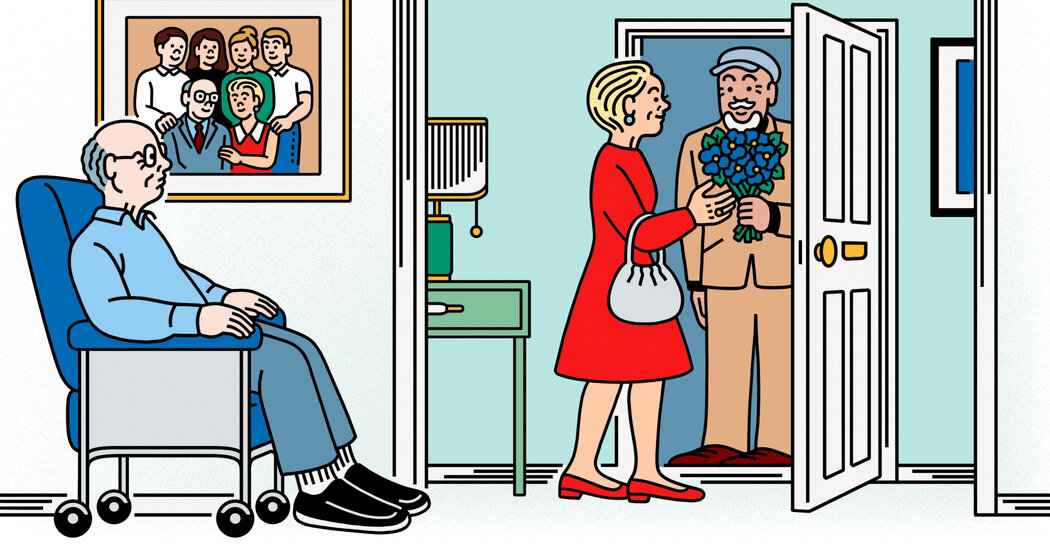
The magazine’s Ethicist columnist on marriage vows and stolen library books.What are your thoughts on the spouse of an early-onset Alzheimer’s patient dating while said patient is still alive? By way of background, my mother was the full-time caregiver of my stepfather until a few months ago, when he was moved to assisted living, and she is lonely and missing companionship. The man my mother has chosen to date is in his mid-70s (seven years older than my mother), has lost all his money, has three failed marriages and generally has a poor reputation. The way the news was broken to us children (two stepchildren, including me, and two biological children) could have been better, and we are worried our mother is acting out of fear of being alone.My siblings are hurt, angry and dealing with their father’s slowly dying, and it’s so hard to watch. My mother seems hellbent on dating this man and is not receptive to hearing our concerns. It was never going to be easy to see her with someone else this soon, but seeing her with this man is alarming. It’s also unlike her to be callous toward the feelings of her children. My fear is if we draw a line in the sand, she will pick him. But anything short of that seems as if it would be ineffective. Name WithheldTwo distinct problems are entangled here. On the one hand, there’s your sense that your mother is betraying your stepfather. On the other, there’s your worry that the person your mother is dating is bad news. Let’s start with the first, more ethically challenging, issue.Your feelings are entirely natural; early-onset Alzheimer’s often progresses especially fast, and at the stage it has clearly reached, it deprives us of the person we once knew and loved. There’s a special heartbreak that arises from the doubleness of someone’s being here but not here.It’s a loss that must hit everyone in your family in different ways. We talk of marital commitments as running “until death do us part.” We also know that many marriages end in divorce. Having a living, undivorced spouse who no longer recognizes you falls into neither category. Your stepfather did not break his vows or re-evaluate them. Nonetheless, he has effectively left the relationship — been removed from the relationship — in a permanent and irretrievable way. Your stepfather’s advanced dementia has, in short, robbed your mother of her husband..css-1xzcza9{list-style-type:disc;padding-inline-start:1em;}.css-3btd0c{font-family:nyt-franklin,helvetica,arial,sans-serif;font-size:1rem;line-height:1.375rem;color:#333;margin-bottom:0.78125rem;}@media (min-width:740px){.css-3btd0c{font-size:1.0625rem;line-height:1.5rem;margin-bottom:0.9375rem;}}.css-3btd0c strong{font-weight:600;}.css-3btd0c em{font-style:italic;}.css-w739ur{margin:0 auto 5px;font-family:nyt-franklin,helvetica,arial,sans-serif;font-weight:700;font-size:1.125rem;line-height:1.3125rem;color:#121212;}#NYT_BELOW_MAIN_CONTENT_REGION .css-w739ur{font-family:nyt-cheltenham,georgia,’times new roman’,times,serif;font-weight:700;font-size:1.375rem;line-height:1.625rem;}@media (min-width:740px){#NYT_BELOW_MAIN_CONTENT_REGION .css-w739ur{font-size:1.6875rem;line-height:1.875rem;}}@media (min-width:740px){.css-w739ur{font-size:1.25rem;line-height:1.4375rem;}}.css-9s9ecg{margin-bottom:15px;}.css-uf1ume{display:-webkit-box;display:-webkit-flex;display:-ms-flexbox;display:flex;-webkit-box-pack:justify;-webkit-justify-content:space-between;-ms-flex-pack:justify;justify-content:space-between;}.css-wxi1cx{display:-webkit-box;display:-webkit-flex;display:-ms-flexbox;display:flex;-webkit-flex-direction:column;-ms-flex-direction:column;flex-direction:column;-webkit-align-self:flex-end;-ms-flex-item-align:end;align-self:flex-end;}.css-12vbvwq{background-color:white;border:1px solid #e2e2e2;width:calc(100% – 40px);max-width:600px;margin:1.5rem auto 1.9rem;padding:15px;box-sizing:border-box;}@media (min-width:740px){.css-12vbvwq{padding:20px;width:100%;}}.css-12vbvwq:focus{outline:1px solid #e2e2e2;}#NYT_BELOW_MAIN_CONTENT_REGION .css-12vbvwq{border:none;padding:10px 0 0;border-top:2px solid #121212;}.css-12vbvwq[data-truncated] .css-rdoyk0{-webkit-transform:rotate(0deg);-ms-transform:rotate(0deg);transform:rotate(0deg);}.css-12vbvwq[data-truncated] .css-eb027h{max-height:300px;overflow:hidden;-webkit-transition:none;transition:none;}.css-12vbvwq[data-truncated] .css-5gimkt:after{content:’See more’;}.css-12vbvwq[data-truncated] .css-6mllg9{opacity:1;}.css-qjk116{margin:0 auto;overflow:hidden;}.css-qjk116 strong{font-weight:700;}.css-qjk116 em{font-style:italic;}.css-qjk116 a{color:#326891;-webkit-text-decoration:underline;text-decoration:underline;text-underline-offset:1px;-webkit-text-decoration-thickness:1px;text-decoration-thickness:1px;-webkit-text-decoration-color:#326891;text-decoration-color:#326891;}.css-qjk116 a:visited{color:#326891;-webkit-text-decoration-color:#326891;text-decoration-color:#326891;}.css-qjk116 a:hover{-webkit-text-decoration:none;text-decoration:none;}The painful truth is that her status is ethically equivalent to that of a widow.Making sure that a spouse is cared for is one commitment that marriage entails and, having served as a full-time caregiver, your mother has clearly done so, at real personal sacrifice. But we should not want our spouses to abjure the companionship of others once we are no longer available to them. Indeed, nobody in your family has the right to expect this of her. The painful truth is that her status is ethically equivalent to that of a widow.As for the very different worry that your mother’s beau is going to let her down: I agree that his track record is worrisome, and given his situation, one could wonder whether there’s a financial aspect to his interest in her. If you believe she’s at risk here, you should try to persuade her to be cautious. Yet that will be especially hard if she thinks you’re really motivated not by concern for her but by loyalty to your stepfather.That’s why you should do your best to work through your feelings and get your motives clear before you start. Then you can tell your mother that you are happy that she has found companionship but that you hope she has thought about what her new partner’s history means for the prospects for their relationship. Whether she takes any notice is, of course, for her to decide. But this doesn’t mean that those who love her shouldn’t offer their advice.When I was a child, my parents had some huge fights about some books my dad stole from the marvelous library of the university he attended on the G.I. Bill. They were 10 bound volumes of Harper’s Bazaar from the 19th century. Growing up, I pored through all of them and found them fascinating. My dad died when I was 20, so I finally broached with my mom the idea of returning the books. She did her purse-mouthed thing and said, “I’ll think about it,” which was her standard way of not dealing with something. I tried talking to her about it several times over the years and realized she was afraid of it reflecting badly on her, because she hadn’t persuaded him not to keep them.My mother died four years ago, and I told my sister I wanted to return the volumes. She lives in Mom’s house and so has physical control of them. She insists that Dad told her that he was awarded them for an essay he wrote. I don’t doubt Dad told her this, but she won’t recognize it was a lie. I have pointed out to her that the volumes are not sequential, which makes no sense for such an award. I told her my memories of the fights our parents had about it, and she refuses to believe me.I feel this great guilt that those books, which could help someone’s scholarly research, are just sitting on a shelf. I don’t know whether I should do something or just let it go. Name WithheldThe theft of shared property — a category that includes library books — is particularly unfortunate. It can leave a whole community worse off. So I understand your sense of guilt. It must be galling, too, that your sister refuses to face the awkward truth and resists your decent impulse to get these things back where they belong. There’s a lesson here about the human tendency to align what we think to be true with what we’d like to be true. We may balk at replacing an enchanting story about a prizewinning essay with a disenchanting one about library larceny. Our cherished lies will not bend to new evidence; we bind them with hard covers.Still, you may find some reassurance in the fact that the complete run of this magazine is digitally available in many libraries, almost certainly including the one you mention. (I just looked at the first issue, which appeared in 1867, through the library website of the university where I teach. It bills itself “A repository of fashion, pleasure and instruction” — rather like my classroom when filled with students.) And scholars who need access to the actual pages can locate physical copies in storage somewhere. Another awkward truth: Libraries have often selected bound periodicals like these for deaccessioning, a process that sometimes ends in their destruction. You can’t be confident that the library would even accept their return.Kwame Anthony Appiah teaches philosophy at N.Y.U. His books include “Cosmopolitanism,” “The Honor Code” and “The Lies That Bind: Rethinking Identity.” To submit a query: Send an email to ethicist@nytimes.com; or send mail to The Ethicist, The New York Times Magazine, 620 Eighth Avenue, New York, N.Y. 10018. (Include a daytime phone number.)

Read more →

Wide Awake at 3 A.M.? Readers Offer Advice on Insomnia

Well readers share a range of strategies they use to get back to sleep in the middle of the night.Most sleep experts offer standard advice to people who occasionally wake up at 3 a.m. and can’t fall back to sleep after 20 minutes or so: Ignore the clock, get out of bed and do a calming activity. Then, return to bed when you start to feel sleepy again.As rates of insomnia skyrocketed this past year during the pandemic, many people struggled to overcome their sleepless nights. Our readers were no exception. We spoke to many of them to find out what techniques work for them when they find themselves awake in the middle of the night. Here’s what they had to say.Count sheep … or whatever.When Maria De Angelo, a teacher in Los Angeles who also renovates houses, has trouble getting back to sleep at 3 a.m., she closes her eyes and thinks of a complicated electrical wiring scheme in a kitchen she once renovated. The mental exercise induces boredom, much like counting sheep, which helps her drift back to sleep.On other nights, to mix things up, Ms. De Angelo shuts her eyes and recites the names of every state in America in alphabetical order. “I haven’t yet made it past ‘N,’” she said. “Either method — or both — will work 95 percent of the time.”Take a trip.Jerry Schulz in Milwaukee developed a ritual of his own to overcome insomnia. When he has trouble falling back to sleep late at night, he takes a mental journey to another city. To make himself sleepy, he thinks about the trip in painstaking detail. He visualizes himself packing his luggage, walking down his steps, loading his car, pulling out of his driveway and driving along familiar highways to get to Seattle, Portland or San Francisco.“Part of the trick is you want to make an itinerary that is going to take awhile to play out,” he said. “But oddly, to make this work, you don’t actually want to get to your final destination — you want to fall asleep along the way. This is the one time when falling asleep at the wheel is a good thing.”Consider underlying medical causes.For most people, occasional bouts of insomnia are normal. But when sleeplessness occurs at least three nights a week for three months or longer, sleep experts refer to it as chronic insomnia. When that happens, it might help to see a sleep doctor to find out if you have an underlying health issue.Some people experience insomnia because of medical conditions like sleep apnea, which causes intermittent pauses in breathing throughout the night. Others have restless legs syndrome, which causes an irresistible urge to move the limbs. Many women going through menopause have difficulty sleeping because of hot flashes, night sweats and hormonal fluctuations. A sleep doctor can help to diagnose these and other issues and provide medical treatments, medications or psychological interventions like cognitive behavioral therapy.A number of people who were plagued by insomnia told us that their sleep only improved after they discovered they had an underlying condition. Among them was Julie Zuckman in Massachusetts, who for years would wake up at 3 a.m. multiple nights a week and struggle to fall back to sleep. Then she went to a sleep doctor and learned she had moderate sleep apnea, which she now treats with a CPAP machine that improves her breathing while she sleeps. Ms. Zuckman now gets roughly six to eight hours of uninterrupted sleep most nights. “As a side benefit for my husband, I also no longer snore,” she said.The American Academy of Sleep Medicine maintains a directory of sleep centers on its website, which can help you find a local clinic if you suspect you have a sleep disorder.Tame the anxiety.For many people who wrestle with occasional insomnia, the cause of their sleep woes is often psychological: They wake up at night and their minds start racing. They look at the clock and worry that they won’t fall back to sleep. Or they start thinking about work, relationships, their finances or other things that cause them anxiety. This activates the body’s fight-or-flight response, causing a surge of adrenaline that prevents them from becoming relaxed enough to fall back to sleep..css-1xzcza9{list-style-type:disc;padding-inline-start:1em;}.css-rqynmc{font-family:nyt-franklin,helvetica,arial,sans-serif;font-size:0.9375rem;line-height:1.25rem;color:#333;margin-bottom:0.78125rem;}@media (min-width:740px){.css-rqynmc{font-size:1.0625rem;line-height:1.5rem;margin-bottom:0.9375rem;}}.css-rqynmc strong{font-weight:600;}.css-rqynmc em{font-style:italic;}.css-yoay6m{margin:0 auto 5px;font-family:nyt-franklin,helvetica,arial,sans-serif;font-weight:700;font-size:1.125rem;line-height:1.3125rem;color:#121212;}@media (min-width:740px){.css-yoay6m{font-size:1.25rem;line-height:1.4375rem;}}.css-1dg6kl4{margin-top:5px;margin-bottom:15px;}#masthead-bar-one{display:none;}#masthead-bar-one{display:none;}.css-1pxllx6 header h4{font-family:nyt-cheltenham,georgia,’times new roman’,times,serif;font-weight:500;font-size:1.25rem;line-height:1.5625rem;margin-bottom:5px;}@media (min-width:740px){.css-1pxllx6 header h4{font-size:1.5625rem;line-height:1.875rem;}}.css-1pd7fgo{background-color:white;border:1px solid #e2e2e2;width:calc(100% – 40px);max-width:600px;margin:1.5rem auto 1.9rem;padding:15px;box-sizing:border-box;}@media (min-width:740px){.css-1pd7fgo{padding:20px;width:100%;}}.css-1pd7fgo:focus{outline:1px solid #e2e2e2;}#NYT_BELOW_MAIN_CONTENT_REGION .css-1pd7fgo{border:none;padding:20px 0 0;border-top:1px solid #121212;}.css-1pd7fgo[data-truncated] .css-rdoyk0{-webkit-transform:rotate(0deg);-ms-transform:rotate(0deg);transform:rotate(0deg);}.css-1pd7fgo[data-truncated] .css-eb027h{max-height:300px;overflow:hidden;-webkit-transition:none;transition:none;}.css-1pd7fgo[data-truncated] .css-5gimkt:after{content:’See more’;}.css-1pd7fgo[data-truncated] .css-6mllg9{opacity:1;}.css-1rh1sk1{margin:0 auto;overflow:hidden;}.css-1rh1sk1 strong{font-weight:700;}.css-1rh1sk1 em{font-style:italic;}.css-1rh1sk1 a{color:#326891;-webkit-text-decoration:underline;text-decoration:underline;text-underline-offset:1px;-webkit-text-decoration-thickness:1px;text-decoration-thickness:1px;-webkit-text-decoration-color:#ccd9e3;text-decoration-color:#ccd9e3;}.css-1rh1sk1 a:visited{color:#333;-webkit-text-decoration-color:#ccc;text-decoration-color:#ccc;}.css-1rh1sk1 a:hover{-webkit-text-decoration:none;text-decoration:none;}Not surprisingly, the strategies people use to quash their insomnia often work by shifting their attention from stressful thoughts to pleasant ones. Hilary Collins in Philadelphia told us that she alleviates her insomnia by reminiscing about her childhood, which focuses her mind on soothing memories. “In my mind, I take a tour of my childhood home and I quickly fall asleep,” she said. Others told us they conjure up similarly nostalgic memories: They picture themselves in a former school or library they used to frequent and visualize small details such as the wallpaper, a stack of books or a collection of framed photographs.If you find yourself routinely kept awake by anxiety, one potential solution is cognitive behavioral therapy, a form of treatment that helps address the underlying thoughts and behaviors that can cause insomnia. Any sleep clinic can connect you to a cognitive behavioral therapist. You can also download a free app developed by the federal government, called CBT-i Coach, that will teach you psychological strategies to alleviate your insomnia. “Cognitive behavioral therapy for insomnia helped me immensely,” said a reader named Matteo in Chicago.Lull yourself to sleep.Others told us that they make themselves sleepy by listening to audiobooks, Gregorian chants, BBC Radio, sleep apps like Calm, or the tranquil, underwater sounds of whales. “Whales talking at low volume seems to do the trick for me,” one reader told us. Another said he prefers classical music. “If I lay awake, at least I get a little taste of culture,” he said.You can also try breathing exercises to help you get relaxed. One popular exercise is the 3-4-5 technique. It involves breathing in for three seconds, holding your breath for four seconds, and then slowly exhaling to the count of five.Another suggestion: Make sure your bedroom isn’t too warm. Keeping your space fairly cool, ideally between 60 and 68 degrees Fahrenheit, can promote better sleep.Bore yourself to sleep.For some of our readers, the most effective sleep aid at 3 a.m. is a boring book or pleasant sound. Several told us that these distractions stop them from thinking about the state of the world and getting agitated.Karen Sandness in Minneapolis said that anytime she wakes up in the middle of the night she grabs a nonfiction book, “preferably a difficult and detailed one.” With the right book, she said, “there’s none of the ‘I can’t wait to see what happens next’ problem. The book will fall out of my hands and onto my face after a couple of pages.”Don’t always listen to sleep experts.A few of the methods we heard about might raise some eyebrows among sleep experts. Susan L. Paul, a retired nurse in Asheville, N.C., told us that when she finds herself awake in the middle of the night, she brings her laptop into bed and watches the “Great British Baking Show” on Netflix.Sleep doctors typically urge people not to use computer screens in bed because they emit sleep-disrupting blue light. But Ms. Paul likes to bake, and she finds that watching her favorite baking show has a calming effect that quickly sends her back to sleep. “It helps if you have seen it all at least a few times and remember the bakers as old friends,” she said. “It’s very relaxing, and I’m usually asleep again before the dough has a chance to rise a second time.”The biscuit cure.Food is something that many people told us they rely on. Juliet Jones in Memphis said that over the years she has tried various strategies to combat her occasional insomnia. She has counted sheep, taken melatonin, listened to calming music and used pleasant scents like lavender oil. But the only thing that seems to work for her is getting out of bed, going down to her kitchen and having a small glass of warm milk with a digestive biscuit, which she learned about as a child growing up in Britain.Ms. Jones speculated that it works for her because she eats early dinners and tends to get hungry at night. Indeed, studies have shown that certain foods can impact how you sleep, including carbohydrates, which tend to help people fall asleep faster. “A little something bland in the stomach seems to do the trick,” she said. “This is what my father used to do, and now at age 70 so do I.”Is your nightcap the cause of your insomnia?In the food and drink department, a number of readers who grappled with insomnia told us that their sleep rapidly improved after they quit drinking alcohol. If you drink most nights of the week, it could be undermining your sleep. A nightcap or two might help you fall asleep faster. But it can also lead to more late-night awakenings. If you tend to drink in the evenings, try cutting back on alcohol for three to five days to see if it has an impact on the quality of your sleep.“For years I would wake up in the middle of the night and stay awake for at least an hour, usually more,” said Brett Loomis in North Carolina. “Then I finally quit drinking all alcohol. It was the cause of my problem and I sleep much better now. So, if you’re reluctant to give up alcohol as I was, just try it for three days and see if it makes a difference. You might be surprised.”

Read more →

Novel assessment of platelet-rich plasma treatment shows efficacy in patients with osteoarthritis

A pilot study conducted by researchers at Baylor College of Medicine combined wearable technology and patient-reported outcomes to assess the efficacy of platelet-rich plasma (PRP) treatment in osteoarthritis (OA).
The results, published in the journal Regenerative Medicine, showed that a single injection of leukocyte-rich/PRP in the knee joint significantly improved functional mobility, pain and quality of life after six weeks. The study supports using this combined approach to further evaluate this and other emerging biological therapies for musculoskeletal disorders in larger clinical trials.
“OA is a leading cause of disabilities, affecting nearly 52 million Americans,” said first and corresponding author Dr. Prathap Jayaram, director of regenerative sports medicine and assistant professor in the Department of Physical Medicine and Rehabilitation and Orthopedic Surgery at Baylor. “It has been estimated that more than 80% of individuals older than 55 years have some X-ray-based evidence of the disease.”
OA develops when the smooth cushion between bones, the cartilage, breaks down. Progressively, joints become painful, swollen and hard to move, Jayaram explained. Currently, there are no validated therapies that delay disease progression. The current standard of care is limited to the alleviation of symptoms with corticosteroids.
“However, although steroids seem to be helpful in the short term for pain, emerging evidence has associated steroid long-term use in OA with loss of cartilage,” Jayaram said. “As OA is a whole joint disease, there is a need for developing novel therapeutic strategies that ultimately prevent and/or delay disease progression while improving functional outcomes. PRP is emerging as one of the promising candidates to treat OA that are currently being used in clinical practice.”
Combining wearable technology and patient assessment to evaluate the treatment
One challenge of previous studies assessing PRP therapies in OA is that treatment evaluation is based on patient-reported outcomes that subjectively assess pain or aspects of joint function, such as the time up-and-go (TUG), how quick a person gets up from a chair.
In this study, Jayaram and colleagues incorporated wearable technology to objectively assess functional outcomes such as TUG, in addition to patient-reported outcomes to comprehensively evaluate the efficacy of PRP in knee OA (KOA).
The prospective pilot study included 12 patients diagnosed with KOA. Each patient received one ultrasound-guided injection of PRP and function and pain were evaluate six weeks later.
PRP is prepared from the patient’s own blood by removing the red blood cells and enriching the concentration of platelets. PRP also contains white blood cells, or leukocytes. PRPs are formulated either leucocyte-rich (LR) or leukocyte-poor. A preclinical study by Jayaram and his colleagues had previously shown that LR-PRP had potential disease-modifying effects that correlated with functional outcomes.
“In the current study, we found that a single injection of LR-PRP into the knee does significantly improve functional mobility, pain and quality of life at six weeks,” Jayaram said. “To our knowledge, our study is the first to report the efficacy of LR-PRP on objective functional outcomes using wearable sensor technology and validated patient-reported outcomes. Our findings provide the basis to conduct larger randomized clinical trials of PRP.”
Story Source:
Materials provided by Baylor College of Medicine. Original written by Homa Shalchi. Note: Content may be edited for style and length.

Read more →

Improving strength, stretchiness and adhesion in hydrogels for wound healing

Hydrogels are everywhere. They are water-loving polymers which can absorb and retain water and can be found in such everyday consumer products such as soft contact lenses, disposable diapers, certain foods, and even in agricultural applications. They are also extremely useful in several medical applications due to their high degree of biocompatibility and their ability to eventually degrade and be reabsorbed into the body.
These qualities allow hydrogels to simulate living tissue for tissue replacement or regeneration. One of the most useful of these applications is for healing wounds. Hydrogels are ideal for this purpose, with their ability to hydrate and form a moist and supportive environment. This facilitates processes beneficial for wound healing, such as blood vessel formation, the breakdown of dead tissue, activation of immune cells, the prevention of live cell and tissue death and even the alleviation of pain.
Natural hydrogels, particularly gelatin methacryloyl (GelMA) hydrogels, are favored for wound healing due to their biosafety and exceptional biocompatibility. But their usage is hampered by their inherently poor mechanical properties such as limited stretchiness, relative brittleness and inflexibility, and their inability to adhere to onto tissue surfaces. In order to improve upon these characteristics, variations on preparation methods and components have been attempted.
When a GelMA hydrogel is prepared, a solution of gelatin is made by mixing and dissolving gelatin in water. This results in a dispersion of gelatin polymer chains in the water. A chemical called a photo-initiator is then added to the solution, which makes the polymer chains sticky and allows them to stick to one another. Exposure to UV light activates the photo-initiators and the polymer chains cross-link to each other to form a network. Water molecules enter this network, stretching the chains and becoming locked within them; this illustrates the hydrogels’ absorptive powers and is the point where gelation, or solidification, occurs.
The properties of this gel can be modified by adding chemicals that bind to the polymer chains before UV exposure, or the UV parameters themselves can be varied to tune the gel’s properties. Some of these modifications have been experimented with in previous attempts to improve GelMA’s physical properties.
One approach was to introduce additional chemicals into the GelMA solution before crosslinking; the resultant chemically conjugated hydrogel showed a slight improvement in tissue adhesion. Other attempts have been made at strengthening GelMA by reinforcing flexible thin chemically conjugated GelMA films with additional chemicals. But challenges remain with improving the three mechanical properties of toughness, stretchiness, and adhesive strength simultaneously in GelMA hydrogels.

Read more →

Reliable oxygenation conceivable with new design for portable concentrators

As health workers around the world provide care to those infected with SARS-CoV-2 and its many variants, the shortages in medical oxygen continue to deeply impact hospitals already stretched thin. While portable oxygen concentrators have provided some relief to many with respiratory distress, these machines sometimes do not generate enough medical oxygen to meet the fluctuating demands of a patient with worsening symptoms, requiring them to be rehospitalized.
Anticipating the increased need for better oxygen concentrators as the fight against COVID-19 rages on, researchers at Texas A&M University have laid a computational framework to design the most optimal concentrator to filter ambient air and produce oxygen that can scale with patient demand.
“The COVID-19 pandemic has caused significant stress to our medical and emergency facilities and a surge of people requiring medical attention, and hospitals have a limited number of ventilation equipment,” said Dr. Faruque Hasan, associate professor and the ?Kim McDivitt ’88 and Phillip McDivitt ’87 Endowed Faculty Fellow in the Artie McFerrin Department of Chemical Engineering. “But we could prevent some cases of hospitalization if we designed a more advanced, compact and portable oxygen concentrator that has flexible operating conditions to deliver as much oxygen as the patient requires.”
The researchers noted that oxygen concentrators based on their design would also help those suffering from other respiratory conditions, like chronic obstructive pulmonary disease, pneumonia and asthma.
A description of the study appeared online in the journal NatureScientific Reports.
Unlike oxygen tanks that provide patients with a continuous supply of pure oxygen, portable oxygen concentrators remove nitrogen from ambient air. The stripping away of nitrogen is due to a process called adsorption, whereby certain species of air molecules get trapped on the surface of solids. Among the many options available for adsorbents, naturally or synthetically made materials known as zeolites act like sieves, holding on to the nitrogen while allowing oxygen to pass through.
But despite their overall advantages, oxygen concentrators are often designed with fixed specifications, thereby limiting their use in meeting oxygen demands caused by a change in a patient’s medical condition or activity. For example, a patient’s oxygen needs could vary both in terms of flow rate and purity, and current oxygen concentrators cannot be used for several different patients within the same hospital setting who require very different ventilation.
“In the ideal case, we need a system that can rapidly switch between different operating regimes for on-demand oxygen production while fulfilling different product specifications,” said Dr. Akhil Arora, former graduate student in Hasan’s laboratory and lead author on the study.
To enhance the design of current medical oxygen concentrators, Arora first selected three types of zeolites — LiX, LiLSX and 5A — for his analysis. Next, he ran a physics-based simulation that modeled different properties of the zeolites along with characteristics of the oxygen concentrator, including the size of the adsorption chamber and the different stages within the adsorption process.
Then, using a high-performance computing cluster at Texas A&M, he varied all these inputs of the simulation simultaneously to arrive at the most optimal operating range that would yield a compact, easy-to-transport and high-performance medical oxygen concentrator. In particular, he found that the LiLSX performed better than LiX and 5A zeolites, producing 90% pure oxygen at a high rate. In addition, researchers found the LiLSX-based system could be used to generate different levels of oxygen purity and flow rates.
The experts said their study is also a first step in creating portable cyber-physical systems for home use that can change oxygen supply depending on the patient’s needs. So, if a patient requires more oxygen as symptoms worsen, built-in algorithms could analyze data from oxygen sensors to predict if more ventilation is needed, relay that information to off-site physicians who can then use their judgement to remotely change settings on the medical oxygen concentrator.
“Right now, medical professionals are needed to administer oxygen based on the condition of the patient, so at-home monitoring is not possible,” said Hasan. “We hope to design a more cost- effective, flexible, controllable medical oxygen concentrator that can provide a personalized oxygen supply at home.”
Story Source:
Materials provided by Texas A&M University. Original written by Vandana Suresh. Note: Content may be edited for style and length.

Read more →

How people respond to wildfire smoke

As wildfires become commonplace in the western U.S. and around the world, checking the daily air quality warning has become as routine as checking the weather. But what people do with that data — whether it drives them to slip on a mask before stepping outside or seal up their homes against smoke — is not always straightforward or rational, according to new Stanford research.
In a case study of Northern California residents, Stanford researchers explored the psychological factors and social processes that drive responses to wildfire smoke. The research, which ultimately aims to uncover approaches for helping people better protect themselves, shows that social norms and social support are essential for understanding protective health actions during wildfire smoke events. The findings appeared this month in the journal Climate Risk Management.
“It’s important to understand how people behave so that public health communications professionals can potentially intervene and promote safer behavior that mitigates risk,” said lead study author Francisca Santana, a PhD student in the Emmett Interdisciplinary Program in Environment and Resources (E-IPER). “This kind of qualitative work is a first step so that we can learn how people are using information and interacting to make decisions. We can then look at where there might be leverage points or opportunities to promote more protective behavior.”
Exposure to wildfire smoke can irritate the lungs, cause inflammation, impact the immune system and increase susceptibility to lung infections, including the virus that causes COVID-19, according to the Centers for Disease Control and Prevention. While other studies have examined how people respond to evacuation orders, little has been done to understand what’s happening with wildfire smoke exposure if people don’t — or can’t — leave the area, according to senior study author Gabrielle Wong-Parodi, an assistant professor of Earth system science at Stanford’s School of Earth, Energy & Environmental Sciences (Stanford Earth).
“It resonated with me, the things that people were doing to try to protect themselves in the absence of access to effective ways to reduce their wildfire smoke exposure,” Wong-Parodi said, referring to a resident who breathed through a wet bandana in an attempt to filter out toxic smoke particles. “It’s urgent that we come up with strategies that are realistic for what people are going through.”
Study authors Santana and David Gonzalez, who worked on the study as a PhD student at Stanford, interviewed residents across age, race and income demographics who were affected by wildfire smoke from the 2018 Camp Fire that destroyed Paradise, California, and subsequent fires in 2019 in Fresno, Santa Clara and Sacramento counties.

Read more →

Bystander CPR with rescue breathing leads to better outcomes in pediatric cardiac arrest: Study

When children and adolescents go into cardiac arrest outside of a hospital setting, CPR with rescue breathing — rather than CPR using only chest compressions — leads to better outcomes, according to a new study by researchers at Children’s Hospital of Philadelphia (CHOP). The findings, published today in the Journal of the American College of Cardiology, support the use of bystander CPR with rescue breathing in children experiencing cardiac arrest.
“At the moment, most lay people are trained in compression-only CPR because that is the standard of care in adults,” said Maryam Y. Naim, MD, MSCE, a pediatric cardiac intensive care physician in the Division of Cardiac Critical Care Medicine at Children’s Hospital of Philadelphia and first author of the study. “However, children are not simply small adults, and our study shows there is a tremendous need for education in all communities about the benefits of CPR with rescue breathing in the pediatric population. For infants in particular, our study shows that CPR with rescue breathing is the only type of CPR that is associated with good neurological outcomes; infants who received compression-only CPR had similar outcomes to infants who did not receive bystander CPR.”
Fewer than 10% of children who experience cardiac arrest outside of a hospital setting survive. The rates of survival improve when a bystander performs CPR, but prior to this study, the frequency and type of bystander CPR in out-of-hospital pediatric cardiac arrest in different age groups was unknown. In adults, compression-only CPR has been shown to be as effective as CPR with rescue breathing, so since 2010, the American Heart Association (AHA) and European Resuscitation Council (ERC) have recommended compression-only CPR for bystanders who witness an adult in cardiac arrest. However, the researchers suspected this form of CPR might be less effective in children, as pediatric cardiac arrest most often stems from breathing problems.
To better understand the frequency, type, and outcomes of bystander CPR for children, the researchers analyzed 10,429 out-of-hospital cardiac arrests between 2013 and 2019 in patients between 0 and 18 years of age. The data for the study was derived from the Cardiac Arrest Registry to Enhance Survival (CARES) database, a registry maintained by the Centers for Disease Control and Prevention in collaboration with the Department of Emergency Medicine at the Emory University School of Medicine, which includes an overall catchment area of nearly 145 million people in 28 states across the United States.
The researchers found that less than half (46.5%) of those who experienced pediatric cardiac arrest outside of the hospital received bystander CPR. Of those who did receive CPR, the majority (55.6%) received compression-only CPR. Those children who received CPR with rescue breathing were nearly 1.5 times as likely to have better neurological outcomes than those who received compression-only CPR. In children and adolescents, both types of CPR had better neurological outcomes than no CPR at all, but to the researchers’ surprise, infants receiving compression-only CPR had essentially the same outcomes as infants who received no CPR.
Additionally, the researchers examined the changes in rates and types of CPR over the six-year study period and found that although the rates of bystander CPR did not change, the proportion of compression-only CPR increased, with no change in neurologically favorable survival.
“While public health efforts to teach compression-only CPR have benefited adults who have cardiac arrests, children have likely been disadvantaged by these efforts. The results of this study have important implications on bystander CPR education and training, which should continue to emphasize rescue breathing CPR for children — and especially infants -in cardiac arrest and teach lay rescuers how to perform this type of CPR,” Naim said.
Story Source:
Materials provided by Children’s Hospital of Philadelphia. Note: Content may be edited for style and length.

Read more →

Granulocytes may weaken immune response in connection with COVID-19

Most of the white blood cells in humans are neutrophils, which have received a lot of attention during the coronavirus pandemic due to their numbers growing in conjunction with covid-19. However, their role in the disease remains partially unknown.
Low-density granulocytes (LDG) are a type of neutrophils whose number has been observed to grow particularly in connection with certain autoimmune diseases and cancers, such as rheumatoid arthritis, melanoma, liver cancer and breast cancer. Increased levels of these granulocytes have also been associated with septicaemia, but their general role and functioning in infectious diseases are yet to be comprehensively described.
The emergence of the SARS-CoV-2 virus and the ensuing pandemic has demonstrated a need to investigate mechanisms of acute respiratory infections in more detail. In a recently completed study, researchers from the University of Helsinki studied LDG levels in patients suffering from acute covid-19. The goal was to determine the role, if any, of LDGs in the disease.
The results were published in the PLOS Pathogens journal.
A total of 34 hospitalised patients and 21 outpatients with mild symptoms were included in the study. The researchers used flow cytometry to measure LDG levels, detecting a significant increase in LDGs in the blood of acute covid-19 patients compared to healthy control subjects.
“LDGs are cells associated with the innate immune response, and they fight acute infections. However, their effect on the progression of covid-19 appears to take place through an inhibiting effect on the proliferation and division of T lymphocytes, consequently potentially suppressing part of the adaptive immune response against the virus,” says Luz Cabrera, doctoral student at the University of Helsinki.
Four LDG sub-types observed in the study
The researchers identified several sub-types of LDGs in the acute covid-19 patients, with four different LDG populations displaying distinctive stages of development. According to the researchers, the stages most likely reflect emergency myelopoiesis, that is, the production of granulocytes in the bone marrow.
The researchers linked the elevated LDG levels to an increased neutrophil demand and, consequently, their activation in the circulation. This matches an inflammatory process where neutrophil progenitors, or immature neutrophils, are produced at a rapid rate.
The researchers consider the immunosuppressive capacity of neutrophils demonstrated in the study a significant find, observed when they were isolating LDGs from the patients. When isolated in the laboratory, the cells began to secrete substances which inhibit T lymphocytes from dividing.
“Low T lymphocyte levels are one of the major severity indicators for covid-19. A more effective immune response can be the difference between a milder disease and more severe one,” Cabrera says.
Story Source:
Materials provided by University of Helsinki. Note: Content may be edited for style and length.

Read more →

Genetic test better than blood test for cardiovascular diseases

Determining an individual’s blood group based on genetic tests instead of merely traditional blood tests can provide a better picture of the risk of cardiovascular diseases. If a patient has two genetic variants of A, B or AB, the risk is twice as high compared with if one is O. This is the finding of a new study from the Uppsala University using data from UK Biobank.
“There is a large difference for the risk for blood clots, depending on if someone has one or two genetic variants of the blood groups A, AB or B. Simply put, there is twice the risk of suffering from blood clots if you have two variants of A or B rather than just one,” says Julia Höglund, a doctoral student at the Department of Immunology, Genetics and Pathology at Uppsala University and the study’s first author.
An individual can have one of four blood groups: A, B, AB or O. An individual’s blood group is critical, for example, when receiving blood transfusions. Recently, it has been shown that blood group also plays a role in how a person is infected by viruses and bacteria and even for the occurrence of cardiovascular diseases and cancer.
The study now being published shows that the genetic variants an individual receives from each of their parents also influence the risk of disease. The study is based on data from 500,000 subjects included in the population study UK Biobank. The researchers have conducted a more in-depth analysis of the genetics behind blood groups.
Like previous research, this study shows that individuals with blood group O are at a lower risk of cardiovascular disease, such as blood clots, than those that have other blood groups. But by genetically analysing the blood groups rather than using traditional blood analysis, which is done using antibody tests, the researchers could determine which genetic variant a person had from each parent. This can be significant in identifying diseases since an individual with blood group A can have either two genetic variants for A or one for A and one for O.
“This is not detected in a regular blood test since both A and B mask the O gene. A person’s genetic variants play a big role in the risk for cardiovascular diseases. If this was the standard method used with patients, it would significantly improve the ability to find high-risk patients,” says Höglund.
Another finding from the study is that the researchers could see that the levels for multiple proteins differed between individuals with different blood groups. The most clear example of this was proteins that help the blood to coagulate. The same blood groups that increase the risk of blood clots also had increased levels of proteins that are important for the coagulation of blood.
“Our findings show that by making it standard to determine the patient’s blood group and the blood group’s genetics, we would be able to discover and begin treating diseases at an early stage, which can prevent or delay serious complications.”
Story Source:
Materials provided by Uppsala University. Original written by Elin Bäckström. Note: Content may be edited for style and length.

Read more →

Breast milk proven to enhance heart performance in premature babies

New research from RCSI University of Medicine and Health Sciences demonstrates the beneficial effect of breast milk consumption on cardiovascular health and early cardiovascular development in premature infants.
Published in JAMA Network Open, the study of 80 preterm infants is the first of its kind to show that preterm infants with higher exposure their mother’s own milk had enhanced cardiac function at age one year, with values approaching those of healthy full-term infants.
The research was led by Professor Afif EL-Khuffash, Clinical Professor of Paediatrics at RCSI and Consultant Neonatologist at the Rotunda Hospital, Dublin, in collaboration with researchers at University of Oxford; Mount Sinai Hospital, Toronto; Northwestern University Feinberg School of Medicine; Washington University School of Medicine; and, Harvard Medical School.
Children and adults who are born preterm are at increased risk of cardiovascular disorders, including ischemic heart disease, heart failure, systemic and pulmonary hypertension, and are more likely to die as a result of cardiovascular disease. The hearts of young people born early are known to have unique traits such as reduced biventricular volume, shorter length, lower systolic and diastolic function and a disproportionate increase in muscle mass. This results in impaired heart function, which is significantly lower than that of healthy infants who are born at term. This dysfunction is detectable at hospital discharge and persists throughout their adolescence.
This study shows that exclusive breast milk consumption in the first months after birth is associated with a normalisation of some of these traits. Premature infants exposed to a high proportion of their mother’s own milk during the first few week after delivery had greater left and right heart function and structure with lower lung pressures and enhanced right heart response to stress at one year of age compared to preterm infants who had a higher intake of formula, with all measures approaching those seen in term-born healthy children.
These findings were apparent before discharge from the hospital and persisted up to a year of age (the duration of follow up).
Professor EL-Khuffash said: “This study provides the first evidence of an association between early postnatal nutrition in preterm-born infants and heart function over the first year of age, and adds to the already known benefits of breast milk for infants born prematurely.”
“Preterm infants have abnormal heart function. However, those who are fed their mother’s own milk demonstrate recovery of their heart function to levels comparable to healthy term born infants. Preterm infants fed formula do not demonstrate this recovery.”
Story Source:
Materials provided by RCSI. Note: Content may be edited for style and length.

Read more →