Coronavirus vaccines cut risk of long Covid, study finds

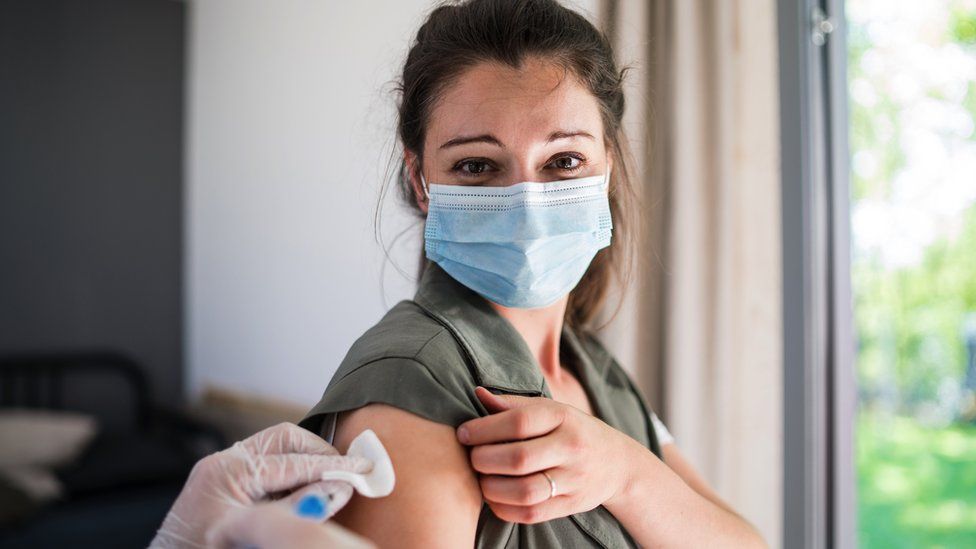
SharecloseShare pageCopy linkAbout sharingimage sourceGetty ImagesBeing fully vaccinated against Covid-19 not only cuts the risk of catching it, but also of an infection turning into long Covid, research led by King’s College London suggests.It shows that in the minority of people who get Covid despite two jabs, the odds of developing symptoms lasting longer than four weeks are cut by 50%.This is compared with people who are not vaccinated.So far, 42.9 million people in the UK have had two doses of a Covid vaccine. Many people who get Covid recover within four weeks but some have symptoms that continue or develop for weeks and months after the initial infection – sometimes known as long Covid. It can happen after people experience even mild coronavirus symptoms. The researchers, whose work was published in The Lancet Infectious Diseases, say it is clear that vaccinations are saving lives and preventing serious illness, but the impact of vaccines on developing long-lasting illness has been less certain.They analysed data gathered from the UK Zoe Covid Study app, which tracks people’s self-reported symptoms and vaccines and tests.That meant that between December 2020 and July, the health was tracked of more than 1.2 million adults who received one coronavirus jab and 971,504 who received two jabs in that time frame. Just 0.2% of double-jabbed people said they had had a Covid infection after vaccination (2,370 cases)Of the 592 fully vaccinated people with Covid who continued to provide data for more than a month, 31 (5%) went on to get long Covid (defined as illness lasting 28 days or more after a positive test)In the unvaccinated group this figure was about 11%Researchers found some people were more at risk of so-called breakthrough infections (getting Covid after a vaccine) than others – including frail, older adults and people living in deprived areas. This was particularly the case for people who had only had one jab. Long Covid in children ‘nowhere near scale feared’Middle-aged women ‘worst affected by long Covid”My fatigue was like nothing I’ve experienced before’Lead researcher Dr Claire Steves said people at increased risk needed to be prioritised for booster jabs. She added: “In terms of the burden of long Covid, it is good news that our research has found that having a double vaccination significantly reduces the risk of both catching the virus and if you do, developing long-standing symptoms.” Health Secretary Sajid Javid said vaccines had saved more than 105,000 lives and prevented more than 24 million infections in England alone. He said: “It is clear vaccines are building a wall of defence against the virus and are the best way to protect people from serious illness. I encourage everyone who is eligible to come forward for both their jabs as quickly as possible.”Related Internet LinksLancet.websiteCOVID Symptom Study – Help slow the spread of COVID-19.websiteThe BBC is not responsible for the content of external sites.

Read more →

Study Quantifies Pandemic Rise in Childhood Obesity

The coronavirus pandemic has been especially tumultuous for children as they hunkered down over the past year and a half, experiencing disrupted schooling, increased social isolation and heightened anxiety at a time when millions of households have been buffeted by upheaval.The crisis, it turns out, has also been linked to substantial excess weight gain among children and adolescents, according to a recent study published in the medical journal JAMA.The researchers found a 9 percent increase in obesity among children ages 5 to 11, with an average weight gain of five pounds during the pandemic. Among adolescents, 16- and 17-year-olds gained an average of two additional pounds, they found.The study, which analyzed electronic health records for nearly 200,000 young people in the Kaiser Permanente health network in Southern California, confirms what many Americans have experienced firsthand: The pandemic expanded waistlines.Experts said the study was among the first to quantify the effects on young people of the disruptions to normal activities and resources. “We know that kids have been gaining weight during the pandemic, but the numbers are shocking and worse than I expected,” said Dr. Sarah Barlow, a childhood obesity specialist at Children’s Health in Dallas who was not involved with the study.Some weight gain can be tied to the school closures that limited access to physical activity and nutritious meal programs. Remote learning, experts say, has often meant more sedentary time — and more access to the refrigerator.Dr. Rachana Shah, a pediatrician at Children’s Hospital of Philadelphia, noted the pandemic’s effects on mental health and how stress can lead to poorer eating habits. Dr. Shah, who specializes in metabolic and obesity-related illnesses, said, “During Covid, a lot of the people have been even more stretched and less able to provide their kids with healthy options.” She added that food can become “a coping mechanism” for those with anxiety or depression.Dr. Deborah Young, the director of Kaiser Permanente’s division of behavioral research and an author of the study, said she expected the obesity spike to decline as children returned to school and their routines, but she and others expressed concern that not everyone would shed the excess pounds.“Excess weight in adolescence and young adulthood translates into excess weight in adulthood and all the comorbidities associated with that, like heart disease, diabetes and high blood pressure,” she said.Jamie Bussel, a senior program officer at the Robert Wood Johnson Foundation who focuses on childhood obesity, said the pandemic had worsened systemic problems like the lack of access to healthy foods in poorer communities and the ubiquity of junk food and sugary drinks.“Covid really highlighted how negligent our food system really is,” she said. “We need long-term policy fixes. Otherwise, we’re just putting a Band-Aid on a gaping wound.”

Read more →

Machine learning tool detects the risk of genetic syndromes in children with diverse backgrounds

With an average accuracy of 88%, a deep learning technology offers rapid genetic screening that could accelerate the diagnosis of genetic syndromes, recommending further investigation or referral to a specialist in seconds, according to a study published in The Lancet Digital Health. Trained with data from 2,800 pediatric patients from 28 countries, the technology also considers the face variability related to sex, age, racial and ethnic background, according to the study led by Children’s National Hospital researchers.
“We built a software device to increase access to care and a machine learning technology to identify the disease patterns not immediately obvious to the human eye or intuition, and to help physicians non-specialized in genetics,” said Marius George Linguraru, D.Phil., M.A., M.Sc., principal investigator in the Sheikh Zayed Institute for Pediatric Surgical Innovation at Children’s National Hospital and senior author of the study. “This technological innovation can help children without access to specialized clinics, which are unavailable in most of the world. Ultimately, it can help reduce health inequality in under-resourced societies.”
This machine learning technology indicates the presence of a genetic syndrome from a facial photograph captured at the point-of-care, such as in pediatrician offices, maternity wards and general practitioner clinics.
“Unlike other technologies, the strength of this program is distinguishing ‘normal’ from ‘not-normal,’ which makes it an effective screening tool in the hands of community caregivers,” said Marshall L. Summar, M.D., director of the Rare Disease Institute at Children’s National. “This can substantially accelerate the time to diagnosis by providing a robust indicator for patients that need further workup. This first step is often the greatest barrier to moving towards a diagnosis. Once a patient is in the workup system, then the likelihood of diagnosis (by many means) is significantly increased.”
Every year, millions of children are born with genetic disorders — including Down syndrome, a condition in which a child is born with an extra copy of their 21st chromosome causing developmental delays and disabilities, Williams-Beuren syndrome, a rare multisystem condition caused by a submicroscopic deletion from a region of chromosome 7, and Noonan syndrome, a genetic disorder caused by a faulty gene that prevents normal development in various parts of the body.
Most children with genetic syndromes live in regions with limited resources and access to genetic services. The genetic screening may come with a hefty price tag. There are also insufficient specialists to help identify genetic syndromes early in life when preventive care can save lives, especially in areas of low income, limited resources and isolated communities.

Read more →

Double vaccination halves risk of long COVID, study finds

Adults who have received a double vaccination are 49% less likely to have Long COVID should they contract a COVID-19 infection, a new study finds.
Researchers at King’s College London analysed data from participants logging their symptoms, tests and vaccines on the UK ZOE COVID Symptom Study app between 8th December 2020 and 4 July 2021, including 1,240,009 (first dose) and 971,504 (second dose) vaccinated UK adults. The research team assessed a range of factors, including age, frailty and areas of deprivation and compared that with post-vaccination infection.
The study, published today in The Lancet Infectious Diseases, found that in the unlikely event of catching COVID-19 after being double vaccinated, the risk of Long COVID was reduced by almost half. There were also fewer hospitalisations (73% less likely) and lower burden of acute symptoms (31% less likely) among those fully vaccinated. The nature of the most common symptoms were similar to unvaccinated adults — e.g. anosmia,(loss of smell) cough, fever, headaches, and fatigue. All these symptoms were milder and less frequently reported by people who were vaccinated, and they were half as likely to get multiple symptoms in the first week of illness. Sneezing was the only symptom which was more commonly reported in vaccinated people with COVID-19.
However, people living in most deprived areas were at greater risk of infection after a single vaccination. While age on its own was not a risk factor, individuals who had health conditions that limited their independence — such as frailty — were up to two times more likely to contract COVID-19 infection after vaccination, and of getting sick.
The findings demonstrate the need to target at-risk groups. Frail adults have already been shown to be disproportionately affected by COVID-19. The research team suggests strategies such as a timely booster programme, targeted infection control measures and more research into the immune response to vaccination in this group could help address the issue.
Lead researcher Dr Claire Steves from King’s College London said: “In terms of the burden of Long COVID, it’s good news that our research has found that having a double vaccination significantly reduces the risk of both catching the virus and if you do, developing long standing symptoms. However, among our frail, older adults and those living in deprived areas the risk is still significant and they should be urgently prioritised for second and booster vaccinations.”
Professor Tim Spector from King’s College London and Lead investigator of ZOE COVID Study comments: “Vaccinations are massively reducing the chances of people getting Long COVID in two ways. Firstly, by reducing the risk of any symptoms by 8 to 10 fold and then by halving the chances of any infection turning into Long COVID, if it does happen. Whatever the duration of symptoms we are seeing that infections after two vaccinations are also much milder, so vaccines are really changing the disease and for the better. We are encouraging people to get their 2nd jab as soon as they can.”
Health and Social Care Secretary, Sajid Javid said: “COVID-19 vaccines have saved more than 105,000 lives and prevented over 24 million infections in England alone. This research is encouraging, suggesting vaccines are not only preventing deaths but could also help prevent some of the longer lasting symptoms.
“We have invested £50 million in research to better understand the lasting effects of COVID and over 80 long COVID assessment services have opened across England as part of a £100 million expansion of care for those suffering the effects.
“It is clear vaccines are building a wall of defence against the virus and are the best way to protect people from serious illness. I encourage everyone who is eligible to come forward for both their jabs as quickly as possible.”
Story Source:
Materials provided by King’s College London. Note: Content may be edited for style and length.

Read more →

Mental Health: The ambulance workers feeding callers

The British Dietetic Association say they are concerned about a rise in mental health patients across the UK going without food during the Covid-19 crisis.With specialist dieticians seeing an increase in patients arriving at hospital malnourished, there are calls for mental health assessments to include questions about people’s access to food. The BBC followed a mental health ambulance team in Merseyside who have been providing food parcels for patients. If you, or someone you know, have been affected by any of the issues in this film, please visit BBC Action Line.Watch Ambulance on Thursday 2 September at 9pm on BBC1, or afterwards on BBC iPlayer. Filmed, edited and produced by Blanca MunozFilmed by Alvaro AlvarezProducer: Jo Adnitt

Read more →

Purdue Pharma Is Dissolved and Sacklers Pay $4.5 Billion to Settle Opioid Claims

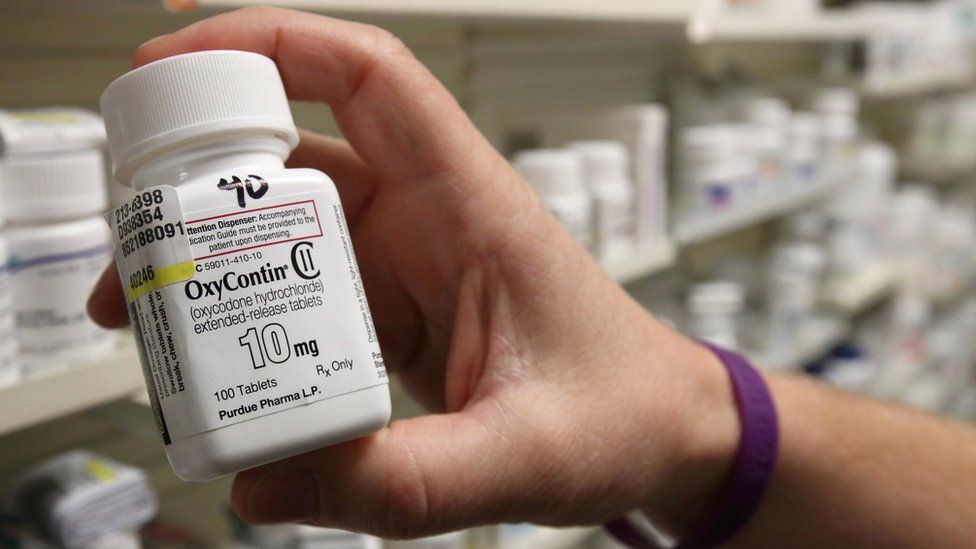
The ruling in bankruptcy court caps a long legal battle over the fate of a company accused of fueling the opioid epidemic and the family that owns it.Purdue Pharma, the maker of the highly addictive painkiller OxyContin, was dissolved on Wednesday in a wide-ranging bankruptcy settlement that will require the company’s owners, members of the Sackler family, to turn over billions of dollars of their fortune to address the deadly opioid epidemic.But the agreement includes a much-disputed condition: It largely absolves the Sacklers of Purdue’s opioid-related liability. And as such, they will remain among the richest families in the country.Judge Robert Drain of the U.S. Bankruptcy Court in White Plains, N.Y., approved the settlement, saying he wanted modest adjustments. The painstakingly negotiated plan will end thousands of lawsuits brought by state and local governments, tribes, hospitals and individuals to address a public health crisis that led to the deaths of more than 500,000 people nationwide.The settlement terms have been harshly criticized for shielding the Sacklers. They are receiving protections that are typically given to companies that emerge from bankruptcy, but not necessarily to owners who, like the Sacklers, do not themselves file for bankruptcy.Several states, including Connecticut and Washington State, have already said they intend to appeal the judge’s ruling.In exchange for the protections, the Sacklers agreed to turn over $4.5 billion, including federal settlement fees, paid in installments over roughly nine years. Those payments, and the profits of a new drug company rising from Purdue’s ashes with no ties to the Sackler family, will mainly go to addiction treatment and prevention programs across the country.Judge Drain delivered his ruling orally from the bench in a marathon session that ran to six hours, meticulously working through his reasoning in a case he called the most complex he had ever faced. “This is a bitter result,” he said. “B-I-T-T-E-R,” he spelled out, explaining that he was frustrated that so much Sackler money was parked in offshore accounts. He said he had expected and wished for a higher settlement.But the costs of further delay, he said, and the benefits of an agreement he described as “remarkable” in its ability to help abate the epidemic, tilted toward approval.While the settlement serves as a benchmark in the nationwide opioid litigation aimed at covering governments’ costs and compensating families, it also means that a full accounting of Purdue’s role in the epidemic will never unfold in open court. Purdue pleaded guilty to federal criminal charges for drastically downplaying OxyContin’s addictive properties and, years later, for soliciting high-volume prescribers.But in a concession that made the bankruptcy plan more palatable to many plaintiffs, the company and the Sacklers agreed to make public more than 30 million documents, including confidential emails, that may reveal comprehensive marketing strategies.Just last month, Dr. Richard Sackler, a former president and co-chairman of the board, testified that neither the family, the company nor its products bore any responsibility for the opioid epidemic. Other Sacklers struck a more conciliatory note, saying they were horrified that a medication intended to alleviate pain had, in fact, caused pain to so many. But no one apologized or took personal responsibility.“I don’t think anybody would say that justice has been done because there’s just so much harm that was caused, and so much money that has been retained by the company and by the family,” said Dr. Joshua Sharfstein, a professor at the Johns Hopkins Bloomberg School of Public Health who developed a set of priorities for opioid settlement funds. “But this is what the legal system is going to produce. So at this point, the question becomes, how can those resources be used as effectively as possible?”A majority of states and other plaintiffs support the plan, reasoning that it is the best to help pay for a problem that has only grown worse during the pandemic, with a record number of opioid overdose deaths last year.Steve Miller, the chairman of Purdue’s board, said in a statement that the plan “ensures that billions of dollars will be devoted to helping people and communities who have been hurt by the opioid crisis.”The Mortimer Sackler branch and the Raymond Sackler branch each issued statements calling the resolution an important step in providing funds to address the public health crisis.Makeshift gravestones in protest against Purdue Pharma placed outside the White Plains courthouse during the bankruptcy proceedings. Seth Wenig/Associated PressThe Purdue settlement aligns with what some experts predicted from the outset: The money extracted through litigation will not be sufficient to cover the costs of the epidemic — including for law enforcement, treatment and social services — which some economists put in the trillions.Nor will the money gush forth. A recent deal with pharmaceutical distributors and Johnson & Johnson for $26 billion could take a year to be approved, and even then, payments would be doled out over 18 years.The Sacklers’ payments will come from their investments and from the sale of their international pharmaceutical companies, which they have seven years to complete. Purdue will make initial payments of roughly $500 million. Additional funds will come from anticipated profits from the new company’s drugs, including addiction-reversal medications as well as OxyContin.States will get money from a national opioid abatement trust, which they will distribute to their local governments. Native American tribes have their own fund.Another fund will compensate 130,485 individuals and families of those who suffered from addiction or died from an overdose, in amounts ranging from $3,500 to $48,000. Guardians of about 6,550 children with a history of neonatal abstinence syndrome may each receive about $7,000.“It was take it or leave it,” said Ryan Hampton, who resigned on Tuesday as co-chairman of a watchdog committee of plaintiffs, appointed by the federal government.OxyContin came on the market in 1996, at a time when doctors were being exhorted to recognize and treat pain, a symptom that the medical profession had tended to disregard as psychological or fleeting.Purdue’s sales troops fanned across the country, preaching the new pain relief gospel to thousands of doctors, who began prescribing OxyContin for both acute and chronic pain. By 2000, sales of the new drug had grown to almost $1.1 billion.But soon afterward, reports began surfacing of OxyContin pills being stolen from pharmacies and crushed and snorted. In 2007, the company and three executives pleaded guilty to federal criminal charges, paying a combined $634.5 million for minimizing the drug’s risk of addiction to doctors, regulators and patients.The nation was pounded by a spiraling epidemic of opioid abuse and overdose deaths. By 2014, local governments began filing lawsuits against Purdue. More plaintiffs followed, eventually suing other companies across the pharmaceutical supply chain. Members of the Sackler family became the personification of the epidemic’s villains. The Sacklers withdrew $10.4 billion from Purdue between 2008 and 2017. About half was paid to taxes.In September 2019, Purdue, facing 2,900 lawsuits, 628 of which named the Sacklers, filed for bankruptcy restructuring, which paused all claims.The most ferocious battle was fought over the extent to which the Sacklers would be released from Purdue-related lawsuits.Companies that emerge from bankruptcy restructuring are granted considerable legal protections. But federal appeals courts disagree over whether that shield can be accorded to owners, like the Sacklers. The prospect of Sacklers left relatively unscathed has led some members of Congress to introduce a bill that would prevent protections for owners in similar situations.Dr. Richard Sackler, a former president and co-chairman of Purdue’s board of directors, said that neither the family, the company nor its products bore responsibility for the opioid epidemic. via ProPublicaThe settlement does not preclude criminal prosecution. But realistically, say prosecutors, those cases are difficult to prove; no government entity has pressed a Purdue-related criminal charge against a Sackler. The Sacklers can still be held liable for some non-opioid related claims against Purdue, such as an environmental hazard or other Purdue drugs, if their conduct occurred before the bankruptcy plan takes effect.And opioid claims could be brought against the as-yet unnamed new company, which is independent of Purdue, if it breaches strict controls intended to closely monitor sales and distribution.During hearings last month, four Sacklers tried to put an arm’s length between their role as board members and that of Purdue’s executives, whom they said oversaw marketing and sales.But Dr. Kathe Sackler also testified, “I wouldn’t describe the board as passive listeners.” Rather, she said, they were “attentive listeners. Asked good questions, thoughtful questions, engaged in some debate over some questions from time to time.”Nine states objected to the plan, arguing that the shields would prevent them from exercising their police powers to prosecute the Sacklers for violating civil laws like consumer protection statutes.Washington State’s attorney general, Bob Ferguson, called the plan “morally and legally bankrupt,” because, he said, “it allows the Sacklers to walk away as billionaires with a lifetime legal shield.”Another objector was the U.S. Trustee, a program under the Department of Justice that monitors bankruptcy cases. Immediately after Judge Drain’s ruling, its lawyer said he would be requesting a stay of the order, pending an appeal.But Marshall Huebner, a bankruptcy lawyer who has shepherded Purdue through proceedings, had contended earlier that such objections would topple the Jenga tower-like deal and delay desperately needed funds.He characterized the governments’ terms as punitive toward the Sacklers and their company. “We will rip it out of your hands,” he said. “We will stomp it out of existence. We will transfer its assets to a trust for the benefit of the American people. It will have a monitor. We will pick the board. You will be barred. And you will have to sell all your overseas companies and give us over $4 billion.”A Congressional committee investigating the Sacklers last spring estimated the family fortune at about $11 billion.U.S District Court in White Plains in 2019, where Purdue Pharma’s bankruptcy case was argued. Seth Wenig/Associated PressDoses of OxyContin in a Massachusetts pharmacy in 2001.Darren McCollester/Getty ImagesJudge Drain had largely excluded the voices of victims during the two years. But at the conclusion of testimony in August, he pointedly acknowledged the families whose tragedies were entwined with Purdue’s drug.He spoke haltingly, his voice choking up. “I am very aware of the impact that this company’s products have had on hundreds of thousands of people,” he said.The letters families placed on the docket were eloquent and brave, he said. “If anyone doubts that impact, you should read them, not as advocates’ pieces but as evidence of the effect of this company’s products.”Judge Drain broke off in midsentence, overcome, and abruptly left the bench, ending the hearing.One letter he noted was from a Minneapolis widow with Stage 4 cancer. Years earlier, her firefighter husband was prescribed OxyContin for a back injury. He became addicted. Eventually he lost his job. Then the family lost its home. In September, he committed suicide.“I believe the Sackler family should know what their greed has caused,” the widow, Stephanie Lubinski, wrote. “They should know the name Troy Lubinski and the many, many others that have lost their lives to OxyContin.”

Read more →

Breakthough Infections Are Less Likely to Lead to Long Covid, Study Suggests

People who experience breakthrough infections of the coronavirus after being fully vaccinated are about 50 percent less likely to experience long Covid than are unvaccinated people who catch the virus, researchers said in a large new report on British adults.The study, which was published in the journal Lancet Infectious Diseases on Wednesday, also provides more evidence that the two-shot Pfizer-BioNTech, Moderna and AstraZeneca vaccines offer powerful protection against symptomatic and severe disease.“This is really, I think, the first study showing that long Covid is reduced by double vaccination, and it’s reduced significantly,” said Dr. Claire Steves, a geriatrician at King’s College London and the study’s lead author.Although many people with Covid recover within a few weeks, some experience long-term symptoms, which can be debilitating. This constellation of lingering aftereffects that have become known as long Covid may include fatigue, shortness of breath, brain fog, heart palpitations and other symptoms. But much about the condition remains mysterious.“We don’t have a treatment yet for long Covid,” Dr. Steves said. Getting vaccinated, she said, “is a prevention strategy that everybody can engage in.”The findings add to a growing pile of research on so-called breakthrough infections among vaccinated people. The Centers for Disease Control and Prevention has confirmed that the highly contagious Delta variant is causing more of these breakthroughs than other versions of the virus, although infections in fully vaccinated people still tend to be mild.The new findings are based on data from more than 1.2 million adults in the Covid Symptom Study, in which volunteers use a mobile app to log their symptoms, test results and vaccination records. The participants include those who received at least one dose of the Pfizer, Moderna or AstraZeneca vaccines between Dec. 8 and July 4, as well as a control group of unvaccinated people.Of the nearly 1 million people who were fully vaccinated, 0.2 percent reported a breakthrough infection, the researchers found. Those who did get breakthrough infections were roughly twice as likely to be asymptomatic as were those who were infected and unvaccinated. The odds of being hospitalized were 73 percent lower in the breakthrough group than the infected, unvaccinated group.The odds of having long-term symptoms — lasting at least four weeks after infection — were also 49 percent lower in the breakthrough group.“Of course, vaccines also massively reduce your risk of getting infected in the first place,” Dr. Steves said. That lowered risk means that vaccination should reduce the odds of long Covid by even more, she noted.The study has limitations, the researchers acknowledge, the most notable of which is that the data is all self-reported. Long Covid is also difficult to study, with wide-ranging symptoms that may vary enormously in severity.But Dr. Steves said that she hoped the findings might encourage more young people, whose vaccination rates have lagged behind, to get the shots. Young adults are less likely to become seriously ill from the virus than older adults, but they are still at risk for long Covid, she noted.“Being out of action for six months has a major impact on people’s lives,” she said. “So, if we can show that their personal risk of long Covid is reduced by getting their vaccinations, that may be something that may help them make a decision to go ahead and get a vaccine.”

Read more →

Sackler family wins immunity from further opioid litigation

SharecloseShare pageCopy linkAbout sharingimage sourceReutersA US judge has approved a bankruptcy plan for the maker of OxyContin painkillers, shielding its wealthy owners the Sacklers from further legal action over their roles in America’s opioid epidemic. Under the deal, Purdue Pharma will pay billions to settle lawsuits related to the crisis.The Sackler family will also give up control of the drugmaker.But they also have immunity from future lawsuits, despite strong opposition.In 2020, Purdue pled guilty to criminal charges over its marketing of Oxycontin, a painkiller it knew was addictive and being widely abused.Those charges included defrauding health agencies and making illegal payments to doctors to encourage the over-prescription of opioids, leading to overdoses and addiction which strained public health and policing resources in cities and towns across the US.Purdue signs deal with 15 states on opioid payoutPurdue pleads guilty in $8bn opioid settlementThe company filed for bankruptcy in 2019, saying it would restructure and help tackle addiction.image sourceGetty ImagesHowever, the Sacklers have always denied any personal responsibility for the crisis, which has affected millions of people over the last 20 years. Under the bankruptcy plan, which was approved by nearly all US states, native American tribes, hospitals and other creditors, the family will pay $4.5bn over a decade towards settling the outstanding lawsuits against them. Bankruptcy judge Robert Drain said he had expected the Sacklers to make a larger contribution and that with litigation, it might have been achieved. “This is a bitter result,” he told reporters, but vowed not to jeopardise what had been agreed.Only small amendments were requested before he approved the plan, he added.

Read more →

San Diego Hospital System Reported Small Covid Resurgence

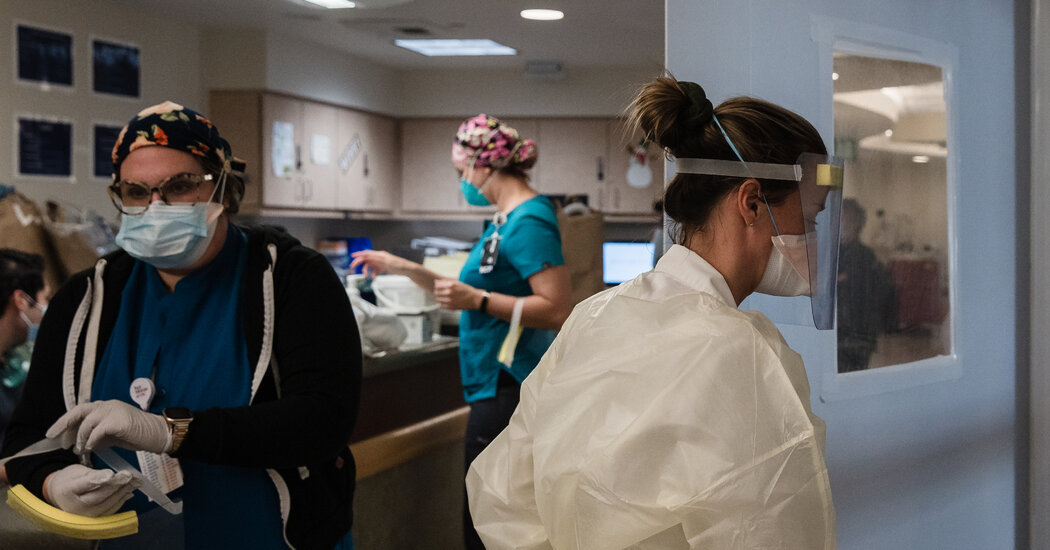
The staff of a Southern California hospital system experienced a small resurgence in coronavirus infections this summer, despite more than four-fifths of its employees being fully vaccinated.The findings join a flurry of recent reports of so-called breakthrough infections among vaccinated people. Earlier this summer, Provincetown, Mass., reported a Covid outbreak among many vaccinated residents, and the Centers for Disease Control and Prevention has confirmed that these cases are happening more often with the highly contagious Delta variant of the virus than they did with previous versions.Breakthrough infections tend to be mild, and vaccines are still highly effective against severe disease and death from the Delta variant. Still, studies on breakthrough infections have fueled the debate over the need for a booster dose, which the Biden administration has supported, as well as masking requirements aimed at preventing the spread of Delta.Even among its fully vaccinated workers, the University of California San Diego Health witnessed a significant increase in infections from June to July, according to a letter published Wednesday in the New England Journal of Medicine.From March through July, a total of 227 workers tested positive, according to the letter. Of those, 130 — or 57 percent — were vaccinated.The total number of symptomatic Covid-19 cases went up more than eightfold, from 15 in June to 125 in July, with 75 percent of the cases occurring in fully vaccinated employees.There were no reported deaths, and one unvaccinated person was hospitalized, according to the researchers.While the number of cases represented a tiny fraction of University of California San Diego Health’s overall work force of 19,000, the growing number of infections points to a noteworthy drop in the effectiveness of the vaccines, according to the authors.“Our data suggest that vaccine effectiveness against any symptomatic disease is considerably lower against the delta variant and may wane over time since vaccination,” they wrote.Given these findings, they recommended a rapid return to indoor masking and intensive testing strategies to detect the virus.

Read more →

Having MS plus depression may be tied to increased risk of early death

Depression is common in people with multiple sclerosis (MS), and a new study shows that people with both conditions may be more likely to die over the next decade than people with just one or neither condition. The study is published in the September 1, 2021, online issue of Neurology®, the medical journal of the American Academy of Neurology. The study also found that people with MS and depression have an increased risk of developing vascular disease such as heart attack and stroke.
“These findings underscore the importance of identifying depression in people with MS as well as monitoring for other risk factors for heart disease and stroke,” said study author Raffaele Palladino, MD, PhD, of Imperial College of London in the United Kingdom. “Future studies need to be conducted to look at whether treating depression in people with MS could reduce the risk of vascular disease as well as death over time.”
The study involved 12,251 people with MS and 72,572 people who did not have MS. Researchers looked at medical records to see who developed vascular disease or died over a period of 10 years. At the start of the study, 21% of the people with MS had depression and 9% of the people without MS had depression.
The researchers found that people with both MS and depression had a mortality rate from any cause of 10.3 cases per 100,000 person-years. Person-years take into account the number of people in a study as well as the amount of time spent in the study. The mortality rate for people with MS without depression was 10.6, for people who had depression without MS it was 3.6 and for people with neither condition it was 2.5.
Once researchers adjusted for other factors that could affect the risk of death such as smoking and diabetes, they found that people with both conditions were more than five times more likely to die during the next decade than people with neither condition. People with MS without depression were nearly four times more likely to die than people with neither condition and people with depression without MS were nearly twice as likely to die.
For the risk of vascular disease, the rate for people with both MS and depression was 2.4 cases per 100,000 person-years; 1.2 for people with MS without depression; 1.3 for people with depression without MS; and 0.7 for people with neither condition.
After adjusting for other factors, researchers found that people with both conditions were more than three times as likely to develop vascular disease as people with neither condition.
“When we looked at the risk of death, we found that the joint effect of MS plus depression equaled more than the effect for each individual factor alone — in other words, the two conditions had a synergistic effect,” Palladino said. “A total of 14% of the effect on mortality rate could be attributed to the interaction between these two conditions.”
A limitation of the study was that researchers did not have information on risk factors such as body mass index (BMI), which could affect the risk of vascular disease and death.
Story Source:
Materials provided by American Academy of Neurology. Note: Content may be edited for style and length.

Read more →