COVID-19 cited in significant increase in healthcare-associated infections in 2020

After years of steady reductions in healthcare-associated infections, significantly higher rates of four out of six routinely tracked infections were observed in U.S. hospitals, according to a Centers for Disease Control and Prevention analysis of data from the National Healthcare Safety Network (NHSN) published today in Infection Control & Hospital Epidemiology, the journal of the Society for Healthcare Epidemiology of America. Increases were attributed to factors related to the COVID-19 pandemic, including more and sicker patients requiring more frequent and longer use of catheters and ventilators as well as staffing and supply challenges.
“COVID-19 created a perfect storm for antibiotic resistance and healthcare-associated infections?in healthcare settings. Prior to the pandemic, public health — in partnership with hospitals — successfully drove down these infections for several years across U.S. hospitals,” said Arjun Srinivasan, M.D., CDC’s Associate Director of Healthcare Associated Infection Prevention Programs. “Strengthening infection prevention and control capacities works. This information emphasizes the importance of building stronger, deeper and broader infection control resources throughout healthcare that will not only improve our ability to protect patients in future pandemics but will also improve patient care every day.”
For this analysis, researchers used data collected through NHSN, the nation’s largest healthcare-associated infection surveillance system, which is used by nearly all U.S. hospitals to fulfill local, state, or federal infection reporting requirements.
Major increases were found in 2020 compared to 2019 in four serious infection types: central line-associated bloodstream infections, catheter-associated urinary tract infections, ventilator-associated events, and antibiotic resistant staph infections. The largest increases were bloodstream infections associated with central line catheters that are inserted into large blood vessels to provide medication and other fluids over long periods. Rates of central line infections were 46% to 47% higher in the third and fourth quarters of 2020 compared to 2019.
With dramatic increases in the frequency and duration of ventilator use, rates of ventilator-associated infections increase by 45% in the fourth quarter of 2020 compared to 2019. The CDC analysis found sharp increases in standardized infection rates, indicating that the increases were not simply a reflection of more devices being used.
“Infection control practices in COVID-19 wards often adapted to shortages of personal protective equipment, responded to fear of healthcare personnel, and did not always lend themselves to better infection prevention,” said Tara N. Palmore, M.D., and David K. Henderson, M.D., of the National Institutes of Health, in an editorial that accompanied the study. “The success of the previous several years, with steady declines in rates of these (healthcare-associated) and device-related infections, further accentuated the upswings that occurred in 2020.”
The study found that two other types of infection remained steady or declined during COVID-19. Surgical-site infections rates did not increase as fewer elective surgeries were performed, largely in operating rooms with uninterrupted infection control processes that were separate from COVID wards. In addition, no increase was found in Clostridioides Difficile, or C. diff, a serious bacterial infection that occurs after antibiotic use. The study said lower rates of C. diff may be a result of increased focus on hand hygiene, environmental cleaning, patient isolation, and use of personal protective equipment.
“Basic infection control practices must be hardwired into practice so that they are less vulnerable when the health care system is stressed,” the editorial concluded, “One approach might be to designate clinical staff to be added to the hospital epidemiology team to allow for rapid expansion of effort to support a pandemic response.”

Read more →

A simple T-cell test to show the full picture of body's immune response to COVID-19

Researchers from Duke-NUS Medical School, together with collaborators from the National Centre for Infectious Diseases (NCID) and Singapore General Hospital (SGH), have discovered a simple and rapid method to measure the T-cell immune response to the SARS-CoV-2 virus, which causes COVID-19.
A growing body of data now demonstrates the importance of both T cells and antibodies in the coordinated immune response against SARS-CoV-2. This method is a further boost to scientists who seek to routinely monitor and assess SARS-CoV-2-specific T-cell responses in vaccinated or convalescent individuals, as well as to test and verify the effectiveness of vaccines.
“T cells play a vital role alongside antibodies in protecting people against COVID-19, but they are much harder to detect and measure,” said Dr Anthony Tanoto Tan, Senior Research Fellow with Duke-NUS’ Emerging Infectious Diseases (EID) Programme and first author of the study. “Our research offers a feasible approach that can overcome the current limitations faced in detecting spike-specific T-cell responses, and will help better evaluate the protective role played by T cells in our immune system.”
For the study, published in the Journal of Clinical Investigation, scientists took blood samples from volunteers who were vaccinated against COVID-19, or who had been infected and then recovered from the disease. They then introduced small fragments of the SARS-CoV-2 spike protein directly into the blood samples. In response to these fragments, the T cells released chemical signals called cytokines, which are much easier to detect and measure than T cells, and are already being tracked to monitor T-cell activity for the diagnosis of diseases such as tuberculosis.
Building on that, the team showed that the test, called Cytokine Release Assay (CRA), can reliably identify and quantify specific T cells present in the blood of people who have been vaccinated against COVID-19, or have recovered from SARS-CoV-2 infection. Working with different blood samples from more than 200 people, the researchers desmonstrated that the CRA test was as sensitive as existing methods used to find and measure T-cell activity.
“This discovery allows a rapid and large-scale expansion of studies to track T-cell activity across the world, while not requiring specialised or expensive equipment,” said Professor Antonio Bertoletti from Duke-NUS’ EID programme, the study’s corresponding author. “The study results confirm that the level of antibodies against SARS-CoV-2 in blood samples does not always correlate with the T-cell response. With this rapid test, we can help define the correlates of protection from T cells and antibodies for the development of COVID-19 vaccines.”
Professor Patrick Casey, Senior Vice-Dean for Research at Duke-NUS, said, “This important study advances our understanding of the human body’s immune response at a critical juncture in this pandemic. As validated in this research, repurposing the well-established CRA test to fast-track the evaluation of T-cell responses in COVID-inoculated or -convalescent patients adds a new dimension to vaccine strategies as we battle the threat of new and emergent variants.”
To bring this discovery to market, Duke-NUS has licensed the assay to Hyris, an innovation-based biotechnology company, which will leverage its Hyris SystemTM to further develop this rapid SARS-CoV-2 T-cell test for clinical use globally.
Story Source:
Materials provided by Duke-NUS Medical School. Note: Content may be edited for style and length.

Read more →

Many of the fastest-evolving human genes linked to evolutionary changes in brain development

More than 3,000 regions in the human genome are very different in people from in any other mammals, including our closest primate relatives. Now, a study reported in the journal Neuron on September 2 has evidence to confirm that nearly half of these so-called human accelerated regions (HARs) have played an important role in rewriting the course of human brain development, offering important insight into the genetic basis of human evolution.
“Probably one of the most interesting questions in neuroscience is, ‘What makes us human?'” says Christopher Walsh (@chrisawalsh1) of Harvard University and the Allen Discovery Center for Human Brain Evolution. “Specifically, what is it about the human brain that differentiates it from those of other closely related species? Looking at human accelerated regions provided us with a very targeted way to investigate that question from a genetic perspective.”
To systematically identify which of the 3,171 previously identified HARs are most likely to be contributing to recent evolution of the human cerebral cortex, the researchers examined the role of these regions in regulating genes in studies of multiple human and mouse cell types and tissues.
“We knew going into this study that many HARs were likely to function as regulators of gene expression in the brain, but we knew very little about which cell types in the brain they worked in, where, or at what time in the human lifespan,” explains Ellen DeGennaro (@ViolinPlots), one of the study’s first authors in the Walsh lab. “Our goal was to fill in these gaps of knowledge about which HARs had important roles in the brain, and how, so that we and other researchers could take the most important ‘brain HARs’ and perform deeper tests of their evolutionary function.”
To overcome the limitations of earlier methods, Walsh and his colleagues developed an applied approach called CaptureMPRA. The new method leverages barcoded molecular inversion probes to capture target sequences that capture entire HAR elements and their surrounding DNA, overcoming some limitations of prior techniques. Using this approach, they looked for important differences in HAR enhancer function between humans and chimpanzees.
They also integrated this data with epigenetic data at HARs in human fetal neural cells to identify HARs that looked likely to have an important role in guiding human-specific brain development. Some of the activity they uncovered was specific to the brain, as compared to other organs in the body. They also found activity that was even more specific to certain cell types in the fetal brain, as opposed to brains of adults.
Overall, the new findings show that many HARs do indeed appear to act as neurodevelopmental enhancers, the researchers report. The new data suggests that, as those human sequences diverged from other mammals, they have largely increased their role as neuronal enhancers.
The researchers also show that one HAR-regulated gene in particular, called PPP1R17, has undergone rapid change in both cell-type and developmental expression patterns between non-primates and primates and between non-human primates and humans. They went on to show that PPP1R17 slows the progression of neural progenitor cells through the cell cycle. This is notable given that lengthening of the cell cycle in non-human primates and humans is known to force a slowing of neurological development, an important feature of the human brain.
The new findings define many HARs that play key roles in neuronal gene regulatory programs; nearly half of all HARs show reproducible chromatin accessibility and enhancer activity in neural cells and tissue, according to the researchers. They’ve also developed an easily searchable online resource (the HARHub) consisting of the new data and previously published datasets of common and rare human HAR sequence variation. This databank now serves as a resource for scientists to make even more discoveries. Already, it has offered intriguing insights.
“Our work provides an important advance in studying many genomic regions at once to help us piece together the very complicated but compelling picture of human brain evolution,” Walsh says. “Our data suggest that evolution of the human brain involved changes in dozens or perhaps even hundreds of sites in the genome, rather than just a single key gene.”
Story Source:
Materials provided by Cell Press. Note: Content may be edited for style and length.

Read more →

New resource to advance genomics-driven precision medicine

By analysing genomic data from more than 30,000 people, an international team has revealed thousands of new regulatory regions that control disease-linked genes — a resource that is now available to researchers worldwide.
The findings, co-led by the Garvan Institute of Medical Research and published today in Nature Genetics, are a significant step forward for genomics-driven precision medicine and could help identify markers that reveal which patients will benefit most from which treatment.
“In this study we have provided an entirely new view of genetic regulation by uncovering an in-depth picture of how genes and disease are linked. It is the most comprehensive analysis of how human genetic variation affects gene expression to date,” says co-senior author Associate Professor Joseph Powell, Director of the Garvan-Weizmann Centre for Cellular Genomics and Deputy Director of the UNSW Cellular Genomics Futures Institute.
“Our discovery provides researchers an entirely new perspective on their genes of interest, and will help prioritise genes that may be more relevant for therapeutic intervention. It could also lead us to better markers for tracking disease progression and the efficacy of medicines,” says co-senior author Professor Lude Franke from the University Medical Centre Groningen, Netherlands.
New insight on gene activity
To study how human genetic variation affects our risk of disease, researchers often carry out genome-wide association studies, which scan the genomes of patients and look for genetic variants more commonly associated with a specific condition.

Read more →

With time and without masks, COVID-19 vaccines wane in protection, study finds

In a letter to The New England Journal of Medicine, publishing online September 1, 2021, an interdisciplinary team of physicians and public health experts at University of California San Diego measured the effectiveness of COVID-19 mRNA vaccines among health workers at UC San Diego Health, most notably during the emergence of the highly transmissible delta virus variant and coincident with the end of the state’s mask mandate, allowing fully vaccinated persons to forgo face coverings in most places.
The letter’s authors report that the effectiveness of both the Pfizer and Moderna mRNA COVID-19 vaccines significantly waned over time. Both vaccines were granted emergency use authorization by the Food and Drug Administration in December 2020, with vaccinations of the UC San Diego Health work force beginning the same month for health care workers with direct, patient-facing duties.
In the letter, the authors note that from March through June 2021 vaccine effectiveness against symptomatic infection was estimated to exceed 90 percent; by July, however, it had fallen to approximately 65 percent.
“The decline in effectiveness is not entirely surprising,” said co-senior author Francesca Torriani, MD, professor of clinical medicine in the Division of Infectious Diseases and Global Public Health in the UC San Diego School of Medicine and program director of Infection Prevention and Clinical Epidemiology at UC San Diego Health.
“Clinical trial data suggested decreased effectiveness would occur several months after full vaccination, but our findings indicate that confronted by the delta variant, vaccine effectiveness for mildly symptomatic disease was considerably lower and waned six to eight months after completing vaccination.”
UC San Diego Health, with a work force of approximately 19,000, operates a robust SARS-CoV-2 testing program. If an employee reports even one mild symptom of COVID-19 during daily screening or an identified exposure, a test is triggered.

Read more →

Decades after toxic exposure, 9/11 first responders may still lower their risk of lung injury

Losing weight and treating excess levels of fat in the blood may help prevent lung disease in firefighters exposed to dangerous levels of fine particles from fire, smoke, and toxic chemicals on Sept. 11, 2001, a new study shows. Experts have long feared that this exposure would later lead to lung disease in first responders. High body mass index (BMI), an indicator of obesity, and exposure to the highest levels of toxins from the attack on the World Trade Center were the two greatest risk factors for lowered lung function, according to the study authors.
After two decades of research analyzing thousands of first responders, a new investigation led by researchers at NYU Grossman School of Medicine identified a cluster of five factors that predicted lung disease in these patients. Along with excess body fat, the combination of insulin resistance, high blood pressure, and increased levels of sugar and cholesterol in the blood are components of so-called metabolic syndrome, a group of medical issues known to raise the risk of heart disease, stroke, and diabetes.
Adjusting at least one of these factors, the study investigators found, can greatly lower the risk of firefighters’ developing lung disease within five years, even 20 years after toxic exposures at Ground Zero. For example, for a male firefighter of average height, a 7-pound weight loss could decrease his risk for lung injury by 20 percent.
“Our findings should reassure World Trade Center first responders that there are steps they can take to protect their lungs even decades after exposure,” says study co-lead author Sophia Kwon, DO, MPH. Kwon is a fellow in the Division of Pulmonary, Critical Care, and Sleep at NYU Langone Health.
In work presented earlier this year on 100 overweight 9/11 firefighters, the team found that placing patients on a calorie-restricted Mediterranean diet featuring unrefined grains, olive oil, fruits, and fish reduced their risk of lung disease. Those following the regimen for six months lost nearly 2 BMI points (from an average BMI of about 33 to an average of 31) and had fewer signs of lung disease than they had reported before the study period.
“These results offer firefighters a concrete way to lose weight and achieve the lung-health benefits predicted by our risk model,” says study co-lead author George Crowley, BA, a predoctoral fellow at NYU Langone.

Read more →

What Vaccinated People Need to Know About Breakthrough Infections

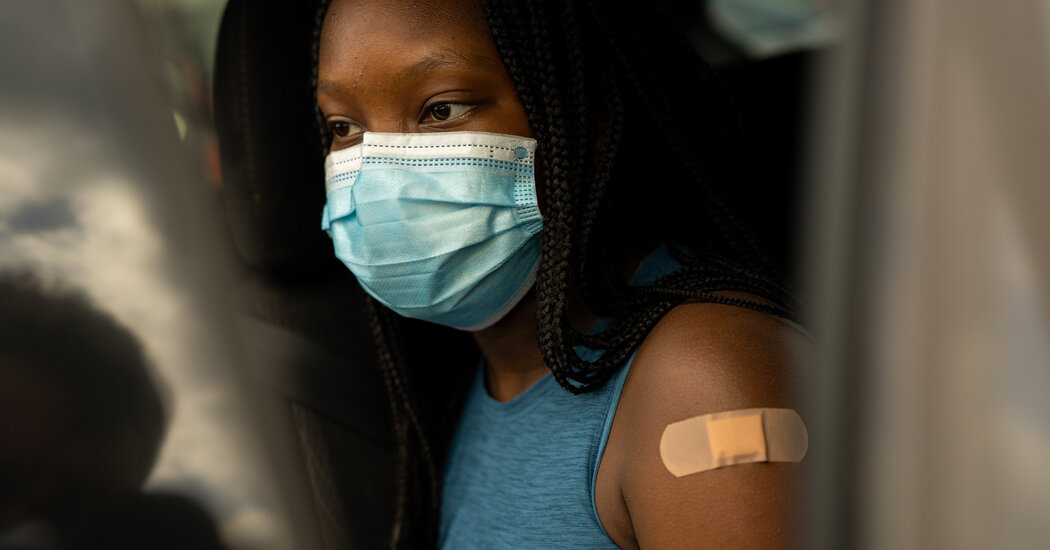
If you’re vaccinated, you should think about a number of variables, including your overall health, where you live and the risks you take.Many people are seeking definitive answers about what they can and can’t do after being vaccinated against Covid-19. Is it OK to travel? Should I go to a big wedding? Does the Delta variant make spending time with my vaccinated grandmother more risky?But there’s no one-size-fits-all answer to those questions because risk changes from one individual to the next, depending on a person’s overall health, where they live and who they spend time with. The bottom line is that vaccines are highly protective against serious illness, and, with some precautions, will allow people to return to more normal lives, experts say. A recent study in Los Angeles County showed that while breakthrough infections can happen, the unvaccinated are 29 times as likely to end up hospitalized from Covid-19 as a vaccinated person.Experts say anxiety about breakthrough infections remains pervasive, fueled in part by frightening headlines and unrealistic expectations about the role of vaccines.“There’s been a lot of miscommunication about what the risks really are to vaccinated people, and how vaccinated people should be thinking about their lives,” said Dr. Ashish K. Jha, dean of the Brown University School of Public Health. “There are people who think we are back to square one, but we are in a much, much better place.”While the Delta variant is causing a surge in infections in various hot spots around the country, including Florida and Louisiana, there will eventually be an end to the pandemic. Getting there will require ongoing precautions in the coming months, but vaccinated people will have more freedom to enjoy life than they did during the early lockdowns. Here are answers to some common questions about the road ahead.What’s my risk of getting Covid if I’m vaccinated?To understand why there is no simple answer to this question, think about another common risk: driving in a snowstorm. While we know that tens of thousands of people are injured or killed each year on icy roads, your individual risk depends on local conditions, the speed at which you travel, whether you’re wearing a seatbelt, the safety features on your car and whether you encounter a reckless driver on the road.Your individual risk for Covid after vaccination also depends on local conditions, your overall health, the precautions you take and how often you are exposed to unvaccinated people who could be infected.“People want to be told what to do — is it safe if I do this?” said Dr. Sharon Balter, director of the division of communicable disease control and prevention at the Los Angeles County Department of Public Health. “What we can say is, ‘These are the things that are more risky, and these are the things that are less risky.’”Dr. Balter’s team has recently collected surveillance data that give us a clearer picture of the difference in risk to the vaccinated and unvaccinated as the Delta variant surged from May 1 through July 25. They studied infections in 10,895 fully vaccinated people and 30,801 unvaccinated people. The data showed that:The rate of infection in unvaccinated people is five times the rate of infection in vaccinated people. By the end of the study period, the age-adjusted incidence of Covid-19 among unvaccinated persons was 315.1 per 100,000 people over a seven-day period compared to 63.8 per 100,000 incidence rate among fully vaccinated people. (Age adjustment is a statistical method used so the data are representative of the general population.)The rate of hospitalization among the vaccinated was 1 per 100,000 people. The age-adjusted hospitalization rate in unvaccinated persons was 29.4 per 100,000.Older vaccinated people were most vulnerable to serious illness after a breakthrough infection. The median age of vaccinated people who were hospitalized for Covid was 64 years. Among unvaccinated people who were hospitalized, the median age was 49.The Delta variant appears to have increased the risk of breakthrough infections to vaccinated people. At the start of the study, before Delta was dominant, unvaccinated people became infected 10 times as often as vaccinated people did. By the end of study period, when Delta accounted for almost 90 percent of infections, unvaccinated people were five times as likely to get infected as vaccinated people.What’s the chance of a vaccinated person spreading Covid-19?While unvaccinated people are by far at highest risk for catching and spreading Covid-19, it’s also possible for a vaccinated person to become infected and transmit the illness to others. A recent outbreak in Provincetown, Mass., where thousands of people gathered in bars and restaurants, showed that vaccinated people can sometimes spread the virus.Even so, many experts believe the risk of getting infected from a vaccinated person is still relatively low. Dr. Jha noted that after an outbreak among vaccinated and unvaccinated workers at the Singapore airport, tracking studies suggested that most of the spread by vaccinated people happened when they had symptoms.“When we’ve seen outbreaks, like those among the Yankees earlier in the year and other cases, almost always people are symptomatic when they’re spreading,” Dr. Jha said. “The asymptomatic, pre-symptomatic spread could happen, but we haven’t seen it among vaccinated people with any frequency.”Another study from Singapore looked at vaccinated and unvaccinated people infected with the Delta variant. The researchers found that while viral loads in vaccinated and unvaccinated workers are similar at the onset of illness, the amount of virus declines more rapidly in the vaccinated after the first week, suggesting vaccinated people are infectious for a shorter period of time.Is it still safe to gather unmasked with vaccinated people?In many cases it will be safe, but the answer depends on a number of variables. The risk is lower with a few close family members and friends than a large group of people you don’t know. Outdoor gatherings are safer than indoor gatherings. What’s the community transmission rate? What’s the ventilation in the room? Do you have underlying health issues that would make you vulnerable to complications from Covid-19? Do any of the vaccinated people have a fever, sniffles or a cough?“The big question is can five people sit around a table unmasked if we know they’re all vaccinated,” Dr. Jha said. “I think the answer is yes. The chances of anybody spreading the virus in that context is exceedingly low. And if someone does spread the virus, the other people are not going to get super sick from it. I certainly think most of us should not fear breakthrough infections to the point where we won’t tolerate doing things we really value in life.”For larger gatherings or even small gatherings with a highly vulnerable person, rapid antigen testing using home testing kits can lower risk. Asking people to use a test a few days before the event, and then the day of the event, adds another layer of protection. Opening windows and doors or adding a HEPA air cleaner can also help.How can unvaccinated children go to school safely?Children under 12 probably will not be eligible for vaccination until the end of the year. As a result, the best way to protect them is to make sure all the adults and older kids around them are vaccinated. A recent report from the C.D.C. found that an unvaccinated elementary schoolteacher who didn’t wear a mask spread the virus to half of the students in a classroom.Studies show that schools have not been a major cause of Covid-spreading events, particularly when a number of prevention measures are in place. A combination of precautions — masking indoors, keeping students at least three feet apart in classrooms, keeping students in separate cohorts or “pods,” encouraging hand washing and regular testing, and quarantining — have been effective. While many of those studies occurred before the Delta variant became dominant, they also happened when most teachers, staff and parents were unvaccinated, so public health experts are hopeful that the same precautions will work well this fall.Dr. Balter noted that masking in schools, regular testing and improving ventilation will keep children safer, and that parents should be reassured by the data..css-1xzcza9{list-style-type:disc;padding-inline-start:1em;}.css-3btd0c{font-family:nyt-franklin,helvetica,arial,sans-serif;font-size:1rem;line-height:1.375rem;color:#333;margin-bottom:0.78125rem;}@media (min-width:740px){.css-3btd0c{font-size:1.0625rem;line-height:1.5rem;margin-bottom:0.9375rem;}}.css-3btd0c strong{font-weight:600;}.css-3btd0c em{font-style:italic;}.css-w739ur{margin:0 auto 5px;font-family:nyt-franklin,helvetica,arial,sans-serif;font-weight:700;font-size:1.125rem;line-height:1.3125rem;color:#121212;}#NYT_BELOW_MAIN_CONTENT_REGION .css-w739ur{font-family:nyt-cheltenham,georgia,’times new roman’,times,serif;font-weight:700;font-size:1.375rem;line-height:1.625rem;}@media (min-width:740px){#NYT_BELOW_MAIN_CONTENT_REGION .css-w739ur{font-size:1.6875rem;line-height:1.875rem;}}@media (min-width:740px){.css-w739ur{font-size:1.25rem;line-height:1.4375rem;}}.css-9s9ecg{margin-bottom:15px;}.css-16ed7iq{width:100%;display:-webkit-box;display:-webkit-flex;display:-ms-flexbox;display:flex;-webkit-align-items:center;-webkit-box-align:center;-ms-flex-align:center;align-items:center;-webkit-box-pack:center;-webkit-justify-content:center;-ms-flex-pack:center;justify-content:center;padding:10px 0;background-color:white;}.css-pmm6ed{display:-webkit-box;display:-webkit-flex;display:-ms-flexbox;display:flex;-webkit-align-items:center;-webkit-box-align:center;-ms-flex-align:center;align-items:center;}.css-pmm6ed > :not(:first-child){margin-left:5px;}.css-5gimkt{font-family:nyt-franklin,helvetica,arial,sans-serif;font-size:0.8125rem;font-weight:700;-webkit-letter-spacing:0.03em;-moz-letter-spacing:0.03em;-ms-letter-spacing:0.03em;letter-spacing:0.03em;text-transform:uppercase;color:#333;}.css-5gimkt:after{content:’Collapse’;}.css-rdoyk0{-webkit-transition:all 0.5s ease;transition:all 0.5s ease;-webkit-transform:rotate(180deg);-ms-transform:rotate(180deg);transform:rotate(180deg);}.css-eb027h{max-height:5000px;-webkit-transition:max-height 0.5s ease;transition:max-height 0.5s ease;}.css-6mllg9{-webkit-transition:all 0.5s ease;transition:all 0.5s ease;position:relative;opacity:0;}.css-6mllg9:before{content:”;background-image:linear-gradient(180deg,transparent,#ffffff);background-image:-webkit-linear-gradient(270deg,rgba(255,255,255,0),#ffffff);height:80px;width:100%;position:absolute;bottom:0px;pointer-events:none;}.css-uf1ume{display:-webkit-box;display:-webkit-flex;display:-ms-flexbox;display:flex;-webkit-box-pack:justify;-webkit-justify-content:space-between;-ms-flex-pack:justify;justify-content:space-between;}.css-wxi1cx{display:-webkit-box;display:-webkit-flex;display:-ms-flexbox;display:flex;-webkit-flex-direction:column;-ms-flex-direction:column;flex-direction:column;-webkit-align-self:flex-end;-ms-flex-item-align:end;align-self:flex-end;}.css-12vbvwq{background-color:white;border:1px solid #e2e2e2;width:calc(100% – 40px);max-width:600px;margin:1.5rem auto 1.9rem;padding:15px;box-sizing:border-box;}@media (min-width:740px){.css-12vbvwq{padding:20px;width:100%;}}.css-12vbvwq:focus{outline:1px solid #e2e2e2;}#NYT_BELOW_MAIN_CONTENT_REGION .css-12vbvwq{border:none;padding:10px 0 0;border-top:2px solid #121212;}.css-12vbvwq[data-truncated] .css-rdoyk0{-webkit-transform:rotate(0deg);-ms-transform:rotate(0deg);transform:rotate(0deg);}.css-12vbvwq[data-truncated] .css-eb027h{max-height:300px;overflow:hidden;-webkit-transition:none;transition:none;}.css-12vbvwq[data-truncated] .css-5gimkt:after{content:’See more’;}.css-12vbvwq[data-truncated] .css-6mllg9{opacity:1;}.css-qjk116{margin:0 auto;overflow:hidden;}.css-qjk116 strong{font-weight:700;}.css-qjk116 em{font-style:italic;}.css-qjk116 a{color:#326891;-webkit-text-decoration:underline;text-decoration:underline;text-underline-offset:1px;-webkit-text-decoration-thickness:1px;text-decoration-thickness:1px;-webkit-text-decoration-color:#326891;text-decoration-color:#326891;}.css-qjk116 a:visited{color:#326891;-webkit-text-decoration-color:#326891;text-decoration-color:#326891;}.css-qjk116 a:hover{-webkit-text-decoration:none;text-decoration:none;}“The level of illness in children is much less than adults,” she said. “You do weigh all these things, but there are also a lot of consequences to not sending children to school.”Can a vaccinated person visit with an elderly vaccinated person indoors without a mask?In many cases it will be relatively safe for vaccinated people to spend time, unmasked, with an older relative. But the risk depends on local conditions and the precautions the visitor has taken in the days leading up to the visit. In areas where community vaccination rates are low and overall infection rates are high, meeting outdoors or wearing a mask may be advised.If you’re vaccinated but have been going to restaurants, large gatherings or spending time with unvaccinated people, it’s a good idea to practice more social distancing in the days leading up to your visit with an older or vulnerable person. Home testing a few days before the visit and the day of the visit will add another layer of protection.Gregg Gonsalves, an assistant professor of epidemiology at the Yale School of Public Health, said he recently visited his 87-year-old mother and did not wear a mask. But that is because both of them are vaccinated and he still works mostly from home, lives in a highly vaccinated area and has low risk for exposure. He is also investing in home testing kits for reassurance that he is not infectious.“If I just came back from a big crowded gathering, and I had to go see my mom, I would put on a mask,” he said.Is it safe to work in an office?The answer depends on the precautions your workplace has taken. Does the company require proof of vaccination to come into the office? Are unvaccinated people tested regularly? What percentage of people in the office are unvaccinated? What steps did your company take to improve indoor air quality? (Upgrading the filters in ventilation systems and adding stand-alone HEPA air cleaners are two simple steps that can reduce viral particles in the air.)Offices that mandate vaccination will be safer, but vaccination rates need to exceed 90 percent. Even an 85-percent vaccination rate is not enough, Dr. Jha said. “It’s not going to work because one of those 15-percent unvaccinated is going to cause an outbreak for every single person in that room,” he said. “You do not want a bunch of unvaccinated people running around your offices.”Should I get a booster shot, and will it help protect me against Delta?The people who have the most to gain from booster shots are older people, transplant patients, people with compromised immune systems or those with underlying conditions that put them at high risk for complications from Covid. People who received the single-dose Johnson & Johnson vaccine may also be good candidates for a second dose.But many experts say healthy people with normal immune systems who received a two-dose mRNA vaccine from Pfizer or Moderna won’t get much benefit right now from a third shot because their vaccine antibodies still offer strong protection against severe illness. That said, the Biden administration appears to be moving ahead with offering booster shots to the general public starting as soon as the week of Sept. 20.

Read more →

Covid Medical Bills Are About to Get Bigger

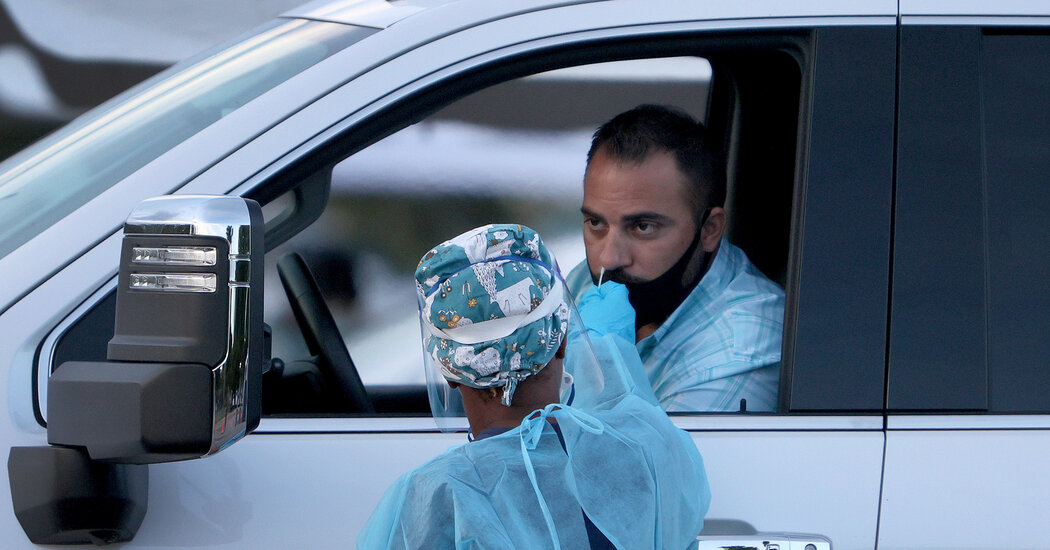
As some insurers focus on encouraging vaccination, temporary waivers that kept patient costs low are expiring.Americans will most likely pay significantly more for Covid medical care during this new wave of cases — whether that’s a routine coronavirus test or a lengthy hospitalization.Earlier in the pandemic, most major health insurers voluntarily waived costs associated with a Covid treatment. Patients didn’t have to pay their normal co-payments or deductibles for emergency room visits or hospital stays.Most Covid tests were free, too.The landscape has since changed, as the pandemic persists into its second year. Federal law still requires insurers to cover testing at no cost to the patient when there is a medical reason for seeking care, such as exposure to the disease or a display of symptoms. But more of the tests sought now don’t meet the definition of “medical reason” and are instead for monitoring.And insurers are now treating Covid more like any other disease, no longer fully covering the costs of care. Some businesses, like Delta Air Lines, are planning to charge unvaccinated employees higher rates for insurance, citing in part the high hospitalization costs for Covid cases.“Insurers are confronting the question about whether the costs of Covid treatment should fall on everyone, or just the individuals who have chosen not to get a vaccine,” said Cynthia Cox, a vice president at the Kaiser Family Foundation who has researched how insurers are covering Covid treatment.The federal rules that make coronavirus testing free include exemptions for routine workplace and school testing, which has become more common as students head back to the classroom and as companies mandate regular testing for unvaccinated workers.Because insurers are not required to cover that regular testing, some patients have already received testing bills as high as $200 for routine screenings, according to documents that patients have submitted to a New York Times project tracking the costs of Covid testing and treatment. If you’ve received a bill, you can submit it here.Some of the highest bills, however, will probably involve Covid patients who need extensive hospital care now that most insurers no longer fully cover those bills. Seventy-two percent of large health plans are no longer making Covid treatment free for patients, a recent study from the Kaiser Family Foundation found.This includes Blue Cross Blue Shield of Florida, the largest health plan in a state experiencing one of the country’s worst outbreaks. On Wednesday, Florida Blue began requiring patients to pay their normal deductibles and co-payments for Covid treatment. Toni Woods, a spokeswoman, said the plan was now focused on encouraging vaccinations.“When the Covid-19 pandemic began last year, we implemented several emergency provisions to temporarily help our members,” she said in a statement. “Medical diagnostic testing for Covid-19 as well as vaccinations continue to be available to members at $0 cost share.”Oscar Health, which sells coverage in Florida and 14 other states, also ended free Covid treatment this week. It cited the widespread availability of the vaccine as a key reason.“We started waiving cost sharing for Covid-19 treatment at the peak of the pandemic in 2020, when there were few options available for those who fell ill with the virus,” said Jackie Khan, an Oscar spokeswoman. “We believe that the Covid vaccine is our best way to beat this pandemic, and we are committed to covering it and testing at $0 for our members.”The new policies generally apply to all patients, including the vaccinated; people who get sick with a breakthrough infection; and children under 12, who are not yet eligible for the vaccine.“If you have a small kid who gets Covid at school and ends up at the I.C.U., that family is going to now be stuck with the bill even though that patient did not have the ability to get vaccinated,” said Dr. Kao-Ping Chua, a pediatrician at the University of Michigan who researches Covid care costs.The average Covid hospitalization costs approximately $40,000, researchers have found. A lengthy hospital stay — one that requires time in the intensive care unit, or a transfer by air ambulance — can cost many multiples more. Most insured patients won’t pay that entire bill; they will face whatever share they owe through deductibles and co-payments.Dr. Chua and his colleagues published research this summer finding that, among patients who had to pay a share of their Covid hospitalization, the average costs were $3,800.“There were some patients where it was $10,000 and others where it was $500,” he said. “It gives you some semblance of what things will now look like without the waivers.”Surprise bills for routine Covid testing could be smaller but more common, as schools and workplaces increasingly rely on regular screening to prevent coronavirus from spreading.At many workplaces, unvaccinated workers must submit to monitoring at least weekly. Some employers, including the federal government, plan to fully cover the costs of those tests. But others, including some hotels and universities, will ask unvaccinated workers to bear some or all of the testing costs.Rebecca Riley recently received a $200 bill from a laboratory with an unfamiliar name. When she called to inquire about the charge, she learned it was a fee for a Covid test. Her son, a high school student, is regularly tested at his Los Angeles-area high school.“I didn’t expect to get any bills,” she said. “I feel stupid, but I’d heard the tests were free.”Ms. Riley contacted her insurer about the charge, and it agreed to pay the full amount. But she now worries about future surprise testing bills. “I really feel for the families that won’t be able to pay,” she said.

Read more →

Breakthrough Infections Are Less Likely to Lead to Long Covid, Study Suggests

People who experience breakthrough infections of the coronavirus after being fully vaccinated are about 50 percent less likely to experience long Covid than are unvaccinated people who catch the virus, researchers said in a large new report on British adults.The study, which was published in The Lancet Infectious Diseases journal on Wednesday, also provides more evidence that the two-shot Pfizer-BioNTech, Moderna and AstraZeneca vaccines offer powerful protection against symptomatic and severe disease.“This is really, I think, the first study showing that long Covid is reduced by double vaccination, and it’s reduced significantly,” said Dr. Claire Steves, a geriatrician at King’s College London and the study’s lead author.Although many people with Covid recover within a few weeks, some experience long-term symptoms, which can be debilitating. This constellation of lingering aftereffects that have become known as long Covid may include fatigue, shortness of breath, brain fog, heart palpitations and other symptoms. But much about the condition remains mysterious.“We don’t have a treatment yet for long Covid,” Dr. Steves said. Getting vaccinated, she said, “is a prevention strategy that everybody can engage in.”The findings add to a growing pile of research on so-called breakthrough infections among vaccinated people. The Centers for Disease Control and Prevention has confirmed that the highly contagious Delta variant is causing more of these breakthroughs than other versions of the virus, although infections in fully vaccinated people still tend to be mild.The new findings are based on data from more than 1.2 million adults in the Covid Symptom Study, in which volunteers use a mobile app to log their symptoms, test results and vaccination records. The participants include those who received at least one dose of the Pfizer, Moderna or AstraZeneca vaccines between Dec. 8 and July 4, as well as a control group of unvaccinated people.Of the nearly 1 million people who were fully vaccinated, 0.2 percent reported a breakthrough infection, the researchers found. Those who did get breakthrough infections were roughly twice as likely to be asymptomatic as were those who were infected and unvaccinated. The odds of being hospitalized were 73 percent lower in the breakthrough group than the infected, unvaccinated group.The odds of having long-term symptoms — lasting at least four weeks after infection — were also 49 percent lower in the breakthrough group.“Of course, vaccines also massively reduce your risk of getting infected in the first place,” Dr. Steves said. That lowered risk means that vaccination should reduce the odds of long Covid by even more, she noted.The study has limitations, the researchers acknowledge, the most notable of which is that the data is all self-reported. Long Covid is also difficult to study, with wide-ranging symptoms that may vary enormously in severity.But Dr. Steves said that she hoped the findings might encourage more young people, whose vaccination rates have lagged behind, to get the shots. Young adults are less likely to become seriously ill from the virus than older adults, but they are still at risk for long Covid, she noted.“Being out of action for six months has a major impact on people’s lives,” she said. “So, if we can show that their personal risk of long Covid is reduced by getting their vaccinations, that may be something that may help them make a decision to go ahead and get a vaccine.”

Read more →

Texas abortion law: Biden vows to defend women's constitutional rights

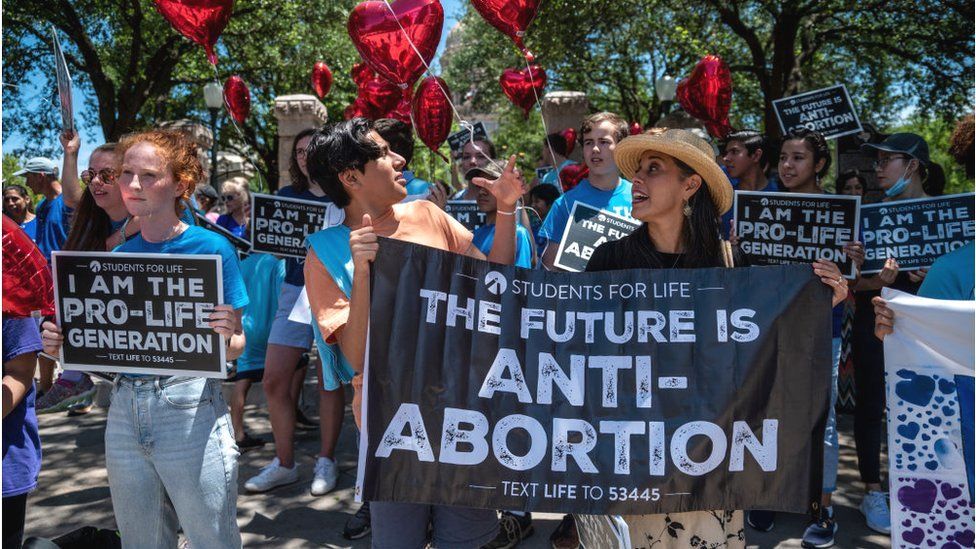
SharecloseShare pageCopy linkAbout sharingimage sourceGetty ImagesUS President Joe Biden has condemned a new law in Texas banning abortion from as early as six weeks and vowed to defend women’s constitutional rights.The “extreme” law “blatantly” violated rights and would “significantly impair” women’s access to healthcare, he said.The Supreme Court has refused to block the new law in Texas.The law bans abortions after detection of what anti-abortion campaigners call a foetal heartbeat – a point when many women do not know they are pregnant.The so-called Heartbeat Act also gives any individual the right to sue doctors who perform an abortion past the six-week point.Doctors and women’s rights groups have heavily criticised the law, which is one of the most restrictive in the country, and took effect after the conservative-leaning Supreme Court failed to respond to an emergency appeal by abortion providers.What’s going on with US abortion rights?What is Roe v Wade ruling on abortion?The Democratic president, in his statement, said his administration would “protect and defend” the constitutional rights established under Roe v Wade and “upheld as a precedent for nearly half a century”.He was referring to the 1973 case in which the Supreme Court ruled US women have the right to an abortion until a foetus is viable – that is, able to survive outside the womb. This is usually between 22 and 24 weeks into a pregnancy.White House spokeswoman Jen Psaki told reporters that the president had long wanted to see the “codification” of Roe v Wade – which would mean Congress voting to make the precedent federal law – “and [the Texas law] highlights even further the need to move forward on that effort”.Other Democrats also expressed their outrage. House Speaker Nancy Pelosi said the Supreme Court had “delivered catastrophe to women in Texas” while New York Mayor Bill de Blasio said it was a “direct assault on the rights of women” across the country and would need a “national mobilisation” to fight it.Rights groups, including Planned Parenthood and the American Civil Liberties Union (ACLU) who had requested that the Supreme Court block the legislation, say they will not give up the fight. Feeling targetedBy Angélica Casas, BBC News, San Antonio, TexasDr Ghazaleh Moayedi, who carries out abortions in her OB/GYN practice in north Texas, said she feels targeted. In the 15 years that she has worked in abortion care, she has seen greater restrictions in the state, but never anything as aggressive as this law.”Providing abortion care, and accessing abortion care is actually the very heart of being Texan,” Moayedi told the BBC.”Texans don’t believe that the government should interfere in our personal lives. We believe that the community takes care of each other. It doesn’t make sense that our legislators here in the state continue to go after folks for their personal lives, because that’s really not what we’re about here.”She said that the bill will immediately stop access to care for 90% of the people that see her for abortions and that those patients will likely be forced to consider going out of state or to continue unwanted pregnancies.Her biggest fear is for women who will seek dangerous alternatives to a medical abortion with the help of a doctor – but she also fears for herself.”I’m afraid for my personal future and the future of my career as a result of this.”Read more here.How does this law differ from other restrictions?Most abortion restrictions that have been proposed before have relied on criminal penalties or some form of regulatory punishment.The Texas law, which was signed into law by Governor Greg Abbott in May, instead authorises “a private civil right of action”, which allows people to sue to enforce the law even if they themselves have not been harmed.An ordinary American, from Texas or elsewhere, may now be able to seek up to $10,000 (£7,200) in damages in a civil court against abortion providers and doctors – and possibly anyone at all involved in the process. That means people like clinic staff, family members, or clergy who encourage or support the procedure could, in theory, be sued.The legislation makes an exception in the case of medical emergency, which requires written proof from a doctor, but not for pregnancies resulting from rape or incest.Turning over enforcement of the Heartbeat Act to private citizens instead of government officials likely means that – in the absence of Supreme Court intervention – the law cannot be challenged until a private citizen seeks damages. Kim Schwartz of the Texas Right to Life organisation, which supports the measure, told the BBC most anti-abortion laws were “held up in the court system for years” and this “thwarts the will of the people”. She argued that courts would require “a credible claim that an illegal abortion occurred” and would still undergo fact-finding processes.But the ACLU and other critics have suggested the Texas law will champion “a bounty hunting scheme” of costly “vigilante lawsuits” designed to harass women seeking an abortion. The ACLU noted tip lines have already been set up by anti-abortion groups.

Read more →