Optical techniques offer fast, efficient COVID-19 detection

Without the prospect of herd immunity on the immediate horizon, speedy detection for COVID-19 remains imperative for helping to curb the pandemic. Point-of-care testing that can provide immediate results is an urgent need.
Researchers from the University of Texas at Austin and Omega Optics Inc. investigated the opportunities and challenges in developing rapid COVID-19 sensing techniques. They discuss the prospects of optical biosensors for point-of-care COVID-19 testing in the journal Applied Physics Reviews, from AIP Publishing.
“Due to growing cases resulting from more transmissible variants around the world and the need to prevent and control cases and outbreaks when they arise, we should be utilizing rapid testing more commonly to detect and stop the spread before hitting the transmission peak,” said Aref Asghari, one of the authors.
One of the most promising solutions to accurate rapid testing is using optical biosensors. When a virion is present on the surface of an optical sensor, its interaction with a light beam on the sensor affects the light’s properties, causing a measurable shift in the light signal. Even with only a very small viral dosage, the system can reliably detect the coronavirus in real time.
“In case of COVID-19, the viral load at the onset of infection can be low enough to not be detected by many commercially available methods,” Asghari said. “Therefore, viral detection, especially at earlier infection stage, can be very challenging.”
There are a number of different ways in which this interaction can be utilized and improved upon, such as integrating it with measurements of plasma oscillations or incorporating graphene into its fabrication process.
Each potential configuration uses a different mechanism to sense the virus and has its own set of advantages and drawbacks, but the primary takeaway remains the same. Even with the widespread availability of vaccines, the pandemic cannot be overcome without developing faster ways to determine infection, particularly as mutations and new variants of the virus continue to arise.
“The combination of vaccines and rapid tests will drive down community transmission to a point where we can effectively eliminate the virus,” Asghari said.
Story Source:
Materials provided by American Institute of Physics. Note: Content may be edited for style and length.
Read more →

COVID-19 Infected Many More Americans in 2020 than Official Tallies Show

Caption: Percentage of people in communities across the United States infected by the novel coronavirus that causes COVID-19 as of December 2020. Credit: Pei S, Nature, 2021.

At the end of last year, you may recall hearing news reports that the number of COVID-19 cases in the United States had topped 20 million. While that number came as truly sobering news, it also likely was an underestimate. Many cases went undetected due to limited testing early in the year and a large number of infections that produced mild or no symptoms.

Now, a recent article published in Nature offers a more-comprehensive estimate that puts the true number of infections by the end of 2020 at more than 100 million [1]. That’s equal to just under a third of the U.S. population of 328 million. This revised number shows just how rapidly this novel coronavirus spread through the country last year. It also brings home just how timely the vaccines have been—and continue to be in 2021—to protect our nation’s health in this time of pandemic.

The work comes from NIH grantee Jeffrey Shaman, Sen Pei, and colleagues, Columbia University, New York. As shown above in the map, the researchers estimated the percentage of people who had been infected with SARS-CoV-2, the novel coronavirus that causes COVID-19, in communities across the country through December 2020.

To generate this map, they started with existing national data on the number of coronavirus cases (both detected and undetected) in 3,142 U.S. counties and major metropolitan areas. They then factored in data from the Centers for Disease Control and Prevention (CDC) on the number of people who tested positive for antibodies against SARS-CoV-2. These CDC data are useful for picking up on past infections, including those that went undetected.

From these data, the researchers calculated that only about 11 percent of all COVID-19 cases were confirmed by a positive test result in March 2020. By the end of the year, with testing improvements and heightened public awareness of COVID-19, the ascertainment rate (the number of infections that were known versus unknown) rose to about 25 percent on average. This measure also varied a lot across the country. For instance, the ascertainment rates in Miami and Phoenix were higher than the national average, while rates in New York City, Los Angeles, and Chicago were lower than average.

How many people were potentially walking around with a contagious SARS-CoV-2 infection? The model helps to answer this, too. On December 31, 2020, the researchers estimate that 0.77 percent of the U.S. population had a contagious infection. That’s about 1 in every 130 people on average. In some places, it was much higher. In Los Angeles, for example, nearly 1 in 40 (or 2.42 percent) had a SARS-CoV-2 infection as they rang in the New Year.

Over the course of the year, the fatality rate associated with COVID-19 dropped, at least in part due to earlier diagnosis and advances in treatment. The fatality rate went from 0.77 percent in April to 0.31 percent in December. While this is great news, it still shows that COVID-19 remains much more dangerous than seasonal influenza (which has a fatality rate of 0.08 percent).

Today, the landscape has changed considerably. Vaccines are now widely available, giving many more people immune protection without ever having to get infected. And yet, the rise of the Delta and other variants means that breakthrough infections and reinfections—which the researchers didn’t account for in their model—have become a much bigger concern.

Looking ahead to the end of 2021, Americans must continue to do everything they can to protect their communities from the spread of this terrible virus. That means getting vaccinated if you haven’t already, staying home and getting tested if you’ve got symptoms or know of an exposure, and taking other measures to keep yourself and your loved ones safe and well. These measures we take now will influence the infection rates and susceptibility to SARS-CoV-2 in our communities going forward. That will determine what the map of SARS-CoV-2 infections will look like in 2021 and beyond and, ultimately, how soon we can finally put this pandemic behind us.

Reference:

[1] Burden and characteristics of COVID-19 in the United States during 2020. Pei S, Yamana TK, Kandula S, Galanti M, Shaman J. Nature. 2021 Aug 26.

Links:

COVID-19 Research (NIH)

Sen Pei (Columbia University, New York)

Jeffrey Shaman (Columbia University, New York)

Read more →

Ohio Judge Reverses Order Requiring Covid Patient to Be Given Ivermectin

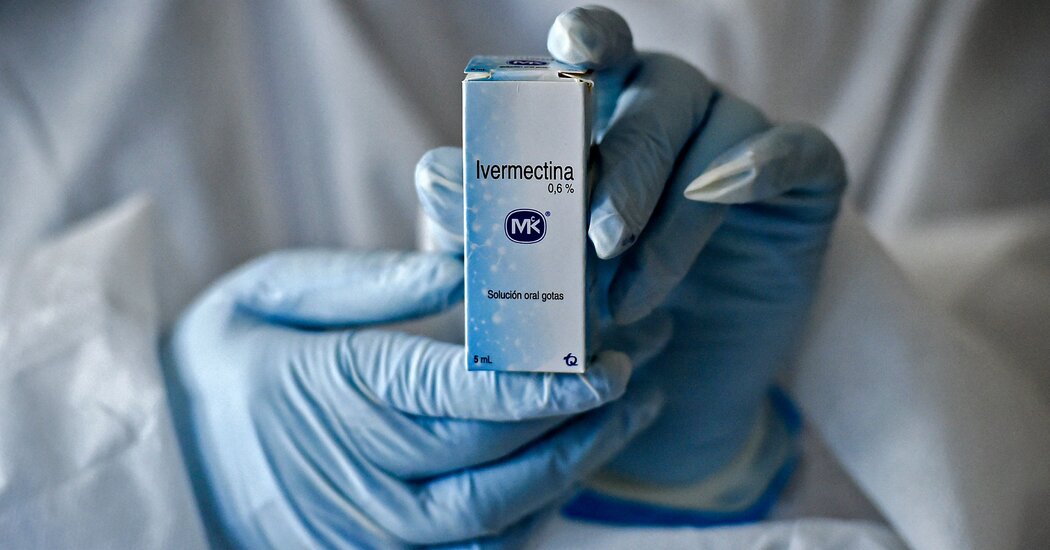
An intubated patient was prescribed the deworming drug by his doctor. Federal health officials have said that it has not been shown to be effective against the coronavirus and that it can be toxic in humans.An Ohio judge on Monday reversed an earlier decision requiring a hospital to administer ivermectin, an anti-parasitic drug that is primarily used as a veterinary deworming agent, to a patient as a treatment for Covid-19.The judge, Michael A. Oster Jr., wrote that “there can be no doubt that the medical and scientific communities do not support the use of ivermectin as a treatment for Covid-19” and that the plaintiff had failed to provide convincing evidence to show that it was effective.The Food and Drug Administration has warned Covid-19 patients against taking ivermectin, which has repeatedly failed in clinical trials to help people infected with the coronavirus. Concentrated doses intended for horses and other large livestock can be toxic in humans, the agency has said.However, the drug has become a popular subject among conservative talk show hosts. Physicians and toxicologists have raised alarms about people obtaining ivermectin from livestock supply centers and a surge in calls to poison control centers about overdoses and adverse reactions to the drug.The Ohio lawsuit was filed by Julie Smith, who was acting as the guardian for her husband, Jeffrey Smith. A different judge granted a 14-day injunction last month, ordering West Chester Hospital north of Cincinnati to administer the drug to Mr. Smith, who was being treated there for Covid-19.Ralph Lorigo, a lawyer representing Ms. Smith, said in a statement on Tuesday that Mr. Smith received ivermectin for 13 days before the injunction was issued, and that he believed the drug saved his life.“In the four days before the hearing the ventilator setting was able to be reduced to 50 percent,” Mr. Lorigo said. “On the Friday after the hearing the doctors were talking to Julie about removing” her husband from the ventilator, he said.A spokeswoman for West Chester Hospital, Kelly Martin, welcomed Judge Oster’s decision.“We do not believe that hospitals or clinicians should be ordered to administer medications and/or therapies, especially unproven medications and/or therapies, against medical advice,” Ms. Martin said in a statement on Tuesday. “We are grateful for the judge’s careful consideration and for the judicial process in this matter.”Mr. Smith, 51, tested positive for the virus on July 9 and the following week was admitted to West Chester Hospital’s intensive care unit, according to court documents. Mr. Smith’s condition declined. On Aug. 1, he was sedated, intubated and placed on a ventilator.Ivermectin, which was introduced as a veterinary drug in the late 1970s, is used to treat people with infections caused by parasitic worms, head lice and skin conditions such as rosacea. It has not been approved by the F.D.A. to treat or prevent Covid-19. It was prescribed by Mr. Smith’s physician, who does not have privileges at West Chester Hospital and did not see Mr. Smith before approving the treatment, court records show.“While the court is sympathetic to the Plaintiff and understands the idea of wanting to do anything to help her loved one, public policy should not and does not support allowing a physician to try ‘any’ type of treatment on human beings,” Judge Oster wrote. “Rather, public policy supports the safe and effective development of medications and medical practices.”At a hearing last week, Mr. Smith’s physician testified that he “seems to be” doing better since receiving ivermectin. But the doctor said he was not sure if continued use of the drug by Mr. Smith would be beneficial, court records show. Ms. Smith testified that she believed the drug was working.The Centers for Disease Control and Prevention, the F.D.A. and other agencies have in recent weeks warned against the use of ivermectin to treat Covid-19, particularly the more potent formulations for animals.An overdose could lead to visual hallucinations, seizures and “an altered mental state,” the C.D.C. said, adding that ivermectin products used in animals or to treat human skin should not be swallowed.None of that has kept some conservative radio hosts and Facebook and Reddit users from touting ivermectin as a potential Covid cure, fueling a surge in demand in recent months.After sharing last week that he had tested positive for the virus, the podcast host Joe Rogan said in an Instagram video that he had “thrown the kitchen sink at all kinds of meds,” including ivermectin. Phil Valentine, a conservative talk show host, died in August after being hospitalized with Covid-19. He had told listeners that, in addition to taking vitamin D, he had found a doctor who would prescribe ivermectin.As some patients turned to animal supply stores to obtain veterinary formulations of the drug, the National Poison Data System recorded that, from July to August, cases of ivermectin exposure more than tripled, to 459 from 133.Pharmacists also reported difficulty in restocking the drug as prescriptions increased to 88,000 in recent weeks from a prepandemic weekly average of 3,600, according to the F.D.A.

Read more →

Spanish woman sues after DNA test reveals birth swap error

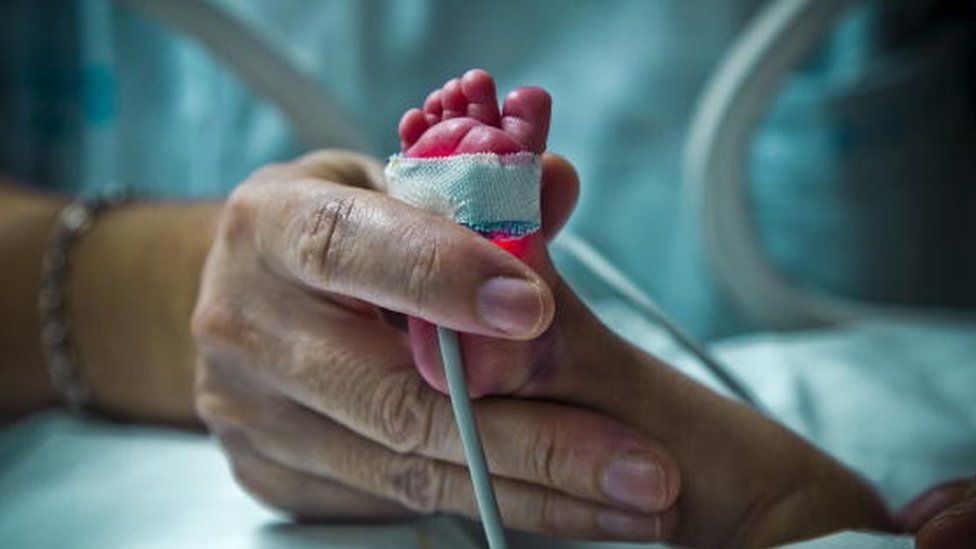
SharecloseShare pageCopy linkAbout sharingimage sourceGetty ImagesA woman has demanded compensation from health authorities in northern Spain after discovering she was mistakenly swapped at birth with another baby 19 years ago, local reports say.The woman was mixed up with a baby who was born on the same day in 2002 at a hospital in Logroño, south of Bilbao.Both babies were put in incubators before being handed to the wrong parents.A regional government has acknowledged the mix-up, blaming “human error”.On Tuesday the health minister for the government of La Rioja, Sara Alba, said it was not possible to conclude who had made the mistake.She said it would “be impossible for something like this to happen again today” because procedures for identifying babies were “safe and reliable”.The case was first reported by the La Rioja newspaper, which said one of the women is seeking €3m (£2.4m; $3.5m) in damages from the region’s ministry of health. The ministry has only offered compensation of €215,000, reports say.The other woman involved has been informed about the situation but has not made a complaint, the El País newspaper reported.The complainant, who has not been named, was raised by a woman she believed to be her grandmother.When the grandmother sued the presumed father over child care in 2017, a court ordered a DNA test. This confirmed the man was not the child’s biological father, and a later test revealed her presumed mother was not a genetic relation either.At 16, the girl requested help from lawyers, who pressed health authorities to investigate the circumstances of her birth.The investigation suggested there was only one baby the girl could have been switched with.Now 19, the woman is awaiting the result of a DNA test to confirm the identity of her biological parents as prosecutors investigate the case.Ms Alba said the regional government would respect the legal process and offer the families whatever support they needed.You may also be interested in:

Read more →

Scientists make sperm from mouse pluripotent stem cells that lead to healthy, fertile offspring

For species that rely on sexual reproduction, including mice and men, offspring can only happen if sperm from the male fertilize eggs from the female. Even artificial fertilization techniques depend on donors for both of these cells. However, a new study led by ASHBi researchers shows that mouse pluripotent stem cells can differentiate into functional sperm. These sperm were successfully used to produce healthy, fertile offspring and provide the most comprehensive model yet for generating male germ cells in a test tube.
Pluripotent stem cells have allowed scientists to study how each and every cell in the body is formed. Brain cells, heart cells, and livers cells are just some examples of the cell types made from these stem cells and now being used in patients as experimental cell therapies. However, some cell types remain difficult to make from pluripotent stem cells, particularly sperm cells.
Among all cell types, germ cells are unique for many reasons. First, unlike all other cells, which carry 46 chromosomes, germs cells only have 23 chromosomes, with the egg having all its chromosomes from the mother, and sperm having all its chromosomes from the father.
Furthermore, they are the only cells that parents actually pass to their offspring, which makes them, according to ASHBi Director Mitinori Saitou, one of the authors of the study, “the driving force that sustains and evolves a species.”
Although more research is needed, scientists have made significant strides in producing sperm cells from pluripotent stem cells, at least for mouse. The process is generally broken into three stages that mimic natural development. First, the stem cells are differentiated into primordial germ cells, then into spermatogonia stem cells, which is when the male sex is determined, and finally sperm.
Spermatogonia stem cells are what allow the male to produce sperm for a lifetime, but this second stage has proven to be the most difficult to recreate in the laboratory.

Read more →

New QIBA profile for knee cartilage MRI

New recommendations will help provide more reliable, reproducible results for MRI-based measurements of cartilage degeneration in the knee, helping to slow down disease and prevent progression to irreversible osteoarthritis, according to a special report published in the journal Radiology.
Osteoarthritis is the most common type of arthritis, with a prevalence of more than 33% in adults older than 65 years. It exacts a major toll on society in the form of costs related to pain, disability and reduced quality of life. There is currently no way to cure or reverse it.
“By the time there is structural damage to the cartilage, treatment choices are very limited,” said paper coauthor Majid Chalian, M.D., assistant professor of radiology and section head of musculoskeletal imaging and intervention in the Department of Radiology at the University of Washington in Seattle. “We cannot treat the damaged cartilage, and we cannot prevent osteoarthritis because the cartilage is not going to regrow.”
MRI-based cartilage compositional analysis is a promising tool for revealing biochemical and microstructural changes in the early stages of osteoarthritis. Two advanced MRI techniques, T1rho and T2 mapping, have been established for assessing cartilage composition. T2 mapping is the only one currently available commercially.
While the techniques are promising, clinical applications have been limited.
“The issue with these compositional cartilage imaging measurements is that the reliability and reproducibility of the numbers are not great,” Dr. Chalian said. “They can be different from one scanner to another or when you use the same scanner at different times.”
To address these shortcomings, Dr. Chalian and his colleagues from the Radiological Society of North America’s (RSNA) Musculoskeletal Biomarkers Committee of the Quantitative Imaging Biomarkers Alliance (QIBA) collaborated to create a QIBA profile for cartilage compositional imaging. They analyzed major publications in the field and made several important determinations.

Read more →

Chemotherapy drug puts young children with cancer at high risk of hearing loss

A chemotherapy drug known to cause hearing loss in children is more likely to do so the earlier in life children receive it, new UBC research has found.
Cisplatin is a life-saving treatment for many children with cancer, but the study published today in Cancer shows that the hearing of very young children is impacted early during treatment and is affected to a greater extent than that of older children.
“This is significant as even a moderate loss of hearing can impact social development in children, particularly when it occurs during a peak time of language acquisition,” said the study’s senior author Dr. Bruce Carleton, professor at UBC’s faculty of medicine’s department of pediatrics and an investigator and director of the Pharmaceutical Outcomes Programme at BC Children’s Hospital.
Previous studies have shown up to 60 per cent of children treated with cisplatin suffer from hearing loss and 40 per cent of those children will need hearing aids.
To understand the course of cisplatin-related hearing loss, Dr. Carleton and his colleagues examined data from 368 Canadian childhood cancer patients who received cisplatin and underwent a total of 2,052 audiological assessments. All of the patients had completed cisplatin therapy.
Three years after starting therapy, 75 per cent of patients five years old and younger, and 48 per cent of patients older than five had experienced cisplatin-related hearing loss.
One year after initiating therapy, 61 per cent of patients age five and younger had experienced cisplatin-related hearing loss. At three months, 27 per cent of the same age group had experienced hearing loss.
A higher total dose of cisplatin at three months, co-prescriptions of the chemotherapy drug vincristine, and a longer duration of antibiotics administered at the same time exacerbated cisplatin-related hearing loss over time.
The underlying mechanism explaining the higher occurrence of cisplatin-related hearing loss in young children remains unclear, but maturing structures within the inner ear might be more vulnerable to the toxic effects of cisplatin.
“These results emphasize the need for audiological monitoring with each cycle of cisplatin treatment,” said Dr. Carleton. “Further investigation is needed to illuminate why younger children are more vulnerable to hearing loss and how best to protect hearing while administering this life-saving therapy.”
Story Source:
Materials provided by University of British Columbia. Note: Content may be edited for style and length.

Read more →

Nanofiber face masks improve filtration efficiency, need replacing more often

Since its outbreak, the COVID-19 virus has infected more than 207.7 million people worldwide and has claimed more than 4.3 million lives, according to the World Health Organization coronavirus dashboard as of Aug. 17.
However, many medical professionals attribute the consequential role of face masks in slowing the spread of the virus and protecting human health.
Innovations to improve mask efficacy, with increasing focus on nanofiber manufacturing, have resulted in higher filtration efficiency, greater comfort, and easier breathing capacity. However, the effects of microwater droplets on the integrity of nanofibers are relatively unclear.
In Physics of Fluids, by AIP Publishing, researchers from Southern University of Science and Technology in Shenzhen, China, examine these ambiguities through a visualization of nanofibers interacting with water aerosol exposure.
“When COVID-19 first hit, face masks were in extremely short supply everywhere, and people came up with all kinds of ways to ‘rejuvenize’ used face masks. It was like a chef’s contest, with boiling, steaming, grilling, and even smoking involved,” said co-author Boyang Yu. “Our intuition told us this can’t be right. We have to look into it and see what exactly happened with the nanofibers.”
Yu and his colleagues used high-speed microscopic videos to systematically visualize the evolution of nanofibers made of polymers with different contact angles, diameters, and mesh sizes under water aerosol exposure.
“Filming nanofibers is like taking portraits of babies,” said Yu. “They don’t like to stay in place for the camera. This is because nanofibers are very soft and flimsy, especially with the aerosol flow blowing through. But with enough care, patience, and luck, we eventually got nice shots for our analysis.”
The images produced reveal nanofibers coalesce irreversibly during the “droplet capture stage” as well as the subsequent liquid evaporation stage, significantly reducing the effective fiber length for capturing aerosols. They show hydrophobic and orthogonally woven fibers can reduce capillary forces and decrease the fiber coalescing rate.
“We confirmed three things,” said co-author Weiwei Deng. “One, nanofibers are superb at capturing droplets in aerosol. Two, the nanofibers are bonded together after the aerosol is captured. And three, this bonding is tight and irreversible, even after the captured droplets evaporate.
“Wetted fibers tend to bond to each other in the same way that wet hairs tend to bundle together. It is because of the capillary force, which becomes dominant as the size scale shrinks, and it is extremely strong for nanofibers.”
The study’s findings are expected to help improve design, fabrication, and use of face masks made with nanofibers. They provide direct visual evidence for the need to replace face masks frequently, especially in cold environments.
“The winter is coming,” said Deng. “When it’s cold outside, your breath contains more droplets that may make the nanofiber mesh collapse more quickly.”

Read more →

Avocados change belly fat distribution in women, controlled study finds

An avocado a day could help redistribute belly fat in women toward a healthier profile, according to a new study from the University of Illinois Urbana-Champaign and collaborators.
One hundred and five adults with overweight and obesity participated in a randomized controlled trial that provided one meal a day for 12 weeks. Women who consumed avocado as part of their daily meal had a reduction in deeper visceral abdominal fat.
Led by Naiman Khan, an Illinois professor of kinesiology and community health, the researchers published their study, funded by the Hass Avocado Board, in the Journal of Nutrition.
“The goal wasn’t weight loss; we were interested in understanding what eating an avocado does to the way individuals store their body fat. The location of fat in the body plays an important role in health,” Khan said.
“In the abdomen, there are two kinds of fat: fat that accumulates right underneath the skin, called subcutaneous fat, and fat that accumulates deeper in the abdomen, known as visceral fat, that surrounds the internal organs. Individuals with a higher proportion of that deeper visceral fat tend to be at a higher risk of developing diabetes. So we were interested in determining whether the ratio of subcutaneous to visceral fat changed with avocado consumption,” he said.
The participants were divided into two groups. One group received meals that incorporated a fresh avocado, while the other group received a meal that had nearly identical ingredients and similar calories but did not contain avocado.

Read more →

Four independent studies show rovalpituzumab tesirine ineffective against small cell lung cancer

Four independent studies published in the Journal of Thoracic Oncology (JTO) demonstrate that rovalpituzumab tesirine for small-cell lung cancer (SCLC) is not effective against SCLC, casting a pall over the future of the therapy and closing a door that seemed opened four years ago when the first study on the therapy was published. The JTO is the official journal of the International Association for the Study of Lung Cancer.
An accompanying editorial written by Dr. Dipesh Uprety, Dr. Jordi Remon, and JTO Editor Dr. Alex A. Adjei, discusses the recent history of the therapy’s clinical trials and suggests some possible reasons why the drug has not been effective.
According to the editorial, SCLC remains a difficult disease to treat, especially at the time of relapse. Currently, topotecan is among the most effective, but it is not the most desirable and favored drug in the second-line setting because of its toxicity profile. Still, it has been difficult for new agents to “beat” this drug in the second-line setting. Several phase III clinical trials have failed to reveal improved survival over topotecan.
In 2017, clinicians were cautiously optimistic when Dr. Charles Rudin and colleagues published one of the first studies on rovalpituzumab tesirine in Lancet Oncology.
“The first in-human phase 1 clinical trial with Rova-T elicited significant enthusiasm because of the efficacy results — 11 Of 60 assessable patients with pretreated SCLC who received an active dose of Rova-T achieved a confirmed response for an objective response rate (ORR) of 18%, tumors with high DLL3 expression (50% expression on tumor cells), the ORR was 38%. In a post hoc analysis, the ORR did not differ between those treated in the second- or third-line setting,” according to the editorial.
But the four studies published in this month’s JTO demonstrates that rovalpituzumab tesirine could not displace topotecan as an effective therapy for SCLC.

Read more →