‘Selective promiscuity,’ chaperones and the secrets of cellular health

A team of researchers at the University of Massachusetts Amherst has announced a major new advance in understanding how our genetic information eventually translates into functional proteins — one of the building blocks of human life. The research, recently published in the Proceedings of the National Academy of Sciences (PNAS), elucidates how chaperones display “selective promiscuity” for the specific proteins — their “clients” — they serve. This property enables them to play an essential role in maintaining healthy cells and is a step forward in understanding the origins of a host of human illnesses, from cancer to ALS.
There are four “letters” in the linear DNA code: A, C, G and T. Through the complex processes of transcription, followed by protein synthesis and finally protein folding, those four, two-dimensional letters turn into a 20-letter, three-dimensional recipe for proteins. Most of the time, this process works flawlessly, and our cells can build and reproduce themselves smoothly. But when something goes awry, the results can be catastrophic. Luckily, cells rely on a rigorous quality control to offset the devastating consequences.
The protein folding process, during which a chain of amino acids assumes its final shape as a protein, can be especially fraught. Researchers have long known that special molecules called chaperones help shepherd the protein into its final, correct shape. These “chaperones” can figure out which proteins are at risk of being deformed and can then lend that protein additional help. But how exactly they do their work has been poorly understood: “The chaperones do some kind of magic,” says Alexandra Pozhidaeva, co-lead author of the paper who contributed to this study as a postdoctoral research associate at UMass Amherst and is currently a postdoctoral fellow at UConn Health. “What we’ve done is to reveal the mechanics behind the trick.”
The trick is that, though there are tens of thousands of different proteins in our cells, each with a different shape and function, there are far fewer chaperones. “How is it,” asks Lila Gierasch, Distinguished Professor of biochemistry and molecular biology at UMass Amherst and the paper’s senior author, “that the same chaperones can help many different proteins?” The answer lies in what the authors call the chaperones’ “selective promiscuity.”
The team relied on the cutting-edge, in-house resources of UMass Amherst’s Institute for Applied Life Sciences for a novel combination of x-ray crystallography, which yields an incredibly detailed high-resolution but static snapshot of the chaperone’s interaction with its protein client, and nuclear magnetic resonance, which can capture a fuller, more dynamic picture of this complex process. The team focused their efforts on a specific chaperone family known as the Hsp70s. Hsp70s, according to co-lead author Rachel Jensen, a UMass undergraduate at the time she conducted this research and now a graduate student at Berkeley, are among the most important of chaperones because “they carry out a wide range of critical roles within the cell and help execute many crucial cellular functions.”
Whereas previous researchers used artificially shortened protein chains, the team used much longer chains to study how Hsp70’s interaction with their clients. “We studied a much more complex system,” says Eugenia Clerico, co-lead author and research professor of biochemistry and molecular biology at UMass. “We were able to study in the lab something that mimics what happens in our bodies.”
What they discovered is that Hsp70s are both promiscuous — they can service many different proteins — but also selective: the range of proteins they can work with is limited. Additionally, Hsp70s “read” ambidextrously: they can identify which protein chains to help by reading their sequences either from left to right, or right to left.
Not only is this breakthrough an advance in our understanding of how cells stay healthy, it has real-world applications. “Hsp70s,” says Gierasch, “are involved in so many pathological diseases, from cancer to Alzheimer’s, and host Hsp70s are exploited by parasites and viruses. Understanding how Hsp70s work can help us develop therapeutic strategies against these terrible diseases.”
Story Source:
Materials provided by University of Massachusetts Amherst. Note: Content may be edited for style and length.

Read more →

Personality traits linked to hallmarks of Alzheimer’s disease

New research from the Florida State University College of Medicine found that changes in the brain associated with Alzheimer’s disease are often visible early on in individuals with personality traits associated with the condition.
The study focused on two traits previously linked to the risk of dementia: neuroticism, which measures a predisposition for negative emotions, and conscientiousness, which measures the tendency to be careful, organized, goal-directed and responsible.
“We have done studies showing who’s at risk of developing dementia, but those other studies were looking at the clinical diagnosis,” said Antonio Terracciano, professor of geriatrics at the College of Medicine. “Here, we are looking at the neuropathology; that is, the lesions in the brain that tell us about the underlying pathological change. This study shows that even before clinical dementia, personality predicts the accumulation of pathology associated with dementia.”
The findings, published as an article-in-press online with Biological Psychiatry and also available through FSU’s open access research repository, combine data from the Baltimore Longitudinal Study of Aging (BLSA) and previously published work in a meta-analysis that summarized 12 studies on personality and Alzheimer’s neuropathology. The studies combined included more than 3,000 participants. Combining results across studies provides more robust estimates of the associations between personality and neuropathology than a single individual study can typically provide.
In both the BLSA and meta-analysis, the researchers found more amyloid and tau deposits (the proteins responsible for the plaques and tangles that characterize Alzheimer’s disease) in participants who scored higher in neuroticism and lower in conscientiousness.
The team also found associations to be stronger in studies of cognitively normal people compared to studies that included people with cognitive problems.
The findings suggest that personality can help protect against Alzheimer’s and other neurological diseases by delaying or preventing the emergence of neuropathology for those strong in conscientiousness and low in neuroticism.
“Such protection against neuropathology may derive from a lifetime difference in people’s emotions and behaviors,” Terracciano said. “For example, past research has shown that low neuroticism helps with managing stress and reduces the risk of common mental health disorders. Similarly, high conscientiousness is consistently related to healthy lifestyles, like physical activity. Over time, more adaptive personality traits can better support metabolic and immunological functions, and ultimately prevent or delay the neurodegeneration process.”
The BLSA is a scientific study of human aging conducted by the National Institute on Aging (NIA), part of the National Institutes of Health (NIH), that began in 1958. Personality was measured using a five-factor personality test, the most common personality assessment tool. At the time of their enrollment in the BLSA neuroimaging sub-study, all participants were free of dementia or other severe medical conditions.
Advances in brain scan technology used to assess in vivo amyloid and tau neuropathology made it possible for researchers to complete this work.
“Until recently, researchers measured amyloid and tau in the brain through autopsy — after people died,” Terracciano said. “In recent years, advances in medical imaging have made it possible to assess neuropathology when people are still alive, even before they show any symptoms.”
Story Source:
Materials provided by Florida State University. Original written by Doug Carlson. Note: Content may be edited for style and length.

Read more →

F.D.A. Authorizes E-Cigarettes to Stay on U.S. Market for the First Time

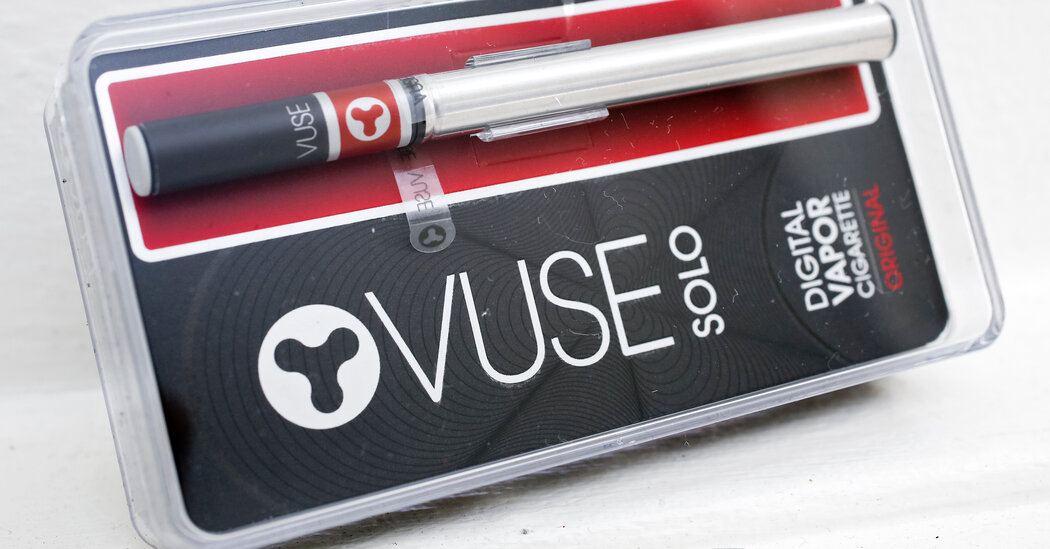
The agency approved three Vuse vaping products and said their benefits in helping smokers quit outweighed the risks of hooking youths.The Food and Drug Administration for the first time on Tuesday authorized an electronic cigarette to be sold in the United States, a significant turn in one of the most contentious public health debates in decades.In greenlighting a device and tobacco-flavored cartridges marketed by R.J. Reynolds under the brand name Vuse, the agency signaled that it believed that the help that certain vaping devices offer smokers to quit traditional cigarettes is more significant than the risks of ensnaring a new generation.“The authorized products’ aerosols are significantly less toxic than combusted cigarettes based on available data,” the F.D.A. said in a statement announcing the decision.The statement concluded, “The F.D.A. determined that the potential benefit to smokers who switch completely or significantly reduce their cigarette use, would outweigh the risk to youth.”The watershed decision could pave the way for authorization of some other electronic cigarettes, including from the once-dominant maker Juul, to stay on the market. For more than a year, the manufacturers of e-cigarettes have been in a holding pattern — their products on the market but awaiting official authorization — as the F.D.A. has investigated whether they were a benefit or a danger to public health.Over the past few months, as part of that review, the agency ordered thousands of vaping products off the market, including a brand that has surpassed Juul as a favorite among teenagers for their fruity and candy flavors, Puff Bars. On Tuesday, the agency also ordered 10 other Vuse flavored products off the market but declined to say which products it rejected.Condemnation of the decision was swift.“This throws young people under the bus,” said Erika Sward, national assistant vice president for advocacy at the American Lung Association. She said the concern was both with the broader logic endorsing these products but also with the Vuse, which in the government’s most recent survey on youth tobacco use was found to be one of the most popular vaping brands with young people.Vuse’s owner, R.J. Reynolds, is one of the world’s largest cigarette companies. Juul is owned by another, Altria. Ms. Sward said that an industry that lied about hooking generations on a deadly product that killed millions was now positioned to control the next iteration of the nicotine market.“The industry has been waiting for their next big thing and they found it with e-cigarettes,” she said.Kaelan Hollon, a spokeswoman for Reynolds American, R.J.R.’s parent company, said the decision “represents an important moment for Reynolds” and that it showed that the authorized products “are appropriate for the protection of the public health.”

Read more →

W.H.O. Will Announce New Team to Study Coronavirus Origins

“This new group can do all the fancy footwork it wants, but China’s not going to cooperate,” one expert said.The position is unpaid. The world’s scientists and internet sleuths will scrutinize every move. Completing the first assignment with the available tools, and to everyone’s satisfaction, will be nearly impossible.Despite those considerable obstacles, more than 700 people have applied for spots on a new committee charged with breathing life into the World Health Organization’s stalled inquiry into the origins of the coronavirus pandemic.The committee, expected to be announced this week, represents an attempt by the embattled global health body to reset its approach to determining how the pandemic began. Nine months after sending a team of international experts to China, only for its findings to become entangled in geopolitics and trailed by concerns over Beijing’s influence, the W.H.O. is trying to inoculate its latest efforts from the slightest hints of undue deference toward China.Its new advisory team will include specialists in fields like laboratory safety and biosecurity, a step that analysts say may help placate Western governments pressing for consideration of whether the virus emerged from a lab. And, crucially, the committee will have a mandate to weigh in on the emergence of any new pathogens beyond this novel coronavirus, giving it a permanence that could help insulate it from political squabbling and strengthen the W.H.O.’s hand for future outbreaks.Maria Van Kerkhove, the W.H.O.’s Covid-19 technical lead, said the group — comprising some two dozen virologists, geneticists, animal experts and safety and security specialists — would help the organization return to its roots amid the rancor and partisanship of the coronavirus origins debate.“Especially in light of the politicization of this particular aspect,” she said in an interview, “we want to take this back to the science, take this back to our mandate as an organization to bring together the world’s best minds to outline what needs to be done.”What most needs doing in the hunt for Covid’s origins, many scientists believe, is something that the new advisory group will be powerless to achieve: persuading China to release evidence about the first infections and to let researchers inspect virology labs, bat caves and wildlife farms within its borders.China has reacted angrily to the idea that the virus may have emerged from a lab, pushing instead for investigations into early cases in other countries, like Italy, or into American research facilities.“This new group can do all the fancy footwork it wants, but China’s not going to cooperate,” said David Fidler, a senior fellow for global health at the Council on Foreign Relations, a research institute. “For them, all of this continues to look like an attack on China’s response to the pandemic, and there it’s a zero-sum game.”Maria Van Kerkhove, the W.H.O.’s Covid-19 technical lead. “We want to take this back to the science,” she said of the new team.Martial Trezzini/Keystone, via Associated PressSince the beginning of the pandemic, the W.H.O. has been caught in the middle of a tug of war between China and the United States — first over China’s response in the early days of the pandemic, and more recently over the question of how the virus emerged.Even as China has resisted deeper studies of the virus’s origins, the Biden administration has pressed the W.H.O. for a renewed investigation. The State Department pointedly questioned the results of a joint study by the W.H.O.-chosen scientists and Chinese researchers from March that said a leak of the coronavirus from a lab, while possible, was “extremely unlikely.”That W.H.O. team, too, struggled to coax the data it needed from Chinese scientists. Members of the team, which has been disbanded, warned in August that time was running out to recover crucial evidence about the beginning of the pandemic. But it is unclear whether China has taken up the team’s recommendations for future studies, including analyzing blood banks for evidence of early coronavirus infections, testing workers on wildlife farms and assessing wild bats and farmed animals for signs of exposure.Some scientists have said that studies of Chinese animal markets, and of bats harboring close relatives of the virus behind Covid-19, have strengthened their belief that the coronavirus spilled naturally from animals into humans.The W.H.O. has said that Chinese researchers were conducting new studies but that it had not been kept abreast of any findings. “I don’t have any detail on what was done, or is being done,” Dr. Van Kerkhove said of the Chinese research.President Xi Jinping said last month that China would support “science-based origins tracing,” but would oppose “political maneuvering in whatever form.”The Wuhan Institute of Virology during the W.H.O.’s investigation team’s visit last winter.Thomas Peter/ReutersThe new committee, known as the Scientific Advisory Group for the Origins of Novel Pathogens, will differ in several respects from the team that the W.H.O. sent to China. Because that team visited Wuhan, China had considerable influence over its membership. That is not the case for the new committee, a permanent panel that Dr. Van Kerkhove said would begin with frequent, closed-door meetings on the coronavirus.In soliciting applications, the W.H.O. asked potential committee members for a statement about any conflicts of interest, in addition to a cover letter and résumé. That appeared to be an attempt to head off critics who complained that a member of the previous team, Peter Daszak, an animal disease specialist, was too closely tied to a Wuhan virology institute at the center of lab leak theories to offer a dispassionate assessment. Dr. Daszak has said that his expertise on China and coronaviruses made him well-suited to participate in the earlier trip.“Conflicts of interest of members of the last group put a huge cloud over the head of the World Health Organization,” said Lawrence Gostin, who directs the O’Neill Institute for National and Global Health Law at Georgetown University. Of the new advisory group, he added: “It’s a committee with a proper charge, and a proper global mandate — none of that happened before.”For the W.H.O., Professor Gostin said, the new committee serves several purposes. In choosing a larger group reflecting a wider range of expertise and geographic regions, the organization can try to amass widespread international support for its work and underscore China’s intransigence, he said.Crucially, forming the new group could also help shore up the W.H.O.’s standing with its key Western backers, none more important than the United States. Despite the agency’s attempt to act deferentially toward China during the pandemic, Professor Gostin said, China had repeatedly stonewalled the organization and concealed crucial information.Now, he said, the organization needed to pay heed to the desires of Europe and the United States — not least because Tedros Adhanom Ghebreyesus, the W.H.O. director-general, is counting on their support as he seeks re-election in May. Tedros Adhanom Ghebreyesus, the W.H.O. director-general, will be seeking re-election next May.Christopher Black/World Health Organization, via Agence France-Presse — Getty Images“It was one thing to lose America under Donald Trump, where there was a great deal of sympathy for the W.H.O.,” Professor Gostin said. “It’s quite another thing to do it with President Biden, who is an internationalist and who does support the W.H.O.”Despite the eventual avalanche of applications, recruiting for the new committee was no simple task. In some cases, scientists rebuffed the W.H.O.’s pleas to apply.“We did have some people say to us, ‘No, we really don’t want to get engaged, because it’s just too politicized,’” Dr. Van Kerkhove said.The composition of the committee remains under tight wraps. Members of the W.H.O. team that traveled to Wuhan were allowed to apply. Dr. Van Kerkhove declined to say whether any Chinese scientists would be selected. She said that some countries had nominated participants, but that the internal W.H.O. selection group had not taken countries’ backing into account.She said the new committee would meet for the first time roughly two weeks after it is named, following a public comment period that is standard for the global health body’s advisory groups.“It will be a relief to have the first couple of meetings,” Dr. Van Kerkhove said. “But, you know, any time I feel like I’ve reached some kind of finish line, it’s really just a start.”

Read more →

Migraines caused by alterations in metabolite levels

Migraines are a pain in the head and in the hip pocket, but newly discovered genetic causes by QUT researchers could lead the way to new preventative drugs and therapies.
Genetic analyses findings were published in The American Journal of Human Geneticsby Professor Dale Nyholt and his PhD candidates Hamzeh Tanha and Anita Sathyanarayanan, all from the QUT Centre for Genomics and Personalised Health.
Professor Nyholt said the team identified causal genetic links to three blood metabolite levels that increase migraine risk: lower levels of DHA, an omega-3 known to reduce inflammation higher levels of LPE(20:4), a chemical that blocks an anti-inflammatory molecule lower levels of a third, currently uncharacterised metabolite, named X-11315.Professor Nyholt said these genetic links could now be targeted by future research and clinical trials to develop and test compounds that influenced metabolite levels and prevented migraine.
He said migraine was estimated to cost the Australian economy $35.7 billion each year and current treatments failed up to 50 per cent of migraine patients.
“Observed relationships between genetic factors influencing blood metabolite levels and genetic risk for migraine suggest an alteration of metabolites in people with migraine,” Professor Nyholt said.

Read more →

COVID-19-related parenting stress impacted eating habits of children

The incredible stress parents experienced during the COVID-19 pandemic had a negative effect on the eating habits of their children, according to a new study by researchers at the University of Houston College of Education.
When stay-at-home mandates were ordered and school went virtual at the onset of the pandemic, many parents suddenly had to juggle multiple roles such as caregiver, employee and educator. Leslie Frankel, associate professor of human development and family studies, said all those responsibilities took a toll on parents’ mental health, and in turn, what and how much their children were consuming.
Previous research has shown that stress in general is known to have a negative impact on parent-child feeding interactions, but new findings published in the journal Current Psychology reveal COVID-19 only magnified the problem.
“These parents do not have the time, energy or emotional capacity to engage in optimal feeding behaviors, so they resort to maladaptive feeding behaviors such as using food as a reward or pressuring their kids to eat,” said Frankel, the study’s lead author and expert in parent-child relationships. “As a result, their children are not able to self-regulate what or how much food they are putting into their bodies, which could have harmful consequences in the long run.”
Frankel and study co-authors Caroline Bena Kuno, a doctoral student in the UH College of Education and UH Honors College student Ritu Sampige, surveyed 119 mothers and fathers of children ages two to seven between April and June 2020.
They analyzed two different types of COVID-related parenting stress and found that stress resulting from uncertainty about job and financial security was associated with psychological distress, while concerns over family safety and stability led to anxiety. The mothers surveyed reported experiencing higher levels of stress and anxiety compared to fathers who participated in the study.
“The stress doesn’t just go away. Many parents are still feeling uneasy and a parent who is overwhelmed and experiencing symptoms of depression and anxiety may not pay attention to or acknowledge their children’s cues of hunger and fullness,” Frankel explained.
To ensure children are optimizing their eating habits in the event of another public health emergency or natural disaster, the research team says policy makers or nonprofit organizations interested in improving outcomes for children and parents should provide support systems to help parents manage their daily stressors.
Story Source:
Materials provided by University of Houston. Original written by Sara Tubbs. Note: Content may be edited for style and length.

Read more →

Zebrafish could shed light into the mysteries of the human spinal cord and its influence on our body

University of Ottawa researchers believe zebrafish may provide clues to understanding how the human nervous system develops since this fish experiences new movements similarly to how babies do after birth.
To understand how our nervous system enables us to move and learn new movements such as walking or swimming as we grow, researchers looked closely at the nervous system of zebrafish and built models of developing zebrafish spinal circuits to test and further understand the operation of spinal circuits for moving. Their computational study, “Modelling spinal locomotor circuits for movements in developing zebrafish,” was recently published in the journal eLife.
To learn more, we talked to senior author Tuan Bui, Associate Professor in the Department of Biology, head of the Neural Motor Circuits Lab and member of the uOttawa Brain and Mind Research Institute.
Please tell us more about this research.
“Understanding how the spinal cord controls our body is essential for improving treatments for movement disorders due to injury or disease to the nervous system. We examined the function of the spinal cord in zebrafish since zebrafish and mammals have many spinal neurons in common. These freshwater fish are a widely used model organism in biomedical research.
“Recent studies have described the swimming maneuvers of growing zebrafish and the spinal neurons present at these developmental stages. These studies motivated us to ask what changes in the spinal cord help young zebrafish acquire new swimming movements as they mature.”
“The spinal cord is a long, thin, tubular structure extending from the brainstem to the lower part of the vertebral column. It contains several populations of nerve cells (neurons) that help control and coordinate all the body muscles and aid in making movements. We do not yet fully understand the role of each spinal neuron and how they communicate with other neurons and muscles to facilitate movement in animals.

Read more →

Mindful breathing for pain control: Like yin and yang

It’s long been known that meditative mindful breathing helps with various health conditions, including pain.
To that end, researchers at the University of Michigan compared two types of meditative breathing — traditional mindful breathing and virtual reality, 3D-guided mindful breathing — to reduce pain. They found that each lessened pain by modulating the somatosensory cortex, a region of the brain responsible for processing pain, but each used different mechanisms, said Alexandre DaSilva, associate professor at the School of Dentistry.
With the traditional breathing group, the functional connection with the brain’s frontal regions increased, because this region was focused on the body’s internal sensory details, called interoception, DaSilva said. This competed with the external pain signals and inhibited the ability of the somatosensory cortex to process pain. This follows the common assumption that mindful breathing exerts its painkilling effect by interoception, which means the conscious refocusing of the mind’s attention to the physical sensation of an internal organ function.
In the virtual reality group, subjects wore special glasses and watched a pair of virtual reality 3D lungs, while breathing mindfully. The technology was developed in-house and the lungs synchronized with the subjects’ breathing cycles in real time. This provided an immersive visual and audio external stimulus. Pain decreased when the sensory regions of the brain (visual, auditory) engaged with the immersive virtual reality sound and image stimulations. This is called exteroception, and it weakened the pain processing function of the somatosensory cortex.
“(I was surprised) that both meditative breathing methods decreased pain sensitivity, but oppositely in the brain, like yin and yang,” DaSilva said. “One by engaging the brain in an immersive exterior 3D experience of our own breathing, or exteroception — yang, and the other by focusing on our interior world, interoception — yin.”
Though both approaches decreased pain sensitivity, traditional mindful breathing can be challenging because it requires long-time attention and focus on an abstract experience, he said. Virtual reality breathing might be more accessible, especially for beginners, because it lends an immersive “visual and auditory guide” to the meditation experience.
And, the virtual reality mindful breathing gives medical professionals another possible option for pain relief, to decrease the tendency to rely solely on pain medications, including opiates, DaSilva said.
Pain is processed by many regions in the brain that provide different information for the global pain experience. DaSilva’s lab learned in previous studies that some of those regions can be externally targeted by neuromodulation, a process whereby electrical impulses are used to directly modulate brain activity.
However, here was to dissect and understand the two brain mechanisms for pain modulation using breathing. To that end, DaSilva’s team compared the two methods of breathing, by placing a single, unilateral thermode on the left mandibular nerve branch of the trigeminal cranial nerve for each participant — think of a tiny, computer-controlled hotplate on your face.
To study the brain mechanisms used during the two types of breathing, researchers analyzed their associated functional connectivity — i.e., what regions of the brain were co-activated and when — during each type of breathing and pain stimulation. They investigated the acute (same session) and long effects (after one week) of breathing techniques, and in the week between the two neuroimaging sessions, both groups did traditional mindful breathing at home.
DaSilva’s research group, which focuses heavily on migraine and pain, is working on options to deliver this virtual reality breathing experience via a mobile application and extending its clinical benefit to multiple chronic pain disorders beyond the lab space.

Read more →

Scientists discover a highly potent antibody against SARS-CoV-2

Scientists at Lausanne University Hospital (CHUV) and EPFL have discovered a highly potent monoclonal antibody that targets the SARS-CoV-2 spike protein and is effective at neutralizing all variants of concern identified to date, including the delta variant. Their findings are published in the journal Cell Reports.
The newly identified antibody was isolated using lymphocytes from COVID-19 patients enrolled in the ImmunoCoV study being carried out by CHUV’s Service of Immunology and Allergy. This antibody is one of the most powerful identified so far against SARS-CoV-2. Structural characterization of the antibody indicates that it binds to an area that is not subjected to mutations of the spike protein. Through this tight interaction, the antibody blocks the spike protein from binding to cells expressing the ACE2 receptor, which is the receptor the virus uses to enter and infect lung cells. That means the antibody halts the viral replication process, enabling a patient’s immune system to eliminate SARS-CoV-2 from the body. This protective mechanism was proven through in vivo tests on hamsters; specimens that were administered the antibody were protected against infection even after receiving a highly infectious dose.
In addition to its antiviral properties, the new antibody is designed to have a lasting effect in humans. A typical unaltered antibody provides protection for up to 3-4 weeks. But this new one can protect patients for 4-6 months. That makes it an interesting preventive-treatment option for unvaccinated at-risk individuals or for vaccinated individuals who are unable to produce an immune response. Immunocompromised patients, organ transplant recipients and those suffering from certain kinds of cancer could be protected against SARS-CoV-2 by receiving antibody injections two or three times a year.
CHUV and EPFL now plan to build on these promising results in association with a start-up company which will perform clinical development and production of the antibody-containing drug, through cooperation and intellectual property agreements. Clinical trials of the drug should begin in late 2022.
Treatment or prophylaxy
This research was conducted jointly by CHUV’s Service of Immunology and Allergy, headed by Prof. Giuseppe Pantaleo and Dr. Craig Fenwick, and by EPFL’s Laboratory of Virology and Genetics, headed by Prof. Didier Trono and Dr. Priscilla Turelli. The research team was able to respond to the pandemic and discover this neutralizing antibody so quickly thanks to the multi-year support of the Swiss Vaccine Research Institute. Prof. Pantaleo’s department at CHUV also received support from the Corona Accelerated R&D in Europe (CARE) program, which is part of the Innovative Medicine Initiative (IMI) — a public-private partnership that seeks to address bottlenecks in the drug discovery and development process in Europe.
The discovery of this new antibody marks a major step forward in the fight against COVID-19. It opens the door to improved treatments for severe forms of the disease and to enhanced prophylactic measures, especially for patients with weakened immune systems. However, this antibody is not intended to replace COVID-19 vaccines, which remain the most effective way to prevent infection.
Story Source:
Materials provided by Ecole Polytechnique Fédérale de Lausanne. Note: Content may be edited for style and length.

Read more →

Exposure to childhood adversity is linked to early mortality and associated with nearly half a million annual U.S. deaths, study finds

The findings of a new study suggest that childhood adversity is a major contributor to early and preventable causes of mortality and a powerful determinant of long term physical and mental health. Researchers at Columbia University Mailman School of Public Health and Harvard University found that childhood adversity is associated with elevated risk for chronic disease including heart disease and cancer. Until now the degree to which childhood adversity contributed to mortality as a preventable driver of ill-health and death was unknown. The findings are published in JAMA Pediatrics.
“Childhood adversity has consistently been identified as a powerful determinant of physical and mental health,” said Katherine M. Keyes, PhD, associate professor of epidemiology at Columbia Mailman School, and a study senior author. “Our research is a novel synthesis of evidence to estimate the scope of health burden and preventable mortality. Incorporating a life-course perspective, the findings indicates that childhood adversity is closely linked to morbidity and mortality in the U.S. and a preventable determinant of mortality.”
Using the databases PsycINFO and MEDLINE the researchers reviewed metanalyses in publications through mid-November 2019 to investigate associations between childhood adversity and morbidity outcomes. The prevalence of childhood adversity was extracted from the National Comorbidity Survey Adolescent Supplement, a population-representative survey of children and their caregivers.
A total of 19 meta-analyses with 20,?654,?832 participants were reviewed. Childhood adversity accounted for approximately 439,072 deaths annually in the U.S. through associations with leading causes of death including heart disease, cancer, and suicide, or 15 percent of the 2,854,838 total number of U.S. mortalities in 2019. In addition, CA was associated with millions of cases of unhealthy behaviors and disease markers, including more than 22 million cases of sexually transmitted infections, 21 million cases of illicit drug use, 19 million cases of elevated inflammation, and more than 10 million cases each of smoking and physical inactivity.
Exposure to one or more experiences of adversity before the age of 18 years was considered and also included abuse, neglect, family violence, and economic adversity. The greatest proportion of outcomes attributable to CA were for suicide attempts and sexually transmitted infections, for which adversity accounted for up to 38 percent and 33 percent, respectively.
“These findings give greater urgency to recent efforts to screen for early adversity in pediatric primary care as a way of identifying children at risk for poor health and delivering early interventions ,” said said Keyes. “Considering CA as a preventable contributing factor to early mor tality may help to shift action and funding into prevention of adversity.”
Our study adds to a growing literature demonstrating that social determinants of health are important to consider as preventable causes of death. By reframing how we think about the causes of death, the resources available to address population health may be allocated more effectively.”
“The prevention of childhood adversity and the intervention on pathways that tie these experiences to elevated disease risk should be considered a critical public health priority.”
Co-authors include: Lucinda Rachel Grummitt, Noah Kreski, Stephanie Gyuri Kim and Jonathan Platt, Columbia Mailman School of Public Health; and Katie McLaughlin, Harvard University.
The study was supported by the National Institute of Mental Health (grants R01-MH103291, R01-MH106482, and R37-MH119194).

Read more →