Higher fasting ‘hunger hormone’ levels from healthy diet may improve heart health and metabolism

Fasting levels of the “hunger hormone” ghrelin rebound after weight loss and can help reduce belly fat and improve the body’s sensitivity to insulin, according to a study published in the Endocrine Society’s Journal of Clinical Endocrinology & Metabolism.
Ghrelin is a stomach-derived hormone that stimulates appetite. Ghrelin levels rise during overnight fasting when a person is sleeping. The levels fall after an individual eats a meal.
The 18m clinical trial study found that dieting induces elevation in fasting levels of ghrelin and that elevation of fasting ghrelin is associated with abdominal visceral fat loss and improving insulin sensitivity. This suggests individuals who have higher levels of fasting ghrelin following weight loss face decreased risk of developing diabetes or other metabolic diseases.
Individuals who followed the green-Mediterranean diet that included a leafy vegetable called Mankai and green tea and omitted red meat had two-fold greater elevation in fasting ghrelin levels compared with of participants who followed a more traditional Mediterranean diet or a healthy balanced diet, which suggests this approach may have additional cardiometabolic benefits.
“The findings suggest fasting ghrelin levels may serve as a valuable indicator of cardiometabolic health following weight loss,” said the study’s senior author, Iris Shai of Ben-Gurion University of the Negev in Beer-Sheva, Israel, and the Harvard T.H. Chan School of Public Health in Boston, Mass.
Shai and her colleagues recently suggested the green-MED diet as an improved version of the healthy MED diet in the DIRECT PLUS trial. This clinical trial study examined fasting ghrelin levels in 294 participants over 18 months. During the clinical trial, participants with either abdominal obesity or dyslipidemia — a condition with abnormally elevated cholesterol or fats in the blood — were randomized to one of three diets: following healthy dietary guidelines, the Mediterranean diet or a green version of the Mediterranean diet that was protein plant-based and free of red meat. All the participants, who were selected from an isolated workplace, provided with monitored lunches, instructed to exercise and given gym memberships.
Individuals following the green Mediterranean diet, which included daily consumption of green tea and a green leafy vegetable called Mankai, had fasting ghrelin levels that were twice as high as those who followed a traditional Mediterranean diet, despite similar caloric restriction and weight loss.
“The elevation in fasting ghrelin levels might help to explain why the green Mediterranean diet optimized the microbiome, reduced liver fat and improved cardiometabolic health more than the other diets in our study,” Shai said.
“The results of our study suggest that fasting ghrelin is an essential hormonal factor in the diet-associated recovery of sensitivity to insulin and visceral adiposity regression, or reduction in belly fat,” said the first author of the paper, Gal Tsaban, a researcher and cardiologist of Ben-Gurion University of the Negev and Soroka University Medical Center, both in Beer-Sheva, Israel. “The differential, diet-specific response in fasting ghrelin levels elevation might suggest another mechanism in which distinct dietary regimens, such as the green-Mediterranean diet, reduce cardiometabolic risk.”
Other authors of the study include: Anat Yaskolka Meir, Hila Zelicha, Ehud Rinott, Alon Kaplan, and Amos Katz of Ben-Gurion University of the Negev; Aryeh Shalev of Soroka University Medical Center; Dov Brikner of the Nuclear Research Center Negev in Dimona, Israel; Matthias Blüher, Uta Ceglarek and Michael Stumvoll of the University of Leipzig in Leipzig, Germany; and Meir J. Stampfer of the Harvard T.H. Chan School of Public Health, Harvard Medical School and Brigham and Women’s Hospital in Boston, Mass.
The research was supported by Deutsche Forschungsgemeinschaft (DFG, German Research Foundation), the Israel Ministry of Health, Israel Ministry of Science and Technology and the California Walnuts Commission.
Story Source:
Materials provided by The Endocrine Society. Note: Content may be edited for style and length.

Read more →

How immunotherapy changes tumors

Johns Hopkins University engineers are the first to use a non-invasive optical probe to understand the complex changes in tumors after immunotherapy, a treatment that harnesses the immune system to fight cancer. Their method combines detailed mapping of the biochemical composition of tumors with machine learning.
“Immunotherapy really works like magic and has fundamentally changed the way we view how cancer can be managed,” said Ishan Barman, a Johns Hopkins associate professor in mechanical engineering and a co-author of the study, which was conducted in collaboration with colleagues at the University of Arkansas and published in Cancer Research. “However, only around 25 percent of patients derive benefit from it, so there’s an urgent need to identify predictive biomarkers to determine who should receive the treatment.”
Using a technique called Raman spectroscopy, which uses light to determine the molecular composition of materials, the team probed colon cancer tumors in mice treated with the two types of immune checkpoint inhibitors used in immunotherapy, as well as a control group of untreated mice.
Raman spectroscopy has only recently been optimized for biomedical applications. “This is the first study that shows the ability of this optical technique to identify early response or resistance to immunotherapy,” said Santosh Paidi, one of the lead authors who worked on the research as a mechanical engineering PhD student at Johns Hopkins.
One of the benefits of Raman spectroscopy is that it provides exquisite molecular specificity, said Paidi, who is now a postdoctoral fellow at the University of California, Berkeley. “You get a very precise molecular signature.”
The method is also well-suited for exploring the compositional changes of the tumor microenvironment, rather than the cancer cells only.

Read more →

Troubling birth findings show importance of timely flu vaccination

With flu season approaching in the United States, new research from an international team of scientists testifies to the importance of timely vaccination: Poor timing of influenza vaccination campaigns in the semi-arid region of Brazil led to an increase in premature births, lower birth-weight babies and the need to deliver more babies by cesarean section, the researchers found.
The findings, from the University of Virginia School of Medicine and longstanding collaborators at the Federal University of Ceará in Brazil, come as the United States rolls out annual flu vaccines amid the COVID-19 pandemic. Experts say that receiving the flu vaccine will be especially important this year, to reduce the burden on hospitals and intensive care units already overwhelmed by COVID-19.
“Working closely with Professor Aldo Lima, UFC graduate student Quirino Filho and Ceará health officials, UVA graduate student Gabriel Hanson and a team of undergraduate BME Capstone students found evidence for circulation of seasonal influenza in the weeks and months prior to the rollout of national flu vaccine campaigns in the state of Ceará,” said researcher Sean Moore, MD, a pediatric gastroenterologist at UVA Children’s and a member of UVA’s Child Health Research Center. “This misalignment was associated with seasonal patterns of premature birth, low birth weight and birth by cesarean,”
The Importance of Vaccines
Moore teamed with Jason Papin, PhD, of UVA’s Department of Biomedical Engineering, and colleagues in Brazil to better understand the effect of severe respiratory infections on pregnancy. The researchers reviewed severe acute respiratory infections (SARI), influenza and flu vaccinations in the Brazilian state of Ceará between 2013 and 2018. They found that 30 to 40 weeks after the peak of the flu season, birthweights fell and rates of premature births increased from 10.7% to 15.5%. On average, the 61 babies born to mothers who suffered SARI infections weighed 10% less at birth.
These alarming trends repeated themselves year after year. The dominant strain during nearly all those years was H1N1. The only exception was 2015, when seasonal H1 strains dominated. That year also saw lower flu death rates than the norm.
The researchers note that children exposed to flu and other infections while developing in the womb are at significantly greater risk of neurocognitive, physical and education problems later in life. They conclude that earlier flu vaccination campaigns in Brazil would better protect pregnant women and their babies. Because Ceará is typically the starting point for flu season in Brazil, improving the timing of the vaccination campaigns there could ultimately have benefits across the country.
“Brazil is a country with enviably high influenza vaccine uptake — greater than 80% in people at high risk for severe influenza. Our data suggest giving vaccines earlier in the year in Ceará would better protect women during pregnancy and reduce bad outcomes,” Moore said. “Influenza vaccines are not yet recommended in infants under 6 months of age. So when a mother chooses to receive the flu vaccine during pregnancy, she is giving an early gift to her baby. Mom’s vaccine-acquired antibodies are shared with her fetus and persist to help protect her baby against influenza during the vulnerable first months of life.”
In short, the new findings have the potential to improve lives in Brazil — and send an important message about the importance of timely vaccination to the rest of the world. That was made possible by an approach combining public health, data science and international collaboration.
“The intriguing results from this project demonstrated how data science can help provide insight into complex biomedical problems,” Papin said. “It was incredibly fun and rewarding to work with such a diverse team of biomedical scientists. I’m hopeful that the results here can have a real impact in the health of newborns.”
Story Source:
Materials provided by University of Virginia Health System. Note: Content may be edited for style and length.

Read more →

Changes in menstrual cycle length before menopause may predict risk of heart disease

As women near menopause, their menstrual cycle length often becomes longer. The timing of these changes could provide clues about a person’s risk of developing heart disease, according to a new study led by University of Pittsburgh researchers.
Published today in Menopause, the study characterizes cycle length changes over the menopause transition and found that women whose cycle increased in length two years before their final menstrual period had better measures of vascular health than those who had stable cycle lengths during this transition. In combination with other menopause-related characteristics and health measures, changes in cycle length could help clinicians predict which patients may be at greater or lesser risk of cardiovascular disease and recommend preventive strategies.
“Cardiovascular disease is the No. 1 killer of women, and the risk significantly increases after midlife, which is why we think that menopause could contribute to this disease,” said lead author Samar El Khoudary, Ph.D., associate professor of epidemiology at Pitt’s Graduate School of Public Health. “Menopause is not just a click of a button. It’s a multistage transition where women experience many changes that could put them at higher risk for cardiovascular disease. Change in cycle length, which is linked to hormone levels, is a simple metric that might tell us who is more at risk.”
The average duration of a menstrual cycle is about 28 days, but this can vary widely among women. Those with frequent short cycles spend more time with high estrogen levels compared to those with fewer long cycles, and this variation in hormone levels could explain why long and irregular cycles during reproductive years have been linked with cardiovascular disease, breast cancer, osteoporosis and other conditions.
El Khoudary and her team wondered if changes in cycle length during the menopause transition could also predict future cardiovascular health. To answer this question, the researchers analyzed data from 428 participants enrolled in the ongoing Study of Women’s Health Across the Nation. The study followed women aged 45 to 52 at time of enrollment for up to 10 years or until postmenopausal. The researchers collected menstrual cycle data throughout the menopause transition, and they assessed cardiovascular risk after menopause by measuring arterial stiffness or artery thickness.
The researchers noted three distinct trajectories in menstrual cycle length during the menopause transition. About 62% of participants had stable cycles that didn’t change appreciably before menopause, whereas about 16% and 22% experienced an early or late increase, defined as an increase in cycle length five years or two years before their final menstrual period, respectively.
Compared to women with stable cycles, those in the late increase group had significantly more favorable measures of artery hardness and thickness, indicating a smaller risk of cardiovascular disease. Women in the early increase group had the poorest measures of artery health.
“These findings are important because they show that we cannot treat women as one group: Women have different menstrual cycle trajectories over the menopause transition, and this trajectory seems to be a marker of vascular health,” said El Khoudary. “This information adds to the toolkit that we are developing for clinicians who care for women in midlife to assess cardiovascular disease risk and brings us closer to personalizing prevention strategies.”
The researchers hypothesize that menstrual cycle trajectories during menopause reflect hormone levels, which in turn contribute to cardiovascular health. In future work, they plan to assess hormone changes to test this hypothesis.
According to El Khoudary, it’s not clear why cardiovascular disease risk was higher in participants with stable cycles compared with the late increase group. Although research suggests that high estrogen may protect the heart in young women with short cycles, this hormone may be less protective in older age.
El Khoudary also wants to explore whether menstrual cycle patterns are linked to other cardiovascular risk factors such as abdominal fat, which she previously found to be associated with heart disease risk in menopausal women.
Story Source:
Materials provided by University of Pittsburgh. Note: Content may be edited for style and length.

Read more →

Vaping: FDA approves e-cigarette in US for first time

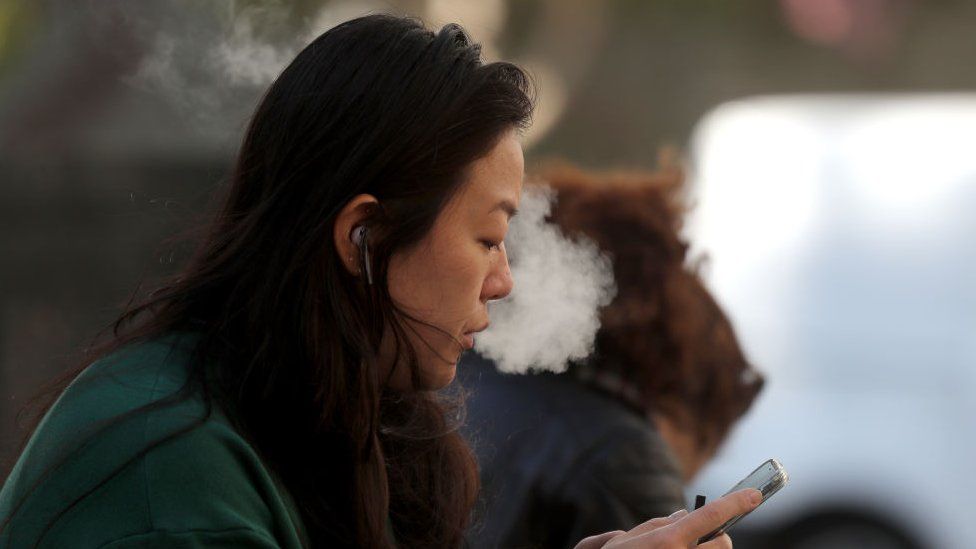
SharecloseShare pageCopy linkAbout sharingImage source, Getty ImagesThe Food and Drug Administration (FDA), which regulates medical products in the US, has approved an e-cigarette for sale for the first time.It authorised the marketing of three products from RJ Reynolds, under the Vuse brand. The FDA decided that the benefit to adults trying to quit smoking outweighs the risk of teenagers becoming hooked. The permitted products are tobacco-flavoured, as opposed to the sweet flavours popular with younger people.E-cigarettes have been widely sold in the US for the past decade, but their take-up by teenagers has caused concern. Manufacturers have been waiting more than a year for official authorisation, as the FDA examined the potential pros and cons for public health.The FDA, which was given the power to regulate new tobacco products more than a decade ago, has been carrying out a study of e-cigarettes to decide which ones can continue to be sold. A decision on the market leader, Juul, is still awaited. A study released last month by the FDA and the Centers for Disease Control (CDC) estimated that more than two million school pupils had used e-cigarettes this year, with 80% using flavoured products. Tuesday’s FDA ruling applies to the Vuse Solo ENDS e-cigarette and accompanying tobacco-flavoured pods. Explaining the FDA’s reasoning, Mitch Zeller, its director for tobacco products said: “The manufacturer’s data demonstrates its tobacco-flavoured products could benefit addicted adult smokers who switch to these products – either completely or with a significant reduction in cigarette consumption – by reducing their exposure to harmful chemicals.” He also warned that the authorisation could be withdrawn if there were signs of significant use of the product by people who did not previously use tobacco, including young people. The FDA said that young people were “less likely to start using tobacco-flavoured ENDS products and then switch to higher-risk products, such as combusted cigarettes.”The data also suggest that most youth and young adults who use ENDS begin with flavours such as fruit, candy or mint, and not tobacco flavours.”RJ Reynolds must also comply with restrictions on digital and TV advertising of the products under the ruling. But the FDA rejected authorisation of 10 more Vuse Solo flavoured products, without specifying which ones, and said they should be removed from the market if on sale. US announces countrywide ban on flavoured e-cigsWhat’s behind a vaping illness outbreak in the US? How many people vape?The American Lung Association, which campaigns against smoking, expressed disappointment at the FDA decision. “The American Lung Association is dismayed that FDA will permit three Vuse products to remain on the market in the US, including products that contain almost 5% nicotine. The harm these products cause to youth shows that they fail to meet the Tobacco Control Act’s public health standard.”RJ Reynolds, part of British American Tobacco, said the decision showed its vaping products were suitable “for the protection of public health”.

Read more →

Selma Blair Wants You to See Her Living With Multiple Sclerosis

Selma Blair could only talk for a half-hour in our first session. That was as long as she trusted her brain and her body to cooperate — any longer and she feared that her focus might start to wander or her speech might begin to trail. “We’re being responsible in knowing that smaller moments will be clearer moments,” she said.For Blair no day is free from the effects of multiple sclerosis, the autoimmune disease that she learned she had in 2018 but that she believes began attacking her central nervous system many years earlier.This particular Friday in September had started out especially tough: She said she woke up in her Los Angeles home feeling “just bad as all get out,” but she found that talking with people helped alleviate her discomfort. Blair said she had had good conversations earlier in the day and that she had been looking forward to ours.So, if she needed to take a break during this interview, she said with a delighted cackle, “it just means you’re boring me.”An unparalleled lack of inhibition has always defined Blair’s best-known work. She is 49 now, with a résumé that includes seminal works of teensploitation (“Cruel Intentions”), comedy (“Legally Blonde”) and comic-book adventure (“Hellboy”).Blair in one of her signature roles, as a fellow law student opposite Reese Witherspoon in “Legally Blonde.”Tracy Bennett/MGMThat same unbridled bluntness persists in all her interactions, whether scripted or spontaneous, with cameras on or off, even when she is sharing her account of the time she went on “The Tonight Show” wearing a strappy top she accidentally put on sideways. It is a story she told me proudly, within five minutes of our introduction on a video call, while her fingers made a maelstrom of her close-cropped, bleached-blond hair. (By way of explaining this style choice, she burst into a brassy, Ethel Merman-esque voice and sang, “I want to be a shiksa.”)But Blair’s candor has come to mean something more in the three years since she went public about her M.S. diagnosis. Now, whether she is posting personal diaries on social media or appearing on a red carpet, she understands she is a representative with an opportunity to educate a wider audience about what she and others with M.S. are experiencing.It is a philosophy of maximum openness that she is taking further by appearing as the subject of a new documentary, “Introducing, Selma Blair.” The film, directed by Rachel Fleit, is an unflinching account of Blair’s life with M.S. and the stem-cell transplant she underwent to treat it in 2019. (The documentary will be released in theaters on Oct. 15 and will begin streaming Oct. 21 on Discovery+.)As Blair explained, she was hopeful that the film would be meaningful to viewers who feel challenged and uncertain, whether or not they have a chronic illness.“This is my human condition,” she said, “and everyone has their own, but I think we are united in feeling alone or frightened when we have a big change in our lives. This wasn’t a vanity project at all, and I’m very capable of loving vanity.”Blair said that since she went public with her diagnosis, she’s been offered roles for aging or disabled characters: “I might be those things, but I’m still everything else I was before, and I shouldn’t be relegated to that.”Magdalena Wosinska for The New York TimesFor Blair, the documentary is just one piece of a larger effort to understand herself — to determine how much of her identity has been shaped by her disease, and what will remain or change now that she is being treated for it.“If this had happened in my 20s, when I’m trying to start a career and set a few shekels aside, I would have been mortified,” she said. “I’m old enough now. I’m getting to know a whole different personality, and I’m not ashamed.”Thinking back to her upbringing in suburban Michigan, Blair described herself as a 7-year-old who toted around her own copy of the Physicians’ Desk Reference, the massive tome of information on prescription drugs, and wondered why she experienced constant pain, fatigue and unpredictable mood swings.These difficulties persisted into adulthood: The pain got worse, particularly after the birth of her son, Arthur, in 2011; she had problems with her vision and experienced involuntary muscle contractions in her neck.Until she received her diagnosis, Blair said, she couldn’t understand why her symptoms varied from setting to setting. “I can walk better in my house, but outside it’s like a sand pit,” she said. “With certain light, my speech becomes intermittent even though my larynx is fine.”“It never occurred to me that there’s a traffic jam that happens in my brain,” she said.In the flurry of attention that followed Blair’s disclosure of her diagnosis, she was introduced to Fleit, and they agreed to start shooting the documentary in the days just before Blair traveled to Chicago for her stem-cell transplant.Fleit said that Blair exercised no editorial control over the film, adding that the endeavor would succeed only if the actress “was willing to show the world what really happened — that brutal intimacy and honesty that you just don’t see — and she was totally open to that.”Fleit, who has alopecia universalis, an autoimmune disease that causes hair loss, said she felt a particular connection to Blair as filming proceeded.“Being a bald lady in the world has given me unique access to a certain kind of emotional pain,” Fleit said. “It does not frighten me anymore, and I feel uniquely qualified to hold the space for another person who’s experiencing that.”But not everyone in Blair’s life was immediately comfortable with her pursuing both the film and the stem cell transplant. Sarah Michelle Gellar, Blair’s “Cruel Intentions” co-star and longtime friend, said that she was fearful about the treatment, which was accompanied by an intensive chemotherapy regimen.“I just felt like it was so risky,” Gellar said. “And her attitude was, yes, I’m managing right now, but in 10 years I might not be, and I won’t be a candidate for this treatment. It was now or never. And now or never is a very good definition of Selma.”The actress with her son, Arthur, in a scene from “Introducing, Selma Blair.”Discovery+Gellar was also unsure about the film project — “I’m a very private person, I can barely share going to the supermarket,” she said — but she understood Blair’s position: She felt it was important for her son.As Gellar recalled, “She would say, ‘God forbid, if I don’t make it, then Arthur has a whole video diary of what I went through. He’ll never have to wonder, did I give up? He’ll know how hard I fought to be there for him.’”To Parker Posey, a friend and colleague of Blair’s for nearly 20 years, the decision to make a documentary was as much a legitimate form of expression as any other artistic enterprise.“This is the only thing we have — your life as an actor, it’s all material, it’s all story,” Posey said. “Am I going to land in something that gives me meaning, away from the pettiness of most entertainment?”Posey added, “Anyone who can find purpose in creating what they’re supposed to create and bravely live their life, that’s art. That’s the triumph.”Blair, for her part, said that once shooting started on the documentary, “I don’t think I noticed. There was really no directing and I mean that in the best way.”She added, “I don’t think I’ve realized that a film is coming out where I’m the subject of it. I haven’t really processed that.”With our half-hour coming to its end, we said our goodbyes and I told Blair I looked forward to reconnecting with her in a few days. In a comically ethereal voice, she answered, “God willing, if I’m alive.”Our next session, planned for that Monday, had to be delayed when Blair fell from a horse she was riding over the weekend. As she told me in a follow-up conversation — this time over the phone, as video calls were making it difficult for her to focus — she had lost her balance and hyperextended her thumb but was otherwise doing OK.She was more embarrassed by how she felt she’d behaved in our first conversation, using her admittedly outrageous sense of humor to paper over her anxiety. “I get so spooked because there is still, even in my mind, a stigma of, you won’t bring it — you won’t be able to make this mind-body thing work,” she said. “I’ll use the defense of a shtick when I feel like I’m faltering.”She was also bothered by a remark she had seen on her Instagram account from someone who offered support for her documentary but said, as Blair described the comment, “I wish a regular person were doing it, like a person that’s not a celebrity, because it’s not the same.”Blair emphatically added, “I am a regular person.”“This wasn’t a vanity project at all, and I’m very capable of loving vanity,” Blair said.Magdalena Wosinska for The New York TimesCynthia Zagieboylo, the president and chief executive of the National Multiple Sclerosis Society, said that Blair’s decision to share the story of her experience could be beneficial to other people who have the disease and those who want to know more about it.“There isn’t a right way to move through something like this,” Zagieboylo said. “There are no two stories of M.S. that are the same and for people to express themselves, it’s very personal.”When someone like Blair is open about her illness, Zagieboylo said, “people can feel less alone in facing the challenges of their own M.S. People experiencing potential symptoms might recognize something. It could lead to an earlier confirmed diagnosis of M.S., which means people could get treated faster and that leads to better outcomes.”She added, “By her sharing her journey with the world in a really authentic way, there’s really no downside to that.”Blair said that she had been told her M.S. was in remission, which she said meant “there is not a clear path for my disease to get worse, and that’s huge. That gives you breathing room.” There was no certain timetable for how long her stem-cell transplant might be effective but, as she said in her characteristic style, “I could get hit by a bus before that.”One of the strange benefits of this period of relative calm is the chance to learn whether past behaviors that she considered fundamental components of her mood and personality — the outbursts, the impulsivity — might be manifestations of her disease.Blair described a conversation with a neurologist who asked if she took medication for pseudobulbar affect, a condition that can result in sudden uncontrollable laughing, crying or anger.“I said, ‘No, this is just me, what are you talking about?’” Blair recalled. “She’s like, ‘Or maybe it’s not.’ It never occurred to me.”Blair added, “I don’t know if I will ever work my way out of neurological damage. I know I can find new pathways, but I’ve been scarred for so long.”Sarah Michelle Gellar said that she and other friends of Blair were concerned about the film project and the stem cell treatment, but that Blair had reassured them. Magdalena Wosinska for The New York TimesShe continues to help raise Arthur, whose custody she shares with his father, Jason Bleick, a fashion designer and her former boyfriend. But she said her son had not been able to watch all of the documentary.“About 20 minutes in, he wasn’t comfortable,” she said. “He was worried that people would see me this way and talk behind my back or not give me a job.”Blair said she very much intended to keep working as an actress and, to whatever extent she’s perceived as having stepped back from the industry, it’s not because she isn’t putting herself out there for roles.“The parts that I’m offered since I’ve had my diagnosis are the old woman, the person in the wheelchair, the person bumping into walls,” Blair said. “I might be those things, but I’m still everything else I was before, and I shouldn’t be relegated to that.”But now that she has put herself out there in the truest way she knows how, Blair hopes that her efforts will remind others — and reinforce in herself — that there is value in this kind of transparency.“There’s a difference it can make to people,” she said. “I don’t mean it in a flaky, soft way. I mean, really make the time to go beyond, because you never know what people are holding inside, and what a relief to know even adorable people like me” — she could not suppress one last knowing laugh — “are troubled by their own brains and bodies at times. That’s the comfort I wish I could give.”

Read more →

Havana syndrome reported at US embassy in Colombia

SharecloseShare pageCopy linkAbout sharingImage source, Google MapsUS officials are investigating possible cases of Havana syndrome illness in Colombia, days before a visit by the Secretary of State, US media say.US embassy staff in Bogota may have been injured by the mysterious illness, which causes a painful sound in the ears, fatigue and dizziness.First reported in Cuba in 2016, US diplomats around the world have since reported cases of the syndrome.Its origins are unknown, with some speculating it is a type of weapon. On Tuesday, the Wall Street Journal first reported that emails sent by US Ambassador to Colombia Philip Goldberg confirmed a number of “unexplained health incidents” or UHIs – the term used for Havana syndrome by the US government – since mid-September. Colombian President Iván Duque told the New York Times that the country is investigating the reports. He added that the US is leading the inquiry.Americans who have been hit by Havana syndrome have described an intense and painful sound in their ears. Some of the estimated 200 affected have been left with dizziness and fatigue for months. More than half of those impacted were CIA employees, according to the Times. ‘Havana syndrome’ and the mystery of the microwavesOn Friday, reports of Havana syndrome emerged at the US embassy in Berlin. President Joe Biden released a statement vowing to find “the cause and who is responsible”.It came hours after he signed a new law that entitles the heads of the CIA and State Department to provide financial compensation to those US government employees who have been harmed by the syndrome. A State Department official refused to confirm the reports to BBC News on Tuesday.In a statement, the official said “we are vigorously investigating reports of AHIs wherever they are reported,” and that they are “actively working to identify the cause of these incidents and whether they may be attributed to a foreign actor”.The news comes ahead of US Secretary of State Antony Blinken’s scheduled travel to Bogota next week. In August, Vice-President Kamala Harris delayed travel to Vietnam after two US officials were medically evacuated from the country after falling ill.

Read more →

F.D.A. Stays Neutral on the Need for a Moderna Booster

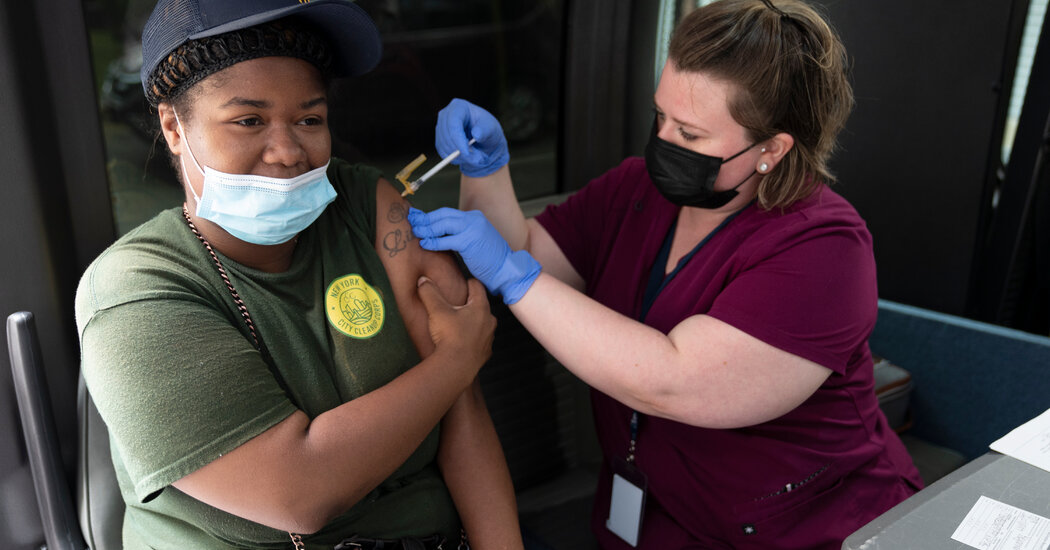
An advisory panel is to vote later this week on whether to recommend emergency authorization of boosters for the Moderna and Johnson & Johnson vaccines.The Food and Drug Administration set the stage Tuesday for a new round of decisions on which Americans should get coronavirus booster shots, releasing a review of data suggesting that an additional half-dose of Moderna’s vaccine at least six months after the second dose increased antibody levels. But the agency did not take a position on whether an additional shot was necessary.An independent advisory panel of experts will examine the available data on both Moderna and Johnson & Johnson boosters in a two-day meeting later this week. Votes are scheduled on whether to recommend emergency authorization of boosters for both vaccines. While the panel’s votes are not binding, the F.D.A. typically follows them.In documents released Tuesday, Moderna argued that a third injection is needed because the potency of its vaccine wanes over time, with levels of neutralizing antibodies falling six to eight months after a second dose. The company also cited “real world evidence of reduced effectiveness against the Delta variant,” although the F.D.A. noted that the studies diverge on whether Moderna’s protection weakened over time against symptomatic infection or against the Delta variant.The company did not argue that a booster was necessary to prevent severe disease or hospitalization, but concentrated its arguments on preventing infection and mild to moderate disease.Moderna said the mean antibody level of participants in its study was 1.8 times higher after the booster than it was after the second shot. In another measurement, the booster raised neutralizing antibodies at least fourfold in 87.9 percent of people compared to after the second dose, thus narrowly failing to meet the agency’s requirement of 88.4 percent.In a document that Johnson & Johnson submitted to the F.D.A. ahead of this week’s meeting, the company argued that booster shots of its vaccine increased protection against Covid-19, including against severe forms of the disease, and increased the strength of the body’s immune response against virus variants. Johnson & Johnson said that a booster shot could be administered as early as two months after the first dose, but recommended doing so at least six months after, when it said recipients had been shown to have a more robust immune response.Only 14.9 million Americans have received the Johnson & Johnson vaccine, compared to 103 million fully vaccinated with Pfizer-BioNTech’s vaccine and 69 million with Moderna’s.The advisory panel will vote on whether to recommend booster shots for Moderna on Thursday and for Johnson & Johnson on Friday, after hearing from the companies, F.D.A. scientists and the public.A researcher will also present initial results from an ongoing National Institutes of Health study on how each of the three vaccines works as a booster shot, including whether using a different vaccine as a booster produces a better immune response against Covid-19.In its data review of Moderna, the F.D.A. noted that overall, the vaccines used in the United States “still afford protection against severe Covid-19 disease and death” here. The F.D.A. summarized the evidence for a Moderna booster without taking a position, just as it did before the committee met last month to discuss whether to recommend a booster shot of the Pfizer-BioNTech vaccine.The F.D.A. and the Centers for Disease Control and Prevention decided to authorize boosters for many Pfizer-BioNTech vaccine recipients. Those eligible include people who are 65 or older, who live in long-term care facilities, who have underlying medical conditions, or who are at higher risk of exposure to the virus because of their jobs or institutional settings. The last group includes health care workers, teachers and prisoners.In the review released Tuesday, the F.D.A. proposed that the outside experts consider essentially the same eligibility groups for Moderna recipients. People familiar with the deliberations said that federal officials may also ask the committee to consider broadening eligibility for boosters to include more middle-aged people.Moderna said it compared using a full dose and a half dose as a booster, and found that a half dose boosted antibody levels well with lower risks of adverse side effects. It also said that a half dose “would result in a substantial increase in the worldwide supply” of its vaccine.Several independent studies have tried to measure whether Moderna’s potency wanes over time. One federally backed review looked at Covid cases in July and August among more than 15,000 volunteers in Moderna’s clinical trial. One group had been fully vaccinated between July and October 2020; the second was vaccinated between December 2020 and March 2021.Those who got vaccinated later had a 36 percent lower rate of infection. But Dr. Hana M. El Sahly, a professor of molecular virology at Baylor College of Medicine and one of the lead researchers, said that mild cases among younger volunteers accounted for much of the difference.The study did not find a statistically significant difference in rates of severe Covid-19 — and there were only 19 such cases. Overall, Dr. El Sahly said, “the findings do not indicate that a booster is needed.”Another recent C.D.C. study of nearly 3,700 patients in 21 different hospitals from March to August found that Moderna’s vaccine held up best of the three vaccines.The researchers said that Moderna was 93 percent effective against hospitalization from Covid-19, compared with 88 percent for Pfizer and 71 percent for Johnson & Johnson. Pfizer’s efficacy dropped significantly after four months, to 77 percent, while Moderna’s basically held steady, they said.Given the dearth of data that a Moderna booster is needed to prevent severe disease, the committee may debate other potential goals, including making the nation’s booster strategy more coherent, better protecting Moderna recipients against mild and moderate disease, and trying to disrupt transmission of the virus..css-1kpebx{margin:0 auto;font-family:nyt-franklin,helvetica,arial,sans-serif;font-weight:700;font-size:1.125rem;line-height:1.3125rem;color:#121212;}#NYT_BELOW_MAIN_CONTENT_REGION .css-1kpebx{font-family:nyt-cheltenham,georgia,’times new roman’,times,serif;font-weight:700;font-size:1.375rem;line-height:1.625rem;}@media (min-width:740px){#NYT_BELOW_MAIN_CONTENT_REGION .css-1kpebx{font-size:1.6875rem;line-height:1.875rem;}}@media (min-width:740px){.css-1kpebx{font-size:1.25rem;line-height:1.4375rem;}}.css-1gtxqqv{margin-bottom:0;}.css-k59gj9{display:-webkit-box;display:-webkit-flex;display:-ms-flexbox;display:flex;-webkit-flex-direction:column;-ms-flex-direction:column;flex-direction:column;width:100%;}.css-1e2usoh{font-family:inherit;display:-webkit-box;display:-webkit-flex;display:-ms-flexbox;display:flex;-webkit-box-pack:justify;-webkit-justify-content:space-between;-ms-flex-pack:justify;justify-content:space-between;border-top:1px solid #ccc;padding:10px 0px 10px 0px;background-color:#fff;}.css-1jz6h6z{font-family:inherit;font-weight:bold;font-size:1rem;line-height:1.5rem;text-align:left;}.css-1t412wb{box-sizing:border-box;margin:8px 15px 0px 15px;cursor:pointer;}.css-hhzar2{-webkit-transition:-webkit-transform ease 0.5s;-webkit-transition:transform ease 0.5s;transition:transform ease 0.5s;}.css-t54hv4{-webkit-transform:rotate(180deg);-ms-transform:rotate(180deg);transform:rotate(180deg);}.css-1r2j9qz{-webkit-transform:rotate(0deg);-ms-transform:rotate(0deg);transform:rotate(0deg);}.css-e1ipqs{font-size:1rem;line-height:1.5rem;padding:0px 30px 0px 0px;}.css-e1ipqs a{color:#326891;-webkit-text-decoration:underline;text-decoration:underline;}.css-e1ipqs a:hover{-webkit-text-decoration:none;text-decoration:none;}.css-1o76pdf{visibility:show;height:100%;padding-bottom:20px;}.css-1sw9s96{visibility:hidden;height:0px;}.css-1in8jot{background-color:white;border:1px solid #e2e2e2;width:calc(100% – 40px);max-width:600px;margin:1.5rem auto 1.9rem;padding:15px;box-sizing:border-box;font-family:’nyt-franklin’,arial,helvetica,sans-serif;text-align:left;}@media (min-width:740px){.css-1in8jot{padding:20px;width:100%;}}.css-1in8jot:focus{outline:1px solid #e2e2e2;}#NYT_BELOW_MAIN_CONTENT_REGION .css-1in8jot{border:none;padding:10px 0 0;border-top:2px solid #121212;}What to Know About Covid-19 Booster ShotsThe F.D.A. authorized booster shots for a select group of people who received their second doses of the Pfizer-BioNTech vaccine at least six months ago. That group includes: Pfizer recipients who are 65 or older or who live in long-term care facilities; adults who are at high risk of severe Covid-19 because of an underlying medical condition; health care workers and others whose jobs put them at risk. People with weakened immune systems are eligible for a third dose of either Pfizer or Moderna four weeks after the second shot.Regulators have not authorized booster shots for recipients of the Moderna and Johnson & Johnson vaccines yet, but an F.D.A. panel is scheduled to meet to weigh booster shots for adult recipients of the Moderna and Johnson & Johnson vaccines.The C.D.C. has said the conditions that qualify a person for a booster shot include: hypertension and heart disease; diabetes or obesity; cancer or blood disorders; weakened immune system; chronic lung, kidney or liver disease; dementia and certain disabilities. Pregnant women and current and former smokers are also eligible.The F.D.A. authorized boosters for workers whose jobs put them at high risk of exposure to potentially infectious people. The C.D.C. says that group includes: emergency medical workers; education workers; food and agriculture workers; manufacturing workers; corrections workers; U.S. Postal Service workers; public transit workers; grocery store workers.It is not recommended. For now, Pfizer vaccine recipients are advised to get a Pfizer booster shot, and Moderna and Johnson & Johnson recipients should wait until booster doses from those manufacturers are approved.Yes. The C.D.C. says the Covid vaccine may be administered without regard to the timing of other vaccines, and many pharmacy sites are allowing people to schedule a flu shot at the same time as a booster dose.Dr. Peter Marks, the F.D.A.’s head vaccine regulator, argued for a uniform approach to boosters at a town hall earlier this month. He said the goal was to reach “a harmonized approach” for all three vaccines and to simplify booster recommendations for the general population.At least 1.5 million Americans have already gotten an additional dose of Moderna, even though third shots are currently authorized only for recipients with immune deficiencies. Some appear to be finding friendly pharmacists willing to administer an extra shot, while others may be pretending to be unvaccinated.More than one-tenth of the nation’s vaccinated seniors have obtained booster shots, and at least 7 million people have gotten a third shot of Pfizer’s vaccine, according to C.D.C. data.“We’re in this very complicated situation right now: People are going into pharmacies or places where vaccines are available and saying, ‘I want my third dose of Moderna, or I want my second dose of J.&J.,” said Dr. H. Cody Meissner, an infectious disease expert at Tufts Medical Center who serves on the F.D.A. panel. “I don’t think anyone has much doubt that we will need a booster dose for these vaccines. What we don’t know is: How urgent is the need?”The advisory committee is also likely to consider whether Moderna’s protection against severe disease and hospitalization may eventually weaken. Booster proponents argue that Moderna’s potency is declining much like Pfizer’s, which is based on the same technology, only more slowly because its initial dosage is significantly stronger than Pfizer’s and the interval between the first two shots is a week longer.“The fundamental issue is, what are we trying to do?” said Dr. El Sahly. “Both Moderna and Pfizer seem to have waned when it comes to mild to moderate disease, especially with the Delta variant. So, if that’s the goal, a booster is needed.”“If we want to prevent only severe disease that lands people in the hospital,” she said, “that’s a different mathematics.”The F.D.A. has yet to release its review of Johnson & Johnson’s booster data. But in its application for a booster authorization, the company supplied details from two studies.In a study it announced in August, the company gave a second shot of the vaccine to 17 volunteers six months after the first. In these subjects, Johnson & Johnson reported, the levels of antibodies against the coronavirus rose twelve times higher than after the initial dose. Researchers did not determine exactly how much protection that boost provided against Covid-19.The second study, which Johnson & Johnson reported last month, indicated that a booster can indeed improve protection. In November 2020, the company launched a clinical trial with 32,000 volunteers, this time giving a second dose of the vaccine two months after the first.The company announced that in the portion of the trial that took place in the United States, the efficacy rose to 94 percent. Worldwide, the increase was more modest, at 75 percent — around the same efficacy reported for a single dose in the U.S. over the winter. Against severe to critical Covid-19, two shots had an efficacy of 100 percent.Noah Weiland

Read more →

Life expectancy declining in many English communities even before COVID-19 pandemic, study finds

A substantial number of English communities experienced a decline in life expectancy from 2010-2019, Imperial College London researchers have found.
In the five years before the pandemic (2014-2019) life expectancy went down in almost one in five communities for women, and one in nine communities for men, according to the new study published in The Lancet Public Health journal and funded by the Wellcome Trust, Imperial College London, the Medical Research Council, Health Data Research UK and the National Institute of Health Research.
The new study is the first to analyse longevity trends in ultra-fine detail and could identify where life expectancy declined with much more precision than before. The researchers tracked life expectancy in communities of around 8,000 people, while other statistics are typically based on much larger areas (such as local authority districts, which have a median population of around 140,000 people). They found that communities with the lowest life expectancy (below 70 and 75 years for men and women, respectively) were typically situated in urban areas in the North of England.
Although recent data from the Office for National Statistics found that life expectancy for men in the UK had fallen for the first time in 40 years due to the COVID-19 pandemic, the new research shows that life expectancy was declining in many communities years before the pandemic began.
Senior author, Professor Majid Ezzati from the School of Public Health at Imperial College London, said: “There has always been an impression in the UK that everyone’s health is improving, even if not at the same pace. These data show that longevity has been getting worse for years in large parts of England.”
“Declines in life expectancy used to be rare in wealthy countries like the UK, and happened when there were major adversities like wars and pandemics. For such declines to be seen in ‘normal times’ before the pandemic is alarming, and signals ongoing policy failures to tackle poverty and provide adequate social support and health care.”
The new study analysed all deaths in England for all years from 2002-2019, amounting to more than 8.6 million deaths records, and assigned them to the community where each person lived at the time of their death. There were 6,791 local communities included in the study, and the researchers assessed life expectancy trends over time for each of these for men and women.

Read more →