Covid: Thousands of children left without parents in Iran

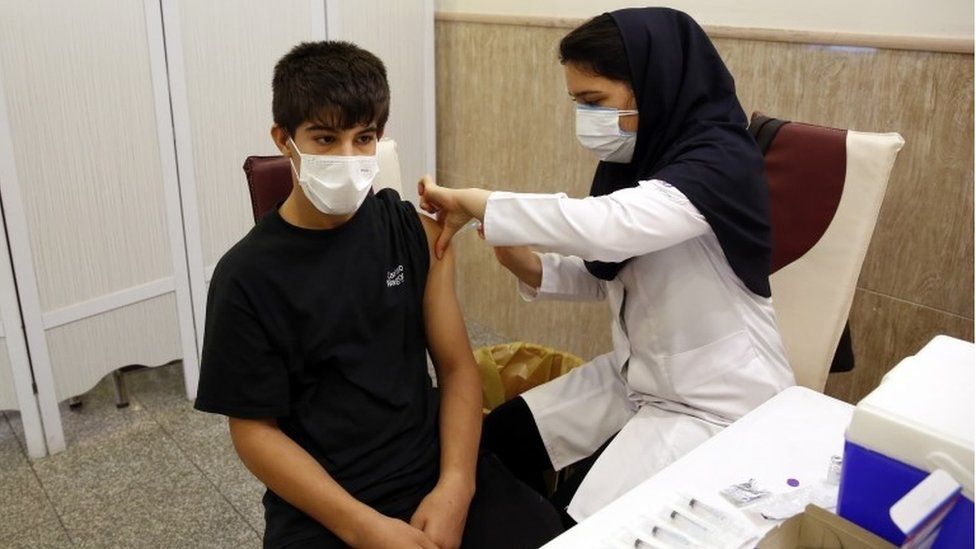
SharecloseShare pageCopy linkAbout sharingMore than 51,000 children in Iran have lost a parent to the Covid-19 pandemic, Iranian welfare authorities say.One such case is that of Eliza, aged four. Eliza was very attached to her father. They read together, sang together, and he was always there to put her to bed. But then one day he started coughing and was taken to hospital. Her father, who was 40, died of Covid. “She gets very nervous if I’m out of her sight for one minute, she thinks I might not come back, like daddy,” says Afrooz, Eliza’s mother. Eliza is one of thousands of children who are coping with the loss of a mother or father to Covid in Iran. Iran cover-up of deaths revealedMany of these children have been home-schooled for the last 18 months and have little access to their support network due to the pandemic restrictions. It is feared the impact could be far-reaching.”Children who lose parents feel life is unpredictable,” says Dr Samineh Shaheem, Professor of Psychology and Leadership in London. “They feel that they have lost their agency and have little control over their lives. This may have long-term consequences, while increasing the risk of short-term trauma and adverse effects on their health.”Compared to many of these children, Eliza is in a better situation because her mother is a teacher and can provide for her. For many families though, life is much more difficult – especially those who have lost their primary breadwinner. ‘Dire consequences’When the pandemic began, the Iranian economy was already struggling due to US-led economic sanctions, widespread corruption and mismanagement. In the first year of the crisis more than one million Iranians lost their job, according to Iran’s Islamic Parliament Research Center, with dire consequences.Image source, EPA”The economic uncertainty and financial difficulties may push some older children out of the education system so that they can provide for their younger siblings, making them vulnerable to exploitation, which may have dire consequences for the whole family,” says Dr Shaheem. Iran has suffered one of the worst coronavirus outbreaks in the Middle East. The official death toll in the country has reached more than 120,000, but Iranian authorities admit that the real number is much higher.Many Iranians blame the scale of Covid fatalities on the decision of Iran’s Supreme Leader, Ayatollah Ali Khamenei, to ban the import of US- and UK-developed vaccines last winter. These vaccines are being imported now, but only 20% of the population have been double-jabbed so far. Iran’s president, Ebrahim Raisi, had promised that 70% of the population would be vaccinated by the end of September – a promise that hasn’t been fulfilled. And all of this is too late for Eliza’s father. Eliza’s mother says: “She keeps saying that when Covid is gone, daddy will come back.” It is an impossible wish. Moreover, many children like her will grow up wondering whether the death of their parents could have been prevented, had the vaccine import not been banned.

Read more →

Fauci Urges Police Officers to Get Vaccinated

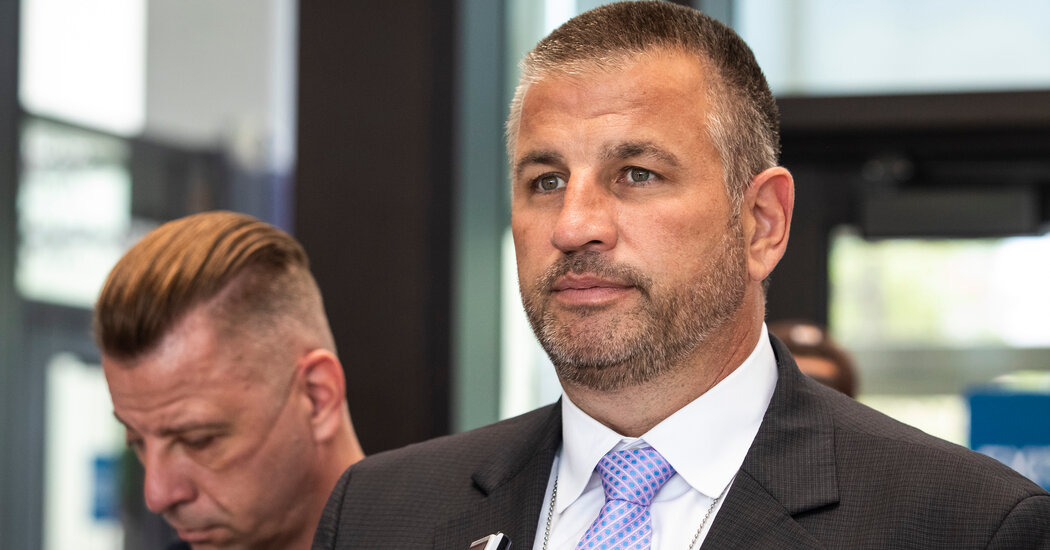
Police officers and others responsible for public safety should view vaccination against Covid-19 as a key part of their role, Dr. Anthony S. Fauci, the nation’s top infectious disease doctor, said during an interview Sunday on Fox News.“Think about the implications of not getting vaccinated when you’re in a position where you have a responsible job, and you want to protect yourself because you’re needed at your job, whether you’re a police officer or a pilot or any other of those kinds of occupations,” said Dr. Fauci, director of the National Institute of Allergy and Infectious Diseases.Police unions in cities across the country are urging members to resist Covid vaccine requirements for their jobs. In Chicago, the head of the police union told officers to ignore a city order to report their vaccination status by the end of the day Oct. 15. Vaccinations are not required for city workers, but employees who are not vaccinated will be subject to twice-weekly testing. John Catanzara, the president of the Fraternal Order of Police in Chicago, released a video last week predicting that Chicago police officers would not report to work because of the vaccination policy.In Seattle, the union said that the city’s shortage of police officers would worsen because of a vaccine mandate. On Sunday, Dr. Fauci said that employees in public service who resisted vaccination were misguided.“I’m not comfortable with telling people what they should do under normal circumstances, but we are not in normal circumstances right now,” Dr. Fauci said. “Take the police: We now know the statistics, more police officers die of Covid than they do any other causes of death. So it doesn’t make any sense to not try to protect yourself, as well as the colleagues that you work with.”More than 460 American law enforcement officers have died of Covid, according to the Officer Down Memorial Page, making the virus by far the most common cause of duty-related deaths this year and last. More than four times as many officers have died from the virus as from gunfire in that period.“Things like mandating, be they masks or vaccinations, they’re very important,” Dr. Fauci said. “We’re not living in a vacuum as individuals. We’re living in a society, and society needs to be protected. And you do that by not only protecting yourself but by protecting the people around you, by getting vaccinated.”

Read more →

Anni Bergman, Therapist Who Listened to Children, Dies at 102

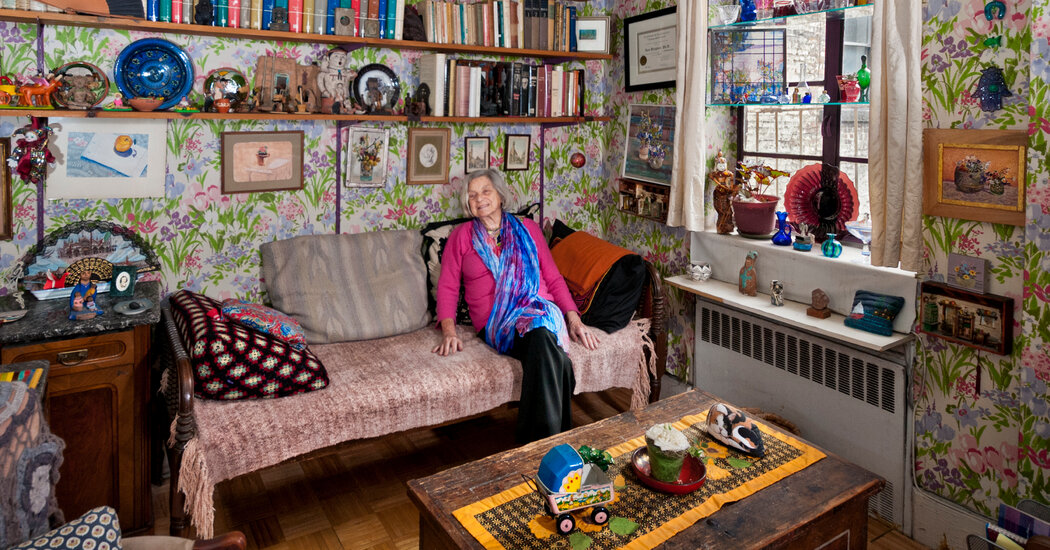
She was part of a groundbreaking study that observed how very young children separated from their mothers. Late in life, she became a photographer’s muse.Anni Bergman, an Austrian-born psychoanalyst who worked with autistic children and contributed to a landmark study of early childhood development, died on Oct. 2 at home in Manhattan. She was 102.Her son Tobi confirmed the death.Dr. Bergman was a 40-year-old mother and music teacher when she was hired by Margaret Mahler, a child psychiatrist and psychoanalyst, to help with a study of mothers and babies at a therapeutic nursery in the West Village. (A friend had turned down the job — Dr. Mahler was known to be difficult — and Dr. Bergman, who was interested in the field, applied.)For more than a decade, starting in 1959, Dr. Bergman and others watched as the babies found their legs, as it were — or didn’t. They observed how many ventured out on their own, and the various ways their mothers supported, or inhibited, such explorations.“It’s that moving away and coming back that’s very important,” Dr. Bergman told an interviewer in 2012. “We learned that separation isn’t always difficult. It isn’t always the baby that is left. Sometimes it is the baby that is leaving.”The study was groundbreaking at the time. Freudian theory, which still dominated therapeutic practices, had long dictated that the proper setting for learning about what Dr. Bergman called the internal world was in the analyst’s office, and that in any case babies couldn’t tell us much about that world until they began to talk.“Pre-Oedipal development was seen as a prelude to the main Oedipal drama,” she wrote in 2000 in her introduction to a reissue of “The Psychological Birth of the Human Infant: Symbiosis and Individuation,” written with Dr. Mahler and Fred Pine, another noted psychoanalyst, and first published in 1975. The book detailed the group’s work, which came to be known as separation-individuation theory.The group’s other big idea was to use observation and not theory to organize such a study — observation without judgment, as Dr. Bergman liked to say. And Dr. Bergman turned out to be an extraordinary observer, able to interpret a baby’s behavior with uncanny skill.This made her especially adroit at understanding autistic children, which became her calling. In a separate study, she and her colleagues worked with mothers and their autistic or psychotic children. Tripartite treatment — working together with parents and their children — was a rare practice at the time.“We felt like explorers in an obscure realm of preverbal and presymbolic development,” Dr. Bergman wrote. “A spirit of excitement prevailed.”Dr. Bergman was also a muse to her fellow therapist Ann Steiner, who began taking photographs of Dr. Bergman when she was 96. Ann SteinerAnna Emilie Rink was born on Jan. 10, 1919, in Vienna. Her father, Ernst, owned a factory. Her mother, Marta (Haas) Rink, a homemaker, died of influenza when Anni was 10; two sisters also died from the disease. Her father died when she 17. The family was well off, and Anni was cared for by a household staff that included a chauffeur, a cook and a nanny.She left Vienna in 1939, traveling by ship from Italy to Los Angeles.“When she would tell of her escape from the Nazis,” her son Tobi said, “people would say how horrible and frightening it must have been to be torn from home and thrown as a young woman all alone into an unknown world. She always told people that on the contrary, she was leaving a sheltered and repressive world behind and embarking on a great adventure. She was going to America!”In Los Angeles, Anni found work as an au pair and assistant to Christine Olden, a psychoanalyst who, like Anni, was from Austria, and attended the University of California, graduating with a bachelor’s degree in music. (She would later earn a master’s degree at the Bank Street College of Education.) Among the group of European expatriates who made up Dr. Olden’s circle was Peter Bergman, a Polish-born activist, publisher and writer who had worked to help people escape the Nazis. Anni and Peter fell in love and married soon after moving to New York in 1943.Anni worked as a music teacher at a progressive school in the East Village and co-wrote a children’s primer on playing the recorder. Peter opened a publishing company, the Polyglot Press, in a four-story brick townhouse in Chelsea. When he bought the building, the family moved in.Dr. Bergman’s office was on the top floor, and she decorated it with zest and flair, with flower-patterned wallpaper, brightly colored textiles and shelves overflowing with books and other collections.With its riot of colors and objects, being in her office “was like stepping into a magical world,” said Sebastian Zimmerman, a psychiatrist and photographer who included Dr. Bergman in “Fifty Shrinks,” his 2014 book of portraiture showing therapists in, as he put it, their natural habitats. Dr. Bergman explained that she had designed her office to be “a secluded world where the children have the complete freedom to express themselves and explore.”In 1978, Dr. Bergman co-founded a therapeutic nursery for autistic and psychotic children at the City College of New York. She earned her Ph.D. in clinical psychology from the City University in 1983. She was a faculty member and supervisor there and at New York University and the Contemporary Freudian Society. In the late 1990s, with Rita Reiswig, a psychoanalyst who also focused on mothers and babies, she founded a program for parent-infant studies that in 2006 was renamed the Anni Bergman Parent-Infant Training Program.“Anni could put into words the experience of a child in a way that was extraordinary,” said Sally Moskowitz, the program’s co-director. “She could reach any child and make a connection.”Dr. Bergman was among a group of therapists directed by Beatrice Beebe, a researcher of mother-infant communication and a clinical professor of psychology at Columbia University Medical Center, who worked with pregnant mothers widowed by the Sept. 11 terror attacks. In 2005, she also began collaborating with Miriam Steele, director of the Center for Attachment Research at the New School, and Inga Blom, then a graduate student, on a follow-up study of the children who had been part of Dr. Mahler’s study and were then in their mid-40s.“You could see the aspects they carried forward,” Dr. Steele said, noting that some of the anxious babies had developed into grown-ups “avoidant in attachment context,” while others, thanks to Dr. Bergman’s early interventions, were secure adults.Colleagues described Dr. Bergman as fearless and said they were awed by her athleticism, which was unchecked by her advanced age. Until she was 92, she rode a bicycle through the chaotic Manhattan streets. She swam weekly until she was 97.Late in life, she became a muse to another photographer-therapist, Ann Steiner, who began taking photographs of Dr. Bergman in 2014, when she was 96, and continued until she was past her centennial. For years, Dr. Steiner photographed Dr. Bergman in her Chelsea townhouse and throughout the city, capturing her in a series of animated portraits.In addition to her son Tobi, Dr. Bergman is survived by another son, Kostia; a stepdaughter, Vera Buettner; five grandchildren; 10 great-grandchildren, and six great-great-grandchildren. Mr. Bergman died in 1995.One of Dr. Bergman’s innovations in the treatment of autistic children was to add a helper to the mix: a therapeutic companion, as she described it, who could help the child navigate his or her world. One oft-told example of how this relationship worked was that of a child who wanted to take down all the items from the shelves of a grocery store.Dr. Bergman persuaded the shop’s manager to allow the behavior, explaining that the companion would put everything back. She knew that behind the child’s impulse was a need to establish her own sort of order on the world.

Read more →

Bill Clinton Is Released From Hospital

The former president was admitted to a California hospital on Tuesday for treatment of an infection that developed into sepsis, officials said.Former President Bill Clinton was released from the University of California, Irvine Medical Center after treatment for a urological infection that developed into sepsis, officials said.David Swanson/ReutersFormer President Bill Clinton was released from a California hospital on Sunday after being admitted on Tuesday for treatment of a urological infection that developed into sepsis, officials said.A spokesman for Mr. Clinton shared a statement on Twitter from Dr. Alpesh N. Amin, the chairman of the Department of Medicine at the University of California, Irvine, who had been overseeing the team of doctors treating Mr. Clinton.Mr. Clinton’s “fever and white blood cell count are normalized and he will return to New York to finish his course of antibiotics,” Dr. Amin said. “On behalf of everyone at UC Irvine Medical Center, we were honored to have treated him and will continue to monitor his progress.”Mr. Clinton’s spokesman, Angel Ureña, had said that the former president, 75, was admitted on Tuesday evening to UCI Medical Center in Orange, Calif., with what he described as a “non-Covid-related infection.”On Saturday, Mr. Ureña noted on Twitter that Mr. Clinton would remain in the hospital overnight, and described him as being “in great spirits” and “spending time with family, catching up with friends and watching college football.”Mr. Clinton was in California for an event related to his foundation. He had started planning a more robust travel schedule as Covid-related restrictions were being eased.Mr. Clinton’s doctors, Dr. Amin and Dr. Lisa Bardack, said in a statement on Thursday that he had been admitted to the hospital for “close monitoring” and had received IV antibiotics and fluids.Sepsis, a life-threatening response to infection, is a common cause of death in hospitals. About 1.7 million Americans develop sepsis in a typical year and nearly 270,000 Americans die as a result of sepsis, according to the Centers for Disease Control and Prevention.Sepsis, or the infection that causes it, starts outside of the hospital in nearly 87 percent of cases, the C.D.C. says.Infections that lead to sepsis most often begin in the lung, urinary tract, skin or gastrointestinal tract, according to the C.D.C. Without quick treatment, it can lead to tissue damage, organ failure and death.In 2010, Mr. Clinton was taken to a New York hospital after experiencing chest pains, and later underwent a heart procedure. Doctors inserted two stents into his native coronary artery.In 2004, Mr. Clinton, who has a family history of heart disease, underwent quadruple coronary bypass surgery at a hospital in New York. The open-heart procedure, which took four hours, came three days after tests prompted by chest pains and shortness of breath revealed that he had life-threatening heart disease.Michael Levenson and Maggie Haberman contributed reporting.

Read more →

Will New Covid Treatments Be as Elusive for Poor Countries as Vaccines?

Merck has taken a step to make its antiviral pill available in poor nations, but many obstacles remain for broad access to coronavirus drugs.Nearly a year after the first Covid-19 vaccination campaigns began, the vast majority of the shots have gone to people in wealthy nations, with no clear path toward resolving the disparity.News this month that an antiviral medication had proved effective against the coronavirus in a large clinical trial has brought new hope of a turning point in the pandemic: a not-too-distant future when a simple pill could keep infected people from dying or falling severely ill.The drug, molnupiravir, made by Merck, is easy to distribute and can be taken at home. The trial results showed it halved the risk of hospitalization and death among high-risk people early in their infections. The company has applied for emergency-use authorization from the Food and Drug Administration; a decision could come in early December.Unlike the vaccine manufacturers Pfizer and Moderna, which have resisted calls for license agreements to let overseas manufacturers make their shots, Merck will allow generic manufacturers in India to sell the pills at a far lower price in more than 100 poorer countries. Most nations in sub-Saharan Africa, where vaccination rates are as low as 3 percent, are covered by the deal.Drug-access advocates say the Merck licensing deal is an encouraging start but only a small step toward equity. Merck has begun production of the drug, but it is unclear how much of the generic product will be available next year. The agreements leave out many undervaccinated nations, such as Ukraine, that have been hit hard by Covid. And an antiviral must be combined with reliable, affordable testing, which is also limited in many places.Several other drug makers, including Pfizer, are expected to announce efficacy data from trials of similar medications; the companies said it was too soon to comment on whether they would enter similar agreements.All this means that treatments could remain largely with nations able to pay for early access, as they have done with vaccines.“A drug like this that is kept at room temperature, you could get it to even the remotest parts of the world —- it’s fair to say that this drug could prevent hundreds of thousands of hospitalizations and deaths,” said John Amuasi, an infectious disease expert and global health at the Kumasi Center for Collaborative Research in Tropical Medicine in Ghana. “But the barrier is going to be price. Look at how long it has taken for vaccines to reach Africa. My worry is that we are steadily on course to do the same with the drugs.”More than 18 months into the pandemic, Covid remains an illness largely to be endured rather than treated. The few medicines that have shown some benefit — such as monoclonal antibodies — are costly, complex to administer, and, in poor nations, scarce or absent. Yet without widespread vaccination, those populations remain vulnerable to Covid and need affordable medicines.Molnupiravir, developed in record speed, is the first antiviral drug reported to show effectiveness in preventing severe illness from the coronavirus.Merck, via Agence France-Presse — Getty ImagesThe U.S. government bought much of the supply of the antiviral remdesivir last year after early research showed it might speed recovery from Covid. Now it is pursuing a similar strategy for molnupiravir: It has a $1.2 billion agreement to purchase 1.7 million courses of the drug if it receives F.D.A. authorization. That is 20 percent of what the company says it can produce this year. Other relatively well-off countries, including Australia, South Korea and New Zealand, have signed deals as well.Merck was criticized two decades ago for selling its H.I.V. drugs at prices unaffordable in Africa. This time, the company recognized the imperative of widening access early.“We really did have a responsibility that, if this drug was found to be a safe and effective oral drug that someone could take at home, we need to make sure that, especially in low- and middle-income countries where they don’t have the strongest health care systems, that this would have very wide access,” said Jenelle Krishnamoorthy, Merck’s vice president for global policy.The voluntary licenses the company negotiated with the Indian drugmakers offer the possibility that governments in the poorest nations could buy molnupiravir for well under $20 per five-day course, compared with $712 in the U.S. deal.The eight Indian companies are in clinical trials with their versions of the drug, and four confirmed to The Times that they expected to release results soon; one industry executive who was not authorized to speak on the record said he expected his firm to produce the drug for less than $10 per course.Suerie Moon, an expert on drug access issues, called Merck’s Indian generic licenses a positive precedent for Covid treatments —- and a smart business move for the company. “It’s not a coincidence that Merck has experience from H.I.V. — internally, with their leadership and culture, they know that if they don’t address the access challenges, they will be slammed,” said Dr. Moon, co-director of the Global Health Centre at the Graduate Institute of International and Development Studies in Geneva. Generic manufacturing it not in itself a guarantee of global access. Half of all the coronavirus infections reported in low- and middle-income nations in the first six months of 2021 occurred in 32 countries excluded from the Merck license. Brazil, Malaysia, Mexico and Peru are not included. Nor are China and Russia. Generic production licenses for restricted territories can leave middle-income countries that have frail public health systems paying prices nearly as high as rich ones. Merck says it will use World Bank income data from these countries to calculate what it charges for the drug in each. Merck is also in negotiations with the Medicines Patent Pool, a United Nations-backed nonprofit that works to make medical treatment and technologies accessible. Charles Gore, director of the organization, said he hopes Merck will agree to a licensing agreement that could permit companies in an even wider range of places to make the drug, while Merck sells its own product in rich nations. Such a deal, he said, would set an important precedent for other companies.If Merck, or Pfizer or other drug makers do not ensure widespread availability of Covid treatments, they could face widespread use of compulsory licensing, in which governments override intellectual property restrictions to allow manufacture of medications, often in emergency situations. While Merck will earn a royalty on the drugs sold by the generic makers, and likely also on any deals reached through the patent pool, under compulsory licensing the company has no say in the price of the drug or the amount of the royalty.Unitaid, the Geneva-based global health agency, said $3.5 billion in new funding from rich nations was needed to make therapeutics accessible, the bulk of it for antivirals in low-income countries.“We need a global effort. We need donors to step up with funds to make sure treatments reach everyone,” Janet Ginnard, the director of strategy, said.Unitaid and partners are preparing to make a provisional purchase agreement for a treatment such as molnupiravir, conditional on a recommendation by the W.H.O.But it is not clear what supply will be available, given the bilateral deals that have been struck or are being negotiated by the U.S. and others. “Countries will prefer to negotiate bilaterally or at a regional level rather than wait and rely on a global mechanism,” Dr. Moon said.Health workers with rapid antigen tests in Bangalore, India, last year. Experts said Covid antivirals would need to be accompanied by affordable, easy-to-use testing kits to be effective.Manjunath Kiran/Agence France-Presse — Getty ImagesShe noted that as vaccine supply became a global crisis, lower-income countries took out loans to strike bilateral deals, and treatment purchases could be similar.Merck’s voluntary licenses for molnupiravir are all with companies in India, a concentration that could pose risks. Covax, the United Nations-backed alliance of organizations working to deliver vaccines to poorer nations, was relying on the Serum Institute of India to produce the bulk of shots. But after the virus surged in March, the Indian government banned vaccine exports, and those are only resuming now.There is also a supply-chain question: Licenses with the United Nations’ Medicines Patent Pool could see companies all over the world making generic treatments. But most medications’ raw materials are made in India and China, and they have faced crunches throughout the pandemic.Recent experience with vaccines suggests that if there is limited supply, those who can pay will have first access, said Mariângela Simão, a senior World Health Organization official. “The risk right now is that the rich countries dominate the market and buy all of these medicines,” she said.She said the W.H.O had been working on Covid treatment access with limited success.“We’ve had enormous difficulties. We talked to every company that has a product that potentially could be good, we have been discussing voluntary licensing through the Medicines Patent Pool, and there’s very little interest,” she said. “If there is not an opening on the part of industry to share technology now, when the world needs it most, when will it happen?”Testing will be an additional challenge. The drugs work best if taken as soon as symptoms appear, and patients must be sure they have the coronavirus. But testing is scarce in many places: The W.H.O. estimates that fewer than 15 percent of Covid infections are detected in Africa, for example.But if early antiviral treatment is made available globally, it could reduce spread. “Then you have fewer health systems incapacitated and a greater economic recovery for the benefit of everyone,” said Brook Baker, a law professor at Northeastern University who is part of a therapeutics access effort led by the W.H.O. “Even from a somewhat self-interested perspective, it’s shortsighted and counterproductive not to ensure access to these medicines.”

Read more →

Short on Staff, Some Hospices Ask New Patients To Wait

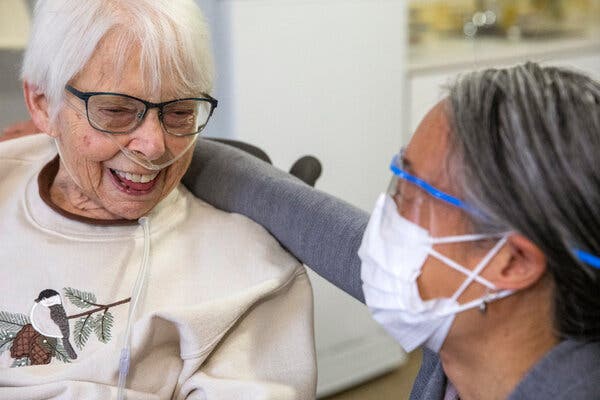
Anne Cotton had enjoyed her years at an assisted living facility in Corvallis, Ore. But at 89, her health problems began to mount: heart failure, weakness from post-polio syndrome, a 30-pound weight loss in a year.“I’m in a wheelchair,” she said. “I’m getting weaker. I’m having trouble breathing.” On Sept. 30, Dr. Helen Kao, her palliative care doctor and a medical director at Lumina Hospice & Palliative Care, determined that she qualified for hospice services — in which a team of nurses, aides, social workers, a doctor and a chaplain help patients through their final weeks and months, usually at home.Ms. Cotton, a retired accountant and real estate broker, embraced the idea. “I’ve lived a very full life,” she said. “I’m hoping I’m near the end. I need the help hospice gives.” Her sister died in Lumina’s care; she wants the same support. For older patients, Medicare pays the cost.But Lumina and other hospices that serve Benton County, Ore., are grappling with pandemic-fueled staff shortages, which have forced them at times to turn away new patients or delay their enrollment — as it did with Ms. Cotton. “It’s devastating,” Dr. Kao said.Another of her palliative care patients, Ruth Ann McCracken, 91, has declined physically and cognitively since suffering two strokes last year. Last month, her family made an appointment for hospice enrollment.The day before the appointment, Dr. Kao made a difficult call to Ms. McCracken’s daughter, explaining that Lumina had lost several nurses and could not safely admit new patients, perhaps for several weeks.Distressed and fearful of delay, the family followed her advice and made an appointment for enrollment with another local hospice, Samaritan Evergreen — only to have that meeting postponed, too, because of a nursing shortage.Ms. Cotton and Dr. Kao. “I’ve lived a very full life,” said Ms. Cotton, whose sister died Lumina’s care. “I’m hoping I’m near the end. I need the help hospice gives.” Alisha Jucevic for The New York TimesAn imitation rose sat on top of Ms. Cotton’s meal schedule at Regency Park Place.Alisha Jucevic for The New York TimesHospice staff shortages have developed across the country, and while closing to new patients is not a common response, “it’s getting worse,” said Edo Banach, the president and chief executive of the National Hospice and Palliative Care Organization. “If this goes on much longer, it’s going to happen more.”In a stressed health care system, some routine procedures or elective surgeries can be deferred without much harm. But more than half of the 2.3 million Medicare beneficiaries who die annually rely on hospice care, Medicare reported. To qualify for hospice, patients are deemed to be within six months of death, which cannot be postponed.Because many put off enrolling — American patients spend only a median of 18 days in hospice — even short waits can mean the loss of valuable care, from pain relief to help with household tasks.“It causes huge distress to tell a family, ‘We can’t serve you,’” said Barbara Hansen, who directs Oregon’s and Washington’s state hospice and palliative care organizations.The Center for Hospice Care in northern Indiana, which serves about 2,000 patients annually, has not had to turn away patients. But the smaller of its two inpatient units, a seven-bed hospice in Elkhart, has remained closed since July because of inadequate staff.The Center had planned to reopen it on Oct. 1, but a newly hired nurse left, so the unit remains unavailable. “I keep thinking it’s going to get better,” said Mark Murray, the Center’s president and chief executive.In New York State, “it’s a day-to-day jigsaw puzzle that puts a strain on the organization,” said Jeanne Chirico, the president and chief executive of the state’s Hospice and Palliative Care Association. Some hospices, which often pride themselves on enrolling new patients within a day, may take an additional day or two, since admissions are a labor-intensive process. They may send home aides for fewer hours.Many hospices are trying to recruit staff with signing bonuses; on the high end, EvergreenHealth Hospice Care in Seattle is offering $15,000 for registered nurses and $5,000 for licensed practical nurses. It has not lost much staff, said Brent Korte, the agency’s chief home care officer, “but we may go from our average care load of 12 patients per nurse to 15, temporarily.”The shortage, hospice administrators say, stems partly from an exhausted staff who visited patients’ homes through the worst of the pandemic, wearing full protective gear (once they could acquire it).Now Willamette Valley Hospice and Palliative Care, which also serves Corvallis, has lost 25 percent of its registered nurses since the pandemic began and has closed to new patients several times. “The fatigue, the disappointment is hitting us,” said Iria Nishimura, its executive director.Staff shortages also reflect economic pressures. Hospice nurses typically earn less than those employed by hospitals or traveling nurse agencies, which have raised their wages and bonuses as they also face a pandemic-related lack of nurses.In Oregon and Washington, for instance, a registered nurse working for a hospice might make $40 to $60 an hour, Ms. Hansen said. Agencies in those states are advertising up to $130 an hour for traveling nurses, she said, and one in Seattle is said to be dangling $275. “No hospice can match that,” she said.Dr. Kao has had to turn away patients or delay their enrollment in hospice, and it takes its toll on families, patients and caregivers alike. “It’s devastating,” she said.Alisha Jucevic for The New York TimesMs. Cotton rubbed her hands during a check-up with Dr. Kao.Alisha Jucevic for The New York TimesAt Lumina, where staff turnover has run 80 percent higher than usual, “we’ve had job postings for months without any applicants at all,” Dr. Kao said. It has begun offering $2,000 bonuses for registered nurses.Hospice aides, who are usually certified nursing assistants, are being lured away, too, sometimes leaving health care entirely. “When they’re getting paid in the low double digits and Amazon pays twice that, it’s hard to compete,” Mr. Banach said.Vaccination resistance is also shrinking hospice staffs in states — roughly 20, according to Leading Age, which represents nonprofit senior care providers — that mandate shots for health care workers.Hospice organizations have supported such mandates, and report that most workers have complied. But losing even a few resistant hospice staff — perhaps five percent in New York State so far, Ms. Chirico estimated — could bring temporary closures, wait lists or higher caseloads for the remaining staff. (Rules for the Biden administration’s federal mandate, governing all health care providers that receive Medicare and Medicaid funding, including hospices, are expected soon.)Hospice organizations received aid through several rounds of federal pandemic relief, but they need more to rebuild their staffs, Mr. Banach said. They could also benefit from changes in immigration law to help bolster the work force.Those kinds of changes take time, however. Hospice workers require specialized training. Even if scrambling hospices could hire nurses tomorrow, it would take several months for most to be fully ready to work with dying patients.“It’s going to be a tough six months,” Ms. Hansen predicted; other administrators interviewed found her statement optimistic.In Oregon, Samaritan Evergreen Hospice began receiving overflows from other local hospices and, for two weeks in September, was forced to practice triage. “We were taking the most ill, actively dying patients first,” said Karen Daley, the hospice director. Those who weren’t struggling with symptoms and had good support at home waited for several days.Evergreen’s staff has stabilized for now, and triage is no longer necessary, although it could resume at any time. Ms. McCracken, to her family’s relief, was enrolled on Oct. 8.Ms. Cotton prefers to use Lumina, so she is still waiting. “I don’t know how many people are ahead of me,” she said. “Basically, I have to wait for people to die, and that’s not a pleasant thought.”Dr. Kao and Ms. Cotton at Regency Park Place.Alisha Jucevic for The New York Times

Read more →

Why Getting Tested for Covid-19 Can Include a Headache

Coronavirus testing prices vary widely and can reach into the hundreds of dollars, making it hard for some travelers to budget for the added expense.For those who have been traveling internationally during the pandemic, getting a coronavirus test has become an integral part of the process. Many countries, including the United States, require a negative test result for entry, which has forced travel agents, hoteliers and others to establish testing and authentication procedures and, in many cases, to work together to ease the process for travelers.As testing requirements have become more ubiquitous, so have testing centers and services catering to them, with little or no current regulation on what they charge. Depending on where they are going, travelers can find tests for free or must pay up to hundreds of dollars — an expense for which they haven’t necessarily budgeted.For Princess François-Estévez, 32, an assistant principal at a Brooklyn high school, the cost of testing was a consideration when choosing the destination for her bachelorette party. Ms. François-Estévez said her group of friends weighed the cost of airfare, lodging and testing to narrow down their choices. They considered going to Antigua before learning that a test at the affordable hotel they had found would cost them $200 per person.“You can have a cheaper flight and hotel, but then if the Covid test is so expensive, then you’re like, ‘Does it actually balance itself out?’” she said. “Especially when you’re traveling in a group, not everybody is willing to pay those costs.” They ended up going to Jamaica, staying at a resort that provided free testing.It is unclear to what extent American travelers have been deterred by the cost of testing, but a recent survey of 1,200 British adults by YouGov, a research data and analytics group, found that 47 percent named coronavirus testing prices as a main barrier to international travel.Julia Simpson, the chief executive officer of the World Travel & Tourism Council, an industry group that works with governments to raise awareness about the travel industry, said that testing requirements have “really affected people’s confidence and also their pockets in terms of traveling.”Ms. Simpson said that in the United States, some clinics charge fees ranging from $100 to $400 for polymerase chain reaction, or P.C.R. tests, considered the gold standard for detecting the virus.“One of the concerns we’ve had is these big price discrepancies,” Ms. Simpson said. “If you’re a family of four, or even a solo traveler, if you know what you’re going to pay, then at least you can budget for it. But for P.C.R.s, it can be very, very variable.” Gerald Kominski, a professor of health policy and management at the University of California, Los Angeles, said that the reason for the vast difference in pricing is a lack of government oversight, which “creates an opportunity for a company to, in some cases, exploit the fact that prices are not regulated.”In New York City, residents can get a free P.C.R. test at one of the city’s Express Covid-19 testing centers, with results promised within 24 hours or less. But many clinics offer the tests at a cost in exchange for expedited results. ProHealth Pharmacy, in Manhattan, charges $100 for a 24- to 48-hour turnaround for a P.C.R. test, or $200 to get results in 15 minutes. Adams Health Services offers express P.C.R. testing in Terminal One of Kennedy International Airport for $220, with results delivered within a couple of hours.Janine Aranya, the business development director for Adams Health Services, said in an email that their prices reflect the “cost of hiring airport employees and having responsibilities for the Department of Health.” She added that their advanced testing machines allow them to run each swab on site, as opposed to in batches like other laboratories, often returning results in less than an hour.“Most of our customers need the Covid-19 test when they are denied from check-in due to governmental regulation changes about Covid-19 constantly,” she said. “Our existence is a big advantage for passengers to catch their flights on the same day or next.”Clear-19 Rapid Testing, which has a location in Midtown Manhattan and is opening another in Downtown Manhattan, charges $389 to deliver P.C.R. results in two hours, or $175 for a 24-hour turnaround.“You’re basically paying for guarantees with us,” said Sandy Walia, a spokeswoman for the testing center. “We charge something that is predictable, affordable, with guaranteed results.”Some travelers do not mind paying a fee for peace of mind. When Amartya Zarate, a 32-year-old program manager, was getting ready to head to Portugal in September, she considered going to one of the many free testing sites in Cambridge, Mass., where she lives. But she was “really nervous” about getting her results within the 72-hour window that country requires.“It is a free service. It’s not like you can say, ‘I need this today,’” she said, so she opted to pay a $75 rush fee to get her results guaranteed in 48 hours. “I didn’t want to stress out about getting my results on time.”While testing is guaranteed in the United States to be free for patients who are symptomatic, some insurers may deny virus testing claims meant to clear people for work or travel.“Travel is not considered an essential activity for most people,” Dr. Kominski said. “We’re seeing people paying, and paying some high prices, when you’re required to have a negative test for reasons that are unrelated to symptoms, per se, but are for safety purposes.”Diane Sherer, the owner of Beyond Travel, an agency based in Los Angeles, Calif., said that Covid-19 testing prices have not deterred her clients. Many of the luxury resorts and hotels Ms. Sherer works with provide testing at no cost, she said, and she’s found when there is an added cost — usually around $150 — “people are willing to pay that little bit extra,” she said. “I haven’t had anyone cancel because of cost.”In the United States, it can be easy to shop around online for the best price or access affordable local options. But this can be more difficult in other countries, where tourists often do not know the language or how to navigate a foreign health care system.Limor Decter, a luxury travel advisor at Embark Beyond, a New York City-based agency, said that prices have dropped significantly since the beginning of the pandemic, in part because in May, the Centers for Disease Control and Prevention approved for travel the use of self-administered “at-home” tests that met its requirements, such as a video supervision by a lab technician and an emergency use authorization from the Food and Drug Administration.52 Places to Love in 2021We asked readers to tell us about the spots that have delighted, inspired and comforted them in a dark year. Here, 52 of the more than 2,000 suggestions we received, to remind us that the world still awaits.Available tests include the BinaxNOW Covid-19 Home Test, an antigen test that costs $70 for two kits or $99 for three. Other tests are pricier, with some requiring that the sample be sent to a laboratory for a P.C.R. test, and do not include a video conference with a lab technician, which is required for C.D.C. approval.Vault, a P.C.R. test, offers an at-home test kit for travel from Jamaica, Mexico and the Dominican Republic to the United States. The kits cost $119 and include a video session with a qualified professional; there are drop-off points for samples across these countries’ major cities, with results of the P.C.R. test returned 12 to 48 hours after being received by the lab.Antigen tests, rapid tests that can be processed within minutes, like an at-home pregnancy test, are cheaper but less reliable than P.C.R. tests, which are handled by a laboratory and include amplifying the virus’s genetic material many times, allowing it to detect even small traces of the virus. Both are accepted for travel to the United States, but some countries require a P.C.R. test for entry.Ms. Decter said that BinaxNOW is “very cost-effective,” adding that Embark Beyond purchased the kits in bulk for its clients, many of whom use it for their return trips back to the United States. The tests, which clients can get shipped to their home or pick up at a local Walgreens, can be packed in a suitcase and self-administered with the supervision of a lab technician, over video chat.Because such a cost-effective method is available, as well as the availability of no- or low-cost testing at many hotels worldwide, Ms. Decter said she does not believe that pricing is hindering travel at this point — for those who want to travel.“Clients are either comfortable, and they’ll do whatever it takes. Or they’re very patient and they say, I’d rather wait,” Ms. Decter said. “But we don’t have people in the gray zone.”Dr. Kominski, of U.C.L.A., said that pricing is likely particularly a deterrent for families, who have to consider the cost of multiple people when planning a trip.Jennifer P. Tejada, 32, a special-education teacher in Brooklyn, went to Cartagena, Colombia, with her husband and two daughters in August. The family budgeted around $20 per person to get tested before heading back to the United States. A friend who had gone recently recommended a clinic there.But when Ms. Tejada arrived at the clinic, the cost was more than double that amount, an expense she “wasn’t expecting.” The price, she was told, had gone up in the two weeks since her friend had visited.Ms. Tejada had hoped to visit the National Aviary of Colombia, but she decided to skip it. “I had in mind that we needed to use that money to get Covid-19 testing,” she said, “so it did keep us from doing an excursion that I really, really wanted to do.”Allison Brown, 71, who is retired and lives in Portland, Maine, said that testing is one of many things that makes traveling now “a pain in the neck.” Over the summer, she and her husband spent $475 on coronavirus tests to enter Scotland and visit their adult children living there. For the tests required to return to the States, Ms. Brown would have paid an additional $225 had it not been for a relative who works at a local clinic and helped them get tested free of charge.“If I was just going on a leisure vacation, I wouldn’t go,” said Ms. Brown, “but I want to see my children.”Follow New York Times Travel on Instagram, Twitter and Facebook. And sign up for our weekly Travel Dispatch newsletter to receive expert tips on traveling smarter and inspiration for your next vacation. Dreaming up a future getaway or just armchair traveling? Check out our 52 Places list for 2021.

Read more →

F.D.A. Panel Unanimously Recommends Johnson & Johnson Booster Shots

But many panel members said J. & J. recipients might also benefit from the option of a Pfizer-BioNTech or Moderna booster, an action that an F.D.A. official said was possible.A Food and Drug Administration advisory panel recommended authorizing booster shots of Johnson & Johnson’s one-dose coronavirus vaccine for people 18 years or older, at least two months after the first dose.Robyn Beck/Agence France-Presse — Getty ImagesWASHINGTON — A key federal advisory committee voted unanimously Friday to recommend Johnson & Johnson booster shots, most likely clearing the way for all 15 million people who got the company’s one-dose coronavirus vaccine to receive a second shot.If the Food and Drug Administration and the Centers for Disease Control and Prevention accept the recommendation, as expected, boosters could be offered by late next week. But many committee members made clear that they believed Johnson & Johnson recipients might benefit from the option of a booster of the Pfizer-BioNTech or Moderna vaccine, something a top F.D.A. official said the agency was considering.With a series of votes over the past month to recommend boosters for all three coronavirus vaccines used in the United States, the panel set aside significant divisions and skepticism about whether extra shots are needed and edged ever closer to the goal that President Biden laid out in August when he called for boosters for all adults.Well over 100 million fully vaccinated people will be eligible for boosters if the F.D.A. and C.D.C. endorse the committee’s latest recommendations, even though some scientists say that the evidence supporting boosters remains weak and that it would have been wiser to focus on reaching the unvaccinated, including abroad.Johnson & Johnson’s vaccine took a beating at Friday’s session, as did the F.D.A. for pushing for a decision without verifying all of the data that the company had submitted.But the panel members appeared swayed by the argument that it would be unfair to deny Johnson & Johnson recipients an additional shot after endorsing boosters for recipients of the other two vaccines, especially in the face of evidence that Johnson & Johnson offers the weakest protection of the three.“There is a public health imperative here, because what we’re seeing is that this is a group with overall lower efficacy than we have seen with the mRNA vaccines,” said Dr. Arnold Monto, the committee’s acting chairman and a professor of epidemiology at the University of Michigan School of Public Health. “So there is some urgency there to do something.”In its second successive day of discussion on boosters, the group wavered on whether it would be wise to soon offer extra shots to younger recipients of the Pfizer and Moderna vaccines.The government’s strategy now is to offer boosters of those vaccines to people 65 and older and to younger adults at high risk because of their medical conditions or jobs. No decision was made about broader eligibility criteria, but Dr. Monto and others described the issue as increasingly pressing.The panel also seemed intrigued by preliminary data suggesting that Johnson & Johnson recipients may be better off with a booster shot from Moderna or Pfizer. Although no vote was taken, Dr. Peter Marks, who oversees the F.D.A.’s vaccine division, said regulatory action to allow boosters with a different vaccine was “possible.”While some experts emphasized that the data was based on small groups of volunteers and short-term findings, others urged the F.D.A. to move quickly with what has fast become known as a mix-and-match approach, especially for recipients of Johnson & Johnson’s vaccine, which is much less widely available.“I’m sold already,” said Dr. Mark Sawyer, an infectious disease specialist with the University of California San Diego School of Medicine. “We need flexibility and to improve access to everyone.”Others said they worried that the public would end up bewildered if the government kept broadening the categories of people eligible for boosters and which vaccine could be used for extra shots.“I hope we can do this in a way that doesn’t look like we’re changing rules all the time,” said Dr. Stanley Perlman, a professor of immunology at the University of Iowa.Health officials and committee members suggested on Friday that the single-shot Johnson & Johnson vaccine had long been less protective. In a particularly biting critique, Dr. Amanda Cohn, a high-ranking C.D.C. medical officer, said a single dose of Johnson & Johnson’s vaccine offered less protection than two doses of the mRNA vaccines made by Pfizer or Moderna — a gap that would only grow if it remained a one-shot regimen while the other two-shot vaccines were followed by a booster.Dr. Marks emphasized that the one-shot, easily stored Johnson & Johnson shot had served partly as an “outreach” vaccine — suggesting that refusing to offer a booster would disadvantage vulnerable populations.To date, more than 104 million people in the United States have been fully vaccinated with Pfizer’s product, more than 69 million with Moderna’s and about 15 million with the Johnson & Johnson shot.The government decided last month to offer booster shots of Pfizer’s vaccine to older Americans and other high-risk groups, and the panel voted Thursday to recommend the same approach for Moderna recipients. More than eight million people in the United States have already obtained Pfizer booster doses, and about 1.6 million have received third doses of Moderna’s, even though only Moderna recipients with immune deficiencies are officially eligible.For Johnson & Johnson recipients, the committee recommended an additional shot for everyone who had received the vaccine — a reflection of its lower efficacy. Although the added injection was cast as a booster, some experts on the committee argued that the vaccine should have involved two doses from the start, separated by about two months.Johnson & Johnson officials said a second dose given either two or six months after the first shot increased antibody levels, part of the immune response to vaccines. They also said that unlike Pfizer’s vaccine, Johnson & Johnson’s potency did not wane significantly over time.The experts generally agreed that the protection conferred by a single dose was inadequate, but at least some were unconvinced that the second dose would bolster that protection significantly..css-1kpebx{margin:0 auto;font-family:nyt-franklin,helvetica,arial,sans-serif;font-weight:700;font-size:1.125rem;line-height:1.3125rem;color:#121212;}#NYT_BELOW_MAIN_CONTENT_REGION .css-1kpebx{font-family:nyt-cheltenham,georgia,’times new roman’,times,serif;font-weight:700;font-size:1.375rem;line-height:1.625rem;}@media (min-width:740px){#NYT_BELOW_MAIN_CONTENT_REGION .css-1kpebx{font-size:1.6875rem;line-height:1.875rem;}}@media (min-width:740px){.css-1kpebx{font-size:1.25rem;line-height:1.4375rem;}}.css-1gtxqqv{margin-bottom:0;}.css-k59gj9{display:-webkit-box;display:-webkit-flex;display:-ms-flexbox;display:flex;-webkit-flex-direction:column;-ms-flex-direction:column;flex-direction:column;width:100%;}.css-1e2usoh{font-family:inherit;display:-webkit-box;display:-webkit-flex;display:-ms-flexbox;display:flex;-webkit-box-pack:justify;-webkit-justify-content:space-between;-ms-flex-pack:justify;justify-content:space-between;border-top:1px solid #ccc;padding:10px 0px 10px 0px;background-color:#fff;}.css-1jz6h6z{font-family:inherit;font-weight:bold;font-size:1rem;line-height:1.5rem;text-align:left;}.css-1t412wb{box-sizing:border-box;margin:8px 15px 0px 15px;cursor:pointer;}.css-hhzar2{-webkit-transition:-webkit-transform ease 0.5s;-webkit-transition:transform ease 0.5s;transition:transform ease 0.5s;}.css-t54hv4{-webkit-transform:rotate(180deg);-ms-transform:rotate(180deg);transform:rotate(180deg);}.css-1r2j9qz{-webkit-transform:rotate(0deg);-ms-transform:rotate(0deg);transform:rotate(0deg);}.css-e1ipqs{font-size:1rem;line-height:1.5rem;padding:0px 30px 0px 0px;}.css-e1ipqs a{color:#326891;-webkit-text-decoration:underline;text-decoration:underline;}.css-e1ipqs a:hover{-webkit-text-decoration:none;text-decoration:none;}.css-1o76pdf{visibility:show;height:100%;padding-bottom:20px;}.css-1sw9s96{visibility:hidden;height:0px;}.css-1in8jot{background-color:white;border:1px solid #e2e2e2;width:calc(100% – 40px);max-width:600px;margin:1.5rem auto 1.9rem;padding:15px;box-sizing:border-box;font-family:’nyt-franklin’,arial,helvetica,sans-serif;text-align:left;}@media (min-width:740px){.css-1in8jot{padding:20px;width:100%;}}.css-1in8jot:focus{outline:1px solid #e2e2e2;}#NYT_BELOW_MAIN_CONTENT_REGION .css-1in8jot{border:none;padding:10px 0 0;border-top:2px solid #121212;}What to Know About Covid-19 Booster ShotsThe F.D.A. authorized booster shots for a select group of people who received their second doses of the Pfizer-BioNTech vaccine at least six months before. That group includes: vaccine recipients who are 65 or older or who live in long-term care facilities; adults who are at high risk of severe Covid-19 because of an underlying medical condition; health care workers and others whose jobs put them at risk. People with weakened immune systems are eligible for a third dose of either Pfizer or Moderna four weeks after the second shot.Regulators have not authorized booster shots for recipients of Moderna and Johnson & Johnson vaccines yet. A key advisory committee to the F.D.A. voted unanimously on Oct. 14 to recommend a third dose of the Moderna coronavirus vaccine for many of its recipients. The same panel voted unanimously on Oct. 15 to recommend booster shots of Johnson & Johnson’s one-dose vaccine for all adult recipients. The F.D.A. typically follows the panel’s advice, and should rule within days.The C.D.C. has said the conditions that qualify a person for a booster shot include: hypertension and heart disease; diabetes or obesity; cancer or blood disorders; weakened immune system; chronic lung, kidney or liver disease; dementia and certain disabilities. Pregnant women and current and former smokers are also eligible.The F.D.A. authorized boosters for workers whose jobs put them at high risk of exposure to potentially infectious people. The C.D.C. says that group includes: emergency medical workers; education workers; food and agriculture workers; manufacturing workers; corrections workers; U.S. Postal Service workers; public transit workers; grocery store workers.It is not recommended. For now, Pfizer vaccine recipients are advised to get a Pfizer booster shot, and Moderna and Johnson & Johnson recipients should wait until booster doses from those manufacturers are approved.Yes. The C.D.C. says the Covid vaccine may be administered without regard to the timing of other vaccines, and many pharmacy sites are allowing people to schedule a flu shot at the same time as a booster dose.They were critical of the company’s data, saying F.D.A. regulators had challenged the sensitivity of one key test used to measure antibodies in people who received booster doses. They balked at the size of a study on Johnson & Johnson booster doses given at a sixth-month interval, based on only 17 volunteers. And they were clearly distressed to see slide after slide of data with the huge caveat: “Not verified by F.D.A.”Dr. Archana Chatterjee, the dean of the Chicago Medical School, pointedly asked why the F.D.A. was pushing for a decision without a thorough review. But she said later that she was convinced by the totality of the data, especially a C.D.C. report that found Johnson & Johnson was only 71 percent effective against hospitalization, compared with 88 percent for Pfizer and 93 percent for Moderna.Ahead lie still more decisions for the F.D.A. and its outside experts. The group is set to meet again this month to discuss Pfizer-BioNTech’s request for authorization of a lower dose of its vaccine in children 5 to 11. Also pending is a decision on whether to authorize Moderna’s vaccine for adolescents — a move complicated by conflicting data about possible side effects involving the heart.Regulators will also consider whether to allow people to get boosters of a different vaccine than what they initially got, which might produce a stronger immune response. “It’s real-world, practical questions that people want to know,” said Dr. Kirsten Lyke of the University of Maryland School of Medicine, who presented the results of the mix-and-match study to the committee.Preliminary findings showed Johnson & Johnson recipients who got a booster with the Moderna vaccine saw their antibody levels rise 76-fold within 15 days, compared with only a fourfold rise if they received a booster shot of Johnson & Johnson. A Pfizer-BioNTech booster raised antibody levels in Johnson & Johnson recipients 35-fold.The trial only looked at antibody levels, which on their own are an insufficient measure of how well different combinations of vaccines would protect people.Dr. Cohn, the C.D.C. official, suggested that the F.D.A. could include language in its booster authorizations that would somehow allow switches between brands.“From a public health perspective, there’s a clear need in some situations for individuals to receive a different vaccine,” she said. She said that some people might not have access to the same vaccine again, or might have increased risks of some side effects from using it again as a booster.Dr. Ofer Levy, an infectious disease physician at Boston Children’s Hospital, said the F.D.A. should act because some people were already seeking boosters on their own.“In the real world, all these kinds of combinations or extra boosters are already happening,” he said. “We can’t hide from it, and I do think we need to give guidance to the public.”At the same time, the government needs “to make sure that we don’t confuse the public even more than we are already,” said Dr. Jeannette Lee, a professor at the University of Arkansas for Medical Sciences.

Read more →

Accelerating the discovery of new materials for 3D printing

The growing popularity of 3D printing for manufacturing all sorts of items, from customized medical devices to affordable homes, has created more demand for new 3D printing materials designed for very specific uses.
To cut down on the time it takes to discover these new materials, researchers at MIT have developed a data-driven process that uses machine learning to optimize new 3D printing materials with multiple characteristics, like toughness and compression strength.
By streamlining materials development, the system lowers costs and lessens the environmental impact by reducing the amount of chemical waste. The machine learning algorithm could also spur innovation by suggesting unique chemical formulations that human intuition might miss.
“Materials development is still very much a manual process. A chemist goes into a lab, mixes ingredients by hand, makes samples, tests them, and comes to a final formulation. But rather than having a chemist who can only do a couple of iterations over a span of days, our system can do hundreds of iterations over the same time span,” says Mike Foshey, a mechanical engineer and project manager in the Computational Design and Fabrication Group (CDFG) of the Computer Science and Artificial Intelligence Laboratory (CSAIL), and co-lead author of the paper.
Additional authors include co-lead author Timothy Erps, a technical associate in CDFG; Mina Konakovi? Lukovi?, a CSAIL postdoc; Wan Shou, a former MIT postdoc who is now an assistant professor at the University of Arkansas; senior author Wojciech Matusik, professor of electrical engineering and computer science at MIT; and Hanns Hagen Geotzke, Herve Dietsch, and Klaus Stoll of BASF. The research was published today in Science Advances.
Optimizing discovery
In the system the researchers developed, an optimization algorithm performs much of the trial-and-error discovery process.

Read more →

One coronavirus vaccine may protect against other coronaviruses, study shows

Northwestern Medicine scientists have shown for the first time that coronavirus vaccines and prior coronavirus infections can provide broad immunity against other, similar coronaviruses. The findings build a rationale for universal coronavirus vaccines that could prove useful in the face of future epidemics.
“Until our study, what hasn’t been clear is if you get exposed to one coronavirus, could you have cross-protection across other coronaviruses? And we showed that is the case,” said lead author Pablo Penaloza-MacMaster, assistant professor of microbiology-immunology at Northwestern University Feinberg School of Medicine.
The findings were recently published in the Journal of Clinical Investigation.
A breakdown of coronavirus families
The three main families of coronaviruses that cause human disease are Sarbecovirus, which includes the SARS-CoV-1 strain that was responsible for the 2003 outbreak of Severe Acute Respiratory Syndrome (SARS), as well as SARS-CoV-2, which is responsible for COVID-19; Embecovirus, which includes OC43, which is often responsible for the common cold; and Merbecovirus, which is the virus responsible for Middle East Respiratory Syndrome (MERS), first reported in 2012.
Vaccines demonstrated cross-protective immunity
Plasma from humans who had been vaccinated against SARS-CoV-2 produced antibodies that were cross-reactive (provided protection) against SARS-CoV-1 and the common cold coronavirus (OC43), the study found. The study also found mice immunized with a SARS-CoV-1 vaccine developed in 2004 generated immune responses that protected them from intranasal exposure by SARS-CoV-2. Lastly, the study found prior coronavirus infections can protect against subsequent infections with other coronaviruses.

Read more →