Mammalian motivation circuits: Maybe they’re born with it

Are we born to fear punishment or crave rewards? Or do those capacities evolve with experience? Cold Spring Harbor Laboratory (CSHL) Professor Bo Li and his lab found that mice have pre-programmed circuits that process “positive” and “negative” stimuli. These neurons are found in the mouse’s amygdala, a section of the brain that deals with learning rewards and punishments. The researchers’ findings may be useful for studying neurological and psychiatric disorders in humans.
Previously, Li and his colleagues discovered that the amygdala is the hub for both fear- and reward-based learning. Xian Zhang, a postdoc in Li’s lab, wanted to find out the exact circuitry that takes in positive or negative stimuli that trigger either pleasure or fear.
In an experiment similar to how Pavlov’s dog was taught to associate a bell sound with food, Li and Zhang trained mice to connect certain sounds with either a reward (a refreshing drink of water) or a punishment (an annoying puff of air to the whiskers). Then, in collaboration with CSHL Adjunct Professor Z. Josh Huang, they developed a method to mark and observe different neurons in the mouse amygdala. They discovered two distinct types of neurons: one that was activated when the mouse heard the reward sound, and one that was activated when it heard the punishment sound. Both neuron populations exist throughout the entire amygdala. Li explains:
“They’re spatially intermingled. When you start to image them, you know that some of the neurons respond only to good things, some of the neurons respond only to bad things, just like the pepper and the salt mixed together, and they do different jobs.”
The researchers were surprised to discover that some amygdala cells are hardwired to process motivation stimuli, even without training. A puff of air or sip of water triggered the same neurons in both untrained and trained mice.
Zhang thinks their findings may be relevant to human psychiatric disorders like depression. He says:
“If you have an imbalanced bit in different neural circuits, you probably have a deficit of your motivation, like you lost your interest in pursuing rewards, or you lost your interest in avoiding punishment. I think this finding is important to know for the future, to help people with depression or other mental disorders.”
In mouse models of depression, animals lack the motivation to seek rewards or avoid punishments. Li and Zhang hope that this study, published in Nature Neuroscience, will help researchers understand how motivation works or goes wrong in mammalian brains.
Story Source:
Materials provided by Cold Spring Harbor Laboratory. Original written by Jasmine Lee. Note: Content may be edited for style and length.
Read more →

Developing a treatment for vision loss through transplant of photoreceptor precursors

Inherited retinal diseases (IRDs) are a group of genetically and clinically homogeneous illnesses characterised by progressive retinal damage leading to vision loss. The global incidence of IRDs is approximately 1 in 2000 persons. These disorders are amongst some of the leading causes of blindness worldwide.
While the introduction of gene therapy has been a significant development, its effectiveness has been blunted by the sheer extent of genetic heterogeneity, with more than 260 genes implicated in IRDs. This limits the widespread application of gene therapy for all IRDs. Additionally, gene therapy has limited efficacy in clinical cases of advanced retinal degeneration in which significant photoreceptor cell death has already occurred. Photoreceptor cells are found in the retina and respond to light, converting it into electrical signals that activate physiological chain reactions. These signals are sent through the optic nerve to the brain for processing.
With the advent of induced pluripotent stem cell (iPSC) and embryonic stem cell (ESC) technology, regenerative stem cell therapy has the potential to be an alternative treatment for end-stage retinal degeneration, independent of the underlying genetic defect. Retinal regenerative therapies therefore hold great promise for the treatment of IRDs. Studies in animal models of IRDs have suggested visual improvement following retinal photoreceptor precursors transplantation, though there is limited evidence on the ability of these transplants to rescue retinal damage in higher mammals.
A recently published study in the journal Stem Cell Research and Therapy led by Assistant Professor Su Xinyi from the Department of Ophthalmology at the NUS Yong Loo Lin School of Medicine examines the therapeutic potential of photoreceptor precursors derived from clinically compliant iPSCs. The study demonstrated the safety and therapeutic potential of clinically compliant iPSC-derived photoreceptor precursors as a cell replacement source for future clinical trials. These include performing a first-in-man clinical trial for photoerecptor precursor transplant in Singapore, in collaboration with RxCELL, a biotechnology company focused on therapeutic applications iPSCs.
Story Source:
Materials provided by National University of Singapore, Yong Loo Lin School of Medicine. Note: Content may be edited for style and length.

Read more →

Filling half of kids' plates with fruits and veggies helps increase consumption

Filling half of a child’s plate with fruits and veggies isn’t just recommended by the United States Dietary Guidelines, it also helps increase the amount of produce that kids end up eating, according to Penn State research.
In a controlled feeding study, the researchers tested two strategies for encouraging kids to eat more fruits and vegetables.
The first was simply adding 50 percent more to fruit and vegetable side dishes at kids’ meals throughout the day. The second was substituting 50 percent more fruits and vegetables for an equivalent weight of the other foods. For example, if they added 50 grams of veggies to the lunch meal, they also subtracted 50 grams of mac-and-cheese.
The researchers found that adding more fruit and vegetable side dishes resulted in the kids eating 24 percent more veggies and 33 percent more fruit compared to the control menus. Substituting fruits and veggies for some of the other foods resulted in kids consuming 41 percent more veggies and 38 percent more fruit.
Barbara Rolls, Helen A. Guthrie Chair and director of the Laboratory for the Study of Human Ingestive Behavior at Penn State, said the findings suggest ways parents, caregivers and schools can help encourage healthy eating.
“When deciding what to feed kids, it’s easy to remember that half of the food should be fruits and vegetables,” Rolls said. “If you start seeing that you’re serving too much and have more waste, you could cut back the higher calorie-dense food while adding more produce. Experiment and have some fun trying different fruits and vegetables to see what they like and so you can serve meals with a sensitivity to their personal taste.”
The study was recently published in the American Journal of Clinical Nutrition.

Read more →

Aging breast tissue could set the stage for invasive breast cancer

The American Cancer Society estimates that 284,200 women will be newly diagnosed with breast cancer in 2021, and 43,600 will die of the disease — the second highest cause of cancer death in women.
A woman’s risk of being diagnosed with breast cancer increases with age, but while scientists have long studied cellular changes that take place in the body over time, a new study led by researchers at the University of Notre Dame examines how the extracellular matrix (ECM) — an underlying network of molecules and proteins that provide the structure for tissue growth — can trigger invasive cancer-related genes.
“This is the first time we’ve been able to show direct evidence that the aging ECM itself is changing the phenotype of normal epithelial cells,” said Pinar Zorlutuna, the Sheehan Family Collegiate Professor of Engineering at Notre Dame and principal investigator of the study, published in Advanced Science. “Clinical data shows that aging is a big risk factor for breast cancer, and we wanted to investigate why that is. Cellular aging has been explored, but what we didn’t know was what effect aging had on the extracellular matrix.”
Zorlutuna and her team studied the ECM tissue in healthy younger and older mouse models, seeding the matrixes with normal mammary epithelial cells — cells that form a thin layer of tissue around the breast — and cancerous cells.
The research team found changes in the biochemical composition, structure and stiffness of the aged ECM. As the tissue ages, protein levels and collagen production decrease, and collagen fibers become thinner but curlier and form a denser “mesh.” Lack of collagen production can leave the integrity of the ECM vulnerable to invasive tumor cells, while thinner and curlier fibers may contribute to the metastasis of cancer cells.
“The normal epithelial cells in the aged matrix started to express more invasiveness-related genes associated with breast cancer,” Zorlutuna said. “And we identified the gene critical to this transition called lysyl oxidase (LOX).”
Normal epithelial cells grown on aged ECMs showed an elevated expression of LOX, preventing the formation of healthy cellular structures. In the models containing cancer cells, those cells became more motile and invasive. When LOX was inhibited, the study showed the original phenotype of the cells could be rescued — meaning the epithelial cells returned to normal and were less motile as they were in young and healthy ECM models.
The results could help scientists gain a better understanding of cell migration and invasion in aged tissues and inform new methods for prognosis, diagnosis and prevention of breast cancer. Zorlutuna said she and her team will continue to study the ECM as it relates to cancer initiation and progression.
Zorlutuna is an affiliate member of Notre Dame’s Harper Cancer Research Institute, Institute for Precision Health and Nanoscience and Technology.
Co-authors of the study include Gokhan Bahcecioglu, Ian Guldner, Erin Howe, M. Sharon Stack, Xiaoshan Yue and Siyuan Zhang at Notre Dame and Harikrishna Nakshatri at Indiana University.
The National Institutes of Health, the Walther Cancer Foundation and Notre Dame’s Harper Cancer Research Institute funded the study.
Story Source:
Materials provided by University of Notre Dame. Original written by Jessica Sieff. Note: Content may be edited for style and length.

Read more →

Cleaning the brain after ischemic stroke

It’s clear that taking out the trash is an essential process in maintaining a clean and tidy home. But did you know that your body has a similar process for waste removal in which damaged cells are “thrown out”? A research team in Japan has recently shed new light on the dynamics of this process — termed efferocytosis — following ischemic stroke.
In a new study published this month in Science Immunology, researchers from the University of Tsukuba use a mouse model to identify the role of a key cell receptor, CD300a, in the process of efferocytosis after stroke.
During ischemic stroke, blockage of a blood vessel supplying the brain leads to disrupted blood flow, which can trigger cell death. Dying cells in turn trigger inflammatory responses that may worsen damage in the brain and lead to neurological impairment. Therefore, the elimination of dying cells through efferocytosis is a key part of minimizing the effects of ischemic stroke. However, the process of efferocytosis is not fully understood. The group led by researchers from the University of Tsukuba sought to further clarify the role of efferocytosis in ischemic stroke, particularly in the super-acute phase, which occurs within hours of the initial onset of stroke.
“We focused on cell receptor CD300a because it has been shown to be involved in efferocytosis, but its particular role in the process is not entirely clear,” explains senior author Professor Akira Shibuya. “We thought that it might represent a potential target to reduce the damage caused by ischemic stroke.”
To investigate the role of CD300a in efferocytosis following stroke, researchers induced ischemic stroke in a mouse model that was deficient in CD300a and found that CD300a-deficient mice showed less neurological deficits in the super-acute phase of stroke compared with stroke-induced mice that had normal CD300a expression. These effects appeared to be the result of enhanced efferocytosis in the CD300a-deficient mice, illustrating the role of CD300a in the inhibition of efferocytosis.
The researchers also found that treatment with an antibody that blocked the action of CD300a in mice with normal CD300a expression led to a reduction in brain inflammation after stroke, and that these mice even showed enhanced recovery following the blocking treatment.
“Our findings demonstrate the importance of efferocytosis during the super-acute phase of stroke and the impact of CD300a on the regulation of this process,” says Professor Shibuya.
Because ischemic stroke may cause harmful neurological effects in the brain, strategies to reduce cellular damage and inflammation following stroke are of great importance. Blocking the action of CD300a to promote the removal of damaged cells through efferocytosis may be a potential means to reduce damage after ischemic stroke.
Story Source:
Materials provided by University of Tsukuba. Note: Content may be edited for style and length.

Read more →

Artificial chromosomes study sheds light on gene therapies

A research team led by Dr Karen Wing Yee YUEN, Associate Professor from the School of Biological Sciences at the University of Hong Kong (HKU), revealed the mechanism of artificial chromosome (AC) formation in the embryos of the model organism Caenorhabditis elegans, a 1-mm long, transparent nematode.
The findings have been published as two back-to-back papers in the influential scientific journal Nucleic Acids Research. The studies have provided insights into the mechanisms of DNA assembly, new centromere formation and have facilitated the engineering of ACs for cloning and gene therapy. In summary, Dr Karen Yuen and postdoctoral fellow Dr Zhongyang LIN have discovered the cellular proteins in vivo (inside a living organism) used for processing foreign, naked DNA fragments to form a chromatin-packaged artificial chromosome and dissected the molecular mechanisms of how kb-sized foreign DNA can be assembled into an over 10 megabase-sized artificial chromosome in C. elegans.
What are artificial chromosomes, and why do they hold the key to future medicine?
Essentially, our DNA is packaged meticulously by proteins to make up the chromatin. If DNA were like a thread, these proteins are the spools that the DNA thread winds around to keep itself organised and neat inside of a microscopic cell. However, what will happen when a foreign, naked DNA thread with no spool is introduced into the environment? Interestingly, the cell is equipped to supply this new thread with its own self-made spools, enabling this naked DNA thread to be stably maintained in the cellular environment as part of the cell’s new repertoire. We call this process artificial chromosome (AC) formation.
Amongst the useful applications of artificial chromosomes, one of the most exciting prospects is gene therapy. For example, the fatal, chronic lung disease cystic fibrosis (CF) is caused by a mutation in the CFTR gene and is currently an incurable disease. Scientists have been studying the use of bacterial and yeast artificial chromosomes (BACs and YACs) as a vector or carrier to express the normal, functional CFTR gene and overcome the defective CFTR expression in patient cells.
As in life, to manipulate something, we must first understand it. In order to engineer artificial chromosomes, we must first learn how they are formed and maintained.

Read more →

High Immunoscores may help some win the battle against cancer

Cancerous tumors are made up of many more components than just malignant cells from the tissue of origin. Immune cells can be recruited to the tumor site and form what is known as the tumor microenvironment. A subset of these are called tumor-infiltrating lymphocytes (TILs). In an article published in Annals of Surgery, a team led by physician researchers at Osaka University determined that the number of TILs present in tumors from esophageal cancer (EC) patients could indicate their likelihood of survival.
Novel EC biomarkers are much needed, as this disease is both one of the top ten most common and most deadly cancers worldwide. EC prognosis is grim for many patients, even with treatment with surgery, radiation, or various chemotherapies. EC is frequently treated with neoadjuvant chemotherapy (NAC), where attempts are made to shrink the tumor before the primary treatment method, like surgery. However, not all EC patients respond to NAC.
Significant progress has been made with anti-cancer immunotherapies, which generally try to reprogram a patient’s immune system to recognize and fight cancer cells. Immune cells called cytotoxic T cells, which are part of the TILs, are particularly good at doing this. Recently, a scoring system, known as the Immunoscore (IS), has been used to quantify the number of TILs present in and around a tumor.
“Because of the importance of TILs in fighting cancer, a patient with a high IS will often have a better outcome,” says lead author of the study Toshiki Noma. “Yet, not much is known about the relationship between IS and survival rates in EC patients.”
To evaluate this, the team used a technique called immunohistochemistry that could help them visualize the TILs within the mixture of other cell types in the tumor. They then utilized an automated cell counting system to provide an IS for each case. They examined tumors from 300 EC patients who did not receive any pre-operative treatment, as well as tumors from 146 EC patients who ultimately received NAC. These were from endoscopic biopsies before NAC was administered.
“We found a significant association between high IS and long-term survival in EC patients,” explains Tomoki Makino, senior author. “Interestingly, this correlation was stronger in patients with later stage disease. Further analysis showed that IS could be used as a prognostic predictive factor in EC.”
The researchers also determined that the TIL evaluation of the endoscopic biopsies could not only help predict patient prognosis, but also their individual response to NAC. This means that EC patients who responded well to NAC tended to have higher levels of TILs.
“In particular, the amount of a protein called CD3 could also be used as a prognostic factor for EC. This is a marker of T cells that is present on their surface,” states Makino.
These fascinating clinical data offer strong evidence that evaluating TIL levels in EC tumors could provide valuable information for a personalized medicine approach that could significantly extend patients’ lives.
Story Source:
Materials provided by Osaka University. Note: Content may be edited for style and length.

Read more →

Positive trial results for Valneva Covid vaccine

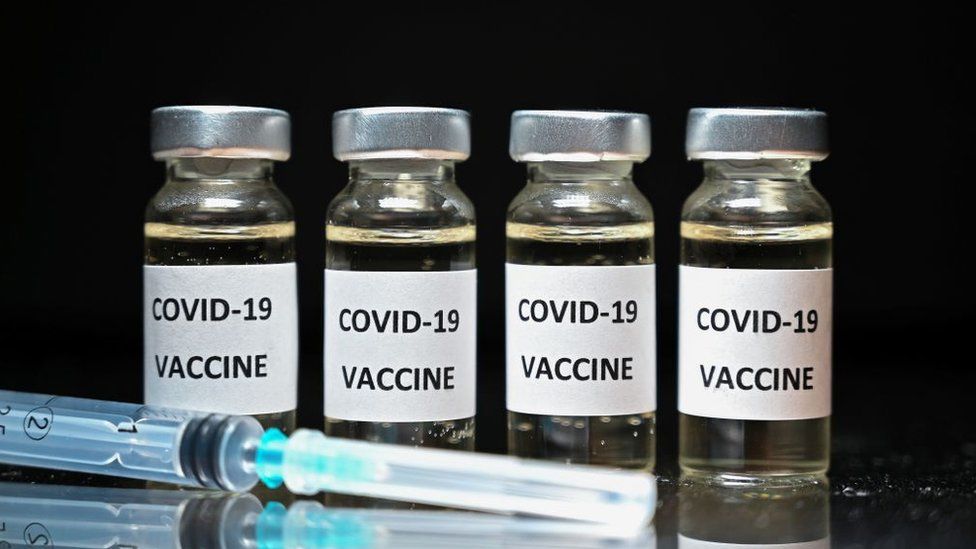
SharecloseShare pageCopy linkAbout sharingImage source, Getty ImagesThe Valneva Covid vaccine that the UK cancelled a 100m dose order for last month, works well at priming the immune system to fight coronavirus, phase three trial results suggest. Blood results from volunteers who received the jab had high levels of neutralising antibodies against the pandemic virus. It outperformed the AstraZeneca vaccine on this measure in head-to-head tests. Valneva is seeking regulatory approval for its jab, manufactured in Scotland. It is an inactivated whole virus vaccine, meaning it contains a dead version of coronavirus that cannot cause disease. This is the same way that flu and polio vaccines are made. French pharmaceutical company Valneva said the vaccine had a “neutralising antibody seroconversion rate above 95%” and there were no severe cases of Covid seen in the trial despite variants, such as Delta, being in circulation. Lead investigator Prof Adam Finn, of the University of Bristol, said the results, shared in a press release, were both “impressive and extremely encouraging”. “These results suggest this vaccine candidate is on track to play an important role in overcoming the pandemic,” he said. Valneva hopes to initially get the jab approved for those aged between 18 and 55, based on the age range of people in the trial.The company said it has begun the vaccine approval process with the UK’s health regulator, and is preparing to submit a request with the European Medicines Agency.Valneva said the UK government had served a notice to the firm, over allegations of a breach of the agreement. The vaccine manufacturer “strenuously” denied any breach.Prof Penny Ward, a pharmaceutical expert at King’s College London, said: “As we know the UK government is in dispute with Valneva having cancelled the UKs order of up to 100million doses, placed by the Vaccines Taskforce in 2020, in September. “The results today suggest that this decision might yet be regretted, but because of it Valneva might be able to provide an immediate supply of this vaccine for other countries struggling with the freezer shipping requirements of other, more expensive, vaccines. Good news for Covax and countries still awaiting supplies.”ValnevaThe BBC is not responsible for the content of external sites.

Read more →

High effectiveness of mix-and-match COVID-19 vaccines

People who had received a first dose of the Oxford-AstraZeneca COVID-19 vaccine and received an mRNA vaccine for their second dose had a lower risk of infection compared to people who had received both doses of the Oxford-AstraZeneca vaccine. This is shown in a nationwide study performed by researchers at Umeå University, Sweden.
“Having received any of the approved vaccines is better compared to no vaccine, and two doses are better than one,” says Peter Nordström, professor of geriatric medicine at Umeå University. “However, our study shows a greater risk reduction for people who received an mRNA vaccine after having received a first dose of a vector-based, as compared to people having received the vector-based vaccine for both doses.”
Since the use of Oxford-AstraZeneca’s vector-based vaccine against COVID-19 was halted for people younger than 65 years of age, all individuals who had already received their first dose of this vaccine were recommended an mRNA vaccine as their second dose.
During a 2.5-month average follow-up period after the second dose, the study showed a 67% lower risk of infection for the combination of Oxford-AstraZeneca + Pfizer-BioNTech, and a 79% lower risk for Oxford/AstraZeneca + Moderna, both compared to unvaccinated individuals. For people having received two doses of the Oxford-AstraZeneca vaccine, the risk reduction was 50%. These risk estimates were observed after accounting for differences regarding date of vaccination, age of the participants, socioeconomic status, and other risk factors for COVID-19. Importantly, the estimates of effectiveness apply to infection with the Delta variant, which was dominating the confirmed cases during the follow-up period. There was a very low incidence of adverse thromboembolic events for all vaccine schedules. The number of COVID-19 cases severe enough to result in inpatient hospitalization was too low for the researchers to be able to calculate the effectiveness against this outcome.
Previous research has demonstrated that mix-and-match vaccine schedules generate a robust immune response. However, it has been unclear to which extent these schedules may reduce the risk of clinical infection. This is the knowledge gap which the new study conducted by the Umeå researchers aimed to fill. The study is based on nationwide registry data from the Public Health Agency of Sweden, the National Board of Health and Welfare, and Statistics Sweden. In the main analysis, about 700,000 individuals were included.
“The results of the study may have implications for vaccination strategies in different countries,” says Marcel Ballin, doctoral student in geriatric medicine at Umeå University and co-author of the study. “The World Health Organization has stated that despite the promising results from previous studies regarding immune response from mix-and-match vaccination, there is a need for larger studies to investigate their safety and effectiveness against clinical outcomes. Here we now have one such study.”
Story Source:
Materials provided by Umea University. Original written by Ola Nilsson. Note: Content may be edited for style and length.

Read more →

Challenges and lessons learned caring for diverse, vulnerable populations in the ER

The clock is always ticking in the emergency room.
A patient is rushed in with a condition that may be serious or life-threatening. Rapidly, the physician and staff must make decisions to keep the person alive.
In those moments, however, information about the patient is limited and relationships with them barely scratch the surface. This setting creates situations in which physicians may dismiss, or make assumptions about, patients from backgrounds that are not similar to their own, said Adrianne Haggins, M.D., assistant professor of emergency medicine at Michigan Medicine.
“You have so many things pulling you in different directions as an emergency physician, this can lead to miscommunications that affect the care you provide,” Haggins said. “Despite requirements for all specialties to teach cultural competent care, the nature of emergency medicine and limited guidance by organizations makes delivering that education more difficult.”
Haggins and a team of researchers interviewed 24 emergency residents from three different academic medical centers. They sought to understand how residents process caring for diverse patients or underserved communities, as well as the challenges they faced and lessons learned. All interviewees had experience training at an academic medical center, a suburban hospital and a low-resource public hospital.
Throughout the conversations, most residents emphasized the importance of their experiences and learning to deliver high-quality care to diverse populations, according to results published in AEM Training and Education Special Issue: Dismantling Racism with the Next Generation of Learners: Teaching Advocacy, Health Equity, and Social Justice.
“After spending time working at [these] sites, I feel like I can connect better culturally, linguistically with [the] patients,” one resident said.

Read more →