F.D.A. to Allow ‘Mix and Match’ Approach for Covid Booster Shots

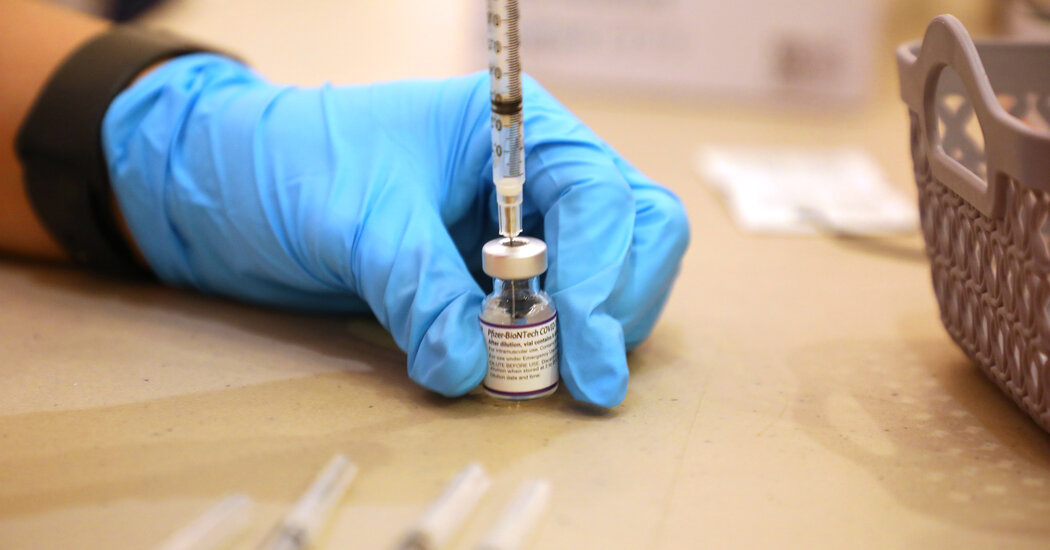
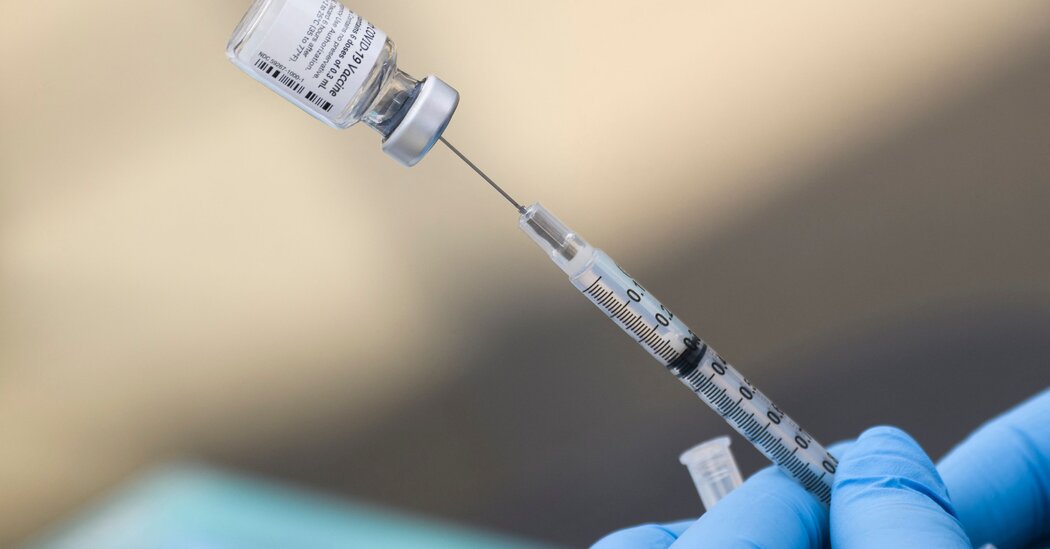
The agency may act this week, when it is expected to authorize booster shots for recipients of the Moderna and Johnson & Johnson vaccines.WASHINGTON — The Food and Drug Administration is planning to allow Americans to receive a different Covid-19 vaccine as a booster than the one they initially received, a move that could reduce the appeal of the Johnson & Johnson vaccine and provide flexibility to doctors and other vaccinators.The government would not recommend one shot over another, and it might note that using the same vaccine as a booster when possible is preferable, people familiar with the agency’s planning said. But vaccine providers could use their discretion to offer a different brand, a freedom that state health officials have been requesting for weeks.The approach was foreshadowed on Friday, when researchers presented the findings of a federally funded “mix and match” study to an expert committee that advises the Food and Drug Administration. The study found that recipients of Johnson & Johnson’s single-dose shot who received a Moderna booster saw their antibody levels rise 76-fold in 15 days, compared with only a fourfold rise after an extra dose of Johnson & Johnson.Federal regulators this week are aiming to greatly expand the number of Americans eligible for booster shots. The F.D.A. is expected to authorize boosters of the Moderna and Johnson & Johnson vaccines by Wednesday evening; it could allow the mix-and-match approach by then. The agency last month authorized booster shots of the Pfizer-BioNTech vaccine, at least six months after the second dose.An advisory committee of the Centers for Disease Control and Prevention will take up the booster issue on Thursday; the agency will then issue its own recommendations. By the end of the week, tens of millions more Americans could be eligible for extra shots.The study presented to the F.D.A.’s advisory panel last week, conducted by the National Institutes of Health, suggested that Johnson & Johnson recipients might benefit most from a booster shot of the Moderna vaccine. A shot of the Pfizer-BioNTech vaccine also raised the antibody levels of Johnson & Johnson recipients more than Johnson & Johnson did, the study found, although not as much as Moderna did.

Read more →

What Scientists Know About the Risk of Breakthrough Covid Deaths

Deaths among people who have been fully vaccinated remain rare, but older adults and those with compromised immune systems are at much higher risk.The death of former Secretary of State Colin Powell on Monday from complications of Covid-19 has provided fuel for vaccine skeptics and opponents, who immediately seized on the news that Mr. Powell had been vaccinated to stoke doubts about the effectiveness of the vaccines.But Mr. Powell’s immune system had quite likely been weakened by multiple myeloma, a cancer of white blood cells. Both the disease and the treatment can make people more susceptible to infections.His age, 84, may also have increased his risk, scientists said.Mr. Powell received his second dose of the Pfizer-BioNTech vaccine in February, said Peggy Cifrino, his longtime aide. He was scheduled for a booster last week but fell ill before he received it, she said. Mr. Powell had also undergone treatment for early stage Parkinson’s disease, she said.Although Mr. Powell’s death is a high-profile tragedy, scientists emphasized that it should not undermine confidence in the Covid-19 vaccines, which drastically reduce the odds of severe disease and death.“Nothing is 100 percent effective,” said Dr. Paul A. Offit, the director of the Vaccine Education Center at Children’s Hospital of Philadelphia. “The point of getting a vaccine is that you want to know that the benefits clearly and definitively outweigh the risks. And we know that for this vaccine.”The vaccines are highly effective, even against the more contagious Delta variant, which is now responsible for nearly all coronavirus infections in the United States. People who are fully vaccinated are roughly one-tenth as likely to be hospitalized and even less likely to die from Covid-19 than those who are unvaccinated, according to a recent study from the Centers for Disease Control and Prevention.A New York Times analysis of data from 40 states found that fully vaccinated people have accounted for 0.2 to 6 percent of Covid-19 deaths.Among the more than 187 million Americans who have been fully vaccinated, there have been 7,178 deaths, according to the C.D.C. Eighty-five percent of those deaths have been in people 65 or older.“Breakthrough deaths with vaccinated individuals do occur,” said Dr. Peter J. Hotez, dean of the National School of Tropical Medicine at Baylor College of Medicine in Houston. “But there are certain groups that are at greater risk.”Since the beginning of the pandemic, it has been clear that older adults are the most likely to develop severe Covid-19. They also have less robust immune systems in general and mount a weaker immune response to the vaccines.In one recent study, which has not yet been reviewed by experts, researchers found that residents of Canadian long-term care homes, who had a median age of 88, produced levels of neutralizing antibodies roughly five- to sixfold lower after vaccination than did staff members, who had a median age of 47.“This puts them at risk for not only getting infected by Covid but also having severe consequences,” said Anne-Claude Gingras, a senior investigator at the Lunenfeld-Tanenbaum Research Institute at Mount Sinai Hospital in Toronto and the lead author of the study.Mr. Powell had undergone treatment for multiple myeloma, a cancer of plasma cells, which are a type of white blood cell. Plasma cells make antibodies and thus play a critical role in the immune system.Both the disease and the treatment — which may include chemotherapy, immunotherapy and steroids — can leave patients more vulnerable to infections.“Colin was undergoing treatment for multiple myeloma but seemed to be responding well,” Kathy Giusti, who founded the Multiple Myeloma Research Foundation and met Mr. Powell when he spoke at a foundation event, said in a statement. “Immunosuppression is a well-known side effect of cancer treatment and a reminder that as patients, we are at high risk, especially if also over 65 years of age.”Vaccines are also likely to be less effective in people with multiple myeloma.“The treatments we’re using are indiscriminately knocking off both the malignant and the normal immune cells,” said Dr. James R. Berenson, the medical and scientific director of the Institute for Myeloma and Bone Cancer Research in West Hollywood, Calif.That puts patients “at double risk for getting no response to a vaccination and also not responding as well once they get the disease,” he added..css-1kpebx{margin:0 auto;font-family:nyt-franklin,helvetica,arial,sans-serif;font-weight:700;font-size:1.125rem;line-height:1.3125rem;color:#121212;}#NYT_BELOW_MAIN_CONTENT_REGION .css-1kpebx{font-family:nyt-cheltenham,georgia,’times new roman’,times,serif;font-weight:700;font-size:1.375rem;line-height:1.625rem;}@media (min-width:740px){#NYT_BELOW_MAIN_CONTENT_REGION .css-1kpebx{font-size:1.6875rem;line-height:1.875rem;}}@media (min-width:740px){.css-1kpebx{font-size:1.25rem;line-height:1.4375rem;}}.css-1gtxqqv{margin-bottom:0;}.css-k59gj9{display:-webkit-box;display:-webkit-flex;display:-ms-flexbox;display:flex;-webkit-flex-direction:column;-ms-flex-direction:column;flex-direction:column;width:100%;}.css-1e2usoh{font-family:inherit;display:-webkit-box;display:-webkit-flex;display:-ms-flexbox;display:flex;-webkit-box-pack:justify;-webkit-justify-content:space-between;-ms-flex-pack:justify;justify-content:space-between;border-top:1px solid #ccc;padding:10px 0px 10px 0px;background-color:#fff;}.css-1jz6h6z{font-family:inherit;font-weight:bold;font-size:1rem;line-height:1.5rem;text-align:left;}.css-1t412wb{box-sizing:border-box;margin:8px 15px 0px 15px;cursor:pointer;}.css-hhzar2{-webkit-transition:-webkit-transform ease 0.5s;-webkit-transition:transform ease 0.5s;transition:transform ease 0.5s;}.css-t54hv4{-webkit-transform:rotate(180deg);-ms-transform:rotate(180deg);transform:rotate(180deg);}.css-1r2j9qz{-webkit-transform:rotate(0deg);-ms-transform:rotate(0deg);transform:rotate(0deg);}.css-e1ipqs{font-size:1rem;line-height:1.5rem;padding:0px 30px 0px 0px;}.css-e1ipqs a{color:#326891;-webkit-text-decoration:underline;text-decoration:underline;}.css-e1ipqs a:hover{-webkit-text-decoration:none;text-decoration:none;}.css-1o76pdf{visibility:show;height:100%;padding-bottom:20px;}.css-1sw9s96{visibility:hidden;height:0px;}.css-1in8jot{background-color:white;border:1px solid #e2e2e2;width:calc(100% – 40px);max-width:600px;margin:1.5rem auto 1.9rem;padding:15px;box-sizing:border-box;font-family:’nyt-franklin’,arial,helvetica,sans-serif;text-align:left;}@media (min-width:740px){.css-1in8jot{padding:20px;width:100%;}}.css-1in8jot:focus{outline:1px solid #e2e2e2;}#NYT_BELOW_MAIN_CONTENT_REGION .css-1in8jot{border:none;padding:10px 0 0;border-top:2px solid #121212;}What to Know About Covid-19 Booster ShotsThe F.D.A. authorized booster shots for a select group of people who received their second doses of the Pfizer-BioNTech vaccine at least six months before. That group includes: vaccine recipients who are 65 or older or who live in long-term care facilities; adults who are at high risk of severe Covid-19 because of an underlying medical condition; health care workers and others whose jobs put them at risk. People with weakened immune systems are eligible for a third dose of either Pfizer or Moderna four weeks after the second shot.Regulators have not authorized booster shots for recipients of Moderna and Johnson & Johnson vaccines yet. A key advisory committee to the F.D.A. voted unanimously on Oct. 14 to recommend a third dose of the Moderna coronavirus vaccine for many of its recipients. The same panel voted unanimously on Oct. 15 to recommend booster shots of Johnson & Johnson’s one-dose vaccine for all adult recipients. The F.D.A. typically follows the panel’s advice, and should rule within days.The C.D.C. has said the conditions that qualify a person for a booster shot include: hypertension and heart disease; diabetes or obesity; cancer or blood disorders; weakened immune system; chronic lung, kidney or liver disease; dementia and certain disabilities. Pregnant women and current and former smokers are also eligible.The F.D.A. authorized boosters for workers whose jobs put them at high risk of exposure to potentially infectious people. The C.D.C. says that group includes: emergency medical workers; education workers; food and agriculture workers; manufacturing workers; corrections workers; U.S. Postal Service workers; public transit workers; grocery store workers.In a study published in July, Dr. Berenson and his colleagues found that just 45 percent of those with active multiple myeloma “developed an adequate response” after receiving the Pfizer or Moderna vaccines.People who received the Pfizer vaccine had lower antibody levels than Moderna recipients, on average, the researchers found. Older patients and those who were not yet in complete remission also had lower antibody levels.It is unclear what kind of treatment Mr. Powell received for his multiple myeloma or whether he was in full remission. But even patients who are in remission may have compromised immune systems, Dr. Berenson said.“They usually — not in all cases, but usually — maintain an immune-suppressed state even if they’ve had a good response to their treatment,” Dr. Berenson said. “Their antibody levels in most cases don’t go back up to normal.”In a new study, scheduled to appear on Monday in the journal Cancer Cell, researchers report that some people with multiple myeloma also have weak T cell responses after vaccination. T cells can help reduce the severity of disease in people who contract the virus.The study included 44 people with multiple myeloma who were at least two weeks past their second Pfizer or Moderna shot. Seventeen of those people produced no detectable antibodies against the virus after vaccination. These patients had significantly fewer helper T cells, which activate other parts of the immune response, to the virus compared with multiple myeloma patients who had produced antibodies after vaccination.The good news, said Dr. Samir Parekh, a hematologist at the Icahn School of Medicine at Mount Sinai Hospital in New York who led the research, is that research suggests that booster shots “are looking extremely promising” for people with multiple myeloma.“Patients who haven’t received them should do that immediately,” he added.The best way to protect older adults and others with compromised immune systems is for everyone else to be vaccinated, said Dr. Ashish K. Jha, dean of the Brown University School of Public Health.“When there are large numbers of infections happening in the community, it spills over into vaccinated people,” he said. “And the vulnerable are really at risk.”Eric Schmitt

Read more →

Starting mammography at age 40 would reduce disparities in deaths for Black women

If Black women begin mammography screening every other year starting at age 40, breast cancer deaths could be reduced by 57 percent compared to starting screening 10 years later according to analyses conducted by a modeling team that is part of the Cancer Intervention and Surveillance Modeling Network (CISNET), funded by the National Cancer Institute.
The analyses are the first to use modeling to elucidate modern breast cancer screening strategies that best achieve equity in screening outcomes and reduce mortality disparities. The research, published October 19, 2021 in Annals of Internal Medicine, suggests that a reduction in breast cancer deaths can be achieved for Black women while maintaining the same ratio of benefits to harms as occur when white women undergo biennial screening starting at age 50. Recommendations over the past two decades have not accounted for the role of racism (structural, interpersonal, or internalized) and its impact in breast cancer treatment, length of survival and deaths among Black women.
“There is an increasing focus on eliminating race-based medicine,” explains the study’s lead author Christina Hunter Chapman, MD, MS, adjunct assistant professor in the Department of Radiation Oncology at the University of Michigan. “However, calls to end race-based medicine that ask for the immediate cessation of any discussion on race are not likely to eliminate racial disparities. Carefully selected solutions for health inequity may involve tailoring interventions to specific racial groups.”
To address this issue, CISNET developed a model using self-reported race as a proxy for who is likely to experience the effects of racism to test a range of screening strategies. The model also considered breast density, distribution of breast cancer molecular subtypes, age-, stage-, and subtype-specific treatment effects, and non-breast cancer mortality for Blacks and whites. Using all of these data, the model compared the benefits and harms of different screening strategies in Black women to those for white women screened biennially from ages 50-74.
“For Black women, three biennial screening strategies (beginning at age 40, 45, or 50) yielded benefit-to-harm ratios that were greater than or equal to those seen in white women who started screening at age 50,” explains Chapman. “Among those three strategies, initiating mammograms at age 40 yielded the greatest mortality reduction and reduced Black-white mortality disparities by 57 percent. This approach is consistent with the US Preventive Services Task Force’s overarching guidance for when women may want to consider beginning biennial mammography.”
The model the researchers used projected the lifetime impact of digital mammography under different starting ages and intervals between screenings for women who would be age 40 in the year 2020 (i.e., born in the U.S. in 1980). It compared a variety of benefits (number of years of life gained by detecting cancer early, breast cancer deaths averted and mortality reduction) to harms like undergoing a larger number of mammograms (e.g., annual vs. every other year screening) and having false positive screening results.
“Black women have higher rates of aggressive cancers at younger ages than white women, and treatments for those types of tumors are not as effective. However, even when we account for cancer subtypes, mortality is higher for black women largely due to factors that are ultimately rooted in racism,” says the study’s senior author, Jeanne S. Mandelblatt, MD, MPH, professor of oncology and medicine at Georgetown Lombardi Comprehensive Cancer Center, and a principal investigator with CISNET.
“Therefore, in our analyses we accounted for differences in treatment attributable to racism, including access to medication, delays in treatment, dose reductions, and discontinuation of treatment — all factors that have been shown to be sub-optimal more often in Black than white women,” she adds.
“We hope this provides new information to help develop equity-focused recommendations for Black women and address a long-standing deficit in breast cancer screening guidelines due to the lack of data,” Mandelblatt states.
“In the future, the harms of racism in medicine may be better rectified by developing interventions that use more direct measures of racism as instead of race,” Chapman concludes. “However, using socioeconomic status alone as a proxy for race would not be appropriate in a study like ours given that racial disparities in breast cancer are observed across socioeconomic strata.”
“This project highlights how CISNET modeling can provide important new data to guideline groups seeking to increase equity in cancer outcomes,” says Brandy Heckman-Stoddard, Ph.D., chief, Breast and Gynecologic Cancer Research Group at the National Cancer Institute. “It also points to the need to continue to capture data on screening practices across diverse populations.”

Read more →

Scientists show how AI may spot unseen signs of heart failure

A special artificial intelligence (AI)-based computer algorithm created by Mount Sinai researchers was able to learn how to identify subtle changes in electrocardiograms (also known as ECGs or EKGs) to predict whether a patient was experiencing heart failure.
“We showed that deep-learning algorithms can recognize blood pumping problems on both sides of the heart from ECG waveform data,” said Benjamin S. Glicksberg, PhD, Assistant Professor of Genetics and Genomic Sciences, a member of the Hasso Plattner Institute for Digital Health at Mount Sinai, and a senior author of the study published in the Journal of the American College of Cardiology: Cardiovascular Imaging. “Ordinarily, diagnosing these type of heart conditions requires expensive and time-consuming procedures. We hope that this algorithm will enable quicker diagnosis of heart failure.”
The study was led by Akhil Vaid, MD, a postdoctoral scholar who works in both the Glicksberg lab and one led by Girish N. Nadkarni, MD, MPH, CPH, Associate Professor of Medicine at the Icahn School of Medicine at Mount Sinai, Chief of the Division of Data-Driven and Digital Medicine (D3M), and a senior author of the study.
Affecting about 6.2 million Americans, heart failure, or congestive heart failure, occurs when the heart pumps less blood than the body normally needs. For years doctors have relied heavily on an imaging technique called an echocardiogram to assess whether a patient may be experiencing heart failure. While helpful, echocardiograms can be labor-intensive procedures that are only offered at select hospitals.
However, recent breakthroughs in artificial intelligence suggest that electrocardiograms — a widely used electrical recording device — could be a fast and readily available alternative in these cases. For instance, many studies have shown how a “deep-learning” algorithm can detect weakness in the heart’s left ventricle, which pushes freshly oxygenated blood out to the rest of the body. In this study, the researchers described the development of an algorithm that not only assessed the strength of the left ventricle but also the right ventricle, which takes deoxygenated blood streaming in from the body and pumps it to the lungs.
“Although appealing, traditionally it has been challenging for physicians to use ECGs to diagnose heart failure. This is partly because there is no established diagnostic criteria for these assessments and because some changes in ECG readouts are simply too subtle for the human eye to detect,” said Dr. Nadkarni. “This study represents an exciting step forward in finding information hidden within the ECG data which can lead to better screening and treatment paradigms using a relatively simple and widely available test.”
Typically, an electrocardiogram involves a two-step process. Wire leads are taped to different parts of a patient’s chest and within minutes a specially designed, portable machine prints out a series of squiggly lines, or waveforms, representing the heart’s electrical activity. These machines can be found in most hospitals and ambulances throughout the United States and require minimal training to operate.

Read more →

Meningitis: Researchers find possible treatment strategy without antibiotics

Fever, headache, confusion, seizures, amputations or death. Meningitis is a very serious brain infection that can affect the body in many ways and needs to be treated within 24 hours of contracting the disease. The World Health Organization estimates that there are close to three million cases per year. Between the four main causes of meningitis, the WHO is particularly concerned about bacterial meningitis, which is caused by the infectious bacteria Streptococcus pneumoniae.
Despite widespread implementation of vaccines, bacterial meningitis is still associated with a high mortality rate and neurological consequences including hearing loss, focal neurological deficits and cognitive impairment, estimated to occur in close to half of surviving patients.
Antibiotic treatment is necessary, but with the increasing threat of antibiotic resistance, there is a growing need for new treatment strategies.
Now, in a new study performed in rats, researchers from the University of Copenhagen and Lund University were able to utilize the body’s own immune cells to kill the bacterial meningitis infection.
“In a rat model we observed that the neutrophils, a type of immune cells, form a net-like structure in the brain’s membrane, the meninges. But this particular net-structure also causes brain swelling and prevents removal of waste products. We discovered, that if we dissolved the structure — not the immune cells — the immune cells still kill the meningitis bacteria but without causing brain swelling,” says Ph.D. Chiara Pavan, first author on the study.
Immune cells block movement of brain fluid
The researchers show that immune cells entering the brain’s membrane, create a net that traps bacteria but also blocks the movement of cerebrospinal fluid. The brain is constantly cleaned by the cerebrospinal fluid that enters the tissue along blood vessels and is responsible for clearing out waste products made by the active brain cells.

Read more →

New active agent against parasites

Researchers at the Paul Scherrer Institute PSI have identified a chemical compound that may be suitable as an active agent against several different unicellular parasites. Among these are the pathogens that cause malaria and toxoplasmosis. The point of attack for this promising substance is the protein tubulin: It helps cells divide and therefore is essential for the multiplication of the parasites. The study appears today in the journal EMBO Molecular Medicine.
The idea behind this approach comes from tumour research: Blocking the protein tubulin in cancer cells prevents the cells from dividing successfully — and thus also from multiplying. Physicians have long been applying this principle successfully in chemotherapy and administering tubulin-inhibiting substances to patients.
PSI researchers Natacha Gaillard and Ashwani Sharma from the Laboratory of Biomolecular Research have now extended this concept to unicellular parasites, including the pathogens that cause malaria (Plasmodium sp.) and toxoplasmosis (Toxoplasma gondii). Their cells, too, need tubulin for cell division. “If this protein no longer works the way it is supposed to, it hits the parasite hard,” says researcher Ashwani Sharma. “That makes tubulin a good point of attack for drugs. The protein has been known for a long time in tumour research, but until now it hasn’t gotten much attention in parasitology.”
The pathogens that cause malaria and toxoplasmosis are counted among the apicomplexa, a group of single-celled eukaryotic parasites. Their cells possess a true cell nucleus, and they go through both sexual and asexual phases of reproduction. Apicomplexa use humans or animals as hosts or intermediate hosts. Every year, many millions of people are afflicted by the infectious diseases they cause.
Searching for points of attack
All eukaryotes, from amoebae to humans, produce the protein tubulin. In the form of long filaments, it spans the cells as a kind of scaffolding. From this, a so-called spindle apparatus forms during cell division that pulls the chromosomes apart and distributes them to two daughter cells.
From one organism to another, the protein differs in just a few places, but these differences can potentially be important. For scientists to find active agents against the protein specific to parasites eukaryotic unicellular and thus block it, the precise structure of the protein must be known.
So PSI researchers isolated tubulin from cells of the ciliate Tetrahymena thermophila. “Its protein is virtually identical to that in apicomplexa,” explains scientist Natacha Gaillard. “And that saves us from having to work with malaria pathogens in the laboratory.”
Using the Swiss Light Source SLS and electron microscopy, the researchers deciphered the molecular structure of the protein. They then searched for a chemical compound capable of inhibiting the protein. A substance data bank yielded five candidates as potential active agents — in the laboratory, one chemical compound proved effective. The researchers named it parabulin. “It prevents tubulin from forming long, stable protein filaments. Thus it also blocks successful cell division,” Gaillard says. Parabulin blocks the protein exactly at the place analogous to where cancer drugs dock in human tubulin.
Hope for future medicine
PSI’s cooperation partners at the University of California in Irvine, USA, tested the compound on Toxoplasma gondii in human cells. And in fact, the parasite was practically incapable of reproducing any more. In contrast, parabulin had virtually no effect on human cells. “That is a good sign: The substance apparently acts only on the tubulin of the parasite — a basic requirement to be able to use it as a drug against infectious diseases,” Sharma explains.
The assumption is that parabulin works not only against Toxoplasma gondii, but also against all representatives of the apicomplexa, including the malaria pathogen. PSI has now filed a patent and plans to continue testing parabulin in the laboratory, with the aim of later developing it into a drug with the help of the pharmaceutical industry.
Story Source:
Materials provided by Paul Scherrer Institute. Original written by Brigitte Osterath. Note: Content may be edited for style and length.

Read more →

What Scientists Know About the Risk of Breakthrough Deaths

The death of former Secretary of State Colin Powell on Monday from complications of Covid-19 has provided fuel for vaccine skeptics and opponents, who immediately seized on the news that Mr. Powell had been vaccinated to stoke doubts about the effectiveness of the vaccines.But Mr. Powell’s immune system had most likely been weakened by multiple myeloma, a cancer of white blood cells. Both the disease and the treatment can make people more susceptible to infections.His age, 84, may also have increased his risk, scientists said.Mr. Powell received his second dose of the Pfizer-BioNTech vaccine in February, said Peggy Cifrino, his longtime aide. He had been scheduled for a booster last week but fell ill before he received it, she said.Although Mr. Powell’s death is a high-profile tragedy, scientists stressed that it should not undermine confidence in the Covid-19 vaccines, which drastically reduce the odds of severe disease and death.“Nothing is 100 percent effective,” said Dr. Paul Offit, the director of the Vaccine Education Center at Children’s Hospital of Philadelphia. “The point of getting a vaccine is that you want to know that the benefits clearly and definitively outweigh the risks. And we know that for this vaccine.”The vaccines are highly effective, even against the more contagious Delta variant, which is now responsible for nearly all infections in the United States. People who are fully vaccinated are roughly 10 times less likely to be hospitalized and 11 times less likely to die from Covid-19, according to a recent study from the Centers for Disease Control and Prevention.A New York Times analysis of data from 40 states found that fully vaccinated people have accounted for 0.2 to 6 percent of Covid-19 deaths.Among the more than 187 million Americans who have been fully vaccinated, there have been 7,178 deaths, according to the C.D.C. Eighty-five percent of those deaths have been in people 65 or older.“Breakthrough deaths with vaccinated individuals do occur,” said Dr. Peter Hotez, dean of the National School of Tropical Medicine at Baylor College of Medicine. “But there are certain groups that are at greater risk.”Since the beginning of the pandemic, it has been clear that older adults are the most likely to develop severe Covid-19. They also have less robust immune systems in general and mount a weaker immune response to the vaccines.In one recent study, which has not yet been reviewed by experts, researchers found that residents of Canadian long-term care homes, who had a median age of 88, produced levels of neutralizing antibodies roughly five- to sixfold lower after vaccination than did staff members, who had a median age of 47.“This puts them at risk for not only getting infected by Covid but also having severe consequences,” said Anne-Claude Gingras, a senior investigator at the Lunenfeld-Tanenbaum Research Institute at Mount Sinai Hospital in Toronto and the lead author of the study.Mr. Powell had also undergone treatment for multiple myeloma, a cancer of plasma cells, which are a type of white blood cell. Plasma cells make antibodies and thus play a critical role in the immune system..css-1kpebx{margin:0 auto;font-family:nyt-franklin,helvetica,arial,sans-serif;font-weight:700;font-size:1.125rem;line-height:1.3125rem;color:#121212;}#NYT_BELOW_MAIN_CONTENT_REGION .css-1kpebx{font-family:nyt-cheltenham,georgia,’times new roman’,times,serif;font-weight:700;font-size:1.375rem;line-height:1.625rem;}@media (min-width:740px){#NYT_BELOW_MAIN_CONTENT_REGION .css-1kpebx{font-size:1.6875rem;line-height:1.875rem;}}@media (min-width:740px){.css-1kpebx{font-size:1.25rem;line-height:1.4375rem;}}.css-1gtxqqv{margin-bottom:0;}.css-k59gj9{display:-webkit-box;display:-webkit-flex;display:-ms-flexbox;display:flex;-webkit-flex-direction:column;-ms-flex-direction:column;flex-direction:column;width:100%;}.css-1e2usoh{font-family:inherit;display:-webkit-box;display:-webkit-flex;display:-ms-flexbox;display:flex;-webkit-box-pack:justify;-webkit-justify-content:space-between;-ms-flex-pack:justify;justify-content:space-between;border-top:1px solid #ccc;padding:10px 0px 10px 0px;background-color:#fff;}.css-1jz6h6z{font-family:inherit;font-weight:bold;font-size:1rem;line-height:1.5rem;text-align:left;}.css-1t412wb{box-sizing:border-box;margin:8px 15px 0px 15px;cursor:pointer;}.css-hhzar2{-webkit-transition:-webkit-transform ease 0.5s;-webkit-transition:transform ease 0.5s;transition:transform ease 0.5s;}.css-t54hv4{-webkit-transform:rotate(180deg);-ms-transform:rotate(180deg);transform:rotate(180deg);}.css-1r2j9qz{-webkit-transform:rotate(0deg);-ms-transform:rotate(0deg);transform:rotate(0deg);}.css-e1ipqs{font-size:1rem;line-height:1.5rem;padding:0px 30px 0px 0px;}.css-e1ipqs a{color:#326891;-webkit-text-decoration:underline;text-decoration:underline;}.css-e1ipqs a:hover{-webkit-text-decoration:none;text-decoration:none;}.css-1o76pdf{visibility:show;height:100%;padding-bottom:20px;}.css-1sw9s96{visibility:hidden;height:0px;}.css-1in8jot{background-color:white;border:1px solid #e2e2e2;width:calc(100% – 40px);max-width:600px;margin:1.5rem auto 1.9rem;padding:15px;box-sizing:border-box;font-family:’nyt-franklin’,arial,helvetica,sans-serif;text-align:left;}@media (min-width:740px){.css-1in8jot{padding:20px;width:100%;}}.css-1in8jot:focus{outline:1px solid #e2e2e2;}#NYT_BELOW_MAIN_CONTENT_REGION .css-1in8jot{border:none;padding:10px 0 0;border-top:2px solid #121212;}What to Know About Covid-19 Booster ShotsThe F.D.A. authorized booster shots for a select group of people who received their second doses of the Pfizer-BioNTech vaccine at least six months before. That group includes: vaccine recipients who are 65 or older or who live in long-term care facilities; adults who are at high risk of severe Covid-19 because of an underlying medical condition; health care workers and others whose jobs put them at risk. People with weakened immune systems are eligible for a third dose of either Pfizer or Moderna four weeks after the second shot.Regulators have not authorized booster shots for recipients of Moderna and Johnson & Johnson vaccines yet. A key advisory committee to the F.D.A. voted unanimously on Oct. 14 to recommend a third dose of the Moderna coronavirus vaccine for many of its recipients. The same panel voted unanimously on Oct. 15 to recommend booster shots of Johnson & Johnson’s one-dose vaccine for all adult recipients. The F.D.A. typically follows the panel’s advice, and should rule within days.The C.D.C. has said the conditions that qualify a person for a booster shot include: hypertension and heart disease; diabetes or obesity; cancer or blood disorders; weakened immune system; chronic lung, kidney or liver disease; dementia and certain disabilities. Pregnant women and current and former smokers are also eligible.The F.D.A. authorized boosters for workers whose jobs put them at high risk of exposure to potentially infectious people. The C.D.C. says that group includes: emergency medical workers; education workers; food and agriculture workers; manufacturing workers; corrections workers; U.S. Postal Service workers; public transit workers; grocery store workers.It is not recommended. For now, Pfizer vaccine recipients are advised to get a Pfizer booster shot, and Moderna and Johnson & Johnson recipients should wait until booster doses from those manufacturers are approved.Yes. The C.D.C. says the Covid vaccine may be administered without regard to the timing of other vaccines, and many pharmacy sites are allowing people to schedule a flu shot at the same time as a booster dose.Both the disease and the treatment — which may include chemotherapy, immunotherapy and steroids — can leave patients more vulnerable to infections.“Colin was undergoing treatment for multiple myeloma but seemed to be responding well,” Kathy Giusti, who founded the Multiple Myeloma Research Foundation and met Mr. Powell when he spoke at a foundation event, said in a statement. “Immunosuppression is a well-known side effect of cancer treatment and a reminder that as patients, we are at high risk, especially if also over 65 years of age.”Vaccines are also likely to be less effective in people with multiple myeloma.“Unfortunately, the cancer itself suppresses the normal immune system,” said Dr. James Berenson, the medical and scientific director of the Institute for Myeloma and Bone Cancer Research in West Hollywood, Calif. In a study published in July, Dr. Berenson and his colleagues found that just 45 percent of those with active multiple myeloma “developed an adequate response” after receiving the Pfizer or Moderna vaccines.People who received the Pfizer vaccine had lower antibody levels than Moderna recipients, on average, the researchers found. Older patients and those who were not yet in complete remission also had lower antibody levels.It is unclear what kind of treatment Mr. Powell received for his multiple myeloma or whether he was in full remission. But even patients who are in remission may have compromised immune systems, Dr. Berenson said.“They usually — not in all cases, but usually — maintain an immune-suppressed state even if they’ve had a good response to their treatment,” Dr. Berenson said. Eric Schmitt

Read more →

Long-term exposure to toxins in operating rooms could increase COPD risk

Disinfectants and surgical smoke — the gaseous by-product produced by heat-generating surgical instruments — are among the hazardous chemicals to which physicians, nurses, and other hospital staff are exposed in operating rooms (OR) during electrosurgery and laser procedures.
Long-time exposure to these chemicals in the OR may significantly increase one’s risk of developing chronic obstructive pulmonary disease (COPD), according to a new study led by Boston University School of Public Health (BUSPH) researchers.
Published in the journal JAMA Network Open, the study focused on nurses and found that COPD risk among these nurses varied by nursing job type and duration in the OR. Nurses who worked in the OR for 15 or more years were 69 percent more likely to develop COPD, compared to nurses who had never worked in an OR and worked in an administrative or nursing education role, or a non-nurse job.
The study was an international collaboration with researchers from BUSPH, Harvard Medical School, Brigham and Women’s Hospital, and Inserm National French Institute of Health & Medical Research, and it is the first to assess the role of occupational exposure to surgical smoke and COPD risk. It was funded by the National Institutes of Health and Ethicon, Inc., a subsidiary of the Johnson & Johnson Medical Devices Companies.
For the study, researchers analyzed data on OR employment history and COPD incidence among a cohort of 75,011 nurses working in US hospitals in 1984. The participants are part of the NIH-funded Nurses’ Health Study (NHS), an ongoing, prospective study of more than 121,000 US female nurses ages 30-55 who have completed biennial questionnaires since 1976. OR employment duration served as a proxy for nurses’ exposure to inhaled agents, and the study adjusted for primary COPD risk factors such as cigarette smoking and chronic disease.
Compared to nurses who had no OR employment and worked in administrative or nursing education roles, or in a non-nurse job, the study found that inpatient and outpatient nurses had higher risks (31 percent and 24 percent, respectively) of developing COPD, and nurses with less than 15 years of OR experience had a 22 percent higher risk. When comparing OR nursing employment only, OR employment for 15 or more years was associated with a 46 percent increased risk of nurses developing COPD compared to nurses with no OR employment.
“One of the inherent challenges with assessing the health risks of disinfectants and surgical smoke is that it is difficult to measure exposure with precision over an extended period of time and among a large population,” says study lead author Wubin Xie, postdoctoral association in the Department of Global Health at BUSPH. “Our results, based on data from a large cohort of nurses, show that long-time occupational exposure to these agents in operating rooms leads to a significantly higher risk of developing COPD.”
Although the study data reflects working conditions in the OR during the 1980’s, the findings are applicable to today’s OR environment, the researchers say. Disinfectant use has increased over the past decades, and there is little evidence that the hazard of surgical smoke has reduced.
“Smoke-generating laparoscopic surgery is performed in a broader range of procedures, and protective surgical masks, such as the N95 mask, cannot block the small particulates in surgical smoke,” says Xie, and smoke evacuation systems, which capture smoke aerosols and gases emitted during procedures, have not been implemented in many operating rooms.
Today’s more diversified nursing workforce and the COVID-19 pandemic are also factors that could possibly impact OR nurses’ risk of developing COPD, says study corresponding author Andrew Stokes, assistant professor of global health at BUSPH. The NHS population was predominantly white, reflecting the demographics of registered nurses in 1976. “Additional studies with more detailed and recent exposure assessment are needed to better understand COPD risk among hospital staff exposed to toxic agents in the operating room,” says Stokes.
Story Source:
Materials provided by Boston University School of Medicine. Original written by Jillian McKoy. Note: Content may be edited for style and length.

Read more →

Neuroinflammation protein linked to worse survival in men with glioblastoma

Scientists have discovered a new link that could bring the scientific and medical community closer to understanding why glioblastoma, the most common malignant brain tumor, is deadlier in males than females.
A new study by Florida International University’s Robert Stempel College of Public Health & Social Work, Cleveland Clinic Lerner Research Institute and the National Cancer Institute, part of the National Institutes of Health, reveals, for the first time, a connection between translocator protein 18 kDa (TSPO), a widely used biomarker of neuroinflammation, and survival outcomes in glioblastoma patients. Findings suggest that a variation in the protein’s structure correlates with worse survival outcomes in males than females. The study was published in the September special issue “Infiltrative Gliomas: Emerging Insights into Pathophysiology, Diagnosis, and Management” of the Cancers journal.
“This is a fascinating observation because glioblastoma has sex-specific differences,” said Diana Azzam, assistant professor at Stempel College, who was corresponding author of the study. “It’s more frequent in males than females, and the survival outcome of males is worse than females. In the future, this can potentially help patients receive personalized treatments for the disease.”
Azzam worked closely with the study’s lead authors Katie M. Troike, Ph.D. candidate in the Molecular Medicine Ph.D. program at Cleveland Clinic, and Arlet M. Acanda de la Rocha, a postdoctoral associate at Stempel College.
“I’ve studied TSPO for more than 20 years and knew that it was highly expressed in glioblastomas. This outstanding research team is beginning to uncover its role in one of the deadliest cancers,” said Tomás Guilarte, scientist, professor and dean of Stempel College, who was a senior author of the study. “We hope this research will lead to finding better treatments and, one day, a cure.”
Glioblastoma is found in adults and is 1.6 times more likely to affect males than females. Each year, approximately 12,000 people in the U.S. are diagnosed with glioblastoma. Patients diagnosed with glioblastoma experience symptoms like seizures, persistent headaches, or loss of brain function like memory loss and personality changes. Glioblastomas have devastating consequences for patients. The median survival time is 12 to 14 months, and less than 7% of patients survive more than five years. Thus, better treatments and strategies for improving prognosis are urgently needed as there is no cure for the disease.
Researchers analyzed the blood samples of 441 glioblastoma male and female patients to evaluate the correlation between the TSPO polymorphic variant rs6971, one of the most frequent polymorphisms (variants) found in humans, with the clinical outcomes of glioblastoma patients. Compared with female glioblastoma patients, males with the TSPO variant had shorter overall and progression-free survival times. There was no association between the variant and survival time in females. The study suggests that, as a predictor of poor prognosis, the variant has potential for use as a prognostic biomarker in glioblastoma patients.
“We have been thinking about sex differences in glioblastoma in terms of immune responses and this collaborative study provides an unexpected example of a polymorphism that shows a sex difference, suggesting that there are likely others that function in a similar manner,” said Justin D. Lathia, vice chair of the Department of Cardiovascular & Metabolic Sciences at Cleveland Clinic’s Lerner Research Institute and one of the study’s senior authors. “This is an exciting new direction and will be the focus of future studies.”
The research team also included colleagues from the National Cancer Institute led by Jill Barnholtz-Sloan, associate director, informatics and data science, in the Center for Biomedical Informatics and Information Technology and senior investigator in the Division of Cancer Epidemiology and Genetics.
Azzam said this will be the first of many studies related to the use of TSPO as a prognostic biomarker.
“What we really need to do is understand the function of this polymorphism. Why is it associated with worse survival in male patients? Why do we see biological sex-specific differences? We have so many questions now,” she said.
The study was funded by the National Institute of Environmental Health Sciences and FIU’s Office of Research & Economic Development.
Story Source:
Materials provided by Florida International University. Original written by Stephanie Rendon. Note: Content may be edited for style and length.

Read more →

Powerful technique allows scientists to study how proteins change shape inside cells

Understanding how proteins bend, twist, and shape-shift as they go about their work in cells is enormously important for understanding normal biology and diseases. But a deep understanding of protein dynamics has generally been elusive due to the lack of good imaging methods of proteins at work. Now, for the first time, scientists at the UNC School of Medicine have invented a method that could enable this field to take a great leap forward.
The scientists’ new “binder-tag” technique, described in a paper in Cell, allows researchers to pinpoint and track proteins that are in a desired shape or “conformation,” and to do so in real time inside living cells. The scientists demonstrated the technique in, essentially, movies that track the active version of an important signaling protein — a molecule, in this case, important for cell growth.
“No one has been able to develop a method that can do, in such a generalizable way, what this method does. So I think it could have a very big impact,” said study co-senior author Klaus Hahn, PhD, the Ronald G. Thurman Distinguished Professor of Pharmacology, and director of the UNC-Olympus Imaging Center, at UNC School of Medicine.
The work was a collaboration between Hahn’s laboratory and the laboratory of imaging analysis expert Timothy Elston, PhD, professor of pharmacology and co-director of the Computational Medicine Program at the UNC School of Medicine.
Filming the very small
The new method, like all biological imaging techniques, addresses the fundamental problem that many of the molecules at work in living cells cannot be visualized directly and precisely with an ordinary light microscope. Down at the scales where proteins operate, light flows in enormous waves that bend around things and cannot render objects sharply.

Read more →