Predicting patient death or hospitalization from COVID-19

As parts of the Western world is slowly returning to normal, many countries in the low- and middle-income countries are still fighting and fearing new outbreaks of COVID-19. And for most it feels almost unbearable to endure another new wave of the virus, which could end in more deaths and long-term persistent symptoms from COVID-19 infection.
In a new study, researchers from University of Copenhagen present what could be a much-needed helping hand to fight the virus. The study shows that analysis of a particular protein on the cell surface is likely to predict who is in danger of a serious infection caused by the virus, explains Assistant Professor Rajan Gogna, lead author of the new study.
“Cells have a so-called fitness status, and by analyzing it we could predict hospitalization or death in COVID-19 patients, potentially making such a biomarker an earlier prediction tool, especially because it can be detected from the common nasal swap covid-19-tests,” says Rajan Gogna from the Won Group at the Biotech Research & Innovation Centre.
If the cell fitness status is poor, it indicates that the cell does not develop well, either because the cell is aged, lacks reliability, has an ill-functioning metabolism or is disease prone etc. Earlier in 2021, the research team discovered that fitness status is expressed in proteins called flower proteins. These flower proteins are on the surface of the cell, and they are expressed in two forms, explains Rajan Gogna.
“In one form, they tell the surrounding cells that this cell is doing well. In the other form, they indicate to the surrounding tissue, that this particular cell are not doing well and thus has a bad fitness status. If the cell’s fitness status is not great, the cell will get phased out and killed by the surrounding cells.”
Accurate prediction of serious infection
Especially helpful in cases of the early phase of COVID-19 illness, the flower protein expression could accurately predict hospitalization or death as well predict who would have a less serious infection.

Read more →

Scientists gain new understanding of how brain cells talk – which could help in the treatment of mental health conditions and memory diseases

Experts from the University of Nottingham have discovered that reversing the modification of molecular messages at synapses in the human brain, may contribute to reversible mental health conditions such as anxiety, and memory diseases such as dementia.
The findings , published in Molecular Psychiatry, are a major step in our understanding how brain cells communicate, and could help to identify new treatments for neurological and psychiatric conditions.
The research was led by Dr Helen Miranda Knight in the School of Life Sciences at the University of Nottingham, along with researchers across the Schools of Medicine, Life Science, and Bioscience. It was conducted using the University of Nottingham’s state-of-the-art Deep seq, SLIM microscopy, and, Nanoscale and Microscale Research Centre facilities.
Nerve cells in the human brain talk to one another at sites called synapses, where molecules are released to signal to the next cell. When people learn or remember things, this signalling is strengthened. When communication between synapses goes wrong, circuits become broken. As more circuits are lost, this changes how people can think and perform everyday tasks. This is seen in cognitive disorders, such as forms of dementia and some mental health conditions.
The function of nerve cells and synapses depends on proteins that are made using information encoded in genetic material called RNA. It is thought that RNAs are located exactly where and when they are needed for synaptic signalling because some kind of synaptic ‘tag’ labels the correct active synapse. Scientists have recently learnt that RNA can have a methyl group/molecule added to one of the RNA bases which ‘marks’ the RNA message. Such adding of methyl groups can influence proteins binding to DNA or RNA and consequently stop proteins being produced.
This new study shows that RNA marking can be reversed at synapses and hence may act as a ‘synaptic tag’. The findings suggest, that if disrupted, this could cause synapses and nerve cells to malfunction by influencing the formation of toxic protein clumps.
The researchers used advanced microscopy to examine changes in marked RNAs in time and location at synapses, and a sequencing technique to characterise ‘marked’ RNAs in brain tissue from the hippocampus, a region of the brain very important for memory formation.
Dr Knight said: “In this new study, we are able to gain a new understanding of the genomic mechanisms which regulate how nerve cells communicate at synapses. These genomic mechanisms involve methyl groups being put on RNA messages and importantly taken off when a synapse is active. The implications are very important for normal brain function but also for reversible psychiatric mental conditions such as anxiety and addiction disorders and early-stage neurodegenerative diseases such as dementias.”
Story Source:
Materials provided by University of Nottingham. Note: Content may be edited for style and length.

Read more →

Illness-and death-related messages found to be significant motivators for exercise

Fitness apps that emphasize illness- or death-related messaging are more likely to be effective in motivating participation than are social stigma, obesity, or financial cost messaging, according to a recent study.
Previous studies, especially on smoking cessation and risky sexual behaviour, found that messages related to mortality could be a barrier to acknowledging health risks, but the study found this is the opposite for fitness apps.
The study asked 669 research participants to indicate how persuasive these five types of messages were in terms of motivating them to work out at home with a fitness app, to uncover their effectiveness, connection with social-cognitive beliefs such as self-regulation (goal setting), self-efficacy and outcome expectation, and seeing what role male/female gender played.
“I did not expect only illness- and death-related messages to be significant and motivational,” said Kiemute Oyibo, a postdoctoral fellow at the University of Waterloo’s School of Public Health Sciences. “Not only were illness- and death-related messages motivational, they had a significant relationship with self-regulatory belief and outcome expectation, and there was no significant difference between males and females.”
Oyibo said he had expected obesity-related messages (such as “one in four Canadians has clinical obesity”) to be motivational and have a significant relationship with self-regulatory belief, given that obesity is associated with the leading causes of global mortality.
“This study is important because it helps us — especially designers of health apps — understand the types of messages that individuals, regardless of gender, are likely to be motivated by in persuasive health communication, and that are likely to influence individuals’ social-cognitive beliefs about exercise,” Oyibo said.
Oyibo said future studies should consider other demographic characteristics besides gender, such as age, culture, race and education, to uncover the role they play in persuasive health communication.
Story Source:
Materials provided by University of Waterloo. Note: Content may be edited for style and length.

Read more →

Covid-19: New mutation of Delta variant under close watch in UK

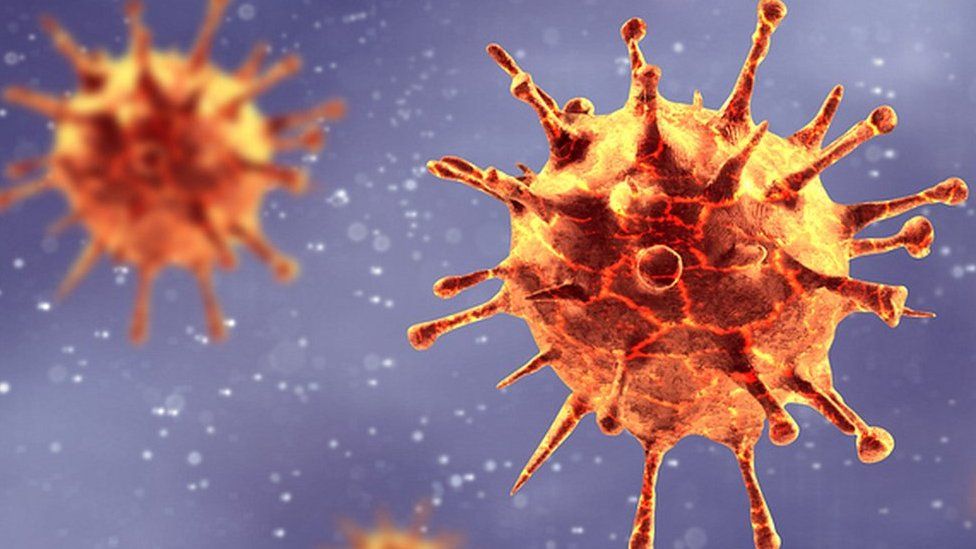
SharecloseShare pageCopy linkAbout sharingImage source, Getty ImagesOfficials are keeping a close watch on a new descendant of the Delta variant of Covid that is causing a growing number of infections. Delta is the UK’s dominant variant, but latest official data suggests 6% of Covid cases that have been genetically sequenced are of a new type.AY.4.2, which some are calling “Delta Plus”, contains mutations that might give the virus survival advantages. Tests are under way to understand how much of a threat it may pose. Experts say it is unlikely to take off in a big way or escape current vaccines. It is not yet considered a variant of concern, or a variant under investigation – the categories assigned to variants and the level of risk associated with them.What is AY.4.2?There are thousands of different types – or variants – of Covid circulating across the world. Viruses mutate all the time, so it is not surprising to see new versions emerge.Original Delta was classified as a variant of concern in the UK in May 2021 after overtaking the Alpha variant to become the dominant type of Covid in circulation. But in July 2021 experts identified AY.4.2. This offshoot or sublineage of Delta has been increasing slowly since then. It includes some new mutations affecting the spike protein, which the virus uses to penetrate our cells. So far, there is no indication that it is considerably more transmissible as a result of these changes, but it is something experts are studying. Scientists are constantly checking for new genetic changes that Covid is undergoing.Some emerging variants are worrying, but many are inconsequential. The difficult job is spotting, tracking and managing the ones that could matter.The UK is a front-runner in carrying out these vital lab analyses, having completed more than a million tests so far. The first step is to pick up new mutants worth watching, such as this new offshoot – AY.4.2.Next, if there is a strong suggestion that the genetic changes might make the virus more contagious, it is classified as a variant under investigation and more checks are done.If it becomes clearer that it could be more transmissible and escape some of the built up immunity from past infections or vaccines, or potentially cause more serious disease, it is moved into the variant of concern category. That’s the one Delta belongs to. At this stage, experts don’t think AY.4.2 is likely to take hold – so in time it could well burn out and drop off the watch list. What are the Delta, Gamma, Beta and Alpha Covid variants?Prof Francois Balloux, director of University College London’s Genetics Institute, said: “It is potentially a marginally more infectious strain.”It’s nothing compared with what we saw with Alpha and Delta, which were something like 50 to 60 percent more transmissible. So we are talking about something quite subtle here and that is currently under investigation.”It is likely to be up to 10 percent more transmissible. “It’s good that we are aware. It’s excellent that we have the facilities and infrastructure in place to see anything that might be a bit suspicious.”At this stage I would say wait and see, don’t panic. It might be slightly, subtly more transmissible but it is not something absolutely disastrous like we saw previously.”The Prime Minister’s official spokesman said: “It’s something we’re keeping a very close eye on.”As you would expect we’re monitoring it closely and won’t hesitate to take action if necessary.” A few cases have also been identified in US. There had been some in Denmark but new infections with AY.4.2 have since gone down.The UK is already offering booster doses of Covid vaccine to higher risk people ahead of winter to make sure they have the fullest protection against coronavirus. There is no suggestion that a new update of the vaccine will be needed to protect against any of the existing variants of the pandemic virus.

Read more →

Sirens: Loud, Ineffective and Risky, Experts Say

The overuse of lights and sirens, combined with speeding, pose heightened risks to emergency responders and civilians. One expert called it a “public health dilemma.”The barking Dalmatians that once warned pedestrians to clear a path ahead of horse-drawn carriages with firefighting equipment have long since been replaced with ear-piercing sirens that — with their yelps, wails, chirps, whoops and warbles — can sound like an over-caffeinated R2-D2.But for all the noise they create and attention they draw, sirens, combined with emergency lights and speeding, can be a force multiplier for more harm than good, some experts said.Emergency drivers are more likely to engage in risky behavior when they use lights and sirens, they say. Also, other drivers sometimes respond in unpredictable ways, such as stopping right in front of an emergency vehicle instead of pulling out of the way.Further, the use of lights and sirens has been shown to have little bearing on patient outcomes. More than a dozen studies have estimated that lights-and-sirens responses shaved 42 seconds to three minutes off the time of a trip to the scene of a call.When emergency medical responses were evaluated in Salt Lake City in the 1990s, the difference between “hot” calls (lights and sirens on) and “cold” ones (no lights or sirens) amounted to an average of 26 seconds, said Dr. Jeff J. Clawson, founder of the International Academies of Emergency Dispatch in Salt Lake City.“Most of the things that are time-dependent are a very tiny minority of the E.M.S. calls,” said Dr. Douglas F. Kupas, E.M.S. medical director for Geisinger E.M.S. in central Pennsylvania, noting that such responses are generally critical only in cardiac arrest calls. Yet, the average overall use of lights and sirens in E.M.S. calls nationally from 2010 through 2015 was as high as 77.5 percent, according to a report he wrote.Sirens can be useful in certain situations, such as getting through red lights or stop signs, but they can be harmful to responders, who can suffer premature hearing loss, and to patients, who can be stressed by the noise.And then there is the risk of accidents. A study of ambulance crashes by the National Highway Traffic Safety Administration estimated that an average of 4,500 such accidents occurred annually from 1992 to 2011, resulting in an average of 33 deaths and injuries to 2,600 people each year.Dr. Clawson said the overuse of lights and sirens posed a “public health dilemma.”“Killing nuns and children at crosswalks because you are running lights and sirens on a mouse bite doesn’t make any sense,” he said.The same risks identified in studies about ambulance responses apply generally to police and fire responses as well, though the dispatching criteria and cultures in those public safety disciplines can vary widely, experts said.In the case of ambulances, some medical services strive to meet response times based on studies from the 1970s, when devices such as automatic defibrillators were not widely available in public settings. Some municipal contracts require private ambulance services to meet outdated response times, incentivizing the use of lights and sirens, experts said.In rural areas, it would seem counterintuitive that ambulance and fire services would need to rely on lights and sirens to get through traffic, but they create an allure that can help in recruiting volunteers, Dr. Clawson said. “Running hot,” he said, is an adrenaline rush and makes the responses seem more exciting.“It feels good and it feels like it works,” he said. “When it’s embedded in an institution — and a fire department is as good-ol’-boy an institution as you can get — it can be difficult to change.”Wayne M. Zygowicz, now the facilities chief for South Metro Fire Rescue in Centennial, Colo., wrote in The Journal of Emergency Medical Services in 2016 that how easily an emergency vehicle is seen and heard depends on its color, size and markings, but that its lights and sirens are among the most important features.“Our hearing is one of our most acute and primary senses,” he wrote. “Just try shouting loudly or blowing a whistle in a crowded venue, and you see how effective you are in getting people’s attention.”Still, sirens have to compete with the improved insulation and sound systems of modern cars.In an experiment conducted on a closed road by the former Monmouth Ocean Hospital Service Corporation in New Jersey, an ambulance starting 1,500 feet from an idling car had its siren set to “wail” mode. With the window open, the driver heard the siren, the experiment showed.With the window closed, the radio on and the driver talking on a cellphone, the driver heard the siren at less than 283 feet. That meant that with the ambulance going 25 miles per hour, the warning time for the driver dropped to seven seconds. When the ambulance was going 45 m.p.h., the warning time was less than four seconds, the experiment found.“High-frequency sounds get blocked easiest, and that includes sirens,” said Keith Stevenson, a captain with the Newfoundland Area Ambulance Association in Newfoundland, Pa., about 25 miles east of Scranton. “Add a killer sound system to that car and the latest Beyoncé track, and it erases the last bit of siren that could reach the driver. ”Newer siren models rely on sound waves that not only can be heard but also can be physically felt. These sirens, known by such names as the Growler, Howler and Rumbler, emit low-frequency sounds that can penetrate and shake solid materials, like rearview mirrors.“I don’t know the mechanism by which they work, but it is pretty effective,” Captain Stevenson said. “You’ll be coming up behind someone with the sirens blaring and then as soon as you flip the switch for the Growler, you get brake lights. In combination with an air horn, you can usually grab the driver’s attention.”

Read more →

Nick Rolovich: Washington State football coach fired for refusing Covid vaccine

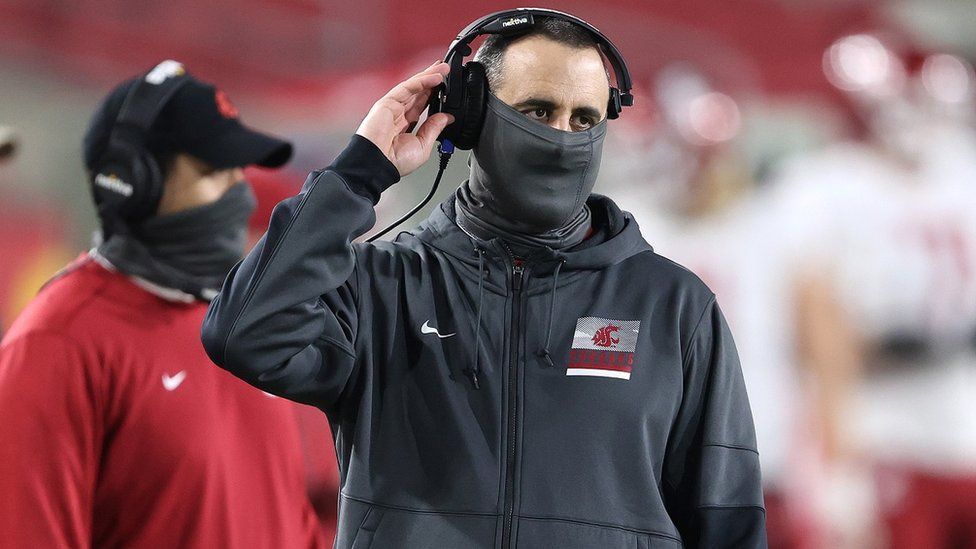
SharecloseShare pageCopy linkAbout sharingImage source, Getty ImagesA top US college football coach has been fired for refusing to be vaccinated against Covid-19.Washington State University (WSU) sacked Nick Rolovich, its highest-paid employee, and four of his assistants, for failing to meet a vaccine mandate.The mandate means all state workers in Washington have to be fully vaccinated against Covid-19 or lose their jobs.Mr Rolovich, 42, who earned $3.1m (£2.25m) a year, had applied for a religious exemption from the mandate.But WSU’s Director of Athletics, Pat Chun, said the exemption had been refused.”This is a disheartening day for our football programme,” Mr Chun said.”Our priority has been and will continue to be the health and wellbeing of the young men in our team.”Mr Rolovich’s sacking marks the culmination of a three-month showdown between the coach and Washington’s Democratic Governor Jay Inslee.In August, Gov Inslee announced that all state employees and healthcare workers would need two doses of a Covid-19 vaccine to keep their jobs. Monday was the deadline for them to get vaccinated, or have a medical or religious exemption.’I lost my job as a teacher after refusing vaccine’Why are some footballers vaccine hesitant?But Mr Rolovich had said he would not get vaccinated, calling it a personal decision.”While I have made my own decision, I respect that every individual – including coaches, staff and student-athletes – can make his or her own decision regarding the Covid-19 vaccine. I will not comment further on my decision,” he said earlier this year.Some 90% of WSU employees and 97% of students have been vaccinated, according to the college.Mr Rolovich, who was in his second season at WSU, is the first major college football coach to lose their job over their vaccination status.

Read more →

Tuberculosis, Like Covid, Spreads in Aerosols, Scientists Report

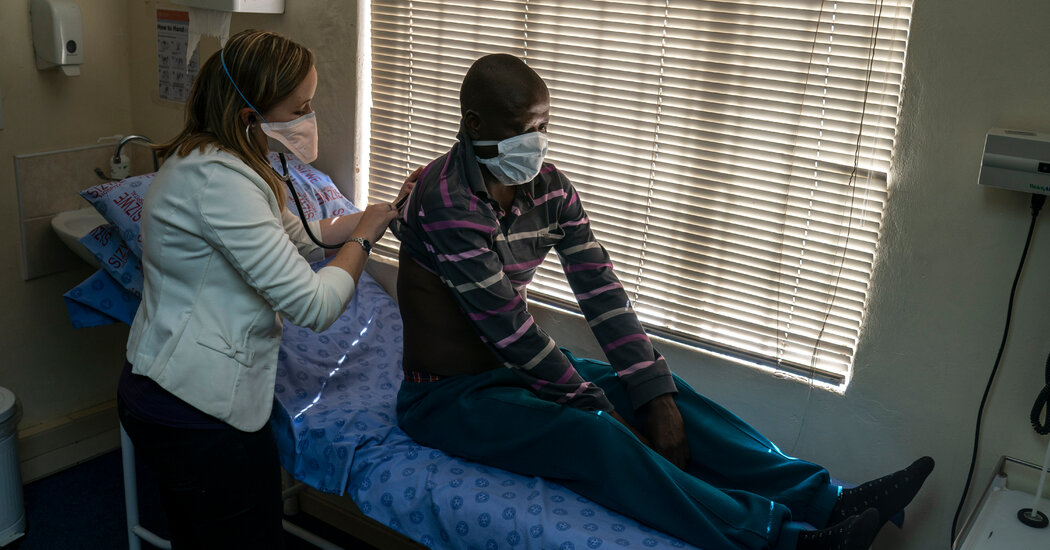
The finding upends conventional wisdom regarding coughing, long thought to be the main route of transmission.Upending centuries of medical dogma, a team of South African researchers has found that breathing may be a bigger contributor to the spread of tuberculosis than coughing, the signature symptom.As much as 90 percent of TB bacteria released from an infected person may be carried in tiny droplets, called aerosols, that are expelled when a person exhales deeply, the researchers estimated. The findings were presented on Tuesday at a scientific conference held online.The report echoes an important finding of the Covid pandemic: The coronavirus, too, spreads in aerosols carried aloft, particularly in indoor spaces — a route of transmission that was widely underappreciated as the pandemic began to unfold.TB is caused by a bacterium called Mycobacterium tuberculosis, which usually attacks the lungs. It is the world’s deadliest infectious disease after Covid-19, claiming more than 1.5 million lives last year — the first increase in a decade, according to a report published last week by the World Health Organization.As the Covid pandemic disrupted access to health care and supply chains around the globe, 5.8 million people were diagnosed with TB in 2020. But the W.H.O. estimates that about 10 million people were infected. Many may unwittingly be spreading the disease to others.“Our model would suggest that, actually, aerosol generation and TB generation can happen independent of symptoms,” said Ryan Dinkele, a graduate student at the University of Cape Town who presented the results.The finding helps explain why tightly packed indoor spaces, like prisons, often are breeding grounds for TB, as they are for Covid. And the research suggests that some of the methods used to limit coronavirus transmission — masks, open windows or doors, and being outdoors as much as possible — are important in curtailing TB.“Those of us who are TB people look at Covid and say, ‘Wow, it’s just a sped up version of TB,’” said Dr. Robert Horsburgh, an epidemiologist at Boston University who was not involved in the work.Researchers previously believed that most TB transmission occurred when an infected person coughed, spraying droplets containing the bacteria onto others. Some bacteria were thought to be released when a person breathed, but much less than by coughing.The new finding does not change that understanding: A single cough can expel more bacteria than a single breath. But if an infected person breathes 22,000 times per day while coughing up to 500 times, then coughing accounts for as little as 7 percent of the total bacteria emitted by an infected patient, Mr. Dinkele said.On a crowded bus or at school or work, where people sit in confined spaces for hours, “just simply breathing would contribute more infectious aerosols than coughing would,” Mr. Dinkele said.In so-called tidal breathing, inhalation opens up tiny air sacs in the lungs, and then exhalation carries the bacteria from the lungs via aerosols. Because of their smaller size, aerosols released by tidal breathing can stay afloat in the air for longer and travel further than droplets emitted by a cough.As with Covid, some TB patients spread the disease to many people — and may release a lot of bacteria — while others infect few people around them. But even if 90 percent of the bacteria expelled by an infected person were carried in aerosols, this route of transmission wouldn’t necessarily account for 90 percent of new cases, cautioned Dr. Silvia S. Chiang, who studies the disease at Brown University.Still, experts said, the finding does suggest that physicians shouldn’t wait for TB patients to arrive at clinics with a severe cough and weight loss, the telltale symptoms.“We just need to screen the entire population, just like you would do if you’re looking for a lot of Covid,” Dr. Horsburgh said.The discovery came about in large part because of technology developed by Dr. Robin Wood, an emeritus professor of medicine at the University of Cape Town in South Africa. The apparatus can collect aerosols from infected people and identify bacteria within them.Diagnosis and treatment of TB has changed very little in decades. “It was time to start using modern, state-of-the-art technology to approach an old disease,” Dr. Wood said. With some tweaks, the system could also be used to study other diseases, including Covid, he added.TB has been around for millenniums, and its cause known for nearly 150 years.“And yet, we’re still finding out new things about such a fundamental part of its biology,” Mr. Dinkele said. “It’s humbling to realize that we need to be so careful when it comes to a dogmatic approach in a field.”

Read more →

'Heaviest' kidneys removed in high-risk operation

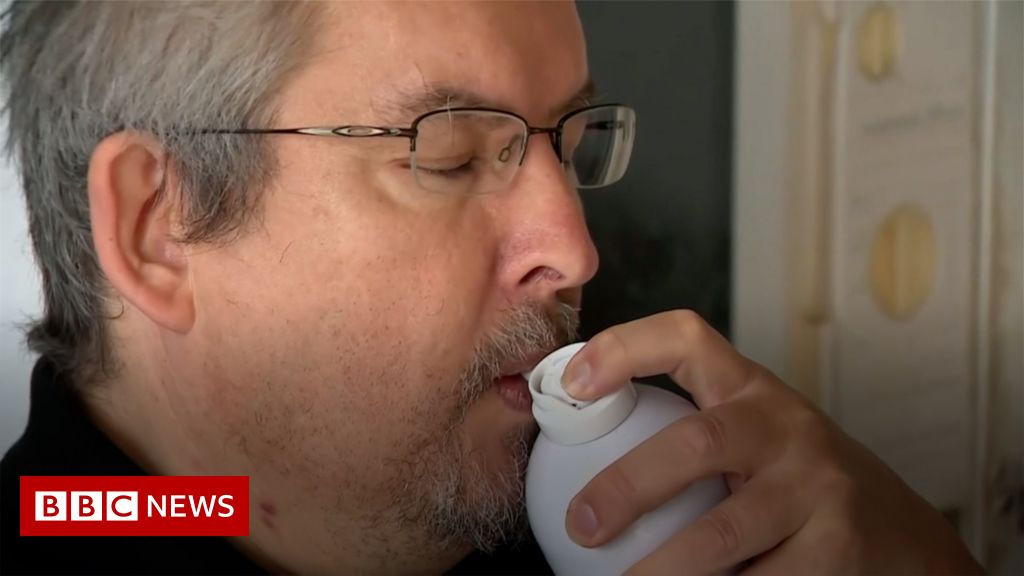
A man who is believed to have had the heaviest kidneys on record has spoken of his determination to get his life back following surgery to remove them.Warren Higgs, 54, from Windsor, Berkshire suffers from polycystic kidney disease. The inherited condition causes fluid-filled cysts to grow in the kidneys and can lead to kidney failure. It affects around one in 1,000 people and there is no cure.The BBC met Warren a few weeks before his major operation and caught up with him three months later.Reporter: Katharine Da CostaCamera: Nigel Craze and Jonathan SumbergEditing: Jonathan Sumberg

Read more →

Covid: Australia's Flying Doctors take vaccines to vast remote areas

Australia’s vaccination rollout has really picked up in recent months, partly due to Covid outbreaks in Sydney and Melbourne. But in remote areas hardly touched by the virus, it’s often a different story. Australia’s famous Royal Flying Doctor Service is part of a huge logistical effort to get jabs in arms. The BBC joined them on a mission to North Queensland. Filmed, produced and edited by Simon Atkinson

Read more →

Interferon does not improve outcomes for hospitalized adults with COVID-19, clinical trial finds

A clinical trial has found that treatment with the immunomodulator interferon beta-1a plus the antiviral remdesivir was not superior to treatment with remdesivir alone in hospitalized adults with COVID-19 pneumonia. In addition, in a subgroup of patients who required high-flow oxygen, investigators found that interferon beta-1a was associated with more adverse events and worse outcomes. These findings were published today in the journal The Lancet Respiratory Medicine.
The study, called the Adaptive COVID-19 Treatment Trial 3 (ACTT-3), took place from August 5, 2020 to December 21, 2020. It was sponsored and funded by the National Institute of Allergy and Infectious Diseases (NIAID), part of the National Institutes of Health.
Interferon beta-1a has the same amino acid sequence as a naturally occurring protein called interferon beta, which is in a class of proteins called type 1 interferons. Infected cells normally produce type 1 interferons to help the immune system fight pathogens, especially viruses. Interferon beta has both antiviral and anti-inflammatory properties.
Laboratory studies have shown that the normal type 1 interferon response is suppressed after infection with SARS-CoV-2, the virus that causes COVID-19. In addition, previous studies of hospitalized patients with COVID-19 demonstrated reduced production of interferon in response to SARS-CoV-2 infection in many patients, and this was associated with more severe disease. Other laboratory studies and clinical data supported the hypothesis that treatment with interferon beta-1a might improve health outcomes in people with COVID-19.
Ultimately, however, the ACTT-3 investigators found that interferon beta-1a plus remdesivir was not associated with a clinical benefit compared to remdesivir alone in hospitalized adults with COVID-19. The primary outcome, time to recovery, was the same — a median of 5 days — for participants receiving interferon beta-1a plus remdesivir as for those receiving remdesivir alone. The likelihood of clinical improvement at day 15 also was similar for participants in the two treatment groups.
Remdesivir was used as an active control in this study because the first iteration of the ACTT trials found that the antiviral was superior to placebo in shortening the time to recovery in adults hospitalized with COVID-19.
The ACTT-3 study team enrolled 969 adults at 63 sites in the United States, Japan, Mexico, Singapore and South Korea. Sixty percent of the patients were white, 17% were Black, 9% were Asian, 1% were American Indian or Alaskan Native, and 32% were Hispanic or Latino. Participants were assigned at random in a 1-to-1 ratio to receive either interferon beta-1a plus remdesivir or a placebo plus remdesivir. Neither participants nor the study team knew who was receiving which treatment regimen until the end of the trial.
On September 4, 2020, the study was modified to stop enrolling participants with severe COVID-19 who required high-flow oxygen and to exclude people who required non-invasive or invasive mechanical ventilation. These changes were made after the study’s Data and Safety Monitoring Board (DSMB) noted a greater rate of severe adverse events, particularly worsening of respiratory status, among participants requiring high-flow oxygen at enrollment who received interferon beta-1a compared to those who did not receive interferon beta-1a. The ACTT-3 investigators speculate that interferon may have increased the inflammatory response, leading to more severe respiratory disease in these participants. However, the investigators note that this worse outcome might have been influenced by baseline imbalances between the interferon and control groups.
Subcutaneous interferon beta-1a is a multiple sclerosis medication manufactured and marketed in the United States under the brand name Rebif by EMD Serono Inc., the biopharmaceutical business of Merck KGaA, Darmstadt, Germany. Remdesivir, also known as Veklury, is manufactured by Gilead Sciences, Inc., of Foster City, California.
Additional information about ACTT-3 is available at ClinicalTrials.gov under study identifier NCT04492475.

Read more →