Cancer cells change shape, how they move to invade different types of tissue

Oregon State University research has shed new light on the way malignant cells change their shape and migration techniques to invade different types of tissue.
The findings, published in Scientific Reports, are a key step toward understanding and preventing cancer metastasis, the internal spreading of the disease that’s responsible for 95% of all cancer deaths.
“Through billions of years of evolution, cells have learned a number of distinct ways to migrate,” said OSU biophysicist Bo Sun, who led the study. “In normal development and health-maintaining physiological processes such as wound healing, specific migration programs are executed when required. In the case of a tumor, however, those migration programs are leveraged by cancer cells to sustain their invasion into tissue.”
How well a cancer cell can change shape and shift travel modes plays a huge role in a cancer patient’s prognosis, Sun explains.
“Many cancer therapies that target a particular way a cell moves can fail to stop tumor metastasis in large part because cells switch to another available migration program,” he said.
Sun and collaborators in the OSU colleges of Science and Engineering used a type of artificial intelligence known as computer vision to track a cell’s migration program based on its shape; computer vision derives information from digital photos, video and other visual inputs.

Read more →

Flexible device could treat hearing loss without batteries

Some people are born with hearing loss, while others acquire it with age, infections or long-term noise exposures. In many instances, the tiny hairs in the inner ear’s cochlea that allow the brain to recognize electrical pulses as sound are damaged. As a step toward an advanced artificial cochlea, researchers in ACS Nano report a conductive membrane, which translated sound waves into matching electrical signals when implanted inside a model ear, without requiring external power.
When the hair cells inside the inner ear stop working, there’s no way to reverse the damage. Currently, treatment is limited to hearing aids or cochlear implants. But these devices require external power sources and can have difficulty amplifying speech correctly so that it’s understood by the user. One possible solution is to simulate healthy cochlear hairs, converting noise into the electrical signals processed by the brain as recognizable sounds. To accomplish this, previous researchers have tried self-powered piezoelectric materials, which become charged when they’re compressed by the pressure that accompanies sound waves, and triboelectric materials, which produce friction and static electricity when moved by these waves. However, the devices aren’t easy to make and don’t produce enough signal across the frequencies involved in human speech. So, Yunming Wang and colleagues wanted a simple way to fabricate a material that used both compression and friction for an acoustic sensing device with high efficiency and sensitivity across a broad range of audio frequencies.
To create a piezo-triboelectric material, the researchers mixed barium titanate nanoparticles coated with silicon dioxide into a conductive polymer, which they dried into a thin, flexible film. Next, they removed the silicon dioxide shells with an alkaline solution. This step left behind a sponge-like membrane with spaces around the nanoparticles, allowing them to jostle around when hit by sound waves. In tests, the researchers showed that contact between the nanoparticles and polymer increased the membrane’s electrical output by 55% compared to the pristine polymer. When they sandwiched the membrane between two thin metal grids, the acoustic sensing device produced a maximum electrical signal at 170 hertz, a frequency within the range of most adult’s voices. Finally, the researchers implanted the device inside a model ear and played a music file. They recorded the electrical output and converted it into a new audio file, which displayed a strong similarity to the original version. The researchers say their self-powered device is sensitive to the wide acoustic range needed to hear most sounds and voices.
The authors acknowledge funding from the General Program of the National Natural Science Foundation of China, the Fundamental Research Funds for the Central Universities and the Double First-Class-Independent Innovation-Subject Construction.
Story Source:
Materials provided by American Chemical Society. Note: Content may be edited for style and length.

Read more →

New computer modeling could boost drug discovery

Scientists from Queen’s University Belfast have developed a computer-aided data tool that could improve treatment for a range of illnesses.
The computer modelling tool will predict novel sites of binding for potential drugs that are more selective, leading to more effective drug targeting, increasing therapeutic efficacy and reducing side effects.
The data tool or protocol will uncover a novel class of compounds — allosteric drugs in G protein-coupled receptors (GPCRs).
GPCRs are the largest membrane protein family that transduce a signal inside cells from hormones, neurotransmitters, and other endogenous molecules. As a result of their broad influence on human physiology, GPCRs are drug targets in many therapeutic areas such as inflammation, infertility, metabolic and neurological disorders, viral infections and cancer. Currently over a third of drugs act via GPCRs. Despite the substantial therapeutic success, the discovery of GPCR drugs is challenging due to promiscuous binding and subsequent side effects.
Recent studies point to the existence of other binding sites, called allosteric sites that drugs can bind to and provide several therapeutic benefits. However, the discovery of allosteric sites and drugs has been mostly serendipitous. Recent X-ray crystallography, that determines the atomic and molecular structure, and cryo-electron microscopy that offers 3D models of several GPCRs offer opportunities to develop computer-aided methodologies to search for allosteric sites.
The researchers developed a computer-aided protocol to map allosteric sites in GPCRs with a view to start rational search of allosteric drugs, presenting the opportunity for new solutions and therapies for a range of diseases.
Dr Irina Tikhonova from the School of Pharmacy at Queen’s University and senior author, explains: “We have developed a novel, cost-effective and rapid pipeline for the discovery of GPCRs allosteric sites, which overcomes the limitations of current computational protocols such as membrane distortion and non-specific binding.
“Our pipeline can identify allosteric sites in a short time, which makes it suitable for industry settings. As such, our pipeline is a feasible solution to initiate structure-based search of allosteric drugs for any membrane-bound drug targets that have an impact on cancer, inflammation, and CNS diseases.”
This research published in ACS Central Science is a collaboration with Queen’s University Belfast and Queen Mary University of London. It is supported by the European Union ‘s Horizon 2020 research and innovation programme under the Marie-Sklodowska-Curie grants agreement and Biotechnology and Biological Science Research Council.
Story Source:
Materials provided by Queen’s University Belfast. Note: Content may be edited for style and length.

Read more →

Brain connectivity is lower in adults with PTSD or a history of sexual abuse

A study conducted at the Medical University of South Carolina (MUSC) in adults with a history of childhood maltreatment showed that two groups — those with a history of sexual abuse and those with posttraumatic stress disorder (PTSD) — had reduced brain connectivity in the attention systems known as the ventral and dorsal attention network (VAN-DAN). No such reduction was seen in adults with a history of physical abuse, nor in those who did not develop PTSD. The team, which was led by MUSC neuroscientist Jane Joseph, Ph.D., also showed that connectivity in the VAN-DAN systems increased after treatment with oxytocin, a hormone associated with social affiliations and the stress response. The team’s findings are published in Psychiatry Research: Neuroimaging.
“We believe that these findings contribute to the field by helping us to understand better how the connection between the brain’s attention systems may be involved in whether PTSD develops after childhood trauma,” explained Kathleen Crum, Ph.D., lead author of the article. Crum, who was at MUSC at the time of the study, has since transitioned to a faculty position in the Department of Psychiatry at the Indiana University School of Medicine.
Abuse during childhood is a major risk factor for PTSD. Indeed, children who experience any form of abuse are 70% more likely to develop PTSD. Sexual abuse during childhood disrupts brain development and is theorized to be associated with betrayal trauma, which occurs when a person’s trust in an institution or loved one is violated by abuse.
“Current psychology literature suggests the possibility of something known as betrayal trauma,” Crum explained. “People perceive events differently depending on the form of abuse.”
For example, study participants with a history of sexual abuse had reduced VAN-DAN connectivity, regardless of whether they went on to develop PTSD, whereas those with a history of physical abuse did not.
VAN and DAN each play a unique role in the regulation of attention, according to Crum.

Read more →

Genetic risk of mental health conditions may influence where people choose to live, study suggests

Living in cities has been highlighted as an environmental risk factor for schizophrenia and, to a lesser extent, other mental health conditions. However, few studies have explored genetic effects on the choice of residence.
New research, published in JAMA Psychiatry, challenges the proposals that city-living is a simple environmental risk factor for schizophrenia or that those with diagnosed mental health conditions move to cities seeking better access to healthcare services. Instead, the research suggests that genetic liability to a variety of mental health conditions may affect an individual’s choice of residence.
The research was part-funded by the National Institute for Health Research (NIHR) Maudsley Biomedical Research Centre.
First author Jessye Maxwell, PhD candidate from Institute of Psychiatry, Psychology & Neuroscience (IoPPN), King’s College London, said: “Our research shows that at some level an individual’s genes select their environment and that the relationship between environmental and genetic influences on mental health is interrelated. This overlap needs to be considered when developing models to predict the risk of people developing mental health conditions in the future.
“Importantly the majority of those people in our analysis did not have a diagnosed mental health condition so we are showing that across the UK adult population this genetic risk for mental health conditions plays a role in the environment that people live.”
Using the genetic data from 385,793 UK Biobank participants aged 37 to 73, the researchers calculated the polygenic risk score (PRS) for each individual for different mental health conditions. The PRS assesses the genetic liability across the entire genome of each individual rather than analysing liability at the level of individual genes.
The relationship to where people currently live and where they have moved to was analysed using address history and geographical distribution of population density in the UK based on census data from 1931 to 2011.
The study revealed higher genetic risks of schizophrenia, bipolar disorder, anorexia and autism spectrum disorder and lower genetic risk for ADHD in those who moved from rural to urban areas, compared to those who stayed in rural areas.
Lead author, Dr Evangelos Vassos, Research Fellow at the IoPPN, King’s College London and Consultant Psychiatrist said: “Our study provides further evidence that genetic liability to a variety of mental disorders may contribute to the choice of a person’s environment. The findings do not negate the important role that environment plays in the development of mental health conditions but it does suggest that we need more integrated approaches when exploring the causes of psychiatric disorders.
“The findings on ADHD are particularly interesting as, unlike other mental health conditions, people at low genetic risk of developing ADHD appear to have the tendency to move to cities. This observation highlights the importance of examining the low end of the distribution of genetic liability and not only focusing on people at high risk. More research is needed to understand the possible reasons behind this distinction.”
The study was carried out by researchers from the Social, Genetic and Developmental Psychiatry Centre at the Institute of Psychiatry, Psychology & Neuroscience, King’s College London.
Census data was provided through www.VisionofBritain.org.uk and uses statistical material which is copyright of the Great Britain Historical GIS Project, Humphrey Southall and the University of Portsmouth.
Story Source:
Materials provided by King’s College London. Note: Content may be edited for style and length.

Read more →

Why cancers thrive in chromosomal chaos

Writing in EMBO reports, researchers at University of California San Diego School of Medicine and Moores Cancer Center at UC San Diego Health describe how a pair of fundamental genetic and cellular processes are exploited by cancer cells to promote tumor survival and growth.
The findings appear in the October 26, 2021 issue of the journal, a publication of the European Molecular Biology Organization.
Cancer is driven by multiple types of genetic alterations, including DNA mutations and copy number alterations ranging in scale from small insertions and deletions to whole genome duplication events.
Collectively, somatic copy number alterations in tumors frequently result in an abnormal number of chromosomes, termed aneuploidy, which has been shown to promote tumor development by increasing genetic diversity, instability and evolution. Approximately 90 percent of solid tumors and half of blood cancers present some form of aneuploidy, which is associated with tumor progression and poor prognoses.
In recent years, it has become apparent that cells cohabiting within a tumor microenvironment are subject not only to external stressors (mainly of metabolic origin, such as lack of nutrients), but also to the internal stressor aneuploidy. Both activate a stress response mechanism called the unfolded protein response (UPR), which leads to an accumulation of misfolded proteins in the endoplasmic reticulum (ER) of cells — an organelle that synthesizes proteins and transports them outside the cell.
When this primary transport/export system is disrupted, UPR attempts to restore normal function by halting the accumulation of misfolded proteins, degrading and removing them and activating signaling pathways to promote proper protein folding.

Read more →

Potentially harmful industrial chemicals detected in US fast foods

Chicken nuggets, burritos and other popular items consumers buy from fast food outlets in the United States contain chemicals that are linked to a long list of serious health problems, according to a first-of-its-kind study published today.
Researchers at the George Washington University and their colleagues bought fast foods from popular outlets and found 10 of 11 potentially harmful chemicals in the samples, including phthalates, a group of chemicals that are used to make plastics soft and are known to disrupt the endocrine system. The research team also found other plasticizers, chemicals that are emerging as replacements to phthalates.
“We found phthalates and other plasticizers are widespread in prepared foods available at U.S. fast food chains, a finding that means many consumers are getting a side of potentially unhealthy chemicals along with their meal,” Lariah Edwards, lead author of the study and a postdoctoral scientist at GW, said. “Stronger regulations are needed to help keep these harmful chemicals out of the food supply.”
Previously, a GW research team led by Ami Zota, a professor of environmental and occupational health, looked at fast food consumption in a national survey and found people who reported eating more fast foods had higher levels of phthalates. No one has looked at the link between fast food and non-phthalate plasticizers, which are used in place of banned or restricted phthalates in food packaging and processing equipment.
In this study, Edwards, Zota and their colleagues purchased 64 fast food items from different restaurants and asked for three pairs of unused food handling gloves. The team tested food items and the gloves for 11 kinds of phthalates and plasticizers, finding that: 81% of the food samples studied contained a phthalate called DnBP and 70% contained DEHP. Both these chemicals have been linked in numerous studies to fertility and reproductive problems in humans. These phthalates can also increase risk for learning, attention, and behavioral disorders in childhood. 86% of the foods contained the replacement plasticizer known as DEHT, a chemical that needs further study to determine its impact on human health. Foods containing meats, such as cheeseburgers and chicken burritos, had higher levels of the chemicals studied. Chicken burritos and cheeseburgers had the highest levels of DEHT. The researchers noted that food handling gloves collected from the same restaurants also contained this chemical. Cheese pizzas had the lowest levels of most chemicals tested.Phthalates and replacement plasticizers are chemicals used to make plastics soft and can migrate out of plastics into the food, which is ingested. Some sources of plastics include food handling gloves, industrial tubing, food conveyor belts and the outer packaging used to wrap fast food meals available in restaurants.
Previous research by Zota’s team suggests that people who eat food cooked at home have lower levels of these chemicals in their bodies, probably because home cooks do not use food handling gloves or plastic packaging. To avoid these industrial chemicals, consumers can switch to mostly home cooked meals, which are often healthier than fast food, Edwards said.
Both Edwards and Zota say their study suggests the need for greater scrutiny and regulation of chemicals used to make food. They point out that replacement plasticizers are increasingly used to replace banned or restricted phthalates yet the studies needed to show that they are safe have yet to be done.
The study also raises the concern that certain racial/minority groups may be disproportionately affected by these chemicals.
“Disadvantaged neighborhoods often have plenty of fast food outlets, but limited access to healthier foods like fruits and vegetables,” Zota said. “Additional research needs to be done to find out whether people living in such food deserts are at higher risk of exposure to these harmful chemicals.”
This research was supported by the Passport Foundation, Forsythia Foundation and Marisla Foundation.
Story Source:
Materials provided by George Washington University. Note: Content may be edited for style and length.

Read more →

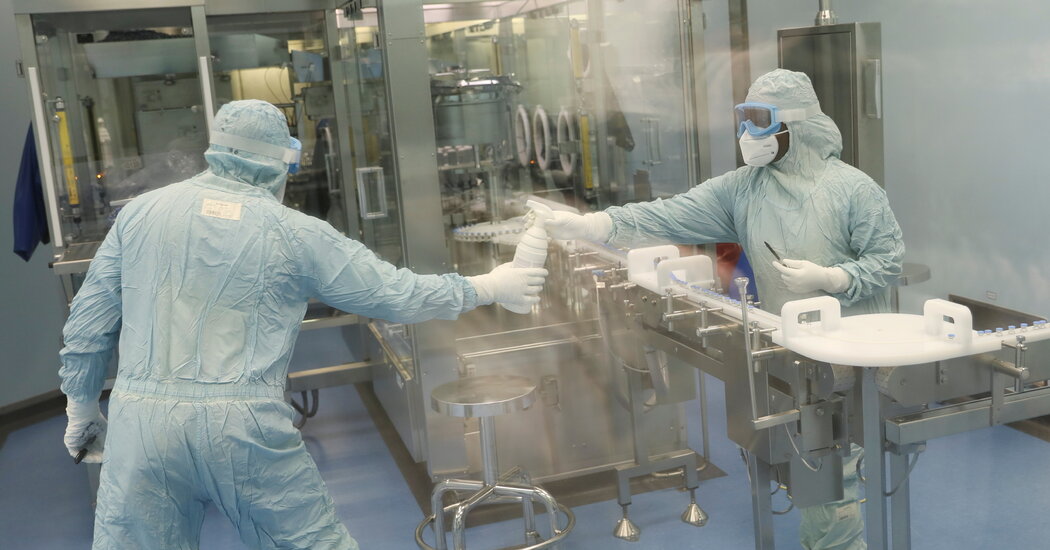
Merck Will Share Formula for its Covid Pill With Poor Countries

The company announced a licensing deal that will allow the drug, molnupiravir, to be made and sold cheaply in 105 developing nations.Merck has granted a royalty-free license for its promising Covid-19 pill to a United Nations-backed nonprofit in a deal that would allow the drug to be manufactured and sold cheaply in the poorest nations, where vaccines for the coronavirus are in devastatingly short supply.The agreement with the Medicines Patent Pool, an organization that works to make medical treatment and technologies globally accessible, will allow companies in 105 countries, mostly in Africa and Asia, to sublicense the formulation for the antiviral pill, called molnupiravir, and begin making it.Merck reported this month that the drug halved the rate of hospitalizations and deaths in high-risk Covid patients in a large clinical trial. Affluent nations, including the United States, have rushed to negotiate deals to buy the drug, tying up large portions of the supply even before it has been approved by regulators and raising concerns that poor countries would be shut out of access to the medicine, much as they have been for vaccines.Treatment-access advocates welcomed the new deal, which was announced Wednesday morning, calling it an unusual step for a major Western pharmaceutical company.“The Merck license is a very good and meaningful protection for peopling living in countries where more than half of the world’s population lives,” said James Love, who leads Knowledge Ecology International, a nonprofit research organization. “It will make a difference.”Charles Gore, director of the Medicines Patent Pool, said: “This is the first transparent public health license for a Covid medicine, and really importantly, it is for something that could be used outside of hospitals, and which is potentially going to be very cheap.”“This is hopefully going to make things a lot easier in terms of keeping people out of hospital and stopping people dying in low- and middle-income countries,” he said.Mr. Gore said that more than 50 companies, from all regions of the developing world, have already approached the organization about obtaining a sublicense.The agreement with Merck, Mr. Gore said, is also critically important as a precedent. “I hope this will start a landslide of people coming to the Medicines Patent Pool, wanting to do licensing, because there’s no question that access has been the problem,” he said. “From a scientific point of view, industry have done a really brilliant job — firstly, providing the vaccines, and now providing treatments. But the access side of it has let the whole thing down.”Pfizer also has a Covid antiviral pill in late-stage trials, and Mr. Gore said the company is also in talks with the patent pool.Molnupiravir was developed by Merck and Ridgeback Biotherapeutics of Miami, based on a molecule first studied at Emory University in Atlanta. All three organizations are party to this deal, which will not require a fee from any sublicensing company.Merck has submitted its clinical trial data to the Food and Drug Administration seeking emergency-use authorization; a decision could come in early December. Regulatory agencies in other nations that produce a version of molnupiravir will need to evaluate it. Some drug manufacturers will likely seek World Health Organization prequalification for their versions, so that they can bypass the country-by-country regulatory steps.Stephen Saad, chief executive of Aspen Pharmacare in South Africa, said his company expects to apply for a license to make molnupiravir and distribute it across Africa. He said that he believed that Aspen could make the drug for about $20 per course. The U.S. government has an agreement to buy 1.7 million courses of the drug, pending its authorization by the F.D.A., a deal that fixes the price at $712 per course.Mr. Gore said that he has been told by some in the field that a generic version of molnupiravir could be profitably produced for as little as $8 per course.Under the licensing deal, Merck would continue to produce and sell the drug in wealthy nations and many middle-income ones at significantly higher prices.Merck had already taken the step of licensing eight large Indian drug makers to produce generic versions of molnupiravir, pending authorization. But the company feared that production in just one region would not be enough to ensure rapid access to the drug across the developing world, said Jenelle Krishnamoorthy, Merck’s vice president for global policy.So the company also engaged in talks with the patent pool, which has deep experience in working with a network of global drug makers that can meet high-quality standards, including those required for W.H.O. prequalification, she said.“We knew we had to work faster, we had to do things we hadn’t done before, we had be more efficient,” Ms. Krishnamoorthy said.The licenses that Merck issued to the Indian generic makers restricts sales to developing countries and excludes most middle-income ones, including China and Russia — the site of a current raging Covid outbreak — raising the possibility that citizens in these nations, which often have weak health systems, will not get access to the drug.The patent pool agreement for molnupiravir also excludes middle-income countries and most nations in Latin America, Mr. Love said.“What are you going to do for countries like Chile or Colombia, Thailand or Mexico?” he asked. “They’re not in the license.”

Read more →

How Social Media Turned ‘Prioritizing Mental Health’ Into a Trap

Online fame can be taxing. For one new show, that’s a clever excuse to pay even more attention to a famous family.Back in January, Vogue posted a video documenting a day in the life of a TikTok star named Dixie D’Amelio. Inside her antiseptic luxury apartment, D’Amelio, then 19, scrambles eggs, applies eye shadow and delivers a monologue sprinkled with false bravado. Dixie drafted to fame behind her younger sister, Charli — but while Charli has reigned on TikTok, dancing for 126 million followers, Dixie has assumed the role of whipping girl, earning her own 55 million followers in part by absorbing the public floggings regularly directed at her family. When the Vogue video dropped, commentators diagnosed her as talentless, boring and “a bratty white girl who has leeched off her sister’s fame.”Then, last month, a different document of Dixie’s life appeared. Her family had acquired a Hulu reality series, “The D’Amelio Show,” and its first episode culminated with the fallout from the Vogue video. A hand-held camera navigates the hallways of the D’Amelios’ home, a modernist slab wedged into the Hollywood Hills. A flatlining noise suggests the chaos of a medical emergency. We find Dixie crumpled on a bed while her parents, Marc (more than 10 million TikTok followers) and Heidi (more than nine million), comfort her. “I’m trying to do anything I can to better myself, and it just gets worse,” she says through jagged sobs, lifting her crimson face to the ceiling. “Everyone just picks apart every single thing.” “It’s going to get better,” Marc assures her. The screen goes black, and a message appears: “If you or someone you know is struggling with mental-health issues, you are not alone.”A new celebrity mode casts mental health as an appealing badge of vulnerability.This disclaimer soon becomes a refrain. “The following episode tells a real story of people who have struggled with mental-​health challenges,” the next episode begins. Framing the family’s social media rise as a psychological crisis makes it seem both relatable and acutely serious, even important. If Dixie is tortured by the idea that her fame is undeserved, filming her suffering presents a solution: Now the intense focus on her raises awareness for a cause. The show has found not just a dramatic crux but an excuse for existing. It can justify paying even more attention to this family by revealing how all the attention affects them.Not long ago, signs of mental distress in young female stars — Britney Spears’s shaving her head, Amanda Bynes’s spiraling online — were milked by tabloids in lurid, exploitative ways. But a new celebrity mode casts mental health as an appealing badge of vulnerability. Demi Lovato has starred in three documentaries addressing the subject. Selena Gomez’s cosmetics line promotes mental-health education in schools. When Naomi Osaka and Simone Biles exited competitions, citing mental-health concerns, they were praised. Now Dixie can document her breakdown on her own terms, fashioning it as not humiliating but redemptive.Yet this rising awareness can also flatten a constellation of medical and social phenomena into one blandly ubiquitous buzzword. “The D’Amelio Show” gestures at “mental-health issues” or simply “mental health,” a phrase Dixie deploys as though it means its opposite. (She says her boyfriend is inexperienced in dealing with “people with mental health.”) To say “mental health” is to not say “mental illness,” eliding specific diagnoses and more stigmatized, less marketable symptoms. An incisive TikTok by a 16-year-old underlines the point: “Let’s just make clear the difference between caring for mental HEALTH,” her text reads, over images of thin women blending juices or journaling on a lawn, “VS. caring for mental ILLNESS” — waiting rooms, paperwork, medications. The self-care narrative, with its air of drama and resilience, has an aspirational quality. Prioritizing mental health becomes both a brave accomplishment and a luxury. It all encourages more investment in social media, not less.On “The D’Amelio Show,” Dixie and Charli each seek professional help. In addition to (offscreen) therapy sessions, Charli enlists a dance trainer for sessions she says are “like therapy without words,” and Dixie consults a doctor of osteopathic medicine to treat her anxiety. But the dance instructor has a TikTok following of his own, and the D.O. is also a Lululemon ambassador. They blend easily with the rest of the family’s entourage — the vocal coach, the A.&R. woman, the president of D’Amelio Family Enterprises.No matter how many times they are burned, the D’Amelio sisters return, mothlike, to TikTok.“The D’Amelio Show” positions mental-health concerns as part of the human condition, but this family’s woes seem inextricable from social media. (Even the most resilient teenage girl could be brought to tears by a public humiliation involving millions of Vogue consumers.) And yet the prospect of Dixie and Charli’s solving this problem by abandoning fame — with Charli returning to what she calls “normal high school” — is treated as a sad outcome, akin to letting the haters win. Charli expresses gratitude for the “opportunities” she is afforded, like internet stars’ joining her for dinner or Bebe Rexha’s singing at her birthday party. Many of these rewards seem engineered for the show, but they unfold with frightening realism, as the family’s life becomes a march of stage-managed events.Like Hansel and Gretel, the D’Amelio sisters have been lured into a house of treats only to discover that it is a prison. But instead of burning the witch and escaping, they remain; they are, in fact, desperate for the witch to keep fattening them up. In this they are not unusual. Recently a Facebook whistle-blower revealed the company’s research on Instagram’s worrisome psychological effects, especially on teenage girls. One finding was that many teenagers thought the platform would make them feel better, not worse. This is part of what makes social media so insidious: If it makes you feel awful, the first solution to present itself is to post and consume content about how it’s OK to feel awful, making the experience seem meaningful and dramatic — much like a reality show.No matter how many times they are burned, the D’Amelio sisters return, mothlike, to TikTok. Even when Charli takes a week off the show to care for her mental health, she still posts. By the series’s end, she has abandoned her dance lessons; she struggled to find time, and dance had ceased to make her happy. “I think social media really robbed me of that,” she says. In the Vogue video, Dixie reveals that though she was accepted to a college, she decided against attending, in part because of a TikTok comment that imagined her being mocked at a frat party. She explains this in a casual, self-effacing manner, but it is gutting: The world is at her fingertips, but she cannot imagine life outside TikTok’s cloche of fame.When Marc D’Amelio tells his daughter “it’s going to get better,” he echoes Dan Savage and Terry Miller’s decade-old “It Gets Better Project,” which assured bullied L.G.B.T. kids they had rich adult lives ahead. Now that a focus on mental health has supplanted bullying, there is also a shift in agency. It’s no longer clear that “it” will get better; it is the young person who is expected to improve. Later, Dixie is again dragged on the internet, this time for a video in which she and Hailey Bieber decorate sneakers. Her doctor notes that she is making progress: The comments do not seem to bother her as much this time. “You’re doing a ton of great work,” he says. He could be referring to her work on herself. Or just her work on TikTok.Source photographs: Screen grabs from YouTube and TikTok.

Read more →

Covid: Charlize Theron wants fairer distribution of vaccines

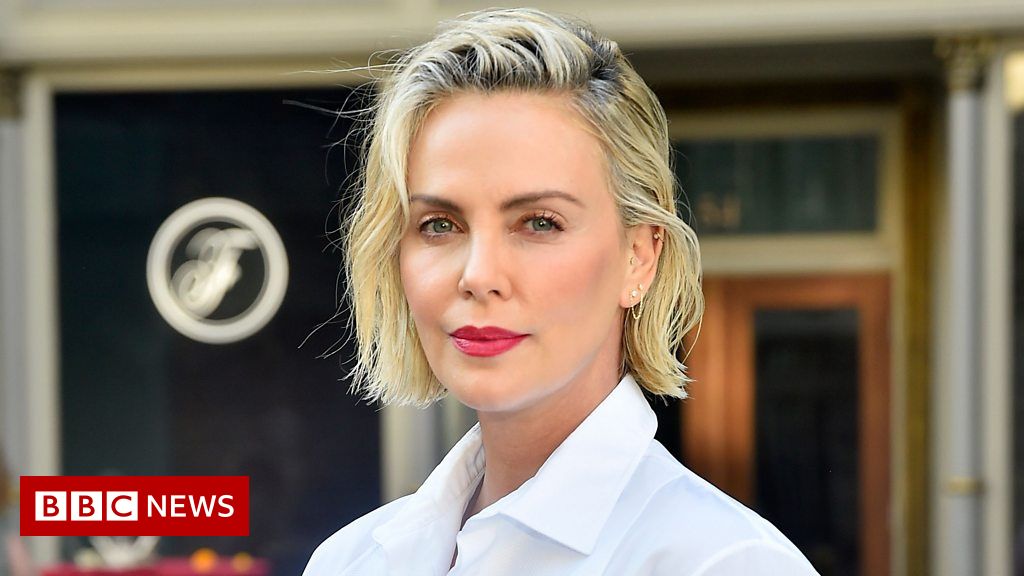
Charlize Theron says the world has to start sharing vaccines if we are to reach the World Health Organization’s goal of vaccinating 70% of the world next year.The actress, who has joined the social justice organisation Ford Foundation, wants the World Trade Organization to agree a waiver on vaccine patents – so countries can manufacture their own jabs. Speaking to the BBC’s Pumza Fihlani, Theron also questioned some countries’ booster programmes, when only 5% of Africa’s population has been vaccinated.

Read more →