Arginine, an inexpensive oral drug, could enhance radiation therapy for cancer

Treatment with arginine, one of the amino-acid building blocks of proteins, enhanced the effectiveness of radiation therapy in cancer patients with brain metastases, in a proof-of-concept, randomized clinical trial from investigators at Weill Cornell Medicine and Angel H. Roffo Cancer Institute.
The study, published Nov. 5 in Science Advances, reported the results of administering arginine, which can be delivered in oral form, prior to standard radiation therapy in 31 patients who had brain metastases. Nearly 78 percent had a complete or partial response in their brain tumors over the follow-up period of up to four years, while only 22 percent of the 32 patients who received a placebo prior to radiotherapy had such a response.
The trial was designed to gauge the effectiveness of arginine as a “radiosensitizer” that enhances the effects of radiation treatment. However, the results, and arginine’s apparent mechanism of action, suggest that the amino acid might be useful more broadly as an anticancer therapy.
“Based on these findings we should continue to investigate arginine in combination with radiotherapy but also in combination with chemotherapy or immunotherapy, and even arginine on its own,” said senior author Dr. Leandro Cerchietti, an associate professor of medicine in the Division of Hematology and Medical Oncology, who participated in designing and implementing the trial at Angel H. Roffo Cancer Institute in Argentina where he was an attending oncologist. The trial was co-led by Dr. Alfredo Navigante at the Roffo Cancer Institute.
Arginine, also called L-arginine, is inexpensive and widely available, generally considered safe, and can get relatively easily from the bloodstream into the brain. The idea of using it to treat cancer arose from observations that tumors often aid their own survival by producing high levels of the related molecule nitric oxide (NO). The latter regulates multiple processes in the body including the flow of blood through blood vessels, and tumors cells often make more NO by upregulating their production of special enzymes called NO synthases, which synthesize NO from arginine.
Reducing NO production is one possible way of exploiting tumors’ dependence on this molecule, but hasn’t worked well, in part because of adverse side effects. The investigators hypothesized that boosting NO production instead — by adding its precursor arginine — might be beneficial, because while tumors can use NO to aid their growth and survival, they must keep its production below certain limits.

Read more →

Bone marrow backup needed to tackle respiratory infections

Scientists at the Francis Crick Institute have found how the immune system triggers an ’emergency’ dendritic cell response during infection, with dendritic cells at the site of infection being reinforced by new cells which travel from the bone marrow.
Dendritic cells have an important role in the immune system, detecting infectious bacteria, fungi or viruses that have entered the body and alerting T cells which recognise and attack the invader.
However, there are few dendritic cells in healthy tissue like the lungs which means that, on infection, their numbers need to be boosted. This poses the question of where do these extra cells come from?
In their study, published in Science Immunology today (5 November), the researchers monitored dendritic cells in mice infected with flu virus, which also causes human disease . They found that, after infection, new dendritic cells are released from the bone marrow and travel to the site of infection.
This process is regulated by a receptor, called CCR2, which binds molecules called chemokines made by other cells in the infected tissue. The varying levels of CCR2-binding chemokines in the lung acts as a map, guiding the new dendritic cells to the exact location of the virus.
Caetano Reis e Sousa, senior author and group leader of the Crick’s Immunobiology lab says: “Dendritic cells are like lookouts, strategically located in low numbers around the body. These low numbers are adequate for their role monitoring for an invader, but when infection strikes, they need to be reinforced. Our study shows that backup is rapid and comes from the potential reservoir of dendritic cell precursors in the bone marrow, in a process we’ve dubbed an ’emergency’ dendritic cell response.”
‘Backup’ is needed as dendritic cells transport pathogenic material from the infected lungs to lymph nodes where the corresponding T cell that recognises the invader can be alerted to launch a targeted attack. The more dendritic cells, the more material that can be transported, meaning a greater chance of finding all the right T cells.
The importance of this process is demonstrated as, when the researchers blocked new dendritic cells travelling to the site of infection, the mice initiated a weaker immune response to the virus. And when these mice were infected for a second time, they were not as protected from re-infection.
“Understanding more about how the immune system works could help inform future treatments and vaccine design for a range of different infectious diseases,” adds Caetano. “For example knowing about this immune boost means we can now start to think about ways to harness the process.”
The researchers will continue their work studying the role and response of dendritic cells to infection, as well as in response to tumour formation.
Story Source:
Materials provided by The Francis Crick Institute. Note: Content may be edited for style and length.

Read more →

Researchers investigate role of gene associated with Alzheimer’s disease in brain’s immune cells

When immune cells move throughout the brain, they act as the first line of defense against viruses, toxic materials and damaged neurons, rushing over to clear out them.
Researchers at Indiana University School of Medicine have been investigating how these immune cells in the brain — microglia — relate to a gene mutation recently found in Alzheimer’s disease patients. They published their findings today in Science Advances.
The study, led by Hande Karahan, PhD, postdoctoral fellow in medical and molecular genetics, and Jungsu Kim, PhD, the P. Michael Conneally Professor of Medical and Molecular Genetics, found that deleting the gene — called ABI3 — significantly increased amyloid-beta plaque accumulation in the brain and decreased the amount of microglia around the plaques.
“This study can provide further insight into understanding the key functions of microglia contributing to the disease and help identify new therapeutic targets,” Karahan said. Karahan based her research on a human genetics study of more than 85,000 people — fewer than half were Alzheimer’s patients — that identified the mutation in the ABI3 gene. Researchers concluded this mutation increased the risk of late-onset Alzheimer’s.
“However, there was no investigation into the function of ABI3 gene in the brain or about how this gene affects microglia function,” Karahan said, a fact that led to her research. The team deleted the ABI3 gene from an Alzheimer’s disease mouse model and tested the functions of the gene in microglia in cell cultures. In the mouse model, they saw increased levels of plaques and inflammation in the brain and signs of synaptic dysfunction — characteristics associated with learning and memory deficits of the disease.
Additionally, Karahan said the deletion of the gene impaired the movement of microglia. The immune cells cannot move closer to plaques to try to clear up the proteins. Amyloid plaques are commonly found in the brains of patients with Alzheimer’s; amyloid beta proteins clump together and form plaques, which destroy nerve cell connections.
“Our study provides the first in vivo functional evidence that the loss of ABI3 function may increase the risk of developing Alzheimer’s disease by affecting amyloid beta accumulation and neuroinflammation,” Karahan said.
Over the past few years, Karahan has been building upon her Alzheimer’s disease research. In 2019, Karahan received the Sarah Roush Memorial Fellowship in Alzheimer’s Disease Research, established by the Indiana Alzheimer’s Disease Research Center and funded through a generous donation from James and Nancy Carpenter and a matching contribution from Stark Neurosciences Research Institute, where Karahan conducts her research.
Karahan and Kim received three separate grants supporting this research from the National Institute on Aging, the National Institutes of Health (NIH) branch for Alzheimer’s research, resulting in $7.8 million over the next five years.
“One grant will fund the creation of a mouse model that will allow us to delete the ABI3 gene in any cell types in the body, such as brain microglia and peripheral immune cells,” Kim said. “Once we validate this new model, we will make it available to others in the research community to use this model for their own investigations.”
The other grants will fund additional mouse and cell models for the team to further investigate how the ABI3 gene in microglia affects Alzheimer’s disease pathologies as well as fund state-of-the-art techniques, including brain imaging using the Bruker BioSpec 9.4T PET-MRI scanner, located in the Roberts Translational Imaging Facility at Stark Neurosciences Research Institute.
Each of these projects has an end goal of identifying druggable targets for the treatment of the disease, Karahan and Kim said. The team will collaborate with the IU School of Medicine-Purdue TaRget Enablement to Accelerate Therapy Development for Alzheimer’s Disease (TREAT-AD) Center.

Read more →

How Hospitals Fuel Climate Change

How Hospitals Fuel Climate Change Winston Choi-SchagrinReporting on environmental healthIt may be surprising, but the propellant gases in an inhaler or in anesthetic are greenhouse gases.Nitrous oxide, or “laughing gas,” has 300 times the warming potential of carbon dioxide. And the main ingredient in an inhaler is a hydrofluorocarbon, a class of powerful greenhouse gases used in AC and fridges.Improvements can be made. The gas in a metered-dose inhaler, for instance, has the same warming potential as 100 kg of CO2 over the course of its lifetime, while a dry-powder inhaler produces the equivalent of only 4 kg.

Read more →

Covid vaccine to be mandatory for children in Costa Rica

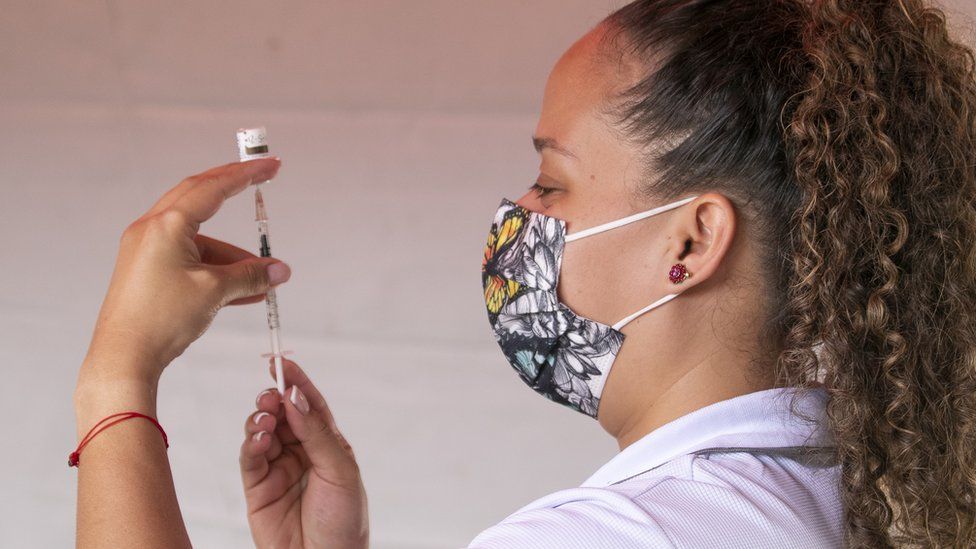
SharecloseShare pageCopy linkAbout sharingImage source, Getty ImagesCosta Rica has become the first country in the world to make Covid-19 vaccinations mandatory for children.The jab will join the extensive list of basic childhood vaccinations already required by law, health officials said.The country signed a deal with Pfizer to acquire doses to start vaccinating all under-12s from March 2022.Earlier this week, the US health regulatory bodies approved the Pfizer/BioNTech vaccine for children aged five to 11.Most children are unlikely to get seriously ill if they catch Covid-19 but may still be infectious, even with no symptoms. The vaccine could help stop them from spreading the virus to others.Costa Rica’s deal with Pfizer will see it receive 3.5 million doses, of which 1.5 million will be reserved for those aged five to 11. The others will be for third doses to be given to first responders, the elderly population and immunosuppressed people.To date, about 55% of eligible people have been fully vaccinated in the country, according to Our World in Data figures. More than 70% of those aged between 12 and 19 have now received at least one dose of the vaccine, officials say.The US decision to approve the Pfizer/BioNTech vaccine for children aged five to 11 has cleared the way for 28 million young Americans to get vaccinated. They are given a jab with a third of the dosage administered in adults.This video can not be playedTo play this video you need to enable JavaScript in your browser.Officials at the Food and Drug Administration determined that the vaccine was around 91% effective in preventing Covid-19 in young children, and that their immune response was comparable to that seen in people aged 16 to 25. No serious side effects were found by researchers.More countries are expected to follow suit.CONTEXT: Long Covid in children ‘nowhere near scale feared’EXPLAINER: Children’s very low Covid risk confirmed by studyIN CHARTS: Tracking the pandemic

Read more →

Multiple sclerosis drug improves memory in mice modeling Alzheimer’s disease

Losing memory is a hallmark of Alzheimer’s, a symptom of the disease that depletes a patient’s quality of life. Improving memory and slowing cognitive changes caused by the disease is an ongoing challenge for researchers seeking to develop novel therapies. In a newly published paper in Frontiers in Neuroscience, researchers at the Del Monte Institute for Neuroscience at the University of Rochester found that glatiramer acetate, a prescription drug currently used to treat patients with multiple sclerosis (MS), improved memory in a mouse model of Alzheimer’s disease.
“This research extends our information about glatiramer acetate’s potential use in Alzheimer’s disease,” said M. Kerry O’Banion, M.D., Ph.D., professor of Neuroscience and senior author of the study. “This isn’t a cure, but it could be a step in the right direction for a treatment to slow the symptoms of this debilitating disease.”
Using a mouse model, researchers found changes in microglia — part of the brain’s immune system — and improvements in cognitive behavior when glatiramer acetate was used. These changes were associated with less amyloid plaques and modifications to tau pathology — a protein found in neurodegenerative diseases — in the brain, indicating that molecular hallmarks of Alzheimer’s disease had been impacted. Previous studies have found that glatiramer acetate can alter brain pathology in Alzheimer’s disease mouse models, but the exact mechanisms that are impacted in the brain are still unknown.
“Overall, these findings provide further evidence that therapies that modify the immune system could be effective in the treatment of Alzheimer’s disease,” said Dawling Dionisio-Santos, Ph.D., a first-year resident in Neurology and graduate of the Medical Scientist Training Program and co-first author on the paper. “It adds evidence to support trials that test the use of glatiramer acetate in patients at risk for developing Alzheimer’s.”
Co-authors on this paper include Berke Karaahmet, Elizabeth K. Belcher, Ph.D., Laura D. Owlett, Ph.D., Lee A. Trojanczyk, and John A. Olschowka, Ph.D. The research was funded by the National Institute on Aging.
Story Source:
Materials provided by University of Rochester Medical Center. Original written by Kelsie Smith Hayduk. Note: Content may be edited for style and length.

Read more →

Scientists identify mechanism that may influence infectivity of SARS-CoV-2 variants

Scientists at the National Institutes of Health have found that a process in cells may limit infectivity of SARS-CoV-2, and that mutations in the alpha and delta variants overcome this effect, potentially boosting the virus’s ability to spread. The findings were published online in the Proceedings of the National Academy of Sciences. The study was led by Kelly Ten Hagen, Ph.D., a senior investigator at NIH’s National Institute of Dental and Craniofacial Research (NIDCR).
Since the coronavirus pandemic began in early 2020, several more-infectious variants of SARS-CoV-2, the virus that causes COVID-19, have emerged. The original, or wild-type, virus was followed by the alpha variant, which became widespread in the United States in early 2021, and subsequently the delta variant, which is the most prevalent strain circulating today. The variants have acquired mutations that help them infect people and spread more easily. Many of the mutations affect the spike protein, which the virus uses to get into cells. Scientists have been trying to understand how these changes alter the virus’s function.
“Throughout the pandemic, NIDCR researchers have applied their expertise in the oral health sciences to answer key questions about COVID-19,” said NIDCR Director Rena D’Souza, D.D.S., Ph.D. “This study offers fresh insights into the greater infectivity of the alpha and delta variants and provides a framework for the development of future therapies.”
The outer surface of SARS-CoV-2 is decorated with spike proteins, which the virus uses to attach to and enter cells. Before this can happen, though, the spike protein must be activated by a series of cuts, or cleavages, by host proteins, starting with the furin enzyme. In the alpha and delta variants, mutations to the spike protein appear to enhance furin cleavage, which is thought to make the virus more effective at entering cells.
Studies have shown that in some cases protein cleavage can be decreased by the addition of bulky sugar molecules — a process carried out by enzymes called GALNTs — next to the cleavage site. Ten Hagen’s team wondered if this happens to the SARS-CoV-2 spike protein, and, if so, whether it changes the protein’s function.
To find out, the scientists studied the effects of GALNT activity on spike protein in fruit fly and mammalian cells. The experiments showed that one enzyme, GALNT1, adds sugars to wild-type spike protein, and this activity reduces furin cleavage. By contrast, mutations to the spike protein, like those in the alpha and delta variants, decrease GALNT1 activity and increase furin cleavage. This suggested that GALNT1 activity may partially suppress furin cleavage in wild-type virus, and that the alpha and delta mutations overcome this effect, allowing furin cleavage to go unchecked.
Further experiments supported this idea. The researchers expressed either wild-type or mutated spike in cells grown in a dish. They observed the cells’ tendency to fuse with their neighbors, a behavior that may facilitate spread of the virus during infection. The scientists found that cells expressing mutated spike protein fused with neighbors more often than cells with the wild-type spike. Cells with wild-type spike also fused less often in the presence of GALNT1, suggesting that its activity may limit spike protein function.
“Our findings indicate that the alpha and delta mutations overcome the dampening effect of GALNT1 activity, which may enhance the virus’s ability to get into cells,” said Ten Hagen.
To see if this process might also occur in people, the team analyzed RNA expression in cells from healthy volunteers. The researchers found wide expression of GALNT1 in lower and upper respiratory tract cells that are susceptible to SARS-CoV-2 infection, indicating that the enzyme could influence infection in humans. The scientists theorized that individual differences in GALNT1 expression could affect virus spread.
“This study suggests that GALNT1 activity may modulate viral infectivity and provides insight into how mutations in the alpha and delta variants may influence this,” Ten Hagen said. The knowledge could inform future efforts to develop new interventions.
This research was supported by the NIDCR Division of Intramural Research. Support also came from the intramural program of the National Institute of Environmental Health Sciences.

Read more →

When macrophages let off steam

New data from a research team at Friedrich-Alexander-Universität Erlangen-Nürnberg (FAU) shows how inflammatory reactions can be resolved by changes to the metabolism of macrophages. Danger signals released by damaged cells during inflammation play a role during this process. ‘Rewiring’ the mitochondria in the macrophages protects them against overloading and can thus improve the way in which parts of damaged cells are eliminated and resolve the inflammatory reaction. The results were recently published in the journal Immunity.
Inflammation is a natural and vital response of our immune system to danger signals and tissue damage. Inflammatory processes help the body to eliminate the triggers, for example bacteria, and to initiate repair mechanisms. Terminating this inflammatory reaction quickly and in a coordinated manner is just as important, however, as otherwise there is a risk of developing chronic inflammatory conditions such as rheumatoid arthritis or Crohn’s disease. One of the important factors for resolving the inflammatory reaction is the elimination of damaged and dead cells, a process that was not very well understood until now. New inflammation can occur if these cells are allowed to accumulate.
How waste from inflammation is disposed of
A research team led by Prof. Gerhard Krönke at the Department of Medicine 3 — Rheumatology and Immunology at Universitätsklinikum Erlangen has now succeeded in gaining a better understanding of the fundamental molecular mechanisms involved. The researchers investigated the function of macrophages at the site where inflammation occurs. These cells are capable of ingesting large quantities of cellular waste and digesting and eliminating the molecular components of this waste in their mitochondria, also referred to as the powerhouse of the cell.
The scientists were able to demonstrate that the danger signal interleukin 33, which is released from damaged cells, triggers lasting changes to the metabolism of macrophages, so that their waste disposal capacity significantly increases. The sheer quantity of waste produced during the inflammatory reaction places the mitochondria under severe strain, and they produce increased quantities of damaging oxygen radicals as a result. Interleukin 33 regulates the function of the mitochondria by initiating a process known as uncoupling in these cell components and protecting them from overloading. ‘This enables the macrophages to ‘let off steam’ and carry on ingesting waste without interruption despite the heavy strain placed upon them, resolving the inflammation processes as a result,’ explains Maria Faas, lead author of the article recently published in the journal ‘Immunity’.
Protection of mitochondria as a new approach for therapy for inflammation
The findings of the FAU team could pave the way for new approaches for treating chronic inflammatory conditions. ‘It may be possible to accelerate and support the resolution of inflammatory processes in the long term by influencing the cell metabolism of the macrophages and deliberately uncoupling their mitochondria,’ explains Prof. Gerhard Krönke. Interestingly, substances that positively influence the cell metabolism of macrophages have already been discovered. However, they have not yet been approved for use in chronic inflammatory conditions and must undergo further clinical trials. The investigations and experiments were conducted as part of the DFG collaborative research centre CRC 1181 ‘Switching points for resolving inflammation’ and the DFG research group FOR2886 PANDORA (Pathways triggering Autoimmunity and Defining Onset of early Rheumatoid Arthritis). Maria Faas also received a scholarship as part of the DFG research training group 1660 (Key signals of adaptive immune response).
Story Source:
Materials provided by Friedrich-Alexander-Universität Erlangen-Nürnberg. Note: Content may be edited for style and length.

Read more →

How cells correctly choose active genes

It is essential for cells to control precisely which of the many genes of their genetic material they use. This is done in so-called transcription factories, molecular clusters in the nucleus. Researchers of Karlsruhe Institute of Technology (KIT), Friedrich-Alexander-Universität Erlangen-Nuremberg (FAU), and Max Planck Center for Physics and Medicine (MPZPM) have now found that the formation of transcription factories resembles the condensation of liquids. Their findings will improve the understanding of causes of diseases and advance the development of DNA-based data storage systems. The scientists report in Molecular Systems Biology.
Human genetic material contains more than 20,000 different genes. But each cell only uses a fraction of the information stored in this genome. Hence, cells have to control precisely which genes they use. If not, cancer or embryonal growth disorder may develop. So-called transcription factories play a central role in the selection of active genes. “These factories are molecular clusters in the nucleus that combine the correct selection of active genes and the read-out of their sequence at a central location,” Lennart Hilbert explains. The Junior Professor for Systems Biology/Bioinformatics at the Zoological Institute (ZOO) of KIT also heads a working group at KIT’s Institute of Biological and Chemical Systems — Biological Information Processing (IBCS-BIP).
Setup and Start within a Few Seconds
For decades, cellular and molecular biologists have studied how transcription factories are set up and taken into operation within a few seconds. Results obtained so far suggest relevance of processes known from industrial and technical polymer and liquid materials only. Current research focuses on phase separation as a central mechanism. In everyday life, phase separation can be observed when separating oil from water. It has not yet been clear, however, how exactly phase separation contributes to the setup of transcription factories in living cells.
Researchers from KIT’s Institute of Biological and Chemical Systems (IBCS), Zoological Institute (ZOO), Institute of Applied Physics (APH), and Institute of Nanotechnology (INT), in cooperation with scientists from FAU and MPZPM in Erlangen and the University of Illinois at Urbana-Champaign/USA, have now gained new findings on the formation of transcription factories: It is similar to the condensation of liquids. This is reported in Molecular Systems Biology. The first co-authors are Agnieszka Pancholi of IBCS-BIP and ZOO and Tim Klingberg of FAU and MPZPM.
Latest Light Microscopy Combined with Computer Simulations
In their publication, the researchers point out that condensation to form transcription factories resembles steamy glasses or windows. Liquid condenses in the presence of a receptive surface only, but then very quickly. In the living cell, specially marked areas of the genome are used as condensation surfaces. The liquid-coated areas allow for the adhesion of relevant gene sequences and additional molecules that eventually activate the adhering genes. These findings were obtained by interdisciplinary cooperation. Zebrafish embryos were studied with latest light microscopes developed by Professor Gerd Ulrich Nienhaus’s Chair at APH. These observations were then linked to computer simulations at the FAU Chair for Mathematics headed by Professor Vasily Zaburdaev. Combination of observations and simulations makes the condensation process reproducible and explains how living cells can set up transcription factories rapidly and reliably.
New understanding of condensed liquids in living cells recently resulted in entirely new approaches to treating cancer and diseases of the nervous system. These approaches are now being pursued by startups developing new drugs. Other research activities focus on the use of DNA sequences as digital data storage systems. Meanwhile, principle feasibility of DNA-based data storage systems has been demonstrated by several working groups. Reliable storage and read-out of information in such DNA storage media still represent big challenges. “Our work shows how the biological cell organizes such processes rapidly and reliably. The computer simulations and functional concepts developed by us can be transferred directly to artificial DNA systems and can support their design,” Lennart Hilbert says.
Story Source:
Materials provided by Karlsruhe Institute of Technology. Note: Content may be edited for style and length.

Read more →

New strategy against treatment-resistant prostate cancer identified

Many patients with prostate cancer are treated with drugs that lower or block hormones that fuel tumor growth. While the drugs are effective for a time, most patients eventually develop resistance to these therapies.
A new study from Washington University School of Medicine in St. Louis has identified an RNA molecule that suppresses prostate tumors. The scientists found that prostate cancers develop ways to shut down this RNA molecule to allow themselves to grow. According to the new research — conducted in mice implanted with human prostate tumor samples — restoring this so-called long noncoding RNA could be a new strategy to treat prostate cancer that has developed resistance to hormonal therapies.
The study is published Nov. 5 in Cancer Research, a journal of the American Association for Cancer Research.
“The drugs that we have to treat prostate cancer are effective initially, but most patients start developing resistance, and the drugs usually stop working after a year or two,” said senior author Nupam P. Mahajan, PhD, a professor of surgery in the Division of Urologic Surgery. “At that point, the options available for these patients are very limited. We are interested in addressing this need — developing new therapies for patients who have developed resistance — and we believe the RNA molecule we’ve pinpointed may lead to an effective approach.”
The key protein that drives prostate tumor growth, the androgen receptor, binds to testosterone and stimulates cancer growth. Studying the stretch of DNA that codes for the androgen receptor, the researchers discovered that a section of the DNA molecule next to the androgen receptor produced a molecule called a long noncoding RNA. They found that this long noncoding RNA plays a key role in regulating the androgen receptor and vice versa. Because of its position next to the androgen receptor in the genome, the researchers dubbed it NXTAR (next to androgen receptor).
“In prostate cancer, the androgen receptor is very clever,” said Mahajan, who is also a research member of Siteman Cancer Center at Barnes-Jewish Hospital and Washington University School of Medicine. “Our research shows that it suppresses its own suppressor; essentially it binds to NXTAR and shuts it down. This means that in all the prostate cancer samples that we study, we rarely find NXTAR, because it is suppressed by the heavy presence of the androgen receptor in these types of tumors. We discovered NXTAR by using a drug that my lab developed that suppresses the androgen receptor. When the androgen receptor is suppressed, NXTAR starts to appear. When we saw this, we suspected that we had discovered a tumor suppressor.”
The drug, called (R)-9b, was developed to attack a different aspect of prostate cancer biology, knocking down expression of the androgen receptor overall rather than just blocking its ability to bind to testosterone or reducing overall testosterone levels in the body, as currently approved drugs do. But in this study, (R)-9b ended up serving as a tool to reveal the presence and role of NXTAR.
Studying human prostate tumor samples implanted in mice, the researchers showed that restoring NXTAR expression caused the tumors to shrink. They also showed that they didn’t need the entire long noncoding RNA to achieve this effect. One small, key section of the NXTAR molecule is sufficient for shutting down the androgen receptor.
“We are hoping to develop both this (R)-9b drug and NXTAR into new therapies for prostate cancer patients who have developed resistance to the front-line treatments,” Mahajan said. “One possible strategy is to encapsulate the small molecule drug and the key piece of NXTAR into nanoparticles, perhaps into the same nanoparticle, and shut down the androgen receptor in two different ways.”
Mahajan worked with Washington University’s Office of Technology Management to file a patent application on potential uses of NXTAR as therapeutics. In addition, the Moffitt Cancer Center in Tampa, Fla., where Mahajan was a faculty member before joining Washington University, has filed a patent application on the (R)-9b drug. The (R)-9b inhibitor has been licensed to a biotechnology startup company called TechnoGenesys. Mahajan and co-author Kiran Mahajan are co-founders of the company.
This work was supported by the National Cancer Institute (NCI) of the National Institutes of Health (NIH), grant numbers 1R01CA208258 and 5R01CA227025; the Prostate Cancer Foundation (PCF), grant number 17CHAL06; and the Department of Defense (DOD), grant number W81XWH-21-1-0202.
The (R)-9b inhibitor has been licensed to a biotechnology startup company called TechnoGenesys. Mahajan and co-author Kiran Mahajan are co-founders of the company. They also own stock and serve as consultants to TechnoGenesys.

Read more →