What Is HIIT and How Does the Training Benefit Your Health?
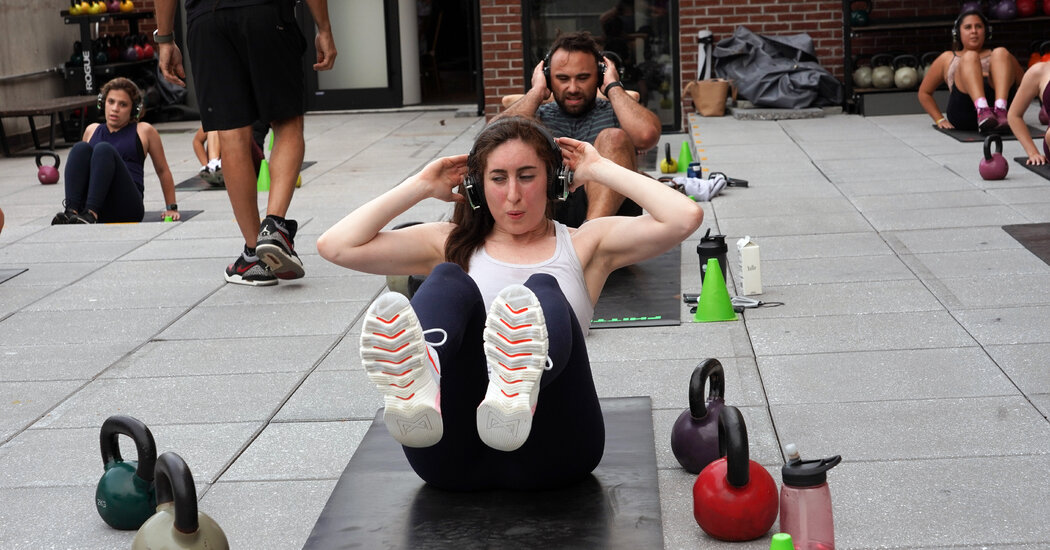
What you need to know about high-intensity interval training, or HIIT.For the past five years or so, high-intensity interval training, or HIIT, has been one of the most popular and controversial forms of exercise. Consisting of brief spurts of intense exercise interspersed with rest, various versions of HIIT have been tested, tried, talked about and sometimes derided by countless researchers, coaches, journalists, influencers and almost anyone else interested in fitness. Gym franchises and online classes specialize in HIIT. Dozens of scientific studies every month explore its benefits and drawbacks. By almost any measure, HIIT is hot.But plenty of questions remain about HIIT. Is it particularly good for our hearts? Minds? Life spans? Waistlines? Is it better for us, long term, than taking a brisk daily stroll? And what does “intense” exercise even mean?With New Year’s exercise resolutions almost around the corner, now seems the right moment to home in on HIIT, and how and why to try it. It is also useful to explore the best way to do HIIT, as well as whether we need a pricey heart rate monitor, gym membership, personal trainer and advanced math skills to get started, or if sneakers, a handy hill and a distant tree can be equipment enough.What is HIIT?With HIIT, you strenuously ride, run, swim, hop, crunch or otherwise push yourself aerobically for a few minutes or even seconds, slow or stop to rest for a few more minutes, and repeat that sequence three or four times, or more. The aim is to “challenge” your cardiovascular system and muscles during each interval, without tipping yourself into abject exhaustion or injury, said Martin Gibala, a professor at McMaster University in Hamilton, Ontario, and prominent HIIT researcher. Alluringly, HIIT workouts can be quite brief, often requiring fewer than 10 minutes in total to complete.This exercise approach is not new, of course. Athletes looking for performance boosts have threaded interval sessions into their broader training since time immemorial. But today’s HIIT is often promoted as the only exercise you have to do — and not an add-on to other, longer, moderate sessions.Does HIIT work?“For most people, there is no doubt that HIIT leads to larger increases in VO2max” — or maximal oxygen uptake, a measure of our aerobic fitness and endurance — “than exercise of a more moderate nature,” said Ulrik Wisloff, a professor and head of the cardiac exercise research group at the Norwegian University of Science and Technology in Trondheim, who has been studying HIIT for more than 20 years. A higher VO2max is strongly associated with greater longevity, he added, suggesting intervals are likely to have a more potent influence on our life spans than, for instance, gentle walks.HIIT also may help to reduce fat stores around our midsections as effectively as longer, easier exercise, and it seems uniquely beneficial for our brains. “HIIT improves memory in younger and older adults,” in ways that standard, moderate exercise cannot, said Jennifer Heisz, a professor at McMaster University and the author of the upcoming book “Move the Body, Heal the Mind,” which will be published in March. Only strenuous exercise prompts the muscles to produce a gush of the chemical lactate, she said, which then travels through the blood to the brain, where it is known to promote the creation of new cells and blood vessels, upping brain health and lowering our risk for dementia.Most beguiling, HIIT workouts can be exceptionally brief. In a famous 2006 study from Dr. Gibala’s lab, for two weeks one group of college students pedaled stationary bicycles moderately for 90 to 120 minutes, three times a week, while another group grunted through four to six sessions of 30 seconds of all-out cycling followed by four minutes of recovery. The moderate exercisers, who topped out at about 12 hours of exercise altogether, showed improved measures of fitness and healthfully remodeled the inner workings of their muscle cells. But the HIIT riders, who completed 12 total minutes of intense exercise, grew just as fit or fitter and showed even more molecular alterations inside their muscles.Where HIIT falls short.“It is neither practical nor advisable to be doing HIIT on a daily basis,” said Jamie Burr, a professor at the University of Guelph in Ontario, who has studied the physiological effects of many types of physical activity. Health guidelines generally advise against this kind of exercise more than three times a week, he said, to avoid burnout or injury.But in that case, we are not exercising for at least four days of the week, which can be problematic. “There are a number of health benefits,” most of them related to better blood sugar and blood pressure levels, he said, that occur only on days when we exercise. When we skip working out, even if we did HIIT the day before, our blood sugar and blood pressure control may slip, undercutting the long-term metabolic gains from those earlier intervals. So, if you decide to do HIIT, plan to schedule other types of exercise, he said, such as moderate walking, cycling, swimming, jogging or calisthenics on most other days of the week.IT rather than HIIT?Perhaps the biggest impediment to HIIT for many people, though, is that name.“I wish we would start using the more-encompassing term ‘interval training,’” rather than HIIT, Dr. Gibala said. “So many people are intimidated, because they think HIIT has to be this all-out, hard-as-you-can-go, gut-busting workout.” It does not, he said. On a green-yellow-red spectrum of physical effort, he said, it is “yellow.”“You should be able to have short conversations with another person” during a typical interval, Dr. Wisloff said. “But if that person asks you to sing, you should not be able to.”In practice, this level of effort could mean walking up a hill instead of on level ground, Dr. Wisloff said. Interval walking, in fact, can be an ideal introduction to this kind of exercise. In a large-scale experiment a few years ago in Japan, almost 700 middle-aged and older adults walked for 30 minutes, some at their usual pace, while others alternated three minutes of up-tempo walking with three minutes of strolling. At the end of five months, the interval walkers were considerably fitter and stronger than the others. And when the researchers checked back in with the volunteers two years later, 70 percent of the interval walkers were voluntarily continuing with their interval program.Keep it simple. Consider fartleks.Interested in trying HIIT now? Good, Dr. Wisloff said. “I would say that everyone should aim for at least one HIIT session per week, for the sake of health,” he said.Choose whichever variety of HIIT appeals to you. You might try one minute on, one minute off, meaning you push yourself for 60 seconds, rest for 60, and repeat, or the four-minute interval workouts employed often in Dr. Wisloff’s research, with four minutes of strenuous effort followed by four minutes of rest. Other researchers use four-second intervals, and I have tried and enjoyed the 10-20-30 approach, which was pioneered by scientists in Copenhagen, during which you jog or otherwise exercise gently for 30 seconds, ramp up the effort for 20 seconds and then sprint for 10 seconds, before returning to the easy half-minute jog.But lately, I have settled into frequent fartleks. Swedish for speed play, fartlek workouts involve picking a goal, such as a tree or light pole up ahead, and speeding up until you reach it. No need to check your heart rate or track each interval’s length, in time or distance, said Dr. Wisloff, who also trains with fartlek. Use the natural contours of the landscape to shape your exercise. “This is perfect to do outside the gym,” he said, with little expense or experience needed. Just dash toward the tree until it recedes behind you, pick another landmark ahead, and you’ll be “HIITing” health and fitness goals.

Read more →


A Doctor Asks Two Strange Questions That Reveal a Mysterious Disease

She had a persistent cough that cracked a rib, and her body ached all the time. What was it?It started with the broken rib. Or at least that’s what made the 36-year-old physician consider the possibility that something was really wrong with her, she explained to Dr. James D. Katz, the rheumatologist her friends at work recommended. Right after the birth of her daughter 18 months earlier, she developed a cough. At first it was mostly when she exercised, but she still managed to complete a half marathon before her daughter was 6 months old. Her time wasn’t as good as it was in earlier races, but she was still pleased. After the race, though, the cough got worse. She would get these violent paroxysms so forceful that her ribs, especially the ones on the right, started to ache. It hurt to pick up her baby. It hurt to breathe. And it was excruciating to cough.After a few months, when the cough persisted, she went to her doctor. He ordered an X-ray, which found what looked like a pneumonia. Because the cough had lasted too long to be a pneumonia, a CT scan was done the same day. The scan clearly showed a cracked rib.She was prescribed prednisone, then antibiotics. Her lungs finally cleared up. The cough, however, remained. She was given a diagnosis of asthma and started on a bunch of inhalers and a high dose of prednisone. She felt better immediately. It didn’t take long to figure out that the benefit wasn’t from the inhalers; the prednisone was miraculous. And she’d been taking it — a lot of it — ever since. She knew it was too much, and yet when she was caring for patients in the intensive-​care unit — something she did four or five months a year — she needed that high dose just to keep up with her life.The medication eliminated the cough, and that was a blessing. But it did so much more. She had pain and stiffness in her joints that had been there so long she’d started to consider it normal. She figured this was just how her adult body felt. But with the prednisone, the pain and terrible stiffness disappeared. She was a physician; she knew that taking prednisone like this would hurt her. It could give her glaucoma, diabetes, osteoporosis and high blood pressure. But whenever she tapered the steroids, the pain, stiffness — and cough — all came roaring back. Right now, she told herself, taking that drug was the only way she could feel normal. That’s why she finally decided to see Katz.Probing for InflammationJames Katz was a senior research physician at the National Institute of Arthritis and Musculoskeletal and Skin Diseases at the National Institutes of Health in Bethesda, Md. After hearing the patient’s story, he stepped out of the exam room to give her a chance to change into a hospital gown. As he waited, Katz considered the possibilities. When he first heard that she had joint pains that resolved with prednisone, the specialist thought that she probably had rheumatoid arthritis (R.A.). It was one of the most common inflammatory joint diseases in women her age and could sometimes affect the lungs. But she needed extremely high doses of prednisone to manage her symptoms, and that was not typically necessary for treating R.A., which was usually exquisitely sensitive to the anti-inflammatory properties of steroids. Most patients with R.A. could be managed on five to 10 milligrams of prednisone. She needed 10 times that. No, Katz decided, this was probably something else.At the top of his new list was a rare disease formerly called Churg-Strauss syndrome, now known as eosinophilic granulomatosis with polyangiitis (EGPA). This is a disease not of the joints — like R.A. — but of the blood vessels. A vasculitis like EGPA is dangerous because the involved blood vessels can be anywhere in the body. EGPA often starts in the lungs, frequently in patients who have asthma, but can then spread throughout the body. But in EGPA, patients have high levels of eosinophils, the white cells that drive the disease. Hers were normal. And EGPA usually causes more muscle pain than joint pain. So it wasn’t a great fit.As the doctor examined the young woman, he paid special attention to her joints. If she had any sign of inflammation there — any redness or swelling or fluid in the joint space — it would make EGPA an even less likely diagnosis. Her knees looked normal — not red, not swollen — but they were quite tender. He had her straighten her legs and then gently but firmly pressed on her right thigh, a couple of inches above the knee, and moved his hand down the leg until he reached the kneecap. The joint space of the knee extends up into the thigh, and so if there is a small amount of fluid, it can be missed unless it’s collected together at the joint. He found no obvious fluid.He then pressed gently on the outer aspect of the knee joint. If there was any fluid there, it would show up in the only space left, as a little swelling on the other side of the knee — the so-called bulge sign. Sure enough, there it was. Interesting. There was inflammation somewhere in the joint. If it was in the outer smooth surface where the joint came together, known as the synovium, then it probably was R.A. But what if it was in the cartilage that cushioned the joint? He then pressed on a spot on her chest where cartilage connects the ribs to the breastbone. The patient jumped back in pain. “I didn’t even know it hurt there,” she exclaimed.To Katz, these two findings suggested a very rare disorder, a disease that causes inflammation and eventually destruction of cartilage. “Do you ever have pain in your ears when you wear a hat,” he asked, “or when you sleep on your side?” The patient was amazed. No one had ever asked that question. Yes, she replied. And did her nose ever get sore or red when she wore sunglasses? Again, she was amazed. Yes. Often. What in the world could that mean? She was a doctor, a specialist in intensive-care medicine and infectious diseases, and she’d never heard of either of these symptoms.He was pretty sure that she had something called relapsing polychondritis (R.P.), he told the patient. R.P. is an autoimmune disease in which a patient’s white blood cells attack parts of her own body — in this case, the cartilage. The patient was astonished. She had learned about R.P. in med school, of course. The key symptom to look for, she — and most doctors — had been taught, was a grossly swollen and red ear. The ear lobe, however, will look normal because it has no cartilage. That or what’s known as a saddle-nose deformity, where the bridge of the nose dips because of the destruction of the cartilage there. It turns out that these classic symptoms are seen in only half of patients who are diagnosed with R.P.What makes R.P. particularly hard to diagnose is that there is no single blood test to confirm the diagnosis. And even imaging may be unremarkable until the disease is advanced. Most patients have to be given the diagnosis based only on the symptoms they experience and what the doctor finds on examination. Because this patient had episodes of cartilage inflammation — in her ears, her nose, her chest and knee — that improved with steroids, she met the diagnostic criteria for the disease. Once he was convinced of the patient’s diagnosis, Katz started the patient on an immune-suppressing drug regimen.Photo illustration by Ina JangA Shift in SpecializationLooking back, the patient recognized in herself something she often sees in her patients — denial. There was no outward sign of the pain she was feeling in her body — no redness, no swelling, just pain. And all the tests done to look for an autoimmune or inflammatory disease had been normal. To the patient it seemed clear that there couldn’t be anything wrong with her — that it was all in her head. The facts of her illness — the cough that was violent enough to break her rib, her need for huge doses of steroids to get out of bed — were confusing to her, as a doctor, so she ignored them.She received her diagnosis six years ago. It took months for her to get her disease under control, and even now she has to take a long list of medications every day. Because of her diagnosis, she changed the direction of her career. She now cares for patients who, like her, live with this poorly understood, often devastating disease. And her research is focused on improving what we know about how to diagnose and treat it. This way, she hopes, patients will no longer suffer for years thinking it must all just be in their heads.Lisa Sanders, M.D., is a contributing writer for the magazine. Her latest book is “Diagnosis: Solving the Most Baffling Medical Mysteries.” If you have a solved case to share, write her at Lisa.Sandersmd@gmail.com.

Read more →

Oklahoma Supreme Court Throws Out $465 Million Opioid Ruling Against J.&J.

The 5-1 decision is a setback for those who are fighting to hold big drug makers accountable for the opioid epidemic.Oklahoma’s highest court on Tuesday threw out a 2019 ruling that required Johnson & Johnson to pay the state $465 million for its role in the opioid epidemic. It was the second time this month that a court has invalidated a key legal strategy used by plaintiffs in thousands of cases attempting to hold the pharmaceutical industry responsible for the crisis.The Oklahoma Supreme Court, 5-1, rejected the state’s argument that the company violated “public nuisance” laws by aggressively overstating the benefits of its prescription opioid painkillers and downplaying the dangers.The ruling, along with a similar opinion by a California state judge on Nov. 1, could be a harbinger that plaintiffs’ hopes for favorable resolution in courts nationwide against opioid manufacturers, distributors and retailers will be dashed. The decision could also embolden the companies to dig in.But because most public nuisance laws are state-specific, it is unclear how much impact the Oklahoma decision could ultimately have on cases elsewhere. The Oklahoma judges’ decision underscored their reading of their state’s law.“Oklahoma public nuisance law does not extend to the manufacturing, marketing and selling of prescription opioids,” the judges wrote in Tuesday’s majority opinion.According to federal data, abuse of opioids has contributed to the deaths of some 500,000 people in the United States since the late 1990s, and the toll has worsened during the Covid pandemic.The Oklahoma case was the first state lawsuit against an opioids manufacturer to come to trial. The ruling, in August 2019, was a heartening signal to plaintiffs’ lawyers around the country that their legal strategy could prevail — even though the amount of the company was ordered to pay was considerably less than the $17 billion sought.In a statement, Johnson & Johnson, referring to Janssen, its pharmaceutical division, said it had “deep sympathy” for everyone affected by the opioids epidemic. But the company added: “The clear and unassailable decision by the Oklahoma State Supreme Court reflects the facts of this case: Janssen’s actions relating to the marketing and promotion of these important prescription pain medications were appropriate and responsible and did not cause a public nuisance.”In their opinion, the judges gave weight to the company’s response that it had not promoted its products in recent years and had sold off one of its product lines in 2015. The judges decided that manufacturers could not be held “perpetually liable” for their products.The Oklahoma attorney general’s office had contended that health is a public right that Johnson & Johnson violated under the state’s public nuisance law. Other opioid manufacturers targeted in the state’s lawsuit, including Teva and Purdue Pharma, settled their cases before this bench trial against Johnson & Johnson began in May 2019. This decision does not affect those agreements.John O’Connor, the Oklahoma attorney general, expressed disappointment with the decision, but said: “We are still pursuing our other pending claims against opioid distributors who have flooded our communities with these highly addictive drugs for decades. Oklahomans deserve nothing less.”What to Know: Purdue Pharma SettlementThe maker of OxyContin won bankruptcy approval on Sept. 1 as part of a far-ranging settlement that ended thousands of lawsuits against the company and its owners, the Sacklers. In the new ruling, the judges said that Oklahoma’s 1910 public nuisance law typically referred to an abrogation of a public right like access to roads or clean water or air. The judges found fault with the state’s case, saying it failed to identify a public right under the nuisance law and had instead attempted to apply a “novel theory” to what was more likely a products liability case.The harm alleged by the state, the judges said, stemmed from the company’s legal product — prescription opioids approved by the Food and Drug Administration. Individuals suffered, the court decided, rather than the public at large.Other case flaws cited by the judges echoed critiques made earlier this month by a California state trial judge who also found in favor of Johnson & Johnson. The company, the Oklahoma judges said, had no control over the distribution and use of its product once the drug left its purview — an argument used successfully by gun manufacturers to turn aside public nuisance litigation.“Regulation of prescription opioids belongs to federal and state legislatures and their agencies,” the Oklahoma judges wrote. They were alluding to the F.D.A., as well as to the Drug Enforcement Administration, which is supposed to monitor pill diversion, and to the state’s own prescription monitoring program.Elizabeth Burch, a law professor at the University of Georgia, cautioned that these two decisions should not be interpreted too broadly to predict the fate of other cases wending their way through courts, because other states have their own public nuisance laws.She noted that the Oklahoma ruling went even further than the California decision, because it stated that public nuisance law couldn’t be used against any entity in the drug supply chain, including distributors and pharmacies.But she said the ruling could potentially influence plaintiffs’ response to Johnson & Johnson’s major national settlement offer in July, when it proposed to pay $5 billion over nine years to resolve all opioid litigation against it.The company’s offer has to be accepted by a majority of the thousands of local governments that have sued.“If I was a plaintiff that was on the fence about whether to enter the J.&J. settlement, this ruling might push me closer to settling, if I was risk averse,” Ms. Burch said.

Read more →

Seizure forecasting with wrist-worn devices possible for people with epilepsy

Despite medications, surgery and neurostimulation devices, many people with epilepsy continue to have seizures. The unpredictable nature of seizures is severely limiting. If seizures could be reliably forecast, people with epilepsy could alter their activities, take a fast-acting medication or turn up their neurostimulator to prevent a seizure or minimize its effects.
A new study in Scientific Reports by Mayo Clinic researchers and international collaborators found patterns could be identified in patients who wear a special wristwatch monitoring device for six to 12 months, allowing about 30 minutes of warning before a seizure occurred. This worked well most of the time for five of six patients studied.
“Just as a reliable weather forecast helps people plan their activities, so, too, could seizure forecasting help patients living with epilepsy adjust their plans if they knew a seizure was imminent,” says Benjamin Brinkmann, Ph.D., an epilepsy scientist at Mayo Clinic and the senior author. “This study using a wrist-worn device shows that providing reliable seizure forecasts for people living with epilepsy is possible without directly measuring brain activity.”
In the study, patients with drug-resistant epilepsy and an implanted neurostimulation device that monitors electrical brain activity were given two wrist-worn recording devices and a tablet computer to upload data daily to cloud storage. Patients were instructed to wear one wristband while the other charged. They switched devices at a set time each day. They used the devices while participating in their normal activities, providing unique long-term data for the study.
Information collected from the wearable device included electrical characteristics of the skin, body temperature, blood flow, heart rate and accelerometry data that tracks movement. Data were analyzed with a deep learning neural network approach to artificial intelligence, using an algorithm for time series and frequency analysis. Because the research participants already had an implanted deep brain stimulation device to treat their epilepsy, those neurostimulation devices were used to confirm seizures, allowing the team to measure the accuracy of forecasting by the wrist-worn devices.
While the ability to forecast seizures previously has been shown using implanted brain devices, many patients don’t want an invasive implant, Dr. Brinkmann notes.
“We hope this research with wearable devices paves the way toward integrating seizure forecasting into clinical practice in the future,” says Dr. Brinkmann, noting that this was a preliminary study and additional patients are recording data to expand this test.
The other authors are Mona Nasseri, Ph.D., Mayo Clinic and University of North Florida; Tal Pal Attia, Mayo Clinic; Boney Joseph, M.B.B.S., Mayo Clinic; Nicholas Gregg, M.D., Mayo Clinic; Ewan Nurse, Ph.D., Seer Medical; Pedro Viana, King’s College London; Gregory Worrell, M.D., Ph.D., Mayo Clinic; Matthias Dumpelmann, Ph.D., University of Freiberg; Mark Richardson, Ph.D., King’s College; and Dean Freestone, Ph.D., Seer Medical.
This study is part of the Epilepsy Foundation of America’s Epilepsy Innovation Institute, and the My Seizure Gauge project, which is an international collaboration aimed at using wearable devices for seizure detection and forecasting in epilepsy. Additional support was provided by the Mayo Clinic Neurology Artificial Intelligence Program.
Dr. Brinkmann has received nonfinancial research support from Medtronic and has licensed intellectual property to Cadence Neuroscience Inc.
Story Source:
Materials provided by Mayo Clinic. Original written by Susan Barber Lindquist. Note: Content may be edited for style and length.

Read more →

Data available for training AI to spot skin cancer are insufficient and lacking in pictures of darker skin

The images and accompanying data available for training artificial intelligence (AI) to spot skin cancer are insufficient and include very few images of darker skin, according to research presented at the NCRI Festival and published in Lancet Digital Health. 
AI is increasingly being used in medicine as it can make diagnosis of diseases like skin cancer quicker and more effective. However, AI needs to be ‘trained’ by looking at data and images from a large number of patients where the diagnosis has already been established and so an AI program depends heavily upon the information it is trained on.
Researchers say there is an urgent need for better sets of data on skin cancers and other skin lesions which contain information on who is represented in the datasets.
The research was presented by Dr David Wen from the University of Oxford, UK. He said: “AI programs hold a lot of potential for diagnosing skin cancer because it can look at pictures and quickly and cost-effectively evaluate any worrying spots on the skin. However, it’s important to know about the images and patients used to develop programs, as these influence which groups of people the programs will be most effective for in real-life settings. Research has shown that programs trained on images taken from people with lighter skin types only might not be as accurate for people with darker skin, and vice versa.”
Dr Wen and his colleagues carried out the first ever review of all freely accessible sets of data on skin lesions around the world. They found 21 sets including more than 100,000 pictures.
Diagnosis of skin cancer normally requires a photo of the worrying lesion as well as a picture taken with a special hand-held magnifier, called a dermatoscope, but only two of the 21 datasets included images taken with both of these methods. The datasets were also missing other important information, such as how images were chosen to be included, and evidence of ethical approval or patient consent.

Read more →

Pfizer Asks F.D.A. to Expand Booster Eligibility to All Adults

In a turnaround, the agency is expected to grant the request before the winter holiday season, giving access to all 181 million fully vaccinated people.WASHINGTON — Pfizer and BioNTech asked federal regulators Tuesday to authorize their coronavirus booster shot for those 18 and older, a move that would likely make every adult in America eligible for an extra injection.The Food and Drug Administration is expected to grant the request, perhaps before Thanksgiving and well ahead of Christmas travel and gatherings. The prospect of all 181 million fully vaccinated adults in the nation having access to extra shots is a turnaround from two months ago, when an expert advisory committee to the F.DA. overwhelmingly recommended against Pfizer-BioNTech’s request to authorize boosters for all adult recipients of that vaccine.At the time, several committee members raised doubts about whether young, healthy people needed boosters. But the Biden administration has been eager to offer extra shots widely since August, when President Biden announced that “the best way to protect ourselves” was for every adult to get a booster.Mr. Biden initially wanted Americans to start receiving boosters in late September, but the beginning of the campaign was delayed after regulators insisted they needed more time to review safety and efficacy data. Some global public health experts said it would be better to focus on getting initial shots to poorer countries with low vaccination rates than to distribute extra shots here so soon.If regulators approve Pfizer’s request, President Biden will have made good on his pledge to offer every adult a booster shot — although the choice would be limited to Pfizer’s vaccine for many.For now, only those 65 and older, and adults who are at special risk because of medical conditions or where they work or live, can get booster injections if they initially got Pfizer-BioNTech or Moderna’s vaccine. The F.D.A. authorized boosters for all Johnson & Johnson recipients because that vaccine offers less protection. People are allowed to chose which of the three vaccines they want for their extra shot.Nearly 25 million Americans have gotten boosters so far, including people with immune deficiencies who became eligible in August. That amounts to about 14 percent of people who have been fully vaccinated, a number that could rise sharply if all other adults become eligible for a Pfizer-BioNTech booster. While the eligibility categories are quite broad, at least 30 to 40 percent of vaccinated adults are still excluded, according to estimates.Moderna is expected to soon submit its own request for the F.D.A. to broaden eligibility for its booster. Some experts predict that the agency might authorize broader use of Moderna’s booster but exclude young men, because of concerns about a rare condition linked to the vaccine that appears to affect them disproportionately. The condition, called myocarditis, is an inflammation of the heart muscle.Some countries in Europe have already authorized booster shots for all adults; Israel is offering them to everyone 12 and up. On Tuesday, Canadian officials authorized a booster dose of the Pfizer-BioNTech vaccine for everyone 18 and older.In the United States, experts have been fiercely divided over whether booster shots are necessary for the entire population. Many say the vaccines continue to offer robust protection against severe disease and hospitalization, especially for younger people without underlying medical conditions.There is virtually unanimous agreement that vaccinating the roughly 60 million Americans older than 11 who have yet to receive even their first shot should remain the government’s highest priority.For younger, healthy people, the benefits of a booster injection will be marginal, according to Dr. Eric Rubin, a member of the F.D.A.’s advisory panel and an adjunct professor of immunology at the Harvard T. H. Chan School of Public Health.Even so, some leading experts argue that the case for booster shots has grown stronger. Dr. Nahid Bhadelia, director of Boston University Center for Emerging Infectious Diseases Policy and Research, said that “there’s some stronger data” now than there was in September, when the F.D.A. advisory committee rejected Pfizer’s initial request.She added, “I think that the boosters now seem to look like they may help severe disease for a lot more people than we thought previously.”Dr. Rubin said he was reassured by the fact that as Israel began vaccinating younger people, “they really weren’t seeing any significant safety signals.”Earlier this month, Dr. Anthony S. Fauci, the federal government’s top infectious disease expert, said the most recent data from Israel shows that its aggressive booster campaign has limited the rates of severe disease, hospitalization and death there. He called the results “rather dramatic.”Federal officials have been watching Israel’s experience closely because its vaccination campaign took off quickly — starting at the end of July — and it has a nationalized health system that allows outcomes to be more easily monitored than in the United States.An Israeli study published in the scientific journal The Lancet in late October compared about 730,000 people who had received a booster dose in August or September with individuals who had received only two doses of the Pfizer-BioNTech vaccine at least five months earlier. The study included recipients 12 and older; the median age was 52.Compared with the two-dose recipients, the boosted recipients had a 93 percent lower risk of hospitalization, 92 percent lower risk of severe disease and 81 percent lower risk of death, the study found. The boosted recipients were evaluated between one week and nearly two months after their third dose.Pfizer and BioNTech said their request is based on a data from a clinical trial in the United States and elsewhere that included more than 10,000 volunteers. They said the third injection countered the vaccine’s waning potency over time. After the third shot, the vaccine’s efficacy rate against symptomatic disease was up to about 95 percent, they said.The F.D.A. has the authority to modify Pfizer-BioNTech’s current emergency use authorization and is not expected to reconvene its advisory panel. Dr. Rubin said he was fine with that.“The FDA got a good sense of what the panel was concerned about, and they’re in a good position to make a judgment themselves now,” he said.Moderna could follow with a request much like Pfizer’s. But winning authorization may be more complicated because of concerns about rare cases of myocarditis, especially in men under the age of 30 who have received two doses of Moderna’s vaccine. Similar concerns have been raised about the Pfizer-BioNTech vaccine, but to a lesser extent.If the regulators approve Pfizer’s request, it would to some extent just officially condone what health officials say they already see happening frequently. Many Americans appear to be getting booster shots whether or not they are officially eligible, so holding onto complicated eligibility categories may be futile, some officials said.“A move of this sort — if it is supported by the data, which I haven’t seen — is a recognition of that reality,” said Dr. Nirav D. Shah, Maine’s top health official and the president of the Association of State and Territorial Health Officials.“Provided the data shows that the boost is worth it, this is a good move,” he said.

Read more →

Critical role of mechanosensor in skin wound healing

PIEZO1, an ion channel mechanosensor found within cells, has been revealed to play a key role in regulating the speed of skin wound healing by researchers at the University of California, Irvine (UCI).
Published today in eLife, the study, titled, “Spatiotemporal dynamics of PIEZO1 localization controls keratinocyte migration during wound healing,” found that in mice lacking the ion channel protein PIEZO1 in keratinocytes, skin wounds heal faster than in mice with increased PIEZO1 function in keratinocytes.
“Our collaborators from Ardem Patapoutian’s lab at The Scripps Research Institute, observed that in mice with reduced PIEZO1, wound healing is faster. We wanted to determine the ‘how’, ‘when’ and ‘where’ of PIEZO1’s involvement, in order to find potential treatments that might speed healing,” said Medha Pathak, PhD, assistant professor at the UCI School of Medicine Department of Physiology & Biophysics. “For this, my lab developed new approaches to visualize PIEZO1 while wound healing is taking place in vitro.”
PIEZO1 is among a number of other proteins that are able to sense mechanical cues and provide instructions on the actions the cell should take. Previous research suggested that mechanosensors are instrumental in wound closure, however the specific mechanosensor involved, was unknown. This was the first study in which the role of PIEZO1 in wound healing was investigated.
The skin, the largest organ of the body, protects against external insults while also enabling touch sensation. Wounding of the skin interferes with these functions and exposes the body to an increased risk of infection, disease and scar formation. During wound healing, keratinocytes, the most abundant cell type in the topmost layer of the skin, move inward from the edges of the wound to close the wound gap. This helps to restore the skin barrier, reestablishing the skin’s protective function.
“Earlier studies in the field showed that mechanical cues regulate keratinocyte migration during wound healing. Here, we show that in keratinocytes, PIEZO1 is, in fact, acting as the mechanosensor that processes such cues to regulate the speed of wound healing. To our surprise, we found that PIEZO1 accumulates at the wound edge and inhibits healing,” said first author, Jesse Holt, a graduate student in the Pathak Lab.
The findings from this study provide an understanding of how skin wound healing occurs and have the potential to guide research into new wound healing treatments. However, more research needs to be performed to confirm that reducing the activity of PIEZO1 does not cause unwanted effects, such as reduced touch sensation, and human testing will be required.
PIEZO1 has been identified as a key ion channel with various important physiological roles. Co-author on this study and the 2021 Nobel Prize laureate Ardem Patapoutian, PhD, a neuroscience professor and Howard Hughes Medical Institute investigator at Scripps Research, is well known for his work in characterizing the PIEZO1, PIEZO2 and TRPM8 ion channels. PIEZO1 is emerging as an area of active research at UCI: Michael Cahalan, PhD, chair of the UCI School of Medicine Department of Physiology & Biophysics, and Wendy Liu, professor of biomedical engineering also study PIEZO1, in the immune system. In May 2021, the Liu, Cahalan and Pathak labs together reported on the role of the protein in macrophages and the foreign body response; and in July 2021, the Cahalan and Pathak labs published a study identifying PIEZO1 as having an important role in T cell function related to autoimmune neuroinflammatory disorders.

Read more →

Landmark study points to source of rapid aging, chronic inflammation in people living with HIV

In a groundbreaking study of people living with HIV, University of Alberta researchers found that elusive white blood cells called neutrophils play a role in impaired T cell functions and counts, as well as the associated chronic inflammation that is common with the virus.
Neutrophils are a foundational part of the body’s immune system and the most abundant type of white blood cell, making up about 60 to 80 per cent of circulating immune cells in the blood. However, unlike other types of white blood cells, neutrophils are extremely short-lived and cannot be frozen and thawed like other immune cells, making them extremely difficult to examine, said study lead Shokrollah Elahi.
“Neutrophils live for hours to a day or two maximum,” Elahi said. “The body produces a lot of neutrophils, and they do their job and then they die and have to be regenerated in the bone marrow. But despite the fact that neutrophils are the most abundant white blood cells in the blood circulation, their role in the context of HIV has not been very well defined.”
In the study, published in the journal PLOS Biology, Elahi and his team examined the fresh blood of 116 people living with HIV and 60 individuals without the virus. They ran comprehensive sequencing on all the genes expressed in the neutrophils from both groups to determine any differences between them.
“We found that not all HIV-infected individuals have similar types of neutrophils,” said Elahi. “As the HIV disease progresses, neutrophils become more activated and more potent, and in turn activate the body’s T cells, which likely causes some of the problems associated with HIV infection such as inflammation and rapid aging.”
Elahi, a member of the Women and Children’s Health Research Institute, the Cancer Research Institute of Northern Alberta and the Li Ka Shing Institute of Virology, said neutrophils act like an early alarm system. When they detect a dangerous entity such as an invading microbe, they release proteins to signal other immune cells to the danger. This activation can be high or low, or more or less potent, depending on the severity of the danger and the reaction of other immune cells.

Read more →

Going for gold to reduce antibiotic resistance

Tiny particles of gold could be the new weapon in the fight against bacterial antibiotic resistance, according to research just published.
Scientists have been investigating the use of gold nanoclusters — each made up of about 25 atoms of gold — to target and disrupt bacterial cells, making them more susceptible to standard antibiotic treatments.
A report from the World Health Organisation last year said, “antibiotic resistance is rising to dangerously high levels in all parts of the world” and called for greater investment in ways to tackle the problem.
For several years, researchers have recognised the antimicrobial properties of specially-adapted gold nanoparticles, but they have struggled to find a way of getting the nanoparticles to the site of a bacterial infection without harming healthy host mammalian cells.
Now a study by an international team of scientists from the University of Leeds, Southern University of Science and Technology in Shenzhen and Fudan University, Shanghai, both in China, has identified a way of packaging the gold nanoclusters in a molecular envelope that makes them less toxic to healthy tissue without affecting their antibacterial properties.
Laboratory studies have shown that the approach has had a “strong effect” in terms of killing a range of bacteria, some linked to hospital acquired infections and resistant to standard antibiotic treatments.

Read more →

Moderna and U.S. at Odds Over Vaccine Patent Rights

Moderna’s patent application names several employees as the sole inventors of a crucial component of its coronavirus vaccine, excluding three government scientists.WASHINGTON — Moderna and the National Institutes of Health are in a bitter dispute over who deserves credit for inventing the central component of the company’s powerful coronavirus vaccine, a conflict that has broad implications for the vaccine’s long-term distribution and billions of dollars in future profits.The vaccine grew out of a four-year collaboration between Moderna and the N.I.H., the government’s biomedical research agency — a partnership that was widely hailed when the shot was found to be highly effective. The government called it the “N.I.H.-Moderna Covid-19 vaccine” at the time.The agency says three scientists at its Vaccine Research Center — Dr. John R. Mascola, the center’s director; Dr. Barney S. Graham, who recently retired; and Dr. Kizzmekia S. Corbett, who is now at Harvard — worked with Moderna scientists to design the genetic sequence that prompts the vaccine to produce an immune response, and should be named on the “principal patent application.”Moderna disagrees. In a July filing with the United States Patent and Trademark Office, the company said it had “reached the good-faith determination that these individuals did not co-invent” the component in question. Its application for the patent, which has not yet been issued, names several of its own employees as the sole inventors.[Read Moderna’s filing with the United States Patent and Trademark Office.]The N.I.H. had been in talks with Moderna for more than a year to try to resolve the dispute; the company’s July filing caught the agency by surprise, according to a government official familiar with the matter. It is unclear when the patent office will act, but its role is simply to determine whether a patent is warranted. If the two sides do not come to terms by the time a patent is issued, the government will have to decide whether to go to court — a battle that could be costly and messy.The dispute is about much more than scientific accolades or ego. If the three agency scientists are named on the patent along with the Moderna employees, the federal government could have more of a say in which companies manufacture the vaccine, which in turn could influence which countries get access. It would also secure a nearly unfettered right to license the technology, which could bring millions into the federal treasury.The fight comes amid mounting frustration in the U.S. government and elsewhere with Moderna’s limited efforts to get its vaccine to poorer countries. The company, which has not previously brought a product to market, received nearly $10 billion in taxpayer funding to develop the vaccine, test it and provide doses to the federal government. It has already lined up supply deals worth about $35 billion through the end of 2022.Drs. Mascola, Graham and Corbett declined to comment. But in statements to The New York Times, the N.I.H. and Moderna confirmed the conflict, which has been simmering for more than a year behind closed doors.Dr. John Mascola, left, the director of the Vaccine Research Center at the N.I.H., with Dr. Anthony S. Fauci and President Donald J. Trump in March 2020.Doug Mills/The New York Times“N.I.H. disagrees with Moderna’s inventorship determination,” said Kathy Stover, a spokeswoman for the National Institute for Allergy and Infectious Diseases, the branch of the institutes that oversees vaccine research. “Omitting N.I.H. inventors from the principal patent application deprives N.I.H. of a co-ownership interest in that application and the patent that will eventually issue from it.”A spokeswoman for Moderna, Colleen Hussey, said the company had “all along recognized the substantial role that the N.I.H. has played in developing Moderna’s Covid-19 vaccine.”But she said the company was legally bound to exclude the agency from the core application, because “only Moderna’s scientists designed” the vaccine.Scientists familiar with the situation said they saw it as a betrayal by Moderna, which has received $1.4 billion to develop and test its vaccine and another $8.1 billion to provide the country with half a billion doses. John P. Moore, a professor of microbiology and immunology at Cornell University, called it a matter of “fairness and morality at the scientific level,” adding, “These two institutions have been working together for four or five years.”As is typical in the pharmaceutical industry, Moderna has sought a number of patents in the United States and overseas related to different aspects of its Covid vaccine technology. But experts said the disputed patent was the most important one in Moderna’s growing intellectual property portfolio. It seeks to patent the genetic sequence that instructs the body’s cells to make a harmless version of the spike proteins that stud the surface of the coronavirus, which triggers an immune response.While it has not publicly acknowledged the rift until now, the Biden administration has expressed frustration that Moderna has not done more to provide its vaccine to poorer nations even as it racks up huge profits.Activists have pleaded with the government to push Moderna to share its vaccine formula and transfer its technology to manufacturers who could produce it at a lower cost for poorer nations. But administration officials say they lack the authority to require the company to do so.A medical worker administers the Moderna vaccine in Philadelphia in May.Rachel Wisniewski for The New York TimesLast week, the advocacy group Public Citizen wrote to Dr. Francis S. Collins, the director of the N.I.H., urging him “to publicly clarify the role of the N.I.H. in the invention of the vaccine” and to explain what he intended to do “to ensure the contributions of federal scientists are fully recognized.” The group has not gotten a response.“It’s not just about bragging rights,” said Zain Rizvi, a drug policy expert at Public Citizen who researched Moderna’s patent filings. “It’s also about supply. Patents are development monopolies, and in a pandemic it is a terrible idea to have a private corporation have a monopoly on part of a lifesaving technology.”If the N.I.H. scientists were named as co-inventors on the patent, the agency would generally not need Moderna’s permission to license it to other companies or organizations, patent law experts said. In theory, that could help expand the supply of the Moderna vaccine.Moderna has pledged not to enforce its Covid vaccine patents during the pandemic. But a license from the government would provide additional legal reassurance to manufacturers and allow them to keep producing the vaccine after the pandemic, experts said.With a license from the U.S. government, “you’ve got the force of law rather than just a statement in the public domain,” said Ameet Sarpatwari, an expert on pharmaceutical policy and law at Harvard Medical School.But even with a license, manufacturers would lack crucial components for quickly making Moderna’s vaccine — including the recipe and the company’s technical know-how.A patent license is “just one piece of an otherwise very large jigsaw puzzle,” said Jacob S. Sherkow, an expert on biotechnology patent law at the University of Illinois College of Law. “The patent license does not build factories, it doesn’t source raw materials, it doesn’t train workers.”The N.I.H. could benefit financially from licensing out the patent. Several experts said it was difficult to know how much, but Mr. Sarpatwari estimated the agency could reap tens of millions of dollars.For the company, having patents solely in its name helps “support a narrative that Moderna was not just the lucky recipient of unprecedented massive investment by the U.S. government, but that Moderna made unique and essential contributions on its own,” said Christopher Morten, an expert on pharmaceutical patent law at Columbia Law School.That could help the company justify its prices and rebuff pressure to make its vaccine available to poorer countries.“Moderna wants exclusive ownership and control of this patent,” Mr. Morten said. “They want to be the only organization that decides where mRNA-1273 is made, how it’s made, who makes it, what price it’s sold for. And co-ownership of this patent is a threat to that control.”The story of the public-private collaboration has been one of the few bright spots of the pandemic. The three government scientists — especially Dr. Corbett, who emerged as a role model for young Black women in science and has worked to address vaccine hesitancy in minority communities — have been hailed as heroes.Moderna, a young company that had never before brought a product to market, became a household name virtually overnight. The vaccine is on track to bring in up to $18 billion in revenue for Moderna this year. The company has already booked deals for next year worth up to $20 billion. Sales of its vaccine both this year and next are likely to rank among the highest in a single year for any medical product in history.Dr. Graham, who was the Vaccine Research Center’s deputy director before his retirement, began his work on coronaviruses long before the pandemic. In 2017, he led a team of researchers, including Dr. Corbett, that figured out how to employ protein engineering to stabilize the spike proteins on the coronavirus before they fuse with other cells.Moderna, a young company that had never before brought a product to market, became a household name virtually overnight.Dmitry Kostyukov for The New York TimesThat technology, which has been patented by N.I.H. and several academic collaborators, is foundational to a number of coronavirus vaccines, including the ones made by both Moderna and its main competitor, Pfizer-BioNTech. But while BioNTech and other companies have paid to license the technology, Moderna has not — another sore point between the company and the government, a senior administration official said. Moderna declined to comment on it.Moderna and the government researchers had been working together for four years on projects involving other coronaviruses when the new one emerged in China. In January 2020, N.I.H. and Moderna “agreed to collaborate and jointly develop” a vaccine, Ms. Stover said.The Vaccine Research Center quickly zeroed in on the gene for the virus’s spike protein and sent the data to Moderna in a Microsoft Word file, Dr. Graham said in an interview last year. Moderna said at the time that its scientists had independently identified the same gene. The company’s chief executive, Stéphane Bancel, said Moderna plugged the data into its computers and came up with the design for an mRNA vaccine.“We had two teams working in parallel, to increase the chances,” Mr. Bancel told the M.I.T. Technology Review.When Moderna announced a year ago that the vaccine had been found in a key trial to be spectacularly protective, the N.I.H. called it “the N.I.H.-Moderna Covid-19 vaccine” in its own news release. Dr. Anthony S. Fauci, who oversaw the research in his role as director of the allergy and infectious diseases institute, said that the “vaccine was actually developed in my institute’s vaccine research center by a team of scientists led by Dr. Barney Graham and his close colleague, Dr. Kizzmekia Corbett.”Asked late last year about the comment, Mr. Bancel pushed back. “The vaccine technology was developed by Moderna,” he insisted.Consumer advocacy groups and government watchdogs have long complained that the N.I.H. is not aggressive enough in protecting and asserting legal rights to its work — to the detriment of taxpayers, who often face high costs for drugs developed with government funding and research.“It points to these broader issues that N.I.H. has with basically getting taken advantage of by pharma,” said James Krellenstein, a founder of PrEP4All, an AIDS advocacy group that successfully urged the Trump administration to sue Gilead Sciences, accusing the company of making billions by infringing on government patents for H.I.V.-prevention drugs. The suit is pending in the U.S. District Court in Delaware.Ms. Hussey, the Moderna spokeswoman, said that the “N.I.H. having rights under the patent application is not dependent on being listed as co-inventors.” She declined to answer additional questions about the rights she was referring to.Scientists from the agency are named on a minor patent application that does not confer licensing power over the technology covered by the primary patent application. Ms. Stover, the spokeswoman for the National Institute for Allergy and Infectious Diseases, said that none of the agency’s collaboration agreements with Moderna “include language controlling the licensing of inventions that might result from that work.”Kitty Bennett

Read more →