For stem cells, bigger doesn’t mean better

MIT biologists have answered an important biological question: Why do cells control their size?
Cells of the same type are strikingly uniform in size, while cell size differs between different cell types. This raises the question of whether cell size is important for cellular physiology.
The new study suggests that cellular enlargement drives a decline in function of stem cells. The researchers found that blood stem cells, which are among the smallest cells in the body, lose their ability to perform their normal function — replenishing the body’s blood cells — as they grow larger. However, when the cells were restored to their usual size, they behaved normally again.
The researchers also found that blood stem cells tend to enlarge as they age. Their study shows that this enlargement contributes to stem cell decline during aging.
“We have discovered cellular enlargement as a new aging factor in vivo, and now we can explore if we can treat cellular enlargement to delay aging and aging-related diseases,” says Jette Lengefeld, a former MIT postdoc, who is now a principal investigator at the University of Helsinki.
Lengefeld is the lead author of the study, which appears today in Science Advances. The late Angelika Amon, an MIT professor of biology and member of the Koch Institute for Integrative Cancer Research, is the senior author of the study.

Read more →

Illuminating dark matter in human DNA

Researchers at University of California San Diego have produced a single-cell chromatin atlas for the human genome. Chromatin is a complex of DNA and protein found in eukaryotic cells; regions of chromatin at key gene regulatory elements appear in open configurations within certain cell nuclei. Precisely delineating these accessible chromatin regions in cells of different human tissue types would be a major step toward understanding the role of gene regulatory elements (non-coding DNA) in human health or disease.
The findings are published online in the November 12, 2021, issue of Cell.
For scientists, the human genome, popularly called the “book of life,” is mostly unwritten. Or at least unread. While science has famously put an (approximate) number to all of the protein-coding genes required to build a human being, approximately 20,000+, that estimation does not really begin to explain how exactly the construction process works or, in the case of disease, it might go awry.
“The human genome was sequenced 20 years ago, but interpreting the meaning of this book of life continues to be challenging,” said Bing Ren, PhD, director of the Center for Epigenomics, professor of cellular and molecular medicine at UC San Diego School of Medicine and a member of the Ludwig Institute for Cancer Research at UC San Diego.
“A major reason is that the majority of the human DNA sequence, more than 98 percent, is non-protein-coding, and we do not yet have a genetic code book to unlock the information embedded in these sequences.”
Put another way, it’s a bit like knowing chapter titles but with the rest of the pages still blank.

Read more →

Vascular defects appear to underlie the progression of Parkinson's disease

In an unexpected discovery, Georgetown University Medical Center researchers have identified what appears to be a significant vascular defect in patients with moderately severe Parkinson’s disease. The finding could help explain an earlier outcome of the same study, in which the drug nilotinib was able to halt motor and non-motor (cognition and quality of life) decline in the long term.
The researchers say their finding, detailed in a study published November 12, 2021, in Neurology Genetics, suggests that blood vessel walls called the blood brain barrier, which normally act as a crucial filter to protect the brain against toxins as well as allow passage of nutrients to nourish it, doesn’t work correctly in some Parkinson’s patients: it prohibits toxins from leaving the brain and inhibits nutrients such as glucose from entering. Perhaps even more damaging, the dysfunctional barrier allows inflammatory cells and molecules from the body to enter and damage the brain.
The research, the first longitudinal study to use such advanced genomics, now provides investigators with a new target for therapeutic intervention in Parkinson’s disease, says the study’s senior author, Charbel Moussa, MBBS, PhD, director of the Medical Center’s Translational Neurotherapeutics Program.
The new discovery comes from the second part of a Phase II clinical trial that featured next generation whole genome sequencing of the cerebrospinal fluid of 75 Parkinson’s patients, before and after treatment with a repurposed leukemia drug, nilotinib, or placebo.
This study lasted 27 months; the initial trial was double-blinded and patients were randomized to either placebo, or 150mgs or 300mgs nilotinib for 12 months. The patients had severe Parkinson’s disease; all treated with optimal standard of care and many (30%) had also used the most sophisticated treatments possible, such as deep brain stimulation. The second part of the study employed an adaptive design and all participants had a 3-month drug washout period before re-randomization to either 150mgs or 300mgs for an additional 12 months. After 27 months, nilotinib was found to be safe, and patients who received nilotinib showed a dose-dependent increase of dopamine, the chemical lost as a result of neuronal destruction.
“It appeared nilotinib halted motor and non-motor decline in the patients taking the 300mgs higher dose,” says Moussa. The clinical outcomes of this study was published in Movement Disorders in March 2021.
The current part of the study just published, examined the cerebrospinal fluid of patients via epigenomics, which is a systematic analysis of the global state of gene expression, in correlation with continuing clinical outcomes. The new analysis helps explain the clinical findings.
Nilotinib inactivated a protein (DDR1) that was destroying the ability of the blood brain barrier to function properly. When DDR1 was inhibited, normal transport of molecules in and out of the brain filter resumed, and inflammation declined to the point that dopamine, the neurotransmitter depleted by the disease process, was being produced again.
Moussa and his team have long been working on the effects that nilotinib (Tasigna) may have on neurodegeneration, including Alzheimer’s and Parkinson’s diseases. The drug was approved in 2007 for chronic myelogenous leukemia (CML), but Moussa reasoned that its mechanism of action may help the brain destroy toxins that develop in the brains of patients with neurodegenerative disorders.
“Not only does nilotinib flip on the brain’s garbage disposal system to eliminate bad toxic proteins, but it appears to also repair the blood brain barrier to allow this toxic waste to leave the brain and to allow nutrients in,” Moussa explains. “Parkinson’s disease is generally believed to involve mitochondrial or energy deficits that can be caused by environmental toxins or by toxic protein accumulation; it has never been identified as a vascular disease.”
“To our knowledge, this is the first study to show that the body’s blood brain barrier potentially offers a target for the treatment for Parkinson’s disease,” Moussa says. “Much work remains to be done, but just knowing that a patient’s brain vascular system is playing a significant role in the progression of the disease is a very promising discovery.”

Read more →

‘They See Us as the Enemy’: School Nurses Battle Covid-19, and Angry Parents

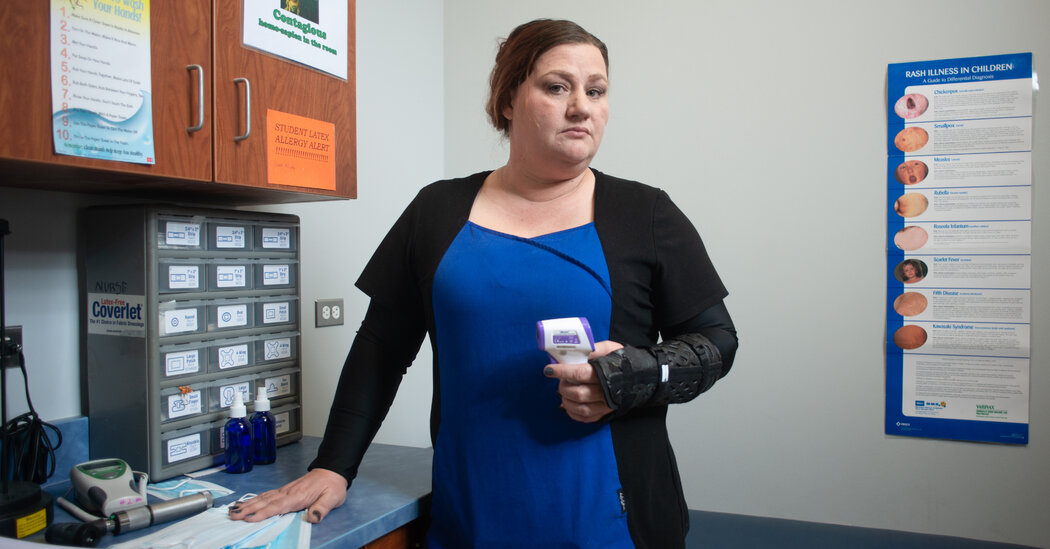
School nurses, who were already stretched thin before the pandemic, say that they are overworked and overwhelmed.When a junior high school student in western Oregon tested positive for the coronavirus last month, Sherry McIntyre, a school nurse, quarantined two dozen of the student’s football teammates. The players had spent time together in the locker room unmasked, and, according to local guidelines, they could not return to school for at least 10 days.Some parents took the news poorly. They told Ms. McIntyre that she should lose her nursing license or accused her of violating their children’s educational rights. Another nurse in the district faced similar ire when she quarantined the volleyball team. This fall, after facing repeated hostility from parents, they started locking their office doors.“They call us and tell us we’re ruining their children’s athletic career,” Ms. McIntyre said. “They see us as the enemy.”Throughout the pandemic, schools have been flash points, the source of heated debates over the threat the virus poses and the best way to combat it. School nurses are on the front lines. They play a crucial role in keeping schools open and students safe but have found themselves under fire for enforcing public health rules that they did not make and cannot change.This new academic year has been the hardest yet, they say. After a year of remote or hybrid learning, schools generally reopened at full capacity; many did so in the middle of the Delta surge and in the midst of an escalating political battle over “parents’ rights” to shape what happens in schools.Although 12- to 15-year-olds have been eligible for vaccination since May, uptake has been slow; just 48 percent of children in that age group have been fully vaccinated, according to the Centers for Disease Control and Prevention. The vast majority of elementary school students, who became eligible for the shots just two weeks ago, remain unvaccinated.Nurses say they are juggling more Covid cases and quarantines — and more furious parents — than ever. “I call myself a fireman and a dentist, because I feel like I’m putting out fires and pulling teeth all day long,” said Holly Giovi, a school nurse in Deer Park, N.Y.They are, they say, exhausted and overwhelmed. Some say that, for the first time, they hate their jobs, while others are quitting, exacerbating a school nursing shortage that predated the pandemic.“I loved being a school nurse before Covid,” Ms. McIntyre said. Last month, she resigned.‘More than Band-Aids and booboos’Even before the pandemic hit, the job of a school nurse extended far beyond tending to playground scrapes.School nurses manage chronic conditions, like diabetes and seizure disorders; perform vision, hearing and scoliosis screenings; ensure that students are up-to-date on vaccinations and physicals; assist with the development of personalized educational plans for students with disabilities; help students manage stress and anxiety, and more.“You’re doing a lot more than Band-Aids and booboos,” Ms. Giovi said.The majority of school nurses in the United States are responsible for covering more than one school, according to a 2018 study. (One-quarter of American schools have no paid nursing staff at all.) Most make less than $51,000 a year.“They were understaffed and overworked to begin with,” said Mayumi Willgerodt, an author of the study and an expert on school nursing at the University of Washington.School nurses are now also managing isolation rooms for sick students, administering virus tests and logging the results, performing contact tracing and tracking quarantine periods, all while trying to reassure worried parents and keeping tabs on frequently changing guidelines.Robin Cogan, a school nurse in New Jersey, has been running a virtual support group for school nurses across the country. “It’s a safe space for school nurses to share their experiences,” she said.Hannah Yoon for The New York Times“We are acting as the de facto health department,” said Robin Cogan, a school nurse in Camden, N.J., and the clinical coordinator of the school nurse program at Rutgers School of Nursing, Camden.Julie Storjohann, a school nurse in Washington State, spends her days toggling between numerous spreadsheets — for students who have symptoms of Covid, students who have family members who tested positive and students who have been flagged as close contacts of other students with Covid, all of which have different quarantine and testing requirements.“I am exhausted,” she said. “I was hoping this year was going to be a little better than last year, but it’s actually worse.”When a student tests positive, Ms. Storjohann begins a laborious contact-tracing process, which can include trying to determine whom the student sat next to at lunch or on the bus. Students have assigned seats on the school bus, she said, but do not always stay in them, so she pores over video footage from inside the bus.“And I’m supposed to be able to pick out this student and who is around him,” she said. “And they’re wearing a mask, and they’re wearing a hood and hat, and it’s impossible.”And while the Covid work can feel all-consuming, students still get bloody noses, skinned knees and head lice. “Or there’s a seizure in Room 104,” Ms. Giovi said. “Or the kid that’s got tree nut allergies accidentally ate his friend’s snack, and you’re reading the ingredient list real fast. None of that stops.”Some nurses said that they had fallen behind on routine back-to-school tasks, such as vision screenings, and no longer had time to provide as much personal attention.Rosemarie, a school nurse on the East Coast who asked that her full name be withheld, recently noticed a student who was not wearing his hearing aid; he said he had lost it in the building days earlier.“Pre-Covid, I would have walked around with him and tried to find that hearing aid,” she said. But she had a student in the Covid isolation room and could not leave her post.Erin Maughan, a school nursing expert at George Mason University, said many nurses were working nights and weekends for no extra pay and were feeling “moral distress” that they still could not get everything done. “At the same time,” she said, “how many hours can one put in?”The American Rescue Plan, this year’s Covid relief bill, provides funds that school districts can use to hire more nurses, but many struggled to fill open nursing positions even before the pandemic. “There just aren’t people to take the job,” said Linda Mendonça, president of the National Association of School Nurses.Anger and abuseAnne Lebouef, a school nurse in Louisiana, said she feels for parents, having had students who have missed more days of school than they have attended because of repeated exposures and quarantines.Brandon Thibodeaux for The New York TimesThe pandemic has also turned school nurses into unwelcome public health messengers, especially when they tell parents that their children must stay home from school for two weeks.“They just basically hate you,” said Anne Lebouef, a school nurse in Louisiana, who said that she cries several times a week. “They’re yelling at you. They’re accusing you of fear mongering.”Nurses emphasized that not all parents were hostile, and that they understood why so many are frustrated and upset. Ms. Lebouef said that she had students who have missed more days of school than they have attended because of repeated exposures and quarantines.“When I have to call this one particular mom, I get so sick to my stomach, and I just want to cry,” she said. “I feel like a terrible person for cheating these kids out of an education.”For the last year, Ms. Cogan has been running a virtual support group for school nurses across the country. “It’s a safe space for school nurses to share their experiences,” she said, “and to kind of download and say: ‘This is hard. I’ve written my resignation letter 10 times. I’m about to turn it in — can somebody help talk me out of it, help me get through another day?’”Other nurses have had enough. “For the same pay that we were getting before Covid, having to deal with twice the workload is just too much,” said Ms. McIntyre, who will start a new job as an operating room nurse in December.The vaccination of children under 12 could alleviate the strain on some school nurses, especially if it reduces the number of students they have to send home from school. (Students who are fully vaccinated do not need to quarantine, the C.D.C. guidelines say.)But many nurses work in communities where vaccine skepticism is high and relatively few students are expected to get the shots.Expanded vaccine eligibility could also create new demands on their time. Ms. Giovi said she anticipated a lot of questions from parents about the vaccines, while Ms. Cogan said that she expected many school nurses to take an active role in “building vaccine confidence and leading the efforts for vaccine compliance at school.”It is a vital job, she said, but also one that may earn nurses even more ire from parents who are opposed to the shots.As the pandemic smolders on, school nurses had two urgent pleas for parents: to keep their children home when they are sick and — especially, they said — to be kind.“We’re doing the best that we can do,” Ms. Storjohann said, her voice trembling. She took a moment to collect herself, then added, “It just gets overwhelming.”

Read more →

For Terminal Patients, the Barrier to Aid in Dying Can Be a State Line

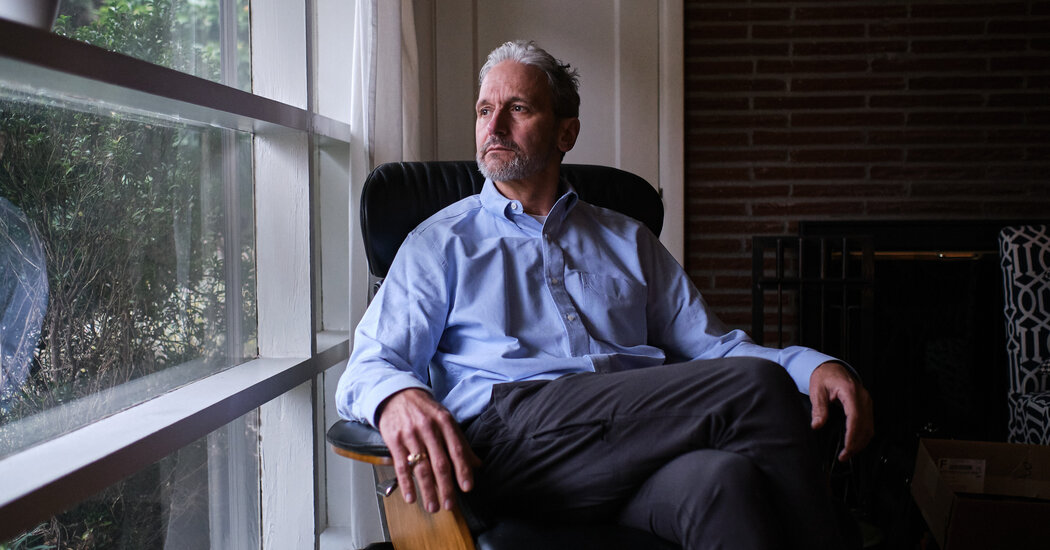
Complex restrictions are preventing patients from accessing medical aid in dying, even in states where it is allowed. New legal and legislative efforts are pushing to change that.Five years ago, Dr. Nicholas Gideonse spoke with an older man who had received a terminal cancer diagnosis and was hoping to use Oregon’s medical aid-in-dying law.Oregon’s Death With Dignity Act, in effect since 1997, permits doctors, after a complex process of requests and waiting periods, to prescribe lethal medication for dying patients to self-ingest.The nonprofit group End of Life Choices Oregon had referred the man to Dr. Gideonse, a primary care doctor at Oregon Health & Science University and a hospice medical director, who had already helped many patients use the law.But this time he could not. “I’m really sorry,” he told the man on the phone. “I’m not going to be able to help you with this.” Oregon’s law — and all the laws that permit medical aid in dying in 10 states and in Washington, D.C. — has residency requirements. This man would have qualified — except for that fact he lived in nearby Washington State.The patient’s response, Dr. Gideonse recalled, was “stunned silence, deep disappointment.” A number of Dr. Gideonse’s primary care patients drive 20 to 30 minutes across the Washington border to his office in Portland. There, he can offer them any medical service he is qualified to provide — except that one — without proof of residency. And although Washington has its own aid-in-dying law, its southwestern region has few providers who can help patients use it.Last month Dr. Gideonse, backed by pro bono lawyers and Compassion & Choices, an advocacy group for expanding end-of-life options, filed a federal lawsuit claiming that the residency requirement for Oregon’s aid-in-dying law is unconstitutional. “I realized how important this could be for patients seeking access,” he said.The lawsuit is one of several legal and legislative efforts around the country to reduce the requirements that patients must contend with in order to receive aid in dying. In some states, lawmakers have already broadened the types of health care providers that can participate, or have shortened waiting periods or allowed waivers.“I think of it as MAID 2.0,” said Thaddeus Pope, an end-of-life bioethicist at Mitchell Hamline School of Law who tracks such actions, referring to the acronym for medical aid in dying. “We found out there’s an access problem.” He added, “We set all these safeguards and eligibility requirements and they locked a lot of people out.”Oregon led the shift in easing access, amending its law in 2019. The state previously required patients to make two verbal requests for life-ending medication, at least 15 days apart, to ensure that they had not changed their minds. Now, if the patient is unlikely to survive that long, their doctor can waive the 15-day waiting period.“Fifteen days is everything when you are suffering,” said Kim Callinan, the president and chief executive of Compassion & Choices, which supported the change. “People who are eligible for the law are hitting roadblocks and barriers.”In 2016, for example, Youssef Cohen, a political scientist at New York University, took the extraordinary step of moving across the country to use the Oregon law as he was dying of mesothelioma at 68. “He wanted the option to determine the end of his life,” said his wife, Lindsay Wright, who is an associate dean at the university.To establish residency, the couple had to hurriedly sign an apartment lease, obtain an ID from the state motor vehicle agency, transfer medical records and arrange an immediate appointment with a Portland doctor to qualify for medical aid in dying. Dr. Cohen then faced the 15-day waiting period.“He didn’t make it,” Dr. Wright said. “He died six days after we arrived. And he suffered.”A 2018 study from the Kaiser Permanente health system in Southern California showed that about one-third of qualifying patients died before they could complete the process.New Mexico, which in June became the most recent state to legalize medical aid in dying, has adopted a markedly less restrictive approach than other states. The largely rural state is the first to allow not only doctors but advanced practice registered nurses and physician assistants to help determine eligibility and write prescriptions for lethal medication. “In some communities, they’re the only providers,” said Representative Deborah Armstrong, a Democrat and the bill’s primary sponsor.Although a doctor must also affirm that a patient is terminally ill, New Mexico patients can skip that step if they have already enrolled in hospice, as most do. The patient need only make one written request, rather than two or more requests, as other states require. A 48-hour waiting period between when the prescription is written and when it is filled can be waived. “People walk up and tell me how thankful they are to have this option if they need it,” Ms. Armstrong said.California has simplified its 2016 law as well. In October, Gov. Gavin Newsom signed legislation that, starting in January, reduces the 15-day wait between verbal requests to 48 hours and eliminates the requirement for a third written “attestation.”Similar bills died during the most recent legislative sessions in Hawaii, Washington and Vermont, but will be reintroduced, Ms. Callinan said. And in many states — including Delaware, Indiana, North Carolina, Virginia, Pennsylvania and Arizona — new aid-in-dying bills, if passed, will ease requirements for patients or expand the kinds of providers who may participate.On the legal front, the Oregon lawsuit filed by Dr. Gideonse argues that residency requirements for aid in dying violate two sections of the U.S. Constitution, one barring state laws that limit the ability of a nonresident to access medical care and one prohibiting state laws that burden interstate commerce. The state must respond by Dec. 27.“This is the only medical procedure we can think of that is limited by someone’s ZIP code,” said Kevin Diaz, the chief legal advocacy officer at Compassion & Choices.A separate federal class action suit claims that California’s law, which like the others requires patients to self-administer the drugs that end their lives, discriminates against patients dying of neurodegenerative diseases that make it physically impossible to take medication without assistance.The plaintiffs, charging violation of the Americans With Disabilities Act and California law, include patients with multiple sclerosis and A.L.S., also known as Lou Gehrig’s disease, and their doctors. (In denying a request for a preliminary injunction, a judge ruled in September that the plaintiffs were asking California “to cross the line to euthanasia.”)Catholic organizations, anti-abortion advocates and some disability groups continue to oppose aid in dying. The California Catholic Conference, the church’s public policy organization, for example, argued in June that liberalizing the state’s law “puts patients at risk of abuse and the early and unwillful termination of life.”But polls regularly report broad public support. Last year, Gallup found that 74 percent of respondents agreed that doctors should be allowed to end patients’ lives “by some painless means” if they and their families request it.Liberalizing the laws will likely increase participation, the bioethicist Dr. Pope predicts. “We know from evidence around the world that if you reduce the waiting period, or allow waivers in certain cases, it materially expands access,” he said.Experts do not expect a major surge, however. Even in states where the practice has been legal for years, aid in dying accounts for very few deaths, a fraction of one percent. Of those who successfully navigate the process, moreover, about one-third do not use the drugs and instead die of their diseases.Still, should Dr. Gideonse prevail in his lawsuit and a likely appeal, residency requirements in other regions might also start to fall. That could allow New York or Pennsylvania patients to use New Jersey’s aid-in-dying law, for instance, or Maryland and Virginia residents to seek providers in Washington, D.C.It is an outcome that would please Dr. Gideonse. “This is an action in support of a needed and very important service,” he said. “I’m optimistic.”

Read more →

Appeals Court Extends Block on Biden’s Vaccine Mandate for Employers

A three-judge panel of the U.S. Court of Appeals for the Fifth Circuit held that challengers were likely to succeed in their claim that the mandate was an unlawful overreach.WASHINGTON — A federal appeals court has kept its block in place against a federal mandate that all large employers require their workers to get vaccinated against the coronavirus or submit to weekly testing starting in January, declaring that the rule “grossly exceeds” the authority of the occupational safety agency that issued it.In a 22-page ruling issued on Friday, a three-judge panel on the U.S. Court of Appeals for the Fifth Circuit, in New Orleans, held that a group of challengers to the mandate issued by the Biden administration was likely to succeed in its claim that it was an unlawful overreach, and barred the government from moving forward with it.“From economic uncertainty to workplace strife, the mere specter of the mandate has contributed to untold economic upheaval in recent months,” Judge Kurt D. Engelhardt wrote.He added: “Of course, the principles at stake when it comes to the mandate are not reducible to dollars and cents. The public interest is also served by maintaining our constitutional structure and maintaining the liberty of individuals to make intensely personal decisions according to their own convictions — even, or perhaps particularly, when those decisions frustrate government officials.”He was joined by Judges Edith H. Jones and Kyle Duncan. All three are Republican appointees.In a filing asking the Fifth Circuit to withdraw its stay this week, the Justice Department argued that requiring large employers to force their workers to get vaccinated or submit to weekly testing was well within the authority granted by Congress to the Occupational Safety and Health Administration, or OSHA. It also said blocking the mandate would have dire consequences.Keeping the mandate from coming into effect “would likely cost dozens or even hundreds of lives per day, in addition to large numbers of hospitalizations, other serious health effects and tremendous costs,” the Justice Department said in its filing. “That is a confluence of harms of the highest order.”The ruling by the panel of the Fifth Circuit is unlikely to be the final word. Some challenges to the mandate are in other circuits, and the cases will be consolidated before a randomly chosen one of those jurisdictions. The Supreme Court is expected to eventually decide the matter.Dena Iverson, a Justice Department spokeswoman, said the Biden administration would defend the mandate through that process.“Today’s decision is just the beginning of the process for review of this important OSHA standard,” she said in a statement. “The department will continue to vigorously defend the standard and looks forward to obtaining a definitive resolution following consolidation of all of the pending cases for further review.”President Biden announced in September that his administration would issue the mandate as one of several steps to try to increase immunization rates and end the pandemic, which so far has killed about 750,000 Americans. Other mandates applied to federal employees and federal contractors.In early November, OSHA, which is part of the Labor Department, issued the standard for companies with at least 100 employees. It would force them to require unvaccinated employees to wear masks indoors starting Dec. 5. Employees who remain unvaccinated by Jan. 4 would have to undergo weekly testing at work.The proposed rule makes an exception for employees who do not come into close contact with other people at their jobs, such as those who work at home or exclusively outdoors.A coalition of plaintiffs — including several employers and Republican-controlled states — immediately challenged the employer mandate in court. Their lawsuit argued that the mandate was an unlawful overreach that exceeded the authority Congress had legitimately delegated to OSHA.Among other things, they argued that the agency has no power to regulate protections against exposure to disease, as opposed to workplace hazards like asbestos, and that framing the mandate as a workplace safety effort was just a pretext for the Biden administration’s real motivation: pressuring Americans who have been reluctant to get vaccinated.Judge Englehardt’s ruling strongly sided with their point of view.OSHA, he wrote, was created by Congress to ensure safe and healthful working conditions but was not “intended to authorize a workplace safety administration in the deep recesses of the federal bureaucracy to make sweeping pronouncements on matters of public health affecting every member of society in the profoundest of ways.”The judge also derided the notion that the circumstances of the rule put forward by OSHA, under authority granted by Congress for “emergency” situations, qualified as an emergency.“The mandate’s stated impetus — a purported ‘emergency’ that the entire globe has now endured for nearly two years, and which OSHA itself spent nearly two months responding to — is unavailing as well,” he wrote. “And its promulgation grossly exceeds OSHA’s statutory authority.”Some large employers have already decided on their own to impose vaccine mandates on their workforces, including 3M, Procter & Gamble, IBM, Tyson Foods and the airlines American, Alaska, JetBlue and United. Most workers have complied, though a small number have quit.Former President Donald J. Trump appointed both Judge Englehardt and Judge Duncan in 2018. Judge Jones was appointed by former President Ronald Reagan in 1985.

Read more →

Breaking down fungal biofilm defenses provides potential path to treating sticky infections

The microbes that make us sick often have ways to evade our attacks against them. Perhaps chief among these strategies is a sticky, armor-like goo, called the biofilm matrix, that encases clusters of disease-causing organisms.
This defense works, sometimes in tragic ways. For example, biofilms form readily and invisibly on medical devices like catheters and implants and are highly resistant to drugs that might otherwise treat them. The infections they cause cost tens of thousands of lives and billions of dollars a year in the U.S.
“There are no approved antimicrobials to treat biofilms. The only way to treat a biofilm is to physically remove it from the body,” says David Andes, a professor of medicine at the University of Wisconsin School of Medicine and Public Health.
In a new study designed to better understand and combat these structures, Andes and his collaborators identified some of the key proteins in biofilms of the fungus Candida albicans that control both how they resist antifungal drugs and how they become dispersed throughout the body.
While more work is necessary, the newly identified proteins provide potential drug targets to impair a pathogen’s antimicrobial defenses.In fact, the study found that Candida that could not make some of these proteins were much more sensitive to the existing antifungal fluconazole.
However, interfering with some of these same proteins made the biofilms more likely to spread to the kidney in a rat model of infection. This is a shortcoming that further research will need to address.

Read more →

Anticoagulant has beneficial side-effects for COVID-19 patients, study finds

Clotting problems and resulting complications are common in COVID-19 patients. Researchers at the Medical University of Vienna have now shown that a member of the anticoagulant group of drugs not only has a beneficial effect on survival of COVID-19 patients, but also influences the duration of active infection with the SARS-CoV-2 coronavirus. The results were recently published in the journal Cardiovascular Research.
Coronavirus disease (COVID-19) is a multifaceted infectious disease. While, at the start of the global pandemic, it was assumed that COVID-19 was primarily a disease of the lungs, it is now known that several functional systems in the human body are affected following infection with the pathogen SARS-CoV-2. One of these functional systems is blood clotting. COVID-19 patients have an increased risk of thromboses and embolisms, such as strokes, pulmonary or myocardial infarctions, and even deep vein thromboses. The use of drugs that inhibit blood clotting has been part of the treatment guidelines for COVID-19 since July 2020. “These complications during hospitalisation have a direct impact on the well-being of patients and increased the risk of dying from COVID-19,” reports David Pereyra from MedUni Vienna’s Department of General Surgery, who is first author of the publication. The underlying coagulopathy is still not fully understood.
COVID-19 triggers unique clotting problems
“The coagulopathy observed in COVID-19 patients is novel and differs in many respects from previously known coagulation problems,” says Alice Assinger, group leader at the Institute of Vascular Biology and Thrombosis Research at the Medical University of Vienna and last author of the publication, “COVID-19-associated coagulopathy displays characteristics that, although partially comparable with other coagulation diseases, cannot be fully explained by them.” Alice Assinger’s group therefore started to look for an explanation for this sub-condition of COVID-19 in the spring of 2020, in an early phase of the pandemic.
In a multi-centre analysis of COVID-19 patients in Vienna, Linz and Innsbruck, the group observed that COVID-19-associated coagulopathy occurs almost exclusively in patients requiring intensive care or in patients who die as a result of COVID-19. Although anticoagulant drugs improve the survival of COVID-19 patients, they show no effect on immunological processes related to blood coagulation (immunothrombosis).
Low-molecular-weight heparin curtails duration of infection
The analyses showed, however, that the period of active SARS-CoV-2 infection is curtailed in patients treated with low-molecular-weight heparin, the most commonly used anticoagulant. “In patients who receive this drug, infection time is an average of four days shorter than in patients who are not treated with low-molecular-weight heparin. We were surprised to see that low-molecular-weight heparin may have a direct effect on coronavirus and its infectivity,” said David Pereyra. Experimental data show that heparin can inhibit the ability of SARS-CoV-2 to bind to cells, thereby preventing them from being infected.
These observations were made in the context of a close collaboration between the three hospitals involved — the Favoriten Hospital in Vienna, the Innsbruck Regional Hospital Innsbruck and the Johannes Kepler University Hospital in Linz — as well as through the active exchange between basic researchers and clinicians,” says Alice Assinger, underscoring the relevance of good cooperation during the COVID-19 pandemic for a better understanding of the disease and its treatment.
Story Source:
Materials provided by Medical University of Vienna. Note: Content may be edited for style and length.

Read more →

Coronavirus lurks and lingers in nursing home patients’ rooms, study finds

Even though most COVID-19 cases come from exposure to airborne coronavirus, a new study points to the importance of surfaces as a reservoir of risk in nursing homes — especially certain objects close to the beds of patients who have COVID-19.
The study finds that 90% of current COVID patients’ rooms had detectable coronavirus on at least one surface, and that the virus was still detectable days later on certain surfaces, especially TV remote controls and nurse call buttons.
In all, 28% of the more than 2,000 samples taken from inside and near the rooms of 104 COVID patients turned up positive for coronavirus RNA. The researchers did not test to see if the viruses on the swabs were capable of causing an infection but it can help identify surfaces that need cleaning and inform infection prevention policies.
Reassuringly, the study also finds that the virus was rare or not detectable on surfaces outside the COVID patients’ rooms — probably reflecting the aggressive infection prevention protocols in COVID units. The study was conducted by University of Michigan researchers in four Michigan nursing homes between October 2020 and January 2021 when the state had a prolonged surge of cases.
“These data show that coronavirus is ubiquitous and persistent in the rooms of nursing home residents with COVID-19, and highlight the ongoing importance of rigorous cleaning and protection of staff and visitors,” said Lona Mody, M.D., M.Sc., the study’s first author and leader of nursing home infection prevention research at Michigan Medicine’s Department of Internal Medicine, Division of Geriatric and Palliative Medicine as well as VA Ann Arbor Healthcare System.
She worked with Emily Martin, Ph.D., of the U-M School of Public Health, and members of their teams and the staff of the four nursing homes to conduct the study.
One-third of the people in the United States who have died from COVID-19 have been nursing home residents, mainly in the early months of the pandemic.
Now, despite high rates of vaccination among nursing home residents, and growing vaccination among nursing home staff, the risk to unvaccinated patients, staff and visitors, and the risk of breakthrough cases among chronically ill, recently hospitalized and frail elderly residents, is still significant.
All of the patients had been diagnosed with COVID in the past two weeks and were staying in dedicated COVID units to keep them away from other nursing home residents. Nearly one in four had been in the hospital in the past month.
More than half of the patients had dementia, and most needed extensive help with bathing, dressing and eating. Half of the patients were short-stay residents of the nursing home, and by February nearly a third of the sample had gone home.
The more independently the patients could move or function, the higher the chance that surfaces such as bed and TV remote controls, nurse call buttons, windowsills and doorknobs had persistent coronavirus present. Very few positive swabs turned up in the sitting areas, nurses’ stations and elevator buttons nearest the COVID units.
The study was funded by the National Institute on Aging (3P30AG024824-16S1AG041780, AG050685, AG024824).
Story Source:
Materials provided by Michigan Medicine – University of Michigan. Original written by Kara Gavin. Note: Content may be edited for style and length.

Read more →

Microbiome discovery may open new doors to development of treatments for gastrointestinal diseases

University of Calgary researchers probing the gut — “the inner tube of life” — have for the first time discovered specific factors in its workings that in the future may help improve treatment for patients facing gut damage or gastrointestinal disease.
The findings from Snyder Institute for Chronic Diseases researchers immediately improve the understanding of factors that help regulate the enteric nervous system, the system of nerves that control the gastrointestinal tract. Researchers can now explore novel ways to treat gastrointestinal disorders using approaches based on these new findings, though the transition to treatment is likely years away.
The study’s findings may impact future treatments for gastrointestinal diseases and disorders such as irritable bowel syndrome, inflammatory bowel disease and slow transit constipation, among others.
“We have uncovered microbial factors that help regulate the function and structural integrity of the enteric nervous system,” says Dr. Keith Sharkey, PhD, a professor in the Cumming School of Medicine’s Department of Physiology and Pharmacology. He is also a member of the Snyder Institute and the Hotchkiss Brain Institute. Sharkey is a senior author of the study and made the discovery with a research team from UCalgary and the University of Colorado.
“These and other gastrointestinal diseases with manifested changes in enteric neural control are all hard to treat. Our findings could impact approaches to their treatment,” says Sharkey.
“Be aware, though, that there is a big jump from mice to men. In other words, translating our findings will be important, and our results are in only at the starting point of this journey.”
The study examined the effects of microbiome depletion and restoration in animal models using approaches that cause structural and functional changes in the gut. The researchers discovered that while microbiome depletion caused a loss of neurons, natural microbiome recovery restored gut function and promoted the growth of new neurons.

Read more →