Healthier UK diets linked to lower greenhouse gas emissions

A new analysis adds to evidence that nutritious diets are often more environmentally sustainable, while also demonstrating the feasibility of evaluating diet sustainability at the scale of specific foods — rather than broader food-group categories. Dr. Holly Rippin of the University of Leeds, U.K., and colleagues present these findings in the open-access journal PLOS ONE on Nov. 24, 2021.
Food production is a major source of greenhouse gas emissions, accounting for about one third of emissions worldwide. Previous research suggests that environmentally sustainable diets are often also less processed, less energy-dense, and more nutritious. However, much of that work has been conducted using measurements of sustainability for broad categories of food instead of specific food items, leaving room for greater accuracy in evaluating the environmental impact of individual diets.
Working towards better accuracy, Rippin and colleagues evaluated existing published research in order to assign greenhouse gas emissions to over 3,233 specific food items listed in the UK Composition Of Foods Integrated Dataset (COFID). COFID already contains nutrition data and is commonly used to evaluate the nutrition of individuals’ diets. Then, the researchers used the combined emissions and nutrition information to evaluate the diets of 212 adults who reported all the foods they ate within three 24-hour periods.
Statistical analysis of the reported diets showed that non-vegetarian diets were associated with greenhouse gas emissions that were 59 percent higher than emissions associated with vegetarian diets. Men’s diets were linked to emissions that were 41 percent higher than emissions associated with women’s diets, primarily due to greater meat intake. And people whose intake of saturated fats, carbohydrates, and sodium met levels recommended by the World Health Organization had lower greenhouse gas emissions than people who exceeded recommended levels of those nutrients.
These findings support a focus on plant-based foods for policies meant to encourage sustainable diets. It also suggests both environmental and nutritional benefits for replacing coffee, tea, and alcohol with more environmentally sustainable substitutes. In the future, similar research efforts could provide further clarity by incorporating such details as food item brand, country of origin, and other indicators of environmental impact, beyond emissions.
The authors add: “We all want to do our bit to help save the planet. Working out how to modify our diets is one way we can do that. There are broad-brush concepts like reducing our meat intake, particularly red meat, but our work also shows that big gains can be made from small changes, like cutting out sweets, or potentially just by switching brands.”
Story Source:
Materials provided by PLOS. Note: Content may be edited for style and length.

Read more →

Giving social support to others may boost your health

When it comes to your health, being willing to give social support to your spouse, friends and family may be just as important as receiving assistance, a new study suggests.
While researchers have long thought that receiving social support from others is a key to health, results from studies have shown mixed results. So researchers from The Ohio State University decided to see if giving support may also play an important role in health.
They found that on one important measure of health — chronic inflammation — indicators of positive social relationships were associated with lower inflammation only among people who said they were available to provide social support to family and friends.
In other words, having friends to lean on may not help your health unless you also say that you’re available to help them when they need it.
“Positive relationships may be associated with lower inflammation only for those who believe they can give more support in those relationships,” said Tao Jiang, lead author of the study and a doctoral student in psychology at Ohio State.
Preliminary evidence in the study suggested that the link between health and the willingness to help others may be especially important for women.

Read more →

Gold-based cancer therapy could face competition from other substances

The gold complex auranofin has traditionally been used for treating rheumatism but is also being evaluated as a treatment for certain forms of cancer. Researchers at Karolinska Institutet in Sweden now show that other molecules that inhibit the same biological system have a more specific effect than auranofin and therefore may have greater potential as cancer therapies. The results have been published in the journal Redox Biology.
The gold complex auranofin (AF) is classed by the WHO (World Health Organization) as an anti-rheumatic agent and is an active component in the drug Ridaura. AF is also currently being assayed in a string of clinical trials as a possible cancer therapy. One reason for the researchers’ interest in AF is its ability to inhibit thioredoxin reductase (TrxR), a protein central to the thioredoxin system, which protects cells from oxidative stress in all mammals.
However, it also protects cancer cells, thus reducing the efficacy of cancer therapies. Moreover, TrxR, which affects cellular growth and survival, is upregulated in certain forms of cancer.
“There’s a great deal of interest in the ability to inhibit the thioredoxin system in the treatment of cancer, but there’s a risk that healthy cells will also be damaged and killed,” says the study’s co-last author Elias Arnér, professor at the Department of Medical Biochemistry and Biophysics at Karolinska Institutet. “Our aim is for TrxR inhibitors to be as specific as possible.”
The researchers studied the effects of AF in mouse cancer cells (lung adenocarcinoma and melanoma) and compared them with other TrxR-inhibiting molecules called TRi-1 and TRi-2 (thioredoxin reductase inhibitors 1 and 2). TRi-1 and TRi-2 have recently been developed by Elias Arnér’s research group and shown anticancer effects in mouse models.
The study, which was based on new proteomic methods of analysing the entire set of proteins in cells, suggests that the TRi compounds are more specific in their effect than AF. The results show that AF causes very high levels of oxidative stress and has other effects that seem unrelated to the inhibition of TrxR. They also show that TRi-1 seems to be the most specific TrxR inhibitor described to date.
“Our results can serve as an important blueprint for further studies of AF’s mechanism of action and side effects,” says the study’s other co-last author Roman Zubarev, professor at the Department of Medical Biochemistry and Biophysics, Karolinska Institutet. “Having now compared AF with the more specific molecules TRi-1 and TRi-2, we hope that our findings will contribute to the further development of TrxR inhibitors as anticancer drugs.”
The study was financed by grants from the Knut and Alice Wallenberg Foundation, Karolinska Institutet, the Swedish Cancer Society and the Swedish Research Council. Elias Arnér is co-inventor and patent-holder of TRi-1 and TRi-2 compounds, which are currently being developed for clinical use.
Story Source:
Materials provided by Karolinska Institutet. Note: Content may be edited for style and length.

Read more →

Deleting dysfunctional cells alleviates diabetes

Eliminating old, dysfunctional cells in human fat also alleviates signs of diabetes, researchers from UConn Health report. The discovery could lead to new treatments for Type 2 diabetes and other metabolic diseases.
The cells in your body are constantly renewing themselves, with older cells aging and dying as new ones are being born. But sometimes that process goes awry. Occasionally damaged cells linger. Called senescent cells, they hang around, acting as a bad influence on other cells nearby. Their bad influence changes how the neighboring cells handle sugars or proteins and so causes metabolic problems.
Type 2 diabetes is the most common metabolic disease in the US. About 34 million people, or one out of every 10 inhabitants of the US, suffers from it, according to the Centers for Disease Control and Prevention (CDC). Most people with diabetes have insulin resistance, which is associated with obesity, lack of exercise and poor diet. But it also has a lot to do with senescent cells in people’s body fat, according to new findings by UConn Health School of Medicine’s Ming Xu and colleagues. And clearing away those senescent cells seems to stop diabetic behavior in obese mice, they report in the 22 November issue of Cell Metabolism. Ming Xu, assistant professor in the UConn Center on Aging and the department of Genetics and Genome Sciences at UConn Health, led the research, along with UConn Health researchers Lichao Wang and Binsheng Wang as major contributors. Alleviating the negative effects of fat on metabolism was a dramatic result, the researchers said. If a therapy worked that well in humans, it would be a game-changing treatment for diabetes.
Xu and his colleagues tested the efficacy of a combination of experimental drugs, dasatinib and quercetin. Dasatinib and quercetin had already been shown to extend lifespan and good health in aged mice. In this study, they found these drugs can kill senescent cells from cultures of human fat tissue. The tissue was donated by individuals with obesity who were known to have metabolic troubles. Without treatment, the human fat tissues induced metabolic problems in immune-deficient mice. After treatment with dasatinib and quercetin, the harmful effects of the fat tissue were almost eliminated.
“These drugs can make human fat healthy, and that could be great,” says Xu. “The results were very impressive and cleared the route for potential clinical trials.”
Xu and his colleagues at UConn Health and the Mayo Clinic are now pursuing using the dasatinib and quercetin combination in clinical trials to see if the drugs can improve Type 2 diabetes in human patients. “Although these preclinical results were very promising, large scale clinical trials are absolutely critical to examine the efficacy and safety of these drugs in humans before clinical use,” emphasized Xu.
The research team is also focusing on a previously unexplored senescent cell population. These senescent cells express high levels of p21, a cyclin-dependent kinase inhibitor, and one of the key markers for cellular senescence. By using a newly developed mouse model, Xu’s team demonstrated that clearance of these senescent cells once every month is effective for both slowing down the development of diabetes and alleviating developed diabetic symptoms in obese mice. Xu says previous research has focused on different cell markers, but that the effects of clearing away cells highly expressing p21 was so marked on alleviating diabetes that this marker should get more attention.
The research was mainly funded by the National Institutes on Aging, the Regenerative Medicine Initiative for Diabetes?Career Development Award from Mayo Clinic, the Esperance Fellowship in Personalized Nutrition, and American Federation for Aging Research.
Story Source:
Materials provided by University of Connecticut. Original written by Kim Krieger. Note: Content may be edited for style and length.

Read more →

Germany Covid: Health minister's stark warning to get jabbed

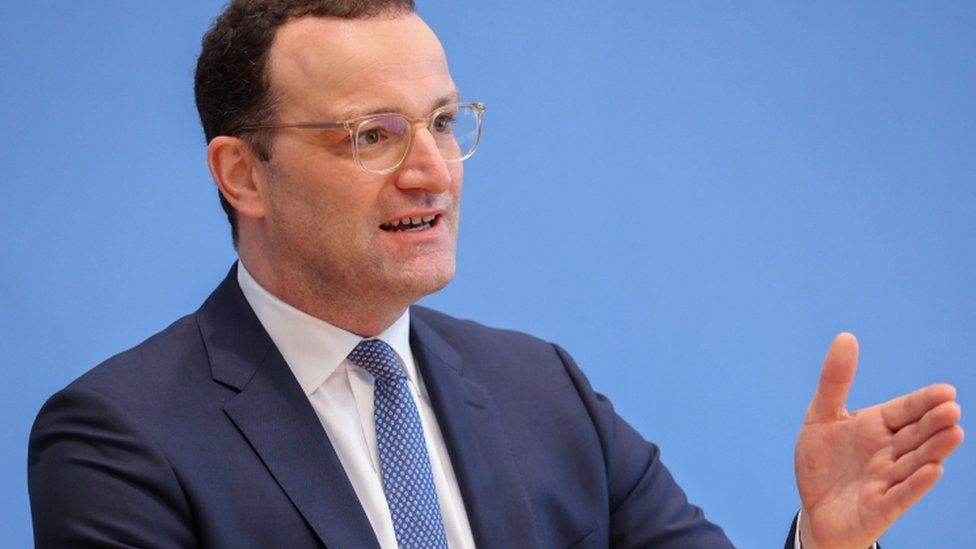
SharecloseShare pageCopy linkAbout sharingImage source, ReutersGermany’s health minister has issued his starkest warning yet on the importance of getting vaccinated.”By the end of this winter everyone in Germany will either be vaccinated, recovered or dead,” Jens Spahn told a news conference in Berlin on Monday.Germany is in the grip of a fourth wave of coronavirus. Cases are rising rapidly and many hospitals are full.It has one of the lowest vaccination rates in Western Europe, with 68% of people fully vaccinated.Germany’s infection rate is at its highest since the pandemic began, and health experts have warned this wave could be the worst yet. In the past 24 hours, there have been 30,643 new infections – 7,000 more than a week ago. This is among the highest rates in the world.Tighter restrictions are to be brought in which will see the unvaccinated excluded from certain venues, and some of Germany’s famed Christmas markets have been cancelled.Mr Spahn said he was against making Covid vaccines compulsory, but that it was a “moral obligation” to get the jab because it impacts on other people.”Freedom means taking responsibility, and there is a duty to society to get vaccinated,” he said. The minister said the highly contagious Delta variant is driving the latest wave and that “anyone who is not vaccinated will, over the next few months, become infected and lack protection”. In the news conference on Monday, Mr Spahn also promoted the US-made Moderna shot, calling it the Rolls Royce of vaccines, as high demand for the German-produced Pfizer/BioNTech jabs risked depleting stocks.He warned that some 16 million Moderna doses could expire in the next few months if they are not used.WHO very worried about Covid rise in EuropeCovid map: Where are cases the highest? Covid vaccines: How fast is worldwide progress?The country expects the European Union to approve vaccines for children aged five to 11 by the end of the week.Since the start of the pandemic, more than 99,000 people in Germany have died, and more than 5.4 million have been infected with Covid-19.This video can not be playedTo play this video you need to enable JavaScript in your browser.

Read more →

Concerns Grow Over Safety of Aduhelm After Death of Patient Who Got the Drug

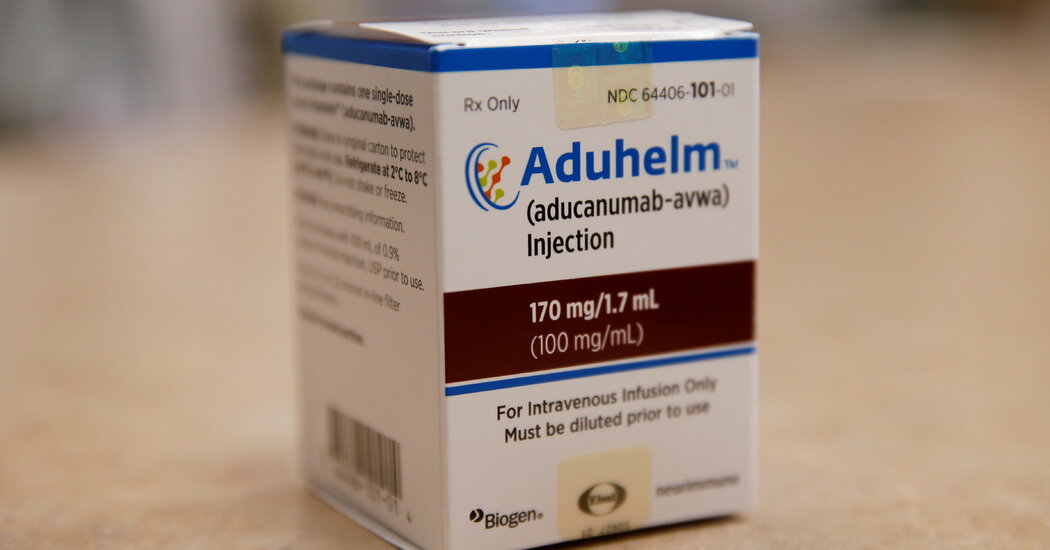
Newly published safety data shows that 41 percent of patients in key clinical trials of the Alzheimer’s drug experienced brain bleeding or swelling, though many cases were asymptomatic.Concerns about safety risks of the controversial new Alzheimer’s drug Aduhelm have intensified in the wake of the death of a 75-year-old woman who experienced brain swelling after receiving infusions of the drug as a participant in a clinical trial.The death of the woman, who lived in Canada, occurred in late September and was reported by a doctor to the Food and Drug Administration’s adverse event reporting system this summer. It is being investigated by both the F.D.A. and Biogen, which makes the drug, also known by its scientific name, aducanumab.In a statement Biogen said: “The cause of death is unknown at this time. We know the 75-year-old clinical trial patient was admitted to the hospital with a seizure” and diagnosed with brain swelling.“Following a prolonged hospitalization, the patient was being prepared for discharge when she deteriorated and was transferred to another facility,” the statement continued. “We have requested missing information, including brain imaging, from the critical last nine days of hospitalization.”Last week, Brian Abrahams, a biotech analyst with RBC Capital Markets who has a medical degree, wrote to clients that he had obtained the woman’s case report through a public records request and had concluded that the brain swelling probably caused the woman’s death and “that this is likely to have been caused by aducanumab.”In its statement, Biogen said that “the RBC report only provides a partial view of the case,” adding, “We take this event very seriously and continue to work with the reporting investigator.”In a note earlier this month, Dr. Abrahams, whose assessments of the case were reported previously by Endpoints News, Fierce Pharma and other publications, wrote that the report suggested that the patient “did not appear to have any other contributing conditions listed.”Brain swelling and brain bleeding are known to be possible side effects of Aduhelm, a monoclonal antibody that is administered as a monthly infusion. The F.D.A. approved the drug in June even though a council of senior F.D.A. officials, an advisory committee of outside experts, and many Alzheimer’s specialists said it was unclear whether Aduhelm could benefit patients and that the drug carried serious risks of harm.On Aduhelm’s label, the F.D.A. warns about these brain side effects, known as amyloid related imaging abnormalities (ARIA), and advises physicians to monitor patients and obtain two M.R.I. brain scans during the first year of treatment. The label does not say that people with ARIA should necessarily be taken off the drug. Many cases of ARIA are mild or asymptomatic, but some can be serious.Between July and September, three other cases of ARIA were reported to the F.D.A.’s adverse event database, all requiring hospitalization. Biogen said it was also reviewing those cases.In a recent statement, the American Academy of Neurology noted that “the F.D.A. label calls for less frequent monitoring than was performed in clinical trials” and said that “additional MRIs will often be needed in response to changes in patients’ clinical condition.”The academy said that when talking with patients and families, “neurologists must communicate information about potential adverse effects and the burdens of monitoring.”Dr. Sam Gandy, an Alzheimer’s clinician who is director of the Mount Sinai Center for Cognitive Health, said that another major concern is that the patients in the Aduhelm clinical trials were healthier than many people with Alzheimer’s who might use the drug now that it is available. People were excluded from participating in the trials if they had medical issues that many older people experience, including previous cardiac problems, any indication of impaired liver or kidney function or if they were taking blood thinners.The F.D.A. label does not exclude any of these conditions. “Now if those common comorbidities are not excluded and it’s sort of all comers,” Dr. Gandy said, “I worry that things may look worse in the real world than they did under these very controlled conditions.” He said one of the patients in his private practice, a man in his 80s, participated in an Aduhelm clinical trial and experienced 10 microbleeds in his brain over about a year, causing him to be dismissed from the trial. Since the drug’s approval, Dr. Gandy said, several patients have sought his opinion and have decided against getting the drug in part because of safety concerns.Most data available about Aduhelm comes from two nearly identical Phase 3 clinical trials that Biogen conducted before applying for F.D.A. approval of the drug. Both trials were shut down in 2019 because an independent monitoring committee concluded that the drug did not appear to be helping patients. A later analysis by Biogen found that participants receiving the highest dose of the drug in one trial experienced a very slight slowing of cognitive decline, but participants in the other trial did not benefit at all.Safety data from those trials was published Monday in the journal JAMA Neurology in a study whose authors included eight Biogen employees.The data showed that 425 of 1,029 patients, or 41 percent, who received the high dose of the drug — the dose that the F.D.A. later approved — experienced either brain swelling or bleeding. Sixty-four patients had to stop participating in the trials because of swelling or bleeding.Most of the affected patients, 362, experienced swelling, and 94 of those reported symptoms, according to the study, which also said that most cases of brain swelling resolved within 16 weeks. In a statement, Biogen noted that most swelling emerged early in the treatment period, either while patients were being ramped up to the high dose or shortly after they reached that dose.The study, which reported on the same safety data Biogen presented to the F.D.A. during the drug review process, said that symptoms like headaches, confusion, dizziness or nausea occurred in 103 patients receiving the dose that was later approved. Less frequent symptoms included fatigue, visual impairment, blurred vision and gait disturbance.Biogen said that M.R.I.s showed that swelling or bleeding was mild or moderate in most patients with those side effects. Still, the study reported that scans showed severe effects in 12 percent of patients with swelling, 12 percent of patients with microbleeds and 22 percent of patients with a type of slow brain bleeding.The study said that people with moderate or severe swelling were taken off the drug until their episode resolved. Those with mild swelling and no symptoms could stay on the drug, and the study said their swelling did not get worse. There were no deaths as a result of brain swelling or bleeding in the two trials, the study said. In an earlier safety study, one participant died. The 75-year-old woman who died in September was participating in an extension trial of the drug, Biogen said.More of the patients with brain swelling or bleeding were carriers of a gene mutation, APOE4, which also increases a person’s risk of developing Alzheimer’s disease. While patients in the trials appeared more likely to experience a slowing of decline if they carried the APOE4 mutation, the data suggests they also face greater safety risks from the drug.

Read more →

Covid in Kenya: Unvaccinated to be banned from public venues

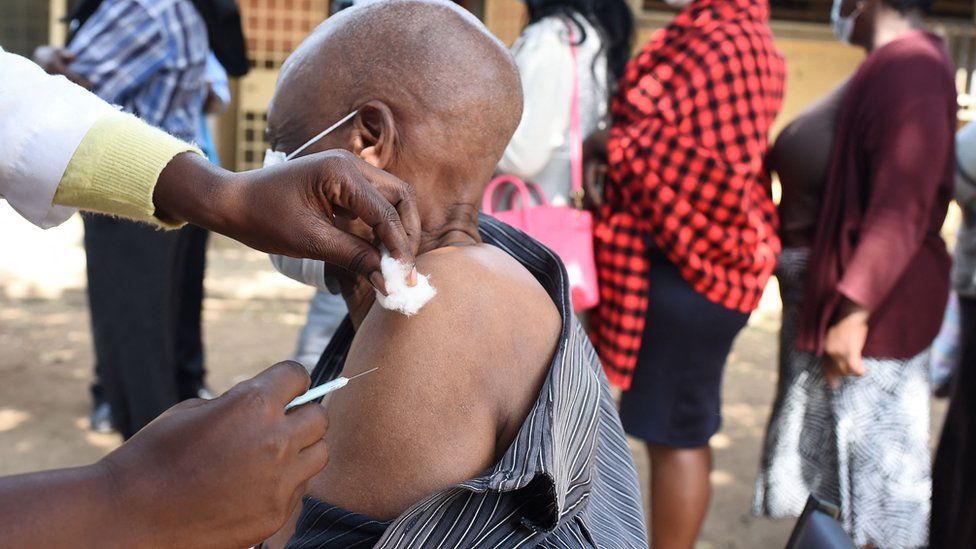
SharecloseShare pageCopy linkAbout sharingImage source, AFPKenyans will be barred from bars, restaurants and public transport from 21 December if they are not fully vaccinated against Covid-19, Health Minister Mutahi Kagwe says.The measures are aimed at increasing the rate of vaccinations ahead of the festive season.Less than 10% of the population is currently vaccinated.Mr Kagwe raised concern about the slow uptake, saying a 10-day vaccination campaign would begin from 26 November.Despite the concerns that some African countries have a shortage of vaccines, the Kenyan government is confident that it has enough for its inoculation campaign.It has so far administered only 6.4 million jabs out of the 10.7 million it has received.It is expecting a further eight million doses.Africa Live: Updates from around the continentHow lifting Kenya’s curfew may push revellers to get jabbedIn a statement, Mr Kagwe said Kenya had seen a decline in Covid cases over the last two months, with a positivity rate over the last 14 days ranging from 0.8% to 2.6%.”The current decline in the number of new infections may be attributed to a build-up of immunity both through natural exposure to the disease and the ongoing vaccination exercise. Nonetheless we know that it’s not yet time to celebrate.”We know that during the festive periods many of the known measures against the virus such as social distancing can easily get overlooked as people make merry,” Mr Kagwe added. Day trip to get a jabFrom 21 December, people would have to be fully vaccinated to use public transport – including buses and domestic flights – or to enter hotels, bars, restaurants and game reserves, Mr Kagwe added.The same rule would apply to hospital and prison visits, as well as to government buildings for education, immigration and tax purposes, he said.Image source, Getty ImagesThe government has set a target of vaccinating 10 million people by the end of December. But this is just 20% of the total population, so the majority of the population could potentially be barred from government services.However, Mr Kagwe was also quoted as saying that the measures may not always be strictly enforced.”We have given time for Kenyans to get the vaccine by December 21. As much as we will enforce these measures, accountability on implementing these measures will lie on individuals,” Mr Kagwe was quoted by the local Standard newspaper as saying.From Tuesday, people over the age of 15 will be able to get a Pfizer jab.Over the last few months, vaccination centres have been set up at bus stops and shopping malls to boost inoculation rates in urban areas, but in rural areas people still have to travel long distances to be jabbed.”It will take me a whole day to go to the health centre to get the jab and come back home,” said a woman in Kabartonjo, a village which is about a seven-hour drive from the capital Nairobi.”That means I have to close my stall where I sell vegetables and raw honey for the whole day. What will my children eat at the end of the day?” she told the BBC.Vaccine hesitancy is also a major problem across Kenya. “Why don’t they want to also address the fact that there are some perfectly healthy people who died after taking the vaccine?” another woman asked.Health experts say the jabs significantly reduce the chances of a person getting infected or becoming seriously ill and that the risk of dying from any of the approved vaccines is extremely low.You may also be interested in:Kenyan nurse: ‘I was shunned over coronavirus fears’How do I know the Covid vaccine is safe?Where in the world are cases highest?This video can not be playedTo play this video you need to enable JavaScript in your browser.

Read more →

Coronary Calcium Scan: A Heart Test That Can Help Guide Treatment

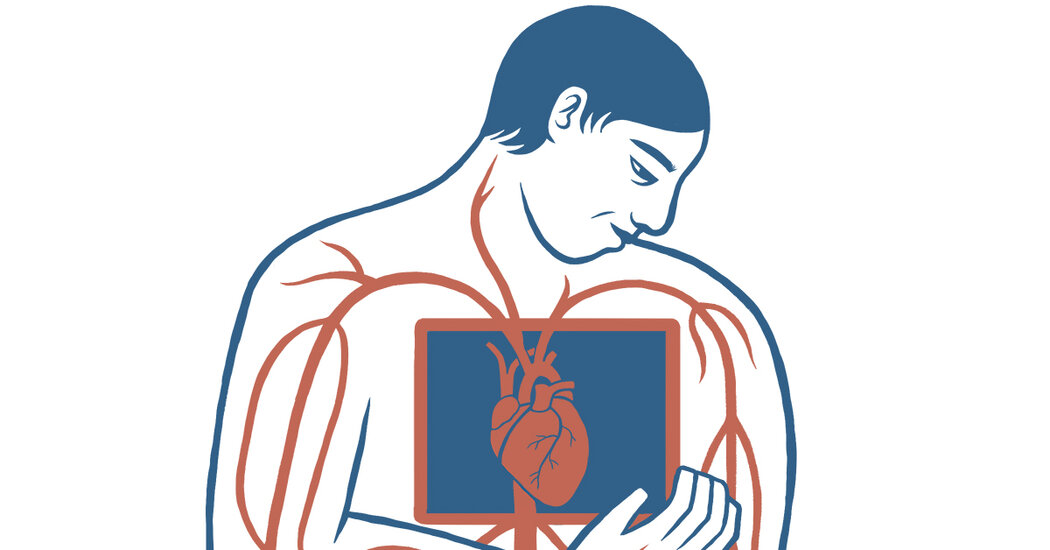
Many doctors recommend the heart test to pinpoint which patients would benefit from treatment to reduce their cardiovascular risk. For nearly 45 years, doctors have relied on well-known cardiovascular risk factors to determine how patients should be treated to ward off a heart attack or stroke. These factors include high blood pressure, elevated cholesterol, diabetes, a history of smoking, obesity and a family history of premature heart disease.When a patient has either no risk factors or many of them, treatment decisions are usually straightforward. Doctors typically tell patients with no risk factors to keep doing what they’re doing, while those at high or moderately high risk are often advised to start medications along with adopting lifestyle measures, like a heart-healthy diet and regular exercise.But when patients are in the middle-ground of risk, or are known to be at elevated risk but resist advice to take medication or change their habits, there’s a test that can help to clarify the best course of treatment and help convince reluctant patients to follow it.The test is a coronary calcium scan, which takes 10 to 15 minutes and usually costs about $100 to $400, though it is often not covered by insurance. The test uses specialized CT X-rays to assess the presence and amount of calcium (actually bony deposits of plaque that signal atherosclerosis, or “hardening of the arteries”) in the blood vessels that feed the heart.The radiation dose is low, about the amount in a mammogram, and calcium scores can range from zero up into the thousands. The higher the level of calcium in coronary arteries, the greater the patient’s likelihood of suffering a cardiovascular event like a heart attack or stroke within the next decade.Recently, a friend in his early 60s with a family history of heart disease and a somewhat elevated cholesterol level had a coronary artery calcium test suggested by his doctor. Although the test showed my friend’s arteries had very little calcium, it wasn’t zero, and the doctor decided to prescribe a statin to lower his serum cholesterol and prevent worsening of atherosclerosis, the artery-clogging disease that underlies most heart attacks.In 2018, the United States Preventive Services Task Force acknowledged that the calcium test can indeed help doctors assess a patient’s cardiovascular risk. But the agency concluded that there was not yet adequate evidence to show that the test’s results improved patient outcomes above what is typically recommended, based on standard risk factors alone.Still, many doctors who practice preventive cardiology believe otherwise. They say the results of a calcium scan can pinpoint which patients would benefit from treatment to reduce their cardiovascular risk and help motivate patients to follow through, for example, by changing their diet or taking medication.Dr. Sadiya S. Khan, a preventive cardiologist at the Feinberg School of Medicine at Northwestern University, said that she and many other cardiologists follow the American College of Cardiology/American Heart Association’s conclusion that the calcium test can help guide therapeutic options, especially for patients with a borderline or intermediate risk of developing cardiovascular disease.In an editorial on “The Potential and Pitfalls of Coronary Artery Calcium Scoring,” published in JAMA Cardiology in October, Dr. Khan and her co-author, Dr. Ann Marie Navar, a cardiologist at the University of Texas Southwestern Medical School, concluded that for middle-aged and older adults like my friend, the calcium test is one of the best and safest ways to identify the presence of otherwise hidden atherosclerosis.Why younger adults should care.Results of a calcium scan can also be important for younger men and women — and sometimes for their physicians, who may not take risk factors in younger patients as seriously as they should.“Given the robust association between coronary artery calcium and cardiovascular disease,” Drs. Khan and Navar wrote, “the presence of coronary artery calcium in young adults should be a red flag for a high-risk patient.” As Dr. Khan explained in an interview, “The presence of any calcium in coronary arteries is a sign of having heart disease.”When atherosclerosis first starts to develop, the arterial lesions, called plaque, are not calcified, explained Dr. Philip Greenland, also a preventive cardiologist at Northwestern. Rather, the lesions acquire the bony deposits over time that gradually increase when the plaque ruptures and is repaired. The healing process causes calcification, he said.Dr. Greenland cautioned that patients and doctors should never assume that a calcium score of zero means there’s nothing to worry about. He said that in men under 40 and women under 50, “you can’t rely on coronary artery calcium alone, because the level is typically zero even in the presence of atherosclerosis.”Rather, he and Dr. Kahn said, in younger adults, follow-up tests and medical advice should be based on the extent of patients’ cardiovascular risk, including whether they have any symptoms of heart disease, like shortness of breath when climbing stairs or chest pain when exerting themselves.The good news, and bad news, about a zero calcium score.Dr. Greenland said that people with “a low-risk factor profile and a calcium score of zero have a kind of warranty that they won’t have a heart attack within 10 years.”“But,” he continued, “if risk factors put you above a 20-percent 10-year risk of a cardiovascular event, even zero calcium is not sufficient to provide such a warranty.” You can determine your risk profile, which considers such factors as age, gender and race, using the calculator at cvriskcalculator.com.The value of this advice is underscored by the findings of a large study, also published in October in JAMA Cardiology. A cardiology team from Aarhus University Hospital in Denmark reported that among nearly 24,000 high-risk patients who had symptoms of cardiovascular disease, 14 percent of those with obstructions in their coronary arteries nonetheless had no evidence of coronary calcium.For patients in the 10-year study who were younger than 60, a “sizable proportion” of obstructive coronary artery disease occurred among those with no coronary artery calcium, yet they faced a seriously increased risk of heart attack and death, the Danish team wrote.Based on the Danish report, Dr. Khan said, “Having a calcium score of zero is not a get-out-of-jail-free card,” especially for younger men and women, who may still be at high risk for coronary artery disease despite the absence of coronary calcium. She noted that in the United States, Black adults tend to have less coronary artery calcium compared to their white peers but may still be at high risk because of other cardiac risk factors.Dr. Khan emphasized that regardless of calcium score, all patients at high risk, and especially those with symptoms of heart disease, should be treated with medication and lifestyle changes. Among helpful measures are lowering elevated levels of blood pressure, cholesterol and glucose; adopting a heart-healthy diet; getting regular physical exercise; and striving to achieve and maintain a normal body weight.

Read more →

New mothers who died of herpes could have been infected by one surgeon

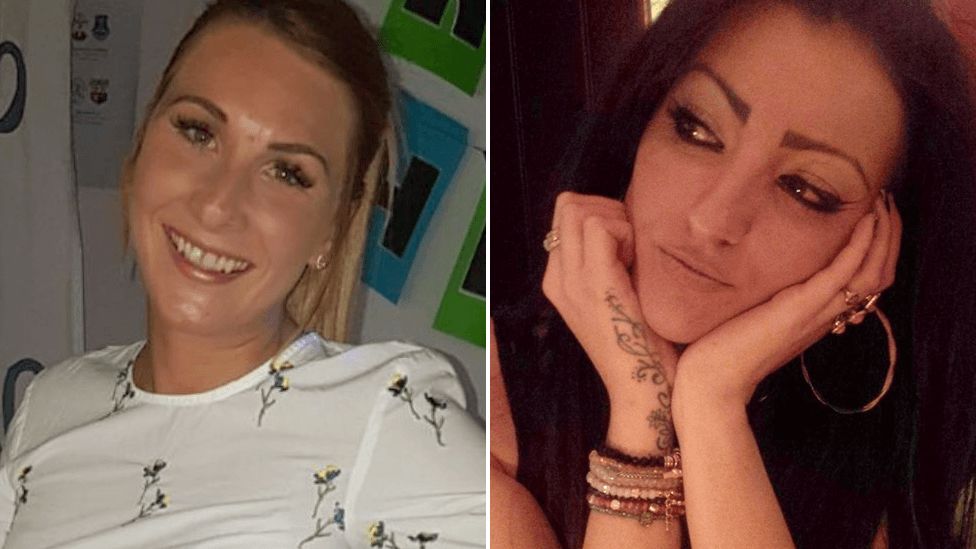
SharecloseShare pageCopy linkAbout sharingTwo mothers who died of herpes after giving birth could have been infected by a single surgeon, the BBC has found.  The doctor performed Caesareans on both the women in 2018.  The families, who were told there were no connections between the deaths, are calling for inquests to be opened. The East Kent Hospitals Trust says it could not identify the source of the infection, and the surgeon had no history of the virus. Maternal deaths are rare. In more than 2.1 million births in the UK between 2017 and 2019 there were 191 deaths of mothers within six weeks of giving birth, according to official figures. Deaths caused by HSV-1 – one of two strains of the herpes simplex virus – are almost unheard of in healthy people. It is a common infection that can cause sores around the mouth or genitals. Yet, in May and July 2018, two young mothers died from an infection caused by the virus. The BBC has been investigating how these two deaths happened and why neither family was told there was a link between them. Kimberley Sampson, 29, a barber, lived with her three-year-old daughter at her mother’s home in the seaside town of Whitstable in Kent. “She was fun, she was loving, and she had lots of friends,” her mother Yvette Sampson tells the BBC. “She was a brilliant mummy and that’s what she wanted to be.” Kimberley’s pregnancy progressed smoothly and on 3 May 2018, she went on to the labour ward of the Queen Elizabeth the Queen Mother Hospital in Margate. “She thought everything was going to be fine,” says Yvette. But things started to go wrong. Her labour was not progressing quickly, her mother says, and Kimberley kept saying the baby was stuck. Eventually, doctors decided to perform a Caesarean – also known as a C-section – where a baby is delivered through cuts in a woman’s abdomen and uterus.Her son was delivered, but Kimberley needed a blood transfusion because she sustained injuries during the operation. After two days, she asked to be discharged with her baby. But she was in a lot of pain and despite being barely able to walk, she left the hospital with her mother. But the pain became worse. Even a gentle touch was enough for her to scream in agony, says Yvette. “She deteriorated day after day – she couldn’t eat, she couldn’t sleep.” Her GP suggested they call 999 and Kimberley was taken back to hospital in an ambulance. Doctors thought she was suffering from bacterial sepsis – a potentially very serious condition. She was sent back to the maternity ward and given antibiotics. They didn’t work and her condition worsened. A series of operations followed as doctors struggled to identify and treat the infection. Eight days after she had been readmitted to hospital a consultant microbiologist suggested trying the antiviral drug Aciclovir – which is used to treat herpes infections. Kimberley was transferred to Kings College Hospital in London, where she was diagnosed with a catastrophic herpes infection. While she was in intensive care, Yvette says she was told her daughter only had “hours or days”. On 22 May, Kimberley died. One death from herpes is rare enough, but just six weeks later, Samantha Mulcahy would die of the same condition.  The 32-year-old nursery nurse lived with her husband, Ryan, 20 miles (32km) from Kimberley.    The couple had been together since they were teenagers. Ryan had first spotted her when working a part-time job at his local Tesco, but it took him months to get up the nerve to ask her out. Samantha’s mother, Nicola Foster, says her daughter was excited about being pregnant with her first child. “I think she was already talking about having more children.”  But what should have been a joyous time for them turned into a tragedy. Samantha went into labour four weeks before her due date, and in July 2018 went into the William Harvey Hospital in Ashford – which is run by the same Trust as the hospital where Kimberley’s baby had been delivered. After 17 hours of contractions and pushing, she was exhausted and in pain. After some worrying blood test results, she was taken for a Caesarean section. Her daughter was born healthy, but  because doctors were concerned about signs of the blood pressure condition pre-eclampsia, they decided to keep Samantha in for observation. After three days her condition began to deteriorate – despite no longer showing signs of pre-eclampsia. Her stomach became swollen, she had a temperature, and her blood pressure was raised. Samantha became so swollen that her mother said it looked like she had “elephant’s legs”. Like Kimberley, doctors thought Samantha was suffering from bacterial sepsis. She was also given antibiotics, but they didn’t work. As her condition worsened rapidly, her organs began to shut down. She was taken to intensive care where she stayed for four days. At one stage, a doctor suggested she be treated with antiviral medication, but they were advised by the microbiology department to continue with antibiotics instead. Doctors called for support from a hospital in London, and surgeons took her into the operating theatre to try to stabilise her. “They told us that unfortunately they couldn’t save her,” says Nicola. “That she’d gone. Passed away.” The post-mortem investigation found Samantha had died from multi-organ failure following a “disseminated herpes simplex type 1 infection”. In other words, an overwhelming infection caused by the HSV-1 virus.  Neither woman’s baby was found to have been infected with the virus. Both women had what is known as a primary infection – meaning that this was the first time they had been infected by herpes.  Hospital analysis of the women’s medical history indicates they’d not previously had herpes, so they would have had no antibodies – or natural protection – against the virus. This, combined with the fact that women in late stages of pregnancy have reduced protection from their immune system, would have made them more vulnerable to a serious HSV infection. Herpes viruses are generally passed on by skin-to-skin contact with someone with the virus Herpes infections are common with almost 70% of adults having one of the two types of the virus by the time they are 25 Some people will develop cold sores or genital herpes, but about two-thirds will have no, or mild, symptoms Source: Herpes Viruses Association More than a year after the women’s deaths, the families each received a letter from the coroner, Katrina Hepburn, saying there would be no inquests in these cases. The letters acknowledged there had been a similar case but said there was “no connection” between the two deaths. They also set out the belief of the pathologist who investigated both deaths, that the women had been infected with herpes “prior to hospital admission”. BBC News began investigating the East Kent Hospitals Trust’s maternity department in 2019, ahead of the inquest of baby Harry Richford, whose death was determined to be “wholly avoidable” by a coroner. We found further cases of preventable baby deaths at the Trust, and a government-ordered review of maternity services is under way. BBC News became aware of the deaths of Kimberley Sampson and Samantha Mulcahy at the same Trust in the spring of 2021, and has worked closely with the families to try to find out what happened to them. While reviewing documents sent to the families, we noticed that Public Health England (PHE) had looked into the possible source of the herpes viruses. But no detail had been provided.  The family of Kimberley Sampson subsequently made a request to PHE for access to that investigation. It reveals documents which cast new light on the two deaths and show, for the first time, the significant link between the two cases.Among them are two email chains between staff at PHE, the East Kent Hospitals Trust, some NHS bodies and a private lab called Micropathology. They show the efforts that went into trying to establish how the women became sick, whether the two viruses were genetically identical, and whether they could have come from a common source. The emails were partly redacted by Public Health England to hide the names of those involved. In one of them, someone from the Trust reveals that the same two clinicians had taken part in the deliveries of both Kimberley’s and Samatha’s babies – a midwife and the surgeon who carried out their Caesarean sections. This apparent connection – and possible source of infection – caused concern among the people on the email chain. The private lab Micropathology was brought in to try to sequence the genome of the two viruses – to see if they were the same. In an email sent a fortnight after Samantha died, someone working for the lab says both cases “look like surgical contamination” and asks the Trust to provide “a mouth swab/lesion swab from the suspect surgeon in O&G”.  We know the Trust did not provide these samples, and none of this information was passed to either of the families at the time. The emails also show that the parts of the virus that were tested were identical. In an email sent in October 2018, a Micropathology worker says “it seems the most likely explanation [is] that these strains are probably the same… which also adds weight to the idea that these two women were infected with the same virus.” An email from a member of staff from Public Health England just over a year later says the type of virus was “rare” compared with the previous 10 years of herpes virus samples collected at its lab in north London. This shows the investigation was continuing after the families received the letter from the coroner denying them inquests. The BBC asked Peter Greenhouse, who has worked as a consultant in sexual health in the UK for almost 30 years and has a particular interest in the herpes viruses, to review the cases. He describes them as “very unusual – very rare indeed”. He says “you can never be 100% certain what happened in these cases”, but ”from all the evidence that we have it’s very unlikely that they acquired [the virus] before they got into hospital” – contradicting the position of the pathologist. “It is more likely that they picked it up in the hospital and less likely that they picked it up in the community, or sexually, because there were no facial or genital lesions – obvious or even hidden signs – whatsoever.” After reviewing the documentation uncovered by the BBC, Mr Greenhouse has developed a theory for what might have happened. He believes it is most likely that the infection may have been given to the two women accidentally by the surgeon during the Caesarean section. “The only common source here, in a hospital-based scenario, would be the surgeon who performed the operations,” he says. He says it is possible the surgeon may have had a herpetic whitlow – a herpes infection on the finger – which could have “directly seeded the herpes into the abdomen of the women”. This, he says, would have allowed it to spread throughout the abdomen quickly and explains why the women had no external lesions, which you would normally expect to see with a herpes infection. According to the NHS website, the symptoms of a whitlow can vary from a small bump to open lesions – meaning they can go undetected. “Many of these will occur without any obvious signs, or they’ll be so miniscule that you can’t identify them,” says Mr Greenhouse. All surgeons wear gloves during surgery, but Mr Greenhouse says it might have been possible that they split during the operations allowing the virus to spread. A small study in 1990 suggested as many as 54% of gloves used in Caesarean sections had holes in them when they were tested with water after the operations. Further experiments following other forms of surgery produced similar results. “It’s a very rare but a very biologically plausible method of transmission,” Mr Greenhouse explains. Four other experts in sexual health and virology have backed up Mr Greenhouse’s theory. In a statement, the East Kent Hospitals Trust says the surgeon underwent a verbal Occupational Health check where he said he had no history of herpes infection and had no hand lesions, although he was not tested for the virus at the time of the operations. Referring to the email stating that the type of virus was “rare”, compared with other samples collected at PHE’s lab, Mr Greenhouse says this makes the likelihood that the women were infected by a common source in the hospital more likely – and much less likely they were infected in the community.  The East Kent Hospitals Trust points out that PHE’s report says although there was a “high probability they are epidemiologically linked” for HSV “this finding does not mean that the viral isolates have an immediate common source or are part of a transmission chain”. The families of the two women have been calling on the coroner to open inquests into the deaths. Yvette Sampson says it’s important for the children who’ve been left without their mother – “when they’re a bit older they’re going to need to know why their mummy died”. In a statement Dr Rebecca Martin, Chief Medical Officer for East Kent Hospitals, said: “Our deepest sympathies are with the families and friends of Kimberley and Samantha. “East Kent Hospitals sought specialist support from Public Health England (PHE) following the tragic deaths of Kimberley and Samantha in 2018. The investigations led by the Trust and the Healthcare Safety Investigation Branch took advice from a number of experts and concluded that it was not possible to identify the source of either infection. “The surgeon who performed both Caesarean sections did not have any hand lesions that could have caused infection, or any history of the virus. “Kimberley and Samantha’s treatment was based on the different symptoms showed during their illness. Our thoughts are with their families, and we will do all we can to answer their concerns.”  Peter Greenhouse is now carrying out further research into the deaths – in the hope that it might mean new mothers with unexplained sepsis-like symptoms will be tested for herpes as a matter of course. “I hope that the research will eventually change the guidelines, so more people will benefit from earlier diagnosis. It is the only constructive outcome that one could hope for, after such a tragic scenario.”

Read more →

Covid: Austria back in lockdown despite protests

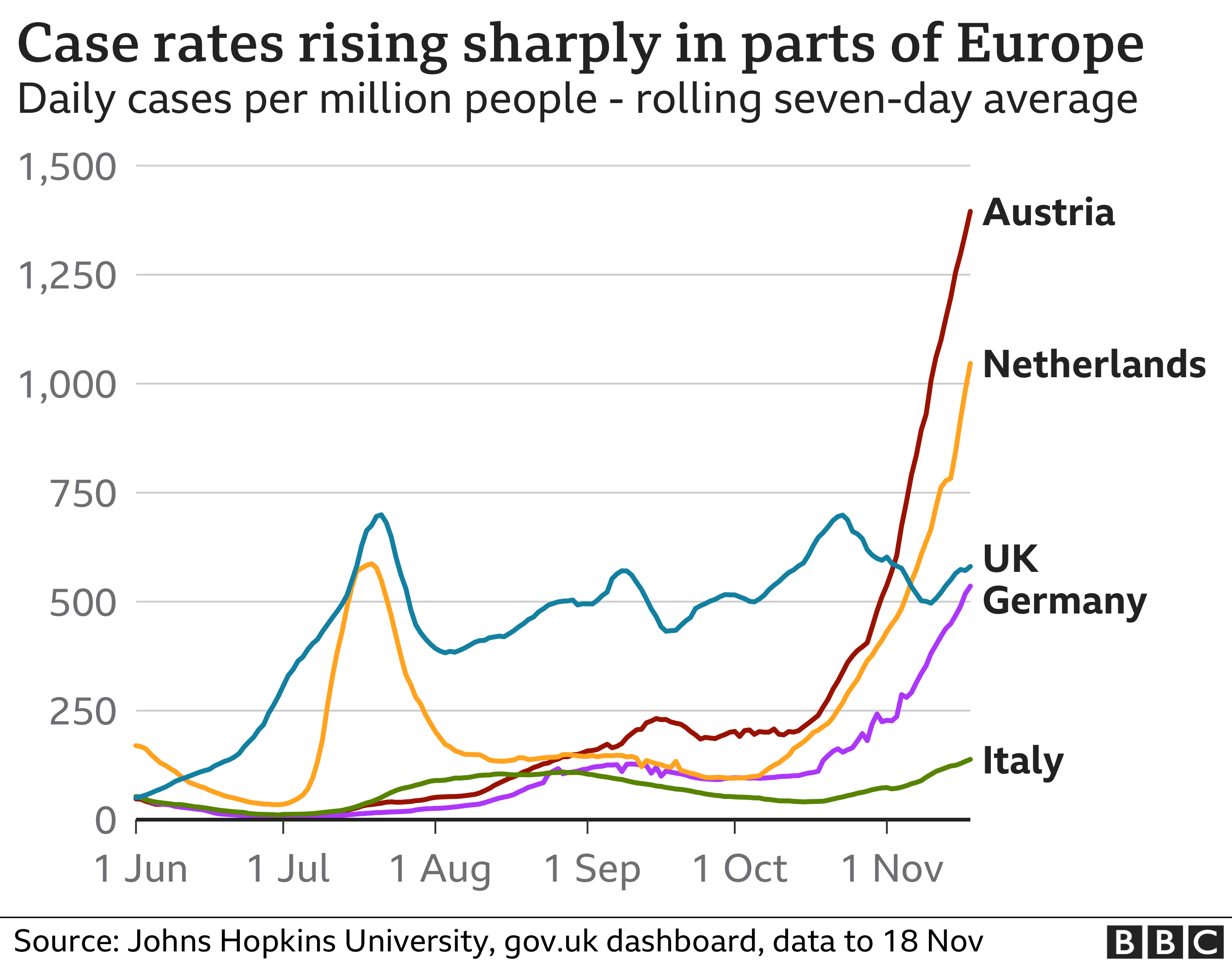
SharecloseShare pageCopy linkAbout sharingThis video can not be playedTo play this video you need to enable JavaScript in your browser.Austria has returned to a full national lockdown as protests against new restrictions aimed at curbing Covid-19 infections spread across Europe.From midnight, Austrians have been asked to work from home and non-essential shops have closed.New restrictions have sparked protests throughout Europe. People clashed with police in the Netherlands and Belgium. Infection rates have risen sharply on the continent, prompting warnings from the World Health Organization (WHO).On Saturday WHO regional director Dr Hans Kluge told the BBC that unless measures were tightened across Europe – such as on vaccines, wearing masks and with Covid passes for venues – half a million more deaths could be recorded by next spring.Last week Austria became the first European country to make Covid vaccination a legal requirement, with the law due to take effect in February. Politicians in neighbouring Germany are debating similar measures as intensive care units there fill up and case numbers hit fresh records.’A sledgehammer’ to cut casesThis is Austria’s fourth national lockdown since the pandemic began.Authorities have ordered residents to stay home for all but essential reasons, including work, exercise and shopping for food. Restaurants, bars, hairdressers, theatres and non-essential shops must all close their doors. These measures will continue until 12 December, although officials said they will be reassessed after 10 days. Speaking on ORF TV on Sunday night, health minister Wolfgang Mueckstein said the government had to “react now”.Covid map: Where are cases the highest? Covid vaccines: How fast is worldwide progress?”A lockdown, a relatively tough method, a sledgehammer, is the only option to reduce the numbers [of infections] here,” he reportedly told the broadcaster.Tens of thousands of people protested in the capital Vienna ahead of the lockdown. Brandishing national flags and banners reading “Freedom”, protesters shouted “Resistance!” and booed the police. Demonstrations and unrestSeveral European countries saw angry protests against tougher restrictions turn violent over the weekend.In Belgium’s capital, Brussels, demonstrators clashed with police after tens of thousands of people marched through the city centre.Protesters are mainly opposed to Covid passes that stop the unvaccinated from entering cafes, restaurants and entertainment venues.The march started peacefully but some launched stones and fireworks at officers, who responded with tear gas and water cannon.Across the border in the Netherlands, rioting took place for the third night in a row.Local media report that police arrested 15 people in the southern city of Roosendaal where a primary school was set ablaze. An emergency order has also been imposed in the town of Enschede to keep people off the streets overnight.This video can not be playedTo play this video you need to enable JavaScript in your browser.On Saturday, people hurled fireworks at police and set fire to bicycles in The Hague. That followed what Rotterdam’s mayor called “an orgy of violence” on Friday, when officers opened fire after protesters threw rocks and fireworks and set police cars ablaze. Four people thought to have been hit by police bullets remain in hospital, authorities said on Sunday.The Netherlands is under a three-week nationwide partial lockdown, forcing restaurants to shut earlier and banning fans at sports events. Protesters are also angry at a ban on fireworks on New Year’s Eve and government plans to introduce a vaccine pass for indoor venues.Thousands of demonstrators were also on the streets in Croatia’s capital Zagreb on Saturday, while in Denmark around 1,000 people protested in Copenhagen against government plans to order public sector workers to be vaccinated in order to enter workplaces.The French Caribbean department of Guadeloupe, meanwhile, has been rocked by three days of looting and vandalism, over a mandatory vaccine order for health workers as well as high fuel prices. Some 38 people were reportedly arrested and special police forces were sent to the island on Sunday in a bid to quell the unrest after protesters ransacked and torched shops.

Read more →