Counterfeit Covid Masks Are Still Sold Everywhere
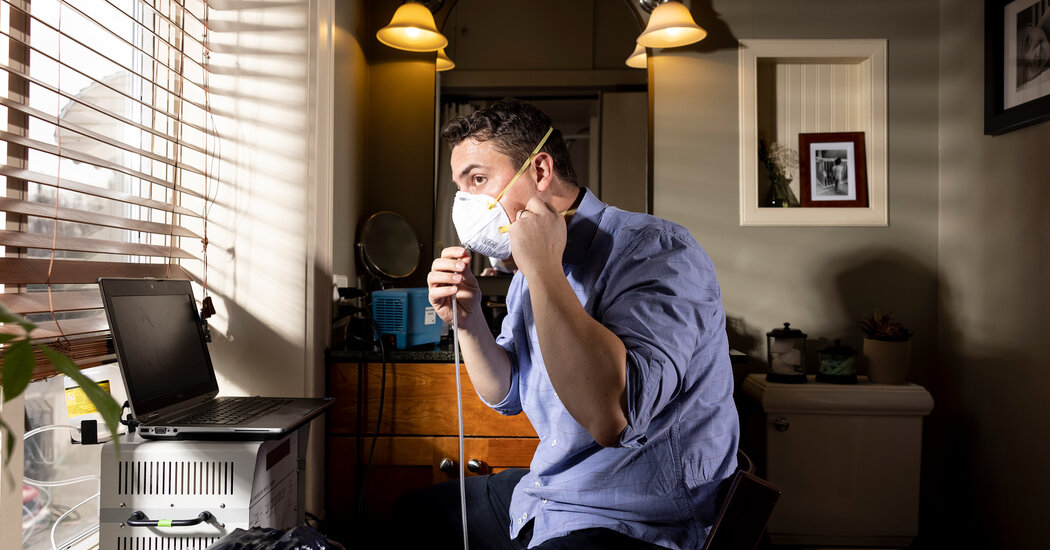
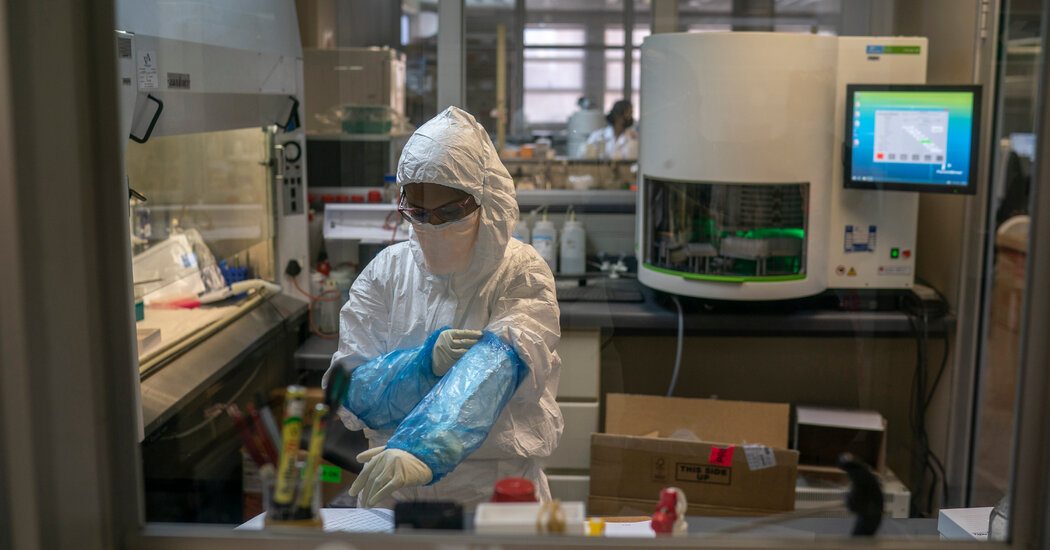
Rising Covid cases have spurred a return to mask-wearing in the U.S. and overseas, at a time when flawed KN95s from China continue to dominate e-commerce sites.The N95 mask, arguably the most essential and coveted piece of pandemic protective gear, is no longer a rare commodity, thanks to the return of Chinese imports and a resurgence in U.S. domestic production.But good luck buying them online or at big box retailers.Consumers who try to purchase N95 masks, mainly on Amazon, are often led to vendors selling fake or poorly made KN95s, a Chinese-made mask that is often marketed as an N95 equivalent despite the lack of testing by U.S. regulators to confirm virus-filtering claims.In fact, KN95 masks offered on Amazon and through other retailers are being sold without authorization for use in health care settings from the Food and Drug Administration, which last July revoked its emergency use authorization for imported masks that lack approval from the Centers for Disease Control and Prevention — a category that includes all KN95s from China.They include brands like Boncare, which is produced by a company that has repeatedly failed federal testing standards; Yotu, whose manufacturer has also failed European Union testing; and ChiSip, an Amazon top seller whose manufacturer, Chengde Technology, was cited by the C.D.C. for falsely claiming approval by federal regulators.All but a handful of the 50 best-selling KN95 masks on Amazon are plagued by similar problems, according to an analysis of sales data published by the marketing analytics firm Jungle Scout. Last month, companies that make or sell masks of dubious quality racked up almost $34 million in sales.“It’s really the Wild West out there with so many bad actors ripping people off,” said Anne Miller, executive director of Project N95, a nonprofit that connects people to bona fide personal protective equipment.In a statement on Monday, Amazon said it required all high-filtration masks sold on its site to pass a rigorous review process. “Before listing N95 and KN95 masks in our store, we verify that they are sourced from a trusted manufacturer by reviewing product packing, product description and invoices to trace the inventory, and we verify that the mask is not listed on the C.D.C.’s counterfeit mask list,” said Peter Kadushin, an Amazon spokesman.Experts say masks still matter, even amid rising vaccination rates. Case numbers in the United States have been increasing just as the nation is heading into winter and the holiday travel season. The discovery of a new variant, Omicron, is a bracing reminder about the perils of complacency. Communities in Colorado, New York and California have reimposed mask mandates, and polls suggest that a third of elementary-school-age children will likely remain unvaccinated in the near future. Millions of people whose weakened immune systems can render vaccines ineffective continue to rely on masks for protection.“There are a lot of things about Covid-19 we can’t control, like poor ventilation in buildings or whether other people are vaccinated, but aside from ensuring you and your family get vaccinated, wearing a high-quality mask is the single most important thing people can do to protect themselves and their kids,” said Aaron Collins, a mechanical engineer with a background in aerosol science who has conducted performance tests on hundreds of masks he purchased online.Counterfeit and defective face masks have been a problem since the earliest days of the pandemic, when states and medical institutions, desperate to find protective gear amid a calamitous shortage, were sometimes hoodwinked into spending tens of millions of dollars on fake N95s.Mask production at Protective Health Gear, an N95 startup in Paterson, N.J. The company scrambled this summer to rehire workers who had been fired in the months before the Delta variant prompted an uptick in sales.Bryan Anselm for The New York TimesBut more than a year and a half into the pandemic, the United States is still awash in knockoff masks, a problem that experts say underscores the need for a more muscular federal role in regulating consumer products crucial for protecting people from the coronavirus and other airborne pathogens.Although the vast majority of questionable masks are made in China, American companies have also been accused of making exaggerated claims about the level of protection in face coverings that they sell.Lutema, a San Diego manufacturer, sells a children’s mask that it describes as a M95c — a nonexistent category — and CovCare, a Staten Island-based start-up, promotes an “F.D.A.-approved” N95 mask, a claim made by many companies despite the agency’s efforts to curtail use of the phrase. Some products are registered, but not approved, the agency said, calling such claims “misleading.”But Chinese-made mask producers have been especially egregious, according to U.S. regulators, watchdog groups and industry executives.The flood of fake and poorly made masks, they say, are a threat to public health because they give people a false sense of security, increasing the likelihood that someone might be exposed to the virus while attending class, a music concert or when traveling by plane.Amazon, which is responsible for more than half of all e-commerce retail sales, is the single-biggest source for masks bought by consumers, though brick-and-mortar retailers have also been selling masks of poor quality, consumer advocates say.Saoud Khalifah, founder of Fakespot, a web browser extension that helps consumers detect fraudulent vendors, said that many KN95s sold on Amazon are promoted by fake reviews, a problem not just confined to masks. The F.D.A. says it is trying to crack down on the surge of counterfeits. In addition to revoking its authorization for Chinese-made KN95s, the agency said it issues import alerts for fraudulent products. It also has been working with customs officials to stop banned imports: Since the beginning of the pandemic, border agents have seized some 34 million counterfeit masks, half of them from China.“Consumers should be aware of the proliferation of fraudulent and counterfeit masks and respirators sold online,” said Judith McMeekin, the F.D.A.’s associate commissioner for regulatory affairs, who encouraged the public to report websites and individuals they suspect of selling fraudulent or unapproved products.But these efforts have had little effect on the e-commerce platforms where many American consumers do their shopping. Senator Elizabeth Warren, Democrat of Massachusetts, said Amazon has for months ignored her entreaties to ban vendors selling counterfeit masks and to modify the algorithms that lure consumers away from the best respirators. “Amazon needs to do more to prevent consumers from receiving counterfeits and fakes, and the Department of Justice and Federal Trade Commission must act if these failures continue,” she said in a statement.Various masks the apartment lab of Mr. Collins, who shares his findings on YouTube.Jenn Ackerman for The New York TimesThe problem is amplified by online sites that participate in Amazon’s affiliate marketing program, which gives publications a share of online sales for products they recommend to their readers.For American producers, the resurgence of Chinese imports — and a return to their domination of the U.S. market — threatens the survival of an industry born in the early months of the pandemic, when Beijing cut off supplies and left health care workers scrambling to find face masks, disposable gloves and isolation gowns.The domestic industry’s woes extend beyond the consumer mask market. In recent months, the medical supply giants that serve the country’s large hospital systems have eagerly resumed buying lower cost protective equipment from overseas.The companies, among them McKesson, Henry Schein and Cardinal Health, have been lobbying the Biden administration to retain a tariff exemption on imported protective gear that was put in place earlier in the pandemic. Those pressing for the continued tax exemption on Chinese masks, including the American Hospital Association, say domestic producers cannot meet the still-surging demand for single-use respirators and other protective gear.Opponents sharply disagree, noting that many American companies have been struggling to find institutional buyers as hospital systems increasingly turn to Chinese imports. The price difference often amounts to a few cents per mask — enough to sway cost-conscience bulk purchasers.In a letter they sent in October to U.S. Trade Representative Katherine Tai, a dozen Senate Democrats framed the issue as a matter of national security. “Rather than providing relief to Chinese-made products, we should invest in and support our domestic manufacturers so they are capable of providing U.S. health systems and other essential workers with the high-quality P.P.E. and vital supplies they need to manage the Covid-19 pandemic and prepare for future public health threats,” they wrote.A spokesman for Ms. Tai’s office said the tariffs would be reimposed beginning Nov. 30.Company executives said they had been heartened by language in the new infrastructure bill that strengthens existing rules requiring federal agencies to purchase domestically made medical equipment.But government spending alone is unlikely to save many of the companies, whose sales have been plummeting amid the resurgence of Chinese imports, according to the American Mask Manufacturers Association, which says that nearly half the group’s 25 members have stopped making masks in recent months.“We’re holding on to dear life at the moment but the deck is really stacked against us,” said Brian Wolin, the chief executive of Protective Health Gear, a N95 start up in Paterson, N.J., that last summer scrambled to rehire dozens of workers who had been fired in the months before the arrival of the Delta variant, which led to an uptick in sales.To win approval from the National Institute for Occupational Safety and Health — and the right to print the words NIOSH and N95 on its masks — Mr. Wolin and other U.S. mask-makers must navigate a rigorous, costly testing regimen.Chinese KN95s are not subjected to similar regulatory vetting, although KN95 standards are overseen by the Chinese government. Both KN95s and N95s are meant to filter out 95 percent of tiny airborne particles, but the standards for N95 are considered more stringent. The most visible difference is in their design: KN95s use ear loops while N95s use a headband, which creates a more snug fit.Kelly Carothers, director of government affairs and sustainability at Project N95. “It doesn’t seem unreasonable for the F.D.A. to say that if you failed testing, you can’t sell your masks in this market,” she said.Eve Edelheit for The New York TimesNot all foreign-made masks are problematic. South Korea produces a N95 equivalent known as a KF94, which experts commend for its consistent quality, and the European Union’s respirator standards earn high marks from industry experts.The regulatory vacuum in the United States for imports has inspired a slew of amateur mask-testing sleuths, among them Mr. Collins, the mechanical engineer from Minneapolis, who broadcasts his findings on YouTube, and Lloyd Armbrust, president of the American Mask Manufacturer’s Association, who buys Chinese masks on Amazon and tests them at a lab he built at Armbrust American, the Texas company he started last year to make N95s.Others, like Kelly Carothers, the director of government affairs and sustainability at Project N95, has spent the past few months compiling a database of problematic masks sold online. She said that among her findings is that one Chinese company, Chengde Technology, is responsible for nearly a third of all mask purchases on Amazon, with $15 million in monthly sales. The company sells masks under a number of brand names, among them Missaa, ChiSip, WWDoll, Miuphro and Hotodeal. Chengde has had its emergency authorization status revoked and then reinstated by the F.D.A., and earlier this year the company was cited by the C.D.C. for claiming its WWDoll masks were approved by NIOSH.“American mask makers wouldn’t need to be propped up by the government if we just did better vetting of Chinese KN95s, and it doesn’t seem unreasonable for the F.D.A. to say that if you failed testing, you can’t sell your masks in this market,” she said. “That’s not only fair, but it would also save lives.”In an email exchange, a Chengde employee in China sought to dispute the failing test results but declined to provide further details.Mr. Armbrust said he had given up trying to prod Amazon or government regulators, and instead his company began producing its own KN95s in October.The masks are nearly the same as his N95s, but consumers, he said, have been misleadingly programmed to favor the KN95. “You can’t unring a bell,” he said.Last month, he began selling the masks, and within a week, he said, they were already outselling the more protective N95s. “If you can’t beat ’em,” he said, “join ’em.”

Read more →
Rates of type 2 diabetes are higher in people with one of various common psychiatric disorders

A new study published in Diabetologia (the journal of the European Association for the Study of Diabetes (EASD)) finds that the prevalence of type 2 diabetes (T2D) is elevated in people with a psychiatric disorder compared with the general population. The research was conducted by Nanna Lindekilde, Department of Psychology, University of Southern Denmark, Odense, Denmark, and colleagues.
Psychiatric disorders are common, impair the quality of life and are associated with increased mortality rates. This excess mortality is caused in part by more frequent suicides and accidents, but also by an elevated risk of developing physical conditions known to be linked to mental health problems such as cardiovascular and respiratory diseases. Diabetes is an increasingly common disease throughout the world and estimates suggest that 6% to 9% of the global general population are currently affected. Rates have been rising since 1990 onwards in a trend that is expected to continue for the next 20 years.
Previous research has found that the prevalence of T2D is higher in people with bipolar disorder, schizophrenia, and major depression compared to the general population. Despite this, no systematic overview of this research is currently available to examine the possible links between prevalence of T2D and psychiatric disorders in general.
The authors conducted an in-depth search of four electronic databases of scientific papers and found 32 systematic reviews based on 245 unique primary studies. There were 11 categories of disorders: schizophrenia, bipolar disorder, depression, substance use disorder, anxiety disorder, eating disorder, intellectual disability, psychosis, sleep disorder, dementia, and a ‘mixed’ group that comprised different types of psychiatric disorders.
The study found that people with a sleep disorder had the highest rates of T2D with 40% of subjects having the disease while its prevalence among individuals with other psychiatric disorders was 21% (binge eating disorder), 16% (substance use disorder), 14% (anxiety disorders), 11% (bipolar disorder), and 11% (psychosis). Prevalence of T2D was lowest among people with an intellectual disability with 8% of individuals having the disease. In each case these rates are as high or higher than the 6-9% level of T2D found in the general population.
The researchers explain that sleep disorders constitute a subgroup of psychiatric disorders and have high comorbidity with several other diseases. In the review, most of the primary studies were conducted among people with additional diseases such as chronic kidney disease. The authors say: “It is likely that this physical comorbidity contributes to the high T2D prevalence estimates in people with a sleep disorder. The link between T2D and sleep disorders is likely to be bidirectional with the sleep disorder raising the risk of developing diabetes, while diabetes, especially in combination with poor metabolic control, increasing the risk of developing sleep problems.”
While the authors found that people with any of the investigated psychiatric disorders are more likely to have T2D than the general population, they caution: “More refined comparisons should be made between prevalence estimates in the future to better account for differences in populations groups, study settings and the broad range of years as well as methods used to ascertain T2D.” For example, a study conducted in the United States might be expected to show higher rates of diabetes than the global average (including among people with a psychiatric disorder) simply due to differences in demographics and obesity rates between the US population and that of the world as a whole.
They conclude: “Increased prevalence of type 2 diabetes among individuals with a psychiatric disorder suggests that these conditions have a shared vulnerability to the development of the condition relative to the population at large. Better understanding of the observed differences in disease risk and the reasons behind them are still needed. Reliable information about prevalence and a better understanding of biological and behavioural factors driving increased prevalence of type 2 diabetes in people with a psychiatric disorder will be crucial to developing cost-effective strategies for the management of patients in this situation.”
Story Source:
Materials provided by Diabetologia. Note: Content may be edited for style and length.

Read more →

Letter From Catherine the Great Shows Her Support for Inoculations

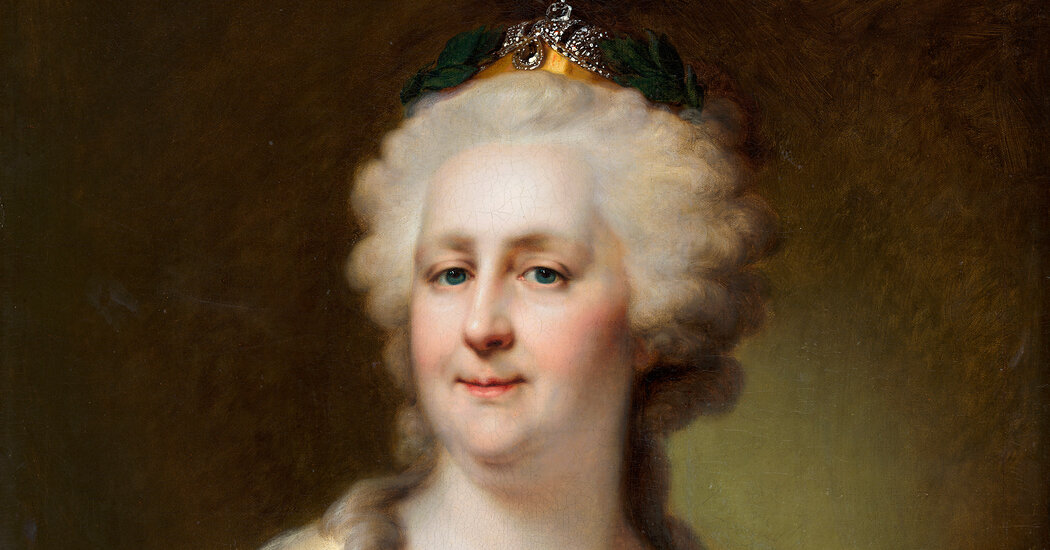
In a letter from 1787 to be sold at auction this week, the Russian empress called for widespread access to a precursor of the smallpox vaccine.As smallpox outbreaks ravaged communities in the 18th century, one of the first people in Russia to embrace a precursor to vaccines was Catherine the Great, the empress famed for promoting the latest knowledge in the arts and sciences from her throne.Catherine’s support for an early form of inoculation is captured in a letter to be sold at auction in London on Wednesday. In it, she instructs a governor-general to ensure that a smallpox prevention method called variolation was readily available in his province.According to a translation of the letter provided by the auction house, Catherine, like many world leaders today, sought widespread protection against an infectious disease that was devastating her empire. “Such inoculation should be common everywhere,” she wrote, “and it is now all the more convenient, since there are doctors or medical attendants in nearly all districts, and it does not call for huge expenditure.”MacDougall’s, an auction house in London that specializes in Russian art, is auctioning the letter along with a portrait of Catherine by Dmitry Levitsky. In the portrait, the empress wears a small crown and an ermine-lined cloak.The items together are worth an estimated $1 million to $1.6 million, according to the auction house.The auction house listing does not identify the current owner of the objects, but it says they are from a private collection in Russia. The painting was previously exhibited in museums in St. Petersburg and Moscow, it says.A director of the auction house, Catherine MacDougall, said the initial announcement about the auction led to more than 100 interview requests from news organizations in Russia, where there is great interest in Catherine’s inoculation efforts.Variolation “should be common everywhere,” Catherine wrote, “and it is now all the more convenient, since there are doctors or medical attendants in nearly all districts.”MacDougall Auctions The letter is dated April 20, 1787, and addressed to a Russian army officer, Piotr Aleksandrovich Rumiantsev, who was known as Count Zadunaysky. Catherine wrote in the letter that one of Rumiantsev’s most important duties “should be the introduction of inoculation against smallpox, which, as we know, causes great harm, especially among the ordinary people.”Catherine and her son Pavel Petrovich were inoculated nearly two decades earlier, in 1768.At the time, people were inoculated using variolation, the practice of exposing people to material from an infected pustule of a patient with smallpox. The process was used for hundreds of years in India and China before being adopted in Europe. Enslaved people from Africa introduced the treatment in the United States. It is similar to, but distinct from, vaccination, which uses a less harmful version of a virus.Many people were wary of the practice, which sometimes led to deaths or outbreaks of a mild form of smallpox.These concerns prompted Catherine to show her support for it.Lynne Hartnett, an associate professor of history at Villanova University, said Catherine was terrified of smallpox, which had infected her husband and killed the fiancée of one of her closest advisers.She invited an English physician, Thomas Dimsdale, to St. Petersburg to inoculate her, her son and members of her court. “She was doing it as a way to show the Russian people that it was safe and it could keep this disease at bay,” Professor Hartnett said.Catherine provided Dimsdale with a carriage and protection in case she died and he needed an urgent route out of Russia. Instead, she recovered from the inoculation and a holiday was declared to celebrate the event.Afterward, Catherine wrote to her ambassador in Britain, Count Ivan Grigorievuch Chernyshev: “Starting with me and my son, who is also recovering, there is no noble house in which there are not several vaccinated persons, and many regret that they had smallpox naturally and so cannot be fashionable.”

Read more →

Telehealth-delivered diet and exercise program eased knee pain and triggered weight loss

New research investigating the benefits of telehealth-delivered exercise and diet programs has found 80 per cent of participants experienced improvement in pain and an average of 10 per cent in loss of body weight, with one man shedding 39 kilograms.
More than 400 individuals with knee osteoarthritis participated in the Better Knee, Better Me trial, developed by the University of Melbourne in partnership with Medibank and Austin Health.
Published in the Annals of Internal Medicine today, the study shows researchers evaluated two six-month telehealth-delivered exercise programs, one with and one without a weight-loss dietary program, compared with an information-only control group.
During the trial, participants in the intervention groups were provided support from physiotherapists and dietitians via Zoom and a suite of resources. Those in the exercise plus diet group also received meal replacements so they could undertake a ketogenic low energy diet.
Compared to the group that only received information, both intervention programs resulted in benefits for pain, function and quality of life. Compared to the exercise-only program, the combined exercise and diet program led to additional benefits — including a greater reduction in pain, greater improvements in physical function, lower use of pain medications, and significant weight loss. After both programs, participants were also less willing to undergo knee joint replacement surgery.
Lead researcher and Director of the Centre for Health, Exercise and Sports Medicine at the University of Melbourne Professor Kim Bennell, said participants lost on average 10.2 kilograms over a six-month period with four out of five participants achieving significant improvement in pain. She said 30 per cent of participants lived in regional and rural Australia.
“We are proud to have developed a program that has a strong regional and rural representation and is based on a trial which made a real difference in the lives of participants. Particularly during these times of pandemic-related travel restrictions, it is crucial Australians are able to access home-based treatments to manage their osteoarthritis symptoms, no matter where they live or what COVID restrictions are in place.”
Participant Matthew Boyd, from Toowoomba in Queensland, said his knee pain had become unbearable and was struggling to do the things he enjoyed, leading to a decline in physical activity and an increase in his weight.
“Since taking part in Better Knee, Better Me, I feel amazing. I have lost 16kg which has decreased the weight load on my knees, and my pain. I no longer take any pain relief for my knee pain, which has meant I have been able to return to all the physical activities I wasn’t able to do over the past five years. The pain in my knees no longer dictates my daily routine and I am back moving in a way I haven’t done in years,” Mr Boyd said.
Around 2.1 million Australians are currently living with osteoarthritis. The prevalence of osteoarthritis is expected to increase by 58 per cent by 2032 due to an ageing population and rising obesity rates.
Medibank Head of Member Health Service and Design Catherine Keating said Medibank wants to provide its customers with healthcare that gives them more choice and control in how they receive their care.
“It’s part of our focus on taking the lead on driving preventative health because we know our customers want personalised support to improve their health and wellbeing.”
Story Source:
Materials provided by University of Melbourne. Note: Content may be edited for style and length.

Read more →

Omicron Has Scary Mutations. They May Not Work Well Together.

The Omicron variant of the coronavirus has alarmed many scientists because of the sheer number of genetic mutations it carries — about 50 in all, including at least 26 that are unique to it. But more does not necessarily mean worse: Mutations sometimes work together to make a virus more fearsome, but they may also cancel one another out.“In principle, mutations can also work against each other,” said Jesse Bloom, an evolutionary biologist at the Fred Hutchinson Cancer Research Center in Seattle. “However, in this case evolutionary selection is more likely to lead to the spread of a new variant with favorable than unfavorable combinations of mutations.”Still, this phenomenon, called epistasis, is why scientists are reluctant to speculate on Omicron’s attributes, even though individual mutations in the variant are associated with greater transmissibility or with an ability to dodge the body’s immune defenses.“It is important to get a sense of the full virus,” said Penny Moore, a virologist at the National Institute for Communicable Diseases in South Africa.Dr. Moore’s team is among dozens worldwide trying to understand whether current vaccines will work against Omicron. The researchers are creating artificial versions of the virus that contain all of Omicron’s mutations, rather than making judgments based on a subset of mutations.It’s a lesson researchers learned last year, when the Beta variant emerged in South Africa. They estimated that variant’s ability to evade immunity based on one particular mutation, E484K. But Beta also had two other mutations that turned out to affect sensitivity to vaccines.“The combination of those three mutations was more resistance than a virus that contained only E484K,” Dr. Moore said. Studying the single mutation “turned out to be misleading.”Omicron carries a mutation called N501Y, which is thought to allow the virus to bind to human cells more tightly. This mutation was also present in the Alpha variant and was linked to its contagiousness.“Nonetheless, it ended up being Delta, which doesn’t have that particular mutation, that was more even more transmissible than Alpha,” Dr. Bloom said. “That’s because Delta had other mutations that enhance transmissibility.”A variant’s contagiousness depends on how well the virus binds to receptors on human cells, but also on the stability of the virus, where in the airways it replicates and how much of it is exhaled.Omicron has a cluster of mutations that are all linked to tighter binding to human cells. “But acting together, they might have a somewhat different effect,” Dr. Bloom said. For that reason, he added, he cannot predict how the variant will act in the body.That will require laboratory studies, which are underway across the globe.

Read more →

Heart repair and regeneration after a heart attack

Twenty years ago, clinicians first attempted to regenerate a failing human heart by injecting muscle myoblasts into the heart during a bypass operation. Despite high initial hopes and multiple experimental and clinical studies since then, outcomes have been neutral or marginally positive for a wide variety of attempts to remuscularize an injured heart.
Yet hope remains that current and future strategies will yield clinical regenerative heart therapies, nine experts explain in a Journal of the American College of Cardiology state-of-the-art review, “Basic and translational research in cardiac repair and regeneration.”
The challenge is this: A heart attack kills heart muscle cells, leading to a scar that weakens the heart, often causing eventual heart failure. The lack of muscle repair is due to the very limited ability of mammalian heart muscle cells to proliferate, except during a brief period around birth.
In the review, the experts — coordinated by Jianyi “Jay” Zhang, M.D., Ph.D., chair of the University of Alabama at Birmingham Department of Biomedical Engineering — focus on three topics. First are several recent clinical trials with intriguing results. Second is the current trend of using cell-derived products like exosomes rather than muscle cells to treat the injured heart. For the third topic, authors discuss likely future experiments to replace a myocardial scar with heart muscle cells by “turning back the clock” of the existing cardiomyocytes, rather than trying to inject exogenous cells. Such efforts are an attempt to reverse the inability of mature mammalian heart muscle cells to proliferate.
Clinical trials
One of the interesting clinical trials reviewed involved giving cardiosphere-derived cells to patients with Duchenne muscular dystrophy, a disease that affects both heart and skeletal muscles.

Read more →

De-cluttering may not help people with dementia

A clutter-free environment may not help people with dementia carry out daily tasks — according to a new study from the University of East Anglia.
Researchers studied whether people with dementia were better able to carry out tasks, such as making a cup of tea, at home — surrounded by their usual clutter — or in a clutter-free environment.
They were surprised to find that participants with moderate dementia performed better when surrounded by their usual clutter.
But the different environments made no difference to people with mild and severe dementia, who were able to perform at the same level in both settings.
Prof Eneida Mioshi, from UEA’s School of Health Sciences, said: “The majority of people with dementia live in their own home and usually want to remain living at home for as long as possible.
“So it’s really important to know how people with dementia can be best supported at home — one possible route would be by adapting the physical environment to best suit their needs.

Read more →

Which glioblastoma patients will respond to immunotherapy?

Northwestern Medicine scientists have discovered a new biomarker to identify which patients with brain tumors called glioblastomas — the most common and malignant of primary brain tumors — might benefit from immunotherapy.
The treatment could extend survival for an estimated 20% to 30% of patients. Currently, patients with glioblastoma do not receive this life-prolonging treatment because it has not been fully understood which of them could benefit.
“This is an important breakthrough for patients who have not had an effective treatment in the cancer drug arsenal available to them,” said Dr. Adam Sonabend, the senior/corresponding author of this study, and associate professor of neurosurgery at Northwestern University Feinberg School of Medicine and a Northwestern Medicine brain-tumor neurosurgeon. “It might ultimately influence the decision on how to treat glioblastoma patients and which patients should get these drugs to prolong their survival.”
“Our study emphasizes important immune cells that might be relevant for response to immunotherapy. We hope that ultimately this benefits glioblastoma patients,” said Victor Arrieta, a post-doctoral scientist at the Sonabend lab and the first author of this study.
The immunotherapy response marker now needs to be validated in a clinical trial to make sure the study findings are reproducible and applicable to any glioblastoma patient, Sonabend said. He also is a member of the Robert H. Lurie Comprehensive Cancer Center of Northwestern University.
The study was published in Nature Cancer Nov. 29.

Read more →

Steam disinfection of baby bottle nipples exposes babies and the environment to micro- and nanoplastic particles

Using a new microspectroscopic technique, collaborating scientists at the University of Massachusetts Amherst and Nanjing University in China have found that steam disinfection of silicone-rubber baby bottle nipples exposes babies and the environment to micro- and nanoplastic particles.
The health and environmental risks of these very fine particles are still unknown, but microplastic pollution is a growing global concern on land, in the seas and in human bodies. The research is the first to identify this new source of microplastic contamination.
“Babies are the most sensitive group for any contaminants, not only microplastics (< 5 mm by definition)," says Baoshan Xing, professor of environmental and soil chemistry and director of the UMass Amherst Stockbridge School of Agriculture and co-corresponding author of the research, published in the journal, Nature Nanotechnology. "Conventional techniques are unable to detect these small particles, and the smaller the particles, the larger the physiological effect." Xing collaborated with lead author Yu Su and co-corresponding author Rong Ji, both environmental scientists in Nanjing University's School of the Environment, as well as other colleagues in China. "Silicone rubber was considered to be a thermally stable polymeric material in the past, but we noticed that it undergoes aging after repeated moist heat disinfections," Su says. "The aging and decomposition of plastics are a major source of microplastics in the environment. We proposed and confirmed that silicone rubber can be decomposed by moist heating to microplastics, even nanoplastics (< 1 µm)." Previous research by Xing, who has been named to an annual list of the most highly cited researchers every year since the analytics began in 2014, and colleagues in China showed that nanoplastics -- known to widely pollute oceans, surface waters and lands -- are internalized by plants and also reduce lipid digestion in a simulated human gastrointestinal system. Traditional techniques are unable to detect particles smaller than about 20 micrometers, which is roughly half the size of a human hair's thickness. At Nanjing University, researchers examined the rubber nipples using optical photothermal infrared (O-PTIR) microspectroscopy, the new and emerging technique that is able to analyze a material's composition and morphology. The microspectroscope revealed numerous flake- or oil-film-shaped micro- and nanoplastics as small as 0.6 micrometers, or 600 nanometers, in the wash waters of the steam-disinfected rubber nipples. The technique also showed submicrometer-resolved steam etching on and chemical modification of the nipple surface. "The results indicated that by the age of one year, a baby could ingest >0.66 million elastomer-derived micro-sized plastics (MPs)… Global MP emission from teat disinfection may be as high as 5.2 × 10¹³ particles per year,” the research paper states.
Xing and colleagues point out that similar silicone-rubbed-based consumer products, including bakeware and sealing rings in cups and cooking appliances, are also likely to produce micro- and nanoplastic particles when heated at or above 100 degrees C. They will continue their research into the release of particles into the environment from various plastic objects.
“We’ve identified this significant new source of microplastics to the environment,” Xing says. “Some plastics go into the sewer systems. They get into the water and landfills. They have such a long lifetime in the environment because they don’t decompose readily.”
Rong Ji, of Nanjing University, adds, “The behaviors of these silicon rubber-derived micro- and nanoplastics in the environment are unclear. Further research is needed to clarify their potential risks to both humans and the environment.”

Read more →

'Transformational' approach to machine learning could accelerate search for new disease treatments

Researchers have developed a new approach to machine learning that ‘learns how to learn’ and out-performs current machine learning methods for drug design, which in turn could accelerate the search for new disease treatments.
The method, called transformational machine learning (TML), was developed by a team from the UK, Sweden, India and Netherlands. It learns from multiple problems and improves performance while it learns.
TML could accelerate the identification and production of new drugs by improving the machine learning systems which are used to identify them. The results are reported in the Proceedings of the National Academy of Sciences.
Most types of machine learning (ML) use labelled examples, and these examples are almost always represented in the computer using intrinsic features, such as the colour or shape of an object. The computer then forms general rules that relate the features to the labels.
“It’s sort of like teaching a child to identify different animals: this is a rabbit, this is a donkey and so on,” said Professor Ross King from Cambridge’s Department of Chemical Engineering and Biotechnology, who led the research. “If you teach a machine learning algorithm what a rabbit looks like, it will be able to tell whether an animal is or isn’t a rabbit. This is the way that most machine learning works — it deals with problems one at a time.”
However, this is not the way that human learning works: instead of dealing with a single issue at a time, we get better at learning because we have learned things in the past.
“To develop TML, we applied this approach to machine learning, and developed a system that learns information from previous problems it has encountered in order to better learn new problems,” said King, who is also a Fellow at The Alan Turing Institute. “Where a typical ML system has to start from scratch when learning to identify a new type of animal — say a kitten — TML can use the similarity to existing animals: kittens are cute like rabbits, but don’t have long ears like rabbits and donkeys. This makes TML a much more powerful approach to machine learning.”
The researchers demonstrated the effectiveness of their idea on thousands of problems from across science and engineering. They say it shows particular promise in the area of drug discovery, where this approach speeds up the process by checking what other ML models say about a particular molecule. A typical ML approach will search for drug molecules of a particular shape, for example. TML instead uses the connection of the drugs to other drug discovery problems.
“I was surprised how well it works — better than anything else we know for drug design,” said King. “It’s better at choosing drugs than humans are — and without the best science, we won’t get the best results.”
Story Source:
Materials provided by University of Cambridge. The original text of this story is licensed under a Creative Commons License. Note: Content may be edited for style and length.

Read more →