New review highlights cancer-crushing viruses

With the world still in the grip of a devastating pandemic, it’s hard to imagine viruses as something other than hostile enemies to be vanquished.
But in a recent review article for the journal Cancers, Masmudur Rahman and Grant McFadden describe a class of viruses that act to combat rather than cause deadly disease. Such oncolytic viruses as they are known, have a remarkable ability to target and destroy cancer cells, while leaving healthy cells untouched.
“The field of oncolytic virotherapy today is advancing rapidly as clinical trial data accumulates and regulatory approvals continue to accrue,” McFadden says.
Rahman is a researcher in the Biodesign Center for Immunotherapy, Vaccines and Virotherapy at Arizona State University. McFadden, a pioneer in the field of oncolytic viruses, directs the Center.
Viral universe
By a wide margin, viruses are the most abundant biological entities on earth, easily outnumbering all other life forms combined, though they inhabit a shadowy world somewhere between living and inanimate matter.

Read more →

3D printing of blood plasma may speed up wound healing

New research by RCSI University of Medicine and Health Sciences suggests that effective wound healing may be aided by replicating a crucial component of our blood.
The finding, published today in Advanced Functional Materials, was led by researchers at the Tissue Engineering Research Group (TERG) and SFI AMBER Centre based at RCSI’s Department of Anatomy and Regenerative Medicine.
Platelet-rich plasma (PRP) is a natural healing substance in our blood. This study explores ways of enhancing the wound healing process by extracting PRP from the blood of a patient with a complex skin wound and manipulating it through 3D printing to form an implant for tissue repair which can be used to treat difficult-to-heal skin wounds in a single surgical procedure.
Results showed that application of the 3D-printed PRP implant helped to speed up the healing of the wound by enabling efficient vascularisation (meaning development of new blood vessels) and inhibiting fibrosis (scarring/thickening of tissue), both of which are essential for effective wound healing.
Speaking about the novel aspects of this discovery, Professor Fergal O’Brien, Professor of Bioengineering and Regenerative Medicine at RCSI, said: “Existing literature suggests that while the PRP already present in our blood helps to heal wounds, scarring can still occur. By 3D-printing PRP into a biomaterial scaffold, we can increase the formation of blood vessels while also avoiding the formation of scars, leading to more successful wound healing.
“As well as promising results for skin wound healing, this technology can potentially be used to regenerate different tissues, therefore dramatically influencing the ever-growing regenerative medicine, 3D printing and personalised medicine markets.”
Funding for this project came from Science Foundation Ireland under the M-ERA.NET EU network and the Advanced Materials and BioEngineering Research Centre, and the EU BlueHuman Interreg Atlantic Area Project.
The RCSI research team collaborated with researchers from the 3B’s Research Group at University of Minho and ICVS/3B’s Associate Laboratory in Portugal, the Trinity Centre for Biomedical Engineering and AMBER, the SFI Centre for Advanced Materials and Bioengineering Research.
Story Source:
Materials provided by RCSI. Note: Content may be edited for style and length.

Read more →

Successful treatment in mice for severe childhood cancer

In mice with high-risk neuroblastoma, tumors disappeared in response to a new combination treatment with precision medicines, a recent study from University of Gothenburg researchers shows. This is a vital step toward a potentially curative treatment for a form of cancer affecting young children that is currently difficult to treat.
The study, published in the journal Nature Communications, is the result of collaboration between researchers from the Universities of Gothenburg, Sweden and Ghent, Belgium.
Neuroblastoma is a form of childhood cancer that affects the peripheral nervous system (PNS) — that is, the system excluding the brain and spinal cord. In Sweden, 20-30 children are diagnosed annually. The cancer may start in the adrenal glands, for instance, but tumors can occur throughout the body.
“In some cases, the disease can heal and disappear by itself, but aggressive forms of neuroblastoma have a more unfavorable prognosis. The present treatment regimes are very hard for childre to undergo and side effects can have consequences for the rest of their lives,” says Ruth Palmer, Professor of Molecular Cell Biology at the University of Gothenburg, who leads one of the research groups behind the new study.
Tumors disappeared in mice
The study shows that a treatment combining two different precision medicines, an ATR inhibitor and an ALK inhibitor, eliminates neuroblastoma growth in mice.

Read more →

Researchers discover a unique bacterial property, potential target for treating and diagnosing Lyme disease

You don’t have to go far to find ticks. Just step outside and look for some grass. Look to the top of the shiny, green blade — usually ankle high. A tick might be there, waiting.
If something breathing brushes up against grass, the tick takes something similar to a needle — called its hypostome, which has dozens of fishing hook barbs — and inserts it into the skin. If unnoticed, Lyme disease could be transferred to its host after about 24 hours of feeding.
Virginia Tech researchers discovered that the bacterium that causes Lyme disease has a highly unusual modification in its protective molecular bag — its peptidoglycan, which is common to all bacteria.
The change in this bacterium is unprecedented — it’s an unusual sugar modification that is not known to occur in any organism. One way the bacterium gets this sugar modification is from ticks by absorbing a carbohydrate unique to ticks. The alteration is specific to ticks and allows the bacterium to better move and be more likely to cause disease.
“We believe this change is critical to how the bacterium causes disease and is something that we can exploit for both therapeutic and diagnostic purposes,” said Brandon Jutras, an assistant professor of Biochemistry in the College of Agriculture and Life Sciences and an affiliated faculty of the Fralin Life Sciences Institute and the Center for Emerging, Zoonotic, and Arthropod-Borne Pathogens.
The findings were recently published in Nature Microbiology.
“Partaking in this research was the most engaging and rewarding experience of my academic career at Virginia Tech,” said lead author Tanner DeHart ’20 and ’21, who earned his undergraduate and master’s in biochemistry at Virginia Tech and is now a Ph.D. student at Harvard University. “This opportunity allowed me to hone my scientific skill-set, develop as a more independent researcher, and obtain first-hand experience with many experimental techniques and designs.”

Read more →

Distortion: Researchers discover new strategy for antibodies to disable viruses

It is widely understood that antibodies neutralize viruses by latching onto their surfaces and blocking them from infecting host cells. But new research reveals that this barrier method isn’t the only way that antibodies disable viruses. An international team of researchers led by Penn State has discovered that antibodies also distort viruses, thereby preventing them from properly attaching to and entering cells.
“Everybody thinks of antibodies as binding to viruses and blocking them from entering cells — essentially locking them down,” said Ganesh Anand, associate professor of chemistry, Penn State. “But our research reveals for the first time that antibodies may also physically distort viruses, so they are unable to properly attach to and infect host cells.”
In their study, which published online today (Nov. 30) in the journal Cell, Anand and his colleagues investigated the interactions between human monoclonal antibody (HMAb) C10 and two disease-causing viruses: Zika and dengue. The HMAb C10 antibodies they used had previously been isolated from patients infected with dengue virus and had also been shown to neutralize Zika virus.
The researchers used a combination of techniques, including cryogenic electron microscopy (cryo-EM) to visualize the viruses and hydrogen/deuterium exchange mass spectrometry (HDXMS) to understand their movement.
“Cryo-EM involves flash-freezing a solution containing molecules of interest and then targeting them with electrons to generate numerous images of individual molecules in different orientations,” explained Anand. “These images are then integrated into one snapshot of what the molecule looks like. The technique provides much more accurate pictures of molecules than other forms of microscopy.”
To document the effects of antibodies on Zika and dengue viruses, the team collected cryo-EM snapshots of the viruses under conditions of increasing concentrations of antibodies.

Read more →

Scientists can control brain circuits, behavior, and emotion using light

Controlling signal transmission and reception within the brain circuits is necessary for neuroscientists to achieve a better understanding of the brain’s functions. Communication among neuron and glial cells is mediated by various neurotransmitters being released from the vesicles through exocytosis. Thus, regulating vesicular exocytosis can be a possible strategy to control and understand brain circuits.
However, it has been difficult to freely control the activity of brain cells in a spatiotemporal manner using pre-existing techniques. One is an indirect approach that involves artificially controlling the membrane potential of cells, but it comes with problems of changing the acidity of the surrounding environment or causing unwanted misfiring of neurons. Moreover, it is not applicable for use in cells that do not respond to the membrane potential changes, such as glial cells.
To address this problem, South Korean researchers led by Director C. Justin LEE at the Center for Cognition and Sociality within the Institute for Basic Science (IBS) and professor HEO Won Do at Korea Advanced Institute of Science and Technology (KAIST) developed Opto-vTrap, a light-inducible and reversible inhibition system that can temporarily trap vesicles from being released from brain cells. Opto-vTrap directly targets transmitters containing vesicles, and it can be used in various types of brain cells, even the ones that do not respond to membrane potential changes.
In order to directly control the exocytotic vesicles, the research team applied a technology they previously developed in 2014, called light-activated reversible inhibition by assembled trap (LARIAT). This platform can inactivate various types of proteins when illuminated under blue light by instantly trapping the target proteins, like a lariat. Opto-vTrap was developed by applying this LARIAT platform to vesicle exocytosis. When the Opto-vTrap expressing cells or tissues are shined under blue light, the vesicles form clusters and become trapped within the cells, inhibiting the release of transmitters.
Most importantly, the inhibition triggered using this new technique is temporary, which is very important for neuroscience research. Other previous techniques that target vesicle fusion proteins damage them permanently and disable the target neuron for up to 24 hours, which is not appropriate for many behavioral experiments with short time constraints. By comparison, vesicles that were inactivated using Opto-vTrap decluster in about 15 minutes, and the neurons regain their full functions within an hour.
Opto-vTrap directly controls the signal transmitters’ release, enabling the researchers to freely control brain activity. The research team verified the usability of Opto-vTrap in cultured cells and brain tissue slices. Furthermore, they tested the technique in live mice, which enabled them to temporarily remove fear memory from fear-conditioned animals.
In the future, Opto-vTrap will be used to uncover complex interactions between multiple parts of the brain. It will be a highly useful tool for studying how certain brain cell types affect brain function in different circumstances.
Professor Heo stated, “Since Opto-vTrap can be used in various cell types, it is expected to be helpful in various fields of brain science research,” He explained, “We plan to conduct a study to figure out the spatiotemporal brain functions in various brain cell types in a specific environment using Opto-vTrap technology.”
“The usability of Opto-vTrap can extend not only to neuroscience but also to our lives,” explains Director Lee. He added, “Opto-vTrap will contribute not only to elucidate brain circuit mapping but also epilepsy treatment, muscle spasm treatment, and skin tissue expansion technologies.”
Story Source:
Materials provided by Institute for Basic Science. Note: Content may be edited for style and length.

Read more →

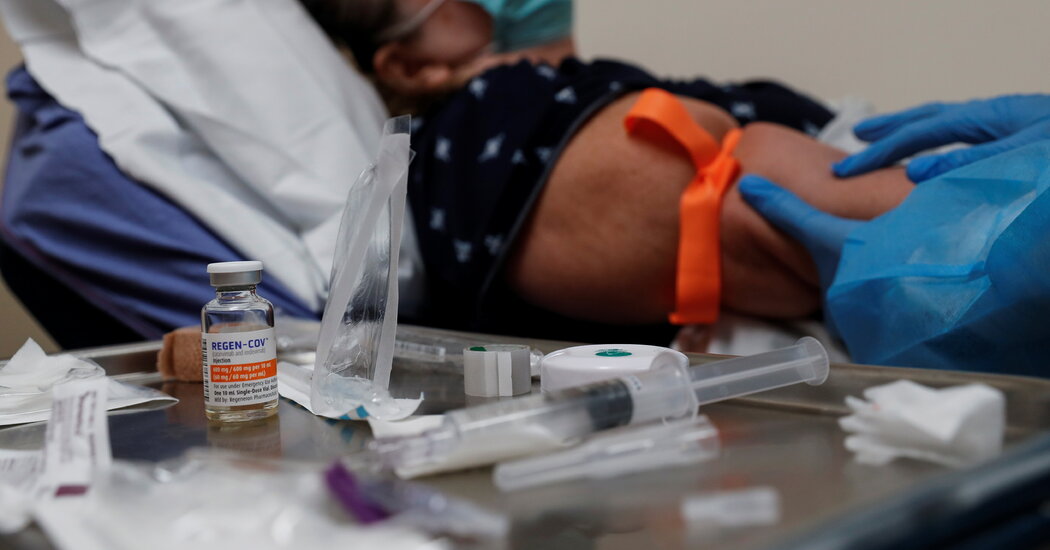
Regeneron Antibody Treatment May Not Be as Effective Against New Omicron Covid Variant

Regeneron said on Tuesday that its Covid-19 antibody treatment might be less effective against the Omicron variant of the coronavirus, an indication that the popular and widely beneficial monoclonal antibody drugs may need to be updated in case the new variant spreads aggressively.The company said that previous laboratory analyses and computer modeling of certain mutations in the Omicron variant suggest that they may weaken the effect of the treatment. But studies using the variant’s full sequences have not been completed, it said.The company said it had already been testing future antibody drug candidates, and that preliminary analyses indicated that some of those “may have the potential to retain activity against the Omicron variant.” More data is expected in the coming month, it said.“What we have to admit is, in the course of the past six days, our urgency has increased,” Dr. George Yancopoulos, Regeneron’s president and chief scientific officer, told The Wall Street Journal in an interview. “What started out as a backup plan has now been made a lot more urgent.”The Omicron variant has caused alarm among scientists because it contains mutations in the spike protein, the target of the government-supplied monoclonal antibody treatments made by Regeneron and Eli Lilly.Scientists have also been scrambling to gather data on how effective the current vaccines will be against Omicron. Antiviral pills, including drugs from Merck and Pfizer that federal regulators are considering authorizing soon, are expected to hold up well against the variant because they target a different site of the virus from where Omicron’s mutations are clustered.Monoclonal antibody treatments, given in a single infusion, use lab-made copies of the antibodies that people generate naturally when fighting an infection. They have been shown to significantly shorten patients’ symptoms. Regeneron’s cocktail reduces the risk of hospitalization by 70 percent.The company said the treatment was effective against the Delta variant, which remains the dominant form of the virus in the United States.

Read more →

Global HIV viral suppression rates too low among children and adolescents

Globally, less than two thirds of children living with HIV who are taking treatment are ‘virally suppressed’, according to new research from UNSW Sydney’s Kirby Institute and the global IeDEA consortium, published today in The Lancet HIV.
Viral suppression for HIV means that treatments are working effectively to protect health and prevent the transmission of HIV to others. UNAIDS has set a target of achieving 95% viral suppression among all people living with HIV on treatment by 2030.
“We estimate viral suppression one, two and three years after people start taking antiviral treatment, so that we can understand how well the treatments are working overtime,” said Professor Matthew Law from the Kirby Institute. “The data among adults on treatment in our studies show that after accounting for people being lost to care, viral suppression was achieved in an estimated 79% of adults at 1 year, and 65% at 3 years. However, viral suppression is poorer among children at an estimated 64% at 1 year and 59% at 3 years.”
Dr Azar Kariminia from the Kirby Institute, who is senior author on the study, says children and adolescents face unique barriers to achieving viral suppression. “It can be challenging for them to take treatment regularly, and children rely on caregivers who are often having to manage their own medical needs. There are also a range of factors that stem from stigma and discrimination, including a fear of disclosing the child’s HIV status.”
This study is part of a major research collaboration called IeDEA, the International epidemiology Databases to Evaluate AIDS, which draws together HIV epidemiological data and expertise across seven regions: North America; the Caribbean and Central and South America; Central, East, Southern and Western Africa; and the Asia-Pacific. The Kirby Institute co-leads IeDEA Asia-Pacific with the Foundation for AIDS Research’s (amfAR) TREAT Asia program. IeDEA is funded by the United States National Institutes of Health.
For this study, the researchers analysed data from 21,594 children/adolescents and 255,662 adults from 148 sites in 31 countries, who initiated treatment between 2010 and 2019.

Read more →

Aerogels: Airy and efficient

Aerogels are extraordinary materials that have set Guinness World Records more than a dozen times, including as the world’s lightest solids.
Professor Markus Niederberger from the Laboratory for Multifunctional Materials at ETH Zurich has been working with these special materials for some time. His lab specialises in aerogels composed of crystalline semiconductor nanoparticles. “We are the only group in the world that can produce this kind of aerogel at such high quality,” he says.
One use for aerogels based on nanoparticles is as photocatalysts. These are employed whenever a chemical reaction needs to be enabled or accelerated with the aid of sunlight — one example being the production of hydrogen.
The material of choice for photocatalysts is titanium dioxide (TiO2), a semiconductor. But TiO2 has a major disadvantage: it can absorb only the UV portion of sunlight — just about 5 percent of the spectrum. If photocatalysis is to be efficient and industrially useful, the catalyst must be able to utilise a broader range of wavelengths.
Broadening the spectrum with nitrogen doping
That is why Niederberger’s doctoral student Junggou Kwon has been looking for a new way to optimise an aerogel made of TiO2 nanoparticles. And she had a brilliant idea: if the TiO2 nanoparticle aerogel is “doped” (to use the technical term) with nitrogen, such that individual oxygen atoms in the material are replaced by nitrogen atoms, the aerogel can then absorb further visible portions of the spectrum. The doping process leaves the aerogel’s porous structure intact. The study on this method was recently published in the journal Applied Materials & Interfaces.

Read more →

Reduced meat diet has many advantages

Which diet is better: moderately reduce meat consumption and eat more fruit, vegetables and wholegrain products, as recommended by the German Nutrition Society? Follow Germany’s southern neighbors’ example and eat more fish and seafood? Or even switch completely to a vegan diet? A new study by the University of Bonn (Germany) shows that the answer to these questions is not as clear-cut as one might think — depending on which impacts one closely looks. The results are published in the journal Science of The Total Environment.
950 kilograms of food and drink are consumed by every citizen in the EU annually — a sizeable quantity, the weight of a small car. Globally, food is responsible for a quarter of human greenhouse gas emissions. A large part of this is due to livestock farming: Animals convert only a small portion of the fed calories into meat. Ruminants also produce methane, which further accelerates global warming.
Furthermore, what we eat also has consequences for our health and animal welfare. When comparing diets, these aspects should also be taken into account. Experts also refer to the optimal health of humans, animals and the environment as the “One Health” perspective. “Studies that apply this perspective to nutrition issues are still rare, however,” explains Juliana Paris of the Center for Development Research (ZEF) at the University of Bonn (Germany).
Actual food basket compared with three alternatives
Paris, together with colleagues, conducted an analysis that aims to fill this research gap to some extent. “To do this, we took a look at examples of which products are on the food basket of people in North Rhine-Westphalia,” she explains. “We then compared this reference diet with three different scenarios: a shift according to the recommendations of the German Nutrition Society (DGE), a shift to a Mediterranean diet with more fish and seafood, and a shift to a vegan diet.”
In each of these three scenarios, the foods were chosen to differ from the reference diet as less as possible. “That means, for example, that in the Mediterranean version, we increased the proportion of fish and seafood, vegetables and grain products,” Paris says. In addition, the overall product selection should contain the same nutrients in similar amounts as before. This gave the researchers a food basket for each scenario, which they then analyzed further.
“To do this, we relied on various databases,” says Dr. Neus Escobar of the Institute for Applied Systems Analysis in Austria, who supervised the work. “They enabled us, for example, to estimate the impact of each diet on certain environmental aspects — such as the amount of greenhouse gases produced during their production or the water consumption. We took a similar approach to assess the impact of each diet on health.” Red meat, for example, is known to increase the risk of certain cancers and cardiovascular disease.
The researchers estimated the consequences for animal welfare using several indicators. These included how many animals lose their lives as a result of food consumption and under what conditions they are kept. “But we also used the number of neurons or the size of the brain in relation to the body to estimate the extent to which the respective animals actually suffer when they are used,” explains Juliana Paris.
Fish instead of steak: good for the environment, bad for animal welfare
Any of the three diets would be sustainably beneficial from a One Health perspective. However, this is also at the expense of other aspects. The vegan diet scored best in many areas. However, the production of vegan food involves increased water consumption. “In addition, vegans need to take certain nutrients separately, such as vitamin B12, vitamin D and even calcium,” Paris says.
The Mediterranean diet (although healthy) also results in increased water requirements due to the high amount of nuts and vegetables. Moreover, if — as assumed in the study — the meat consumed is completely replaced by fish, its effects on animal welfare are surprisingly negative: As fish and seafood are much smaller than, for instance, cows or pigs, considerably more animals suffer as a result of this diet. The increased consumption of honey, which requires intensive management of bee colonies, also has a negative impact. “It’d therefore beneficial to meet less of your overall protein needs from animal sources,” Neus Escobar emphasizes. “In addition, many people today have diets that are significantly too rich. If they reduced the amount of food they ate, to what they really need, it might have additional positive effects.”
According to the study, the DGE recommendations are going in the right direction. However, in terms of human health, the other two options are better. Nevertheless, the data here also show: If you do without meat more often and instead put whole grains, vegetables and fruit on your plate, you are not only doing something good for yourself, but also for the animals and the environment.

Read more →