Two-photon microscope provides unprecedented brain-imaging ability

Advancing our understanding of the human brain will require new insights into how neural circuitry works in mammals, including laboratory mice. These investigations require monitoring brain activity with a microscope that provides resolution high enough to see individual neurons and their neighbors.
Two-photon fluorescence microscopy has significantly enhanced researchers’ ability to do just that, and the lab of Spencer LaVere Smith, an associate professor in the Department of Electrical and Computer Engineering at UC Santa Barbara, is a hotbed of research for advancing the technology. As principal investigator on the five-year, $9 million NSF-funded Next Generation Multiphoton Neuroimaging Consortium (Nemonic) hub, which was born of President Obama’s BRAIN Initiative and is headquartered at UCSB, Smith is working to “push the frontiers of multi-photon microscopy for neuroscience research.”
In the Nov. 17 issue of Nature Communications, Smith and his co-authors report the development of a new microscope they describe as “Dual Independent Enhanced Scan Engines for Large Field-of-view Two-Photon imaging (Diesel2p).” Their two-photon microscope provides unprecedented brain-imaging ability. The device has the largest field of view (up to 25 square millimeters) of any such instrument, allowing it to provide subcellular resolution of multiple areas of the brain.
“We’re optimizing for three things: resolution to see individual neurons, a field of view to capture multiple brain regions simultaneously, and imaging speed to capture changes in neuron activity during behavior,” Smith explained. “The events that we’re interested in imaging last less than a second, so we don’t have time to move the microscope; we have to get everything in one shot, while still making sure that the optics can focus ultrafast pulses of laser light.”
The powerful lasers that drive two-photon imaging systems, each costing about $250,000, deliver ultrafast, ultra-intense pulses of light, each of which is more than a billion times brighter than sunlight, and lasts 0.0001 nanosecond. A single beam, with 80 million pulses per second, is split into two wholly independent scan engine arms, enabling the microscope to scan two regions simultaneously, with each configured to different imaging parameters.
In previous iterations of the instrument, the two lasers were yoked and configured to the same parameters, an arrangement that strongly constrains sampling. Optimal scan parameters, such as frame rate and scan region size, vary across distributed neural circuitry and experimental requirements, and the new instrument allows for different scan parameters to be used for both beams. The new device, which incorporates several custom-designed and custom-manufactured elements, including the optical relays, the scan lens, the tube lens and the objective lens, is already being broadly adopted for its ability to provide high-speed imaging of neural activity in widely scattered brain regions.
Read more →

Adding single type of bacteria to gut microbiome boosted anti-tumor immunity in mice

A bacterium common in the mouse gut microbiome can charge up the immune system to fight cancer cells in the colon, researchers from the University of Pittsburgh School of Medicine report today in the journal Immunity.
The study showed that bacterium Helicobacter hepaticus boosted adaptive immune response and prompted selective activation of Helper T cells and antibody-producing B cells, causing colon tumors to shrink and lengthening survival in mice. The pioneering research provides strong evidence in favor of leveraging gut microbiota to treat advanced colon cancer tumors resistant to conventional drug and immune therapies.
“Altering the gut microbiome doesn’t have to rely on serendipity to get a therapeutic advantage,” said Timothy Hand, Ph.D., assistant professor of immunology at Pitt and corresponding author. “Instead of using fecal transplants and hoping to get the right microbial composition, we now are much better positioned to develop effective drugs designed based on molecules produced by beneficial bacteria.”
Colorectal cancer is a common and deadly disease that doesn’t readily respond to immunotherapies because of the tumor’s ability to modify its microenvironment and escape recognition by the immune system. To help these patients, oncologists have to rely on treatments that are more crude, such as surgery, chemotherapy and radiation therapy, all of which have a range of debilitating side effects. Finding a way to make non-responsive cancers sensitive to immune therapies could be game-changing.
Interestingly, some patients have better colorectal cancer treatment outcomes than others, and the gut microbiome might be key to solving the mystery.
To test whether anti-tumor immunity could be enhanced by modulating the composition of bacterial populations in the colon, Pitt researchers colonized the guts of mice with colon cancer with H. hepaticus — a bacterium that inhabits thick mucus in the gut lining and induces a strong immune response.
Addition of H. hepaticus significantly reduced the number and size of tumors and extended animals’ lifespans. Scientists observed increased infiltration of Helper T cells, B cells and natural killer (NK) cells to the tumor site and formation of highly organized structures that create a favorable environment for immune cell maturation and indicate cancer treatments are more likely to be successful.
The researchers did not detect increased activation of cytotoxic T cells, which frequently are targeted by immune therapies, suggesting that the strategy needs to be reconsidered for colorectal cancer to favor Helper T cells instead.
“Ignoring the influence of gut bacteria on the success of cancer therapies seems like a massive oversight,” said lead author Abigail Overacre-Delgoffe, Ph.D., a postdoctoral fellow in Pitt’s Department of Pediatrics and Damon Runyon Fellow. “We need to think about all the things that patients go through day to day that can cause treatments to succeed or fail. We can’t ignore the bacteria anymore — they influence everything.”
Additional authors on this manuscript are Hannah Bumgarner, B.S., Anthony Cillo, Ph.D., Ansen Burr, B.S., Justin Tometich, B.S., Amrita Bhattacharjee, Ph.D., Tullia Bruno, Ph.D., and Dario Vignali, Ph.D., all of Pitt.
This research was supported by the UPMC Children’s Hospital of Pittsburgh/R.K. Mellon Institute for Pediatric Research; National Institutes of Health (grants R21 CA249074, T32 5T32CA082084-18, T32AI089443, R01 CA203689 and P01AI108545); Damon Runyon Cancer Research Foundation; Eden Hall Foundation; and UPMC Hillman Cancer Center.
Story Source:
Materials provided by University of Pittsburgh. Note: Content may be edited for style and length.

Read more →

Scientists pinpoint protein’s role in critical gene expression

Each cell in our body needs a fuel source to grow and divide to keep us alive. Most cells prefer a fuel source of high energy-containing sugar, but there are many times when our cells find themselves in short supply and must find other sources of energy to maintain their basic functions to stay alive. As most organisms experience times of feast and famine, cells have evolved ways to respond rapidly to a changing nutrient environment. The lab of Brian Strahl, PhD, interim chair of the UNC Department of Biochemistry and Biophysics at the UNC School of Medicine has unraveled more details for how cells do this, garnering insights into the basic ways in which cell epigenetics affect biology and disease.
The research, published in Genes & Development, has implications for cancer research because it explains part of the paradox for how cells can transcribe genes in the absence of high-energy sources, a situation that unfolds in cancer and has puzzled researchers for years.
In the case of when cells have high amounts of energy, organisms make high-energy molecules that fuel cell growth and division. In fact, a property of cancer cells is having access to high amounts of sugar to feed cancer growth. In contrast, when cells run out of these “preferred” energy sources, they will turn to other ways (or metabolic systems) to create energy to stay alive. As is the case in dieting, cells will break down fats in times of fasting. Cells are well equipped to deal with changing nutrient environments.
“But how cells adapt to these changes and initiate their specialized gene expression programs to handle the new jobs created by the cell under nutrient flux is one of the big mysteries in the field,” said Strahl, senior author of the paper and Oliver Smithies Investigator at UNC-Chapel Hill. To investigate how cells do this, Strahl’s lab applied a specialized lab system that allowed them to grow a naturally occurring yeast in a chamber where they could precisely control the available energy sources. In doing so, they were able to force yeast to go through waves of feast and famine that they could easily study. The waves of feast and famine lead to waves of metabolic change, which allowed the researchers to examine the details of what happened at the gene level.
All cells have the same genetic information or blue print of life but use this information differently in order to create specialized functions — for example, to create different cell types or tissues — and to even handle changes to the environment, such as energy flux. Decades of research have revealed that the way different genes can be activated within the genomic blueprint is through small chemical additions (or molecular tags) to proteins called histones that wrap up our DNA. The chemical signals or tags help to push the DNA to “open up” and turn a gene on or “close down” and turn a gene off. Yet, how changes in nutrient availably were able to “speak” to the genome to instruct change in gene expression was poorly understood.
Using yeast as a model, Strahl lab graduate student Jibo Zhang led experiments showing that under times of high energy, a byproduct from metabolism helps drive up the levels of one molecular tag on the histones. This process is called acetylation. In doing so, the researchers found that a newly identified domain in a protein that regulates the expression of a gene called Yaf9 could bind this tag and bring with it much of the machinery to create gene expression. However, during times of fasting, the situation became much different. The high energy tag on the histones was taken away to create critically needed energy for the cells.
But Zhang also found that the recruitment of Yaf9 was also gone. Although this loss is normally thought to turn genes off, Zhang found that these times were in fact high in the enzymes that drive gene expression. Thus, cells found a way to still make gene expression happen under low nutrient conditions to address the need for gene expression without needing the high energy histone tag.
This shows that cells have evolved a way to make sure gene expression is still efficient at all times.
“We think the unique differences in the types of tags found between the two nutrient states (high versus low) may in fact be a special type of signal that makes sure gene expression programs are still efficient at both times,” said Zhang, first author of the paper.
This work has important implications for normal human biology and disease, such as cancer. It is well known that cancer cells require high energy sugars to maintain their growth and division. Much of cancer growth is metabolically driven.
The work from Strahl’s lab provides new insights into the process of how gene expression occurs under high energy conditions, which may open up new therapeutic targets and ways to intervene to disrupt cancer growth.
Co-author of the Genes & Development paper is Aakanksha Gundu, an undergraduate student at UNC-Chapel Hill. Brian Strahl is a member of the UNC Lineberger Comprehensive Cancer Center.

Read more →

Stem cell-based implants successfully secrete insulin in patients with type 1 diabetes

Interim results from a multicenter clinical trial demonstrate insulin secretion from engrafted cells in patients with type 1 diabetes. The safety, tolerability, and efficacy of the implants, which consisted of pancreatic endoderm cells derived from human pluripotent stem cells (PSCs), were tested in 26 patients. While the insulin secreted by the implants did not have clinical effects in the patients, the data are the first reported evidence of meal-regulated insulin secretion by differentiated stem cells in human patients. The results appear December 2 in the journals Cell Stem Cell and Cell Reports Medicine.
“A landmark has been set. The possibility of an unlimited supply of insulin-producing cells gives hope to people living with type 1 diabetes,” says Eelco de Koning of Leiden University Medical Center, a co-author of an accompanying commentary published in Cell Stem Cell. “Despite the absence of relevant clinical effects, this study will remain an important milestone for the field of human PSC-derived cell replacement therapies as it is one of the first to report cell survival and functionality one year after transplantation.”
Approximately 100 years following the discovery of the hormone insulin, type 1 diabetes remains a life-altering and sometimes life-threatening diagnosis. The disease is characterized by the destruction of insulin-producing ?-cells in the Islets of Langerhans of the pancreas, leading to high levels of the blood sugar glucose.
Insulin treatment lowers glucose concentrations but does not completely normalize them. Moreover, modern insulin delivery systems can be burdensome to wear for long periods, sometimes malfunction, and often lead to long-term complications. While islet replacement therapy could offer a cure because it restores insulin secretion in the body, this procedure has not been widely adopted because donor organs are scarce. These challenges underscore the need for an abundant alternate supply of insulin-producing cells.
The use of human PSCs has made significant progress toward becoming a viable clinical option for the mass production of insulin-producing cells. In 2006, scientists at Novocell (now ViaCyte) reported a multi-stage protocol directing the differentiation of human embryonic stem cells into immature pancreatic endoderm cells. This stepwise protocol manipulating key signaling pathways was based on embryonic development of the pancreas. Follow-up studies showed that these pancreatic endoderm cells were able to mature further and become fully functional when implanted in animal models. Based on these results, clinical trials were started using these pancreatic endoderm cells.
Now two groups report on a phase I/II clinical trial in which pancreatic endoderm cells were placed in non-immunoprotective (“open”) macroencapsulation devices, which allowed for direct vascularization of the cells, and implanted under the skin in patients with type 1 diabetes. The use of third-party off-the-shelf cells in this stem cell-based islet replacement strategy required immunosuppressive agents, which protect against graft rejection but can cause major side effects, such as cancer and infections. The participants underwent an immunosuppressive treatment regimen that is commonly used in donor islet transplantation procedures.

Read more →

Tracking the neurons that make us social

Human beings, like most mammals, need social interactions to live and develop. The processes that drive them towards each other require decision making whose brain machinery is largely misunderstood. To decipher this phenomenon, a team from the University of Geneva (UNIGE) has studied the neurobiological mechanisms at stake when two mice come into contact through learning a task. They observed that the motivation to invest in a social interaction is closely linked to the reward system, via the activation of dopaminergic neurons. These results, to be read in the journal Nature Neuroscience, will make it possible to study physiologically the possible dysfunctions of these neurons in diseases affecting social interactions, such as autism, schizophrenia or depression.
Social interaction is an integral part of our daily lives, although the intention to interact with others requires an effort to act. So why do we do it? What is the mechanism behind the motivation we feel to engage with others? To identify which neurobiological circuit is the basis of social interaction, a team from the UNIGE, member of the National Centre of Competence in Research (NCCR) Synapsy, observed what happens in the brains of mice seeking the contact with their conspecific.
Social interaction is a natural reward
“In order to observe which neurons are activated during social interaction, we taught mice to perform a simple task that allows them to enter in contact with their fellows mice,” explains Camilla Bellone, professor in the Department of Basic Neuroscience at the UNIGE Faculty of Medicine and director of the NCCR Synapsy. Two mice were placed in two different compartments and separated by a door. When the first mouse pressed a lever, the door opened temporarily, allowing social contact to be established with the second mouse through a grid. “As the experiment progressed, the mouse understood that it had to press the lever to join its fellow mouse. With this task, we can measure the effort the mice are willing to put to engage in interaction with conspecifics,” continues Clément Solié, a researcher in Camilla Bellone’s team.
Using electrodes, the scientists measured the activation of neurons. “We found that the the interaction between two mice, similarly to other natural reward, led to the activation of dopaminergic neurons, which are located within the reward system,” says Camille Bellone. These neurons release dopamine — the so-called pleasure molecule — which is crucial for several motivated behaviours. “What is even more interesting is that while during the first sessions, the dopaminergic neurons are activated when the mice interact with the conspecific, as soon as the mouse learn the association between the lever press and the interaction, the activity of dopaminergic neurons precede the reward,” continues Benoit Girard, researcher in the Department of Basic Neuroscience. “Similarly, if the mouse presses the lever but the door does not open in the end, there is a sudden drop in the activity of the dopaminergic neurons, indicating great disappointment in the mouse,” explains Camilla Bellone. “This predicting signal is the neural substrate for learning and is crucial for social motivation.”
Useful mechanisms for understanding certain psychological illnesses
Several psychiatric diseases such as autism, schizophrenia or depression are characterised by social dysfunctions and social motivation deficits are described in some of these patients. Thanks to this study, scientists now know that these difficulties may result from dysfunctions within the reward system and more precisely at the level of dopaminergic neurons. “We will now be able to use these neurons as targets to find treatments for these diseases,” says Benoit Girard. “Furthermore, the reward system is at the basis of the occurrence of addictive behaviours. Whether the excessive use of social media network could hijack the dopaminergic system and be at the basis of maladaptive behaviours toward social media is an interesting hypothesis that can be now tested,” notes Camilla Bellone. The Geneva team will now focus its research on the study of these psychological illnesses via the functioning of these neurobiological mechanisms.
Story Source:
Materials provided by Université de Genève. Note: Content may be edited for style and length.

Read more →

How digital and molecular data can be integrated and used to improve health

Analysing molecular characteristics and their variation during lifestyle changes, by combining digital tools, classical laboratory tests and new biomolecular measurements, could enable individualised prevention of disease. This is according to a new study from Karolinska Institutet in Sweden and the University of Helsinki in Finland published in the journal Cell Systems. The researchers show what a proactive healthcare model could comprise and how it could help in maintaining good health.
Sensors, apps and other digital alternatives for monitoring health are increasing our ability to take proactive measures to improve our health and wellbeing. Moreover, the simultaneous measurement of numerous biomolecular variables (multiomics) enables deep and comprehensive profiling of human biology.
“Instead of focusing on the treatment of the later stages of disease, future healthcare services could focus on more proactive and individualised interventions and on the early detection of disease,” says the study’s first author Francesco Marabita, researcher at the Department of Oncology-Pathology, Karolinska Institutet and SciLifeLab in Sweden. “It might sound a little futuristic, but the technology is already there.”
The Digital Health Revolution (DHR) project is a multicentre study set up a few years ago by researchers, amongst other institutions, from the Institute for Molecular Medicine Finland (FIMM) at the University of Helsinki to explore and pilot future approaches to healthcare.
The study spanned 16 months and included 96 individuals between the ages of 25 and 59 who were registered at an occupational healthcare clinic in Helsinki, Finland. There were no known serious diseases, but some of the participants had risk factors such as high blood pressure, elevated glucose or obesity.
The molecular profiling was done in collaboration with investigators from Karolinska Institutet and SciLifeLab. In addition to extensive multiomics analyses, the serial data collection included online questionnaires, clinical laboratory measurements in blood samples, analysis of the gut microbiome, and activity and sleep data using a smart watch.

Read more →

Mouse study suggests manipulation of certain nerve cells can help regenerate lost heart muscle

Human heart muscle cells cease to multiply after birth, making any heart injury later in life a permanent one, reducing function and leading to heart failure. Now, however, Johns Hopkins Medicine researchers say they have new evidence from mouse experiments that manipulating certain nerve cells or the genes that control them might trigger the formation of new heart muscle cells and restore heart function after heart attacks and other cardiac disorders.
More specifically, they say, results of their study, published Dec. 1, in Science Advances, sheds new light on how some neurons regulate the number of heart muscle cells.
Nerve cells have long been known to regulate heart function, but their role and impact during heart development and their effect on muscle cell growth has been unclear.
“Our study sought to examine the role of so-called sympathetic neurons on heart development after birth, and what we found is that by manipulating them, there could be tremendous potential for regulating the total number of muscle cells in the heart even after birth,” says Emmanouil Tampakakis, M.D., assistant professor of medicine at the Johns Hopkins University School of Medicine, and the lead author of the study.
The nerve cells that make up the sympathetic nervous system (SNS) control automatic processes in the body such as digestion, heart rate and respiration. The SNS is typically associated with “fight-or-flight” responses, the body’s general response to alarming, stressful or threatening situations.
For the new study, the research team created a genetically modified mouse model by blocking sympathetic heart neurons in developing mouse embryos, and analyzed the drivers of heart muscle cell proliferation through the first two weeks of life after birth.

Read more →

Cannabis impacts sperm counts, motility in two generations of mice

An intense but short-term exposure to cannabis vapor lowered sperm counts and slowed sperm movement, or motility, not only in the directly exposed male mice but also in their sons.
The Washington State University study, published in the journal Toxicological Sciences, builds on other human and animal studies, showing that cannabis can impede male reproductive function. The current study uses more controlled circumstances than human studies, which often have to rely on surveys, and is the first known reproductive study to use vaporized whole cannabis in mice, which is the more common form humans use. Previous animal studies use other administration methods such as injections of tetrahydrocannabinol (THC), the main psychoactive component of cannabis.
More research needs to be done, but the study’s generational findings should give cannabis users pause, said Kanako Hayashi, the paper’s corresponding author.
“This is a warning flag. You may take cannabis for some kind of momentary stress, but it could affect your offspring,” said Hayashi, who is an associate professor in WSU’s School of Molecular Biosciences.
Human sperm counts have declined by as much as 59% in recent decades, according to some estimates. There are likely many reasons for this decline, Hayashi said, but this study adds to the evidence that cannabis use may be detrimental to male reproductive function.
For this study, researchers studied 30 adult male mice. They exposed 15 of them to cannabis vapor three times a day for ten days — an intense amount but one that mimics the cannabis intake of frequent cannabis users. The researchers then compared sperm counts and motility in those mice to the unexposed control group. They found that immediately after the exposure period, the mice’s sperm motility decreased, and after one month, sperm counts were lower.
The researchers bred several of the male mice to unexposed female mice. The male progeny of the exposed group also showed lowered sperm count and motility. Cannabis-exposed sons also showed evidence of DNA damage and disruption related to sperm cell development.
“We were not expecting that the sperm would be completely gone or that motility would be completely offset, but the reduction in sperm count and motility of the offspring, the sons, is probably a direct effect of the cannabis exposure to father,” said Kanako.
A third-generation, the grandsons of the exposed male mice, did not show the same impacts, however, which suggests that the cannabis exposure impacted the second-generation mice at a developmental stage.
Hayashi and her colleagues are currently testing the theory that cannabis exposure to mice in utero would have deeper generational effects, as the drug would affect the formation of the mice’s reproductive system that could be passed down.
The current study was supported in part by funds provided for medical and biological research by the State of Washington Initiative Measure No. 171
Story Source:
Materials provided by Washington State University. Original written by Sara Zaske. Note: Content may be edited for style and length.

Read more →

Improving perceptions of emerging technologies can help ease strain on health-care systems

More attention must be paid to improving perceptions of emerging technologies like AI-powered symptom checkers, which could ease the strain on health-care systems, according to a recent study.
Symptom checkers are online platforms that help with self-triage based on a range of inputted symptoms and demographic details.
The study, led by University of Waterloo researchers, found that “tech seekers,” people who are open to technology but perceive a lack of access to it, are the most likely to want to use the technology — more than “tech acceptors,” people who are both open to it and perceive it to be accessible.
The least likely group of people to adopt the tool are “tech rejectors,” those who do not view it as accessible and have a negative view of AI. In between were “skeptics,” who have concerns about trust and output quality, and “unsure acceptors,” who do not perceive access to be an issue but have negative perceptions about AI.
“These findings should be of great interest — or concern — to the three active arms of any health-care system that intends to use AI-driven symptom checkers: prospective patients, medical experts and developers of AI-driven symptom checkers,” said co-author Ashok Chaurasia, a professor in the School of Public Health Sciences. “This study highlights the need for more collaboration between these groups to improve AI models and their perception within the general population and medical experts.”
Stephanie Aboueid, the study’s lead author and a School of Public Health Sciences graduate, said, “This technology is very promising in the health-care sector, given that it has the potential to reduce unnecessary medical visits and address the lack of access to primary care providers.”
The researchers surveyed 1,305 university students aged 18 to 34 who had never used a symptom checker before the study. They gathered data on trust, usefulness, credibility, demonstrability, output quality, perspectives about AI, ease of use and accessibility for the analysis.
“Symptom checkers are important because they speak to the younger generation who value timeliness and convenience,” Aboueid said. “They are not just a fad, as we’ve seen with Babylon, for example, which recently went public and has been adopted by various health institutions.
Aboueid said the researchers used university-aged responders for the study because they are typically eager adopters of technology. Because of the age group studied, high education levels and good health status, additional studies are needed in other populations with wider age ranges, education and health levels, the researchers said.
Story Source:
Materials provided by University of Waterloo. Note: Content may be edited for style and length.

Read more →

Covid: South Africa new cases double in 24 hours as Omicron spreads

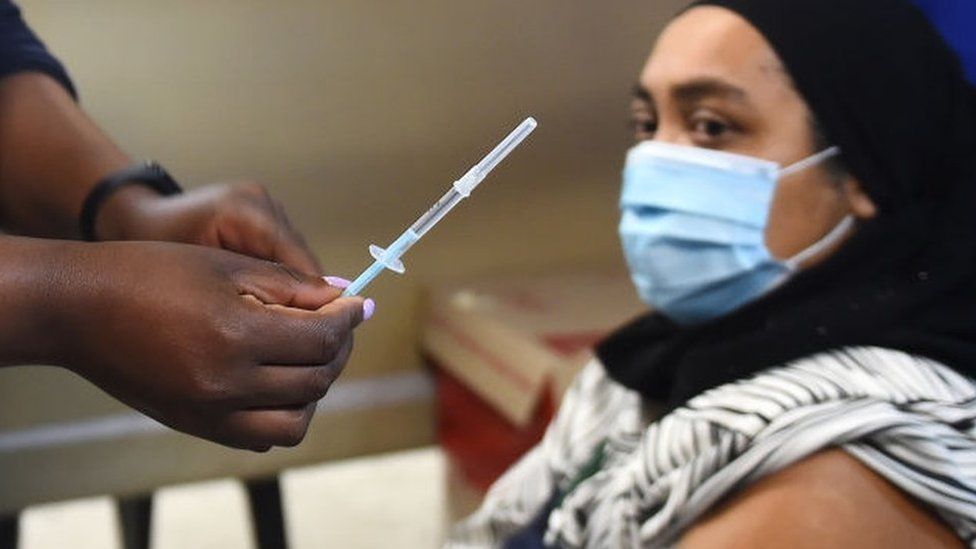
SharecloseShare pageCopy linkAbout sharingImage source, Getty ImagesHealth officials say the new coronavirus variant Omicron has now become dominant in South Africa and is driving a sharp increase in new infections.Some 8,500 new Covid infections were registered in the latest daily figures.That is almost double the 4,300 cases confirmed the previous day.By contrast, daily infections were averaging between 200 and 300 in mid-November, a top South African scientist told the BBC.Omicron has now been detected in at least 24 countries around the world, according to the World Health Organization (WHO).South Africa was the first country to detect the highly mutated new variant. Its National Institute for Communicable Diseases (NICD) has said more than 70% of all the virus genomes it sequenced last month have been of the new variant.India, Ghana, Saudi Arabia and the UAE are among the latest countries to have confirmed their first cases of Omicron. Others including the UK, US and Germany have also seen people infected by the new variant. Many questions about Omicron remain to be answered, including how much protection current vaccines provide.The WHO has categorised it as a “variant of concern”, and says early evidence suggests it has a higher re-infection risk.Earlier this week, countries around the world restricted travel from southern Africa as details of the spread emerged.This prompted South Africa’s foreign ministry to complain that it was being punished – instead of applauded – for discovering Omicron.South Africa’s President Cyril Ramaphosa also said he was “deeply disappointed” by the travel bans, which he described as being unjustified. WHO chief Tedros Adhanom Ghebreyesus later warned that blanket Covid measures were penalising southern Africa.How can I tell I have Omicron?Covid map: Where are cases the highest? The rate of new infections is expected to increase in what is now the beginning of the fourth wave in South Africa, and the national health department says there has also been a slight increase in hospital admissions.BBC health correspondent Nick Triggle says what this means for the rest of the world remains very uncertain, given that South Africa had a wave driven by another variant – Beta – that did not take off in other places.As with previous variants Beta and Delta, the full picture in South Africa will not become clear until “people get so sick that they need to go to hospital” which is generally “three, four weeks later,” says Prof Salim Abdool Karim of the Africa Task Force for Coronavirus.”But the feedback we’re getting from the ground is that there’s really no red flags – we’re not seeing anything dramatically different, what we’re seeing is what we are used to,” he told the BBC’s Newsday programme.Most of the people who have been hospitalised in South Africa had not been vaccinated against coronavirus, according to the NICD. There are no vaccine shortages in the country, and Mr Ramaphosa has urged more people to get jabbed, saying this remains the best way to fight the virus.About 24% of South Africans have so far been fully vaccinated – far more than the 6% average recorded across the African continent as of October, but lower than the latest European average of 54%.This video can not be playedTo play this video you need to enable JavaScript in your browser.

Read more →