A third of US kids lack good and consistent health insurance

In a concerning trend for the health of U.S. children, the rate of underinsured youngsters rose from 30.6% to 34% — an additional 2.4 million kids — from 2016 to 2019, according to an analysis led by University of Pittsburgh School of Medicine researchers.
In the study, published today in Pediatrics, the researchers found that underinsurance of children was mainly driven by increased rates of inadequate insurance rather than a rise in absent or inconsistent insurance. Notably, they found families who have children with special health care needs and private insurance were hit particularly hard.
“The main takeaway is that the insurance landscape is getting bleaker, and it’s hurting millions of families, specifically those who are the most vulnerable,” said Justin Yu, M.D., lead author of the study and assistant professor of pediatrics in Pitt’s School of Medicine. “We need pediatric organizations and politicians to bring child health insurance to the forefront and make it a priority issue.”
To understand pediatric insurance trends, Yu and his team analyzed data from the National Survey of Children’s Health, an annual survey about the physical and mental health of newborns through 17-year-olds. They defined underinsured children as those who lack continuous and adequate health insurance, with “adequate” meaning that insurance usually or always met a child’s needs, allowed children to see needed providers and protected against what parents felt were unreasonable out-of-pocket expenses.
The increase in underinsured children was driven by rising insurance inadequacy, mainly experienced as high out-of-pocket expenses for health services. According to the researchers, this is concerning because high fees may force families to delay or forgo care for their child.
“Access to health care helps children be as healthy as possible so they can live full and complete lives,” said senior author Amy Houtrow, M.D., Ph.D., M.P.H., professor and vice chair of physical medicine and rehabilitation and pediatrics in Pitt’s School of Medicine, and chief of pediatric rehabilitation medicine services at UPMC Children’s Hospital of Pittsburgh. “I don’t believe that any family should have to choose between paying for medical care for their child or putting food on the table or paying their electric bills.”
The researchers suspect that the rise in unreasonable out-of-pocket expenses reflect broad trends in the insurance landscape: Insurers are increasingly transferring costs to individuals and families through higher copays and premiums and, increasingly, through high-deductible plans. These trends may help explain the finding that children with private health insurance were more likely to be underinsured than those on public plans, such as Medicaid or Children’s Health Insurance Program (CHIP).

Read more →

U.S. adults' blood pressure levels increased during the COVID-19 pandemic, study finds

The COVID-19 pandemic is associated with higher blood pressure levels among middle-aged adults across the U.S., according to new research published today in the American Heart Association’s flagship journal Circulation.
According to the American Heart Association, nearly half of American adults have high blood pressure, a leading cause of heart disease, and nearly 75% of all cases remain above the recommended blood pressure levels. Stay-at-home orders were implemented across the U.S. between March and April 2020 in response to the COVID-19 pandemic. This resulted in a shift to remote health care for numerous chronic health conditions including high blood pressure and had a negative impact on healthy lifestyle behaviors for many people.
“At the start of the pandemic, most people were not taking good care of themselves. Increases in blood pressure were likely related to changes in eating habits, increased alcohol consumption, less physical activity, decreased medication adherence, more emotional stress and poor sleep,” said lead study author Luke J. Laffin, M.D., co-director of the Center for Blood Pressure Disorders at the Cleveland Clinic in Cleveland, Ohio. “And we know that even small rises in blood pressure increase one’s risk of stroke and other adverse cardiovascular disease events.”
For this analysis, researchers accessed de-identified health data from an employee wellness program (included employees and spouses/partners) to assess changes in blood pressure levels before and during the COVID-19 pandemic. The data included nearly a half million adults across the U.S., average age of 46 years, 54% women, who had their blood pressure measured during an employee health screening every year from 2018 through 2020. Participants were categorized into four groups: normal, elevated, stage 1 hypertension and stage 2 hypertension based on the current American Heart Association blood pressure guidelines.
The researchers compared monthly average blood pressures between 2018 and 2019 and blood pressure measures in January through March 2019 to January through March 2020 (pre-pandemic). They then reviewed blood pressure changes comparing April to December 2020 (during the pandemic) to April to December 2019 (pre-pandemic).
The analysis found: During the pandemic (April to December 2020), average increases in blood pressure each month ranged from 1.10 to 2.50 mm Hg higher for systolic blood pressure (the top number in a blood pressure reading that indicates how much pressure the blood is exerting against the artery walls with each contraction) and 0.14 to 0.53 mm Hg for diastolic blood pressure (the bottom number in a blood pressure reading indicates how much pressure the blood is exerting against the artery walls while the heart is resting, between contractions) compared to the same time period in 2019. Before the pandemic, blood pressure measures were largely unchanged when comparing study years. Higher increases in blood pressure measures were seen among women for both systolic and diastolic blood pressure, among older participants for systolic blood pressure, and in younger participants for diastolic blood pressure. From April to December 2020, compared to the pre-pandemic time period, more participants (26.8%) were re-categorized to a higher blood pressure category, while only 22% of participants moved to a lower blood pressure category.”From a public health perspective, during a pandemic, getting vaccinated and wearing a mask are important. However, the results of our research reinforce the need to also be mindful of chronic health conditions such as the worsening of blood pressure,” Laffin said. “Even in the midst of the pandemic, it’s important to pay attention to your blood pressure and your chronic medical conditions. Get regular exercise, eat a healthy diet, and monitor your blood pressure and cholesterol. See your doctor regularly to learn how to manage your cardiovascular risk factors.”
The study authors are following up on these results to find out if this trend continued in 2021, which may indicate a forthcoming wave of strokes and heart attacks.
“Unfortunately, this research confirms what is being seen across the country — the COVID-19 pandemic has had and will continue to have long-reaching health impacts across the country and particularly related to uncontrolled hypertension,” said Eduardo Sanchez, M.D., M.P.H., FAAFP, FAHA, the American Heart Association’s chief medical officer for prevention. “These results validate why the American Heart Association’s National Hypertension Control Initiative (NHCI) is critically important. With a particular emphasis on historically under-resourced communities in the United States, the comprehensive program supports health care teams at community health centers through regular blood pressure management training, technical assistance and resources that include the proper blood pressure measurement technique, self-measured blood pressure monitoring and management, medication adherence and healthy lifestyle services.”
The study’s main limitation is that the key cause for higher blood pressure is not clear. Additionally, the study’s findings may not be representative of adults who do not participate in an employee wellness program.
Co-authors are Harvey W. Kaufman, M.D., M.B.A.; Zhen Chen, M.S.; Justin K. Niles, M.A.; Andre R. Arellano, B.S.; Lance A. Bare, Ph.D.; and Stanley L. Hazen, M.D., Ph.D.
The study reported no funding sources.

Read more →

Young people recover quickly from rare myocarditis side effect of COVID-19 vaccine, study finds

Most young people under the age of 21 who developed suspected COVID-19 vaccine-related heart muscle inflammation known as myocarditis had mild symptoms that improved quickly, according to new research published today in the American Heart Association’s flagship journal Circulation.
Myocarditis is a rare but serious condition that causes inflammation of the heart muscle. It can weaken the heart and affect the heart’s electrical system, which keeps the heart pumping regularly. It is most often the result of an infection and/or inflammation caused by a virus.
“In June of this year, the U.S. Centers for Disease Control and Prevention (CDC) Advisory Committee on Immunization Practices reported a likely link between mRNA COVID-19 vaccination and myocarditis, particularly in people younger than 39. However, research continues to find COVID-19 vaccine-related cases of myocarditis uncommon and mostly mild,” said Donald. M. Lloyd-Jones, M.D., Sc.M., FAHA, president of the American Heart Association, who was not involved in the study. “Overwhelmingly, data continue to indicate that the benefits of COVID-19 vaccination — 91% effective at preventing complications of severe COVID-19 infection including hospitalization and death — far exceed the very rare risks of adverse events, including myocarditis.”
“The highest rates of myocarditis following COVID-19 vaccination have been reported among adolescent and young adult males. Past research shows this rare side effect to be associated with some other vaccines, most notably the smallpox vaccine,” said the new study’s senior author Jane W. Newburger, M.D., M.P.H., FAHA, associate chair of Academic Affairs in the Department of Cardiology at Boston Children’s Hospital, the Commonwealth Professor of Pediatrics at Harvard Medical School and a member of the American Heart Association’s Council on Lifelong Congenital Heart Disease and Heart Health in the Young. “While current data on symptoms, case severity and short-term outcomes is limited, we set out to examine a large group of suspected cases of this heart condition as it relates to the COVID-19 vaccine in teens and adults younger than 21 in North America.”
Using data from 26 pediatric medical centers across the United States and Canada, researchers reviewed the medical records of patients younger than 21 who showed symptoms, lab results or imaging findings indicating myocarditis within one month of receiving a COVID-19 vaccination, prior to July 4, 2021. Cases of suspected vaccine-associated myocarditis were categorized as “probable” or “confirmed” using CDC definitions.
Of the 139 teens and young adults, ranging from 12 to 20 years of age, researchers identified and evaluated: Most patients were white (66.2%), nine out of 10 (90.6%) were male and median age was 15.8 years. Nearly every case (97.8%) followed an mRNA vaccine, and 91.4% occurred after the second vaccine dose. Onset of symptoms occurred at a median of 2 days following vaccine administration. Chest pain was the most common symptom (99,3%); fever and shortness of breath each occurred in 30.9% and 27.3% of patients, respectively. About one in five patients (18.7%) was admitted to intensive care, but there were no deaths. Most patients were hospitalized for two or three days. More than three-fourths (77.3%) of patients who received a cardiac MRI showed evidence of inflammation of or injury to the heart muscle. Nearly 18.7% had at least mildly decreased left ventricular function (squeeze of the heart) at presentation, but heart function had returned to normal in all who returned for follow-up.”These data suggest that most cases of suspected COVID-19 vaccine-related myocarditis in people younger than 21 are mild and resolve quickly,” said the study’s first author, Dongngan T. Truong, M.D., an associate professor of pediatrics in the division of cardiology at the University of Utah and a pediatric cardiologist at Intermountain Primary Children’s Hospital in Salt Lake City. “We were very happy to see that type of recovery. However, we are awaiting further studies to better understand the long-term outcomes of patients who have had COVID-19 vaccination-related myocarditis. We also need to study the risk factors and mechanisms for this rare complication.”

Read more →

Covid-19: Italy tightens restrictions for unvaccinated

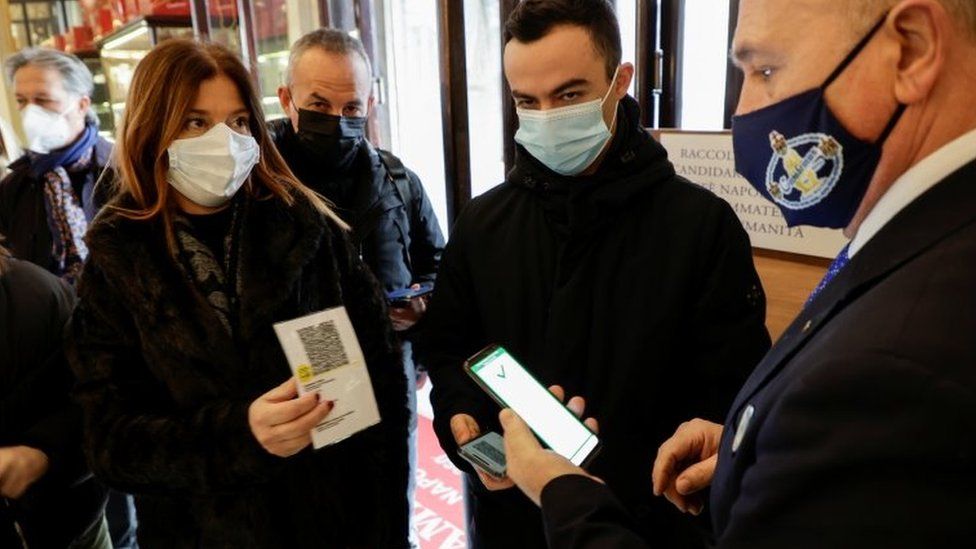
SharecloseShare pageCopy linkAbout sharingImage source, ReutersItaly has introduced tougher restrictions for unvaccinated people amid concern over the Omicron variant and a potential spike in infections.Many public activities will be off limits to anyone without a so-called Covid Super Green Pass from Monday.The pass shows proof of vaccination, or recovery from the virus within the last six months.It will be needed to enter theatres, cinemas, music venues, sports events, restaurants and bars until mid-January.The new measures strengthen the existing Covid green passes, which can be obtained following a negative test. The basic green passes will now be required to use public transport, as well as to access places of work.Italy is grappling with a spike in coronavirus infections, which have been rising gradually since mid-October.There is also concern around Europe about the spread of the Omicron variant, which experts fear may be more transmissible and evade some immunity to Covid.Italy was ravaged by infections in the early stages of the pandemic and has one of the highest death tolls at more than 134,000.But the country’s vaccination rate is higher than many of its neighbours. About 73% of the total population have been fully vaccinated and 11% have had booster shots, according to the latest data.Even so, several Italian cities have imposed rules obliging people to wear facemasks, even in outdoor settings such as crowded shopping streets.Italy introduced green passes in August for access to cultural and social venues before extending them to workplaces in October.Italy requires all workers to show green passGermany puts major restrictions on unvaccinatedOmicron variant in Netherlands earlier than thoughtThe passes were initially intended to make travel within the EU more efficient, but several countries have widened their use to limit infections and encourage vaccine up-take.France requires a health pass for access to restaurants, bars, planes and trains, while Austria and Cyprus are among other EU countries to have used similar schemes.In recent weeks, European countries have placed stricter restrictions on unvaccinated people in response to rising infections as winter approaches.In mid-November, Austria imposed a lockdown for the unvaccinated.Germany’s leaders, meanwhile, have agreed to bar unvaccinated people from many public venues, and Greece announced monthly fines of €100 (£85; $113) for anyone over 60 who remains unvaccinated.You may also be interested in:This video can not be playedTo play this video you need to enable JavaScript in your browser.

Read more →

The Pandemic Has Your Blood Pressure Rising? You’re Not Alone.

Average blood pressure readings increased as the coronavirus spread, new research suggests. The finding portends medical repercussions far beyond Covid-19.Last year was a tough one. Americans grappled with a global pandemic, the loss of loved ones, lockdowns that splintered social networks, stress, unemployment and depression.It is probably no surprise that the nation’s blood pressure shot up.On Monday, scientists reported that blood pressure measurements of nearly a half-million adults showed a significant rise last year, compared with the previous year.These measurements describe the pressure of blood against the walls of the arteries. Over time, increased pressure can damage the heart, the brain, blood vessels, kidneys and eyes. Sexual function can also be affected.“These are very important data that are not surprising, but are shocking,” said Dr. Donald M. Lloyd-Jones, president of the American Heart Association, who was not involved in the study.“Even small changes in average blood pressure in the population,” he added, “can have a huge impact on the number of strokes, heart failure events and heart attacks that we’re likely to be seeing in the coming months.”The study, published as a research letter in the journal Circulation, is a stark reminder that even in the midst of a pandemic that has claimed more than 785,000 American lives and disrupted access to health care, chronic health conditions must still be managed.Almost half of all American adults have hypertension, or high blood pressure, a chronic condition referred to as a “silent killer” because it can have life-threatening consequences, though it produces few symptoms.Hypertension may also put people at greater risk for severe disease if they are infected with the coronavirus. (The evidence for that link is mixed, according to the Centers for Disease Control and Prevention.)The new study, by researchers at the Cleveland Clinic and Quest Diagnostics, examined data from hundreds of thousands of Quest employees and spouses who participated in a company wellness program that tracked blood pressure and other health indicators, like weight. The participants, from all 50 states and the District of Columbia, included people who had elevated blood pressure and normal blood pressure at the start of the study.“We observed that people weren’t exercising as much during the pandemic, weren’t getting regular care, were drinking more and sleeping less,” said Dr. Luke Laffin, the lead author, a preventive cardiologist who is co-director of the Center for Blood Pressure Disorders at the Cleveland Clinic. “We wanted to know, was their blood pressure changing during the pandemic?”The researchers found that blood pressure readings changed little from 2019 to the first three months of 2020, but increased significantly from April 2020 through December 2020, compared with the same period in 2019.Blood pressure is measured in units of millimeters of mercury (mm Hg) and consists of two numbers. The first number refers to systolic pressure as the heart contracts, and the second number refers to diastolic pressure as the heart rests between beats. Normal blood pressure is said to be 120/80 mm Hg or less, although there is decades-long dispute about the optimal levels.The new study found that the average monthly change from April 2020 to December 2020, compared with the previous year, was 1.10 mm Hg to 2.50 mm Hg for systolic blood pressure, and 0.14 to 0.53 for diastolic blood pressure.The increases held true for both men and women, and in all age groups. Larger increases in both systolic and diastolic blood pressure were seen in women.The average age of the study participants was just over 45, and slightly more than half were women. But critics said the failure to include information on the race and the ethnicity of participants was a significant weakness in the study, as hypertension is much more prevalent among Black Americans than among white or Hispanic Americans.Black people have also been disproportionately affected by the pandemic. Dr. Laffin said information on race and ethnicity was available only for 6 percent of the study participants, so an analysis would not be meaningful.But there is a big difference between Black Americans and white and Hispanic Americans when it comes to hypertension, said Dr. Kim Williams, a cardiologist at Rush University Medical Center in Chicago and an author of the national blood pressure guidelines that were issued in 2017.The Coronavirus Pandemic: Key Things to KnowCard 1 of 4The Omicron variant.

Read more →

Sarah Gilbert: Next pandemic could be more lethal than Covid

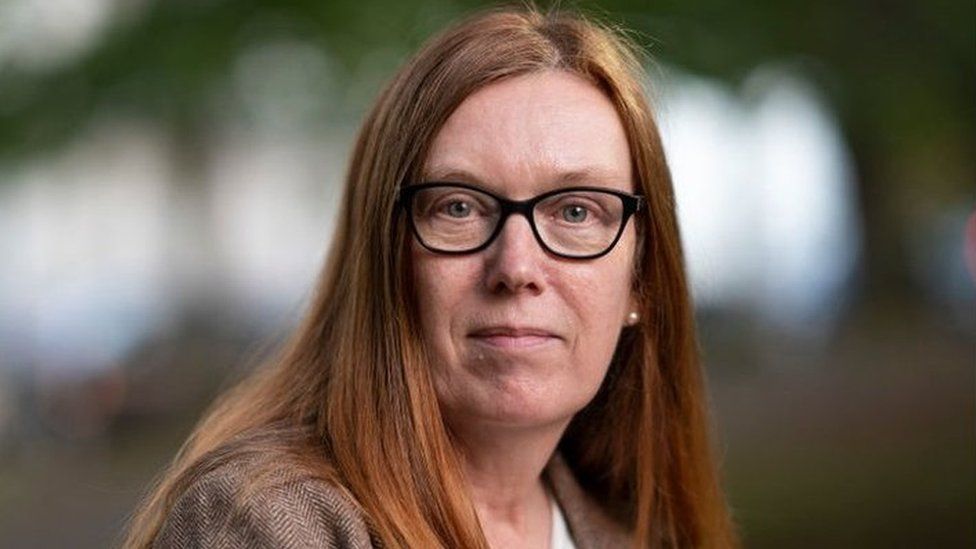
SharecloseShare pageCopy linkAbout sharingImage source, Getty ImagesFuture pandemics could be more lethal than the current Covid crisis, one of the creators of the Oxford-AstraZeneca vaccine has warned. Prof Dame Sarah Gilbert, delivering the 44th Richard Dimbleby Lecture, said there needed to be more funding for pandemic preparedness to prevent the advances made from being lost.She also warned vaccines could be less effective against the Omicron variant.Dame Sarah added that people should be cautious until more was known about it. She said: “This will not be the last time a virus threatens our lives and our livelihoods. The truth is, the next one could be worse. It could be more contagious, or more lethal, or both.”We cannot allow a situation where we have gone through all we have gone through, and then find that the enormous economic losses we have sustained mean that there is still no funding for pandemic preparedness,” she added. “The advances we have made, and the knowledge we have gained, must not be lost.”Who is the woman who designed the Oxford vaccine?Bogus reports, accidental finds – the Oxford vaccine storyUK’s Covid vaccine creator: Let’s take on more diseasesSpeaking about the Omicron variant, she said its spike protein contained mutations known to increase the transmissibility of the virus.”But there are additional changes that may mean antibodies induced by the vaccines, or by infection with other variants, may be less effective at preventing infection with Omicron.”Until we know more, we should be cautious, and take steps to slow down the spread of this new variant.”However, Dame Sarah said reduced protection against infection and mild disease would not necessarily mean reduced protection against severe illness and death. She also called for the rapid progress seen in delivering vaccines and medicines during the pandemic to become the norm. There was no reason why a universal flu jab could not be developed in order to wipe out the threat from influenza, she said. Is Omicron more harmful than other Covid variants?Covid variants: Do we need new vaccines yet?On Saturday, the government announced that travellers heading to the UK will now have to take a Covid test before their departure in an effort to limit spread of the Omicron.From 04:00 GMT on Tuesday travellers aged 12 and over will be required to show proof of a negative PCR or lateral flow test taken no earlier than 48 hours before departure.And Nigeria has now been added to the travel red list after a growing number of Omicron cases were linked to the country.But a scientist advising the government said the travel rule changes were “a case of shutting the stable door after the horse has bolted”.Prof Mark Woolhouse said the new rules had come too late to make a “material difference” to a potential wave of the Omicron variant in the UK.Prof Woolhouse, a member of the government’s Scientific Pandemic Influenza Group on Modelling (Spi-M), told the BBC’s Andrew Marr show that Omicron was “spreading pretty rapidly” in the UK, and if current trends here and in South Africa continued in the coming weeks and months, it could replace Delta as the world’s dominant strain. The UK recorded 86 new cases of the Omicron variant on Sunday, taking the total so far to 246. In total, 43,992 cases and 54 deaths within 28 days of a positive coronavirus test were recorded on Sunday.Dame Sarah – who was recognised with a damehood in the Queen’s Birthday Honours earlier this year – began designing a coronavirus vaccine in early 2020 when Covid first emerged in China.The Oxford-AstraZeneca jab is now the most widely used around the world, with doses sent to more than 170 countries. The lecture, named after the late broadcaster, Richard Dimbleby, features influential speakers from academia, arts and business and the Royal Family.The 44th Richard Dimbleby Lecture will be broadcast on BBC One and iPlayer on Monday 6 December at 22:35 GMT.

Read more →

J.&J. Booster Worked for People Who Got Pfizer Shots in Study

People who received Pfizer-BioNTech vaccines may get as much benefit from a Johnson & Johnson booster shot as a Pfizer one. That’s the finding of a small study released on Sunday.Researchers at the Beth Israel Deaconess Medical Center in Boston studied 65 people who had received two shots of the Pfizer vaccine. Six months after the second dose, the researchers gave 24 of the volunteers a third dose of the Pfizer vaccine and gave 41 the Johnson & Johnson shot. (The study was funded in part by Johnson & Johnson and has not yet been published in a scientific journal.)Both vaccine brands boosted the number of Covid-fighting T-cells, which are important for long-lasting protection and for preventing infections from turning into severe disease. But the T-cell increase delivered by the Johnson & Johnson vaccine was twice as high as that of Pfizer’s.The researchers also measured antibodies, which provide much of the protection immediately after vaccination. Volunteers who got a third Pfizer dose saw their antibody levels jump after two weeks, and then decline by a quarter by the fourth week. The Johnson & Johnson booster, by contrast, more than doubled antibody levels between the second and fourth weeks. At that point, Pfizer’s antibodies were still about 50 percent higher than Johnson & Johnson’s. For antibodies, that’s a relatively small difference. And both levels were well above the threshold scientists believe is needed for strong protection.The results are somewhat different from earlier studies. In October, a “mix and match” clinical trial organized by the National Institutes of Health reported that all three authorized vaccines — from Pfizer, Moderna and Johnson & Johnson — caused antibody levels to rise when used as a booster. But Johnson & Johnson’s shot provided a much smaller boost than the others did. (The N.I.H. has not yet published how each booster affected the volunteers’ T-cells.)The difference between the two studies might be explained by the length of delay between shots. In the N.I.H. trial, many of the volunteers got their booster shots after three or four months, versus the new study’s wait of six months.The Johnson & Johnson vaccine seems to have benefited more from the longer wait. Unlike Pfizer and Moderna, which are made from mRNA, Johnson & Johnson’s is made from a modified cold virus. It may be important to give the immune system more time to return to a resting state before getting this type of vaccine.

Read more →

U.S. Omicron Cases Likely to Rise, Officials Say, As Uncertainties Remain

Several dozen cases of the new Omicron variant of the coronavirus have been identified in the United States, a number that is “likely to rise” Dr. Rochelle P. Walensky, the director of the Centers for Disease Control and Prevention, said on Sunday on ABC’s “This Week.”At least 17 states have detected cases, including in some people who have no known history of recent travel abroad, which experts have said suggests community spread of the variant in the United States.Genetic sequencing is required to determine which variant an infected patient has. In recent months the United States has greatly expanded sequencing efforts, but the process takes time; the C.D.C., for instance, typically takes about 10 days to yield results. According to Dr. Walensky, about 14 percent of all positive P.C.R. tests in the United States are being sequenced.The variant has a cluster of mutations that have raised alarm around the world, but at this early stage, there are still more questions about it than answers, health officials said on Sunday.“What we don’t yet know is how transmissible it will be, how well our vaccines will work, whether it will lead to more severe disease,” Dr. Walensky said.American officials are in frequent communication with experts in South Africa where the variant is now widespread, Dr. Anthony S. Fauci, the nation’s leading infectious disease doctor, said Sunday on CNN’s “State of the Union.”How quickly Omicron will spread in the United States, where the highly contagious Delta variant now accounts for 99.9 percent of all cases, remains unknown, Dr. Fauci said. “What’s going to happen when you have those two competing with each other?” he said, adding that, “we have really got to be careful” in assessing how severe Omicron might end up being.A new report from South Africa has fueled hopes that the variant may not cause serious disease, though it remains far too early to conclude that, experts say. The report focuses primarily on 42 patients in a hospital in Gauteng province, the center of the nation’s Omicron outbreak.Although the researchers were not able to confirm that all the cases were caused by Omicron, the majority of patients with the virus did not require supplemental oxygen, the report says, and many were not hospitalized for Covid-19 itself. Instead they tested positive for the virus after being admitted for other reasons.“This is a picture that has not been seen in previous waves,” wrote Dr. Fareed Abdullah, who directs the Office of AIDS and TB Research at the South African Medical Research Council and is the author of the new report.But the findings come with major caveats, including the fact the patients were younger than during previous waves, and thus less likely to have severe disease. The data also accounts for just the first two weeks of the outbreak — hospitalizations and deaths are often a lagging indicator and could rise in the coming weeks.Omicron’s rapid spread still poses risks, Dr. Maria Van Kerkhove, the World Health Organization’s technical lead for coronavirus response, said on Sunday on CBS’s “Face the Nation.”“Even if we have a large number of cases that are mild, some of those individuals will need hospitalizations, they will need to go into I.C.U., and some people will die,” she said. “And so more cases can mean more hospitalizations, and more hospitalizations could mean more deaths.”The Coronavirus Pandemic: Key Things to KnowCard 1 of 4The Omicron variant.

Read more →

Omicron Case With a New York Tie Shows How Virus Outpaces Response

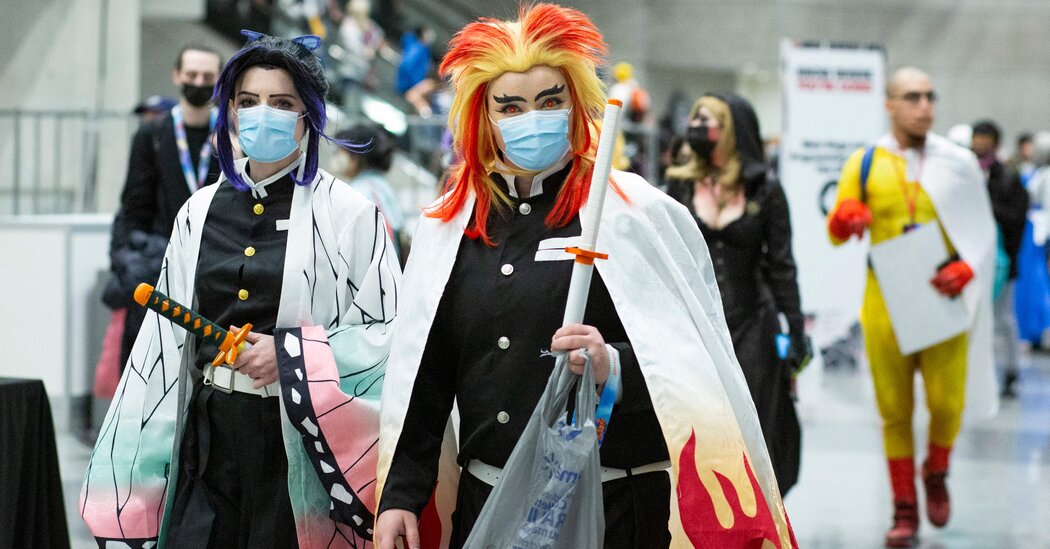
A health care analyst came to Manhattan for an anime convention. His trip shows how the virus once again outpaced the public health response.They wore fluorescent wigs and capes with gold tassels. They arrived in knee-high white platform boots, and with feathered wings affixed to their backs. Dressed like their favorite characters, or just wearing street clothes, they packed into Manhattan’s main convention hall — some 53,000 of them — over three days in November to celebrate their love of Japanese animation shows known as anime.In the crowd was Peter McGinn, a 30-year-old health care analyst in town from Minneapolis. He attended discussion panels, chatted with strangers about his anime podcast and, at night, sang karaoke with friends. After flying home, he learned that one friend from the convention — an anime fan from North Carolina — had just tested positive for the coronavirus. In the days to come, many more of his friends from the convention would test positive, as well. Coughing and feeling tired, Mr. McGinn also took a test. He had the virus, too. That was Nov. 23, a day before most scientists had even heard of the new variant that was tearing across southern Africa. The World Health Organization had not yet even given the variant a name — Omicron. But it was already present in the United States, undetected.That became apparent this past week, when health authorities in Minnesota examined the virus samples in a batch of recent tests. One of them — from Mr. McGinn — showed Omicron’s telltale mutations.His infection, which was announced by the Minnesota health authorities on Dec. 2, is the first known instance of Omicron spreading within the United States. “I’m essentially patient zero,” he said in an interview from Minneapolis on Friday, though he wonders how he contracted it. “It’s still a mystery.”He may never know. The announcement came more than 10 days after the anime convention ended, leaving health authorities far behind, even before they realized the race against Omicron had begun.New York City health officials have sent tens of thousands of emails and text messages to the convention attendees, urging them to get tested. But so far the authorities have yet to confirm any transmission of Omicron at the Anime NYC convention, which was held Nov. 19-21.It is possible that the convention contributed little to Omicron’s spread. But it appears more likely that the virus is once again outpacing a public health response that is simply unable to keep up. (On Saturday, Connecticut officials said that a man in his 60s from their state fell sick with the Omicron variant in late November, days after a family member had returned from attending the anime convention.)In the nearly two years since the novel coronavirus first began circulating in this country, the United States has built enough capacity to test more people than any other country. It is now sequencing some 14 percent of positive P.C.R. tests, searching for mutations and identifying variants.Some municipalities, like New York City, and states, like Massachusetts, built out large-scale contact tracing organizations. Most of the U.S. population — 60 percent — is vaccinated. Just a few weeks ago, before Omicron was identified, there was widespread hope that the pandemic, in this country at least, was easing. People felt safe as they flashed their proof of vaccination — at least one dose was required for entry, consistent with the city’s rules — and streamed into the Javits Center for the convention.But amid tens of thousands of new Delta infections in the United States each day, Omicron’s landfall and spread are easily hidden. Many coronavirus infections are asymptomatic or have only minor symptoms, slipping under the radar.Indeed, it remains unclear if the anime convention was a super spreader event. “We haven’t found evidence of widespread transmission at the convention,” Adam Shrier, a spokesman for New York City’s contact tracing program, Test and Trace Corps, wrote in an email.It is also unclear whether Mr. McGinn was infected at the convention or by a fellow attendee. But he spent successive days at the convention, and evenings with other convention goers.Of the roughly 30 people he recalls socializing with in New York City, about half have since tested positive for the coronavirus, Mr. McGinn said. However, none of the states where they live have announced whether those people also had the Omicron variant. Much remains unknown about Omicron, including how deadly it is or the degree of protection that Covid vaccines provide against it. But epidemiologists are once again talking about flattening the curve, through mask wearing and more cautious behavior. And they are urging action now, to avoid a repeat of the mistakes made in March 2020, when New York officials were slow to understand just how quickly the virus was spreading throughout the city. Over the past four days, New York’s genome sequencing program has detected seven Omicron cases among residents in New York City, although health authorities have provided little information about the cases. “All of these cases are believed to be unrelated to the recent Anime NYC convention at the Javits Center,” the governor’s office said in a news release on Saturday morning.New York’s surveillance program for screening variants is relatively robust, but it comes with a lag, as do similar programs elsewhere. It typically takes between four and eight days from the time a sample is swabbed to identify which variant caused the infection. That means any alarming increase in new cases that is noticed today may already be a week old.Dr. Jay Varma, an epidemiologist who helped guide New York City’s pandemic response as a City Hall adviser, said in an interview that he believed the city should distribute N95 masks to households in the neighborhoods that were hardest hit by Covid-19 last year and start opening more testing sites in response to Omicron. And he said it was time to tighten New York City’s vaccination requirement for indoor venues like restaurants and bars. Rather than requiring only one dose, he suggested that it was time to require three.“We don’t know how effective that is going to be,” said Dr. Varma, who said he shared these and other ideas with top city health officials this past week. “But as far as I can tell, there is no downside to basically forcing the issue: Full immunity now means three doses of a vaccine, so go ahead and get it.”A Covid testing site in Times Square on Dec. 3. New York is experiencing a new surge in cases. Yuki Iwamura/Associated PressMr. McGinn’s experience illustrates the difficulties of contact tracing. He flew into La Guardia Airport on Nov. 18, excited to link up with other anime fans and soak up New York. He went out for dinner and drinks, stayed with two friends in an Airbnb in Hell’s Kitchen and sang karaoke in Koreatown on a Saturday night. During the day, he attended the anime conference at the Javits Center.The atmosphere was joyous, with the feel of a huge reunion. The “Artist Alley,” which showcased anime artists, was so clogged and chaotic that one attendee, Lucy Camacho, 23, described it as “Penn Station during rush hour.”The Coronavirus Pandemic: Key Things to KnowCard 1 of 4The Omicron variant.

Read more →

Nasal problem plagued long-nosed crocodile relatives

Research published in the journal Anatomical Record finds that humans have more in common with endangered crocodiles than we think — namely, a deviated septum.
Gharials are some of the rarest crocodylians on Earth and members of a group of animals that once roamed the planet with the dinosaurs. Native to India, gharials resemble American alligators and crocodiles, but with bulging eyes and an extremely long and thin snout that allows them to cut through water when hunting prey. In males, this snout houses an even longer nose that ends in an enlarged bulb.
At first glance, these unusual animals appear to have little in common with humans. However, a new study led by Jason Bourke, Ph.D., assistant professor of basic sciences at the College of Osteopathic Medicine at Arkansas State University (NYITCOM-Arkansas), reports that — just like humans — gharials suffer from nasal septal deviation.
The Cleveland Clinic estimates that up to 80 percent of people have a deviated septum, a condition in which the nasal cartilage is “off-center.” While the condition is mild in most individuals, larger deviations can restrict nasal breathing and require reconstructive surgery.
Bourke and his colleagues are the first to document deviated nasal septa in crocodylians. Using medical imaging technology, they analyzed the heads of multiple gharial specimens, including that of a large female from the Fort Worth Zoo nicknamed “Louise,” which fueled their curiosity.
“This weird nasal septum was an unexpected discovery,” said study co-author Casey Holliday, Ph.D., associate professor of pathology and anatomical sciences at the University of Missouri, who initially scanned the specimen for a separate project on gharial anatomy. “I saw this roller coaster of a septum and wondered what this might mean for respiration.”
Holliday shared Louise’s extreme anatomy with Bourke, a vertebrate paleontologist whose lab specializes in modeling fluid dynamics in animal noses using sophisticated computer software that simulates air movement.

Read more →