Throwing a tea party for children with cancer

For seriously ill young people who were stuck in hospital over lockdown, the pandemic was particularly tough. Hospital visits were limited to one family member, and treatment was made even more difficult with the added anxieties of coronavirus. Charity Spread a Smile, which provides events to distract seriously ill young people, has put on a tea party to provide a release from hospital treatment. For some children, it was one of the first outings since the start of the pandemic.Video Journalist: Meghan Owen

Read more →

Pfizer’s vaccine provides some protection against Omicron, a lab study suggests.

A report out of South Africa offered a first glimpse at how vaccinated people might fare against the fast-spreading Omicron variant of the coronavirus.Laboratory experiments found that Omicron seems to dull the power of the Pfizer-BioNTech vaccine, but also hinted that people who have received a booster shot might be better protected.The study, published online on Tuesday, found that antibodies produced by vaccinated people were much less successful at keeping the Omicron variant from infecting cells than other forms of the coronavirus.Scientists said the results were somewhat worrisome, but no cause for panic. The data suggests that vaccinated people might be vulnerable to breakthrough infections with Omicron, which is spreading rapidly in South Africa and has appeared in dozens of countries around the world.But vaccines stimulate a wide-ranging immune response that involves more than just antibodies. So these experiments offer an incomplete picture of how well the vaccine protects against hospitalization or death from Omicron.“While I think there’s going to be a lot of infection, I’m not sure this is going to translate into systems collapsing,” Alex Sigal, a virologist at the Africa Health Research Institute in Durban, South Africa, who led the research, said in an interview. “My guess is that it’ll be under control.”Dr. Sigal and his colleagues worked at breakneck speed over the past two weeks to grow the virus and then test antibodies against it. “If I don’t die from the virus, I’ll die of exhaustion,” he said.Originally, Dr. Sigal feared that vaccines might not provide any protection at all. It was possible that the Omicron variant had evolved a new way of entering cells, which would have rendered antibodies from vaccines useless. “Then all our efforts would be trash,” he said.Fortunately, that proved not to be the case.Dr. Sigal and his colleagues used antibodies from six people who received the Pfizer vaccine without ever having had Covid-19. They also analyzed antibodies from six other people who had been infected before getting the Pfizer vaccine.The researchers found that the antibodies from all of the volunteers performed worse against Omicron than they did against an earlier version of the coronavirus. Overall, their antibodies’ potency against Omicron dropped dramatically, to about one-fortieth of the level seen when tested with an earlier version of the virus. That low level of antibodies may not protect against breakthrough Omicron infections.Theodora Hatziioannou, a virologist at Rockefeller University who was not involved in the research, said that number was not surprising. “It’s more or less what we expected,” she said.The results could help explain some high-profile superspreading events caused by Omicron. At an office Christmas party in Norway, the virus seems to have infected at least half of 120 vaccinated attendees.Dr. Sigal announced the results on Twitter Tuesday afternoon.His team found a distinct difference between the two sets of volunteers. The antibodies from the six uninfected vaccinated people were very weak against Omicron. But among the volunteers who had Covid-19 before vaccination, five out of six still produced fairly potent responses.The Coronavirus Pandemic: Key Things to KnowCard 1 of 4The Omicron variant.

Read more →

Pediatricians Find Children Need Much More Than Vaccines

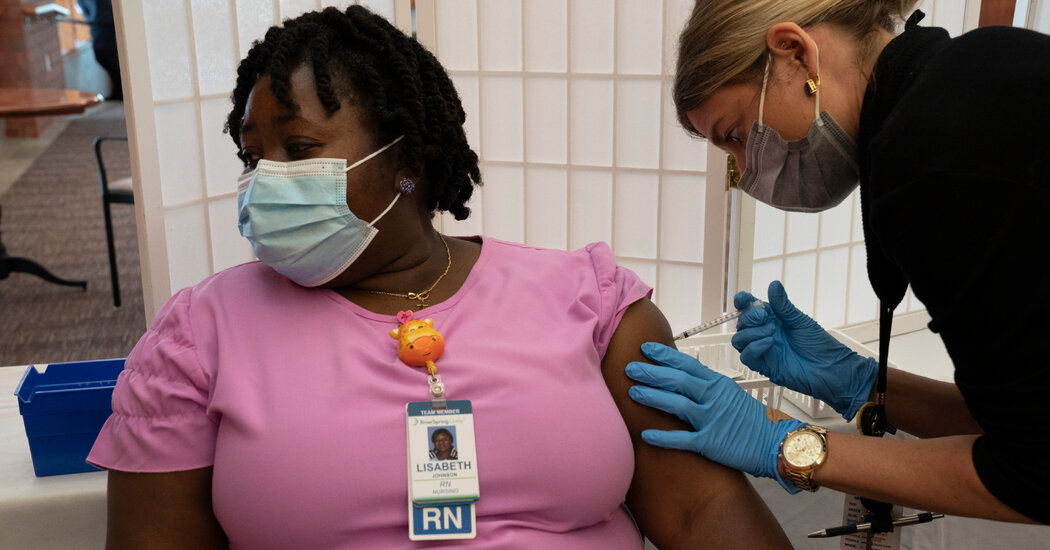
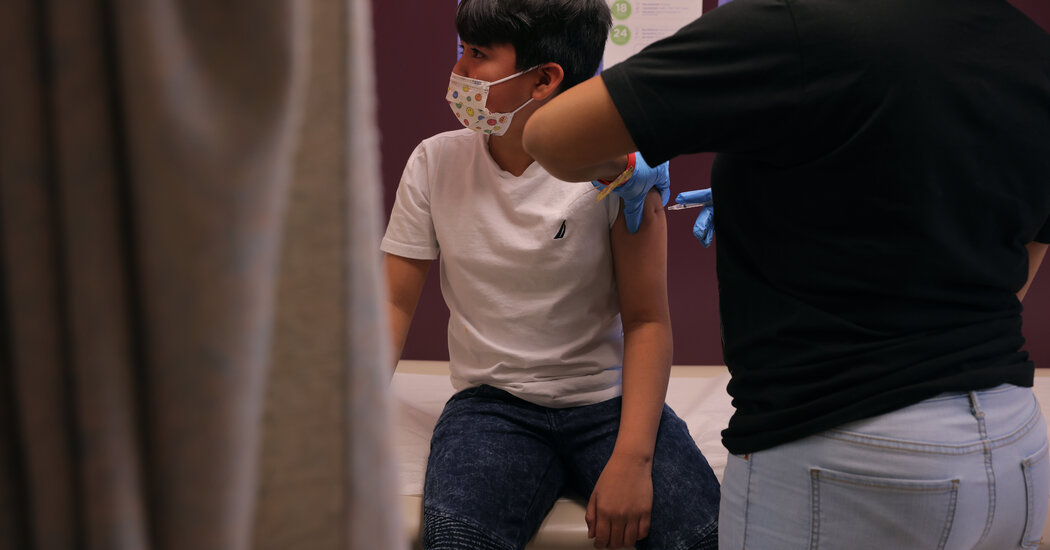
At one clinic serving low-income children, treatment for health problems that have gone unchecked during the pandemic is more in demand than coronavirus shots.CHARLOTTE, N.C. — Near the end of one of the first days that 5- to 11-year-olds could get a coronavirus shot last month, Dr. Anne Steptoe, a pediatrician, sat hunched in her cramped office between packages of diapers, onesies and children’s books, cataloging the week’s patients on her laptop.One teenage girl had been sleepless and suicidal; another was anemic. Several young boys had gained weight during the pandemic. A 10-year-old had been plagued by asthma attacks and was using her inhalers incorrectly. Another child of the same age needed a mental health consultation after angry outbursts at school.The rollout of the shot for young children brought relief for many families eager to shore up protection amid a wave of new virus cases. But much of the upfront demand has already been met; many parents who were eager to get their children vaccinated have done so. The success of the campaign, made even more urgent with the arrival of the Omicron variant, depends on the next phase: reaching the hesitant and undecided, including those who have not given thought or gained access to the shot.Dr. Anne Steptoe speaking to the staff at the Charlotte Community Health Clinic. A federal program called the National Health Service Corps brought Dr. Steptoe to the clinic last year as it was building out its pediatric unit, which had gone months without a pediatrician.Travis Dove for The New York TimesDr. Steptoe’s patients at Charlotte Community Health Clinic, many of whom have chronic medical conditions, crowded housing arrangements and vulnerable family members, are among the children most in need of the shot. Yet most parents who have brought their children to the clinic over the past month have declined it. They are wary of the vaccine, focused on getting treatment for mental and physical problems that had gone unchecked for much of the pandemic.More broadly, Dr. Steptoe said, her patients and their families were taking a cautious, “stepwise” approach, seeing how that shot was deployed among friends and neighbors, and asking for follow-up conversations with the clinic. That was also the case in the adolescent vaccination campaign, she said, leading to steadier uptake months into the shot’s deployment in that age group.For now, the numbers are meager. A pediatric vaccine kickoff event at the clinic drew just six children despite being advertised locally. Only 43 of the 900 doses the clinic received have been used as of Tuesday, and just 18 percent of 5- to 11-year-olds in Mecklenburg County, which includes Charlotte, had received an initial dose as of Nov. 29, said Dr. Raynard Washington, the county’s deputy public health director.While the Biden administration has paid special attention to getting the vaccine to pediatricians in private practice, it has also helped steer hundreds of thousands of doses to community health clinics like Dr. Steptoe’s. In 2020, 80 percent of Dr. Steptoe’s clinic’s nearly 5,000 patients were uninsured, including 70 percent of children. For them, it is one of the few local access points for health care in a fast-growing city.Already, Dr. Steptoe has seen the extremes of the pandemic’s effects on children’s well-being, including their mental health — the subject of a report published Tuesday by Dr. Vivek H. Murthy, the surgeon general.Josue, a 15-year-old from Honduras who had recently spent about six weeks in a hospital for malnutrition and blood count abnormalities, likely had undiagnosed cystic fibrosis, Dr. Steptoe decided after examining him.Dr. Steptoe speaking to Josue and his sister. Josue’s second dose of the Covid-19 vaccine, just a small piece of the care he needed, had been delayed.Travis Dove for The New York TimesShe reviewed with Josue and his sister a list of specialists he would need to see: a pulmonologist, geneticist, gastroenterologist, kidney doctor, endocrinologist and infectious disease expert. He was uninsured, and already facing what his sister said was a $2,800 hospital bill plus significant prescription drug costs, which Dr. Steptoe said a federal program could help cover.Josue had gotten his first coronavirus shot in early September, but was hospitalized before he was eligible for a second dose and had delayed it. For many patients seen at the clinic in the opening days of the children’s vaccine rollout — and their parents — the simple act of sitting in a physician’s office for the first time at least since the pandemic began forced a reckoning with vaccine hesitancy.“It’s building a plane in flight,” Carolyn Allison, the clinic’s chief executive, said of its efforts to get children vaccinated. “It may not be anti-vaccine, but ‘What is practical in my universe?’”Dr. Steptoe said she is careful to acknowledge a family’s fears about the Covid-19 vaccine without challenging them.Olivia Pelaez, a medical assistant at the clinic, prepared doses of Pfizer-BioNTech’s pediatric vaccine. Attempts to promote the vaccine have often been wedged into anguished discussions about how a child’s life had been disrupted by the virus.Travis Dove for The New York Times“What I’ve learned through the pandemic is just to keep having conversations and listening to people, because I do hear different things over time,” she said. Counseling families on the vaccine would be a “long-term game,” she said.Nationwide, five million of the 28 million children in the 5-to-11 age group, or roughly 18 percent, have received at least one dose of the Pfizer-BioNTech vaccine since it became available to them more than a month ago, a figure that suggests the campaign will require gradual progress.For the few young patients who did receive the Covid-19 vaccine at the clinic the first week they were eligible, families often made significant sacrifices to get them there. Emiliano, a 9-year old with attention deficit hyperactivity disorder who came for a physical, had recently lashed out several times at school. A clinic social worker discussed anger management with him. His father had taken a day off from work, and his mother three hours off, to get him there.But Emiliano eagerly agreed to the vaccine — prompting tears of relief from his mother, who had played him videos of other children getting it to encourage him.A patient’s view of the vaccine at any given appointment, Dr. Steptoe said, was a “snapshot in time.”Getting to a second conversation, or a third, increased her odds of a parent and child eventually choosing the vaccine.“Even for people that I know I have no shot of getting a shot into an arm that day,” she added. “It’s another voice, hopefully that they trust, or are building trust with, that says that in a calm and confident way and without any judgment.”Dr. Steptoe grew up in rural West Virginia without adequate primary care, she said, forcing her family to travel across state lines for routine checkups. She almost died after a botched tonsillectomy in elementary school — the surgeon did not properly close a wound — an experience that inspired her interest in pediatrics.“I knew from an early age that bad things happened to people in health care,” she said. “That was linked to the resources that we had in our community.”For many young patients, she said, the pandemic had sharpened conflicts within their families that had saddled them with mental health problems. As a screening question, she often asks patients whether they can count on the adults in their lives.The Coronavirus Pandemic: Key Things to KnowCard 1 of 4The Omicron variant.

Read more →

AI-powered computer model predicts disease progression during aging

Using artificial intelligence, a team of University at Buffalo researchers has developed a novel system that models the progression of chronic diseases as patients age.
Published in Oct. in the Journal of Pharmacokinetics and Pharmacodynamics, the model assesses metabolic and cardiovascular biomarkers — measurable biological processes such as cholesterol levels, body mass index, glucose and blood pressure — to calculate health status and disease risks across a patient’s lifespan.
The findings are critical due to the increased risk of developing metabolic and cardiovascular diseases with aging, a process that has adverse effects on cellular, psychological and behavioral processes.
“There is an unmet need for scalable approaches that can provide guidance for pharmaceutical care across the lifespan in the presence of aging and chronic co-morbidities,” says lead author Murali Ramanathan, PhD, professor of pharmaceutical sciences in the UB School of Pharmacy and Pharmaceutical Sciences. “This knowledge gap may be potentially bridged by innovative disease progression modeling.”
The model could facilitate the assessment of long-term chronic drug therapies, and help clinicians monitor treatment responses for conditions such as diabetes, high cholesterol and high blood pressure, which become more frequent with age, says Ramanathan.
Additional investigators include first author and UB School of Pharmacy and Pharmaceutical Sciences alumnus Mason McComb, PhD; Rachael Hageman Blair, PhD, associate professor of biostatistics in the UB School of Public Health and Health Professions; and Martin Lysy, PhD, associate professor of statistics and actuarial science at the University of Waterloo.
The research examined data from three case studies within the third National Health and Nutrition Examination Survey (NHANES) that assessed the metabolic and cardiovascular biomarkers of nearly 40,000 people in the United States.
Biomarkers, which also include measurements such as temperature, body weight and height, are used to diagnose, treat and monitor overall health and numerous diseases.
The researchers examined seven metabolic biomarkers: body mass index, waist-to-hip ratio, total cholesterol, high-density lipoprotein cholesterol, triglycerides, glucose and glycohemoglobin. The cardiovascular biomarkers examined include systolic and diastolic blood pressure, pulse rate and homocysteine.
By analyzing changes in metabolic and cardiovascular biomarkers, the model “learns” how aging affects these measurements. With machine learning, the system uses a memory of previous biomarker levels to predict future measurements, which ultimately reveal how metabolic and cardiovascular diseases progress over time.
Story Source:
Materials provided by University at Buffalo. Original written by Marcene Robinson. Note: Content may be edited for style and length.

Read more →

SRC-2 is at the center of survival adaptations to food shortages

When fasting or facing a food shortage, the body engages metabolic and behavioral adaptations to survive. How the brain coordinates and regulates these responses has not been clear, but researchers at Baylor College of Medicine and collaborating institutions have discovered that a molecule known as steroid receptor coactivator-2 (SRC-2) is crucial to coordinate the biological responses to the lack of food.
The team shows in the journal Cell Reports that SRC-2 specifically in POMC neurons in the hypothalamus, a brain region involved in various aspects of metabolism, including energy management, helps animals modify their metabolism and certain behaviors to survive until food is available again. Interestingly, SRC-2 also showed to be involved in weight gain when food was abundant, leading to obesity. The findings open new possibilities for designing strategies for weight management.
“When food is not easily available or during fasting, organisms modify certain aspects of their metabolism to be able to function and of their behavior to improve the odds of restoring the much needed nutrition,” said corresponding author by Dr. Yong Xu, professor of pediatrics — nutrition and molecular and cellular biology at Baylor. “In this study, we show that SCR-2 in POMC neurons in the hypothalamus is at the center of these adaptations.”
Xu and his colleagues looked into two important metabolic components: energy expenditure and blood glucose balance.
“One way to adapt to lack of food is to reduce how much energy the body spends. It is also important that the body maintains a glucose balance that sustains brain activity,” Xu said. “We found that SRC-2 is required to retain the ability to reduce energy expenditure and to maintain glucose levels that allow the animal to survive.”
The researchers also looked into behavioral adaptations that help the animal find food.
“When an animal living in the wild has not eaten in a while, it needs to venture into its environment to search for food, which at the same time exposes it to predators, creating anxiety,” Xu said. “We found that SRC-2 helps overcome the anxiety triggered by the need to go out to feed, facilitating the search for food.”
In addition, the researchers found that SRC-2 is required to delay the normal satiety signal that stops the animal from eating. “Delaying the satiety signal stimulates the animal to engage in continuous feeding behavior longer, eating as much as possible, quickly, to reduce the time they are exposed to a dangerous environment.”
During most of evolution, having enough food has been, and still is, the first priority of animals in the wild. Xu and colleagues propose that SRC-2 is evolutionarily conserved, meaning that it is at the center of the regulation of animal metabolic and behavioral adaptations that help organisms survive when food is not easily available.
On the other hand, when the environment changes so that food is readily available, animals can eat without limitations. “In this case, SRC-2 becomes detrimental to the animals. It facilitates overeating, leading to weight gain and obesity,” Xu said.
At the mechanistic level, Xu and colleagues showed that SRC-2 controls the ability of POMC neurons to transmit electric signals to communicate with other neurons. SRC-2 also mediates its effects by regulating the expression of multiple genes.
Story Source:
Materials provided by Baylor College of Medicine. Original written by Homa Shalchi. Note: Content may be edited for style and length.

Read more →

Research finds potential mechanism linking autism, intestinal inflammation

Though many people with autism spectrum disorders also experience unusual gastrointestinal inflammation, scientists have not established how those conditions might be linked. Now Harvard Medical School and MIT researchers, working with mouse models, may have found the connection: When a mother experiences an infection during pregnancy and her immune system produces elevated levels of the molecule Interleukin-17a (IL-17a), that can not only alter brain development in her fetus, but also alter her microbiome such that after birth the newborn’s immune system can become primed for future inflammatory attacks.
In four studies beginning in 2016, study co-senior authors Gloria Choi of MIT and Jun Huh of Harvard have traced how elevated IL-17a during pregnancy acts on neural receptors in a specific region of the fetal brain to alter circuit development, leading to autism-like behavioral symptoms in mouse models. The new research published Dec. 7 in Immunity shows how IL-17a can act to also alter the trajectory of immune system development.
“We’ve shown that IL-17a acting on the fetal brain can induce autism-like behavioral phenotypes such as social deficits,” said Choi, Mark Hyman Jr. Career Development Associate Professor in The Picower Institute for Learning and Memory and Department of Brain and Cognitive Sciences at MIT. “Now we are showing that the same IL-17a in mothers, through changes in the microbiome community, produces comorbid symptoms such as a primed immune system.”
The researchers caution that the study findings are yet to be confirmed in humans, but that they do offer a hint that central nervous and immune system problems in individuals with autism-spectrum disorders share an environmental driver: maternal infection during pregnancy.
“There has been no mechanistic understanding of why patients with a neurodevelopmental disorder have a dysregulated immune system,” said Huh, an Associate Professor of Immunology at Harvard Medical School. “We’ve tied these fragmented links together. It may be that the reason is that they were exposed to this increase in inflammation during pregnancy.”
Eunha Kim and Donggi Paik of Huh’s lab are the study’s co-lead authors.

Read more →

Anthrax arms race helped Europeans evolve against disease

New research from the Cornell College of Veterinary Medicine has revealed how humans evolved greater resistance against anthrax multiple times during history: when they developed a diet of more ruminants, and when agricultural practices took hold.
Anthrax grabbed the nation’s attention when it was used in bioterrorism attacks in 2001, but the disease has haunted humans for much longer. Over millennia, humans and anthrax have co-evolved. According to a study in Nature Communicationsfrom the lab of Charles Danko, this resulted in humans, particularly humans of European descent, evolving fewer anthrax receptors that allow the disease to take hold in the body.
“We found evidence of multiple stages of adaptation in humans, which is one of the more important aspects of our discovery,” said Danko, the Robert N. Noyce Associate Professor in Life Science and Technology.
Anthrax bacteria’s main host are ruminants such as cattle and sheep. The grazing animals inhale the bacteria spores and become infected, and soon die from toxins produced from the bacteria. The decaying carcass returns the bacteria to the soil and vegetation, repeating the cycle. How humans became entangled in this host-pathogen affair was not entirely clear, until the Danko team began diving into the genetic patterns.
Lauren Choate, former Danko lab doctoral student and currently a genomics fellow at the Mayo Clinic, explored genomic sequences from many species by examining both existing human population databases and running experiments on human and nonhuman primate samples.
She found that the gene expression for anthrax toxin receptor 2 (ANTXR2), which allows the toxin access into host cells, was abundant across the mammalian family tree, including primates. That wasn’t the case when it came to humans. “The ANTXR2 gene is fairly constrained in its expression level over 100 million years of evolution,” Danko said. “But in humans, we saw this large decrease — and that’s what made it so interesting to us.”
Essentially, Darwin’s law was at work: At the dawn of humans’ emergence in sub-Saharan Africa, hunter-gatherer cultures began to eat more and more ruminants, encountering anthrax more regularly than their primate ancestors. The disease would have wiped out many of these early humans, leaving survivors who had a natural genetic resistance to anthrax — i.e., fewer anthrax receptors.
Next, the lab looked at the gene expressions of different human populations, including those of European, Chinese, Japanese and Yoruba (a sub-Saharan African ethnic group) ancestry. They found that while all showed a reduction in anthrax receptor expression compared to most mammals, the European group had an even greater reduction — and a reduction in expression meant a reduced risk of the anthrax bacteria taking hold. This follows observations that Europeans seem to be less sensitive to anthrax toxins compared with Africans or Asians.
“Our finding shows that there is genetic evidence that Europeans have been living with anthrax for a longer period of time,” Danko said, allowing that population to build up a natural immunity against the disease due to natural selection.
This follows the path of human migration and agricultural practices. For example, England was long plagued by “wool-sorter’s disease,” caused by the inhalation of anthrax spores from infected wool by working-class people who sorted wool in the 1800s.
Ultimately, Danko team’s study has opened a door to the way molecular evolution of gene expression can lead to real-world differences in disease resistance. Next steps in the research could go in several directions. “It would be interesting to see the impact of the spread of anthrax on additional human populations that were historically more isolated, and if that mimics the evolution that we found in our study,” Choate said.
Other avenues of inquiry may entail finding the exact DNA sequences that underlie the expressed genes or looking for other host-pathogen co-evolutions.
Story Source:
Materials provided by Cornell University. Original written by Lauren Cahoon Roberts, courtesy of the Cornell Chronicle. Note: Content may be edited for style and length.

Read more →

Large field hospital study shows rapid COVID-19 test compares solidly with PCR detection

In what is believed to be the largest prospective study of its kind to date — involving some 6,000 patients seen at the Baltimore Convention Center Field Hospital (BCCFH) during a 10-day period around the beginning of 2021 — researchers at Johns Hopkins Medicine, the University of Maryland Medical Center, the University of Maryland School of Medicine and four other collaborators report that a rapid antigen detection test for SARS-CoV-2, the virus that causes COVID-19, proved more effective than expected when compared with virus detection rates using the established standard test, the polymerase chain reaction (PCR) assay.
The study was first posted online Dec. 1, 2021, in the American Society for Microbiology journal Microbiology Spectrum.
“We found that virus was accurately detected by the rapid antigen test in 87% of patients with COVID-19 symptoms and in 71% of those who were asymptomatic — rates that surprised us because they were so high,” says study lead author Zishan Siddiqui, M.D., assistant professor of medicine at the Johns Hopkins University School of Medicine. “This is a significant finding because the rapid test offers a number of advantages over the PCR test, including time savings, both in sampling and processing; cost savings; and most importantly, ease of distribution and application — basically anywhere — which can help overcome COVID testing disparities in medically underserved communities.”
The first step for both the PCR and rapid antigen tests is obtaining a sample from a patient, either a nasal swab or a bit of saliva. The difference lies in how the sample is processed and analyzed. A PCR test takes a tiny bit of SARS-CoV-2 genetic material from a sample and reproduces it thousands of times so it can be more easily detected. A rapid antigen test uses laboratory-produced antibodies to seek out and latch onto proteins on the surface of SARS-CoV-2 particles in the sample.
The PCR test requires a skilled laboratory technician, special equipment and up to an hour or more to process. Additionally, testing on a massive scale can only be conducted at a large, centralized testing facility, such as a hospital laboratory.
On the other hand, rapid antigen testing uses a premade kit with a reagent that contains antibodies specific for SARS-CoV-2. The test can be conducted by anyone after brief training, can be administered anywhere and provides results in approximately 15 minutes.

Read more →

Changes in the blood, not the heart, may underlie cardiac thrombosis in COVID-19 patients

Researchers examined autopsy tissue samples of hearts from patients who died early in the COVID-19 pandemic. Frequent and extensive blood clots (thromboses) within heart vessels were found as anticipated, but the type of changes in the endothelial cells lining the heart that are typically observed in thromboses were absent. Instead, data indicated the likely culprit to be hypercoagulability of the blood caused by activated neutrophils, a type of white blood cell. Their findings are published in The American Journal of Pathology, published by Elsevier.
“My laboratory has a long history of defining endothelial cell alterations that produce pathologies, including thrombosis, and we expected to confirm the widely held assumption that local endothelial cell alterations were responsible for thrombosis of the cardiac vessels in COVID-19 patients,” explained lead investigator Jordan S. Pober, MD, PhD, Department of Immunobiology, Yale University School of Medicine, New Haven, CT, USA. “Instead, we found that the cardiac thrombi contained neutrophils that expressed changes known to promote coagulation, including changes that are associated with cell death and inflammation.”
Hospitalized patients with SARS-CoV-2 infection have an increased risk of developing myocardial injury. However, numerous studies have rarely detected viral protein or RNA within the hearts of patients who died from COVID-19, despite evidence of abundant virus presence in the lungs of the same patients. Thrombosis of micro and macro coronary vessels has most consistently characterized the hearts of individuals who succumbed to COVID-19, but the underlying cause remains unknown.
Dr. Pober and his colleagues examined heart tissue from seven autopsies of COVID-19 patients performed early in the pandemic, before anticoagulation treatment was commonly administered, and compared these specimens to autopsy tissue from 12 COVID-19-negative controls, with and without heart disease, using multiparameter fluorescence microscopy to analyze the composition of the thrombosed vessels. All patients in the COVID-19 group had severe pneumonia. One patient experienced a sudden cardiac arrest outside of the hospital, two patients developed sepsis, and one patient had recurrent acute leukemia with thrombocytopenia. The COVID-19-negative controls included six patients with pre-existing cardiac disease.
Thrombosis was the most common pathological finding in the COVID-19 group with a greatly elevated frequency of microthrombi and total number of macrothrombi compared to the COVID-19-negative controls. Despite the widespread evidence of thrombosis, no evidence of myocyte death or acute inflammation typically associated with myocardial infarction was detected in the COVID-19 group.
The vessels of the heart were examined for signs of endothelial cell injury, which can promote thrombosis through release of microparticles containing procoagulative tissue factor, or by endothelial cell sloughing that can expose platelet activating collagen. The investigators failed to find such endothelial changes at sites of thrombosis. Instead, they saw that the cardiac thrombi in four of the six COVID-19 patients contained neutrophils that expressed procoagulant changes in the blood, such as citrullination of histones associated with formation of neutrophil extracellular traps (NETs). Some images suggest NETS that appear to be directly associated with platelets. Neutrophil-rich macrothrombi composed of 30% or more neutrophils were common in the COVID-19 group but not in control tissue specimens.
Dr. Pober commented, “Our data challenge the view that alterations in the heart vessel wall are the primary cause of COVID-19 cardiac thrombosis. Current treatments of severe COVID-19 include anticoagulation, but the best strategy is still not clear. In light of our findings, reducing neutrophil responses could be an important target for therapeutic intervention. This and many other advances in the understanding of disease continue to be provided by autopsies, and I am grateful to the pathologists who performed them for this study at both Brigham and Women’s Hospital and Yale.”
Peter Libby, MD, a cardiologist and vascular biologist at Boston’s Brigham and Women’s Hospital and the Harvard Medical School, a long-time collaborator of Dr. Pober’s, stated: “For several years we have studied neutrophils and their prothrombotic products known as NETs in the context of clots that form in the larger coronary arteries. The finding of neutrophil involvement in the smaller blood vessels that course through the heart muscle in COVID-19 extends our understanding of cardiac injury that we often see in patients with severe SARS-CoV-2 infection. Brigham pathologists Robert F. Padera, Jr., MD, PhD, and Richard N. Mitchell, MD, PhD, helped us enormously by providing tissue samples for these analyses early on in our experience with this pandemic.”
Story Source:
Materials provided by Elsevier. Note: Content may be edited for style and length.

Read more →

A daily dose of yogurt could be the go-to food to manage high blood pressure

Whether it’s a dollop on your morning cereal or a simple snack on the go, a daily dose of yoghurt could be the next go-to food for people with high blood pressure, according to new research from the University of South Australia.
Conducted in partnership with the University of Maine, the study examined the associations between yoghurt intake, blood pressure and cardiovascular risk factors, finding that yoghurt is associated with lower blood pressure for those with hypertension.
Globally, more than a billion people suffer from hypertension (high blood pressure), putting them at greater risk of cardiovascular diseases (CVDs) such as heart attack and stroke.
CVDs are the leading cause of death worldwide — in the United States, one person dies from CVD every 36 seconds; in Australia, it’s every 12 minutes.
UniSA researcher Dr Alexandra Wade says this study provides new evidence that connects yoghurt with positive blood pressure outcomes for hypertensive people.
“High blood pressure is the number one risk factor for cardiovascular disease, so it’s important that we continue to find ways to reduce and regulate it,” Dr Wade says.

Read more →