Merck’s Covid Pill Might Pose Risks for Pregnant Women
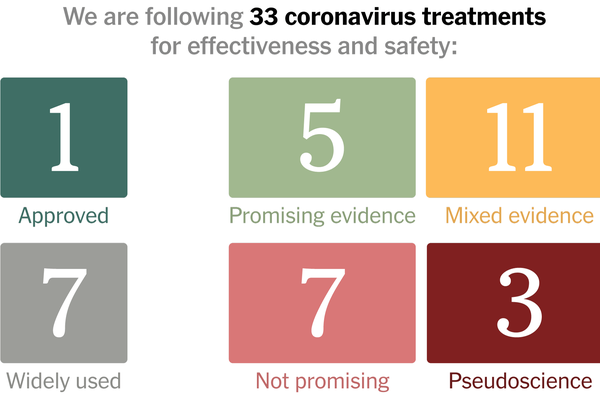
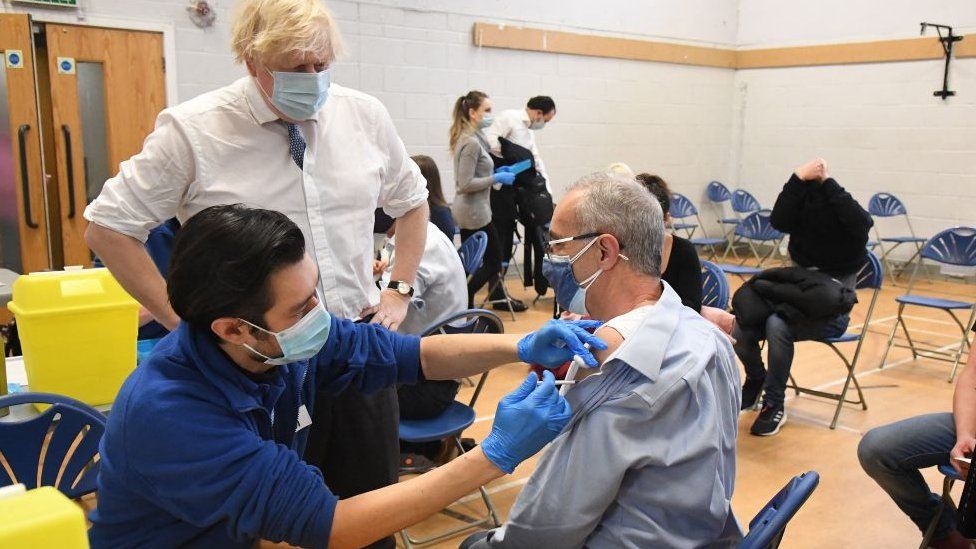
Some laboratory studies suggest that molnupiravir can insert errors in DNA, which could in theory harm a developing fetus, sperm cells or children.A new Covid-19 pill from Merck has raised hopes that it could transform the landscape of treatment options for Americans at high risk of severe disease at a time when the Omicron variant of the coronavirus is driving a surge of cases in highly vaccinated European countries.But two weeks after a Food and Drug Administration expert committee narrowly voted to recommend authorizing the drug, known as molnupiravir, the F.D.A. is still weighing Merck’s application. Among the biggest questions facing regulators is whether the drug, in the course of wreaking havoc on the virus’s genes, also has the potential to cause mutations in human DNA.Scientists are especially worried about pregnant women, they said, because the drug could affect a fetus’s dividing cells, theoretically causing birth defects. Members of the F.D.A. expert committee expressed those same concerns during a public meeting on Nov. 30.“Do we want to reduce the risk for the mother by 30 percent while exposing the embryo and the fetus to a much higher risk of harm by this drug?” Dr. James Hildreth, the president of Meharry Medical College in Tennessee, said at the meeting. “My answer is no, and there is no circumstance in which I would advise a pregnant woman to take this drug.”The F.D.A. advisers also noted that the risks could extend to other patients, including men wanting to become fathers, though those risks remain poorly understood and Merck said its own studies had turned up no evidence that the drug causes DNA mutations.Crucially, molnupiravir is expected to work against Omicron. But it has drawn concern from some scientists and regulators in Europe for being less effective than certain other treatments: It has been shown to reduce the risk of hospitalization and death by 30 percent if given within five days of symptoms emerging.Here’s what scientists know about how the drug works and its potential risks.How does molnupiravir work?When the drug is processed in the body, it creates compounds that closely resemble one of the building blocks of RNA, the genetic material inside the coronavirus.That causes problems for the coronavirus as it makes copies of itself: Once the virus enters a cell and starts replicating, the drug compound can slip into the virus’s RNA and insert enough errors that the virus cannot survive.“What molnupiravir does is it disguises itself,” Elizabeth Campbell, an expert in structural biology at the Rockefeller University who studies coronavirus antivirals, said in an interview. “It can propagate errors that are going to be sprinkled all over the genome.”Making more and more mistakes, the virus eventually grinds to a stop, Dr. Campbell said. That helps the body fight off the infection and potentially saves the patient’s life.The problem is that the same compound that interferes in the replication of the virus’s genetic material can also be transformed into one that resembles a building block of DNA. Some scientists are concerned that could cause errors in a patient’s own DNA, or in that of a developing fetus.“If cells are replicating, it means they’re uptaking a version of one of the DNA building blocks derived from molnupiravir and incorporating it,” Dr. Campbell said.How serious a problem is that?A team of researchers at the University of North Carolina studied the use of molnupiravir in isolated hamster cells over 32 days and found that the drug did induce mutations in DNA.Those mutations could “contribute to the development of cancer, or cause birth defects either in a developing fetus or through incorporation into sperm precursor cells,” the authors of that study wrote.The drug targets only dividing cells, which are relatively sparse in an adult. That poses a narrower risk than other so-called mutagens, like radiation, which can damage DNA in all types of cells.Still, Ronald Swanstrom, an H.I.V. researcher at the University of North Carolina at Chapel Hill who helped lead the hamster cell study, said that adults had enough dividing cells — in bones, for example, and in the lining of the gut — to cause concern. He also noted that men were constantly making dividing sperm cells that could carry potential mutations.“I don’t think anybody knows what this dose means in terms of human outcomes,” Dr. Swanstrom said. “I hope it’s trivial, but I don’t think anybody knows.”In a letter objecting to Dr. Swanstrom’s conclusions, Merck scientists said that hamster cells were exposed to the drug for considerably longer than Covid patients would be. The company said that it tested the drug in rodents and found no signs of DNA mutations (also known as mutagenicity).“We see this molecule as having a very low risk for mutagenicity,” Dr. Roy Baynes, Merck’s chief medical officer, said in an interview. “This drug is used for five days, and the goal is to eradicate the virus quickly, and this is not a long-term treatment.”Brianne Barker, a biologist at Drew University, said that Merck should publish its rodent data, but that the short course of treatment lowered the risks. She said that the isolated hamster cells were also “a bit different from cells you’d actually find in an organism,” making it difficult to know how serious the dangers would be in people.What are the risks during pregnancy?Cells in a fetus are dividing all the time, heightening the risk of mutations. As a result, Merck excluded pregnant and breastfeeding women, as well as women likely to become pregnant, from its clinical trial.“Human development in utero is an absolutely astounding sequence of events,” said Dr. John Mellors, an infectious disease specialist at the University of Pittsburgh Medical Center. “You start tinkering with that in any way, you can end up with a disaster.”Dr. Mellors noted that Merck had reported that high doses of the drug in pregnant rats could cause developmental abnormalities or the death of a fetus.In Britain, health authorities have said that Merck’s pill should not be given to pregnant or breastfeeding women. Women who could become pregnant, they advised, should use contraception while taking the drug and for four days after.“If I was pregnant, I wouldn’t take this,” Dr. Campbell said. “I probably would go so far as to say I wouldn’t give it to a child, a teenager, anyone whose cells are still dividing and differentiating at higher rates.”Scientists said that older antiviral pills offered lessons for safely prescribing molnupiravir. Before powerful hepatitis C drugs arrived in recent years, doctors frequently used a pill known as ribavirin as part of combination therapy to treat hepatitis C patients.The F.D.A. warns that ribavirin should not be given to pregnant women or to their male partners, and that pregnancy should be avoided during treatment and for months afterward.“There’s no doubt that if you read the label, you pause,” said Dr. Ashwin Balagopal, a researcher at Johns Hopkins University who has treated hepatitis C patients with ribavirin and is now leading a study of molnupiravir. “We were careful about how we did it, but we didn’t avoid using it because we thought, let’s wait for something better.”Coronavirus Drug and Treatment TrackerAn updated list of potential treatments for Covid-19.How are scientists weighing the drug’s benefits and risks?Within weeks, Pfizer is expected to receive the government’s green light for its own Covid pill, which appears to be more effective than Merck’s — and doesn’t carry the risk of mutations in human DNA.But molnupiravir is expected to be more readily available than Pfizer’s drug in the coming months, when the country may be facing a new surge in cases caused by the Omicron variant.The Coronavirus Pandemic: Key Things to KnowCard 1 of 4U.S. surpasses 800,000 deaths.

Read more →
Why More Kids Aren’t Getting the HPV Vaccine

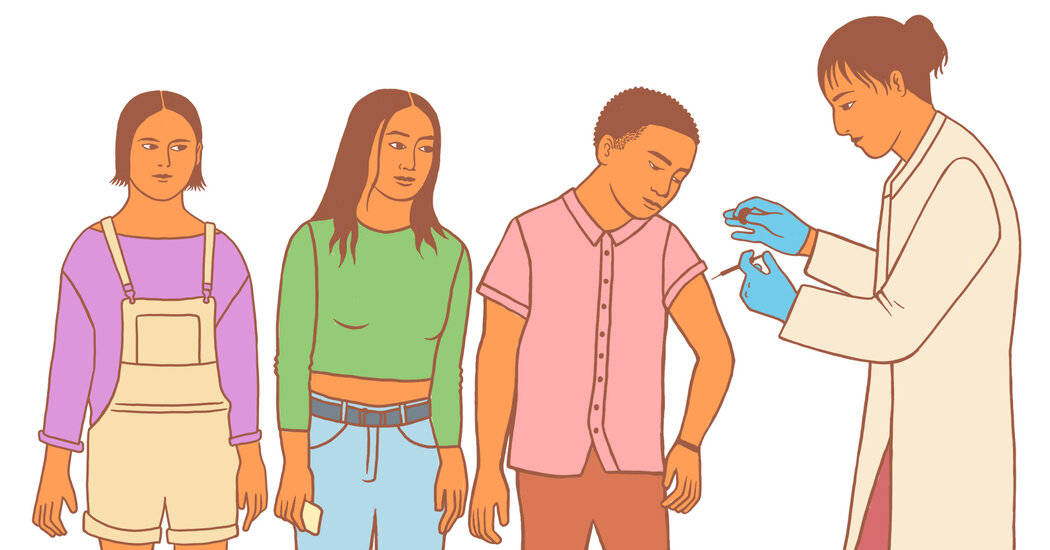
The human papillomavirus vaccine can prevent six potentially lethal malignancies, but inoculation is meeting with rising resistance from parents.Vaccine hesitancy is hardly limited to shots against Covid-19. Even the HPV vaccine, which can prevent as many as 90 percent of six potentially lethal cancers, is meeting with rising resistance from parents who must give their approval before their adolescent children can receive it.The Food and Drug Administration licensed this lifesaving vaccine in 2006 to protect against sexually transmitted infection by HPV, the human papillomavirus. Most of us will get infected with HPV during our lifetimes, certain strains of which can lead to cancers of the cervix, vagina and vulva in women; cancers of the anus and back-of-the-throat in both women and men; and penile cancer in men. HPV can also cause genital warts.But the vaccine only works if it’s administered before people become infected by the virus. And that often means getting vaccinated before teens and young adults have any form of sexual activity, including oral sex and skin-to-skin contact without penetration.More than half of adolescents ages 15 to 19 report having had oral sex, and one in 10 say they have had anal sex. Unless they are vaccinated, more than 80 percent of women become infected with HPV by age 50. And while most infections clear on their own, enough persist to cause many thousands of cancers years later. There is no treatment for an HPV infection.Yet Kalyani Sonawane, a researcher at the University of Texas Health Science Center, and her colleagues reported in March that parental intent not to vaccinate their adolescents against HPV rose from 50.4 percent in 2012 to 64 percent in 2018. Many parents resisted the vaccine despite their doctors’ recommendations, Dr. Sonawane said. Ironically, parents were most resistant — at 68.1 percent — to vaccinating girls, the very group for whom this vaccine was initially developed to prevent cervical cancer.Fifty years in the makingResearchers had long known that cervical cancer behaves like a venereal disease, transmitted through sexual contact. It is rare in virgins and most common among women with early sexual experience and multiple partners.An infectious cause was suspected but difficult to prove. In 1968 on Page 1 of The Times, I reported a link between cervical cancer and a sexually transmitted virus called Type 2 herpes. It turned out to be a red herring. Finally, in the 1980s, the human papillomavirus was correctly identified as the cause of cervical cancer, which led to the development and marketing of a highly effective vaccine in 2006.Now, if not for the slow adoption of the HPV vaccine by the parents of adolescents, we would likely be well on our way to eliminating nearly all cases of cervical cancer and the five other HPV-caused cancers, 45,000 cases of which are diagnosed annually in the United States, Dr. Abraham Aragones, a public health researcher at Memorial-Sloan Kettering Cancer Center told me.A highly effective vaccineUntil recently, the vaccine’s ability to prevent cancer was presumed but not proved. Cervical cancer risk rises with age, most often occurring in midlife or later, so it can take many years to confirm the vaccine’s ability to protect against cancer.Now a new study in Britain of an early version of the vaccine found that within 13 years of vaccine administration, there were 87 percent fewer cases of cervical cancer among young women immunized between ages 12 and 13, compared to unvaccinated women. Significantly lower cancer rates were also found among women immunized between ages 14 and 16 and between 16 and 18, although the greatest benefit occurred among those vaccinated at the youngest ages, before most girls were likely exposed to the virus through sexual contact.The British study involved a vaccine called Cervarix, that protects against two variants of the virus. The current American version of the HPV vaccine, called Gardasil-9, is even more effective: It protects against nine variants of the virus and is expected to prevent more than 90 percent of HPV-related cancers, Dr. Aragones said. A recent analysis in JAMA Pediatrics found a similar decrease in cervical cancer incidence and mortality in young women since the vaccine was introduced.Based on a steadily declining incidence of cervical cancer and a high rate of vaccine coverage in Australia, researchers there predicted that the country would have fewer than four new cases of cervical cancer per 100,000 women by 2028 and virtually none by 2066.To be sure, regular Pap smears that detect precancerous cervical lesions have helped greatly to prevent the development of invasive cancer, but early detection efforts do not fully eliminate the risk of cervical cancer. This year, the American Cancer Society estimates that 14,480 new cases of invasive cervical cancer will be diagnosed in the United States and about 4,290 women will die from it. And there is no screening test like the Pap smear for the other five HPV-caused cancers.Parents’ buy-in remains the biggest obstacleOnce the real cancer culprit was identified as the human papillomavirus and a vaccine to prevent it finally developed, convincing parents to have their young daughters immunized has been an uphill battle for practitioners. Few have the time and factual ammunition to counter parental fears and misinformation about this vaccine.Getting parents to agree to immunizing boys has faced an additional obstacle. The original approval of the vaccine to prevent cervical cancer prompted many parents to question its value for boys, for whom the vaccine was approved three years later. Parental resistance to immunizing their sons rose to 59.2 percent in 2018, up from 44.4 percent just six years earlier“Parents and providers don’t necessarily appreciate the burden of HPV-caused cancers among men,” said Dr. Dean A. Blumberg, chief of pediatrics at UC Davis Children’s Hospital. “Oral-pharyngeal cancer rates are almost five times higher in men than in women, and they’ve increased in recent years with the rise in oral sex. The vaccine is important for the boys to protect their own health and the health of their future partners.”How the vaccine is administeredBetween ages 9 and 15, two shots of HPV vaccine are required, administered six months apart; from age 15 on, three shots are needed. Side effects are usually mild, like pain or swelling at the injection site and perhaps brief fever, fatigue, nausea or muscle pain. The vaccine’s cost is nearly always covered by insurance.Dr. Sonawane said parental misconceptions about the vaccine’s safety are commonplace, and doctors rarely have the time to debunk vaccine misinformation parents find online. “Positive information about vaccines doesn’t get posted on social media,” she observed.Some parents fear that immunizing their children against HPV will encourage them to engage in sexual activity, although there is no evidence this happens. Dr. Aragones, among others, suggested that the best way for doctors to minimize parental opposition is to describe the vaccine’s anticancer role, limit discussing the link to sexual activity and include the immunization with the other vaccines that are routinely given to adolescents.

Read more →

Fecal transplant discovery could improve care for dangerous infections

New research from the University of Virginia School of Medicine sheds light on why a fecal transplant can benefit patients with dangerous recurrent C. difficile infections — and suggests a way to improve patient outcomes.
C. difficile infection causes life-threatening diarrhea, and it often takes hold in patients in hospitals and nursing homes as a result of long-term antibiotic use. Doctors have known that fecal transplants — literally transplanting fecal material from a healthy person into the sick — can improve C. difficile outcomes, but they haven’t fully understood why. The new UVA research offers important answers.
“Even though we know that fecal microbiota transplants can treat recurrent C. difficile infection, we don’t know exactly why some microbe combinations work better than others or why the same combinations can have different effects on different people. We believe that this variability stems from each person’s immune system being unique. That is why it is important for us to find out what immune markers change in patients where fecal microbiota transplantation was successful in preventing C. difficile re-infections,” said researcher Ning-Jiun “Ninj” Jan, PhD, of UVA’s Division of Infectious Disease and International Health. “Finding that a specific immune signaling molecule, IL-25, was increased in successful fecal microbiota transplantations indicated that maybe IL-25 can be used as an adjunctive therapy for treating C. difficile infection.”
Fecal Transplant Benefits
The new findings come from the lab of UVA’s Chelsea Marie, PhD, where Jan is a research scientist. To better understand the effects of fecal transplants on patients with C. difficile, Marie, Jan and their collaborators looked at blood and colon-tissue samples collected from patients at the time of their transplants and then again 60 days later.
The researchers found that the transplants increased the presence of IL-25, an important agent of the immune system, in the patients’ colons. The cytokine serves as a vital link in the communication chain that controls our body’s immune responses. This increase in IL-25 was accompanied by a decrease in damaging tissue inflammation.
The transplants also increased the diversity of the microbes that naturally live in our colons, the researchers found. These microorganisms have increasingly been appreciated as essential for good health.
The researchers conclude that the changes triggered by fecal transplants, including beneficial changes in the activity of certain genes, bolster the ability of the immune system to battle recurrent C. difficile infections. This ultimately helps patients heal.
The scientists believe that doctors may be able to enhance the benefits of fecal transplants by using other means to promote IL-25 in patients battling recurrent C. difficile.
“In the future it may be possible to combine fecal microbiota transplants with cytokine-based therapies to increase the success rate of treatment,” Jan said. “There is a lot of interplay between our immune system and our intestinal microbes, and it’s exciting that understanding their relationship is helping us find new therapies.”
Story Source:
Materials provided by University of Virginia Health System. Note: Content may be edited for style and length.

Read more →

Cannabis use could cause harmful drug interactions

Using cannabis alongside other drugs may come with a significant risk of harmful drug-drug interactions, new research by scientists at Washington State University suggests.
The researchers looked at cannabinoids — a group of substances found in the cannabis plant — and their major metabolites found in cannabis users’ blood and found that they interfere with two families of enzymes that help metabolize a wide range of drugs prescribed for a variety of conditions. As a result, either the drugs’ positive effects might decrease or their negative effects might increase with too much building up in the body, causing unintended side effects such as toxicity or accidental overdose.
While more research needs to be done, the authors said one early takeaway from these studies is that it’s important to be careful when using cannabis with other prescription drugs.
“Physicians need to be aware of the possibility of toxicity or lack of response when patients are using cannabinoids,” said Philip Lazarus, senior author on the papers and Boeing distinguished professor of pharmaceutical sciences. “It’s one thing if you’re young and healthy and smoke cannabis once in a while, but for older people who are using medications, taking CBD or medicinal marijuana may negatively impact their treatment.”
The findings were described in a pair of studies published in the journal Drug Metabolism and Disposition. One study focused on a family of enzymes known as cytochrome P450s (CYPs), whereas the other looked at UDP-glucuronosyltransferases (UGTs), another enzyme family. Together, these two enzyme families help metabolize and eliminate more than 70 percent of the most commonly used drugs from the body.
While there has been limited previous research focused on potential drug interactions caused by cannabinoids, this new research provides the first known comprehensive look at the interaction between three of the most abundant cannabinoids — tetrahydrocannabinol (THC), cannabidiol (CBD) and cannabinol (CBN) — and their metabolites and all of the major CYP enzymes. This is also the first known research that looked for interactions between these cannabinoids and UGT enzymes, specifically.

Read more →

Computer-, smartphone-based treatments effective at reducing symptoms of depression

Computer- and smartphone-based treatments appear to be effective in reducing symptoms of depression, and while it remains unclear whether they are as effective as face-to-face psychotherapy, they offer a promising alternative to address the growing mental health needs spawned by the COVID-19 pandemic, according to research published by the American Psychological Association.
“The year 2020 marked 30 years since the first paper was published on a digital intervention for the treatment of depression. It also marked an unparalleled inflection point in the worldwide conversion of mental health services from face-to-face delivery to remote, digital solutions in response to the COVID-19 pandemic,” said lead author Isaac Moshe, MA, a doctoral candidate at the University of Helsinki. “Given the accelerated adoption of digital interventions, it is both timely and important to ask to what extent digital interventions are effective in the treatment of depression, whether they may provide viable alternatives to face-to-face psychotherapy beyond the lab and what are the key factors that moderate outcomes.”
The research was published in the journal Psychological Bulletin.
Digital interventions typically require patients to log in to a software program, website or app to read, watch, listen to and interact with content structured as a series of modules or lessons. Individuals often receive homework assignments relating to the modules and regularly complete digitally administered questionnaires relevant to their presenting problems. This allows clinicians to monitor patients’ progress and outcomes in cases where digital interventions include human support. Digital interventions are not the same as teletherapy, which has gotten much attention during the pandemic, according to Moshe. Teletherapy uses videoconferencing or telephone services to facilitate one-on-one psychotherapy.
“Digital interventions have been proposed as a way of meeting the unmet demand for psychological treatment,” Moshe said. “As digital interventions are being increasingly adopted within both private and public health care systems, we set out to understand whether these
treatments are as effective as traditional face-to-face therapy, to what extent human support has an impact on outcomes and whether the benefits found in lab settings transfer to real-world settings.”
Researchers conducted a meta-analysis of 83 studies testing digital applications for treating depression, dating as far back as 1990 and involving more than 15,000 participants in total, 80% adults and 69.5% women. All of the studies were randomized controlled trials comparing a digital intervention treatment to either an inactive control (e.g., waitlist control or no treatment at all) or an active comparison condition (e.g., treatment as usual or face-to-face psychotherapy) and primarily focused on individuals with mild to moderate depression symptoms.
Overall, researchers found that digital interventions improved depression symptoms over control conditions, but the effect was not as strong as that found in a similar meta-analysis of face-to-face psychotherapy. There were not enough studies in the current meta-analysis to directly compare digital interventions to face-to-face psychotherapy, and researchers found no studies comparing digital strategies with drug therapy.
The digital treatments that involved a human component, whether in the form of feedback on assignments or technical assistance, were the most effective in reducing depression symptoms. This may be partially explained by the fact that a human component increased the likelihood that participants would complete the full intervention, and compliance with therapy is linked to better outcomes, according to Moshe.
One finding that concerned Moshe was that only about half of participants actually completed the full treatment. That number was even lower (25%) in studies conducted in real-world health care settings compared with controlled laboratory experiments. This may help explain why treatments tested in real-world settings were less effective than those tested in laboratories.
“The COVID-19 pandemic has had a major impact on mental health across the globe. Depression is predicted to be the leading cause of lost life years due to illness by 2030. At the same time, less than 1 in 5 people receive appropriate treatment, and less than 1 in 27 in low-income settings. A major reason for this is the lack of trained health care providers,” he said. “Overall, our findings from effectiveness studies suggest that digital interventions may have a valuable role to play as part of the treatment offering in routine care, especially when accompanied by some sort of human guidance.”

Read more →

Cyril Ramaphosa: South Africa president being treated for Covid

SharecloseShare pageCopy linkAbout sharingImage source, Getty ImagesSouth Africa President Cyril Ramaphosa is receiving treatment after testing positive for Covid-19, his office says. In a statement, it says the 69-year-old has mild symptoms and is isolating in Cape Town.South Africa has seen a surge of infections since the new Omicron variant was first detected in November.Despite Omicron being more transmissible than previous strains, including Delta, risk of severe disease and death is lower, a study has found.South Africa’s presidency says Mr Ramaphosa tested positive on Sunday, and has already delegated all responsibilities to Deputy President David Mabuza “for the next week”.The statement says the president started feeling unwell after attending the funeral of former President FW de Klerk early on Sunday.It adds that Mr Ramaphosa is in “good spirits” – but is being monitored by doctors.The statement provided no further details about Mr Ramaphosa’s infection. People who have recently been in close contact with him have been asked to watch for symptoms or get tested.South Africa battles Omicron fear and vaccine mythsAfrica Live: More on this and other stories from the continentMr Ramaphosa had recently returned from a seven-day tour of Nigeria, Ivory Coast, Ghana and Senegal. Some members of his delegation had tested positive in Nigeria and returned directly to South Africa, reports the BBC’s Nomsa Maseko in Johannesburg.The presidency says Mr Ramaphosa, who was vaccinated in February, and members of his team were tested for Covid in all countries they visited. The president says his own infection should serve as a caution to people to observe public health measures as well as get vaccinated. Despite very public pleas from the authorities, fewer than 30% of South Africans are fully vaccinated because of what the country’s health authorities describe as a mass “vaccine hesitancy”.South African scientists alerted the World Health Organization about the new Omicron variant on 24 November. The UN public health body later classed Omicron as “a variant of concern”, warning that vaccines against it may be less effective.A number of countries around the world have since introduced travel bans against South Africa and several neighbouring countries – but this has failed to stop the new variant spreading.This video can not be playedTo play this video you need to enable JavaScript in your browser.A recent study has found people who have been vaccinated or previously been infected were still susceptible to catching the Omicron variant, but were less likely to fall seriously ill or die. “We are seeing a large number of breakthrough infections… but those infections are not progressing to severe disease or death in any sort of meaningful large numbers,” said Shabir Madhi, vaccinology professor at Johannesburg’s University of the Witwatersrand.”As an example yesterday [Sunday] there were about 20,000 cases reported and about 25 people who died of Covid-19,” he told the BBC’s Newsday programme. “During the course of the Delta variant wave, when there were 20,000 cases in South Africa the number of those dying each day was between 200 and 300,” Prof Madhi said.He added that even though the rate of testing was low in South Africa, experts did not expect the number of deaths to come “anywhere close” to the fatalities recorded in the previous three waves.

Read more →

A missing genetic switch at the origin of malformations

Embryonic development follows delicate stages: for everything to go well, many genes must coordinate their activity according to a very meticulous scheme and tempo. This precision mechanism sometimes fails, leading to more or less disabling malformations. By studying the Pitx1 gene, one of the genes involved in the construction of the lower limbs, a team from the University of Geneva (UNIGE), in Switzerland, has discovered how a small disturbance in the activation process of this gene is at the origin of clubfoot, a common foot malformation. Indeed, even a fully functional gene cannot act properly without one of its genetic switches. These short DNA sequences provide the signal for the transcription of DNA into RNA, and are essential for this mechanism. And when just one of these switches is missing, the proportion of cells where the gene is active decreases, preventing the lower limbs from being built properly. These results, that can be read in the journal Nature Communications, highlight the hitherto largely underestimated role of genetic switches in developmental disorders.
During embryonic development, hundreds of genes must be precisely activated or repressed for organs to build properly. This control of activity is directed by short DNA sequences that, by binding certain proteins in the cell nucleus, act as true ON/OFF switches. “When the switch is turned on, it initiates the transcription of a gene into RNA, which in turn is translated into a protein that can then perform a specific task,” explains Guillaume Andrey, professor in the Department of Genetic and Developmental Medicine at the UNIGE Faculty of Medicine, who led this research. “Without this, genes would be continuously switched on or off, and therefore unable to act selectively, in the right place and at the right time.” In general, each gene has several switches to ensure that the mechanism is robust. “However, could the loss of one of these switches have consequences? This is what we wanted to test here by taking as a model the Pitx1 gene, whose role in the construction of the lower limbs is well known,” says Raquel Rouco, a post-doctoral researcher in Guillaume Andrey’s laboratory and co-first author of this study.
A decrease in cellular activation that leads to clubfoot
To do this, the scientists modified mouse stem cells using the genetic engineering tool CRISPR-CAS 9, which makes it possible to add or remove specific elements of the genome. “Here, we removed one of Pitx1’s switches, called Pen, and added a fluorescence marker that allows us to visualise the gene activation,” explains Olimpia Bompadre, a doctoral student in the research team and co-first author. “These modified cells are then aggregated with mouse embryonic cells for us to study their early stages of development.”
Usually, about 90% of cells in future legs activate the Pitx1 gene, while 10% of cells do not. “However, when we removed the Pen switch, we found that the proportion of cells that did not activate Pitx1 rose from 10 to 20%, which was enough to modify the construction of the musculoskeletal system and to induce a clubfoot,” explains Guillaume Andrey. Indeed, the proportion of inactive cells increased particularly in the immature cells of the lower limbs and in the irregular connective tissue, a tissue that is essential for building the musculoskeletal system.
The same mechanism in many genes
Beyond the Pitx1 gene and clubfoot, the UNIGE scientists have discovered a general principle whose mechanism could be found in a large number of genes. Flawed genetic switches could thus be at the origin of numerous malformations or developmental diseases. Moreover, a gene does not control the development of a single organ in the body, but is usually involved in the construction of a wide range of organs. “A non-lethal malformation, such as clubfoot for example, could be an indicator of disorders elsewhere in the body that, while not immediately visible, could be much more dangerous. If we can accurately interpret the action of each mutation, we could not only read the information in the genome to find the root cause of a malformation, but also predict effects in other organs, which would silently develop, in order to intervene as early as possible,” the authors conclude.
Story Source:
Materials provided by Université de Genève. Note: Content may be edited for style and length.

Read more →

Covid: First UK death recorded with Omicron variant

SharecloseShare pageCopy linkAbout sharingImage source, Getty ImagesOne person in the UK has died with the Omicron variant of coronavirus, the prime minister has said. Boris Johnson said the new variant was also resulting in hospital admissions and the “best thing” people could do was get their booster jab.Visiting a vaccination clinic in London, he said people should set aside the idea Omicron was a milder variant.On Sunday, the PM set a new target for all adults in England to be offered a booster by the end of the month. Speaking during a visit near Paddington, west London, Mr Johnson said: “Sadly yes, Omicron is producing hospitalisations and sadly at least one patient has been confirmed to have died with Omicron.”So I think the idea that this is somehow a milder version of the virus, I think that’s something we need to set on one side and just recognise the sheer pace at which it accelerates through the population.”On Monday, Health Secretary Sajid Javid said 10 people were in hospital in England with the Omicron variant.

Read more →

Covid: Boris Johnson sets new booster target over 'Omicron tidal wave'

SharecloseShare pageCopy linkAbout sharingThis video can not be playedTo play this video you need to enable JavaScript in your browser.Booster jabs will be offered to everyone over 18 in England from this week, the PM has announced, as he declared an “Omicron emergency”. “No one should be in any doubt, there is a tidal wave of Omicron coming,” Boris Johnson said on Sunday.A new target has been set to give boosters to all adults who want one by the end of the month, he said.Ten people in England are in hospital with Omicron, Health Secretary Sajid Javid confirmed on Monday.Some medical appointments are to be postponed to focus on boosters.Mr Johnson gave his update in a TV statement on Sunday evening, just hours after the UK’s Covid alert level was raised to four due to the spread of the new Omicron virus variant. Level four means a high or rising level of transmission – the last time the UK was at this level was in May.People have been told to work from home from Monday “if they can”, as part of the UK government’s introduction of Plan B measures.What do the Covid alert levels mean?When will I get my booster?Wales: New Covid restrictions likely ‘in next few weeks'”I’m afraid we’re now facing an emergency in our battle with the new variant Omicron,” said Mr Johnson. “It is now clear that two doses of vaccine are simply not enough to give the level of protection we all need. But the good news is that our scientists are confident that with a third dose, a booster dose, we can all bring our level of protection back up.”He added: “At this point our scientists cannot say that Omicron is less severe.”And even if that proved to be true, we already know it is so much more transmissible that a wave of Omicron through a population that was not boosted would risk a level of hospitalisation that could overwhelm our NHS and lead sadly to very many deaths.”The new booster target means people aged 18 and over in England will be able to get their third jabs from this week – as long as it has been three months since their second dose. People aged 30 and over can already book an appointment in advance using the online service from two months after their second dose and over-18s in this position will be able to book from Wednesday.Some walk-in appointments will be available from Monday for eligible over-18s, depending on location.Scotland is also setting the same target and aiming to offer all adults a booster by the end of the year, and Northern Ireland said it is stepping up its rollout and hopes to get as many people as possible boosted by then. But Mr Johnson said in order to reach the new jab target, certain other medical appointments would need to be postponed to the New Year. Some GPs are already allowed to postpone routine health checks to make space for vaccinations.The prime minister also said: 42 teams from the military would be deployed across every region to help the effortextra vaccine sites and mobile units would be set up across Englandopening hours of clinics would be extended with more appointmentsthousands more volunteer vaccinators would be trainedthe UK government would also give extra support to speed up vaccinations in Scotland, Wales and Northern IrelandHealth Secretary Sajid Javid said on Monday that 10 people in England were currently in hospital with Omicron, with no deaths confirmed.However, he told BBC Breakfast that 40% of all Covid cases in London were of the variant, which was spreading at a “phenomenal rate”.Asked whether the new measures were excessive, Mr Javid said it was important to act now, given the lag in hospitalisations in deaths that follow a rise in cases – even if Omicron turns out to be milder than other variants.”We have seen what Covid is capable of… you start seeing a rise in cases, people get ill, some enter hospital, some sadly die,” he said. “It’s better to act early.”Early data shows that getting a third jab prevents about 75% of people getting any Covid symptoms from Omicron.More than half a million booster jabs and third doses were given in the UK on Saturday – the second day that has happened since the booster rollout began.For people who are clinically vulnerable to Covid, a third dose of a vaccine is considered their full course – with a fourth jab being given as their booster Stern words – but three challenges for PMBoris Johnson’s stern words on Sunday night may run into three different challenges. It won’t be easy to expand the booster programme at such a pace. There’s been plenty of anecdotal evidence about the availability and eligibility, and questions about why it didn’t get going much more quickly, weeks ago. Second, Boris Johnson’s credibility has taken a significant knock in recent weeks. Will the public, this time, be as willing to listen to him? And in his own party there is frustration at his decision making and scepticism about what’s going on. The prime minister can make bold and urgent promises about the booster, but keeping them is something else.Read more from Laura.A further 1,239 new cases of Omicron were announced in the UK on Sunday, bringing the total number of UK Omicron cases to more than 3,000 – although the real number is estimated to be much higher.Labour leader Sir Keir Starmer reiterated Mr Johnson’s call to “get boosted” – adding: “So much has been asked of the British people, and time and again you have risen to the challenge. So let’s keep our foot on the pedal and get Britain boosted to protect our families, friends and NHS.”Liberal Democrat leader Sir Ed Davey said it was in the national interest for everyone to get a booster jab, but criticised the government’s rollout for being “far too slow”, adding: “And now they’re having to rush it in an emergency and cause all these pressures on NHS staff.”NHS Providers, which represents NHS hospitals, mental health, community and ambulance services, said the booster campaign offered an opportunity to contain the impact of Omicron but added the NHS was already “beyond full stretch” and that there would be an impact on other care as more staff became involved in the vaccination campaign.And the Royal College of Nursing also welcomed the expansion of the booster programme but said nurses were “already facing huge demands under existing unsustainable pressures in every part of the UK health and care system”. It called for ministers to take “every step needed” to slow the spread.Scotland and Northern Ireland have already opened up boosters to over-30s – and those aged 18 to 29 in Scotland can get their booster jabs from later in the week. First Minister Nicola Sturgeon said Scotland had the highest rate of booster jabs of all the UK nations – but warned it was possible that further measures might be needed in the weeks ahead.Pace must changeThe end-of-December promise is about enabling everyone aged over 18 who is eligible to have been able to have booked their jab.It does not mean those jabs will be in arms.But for it to have any impact on blunting the coming Omicron wave there needs to be a significant acceleration of the booster programme.GPs are going to be crucial to increase the speed of vaccinations. It is them in particular who will be asked to prioritise jabs ahead of routine work for the next few weeks.The promise applies to England, but the devolved nations are expected to follow suit. There have been 23 million boosters given across the UK – with another 23 million eligible for one. At current rates of vaccination only a third of those will have got their booster by the end of the year. The pace needs to change – and quickly.Earlier, the rules on self-isolation were updated again in England. From Tuesday, fully-vaccinated people who come into contact with a Covid case will not need to automatically self-isolate – but instead take daily lateral flow tests for seven days.It is the latest rule change as part of the new Plan B measures – which also include Covid passports for some crowded events from Wednesday and the updated work from home advice. Both Wales and Scotland have said new rules could come in the next few weeks.Mr Johnson’s statement comes as the row continues over gatherings at Downing Street during last year’s coronavirus lockdown. How have you been affected by the issues raised, following the announcement of an “Omicron emergency”? Please get in touch by emailing: haveyoursay@bbc.co.uk. Please include a contact number if you are willing to speak to a BBC journalist. You can also get in touch in the following ways:WhatsApp: +44 7756 165803Tweet: @BBC_HaveYourSayOr fill out the form belowPlease read our terms & conditions and privacy policy

If you are reading this page and can’t see the form you will need to visit the mobile version of the BBC website to submit your question or comment or you can email us at HaveYourSay@bbc.co.uk. Please include your name, age and location with any submission. IN THE END, ALL THAT MATTERS IS WHO BELIEVES HIM: A young man fights to prove his innocenceWHAT NEXT FOR BARBADOS?: Life in the world’s newest republic

Read more →