A pathway emerges: Biologists describe structure and function of a heme transport and assembly machine

Heme is an essential part of the protein hemoglobin, which colors human blood red. Heme also is crucial for cytochrome proteins, which power the cell. Humans, animals, plants and bacteria all use heme.
Hemoglobin shuttles oxygen to tissues where it is needed, while cytochromes carry electrons for energy conversion in the cell. But understanding how heme moves across membranes — like it needs to, in order to insert into hemoglobin and cytochromes — has been challenging. Heme transport is transient, which means heme moves through membranes quickly and leaves behind no traces. And heme-binding membrane proteins are difficult to purify in large quantities.
In research published Dec. 20 in Nature Chemical Biology, scientists at Washington University in St. Louis described for the first time the structure of a bifunctional protein, called CcsBA, that transports heme and attaches it to cytochromes. The study led by Robert Kranz, professor of biology in Arts & Sciences, captured two conformational states of CcsBA, a bacterial and chloroplast protein, allowing scientists to characterize the enzyme mechanism.
“This new paper addresses the structural basis for how the CcsBA machine functions, revealing major dynamic switches that occur during the cycle of heme transport,” Kranz said.
The study was made possible by a collaboration with James Fitzpatrick, director of the Washington University Center for Cellular Imaging (WUCCI) at the School of Medicine and a professor of neuroscience, of cell biology and physiology, and of biomedical engineering, and Michael Rau, a staff scientist and structural biologist on his team. They leveraged a cutting-edge structural biology technique called single particle averaging, which utilized a state-of-the-art cryo-Electron Microscope (cryo-EM) to image different views of the protein in its natively vitrified (frozen) state. After sorting all of the different views, they were able to construct cryo-EM density maps — which are three-dimensional representations of the protein built from a series of two-dimensional projections of various views — from which Kranz’s team could build an atomic model of the structure of CcsBA.
“Cryo-EM is a transformative technology that allows us to visualize at the near-atomic level the structural arrangement of a given protein, including the ability to tease out different conformations from an ensemble of states,” Fitzpatrick said. “It was this latter ability that was key in enabling us to capture the mechanism of heme transport.”
The cyro-EM data identified two states in which either one or two heme molecules were bound.

Read more →

Parents Grapple With How Long to Wait for Their Children’s Second Shots

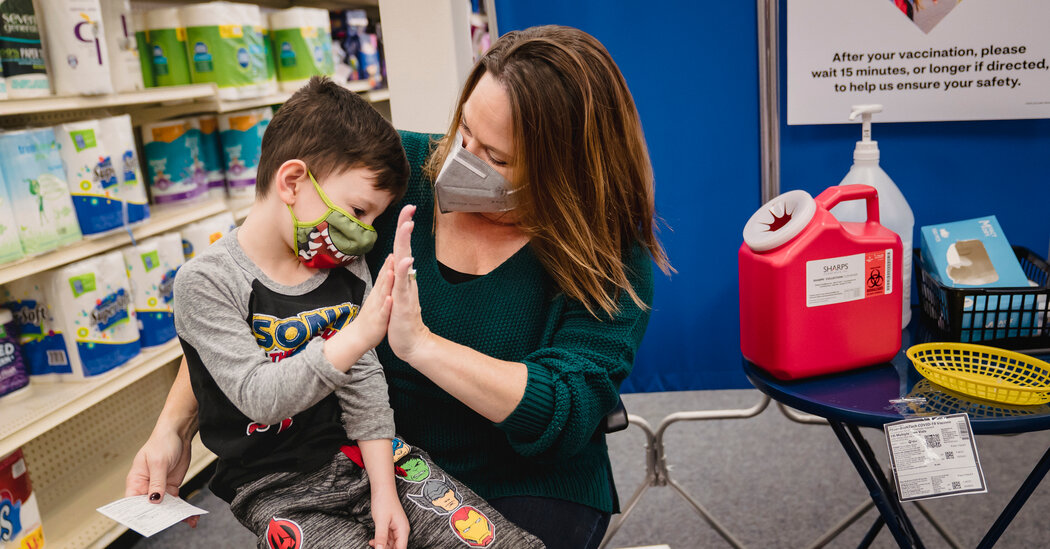
Waiting eight weeks or more between doses may boost immunity. But as Omicron slams the United States, waiting also comes with risks.When Dr. Joshua Ishal got his 5- and 7-year-old daughters their first doses of the Covid-19 vaccine last week in Queens, he joined millions of other parents in protecting their 5- to 11-year-old children since the Pfizer-BioNTech vaccine was authorized for this age group in late October.Dr. Ishal, a dentist who lives in Great Neck, N.Y., never questioned whether he would get his children vaccinated, but he has been wavering over the timing of their second shots.The clinical trials that tested the Pfizer vaccine separated the doses by three weeks, which is why the U.S. Centers for Disease Control and Prevention recommends that interval. But emerging data suggests that a longer wait bolsters the immune response in the long run. What’s more, the extra time may reduce the risk of myocarditis — heart inflammation — a rare but serious side effect of the mRNA vaccines in adolescents and younger adults.Health authorities in Canada recommend that children wait at least eight weeks between doses. In Britain, kids wait 12 weeks for the second shot.Still, the potential benefits of waiting for the second dose must be balanced against the real risks of catching and spreading Covid during the wait. With the United States on the cusp of another major wave of cases and the new Omicron variant spreading rapidly, delaying means leaving children vulnerable to infection and illness for longer.“I think that’s a hard call,” said Aubree Gordon, an infectious disease epidemiologist at the University of Michigan School of Public Health.Is it more important for children to have good protection sooner? Or a better, more lasting protection later? The conundrum reminds Dr. Ishal of an episode of Seinfeld in which Jerry tells a story about picking a cold medicine from a wall of options at the drugstore. “This is quick acting, but this is long-lasting,” Jerry said. “When do I need to feel good, now or later?”Trish Johnson, a financial adviser in Oakland, plans to push her son’s second dose back to six or even eight weeks. She has been swayed, she said, by the studies showing that a longer interval between doses leads to a better immune response.“I’ve taken it upon myself, especially during this later part of the pandemic, to follow doctors on Twitter and do my own investigation,” she said. Almost two years into the pandemic, she feels that public health officials are taking too many precautions and failing to adapt to changing data. “That doesn’t work for me anymore,” she said.Dr. Joshua Ishal, at home in Great Neck, N.Y., did not hesitate to get his two daughters vaccinated but is less sure when the best time would be to get them their second shot.Desiree Rios for The New York TimesMany experts agree that three weeks between doses is too short an interval for an optimal immune response.“From an immunological standpoint, it makes more sense to wait,” said Deepta Bhattacharya, an immunologist at the University of Arizona. Pfizer didn’t choose three weeks between doses because it was the perfect interval. That decision, he said, “was more about public health and reducing community transmission, and completing this process quickly.” Dr. Bhattacharya plans to hold off on a second dose for his children until eight weeks.The immune system needs time to ramp up after that first dose. Immune cells in the blood, known as B cells, can start producing antibodies within a week. But to generate really high-quality antibodies, those cells need to go through an intense kind of training camp inside the lymph nodes, and that process takes more than three weeks.“You need them to sweat a little bit, those B cells,” said Andrés Finzi, an immunologist at the University of Montreal.Much of the research on different dosing intervals comes from countries, like Canada and Britain, that opted to wait on the second shot for adults when vaccine doses were scarce last winter and spring. Dr. Finzi and his colleagues examined the immune response in 26 people who received their second shots three months or more after their first. They also looked at responses in 12 people who received their shots four weeks apart. The two groups produced roughly the same quantity of antibodies, but the group with a longer interval between doses produced stronger antibodies with a greater capacity to latch onto the virus and stay there.In Britain, officials lengthened the dose interval for all vaccines to 12 weeks last December. Researchers at the University of Oxford studied hundreds of health workers who had received second doses before or after that policy took effect.Their study found that people who waited 10 weeks between their first and second doses had antibodies levels about twice as high as those who only waited three or four weeks. Those antibodies are produced by B cells, which continue to develop over that long interval.“It seems that giving the second dose at three to four weeks is just a bit too soon for your B cells to be ready to receive that boost,” said Susanna Dunachie, an immunologist at the University of Oxford, who led the study. What’s more, the longer dose interval also affected T cells, which help ramp up the body’s immune response. After the long interval, the T cells of study participants produced greater quantities of interleukin-2, a chemical signal that helps long-term immune memory.“We were quite surprised,” Dr. Dunachie said.She added, however, that a more robust immune response measured in the laboratory would not necessarily translate to better protection in the real world.The Coronavirus Pandemic: Key Things to KnowCard 1 of 4A new U.S. surge.

Read more →

Gum disease increases risk of other illness such as mental health and heart conditions, study suggests

A University of Birmingham-led study shows an increased risk of patients developing illnesses including mental ill-health and heart conditions if they have a GP-inputted medical history of periodontal (gum) disease.
Experts carried out a first of its kind study of the GP records of 64,379 patients who had a GP-inputted recorded history of periodontal disease, including gingivitis and periodontitis (the condition that occurs if gum disease is left untreated and can lead to tooth loss). Of these, 60,995 had gingivitis and 3,384 had periodontitis. These patients’ records were compared to those of 251,161 patients who had no record of periodontal disease. Across the cohorts, the average age was 44 years and 43% were male, while 30% were smokers. Body Mass Index (BMI), ethnicity and deprivation levels were also similar across the groups.
The researchers examined the data to establish how many of the patients with and without periodontal disease go on to develop cardiovascular disease (e.g., heart failure, stroke, vascular dementia), cardiometabolic disorders (e.g., high blood pressure, Type 2 diabetes), autoimmune conditions (e.g., arthritis, Type 1 diabetes, psoriasis), and mental ill-health (e.g., depression, anxiety and serious mental illness) over an average follow-up of around three years.
From the research, published today in journal BMJ Open, the team discovered that those patients with a recorded history of periodontal disease at the start of the study were more likely to go on and be diagnosed with one of these additional conditions over an average of three years, compared to those in the cohort without periodontal disease at the beginning of the research. The results of the study showed, in patients with a recorded history of periodontal disease at the start of the study, the increased risk of developing mental ill-health was 37%, while the risk of developing autoimmune disease was increased by 33%, and the risk of developing cardiovascular disease was raised by 18%, while the risk of having a cardiometabolic disorder was increased by 7% (with the increased risk much higher for Type 2 diabetes at 26%).
Co-first author, Dr Joht Singh Chandan, of the University of Birmingham’s Institute of Applied Health Research, said: “Poor oral health is extremely common, both here in the UK and globally. When oral ill-health progresses, it can lead to a substantially reduced quality of life. However, until now, not much has been known about the association of poor oral health and many chronic diseases, particularly mental ill-health.Therefore, we conducted one of the largest epidemiological studies of its kind to date, using UK primary care data to explore the association between periodontal disease and several chronic conditions. We found evidence that periodontal disease appears to be associated with an increased risk of developing these associated chronic diseases. As periodontal diseases are very common, an increased risk of other chronic diseases may represent a substantial public health burden.”
The research was partly funded by Versus Arthritis’s Centre for Musculoskeletal Ageing Research based at the University of Birmingham, and supported by the National Institute for Health Research (NIHR) Birmingham Biomedical Research Centre.
Caroline Aylott, Head of Research Delivery at Versus Arthritis, said: “Some of the biggest challenges of arthritis, especially auto-immune conditions like rheumatoid arthritis (RA) which affects 400,000 people in the UK, is being able to know who is more at risk of developing it, and finding ways to prevent it. Previous studies have shown that people with RA were four times more likely to have gum disease than their RA-free counterparts and it tended to be more severe. This research provides further clear evidence why healthcare professionals need to be vigilant for early signs of gum disease and how it can have wide-reaching implications for a person’s health, reinforcing the importance of taking a holistic approach when treating people.”
Story Source:
Materials provided by University of Birmingham. Note: Content may be edited for style and length.

Read more →

Wearable biosensors can help people with complex health conditions

Remote monitoring of health-related behaviour with wearable sensor technology is feasible for people with complex health conditions, shows a recent University of Waterloo study.
“Information from wearables can provide insight into patterns of health-related behaviour and disease symptoms as they occur over days and weeks. This may be important for monitoring disease progression and the impact of therapeutics, supplementary to assessments conducted in the clinic,” said Karen Van Ooteghem, a researcher in Kinesiology and Health Sciences at Waterloo. “Within our research program, we carry out work to validate novel outcomes derived from wearables for these purposes and develop avenues to relay this information to patients and clinicians.”
It was important for researchers to understand feasibility in participants’ natural environments because behaviour in the lab or clinic may not reflect what occurs in day-to-day living, Van Ooteghem said.
The researchers recruited 39 participants with cerebrovascular or neurodegenerative diseases to wear up to five devices on their ankles, wrists and chest continuously for seven days at home and in the communityfollowing a clinic visit. For people living with complex health conditions, there are advantages to using multiple sensors to capture specific behaviours and symptoms, for example, upper versus lower limb impairment.Participants wore at least three devices for a median of 98 per cent of the study period. They also enrolled with a study partner who could help them navigate any issues that arose during the study.
Beth Godkin, a Waterloo Kinesiology and Health Sciences doctoral student and first author on the paper, said the willingness to wear the technology might have been influenced by the support offered to participants during the study. Through interviews with participants and study partners, researchers also learned that there is still room for improvement when it comes to the technology itself that could enhance the user experience.
“Participants felt it was important to optimize comfort, ease of use and appearance if they needed to wear sensors for long periods and felt that continued effort should be made to ensure the technology does not interfere with activities of daily living,” Godkin said. “The generally positive response from participants and willingness to engage in multi-sensor wear over an extended period is the necessary first step towards meaningful integration of our approach in larger research studies and eventually, for uptake within clinical care.”
The study, Feasibility of a continuous, multi-sensor remote health monitoring approach in persons living with neurodegenerative disease, co-authored by Godkin, Van Ooteghem and others at Waterloo, alongside other investigators within the Ontario Neurodegenerative Disease Research Initiative, was published in Journal of Neurology.
Funding for the study was provided through the Ontario Brain Institute.
Story Source:
Materials provided by University of Waterloo. Note: Content may be edited for style and length.

Read more →

“Schizophrenia” Still Carries a Stigma. Will Changing the Name Help?

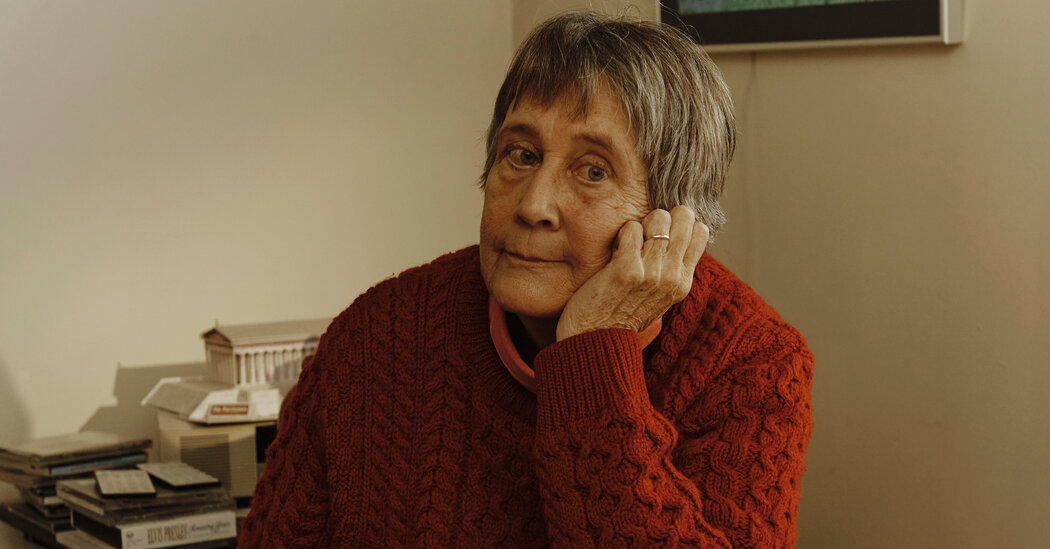
Many people with or connected to the mental illness approve of updating the name, a new survey shows. But some experts are not convinced it’s the answer.For decades, Linda Larson has been trying to distance herself from the diagnosis she was given as a teenager: schizophrenia. She accepts that she has the mental disorder but deeply resents the term’s stigma. People hear it and think, “violent, amoral, unhygienic,” she said.Ms. Larson, 74, is part of a group trying to remove that association — by changing the name of the illness. The idea is that replacing the term “schizophrenia” with something less frightening and more descriptive will not only change how the public perceives people with the diagnosis, but also how these people see themselves.Ms. Larson is a member of the Consumer Advisory Board of the Massachusetts Mental Health Center, which is associated with Beth Israel Deaconess Medical Center in Boston. The group has been working with psychiatrists at Harvard to build momentum for a name change, most recently through a national survey published in the journal Schizophrenia Research.“That term over time has become so associated with hopelessness, with dangerousness, with volatile and erratic behavior, that doctors are afraid to use that term with people and their family members,” said Dr. Raquelle Mesholam-Gately, a Harvard psychologist and the lead author of the new paper. “And people who have the condition don’t want to be associated with that name.”As a result, she said, clinicians often avoid making such a devastating diagnosis and many patients and their families don’t seek treatment until after the illness has wreaked considerable damage.Dr. Mesholam-Gately and her team asked about 1,200 people connected to schizophrenia — including those with the disorder, their family members, mental health providers, researchers and government officials — whether it should be called something else.The survey proposed nine alternative names, based partly on the experience of people diagnosed with schizophrenia. Among them: altered perception disorder, attunement disorder, disconnectivity syndrome, integration disorder and psychosis spectrum disorder.Although none of the options had overwhelming approval, 74 percent of respondents favored a new name in principle. But the path to an official change remains steep, as the field of schizophrenia researchers and advocates remains divided on whether a change would actually reduce stigma and improve the lives of people with the disorder.“We have to take this on in a systematic way,” said Dr. Matcheri Keshavan, the academic head of psychiatry at Beth Israel Deaconess and a co-author of the study. “Any change has to be gradual. Sudden changes, nobody will accept.”In the United States, the decision is up to the American Psychiatric Association, which would make the change in its official diagnostic manual (the Diagnostic and Statistical Manual of Mental Disorders, or D.S.M.) after reaching consensus among its scientific advisers. (The World Health Organization also oversees an international classification of diseases.)The term “schizophrenia,” which derives from Latin words for “split mind,” was coined in 1908 by Dr. Eugen Bleuler. He argued that the disorder, previously considered a type of dementia, was characterized by a “splitting of psychological functions” where “the personality loses its unity.”But the term has often been misunderstood and wrongly applied over the last century, many psychologists and researchers say. It is often confused with dissociative identity disorder, previously known as multiple personality disorder. “Schizophrenic” has also been usurped by colloquial language, often as an insult.Part of the problem is schizophrenia has long been misunderstood as an untreatable disease, Ms. Larson said. That is what she and her family had assumed in the 1960s when, at 15, she started having delusions and psychotic episodes.“For a while, I thought silver cars were C.I.A., green cars were Army, blue cars were Air Force, black cars were Secret Service,” she said.By her twenties, she recovered sufficiently to start working on a doctorate in literature at the University of Mississippi, but then she had another psychotic break.She stood outside gas station and decided to blow it up, she said: “I had a Bic lighter in my hand and I stood there. And for some reason I didn’t.”Advised to abandon her Ph.D. program when she was young, Ms. Larson began taking the antipsychotic drug clozapine in the 1990s and said she hasn’t had an episode since.Tony Luong for The New York TimesA doctor diagnosed Ms. Larson with schizophrenia and suggested that she abandon her Ph.D. program.She went through 20 years of sporadic hospitalizations and several suicide attempts until the 1990s, when she was prescribed the antipsychotic drug clozapine.Although clozapine can have serious side effects, Ms. Larson found it transformative; she said she has not had a psychotic break since. She has published four books of poetry and was married for 32 years until her husband’s death in 2020.“The term schizophrenia hasn’t evolved with the treatment,” Ms. Larson said.But Dr. Mesholam-Gately said that not all survey respondents supported a name change. Some worried that an unfamiliar name would make it harder for patients to apply for disability or insurance coverage. Others said that if the new name was too broad, doctors might diagnose patients excessively. And some considered the term just too ingrained in the culture.Dr. William Carpenter, a psychiatrist at the University of Maryland School of Medicine and the editor of Schizophrenia Bulletin, said he has seen these semantic debates play out for decades.“A rose by any other name would smell the same,” said Dr. Carpenter, who was not involved in the survey. “And if you make the change, how long until the stigma catches up with it?”Dr. Carpenter agreed that stigma surrounding the term “schizophrenia” may in fact delay critical treatment after a first psychotic episode. (The average gap between diagnosis and treatment is two to three years, he noted.) But he was not convinced that changing the name would close that gap.For example, he said, suppose a teenage patient goes to the doctor with telltale symptoms, such as hearing voices. If the doctor uses a new name for the diagnosis, Dr. Carpenter said, “you can almost hear the parents saying, ‘Didn’t that used to be called schizophrenia?’”This may also be the wrong moment to tinker with the name, Dr. Carpenter added. Scientists are reworking the clinical definition of schizophrenia, including focusing more on brain mechanisms, not just psychological symptoms, and viewing it more as a syndrome than as a single disease. These changes could be reflected in future revisions of the D.S.M., and it may not make sense to rename the disorder before this happens.Even some mental health professionals who work to counter its stigma are skeptical of the renaming effort.“We absolutely agree that language is extremely important,” said Lisa Dailey, the director of the Treatment Advocacy Center, which supports people with severe mental illness, but added that pushing for a name change is not an effective use of limited resources.The best way to destigmatize schizophrenia, Ms. Dailey said, “is to develop better medications that work for more people.”While other countries, including Japan and South Korea, have recently adopted new names for schizophrenia, Dr. Meshalom-Gately and Dr. Keshavan acknowledged that they need more of a consensus among scientists and clinicians in the United States.There is precedent for rethinking mental health terminology, they note. The illness once known as manic depression was successfully relabeled bipolar disorder in 1980. “Mental retardation” became “intellectual disability” in 2013. And the categories for autism were changed in the most recent version of the psychiatric diagnostic manual, after years of advocacy.Even if the Consumer Advisory Board succeeds in convincing the authors of the next diagnostic manual to change the name, it “is not going to be enough to reduce stigma and discrimination,” Dr. Mesholam-Gately said. “There also needs to be public education campaigns that go along with that, to really explain what the condition is and the treatments that are available for it.”

Read more →

Moderna Says Its Booster Significantly Raises Antibodies Against Omicron

A booster shot of the Moderna coronavirus vaccine significantly raises the level of antibodies that can thwart the Omicron variant, the company announced on Monday.The news arrives as Omicron rapidly advances across the world, and most coronavirus vaccines seem unable to stave off infection from the highly contagious variant.Moderna’s results show that the currently authorized booster dose of 50 micrograms — half the dose given for primary immunization — increased the level of antibodies by roughly 37-fold, the company said. A full dose of 100 micrograms was even more powerful, raising antibody levels about 83-fold compared with pre-boost levels, Moderna said.Both doses produced side effects comparable to those seen after the two-dose primary series. But the dose of 100 micrograms showed slightly more frequent adverse reactions relative to the authorized 50-microgram dose.The results are based on laboratory tests that do not capture the full range of the body’s immune response against the virus. Although vaccines may not prevent infection from the variant, they are expected to prevent severe illness in the vast majority of people.The data have also not been published or reviewed by independent experts. Moderna said it was preparing a manuscript with the data that would be posted online.The pharmaceutical companies Pfizer and BioNTech announced earlier this month that a booster shot of their vaccine also increased the level of antibodies against Omicron.Moderna tested a third shot of several versions of its vaccine, each in 20 people. Before boosting, all the individuals had low levels of antibodies that can prevent Omicron infection. At Day 29, after receiving a third shot, the 50-microgram and 100-microgram doses of the current vaccine both sharply increased antibody levels.The company also tested “multivalent” booster shots that incorporate mutations seen in the Beta and Delta variants, many of which are also present in Omicron. Those continuing trials each have 300 to 600 people enrolled in them. The 50-microgram and 100-microgram doses of the multivalent boosters increased antibody levels to similarly high levels, Moderna said.Given how quickly Omicron is marching through the world, Moderna said, the company will focus its near-term efforts on extra shots of the original vaccine. It also plans to test a booster shot that is specific to the Omicron variant early next year and to include Omicron in a multivalent booster.“To respond to this highly transmissible variant, Moderna will continue to rapidly advance an Omicron-specific booster candidate into clinical testing in case it becomes necessary in the future,” said Stéphane Bancel, Moderna’s chief executive officer.

Read more →

Tips for Decluttering Your Home

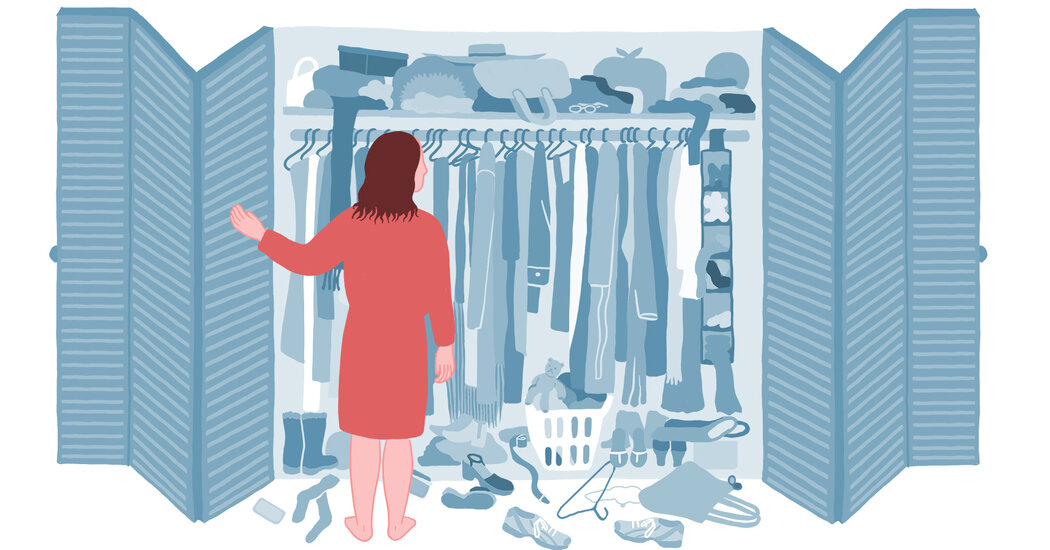
All that “stuff” in our drawers, closets and corners is a hazard, but there are ways to keep it at bay.Many of us took advantage of the long, lonely hours of the 2020 Covid-19 lockdowns to cleanse our closets, drawers and cabinets of clothing from a bygone era, packaged foods long past their expiration dates and files no longer relevant. At first, I was among them and enthusiastically tackled the low-hanging fruit: ill-fitting dresses and suits, shoes I could no longer walk in, hundreds of empty plastic and glass containers.It felt good initially, but I soon lost interest in decluttering and lacked the mental and physical energy to tackle what remained.And, I assure you, after living in the same house for 55 years, there was a lot more to get rid of. Empty spaces have a way of filling up. I actually envy friends and neighbors who downsized and had to dispose of dumpsters full of items no longer used or useful.But when a leaking pipe recently saturated the carpet in my finished basement, where for decades I’ve stored everything I didn’t know what to do with but couldn’t bring myself to throw out, I was thrown back into action. There’s nothing like a crisis, minor or major, to force one to come to terms with an unmanageable accumulation of stuff.Clutter is a hazardPeople like me, who fill storage areas as long as the living spaces remain orderly, do not rise to the seriousness of being a hoarder, which is considered its own psychiatric diagnosis. But clutter has its own risks. Among them are the chronic and repeated stresses that can arise, for example while searching frantically through stacks of miscellany for an important paper or racing to clear piles of junk before visitors arrive.Not to mention risking a fall over objects left where they don’t belong. When my friend of 61 years, who can’t seem to dispose of anything, had complications from a head injury that kept him in the hospital for many weeks, his wife felt compelled to clear their apartment of untold objects lying about before his return home.In addition, clutter is distracting, stealing attention from worthy thoughts and tasks. It saps time and energy and diminishes productivity. And, a 2015 study at St. Lawrence University found that a cluttered bedroom goes hand in hand with a poor night’s sleep.The burden of clutter doesn’t even end when we die. When my friend Michael and his brothers cleaned out their 92-year-old mother’s house in Florida after she died, among the many multiples they found were eight identical jars of mustard, five dozen cans of pineapple chunks, 72 rolls of paper towels, 11 walkers and four wheelchairs. Costly truckloads of clutter had to be carted away. I’d like my family to have better things to fret or chuckle over when I die.Reasons we clutterYou may wonder why people like me and my friend’s mother collect so many things we likely will never need. Fear of running out is one reason I often buy in bulk, especially when desired products are on sale. A similar fear undoubtedly resulted in the frenetic run on toilet paper, pasta and canned beans at the onset of the pandemic. I never forgot what a neighbor said when, in the midst of a block party, she was asked where she kept her extra paper towels. “In the store,” she replied.When feeling low, I’m not above indulging in retail therapy, often buying yet another bathing suit or cozy fleece to add to my extensive collection. Scott Bea, a clinical psychologist at the Cleveland Clinic, has noted that our consumer society drives many people to collect stuff they don’t need.Some also feel compelled to hold on to the past, like a friend who keeps the programs of every event he’s attended over the last six decades. Out of guilt or sentiment, some find it hard to part with useless gifts from people they love or admire. “What if they come over one day and discover it’s gone?” is a common rationale.I have many reasons for not parting with a long-unused item. If it’s something I long treasured, like the silverware and china my husband and I bought with our wedding gifts 46 years ago, I want to give them to someone I know will appreciate and use them. And I have a quasi-irrational fear that as soon as I dispose of something, I will find I need it.Still, I routinely bite the bullet and donate to charities that collect clothing and household items in my neighborhood. I also live on a block with lots of pedestrian traffic and if I put giveaways — from shampoos and shoes to pots and picture frames — in front of the house, they tend to disappear within hours.When I realized it was time to part with decades-old professional files, I enlisted the aid of a helper, instructing them not let me see anything that was being discarded from my drawers. Now to do the same with the hundreds of work-related books I’ll never open again!Tips to tackle declutteringEstablish a plan. You may want to go room by room or focus on a category like coats or shoes, but avoid changing course midstream before you’ve finished the task you started.Set reasonable goals based on your available time and stamina. If a whole closet is too intimidating, even as small a task as clearing items from a single drawer or shelf can get you started in the right direction.If a more gradual approach is more manageable, consider my friend Gina’s suggestion: keeping a container in each room to house giveaways. When she tries something on that no longer fits or looks good, it goes directly into the donation bag, not back in the closet.If needed, get help from a friend, family member or paid consultant who won’t have the same attachment to your possessions.Create three piles — keep, donate and discard. Don’t second-guess your initial assessment; immediately trash the discard pile and schedule a pickup for the donations or take them to a worthy destination.If your clutter includes items you’re storing for other people, consider giving them a deadline to pick them up, or suggest they rent a storage locker.Finally, avoid backsliding. Resist refilling the spaces you clear with more stuff.

Read more →

In ‘Desperate,’ a Reporter Dives Deep Into Dirty Water

The story of a yearslong lawsuit in West Virginia, recounted in Kris Maher’s “Desperate,” has some direct echoes of the water crisis in Flint, Mich., but it’s also a tale about the history of coal mining and Appalachia. Residents in Mingo County complained that waste from a coal plant run by a subsidiary of Massey Energy, the biggest coal company in the state, had been leaking into the ground and contaminating their drinking water, leading to a host of health problems. In “Desperate,” Maher writes about the local population’s fight, brought to court in 2004, and about two of the adversaries in it: an environmental lawyer and Massey’s chief executive. Below, Maher talks about quickly recognizing the story’s many dramatic elements, avoiding stereotypes, the Hatfield-McCoy feud and more.When did you first get the idea to write this book?I was reporting for The Wall Street Journal in 2010 from Pittsburgh, also reporting on environmental issues in West Virginia. I was reporting on Massey Energy because its Upper Big Branch mine had just exploded; 29 miners had been killed in the worst mining accident in the United States in 40 years.At the end of one phone call, a source said, “You should check out this lawsuit in Mingo County.” He mentioned Kevin Thompson, an environmental lawyer, so I drove down and found Thompson working out of a hotel in three connected rooms that were wood-paneled. Very low-budget operation, and he was suing this billion-dollar coal company run by Don Blankenship, a controversial figure.The entire story gelled all at once for me: people’s water being gray and brown and making people sick for years and stinking up their homes. The juxtaposition of Thompson and Blankenship: Thompson, this brilliant, incredibly hard-working attorney who poured his soul — and his finances — into this case, risked his marriage and his health. Blankenship chose to live in Mingo County, where he’d grown up poor with a single mother. He worked out of a very small office right off the highway. So the opportunity to actually spend time with him and not just repeat what had already been said about him in the media was also incredibly interesting to me. And the stakes of the case were incredibly high for the people who had been living and suffering with bad water for years.What’s the most surprising thing you learned while writing it?Coming from daily news reporting, writing features, this was just an entirely different animal. I wanted to tell the stories of the residents, everything they’d endured; Thompson’s story; Blankenship’s story. I also wanted to talk about Massey Energy as a company, how it had developed and changed under Blankenship’s management. There was an awful lot to weave together in a unified narrative. My initial draft was probably twice as long as the final one. It took cutting and cutting from this original block of material I had. This was a real learning process for me.Kris Maher, the author of “Desperate: An Epic Battle for Clean Water and Justice in Appalachia.”One thing that did surprise me in the reporting was that I got a clearer sense of the Hatfield-McCoy feud. Like many people, I only had a surface understanding and had encountered it in really brief ways. I discovered this was as much an economic story as anything else, very much tied to the coming of the railroad in 1892 and the increase in land price and how local merchants and outside investors had been trying to buy up property. It really shifted my understanding of Appalachia. My hope is that the reader will have a fuller sense of what it might have been like to live in this place in different time periods and the pressures that have often been on these people from outside economic interests, because they recur. That’s what makes it an American story — the primary story is this water contamination lawsuit, but in the background my hope was that readers could really see the arc of this place.In what way is the book you wrote different from the book you set out to write?I had some narratives in mind when I started reporting and outlining the book: Jonathan Harr’s “A Civil Action,” the movie “Erin Brockovich.” I quickly saw they were not going to be useful as templates. There were just so many aspects that were unique to this story — the history of coal mining, of violence in this area. So the outline I had in my mind quickly disappeared.I do think initially I saw this as a simpler story of a lawyer fighting on behalf of people against a corporation that had probably taken shortcuts and caused problems and a lot of suffering for these communities. But right from the start, I didn’t want to paint a black-and-white picture. I didn’t want to repeat any stereotypes. So I did a lot of research about the area. I wrote a lot more about the history, and I just couldn’t make it work in the narrative. It was too much time away from the primary story.What creative person (not a writer) has influenced you and your work?When I lived in New York, I studied tai chi with C. K. Chu, who had a studio in Times Square. It was a refuge for me, literally just a few steps from all the noise and traffic. He taught weapons forms and fighting and meditation, the gamut of tai chi skills. He taught a way of defending against much stronger opponents by sticking to them and redirecting their force against themselves. He used to always say, “Four ounces deflect a thousand pounds.” This is exactly the position Thompson was in, fighting Massey and its corporate defense firm, Jackson Kelly. He would have appreciated Thompson’s struggle, and the book would have appealed to his sense of justice. He was an inspiring figure to me, and he always celebrated his students, whether it was art or writing or music. He’s one of the people I wish I could have shown the book to.Persuade someone to read “Desperate” in 50 words or fewer.People in Appalachia don’t need an elegy to be written for them. As I hope this book shows through the example of people living in Mingo County, they simply need the things, including safe drinking water, that people everywhere else expect.This interview has been condensed and edited.

Read more →

Covid: Germany tightens restrictions on UK travellers

SharecloseShare pageCopy linkAbout sharingImage source, Getty ImagesGermany has become the latest European country to ban most travellers from Britain, to try to slow the spread of the Omicron variant.German nationals and residents will still be allowed to enter from the UK.They must have a negative test and quarantine for two weeks, regardless of whether they have been vaccinated.The measures took effect on Sunday evening. France has already introduced similar curbs as coronavirus infections surge in Britain.The Robert-Koch-Institut (RKI) – a federal health agency – announced the new rules as it classified the UK as a virus variant area of concern, the highest Covid risk level. Denmark, France, Norway and Lebanon have also been added to Germany’s high risk list and travel from those countries will also be restricted.The decision was made by the RKI on Saturday, when the UK reported 90,418 new Covid cases – following days of record highs. On Sunday, a further 82,886 cases were reported.Covid map: Where are cases the highest?How can I tell I have Omicron?What are France’s new rules for UK travellers?London Mayor Sadiq Khan declared a “major incident” in the capital on Saturday due to sharp rise in cases. On Saturday, 26,418 new cases reported – the highest number since the start of the pandemic.Scientific advisers have warned that England’s hospital admissions could reach 3,000 a day without further restrictions.Although the number of new confirmed coronavirus cases in Germany is lower than in the UK, with 50,968 new cases reported on Friday, the number of deaths following a positive Covid test is rising. Germany reported 437 deaths on Friday.German health minister Karl Lauterbach said he expected the Omicron variant to unleash a “massive fifth wave” of the pandemic.He said Germany had to prepare for a challenge “that we have never seen in this form before” and the “more we can push back… the better”.Speaking on broadcaster ARD on Sunday, Prof Lauterbach ruled out a lockdown before Christmas, saying: “There will not be a lockdown before Christmas here. But we will get a fifth wave – we have crossed a critical number of Omicron infections.”The corona-expert council of the federal government – an advisory group made up of 19 members – warned of a growing risk to Germany’s “critical infrastructure”, saying hospitals, health services and basic utilities could be disrupted if further steps were not taken. A number of restrictions are currently in place in Germany, most of them affecting unvaccinated people who are barred from most public places. Around 70% of the German population is now fully vaccinated. France is also worried about the spread of Omicron in the UK and authorities there banned UK tourists from travelling between the two countries on Saturday. Under its new rules, UK citizens now need a “compelling reason” to enter France, with trips for tourism or business banned.Hauliers, transport workers and French nationals are exempt. A rush of passengers travelling to France on Friday to beat the country’s ban on UK tourists led to a knock-on effect on freight traffic, resulting in long queues of lorries.Image source, PA MediaThere were lengthy tailbacks on the M20 motorway in Kent heading to Dover and at the entrance to the Channel Tunnel on Saturday.Many people brought their Christmas travel plans forward to avoid the new rules.Have you needed to change your travel plans due to the restrictions? Email haveyoursay@bbc.co.uk.Please include a contact number if you are willing to speak to a BBC journalist. You can also contact us in the following ways:WhatsApp: +44 7756 165803Tweet: @BBC_HaveYourSayPlease read our terms & conditions and privacy policyOr use this form to get in touch:

If you are reading this page and can’t see the form you will need to visit the mobile version of the BBC website to submit your comment or send it via email to HaveYourSay@bbc.co.uk. Please include your name, age and location with any comment you send in. CHRISTMAS IN THE MIDDLE AGES: What were the festivities like for our ancestors?HOW DO YOU REACT TO A BAD PRESENT? Hayley Pearce on the worst Christmas gifts she has received

Read more →

Covid: Christmas travel will fuel spread of Omicron, US expert warns

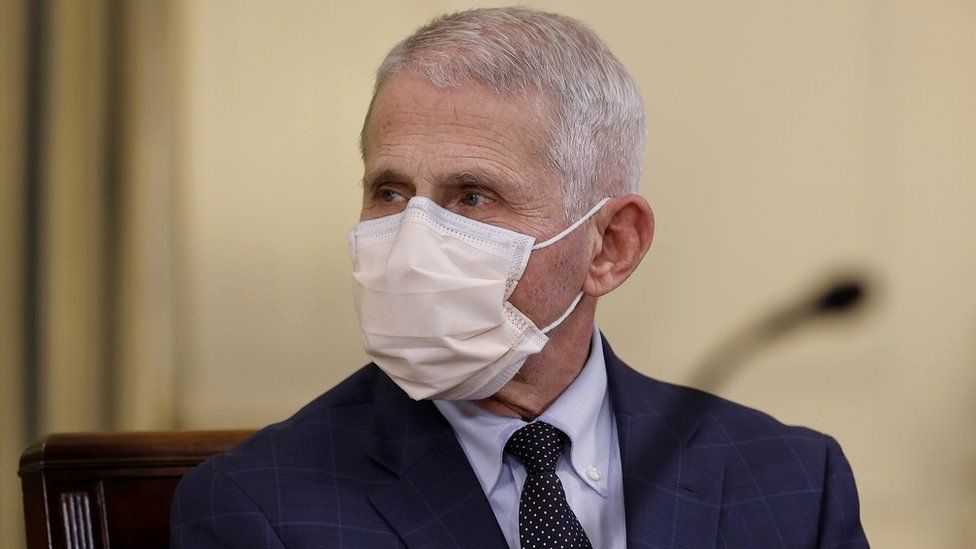
SharecloseShare pageCopy linkAbout sharingImage source, Getty ImagesChristmas travel will increase the spread of the Omicron Covid-19 variant, even among the fully vaccinated, the top US infectious disease expert says.”There’s no doubt about this, [Omicron] has an extraordinary capability of spreading,” Dr Anthony Fauci told NBC’s Meet the Press programme on Sunday.Dr Fauci, who advises the US government on the pandemic, said the variant was now “raging through the world”.Countries are tightening measures as the heavily mutated variant spreads.In Europe, France and Germany are among those to issue travel restrictions and the Netherlands has imposed a strict lockdown over Christmas.Governments are also ramping up their Covid booster vaccination programmes after researchers said the additional shot could provide around 85% protection against severe illness.Why do boosters work against Omicron if two doses struggle?Covid map: Where are cases the highest?How can I tell I have Omicron?On Sunday, Dr Fauci said the rapid spread of Omicron in the US could have a serious impact on health services across the country. “Our hospitals, if things look like they’re looking now, are going to be very stressed,” he warned.Dr Fauci said people needed to take precautions such as wearing face masks and social distancing. He also urged more Americans to get their vaccine and booster shots. “The difference between a vaccinated and boosted person who has an infection, and someone who has an infection who has never been vaccinated – it’s a major difference with regard to the risk of severity,” he said.At a White House press briefing on Friday, Dr Fauci said unvaccinated people were at a much higher risk of serious infection and hospitalisation. “We are looking over our shoulder at an oncoming Omicron surge,” he said, adding: “The fully vaccinated are doing much better… the optimum protection is fully vaccinated plus a boost.”Almost 73% of the US population has received at least one Covid vaccination, according to the Centers for Disease Control and Prevention (CDC). So far, almost 30% have had a booster shot.The latest CDC estimates suggest the Omicron variant accounts for about 3% of current cases, most of which have been recorded in the state of New York. Since the start of the pandemic, the US has recorded more than 50 million cases of coronavirus, and more than 800,000 Covid-related deaths.

Read more →