Novak Djokovic: Australian Open vaccine exemption ignites backlash

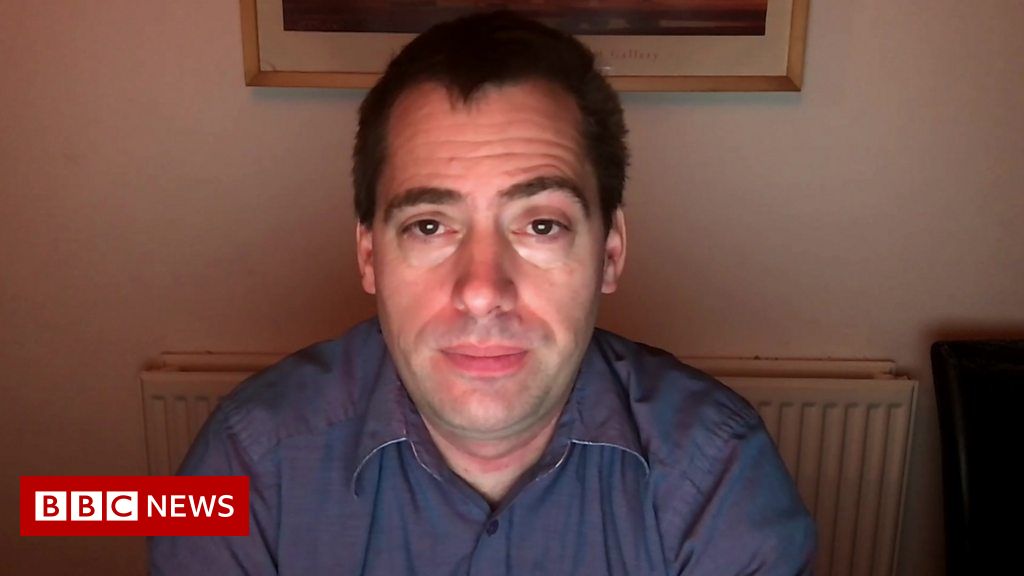
SharecloseShare pageCopy linkAbout sharingThis video can not be playedTo play this video you need to enable JavaScript in your browser.Australians have reacted angrily to news that tennis player Novak Djokovic will play in the Australian Open, after being exempted from vaccination rules.All players and staff at the tournament must be vaccinated or have an exemption granted by an expert independent panel.Djokovic has not spoken about his vaccination status, but last year said he was “opposed to vaccination”. Prime Minister Scott Morrison said if the player’s evidence was insufficient he would be on the “next plane home”. Organisers say the defending champion has not been given special treatment, but the decision has infuriated many Australians. The country is seeing tens of thousands of Covid-19 cases for the first time after enduring some of the world’s strictest restrictions.Over 90% of Australia’s over-16 population is fully vaccinated, but some people still cannot travel interstate or globally because of current measures.Amid the controversy, Mr Morrison said the Serbian player would be required to present evidence upon arrival that he has a genuine medical exemption from vaccination. The Australian Open begins on 17 January in Melbourne.”If that evidence is insufficient, then he won’t be treated any different to anyone else,” the prime minister told reporters. “There should be no special rules for Novak Djokovic at all. None whatsoever.”The comments seemed to represent a change in his position, after he said on Tuesday that the Victoria state government had provided the player with an exemption to enter the country and that officials would act “in accordance with that decision”.Many Australians had previously accused the government of allowing the rich and famous to do as they please while ordinary people remained separated from sick and dying loved ones.”I think it’s a disgrace,” Melbourne resident Christine Wharton told ABC. “We’ve all done the right thing, we’ve all gone out and got our jabs and our boosters and we have someone that has come from overseas and all of a sudden he’s been exempt and can play.”A&E doctor Stephen Parnis tweeted: “I don’t care how good a tennis player he is. If he’s refusing to get vaccinated, he shouldn’t be allowed in.”Image source, ReutersThe decision raised eyebrows with some other tennis players too. “I just think it’s very interesting. That’s all I’m going to say,” Australian Alex de Minaur said.Britain’s Jamie Murray added: “I think if it was me that wasn’t vaccinated I wouldn’t be getting an exemption. You know, but well done to him for getting clear to come to Australia and compete.”Australian former player Rod Laver said the reason for the exemption should be made public, saying the situation “might get ugly”.”Yes, you’re a great player and you’ve performed and won so many tournaments, so it can’t be physical,” he said. “So what is the problem?”The tournament’s chief executive, Craig Tiley, said 26 athletes had applied for medical exemptions. “A handful” had been granted, he said, under guidelines set by federal regulators.”We made it extra difficult for anyone applying for an application to ensure it was the right process and to make sure the medical experts deal with it independently,” he told Channel 9.Djokovic, vaccines and disinformationNovak Djokovic’s announcement has made him an enemy to some and a hero to others. Whilst the tennis champion has never openly confirmed whether he has been vaccinated, what we do know is that he has previously tested positive for the virus and discussed his opposition to vaccines.During a Facebook live in April 2020 he explained how he “wouldn’t want to be forced by someone to take a vaccine” should that be necessary to travel or compete in tournaments. These comments were widely shared and praised in Facebook groups and Telegram channels promoting outlandish conspiracies that the vaccines are part of a sinister plot to control and harm the world’s population. And previous comments like this have added fuel to the fire when it comes to the latest row over why he has been granted an exemption to travel.In Telegram channels promoting Covid-19 conspiracies, the exemption has given rise to incorrect theories that the vaccine is experimental. It has also led to outspoken vaccine sceptics, such as US tennis player Tennys Sandgren, to come out in support of Djokovic.And it is not just Djokovic who has been accused of fuelling disinformation on social media. His wife has promoted false claims that 5G technology is somehow linked to Covid-19 on her own Instagram feed – posts labelled as false by the social media site.Applications for medical exemptions are being assessed anonymously by two separate panels, with inflammatory cardiac illness or another acute condition listed as valid reasons.But it is also possible Djokovic has recently tested positive for the virus, which would allow him to defer taking the vaccine. A spokeswoman for the event told the BBC they could not comment on the reasons behind the player’s exemption.On Tuesday Djokovic said on Instagram: “I’ve spent fantastic quality time with my loved ones over the break and today I’m heading down under with an exemption permission. Let’s go 2022. I am ready to live and breathe tennis in the next few weeks of competition.”CONTEXT: The lives upended by Australia’s sealed borderFEATURE: Crisis causes fury in Aboriginal communitiesVictoria state government minister Jaala Pulford acknowledged the decision was “frustrating and upsetting”, but also denied that Djokovic had received special treatment. Both she and Mr Tiley urged Djokovic to give more information to the public.”It’ll certainly be helpful if Novak was to explain the conditions in which he’s sought an exemption and granted an exemption but ultimately it’s up to him,” Mr Tiley said.

Read more →

How ‘Muscle Memory’ May Help Us Get in Shape

Muscles develop a lasting molecular “memory” of past resistance exercises that helps them bounce back from long periods of inactivity.After two years of Covid-19 and its disruptions to our exercise routines, many of us may feel like we have forgotten how to be fit. But an encouraging new study suggests that our muscles remember. The study involved mice, but it builds on similar experiments with weight training and people. It found that muscles developed a pervasive and lasting molecular “memory” of past resistance exercises that helped them bounce back quickly from long layoffs.In the study, animals that completed a rodent form of resistance training developed changes in their muscles’ DNA that lingered long after they stopped exercising. The mice then packed on muscle mass much faster than other animals when they began training again. And as an encouraging side note to those who are taking up weight training for the first time, the findings also suggest that we should be able to build new muscle memories, regardless of our age.Until recently, the term “muscle memory” usually described our ability to bike, ski, throw to first base or repeat other common physical tasks, even if we had not pedaled, schussed or beelined a baseball in years. Our bodies remember how. But this type of memory, while real, is not really a muscle memory. These memories exist within motor neurons in our brains.But scientists knew that something happened within muscles themselves when they were worked hard, especially during weight training, and that these changes affected how muscles later responded to exercise. “Anecdotally, people say things like, ‘I used to be an athlete, then took time off, but my muscles came back as soon as I started’” lifting weights again, said Kevin Murach, a professor of health and human performance at the University of Arkansas, who oversaw the new study.Those stories piqued his and other researchers’ interest. How, they wondered, do muscles “remember” past workouts? And in what ways do those memories help muscles rebound after time away from the gym?Some preliminary studies with animals suggested that genes inside the nuclei of muscle cells worked differently after resistance exercises. Then, in 2018 and 2019, several much-discussed studies of people looked into the epigenetics of resistance training. Epigenetics refers to changes in the ways that genes operate, even though the gene itself does not change. It mostly involves a process called methylation, in which clusters of atoms, called methyl groups, attach themselves to the outside of genes like minuscule barnacles, making the genes more or less likely to turn on and produce particular proteins.In the recent human experiments, resistance exercise changed methylation patterns on a number of genes in people’s muscles, and those changes remained evident weeks or months later, even after the volunteers stopped exercising and lost some of their muscle mass. When they began lifting again, they packed muscle back on much faster than when the studies started, the researchers found. In essence, their muscles remembered how to grow.But those studies, while intriguing, lasted a few months at most. It was still unclear if exercise from much longer ago would linger as a genetic memory in our muscles, or just how many different cells and genes in muscles would be affected epigenetically by resistance training.So for the new study, which was published recently in Function, a flagship journal of the American Physiological Society, Dr. Murach and his colleagues, including the lead author Yuan Wen, decided to recreate the human weight-training experiments as closely as possible in adult mice. Rodents’ life spans are far more condensed compared with ours, meaning that changes seen in the animals after several months might appear in people after several years.But since mice cannot use barbells, the scientists had them run on weighted running wheels, which were designed to provide leg-muscle resistance training. The animals trained for eight weeks and then sat in their cages for 12 weeks — about 10 percent of their life spans, which would be years for us. The animals then trained again for a month, joined by mice of the same age that were new to the exercise and that served as controls. Throughout, the researchers biopsied and microscopically studied their muscles.They noted plenty of differences in gene methylation in muscle cells after the mice trained; most of the changes remained months after they stopped exercising. In general, these epigenetic changes dialed up the operation of genes involved in muscle growth while quieting gene activity elsewhere, making the genetic process of building muscle “more refined,” Dr. Murach said. Even after months of inactivity, these changes helped the trained mice add more muscle more quickly during retraining, compared with the mice that had not previously trained.Of course, this study involved mice, not people. It also looked only at resistance exercises and not at aerobic workouts.But since many of the genes the researchers tracked are the same ones that researchers studied in the human experiments, the findings most likely have relevance for any of us who hope to build up our muscles in 2022. They suggest that:No matter how long it has been since we’ve been to the gym or joined an online body-weight workout, our muscles should remain primed to respond to the exercises when we start working out again.It may never be too late to start laying down muscle memories, even if we have rarely or never lifted weights. The mice in the study were all adults when they began the weighted-wheel workouts, yet they all managed to build muscle memories that allowed them to bulk up faster after a period of inactivity. “It’s better to start sometime than not at all,” Dr. Murach said.

Read more →

Covid 19: Lateral flow tests 'very accurate for positive cases'

Ministers are said to be finalising plans to remove the requirement for a follow-up PCR test to confirm a positive Covid-19 result on a lateral flow device – in cases without symptoms.Speaking to the BBC, Epidemiologist Doctor Mike Tildesley said that data that identifies variants “may potentially be lost”, but that lateral flow tests are very accurate and only a subset of PCR tests are currently sent for sequencing.

Read more →

US science teacher arrested for vaccinating 17-year-old student

SharecloseShare pageCopy linkAbout sharingImage source, CBSA New York school teacher with no formal medical qualification has been arrested for allegedly giving a Covid vaccine to a student, say officials.Police say Laura Russo administered the dose at her home despite having no legal authorisation to give jabs, or consent from the boy’s parents. Ms Russo, 54, who teaches biology, was held on New Year’s Eve and could face four years in prison if convicted. The 17-year-old boy had reportedly wanted the vaccine. Injections can be dangerous if administered incorrectly. Doctors and licenced medical workers have to verify that a vaccine is not counterfeit or expired. Patients should also be asked about their medical history and have their reaction monitored after a jab. US reports 1m Covid cases with peak still to comePolice say it is unclear how Ms Russo obtained the alleged Covid vaccine, or what brand it is. Currently, the Pfizer-BioNTech jab is the only one authorised for Americans under 18 years old. Video of the incident in Long Island appears to show Ms Russo telling the teenager: “You’ll be fine, I hope.””Here you go. At-home vaccine,” he says.Officials say the boy’s parents called Nassau police after he came home and told them what had happened. “She had obtained a vaccine,” said Nassau Police Commissioner Patrick Ryder. “That’s still under investigation on how she got it.” The superintendent of Herricks High School, where Ms Russo has been working, said in a statement that the teacher “is a district employee who has been removed from the classroom and reassigned pending the outcome of the investigation”, reports CBS News, the BBC’s partner in the US.Ms Russo is charged with unauthorised practice of a profession. A court hearing has been scheduled for 21 January.

Read more →

Covid: President Macron warns he will 'hassle' France's unvaccinated

SharecloseShare pageCopy linkAbout sharingImage source, Getty ImagesFrench President Emmanuel Macron has warned he intends to make life difficult for people in France who have not been vaccinated against Covid-19.”I really want to hassle them, and we will continue to do this – to the end,” he told France’s Le Parisien newspaper.But political opponents said the strong language he used in the interview was not worthy of a president.His comments came as a bill on Covid passes was delayed by opposition MPs uniting against the government.A debate in parliament on the bill, which would bar the unvaccinated from much of public life, was prevented from continuing after midnight.The legislation was expected to be approved in a vote this week, but it has angered vaccine opponents and several French MPs have said they have received death threats over the issue.In his interview with Le Parisien on Tuesday, Mr Macron said that while he would not “vaccinate by force”, he hoped to encourage people to get jabbed by “limiting as much as possible their access to activities in social life”.”I won’t send [unvaccinated people] to prison,” he said. “So we need to tell them, from 15 January, you will no longer be able to go to the restaurant. You will no longer be able to go for a coffee, you will no longer be able to go to the theatre. You will no longer be able to go to the cinema.”Image source, ReutersThe language Mr Macron used about hassling or annoying the unvaccinated is considered to be slang and prompted a strong reaction from opposition politicians. “No health emergency justifies such words,” said Bruno Retailleau, Senate leader of the right-wing Republicans, quoted by AFP. “Emmanuel Macron says he has learned to love the French, but it seems he especially likes to despise them.”Far-right leader Marine le Pen tweeted: “A president shouldn’t say that… Emmanuel Macron is unworthy of his office.”Meanwhile leftist politician Jean-Luc Melenchon described the remarks as an “astonishing confession”. “It is clear, the vaccination pass is a collective punishment against individual freedom,” he added.Omicron: Good news, bad news and what it all meansCovid map: Where are cases the highest? France has one of the highest Covid vaccination rates in the EU, with more than 90% of the adult population double-jabbed.For months France has asked people to show either proof of vaccination or a negative Covid test to access many public venues.But the French government wants to remove the option to show a negative test in response to record increases in infections, driven by the highly contagious Omicron and Delta variants of Covid.On Tuesday, the country reported 271,686 new daily Covid cases – the highest number of daily infections recorded in France since the start of the pandemic. Mr Macron is still yet to formally declare he will run for a second term in April’s presidential elections, but told Le Parisien in Tuesday’s interview that he wanted to and will clarify his decision “once the health situation allows it”. This video can not be playedTo play this video you need to enable JavaScript in your browser.

Read more →

Biden Administration Doubles Order of Pfizer's Covid Pill

President Biden announced that his administration would double its order of Pfizer’s scarce Covid-19 antiviral drug, which has been shown to reduce hospitalizations.WASHINGTON — The United States government doubled its order for Pfizer’s Covid pills on Tuesday, a move that will modestly increase the nation’s very limited supply of the treatment in the short term amid a record-setting surge in coronavirus cases.The new order will eventually provide enough pills for an additional 10 million Americans, bringing the government’s total order of the drug to 20 million treatment courses. But they will not all be available right away. Only 35,000 of the additional courses will be delivered this month, and 50,000 more in February, supplementing 350,000 treatment courses that were already expected over the next two months, according to a senior administration official.The order underscored how urgently health providers need alternatives to vaccines, as roughly 35 million adults remain without a shot and more vulnerable to severe outcomes from Covid-19. Tens of millions more have been vaccinated but have risk factors that also make them especially vulnerable.The new order also suggests that the federal pandemic response will increasingly rely on oral treatments, which are scarce and facing intense demand.“We may need even more,” President Biden said on Tuesday, announcing the move ahead of a Covid-19 briefing he was set to receive from health advisers. “That’s the estimate we need right now.”The government has agreed to pay Pfizer $530 for each treatment course, the same amount it paid for its initial order late last year, the senior official said.Monthly deliveries of the Pfizer treatment, known as Paxlovid, are not expected to ramp up into the millions until April, too late to help with the current surge. The company says it takes six to eight months to produce the drug; the combined order is not due to be completely filled until the end of September.Still, Mr. Biden described the doubled order as a key component of the federal government’s Covid strategy. “They’re a game-changer,” he said, “and have the potential to dramatically alter” the course of the pandemic.Paxlovid was authorized two weeks ago for use in high-risk Covid patients age 12 or older. Pfizer expects to produce 120 million courses of it in 2022 for all global buyers. The treatment has proved in clinical trials to be highly effective in staving off severe illness when taken soon after the start of symptoms.Pfizer’s treatment is meant to be taken as 30 pills over five days, with patients taking three pills at a time: two of Pfizer’s pills and one of a low-dose H.I.V. drug known as ritonavir, which helps Pfizer’s drug remain active in the body longer.But public health experts have warned that without an adequate testing supply — a problem in many parts of the country — it could be difficult to quickly get the pills to those most in need.Mr. Biden on Tuesday said that in addition to more federal test sites opening, the administration’s plan to have insurers reimburse people for at-home tests would go into effect soon, as would a website allowing Americans to order free tests delivered to their homes, from a pool of 500 million being ordered by the federal government. Pfizer’s Covid-19 treatment pill, Paxlovid, in a laboratory in Germany. Health officials urgently need alternatives to vaccines to battle the disease.Agence France-Presse, via Pfizer/Afp Via Getty Images“I know this remains frustrating,” he said. “Believe me, it’s frustrating to me. But we’re making improvements.”The first supplies of Paxlovid have already begun arriving in some parts of the country. The allocations are based on each state’s population, but federal officials are considering shifting that model at some point to one based on case rates and hospitalizations, similar to the system it uses for distributing monoclonal antibody treatments.The Coronavirus Pandemic: Key Things to KnowCard 1 of 3The global surge.

Read more →

Omicron: Curfew in Delhi as India Covid cases surge

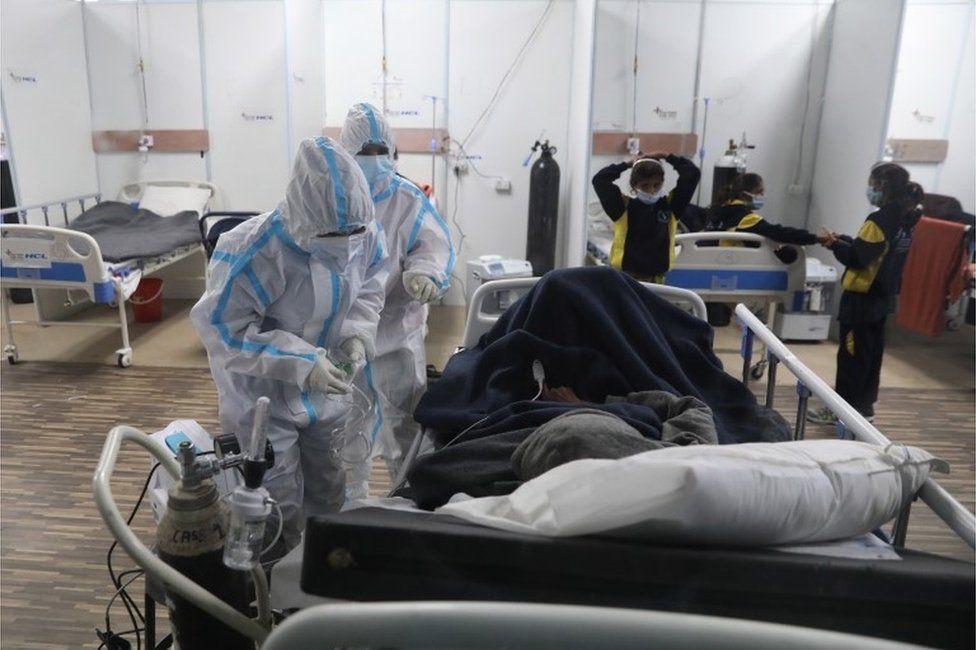
SharecloseShare pageCopy linkAbout sharingImage source, EPAIndia is bracing for a third wave of coronavirus as its largest cities – the capital Delhi and financial hub Mumbai – see a surge in cases.India reported 58,097 cases on Wednesday, a six-fold rise in a week that experts say is fuelled by the Omicron variant.Nearly a third of those infections came from Delhi and Mumbai.Both cities have brought back curfews and other restrictions to halt the spread of the virus. Dr NK Arora, head of India’s vaccine task force, told NDTV on Monday that the third wave of the pandemic had already begun in the country, adding that the “whole wave seems to be driven by a new variant… Omicron”. The country has reported more than 2,000 Omicron cases – Maharashtra, of which Mumbai is the capital, is leading the tally (653), followed by Delhi (464). Delhi’s health minister Satyendar Jain has said that 81% of Covid samples in the city tested positive for Omicron. The All India Institute of Medical Sciences (AIIMS) – one of India’s major hospitals – in Delhi has cancelled winter leave for doctors, according to reports. The rising infections are a sombre reminder of the devastating second wave India faced in April and May – daily averages of about 400,000 cases at the peak of the crisis. Image source, ReutersDelhi was among the hardest hit cities as hospitals across the country ran out of beds and life-saving oxygen, leaving patients gasping for breath. Crematoriums were overwhelmed, forcing people to hold mass burials in open spaces. Caseloads did drop eventually – for many months the national tally remained well under 10,000 cases a day.Now as cases rise again, state governments are re-imposing restrictions. Omicron: India aims to avoid ‘pandemic roulette’ Preliminary data suggests that fewer people infected with Omicron need hospital treatment when compared with other variants. But experts advise caution as a surge in cases could put hospitals under strain.On Tuesday, authorities in Delhi imposed a weekend curfew, with all non-essential activity banned between Friday night and Monday morning. The capital last week closed gyms and cinemas, as well as imposing an overnight curfew in an effort to stem the spread.Image source, Getty ImagesThe weekend curfew decision was announced hours after the city’s chief minister Arvind Kejriwal tested positive, saying he was isolating with mild symptoms. Mr Kejriwal has been attending massive election rallies in other states, even as cases continue to rise in his city. On Monday, he attended an event in Uttarakhand where many, including those sharing the stage with him, were seen without a mask. Several other politicians, including Prime Minister Narendra Modi, have held similar rallies in Punjab and Uttar Pradesh in the past few weeks in which thousands – many without masks – have participated with little regard to social distancing.The three states, along with Goa and Manipur, go to the polls in February and March.Image source, Getty ImagesAhead of India’s second wave too, political parties flouted Covid guidelines in states such as West Bengal where elections were due. The mega rallies were blamed for helping the virus spread. But the Election Commission indicated last week that this year’s polls may not be postponed even amid the rise in cases.Meanwhile, authorities in Mumbai said they will consider imposing a lockdown if daily cases cross the 20,000 mark. The city recorded 10,860 new cases on Tuesday, a 34.37% jump from the previous day. Cases are also rising in Goa, a tourist haven, where authorities have imposed a night curfew – it reported 592 new infections on Monday. Goa saw massive gatherings and parties over Christmas and New Year’s Eve, which experts say has contributed to the spike in infections. India’s government is yet to announce booster doses, although Mr Modi has said precaution doses will be given from 10 January to frontline workers and those above the age of 60 with comorbidities. About 63% of India’s eligible adults have been fully vaccinated and more than 90% have received at least one jab since the beginning of the vaccination drive in January 2021.India has so far reported more than 34 million cases and 482,000 deaths from coronavirus, although experts say the true toll could be much higher. You might also be interested in:This video can not be playedTo play this video you need to enable JavaScript in your browser.

Read more →

In Omicron Hot Spots, Hospitals Fill Up, but I.C.U.s May Not

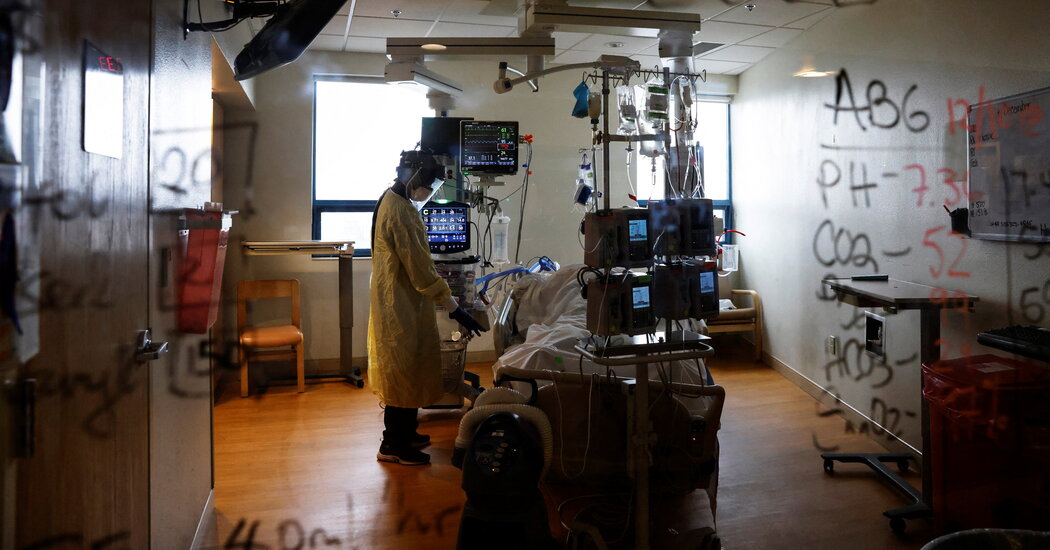
Covid hospitalizations are surging, but a smaller proportion of cases is severe compared with previous waves. With staff shortages, some hospitals are still in crisis.In hospitals around the country, doctors are taking notice: This wave of Covid seems different from the last one.Once again, as they face the highly contagious Omicron variant, medical personnel are exhausted and are contracting the virus themselves. And the numbers of patients entering hospitals with the variant are surging to staggering levels, filling up badly needed beds, delaying nonemergency procedures and increasing the risk that vulnerable uninfected patients will catch the virus.But in Omicron hot spots from New York to Florida to Texas, a smaller proportion of those patients are landing in intensive care units or requiring mechanical ventilation, doctors said. And many — roughly 50 to 65 percent of admissions in some New York hospitals — show up at the hospital for other ailments and then test positive for the virus.“We are seeing an increase in the number of hospitalizations,” said Dr. Rahul Sharma, emergency physician in chief for NewYork-Presbyterian/Weill Cornell hospital. But the severity of the disease looks different from previous waves, he said. “We’re not sending as many patients to the I.C.U., we’re not intubating as many patients, and actually, most of our patients that are coming to the emergency department that do test positive are actually being discharged.”Though it’s still early for firm predictions, the shift in hospital patterns fits with emerging data that Omicron may be a variant with inherently milder effects than those that have come before, less prone to infecting the lungs, where it can cause serious disease. But the lower proportion of severe cases is also happening because, compared with previous variants, Omicron is infecting more people who have some prior immunity, whether through prior infection or vaccination. The vast majority of Omicron patients in I.C.U.s are unvaccinated or have severely compromised immune systems, doctors said.Hospitals, facing staff shortages, are under enormous strain. In New York City, hospitalizations have exceeded the peak of last winter’s surge. And Governor Larry Hogan of Maryland declared a state of emergency on Tuesday, noting that the state had more hospitalized Covid-19 patients at that time than at any previous point during the pandemic.“We’re in truly crushed mode,” said Dr. Gabe Kelen, director of the Johns Hopkins University School of Medicine’s emergency department.The number of I.C.U. patients is a lagging indicator, likely to rise in the coming weeks, experts said. What’s more, some states are still struggling under the crush of hospitalizations from Delta, a previous version of the virus that may be more virulent. (Hospitals are frequently in the dark about which variant newly admitted patients are infected with.)Still, several reports suggest that Omicron is a foe different from the variants that came before. And the challenges hospitals face — at least so far — are less about stockpiling equipment and more about staffing and contagion, doctors said.“Early on in the pandemic, we were worried about running out of things, like ventilators,” said Dr. Ryan Maves, an infectious disease and critical care physician at the Wake Forest School of Medicine in Winston-Salem, N.C. “Now, the real limitations are obviously physical bed space, but even more so, it’s staffing.”When reports emerged in early December that hospitals in South Africa were handling relatively few severe Omicron cases, experts stressed that the findings should be interpreted with caution. South Africa has a relatively young population, and a large proportion had been infected by previous waves, leaving the affected people with some pre-existing immunity.But now that the virus has spread across the world and the United States, there is more evidence that many people who have been infected with Omicron in recent weeks seem to be faring better than those who were infected with other variants or during earlier surges.An empty waiting room outside the Covid I.C.U. at Covenant Healthcare in Saginaw, Mich., last month. While the number of I.C.U. patients is down, it is a lagging indicator, experts said.Isadora Kosofsky for The New York TimesIn Britain, people with Omicron were about half as likely to require hospital care and one-third as likely to be admitted to the hospital from emergency rooms than those infected with Delta, according to a government report released last week. Early reports from Canada suggest a similar pattern.And a new report from the Houston Methodist health care system, which has been sequencing the vast majority of viral samples from its patients since February 2020, found broadly the same thing.By Dec. 20, the new variant was causing more 90 percent of new Covid cases at Houston Methodist. In the new analysis, researchers compared 1,313 symptomatic patients who had been infected with Omicron by that date to Houston Methodist patients who had been infected with the Delta or Alpha variants beginning earlier in the pandemic.The numbers of Omicron cases examined in Houston are small, and it takes time for the worst outcomes to manifest. But fewer than 15 percent of those early Omicron patients were hospitalized, compared with 43 percent of the Delta patients and 55 percent of the Alpha patients, the study found.Among those who were admitted, Omicron patients were also less likely to require mechanical ventilation and had shorter hospital stays than did those infected with the other variants.“On average — and I’m stressing on average — the Omicron cases are less severe,” said Dr. James Musser, the chair of pathology and genomic medicine at Houston Methodist, who led the research. He added, “And that’s obviously good news for our patients.”The Omicron patients were also younger, and more likely to be vaccinated, than were those with previous variants, which may partially account for the milder illness.Although the reports are encouraging, it is still too early, and there is not yet enough detailed data, to draw firm conclusions about Omicron’s inherent severity, said Natalie Dean, a biostatistician at Emory University in Atlanta.“There hasn’t been really quite enough time,” Dr. Dean said. It took months for numerous large studies of Delta’s hospitalization risks to appear.In New York City, cases have been steadily rising since December and are now overwhelmingly accounted for by Omicron. Covid hospitalizations have also increased sharply, and I.C.U. admissions have been rising more slowly.At New York University’s Langone Health, for example, around 65 percent of patients admitted with Covid were “incidentally” found to have the virus, and their hospitalizations were not primarily because of the illness. At NewYork-Presbyterian, just under half of Covid admissions were incidental.Hospitals in other cities have also been reporting higher rates of incidental infections. Across Jackson Health System hospitals in Florida, 53 percent of the 471 patients with Covid were admitted to the hospital primarily for other reasons. At Johns Hopkins Medicine in Maryland, 20 percent of patients seeking treatment for non-Covid complaints are testing positive for infections, said Dr. Kelen of Johns Hopkins.The Coronavirus Pandemic: Key Things to KnowCard 1 of 3The global surge.

Read more →

C.D.C. Stands By Decision Not to Require Testing to End 5-Day Isolation

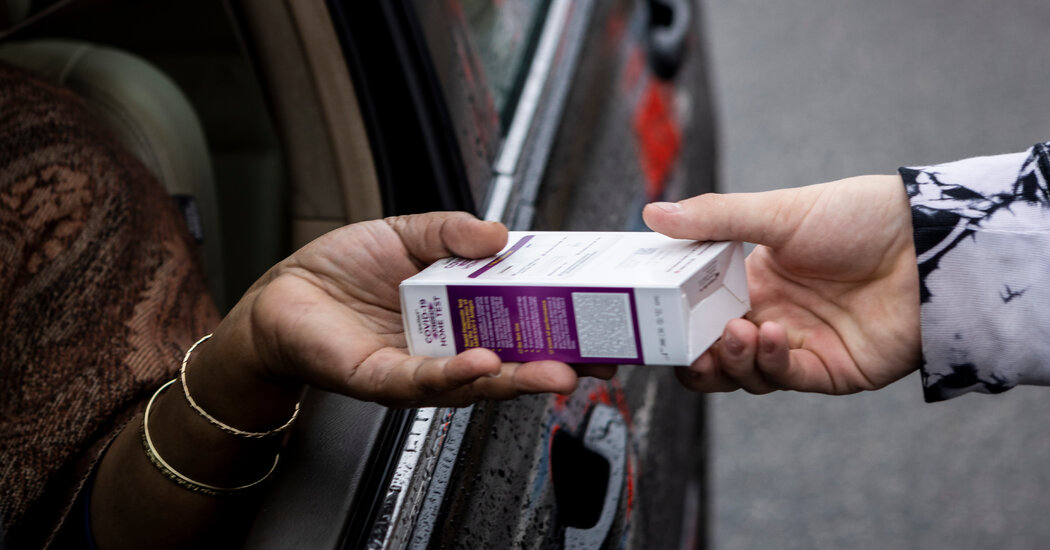
Despite sharp criticism, the Centers for Disease Control and Prevention on Tuesday stood by its recommendation that Americans infected with the coronavirus end their isolation after five days without first obtaining a negative virus test.The agency guidelines, released last week, shortened the recommended isolation period from 10 days to five for infected people who do not have symptoms, or whose symptoms are resolving. But the agency did not recommend testing before leaving isolation, an omission that surprised and worried many outside experts.Dr. Rochelle Walensky, the C.D.C. director, told The New York Times last week that the recommendation was based on evidence showing that most people are no longer contagious five days after symptoms appear. But the agency did not share the data behind the decision.The guidelines suggested that following isolation, recovered people wear a mask around others for another five days. Dr. Walensky defended the decision to omit testing, saying that rapid tests are not reliable for determining when an individual is no longer contagious.The Food and Drug Administration also said last week that rapid tests might be less reliable at picking up Omicron, compared with infections caused by previous variants. But the agency declined to elaborate on the basis for that assertion.Many public health experts said ending isolation at five days was risky, and that the agency should at least urge people to test negative before mingling with others. They also derided the agency for what some saw as a capitulation to pressure from corporations buckling under staff shortages during the Omicron surge.Responding to some of the criticisms, Dr. Anthony S. Fauci, the nation’s top coronavirus adviser, said on Sunday that the C.D.C. was considering adding testing to its recommendations, and would clarify the guidance within days.The agency was widely expected to add testing to its guidance as early as Tuesday. But in a surprising move, officials updated the C.D.C. website without a testing requirement. The agency on Tuesday also provided scientific rationale for shortening the isolation period.The guidelines now say that an individual who “has access to a test and wants to test” at the end of the isolation period may do so, but stops short of a recommendation to test.The new guidelines “facilitate individual social and well-being needs, return to work, and maintenance of critical infrastructure,” according to an update posted on Tuesday to the agency’s website.For people exposed to the virus who are unvaccinated or have not yet received a booster dose of one of the vaccines, the agency now recommends a quarantine of five days, followed by strict mask use for another five.People who have received a booster shot do not need to quarantine following an exposure, but should wear a mask for 10 days afterward, according to the guidelines.

Read more →

Covid: Boris Johnson plans to 'ride out' Omicron wave with no more curbs

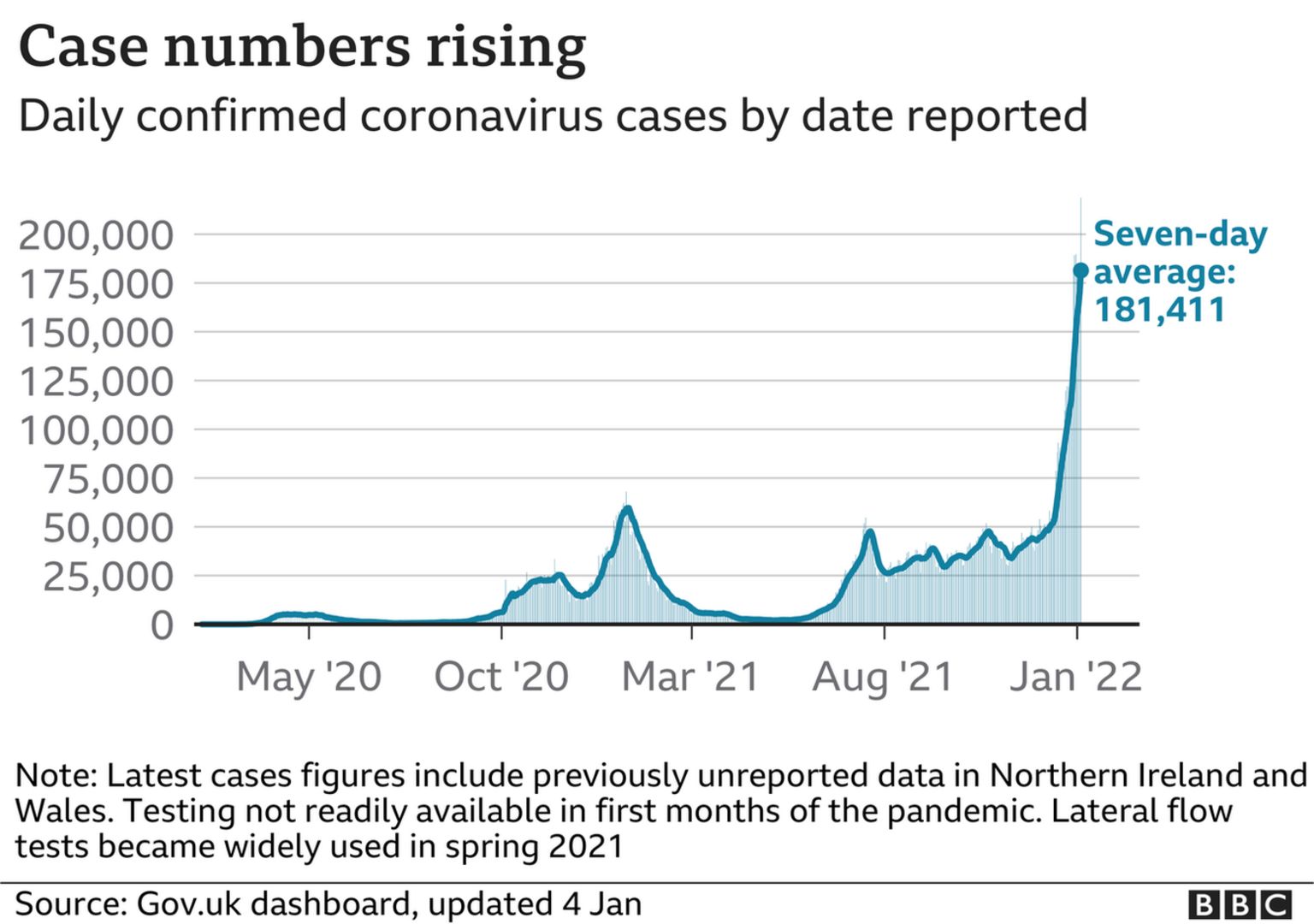
SharecloseShare pageCopy linkAbout sharingThis video can not be playedTo play this video you need to enable JavaScript in your browser.Boris Johnson says he hopes England can “ride out” the current wave of Covid-19 without further restrictions.But he acknowledged parts of the NHS would feel “temporarily overwhelmed” amid a surge of Omicron cases.The prime minister said there was a “good chance” he would not impose fresh measures and would recommend continuing the government’s “Plan B” strategy in England to ministers on Wednesday.He also announced plans for 100,000 critical workers to take daily tests. The testing regime from 10 January will be for key industries including food processing, transport and the border force, in order to reduce the spread of the virus to colleagues.The PM said at a Downing Street briefing he will recommended England sticks with Plan B restrictions, when cabinet ministers meet to discuss extending them.The measures – which include working from home where possible, mask wearing in most public settings and Covid passports in some venues – are currently due to run out on 28 January.Hospital trusts declare critical incidents over staff shortagesPupils return to Covid testing and masks in classWhat are the Covid rules for the UK?As daily UK Covid case figures exceeded 200,000 for the first time with the spread of the Omicron variant, the PM said people who believed the pandemic to be over were “profoundly wrong”.The daily cases include a backlog of two days of cases from Wales and four days in Northern Ireland.He said this was a moment for caution but also that the UK’s position was different from other waves, as Omicron is milder than previous variants and booster vaccines have been rolled out.Mr Johnson said the country had a chance to “ride out this Omicron wave without shutting down our country once again”.”We can keep our schools and our businesses open and we can find a way to live with this virus,” he said.Mr Johnson acknowledged the weeks ahead would be “challenging” with “some services disrupted by staff absences”. But he promised to “fortify” the NHS to withstand pressure.The assurances come as many industries are facing staffing problems over the number of workers self isolating with Covid or as contacts of cases, while many people have struggled to get tests over Christmas amid supply and demand issues. The government would continue to watch what happens in Covid data, but Mr Johnson said the Plan B restrictions in England were the correct and balanced approach. “It has to balance the effect on people’s lives and livelihoods of lockdowns, which are painful, which take away people’s life chances and which do a great deal of social damage, damage to people’s mental health as well as damage to the economy,” Mr Johnson said.He said the health service was moving on to a “war footing” with plans to set up coronavirus surge hubs at hospitals across England in preparation for a potential wave of admissions. Mr Johnson added the government was working to identify NHS trusts “most likely to need actual military support, so this can be prepared now”. Older groups start to see more infectionsIf modelling done by Warwick University for the government is anything to go by, it may be more a case of having to ride it out rather than being able to.That’s because the window to have a significant impact on the peak with extra restrictions could have already passed. Instead, what matters now is to what extent the virus spreads in older, more vulnerable groups who are most are risk of getting seriously ill.To date, most Omicron infections have been in younger age groups.But there are signs that older age groups are seeing more infections now.The hope is the boosters will do enough to limit that. It will be another week or two at least before we can be sure.Speaking alongside the PM, England’s chief medical officer Prof Sir Chris Whitty said lateral flow tests provided a “very good guide, actually, to whether someone is at that moment infectious”.Asked about the possibility of shortening the self-isolation period for Covid cases, he said the current system, where people are released if they test negative on day six and seven of their 10-day isolation, was the correct one.Prof Whitty expected the infection number would rise, but mortality rates from Omicron would be lower than other waves, while booster jabs provided “very significant protection from hospitalisation”.Pressure on intensive care units was less than in previous waves, he said, but there was a lot of pressure on A&E and other hospital services.Mr Johnson said it was “absolutely heart-breaking” that up to 90% of people in intensive care with Covid had not had a booster jab and more than 60% have not had any vaccine at all, describing many of them as “dying needlessly”.

A modern browser with JavaScript and a stable internet connection are required to view this interactive.

How is the NHS in your area coping this winter?
Enter a postcode to find out. Eg ‘M50 2EQ’

Data not available

Data not available

Data not available

This trust does not currently supply A&E waiting time figures.

Data not available

Data not available

Data not available

Data not available

Data not available

Data not available

About the data

About the data

Ambulance queues
When patients arrive at hospital by ambulance they should be handed over within 15 minutes. This data shows the proportion of ambulance patients who waited 30 minutes or more, in the week shown. It comes from daily situation reports which are published weekly during the winter in England. As this is fast-turnaround data, the NHS says only minimal validation can be carried out but it is considered fit for purpose.
Scotland, Wales and Northern Ireland do not publish ambulance queue data.
A&E waits
Patients at A&E should be seen within four hours of arrival. This data shows the proportion of patients attending A&E who waited longer than four hours to be treated, discharged or admitted.
This data is published monthly for England and Wales and weekly for Scotland. Northern Ireland publishes its data quarterly and Winter 2021 is not yet available.
Bed waits and occupancy
If a patient at A&E needs to be admitted, the wait from decision to admit to being given a bed on a ward is recorded in England. The bed waits figure is the proportion of patients admitted via A&E who waited longer than four hours for a ward bed.
In Wales, bed wait data is not published, so the figure shown is the occupancy level in general and acute beds. Scotland and Northern Ireland do not publish bed wait or bed occupancy data.
NHS trusts and boards
Data for England is show by NHS trust, where the trust includes at least one hospital with a Type 1 A&E department. Type 1 means a consultant-led 24 hour A&E service with full resuscitation facilities.
When you enter a postcode for a location in England you will be shown a list of NHS trusts in your area. They will not necessarily be in order of your closest hospital as some trusts have more than one hospital. Data for Wales and Scotland are shown by NHS board.
Comparative data from two years ago is shown where available. However, where trusts have merged there is no like-for-like comparison to show. Bed occupancy data in Wales only goes back to April 2020.

If you can’t see the lookup, click hereResponding to the prime minister’s press conference this evening, Labour’s Wes Streeting called on him to go “a lot further” to make sure tests are available for people who need them.The shadow health secretary said: “The fact we’ve got doctors, nurses, school pupils struggling to get access to tests this week is entirely down to the government being asleep at the wheel over Christmas.”The government needs to get a grip so we can avoid the need for further restrictions.”

Read more →