New hope for sight recovery in stroke survivors

Researchers have used MRI imaging to map visual brain activity in stroke survivors with sight loss that gives new hope for rehabilitation and recovery.
Scientists from the University of Nottingham have revealed new insights by combining data from clinical sight tests with brain imaging to precisely map the areas of the brain affected by sight loss. This allows identification of visual brain areas where function could potentially be improved with rehabilitation. The research, which was funded by the charity Fight for Sight has been published today in Frontiers in Neuroscience.
Every year around 150,000 people in the UK have a stroke with roughly 30% experiencing some kind of sight loss as a result. Visual field loss is a common and devastating complication of cerebral strokes. This type of sight loss, called hemianopia, affects one side of a person’s vision and is caused by damage to the visual pathway in the brain.
A visual field test called perimetry is the current gold standard for measuring residual visual field coverage. However it has limitations. Its coverage is often coarse, it requires good attentional engagement of participants, and provides only indirect information about where in the visual pathway the key processing deficit is located. This limits the ability to identify potential strategies for visual rehabilitation — in terms of location in the visual field and the kinds of visual stimuli most likely to support recovery.
This new study combines detailed perimetry and multiple brain imaging datasets from four stroke survivors which shows that perimetry can be augmented with brain imaging data to provide a novel measure of residual visual field function. This combined approach provides potential for a personalized approach to therapy — guided by functional activity patterns in the post-stroke brain.
The research has been led by PhD student Anthony Beh from the University of Nottingham’s School of Psychology and supervised by Dr Denis Schluppeck, Dr Ben Webb and Prof Paul McGraw. Anthony explains: “A common misconception with stroke-related sight loss is that it affects vision through a particular eye. What is actually happening is that the eyes are seeing normally but the brain can’t process some of the information. This type of vision loss can be a particular problem for driving, reading or navigating a crowded space. It can also increase the risk of falls in older people. By exploring stroke-damaged brains with functional MRI and different kinds of visual stimulation, we found residual activity in the visual cortex, not detected by perimetry. This opens up possibilities for rehabilitation and offers new hope to stroke survivors.”
Dr Schluppeck adds: “By examining different types of brain scans we can actually see areas of ‘residual vision’ — places where the eyes and brain can still process images, even if this doesn’t reach awareness. Using MRI to pinpoint these areas of functional vision, clinicians could work with the stroke survivor and train them to recover some functionin that particular spot.”
The research also showed that the same visual field loss can be caused by very different patterns of brain damage. This highlights the need for individualised rehabilitation plans for stroke survivors.
Fight for Sight is the leading UK charity dedicated to stopping sight loss through pioneering research and funded this research project. Ikram Dahman, Chief Executive Officer (Interim) at Fight for Sight said: “This important research gives new and much-needed hope for people experiencing sight loss due to brain injury after a stroke. This work could truly be transformative in people’s recovery, helping to restore independence and improve overall quality of life. We look forward to the important outcomes of this study.”
Story Source:
Materials provided by University of Nottingham. Note: Content may be edited for style and length.

Read more →

Abnormal thyroid hormone levels during pregnancy may increase the risk of preschool boys’ behavioral problems

Thyroid hormone levels during pregnancy may predict preschool boys’ emotional and behavioral problems, according to a study published in the Endocrine Society’s Journal of Clinical Endocrinology & Metabolism.
Thyroid hormones are crucial for normal development of a baby’s brain and nervous system. During the first trimester — the first three months of pregnancy — a baby depends on its mother’s supply of thyroid hormone, which comes through the placenta. Levels of maternal thyroid hormones, including thyroid stimulating hormone (TSH) and free thyroxine (FT4), change dynamically during pregnancy, and both high and low maternal thyroid hormone levels can affect children’s behavioral development.
“Our findings highlight the significance of close monitoring and management of maternal thyroid function during pregnancy,” said Kun Huang, Ph.D., of the Anhui Medical University in Anhui, China. “This research presents a new perspective in early intervention of children’s emotional and behavioral problems.”
The researchers studied 1860 pairs of mothers and their children from the Ma’anshan Birth Cohort in China. The researchers repeatedly measured thyroid hormone levels in the first, second and third trimesters of pregnancy. The researchers followed up with the families when the children were 4 years old and had them fill out a checklist to evaluate their behavioral problems.
The researchers found boys born to mothers with high thyroid hormone levels during pregnancy were more likely to be withdrawn, have behavioral problems and be anxious or depressed. Moderate and low thyroid hormone levels were associated with aggressive behavior in preschool boys.
Other authors of the study include: Peixuan Li, Yuzhu Teng, Xue Ru, Zijian Liu, Yan Han and Fangbiao Tao of the Anhui Medical University.
The study received funding from the National Natural Science Foundation of China, the University Synergy Innovation Program of Anhui Province, the Sci-tech Basic Resources Research Program of China, the National Key Research and Development Program, the Chinese Academy of Medical Sciences and the Research Fund of Anhui Institute of Translational Medicine.
Story Source:
Materials provided by The Endocrine Society. Note: Content may be edited for style and length.
Read more →

Healthful food for children is the same as for adults

It is the position of the Society for Nutrition Education and Behavior (SNEB) thatthere is no difference between healthful foods for adults and for children aged 2 and older, except for age-appropriate adjustments in texture and portion size, according to a new position paper in the Journal of Nutrition Education and Behavior, published by Elsevier.
“If you think about kids’ food, the archetype or terminology that we widely use to describe the food that we feed our children, it’s really a social norm or societal construct that we’ve perpetuated,” says Pamela Rothpletz-Puglia, EdD, RD, School of Health Professions, Rutgers, The State University of New Jersey, Piscataway, NJ, USA.
Kids’ food is operationally defined as food likely to be consumed by children aged 2-14 years, either at home or in the community. There is a long-held belief in the United States that children need different types of foods than adults, and many of these foods are highly processed; energy-dense; and high in saturated fat, sodium, and added sugar. A diet favoring these foods can have significant detrimental effects on children’s preferences and tastes, may exacerbate food neophobia or picky eating behavior sometimes seen in children, and may impact their health in the future.
In the position paper, the authors note that the idea that children need different foods than adults seems to have originated during the alcohol prohibition era when the hospitality industry created children’s menus to offset the loss of alcohol sales revenue. Since then it is known that children over 2 years of age can eat the same healthy foods as adults, but kids’ food and menus have become a social norm. This social norm persists because ultra-processed foods like chicken tenders, hot dogs, French fries, and grilled cheese are prevalent in the food environment and they are highly palatable to children.
Nutrition educators play key roles in shifting consumer demand and social norms about food choices. They can do this by creating family and community resilience and healthy adaptation to the ultra-processed food environment, and by promoting the knowledge that children over the age of 2 can eat the same healthy foods as adults eat (while accounting for age-appropriate and nutrition requirements). They can also help improve the unhealthy aspects of the kids’ food archetype by working with the media, restaurant industry, and policy makers on health promotion messaging, marketing, menu labeling, and healthy default menu options. By shifting norms about kids’ food toward healthy food that both adults and children can enjoy, nutrition educators can promote healthy social and behavior changes at the individual, family, community, and societal levels.
“I think we need to partner with communities, the food industry, and policy makers,” says Rothpletz-Puglia. “We need to partner and create mutually beneficial solutions.”
Story Source:
Materials provided by Elsevier. Note: Content may be edited for style and length.

Read more →

Marijuana users’ risk of deadly complication doubles after rare type of bleeding stroke

Among people with an aneurysmal subarachnoid hemorrhage (aSAH) stroke, a type of bleeding stroke, recent marijuana users were more than twice as likely to develop a dangerous complication that can result in death or greater disability, according to new research published today in Stroke, a peer-reviewed journal of the American Stroke Association, a division of the American Heart Association.
The study is the largest to examine the impact of THC or Tetrahydrocannabinol, the psychoactive component (change of a person’s mental state) of marijuana on complications after an aneurysmal subarachnoid hemorrhage (a rare but severe form of stroke).
In an aneurysmal subarachnoid hemorrhage, a weakened and bulging part of a blood vessel bursts on the surface of the brain (called a ruptured aneurysm), resulting in bleeding in the space between the brain and the tissue that covers it. This type of stroke can be devastating, resulting in neurological disability in about 66% of people and death (during the follow up period) in about 40%. The immediate treatment of an aneurysmal subarachnoid hemorrhage focuses on stopping and preventing further bleeding. However, despite treatment, in the 14 days following an aneurysmal subarachnoid hemorrhage, many patients may develop worsening symptoms (such as speech problems or difficulty moving). This is caused by blood from the initial stroke irritating blood vessels, causing them to constrict enough to cut off the blood supply to a portion of the brain (called a vasospasm), resulting in more brain damage. This complication, called delayed cerebral ischemia, is a leading cause of death and disability after an aSAH stroke.
“We’re all vulnerable to a bleeding stroke or a ruptured aneurysm, however, if you’re a routine marijuana user, you may be predisposed to a worse outcome from a stroke after the rupture of that aneurysm,” said Michael T. Lawton, M.D., senior author of the study and president and CEO of Barrow Neurological Institute in Phoenix, Arizona.
Researchers analyzed data on more than 1,000 patients who had been treated for aneurysmal subarachnoid hemorrhage at Barrow Neurological Institute between January 1, 2007 to July 31, 2019. All patients had been treated to stop the bleeding either via 1) open surgery to clip off the base of the aneurysm, or, 2) noninvasively, by threading a slim tube through a blood vessel to the base of the aneurysm and releasing coils that fold to fill in the space and provide a barrier to further bleeding.
Urine toxicology screening was performed on all patients admitted with ruptured aneurysms. The study compared the occurrence of delayed cerebral ischemia in 46 people (average age of 47 years; 41% female) who tested positive for THC (the component of cannabis, also known as marijuana, that induces a high) and 968 people (average age 56 years, 71% female) who tested negative for THC. A positive urine screen for THC reflects cannabis exposure within three days for a single use to within approximately 30 days for frequent heavy use.

Read more →

Decoding protein assembly dynamics with artificial protein needles

Protein assembly is essential for the formation of ordered biological structures, but imagine engineering one! This is exactly what researchers at Tokyo Tech have now accomplished with protein needles. By regulating the tip-to-tip interactions of these needles, they allowed for their self-assembly into lattice structures, ordered monomeric states, and fiber assemblies, paving the way for the controlled construction of more of such protein architectures.
Proteins are the basic building blocks of our bodies. However, their molecular and macroscopic structures are complex and varied, with multiple folding patterns and substructures. Scientists have been trying to decode these structures for some time, and much progress has been made thanks to fluorescence microscopy (FM), atomic force microscopy (AFM), and high-speed AFM (HS-AFM). However, they have not been able to directly observe the dynamic motions of proteins during assembly. This is mainly due to the intricate structure of proteins, which are too small to be measured with existing techniques.
A collaborating team of researchers from Tokyo Institute of Technology (Tokyo Tech), Kyushu University, Nagoya University, and National Institutes of Natural Sciences have now developed a specialized anisotropic protein needle (PN) to help determine the assembly of similarly anisotropic proteins, giving us clues about their microstructure and assembly.
Prof. Takafumi Ueno of Tokyo Tech, who led the study, explains the premise of their work, “Our PN is a needle-shaped protein composed of the rigid body (β-helix), the terminal cap (foldon), and a binding motif (hexa-histidine tag, His-tag). By modifying these PNs by deleting the His-tag motif and foldon cap, we can produce three different types of PNs. This enabled us to regulate and observe different assembly patterns and how they change, giving us clues into the mechanics of different protein-protein interactions that we find in nature.” The results of this study were published in the journal Small.
In solution, the PNs spontaneously form a highly stable structure with a length of about 20 nm and a width of about 3.5 nm, small enough to track the rotational motion of individual molecules yet mechanically strong.
On surfaces, the team observed different kinds of ordered structures as the PNs self-assembled. These structures ranged from triangular lattices and monomeric states with nematic order (one-dimensional orientation) to fiber assemblies.
This, in turn, allowed the team to investigate the dynamic processes involved in protein assembly through a combination of HS-AFM and simulations. The results revealed that the formation of the triangular lattice structure was guided by the dynamic motions of PN, which contribute to forming ordered lattices.
These findings have excited the researchers, who are contemplating its potential ramifications. “These molecules play such a crucial role in biological systems that understanding their structure would further the field significantly. For instance, we could use this to lay the groundwork for constructing supramolecular structures by designing the dynamic collective motions of proteins. This concept can lead to the engineering of biocompatible sheet materials, targeted drug transports, and even protein-based nano-robots,” comments Prof. Ueno.
Story Source:
Materials provided by Tokyo Institute of Technology. Note: Content may be edited for style and length.
Read more →

Human case of bird flu detected in the UK

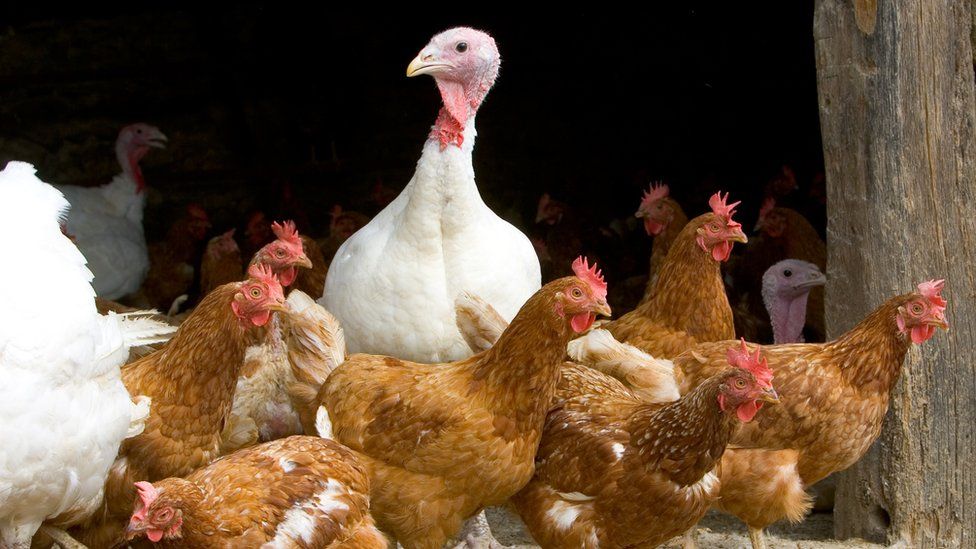
SharecloseShare pageCopy linkAbout sharingImage source, Tim Graham/Getty ImagesA person living in the south-west of England has caught bird flu, UK officials have confirmed. Cases like this are extremely rare and the individual probably became infected from very close contact with a sick or dead bird. Experts say there is no evidence of onward spread and all close contacts of the person are being monitored. The individual is currently well and self-isolating, and the risk to the public is very low. Avian flu, also known as bird flu, is a type of influenza that spreads among birds. The UK has recently seen a large number of outbreaks and incidents of the H5N1 strain of avian influenza in birds across the country.Human to human transmission of bird flu is very rare.Some strains of bird flu can pass from birds to people but, again, is rare and requires close, prolonged contact. The virus that the person caught is the H5 type that is found in birds, but it is not yet clear whether it is the same H5N1 strain that has been causing recent outbreaks in poultry that have then had to be culled. This is the first human case of this strain in the UK, although there have been cases elsewhere globally. Being a notifiable disease, The World Health Organization has been informed.One million culled in bid to halt spreadUK chief vet issues plea amid surge in HN51 casesProf Isabel Oliver, chief scientific officer at the UK Health Security Agency, said: “While the risk of avian flu to the general public is very low, we know that some strains do have the potential to spread to humans and that’s why we have robust systems in place to detect these early and take action. “Currently there is no evidence that this strain detected in the UK can spread from person to person, but we know that viruses evolve all the time and we continue to monitor the situation closely. “We have followed up all of this individual’s contacts and have not identified any onward spread.”The UK’s chief veterinary officer Christine Middlemiss said: “We are seeing a growing number of cases in birds on both commercial farms and in backyard flocks across the country. “We took swift action to limit the spread of the disease at the site in question, all infected birds have been humanely culled, and cleansing and disinfection of the premises is under way. This is a reminder that stringent cleanliness when keeping animals is important.”Prof Ian Jones, who is an expert in viruses at the University of Reading, said there is no risk to chicken meat or eggs and no need for public alarm. Avian influenza (bird flu) – GOV.UKThe BBC is not responsible for the content of external sites.

Read more →

Novak Djokovic: Australia cancels top tennis player's visa

SharecloseShare pageCopy linkAbout sharingThis video can not be playedTo play this video you need to enable JavaScript in your browser.World number one men’s tennis player Novak Djokovic has had his visa to enter Australia dramatically revoked on his arrival in Melbourne, amid a huge backlash over a vaccine exemption.Djokovic was held in the airport for several hours before border officials announced he had not met entry rules.He was then taken to a government detention hotel. A court will decide on his deportation on Monday.The row is around an exemption he had to play in the Australian Open.Tournament organisers said the Serbian player, who has said he is opposed to vaccination, had been granted medical exemption by two independent medical panels organised by Tennis Australia and Victoria state, denying he had been given special treatment. The decision infuriated many in a country that has seen a surge in Covid-19 cases, and where over 90% of those over 16 are fully vaccinated. People have also had to endure some of the world’s strictest restrictions and some still cannot travel between states or internationally.On Wednesday, border officials said the 34-year-old had “failed to provide appropriate evidence” for entry after arriving from Dubai. He is now being held at a hotel in the Melbourne suburb of Carlton which is used for immigration detention. “Non-citizens who do not hold a valid visa on entry or who have had their visa cancelled will be detained and removed from Australia,” the Australian Border Force (ABF) said in a statement.Djokovic’s team challenged ABF’s decision, and a hearing at the Federal Circuit and Family Court of Australia has been scheduled for Monday.This video can not be playedTo play this video you need to enable JavaScript in your browser.Australia’s Prime Minister Scott Morrison denied Djokovic was being singled out and said no-one was above the country’s rules. But he added that Djokovic’s stance on vaccination had drawn attention.”When you get people making public statements – of what they say they have, and what they are going to do, and what their claims are – well they draw significant attention to themselves,” Mr Morrison told reporters.REACTION: Nadal says Djokovic ‘could be playing’EXPLAINER: Twists and turns of debacleBACKGROUND: Australian fury over vaccine waiverCONTEXT: The lives upended by Australia’s sealed borderLISTEN: Should sport get tough on vaccine hesitancy?Though Djokovic’s reason for an exemption has not been disclosed, Mr Morrison said contracting Covid-19 in the past six months was not among federal criteria for one.The saga prompted Serbian President Aleksandar Vucic to say Djokovic was a victim of “harassment” and that “the whole of Serbia” supported him. Mr Morrison denied the visa cancellation was because of “any particular position in relation to Serbia”, describing the nation as “a good friend of Australia”. Outside the hotel where Djokovic was being held, supporters of the tennis player expressed anger at his treatment.The player’s father, Srdjan, said his son had been held in a room guarded by police at the airport. “This is not just a fight for Novak, but a fight for the whole world,” he said in a statement. Disappointment and angerFor hours, Novak Djokovic’s supporters made their way outside the Melbourne quarantine hotel where he’s believed to be staying – many from the Serbian community here. The strength of feeling was palpable as songs about freedom played and some danced. “This is a disgrace,” Kristina told me, draped in the Serbian flag. “I’m ashamed to be an Australian today. If he’s not playing – I’m not going.”Jelena wore a white cap with Djokovic’s signature that she got two years ago when he was here for the tournament. She carries a sign that says “Thank you”. “He represents a connection to my home country. The Australian government needs to fix this mess. It’s an international scandal and the world is watching,” Jelena said, her disappointment that he may not be competing evident. Djokovic has landed in the middle of a controversy that’s gone beyond tennis and is now at the heart of a political tussle – between the state and the federal authorities.And while the player and his legal team wait for the court hearing to resume on Monday, anger and confusion are the overarching sentiments here – whether from those who say he shouldn’t have been allowed in or those furious at the thought of him being deported. The world number one has dominated the Australian Open, winning it nine times. But his attempt to defend his title and go for a 10th may be over before the tournament begins.Spanish tennis start Rafael Nadal, who is in Melbourne to prepare for the Australian Open, said it was “normal” for Australians to get “very frustrated with the case”.”The only for me clear thing is if you are vaccinated, you can play in the Australian Open,” he said, adding: “Of course after a lot of people had been dying for two years, my feeling is [that] the vaccine is the only way to stop this pandemic.”But former Australian Open tournament director Paul McNamee told local media the visa U-turn was unprecedented, saying it “smells” of politics.Many Australians had previously accused the government of allowing the rich and famous to do as they please while ordinary people remained separated from sick and dying loved ones.Two other people were now having their medical exemptions reviewed, the Australian Broadcasting Corporation reported. Mr Morrison said the ABF had previously advised Tennis Australia on visa expectations.The Australian Open begins on 17 January in Melbourne. Djokovic has previously won the tournament nine times.

Read more →

Cruise Ships Are Still Sailing as Cases Rise and Criticism Mounts

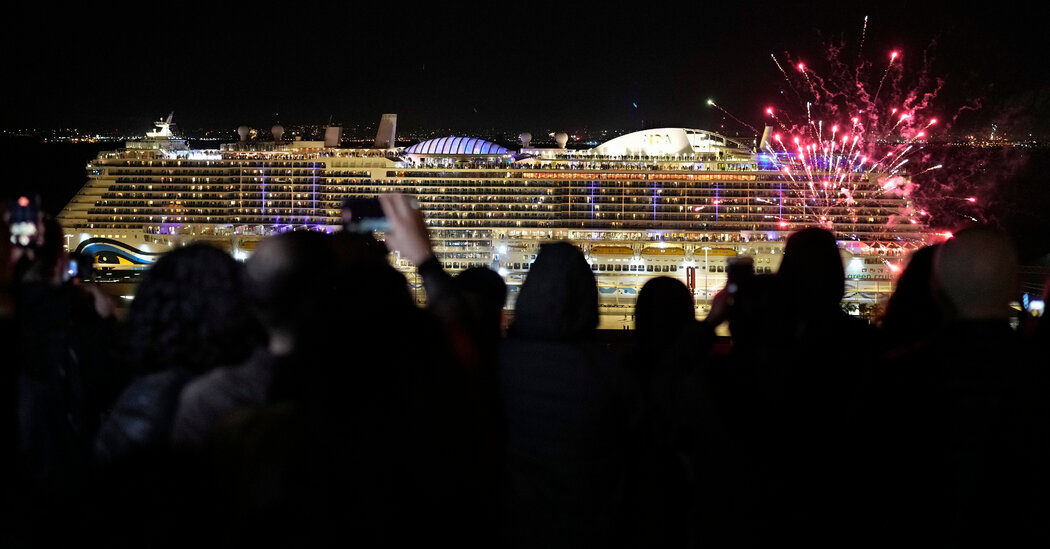
One day after the C.D.C. advised against all travel on cruise ships, thousands of cruisers partied like it was 2019. But worries about onboard policies — and frustration over quarantines — is rising.On the fourth day of a seven-day Mexican Riviera cruise, Jesse Suphan and other passengers onboard the Carnival Cruise Line’s Panorama were denied entry at the port of Puerto Vallarta, because of the number of onboard coronavirus cases. That was the first Mr. Suphan heard about the virus spreading on the ship.“The captain announced that five people had tested positive for Covid and were quarantining,” Mr. Suphan, a 39-year-old revenue cycle manager, recalled in a telephone interview. “But, then, talking to the crew, they told me there were between 100 and 150 crew members who also tested positive, but the captain didn’t mention that.”Two days later, the Centers for Disease Control and Prevention told Americans to avoid travel on cruise ships, regardless of their vaccination status. The advisory, the agency’s highest coronavirus warning, came in response to a surge in cases in recent weeks, caused by the spread of the contagious Omicron variant.But even as case numbers rise, and criticism mounts about the safety of cruising and over cruise line protocols in reporting cases to passengers, ships keep sailing and guests keep embarking, adamant that the onboard environment is safe because of stringent health and safety requirements, including pre-departure testing and vaccine mandates.The German cruise ship AIDAnova, docked in Lisbon, celebrated New Year’s Eve with fireworks.Armando Franca/Associated PressConsider the New Year’s Eve festivities held on ships around the world. One day after the C.D.C. announcement, as dozens of crew members and other passengers were confined to small cabins, infected and quarantined, thousands of revelers packed into ship bars, casinos and deck venues, partying like it was 2019.Harvey Freid, 56, recently returned from a 17-day sailing to Antarctica, during which one positive case was reported. But Mr. Freid, an avid cruiser, is undeterred and is scheduled to go on a Caribbean cruise in late January.“The cruise ships do a very good job of handling Covid, and I think it’s safer than my building in Miami and most places that I go on land, because people are vaccinated and cases are quickly identified and isolated,” he said.The cruise industry’s trade group, Cruise Lines International Association, called the C.D.C.’s warning “perplexing,” and said that cases identified on ships “consistently make up a slim minority of the total population on board — far fewer than on land.”“No setting can be immune from this virus — however, it is also the case that cruises provide one of the highest levels of demonstrated mitigation against the virus,” the group said in a statement.But some passengers are starting to question the effectiveness of health and safety protocols, and say they aren’t being informed of the full extent of coronavirus cases on board. They say they learn of the positive cases only after returning home and would have been able to make more informed decisions about their behavior and participation in activities, if they had been made more aware.When Mr. Suphan booked his vacation, he felt confident that Carnival had good protocols in place, which included pre-departure testing and requiring vaccines for all crew and most passengers. But as the ship sailed, Mr. Suphan was surprised by the number of people he met who said they had been exempted from the vaccine mandate. He said there were not enough crew members to enforce indoor mask rules for more than 3,000 passengers on board.Carnival said only a small number of passengers had been exempted from the vaccination requirement, but did not specify how many.Mr. Suphan was also struck, he said, when a crew member told him that several infected crew were isolating on board when the ship departed from Long Beach.“The fact that they had infected staff on board when the cruise left Long Beach means that they knew there was the possibility of more cases coming up after we left,” Mr. Suphan said. “But they still continued with the cruise so they could take everyone’s money. It feels like a cash grab to maintain payments.”Carnival said four asymptomatic crew members were in quarantine when the cruise departed, while others had been taken off the ship.Reporting positive casesMost major cruise lines do not publicly announce the number of coronavirus cases on board their ships, but they are required to submit daily figures to the C.D.C. Currently, the agency is monitoring more than 90 cruise ships, because of reported cases that have reached the agency’s threshold for an investigation. (An investigation is undertaken when a certain number of cases is reported among a percentage of passengers.)Carnival has denied that the number of infected crew was as high as 100 on Mr. Suphan’s sailing, but has not disclosed the total number of people who tested positive. On Dec. 28, when the cruise was denied entry to port, the Jalisco state health ministry said 69 cases had been detected among the ship’s 1,450 crew members. That day, Christine Duffy, the Carnival president, called into the ship and briefed guests on the situation. Passengers said she did not give updated figures for positive cases, which many found concerning.Chris Chiames, chief communication officer for Carnival, said the company takes its responsibility for public health “very seriously” and has implemented protocols that exceed C.D.C. guidance since restarting operations in the United States in June.“The extreme majority of the crew who test positive are asymptomatic and detected through the random testing protocol, and they and their close contacts are put into isolation or quarantine,” Mr. Chiames said. “None have required escalated medical attention or hospitalization, and we have also moved most crew off the ship to complete their isolation or quarantine.”Carnival declined to comment on its policies for reporting daily cases to passengers onboard its ships, but Mr. Chiames said, “the additional complications caused by the fast-spreading Omicron variant will require us to evaluate how to communicate moving forward.”Testing positiveFor many, the idea of testing positive for the coronavirus on a cruise ship conjures up the horrors of the major outbreaks in the early stages of the pandemic, when thousands of people were confined to their rooms for endless days while the pandemic.The health and safety protocols that allowed U.S. cruise ships to restart operations in June have helped cruise lines contain the virus and avoid large outbreaks, and until now, many of the small percentage of guests who tested positive during sailings have been satisfied with the handling of their cases. Some even received complimentary food and champagne to their rooms and were flown home by charter plane.But since more contagious variants like Delta and Omicron have emerged, causing cases to increase among passengers and crew, guests have started to complain about quarantine conditions.Breakfast served to Richard Lewis during his quarantine on board the Celebrity Apex.Richard LewisRichard Lewis, the chairman and chief executive of Savile Row Travel group, recently caught the coronavirus during two back-to-back Caribbean cruises with his family on board Celebrity Apex. It was his first cruise during the pandemic and initially, the protocols met his expectations and the experience felt relatively normal.The Coronavirus Pandemic: Key Things to KnowCard 1 of 6The global surge.

Read more →

Shapps: No PCR needed for asymptomatic Covid cases

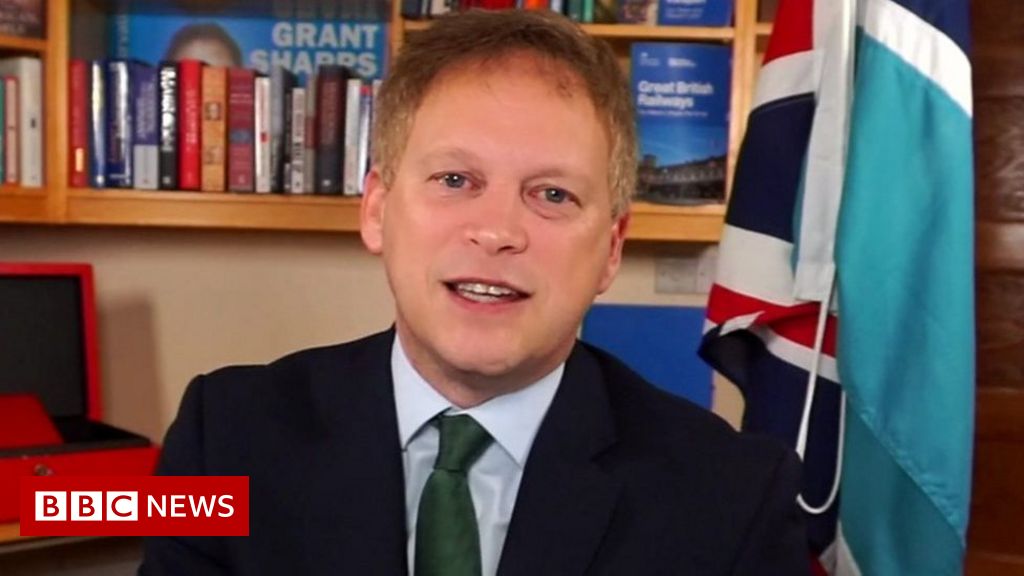
Transport Secretary Grant Shapps has said that only three in 10,000 lateral flow tests would show a false positive and that the government is confident that the tests are accurate.From Tuesday 11 January, any asymptomatic person who has tested positive for coronavirus will no longer have to take a PCR test to confirm their result. The update to these rules is aimed to improve access to PCR tests for people who have symptoms and those who work in transport, heathcare and other key workers.

Read more →