Mechanism controlling tertiary lymphoid structure formation in tumors discovered

Tertiary lymphoid structures are formations that occur outside of the lymphatic system. They contain immune cells and are similar in structure and function to lymph nodes and other lymphoid structures. However, little is known about how tertiary lymphoid structures form. In a new article published in Immunity, Moffitt Cancer Center researchers report on the molecular and cellular mechanisms that control tertiary lymphoid structure formation within tumors.
The immune system is composed of different types of cells and their secreted proteins that regulate cancer development, including T cells and B cells. T cells are further categorized according to their function and specific molecules they express, such as T follicular helper (Tfh) and T follicular regulatory (Tfr) cells. Interactions among these different immune cells can either contribute to or inhibit cancer development. Tfh cells stimulate B cells to produce antibodies, while Tfr cells inhibit this activity. Tfh and Tfr cells and other immune cells are found in in the lymph nodes, as well as tertiary lymphoid structures.
Several studies have found better outcomes among patients with tumors that have tertiary lymphoid structures, including superior responses to immunotherapy. It is speculated that the presence of active immune cells within the tertiary lymphoid structures and their secreted proteins contribute to immune activity against tumor cells. However, it is not clear how tertiary lymphoid structures form, particularly since they are rarely found in experimental mouse models.
Moffitt researchers performed a series of laboratory experiments with cells and mouse models to improve their understanding of the molecular and cellular mechanisms that lead to tertiary lymphoid structures formation. They discovered that the protein SATB1 is an important regulator of the differentiation process of Tfh and Tfr cells. SATB1 is a genomic organizing protein that helps to control how tightly DNA is wound and serves as a recruiter for other modifying proteins. The researchers discovered that inhibiting the expression of SATB1 promotes the differentiation process of Tfh cells and prevents the formation of Tfr cells. They also identified some of the key contributing signaling molecules involved in this process, including ICOS and TGF-β.
The researchers confirmed the importance of SATB1 for this process by showing that mice with T cells lacking SATB1 had a higher proportion of Tfh cells that were able to interact with B cells and form tertiary lymphoid structures within tumors. Importantly, the researchers also showed that tumors grew less in mice that were injected with Tfh cells when compared to control T cells, which was associated with the formation of tertiary lymphoid structures within the tumors.
The researchers hope that their findings will lead to new interventions to orchestrate tertiary lymphoid structures in irresectable tumors, to support anticancer immunotherapies.
“Tertiary lymphoid structures are found in roughly 20% of human cancers. Using the data from our study, we believe intratumoral administration of autologous antigen specific Tfh cells in metastatic cancers or unresectable tumors could promote the generation of tertiary lymphoid structures. The anti-tumor T cells found in those tertiary lymphoid structures could provide a protective niche to exert immune pressure against the progression of advanced malignancies and possibly enhance the success of immunotherapies,” said Jose Conejo-Garcia, M.D., Ph.D., chair of the Department of Immunology at Moffitt.
This study was supported by the National Cancer Institute (P30 CA076292).
Story Source:
Materials provided by H. Lee Moffitt Cancer Center & Research Institute. Note: Content may be edited for style and length.

Read more →

Brain-based method to determine impairment from cannabis intoxication

Researchers at Massachusetts General Hospital (MGH) have found a noninvasive brain imaging procedure to be an objective and reliable way to identify individuals whose performance has been impaired by THC, the psychoactive ingredient in cannabis. The technique uses imaging technology known as functional near-infrared spectroscopy (fNIRS) to measure brain activation patterns that correlate to impairment from THC intoxication. As reported in the journal Neuropsychopharmacology, the procedure could havesignificant implications for improving highway and workplace safety.
The increased use of cannabis through legalization has created the urgent need for a portable brain imaging procedure that can distinguish between impairment and mild intoxication from THC. “Our research represents a novel direction for impairment testing in the field,” says lead author Jodi Gilman, PhD, investigator in the Center for Addiction Medicine, MGH. “Our goal was to determine if cannabis impairment could be detected from activity of the brain on an individual level. This is a critical issue because a ‘breathalyzer’ type of approach will not work for detecting cannabis impairment, which makes it very difficult to objectively assess impairment from THC during a traffic stop.”
THC has been shown in past studies to impair cognitive and psychomotor performance essential to safe driving, a factor thought to at least double the risk of fatal motor vehicle accidents. The challenge for scientists, however, is that the concentration of THC in the body does not correspond well to functional impairment. One reason is that people who use cannabis often can have high levels of THC in the body and not be impaired. Another is that metabolites of THC can remain in the bloodstream for weeks after the last cannabis use, well beyond the period of intoxication. Hence the need for a different method to determine impairment from cannabis intoxication.
In the MGH study, 169 cannabis users underwent fNIRS brain imaging before and after receiving either oral THC or a placebo. Participants who reported intoxication after being given oral THC showed an increased oxygenated hemoglobin concentration (HbO) — a type of neural activity signature from the prefrontal cortex region of the brain — compared to those who reported low or no intoxication.
“Identification of acute impairment from THC intoxication through portable brain imaging could be a vital tool in the hands of police officers in the field,” explains senior author and principal investigator A. Eden Evins, MD, MPH, founding director of the Center for Addiction Medicine. “The accuracy of this method was confirmed by the fact impairment determined by machine learning models using only information from fNIRS matched self-report and clinical assessment of impairment 76 percent of the time.”
While the study did not specifically assess fNIRS in roadside assessments of impaired driving, it did cite considerable advantages for such an application. These include the feasibility of inexpensive, lightweight, battery-powered fNIRS devices that allow data to either be stored on wearable recording units or transmitted wirelessly to a laptop. Moreover, fNIRS technology could be incorporated into a headband or cap, and thus require minimal set-up time.
“Companies are developing breathalyzer devices that only measure exposure to cannabis but not impairment from cannabis,” says Gilman. “We need a method that won’t penalize medical marijuana users or others with insufficient amounts of cannabis in their system to impair their performance. While it requires further study, we believe brain-based testing could provide an objective, practical and much needed solution.”
Gilman is associate professor of Psychiatry at Harvard Medical School. Evins is the Cox Family Professor of Psychiatry at Harvard Medical School.
The study was funded by the National Institute on Drug Abuse.
Story Source:
Materials provided by Massachusetts General Hospital. Note: Content may be edited for style and length.

Read more →

Pig heart transplant an absolute miracle, says patient's son

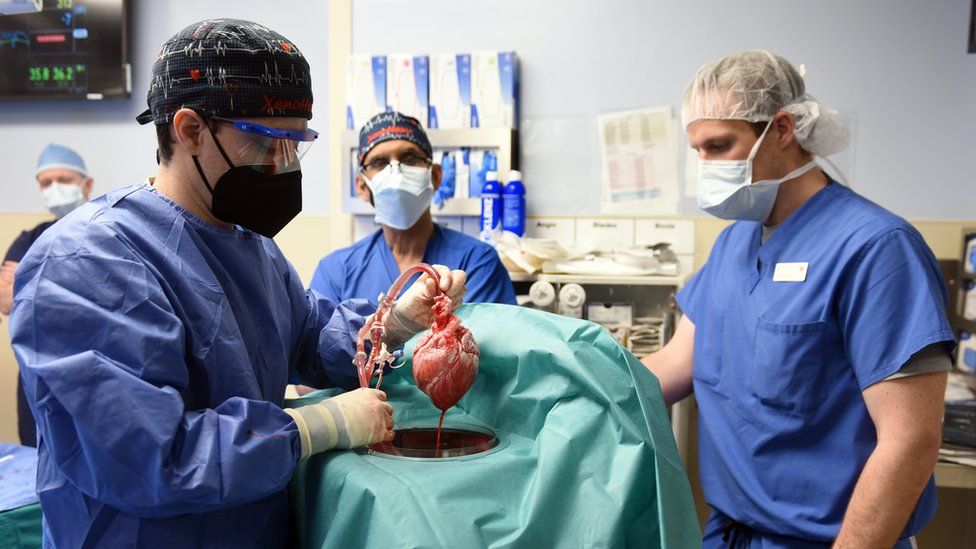
A US man, who has become the first person in the world to receive a heart transplant from a genetically-modified pig, is “doing extremely well” after the procedure, according to his son.David Bennett, 57, underwent the experimental seven-hour procedure as a “last choice”, ​after being deemed ineligible for a human transplant.Speaking outside the University of Maryland, Mr Bennett’s son, David Bennett Jr., gave the BBC an update on his father’s condition.

Read more →

Melatonin for Sleep: How the Aid Works

The “vampire hormone” can act like a dose of sunset, tricking your body into feeling like it’s time to sleep. Most people think of melatonin as a natural nod-off aid, kind of like chamomile tea in pill form. Even the name of the popular dietary supplement sounds sleepy — that long “o” sound almost makes you yawn mid-word. But melatonin is also a hormone that our brains naturally produce, and hormones, even in minuscule amounts, can have potent effects throughout the body.“There are some clinical uses for it, but not the way that it’s marketed and used by the vast majority of the general public,” said Jennifer Martin, a psychologist and professor of medicine at the University of California, Los Angeles.Experts strongly urge people to consult their doctor or a sleep specialist before taking melatonin, in part because the supplement does not address many underlying health problems that may be disrupting sleep. Anxiety can cause insomnia, as can a host of other potentially serious ailments, such as sleep apnea, restless legs syndrome or mood disorders like depression, that may require medical treatment.Melatonin, however, is relatively inexpensive and readily available at local pharmacies in the United States (in other countries it typically requires a prescription), and many people will go out and buy it on their own. So what’s the best approach to taking melatonin? Here’s what experts had to say.How does melatonin work?During the day, the brain’s pea-sized pineal gland remains inactive. A few hours before our natural sleep time, as it starts to get dark outside and the light entering our retina fades, the gland switches on to flood the brain with melatonin.“Melatonin is sometimes called the ‘hormone of darkness’ or ‘vampire hormone,’” because it comes out at night, said Matthew Walker, a professor of neuroscience and psychology at the University of California, Berkeley, and the author of the book “Why We Sleep.” As levels of melatonin rise, levels of cortisol, the stress hormone, fall. Respiration slows. Soon, our eyelids begin to droop.Instead of a lights-out trigger, melatonin acts more like a dimmer switch, turning the day functions off and switching night functions on. So taking a melatonin supplement is sort of like taking a dose of sunset, tricking your body into feeling like it’s nighttime. It doesn’t put you to sleep as much as it tells the body that it’s time to sleep.“It may take several hours,” said Dr. Ilene M. Rosen, a sleep medicine doctor and associate professor of medicine at the Perelman School of Medicine at the University of Pennsylvania, “which is what I think is the misconception about how melatonin is used.”Melatonin may make you feel a little drowsier when you take it, but it has a bigger impact on regulating the timing of your overall sleep-wake cycle and helping to set the circadian clock, the roughly 24-hour internal timekeeper that tells your body what time of day it is and syncs it with the outside world.“The impact it has on our sleep depends on the time of day that you take it,” said Dr. Martin, who is also a spokeswoman for the American Academy of Sleep Medicine. “If you took a sleeping pill in the middle of the day, it would make you feel sleepy. If you took melatonin in the middle of the day, it doesn’t really have that effect.”Hypnotic drugs like Ambien or Benadryl generally cause people to feel sleepy right away, and the sedation effect of those medications “far exceeds that which they obtain from melatonin,” said Dr. Alon Y. Avidan, a professor of neurology and director of the Sleep Disorders Center at U.C.L.A. How effective is melatonin?In one analysis published in 2013 in PLOS One, which combined results from 19 studies involving 1,683 men and women, people who took melatonin supplements fell asleep seven minutes faster and increased overall sleep time by eight minutes. That may not sound like much, but there was a lot of individual variation, and researchers found that melatonin also improved overall sleep quality, including people’s ability to wake up feeling refreshed.But there’s no guarantee that melatonin will work for you.Dr. Sabra Abbott, an assistant professor of neurology in sleep medicine at Northwestern University Feinberg School of Medicine, said the most common complaint she hears from patients is “I tried melatonin and it didn’t work.” Many also feel hung over or groggy the next morning. Dr. Martin said that in many studies, melatonin does not work any better than a placebo but added, “One caveat I always like to mention, though, is that placebos work pretty well for insomnia.”What about dosage?We naturally make melatonin in our brains, but only in picogram amounts, or one trillionth of a gram, which Dr. Rosen described as “a whiff of it coming out at dusk.” Over-the-counter melatonin supplements come in much higher milligram doses, or a thousandth of a gram. That’s a big difference.Many experts recommend starting with the smallest available dosage — 0.5 milligrams to 1 milligram, 30 minutes to an hour before bedtime — and seeing how you do from there. If that has no effect, the dose can be gradually increased.“If you try a dose, stick to it for a few days before you make an adjustment,” Dr. Martin said. “It’s one of those things that may not happen overnight.”“Keep a close eye on how you feel the next day,” Dr. Abbott said. “Feeling groggy or hung over is a sign that the dose is probably too high.”Are there side effects?The good news: In the short term, at least, melatonin is unlikely to do any harm.“Compared to most other sleeping pills, the side-effect profile is much better,” and it’s not going to be addictive, said Dr. Bhanu Prakash Kolla, an associate professor of psychiatry and a consultant at the Center for Sleep Medicine at the Mayo Clinic. But because melatonin can cause drowsiness, the Mayo Clinic warns that you shouldn’t drive or operate machinery within five hours of taking it.Does melatonin affect our dreams?“Far and away, the most common side effect that I have patients report to me is that their dreams just become much more vivid,” Dr. Abbott said. Scientists aren’t sure why that happens.Dr. Kolla has also seen patients who have nightmares or disruptive dreams, which are also common with sleeping pills. “In that case, you want to try to lower the dose,” he said. “Or, if it’s too problematic, stop.”How do doctors use melatonin?Sleep doctors may use melatonin to help patients with circadian rhythm disorders regulate their sleep-wake cycles. For example, during the pandemic, Dr. Avidan said, “we’ve seen those people who become super night owls” unable to fall asleep until 2 or 3 a.m.Experts also suggest people use a bright light in the mornings to help them wake up, which has “alerting properties and can suppress any remaining melatonin production,” said Dr. Abbott.Should you take melatonin for jet lag?Jet lag is a circadian rhythm disorder, albeit a temporary one, so melatonin may help. To alleviate the worst effects, doctors recommend consulting one of several online calculators available, which ask you for your destination and arrival points, your flight time and your normal sleep patterns. Two sites that Dr. Avidan recommends are Jet Lag Rooster or the calculator from Fleet Street Clinic.“They’re trying to tell you when to take the melatonin so your body knows: ‘Oh, it’s dusk where I’m going,’” Dr. Rosen said, explaining how you can use the supplement before your trip to readjust your body clock.How do you pick a reliable brand of melatonin?Like other dietary supplements, melatonin is not regulated by the Food and Drug Administration, which means there may be wide variation among products. A study published in the Journal of Clinical Sleep Medicine found that the content of more than 70 percent of melatonin supplements varied widely from their label claims. The concentration ranged from 83 percent less than the amount listed to 478 percent more.Dr. Kolla advised looking for a GLP (good laboratory practice) or GMP (good manufacturing practice) label, which refers to federal regulations designed to affirm a product has the advertised quality and purity. “You really don’t know what you’re getting, so you’re trusting the manufacturer,” he said. Melatonin comes in pills, gummies or liquid; the choice comes down to personal preference, he added.What are alternatives for chronic insomnia?Sleep doctors strongly urge people with chronic insomnia to seek out cognitive behavioral therapy, a short-term psychological treatment that can help get to the root of the problem.“If you give melatonin to a patient and you don’t complement it with behavioral therapy for insomnia, you may not necessarily see the effects that you’re looking for,” Dr. Avidan said.Many common behaviors can also make it harder for us to fall — and stay — asleep, including using our phones near bedtime, which can hamper natural melatonin production. Meditation may help, as can warm showers and cool bedrooms, or giving up caffeine and alcohol. “There are a lot of other things people could do to help themselves sleep better,” Dr. Martin said. “They’re just harder.”

Read more →

U.S. Hospitalizations Surpass Last Winter’s Peak

The number of Americans hospitalized with Covid-19 has surpassed last winter’s peak, underscoring the severity of the threat the virus continues to pose as the extremely contagious Omicron variant tears through the United States.As of Sunday, 142,388 people with the virus were hospitalized nationwide, according to data from the U.S. Department of Health and Human Services, surpassing the single-day peak of 142,315 reported on Jan. 14 of last year. The seven-day average of daily hospitalizations was 132,086, an increase of 83 percent from two weeks ago.The Omicron wave has overwhelmed hospitals and depleted staffs that were already worn out by the Delta variant. It has been driven in large part by people younger than 60. Among people older than 60, daily admissions are still lower than last winter.The hospitalization totals also include people who test positive for the virus incidentally after being admitted for conditions unrelated to Covid-19; there is no national data showing how many people are in that category.How cases, hospitalizations and deaths are trending in the U.S.This chart shows how three key metrics compare to the corresponding peak per capita level reached nationwide last winter.

Read more →

Over Half of Europe Could Be Infected With Coronavirus Soon, W.H.O. Says

The agency cautioned against treating the virus like the seasonal flu, since much remains unknown, particularly regarding the severity in areas with lower vaccination rates.LONDON — More than half of people in Europe could be infected with the Omicron variant of the coronavirus in the next six to eight weeks, the World Health Organization warned on Tuesday, amid “a new west-to-east tidal wave sweeping across the region.”“The region saw over seven million cases of Covid-19 in the first week of 2022, more than doubling over a two-week period,” Hans Kluge, the agency’s regional director for Europe, said at a news conference.While coronavirus vaccines remain remarkably effective at preventing severe illness and death, the agency cautioned against treating the virus like the seasonal flu, since much remains unknown — particularly regarding the severity of the disease in areas with lower vaccination rates, such as Eastern Europe.The W.H.O. has cautioned for months that booster shots could worsen vaccine equity around the world, but Dr. Kluge said on Tuesday that they would play an essential role in protecting the most vulnerable people from severe disease and should also be used to protect health workers and other essential employees, including teachers.Since Omicron was first detected in late November, it has torn across the planet at a pace unseen during two years of the pandemic. As friends, co-workers and family members test positive, the reality that the virus is moving quickly and widely has been a defining feature of this wave of infection.But the steep rise that Mr. Kluge cited, based on forecasts by the Institute for Health Metrics and Evaluation, is a stark paradigm shift. Although the institute’s models have frequently been criticized by experts, it is clear that the virus is spreading quickly. Even if many people avoid severe illness, the virus promises to cause societal disruption across the continent.While much of the public discussion has revolved around whether this was the moment when governments should shift policies and restrictions to treat the coronavirus as an endemic disease — removing most restrictions and allowing people to manage risk in a way similar to the way they do with influenza — the W.H.O. said it was too early to call this virus endemic.Catherine Smallwood, a W.H.O. senior emergencies officer, said that one of the key factors in declaring the virus to be endemic was some sense of predictability.“We are still ways off,” she said. “We still have a huge amount of uncertainty.”Shoppers in Copenhagen last month. W.H.O. cited data from Denmark to shed light on the effectiveness of vaccines against Omicron.Charlotte de la Fuente for The New York TimesDr. Kluge added that there were simply too many unknown factors, including exactly how severe Omicron is for unvaccinated people and how high the risk is of infection leading to “long Covid” symptoms.“I am also deeply concerned that as the variant moves east, we have yet to see its full impact in countries where levels of vaccination uptake are lower, and where we will see more severe disease in the unvaccinated,” he said.Nations in the Balkans and Eastern Europe, where Omicron is just starting to spread widely, have much lower rates of vaccination than those in Western Europe.Despite the widespread level of infection, Dr. Kluge cited data from Denmark suggesting how effective vaccines remain. The hospitalization rate for unvaccinated people in the latest wave was “sixfold higher than for those who were fully vaccinated in the week over Christmas,” he said.“Allow me to reiterate that the currently approved vaccines do continue to provide good protection against severe disease and death, including for Omicron,” he said. “But because of the unprecedented scale of transmission, we are now seeing rising Covid-19 hospitalizations. It is challenging health systems and service delivery in many countries where Omicron has spread at speed and threatens to overwhelm in many more.”The Coronavirus Pandemic: Key Things to KnowCard 1 of 4The latest Covid data in the U.S.

Read more →

Wearable air sampler assesses personal exposure to SARS-CoV-2

Masks, social distancing, proper hygiene and ventilation can help reduce the transmission of COVID-19 in public places, but even with these measures, scientists have detected airborne SARS-CoV-2 in indoor settings. Now, researchers reporting in ACS’ Environmental Science & Technology Letters have developed a passive air sampler clip that can help assess personal exposure to SARS-CoV-2, which could be especially helpful for workers in high-risk settings, such as restaurants or health care facilities.
COVID-19 is primarily transmitted through the inhalation of virus-laden aerosols and respiratory droplets that infected individuals expel by coughing, sneezing, speaking or breathing. Researchers have used active air sampling devices to detect airborne SARS-CoV-2 in indoor settings; however, these monitors are typically large, expensive, non-portable and require electricity. To better understand personal exposures to the virus, Krystal Pollitt and colleagues wanted to develop a small, lightweight, inexpensive and wearable device that doesn’t require a power source.
The researchers developed a wearable passive air sampler, known as the Fresh Air Clip, that continually adsorbs virus-laden aerosols on a polydimethylsiloxane (PDMS) surface. The team tested the air sampler in a rotating drum in which they generated aerosols containing a surrogate virus, a bacteriophage with similar properties to SARS-CoV-2. They detected virus on the PDMS sampler using the polymerase chain reaction (PCR), showing that the device could be used to reliably estimate airborne virus concentrations. Then, the researchers distributed Fresh Air Clips to 62 volunteers, who wore the monitors for five days. PCR analysis of the clips detected SARS-CoV-2 RNA in five of the clips: Four were worn by restaurant servers and one by a homeless shelter staff person. The highest viral loads (more than 100 RNA copies per clip) were detected in two badges from restaurant servers. Although the Fresh Air Clip has not yet been commercialized, these results indicate that it could serve as a semiquantitative screening tool for assessing personal exposure to SARS-CoV-2, as well as help identify high-risk areas for indoor exposure, the researchers say.
The authors acknowledge funding from the National Science Foundation and the Rothberg Fund.
Story Source:
Materials provided by American Chemical Society. Note: Content may be edited for style and length.

Read more →

Behind enemy lines: Research finds a new ally in the fight against cardiovascular disease hidden within the vessel wall itself

A new study reveals the existence of a powerful ally in the fight against cardiovascular disease, a protective subset of vascular macrophages expressing the C-type lectin receptor CLEC4A2, a molecule which fosters “good” macrophage behaviour within the vessel wall.
Atherosclerosis is a chronic inflammatory disease and the main driver of cardiovascular diseases such as stroke and heart attack. It causes fatty substances to build up and block the arteries, restricting blood flow and oxygen supply to vital organs. Current therapies treating atherosclerosis involves lowering cholesterol and reopening blocked arteries. Recent studies have shown a third avenue of therapy, that involves counteracting inflammation by targeting white blood cells.
Macrophages (from the ancient Greek “big eater”) are the most abundant white blood cell type that resides in both healthy and diseased blood vessels. On the whole, they have been mostly thought to drive inflammation and promote plaque build-up. However, macrophages are very heterogenous and little is understood about their individual role in disease.
Published in Nature Communications, this new study shows that a subset of macrophages is actually fighting against plaque build-up within the artery. CLEC4A2 is a molecule that is highly expressed by macrophages in blood vessels where it fosters protective properties of macrophages by dampening excessive inflammation and ensuring lipid handling.
Inhye Park, first author, and Novo Nordisk Postdoctoral Research Fellow at the Kennedy Institute of Rheumatology, University of Oxford said: “Using single cell biology, we identify a C-type lectin receptor called CLEC4A2 that determines the fate of monocytes in tissues, and drives the tissue adaptation of macrophages with protective properties. Cell ablation techniques showed that CLEC4A2+ macrophages limit excessive plaque build-up. CLEC4A2 instructs macrophages to gain their identity of resident vascular macrophages and their protective qualities that they use to fend off atherosclerosis within the artery. CLEC4A2 not only guides monocyte differentiation into a protective macrophage state but also maintains homeostatic properties in macrophages.”
“Our findings challenge the widely held belief that macrophages only play a harmful role in cardiovascular disease, with the discovery that we have a powerful ally within the vessel wall itself that can protect our arteries from the build-up of fatty deposit,” said Claudia Monaco, corresponding author and Professor of Cardiovascular Inflammation at the Kennedy Institute. “Understanding how we can exploit this new pathway for making new therapies is a breakthrough to combat atherosclerosis by making the patients’ own immune system work for them rather than against them.”
The study was funded by the Kennedy Trust for Rheumatology Research, the European Commission and the Novo Nordisk Foundation.
Story Source:
Materials provided by University of Oxford. Note: Content may be edited for style and length.

Read more →

Covid-19 vaccine: Why are some athletes so reluctant to get the jab?

SharecloseShare pageCopy linkAbout sharingImage source, Getty ImagesWhile people around the globe followed the decision by Australian authorities to detain world number one tennis player Novak Djokovic over Covid-19 vaccination rules, Thiago Monteiro simply carried on with this training for the Australian Open.Ranked number 89, the Brazilian could not really risk being denied a place in the tournament, mainly because he will earn $100,000 in prize money just by showing up to his first round match.But it wasn’t the strict vaccination policy that led Monteiro to get his jabs ahead of the competition.”My decision to get vaccinated had nothing to do with the Australian Open. It was a matter of protecting myself and others,” Monteiro tells the BBC.High profile dissentLike Monteiro, over 95% of the top 100 male tennis players and 80% of male players overall have been double jabbed, according to the men’s ruling body, the Association of Tennis Professionals (ATP). But this is since the Australian Open announced its mandatory vaccination policy back in October 2021. Before that announcement the proportion of male vaccinated players was much lower at 65%.The most recent figures issued by the Women’s Tennis Association (WTA) reveal that over 80% of female players have been double-vaccinated. As of 6 January 2022, the uptake among the top 100 women players was 85%.Image source, Getty ImagesCases similar to Djokovic’s have been observed in other sports, including basketball, golf and football.But why are some elite athletes, some of the world’s most health-conscious people, so reluctant to get the jab?It is a question that Monteiro himself struggles to answer.While refusing to name colleagues who were dragging their heels, he admits that it is quite baffling to hear professional athletes question scientific advice.”I really don’t know why this is happening, but I suspect it is a consequence of all the disinformation going around,” he muses. Dr Darren Briton, a sports psychologist at Solent University, in the UK, says that the first step to understand this hesitancy is to examine how athletes tend to be much more worried about their bodies than most of us.”For athletes, their bodies are their most precious commodity,” Britton explains.”Some of them are likely to be hesitant towards taking a vaccine if they haven’t been provided with enough information of if they have been misinformed.””There were initial worries, for instance, if the jab could affect their performance or even show up in anti-doping tests,” he adds.Last year Djokovic said he was “opposed to the vaccination”.Experts like Britton believe the situation is amplified if a high-profile name like Djokovic publicly question the vaccine. Image source, Getty ImagesA similar situation arose in the National Football League (NFL) in the US. The NFL said over 90% of its players are double-vaccinated but NFL star Aaron Rodgers, controversially endorsed homeopathy as an alternative form of immunisation against Covid-19.He was also accused of misleading the public about being vaccinated.And there appears to be vaccine hesitancy in English football, with multiple games being postponed due to Covid-19 outbreaks. In the UK, a survey carried out by the England’s Football League, the ruling body of the lower divisions, revealed in late December that a quarter of players in its 72 professional teams “do not intend to get a vaccine”.In the Premier League, the top division in the UK, 23% players were not double jabbed or had taken the first dose.’Athletes also susceptible to conspiracy theories’ “We tend to think of athletes as super-humans, but they are as susceptible to wrong information or conspiracy theories as any of us,” explains Dr Gavin Weedon, Senior Lecturer in Sport, Health and the Body at Nottingham Trent University.Weedon, who is the coordinator of a new programme of studies that will focus specifically on vaccine hesitancy among athletes, warns that they should not be singled out in the immunisation debate.”We would still have widespread vaccine hesitancy in the world even if Novak Djokovic had said nothing about it,” he observes.But the expert agrees that high-profile dissent against the vaccine is not helpful to the authorities’ efforts to drive up vaccination rates.”Whether it’s his intention or not, Djokovic became a poster boy for vaccine scepticism because of his status and possibly because of his expressions and views.”Image source, Getty ImagesWhile vaccine mandates by health authorities, sport bodies and even teams have helped drive uptake among athletes, Darren Britton warns that it is a solution that can also hamper efforts to have athletes as “ambassadors of the jab”.”The more you try to make something mandatory, the more people will be likely to resist it,” says Britton. “If you want athletes to set the example you really need to try to educate them.”Not getting vaccinated was never an option for Thiago Monteiro.As well having a mum with fragile health, he was shocked by the high number of Covid-related deaths in his native Brazil (over 600,000).But, without specifically naming Djokovic, the Brazilian number one says players should reflect about the repercussion of their actions.”People can have their opinions about the vaccine, even though it has been more than proven that it saves lives.” “But I know that a lot of people around the world are looking at us. If we really have the power to influence them, let’s make sure it’s in a good way.”

Read more →

Three ethical issues around pig heart transplants

SharecloseShare pageCopy linkAbout sharingImage source, UMSOMA US man has become the world’s first person to get a heart transplant from a genetically modified pig.57-year-old David Bennett, who doctors say was too ill to qualify for a human heart, is doing well three days after the experimental seven-hour treatment.The surgery is being hailed by many as a medical breakthrough that could shorten transplant waiting times and change the lives of patients around the world. But some are questioning if the procedure can be ethically justified.They have pointed to potential moral trouble spots over patient safety, animal rights and religious concerns.So how controversial are transplants from pigs?The medical implicationsThis is an experimental surgery, and brings with it huge risks for the patient. Even well-matched human donor organs can be rejected after they are transplanted – and with animal organs the danger is likely to be higher.Doctors have been trying to use animal organs for what is known as xenotransplantation for decades, with mixed success.In 1984, doctors in California tried to save a baby girl’s life by giving her the heart of a baboon, but she died 21 days later.While such treatments are very, very risky, some medical ethicists say they should still go ahead if the patient knows the risks.”You can never know if the person is going to die catastrophically soon after the treatment – but you can’t proceed without taking the risk,” says Prof Julian Savulescu, Uehiro Chair in Practical Ethics at the University of Oxford.”As long as the individual understands the full range of risks, I think people should be able to consent to these radical experiments,” he adds.Prof Savulescu says it’s important they’re given all the options available to them, including mechanical heart support or a human transplant.Doctors who worked on Mr Bennett’s case say the operation was justified because he had no other treatment options and would have died without it.Image source, University of Maryland School of MedicineProf Savulescu says before any surgery, the procedure must have undergone “very rigorous tissue and non-human animal testing” to make sure it’s safe.Mr Bennett’s transplant was not performed as part of a clinical trial, as is usually required for experimental treatments. And the drugs he was given have not yet been tested for use in non-human primates.But Dr Christine Lau from the University of Maryland School of Medicine, who was involved in planning Mr Bennett’s procedure, said no corners were cut when preparing for the operation.”We’ve done this for decades in the lab, in primates, trying to get to the point where we think it is safe to offer this to a human recipient,” she told the BBC.Animal rightsMr Bennett’s treatment has also re-sparked a debate over the use of pigs for human transplants, which many animal rights groups oppose.One of them, People for the Ethical Treatment of Animals (PETA) has condemned Mr Bennett’s pig heart transplant as “unethical, dangerous, and a tremendous waste of resources”.”Animals aren’t tool-sheds to be raided but complex, intelligent beings,” PETA said.Campaigners say it is wrong to modify the genes of animals to make them more like humans. Scientists altered 10 genes in the pig whose heart was used for Mr Bennett’s transplant so it would not be rejected by his body.The pig had its heart removed on the morning of the operation.A spokesperson for Animal Aid, a UK-based animal rights group, told the BBC it was opposed to modifying animal genes or xenotransplants “in any circumstances”.”Animals have a right to live their lives, without being genetically manipulated with all the pain and trauma this entails, only to be killed and their organs harvested,” the organisation said. Some campaigners have concerns regarding the unknown long-term effects of genetic modification on the pig’s health.GM pigs take step to being organ donorsDr Katrien Devolder, a fellow in bioethics at Oxford University, says we should only use gene-edited pigs for organs if we can “ensure they do not suffer unnecessary harm”.”Using pigs to produce meat is much more problematic than using them to save lives, but of course that’s no reason to ignore animal welfare here as well,” she says.Image source, Getty ImagesReligionAnother quandary could emerge around those whose faiths might mean it is tricky for them to receive an animal organ.Pigs are chosen as the relevant organs are a similar size to humans’ – and because pigs are relatively easy to breed and raise in captivity.But how does this choice affect Jewish or Muslim patients, whose religions have strict rules on the animal?Although Jewish law forbids Jews from raising or eating pigs, receiving a pig heart is “not in any way a violation of the Jewish dietary laws”, says Dr Moshe Freedman, a senior London rabbi who sits on the UK Health Department’s Moral and Ethical Advisory Group (MEAG).”Since the primary concern in Jewish law is the preservation of human life, a Jewish patient would be obligated to accept a transplant from an animal if this offered the greatest chance of survival and the best quality of life in the future,” Rabbi Freedman told the BBC.This video can not be playedTo play this video you need to enable JavaScript in your browser.For Islam, there’s a similar bottom line that the use of animal material is permitted if it saves a person’s life.Egypt’s Dar al-Ifta, the country’s central authority for issuing religious rulings, has said in a fatwa that pig heart valves are allowed if “there is fear for the patient’s life, the loss of one of his organs, exacerbation or continuation of the disease or an overwhelming deterioration of the body”.Prof Savulescu says that even if someone rejects an animal transplant on religious or ethical grounds, they shouldn’t necessarily be given less priority on waiting lists for human organ donors.”Some people might say once you’ve had an opportunity for an organ, you should go down the list; others would say you should have as much a right as anyone else,” he says.”Those are just positions we are going to have to reconcile.”

Read more →