Key moments: Dr Anthony Fauci and the pandemic

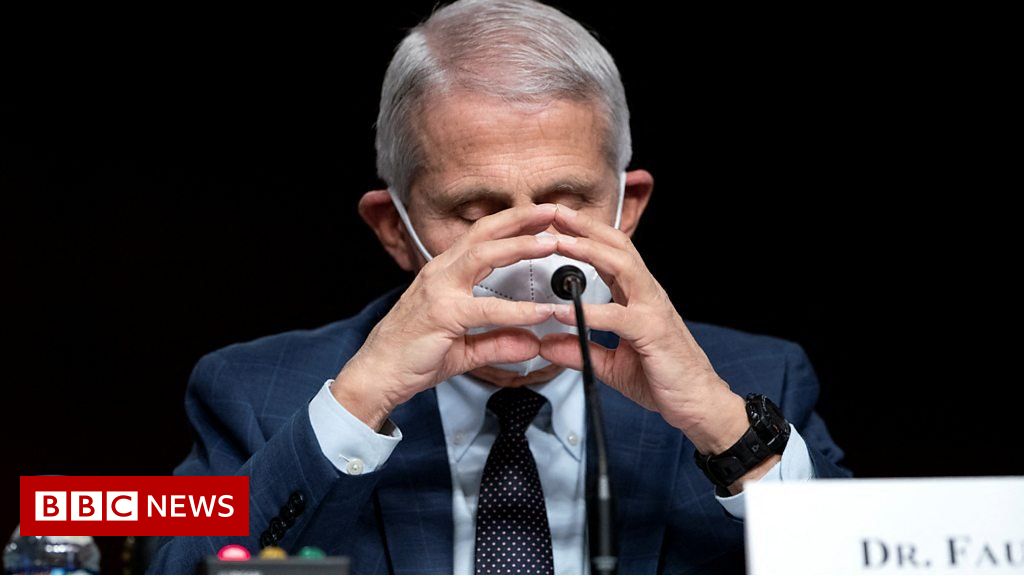
After nearly two years as the face of America’s fight against Covid-19, Dr Anthony Fauci was caught calling a senator “a moron” in a hot mic moment during a congressional hearing. Having served under two administrations during the pandemic, here are the moments that reveal how his attitude shifted.

Read more →

Hospitals Confront the Fallout From Supreme Court Ruling on Vaccine Mandate

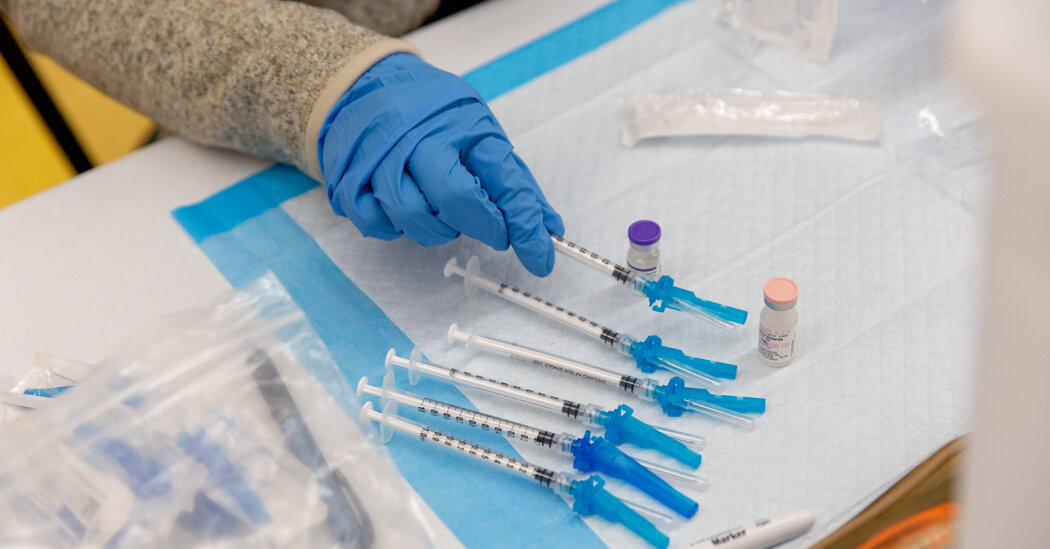
They could face more staff shortages, and workers and facilities could feel caught between opposing state and federal policies.Just days after the Supreme Court’s decision about requiring health care workers to be vaccinated, the nation’s health care systems braced for the possibility of some resistance and more staff shortages — particularly in the states that banned mandates or had none.The ruling lands not long after the one-year anniversary of widespread vaccine distribution in a country still largely split over how best to protect Americans during a pandemic that has produced multiple surges. In upholding the Biden administration’s requirement for millions of health care workers, the decision could wedge health care workers between opposing state and federal policies.Local and regional hospitals, as well as multistate hospital chains, have wrestled with the resistance among some nurses and other staff to the Covid vaccines. Many of the larger hospital groups, including the Cleveland Clinic and HCA Healthcare, suspended their own vaccination mandates last month while they awaited the Supreme Court’s decision. And some are still assessing the conflict with murky anti-vaccine requirements imposed in Florida, Texas and some other states.But the rising infections among staffs in hospitals and nursing homes, among the unvaccinated and the vaccinated, have lent urgency to the mandates even though some hospitals and nursing homes warn of staff defections spurred by enforcing immunization.Jennifer Bridges, one of the nurses who was fired in late June from Houston Methodist Hospital for not getting the vaccine and now works for a private clinic in that city, said she doesn’t regret her decision. Ms. Bridges said she still considers the vaccine experimental.“I think your own medical bodily autonomy is very important,” she said. “I don’t think anyone should force you to do something against your will.”But many medical experts say mandates are effective in persuading more people to become vaccinated, which they say is essential to helping prevent the spread of the virus.Days after the Supreme Court’s decision requiring health care workers to be vaccinated, the nation’s health care systems braced for the possibility of some resistance and more staff shortages.Al Drago for The New York Times“At a time when we’re closing in on 850,000 Americans having died in the worst global pandemic in a century, and when infections and hospitalizations are continuing to soar, it is the obligation of our public agencies to require and enforce essential public safety measures to protect the lives and health of all American workers,” said Zenei Triunfo-Cortez, president of the union National Nurses United.While 21 states and the District of Columbiahave already mandated vaccines for health care workers, six — Texas, Montana, Arkansas, Indiana, Tennessee and Georgia — implemented bans that prohibited some employers from requiring vaccines. Eighteen states had no requirement for health care workers, while five, including Utah, Arizona and Michigan, exempted health care organizations from bans on vaccine requirements.The Supreme Court ruling covered two dozen states that had been the subject of federal injunctions that prohibited the Centers for Medicare & Medicaid Services from imposing a mandate. About 10 million workers at approximately 76,000 health care facilities, including hospitals and long-term care facilities, are affected by the requirement.In Florida, Gov. Ron DeSantis called the new federal policy “insane” at a news conference on Thursday. The state’s Agency for Health Care Administration also indicated it would not survey health care facilities about compliance of the vaccine mandate. On Friday, Mr. DeSantis reiterated his position, posting on Twitter that Florida will reject federal mandates, “which are rooted in political, not medical science.”Still, federal laws ordinarily displace, or “pre-empt,” contrary state and local ones, and in allowing the mandate for health care workers, the Supreme Court at least implicitly ruled that it overrode state laws banning vaccination requirements at facilities participating in the Medicaid and Medicare programs.The specter of potentially losing federal funding if they do not comply has already persuaded some hospital chains to require vaccinations for workers who did not qualify for a medical or religious exemption.“If we do not comply with the CMS mandate, we could compromise our ability to serve our communities and provide care to patients under the Medicare and Medicaid programs,” a spokesman for HCA said in a statement. The system, which employs about 275,000 workers, said more than 90 percent of its workers were vaccinated or had qualified for an exemption.The Cleveland Clinic said about 85 percent of its employees are vaccinated.Shannon Stapleton/ReutersFederal officials said they would work with hospitals and nursing homes to ensure they can vaccinate their workers, and regulators rarely revoke federal funds. But many argue the threat of losing funding remains. “Why risk losing Medicare, which is your life line?” asked Mark Neuberger, a lawyer with Foley & Lardner who advises health care organizations on employment issues. Other hospital groups, including the Cleveland Clinic, also said they planned to comply. The clinic said about 85 percent of its employees were vaccinated.Exactly how many hospital workers are unvaccinated is unclear, and even under the new rules, health care workers are often able to get medical or religious exemptions.But the concern remains, particularly among nursing homes and smaller rural hospitals, that the mandate will exacerbate the existing staffing shortages that have crippled much of the country during this latest surge. And many health care executives fear being caught in the cross hairs between states like Florida or Arkansas, which are adamantly opposed to the requirement, and federal officials who say “all states are expected to comply.”“Hospitals don’t want to be caught between the federal government and the state government,” said Mary Mayhew, president and chief executive of the Florida Hospital Association. “The Supreme Court ruling makes clear the authority that CMS has to implement and enforce its vaccine mandate.”Dr. Calvin Blount, who has practiced family medicine for more than 20 years in Destin, Fla., said there are still too many unanswered questions about the long-term impact of the vaccine. Now, he is facing a new federal policy that could undermine his practice. More than half of his approximate 420 patients use Medicare.The Coronavirus Pandemic: Key Things to KnowCard 1 of 4The latest Covid data in the U.S.

Read more →

Covid in the UK: Reported cases at lowest level for a month

SharecloseShare pageCopy linkAbout sharingImage source, PA MediaThe UK has reported another 81,713 coronavirus cases, the lowest daily level seen since 15 December.The apparent ebbing of the Omicron wave comes as some experts claim the end of the pandemic is in sight for the UK.However, the number of deaths within 28 days of a test remains high, with 1,843 over the past seven days – a 45% rise from the previous week.The number of hospital patients with Covid has dropped – though the most recent figures date from Monday.The 15,698 admitted in the seven days to 10 January represented a slight week-on-week fall.Prof Julian Hiscox, chairman in infection and global health at the University of Liverpool, told the BBC that we are heading towards a new phase of the pandemic where the virus has a lesser impact on daily life.”We’re almost there, it is now the beginning of the end, at least in the UK. I think life in 2022 will be almost back to before the pandemic,” he said.How many coronavirus cases are there in my area?Is the pandemic entering its endgame?Reported infections have been falling steadily since the new year. However, confirmed cases are still significantly higher than the peaks of previous waves during the pandemic, following the arrival in November of the highly transmissible Omicron variant.And data released on Friday from the ONS said that, in the week ending 6 January, one in 15 people in England had Covid, with one in 20 infected in the rest of the UK.From this week, people without symptoms in England no longer need a lab-processed PCR test to confirm a positive lateral flow. People are still asked to report the results of their lateral flow tests.There were 287 deaths within 28 days of a positive test reported on Saturday. The lag between infection and death may partly explain why deaths remain high despite the fall in cases.But with a smaller proportion of Covid cases resulting in death, the signs suggest the virus is becoming less deadly as our bodies become more familiar with fighting it, through vaccination and previous infection.As cases continue to fall, Wales and Scotland have begun loosening tighter restrictions imposed around Christmas when the nations saw cases surge.What’s really going on with Covid deaths data?Covid deaths are rising sharply in the UK, but an increasing proportion of these are actually due to something else, BBC analysis suggests.That’s because some people die with Covid rather than from it.The Omicron wave is driving rising infections, which means more people will catch it and some will get sick.Deaths will inevitably increase too, but not all will be “true” Covid ones. Others will be people who happened to test positive.Read the full analysisScotland’s First Minister Nicola Sturgeon announced the attendance limit on outdoor events will be lifted from Monday.The Covid certification scheme will remain in place, and anyone who had their second dose more than four months ago must also have received a booster to be considered fully vaccinated.In Wales, the number of people allowed at outdoor events has risen from 50 to 500 – and from 21 January limits will be lifted altogether, allowing crowds to return to sporting events, including Six Nations rugby games in Cardiff.The country’s nightclubs will reopen from 28 January, and gatherings in pubs and restaurants will no longer be limited to six people.IT’S NOT PERSONAL, IT’S JUST BUSINESS, RIGHT?: Maxine Peake stars in a new workplace dramaWHERE A SINGLE LIFE CAN LAST A THOUSAND YEARS: David Attenborough’s The Green Planet

Read more →

Halting Progress and Happy Accidents: How mRNA Vaccines Were Made

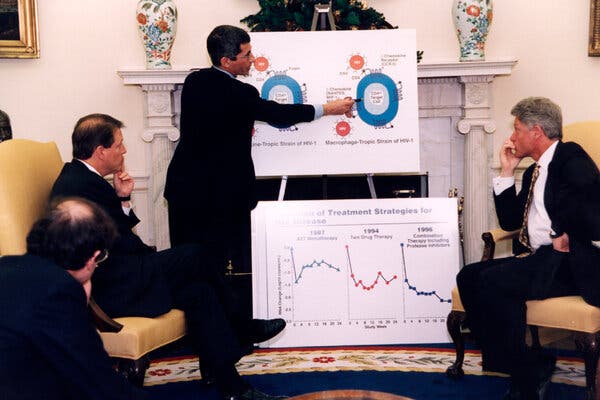
Thousands of miles from Dr. Barney Graham’s lab in Bethesda, Md., a frightening new coronavirus had jumped from camels to humans in the Middle East, killing one out of every three people infected. An expert on the world’s most intractable viruses, Dr. Graham had been working for months to develop a vaccine, but had gotten nowhere.Now he was terrified that the virus, Middle East Respiratory Syndrome, or MERS, had infected one of his lab’s own scientists, who was sick with a fever and a cough in the fall of 2013 after a pilgrimage to the holy city of Mecca.A nose swab came back positive for a coronavirus, seeming to confirm Dr. Graham’s worst fears, only for a second test to deliver relief. It was a mild coronavirus, causing a common cold, not MERS.Dr. Graham had a flash of intuition: Perhaps it would be worth taking a closer look at this humdrum cold virus.It was an impulse born more of convenience and curiosity than foresight, with little to no expectation of glory or profit. Yet the decision to study a colleague’s bad cold gave rise to critical discoveries. Together with other chance breakthroughs that seemed insignificant at the time, it would lead eventually to the mRNA vaccines now protecting hundreds of millions of people from Covid-19.The shots were developed at record speed, arriving just over a year after a mysterious pneumonia surfaced in China, while so much else — political feuds, public distrust and botched government planning — went wrong.They remain a marvel: Even as the Omicron variant fuels a new wave of the pandemic, the vaccines have proved remarkably resilient at defending against severe illness and death. And the manufacturers, Pfizer, BioNTech and Moderna, say that mRNA technology will allow them to adapt the vaccines quickly, to fend off whatever dangerous new version of the virus that evolution brings next.Skeptics have seized on the rapid development of the vaccines — among the most impressive feats of medical science in the modern era — to undermine the public’s trust in them. But the breakthroughs behind the vaccines unfolded over decades, little by little, as scientists across the world pursued research in disparate areas, never imagining their work would one day come together to tame the pandemic of the century.The pharmaceutical companies harnessed these findings and engineered a consistent product that could be made at scale, partly with the help of Operation Warp Speed, the Trump administration’s multibillion-dollar program to hasten the development and manufacture of vaccines, drugs and diagnostic tests to fight the new virus.For years, though, the scientists who made the vaccines possible scrounged for money and battled public indifference. Their experiments often failed. When the work got too crushing, some of them left it behind. And yet on this unpredictable, zigzagging path, the science slowly built upon itself, squeezing knowledge from failure.The vaccines were possible only because of efforts in three areas. The first began more than 60 years ago with the discovery of mRNA, the genetic molecule that helps cells make proteins. A few decades later, two scientists in Pennsylvania decided to pursue what seemed like a pipe dream: using the molecule to command cells to make tiny pieces of viruses that would strengthen the immune system.The second effort took place in the private sector, as biotechnology companies in Canada in the budding field of gene therapy — the modification or repair of genes to treat diseases — searched for a way to protect fragile genetic molecules so they could be safely delivered to human cells.The third crucial line of inquiry began in the 1990s, when the U.S. government embarked on a multibillion-dollar quest to find a vaccine to prevent AIDS. That effort funded a group of scientists who tried to target the all-important “spikes” on H.I.V. viruses that allow them to invade cells. The work has not resulted in a successful H.I.V. vaccine. But some of these researchers, including Dr. Graham, veered from the mission and eventually unlocked secrets that allowed the spikes on coronaviruses to be mapped instead.In early 2020, these different strands of research came together. The spike of the Covid virus was encoded in mRNA molecules. Those molecules were wrapped in a protective layer of fat and poured into small glass vials. When the shots went in arms less than a year later, recipients’ cells responded by producing proteins that resembled the spikes — and that trained the body to attack the coronavirus.The extraordinary tale proved the promise of basic scientific research: that once in a great while, old discoveries can be plucked from obscurity to make history.“It was all in place — I saw it with my own eyes,” said Dr. Elizabeth Halloran, an infectious disease biostatistician at the Fred Hutchinson Cancer Research Center in Seattle who has done vaccine research for over 30 years but was not part of the effort to develop mRNA vaccines. “It was kind of miraculous.”A Wily VirusDr. Anthony S. Fauci, the top government scientist investigating H.I.V., gave a lesson on the biology of AIDS to President Bill Clinton and Vice President Al Gore at the White House in 1996.NIAIDIn December 1996, President Bill Clinton invited Dr. Anthony S. Fauci to the Oval Office to brief him on that era’s grave pandemic, AIDS, which by then had killed more than 350,000 people in the United States and six million more globally.Dr. Fauci, the top government scientist investigating the virus, was feeling oddly hopeful. For the first time since the virus emerged, annual AIDS deaths in the country had fallen, thanks to several new drugs that were tested and approved after years of intense public pressure by patient activists.But the most valuable tool remained missing from their arsenal: a vaccine. And the president was impatient.As the men walked out to the Rose Garden, Dr. Fauci recalled, the president turned to him and said: “You’ve known about AIDS as a disease since 1981. How come you guys don’t have a vaccine yet?”Dr. Fauci, taken aback, told the president that research efforts thus far had been largely uncoordinated. Then he made a bold pitch: a research facility where scientists from different disciplines could talk to one another and collaborate, with the goal of putting vaccines into arms rather than proving that their own discipline had the answers.Mr. Clinton turned to his chief of staff, Leon Panetta. “You think we can do that?” he asked.“You’re the president of the United States,” Mr. Panetta recalled saying. “You can do whatever the hell you want.”Dr. Fauci figured they were flattering him. Vaccine research was hardly exciting science and had long taken a back seat to efforts to cure cancer and heart disease. But five months later, Dr. Fauci got a call from one of the president’s speechwriters. Mr. Clinton was going to give a commencement address at Morgan State University in Baltimore and wanted to announce the vaccine research center. Could Dr. Fauci supply a description? “I was completely shocked,” Dr. Fauci said.Dr. Barney Graham in his home office in Smyrna, Ga. Johnathon Kelso for The New York TimesOne of the first scientists to be recruited to the new effort was Dr. Graham. A bearded virologist with a calm demeanor, who at 6-foot-5 towered over most of his colleagues at Vanderbilt University in Nashville, he had begun his career as a clinician. But in 1982, when he was just starting as chief resident at the hospital, he had a shattering experience.A homeless man arrived in the emergency room with delirium, skin lesions and multiple infections in his lungs, liver and spleen. Looking at his chart, Dr. Graham was stunned at the collapse of the man’s immune system, and suspected a new virus that was spreading among drug users and gay men. He was right: The man had AIDS.Soon patients with the same array of symptoms filled the hospital — often young men, skeletal and desperately ill, filling the staff with despair.“It was scary — horrible,” Dr. Graham said. However mysterious the virus, he vowed to find a way to prevent it from spreading. “I want to be a virologist,” he told the head of an infectious disease department. “What do I do?”The Vaccine Research Center opened its doors in 2000 at the National Institutes of Health’s campus in Bethesda, Md., with an annual budget of $43.9 million in today’s dollars and a staff of 56. Among them was Dr. Graham. It now has a staff of 444, with a budget of about $180 million.To complement that research, the N.I.H. spent more than $1.5 billion over the same period on a network of clinical trial sites across the country for experimental H.I.V. vaccines. About 85 H.I.V. shots have been tested. None have worked.H.I.V. FailuresA human T-cell, depicted in blue, under attack by H.I.V., in yellow.NIAIDVaccines protect people by giving the immune system a preview of an invading microbe so it can prepare a strong defense against the real thing.But H.I.V. proved impossible to vaccinate against, for a long list of reasons. Other viruses might use one or another protective mechanism to evade the immune system. But H.I.V. seemed to use all of them, Dr. Graham said: “If we could figure out how to make an H.I.V. vaccine, all the problems with other viruses would be solved.”Some of the researchers at the center decided to try a new, more theoretical approach, though it was a long shot. They would map the detailed atomic structure of H.I.V.’s spike, a protruding protein that allows the virus to invade human cells. They would then try to identify the part of the spike that was most vulnerable to antibodies, components of the immune system that recognize viruses and can block spikes from entering other cells. Ultimately, the goal was to make a vaccine that showed the body a harmless version of that same section of spike.They knew it would be difficult. H.I.V. spikes constantly change shape, taking one form before invading a cell and a different one when the virus slips in. A vaccine would ideally use only the shape that elicited powerful antibodies against an initial form of the spike, to have the best shot at keeping the virus out. But the scientists struggled for years to determine which shape to choose. Mapping the spike was like trying to grab Jell-O.In 2008, a 27-year-old named Jason McLellan from outside Detroit applied to join a group at the Vaccine Research Center working on just that problem. When he was growing up, his father managed a grocery store and his mother ran the home. He attended Wayne State University on a full scholarship, becoming the first in his family to earn a college degree.He would go on to graduate school to study X-ray crystallography, the difficult and painstaking art of making tiny crystals of proteins and then blasting them with X-rays to figure out their three-dimensional structure.But by the time he was hired by the center, Dr. McLellan had tired of chasing the shape of one molecule after another, never knowing what it added up to. He wanted to work on molecules that would matter to human health, like H.I.V.Peter Kwong, chief of the structural biology section at the National Institutes of Health, studies the rare human antibodies that could attack H.I.V.Shuran Huang for The New York TimesWithin six months, though, Dr. McLellan was flummoxed by H.I.V. and wanted to apply its lessons to another pathogen.So he approached his boss, Peter Kwong, with an unconventional proposal: Let’s start working on a more manageable virus.It was time, Dr. McLellan said, to take aim at “something important, but something more tractable.”Dr. Kwong was not keen on taking his eyes off H.I.V. With the virus killing more than one million people globally every year, Dr. Kwong believed that he had an obligation to stay focused.Still, Dr. Kwong put his protégé’s proposal for pursuing other targets to a vote of his entire team, just as he did matters of whom to hire and what equipment to buy. The result was almost unanimous, Dr. Kwong recalled: “Try other things.”Dr. McLellan didn’t have to look far. He had been working in a spillover area on another floor from Dr. Kwong’s lab, and was seated close to Dr. Graham, who for years had studied not only H.I.V., but respiratory syncytial virus, or R.S.V., a disease that can kill young children. They got to talking, and Dr. McLellan began studying the structure of a protein that helps the virus fuse with cells.Over the next years, their success in stabilizing that protein opened the door to several R.S.V. vaccines now in clinical testing.And though they never expected it, their happenstance collaboration would prove critical for understanding the scary new virus that would emerge more than a decade later.A Pipe DreamDr. Drew Weissman, third from right, and Dr. Katalin Karikó, third from left, in 2001.via Katalin KarikóIn the 1950s, the molecule at the heart of the mRNA vaccines was cloaked in mystery. Midcentury biologists knew that blueprints for making proteins — DNA — resided in the middle of cells, and that other structures within cells, called ribosomes, actually produced the proteins. But they didn’t know how the genetic blueprints found their way to the cellular factories.On April 15, 1960, at a frenzied and ecstatic meeting in an office at Cambridge University, half a dozen stars of the nascent field of molecular biology — including the future Nobel Prize winners Francis Crick and Sydney Brenner — had an epiphany. An elusive molecule known as X (pronounced “eeks,” because its name had been proposed by French scientists) was the messenger.The scientists figured out that X carried copies of segments of the DNA code to ribosomes, cellular machines that could read the code and pump out its corresponding proteins. The scientists named the molecule messenger RNA, or mRNA.But for all of their initial excitement, those heavyweights of the field didn’t do much more with mRNA. The molecule was nearly impossible to isolate from cells because it would fall apart as it was being removed.“Molecular biologists were much more excited about DNA and proteins,” said Doug Melton, a Harvard biologist who in 1984 figured out how to make mRNA in a lab. “mRNA was just annoying because it was so easily degraded.”For decades, few scientists paid attention to these delicate molecules. They might never have made it into the Covid vaccines if not for a chance meeting between two academics at a Xerox machine at the University of Pennsylvania.A transmission electron microscope image of messenger RNA connecting ribosomes.Omikron/Science SourceDr. Drew Weissman, a physician and virologist so taciturn that his family liked to joke he had a daily word limit, was desperate for new approaches to an H.I.V. vaccine. Earlier in his career, he had spent years in Dr. Fauci’s lab at the N.I.H. testing a treatment for AIDS that turned out to be toxic.One day in 1998, he was at the copy machine in Penn’s department of medicine when a woman approached him. Katalin Karikó, a 44-year old scientist from Hungary, was as exuberant as Dr. Weissman was withdrawn. She had come to the United States two decades earlier when her research program at the University of Szeged ran out of money. But she’d been marginalized in American research labs, with no permanent position, no grants and no publications. She was searching for a foothold at Penn, knowing that she would be allowed to stay only if another scientist took her in.Her obsession was mRNA. Defying the decades-old orthodoxy that it was clinically unusable, she believed that it would spur many medical innovations. In theory, scientists could coerce a cell to produce any type of protein, whether the spike of a virus or a drug like insulin, so long as they knew its genetic code.“I said, ‘I am an RNA scientist. I can do anything with RNA,’” Dr. Karikó recalled telling Dr. Weissman. He asked her: Could you make an H.I.V. vaccine?“Oh yeah, oh yeah, I can do it,” Dr. Karikó said.Up to that point, commercial vaccines had carried modified viruses or pieces of them into the body to train the immune system to attack invading microbes. An mRNA vaccine would instead carry instructions — encoded in mRNA — that would allow the body’s cells to pump out their own viral proteins. This approach, Dr. Weissman thought, would better mimic a real infection and prompt a more robust immune response than traditional vaccines did.It was a fringe idea that few scientists thought would work. A molecule as fragile as mRNA seemed an unlikely vaccine candidate. Grant reviewers were not impressed, either. His lab had to run on seed money that the university gives new faculty members to get started.By that time, it was easy to synthesize mRNA in the lab to encode any protein. Drs. Weissman and Karikó inserted mRNA molecules into human cells growing in petri dishes and, as expected, the mRNA instructed the cells to make specific proteins. But when they injected mRNA into mice, the animals got sick.“Their fur got ruffled, they hunched up, they stopped eating, they stopped running,” Dr. Weissman said. “Nobody knew why.”For seven years, the pair studied the workings of mRNA. Countless experiments failed. They wandered down one blind alley after another. Their problem was that the immune system sees mRNA as a piece of an invading pathogen and attacks it, making the animals sick while destroying the mRNA.Eventually, they solved the mystery. The researchers discovered that cells protect their own mRNA with a specific chemical modification. So the scientists tried making the same change to mRNA made in the lab before injecting it into cells. It worked: The mRNA was taken up by cells without provoking an immune response.Their paper, published in 2005, was summarily rejected by the journals Nature and Science, Dr. Weissman said. The study was eventually accepted by a niche publication called Immunity. Just as mRNA itself had been ignored, no one cared that they could get cells to accept mRNA. It seemed of academic interest, at best.Fatty CoatsKatalin Karikó of BioNTech. “I said, ‘I am an RNA scientist. I can do anything with RNA,’” she recalled telling Dr. Drew Weissman in 1998.Hannah YoonDespite the naysayers, Drs. Karikó and Weissman believed their discovery could change the world. They now knew how to protect mRNA once it was inside a cell. But to work as a vaccine or a medicine, the fragile molecules would need to be shielded in the bloodstream to prevent degradation on their way to cells.As it turned out, a team of biochemists in Vancouver had spent years quietly revolutionizing ways of ferrying genetic material into cells. It was a partnership as improbable as any that helped lead to mRNA vaccines.The team’s ringleader was a lanky man named Pieter Cullis who had intended to become an experimental physicist, not a biochemist. But he came to feel that the biggest discoveries in physics had been made decades earlier. Like Dr. McLellan at Dartmouth, Dr. Cullis was in search of emptier scientific pastures.He found one in the field of biological membranes: the outer layer of fats, called lipids, that encases the trillions of cells in the body, separating the watery outside from the inside. Dr. Cullis wondered if he could design his own lipid membranes to encase drugs or genetic material and transport it to cells.In the 1990s, mRNA-based medicines were on hardly anyone’s radar, but gene therapy was in vogue as a technique to modify certain genes to treat or cure disease. For those drugs to successfully deliver a new gene to a patient, they needed a FedEx package of sorts. And Inex, a firm co-founded by Dr. Cullis, set out to find one.The project was grindingly difficult. He was working with fat globules one hundredth the size of a cell. Human cells had a system of elaborate defenses to prevent anything but food from entering. And some versions of his lipids were extremely toxic and had electric charges that could rip cell membranes apart.The big breakthrough came when he and his team figured out how to manipulate the positive charge on the fatty coats, said Thomas Madden, who worked with Dr. Cullis at Inex. The fatty bubbles would be charged when scientists loaded DNA inside, but the charge and toxicity disappeared once they were injected into the bloodstream.But technical challenges remained, and the Vancouver chemists decided there was more money to be made in other sorts of drugs. Dr. Cullis shifted focus, licensing the lipid technology for some applications to a new company, Protiva, whose chief scientific officer was a soft-spoken biochemist named Ian MacLachlan.In 2004, Dr. MacLachlan’s team made another crucial step forward: He encased the genetic material inside fatty coats in a way that would allow drug companies to increase production, and changed the ratios of lipids to keep more of the precious cargo from escaping. The team also worked to ensure that cells did not simply break up the genetic material as soon as it arrived.Seeing those advances as critical to making mRNA-based medicine, Dr. Karikó tried to convince Dr. MacLachlan twice over the coming years to work together.The Coronavirus Pandemic: Key Things to KnowCard 1 of 4The latest Covid data in the U.S.

Read more →
Genetic strategy reverses insecticide resistance

Insecticides play a central role in efforts to counter global impacts of mosquito-spread malaria and other diseases, which cause an estimated 750,000 deaths each year. These insect-specific chemicals, which cost more than $100 million to develop and bring to market, also are critical to controlling insect-driven crop damage that poses a challenge to food security.
But in recent decades many insects have genetically adapted to become less sensitive to the potency of insecticides. In Africa, where long-lasting insecticide-treated bed nets and indoor spraying are major weapons in the fight against malaria, many species of mosquitoes across the continent have developed insecticide resistance that reduces the efficacy of these key interventions. In certain areas climate change is expected to exacerbate these problems.
University of California San Diego biologists have now developed a method that reverses insecticide resistance using CRISPR/Cas9 technology. As described in Nature Communications, researchers Bhagyashree Kaduskar, Raja Kushwah and Professor Ethan Bier with the Tata Institute for Genetics and Society (TIGS) and their colleagues used the genetic editing tool to replace an insecticide-resistant gene in fruit flies with the normal insecticide-susceptible form, an achievement that could significantly reduce the amount of insecticides used.
“This technology also could be used to increase the proportion of a naturally occurring genetic variant in mosquitoes that renders them refractory to transmission or malarial parasites,” said Bier, a professor of Cell and Developmental Biology in UC San Diego’s Division of Biological Sciences and senior author of the paper.
The researchers used a modified type of gene-drive, a technology that uses CRISPR/Cas9 to cut genomes at targeted sites, to spread specific genes throughout a population. As one parent transmits genetic elements to their offspring, the Cas9 protein cuts the chromosome from the other parent at the corresponding site and the genetic information is copied into that location so that all offspring inherit the genetic trait. The new gene-drive includes an add-on that Bier and his colleagues previously engineered to bias the inheritance of simple genetic variants (also known as alleles) by also at the same time cutting an undesired genetic variant (e.g., insecticide resistant) and replacing it with the preferred variant (e.g., insecticide susceptible).
In the new study, the researchers employed this “allelic drive” strategy to restore genetic susceptibility to insecticides, similar to insects in the wild prior to their having developed resistance. They focused on an insect protein known as the voltage-gated sodium channel (VGSC) which is a target for a widely used class of insecticides. Resistance to these insecticides, often called the knockdown resistance, or “kdr,” results from mutations in the vgsc gene that no longer permit the insecticide to bind to its VGSC protein target. The authors replaced a resistant kdr mutation with its normal natural counterpart that is susceptible to insecticides.
Starting with a population consisting of 83% kdr (resistant) alleles and 17% normal alleles (insecticide susceptible), the allelic drive system inverted that proportion to 13% resistant and 87% wild-type in 10 generations. Bier also notes that adaptions conferring insecticide resistance come with an evolutionary cost, making those insects less fit in a Darwinian sense. Thus pairing the gene drive with the selective advantage of the more fit wild-type genetic variant results in a highly efficient and cooperative system, he says.
Similar allelic drive systems could be developed in other insects, including mosquitoes. This proof-of-principle adds a new method to pest- and vector-control toolboxes since it could be used in combination with other strategies to improve insecticide-based or parasite-reducing measures to drive down the spread of malaria.
“Through these allelic replacement strategies, it should be possible to achieve the same degree of pest control with far less application of insecticides,” said Bier. “It also should be possible to design self-eliminating versions of allelic drives that are programmed to act only transiently in a population to increase the relative frequency of a desired allele and then disappear. Such locally acting allelic drives could be reapplied as necessary to increase the abundance of a naturally occurring preferred trait with the ultimate endpoint being no GMO left in the environment.”
“An exciting possibility is to use allelic drives to introduce novel versions of the VGSC that are even more sensitive to insecticides than wild-type VGSCs,” suggested Craig Montell (UC Santa Barbara), a co-author on this study. “This could potentially allow even lower levels of insecticides to be introduced into the environment to control pests and disease vectors.”
The study’s authors are: Bhagyashree Kaduskar (UC San Diego and Tata Institute for Genetics and Society), Raja Babu Singh Kushwah (UC San Diego and Tata Institute for Genetics and Society), Ankush Auradkar (UC San Diego), Annabel Guichard (UC San Diego and Tata Institute for Genetics and Society), Menglin Li (UC Santa Barbara), Jared Bennett (UC Berkeley), Alison Henrique Ferreira Julio, John Marshall (UC Berkeley), Craig Montell (UC Santa Barbara) and Ethan Bier (UC San Diego and Tata Institute for Genetics and Society).
Story Source:
Materials provided by University of California – San Diego. Original written by Mario Aguilera. Note: Content may be edited for style and length.

Read more →

Covid: 'We're so proud of how Bertie bounced back'

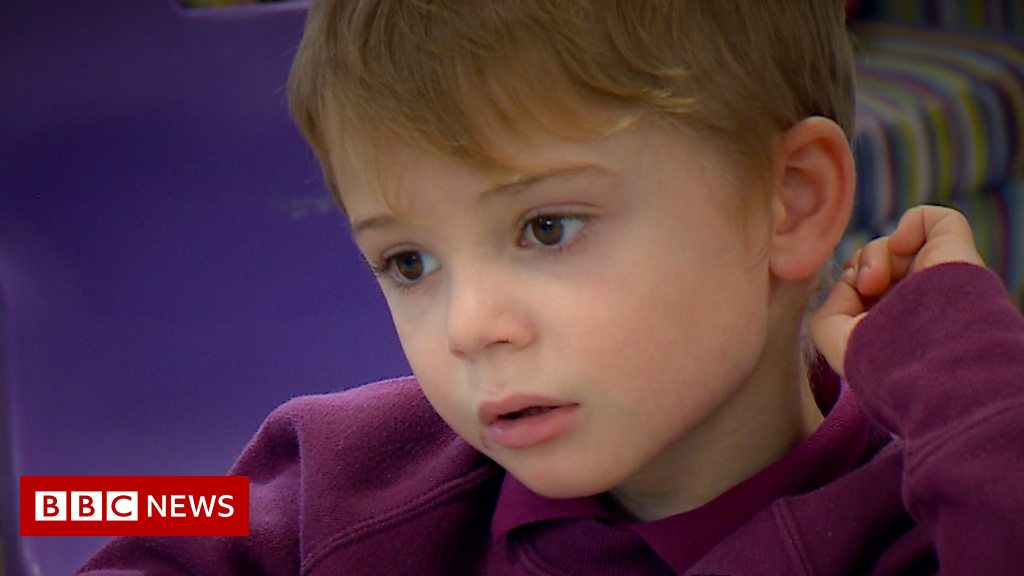
The parents of a five-year-old boy with autism have spoken about their pride in his progress since he started school.Bertie, from Loughborough, who is non-verbal, began school in September 2020 after a challenging lockdown that saw him deprived of his special needs playgroup, autism outreach and speech therapy.However, since joining school he has thrived and was recently shortlisted for Young Person of the Year at a national awards ceremony to recognise the achievements of young people with complex disabilities, run by the charity Sense.”When I think about how proud I am, it just makes me that emotional,” his mum Laura said.Video journalists: Chris Waring and Elise ChamberlainFollow BBC East Midlands on Facebook, Twitter, or Instagram. Send your story ideas to eastmidsnews@bbc.co.uk.

Read more →

Cloth Masks Do Not Protect Against Virus as Effectively as Others, C.D.C. Says

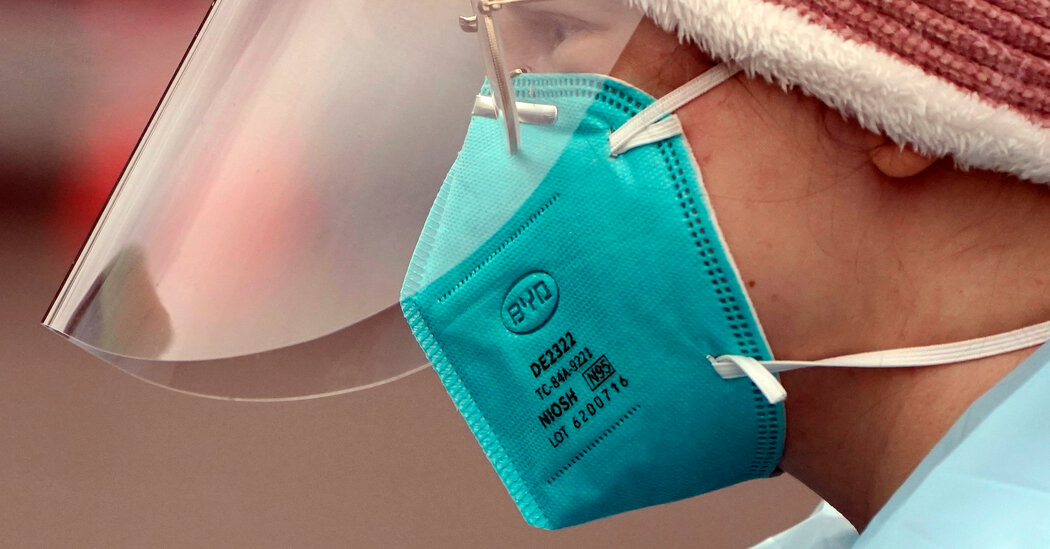
The Centers for Disease Control and Prevention on Friday clarified its stance on various kinds of masks, acknowledging that the cloth masks frequently worn by Americans do not offer as much protection as surgical masks or respirators.While this disparity is widely known to the general public, the update marks the first time the C.D.C. has explicitly addressed the differences. The agency’s website also no longer refers to a shortage of respirators. The change comes as infections with the highly contagious Omicron variant continue to soar. Some experts have said that cloth masks are inadequate to protect from the variant, and have urged the C.D.C. to recommend respirators for ordinary citizens.The agency did not go that far. Its updated language now says that “a respirator may be considered in certain situations and by certain people when greater protection is needed or desired.” The previous version of the recommendations said individuals may choose to use a disposable N95 respirator instead of a mask “when supplies are available.” N95 respirators, so named because they can filter out 95 percent of all airborne particles when used correctly, were in short supply early in the pandemic. At the time, the C.D.C. and the World Health Organization both repeatedly said that ordinary citizens did not need to wear masks unless they were sick and coughing. The C.D.C. also said regular surgical masks were “an acceptable alternative” for doctors and nurses when interacting with a patient infected with the coronavirus — a move that angered medical personnel. Critics charged that the recommendations were based not on what would best protect Americans, and were instead prompted by a shortage of N95 respirators.When the C.D.C. finally recommended masks for ordinary Americans, it emphasized cloth face coverings. It took months more for the C.D.C. and the W.H.O. to concede that the coronavirus can be carried by tiny droplets called aerosols, which can linger indoors for hours. According to the C.D.C.’s new description of masks, loosely woven cloth products provide the least protection and layered finely woven products offer more. Well-fitting disposable surgical masks and KN95s — another type of respirator mask — are more protective than all cloth masks, and well-fitting respirators, including N95s, offer the highest level of protection.The agency urged Americans to “wear the most protective mask you can that fits well and that you will wear consistently.”

Read more →

Howard Solomon, 94, Dies; His Business Success Had a Personal Connection

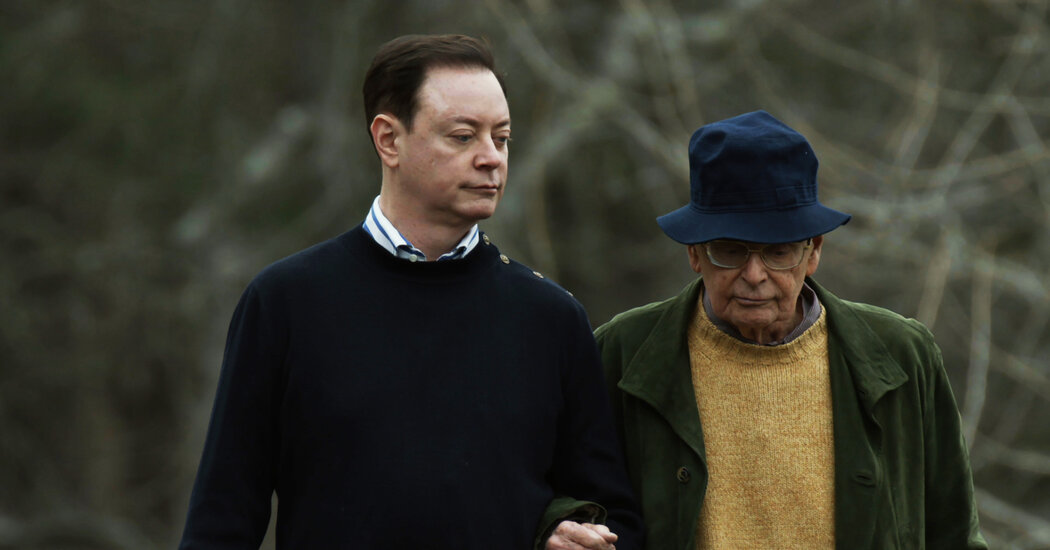
After one of his sons fell into a deep depression, he helped him recover. He later licensed an antidepressant that was a boon to his pharmaceutical company.Howard Solomon was building the pharmaceutical company Forest Laboratories, not by manufacturing drugs but by licensing them. In his search for deals in the United States and Europe, he learned about citalopram, a Danish antidepressant. He did not license it, though, believing the U.S. market was saturated with drugs to treat depression.Then, in 1994, a family crisis intervened: His older son, Andrew, a writer, had fallen into a deep depression. Mr. Solomon moved Andrew into his apartment on the Upper West Side of Manhattan and took weeks off from work to take care of him; he even cut his food. He talked to experts about pharmaceuticals that might help Andrew. And he accompanied him on a tour to promote his novel, “A Stone Boat.”“My father was like a reef that took the violent waves of a frightening world and broke them down into gentle, manageable undulations before they reached the beach where I stood,” Andrew Solomon said in an email.After two types of antidepressants were unable to help Andrew, a third did. His experience persuaded his father to make the deal a few years later for citalopram, which, under the name Celexa, became a billion-dollar drug for Forest Labs in the class of selective serotonin reuptake inhibitors, along with Prozac, Zoloft and Paxil.Howard Solomon died on Jan. 8 at his home in Bedford Hills, N.Y. He was 94. Andrew Solomon confirmed the death.When Howard Solomon introduced Celexa to the Forest Labs sales force in 1998, he read from the manuscript of Andrew’s book “The Noonday Demon: An Atlas of Depression.”“I will be on medication for a long time,” he read aloud. “Every morning and every night, I look at the pills in my hand, and sometimes they seem like writing in my hand, hieroglyphics saying that the future may be all right and that I owe it to myself to live on and see.”“The Noonday Demon” was published in 2001. In its dedication, Andrew Solomon wrote, “For my father, who gave me life not once, but twice.” It went on to win the National Book Award for nonfiction.When Howard Solomon introduced Celexa to the Forest Laboratories sales force, he read from the manuscript of his son’s book “The Noonday Demon: An Atlas of Depression.”via Andrew SolomonHoward Solomon was born on Aug. 12, 1927, in the Bronx. His father, David, a Romanian immigrant, made neckties out of dress remnants. His mother, Faye (Gussow) Solomon, worked with her husband.After serving in the Army in Hawaii, Howard majored in history at the City College of New York and received a bachelor’s degree in 1949. He graduated from Yale Law School three years later and worked for various law firms before starting his own in the early 1960s, specializing in corporate law; along the way, he joined the Forest Labs board and became the company’s outside counsel.He was appointed president and chief executive in 1977 after the company’s chairman, Hans Lowey, and three other executives were accused of inflating profits. He divested the company of divisions that made candy and vitamins and adopted a strategy of licensing pharmaceuticals and marketing them aggressively.Forest Labs was transformed by licensing Celexa from H. Lundbeck, the Danish company that developed it. But Lundbeck’s chief executive, Erik Sprunk-Jansen, was initially reluctant to speak to Mr. Solomon because licensing deals with some other U.S. companies had unraveled.“Howard flew to Denmark to meet with him,” Phil Satow, a former executive vice president of Forest Labs, said in a phone interview. “Both were lovers of ballet, which became the common chord between them, and they developed a strong relationship.”Celexa’s sales grew quickly, peaking at nearly $1.5 billion in 2003. Forest Labs then licensed Lexapro, an upgraded version of Celexa, which first reached $2 billion in sales in 2007.But the success of Celexa had a downside. In 2010, Forest Labs paid $313 million to settle criminal and civil complaints that a subsidiary, Forest Pharmaceuticals, had illegally promoted the drug to children and adolescents (it had been approved only for adult depression) and had paid doctors to induce them to prescribe Celexa and Lexapro.“Forest Pharmaceuticals deliberately chose to pursue corporate profits over its obligations to the F.D.A. and the American public,” Carmen Ortiz, the U.S. attorney for Massachusetts, said when the settlement was announced.The company denied the allegations. In a statement at the time, Mr. Solomon said, “We remain dedicated to ensuring that we operate in full compliance with all laws and regulations.”In 2011, Forest Labs won a proxy fight against the shareholder activist Carl C. Icahn, who had argued that the company had, among other things, lost billions of dollars of shareholder value over the previous decade. Mr. Icahn continued to pursue Forest Labs with a second proxy fight in 2012, which ended with one of his nominees elected to the company’s board.In a letter to Mr. Icahn during that fight, Mr. Solomon wrote: “Your discourse thus far has shown a striking lack of strategic ideas. Instead, it has been replete with wild and baseless accusations, innuendo and distortion of facts.”Still, at some point, Mr. Solomon reached out to Mr. Icahn, and they had a series of dinners.“We got friendly,” Mr. Icahn said in a phone interview. “I thought he was a nice gentleman, a courtly guy.” He added: “I didn’t agree with the way he ran the business necessarily, but he was a nice guy who was thrilled with the outcome. He made a lot of money.”In 2013, Mr. Solomon announced his retirement as chief executive and was replaced by Brent Saunders, an executive friendly with Mr. Icahn. Then, in early 2014, Actavis (now Allergan) paid $25 billion to acquire Forest Labs. Mr. Solomon, still the chairman, left after the acquisition and formed a family investment firm with his younger son, David, who had been a Forest Labs executive.In addition to his sons, Mr. Solomon is survived by his wife, Sarah Billinghurst Solomon, a former assistant general manager of artistic affairs at the Metropolitan Opera, and five grandchildren. His first wife, Carolyn (Bower) Solomon, died in 1991.Mr. Solomon had extensive philanthropic interests, especially opera. As a teenager he paid for piano lessons at the Manhattan School of Music by selling librettos to patrons of the old Metropolitan Opera on 39th Street and Broadway. He later became chairman of the Met’s finance committee, chairman of New York City Ballet and a board member of Lincoln Center.His desire to work into his 80s was, he said, inspired by the example of Giuseppe Verdi.“Growing up, he’d talk about Verdi writing ‘Falstaff’ in his 80s,” Andrew Solomon said. “‘Imagine that,’ he’d say, ‘in his 80s, he wrote some of the greatest music ever written.’ That was the path he hoped to follow.”

Read more →

Martin Shkreli Barred From Drug Industry and Must Repay $64.6 Million

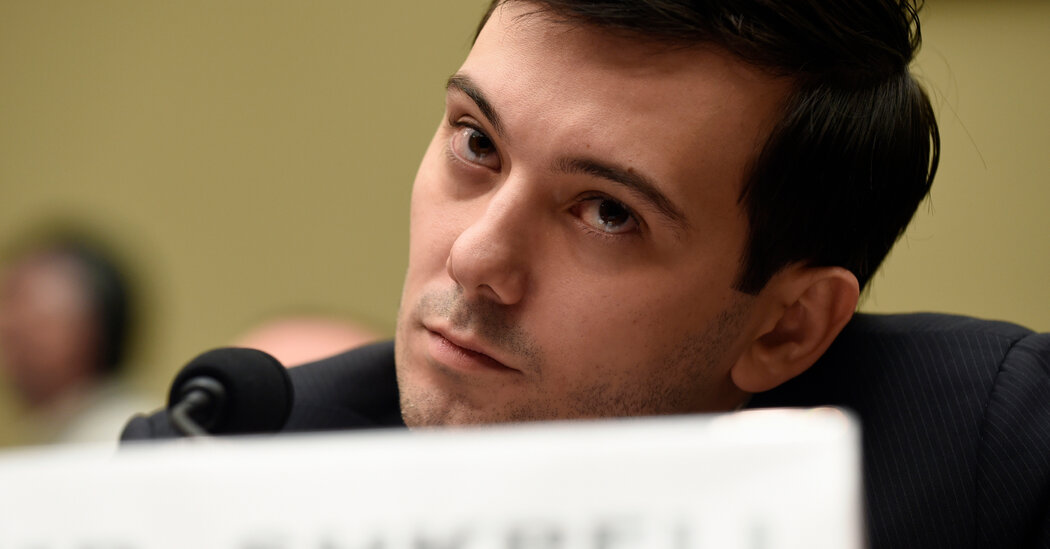
Martin Shkreli, the former pharmaceutical executive best known for unapologetically raising the price of an old drug, must pay $64.6 million and will be barred for life from the drug industry for violating antitrust law in connection with that medicine, a federal court ordered on Friday.Mr. Shkreli is serving a seven-year prison sentence for defrauding investors related to his work running two hedge funds. That conviction is unrelated to the drug pricing saga that elevated him to notoriety. He is expected to be released later this year.In 2015, Mr. Shkreli — then a pharmaceutical entrepreneur in his early 30s not well known outside of his industry — acquired a decades-old drug known as Daraprim, which is used to treat a life-threatening parasitic infection, and raised its price to $750 a tablet, up from $13.50. The incident alarmed politicians and the public, who were already worried about rising drug prices and the role that pharmaceutical companies can play in making medicines unaffordable.Most pharmaceutical executives raise drug prices more quietly and gradually, and with reassurances about ensuring patient access, but Mr. Shkreli seemed unrepentant. He became known as “pharma bro” for his brash attitude when faced with criticism from lawmakers and others over the drug price increase.On Friday, Judge Denise L. Cote of the U.S. District Court for the Southern District of New York ruled that Mr. Shkreli tried to maintain a monopoly over Daraprim through anticompetitive tactics. The lawsuit had been brought by the Federal Trade Commission and the attorneys general of seven states, including New York.The judge found that Mr. Shkreli violated state and federal antitrust laws and that his former company, now known as Vyera Pharmaceuticals, brought in $64.6 million in excess profits from its sales of Daraprim from that conduct.The court found that under Mr. Shkreli’s control, Vyera changed the way the drug was distributed and impeded competition in the generic market. As a result, consumers were harmed by higher prices and fewer options for the drug, “forcing many patients and physicians to make difficult and risky decisions for the treatment of life-threatening diseases,” the New York attorney general’s office said in a news release.Lawyers for Mr. Shkreli did not immediately return a request for comment on Friday afternoon.

Read more →

Senate Panel OKs Califf Nomination for F.D.A. Chief

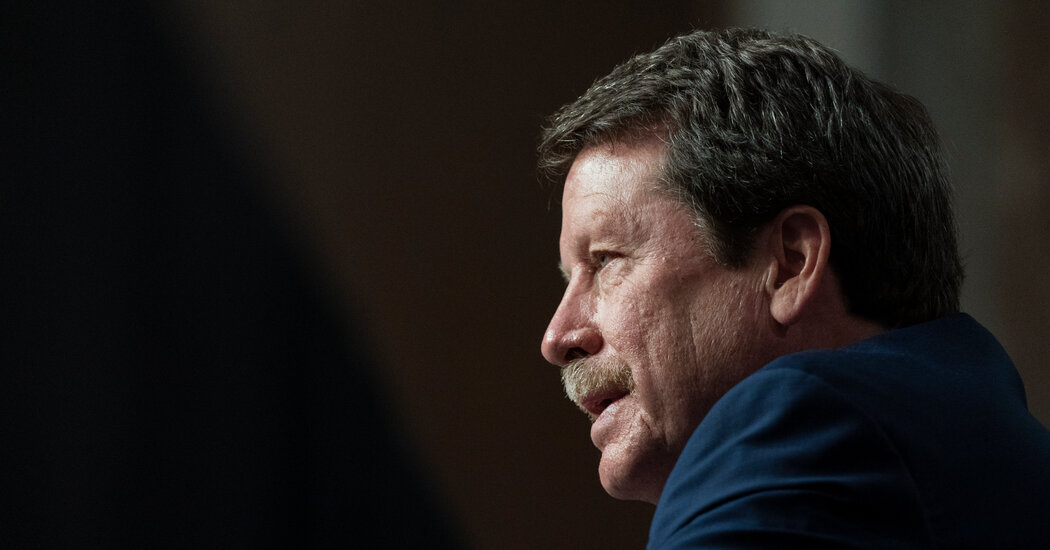
A split committee vote revealed concerns about the opioid epidemic and abortion policies, foreshadowing a likely close vote on confirmation by the full Senate.A divided Senate committee on Thursday advanced the nomination of Dr. Robert Califf to become commissioner of the Food and Drug Administration to the full Senate, with some Democrats citing concerns over the nominee’s commitment to combating the opioid epidemic.The committee’s vote of 13 to 8 suggests that the full Senate vote will be close. A date for the Senate’s vote on confirmation has not been set.Four Republican members of the Senate Committee on Health, Education, Labor and Pensions, including Senator Richard Burr of North Carolina, voted in favor of Dr. Califf’s nomination. Senator Burr, the ranking Republican member, noted that the commissioner’s role was one of the “most significant public health positions in the federal government” and that the agency had been without a Senate-confirmed leader for nearly a year. He urged other Republicans to support Dr. Califf, citing his “unparalleled experience” and willingness to support innovation in the medical field. G.O.P. committee members who voted against him mostly cited concerns about abortion policies.Senator Bernie Sanders, independent of Vermont, and Senators Maggie Hassan of New Hampshire and Edward Markey of Massachusetts, both Democrats, indicated they planned to vote against confirming Dr. Califf for the post. They are all from New England states hard-hit by opioids, though Senator Sanders also criticized Dr. Califf’s journey through the “revolving door” from the F.D.A. to private industry.Senator Joe Manchin, Democrat of West Virginia, a state which was particularly devastated by overdose deaths, had condemned Dr. Califf’s track record on opioids and said he would vote against confirmation. If confirmed, Dr. Califf would lead an agency that had been under intense scrutinyduring the pandemic, as it weighed the safety of coronavirus vaccines and treatments, and reviewed dozens of masks and tests.Most recently, the agency has been criticized for what some consider the sluggish approval of rapid at-home tests, which has led to shortages as the Omicron variant has caused a spike in infections, and as demand has soared for tests for schoolchildren and workers. The agency said that it had concerns about the tests’ sensitivity but not the overall accuracy.High-risk patients who test positive for Covid-19 are also facing severe shortages of medications that are effective against the variant — even as the agency remains the gatekeeper to therapies and diagnostics that could help.On Dec. 14, Dr. Califf appeared before the Senate committee, answering questions about the pandemic, the opioid crisis and other topics.As a cardiologist, Dr. Califf spent decades leading clinical trials at the Duke University Medical Center in North Carolina. Most recently, he led clinical policy and strategy for Verily, the life sciences arm at Alphabet, the parent company of Google. During the hearing, he emphasized the value of existing data, much in patients’ electronic medical records, to help answer difficult questions about the evidence for drugs and devices.Republicans asked how he would handle rules around medications to induce abortion, which had been relaxed during the pandemic after years of tight restrictions. Two days after the hearing, the F.D.A. — under Dr. Janet Woodcock, the interim commissioner — announced that it would permanently lift restrictions, allowing patients to terminate a pregnancy in the first 10 weeks after a telemedicine visit with medications taken at home.Senator Tommy Tuberville, a Republican committee member from Alabama, said in a statement that the recent decision informed his committee vote. “I believe Dr. Califf will continue to advance this administration’s pro-abortion agenda, and I cannot support his nomination,” he said.Senator Mike Braun, a Republican from Indiana, also said he opposed the nomination over abortion policies and opioid concerns. “Under his leadership in 2016, the F.D.A. expanded access to the dangerous chemical abortion drug mifepristone and failed to take action to stem the tide of the opioid crisis ravaging our country,” he said in a statement.Dr. Califf was previously confirmed in a 89-to-4 Senate vote to lead the F.D.A. during the last year of the Obama administration. If confirmed again, he will face key decisions on tobacco control as he tries to balance e-cigarettes as a tool to help some quit smoking without creating a new generation of users. Scrutiny around accelerated approvals of drugs will be heightened, given the current debate over the agency’s approval of the controversial Alzheimer’s drug Aduhelm.After Senator Sanders denounced Dr. Califf’s ties to pharmaceutical firms, which include consulting fees and stock ownership amounting to as much as $8 million, the nominee told the Senate panel in mid-December that he would comply with ethics rules set by the F.D.A. and its parent agency, the Department of Health and Human Services.Senator Hassan of New Hampshire also voted against Dr. Califf’s nomination. She had pressed him in December on the F.D.A.’s failure to update the labeling of opioid medications. Dr. Califf said the agency would continue to review the evidence coming in.“The evidence has been here for a long time,” she responded. “It’s the evidence of thousands of people, hundreds of thousands of people, dying in this country.”Senator Markey of Massachusetts, who is not on the committee that voted on Thursday, also issued a statement citing opioid policy failures and saying he would vote against Dr. Califf. The F.D.A. “repeatedly rubber-stamped new prescription opioids,” and “acted too slowly to remove them from the market or place restrictions on their labels,” he said.Senator Markey said he was dissatisfied after meeting with Dr. Califf late last year, noting that he “did not commit to the decisive and comprehensive action necessary” to regulate opioids.

Read more →