Warm season and emergency department visits to US children’s hospitals

Harvard T.H. Chan School of Public Health. “Warm season and emergency department visits to US children’s hospitals.” ScienceDaily. ScienceDaily, 19 January 2022. .
Harvard T.H. Chan School of Public Health. (2022, January 19). Warm season and emergency department visits to US children’s hospitals. ScienceDaily. Retrieved January 21, 2022 from www.sciencedaily.com/releases/2022/01/220119121149.htm
Harvard T.H. Chan School of Public Health. “Warm season and emergency department visits to US children’s hospitals.” ScienceDaily. www.sciencedaily.com/releases/2022/01/220119121149.htm (accessed January 21, 2022).

Read more →

How Anxiety Can Benefit Us

There are several benefits to having an internal alarm system, experts say.For the entirety of my adult life I have tried to avoid driving.I could claim all sorts of noble reasons for this: concern about the environment, a desire to save money, the health benefits gained from walking or biking.But the main reason is that I’m anxious.What if I did something stupid and accidentally pressed the gas pedal instead of the brake? What if a small child suddenly darted into the middle of the road? What if another driver was distracted or full of rage?By 2020 I had managed to avoid driving for eight years, even though I’d gotten my license in high school.Then came the pandemic.After more than a year of hunkering down in our Manhattan neighborhood, my little family of three was yearning for new surroundings.So, I booked lodging in the Adirondacks, about a three-hour drive from New York City, and — for the first time in my life — signed up for formal driving lessons.On that first day, I arrived queasy and full of impending doom, muscles tensed and brain on high alert. But my instructor assured me that we would not meet our demise — we wouldn’t be driving fast enough for that, he explained — and then he told me something that nobody ever had: “The fear never leaves you.”You have to learn to harness it, he said. Have just enough fear to stay alert and be aware of your surroundings, but not so much that it is making you overly hesitant.The idea that I didn’t need to completely erase my anxiety was freeing.Having some anxiety — especially when faced with a stressful situation — isn’t necessarily bad and can actually be helpful, experts say.Here’s why.The right amount of anxiety can improve performance.Anxiety is an uncomfortable emotion, often fueled by uncertainty. It can create intense, excessive and persistent worry and fear, not just about stressful events but also about everyday situations. There are usually physical symptoms too, like fast heart rate, muscle tension, rapid breathing, sweating and fatigue.Too much anxiety can be debilitating. But a normal amount is meant to help keep us safe, experts say.“The emotion of anxiety and the underlying physiological stress response evolved to protect us,” Wendy Suzuki, a neuroscientist and the author of “Good Anxiety,” said.In her book, Dr. Suzuki explains that managing stress may be more useful than banishing it. According to the Yerkes-Dodson Law, a theory that originated in the early 20th century from experiments on mice, increasing amounts of cognitive arousal, or stress, can improve performance — but only up to a certain point. The theory, represented by a curve shaped like a mountain, shows that after the curve peaks, greater levels of stress cause performance to suffer.When anxiety is turned up too high, Dr. Suzuki added, it tends to become less useful. The first step in taming anxiety that holds you back is to recognize when you’re feeling overly anxious and try to dial it down.“My No. 1 tip is to activate the parasympathetic nervous system — the neurons that can slow heart rate and help people feel more calm — by deep breathing,” she said. “It’s a very powerful tool to have in your back pocket.”Deep breathing can take place anytime or anywhere, she said, whether standing in a line, sitting in class, or, in my case, driving.In addition, physical activity — even something as simple as walking outside — can increase the level of serotonin and dopamine in your brain, which may also help lower anxiety to a more manageable level, she said.A certain degree of anxiety can help people anticipate obstacles, remain cautious and stay organized, said Ellen Hendriksen, a clinical psychologist in Boston and the author of “How to Be Yourself: Quiet Your Inner Critic and Rise Above Social Anxiety.”But if anxiety is making you “uncomfortable more often than not” or interfering with day-to-day functioning and preventing you from living the life you want to live, Dr. Hendriksen added, that signals the need for additional support, ideally from a mental health professional.Anxiety can help you recognize what isn’t working.Seth Gillihan, a psychologist in Philadelphia and author of “The CBT Deck for Anxiety, Rumination and Worry,” said he often used to feel anxious before starting his work day. At the time, he focused on managing his anxiety rather than examining what was causing it. Finally, he realized that the anxiety itself wasn’t the problem.“I was working for a long time in a way that wasn’t sustainable,” said Dr. Gillihan, whose ongoing health problems have sometimes made it difficult to maintain a full schedule.So he cut back his clinic hours, and spent additional time writing and podcasting, two of his passions.Now, he said, he is grateful that he listened to what his body was trying to tell him rather than trying to suppress those feelings.“A lot of the distress that we feel with anxiety comes from the resistance to it,” he said. “We are doubling our suffering by being anxious and also feeling like, ‘I need to stop feeling anxious’ — so we’re fighting on two fronts.”“I think of it like an alarm — like a smoke detector — a good alarm isn’t silenced all the time,” Dr. Gillihan added.Accepting anxiety can help you face your fears.If you find yourself overestimating the risk of something terrible happening, start by acknowledging your anxiety and looking at it objectively, said Joel Minden, a clinical psychologist at the Chico Center for Cognitive Behavior Therapy in Chico, Calif., and the author of “Show Your Anxiety Who’s Boss.”Remind yourself that this is the emotional reaction that occurs when you anticipate bad things will happen, he said, an inconvenient annoyance, “almost like my brain is a child throwing a tantrum right now.”Be patient and kind with yourself, he said, the way you would be with a friend, as you take small, manageable steps to confront your fears.“This is an opportunity to learn how to accept and tolerate anxiety,” he added.Todd B. Kashdan, a professor of psychology and director of the Well-Being Lab at George Mason University in Fairfax, Va., was working up the courage to finally try outdoor rock climbing in Arizona; he started small by scaling the rock climbing wall at his gym.During his first attempt outdoors, his hands were sweating so much the chalk wouldn’t stay on. One of the guides gave him a choice: You can stay on the ground — alone, in the middle of the desert — or you can climb, and take your anxiety with you.“My heart was exploding,” said Dr. Kashdan, co-author of “The Upside of Your Dark Side,” a book that explores the usefulness of anger, anxiety and doubt. “But I had a very clear task and I knew that I could do it with the anxiety because this expert guide told me he’s done it, people do it, you’re going to do it.”Anxiety can breed conscientiousness.Anxious people tend to be careful and cautious, and they can channel those tendencies into conscientiousness, Alice Boyes, author of “The Anxiety Toolkit,” said.“I’m someone who’s always been anxious,” Dr. Boyes said. “I was the kind of kid who refused to go to school camp or refused to stay at other people’s houses. I was always getting sore tummies and that kind of thing before sports events at school.”As she grew up, she continued to worry about things going wrong, but she also started making contingency plans, which helped to calm her fears and reduce the likelihood of any worst-case scenarios. When traveling, for example, she scopes out her destination in advance, studying the surrounding streets to avoid getting lost.The goal is to create a plan that will help reduce your worries, and then follow through.In my case, preparing ahead of time was what eventually gave me the confidence to drive upstate. It took eight driving lessons, a nervous last-minute text to my instructor and a rental car with advanced safety features.Finally, my family packed up and set off.“Mama is a driver!” my 4-year-old daughter said from the back seat.“That’s right!” I replied, starting to feel a glimmer of pride. “I am.”

Read more →

How Does Getting a Breakthrough Covid Case Affect My Immunity?

As Omicron cases skyrocket, more vaccinated people may get “hybrid” immunity after a breakthrough infection. But experts still encourage precautions.By Jinhwa OhLike many New Yorkers, Domenica D’Ottavio contracted Covid-19 over the Christmas holidays. Her head clogged with congestion, her body ached; she coughed and spiked a fever.But she also had another surprising symptom: relief.“It was just a different feeling,” said Ms. D’Ottavio, who had been fully vaccinated and boosted before getting infected. “You don’t realize until it’s over that you’ve been walking around with a tiny bit of fear in the back of your mind.”Ms. D’Ottavio still wears masks and takes a test before she visits her mother. But she also planned a “post-Covid” trip to Florida for her sister’s birthday, and now goes to bars and dates without thinking about the pandemic. She even swapped straws with a friend who had also recently recovered from Covid, so they could try each other’s drinks.“We all feel like superheroes,” she said about her friends who have had breakthrough infections. “We all feel like we can do anything.”Nearly 800,000 new cases are being reported in the United States each day, according to a New York Times database, most caused by the fast-spreading Omicron variant, and the true number of infections is likely much higher because so many cases go unreported. Although many people are quickly recovering, the Omicron surge poses a particular risk to the unvaccinated and has put enormous strain on hospitals and health care workers.But among the vaccinated and boosted, getting infected with the Omicron variant also appears to be contributing to a psychological shift, as people realize they have probably gained at least a short-term natural boost to their immune system. Scientists call it “hybrid immunity,” which results from the combined protection of pre-existing vaccine antibodies and natural antibodies from a breakthrough infection.Google searches for the term “super immunity” increased by 550 percent in the United States over the last three months, according to Google Trends data. Searches for “hybrid immunity” increased by 230 percent over that time.While some doctors and immunologists agree that hybrid immunity offers an additional layer of defense against the virus, they urge caution, noting that the strength of that protection can vary by individual and may wane over time.“It’s the best immunity you can get,” said Shane Crotty, a virologist at the La Jolla Institute of Immunology. “But I wouldn’t think of hybrid immunity as being a force field that can completely stop it no matter what.”Experts also caution against trying to get infected on purpose as a way to gain hybrid immunity. “I really worry that people will intentionally get infected so they can get to this ‘new normal’,” said Dr. Celine Gounder, an infectious disease specialist at Bellevue Hospital Center. The virus is unpredictable, and even young people can become very sick. “Something could go wrong, and they could end up in the hospital,” she said. In addition, it’s impossible to know who might develop long Covid after an infection.How much does hybrid immunity protect you?The immunity boost of a natural infection may be akin to getting a fourth dose of vaccine, said Dr. Peter Chin-Hong, an infectious disease expert at the University of California, San Francisco. Hybrid immunity may also occur if you get infected before getting vaccinated or a booster.Here’s why. The first time you get vaccinated or infected with a virus, it takes your immune system a little time to respond. But your immune system has a long memory. It reacts more quickly and ramps up more antibodies the next time it detects the virus. The effect appears to be even more pronounced in people who’ve been both vaccinated and infected.A recent study showed that vaccinated health care workers with breakthrough infections had significantly higher levels of antibodies compared to a vaccinated control group that had not had natural infections. Fikadu Tafesse, an immunologist at Oregon Health & Science University who helped conduct the research, said that although the study was done before the Omicron wave, the findings suggest a drastically elevated level of protection after a breakthrough infection.“Super immunity is maybe an overreach, but we know the most recent studies show there’s hybrid immunity, really due to immune players known as memory B cells,” said Anita Gupta, an adjunct assistant professor of anesthesiology and critical care medicine at Johns Hopkins University School of Medicine. “When some of the short-lived immune cells go away, these memory B cells are going to last a while.”But here’s the bad news: Exactly how much extra protection you get and how long it lasts will vary by individual, said Akiko Iwasaki, an immunologist at Yale University. And a person who is immunocompromised or older or otherwise at higher risk for severe disease likely will generate fewer antibodies than a young, healthy person, and their antibody levels may also drop more quickly.It’s also not clear whether the severity of the illness affects the level of hybrid protection. A person with severe symptoms may have been exposed to a greater amount of the virus, which would trigger more antibodies and thus more protection, Dr. Iwasaki said. A person who was asymptomatic may not have as robust of an immune response to the virus and may be more susceptible to reinfection.“Going back to 2019 behavior is a little premature,” Dr. Iwasaki said. “It’s really just playing the lottery, because you don’t know how many antibodies you’ve generated.”In the short term, recovering from a breakthrough infection means you’re “almost certainly” protected against severe disease after both vaccination and infection, said Dr. Adam Ratner, director of the division of pediatric infectious diseases at Hassenfeld Children’s Hospital at N.Y.U. Langone.The Coronavirus Pandemic: Key Things to KnowCard 1 of 4Omicron in retreat.

Read more →

New tool assesses evolutionary risks of antibiotics

Bacteria have dangerously evolved to thwart many of the medicines that were designed to kill them. As a result, a growing antibiotic resistance crisis is responsible for more than 700,000 deaths each year, emerging as one of the world’s most pressing health issues.
Since the development of new antibiotics to treat infections has stalled, many patients now receive treatments based on multiple drugs in the hopes that their joint therapeutic effects can forestall the evolution of further resistance. Yet there are plenty of risks and unknowns involved in such multi-drug treatments.
Giving one drug to a patient often causes bacteria to evolve resistance against it. Fortunately, some of these resistant mutants become more susceptible to a second drug, which allows doctors to successfully treat the infection. However, doctors can’t always be sure when and if evolution will take this fortunate course. Even worse, resistance against the initial drug can backfire and cause an increase in resistance against the second drug, leaving the doctors without any further treatment options.
University of California San Diego scientists have now developed a way that can help doctors calculate the odds of the fortuitous outcomes for different drug pairs and thereby boost the odds of a successful treatment. As described in the journal eLife, graduate student Sarah Ardell and Assistant Professor Sergey Kryazhimskiy developed a mathematical model that can calculate the risk of resistance evolution for various drug pairs.
“The problem with using multiple drugs to treat bacteria is that we just don’t know which mutations are available to bacteria,” said Kryazhimskiy, of the Division of Biological Sciences’ Section of Ecology, Behavior and Evolution. “In many situations, bacteria can have access to mutations that make them resistant to both drugs as well as to mutations that make them resistant to the first drug but susceptible to the second one. In such situations, it’s very difficult to predict which way the population will evolve. The model we developed allows us to make these predictions.”
In developing the model, Ardell and Kryazhimskiy used a new concept called “JDFE,” which stands for “joint distribution of fitness effects (of new mutations).” JDFE characterizes the various kinds of mutations available to bacteria and allows researchers to classify drug pairs into those that facilitate or hinder multi-drug resistance.

Read more →

Heart function recovered quickly in children with COVID-19-related MIS-C condition

Heart function recovery returned within three months in children who developed COVID-19-related multisystem inflammatory syndrome (MIS-C), according to new research published today in the Journal of the American Heart Association, an open access, peer-reviewed journal of the American Heart Association.
MIS-C is a new illness identified during the COVID-19 pandemic that affects children about four to six weeks after exposure to COVID-19. The new condition has some overlapping symptoms with Kawasaki disease, however, MIS-C is associated with more profound inflammation. MIS-C can cause inflammation in different parts of the body, including the heart, lungs, kidneys and gastrointestinal organs. About 80%-85% of MIS-C cases across the U.S. and Europe have involved the heart’s left ventricle.
This study details the cardiovascular complications or damage found during a three-month follow-up period to assess the short-term impact of MIS-C. It also employs newer cardiac measurements, known as “strains,” to assess heart function related to MIS-C. Strain testing is a more sensitive tool that can detect whether an area of the heart is deformed or if there are any subtle changes in heart function during cardiac contraction and relaxation.
“There is limited data at this time about how frequently and how long we should monitor heart function during the recovery state of MIS-C after the child leaves the hospital,” said the study’s senior author Anirban Banerjee, M.D., a professor of clinical pediatrics at the University of Pennsylvania Perelman School of Medicine and an attending cardiologist with the Cardiac Center at the Children’s Hospital of Philadelphia, both in Philadelphia.
“Given that MIS-C was identified as a result of the COVID-19 pandemic, treatment protocols have not yet been standardized and follow-up care varies greatly, which may lead to confusion and anxiety among families of patients and their care team. Our research team hoped to provide some guidance and reduce the ambiguity on optimal care approaches, especially as it relates to sports participation,” Banerjee added.
Researchers retroactively reviewed data on 60 children hospitalized with MIS-C due to COVID-19 exposure who were treated at two Philadelphia hospitals between April 2020 and January 2021. None of the children were initially diagnosed with COVID-19 before the onset of MIS-C symptoms. This group of children were 60% male, with an average age of 10 years. About 48% were Black children, 27% were white children, 15% were Hispanic children, 4% were Asian children and the race/ethnicity of 23% of the children was unknown. The participants were treated with intravenous immunoglobulin and/or systemic steroids. Researchers reviewed echocardiographic and clinical data from medical records, including demographic factors, testing, treatment and hospital outcomes.

Read more →

Antifreeze cream prevents frostbite injuries to skin, study suggests

Skiers, hikers, soldiers and others exposed to extreme cold temperatures can experience frostbite — a painful injury that occurs when ice crystals form in the skin. Many extremely cold areas are also remote, and delays in frostbite treatment can result in severe wounds, scarring and even limb amputation. Now, researchers reporting in ACS Applied Biomaterials have developed a cream that prevents frostbite injuries in mice when applied to the skin 15 minutes before severe cold exposure.
Frostbite not only kills skin cells, but can also harm deeper tissues like muscle and bone, sometimes causing secondary infections and permanent nerve damage. Common therapies, such as rapid rewarming of the affected limb, aim to reverse tissue freezing, but by the time of treatment, many cells have already died. Recently, scientists have developed frostbite prevention strategies, such as electric heaters sewn into clothing or transgenic antifreeze proteins, but such approaches are often costly, impractical or have safety concerns. Therefore, Munia Ganguli and colleagues wanted to test the frostbite prevention properties of a combination of synthetic molecules commonly used in labs to cryopreserve cells. Dimethyl sulfoxide (DMSO) keeps ice crystals from forming inside cells, whereas poly(vinyl alcohol) (PVA) prevents ice crystals in the spaces between cells, which can damage membranes.
The researchers first tested the ability of different amounts of DMSO and PVA, alone or in combination, to prevent the death of cultured cells in a dish that were exposed to a freezing temperature. They found that 2% DMSO combined with 1.6 mg/mL PVA yielded the highest cell survival (about 80%), while protecting the cell membrane and cytoskeleton. This combination, which the researchers called SynAFP, also allowed cells to divide and express proteins more normally after cold stress. Then, the team mixed SynAFP with a commercial aloe vera cream and applied it to the skin of mice 15 minutes before a cold challenge. The cream reduced frostbite wound size, tissue damage and inflammation, and sped healing, compared with no treatment. The cream did not prevent frostbite when applied 30 minutes or more before the cold challenge; however, multiple applications did not damage skin. The effects of the antifreeze cream in people, and how frequently it needs to be reapplied, must still be determined, the researchers say.
The authors acknowledge funding from the Defence Research and Development Organisation, the Department of Biotechnology Junior Research Fellowship and the Council of Scientific & Industrial Research (CSIR).
Story Source:
Materials provided by American Chemical Society. Note: Content may be edited for style and length.

Read more →

Epilepsy research boosts case for new gene therapy for Dravet syndrome

Research from the University of Virginia School of Medicine suggests how a newly developed gene therapy can treat Dravet syndrome, a severe form of epilepsy, and potentially prolong survival for people with the condition.
The gene therapy, developed by Stoke Therapeutics, is now in clinical trials. Because most Dravet syndrome cases are caused by a mutation in the SCN1A gene, resulting in a reduction in SCN1A protein production, the novel approach is designed to boost production of SCN1A to normal levels. If successful, the approach, called Targeted Augmentation of Nuclear Gene Output, or TANGO, would be the first treatment for the fundamental cause of the disease, a lack of this particular protein in specialized brain cells.
The new research — from UVA’s Manoj K. Patel, PhD, and Eric R. Wengert, PhD, and their collaborators — demonstrates how the experimental therapy restores the cells’ proper function and reduces seizures in lab mice.
“Our results show that a single treatment with the TANGO approach into infant mice completely prevented seizures and the premature death typically seen in our mouse model of Dravet syndrome,” said Patel, of UVA’s Department of Anesthesiology. “Further, our study provides the first evidence that TANGO treatment actually targets and rescues the physiological impairment of one group of brain cells known to cause seizures in Dravet syndrome.”
TANGO for Dravet Syndrome
Dravet syndrome is a rare but serious form of epilepsy that typically first appears in babies and young children. Patients have frequent, prolonged seizures; behavioral issues; developmental delays; movement and balance issues; and other problems. People with the condition often require constant care and face an increased risk of sudden death. It is thought to affect approximately 1 in 15,700 individuals.
Existing treatments for Dravet syndrome include medications, vagus nerve stimulation and the adoption of an extremely low-carb ketogenic diet. But none of the treatments directly addresses the underlying cause of the disease, the missing protein in nerve cells called interneurons. Stoke’s gene therapy aims to change that by prompting the gene responsible for the protein to increase production.
Patel and his team wanted to see what effect restoring the missing protein might have on the interneurons’ activity. Working with a mouse model of Dravet syndrome, they found that a single treatment with the TANGO therapy rescued the deficits in the interneurons and made them behave like those that naturally had the full amount of the protein. The interneurons, which function to constrain the brain’s excitability and protect against seizures, became more responsive, more active, and better able to do their jobs. As a result, the TANGO treatment decreased seizures, and the Dravet syndrome mice lived longer.
The results, the researchers say, suggest that the gene therapy is directly addressing the underlying cause of the disease. While mouse findings do not always hold true in humans, the results bode well as human testing continues. The findings also suggest that the approach may be useful in treating other forms of epilepsy caused by mutations in the SCN1A gene, the UVA scientists say.
“It can be difficult for patients with Dravet syndrome to find good treatment options, as many conventional treatments often fail to fully block seizures and prevent sudden death,” Wengert said. “This process of developing and validating gene therapy approaches that directly address the core mechanism of genetic epilepsy syndromes is exciting work that we hope will go on to help many people. These results take us one step closer to that reality.”
After the TANGO clinical trials are complete, the therapy would need approval from the federal Food and Drug Administration before it could become available to patients.

Read more →

3D robotic spine 'twin' and sensor offer new way to preview surgical interventions

Degenerative disc disease affects about 40 percent of people aged 40, increasing to about 80 percent among those aged 80 or older. The disease, which is the deterioration of one or more intervertebral discs of the spine, often is surgically treated with cervical disc implants.
In order to determine if a patient is a candidate for a cervical disc implant, surgeons have to rely primarily on the findings of diagnostic imaging studies, without any input from biomechanical data to optimize the type of prosthesis. This may occasionally lead to complications and implant failure.
To address these problems, Florida Atlantic University’s Erik Engeberg, Ph.D., senior author of the study, and researchers from the College of Engineering and Computer Science, in collaboration with Frank Vrionis, M.D., senior author of the study and director of the Marcus Neuroscience Institute, part of Baptist Health, have created a novel robotic replica of a human spine to enable surgeons to preview the effects of surgical interventions prior to the operation.
The researchers have developed a 3D printed spine replica modified to include an artificial disc implant and outfitted with a soft magnetic sensor array. The Marcus Neuroscience Institute has its hub on Boca Raton Regional Hospital’s campus and satellite locations at Bethesda Hospital in Boynton Beach and Deerfield Beach.
The patient-specific robotic spine model was based on a CT scan of the human spine. A modified artificial disc was ‘implanted’ into the cervical spine replica and the soft magnet was embedded in the vertebra replica. A robotic arm flexed and extended the cervical spine replica while the intervertebral loads were monitored with the soft magnetic sensor array to classify the spine posture with four different machine-learning algorithms. The algorithms classified the amplitude and the locations that external loads were applied. Researchers then compared the capabilities of the algorithms to classify five different postures of the human spine robotic replica (center, mid-flexion, flexion, mid-extension and extension).
Results of the study, published in the journal Sensors, showed that the soft magnetic sensor array system had the high capability to classify the five different postures of the spine with 100 percent accuracy, which can be a predictor of different problems of the spine that people experience. These results indicate that the integration of the soft magnetic sensor array within the artificial disc ‘implanted,’ robotically actuated spine replica has the potential to generate physiologically relevant data before invasive surgeries, which could be used preoperatively to assess the suitability of a particular intervention for specific patients.
“A flexible magnetic sensor array is a new method to realize soft and stretchable magnets by mixing silicone with magnetic powder,” said Engeberg, a professor, Department of Ocean and Mechanical Engineering within the College of Engineering and Computer Science, member of FAU’s Center for Complex Systems and Brain Sciences within the Charles E. Schmidt College of Science, and a member of the FAU Stiles-Nicholson Brain Institute. “These sensors are low-cost, highly sensitive, and easily integrated into robotic systems as the soft medium can be manipulated in many shapes and sizes.”
In addition to preoperatively assessing the suitability of a particular intervention for specific patients, this new approach could potentially assist the postoperative care of people with cervical disc implants. Currently, postoperative instructions for patients with spine implants are qualitative (do as much as you can until the pain starts), creating fears in both the patient and the surgeon. Questions regarding how much bending, lifting, and exercising is permissible after a cervical implant operation could be studied and correlated with biomechanical data generated by the sensorized robotic replica with individually tailored postoperative care that could be prescribed to reduce complications.
“This new approach has a powerful potential to enable surgeons to preview and compare the effects of different surgical interventions in a patient-specific manner using robotically actuated spine twins,” said Vrionis. “Moreover, the novel system could help in determining whether a constrained, semi-constrained, or unconstrained device could be the best fit or even a fusion device. Following surgery, the spine replica could also assist us in estimating whether there is sufficient motion at the operated level and possibly helping us to determine if we need to change the rehabilitation program to prevent calcification and subsequent loss of intended motion.”
In the future, the researchers say that this sensor could also potentially be coupled with CT scans to address the issue of spinal malalignment.
“Our new approach could provide surgeons with first-hand data to compare the effects of different surgical interventions to treat diseases of the spine before surgery and potentially reduce the rates of complication and failure of artificial disc implantation,” said study co-author Chi-Tay Tsai, Ph.D., a professor in FAU’s Department of Ocean and Mechanical Engineering.
Study co-authors are Maohua Lin, Ph.D., research scientist; and Moaed A. Abd, a Ph.D. student and research assistant, FAU’s Department of Ocean and Mechanical Engineering; and Alex Taing, an undergraduate student at the University of Virginia.

Read more →

PM announces end to Plan B Covid measures

The prime minister has set out plans to return to Plan A Covid restrictions in England from next week, including lifting the recommendation to work from home, and removing the mandate to wear face masks. But Mr Johnson also urged people to be cautious for the remaining weeks of winter, warning that Omicron is “not a mild disease for everyone, especially if you are not vaccinated”.Read more: Face mask rules and Covid passes to end in England

Read more →

Animals Infecting Humans Is Scary. It’s Worse When We Infect Them Back.

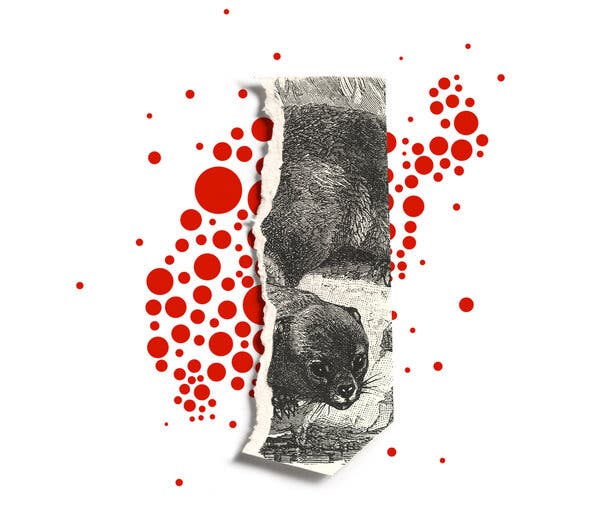
Listen to This ArticleAudio Recording by AudmTo hear more audio stories from publications like The New York Times, download Audm for iPhone or Android.A mink farm in northern Utah sat at the end of a narrow, rutted road lined by modest, densely packed ranch houses. The farm consisted of a grassy lot partly enclosed by stakes with wire wrapped haphazardly around them and a small, chain-link swing gate. Long, narrow mink sheds a few yards beyond the gate were so close to the road that I could see inside their dark interiors.The smell from the sheds was intense. Mink keep intruders away from their territories by emitting an odor from their anal scent glands that is widely considered to be more pungent than that of skunks. (A thoroughfare in a nearby city that is home to several mink farms is colloquially known as “Satan’s butthole.”) A neighbor, an adolescent girl with a mass of black curls, offered to help me find the farmer, and I waited as she unlatched the gate and marched into the mink sheds in her flip-flops. She located the farmer in one of the sheds, poked her head out and called me over.Having long been targeted by anti-fur activists, mink farms don’t announce themselves with signposts or list their names and addresses in directories. When I visited in July, the $20 billion global mink industry was under scrutiny for a different reason: Mink farmers had been battered by the coronavirus, which first erupted among captive mink in Europe in late April 2020 and on United States farms four months later. By June 2021, scientists estimated, the virus had infected as many as seven million mink on more than 400 farms in Europe and North America, killing more than 700,000 of the animals, a death toll orders of magnitude greater than that borne by any other nonhuman species. By the summer of 2021, coronavirus had infected thousands of mink on a dozen farms in Utah. Four farms in the state were still under quarantine. Inside the shed, the still air was dense with flies. On either side, rows of wire cages stacked waist high contained the intertwined bodies of mink. Most were silently prostrate on their backs, their paws limp in the air, passed out in the nearly 100-degree heat. Mink waste piled up under their cages in low, long ridges. At the end of the narrow dirt aisle between the sheds, the farmer sat on a small tractor outfitted with a special attachment that squeezed plops of pinkish meat paste on top of the cages. He wore a headlamp, a Walkman and an affable expression as he looked up at me. I made my way down the aisle between the ridges of mink waste, feeling grateful I wasn’t wearing flip-flops. The farmer happily chatted with me about the 13,000 mink he keeps on the farm, which freely exchange aerosols with him, one another and any animal that might happen to follow the stench emanating from his unsecured sheds. “We may have had a few mink die that might have been from the Covid,” he mused when I asked him how his mink had fared in the first wave of the pandemic. “We didn’t think it was anything, so we didn’t test them.” The probability that this latest generation of mink might be infected was, if anything, greater than it was the previous summer. Covid-19 cases in Utah were higher, and nearby Salt Lake City was a center of anti-vaccine sentiment in the state. And while the farmer had already vaccinated his mink against distemper and other diseases, he had no plans to buy the coronavirus vaccine that the pharmaceutical company Zoetis had developed for mink and other animals. Even if he did, that vaccine, like its human counterparts, would only reduce disease in mink. It would not prevent infection and probably would not prevent transmission either, a Zoetis executive told me. The farmer wore thick leather gloves to protect his hands from the minks’ powerful bites, but he did not wear a mask. I was fully vaccinated and had tested myself to ensure I wasn’t infected, but he didn’t ask me about my vaccine status nor did he ask me to wear a mask. (Masking on mink farms, like vaccinations and testing, were not legally required.) Before I left, I asked if I could take his photograph. He reached into a cage, grabbed a mink by the torso and held it up for the camera. The mink opened its mouth, inches from the farmer’s grinning face, and screeched in terror.The Covid-19 pandemic has familiarized the world with the word “spillover,” which means when microbes in the bodies of animals spread into those of humans. Less discussed is spillover’s mirror image, “spillback,” also known as “reverse zoonosis,” by which microbes move from humans into nonhuman animals. Not every pandemic-causing pathogen can spill back into nonhuman species: Some become so genetically partial to Homo sapiens that they can no longer make the crossing, while others may never get the chance. But those that can spill over and back expand their reign in the natural world, with unexpected results for both human and nonhuman animals. A spillback can ignite epidemics in wild species, including endangered ones, ravaging whole ecosystems. It can establish new wildlife reservoirs that shift the pathogens’ evolutionary trajectory, unleashing novel variants that can fuel new, dangerous waves of disease in humans. Some scientists suspect, for example, that before erupting in humankind, Omicron may have brewed in a nonhuman animal as a result of a spillback. Its unusually large number of mutations compared with the original variant — around 50, including more than 30 embedded in its spike protein, nearly three times as many as the Delta variant — suggest a recent past inside an unusual host that forced it to evolve novel adaptations to survive.Which species that unusual host hailed from remains obscure. Seven of Omicron’s mutations are linked to adaptation in rodents. Any likely contender would have to be a species able to contract the coronavirus from humans and also to pass it along to both humans and nonhuman animals. So far, other than the still-shadowy creature that likely ferried the coronavirus from bats to humans in the first place, the only nonhuman species known to have accomplished that feat is Neovison vison, the American mink. There’s no evidence that mink played any role in incubating the Omicron variant, but their biology and living conditions render them ideal hosts for incubating others.When the novel coronavirus first erupted on two mink farms in the Netherlands, the world’s fourth-largest producer of mink pelts, in late April 2020, the Dutch government shut down streets around the farms, conducted mandatory screenings of all mink farms, quarantined infected farms and instructed farmworkers to don personal protective equipment. It didn’t work. By early May, two more mink farms reported outbreaks. By the end of the month, the Dutch government started gassing all the mink on affected farms, many of them kits just a few weeks old. They screened any mink who died on a mink farm for coronavirus. They banned transport of mink and of mink manure. That didn’t work, either. By the end of July, investigators detected the coronavirus on 27 mink farms in the Netherlands. Jim Keen, a former United States Department of Agriculture veterinary epidemiologist, calculated that each farm produced enough virions to infect millions of people — an explosion of virus that was equivalent, he said, to “having a decent-sized stadium where everyone is infected at the same time.” In the months after coronavirus first appeared on Dutch mink farms, outbreaks popped up in mink-farming countries across Europe. In Denmark, coronavirus infected more mink than people. As in humans, the virus could spread among mink asymptomatically, and even farms that recovered from outbreaks could be reinfected again, studies showed. Finally, after the mink incubated a novel strain of the virus, the Danish prime minister ordered the mass slaughter of the nation’s 17 million farmed mink and a dozen countries in Europe, including the Netherlands and Poland, banned or phased out fur farming. Austria and the Netherlands spearheaded an effort to end fur farming across the European Union.Spillbacks confound our containment strategies. In theory, we can tame pathogens that prey exclusively on Homo sapiens. We can change our behaviors to make transmission difficult. We can stop drinking waste- ​contaminated water, making the transmission of cholera difficult. We can protect our homes with mosquito screens, making the transmission of malaria difficult. We can eradicate a pathogen altogether, as we did smallpox through a global vaccination campaign. But once a pathogen spills back from humans into wild animals, those options slip away, for we have even less control over the behavior of nonhuman animals than we do over our fellow humans. “Well, now it’s in fish, it’s in frogs, it’s in primates,” the disease ecologist Barbara Han says. “How are you going to get rid of that?”While the United States has spent millions of dollars surveilling low-income countries overseas for possible spillovers from wild animals into humans, in the United States, disease surveillance in wild species is mostly passive and opportunistic — designed to detect large-scale die-offs of wild animals, not the silent establishment of a pathogen in a new reservoir species. Finding evidence of that requires actively and systematically looking for it. This August, the U.S.D.A. announced a new $300 million program to strengthen disease surveillance in both domestic and wild animals, but until it gets underway in the next couple of years, “the truth is,” the coronavirus expert Linda Saif says, “there is very little funding to study these scenarios where the virus is in humans and might spill back into animals.” It’s likely that we may detect only that subset of coronavirus spillbacks that happen to re-emerge in humans, and in those cases only in the rearview mirror, by piecing together genetic and other clues to reconstruct their prior forays through the bodies of animals. Describing the gaps in disease surveillance of nonhuman species, the veterinary pathologist Tracey McNamara, who was involved in the discovery of a West Nile virus outbreak in New York City in 1999, after first observing it in birds, said: “I am ripping my hair out. Our national emblem is the bald eagle. But watching all this unfold, we need to change it to the ostrich.”It’s not just that our surveillance systems are unsystematic. Their underlying logic creates gaps that actively obscure the spillback phenomenon. For spillback pathogens, cities full of people, colonies of free-living animals and herds of captive animals are an unbroken continuum of flesh and tissue to exploit, but for our surveillance systems, humans, wildlife and domesticated animals are separated into three distinct biotic spheres, monitored by different entities with peculiar jurisdictions and distinct technical approaches. Those creatures that defy our ontological categories — the supposedly tamed captives that go feral, for example, or the wild creatures intimately embedded in civilized spaces — can escape notice entirely. The way we talk about the movement of pathogens tends to obscure a confounding reality. We talk about microbes that “spill” over and back, as if they rightly belong in some container other than our bodies, in which their presence is accidental. We talk about microbes that “jump” from animal bodies into ours, as if they must surmount a chasm to find their way from one to the other. But we are animals among animals, sharing a planet roiled by microbes. For many pathogens, the borders between species are as permeable as a sponge. By engineering strange and intimate encounters between other infected species, we inevitably implicate our own bodies too.Take morbillivirus, a family of viruses that is among the deadliest and most infectious viruses on the planet, killing up to 95 percent of those infected for the first time. In humans, the virus is known as measles. But that moniker obscures its travels across species, both before and after its tenure in Homo sapiens. Morbillivirus spilled over into humans from cattle, in whom it causes a devastating disease known as rinderpest, or “cattle plague,” sometime in the 10th century. The virus surged through human populations in waves in the Old World and then in the New World following the era of European conquest. But its fitful journey did not stop in Homo sapiens.The bodies of Native Americans, many of whom died of measles, were likely scavenged by dogs; conquistadors may have even fed native children to dogs, as depicted in the 16th-century account, by the Spanish priest Bartolomé de Las Casas, of Europeans’ colonization of the Americas. In 1735, a novel disease that looked a lot like morbillivirus in humans broke out in dogs in Ecuador and Peru. Because the virus causes distinctive lesions on the teeth of puppies, the veterinary pathologist Elizabeth Uhl determined that it had not been present in pre-Columbian dogs, whose entombed teeth she examined. Based on those findings and other research, Uhl and her colleagues suggested in a 2019 paper that morbillivirus must have spilled back from people into dogs. It’s now a major pathogen of dogs, causing the disease known as distemper.That spillback allowed the virus to conquer a wide range of other domesticated animals and wild animals. Its list of conquests now includes species from five different orders and two families of nonhuman primates, from dolphins and porpoises to various endangered species. Distemper reached farmed mink from infected dogs. The mink industry’s subsequent attempt to contain distemper tipped another line of dominoes, unleashing a pathogen even more difficult to control. In the mid-20th century, mink farmers typically used a distemper vaccine on their farmed mink consisting of the ground-up spleens of distemper-infected mink mixed with saline, but unknown to them, the concoction included a pathogen now known as Carnivore amdoparvovirus-1. The growing international trade in specially bred mink spread the virus to mink farms around the world.Mink farmers soon found out that amdoparvovirus-1 was even harder to contain than distemper. The viral infection caused a progressive wasting syndrome that could kill infected minks and their unborn kits. Worse, the virus was highly durable in the environment and, unlike distemper, resistant to vaccines. Once infected with amdoparvovirus-1, mink farms became “perpetual reservoirs of these viruses,” the microbiologist Andrew Lang says. To eradicate it, mink farms would need to slaughter all their mink and rebuild their mink populations from scratch. By the time the mink industry adopted measures to prevent amdoparvovirus-1 from entering their farms — by protecting uninfected mink from infected mink, measures that would do little to protect farmed mink from pathogens carried by infected humans — amdoparvovirus-1 had spilled back into wild species. That’s because mink farms are notoriously leaky. Cognitively complex and communicative, mink regularly escape the confines of fur farms. People in mink-farming areas like the Utah valley post on private Facebook groups about escaped mink that turn up in their yards, terrorizing their pets and killing their backyard chickens. Animal-control officers won’t always collect escaped mink, an animal advocate in Utah told me, because they consider them “wild” animals outside their purview. Mink farmers don’t want them back either, because of the risk they may have interacted with wild mink and picked up a pathogen such as amdoparvovirus-1. That leaves escapees free to take amdoparvovirus-1, coronavirus or any other pathogen they pick up on the farm into the wild. They do. In one study, 82 percent of the wild mink living in an Ontario county where mink farms were common had antibodies to amdoparvovirus-1, while none of the wild mink studied in a distant, non-mink-farming county did. Amdoparvovirus-1 has also been discovered in British Columbia in over 41 percent of wild adult mink and nearly 4 percent of martens, and in more than a quarter of striped skunks in California. Scientists don’t know how prevalent amdoparvovirus-1 was in wild populations before the mink-farm outbreaks. Now, however, they suspect that its ravages are contributing to the decline of wild mink in Canada and to the dire plight faced by the native European mink in Europe, one of the continent’s most threatened mammals. Amdoparvovirus-1-infected mink on farms may have spread the virus to humans too. A 2009 paper in Emerging Infectious Diseases describes the cases of two mink farmers in Denmark who fell ill with a strange disease that appeared similar to the illness that amdoparvovirus-1 causes in mink. One farmer had to be repeatedly hospitalized; another had to have his leg amputated, before dying at age 40. Scientists found amdoparvovirus-specific antibodies and amdoparvovirus DNA in both. Mink belong to the mustelid family of animals, which includes weasels, badgers, otters, martens, wolverines and ferrets. Ferrets’ vulnerability to respiratory pathogens is so similar to our own that scientists who study respiratory diseases commonly use them as experimental subjects. Scientists had pinpointed mink as a likely animal model in which to study the pathogenesis of coronaviruses 16 years ago, in the wake of the first global SARS outbreak. The lung cells of Neovison vison, scientists reported in 2006, have ACE-2 receptors to which SARS coronaviruses can bind.The Coronavirus Pandemic: Key Things to KnowCard 1 of 4The Omicron surge.

Read more →