How the timing of dinner and genetics affect individuals’ blood sugar control

Blood sugar control, which is impaired in individuals with diabetes, is affected by various factors — including the timing of meals relative to sleep as well as levels of melatonin, a hormone primarily released at night that helps control sleep-wake cycles. In research published in Diabetes Care, a team led by investigators at Massachusetts General Hospital (MGH), Brigham and Women’s Hospital (BWH) and the University of Murcia in Spain conducted a clinical trial to look for connections between these two factors.
“We decided to test if late eating that usually occurs with elevated melatonin levels results in disturbed blood sugar control,” says senior author Richa Saxena, PhD, a principal investigator at the Center for Genomic Medicine at MGH.
For the randomized crossover study that included 845 adults from Spain, each participant fasted for eight hours and then for the next two evenings had first an early meal and then a late meal relative to their typical bedtime. The investigators also analyzed each participant’s genetic code within the melatonin receptor-1b gene (MTNR1B) because previous research has linked a variant (called the G-allele) in MTNR1B with an elevated risk of type 2 diabetes.
“In natural late eaters, we simulated early and late dinner timing by administering a glucose drink and compared effects on blood sugar control over two hours,” explains Saxena. “We also examined differences between individuals who were carriers or not carriers of the genetic variant in the melatonin receptor.”
The team found that melatonin levels in participants’ blood were 3.5-fold higher after the late dinner. The late dinner timing also resulted in lower insulin levels and higher blood sugar levels. (This connection makes sense because insulin acts to decrease blood sugar levels.) In the late dinner timing, participants with the MTNR1B G-allele had higher blood sugar levels than those without this genetic variant.
“We found that late eating disturbed blood sugar control in the whole group. Furthermore, this impaired glucose control was predominantly seen in genetic risk variant carriers, representing about half of the cohort,” says lead author Marta Garaulet, PhD, a professor of physiology and nutrition in the Department of Physiology at the University of Murcia.
Experiments revealed that the high melatonin levels and carbohydrate intake associated with late eating impairs blood sugar control through a defect in insulin secretion.
“Our study results may be important in the effort towards prevention of type 2 diabetes,” says co-senior author Frank A.J.L. Scheer, PhD, MSc, director of the Medical Chronobiology Program at BWH. “Our findings are applicable to about a third of the population in the industrialized world who consume food close to bedtime, as well as other populations who eat at night, including shift workers, or those experiencing jetlag or night eating disorders, as well as those who routinely use melatonin supplements close to food intake.”
The authors note that for the general population, it may be advisable to abstain from eating for at least a couple of hours before bedtime. “Genotype information for the melatonin receptor variant may further aid in developing personalized behavioral recommendations,” says Saxena. “Notably, our study does not include patients with diabetes, so additional studies are needed to examine the impact of food timing and its link with melatonin and receptor variation in patients with diabetes.”
Funding for the study was provided by the National Institutes of Health, the Spanish Government of Investigation and the Seneca Foundation.
Story Source:
Materials provided by Massachusetts General Hospital. Note: Content may be edited for style and length.

Read more →

Vision loss and retinal changes in Stargardt disease

National Eye Institute researchers developed and validated an artificial-intelligence-based method to evaluate patients with Stargardt, an eye disease that can lead to childhood vision loss. The method quantifies disease-related loss of light-sensing retina cells, yielding information for monitoring patients, understanding genetic causes of the disease, and developing therapies to treat it. The findings published today in JCI Insight.
“These results provide a framework to evaluate Stargardt disease progression, which will help control for the significant variability from patient to patient and facilitate therapeutic trials,” said Michael F. Chiang, M.D., director of the NEI, which is part of the National Institutes of Health.
About 1 in 9,000 people develop the most common form of Stargardt, or ABCA4-associated retinopathy, an autosomal-recessive disease caused by variants to the ABCA4 gene, which contains genetic information for a transmembrane protein in light-sensing photoreceptor cells. People develop Stargardt when they inherit two mutated copies of ABCA4, one from each parent. People who have just one mutated copy of ABCA4 are genetic carriers, but do not develop the disease. More rare forms of Stargardt are associated with variants of other genes.
Yet even among patients who all have ABCA4 gene variants, there can be a wide spectrum in terms of age of onset and disease progression. One patient may have very early loss of light-sensing photoreceptors throughout the retina, while another may be a teenager with involvement limited to the fovea, the area of the retina that provides the sharpest central vision one needs to read and see other fine details. Still, another patient may reach mid-life with no vision loss.
“Different variants of the ABCA4 gene are likely driving the different disease characteristics, or phenotypes. However, conventional approaches to analyzing structural changes in the retina have not allowed us to correlate genetic variants with phenotype,” said the study’s co-leader, Brian P. Brooks, M.D., Ph.D., chief of the NEI Ophthalmic Genetics & Visual Function Branch. Dr. Brooks co-led the study with Brett G. Jeffrey, Ph.D., head of the Human Visual Function Core of the NEI’s Ophthalmic Genetics and Visual Function Branch.
The researchers followed 66 Stargardt patients (132 eyes) for five years using a retinal imaging technology called spectral-domain optical coherence tomography (SD-OCT). The cross-sectional, 3D SD-OCT retinal images were segmented and analyzed using deep learning, a type of artificial intelligence in which huge amounts of imaging data can be fed into an algorithm, which then learns to detect patterns that allow the images to be classified.
Using the deep-learning method, the researchers were able to quantify and compare the loss of photoreceptors and various layers of the retina according to the patient’s phenotype and ABCA4 variant.
Specifically, the researchers zeroed in on the health of photoreceptors in an area known as the ellipsoid zone – a feature of the photoreceptor inner/outer segment border that is diminished or lost due to disease. The researchers also examined the outer nuclear layer in the immediate region surrounding the area of ellipsoid zone loss.
They found that the loss of the ellipsoid zone (a measure of severe photoreceptor degeneration), and thinning of the outer nuclear layer beyond those areas (a measure of subtle photoreceptor degeneration), followed a predictable temporal and spatial pattern. On the basis of that predictability, they could generate a way of classifying the severity of 31 different ABCA4 variants.
Importantly, they also found that photoreceptor degeneration was not limited to the area of the ellipsoid zone loss. Instead, progressive photoreceptor layer thinning – subtle to the physician’s eye, but quantitatively measurable – was evident in areas distant to the ellipsoid zone loss boundary. This represented the actual leading front of the disease, suggesting that it would be an area to monitor closely to determine if a new therapy was having an effect.
“We now have sensitive structural outcome measures for Stargardt disease, applicable to a wide range of patients which is essential for forging ahead with therapeutic trials,” Jeffrey said.
The study was funded by the NEI Intramural Research Program. The study was conducted at the NIH Clinical Center, ClinicalTrials.gov identifier: NCT01736293.

Read more →

Elton John Shows Postponed After He Tests Positive for the Coronavirus

The American Airlines Center in Dallas announced Tuesday afternoon that a pair of Elton John concerts at the venue have been postponed because the singer recently tested positive for the coronavirus.The announcement came just hours before the planned start of a show, which was to begin at 8 p.m. on Tuesday. The second concert had been scheduled for Wednesday.In a brief statement on its website, the American Airlines Center said, “Elton is fully vaccinated and boosted, and is experiencing only mild symptoms.”The shows are part of his “Farewell Yellow Brick Road” tour. The American Airlines Center did not give new dates for the concerts.

Read more →

Pfizer and BioNTech start trials of new Omicron-specific jab

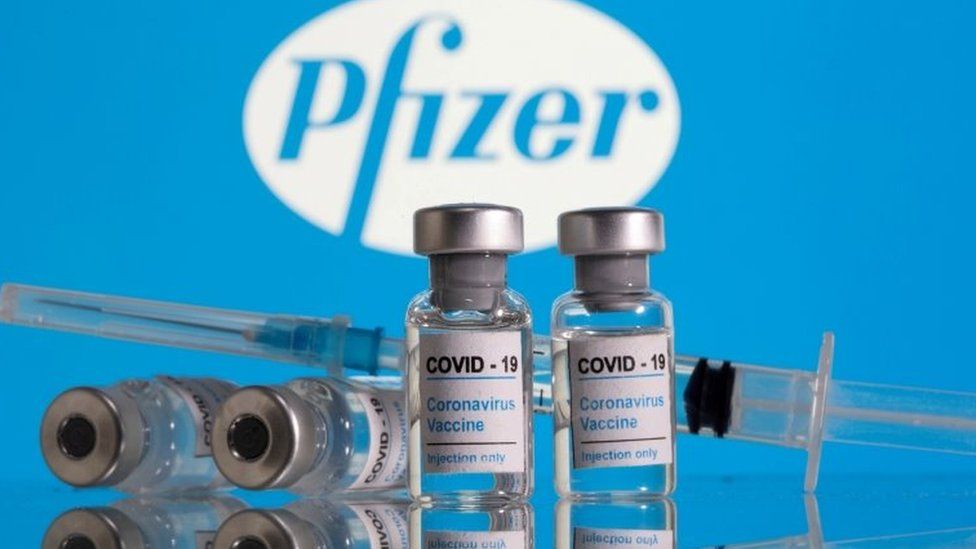
SharecloseShare pageCopy linkAbout sharingImage source, ReutersPfizer and BioNTech have started clinical trials of a new Covid vaccine which targets the Omicron variant.The companies plan to test the protection gained from the new vaccine as a booster jab and as three separate jabs in unvaccinated people.More than 1,400 adults are expected to be enrolled in the trial, likely to be in the United States.US company Moderna is planning to begin trials of its own Omicron-specific shot soon.Oxford University and AstraZeneca have also started working on a new version of their vaccine.Vaccine developers had always planned to tweak their original Covid vaccines as new variants emerged, but the arrival of the fast-spreading Omicron strain in the last two months has hastened that process.Many countries have now offered a booster or third dose of their original vaccine, which has been shown to provide a good level of protection against serious illness and death – even against Omicron.But protection against infection and mild symptoms is much lower and could decline more quickly.”Staying vigilant against the virus requires us to identify new approaches for people to maintain a high level of protection, and we believe developing and investigating variant-based vaccines, like this one, are essential in our efforts towards this goal,” said Kathrin U. Jansen, senior vice-president and head of vaccine research and development at Pfizer. Prof Ugur Sahin, CEO and co-founder of BioNTech, said new data indicated that “vaccine-induced protection against infection and mild to moderate disease wanes more rapidly than was observed with prior strains”.”This study is part of our science-based approach to develop a variant-based vaccine that achieves a similar level of protection against Omicron as it did with earlier variants, but with longer duration of protection.”The companies say they expect to produce four billion doses of their Covid-19 vaccine this year, and this number will include doses of the updated vaccine if trials suggest it is needed.In the trial of the new vaccine, 615 adults will receive two doses of the current Pfizer-BioNTech vaccine, followed by one or two doses of the Omicron-targeted jab.A second group of 600 who received three doses of the current vaccine will get another of the current one or the Omicron vaccine.Finally, a small group of 200 unvaccinated adults will receive three doses of the new Omicron-targeted shot.Within days of the Omicron variant being detected in South Africa, vaccine manufacturers said new versions of their vaccines to target the variant could be ready within 100 days.But there are still doubts over whether an updated vaccine would be any better than the current versions.They were designed to target the original virus which emerged from China, and they also provide high levels of protection against the Alpha and Delta variants.In recent days, Prof Andrew Pollard, who led the development of the Oxford-AZ vaccine, said Omicron had spread at such speed that it was “quite difficult to make and deploy an updated vaccine quickly enough” to make a difference.

Read more →

Lead lurking in your soil? New Chicago project maps distribution

Lead exposure in early childhood can have lifelong consequences, including brain damage, developmental delays, and learning and behavioral disorders. Preventing these devastating outcomes means avoiding lead, but that’s only possible if you know where to find it.
Lead haunts old homes in chipping paint and pipes, but it also lurks outside, in soil. It’s the stuff of mud pies and garden plots, crumbling from boot treads to join household dust in forgotten corners. It’s easily overlooked, but soil can be an important source of lead where children live and play.
A new soil sampling endeavor from the University of Illinois and Illinois Extension reveals elevated lead in parkways and backyards across Chicago. According to the study, every single sample measured lead above the naturally occurring level of 20 parts per million (ppm). And the median value across the city’s parkways was 11 times that amount: 220 ppm.
“The previous soil lead assessment of Chicago took only 57 samples, so we went up by orders of magnitude,” says Andrew Margenot, assistant professor in the Department of Crop Sciences at U of I and lead author on the study. “But we found the same result overall — approximately 10 times enrichment above naturally occurring soil lead levels.”
The U.S. Environmental Protection Agency sets the maximum threshold for soil lead at 400 ppm for bare soil where children play, and Illinois uses the same standard. Other states, such as California and Minnesota, set the threshold far more conservatively at 80 and 100 ppm, respectively.
In Chicago, 93% of soil samples came in above 80 ppm. But, using the federal and Illinois EPA standard, 94% of the samples were below the threshold of 400 ppm.

Read more →

'Lefty' tightens control of embryonic development

A protein known as Lefty pumps the brakes as human embryos begin to differentiate into the bones, soft tissues and organs that make us.
This inhibitor protein is key during the early stages of life when the fates of embryonic stem cells are determined by the Nodal signaling pathway, according to Rice University bioscientists.
Experiments by the lab of Rice’s Aryeh Warmflash and led by postdoctoral researcher Lizhong Liu have visualized for the first time the mechanism by which Nodal and Lefty interact to specify the future body plan in a mammalian embryo.
Their results appear in the open-access journal Nature Communications.
The study shows not only how Nodal signaling molecules, known as morphogens, are held in check by Lefty but also that Nodal proteins are passed directly from cell to cell, triggering transcription of new Nodals by the recipient. At the same time, a wave of Lefty transcription is transiently triggered in the cells when they first receive Nodal, regulating the speed of the wave.
“Basically, we show that rather than gradients of protein forming and instructing cells to become different cell types, the molecules involved do not diffuse at all,” Warmflash said. “Instead, cells relay the signal so that each cell produces the signal and passes it to its neighbor, which causes the neighbor to produce it and so on. It’s kind of like a game of telephone.”
The unique experimental model developed by Warmflash and his team over many years allows them to see early stages of gastrulation, during which the initial stages of differentiation happen. The circular colonies of cells bear no resemblance to embryos and follow established ethics, but the cells communicate and react in a realistic way as they differentiate into three characteristic germ layers — the ectoderm, mesoderm and endoderm — from the center toward the rim.

Read more →

Combined 3D modelling technique predicts abnormal heart rhythms in patients with genetic heart disease

Modelling the heart in 3D using combined imaging techniques can help predict heart rhythm abnormalities, or arrhythmias, in patients with a genetic heart disease, shows a study published today in eLife.
The technique may one day help clinicians determine which patients with a condition called hypertrophic cardiomyopathy might benefit the most from a defibrillator.
Hypertrophic cardiomyopathy is a disease that causes thickening and scarring in the heart muscles. Some people may not have clear symptoms of the condition, but others may develop heart rhythm abnormalities that can lead to sudden death.
“There are ways to predict which patients are at risk of developing heart arrhythmias and who might benefit from a defibrillator, but these methods are not highly accurate,” explains first author Ryan O’Hara, Research Assistant at the Trayanova Lab, Johns Hopkins University, Baltimore, Maryland, US. “We wanted to develop a more accurate and personalised approach for predicting abnormal heart rhythms in patients with hypertrophic cardiomyopathy.”
To do this, O’Hara and his colleagues combined two techniques: contrast-enhanced cardiac magnetic resonance imaging with late gadolinium enhancement, and post-contrast T1 mapping. Together, these methods enabled the team to construct digital, personalised replicas of patients’ hearts, including specific scarring and thickening characteristics, and to evaluate the likelihood that they would go on to develop heart arrhythmias.
Testing this approach in 26 patients showed that it accurately predicted which patients would develop abnormal heart rhythms approximately 80% of the time. “This is a substantial improvement over currently used prediction techniques, which are only accurate about half of the time,” O’Hara says.
Their work also showed that cardiac diffuse fibrosis — lesions that are associated with progression to heart failure, but are rarely assessed in patients with hypertrophic cardiomyopathy — can increase these patients’ likelihood of developing an abnormal heart rhythm.
More studies are now needed to confirm if this personalised modelling approach can be used to guide patient care before the technique can be adopted more widely.
“If our technology is shown by larger studies to be superior to existing prediction methods, then it could help ensure that patients at high risk of heart arrhythmia receive a defibrillator or other appropriate intervention,” concludes senior author Natalia Trayanova, the Murray B. Sachs Professor of Biomedical Engineering and Medicine at Johns Hopkins University. “Likewise, it could also ensure that patients who are unlikely to benefit are spared the risks of implantation.”
Story Source:
Materials provided by eLife. Note: Content may be edited for style and length.

Read more →

New study validates benefits of convalescent plasma for some COVID-19 patients

Transfusions of blood plasma donated by people who have already recovered from infection with the pandemic virus may help other patients hospitalized with COVID-19, a new international study shows.
The treatment, known as convalescent plasma, is still considered experimental by the U.S. Food and Drug Administration (FDA). Plasma contains antibodies, blood proteins that are part of the immune system. Shaped so they can attach to the virus that causes COVID-19, SARS-CoV-2, antibodies glom onto and tag it for removal from the body, researchers say.
Led by researchers at NYU Grossman School of Medicine, the study showed that among 2,341 men and women, those who received an injection of convalescent plasma soon after hospitalization were 15% less likely to die within a month from COVID-19 than those who did not receive convalescent plasma or those who received an inactive saline placebo.
Notably, the researchers found that the biggest benefits for the therapy were among patients most at risk for severe complications because of pre-existing conditions, such as diabetes or heart disease. The treatment, which contains antibodies and other immune cells needed to fight the infection, also appears to benefit those with type A or AB blood.
“Our results show that, overall, patients hospitalized with COVID-19 may derive modest benefit from convalescent plasma, with some patient subgroups benefiting more than others,” says study lead investigator and biostatistician Andrea Troxel, ScD. With respect to the groups most likely to benefit, the FDA on Dec. 28, 2021, revised the Emergency Use Authorization for convalescent plasma, limiting its use to patients with diseases that suppress their immune systems, or that receive medical treatments with the same effect.
“Patients with co-existing disease were most likely to show improvement from convalescent plasma, probably because they have the most difficulty producing antibodies to fight their infection,” adds Troxel. “The infused plasma boosts their body’s ability to fight the virus, but only in the early stage of the disease and before the illness overwhelms their body.”
The current study findings, published in the journal JAMA Network Open online Jan. 25, come from the pooling of patient information from eight recently completed studies in the United States, Belgium, Brazil, India, the Netherlands, and Spain on the effects of convalescent plasma for COVID-19.

Read more →

Most 'pathogenic' genetic variants have a low risk of causing disease

Imagine getting a positive result on a genetic test. The doctor tells you that you have a “pathogenic genetic variant,” or a DNA sequence that is known to raise the chances for getting a disease like breast cancer or diabetes. But what exactly are those chances — 10 percent? Fifty percent? One hundred? Currently, that is not an easy question to answer.
To address this need, researchers at the Icahn School of Medicine at Mount Sinai analyzed the DNA sequences and electronic health record data of thousands of individuals stored in two massive biobanks. Overall, they discovered that the chance a pathogenic genetic variant may actually cause a disease is relatively low — about 7 percent. Nonetheless, they also found that some variants, such as those associated with breast cancer, are linked to a wide range of risks for disease. The results, published in JAMA, could alter the way the risks associated with these variants are reported, and one day, help guide the way physicians interpret genetic testing results.
“A major goal of this study was to produce helpful, advanced statistics which quantitatively assess the impact that known disease-causing genetic variants may have on an individual’s risk to disease,” said Ron Do, PhD, Associate Professor of Genetics and Genomic Sciences and a member of The Charles Bronfman Institute for Personalized Medicine at Icahn Mount Sinai.
Over the past 20 years scientists have discovered hundreds of thousands of variants that could cause a variety of diseases. However, due to the nature of these discoveries, it has been difficult to estimate — or provide statistics on — the true risk of this happening for each gene variant. So far, most estimates have been based on studies involving a small number of subjects, who were either part of a family that had a history of having a disease or were recruited at disease-specific clinics. But studies like these that do not use randomly chosen large populations may produce overestimates of the risk posed by variants.
In this study, the researchers tackled the issue by searching large-scale DNA sequencing data of 72,434 individuals for 37,780 known variants and then scanning each individual’s health records for a corresponding disease diagnosis. The extensive search involved 29,039 participants in Mount Sinai’s BioMe® Biobank program and 43,395 participants who were part of the UK Biobank.
The study was led by Iain S. Forrest, an MD-PhD candidate in Dr. Do’s lab who found inspiration from prior clinical experience he had as part of a postbaccalaureate fellowship at the National Institutes of Health (NIH).

Read more →

Using the eye as a window into heart disease

Scientists have developed an artificial intelligence (AI) system that can analyse eye scans taken during a routine visit to an optician or eye clinic and identify patients at a high risk of a heart attack.
Doctors have recognised that changes to the tiny blood vessels in the retina are indicators of broader vascular disease, including problems with the heart.
In the research, led by the University of Leeds, deep learning techniques were used to train the AI system to automatically read retinal scans and identify those people who, over the following year, were likely to have a heart attack.
Deep learning is a complex series of algorithms that enable computers to identify patterns in data and to make predictions.
Writing in the journal Nature Machine Intelligence, the researchers report that the AI system had an accuracy of between 70% and 80% and could be used as a second referral mechanism for in-depth cardiovascular investigation.
The use of deep learning in the analysis of retinal scans could revolutionise the way patients are regularly screened for signs of heart disease.

Read more →