Suppressing the spread of tumors

Why some patients develop metastases and others do not is largely unclear. Researchers around ISTA professor Daria Siekhaus are now contributing to a better understanding of the process in certain types of cancer. They took a close look at the role of a protein called MFSD1 — the mammalian relative of a protein they had previously identified as affecting cell migration in fruit flies. Therefore, first author Marko Roblek from the Siekhaus group created mouse cancer cells lacking the protein. Without the protein, cells traveled much faster, suggesting that MFSD1 prevents the cells from moving. Together with collaborators from the University of Zurich, the team tested their theory in living mice with breast, colon, and skin cancer. “In the absence of MFSD1, there was a strong increase in metastasis,” Daria Siekhaus summarizes the results.
Cancer cells resist starvation and stress
“We wanted to know why lower MFSD1 levels were beneficial to the tumor apart from allowing them to move more freely. As cancer cells travel through the blood for example, they experience a lot of mechanical stress,” Marko Roblek explains. Thus, the researchers performed a stress test on cancer cells with and without the protein. Using a tiny rubber scraper, Roblek tried to scrape the cells off the surface of the Petri dish in which he had grown them. While the cancer cells containing MFSD1 quickly died under the mechanical stress, those without the protein tended to remain intact. Without the protein, the team concluded, certain tumor cells could more easily enter the bloodstream and find their way to other parts of the body. In another experiment, the researcher tested the cancer cell’s resistance to nutrient starvation with a similar result. Again, the cells lacking MFSD1 survived for longer.
Protein prevents detachment
The team was able to show that both the cell’s reaction to starvation and mechanical stress are caused by the protein MFSD1. It does so by affecting specific receptors located at the cell surface. These so called integrins ensure the cells stick to each other and the extracellular matrix, a dens network surrounding the cells in our body. In a constant circle, the cell produces these receptors, transports them to the cell surface and back inside the cell. If a tumor cell lacks MFSD1, they fail to recycle a certain type of integrin. “The result is, that the cells stick less to the surrounding tissue and each other, which makes it easier for them to migrate,” says Daria Siekhaus.
Patient data supports findings
The team’s findings are also supported by an analysis of patient data by Rita Seeböck from the University Hospital St. Pölten, Austria. The data, which is available online to researchers in anonymized form, showed a correlation between the level of MFSD1 and the patient’s prognosis. “We’ve seen that patients suffering from specific forms of breast, gastric and lung cancer who had lower levels of MFSD1 had a worse outcome. A high level of MFSD1 seems to be protective — it works like a suppressor of tumor metastasis,” cancer researcher Roblek says.
To optimize therapy for their patients, doctors are already analyzing the expression of certain genes. Now, they can also look for the gene encoding the protein MFSD1. “If this marker becomes more established, doctors can use it to help classify how aggressive the cancer is and to decide between different treatment options,” suggests biologist Daria Siekhaus. In future studies, the team wants to focus in detail on how the protein functions on a molecular level and is curious to learn if artificially raising the amount of MFSD1 could help suppress the spread of certain tumors. The long term goal is to examine if it can be used as a therapeutic target.
Story Source:
Materials provided by Institute of Science and Technology Austria. Note: Content may be edited for style and length.

Read more →

Simulation training helps hone advanced surgical skills, international trial finds

A large-scale study has found that simulation-based surgical training produced an increase of surgeons’ skills for more complex surgeries.
Practice makes perfect, but what if the practice can be life-threatening? Dangerous professions, such as aviation or the military, require extensive simulation-based training to limit the potential peril as a person gains experience and learns how to do the job. With advances in technology, simulation-based training is an option to improve skills in even more fields, including surgery.
An international research team leading a randomized controlled trial across 10 countries found that while simulation-based training did not statistically improve initial learning curves regarding surgeon’s general proficiency, it did produce an increase of skills in more complex surgeries, with fewer total complications and ureteric injuries in the simulation group. The results were published in the journal European Urology.
“To date, there have been limited data, mostly from small-scale studies conducted with medical students, assessing the transferability of surgical simulation,” said one of the paper’s authors, Takashige Abe, Associate Professor of Urology at Hokkaido University’s Graduate School of Medicine in Japan. “The aim of this multicenter international randomized controlled trial was to evaluate whether surgical residents who undergo additional simulation training are able to achieve proficiency sooner and with better patient outcomes when compared to standard operation room-based training.”
The trial followed 65 participants in 10 countries for 18 months, or to a completion of 25 procedures. Split relatively evenly by location, a total of 32 participants received simulation-based training and 33 received conventional apprenticeship-style training. Both remained supervised by more experienced surgeons. Altogether, the participants performed a total of 1,140 surgeries, either semi-rigid or flexible ureteroscopy to remove ureteral or renal stones, respectively, demonstrating “mixed results” in proficiency.
“For our primary outcome measure, while we showed what might be deemed a clinically meaningful difference, it was not statistically significant,” Abe said. “However, when stratified to each procedure type, there were higher rates of proficiency in the simulation-based training group when it came to the more technically challenging flexible ureteroscopy procedure.”
Abe also noted that those who underwent simulation-based training outperformed the other group, scoring higher on a standard assessment for each surgery.
“Simulation-based training led to higher overall proficiency scores than for conventional training, and fewer procedures were required to achieve proficiency in the complex form of the index procedure, with fewer serious complications overall,” Abe said. “It is expected that the results of the trial will have a positive impact for advanced procedural training beyond the fields of surgery and urology in order to promote patients’ safety as well as better surgical outcomes.”
Story Source:
Materials provided by Hokkaido University. Note: Content may be edited for style and length.
Read more →

Newly discovered effect of toxic goiter on brain

Toxic goiter affects the brain more than was previously known, a University of Gothenburg study shows, and involves volume changes occurring in central parts of the brain. These findings are described as a key advance for a vulnerable group of patients.
Toxic goiter, or hyperthyroidism, is a relatively common condition. Its incidence rises with age and most people who suffer from it are women. Hyperthyroidism is characterized by excessive hormone production in the thyroid gland, which speeds up metabolism and makes many processes work faster. Sweating, palpitations, and fatigue are common symptoms. Thyroid disorders have long been known to cause both physical and mental symptoms. Previously, these symptoms were thought to be associated only with abnormal hormone levels. Now, however, researchers from the University of Gothenburg and Sahlgrenska University Hospital are finding physiological brain changes in hyperthyroidism. The patient base in the present study comprised 62 women recently diagnosed with Graves’ disease, the most common form of hyperthyroidism. The women underwent various investigations and, after treatment, 48 of them were followed up for a set period of 15 months. The results were compared with those from a group with normal thyroid function who were examined at corresponding intervals.
Mental symptoms and MRI examination
“Every participant underwent a thorough investigation of mental symptoms and magnetic resonance imaging (MRI) of the brain, focusing particularly on central parts of the brain, such as the hippocampus and amygdala — areas we know are often implicated in altered cognitive function in other pathological conditions,” says Mats Holmberg, Chief Physician and researcher in endocrinology, who is the study’s lead author. What the scientists show in their study, published in The Journal of Clinical Endocrinology & Metabolism, is that central parts of the brain shrink when hormone levels are high, and that these parts largely resume their normal size when the hormone levels normalize and symptoms subside. Helena Filipsson Nyström, Associate Professor of endocrinology at Sahlgrenska Academy, University of Gothenburg, Chief Physician at Sahlgrenska University Hospital, and head of CogThy, the study that forms the basis for the current publication. “The fact that we can now show that the brain is genuinely affected is highly significant for the future. For decades, the patients in our group have testified that they don’t feel they’ve recovered, and we hope our study will provide further clues about what happens in the brain,” Filipsson Nyström says.
More publications coming up
“Just the fact that we can say that Graves’ disease affects the brain represents several key steps forward. First, it’s important for patients that research is underway in this area since it’s been neglected for so long. Second, it also results in new studies on what goes on in the brain in toxic goiter,” Filipsson Nyström says. Her colleague Mats Holmberg, Ph.D., of the University of Gothenburg, who works at Karolinska Institutet and Karolinska University Hospital as well, also emphasizes that multiple questions remain. “These are the first findings from our study, and they’ll be followed by several publications with both further data from the magnetic camera part of the study, a survey of the symptoms shown, and functional investigation of the brain,” Holmberg says.
Story Source:
Materials provided by University of Gothenburg. Note: Content may be edited for style and length.

Read more →

Study in mice shows potential for gene-editing to tackle mitochondrial disorders

Defective mitochondria — the ‘batteries’ that power the cells of our bodies — could in future be repaired using gene-editing techniques. Scientists at the University of Cambridge have shown that it is possible to modify the mitochondrial genome in live mice, paving the way for new treatments for incurable mitochondrial disorders.
Our cells contain mitochondria, which provide the energy for our cells to function. Each of these mitochondria is coded for by a tiny amount of mitochondrial DNA. Mitochondrial DNA makes up only 0.1% of the overall human genome and is passed down exclusively from mother to child.
Faults in our mitochondrial DNA can affect how well the mitochondria operate, leading to mitochondrial diseases, serious and often fatal conditions that affect around 1 in 5,000 people. The diseases are incurable and largely untreatable.
There are typically around 1,000 copies of mitochondrial DNA in each cell, and the percentage of these that are damaged, or mutated, will determine whether a person will suffer from mitochondrial disease or not. Usually, more than 60% of the mitochondria in a cell need to be faulty for the disease to emerge, and the more defective mitochondria a person has, the more severe their disease will be. If the percentage of defective DNA could be reduced, the disease could potentially be treated.
A cell that contains a mixture of healthy and faulty mitochondrial DNA is described as ‘heteroplasmic’. If a cell contains no healthy mitochondrial DNA, it is ‘homoplasmic’.
In 2018, a team from the MRC Mitochondrial Biology Unit at the University of Cambridge applied an experimental gene therapy treatment in mice and were able to successfully target and eliminate the damaged mitochondria DNA in heteroplasmic cells, allowing mitochondria with healthy DNA to take their place.

Read more →

The forgotten flu epidemic of 1989

In 1989, a flu epidemic took hold in Scotland, causing disruption to the education of young people and the hospital care of others as many teachers and nurses were off sick.More people in Scotland died at the height of the ’89 epidemic than at the peak of the first wave of Covid-19 in 2020. But that is only part of the story.As part of the BBC Rewind archive project, we look back at a flu epidemic that has now largely been forgotten.Video by Graham Stewart and Graham Fraser

Read more →

Miscarriage: 'I was in pain and they did not listen'

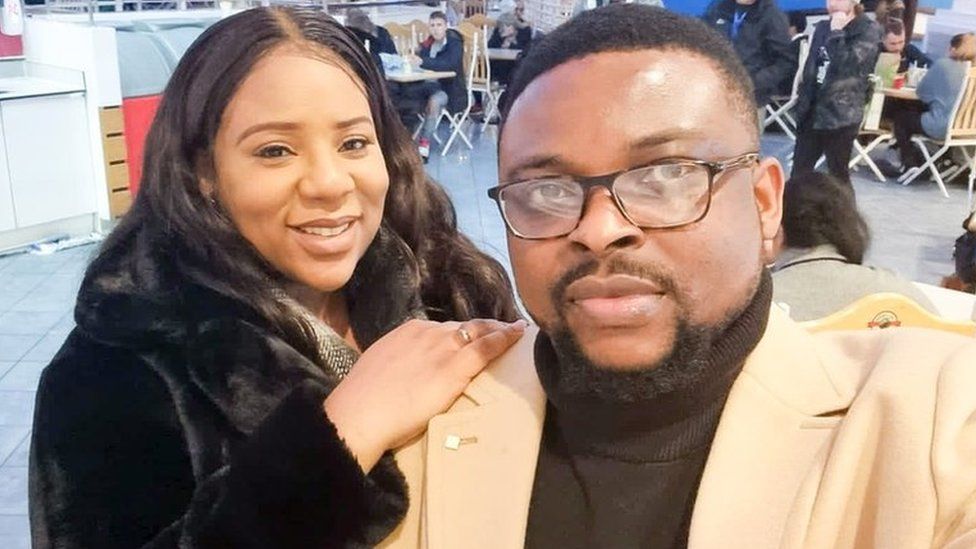
SharecloseShare pageCopy linkAbout sharingImage source, Isabel Gomes Obasi Research shows black women are at a 40% higher risk of pregnancy loss than white women.It is an urgent problem, which the Royal College of Obstetricians and Gynaecologists says needs greater attention, with many complex reasons driving this higher risk. These include a lack of quality research involving all ethnicities – but RCOG head Dr Edward Morris says implicit racial bias is also affecting some women’s experience of care.Isabel Gomes Obasi and her husband, Paulson, from Coventry, are expecting a baby boy in March. They are excited but extremely anxious. Almost a year ago, their baby boy Andre died four months into Isabel’s pregnancy. She also had stillborn twins, in 2012. ‘Laughed at’Giving birth to Andre was extremely traumatic, Isabel says, but how she was treated when in severe pain and bleeding, in the days before her loss, made the experience worse.”We knew something was wrong, so we went into hospital and waited five hours to be seen by a doctor,” she says. “I remember being laughed at by one of the nurses, who said, ‘Just go home. Why do you keep coming in?'”Isabel was checked over and told the baby was fine but says her intuition and pain were belittled and ignored. “It got to the point where I started questioning myself,” she says. “‘Am I going crazy? Am I making these symptoms up?'”Within 48 hours of going home, Isabel began bleeding heavily.There is little doctors can do at this relatively early stage of pregnancy to save a baby’s life. But the feeling of not being listened to has stayed with Isabel ever since. “I just shut down,” she says. “The experience made me anxious and depressive, if not suicidal.”Asked why she was not listened to, her shaky voice becomes steely. “The colour of my skin,” she says – the attitude of some staff was: “‘You have black skin – you are not from here – you can wait.'” Higher risksAbout one in five pregnancies ends in miscarriage. About half of all losses are thought to involve severe chromosomal issues affecting a baby’s genetic code, meaning the baby would never have survived.Conditions including high blood pressure, some infections and gynaecological conditions such as endometriosis can contribute to higher risks. But other potential causes remain unclear. This video can not be playedTo play this video you need to enable JavaScript in your browser.And while all ethnicities can have difficult experiences of pregnancy and care, black women are four times more likely to die in childbirth than white women and face higher rates of stillbirth and miscarriage.Miscarriage Association trustee Natasha Necati, from Essex, who has had eight miscarriages, says there was no “blatant racism” in her care – but, like Isabel, there were times she was not listened to. “I haven’t always felt I have been taken seriously,” she says. “I have, in some cases, complained about serious amounts of pain during miscarriages and it was kind of pooh-poohed.”One of Natasha’s key concerns is little research is funded into why black women face higher risks.”Surely if it was deemed important, tens of thousands of pounds would be being spent on getting answers,” she says. “It makes you question whether it is seen as important – and if it is not important, why not?”‘Stark difference’Dr Morris says it is “unacceptable” women belonging to ethnic minorities face worse outcomes than white women – especially in maternity care. “Implicit racial bias from medical staff can hinder consultations and negatively influence treatment options,” he says.And this can stop some women engaging with healthcare. Dr Christine Ekechi, who co-leads an RCOG taskforce launched in 2020 to tackle these inequalities, says more needs to be done to include black women’s experiences in conversations and research around miscarriage and raise awareness among ethnic minorities. But she warns against reducing the reasons for the higher rates of miscarriage to ethnicity alone. “The thing that needs greater consideration is the understanding that every woman irrespective of their ethnicity, or race, is of value,” Dr Ekechi says. “I really push against the homogenisation or the grouping of all black women as one, that their thoughts and their beliefs and experiences are all the same – they are not.”And so really where the problem occurs is when we don’t see black women as equal to any other women.”We want all women to feel heard and valued and treated with kindness – but in understanding better the causes of miscarriage in all women, we may get closer in understanding why we see this stark difference for black women.”Image source, Prof QuenbyLeading researcher Prof Siobhan Quenby, who runs the Tommy’s National Centre for Miscarriage Research at University Hospital Coventry, says there is a lot to investigate – black and Asian women have higher rates of gestational diabetes, for example, and may have higher blood sugar levels in early pregnancy. Studies also show the balance of bacteria in the vagina may differ between ethnicities. “We have also not worked out yet whether, for example, black and Asian women respond differently to the hormone progesterone,” Prof Quenby says.The National Institute for Health and Care Excellence has guidance for the NHS on recurrent miscarriages The BBC Action Line has details of organisations offering supportOrganisations such as Five X More put together campaigns and work with black women to provide support Prof Quenby’s team are working on an app where people add details such as ethnicity, weight and whether they have had previous miscarriages and then receive evidence-based advice on how to lower risks – such as taking certain medications or maintaining a healthy weight.Some feel the issue so complex, with so many factors, it is unsolvable, she says, but there are solutions – and many women will one day be given the right treatment and care for what is currently unknown.Follow @Tulip Mazumdar on Twitter.RCOG – Royal College of Obstetricians and GynaecologistsThe BBC is not responsible for the content of external sites.

Read more →

Woman who had eight miscarriages felt ignored

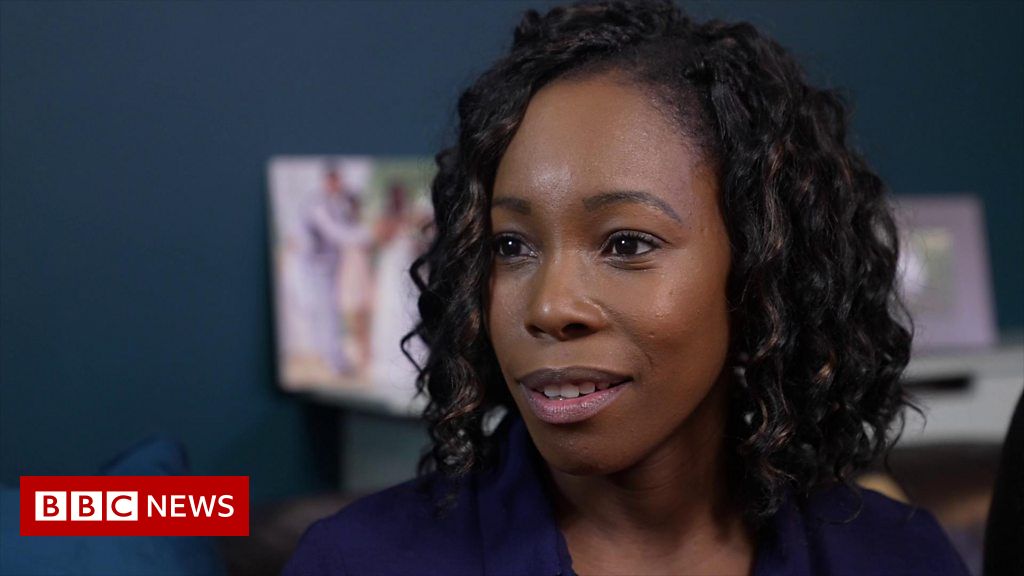
Research shows black women are at a 40% higher risk of pregnancy loss than white women. The UK’s Royal College of Obstetricians and Gynaecologists says the problem is urgent and needs greater attention. It says many complex reasons are driving this higher risk. Natasha Necati from Essex, is a trustee of the Miscarriage Association and she suffered eight miscarriages over 12 years.She spoke to the BBC’s Tulip Mazumdar about her experiences.

Read more →

Biden’s Top Science Adviser Resigns After Acknowledging Demeaning Behavior

The adviser, Eric S. Lander, had apologized for his workplace conduct. The president had pledged to immediately fire any official who acted that way toward colleagues.WASHINGTON — Eric S. Lander, the president’s top science adviser, resigned Monday evening after acknowledging that he had demeaned and disrespected his colleagues, behavior that prompted immediate questions about how he could keep his job given President Biden’s promise to fire any aide who disrespected others.“The president accepted Dr. Eric Lander’s resignation letter this evening with gratitude” for his work, Jen Psaki, the White House press secretary, said in a statement. “He knows that Dr. Lander will continue to make important contributions to the scientific community in the years ahead.”Dr. Lander, a cabinet-level official, apologized in an email to his staff after an internal investigation found that he had violated an administration policy that outlines rules for respectful workplace conduct. In his resignation letter to the president, he again expressed regret for having been disrespectful. “I am devastated that I caused hurt to past and present colleagues by the way in which I have spoken to them,” Dr. Lander wrote in his resignation letter. “I have sought to push myself and my colleagues to reach our shared goals — including at times challenging and criticizing. But it is clear that things I said, and the way I said them, crossed the line at times into being disrespectful and demeaning, to both men and women.”Mr. Biden, on his first day in office, said he would immediately terminate anyone who was caught showing disrespect to another colleague.“If you’re ever working with me and I hear you treat another colleague with disrespect, talk down to someone, I promise you I will fire you on the spot,” Mr. Biden told a group of appointees on Inauguration Day. “Everybody, everybody is entitled to be treated with decency and dignity. That’s been missing in a big way for the last four years.”Since then, the White House has faced questions on how Mr. Biden’s edict has been applied across the administration.In February, T.J. Ducklo, a former deputy White House press secretary, resigned after he had used abusive and sexist language with a female reporter. (The resignation only came after an outcry over his initial punishment, which was suspension without pay for a week.)The case of Dr. Lander was revealed earlier by Politico. Rachel Wallace, who served as Dr. Lander’s former general counsel, brought a complaint against him and other leaders in the Office of Science and Technology Policy.“Lander’s apology did not come close to addressing the full extent of his egregious behavior,” she said in an interview with Politico, choosing to reveal her identity after she read the letter he sent to employees.“Numerous women have been left in tears, traumatized, and feeling vulnerable and isolated,” Ms. Wallace said.The investigation into Ms. Wallace’s complaint found that he had engaged in “bullying” behavior toward her. Investigators also uncovered “credible evidence of instances of multiple women having complained to other staff about negative interactions with Dr. Lander,” according to the Politico report.An administration official, who was not authorized to speak publicly about the process, said that the investigation did not find credible evidence of gender-based discrimination and that Ms. Wallace’s reassignment was deemed appropriate. Ms. Wallace is now deputy counsel and chief operating officer at the office.The White House initially stood by Dr. Lander. Ms. Psaki fielded questions from reporters on the matter earlier on Monday, including several who questioned how the president could operate with a zero-tolerance policy on workplace harassment if Dr. Lander remained employed.But pressure quickly mounted after Ms. Wallace publicly said that his apology was not sufficient, and that his behavior had been widespread, abusive, and focused on women.“Our objective and the president’s objective is to prevent this behavior from ever happening again,” Ms. Psaki said.Ms. Psaki referred repeatedly to the administration’s “Safe and Respectful Workplace Policy across the Executive Office of the President,” which she said was completed early in Mr. Biden’s tenure.The document, sent by Dana Remus, the White House counsel, to employees in May, states that “discrimination; harassment, including sexual harassment; bullying; and retaliation violate the respect owed to every employees in the White House, and such conduct will not be tolerated,” according to a copy obtained by The New York Times. Bullying is defined in the policy as “repeated behavior that a reasonable individual would find disrespectful, intimidating, hostile, degrading, humiliating or offensive.”Ms. Psaki said Dr. Lander’s background had been extensively vetted during his Senate confirmation process, for which she noted he had received bipartisan support. It was not a smooth road. During the process, Dr. Lander was questioned by Republicans and Democrats about his past contact with Jeffrey E. Epstein, the former financier and convicted sex offender. He also apologized for “understating” the contributions of two female scientists to the discovery of gene-editing technology.At the time, Senator Tammy Duckworth, Democrat of Illinois, gave him some advice: She said she hoped the doctor would “use this hearing as an opportunity to explain how you have learned from your past mistakes.”On Monday, members of the House Committee on Science, Space and Technology requested that the White House provide them with a copy of the administration’s internal investigation report.Dr. Lander, a molecular biologist who is best known as one of the leaders of the Human Genome Project and former head of the Broad Institute of M.I.T. and Harvard, is the first person in his role to be elevated to the presidential cabinet. He is in charge of the president’s cancer “moonshot” initiative, which aims to reduce the death rate from cancer by at least 50 percent over 25 years. In recent weeks, he had delivered briefings on the subject to the president and first lady, whose eldest son, Beau, died of brain cancer in 2015.But by the time he was appointed to be Mr. Biden’s science adviser, he was well known within the scientific community for offending women. Last January, 500 female scientists published an editorial in Scientific American that pleaded with Mr. Biden to consider naming someone else — preferably a woman — to the position.“While we can celebrate the Biden-Harris administration’s commitment to science, we must recognize that Lander has a reputation among some scientists for being controversial, and colleagues have criticized him for his ‘ego without end,’” the group wrote. They also pointed out that he had in the past toasted James Watson, a molecular biologist who, the authors of the letter wrote, had a “long history of racist and sexist comments.”

Read more →

Worrying numbers of older children having energy drinks regularly

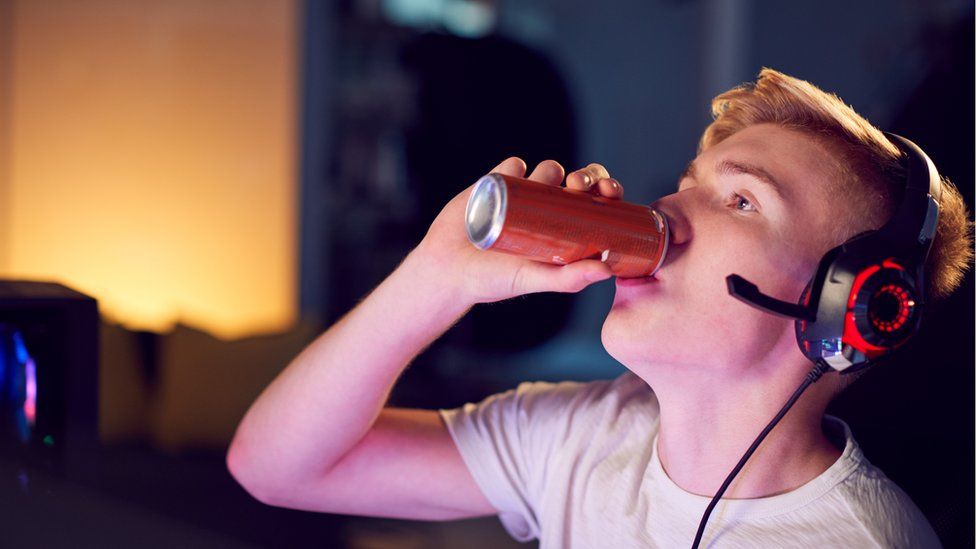
SharecloseShare pageCopy linkAbout sharingImage source, Getty ImagesUp to a third of UK children – mostly young teens – consume at least one energy drink a week, while some are having them almost daily, new research suggests. Those who drink lots may get headaches and sleep problems, warn the authors of a report in the BMJ Open.High consumption is also linked to worse educational outcomes.Many shops already stop under-16s from buying the drinks, which can be high in caffeine, sugar and other stimulants. A single 250ml can might contain about as much caffeine as a double espresso. The UK government has already said it will soon ban sales to children, because advice and warning labels have not been enough of a deterrent for some. The latest study, commissioned by the Department of Health and Social Care, analysed data on thousands of UK children, as well as consumption by youngsters in other countries from around the world, including the US and Canada.The findings suggest:up to half of children globally, and a third of UK children, consume these drinks at least weeklyboys drink them more often than girlshigher consumption is linked to greater poverty/deprivationfrequent consumption – five or more times a week – is linked to poorer mental and physical health, and worse academic performanceLead researcher Claire Khouja, from the University of York, said: “Our research has uncovered consistent evidence of links between the regular consumption of these drinks and harmful effects on children’s overall wellbeing. These findings offer support for a government policy banning the sale of energy drinks to children.”Our study also indicates that children who are better informed about the contents of energy drinks, drink less, suggesting that an education campaign and/or more prominent warnings on packaging could reduce consumption.”The researchers stress that their findings rely on surveys, and so cannot prove that energy drinks cause problems for children.What’s in an energy drink and are they dangerous?Supermarkets ban energy drink sales to under-16sLast year, medics writing in the British Medical Journal (BMJ) warned of the dangers of energy drinks, after a student who drank too many developed heart failure.The 21-year-old university student spent 58 days in hospital after consuming four 500ml energy drinks every day for two years.Energy drinks and their ingredients have been deemed safe by regulatory authorities around the world.The British Soft Drinks Association’s director general, Gavin Partington, said: “Our members do not market or promote energy drinks to under-16s, nor do they sample products with this age group.”In addition, energy drinks carry an advisory note stating ‘not recommended for children’.”The BSDA code of practice on energy drinks was introduced by and for our members in 2010 and contains a number of stringent points on responsible marketing. We remain committed to supporting the responsible sale of energy drinks.”How much caffeine?Large (500ml) can of energy drink – 160mgSmall (250ml) can of energy drink – 80mgCup of filter coffee – 90mgDouble espresso – 60mgCup of black tea – 50mgStandard can of cola – 40mgSmall 50g bar of plain chocolate – 25mgSource: BSDABMJ OpenThe BBC is not responsible for the content of external sites.

Read more →

Film starring deaf actors is getting buzz this Oscar season

CODA tells the story of a girl who is the only hearing person in a deaf family and features a nearly all deaf cast. A top contender for a nomination this Oscar season, the film – which takes its name from the acronym for children of deaf adults – has been celebrated by disability rights advocates for its honest and complex portrayal of deaf culture.

Read more →