The Coronavirus Menagerie

Barbara Han, a disease ecologist at the Cary Institute of Ecosystem Studies, knew it was a question of when, not if, the coronavirus would spread to animals. As the first reports of infected animals appeared in 2020, she began working on an artificial intelligence model that would predict which creatures might be next.“We had a pretty lofty goal of being able to predict exactly which species we should be keeping an eye on, given that we think it’s going to spill back,” Dr. Han said. As her team worked, the trickle of cases in new species became a flood: cats and dogs in homes and mink on farms. The virus infiltrated zoos, infecting the usual suspects (tigers and lions) as well as more surprising species (the coatimundi, which is native to the Americas and resembles a raccoon crossed with a lemur, and the binturong, which is native to Southeast Asia and resembles a raccoon crossed with an elderly man).Dr. Han and her colleagues ultimately identified 540 mammalian species that were most likely to host and spread the coronavirus. She had been especially worried that the red fox, which ranked high on her list of at-risk creatures, and is widespread in Europe and North America, would be susceptible to the virus. “We’re just waiting for somebody to report it,” she said.Just days earlier, in fact, researchers in Colorado had announced that the virus had proved capable of infecting red foxes in the lab. “Oh no!” Dr. Han exclaimed when informed of the finding. “It really sucks to be right in my line of work.”Last fall, scientists analyzing tissue samples from dead white-tailed deer in Iowa found that the virus was widespread in that species. The discovery intensified concerns that the virus might establish itself in an animal reservoir, mutate and spread to other species, including back to humans. It also opened a rabbit hole: If deer can silently spread the coronavirus, what else could? And what else will?Experts say there is no need to panic, and emphasize that animals are not to blame. “Really, humans are infecting the animals, and now animals are sick and some of them are dying,” Dr. Han said.But identifying the species at risk is crucial for protecting both human and animal health. It is also a formidable scientific problem, with a wide array of potentially vulnerable species. Scientists must analyze a constant, chaotic stream of computational predictions, laboratory data and confirmed infections in zoos, homes and the wild.In an ideal world, scientists would monitor every potentially susceptible population. But in the real one, they are trying to strike a delicate balance between identifying the species of highest concern and casting a wide net as the virus mutates and variants emerge. “It wouldn’t surprise me if you would find an animal species or an animal reservoir that nobody has thought about,” Dr. Diego Diel, a virologist at Cornell University, said.The basics of infectionScientists use a variety of tools to identify susceptible species. Each approach has limitations, but together they paint a fuller picture of which animals are at risk.Some research teams are focusing on the ACE2 receptor, a protein found on the surface of the cells of many species. The coronavirus’s spiky protrusions allow it to bind to these receptors, like a key in a lock, and enter cells.In 2020, a group of scientists compared the ACE2 receptors of hundreds of vertebrates, mostly mammals, with those of humans to determine which species the virus might infect. (The ACE2 receptors of birds, reptiles, fish and amphibians are not similar enough to ours to raise concern.)“The predictions have been very good so far,” Harris A. Lewin, a biologist at the University of California, Davis, and an author of the study, said in an email. The scientists predicted, for instance, that white-tailed deer were at high risk for infection.But some predictions proved entirely wrong: The paper identified farmed mink as a species of “very low” concern — and then in April 2020 the virus raged through mink farms.Indeed, ACE2 offers only a snapshot of susceptibility. “Viral infection and immunity is much more complex than just a virus binding to a cell,” Kaitlin Sawatzki, a virologist at Tufts University, said in an email.And of the world’s nearly 6,000 mammalian species, scientists have sequenced the ACE2 receptors of just a few hundred of them, creating a biased data set. These sequenced species include model organisms used in experiments, species that carry other diseases, and charismatic zoo denizens, not necessarily the animals that people are most likely to encounter.“If a pandemic were to have arisen from a squirrel, we would be like, ‘God, what’s wrong with us? We didn’t even measure the basic biology of a squirrel,’” Dr. Han said. So scientists have to find creative ways to make predictions for animals whose ACE2 sequences remain unknown. ACE2 sequences play a crucial role in basic biological functions, such as regulating blood pressure. By collecting a species’ basic life history details — such as what it eats and whether it is nocturnal — Dr. Han’s team trained a machine learning algorithm to identify those that appeared likely to bind to and transmit the virus, allowing them to predict susceptibility across many more mammals.Scientists can test these computational predictions in the lab by trying to infect animal cells or live animals with the virus. Such experiments can differentiate species that may seem similar; one study found that deer mice could be infected with — and shed — the original version of the virus, while house mice could not.But what happens in a collection of cells does not always occur in real animals, and what happens in a lab, where animals typically receive high doses of the virus, may not reflect real life. For instance, although the original virus can replicate in pig cell lines, actual pigs do not appear to be highly susceptible, researchers found.To learn whether animals have been infected by the virus in the real world, scientists can perform what are known as serology studies, looking for coronavirus antibodies in their blood. “Serology helps us to look at the historical exposure,” Dr. Suresh Kuchipudi, a veterinary microbiologist at Penn State, said.The discovery of widespread antibodies in white-tailed deer set off scientific alarm bells because it indicated that many of the animals had already been infected by the virus . It prompted researchers to look for active infections in the cervids, which they soon found.But sampling and swabbing free-ranging animals can be difficult and time-consuming. So the U.S. Department of Agriculture, which received $300 million under the American Rescue Plan to conduct disease surveillance in animals, is now asking zoos, aquariums and wildlife facilities to send in blood samples, which will be analyzed for coronavirus antibodies.And researchers at Tufts, including Dr. Sawatzki, have enlisted wildlife rehabilitation specialists to swab an eclectic collection of creatures, including black bears, bobcats and hundreds of bats. (Bat rehabilitators often submit guano samples instead of oral swabs, which can be difficult to obtain from the animals. “They have very tiny little mouths,” Dr. Sawatzki said.) So far, all have been negative.Bats have been a source of concern because they are reservoirs for other coronaviruses, and many scientists believe that SARS-CoV-2 initially emerged from bats. But bat species are incredibly diverse, and not all of them appear to be susceptible to the virus — a reminder that animals of highest concern may not be intuitive, scientists said.Complicating matters, the virus is not static, and animals that resisted infection with past variants might be vulnerable to new ones. For example, lab mice that were not susceptible to the original coronavirus or to the Delta variant were susceptible to Beta and Gamma.“That’s the problem with emerging diseases,” said Dr. Scott Weese, an infectious diseases veterinarian at the University of Guelph in Ontario. “You have to keep resetting your knowledge every time something changes,” he added.Marine BuffardA shortlist of speciesBiological susceptibility is just one piece of the puzzle; whether or not a species becomes a reservoir depends on a constellation of factors. “It depends on their social behavior, the immune response that’s mounted by the animals, the population size, the kind of connection with different populations of animals,” said Dr. Keith Hamilton, head of the preparedness and resilience department at the World Organization for Animal Health.For a virus that is overwhelmingly transmitted by humans, a species’s relationship with us matters tremendously. Although narwhals’ ACE2 receptors technically place them at “high risk” for infection, they are not likely to run into us. Still, risk isn’t zero for marine mammals, especially captive ones: In 2006, a human likely transmitted MRSA to a bottlenose dolphin in a marine park in North America.And the risk to pets is manifest.“We’ve heard stories of dogs getting infected from people sharing food and letting them lick off their plates when they were sick,” said Dr. Casey Barton Behravesh, who directs the One Health Office at the Centers for Disease Control and Prevention, which created a national repository for data on coronavirus cases in animals. “Or even drinking out of toilets.”Pet dogs, cats and hamsters can all be infected by the virus. Hamsters in a Hong Kong pet store most likely infected two people, leading to a contentious hamster cull.But we are far more likely to infect our pets than they are to infect us, and many of these infections will be dead ends, scientists predicted. Infectious pets can also be isolated. “Your hamster at home that you may have bought some time ago is not a high risk to you,” Dr. Hamilton said.A larger concern, scientists said, are the “peridomestic” species that live alongside us but roam freely; in North America, these include deer mice, red foxes and feral cats. These animals may act as a bridge between humans and wild populations, spreading the virus to species we may not encounter. And rodents, which are reservoirs for other pathogens, “should be definitely on the top of the list,” Dr. Kuchipudi said.To monitor this potential threat, officials from the U.S.D.A and other agencies are looking for signs of the virus in some of these animals — including rodents, skunks, foxes and opossums — that live in and around zoos, wildlife facilities and mink farms.Globally, certain threatened species are also a top concern. Three snow leopards in a Nebraska zoo died after contracting the coronavirus, and a wild leopard cub in India was found to be infected.And great apes, which frequently encounter tourists and researchers, are vulnerable to other respiratory viruses. “Great apes are uniquely susceptible to human pathogens, because we’re closely genetically related,” said Dr. Kirsten Gilardi, a wildlife veterinarian at the University of California, Davis.So far, no coronavirus infections have been reported in wild apes, but researchers are monitoring the animals closely, collecting fecal samples from those with respiratory illnesses.‘A long game’Animal surveillance is “a long-game question,” said Dr. Andrew Bowman, a veterinary epidemiologist at Ohio State University. “How do we get ahead of the virus and try to understand what might be coming down the line, potentially years from now?”To keep tabs on mutations in animals, and whether they are transmitted across species, federal researchers are conducting genomic surveillance, comparing virus samples from infected animals with those from humans in close contact with them.Some researchers are analyzing potential variants. Dr. Kuchipudi and his colleagues created a computational model that virtually generates novel patterns of mutations and then assesses whether they might make the virus more likely to infect, say, cows. Scientists can then watch for those mutations in databases — and observe cattle more closely if the sequences appear. ​​“This will give us a way to make sense of the sequencing data and proactively screen,” Dr. Kuchipudi said.Scientists also worry about the longer-term threat of viral recombination, in which an animal is simultaneously infected by two coronaviruses that swap genetic material, generating a new virus. Researchers at the University of Liverpool created a model predicting potential hosts in which coronaviruses, including SARS-CoV-2, could recombine.Staying ahead of the virus will require long-term funding and commitment. But scientists say making these investments now could result in better systems for monitoring pathogens in other species and an expanded understanding of how animal health is linked to ours. It may even help experts catch the next looming health threat before it spills over from animals.“There’s no harm in understanding better the world around us,” Dr. Han said. “There can only be harm in not understanding and not investing in that knowledge, which is really obvious now.”

Read more →
ZIP codes matter when it comes to severe COVID-19

COVID-19 has sent nearly 900,000 Americans to the hospital in the past two years. A new study shows that the ZIP codes they came from had a lot to do with how sick they were when they got to the hospital, and how much care they needed once they were there.
But those differences disappeared by the time their stays were done — whether they left the hospital alive or dead.
The new findings, published in the Annals of Internal Medicine, show the importance of social and economic inequality in the way the pandemic is playing out — including how early in their illness people seek or get access to care.
Even after the researchers took into account the underlying health of each person they studied, the social vulnerability index, or SVI, of their home ZIP code still made a difference. SVI combines multiple factors to create a score based on such things as a local area’s average income, education level and household density to the percentage of households led by single parents, or where English is not the primary language.
The findings could help policymakers target less-privileged areas with more services to prevent and respond to COVID-19 cases; SVI has already been used by the state of Michigan, and other states, to prioritize COVID vaccination outreach.
The study also shows the role of hospitals in equalizing outcomes for people from unequal backgrounds.

Read more →

'I saw my daughter's heart rate reach 280bpm'

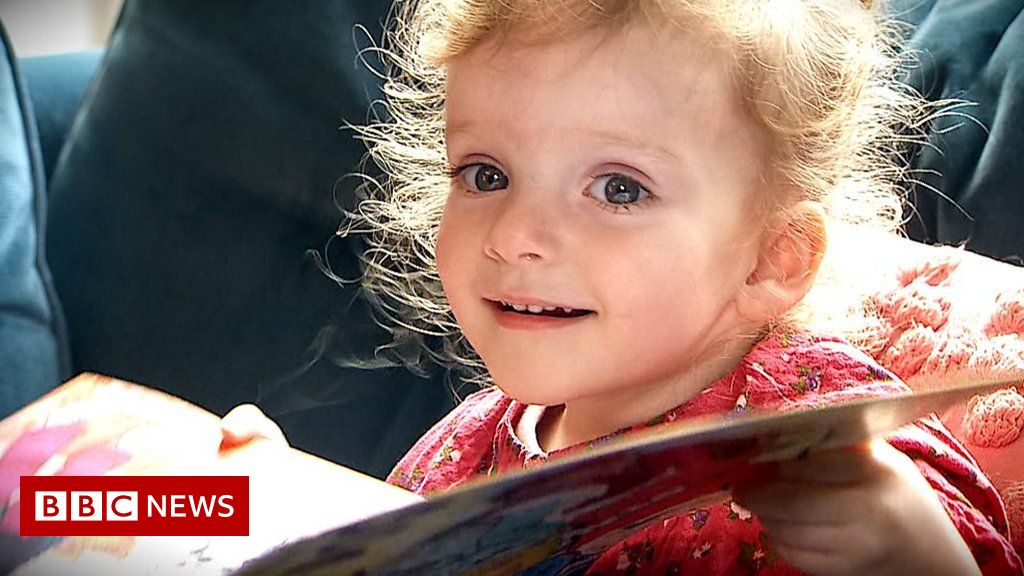
A mother has spoken of the moment she saw her two-year-old daughter’s heart rate reach 280 beats per minute before she was diagnosed with a rare genetic condition.Evelyn, from Mountsorrel in Leicestershire, has Brugada syndrome – a condition that affects the way electrical signals pass through the heart.She has since been fitted with a defibrillator insider her abdomen, which has been triggered 12 times, her mum Emma said.Emma is now calling for further genetic heart screening to be made available to young children.”We could have lost Evelyn at any point, so it’s like it’s a ticking time bomb,” she said.Digital journalists: Navtej Johal and Alex ThorpFollow BBC East Midlands on Facebook, Twitter, or Instagram. Send your story ideas to eastmidsnews@bbc.co.uk.

Read more →

The C.D.C. isn’t publishing large portions of the Covid data it collects.

For more than a year, the Centers for Disease Control and Prevention has collected data on hospitalizations for Covid-19 in the United States and broken it down by age, race and vaccination status. But it has not made most of the information public.When the C.D.C. published the first significant data on the effectiveness of boosters in adults younger than 65 two weeks ago, it left out the numbers for a huge portion of that population: 18- to 49-year-olds, the group the data showed was least likely to benefit from extra shots, because the first two doses already left them well-protected.The agency recently debuted a dashboard of wastewater data on its website that will be updated daily and might provide early signals of an oncoming surge of Covid cases. Some states and localities had been sharing wastewater information with the agency since the start of the pandemic, but it had never before released those findings.Two full years into the pandemic, the agency leading the country’s response to the public health emergency has published only a tiny fraction of the data it has collected, several people familiar with the data said.Much of the withheld information could help state and local health officials better target their efforts to bring the virus under control. Detailed, timely data on hospitalizations by age and race would help health officials identify and help the populations at highest risk. Information on hospitalizations and death by age and vaccination status would have helped inform whether healthy adults needed booster shots. And wastewater surveillance across the nation would spot outbreaks and emerging variants early.Without the booster data for 18- to 49-year-olds, the outside experts whom federal health agencies look to for advice had to rely on numbers from Israel to make their recommendations on the shots.Kristen Nordlund, a spokeswoman for the C.D.C., said the agency has been slow to release the different streams of data “because basically, at the end of the day, it’s not yet ready for prime time.” She said the agency’s “priority when gathering any data is to ensure that it’s accurate and actionable.”Another reason is fear that the information might be misinterpreted, Ms. Nordlund said.Dr. Daniel Jernigan, the agency’s deputy director for public health science and surveillance said the pandemic exposed the fact that data systems at the C.D.C., and at the state levels, are outmoded and not up to handling large volumes of data. C.D.C. scientists are trying to modernize the systems, he said.

Read more →

The Ross procedure leads to improved survival in adults undergoing aortic valve surgery

The “Ross procedure” may be a more favorable option for aortic valve replacement among patients under 50 years old than more standard mechanical or biological replacements, according to a new study from The Mount Sinai Hospital in New York City.
The research, published in the February 21 issue of the Journal of American College of Cardiology, is the first to compare the Ross procedure to the other options, and shows that it leads to improved survival and better outcomes in younger adults.
“Not only was survival better than after biological or mechanical aortic valve replacement, it was also identical to the matched U.S. general population. To this day, this is the only operation that has ever been shown to restore survival after aortic valve replacement in young adults,” says lead author Ismail El-Hamamsy, MD, PhD, Mount Sinai Randall B. Griepp, MD Professor of Cardiovascular Surgery at the Icahn School of Medicine at Mount Sinai and Director of Aortic Surgery for the Mount Sinai Health System. “This is a huge deal because it demonstrates the impact of valve choice in the long term. However, there is an important word of caution: the Ross procedure is a more complex operation and should only be performed in Ross centers of excellence. When done in that setting, this represents a major breakthrough for young patients with aortic valve disease, including young women contemplating pregnancy.”
The aortic valve controls blood flow from the heart into the aorta, the main artery that feeds blood to most of the body. When the valve doesn’t work correctly, patients may need a replacement to preserve function of the heart muscle and prevent issues such as heart failure or sudden cardiac death. The standard open-heart procedures for repair include mechanical valve replacement — which uses a manufactured valve that requires patients to take life-long blood thinners to prevent stroke, as well as make some lifestyle modifications such as avoiding contact sports that may lead to falls and bruising — or a biological aortic valve replacement from a human or animal donor, which may last up to 20 years, but requires earlier reoperation in younger patients than a mechanical valve. The Ross procedure is a more complex operation where a surgeon replaces the diseased aortic valve with the patient’s own living pulmonary valve, which is a mirror image of a normal aortic valve. This is the fundamental difference between the Ross procedure and a biological or mechanical valve replacement, which is a critical factor for successful long-term outcomes in patients.
Researchers analyzed records of 1,302 patients between 18 and 50 years old who underwent first-time elective aortic valve replacement surgery in California and New York State between January 1, 1997, and December 31, 2014. Patients were equally divided into three categories using propensity-matched analysis to eliminate any baseline differences; one-third of them had the Ross procedure, one-third had biological valve replacement, and the rest had mechanical valve replacement. The retrospective study compared the long-term survival and risk of valve-related complications (including stroke, major bleeding, reoperation, and acute endocarditis) according to the surgical procedure.
Investigators looked at outcomes 15 years post-procedure and found that patient survival was significantly better after the Ross procedure. At 15 years, overall mortality was more than twofold higher if the patients received a biological or mechanical aortic valve versus a Ross procedure. Furthermore, survival after the Ross procedure (93 percent survival at 15 years) was identical when compared to people of the same age and sex in the U.S. general population who did not have aortic valve replacement surgery. In terms of valve-related complications, the Ross procedure was associated with a significantly lower risk of stroke or major bleeding than a mechanical valve (3.8 percent after a Ross procedure versus 13 percent after a mechanical valve at 15 years). Similarly, the Ross procedure was associated with significantly fewer reoperations (17 percent versus 30 percent at 15 years) and endocarditis — an infection of the heart tissue — than a biological valve (2.3 percent versus 8.5 percent at 15 years). At 15 years, however, the risk of reoperation was higher after a Ross procedure than after mechanical valve replacement (17 percent versus 7.4 percent at 15 years).
The study also looked at 30-day mortality after the occurrence of any valve-related complication, including stroke, major bleeding, endocarditis, or reoperation. Researchers found the lowest mortality was linked to reoperation (1 percent), whereas if patients had a stroke, major bleeding, or endocarditis, the associated mortality was at least three times higher (5.6 percent after a stroke and 13.5 percent after endocarditis).
“This study demonstrates that while there is a definite risk of reoperation after the Ross procedure, the associated risk is low. In other words, this should be seen as a bump on the road, rather than the end of the road. In contrast, if patients suffer a stroke, hemorrhage, or infection, the consequences are much more dire,” explains Dr. El-Hamamsy. “Patients should be given all this data so they can make truly informed decisions about these major life events. Ultimately, the day, the Ross procedure is associated with better survival and fewer complications.”
The authors hope that this will further encourage the development of regional Ross centers of excellence to improve patient access and safety. Furthermore, Dr. El-Hamamsy’s team, which has the largest experience worldwide with this operation, are working on further improving the durability of the Ross procedure so that even fewer patients ever need a reoperation.

Read more →

COVID-19 genetic risk variant protects against HIV, study finds

The genetic variants we are born with can increase or decrease our risk of falling seriously ill with COVID-19. The major genetic risk variant for severe COVID-19, one we inherited from Neandertals, is surprisingly common. This raises the question whether it may actually be of advantage to carry this variant. A study by Hugo Zeberg, a researcher at the Max Planck Institute for Evolutionary Anthropology (MPI-EVA) in Germany and Karolinska Institutet in Sweden, now shows that the same gene variant that increases the risk of falling seriously ill with COVID-19 protects from another serious disease — it reduces a person’s risk of contracting HIV by 27 percent. This study is published in Proceedings of the National Academy of Sciences.
Some people become seriously ill when infected with SARS-CoV-2 while others have only mild symptoms or no symptoms at all. In addition to risk factors such as advanced age and chronic diseases, like diabetes, our genetic heritage also contributes to our individual COVID-19 severity risk.
In the autumn of 2020, Hugo Zeberg at Karolinska Institutet and MPI-EVAand Svante Pääbo at MPI-EVA showed that we inherited the major genetic risk factor for severe COVID-19 from Neandertals. In the spring of 2021, the same researcher duo studied this variant in ancient human DNA and observed that its frequency has increased significantly since the last ice age. In fact, it has become unexpectedly common for a genetic variant inherited from Neandertals. Hence, it may have had a favourable impact on its carriers in the past. “This major genetic risk factor for COVID-19 is so common that I started wondering whether it might actually be good for something, such as providing protection against another infectious disease,” says Hugo Zeberg, who is the sole author of the new study in PNAS.
The genetic risk factor is located in a region on chromosome 3 that consists of many genes. There are several genes in its vicinity that encode receptors in the immune system. One of these receptors — CCR5 — is used by the HIV virus to infect white blood cells. Zeberg found that people who carried the risk factor for COVID-19 had fewer CCR5 receptors. This led him to test whether they also had a lower risk of becoming infected with HIV. By analysing patient data from three major biobanks (FinnGen, UK Biobank and Michigan Genomic Initiative) he found that carriers of the risk variant for COVID-19 had a 27 percent lower risk of contracting HIV. “This shows how a genetic variant can be both good and bad news: Bad news if a person contracts COVID-19, good news because it offers protection against getting infected with HIV,” says Zeberg.
However, since HIV only arose during the 20th century, protection against this infectious disease cannot explain why the genetic risk variant for COVID-19 became so common among humans as early as 10,000 years ago. “Now we know that this risk variant for COVID-19 provides protection against HIV. But it was probably protection against yet another disease that increased its frequency after the last ice age,” Zeberg concludes.
Story Source:
Materials provided by Max Planck Institute for Evolutionary Anthropology. Note: Content may be edited for style and length.

Read more →

Covid: Chris Whitty urges people to continue to self-isolate if positive

England’s Chief Medical Officer Chris Whitty has urged people to continue to self-isolate if they test positive for the coronavirus in the coming weeks.From Thursday, people with a positive test will no longer need to self-isolate under law, but will still be advised to stay at home.After 1 April, people with Covid symptoms will be asked to “exercise personal responsibility” in their decisions over interactions with other people.Prof Whitty said that self-isolating is “standard public health advice” for any significant and highly transmissible infection.

Read more →

Paul Farmer, Pioneer of Global Health, Dies at 62

As a medical student, Dr. Farmer decided to build a clinic in Haiti. It grew into a vast network serving some of the world’s poorest communities.Paul Farmer, a physician and anthropologist who sought to bring high-quality health care to some of the world’s poorest people, died on Monday in Rwanda. He was 62.Partners in Health, the global public health organization that Dr. Farmer co-founded, announced his death in a statement that did not specify the cause. Dr. Farmer previously lived in Rwanda and spent decades focused on improving its health care system.Dr. Farmer gained public renown thanks largely to “Mountains Beyond Mountains: The Quest of Dr. Paul Farmer, a Man Who Would Cure the World,” a 2003 book by Tracy Kidder. It told Dr. Farmer’s life story and celebrated his devotion to helping the neediest.After he graduated from college in 1982, Dr. Farmer lived for years among Haiti’s poorest farmers, sleeping for only one or two hours a night as he set up a new medical infrastructure.He eventually returned to the United States to attend Harvard Medical School and earn a degree in anthropology, but he continued to spend much of his time in Cange, the community where he built his first clinic, returning to Harvard for exams and laboratory work.Over the years that followed, Dr. Farmer raised millions of dollars, which were funneled to an ever-expanding network of community health facilities. He had a contagious enthusiasm; when Thomas White, who owned a large construction company in Boston, asked to meet him, he insisted that the meeting take place in Haiti.Dr. Paul Farmer speaking with an HIV patient, Altagrace Cenatus, at the Partners in Health hospital, in 2003.Angel Franco/The New York TimesMr. White became a core donor, and contributed $1 million in seed money to Partners in Health, which Dr. Farmer founded in 1987, along with Ophelia Dahl, another volunteer in Haiti, and a former Duke classmate, Todd McCormack.The clinic in Haiti, at first a single room, grew, over the years, into a hospital and adjoining nursing school, serving a community of more than 150,000 people.Dr. Farmer became a public health luminary, the subject of a 2017 documentary, “Bending the Arc,” and the author of 12 books. The latest, “Fevers, Feuds and Diamonds: Ebola and the Ravages of History,” sought to dispel the more lurid misconceptions about the illness and focus on the dearth of health care essentials in upper West Africa.“For all their rainfall,” Dr. Farmer wrote, “their citizens are stranded in the medical desert.”In 2020, Dr. Farmer received the $1 million Berggruen Prize, given annually to a person whose ideas have “profoundly shaped human self-understanding and advancement in a rapidly changing world.”The chairman of the prize committee, Kwame Anthony Appiah, said Dr. Farmer had “reshaped our understanding” of “what it means to treat health as a human right and the ethical and political obligations that follow.”Dr. Farmer’s survivors include his wife, Didi Bertrand Farmer, a researcher for Partners in Health, and their children, Elizabeth, Catherine and Sebastian.A full obituary will be published soon.

Read more →

Coronavirus: PM announces end of Covid restrictions in England

Boris Johnson has told MPs about his plans to scrap all remaining Covid legal restrictions in England.This will start with ending the need to self-isolate after a positive test from Thursday and will also see an end to routine contact tracing.His statement in the Commons came after a Cabinet meeting, amid reports of tensions over the future of free lateral flow tests, and ahead of a press conference on Monday evening.He had told MPs ahead of the recess about his intention to end the rules “a full month” earlier than the previous planned date on 24 March.Live coverage: Johnson announces end to Covid self-isolation from Thursday

Read more →

Newly developed radio-labeled molecule enables real-time imaging of innate immune activity

Researchers at The University of Texas MD Anderson Cancer Center have developed a new radio-labeled molecule capable of selectively reacting with certain high-energy radicals that are characteristic of innate immune activity, which may allow a non-invasive approach to monitor inflammation in real time by positron emission tomography (PET) imaging.
The preclinical study, published today in Nature Biotechnology, takes advantage of new chemistry techniques to synthesize 4-[18F]Fluoro-1-Naphthol([18F]4FN) as a novel reporter of myeloperoxidase (MPO) activity — a key enzyme active in the innate immune response. The molecule may be able to pinpoint areas of inflammation in a variety of clinical settings, such as inflammatory diseases, infections and immunotherapy-related side effects.
“There has been a long-standing interest in imaging inflammation and redox in general, but most current approaches generate high levels of background noise from biological processes that generate lower-energy radicals,” said corresponding author David Piwnica-Worms, M.D., Ph.D., chair of Cancer Systems Imaging. “Our molecule is tuned toward inflammation mediated by high-energy radicals, offering the potential to selectively monitor activation of innate immunity.”
The innate immune response is the body’s first line of defense against invading pathogens. In contrast to the adaptive immune response, innate immunity is nonspecific and acts broadly against infections or foreign agents. Innate immunity is largely driven by myeloid cells, including neutrophils, macrophages and natural killer (NK) cells.
Myeloperoxidase is a highly conserved feature of the innate immune response across myeloid cells. This proinflammatory enzyme is activated by hydrogen peroxide to produce a variety of high-energy radicals that are used to eliminate pathogens.
Co-led by Federica Pisaneschi, Ph.D., assistant professor, and Seth T. Gammon, Ph.D., associate professor of Cancer Systems Imaging, the research team focused on MPO activity to develop a redox-tuned reporter specific to innate immune activity. Using newly developed chemistry techniques, the team was able to synthesize [18F]4FN as a labeled molecule to selectively bind nearby proteins and cells when [18F]4FN has been oxidized by MPO plus hydrogen peroxide, but not hydrogen peroxide alone.
The researchers evaluated the potential uses of [18F]4FN as an in vivo PET imaging tool in several laboratory models of inflammation. The molecule was able to successfully highlight inflammation from acute toxic shock, arthritis and contact dermatitis, ailments known to be mediated by activation of innate immunity. In addition, their results suggest [18F]4FN is a more specific and robust reporter of inflammation than other clinically utilized PET imaging agents, such as fluorodeoxyglucose ([18F]FDG).
“We need to verify this PET imaging agent in clinical studies, but it certainly has the potential for broad applications that could benefit patients across all kinds of diseases and clinical scenarios,” Piwnica-Worms said. “A tool like this could be used to identify multi-focal hotspots of inflammation, allowing physicians to intervene before disease progression or to follow the resolution of symptoms during therapy.”
The research team is in discussions with clinical collaborators to test specific applications of [18F]4FN. An initial study, now under Food and Drug Administration review for Investigational New Drug registration and Institutional Review Board approval, will evaluate [18F]4FN as an early biomarker of immune-related adverse events in patients being treated with immune checkpoint inhibitors.
The research was supported by the Gerald Dewey Dodd Jr. Endowed Distinguished Chair, The University of Texas System Faculty STARs Program, and the National Cancer Institute (P30 CA016672).
Additional collaborating authors include Vincenzo Paolillo, Ph.D., and Sarah A. Qureshy, both of Cancer Systems Imaging. Pisaneschi, Gammon and Piwnica-Worms are inventors on a patent application related to the compounds and methods described in this study. The remaining authors have no conflicts of interest.

Read more →