Ukraine war: 21 children flown to UK for cancer treatment

SharecloseShare pageCopy linkAbout sharingImage source, PA MediaA group of Ukrainian children have arrived in the UK to undergo life-saving cancer treatment on the NHS, the health secretary has said.Sajid Javid said the 21 children would be offered the best possible care in hospitals around the country.The children and their immediate family members arrived on an urgent flight arranged by the government on Sunday after a plea from Polish officials.They will be assessed by doctors before being sent to appropriate hospitals.”I am proud that the UK is offering life-saving medical care to these Ukrainian children, who have been forced out of their home country by the Russian invasion while undergoing medical treatment,” Mr Javid said.”I know that the incredible staff in the NHS will ensure they get the best possible care.”War in Ukraine: More coverage LIVE: Latest updates from Ukraine and nearbySANCTIONS: Impact on everyday lives in RussiaEXIT: Russia faces brain drain as thousands flee abroadRECRUITS: Ukraine’s teenage soldiersIN DEPTH: Full coverage of the conflictThe government is to set out details of a scheme to allow people in the UK to welcome Ukrainian refugees into their home later – but special provision has been made for the group needing urgent care. Hundreds of Ukrainians have seen their treatment interrupted by the war, as Russian forces lay siege to cities and hospitals’ supplies dry up.Many children have been evacuated to Poland, where the authorities appealed for help in caring for them.One paediatric oncologist in Poland told BBC News most of the children arriving at her hospital were in a life-threatening situation.Those arriving in the UK will undergo an assessment to understand their specific health needs before getting treatment at an appropriate NHS hospital, the Department of Health and Social Care said.The department added that the UK has already sent more than 650,000 medical items to Ukraine as part of its humanitarian response to the crisis.Seven aircraft had gone to the region to deliver aid including wound care packs, equipment for intensive care and vital medicines, it said.   NHS England chief executive Amanda Pritchard said the NHS would continue to work with ministers to provide both the necessary supplies and the “crucial treatment” the children need.”Colleagues at paediatric hospitals around the country have gone above and beyond to help these children during their greatest hour of need,” she added.More on this storyToddler with cancer escapes Ukraine to PolandThe children with cancer fleeing war in Ukraine

Read more →

Rosacea: 'Your skin doesn't define you'

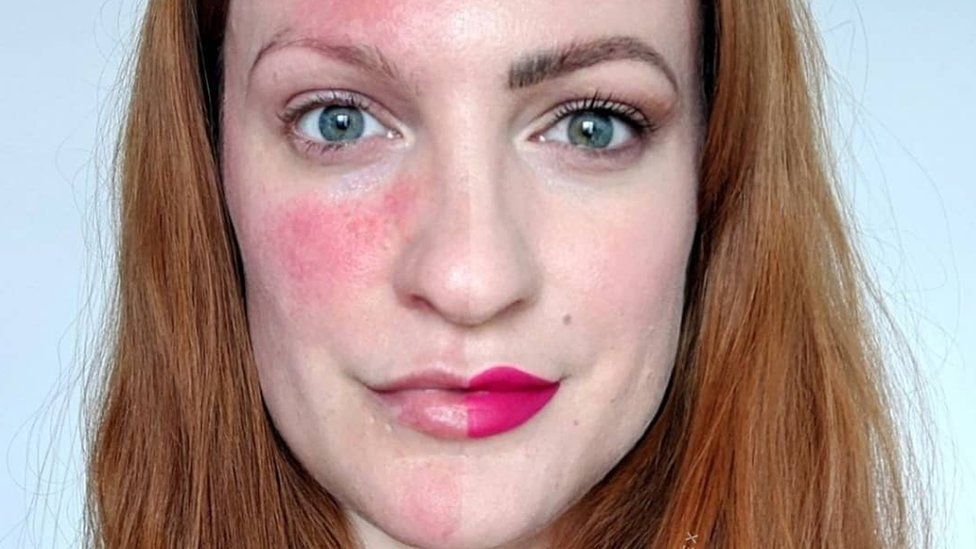
SharecloseShare pageCopy linkAbout sharingImage source, Lex GilliesRosacea is a common but misunderstood condition that is thought to affect millions. It is incurable, and those who have it must often endure a sustained treatment regime, restrictions on what they eat, drink and do and, in some cases, judgements or jibes from others. But a growing community and statements from high-profile sufferers have shown that they are not alone.Lex Gillies, from York, was a 21-year-old student when she was diagnosed with rosacea.”I didn’t want to do anything that would make people turn and look at me because I didn’t want people to notice my skin,” she says.The skin condition, characterised by a reddening of the face caused by dilated blood vessel with small bumps and spots, similar to acne, is common.Some reports suggest as many as one in 10 people in the UK have it.Controlling its physical appearance, through treatment and managing triggers such as alcohol, spicy food, exercise and even the sun, is one thing. Managing the impact on mental health is another.Lex, a blogger and British Skin Foundation Ambassador, has spent eight years documenting her relationship with rosacea, and says she has learned to understand and accept her skin as it is rather than treat it “as my enemy”.”I’d been seeing my rosacea as this thing that I’d had to battle and overcome and felt my skin was letting me down and being a traitor by allowing it to take over,” she says.”But actually it was my skin desperately trying to alert me to the fact something was wrong.”Image source, Getty ImagesShe has written extensively on the impact rosacea can have on people’s mental health, saying “it still isn’t something that’s taken seriously”.Her stance made her an unlikely ally – though not on political grounds – of MP Sir Edward Leigh, who has rosacea and recently spoke out about the abuse he receives as a result.He complained of being labelled a “red gammon head” and a “ruddy-faced buffoon”.Gainsborough MP Sir Edward, who raised the abuse during a Westminster Hall debate in January, said he had learned to take comments about it “with a pinch of salt” but said he was worried about the impact on younger generations and the support available to them.On this point, Lex agrees, and though Sir Edward has been criticised for some of his political views, including recent remarks about Ukranian refugees, she says his appearance should not be fuel for taunts.She has previously pointed out how a “cruel jibe at an MP” reflects on others who “take those jokes to heart”.Image source, PA MediaJanet Doyle, 71, from Hull, was diagnosed with the condition in her 30s and says some days she finds it hard to go outside.”It’s your face at the end of the day. It’s what people see first,” she said.”People think you’re a wino. It just makes you feel really awful, like, what’s the point? It can be really depressing. Sometimes I think about not going out of the door.”‘Skin problems aren’t only skin deep’ MP with skin ailment called ‘ruddy-faced buffoon’Jim Howe, 64, from Skegness, said he has also found it difficult to cope with the unwanted attention his appearance can bring.He described sitting outside a bar in Spain when a friend turned to him and said ‘You’ve got a face like an alcoholic’.”People judge you when you’ve got rosacea, and it can be quite depressing,” he said.Image source, Nicola DalbyNicola Dalby, from Ayrshire, said she first noticed the condition, which affects her cheeks, nose and forehead, in her teens and had struggled at times, fearing she would never “grow out of having horrible skin”.However, she found comfort and support from speaking to others online.She describes a Facebook community she is part of as being a “lifeline” for her in recent years, giving her the opportunity to share experiences and swap advice and, importantly, helping her realise she was not “on my own”.Access to professional psychological support for people with skin conditions is something the British Association of Dermatologists says is a “significant problem” with big gaps in provision in certain parts of the UK.It said there is “a large body of evidence” demonstrating the impact it can have on a person’s mental health and quality of life.Image source, Janet DoyleUK charity Changing Faces offers support to anyone living with a scar, mark or condition on their face or body.Chief executive Heather Blake says too often people’s mental health is not taken in to account, with the focus being placed on the physical impact of the condition.She says the charity can offer support for those who may be considering cosmetic procedures and will also provide counselling for those battling the mental impact”We believe people have the right to choose how they live their life with a visible difference,” she says.”Our role is to signpost people to the right support.”And whilst people with visible differences, like rosacea, continue to experience staring, negative comments and worse, we’ll keep campaigning to challenge the discrimination people face because of how they look.”In January, after Sir Edward raised his concerns about provision, health minister Gillian Keegan said the government was “committed to achieving parity between mental and psychical health services”.For Lex, after 16 years of living with the condition, she says she is no longer at war with her skin, but acknowledges that “a lot of people are too early in their journey to understand it or accept it yet”.”My mantra is your skin doesn’t define you. It’s something you have to maintain but that is not who you are. You have rosacea, but you are not rosacea.”Follow BBC Yorkshire on Facebook, Twitter and Instagram. Send your story ideas to yorkslincs.news@bbc.co.uk.More on this storyMP with skin ailment called ‘ruddy-faced buffoon”Instagram said my face was undesirable”Skin problems aren’t only skin deep’Eczema: The itch you can’t scratchSkin shame: ‘My acne ruled my life’British Association of DermatologistsBritish Skin FoundationChanging FacesThe BBC is not responsible for the content of external sites.

Read more →

As a Crisis Hotline Grows, So Do Fears It Won’t Be Ready

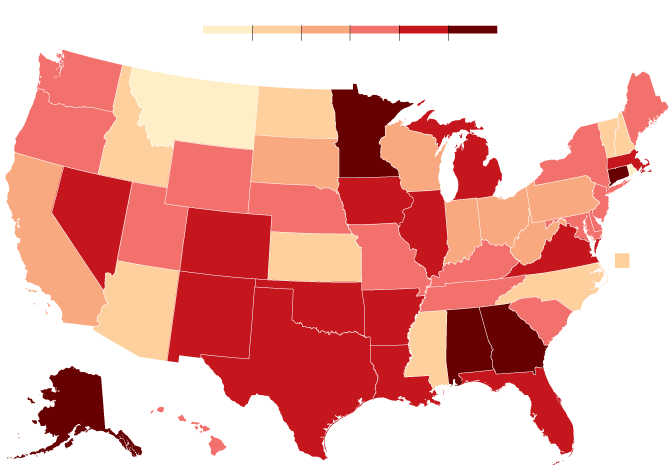
The National Suicide Prevention Lifeline — the number posted on student identification cards, atop Google search results and in warning labels on television shows — is about to get a major reboot, casting it as the 911 for mental health.With an infusion of federal money, the upgraded Lifeline starting in July will have its own three-digit number, 988, and operators who will not only counsel callers but eventually be equipped to dispatch specially trained responders. That will reduce interventions by armed law enforcement and reliance on emergency rooms — and ultimately keep people alive, advocates say.But there are growing concerns that the 24-hour hotline, already straining to meet demand, will not be able to deliver on the promises of the overhaul unless states supplement the federal money with significant funds for staffing, according to interviews and government reports.Right now, the crisis line is answered by a patchwork national network of more than 180 call centers, often nonprofits, that juggle several hotlines and rely on both paid counselors and volunteers. A majority of centers run on shoestring budgets, with little or no backing from states; many do not have funding specifically for answering Lifeline calls, according to a survey. Some use golf outings, benefit breakfasts and other fund-raisers to help pay the bills.But after the number changes to 988 — a shift that involves upgrading telecom infrastructure and bringing more call centers online — use of the hotline is expected to grow exponentially over the next few years. (The current number is 800-273-8255.)Already, of the approximately two million phone calls to the Lifeline last year, about 330,000 — roughly 17 percent — were abandoned before a caller could get help, according to a New York Times data analysis. The texting and online chat lines, which together fielded another million contacts last year, lagged further behind, not attending to 41 percent of texts and 73 percent of chats. Calls and messages are abandoned for any number of reasons, but in interviews, callers blamed hold times and call center directors bemoaned limited capacity.A Crisis Hotline Struggles to Pick UpCallers waiting for help abandoned about 1 in 6 of the roughly two million calls to the National Suicide Prevention Lifeline last year. Here’s a state-by-state breakdown of the shortfalls in answering calls during the last quarter of 2021.

Read more →

Xenotransplantation: Are pigs the future of organ transplants?

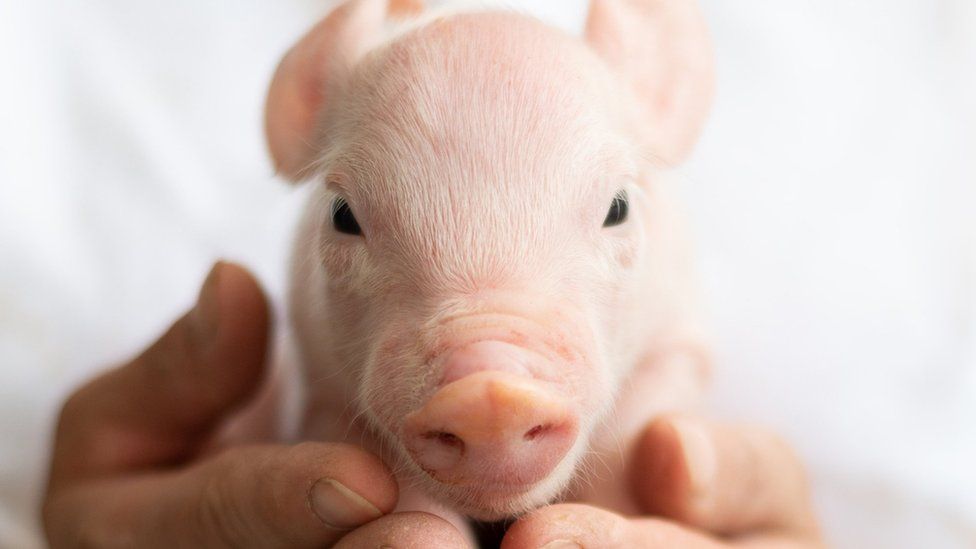
SharecloseShare pageCopy linkAbout sharingImage source, Getty ImagesThe frontiers of organ transplantation have been pushed further than ever before. The first organs taken from genetically engineered pigs have been put into people and the recipient of the first pig heart managed to survive for two months. So how close are we to using pigs for a limitless supply of organs to solve the global shortage? Silence descends on the operating theatre and the tension builds until it’s almost a physical presence in the room.Surgeons have just connected a pig’s kidney to a human body. The clamps have been released and human blood is now flowing into the pig organ. “You could have heard a pin drop,” says transplant surgeon Dr Jayme Locke.Success or failure will be determined in moments and there is now just a single question on everyone’s minds: “Pink or black?”If the body unleashes a horrendous assault on the foreign organ – holes will be ripped in every cell in the pig tissue and the organ will clot from the inside out. It will go splotchy, then blue, then completely black within minutes.If “hyperacute rejection” is avoided, the organ will blush pink with the flow of blood and oxygen. “It turned beautiful and pink… the sense of relief, the sense of joy and hope just filled the room. We might have high-fived as well,” said Dr Locke, from the University of Alabama at Birmingham, in the US.This operation was just one of a series of medical breakthroughs that have renewed interest in the field of xenotransplantation.Image source, Steve WoodUsing animal organs in the human body is an old idea, and has ranged from “zest for life” chimpanzee testicle implants to replacement kidneys and hearts taken from our primate relatives. The latter often ended in death soon afterwards. The problem is, our immune system treats the transplanted organ like an infection and attacks. The focus these days is on pigs, as their organs are roughly the right size and we have centuries of experience farming them.But the challenge of hyperacute rejection – keeping organs pink, not black – is the same. You can’t just pop down to the farm, choose a pig and transplant its organs. It’s taken huge advances in genetic engineering to alter pigs’ DNA so their organs are more compatible with our immune systems. Inside Health is broadcast on BBC Radio 4 on Tuesdays at 2100 GMT – and Wednesdays at 1530 GMT. It is also available as a podcast on BBC Sounds.Listen to Pig organs for transplant patientsThe recent kidney and heart transplants have taken organs from the specially designed “10-gene pig”.It has one genetic tweak to prevent any donated organs responding to human growth hormones and growing out of control. Another key alteration removes a sugary molecule, called alpha-Gal, which sticks to the surface of pig cells and acts like a gigantic flashing neon sign marking the tissue as absolutely alien. A wing of our immune system, called the complement system, is constantly patrolling the body looking for alpha-Gal. That’s why organs can be rejected and killed moments after they are transplanted. Two other “neon signs” were genetically removed and six human ones added in, acting like a camouflage net over the pig cells to help hide them from the immune system. The resulting 10-gene pigs are then raised in sterile conditions so they are suitable for transplant. The kidney and the heartThe pair of pig kidneys were transplanted into the brain-dead body of Jim Parsons in September 2021. He’d wanted to be an organ donor when he died and when his kidneys were donated, pig kidneys were put in their place with permission from his family.Dr Locke describes the moment one of the kidneys started making urine as “remarkable” and feels xenotransplantation can “really change people’s lives, and to be blunt, save their lives”. She’s expecting to start clinical trials later this year. Image source, Parsons familyThat operation was a three-day-long experiment, but meanwhile, surgeons at the University of Maryland Medical Center were about to go one step further. Their patient, David Bennett, 57, had severe heart failure. He was not deemed suitable for a human heart transplant and was being kept alive by an Ecmo machine, which supported his heart and lungs.Mr Bennett described having a pig heart as a “shot in the dark”.A 10-gene pig was driven to the hospital and on 7 January, its heart was placed inside David Bennett’s chest. The operation was tricky because Mr Bennett’s diseased heart had swollen, so connecting the blood vessels to the smaller pig-heart was a challenge.Again there was the nervous moment to see whether the heart would be rapidly rejected, but it was beating and stayed pink. Dr Muhammad Mohiuddin, the hospital’s director of cardiac xenotransplantation, said he did not expect to witness this “in my lifetime”.When I spoke to him on the one-month anniversary of the operation he said there were no signs of the organ being rejected, but Mr Bennett was still frail.”We put a new Ferrari engine in a 1960s car. The engine is working great but the rest of the body has to adjust,” he said.Image source, UMSOMBut Mr Bennett died two months after the transplant. The cause, and therefore the implications for xenotransplantation, is still uncertain.Mr Bennett was very frail before the operation and it is possible that even the new heart was not enough. No signs of organ rejection have been reported, but if detailed analysis of the heart shows signs of the immune system attacking it, the 10-gene pig may need further modifications to make its organs suitable for the human body. Alternatively, it could come down to anatomy, and pig hearts may not be up to the job in a human body. Our hearts have to work much harder to fight gravity than a pig’s because we walk on two legs rather than four. Chris Denning, a professor of stem cell biology at the University of Nottingham, said overcoming hyperacute rejection meant the heart transplant would be considered “a success”. He said if the issue was frailty, then xenotransplantation “could be successful in the future” but if it came down to anatomy then it could “be potentially a show-stopper”.The hospital plans to continue doing clinical trials. Image source, University of Maryland School of MedicinePig hearts do not have to be as good as a human heart to still save huge numbers of lives, according to Prof John Wallwork, one of the UK’s most eminent transplant surgeons. Many people die waiting for a transplant.Prof Wallwork, who conducted the world’s first heart-lung-liver transplant and was an early pioneer of xenotransplantation, says it’s better to give 1,000 people a 70% chance of survival with a pig heart than 100 people an 85% chance with a human heart. “So if it’s not quite as good as human transplantation, then we’ve still done more good than not doing the 1,000 patients,” he said.Xenotransplantation has always felt like the next big thing in transplant medicine. There’s no doubt a series of landmark operations have been performed, but only more research will tell us whether the field – and its grand dreams – will ever come of age. Dr Locke added: “Our goal would be to have one 10-gene edited pig be able to save a patient with kidney failure, a patient with liver failure, a patient with heart failure and a patient with end-stage lung disease.”That would be a remarkable accomplishment and I genuinely believe that we will be there during my lifetime.”Follow James on Twitter More from Inside HealthSickle cell: ‘The revolutionary gene-editing treatment that gave me new life’Asthma: Why switching inhaler could be better for you and the planetVegan ready meals: How healthy are they?More on this storyMan given genetically modified pig heart diesThree ethical issues around pig heart transplants

Read more →

Meet the Underdog of Senior Care

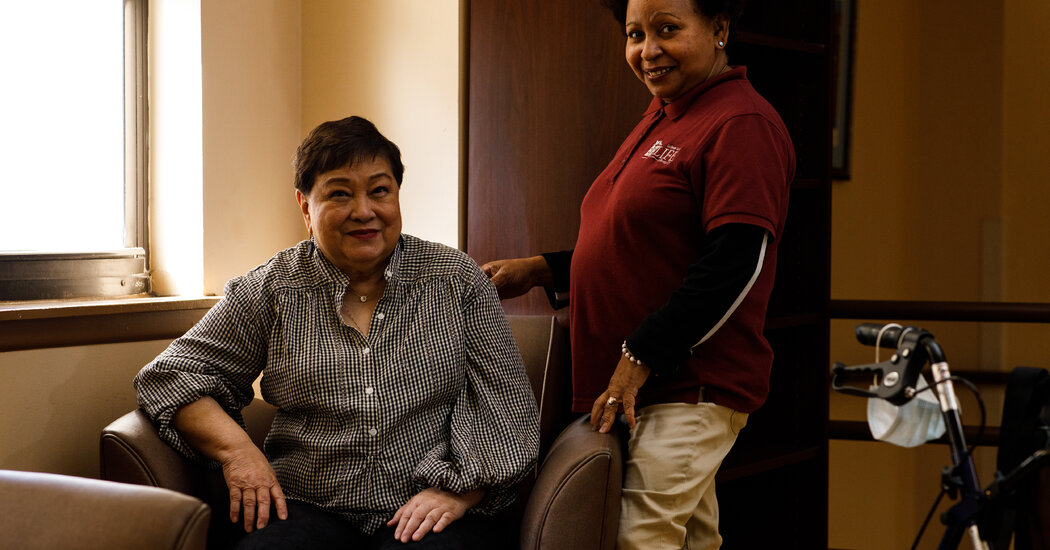
The Program of All-Inclusive Care for the Elderly, funded by Medicare and Medicaid, has quietly succeeded in enabling some older Americans to age in place.Felicia Biteranta was struggling when, five years ago, she enrolled in a PACE program operated by Lutheran Senior Life in Jersey City, N.J.Having suffered a stroke, she found it hard to eat without choking. She fell frequently; her diabetes was out of control; she had pulmonary disease and asthma. She might miss a medical appointment if she could not arrange or afford a taxi. Her family lived far away.She was, in short, a candidate for a nursing home. But such a move is what PACE — the Program of All-Inclusive Care for the Elderly — was designed to prevent.“The main goal is to let people age in place,” said Maria Iavarone, executive director of the PACE program that Ms. Biteranta participates in. “Nobody wants to give up their home. It’s where you’re most comfortable. It’s where you should stay.”Ms. Biteranta now receives all of her health care through PACE, which monitors her, along with 120 other seniors, meticulously. PACE supplies much of her social life, too.“Here, they schedule you for appointments,” said Ms. Biteranta, 74, a retired nurse. “They send someone to take you and bring you home.”Carpal tunnel syndrome in her wrists and arms makes personal care and household chores difficult, so PACE sends an aide to her home 12 hours a week. “She cleans and does my laundry and the shopping,” Ms. Biteranta said. “She knows the food I like.”PACE provided the portable oxygen unit that freed her from dependence on the larger oxygen tanks she uses at home. It arranged cataract surgery and regularly ferries her to a podiatrist, a cardiologist, an endocrinologist and other specialists. It delivers a host of medications at no charge, including asthma inhalers and diabetes-testing supplies. A staff social worker helped her apply for and move into an apartment in a subsidized building for seniors.As a Medicaid beneficiary, she pays nothing for this care — no co-pays, deductibles or other out-of-pocket care expenses, and no caps on benefits. Should she require more home care hours or, eventually, a nursing home, PACE will cover those costs, too.“It’s worry-free,” said Ms. Biteranta, who was preparing to have lunch at the PACE Center as she spoke. “They worry for me.”Yet both the state and federal government also save money. PACE programs receive a set amount monthly from Medicare and Medicaid to provide nearly everything for people over 55 whose needs qualify them for a nursing home but who don’t want to enter one. This includes doctors’ visits, tests, procedures, physical, occupational and speech therapy, social workers, home care, transportation, medication, dentistry and hearing aids. Participants typically visit a PACE center like the one in Jersey City several times a week for meals and social activities as well as therapy and health monitoring.That monthly payment is 15 percent lower, on average, than Medicaid would ordinarily pay to care for what are primarily low-income seniors, the National PACE Association said.Research has shown that PACE programs reduce hospitalization, emergency room visits and nursing home stays. Participants survive longer than similar patients in less comprehensive programs. A study last year by the federal Department of Health and Human Services noted that the PACE program “stands out from our analysis as a consistently ‘high performer.’”Why, then, do so few PACE programs exist — and enroll so few older Americans? Almost three decades after Medicare and Medicaid began funding PACE programs — today, there are 144, operating 272 centers in 30 states — the endeavor collectively serves fewer than 60,000 people, the National PACE Association reports.The association estimates that 1.6 million Medicare beneficiaries might meet PACE eligibility requirements. As a list of current programs shows, however, 21 states have no PACE program, and 11 have just one.Ms. Biteranta and her aide, Ms. Garcia-Reyes, on the way to lunch. Brian Fraser for The New York TimesProfessionals in elder care tend to be fans. “Every geriatrician loves this model,” said Mark Lachs, co-chief of geriatrics and palliative medicine at Weill Cornell Medicine.Specialists like Dr. Lachs have complained for years that traditional Medicare will cover costly surgery to repair broken hips but won’t pay to install inexpensive grab bars that might prevent falls. With PACE’s fixed payments, “there might be less money, but you spend it the way you want to, without getting on the phone for insurance company approval,” Dr. Lachs said.At the ArchCare PACE program in New York City, for instance, “if a person’s air-conditioner breaks during a heat wave, we replace it,” said Walid Michelen, the program’s chief medical officer. “If there’s a snowstorm and they need food, we send it.”With coordinated care and close observation, “you head off a urinary tract infection before it becomes sepsis,” said Jay Luxenberg, the former chief medical officer of the On Lok PACE program in San Francisco. “Or pneumonia when it can still be treated by antibiotics, before you desperately need a hospital.”Yet growth has been slow. “We’ve had a lot of headwinds over the years,” said Shawn Bloom, the association’s chief executive.Persuading state legislators to expand PACE enrollment or authorize new programs has proved challenging; such moves represent new expenditures, even if they eventually reduce costs.For individuals, the enrollment process — which involves a state assessment to determine whether their medical conditions, cognitive status and functional limitations would warrant a nursing home — can take weeks. A family needing elder care immediately may be unable to wait.Moreover, agreeing to receive all health care from PACE often means relinquishing one’s individual doctor, and some patients balk at that demand. Programs can evade that barrier by allowing PACE programs to work with community physicians.But prospective patients may not know about PACE at all. “We’re trying to expand awareness, but we don’t have a ‘Got Milk?’ budget,” Mr. Bloom said.Still, the pandemic has intensified older Americans’ desire for alternative forms of long-term care. “If people didn’t want to be in nursing homes before Covid, they really don’t want to be there now,” Dr. Lachs said. According to the association, Covid deaths among PACE participants have been about one-third those of nursing home residents.So PACE’s growth is picking up, with 45 new programs expected to begin enrollment in the next two years, in part because of higher federal incentives. Moreover, for-profit companies are starting to establish or acquire PACE programs, although skeptics worry that for-profit status will lower quality.Several bills introduced in Congress would remove barriers to growth; one would build partnerships with Veterans Affairs hospitals to make PACE more accessible to veterans.Another intriguing possibility: Encouraging middle-class patients, for whom long-term care costs can also be ruinous, to enroll in PACE. Older adults who aren’t poor enough to qualify for Medicaid can already participate, but few do because their monthly premiums would be high — in many states, $4,000 to $5,000 a month.But that is still less than they would pay for nursing homes or assisted living in many locations. Policy analysts are looking into ways to reduce costs and expand PACE eligibility for the middle class.In Jersey City, Ms. Biteranta is doing well, although she misses concerts, Zumba classes, birthday parties and other events at the PACE center. Administrators curtailed such activities during the pandemic but hope to restore them as Covid rates decline.“Oh, my God, I’d be so depressed” without PACE, Ms. Biteranta said. “It gives me a life.”

Read more →

Donald Pinkel, Who Developed a Cure for Childhood Leukemia, Dies at 95

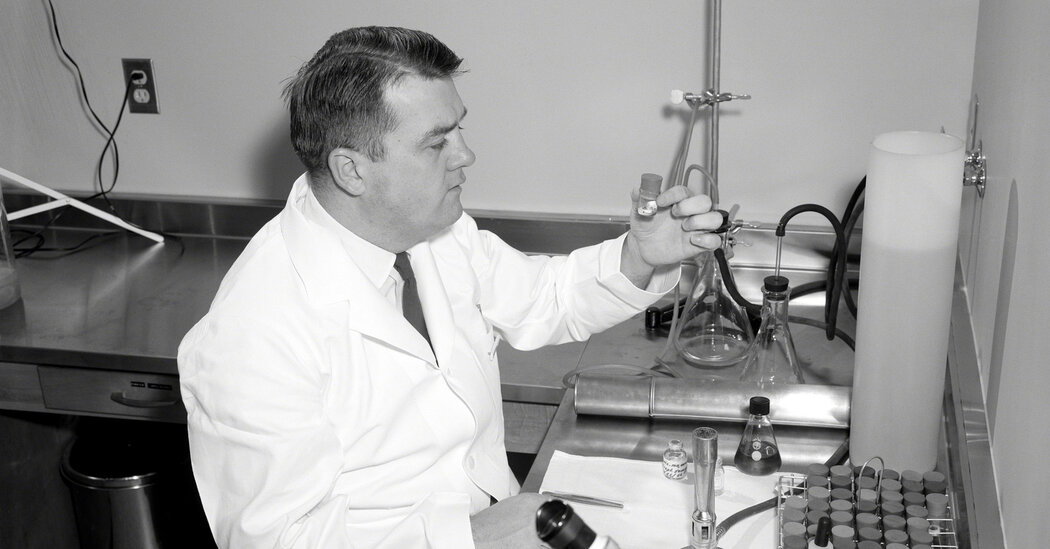
The disease was once a virtual death sentence for children. Today, his aggressive treatments mean that almost everyone survives it.Dr. Donald Pinkel, a pediatrician who, starting in the early 1960s, developed an aggressive treatment for childhood leukemia that transformed the disease from a virtual death sentence to one that almost every patient survives, died on Wednesday at his home in San Luis Obispo, Calif. He was 95.His son John confirmed the death.Acute lymphocytic leukemia, a type of cancer that overwhelms the body with misshapen white blood cells, was once the No. 1 killer of children in the United States between the ages of 3 and 15, causing about 2,000 deaths a year. It had a 96 percent fatality rate — and doctors say that number might have been low, because the remaining 4 percent of cases were probably misdiagnoses.When Dr. Pinkel began his research as a pediatrician in Buffalo, in the 1950s, there were already several medications that could push the disease into remission. But almost invariably the cancer would return. Doctors would then try a different drug, only to get the same results.“At that time, with A.L.L., the idea was to try to prolong life in comfort — that was it,” Dr. Pinkel told Smithsonian magazine in 2016. “We called it ‘palliation.’ No one thought you were going to ‘cure’ anybody. That was almost a forbidden word.”In 1961, shortly after moving to the newly founded St. Jude Children’s Hospital in Memphis — he was its chief executive, medical director and first employee — he set on a radically different course. Instead of one drug or treatment at a time, he would use them all, pushing patients’ bodies to the limit in the hope that the cancer would die first.“Dr. Pinkel and my father had the same unyielding hope and were equally audacious in their determination that childhood leukemia could be vanquished,” the actress Marlo Thomas, whose father, the comedian and actor Danny Thomas, founded St. Jude, said in a statement.Dr. Pinkel combined multiple chemotherapy drugs to drive the disease into remission. Then, when the patients were healthy enough, he and his team bombarded their skulls with radiation and injected drugs directly into their spinal columns, attacking places where Dr. Pinkel suspected the cancer was hiding during remission.This would go one for months, even years. Children would lose their hair, their appetites. Some died. But by 1968 Dr. Pinkel’s regimen, which he called Total Therapy, was achieving remarkable results: Out of 31 patients in one study, 20 were in complete remission after three and a half years.A decade later, after continued refinements to the protocol, the five-year survival rate was up to 80 percent. Today, still using Dr. Pinkel’s framework, it is 94 percent.“He really is the man that cured leukemia,” James R. Downing, the current president of St. Jude, said in a phone interview.Dr. Pinkel, right, with the comedian and actor Danny Thomas, the founder of St. Jude, in 1962.St. Jude Children’s Research HospitalDonald Paul Pinkel was born in Buffalo on Sept. 7, 1926. His father, Lawrence, was a hardware salesman, and his mother, Anne (Richardson) Pinkel, was a homemaker.He joined the Navy in 1944 and went to Cornell University as part of the service’s V-12 program, which gave college coursework to promising recruits. There he developed an interest in biology and medicine; after returning home and graduating in 1947 from Canisius College, in Buffalo, he went directly to medical school at what is now the University at Buffalo, covering some of the costs by joining the Army Reserve Medical Command.He quickly found his calling in pediatrics, and childhood cancer in particular. At the time it was considered a lost cause — a field of research so forlorn that one mentor said he would be throwing away his career.Dr. Pinkel persisted, earning his medical degree in 1951 and holding a series of residencies and fellowships in pediatrics and oncology across the Northeast. He was preparing for another fellowship, in New York City, when he was called up by the Army and sent to a military hospital outside Boston.A polio epidemic was in full swing in the region, and Dr. Pinkel, overworked as the hospital’s only pediatrician, soon caught the disease himself. It took him a year to recover — coincidentally just as Jonas Salk’s new polio vaccine was being rolled out, turning what had once been a scourge of childhood into a largely preventable disease.Dr. Pinkel dreamed of doing the same with leukemia. He worked with the famed oncologist Sidney Farber in Boston and then returned to Buffalo, where he opened a pediatrics department at the Roswell Park Cancer Institute (now the Roswell Park Comprehensive Cancer Center) and worked alongside James Holland, another pioneer in cancer research.One day in 1961 Dr. Pinkel got a call asking if he would be interested in a job as the head of St. Jude. During a period of emotional and professional distress, Mr. Thomas, the hospital’s founder, had prayed to St. Jude, the patron saint of lost causes, for help. When he recovered, he decided to build a hospital to help children in similarly dire straits.Dr. Pinkel was tired of the cold, wet Buffalo winters, but he wasn’t sure about the offer: Memphis was a segregated Southern city, and many in the medical community said Mr. Thomas’s status as a television comedian made it hard to take the idea seriously.Still, he met with several members of the hospital board and came away impressed. They, like him, believed in focusing their efforts on childhood cancer, and they agreed that the hospital should be need-blind, and that both its staff and its patient population should be completely desegregated.Dr. Pinkel drove to Memphis in his Volkswagen Beetle, arriving to find a hole in the ground where the hospital would one day be. He made himself an integral part of the planning process, insisting, among other things, that the hospital have integrated bathrooms.He also insisted on as much common space as possible, including a single cafeteria for all —- doctors, scientists and administrators — to encourage creative cross-pollination. He also opened the cafeteria to patients and their families, to give staff members a visual reminder of their collective mission.“It was a civil rights culture,” Jackie Dulle, one of his first executive assistants, said in a phone interview. “He wanted everyone to be equal.”Dr. Pinkel in 2015. After leaving St. Jude in 1973, he worked at children’s hospitals in Wisconsin, California, Pennsylvania and Texas before retiring to California in 1994.Timothy ArchibaldWith Mr. Thomas’s blessing and the board’s support, Dr. Pinkel hired the best researchers and doctors he could find, attracting them with his bold vision and St. Jude’s progressive culture. His wife, Marita (Donovan) Pinkel, would help by hosting recruits at their house and lobbying them over dinner.That marriage ended in divorce. Along with his son John, Dr. Pinkel is survived by his second wife, Cathryn Howarth; six daughters, Rebecca Amthor, Nancy Pinkel, Mary Pinkel, Noelle Greene, Sara Pinkel and Ruth Pinkel; two sons, Thomas and Michael; his sister, Eileen Pinkel; 16 grandchildren; and five great-grandchildren. Another son, Christopher, died before him. Dr. Pinkel and his team found early success with his Total Therapy approach but kept the results unpublished until the late 1960s, to ensure that the data was solid. Still, when he did publicize his findings, he was met with skepticism, even derision; other doctors said he was cruel to give patients and their families hope in the face of what everyone knew was an incurable disease.But after he invited a few of his most prominent critics to visit the hospital, they changed their tune; one of them, Alvin Mauer of Cincinnati Children’s Hospital, took over as the president of St. Jude when Dr. Pinkel left.During their studies, Dr. Pinkel and his colleagues noticed something strange: The children from lower-income families, most of them Black, tended to have worse results than children from higher-income families. After investigating, they concluded that pervasive malnutrition was to blame.Dr. Pinkel helped launch a program to provide families with supplemental nutrition. That effort provided the model for the federal government’s Special Supplemental Nutrition Program for Women, Infants and Children, known as W.I.C.But those efforts put Dr. Pinkel at odds with some in the city’s white leadership, who felt he was giving Memphis a bad name. Several of the hospital’s donors threatened to withdraw support if he continued.Dr. Pinkel left St. Jude in 1973. He later worked at children’s hospitals in Wisconsin, California, Pennsylvania and Texas before retiring in 1994. He moved to San Luis Obispo to be near some of his children, and later taught as an adjunct at California Polytechnic University.He won most of the major awards given in the medical field. In 2017 St. Jude named its new research tower after him, a testament to his persistence in the face of what everyone else said was an impossible task.“I’m a very stubborn person,” Dr. Pinkel told Smithsonian. “A coach once told me, ‘Never run from a fight — the farther you run, the harder it is to fight back.’”

Read more →

New ‘Deltacron’ Variant Is Rare and Similar to Omicron, Experts Say

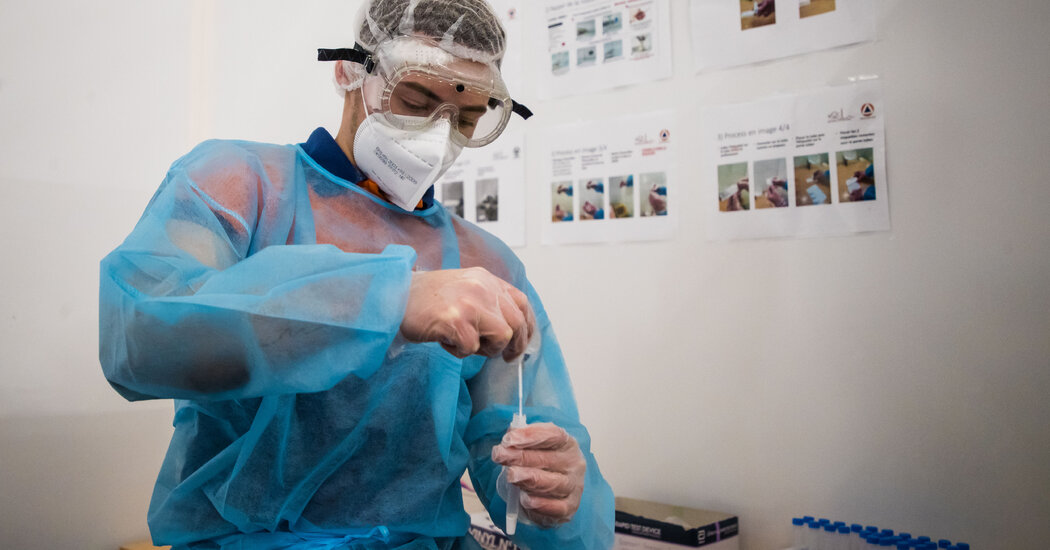
Scientists have found a handful of cases of a new, hybrid variant in Europe and the United States. It’s unlikely to cause trouble, they say.In recent days, scientists have reported that a hybrid of the Omicron and Delta coronavirus variants has been popping up in several countries in Europe. Here’s what is known so far about the hybrid, which has picked up the Frankensteinian nicknames of Deltamicron or Deltacron.How was it found?In February, Scott Nguyen, a scientist with the Washington, D.C., Public Health Laboratory, was inspecting GISAID, an international database of coronavirus genomes, when he noticed something odd.He found samples collected in France in January that researchers had identified as a mix of Delta and Omicron variants. In rare cases, people can be infected by two coronavirus variants at once. But when Dr. Nguyen looked closely at the data, he found hints that this conclusion was wrong.Instead, it looked to Dr. Nguyen as though each virus in the sample actually carried a combination of genes from the two variants. Scientists call such viruses recombinants. When Dr. Nguyen looked for the same pattern of mutations, he found more possible recombinants in the Netherlands and Denmark. “That led me to suspect that these might be real,” he said in an interview.Dr. Nguyen shared his findings in an online forum called cov-lineages, where scientists help one another track new variants. These collaborations are essential to double-check possible new variants: A supposed Delta-Omicron recombinant found in January in Cyprus turned out to be a mirage resulting from faulty laboratory work.“There’s a lot of proof that’s needed to show that it is real,” Dr. Nguyen said.It turned out that Dr. Nguyen had been right.“That day, we rushed to double-check what he suspected,” Etienne Simon-Loriere, a virologist at the Institut Pasteur in Paris, said in an interview. “And, yeah, we quickly confirmed that it was the case.”Since then, Dr. Simon-Loriere and his colleagues have found more samples of the recombinant virus. They eventually obtained a frozen sample from which they successfully grew new recombinants in the laboratory, which they are now studying. On March 8, the researchers posted the first genome of the recombinant on GISAID.Where has the new hybrid been found?In a March 10 update, an international database of viral sequences reported 33 samples of the new variant in France, eight in Denmark, one in Germany and one in the Netherlands.As first reported by Reuters, the genetic sequencing company Helix found two cases in the United States. Dr. Nguyen said he and his colleagues were taking a fresh look at some database sequences from the United States in an effort to find more cases.Is it dangerous?The thought of a hybrid between Delta and Omicron might sound worrisome. But there are a number of reasons not to panic.“This is not a novel concern,” Dr. Simon-Loriere said.For one thing, the recombinant is extremely rare. Although it has existed since at least January, it has not yet shown the ability to grow exponentially.Dr. Simon-Loriere said that the genome of the recombinant variant also suggested that it wouldn’t represent a new phase of the pandemic. The gene that encodes the virus’s surface protein — known as spike — comes almost entirely from Omicron. The rest of the genome is Delta.The spike protein is the most important part of the virus when it comes to invading cells. It is also the main target of antibodies produced through infections and vaccines. So the defenses that people have acquired against Omicron — through infections, vaccines or both — should work just as well against the new recombinant.“The surface of the viruses is super-similar to Omicron, so the body will recognize it as well as it recognizes Omicron,” Dr. Simon-Loriere said.Scientists suspect that Omicron’s distinctive spike is also partly responsible for its lower odds of causing severe disease. The variant uses it to successfully invade cells in the nose and the upper airway, but it doesn’t do so well deep in the lungs. The new recombinant may display the same penchant.Dr. Simon-Loriere and other researchers are conducting experiments to see how the new recombinant performs in dishes of cells. Experiments on hamsters and mice will provide more clues. But those experiments won’t yield insights for several weeks.“It’s so fresh that we don’t have any results,” Dr. Simon-Loriere said.Where do recombinant viruses come from?People are sometimes infected with two versions of the coronavirus at once. For example, if you go to a crowded bar where several people are infected, you might breathe in viruses from more than one of them.It’s possible for two viruses to invade the same cell at the same time. When that cell starts producing new viruses, the new genetic material may be mixed up, potentially producing a new, hybrid virus.It’s probably not uncommon for coronaviruses to recombine. But most of these genetic shuffles will be evolutionary dead ends. Viruses with mixtures of genes may not fare as well as their ancestors did.Are we really calling it Deltacron?For now, some scientists are referring to the new hybrid as the AY.4/BA.1 recombinant. That will probably change in the weeks to come.A coalition of scientists has come up with a system for formally naming new lineages of coronaviruses. They give recombinant viruses a two-letter abbreviation starting with X. XA, for example, is a hybrid that arose in December 2020 from a mixture of the Alpha variant and another lineage of coronaviruses called B.1.177.It’s likely that Dr. Nguyen’s new recombinant will be designated XD.But on March 8, this process became muddled when a second team of French researchers posted a study online with their own analysis of the same recombinant. Like Dr. Simon-Loriere and his colleagues, they isolated the virus. But in the title of their study, which has not been published yet in a scientific journal, they called it Deltamicron.Dr. Nguyen criticized the team for not crediting Dr. Simon-Loriere’s team for originally sharing the first recombinant virus genomes. He also criticized the scientists for unleashing lurid nicknames for the recombinant that were immediately picked up in news articles and social media posts claiming that it was a hoax or had been produced in a lab.“These unconventional names are stirring a hornet’s nest of conspiracy theories,” Dr. Nguyen said.It remains to be seen how well the name XD sticks.

Read more →

Scientists make leap forward for genetic sequencing

In a paper published today in Sciences Advances, researchers in the Department of Chemistry and the Department of Physics & Astronomy at the University of California, Irvinerevealed new details about a key enzyme that makes DNA sequencing possible. The finding is a leap forward into the era of personalized medicine when doctors will be able to design treatments based on the genomes of individual patients.
“Enzymes make life possible by catalyzing chemical transformations that otherwise would just take too long for an organism,” said Greg Weiss, UCI professor of chemistry and a co-corresponding author of the new study. “One of the transformations we’re really interested in is essential for all life on the planet — it’s the process by which DNA is copied and repaired.”
The molecule the UCI-led team studied is an enzyme called Taq, a name derived from the microorganism it was first discovered in, Thermos aquaticus. The molecule the UCI-led team studied is an enzyme called Taq, a name derived from the microorganism it was first discovered in, Thermos aquaticus. Taq replicates DNA. Polymerase chain reaction, the technique with thousands of uses from forensics to PCR tests to detect COVID-19, takes advantage of Taq.
The UCI-led team found that Taq, as it helps make new copies of DNA, behaves completely unlike what scientists previously thought. Instead of behaving like a well-oiled, efficient machine continuously churning out DNA copies, the enzyme, Weiss explained, acts like an indiscriminate shopper who cruises the aisles of a store, throwing everything they see into the shopping cart.
“Instead of carefully selecting each piece to add to the DNA chain, the enzyme grabs dozens of misfits for each piece added successfully,” said Weiss. “Like a shopper checking items off a shopping list, the enzyme tests each part against the DNA sequence it’s trying to replicate.”
It’s well-known that Taq rejects any wrong items that land into its proverbial shopping cart — that rejection is the key, after all, to successfully duplicating a DNA sequence. What’s surprising in the new work is just how frequently Taq rejects correct bases. “It’s the equivalent of a shopper grabbing half a dozen identical cans of tomatoes, putting them in the cart, and testing all of them when only one can is needed.”
The take-home message: Taq is much, much less efficient at doing its job than it could be.

Read more →

What We Know About the ‘Stealth’ BA.2 Omicron Variant

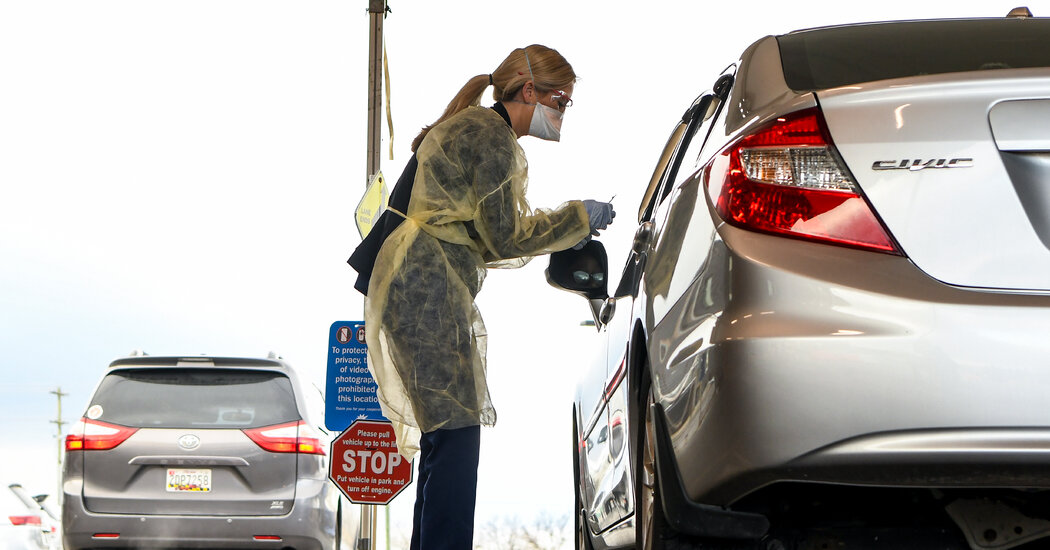
The subvariant of Omicron is not yet causing a new surge in the United States and probably won’t.As the Omicron coronavirus surge subsides, researchers are keeping an eye on a highly transmissible subvariant known as BA.2. Although it doesn’t appear to have the capacity to drive a large new wave of infections, the variant could potentially slow the current decline of Covid cases and make treatments more difficult.Here’s what we know so far about BA.2.It’s not really new.Scientists first discovered the Omicron variant in November, and it quickly became clear that the viral lineage already existed as three genetically distinct varieties. Each branch of Omicron had its own set of unique mutations. At the time, the most common was BA.1, which quickly spread across the world. BA.1 was almost entirely responsible for the record-shattering spike in cases this winter.At first, BA.1 was a thousand times as common as BA.2. But in early 2022, BA.2 started to be found in a larger proportion of new infections.It seems to be easier to catch.All versions of Omicron are highly contagious, which is why the variant swiftly crowded out earlier forms of the coronavirus, like Delta. But a number of studies have found that BA.2 is even more transmissible than BA.1.In Denmark, for example, scientists examined the spread of both subvariants in households. They found that people infected with BA.2 were substantially more likely to infect people they shared a house with than those with BA.1. In England, researchers found that it took less time on average for someone with BA.2 to infect another person, accelerating its spread through communities.It is not yet causing a new surge in the United States, and probably won’t.In early 2022, BA.2 was growing more common in a number of countries. By February, it had become dominant worldwide, driving down the once-dominant BA.1. In the United States, the Centers for Disease Control and Prevention estimated that BA.2 jumped to 11 percent in early March from 1 percent in early February. It could soon become dominant in this country as well.But that does not mean that Americans are riding a new BA.2 wave that is infecting a lot of new people. As BA.2 became more common in the United States, the total number of new cases fell by about 95 percent. Worldwide, the number of daily new cases had fallen to half of what they were at their peak in late January.As many countries relax their protections against the spread of Covid, they may make it easier for BA.2 to drive a new increase in cases. A March 10 report from British researchers suggests that may be happening there now.But there are a number of reasons that epidemiologists doubt that BA.2 will drive a massive new surge.Vaccines have remained highly effective against hospitalization in the Omicron surge.Kenny Holston for The New York TimesExisting vaccines work against the BA.2 variant.One of Omicron’s most striking features was its ability to partly evade the protection of vaccines. “Breakthrough” infections became more common, helping to drive the case surge to its record high. But the vaccines continued to protect people against severe disease, especially those who received a booster. Throughout the Omicron surge, vaccines remained highly effective against hospitalization.British health officials have compared the effect of vaccines against BA.1 and BA.2 infections. They’ve found little difference between the two subvariants. And in both, a booster shot provides fairly strong protection against infection and very strong protection against hospitalization.The BA.2 variant is vulnerable to antibodies made by the immune system after an earlier Omicron infection.When Omicron first emerged, scientists were startled by how effectively it could evade immunity produced by infections with earlier variants. That’s because it has mutations that change the virus’s surface, making it hard for antibodies to earlier variants to stick to it.Because BA.2 carries a number of unique mutations that set it apart from BA.1, researchers wondered if it could evade immunity from BA.1 infections. That doesn’t seem to be the case. The World Health Organization said that infection with BA.1 provides strong protection against infection with BA.2.BA.2 does not appear to be more severe than the previous version of Omicron.The Omicron variant proved to be a paradox: It was highly transmissible, but an individual infection was on average less likely to lead to a serious case of Covid than infections from the Delta variant. That led to many people getting mild Omicron infections. But that didn’t mean the Omicron surge was “mild.” Because it infected so many more people than ever before, it led to a staggering number of hospitalizations and deaths.Studies on Omicron revealed several reasons for its reduced severity. Vaccinations and infections with earlier variants have given many people immune defenses that prevent Covid from spiraling out of control. Omicron also proved to be intrinsically less severe than other variants, causing less damage in the lungs.Similar experiments are ongoing with BA.2. Japanese researchers who have infected hamsters with the two variants have found that BA.2 causes more severe disease. But it’s not clear how good of a model hamsters are for humans. British researchers have found that BA.2 infection does not carry a higher risk of hospitalization than BA.1.Some authorized medications work against BA.2. Others don’t.Like BA.1, BA.2 is able to evade most monoclonal antibody treatments authorized by the Food and Drug Administration, making them ineffective. Some treatments, such as Evusheld made by AstraZeneca, continue to work. The antiviral drugs Paxlovid, molnupiravir and remdesivir all remain highly effective against both Omicron variants if taken soon after a positive test.BA.2’s ‘stealth variant’ nickname is outdated.BA.2 was nicknamed the “stealth variant” when BA.2 did not tip off its presence in positive P.C.R. test samples, making it a challenge for researchers to distinguish Omicron cases from those of Delta and other variants. BA.2 carried a mutation that concealed one of the three telltale coronavirus genes that the tests detect.Now that a vast majority of positive tests involve Omicron, the missing mutation doesn’t matter: Nearly all viruses picked up by P.C.R. are BA.1, and those that are not are BA.2.

Read more →

This Wellness Center Uses Ketamine for Mental Health

Thanks to legal loopholes and a patchwork of compelling research, businesses like Nushama in New York City are writing the rules as they go.The décor of the Nushama Psychedelic Wellness Clinic was designed to look like bliss. “It doesn’t feel like a hospital or a clinic, but more like a journey,” said Jay Godfrey, the former fashion designer who co-founded the space with Richard Meloff, a lawyer turned cannabis entrepreneur.The “journey,” in this instance, is brought on by ketamine, administered intravenously, as a treatment for mental health disorders, albeit one that has not yet been approved by the Food and Drug Administration.“I thought, what does bliss look like?” Mr. Godfrey said. At Nushama, which occupies the entire 21st floor of a building in midtown Manhattan, it looks like 3,000 plastic pastel flowers hanging from the ceiling, and a flat screen TV in the waiting room playing a “landscape of wonder” N.F.T. featuring lily pads and garlands of leaves that are, upon closer inspection, tiny nymphs — with wallpaper to match.Mr. Godfrey closed his fashion business and founded Nushama in 2020. He had become disenchanted with the fashion world, he said, and had been using psychedelics for his own mental health for many years after being inspired by Michael Pollan’s best-selling book “How to Change Your Mind.” The light-bulb moment — Mr. Godfrey called it “an openhearted experience” — came at the beginning of the pandemic when he realized, “I have the ability to bring these medicines to people.”It may be a calling, but Mr. Godfrey’s career pivot from fashion to wellness came as there was less of a need for the clothes he designed, and there was a ballooning interest in psychedelics as alternative treatments for mental health. Investors are banking on various psychedelic start-ups, including delivery services and luxury travel offerings. Nushama is just one example of what many see as the next frontier in health, which, thanks to legal loopholes and a patchwork of compelling research, is able to operate with limited oversight.The F.D.A. doesn’t authorize ketamine for mental health treatment, though it allows the drug to be used as a sedative, making it possible to get a prescription in New York. It has authorized a version of ketamine, called esketamine, which is administered as a nasal spray, to be used for mental health, but only for treatment-resistant cases of depression — and while esketamine contains a molecular component of ketamine, the F.D.A. says these drugs are not the same.In other words, ketamine treatment at Nushama is an “off-label” use of the drug, and representatives from the F.D.A., Federal Trade Commission and the United States Drug Enforcement Administration said they do not regulate off-label drug use, and therefore cannot comment on clinics like Nushama.“There’s nothing suspicious” about off-label prescription use in general, said Mason Marks, a senior fellow at Harvard Law School specializing in the regulations around psychedelics, but ketamine providers need to be careful about over-promising the drug’s benefits, particularly when there’s limited evidence of its efficacy. According to Dr. Dan Iosifescu, a psychiatrist at N.Y.U. Langone, ketamine is also potentially addictive, heightening the risk of using the drug, even in a therapeutic setting.There are 18 treatment rooms at Nushama, including one for couples and another for group sessions.Victor Llorente for The New York TimesThree-thousand plastic pastel flowers hang from the ceiling at the clinic.Victor Llorente for The New York TimesMany researchers and mental health professionals do consider ketamine to be effective for treating depression where other drugs have failed, but Nushama’s website says it uses the drug to treat eating disorders, obsessive compulsive disorder, addiction and chronic pain, conditions where there is far less evidence of its efficacy.“I think the ‘spa for the brain’ concept trivializes both the illness and the treatment. Ketamine is a medical treatment intended to address a significant illness,” such as severe depression or suicidal ideation, said Dr. Joshua Berman, the medical director for interventional psychiatry at Columbia University. “It has not been developed to provide diverting, relaxing or novel experiences for the bored or the worried well.”And perhaps most concerning to experts, it’s up to individual centers to determine if, and how, patients work with mental health providers.“With ketamine, there’s so much off-label use. It’s really concerning because, most of the time, it’s not administered with any psychotherapy at all,” said Natalie Ginsberg, a representative from the Multidisciplinary Association for Psychedelic Studies, a research and advocacy group. It’s critical that ketamine centers incorporate therapy throughout a patient’s process, she said.Checking InAfter making an appointment at Nushama, patients have a virtual psychological evaluation with Dr. Steven Radowitz, the center’s medical director. (Mr. Meloff said Nushama avoids the word “patients” internally, in favor of “clients” or “members.”) They turn away an estimated 10 percent of potential patients if they lack a “good foundation or support network,” struggle with substance abuse, have high blood pressure or haven’t been treated previously for a psychiatric condition, Dr. Radowitz said.Alternatively, if someone comes in with a concurrent pain diagnosis, the first appointment is with Dr. Elena Ocher, Nushama’s chief medical officer, who received her medical degree in Russia from Pavlov First Saint-Petersburg State Medical University and trained in neurosurgery at S.M. Kirov Military Medical Academy, also in Saint Petersburg. Dr. Ocher runs pain management clinics on the Upper East Side and in Brooklyn. Mr. Godfrey met her through a cosmetic surgeon friend.About a week before an infusion, patients come on-site for a medical exam, including an electrocardiogram, blood pressure testing and oxygen saturation. They may also meet with Devorah Kamman, a psychiatric nurse practitioner, who joined the staff three weeks ago.Nushama has no legal obligation to offer mental health care to patients, though, and a representative for Nushama originally stated that it was possible to go through their process without being seen by a mental health professional. They have since amended their policies. Ms. Kamman, the only mental health professional on staff, will now evaluate any patient who does not have their own mental health provider, they said, but will not be present while patients receive their infusions.Patients are not required to be in ongoing therapy, though, “I can’t force people to go start seeing a mental health provider or a therapist,” Dr. Radowitz said.Other clinics have more stringent requirements. “All of our patients in our clinic need to have an outpatient psychiatrist and we need a referral from them as well,” said Dr. Paul Kim, who directs a clinic at Johns Hopkins Medicine that offers esketamine.At Soundmind Center, a psychedelic healing center in Philadelphia that administers ketamine, a trained mental health professional works with every patient, throughout their experience, said Dr. Hannah McLane, the founder. “To really address their underlying problem you need to talk to them. You need to have a dedicated person that’s doing the therapy.’’James Gangemi, an integration specialist at Nushama, called the treatment “a spa day for your brain.” Victor Llorente for The New York TimesNushama’s wallpaper is filled with tiny nymphs.Victor Llorente for The New York TimesPatients can order from a menu featuring mint tea, fresh fruit and granola bars.Victor Llorente for The New York TimesNushama also has “integration specialists,” who meet with patients to discuss their intentions before an infusion session, pop in to check on how it’s going and return once it’s finished. These coaches are not licensed health professionals, though; according to Dr. Radowitz, “They’re more like sitters.”The ‘Journey’The clinic’s 18 treatment rooms are all named after psychedelic medicine pioneers, such as Ram Dass. Patients are given an eye mask and headphones to play spoken word meditations and instrumental music by Deuter, a German new age instrumentalist, that blends Eastern and Western musical elements.Each room has a leather zero-gravity lounge chair with a big red button on the armrest, to call a nurse who can stop the drip, in case of emergency. Ketamine can elevate a person’s blood pressure and heart rate, explained Dr. Iosifescu from N.Y.U., and some people experience nausea or discomfort during infusions; it also has the potential to trigger psychosis. For someone with an eating disorder, a condition Nushama says it treats, this is particularly risky because they are more likely to have cardiac issues from poor nutrition, said Dr. Iosifescu.Once the treatment is finished, an integration specialist like James Gangemi, a 32-year-old former marketer, takes over. “Afterwards you’re left with, what do I do now? How am I navigating traffic or my colleagues?” said Mr. Gangemi, who came to the profession through his own use of psychedelics. He talks with each patient about what their experience was like; sometimes he’ll do breathing exercising with them. A doctor also checks their vitals, monitoring heart rate and blood pressure.Patients are encouraged to linger, to read or journal about the experience — they can order from a menu featuring mint tea, fresh fruit and granola bars — and to have a chaperone assist them on their way home. Most stay about an hour, Dr. Radowitz said, but they are allowed to leave after a brief medical evaluation and a 15 to 20 minute meeting with the integration coach.Natalie Ginsberg, from M.A.P.S., was concerned with how short Nushama’s window for monitoring is.“In any form of psychedelic therapy, it’s really important to have time after for you to give your mind and body time to process what happened,” said Ms. Ginsberg. Esketamine clinics generally require a doctor to supervise patients for two hours, according to F.D.A. protocols.In Nushama’s “group therapy room,” there are Moon Pods to sit on and relax after a treatment.Victor Llorente for The New York TimesDr. Radowitz said that he sees “no difference whatsoever” between esketamine and ketamine, contrary to the F.D.A.’s assessments. Even so, he doesn’t think two hours is “necessary.” He acknowledges that Nushama’s practices differ from F.D.A. protocols for administering esketamine, but said he is not worried about potential risks or legal liability. “It doesn’t concern me,” he said. “I have no problem using this medication.”What’s Next?For some patients, the promise of ketamine’s benefits overshadows its risks, legal status and cost. Maria Kennedy, 30, who works in public relations, had the first of her six “journeys” at Nushama in October 2021. She had previously tried talk therapy and selective serotonin reuptake inhibitors for anxiety and depression, she said, but during the pandemic felt herself spiraling, isolated and anxious in a studio apartment. Her therapist, who knew Dr. Radowitz, referred her to Nushama.Ms. Kennedy said that during a few treatments she felt as though she were floating through space, nestled beneath the snug eye mask and hovering beyond her body. In others, the ketamine triggered precise, specific visions — once she saw her mother wrapping presents before a birthday party.By the time the I.V. was removed, Ms. Kennedy said she would feel mostly back to normal. She would stay at Nushama, taking her time to peel herself from the “cozy” chair. “The only thing that I can compare it to is waking up after a really awesome sleep,” she said. Afterward, she would take her dog to a cafe and read with a coffee or a beer.Across the country, ketamine clinics have seen increased interest. Since SoundMind opened in August 2021, they have had over 100 people a month sign up on average. Boise Ketamine Clinic in Idaho is booked until the end of April for ketamine-assisted psychotherapy treatments. In San Diego, a clinic called South Coast TMS and Ketamine had a 40-person wait-list for months, until the center raised its prices to $1,500 per session, a representative said.Dustin Robinson, a founder of the venture capital fund Iter Investments, which concentrates on the psychedelics space, estimated that a typical ketamine clinic with, say, five rooms makes $75,000 to $100,000 per month, and potentially double that if it’s fully booked. Profit margins, he added, can be more than 30 percent, which according to industry reports is far higher than most health care services. “There is not a huge amount of staff and the medicine is very cheap — almost negligible — the staff is the main cost,” he said.Mr. Robinson knows Mr. Godfrey, but is not an investor in Nushama, which charges $4,000 for six sessions; insurance rarely covers ketamine for mental health, but might if there is also a pain diagnosis. Nushama does not provide single sessions. “It’s hard to get in shape going to the gym once,” said Mr. Meloff.They also offer “group journeys,” for up to eight people in a large treatment room, which are about half the price of individual sessions, and the founders have lofty goals for attention-getting events; they hope to one day hold breath work and yoga classes on the terrace. They also say the plan is to administer MDMA or psilocybin when (and if) those psychedelics are cleared by the F.D.A.But until federal agencies approve the use of any psychedelics to treat mental health conditions, clinics like Nushama will continue to write their own rules, without regulation.“I know this movement is going to be driven by profit, but I’m really pushing people to cut their profit margins just a little bit and add more therapists,” said Dr. McLane of SoundMind. “Not having a therapist or facilitator in every room throughout is not fair to the patients.”

Read more →