Scientists create novel genetic model of Down syndrome in rats

In pursuit of better ways to test new therapies and further explore the impacts of the unique genetics associated with Down syndrome, researchers at Johns Hopkins Medicine and Tottori University in Japan have genetically engineered and characterized what is believed to be the first rat model of Down syndrome.
A report of their research appeared Jan. 24 in The American Journal of Human Genetics.
Scientists have long sought ways to improve medical care for people with Down syndrome, especially those suffering the physical and mental challenges that are hallmarks of the condition. These include a higher risk of heart defects, gastrointestinal problems and difficulties with learning and memory.
“Developing an animal model that shares these features with human Down Syndrome will allow us to test therapeutics more efficiently, with higher odds of developing ones that can work in people,” says Roger H. Reeves, Ph.D., professor of physiology at the Johns Hopkins University School of Medicine.
At its root, Down syndrome is an outcome of a so-called chromosomal “trisomy,” or tripling. A typical human cell has 23 pairs of chromosomes, which contain genetic instructions that govern its inner workings and how it interacts with the rest of the body. Down syndrome occurs when a person is born with an extra partial or entire copy of the 21st chromosome, a condition called trisomy 21. This extra chromosome’s effects are expressed widely across the body and its impacts vary among individuals.
Rats do not — as humans do — randomly produce offspring with extra 21st chromosomes, so the researchers set out to accomplish a complicated feat of genetic engineering to generate rats with an additional 21st chromosome.

Read more →

Covid in Scotland: Omicron sub-variant driving increase case numbers

SharecloseShare pageCopy linkAbout sharingImage source, Getty ImagesScotland’s record rates of Covid are being driven by a new variant of Omicron, the chief medical officer has said.Professor Sir Gregor Smith said about 85% of cases in Scotland were thought to be the BA.2 variant. The World Health Organisation has said BA.2 is more transmissible than the original BA.1 Omicron strain, which emerged in Scotland in December. However there is no evidence to suggest it is any more severe. Scotland’s remaining Covid restrictions, including the end of the legal obligation to wear masks inside public buildings, are due to be lifted next Monday.Ahead of Nicola Sturgeon’s update to Holyrood on the issue, Prof Smith said a “cautious approach… is the right approach”. What we know about the new Omicron variant Covid BA.2 Omicron variant: What you need to knowProf Smith told BBC Radio Scotland’s Good Morning Scotland that countries with the BA.2 sub-variant had experienced the “quickest, sharpest rises in case rates”.He said Northern Ireland was the first UK nation to identify a rise in BA.2 and they now estimate about 1 in 13 people there have Covid. “Scotland is probably the country who has experienced the greatest rise in BA.2 next,” Prof Smith said. “Our proportion is currently about 85% just now. And you can see those countries that have BA.2 just now are experiencing the quickest, sharpest rises in case rates.”He said England and Wales were now beginning to experience this as well. “In my view it is undoubtedly driven by the presence of BA.2,” he addedRising infection levelsImage source, Getty ImagesThe Office for National Statistics estimated on Friday that Scotland had the highest rate of Covid infections since sampling began in autumn 2020. Almost 300,000 people – about in 18 – had Covid in the previous week. The estimated infection levels have risen for six consecutive weeks.Figures released last Wednesday showed the number of people in Scottish hospitals with Covid had reached its highest level for 13 months, with 1,636 patients.That figure has since risen to 1,805 patients, with 27 in intensive care, according to statistics published on Monday. Experts said numbers in intensive care were very low because of vaccinations and new treatments, but large numbers of Covid patients had an impact on bed availability and other services. People ‘adapting behaviour’Prof Smith said he had been keeping a close eye on case numbers for the last three weeks. “Clearly when you see cases begin to increase like this it does give you a little bit of concern,” he said. Hospital occupancy began to rise around February 14, he added. “We’re seeing more older population becoming impacted on this occasion, and that’s leading to some longer lengths of stay, which is driving occupancy up as well,” he said.Prof Smith said there were “some hopeful signs” the hospital admission rate had “begun to kind of top out just a little bit over the course of the latter end of last week”. Ministers would make a decision on whether to go ahead with lifting rules on face masks shortly, he said. Asked what advice he would give to ministers, he said: “I think that a cautious approach at this point in time is probably the right approach, and we’re already seeing the public adopting those additional protections.”Image source, Getty ImagesHe said data from contact tracers showed some people were adapting their behaviour by reducing their contacts and avoiding busy places, while the use of face masks was also up.But Prof Smith said he could not predict when Covid-19 would become part of the background of everyday life.”The one thing I’ve learned about this virus, more than anything else, is not to become blasé about it. It will continue to evolve. It is still at an unstable stage in its development,” he said. “Until we’ve got a global stability of this virus we can’t say we will have domestic stability.”Last week Health Secretary Sajid Javid said the UK government had “no concerns at all” about sub-variants.He said Omicron had been the last variant to be considered of concern but that the country had “successfully navigated” it, but he said the government continued to monitor the situation “very carefully”.RULES: What are the restrictions in your area?EASING: What rules are changing, and when?WHO? The people who have died with Covid-19More on this storyCovid levels across Scotland hit new record highCovid hospital patient numbers hits 13 month highWhat are the Covid rules in Scotland?

Read more →

Novel cell survival mechanisms through RNA regulation in the central nervous system

This study’s findings will help congenital neurological disease (e.g. spinal muscular atrophy) specialists better understand the mechanisms and components involved in CNS development. Notably, the findings of this work demonstrate unequivocally that Ddx20 is a novel Olig2-interacting factor and a potent suppressor of the p53 pathway, contributing to the maintenance of neuronal and oligodendrocyte progenitor cells during CNS development. Therefore, Ddx20 and Olig2 are promising molecular targets for development of future therapeutic strategies.
The central nervous system, which comprises the brain and spinal cord, is constructed by the proper proliferation of neural progenitor cells and their differentiation into neurons and glial cells. The transcription factor Olig2 is expressed in neural progenitor cells and is essential for the development of motor neurons and oligodendrocytes, and also contributes to the proliferation of neural progenitor cells. However, it has remained unclear how Olig2 regulates these diverse biological processes. Therefore, this research group searched for a novel Olig2 binding factors and aimed to elucidate the developmental mechanisms involved in these factors and Olig2.
In a ground-breaking recent study, a team of scientists based at Niigata University, identified a novel Olig2 binding protein called Ddx20 (also known as Gemin3 or DP103) that interacts with Olig2 during neural development. Ddx20 is known as a multifunctional molecule that regulates transcription, RNA splicing, and protein translation. Furthermore, Ddx20 interacts with SMN, a causative gene of spinal muscular atrophy (SMA), and is deeply involved in the pathogenesis of SMA. In this study, the scientists generated Ddx20 conditional knockout mice to investigate the function of Ddx20 during CNS development. They found that apoptosis occurs rapidly in neural progenitor cells and oligodendrocyte progenitor cells. The mechanism responsible for the cell death was investigated, and excessive nuclear accumulation of p53, a tumor suppressor gene product, was found. Interestingly, in Ddx20-deficient mice, the SMN protein was destabilized and the RNA splicing mechanisms were abnormal, leading to splicing dysregulation of Mdm2, a p53 inhibitor. They proceeded to further understand the mechanism by which Olig2 contributes to neural progenitor cell proliferation and survival. In these experiments, the authors found that Ddx20 levels were lower in Olig2 deficient mice than in wild type mice. Moreover, the SMN protein levels were lower in Olig2-deficient mice than in wild type mice. In addition, some spliceosomal RNA and Mdm2 splicing were dysregulated in Olig2-deficient mice than in wild type mice. Lastly, the p53 was more activated in Olig2-deficient mice than in wild type mice.
In summary, the discovery reported in this study show that Olig2 maintains the Ddx20-SMN complex involved in the regulation of Mdm2 splicing, which in turn suppress p53 activation. In an interview with Professor Hirohide Takebayashi, who led this research at Niigata University, said, “This study highlights that a transcriptional factor, Olig2, affects not only transcriptional regulation but also RNA metabolism through Ddx20 stabilization, revealing the diverse functions of Olig2. Importantly, since Olig2 has been reported to be involved not only in neural development but also in the progression of glioma and melanoma. On the other hand, Ddx20 has also been known as an initiator of various cancers. Therefore, the interaction of these two factors may play a key role in the development and progression of the cancers. We believe that further research might provide clues to elucidate the etiology of congenital neurological diseases and cancers, including the development of therapeutic strategies against them.”
Story Source:
Materials provided by Niigata University. Note: Content may be edited for style and length.

Read more →

History of neurological or psychiatric conditions increases the likelihood of developing more

People living with neurological or psychiatric conditions may have an increased likelihood of having a second such condition in the future, and their sex influences their risk, according to new research.
The study is Ontario’s largest, both in population size and length of time studied, and was also the first to examine the effect that being a man or woman has on the relationship between conditions. Researchers from the University of Waterloo and the Institute for Clinical Evaluative Science conducted the work with funding from the Neurodegenerative Disease Research Initiative (ONDRI).
“Globally, neurological and psychiatric disorders are leading causes of disability and death,” said Colleen Maxwell, a professor at the School of Pharmacy at Waterloo and lead author on the study. “Understanding which disorders or conditions are risk factors for, or early manifestations of, later disorders will help health-care providers and family provide proactive care for individuals living with these conditions.”
Maxwell and the study collaborators used provincial health databases to analyze data from more than five million Ontario residents aged 40 to 85 years. Over the course of 14 years, they examined the associations between pairs of particularly common neurological conditions — such as dementia, Parkinson’s disease, or stroke — and psychiatric disorders like depression and anxiety.
They explored the link between these conditions in both directions, including investigating how the experience of previous stroke related to future risk of dementia and vice versa. In almost all cases, the researchers found that the rate of developing a second condition increased. For example, individuals with prior Parkinson’s disease had four times the rate of developing dementia, while those with prior stroke had more than double the rate of developing dementia. They also found that having a psychiatric disorder previously was associated with an increased rate of experiencing dementia later. For some conditions, the risk of developing the second disorder remained for 10 years or more after the first.
The team showed that women and men differed in their risk for developing a later condition after experiencing an earlier one. For example, comparing men and women who experienced an earlier stroke, women were more likely than their male counterparts to develop dementia later.
The researchers hope their work can inform not just the care that individuals with these conditions receive directly, but also the planning of the health system as a whole.
“We also hope to provide information for those designing medical, educational programs to ensure health-care providers are informed of and equipped to address these common comorbidities,” Maxwell said.
The ONDRI supported the research through the Ontario Brain Institute. The study was recently published in the journal Age and Aging.
Story Source:
Materials provided by University of Waterloo. Note: Content may be edited for style and length.

Read more →

Maternal lead exposures correlated with sex ratios of offspring

Higher lead levels in a mother’s blood can increase the chance of her bearing male offspring, according to new research led by Japanese scientists at the Tohoku University Graduate School of Medicine.
The research, published on January 4 in the Science of the Total Environment, aimed to help explain an observed decline in the proportion of male to female births in Japan and elsewhere. “Generally, for every 100 females, 104 -107 males are born, says associate professor of medicine and lead study author Nozomi Tatsuta. “In recent years, the sex ratio has been declining worldwide, and the number of male births has been decreasing.” Tatsuta cites data from a 2013 study of sex ratios at birth over six decades.
In demographic terms, the number of males per 100 females at birth is called the secondary sex ratio (SSR), which is known to be sensitive to certain environmental toxins. For example, “Previous studies have reported that the sex ratio is affected by exposure to chemical substances such as dioxins, as well as heavy metals such as methylmercury,” says study author Kunihiko Nakai, professor of Development and Environmental Medicine. Noting that lead can reduce female fertility as well as male sperm quality, the researchers hypothesized that it could play a role in the SSR.
The study recruited pregnant female participants from the ongoing Japan Environment and Children’s Study (JECS) sponsored by Japan’s Ministry of Environment. The study covers a broad geographic swathe of Japan. The participants were classified into five groups according to their blood lead levels. The analysis was adjusted for family income and smoking status during pregnancy, which could also affect the secondary sex ratio (SSR). Blood samples were collected from 85,171 female participants during middle-late pregnancy and analyzed for lead concentrations.
Several analyses were used to examine the relationship between maternal lead levels and SSR — a logistic regression, a sensitivity analysis, and a binomial distribution analysis — and all three indicated an increase in the proportion of male births with higher maternal lead concentrations. The correlation between maternal lead exposure and sex ratio was consistent even after adjusting for other potential variables like father’s age and exposure to lead on the job.
The findings may explain why the percentage of male births in Japan has been declining. The authors explain that, as restrictions in leaded gasoline and paint have been implemented, air lead levels have decreased, citing a 2021 study in Germany reporting a long-term trend of decreasing blood lead levels coincident with lower air lead levels. The similarly decreased air lead levels in Japan may explain the shift in sex ratio away from males.
This study has implications for public health. Guidelines for pregnant women are that blood lead levels should not exceed 50 nanograms per gram of blood. Yet, this study indicates that a maternal blood level of less than 1 nanogram per gram could affect the sex ratio of offspring.
The researchers call for further study of the correlation between lead and offspring sex ratio. “Since there are many factors other than lead exposure that are related to the sex ratio, it is still not fully understood to what extent maternal lead exposure affects the birth sex ratio,” says study author Shoji F. Nakayama, lead exposure scientist for the JECS. Other factors they hope to examine in the future include the effect of paternal blood lead levels on sex ratio and the impacts of lead on frequency of miscarriages and stillbirths.
The authors caution that because lead can have toxic effects on a developing human brain, it should never be used as a means of trying to control the sex of offspring.
Story Source:
Materials provided by Tohoku University. Note: Content may be edited for style and length.

Read more →

Air pollution linked to depressive symptoms in adolescents

Exposure to ozone from air pollution has been linked to an increase in depressive symptoms for adolescents over time, even in neighborhoods that meet air quality standards, according to new research published by the American Psychological Association.
Ozone is a gas that is produced when various pollutants from motor vehicle exhaust, power plants and other sources react to sunlight. Higher ozone levels have been linked to various physical ailments, including asthma, respiratory viruses and premature death from respiratory causes. This study is the first to link ozone levels to the development of depression symptoms in adolescents over time. Those symptoms may include persistent feelings of sadness or hopelessness, difficulty with concentration, sleep disturbances and thoughts about suicide.
“I think our findings really speak to the importance of considering air pollution’s impact on mental health in addition to physical health,” said lead researcher Erika Manczak, PhD, an assistant professor of psychology at the University of Denver.
The researchers analyzed data from a previous study about early life stress with 213 adolescent participants (aged 9 to 13 years old) in the San Francisco Bay area. The researchers compared data about the adolescents’ mental health over a four-year period with Census tracts for their home addresses and air quality data for those tracts from the California Environmental Protection Agency.
Adolescents who lived in areas with relatively higher ozone levels showed significant increases in depressive symptoms over time, even though the ozone levels in their neighborhoods didn’t exceed state or national air quality standards. The findings weren’t affected by the participants’ sex, age, race, household income, parental education or socioeconomic characteristics of their neighborhoods. The research was published online in Developmental Psychology.
“It was surprising that the average level of ozone was fairly low even in the communities with relatively higher ozone exposure,” Manczak said. “This really underscores the fact that even low levels of ozone exposure have potentially harmful effects.”
Ozone and other components of air pollution can contribute to high levels of inflammation in the body, which has been linked to the onset and development of depression. Adolescents may be especially sensitive to these effects because they spend more time outdoors.
The study included a relatively small sample size from one area of the United States. The findings are correlational so it can’t be proven that ozone levels caused an increase in depressive symptoms, only that there is a link between them. It’s also possible that other components of air pollution besides ozone could be a factor.
Because air pollution disproportionately affects marginalized communities, ozone levels could be contributing to health disparities, Manczak said. Communities also should consider ways to reduce ozone exposure, such as holding youth sporting events indoors when necessary and limiting driving during peak hours of air pollution alerts. Investment in clean and renewable energy sources that reduce air pollution also could be helpful.
“I believe state and federal air quality standards should be stricter, and we should have tighter regulations on industries that contribute to pollution,” Manczak said. “Our findings and other studies suggest that even low levels of ozone exposure can pose potentially serious risks to both physical and mental health.”
Story Source:
Materials provided by American Psychological Association. Note: Content may be edited for style and length.

Read more →

Novel Malaria Treatment for Children Receives First Approval

The single-dose medication, for treatment of a particular form of malaria, is a new weapon in the war against the deadly illness.Australian regulators have approved a simple drug combination as an effective cure for a form of malaria in children ages 2 to 16, opening the door to approvals in other countries and heralding a new weapon in the battle against a deadly disease.The drug is a single dose of tafenoquine (brand name Kozenis), administered along with the traditional chloroquine treatment. The approval was announced on Monday by the nonprofit Medicines for Malaria Venture, which helped develop the drug.Tafenoquine, made by GlaxoSmithKline, can cure a type of malaria caused by Plasmodium vivax, which is most common in South and Southeast Asia, South America and the Horn of Africa.The drug will be submitted for approval in nine countries, as well as to the World Health Organization, according to George Jagoe, an executive vice president at the Medicines for Malaria Venture.Malaria is among the deadliest of infectious diseases. In 2019, there were 229 million new infections and 558,000 deaths; the numbers rose during the Covid-19 pandemic, to 627,000 deaths in 2020.Most of these deaths are in sub-Saharan Africa, home to a form of the malaria parasite called Plasmodium falciparum. A majority of the fatalities occur in children younger than age 5. In October, the W.H.O. endorsed the first malaria vaccine, also made by GlaxoSmithKline, against P. falciparum.P. vivax causes up to five million malaria infections every year; children ages 2 to 6 are four times as likely as adults to contract the disease.The parasite is a slippery adversary that rapidly cycles through different forms in the body. In blood, the infection can cause acute symptoms of fever, chills, vomiting and muscle pains.P. vivax can also hide out in the liver, triggering relapses months or even years after the initial exposure. These episodes can lead to severe anemia, lasting brain damage and death.“That’s the trademark of vivax malaria,” Mr. Jagoe said.Most treatments, including chloroquine, are directed at the blood stage of the parasite, and so cannot prevent recurrence of the infection and its associated symptoms. But tafenoquine goes after the sleeper colonies in the liver. In combination with chloroquine, tafenoquine can deliver what scientists call a “radical cure.”In July 2018, the Food and Drug Administration approved 300 milligrams of tafenoquine for the radical cure of P. vivax malaria in adults and adolescents 16 years and older. Drug regulators in Australia, Brazil, Thailand and Peru followed suit with similar approvals.The new formulation for children is given as a single small 50-milligram tablet dispersed in water, which is much easier for children to take than the current seven- or 14-day course of pills developed for adults — and therefore much more likely to be used.“Today, we have a tool to put a stop to the relentless relapse both for adults and children — we are one step closer to defeating this disease,” David Reddy, the chief executive of the Medicines for Malaria Venture, said in a statement.Drugs for P. falciparum can be evaluated quickly, but because P. vivax causes recurrent malaria, trials require much longer follow-up. “What you’re really proving with vivax treatments like these are that six months from now, you’re not going to get a relapse,” Mr. Jagoe said.Researchers evaluated different dosages of the drug, based on weight, for children ages 2 to 15 who weighed at least 22 pounds. The investigators recruited 60 children with P. vivax malaria from three sites in Vietnam and one in Colombia.The children all got a single dose of tafenoquine and a course of chloroquine administered according to local or national guidelines for the treatment of the active blood stage infection.About 62 percent of the children reported some side effects, a percentage similar to that seen in adults and adolescents, the researchers reported. None of the side effects were severe, although the treatment caused vomiting in about one in five of the children.At four months, the efficacy of the treatment in preventing recurrence was 95 percent, similar to the efficacy in adults and older adolescents.

Read more →

Parents: Will You Vaccinate Your Young Kids?

We want to hear more about how parents are making decisions to vaccinate themselves and their children.The pandemic has been a difficult time for families, full of complicated decisions. We are exploring why some families are choosing to vaccinate while others are not.With the timeline for an announcement by the Food and Drug Administration unclear, parents have been left to speculate on when a Covid-19 vaccine might become available for children under 5.Have you found the messaging around vaccines for very young children confusing? Do you feel like you have enough information to make a decision? Where are you finding sources of information on the vaccines?Your name and comments may be published, but your contact information will not. A reporter or an editor from The Times may follow up with you directly.Will you vaccinate your young children?

Read more →

Which Coronavirus Vaccine Will Work in the Youngest Children?

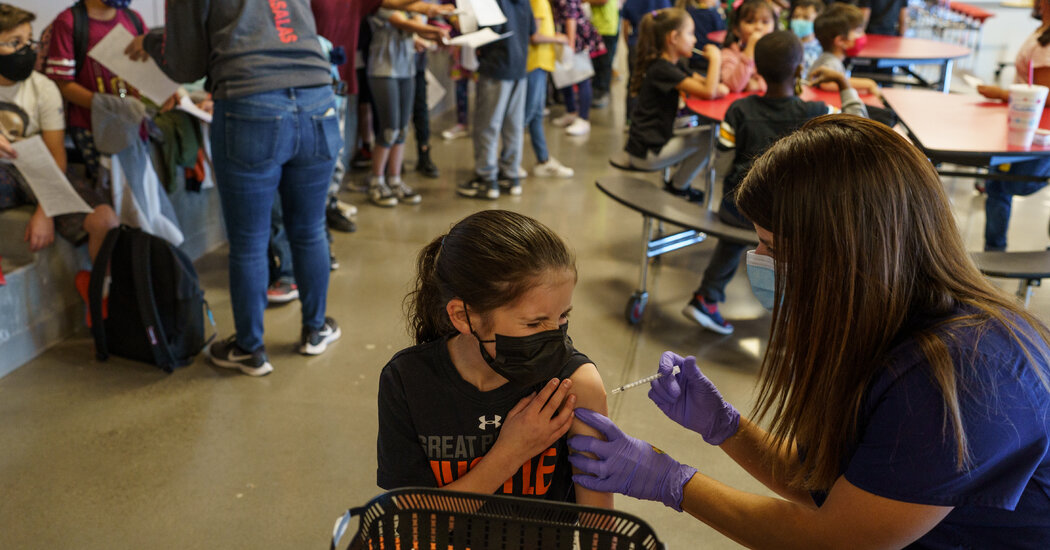
Moderna is going head-to-head with Pfizer-BioNTech for the opportunity to vaccinate the youngest children, the only Americans still not eligible for shots.WASHINGTON — Over the past 10 months, as tens of millions of children and teenagers received the Pfizer-BioNTech vaccine, the companies’ main rival, Moderna, sat on the sidelines, its shot limited to adults.But Moderna may now be poised for a comeback at a critical juncture in the nation’s vaccination campaign. The company is expected to send federal officials initial data this week on how well its coronavirus vaccine works for the nation’s youngest children.About 18 million children under the age of 5 are the only Americans not yet eligible for vaccination. And while uptake for older children has been slow, many parents are still anxiously awaiting the chance to protect their babies, toddlers and preschoolers.Moderna is going head-to-head with Pfizer-BioNTech for the opportunity to vaccinate this group, hoping it has found what some scientists are calling the “Goldilocks” dose: strong enough to offer lasting protection, but not so strong that it causes widespread worrisome side effects, such as high fevers.Moderna has opted for a regimen of two doses at a quarter the strength of its adult dose for children under 6. Pfizer is expected to seek authorization next month for a three-shot regimen for children under 5, with doses one-tenth as strong as those for people aged 12 and up.Moderna is also expected to release data soon from its clinical trial on the next age group up: children aged 6 to 11.Dr. Yvonne Maldonado, a Stanford professor of pediatric infectious diseases and a lead investigator at the Stanford site of Pfizer’s pediatric vaccine trials, said new data from both Moderna and BioNTech in the coming weeks will offer critical insight into the effectiveness of their pediatric shots. She said researchers are watching carefully to see if Moderna’s stronger doses “result in more robust immune responses” than Pfizer’s shots have elicited in young children.A series of new studies raising questions about how long Pfizer’s lower doses protect elementary-school-age children has piqued interest among federal scientists and vaccine experts in Moderna’s choices.Dr. Ofer Levy, a pediatric expert at Harvard Medical School and a member of the Food and Drug Administration’s independent vaccine advisory committee, said he thought Pfizer might have selected too low a dose for 5- to 11-year-olds “in the understandable priority to maximize safety.”To date, Pfizer has been the only player in vaccinating younger Americans, winning authorization to vaccinate 12- to 15-year-olds last May, followed by 5- to 11-year-olds in October. Its authorization for adults also covers 16- and 17-year-olds.Moderna sought authorization to vaccinate teenagers last June, but the F.D.A. delayed considering the request because of concerns about the risk of myocarditis, a condition involving inflammation of the heart that has been tied to both the Moderna and the Pfizer shots.More than 22 million people in the United States under 18 are now fully vaccinated with the Pfizer vaccine, but uptake has been leveling off. Only roughly one in four children ages 5 to 11 are fully vaccinated, for example, even though shots have been offered to that group for more than four months.But there is still a demand to protect the youngest children as more of the country unmasks, more parents return to workplaces and the summer travel season approaches.Compared with adults, “there is no question that in children the benefit of an effective vaccine is less, because fewer get really sick,” said Dr. Eric Rubin, an infectious disease expert at the Harvard T.H. Chan School of Public Health and a member of an advisory panel to the Food and Drug Administration.“But it will benefit some individuals,” he said. “It will save some lives.” According to the Centers for Disease Control and Prevention, 336 children in the United States under the age of 5 have died of Covid since the start of the pandemic.Doses of the Pfizer children’s vaccine being prepared in Abuquerque in November. Pfizer and Moderna are testing different doses for children, compared to their adult vaccines.Paul Ratje for The New York TimesHopes that the youngest children would soon be covered surged last month after regulators pressed Pfizer-BioNTech to submit preliminary results from its three-dose trial. The F.D.A. wanted to get the vaccination campaign underway with two doses while awaiting final results on three.But that effort collapsed when new data from Pfizer that encompassed more of the Omicron surge showed convincingly that two doses failed to protect adequately against symptomatic infection. Now, more detailed results from Pfizer’s and Moderna’s trials are materializing at roughly the same time. And while neither company knows yet whether its vaccines will prove effective enough for the youngest age group, but both say their research shows they are safe.“We have not seen anything untoward right now, so we feel confident in the safety profile,” Dr. Paul Burton, Moderna’s chief medical officer, said in an interview.Amy Rose, Pfizer’s spokeswoman, has said that after careful research, Pfizer-BioNTech chose the “safest and most tolerable dose” for young children. The companies have said they are hopeful that a three-shot regimen will provide strong protection for children under the age of 5. Pfizer is testing a 10-microgram dose for 5- to 11-year-olds, a third of the adult and teenage dosing; and 3 micrograms for children under 5.Moderna is proposing substantially higher dosing than Pfizer in all three pediatric age groups: 100 micrograms, the full adult dose, for those ages 12 to 17; 50 micrograms in children 6 to 11, and 25 micrograms in those under 6. Regulators are considered likely to review the firm’s data for all three age groups simultaneously.“We really stand behind those doses,” Dr. Burton said. Although federal officials say both Pfizer and Moderna’s vaccines wane in potency over time, some studies of adults have suggested that Moderna’s protection holds up longer. “I think it comes down to dose,” Dr. Burton said.He said initial results showed a 50-microgram Moderna dose prompted a “robust immune response” in children 6 to 11. While the overall number of infections was small, researchers hope that trial will help reveal how well the vaccine prevents illness, not just how high it boosts antibody levels.Dr. Philip Krause, who recently retired as a senior vaccine regulator at the F.D.A., said the agency spent significant time last year worrying about the safety of Moderna’s vaccine for those under 18, with some studies showing a higher risk of myocarditis from the company’s shot than from Pfizer’s.“The question is always: What is the dose that gives rise to an immune response that we think is likely to be protective?” he said. “You couldn’t actually test to figure out the rate of myocarditis since it’s rare, but you could ask, ‘What are we sacrificing in immune response by lowering the dose, and do we think that’s important?’”Preschoolers wearing masks in Annandale, Va., last year. As precautions are lifted in states, there is still interest in protecting the youngest children who are not eligible for vaccines.Cheriss May for The New York TimesPartly because of concerns about myocarditis, the C.D.C. recently encouraged some people 12 or older, particularly boys and men between 12 and 39, to wait eight weeks between their first and second Pfizer or Moderna shots. Studies have shown that teenage boys and young men are most at risk of developing the side effect.Dr. Burton said that overall the research had proved reassuring, including recent British data that showed myocarditis was very rare and typically mild in both Pfizer and Moderna recipients. But Dr. Walid F. Gellad, a drug safety expert at the University of Pittsburgh, said it remained unclear whether Moderna’s higher dosing might elevate the risk of myocarditis in young children. The company’s pediatric studies are most likely much too small to identify the risk of the side effect, he and other experts said.Moderna’s new push also comes after several studies raised questions about the protection that two doses of Pfizer-BioNTech’s vaccine provide for children 5 to 11. Researchers in New York State’s health department recently found that protection against infection from two doses faded significantly within weeks. C.D.C. researchers separately found that during the Omicron wave, the effectiveness of two doses of the Pfizer shot against moderate forms of the disease in children ages 5 to 11 dropped significantly.The studies have kindled a debate among vaccine experts about whether a stronger dose would have been better or whether those children need third doses. Booster shots are now authorized for everyone 12 and up. Pfizer expects results from its study of a three-dose regimen for the younger children next month.Dr. Gellad said it was possible the Pfizer dose for 5- to 11-year-olds may have been too weak, but that scientists could not yet be certain. He said he expected regulators would be especially careful in considering higher doses for young children given the comparatively low risks of them catching Covid now and getting severely ill.Amid all the questions, one thing is clear: The back and forth over which vaccine will be better for young children could discourage uptake.Alison M. Buttenheim, a behavioral health expert at the University of Pennsylvania, said those considering vaccination found comfort in certainty. Otherwise, “that’s just going to pave the way to say, ‘I’m going to hold off,’” she said. “A lot of people are uncomfortable with evolving science.”

Read more →

'I thought I had Covid but it was terminal lung cancer'

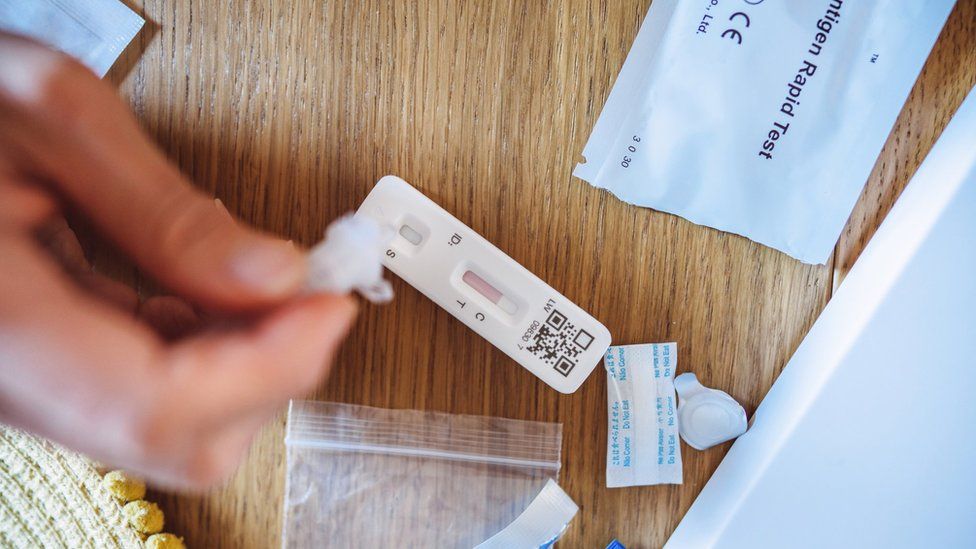
SharecloseShare pageCopy linkAbout sharingThis video can not be playedTo play this video you need to enable JavaScript in your browser.Thinking she had coronavirus, Julie Smith took four Covid tests because she had been suffering with a persistent cough and had lost her sense of taste.The grandmother went to her GP after returning from a family holiday to Butlins – but tests showed Julie actually had terminal lung cancer. “From ‘you’re not ill’ and then to be diagnosed with all this, I just can’t believe it,” said the 73-year-old.Doctors now want targeted screening in Wales to catch lung cancer cases early.Trials show it can reduce deaths by 20% and one leading cancer charity has said Wales was “lagging far behind England” because the NHS in England has offered lung health checks in some areas since 2019. Longer waiting times put cancer patients at riskCancer worry as claims for end-of-life help riseCancer backlog may take over decade to clearIt is being considered by the Welsh government, although lung cancer screening has not been recommended by the UK National Screening Committee.But consultants in Wales think it could save people like Julie.’I had nothing wrong apart from a cough’Image source, Julie SmithAnd if Julie, who stopped smoking in 1989, was in one of those areas in England, she would have been eligible for a scan which might have saved her life.”We went to Butlins with the family, I went on the big water slide and everything and then the cough started,” said the grandmother-of-four from Pontypridd, in Rhondda Cynon Taf.”I had nothing wrong with me apart from a cough and then a couple of weeks later my taste started to go. I’d had all my Covid injections so I thought ‘well I’ll be alright, but I’ll just have Covid’.”Image source, Julie SmithJulie had started to cough in September 2021 after a break in Minehead, but her Covid tests came back clear.The retired hospital housekeeper went to the doctors after neighbours heard her persistent cough during the night through the walls of their terraced house.’I’ve had a lot of tears’After further scans, Julie’s lung cancer was diagnosed – but it had spread to her lymph nodes and bones so treatment to cure it was no longer possible.”I had a little tear but was in shock,” Julie said, recalling receiving her diagnoses. “My husband was sobbing, as were my son and daughter. But I’ve had a lot of tears since.”She added: “None of us can believe it.”Image source, Julie SmithThe diagnosis came just four months after her ex-husband, and the father of her two children, had died of lung cancer.Julie has had chemotherapy and is now undergoing immunotherapy – treatment which uses the immune system to help fight the cancer – in an effort to prolong her life.Image source, Julie Smith”I worry about the children and how they’re all going to cope,” Julie added. “It’s been so frightening, I just only hope with immunotherapy that I will have a lot longer.”Other cancers have a better survival rate because they are usually picked up earlier, but often lung cancer symptoms don’t develop until the cancer has advanced.Julie is now backing calls for targeted lung screening in Wales so other families do not have to go through what her family is going through.”What was frightening is that I had no symptoms,” she said. “I had nothing wrong with me except this cough. You just don’t know you’ve got it so screening would be brilliant.”How dangerous is lung cancer?Lung cancer is the most common cause of cancer death around the world, with 2.1 million people diagnosed in 2020 and 1.8 million deaths.It is also the biggest cause of cancer deaths in the UK, killing more than 35,000 people a year – about a fifth of all UK cancer deaths.Experts say the most dangerous thing about lung cancer is patients often do not have symptoms until it is too late to be cured.Source: Cancer Research UKWhat are the symptoms of lung cancer? There are usually no signs or symptoms in the early stages of lung cancer but they do develop as the condition worsens.The main symptoms of lung cancer include a cough that does not go away after two or three weeks and gets worse, reoccurring chest infections, aches or pain when breathing or coughing and persistent breathlessness and tiredness.Source: NHSScreening is available in 23 areas of England to people aged between 55 and 74 who smoke, or have smoked.One leading cancer charity has criticised the Welsh government for not starting a pilot in Wales already. “In Wales, we are yet to get off the ground,” said Tenovus Cancer Care chief executive Judi Rhys.”Even though we have the go-ahead for an operational pilot, that’s not going to start until later this year. We are lagging far behind England”.’I owe my life to lung cancer screening’Jo Shoba said she owed her life to screening after stage one lung cancer was detected during a health check in December 2019 but is now “cancer-free”.Image source, Jo Shoba”I was perfectly fit and healthy with no symptoms whatsoever, so it was very surprising,” said the 72-year-old from Liverpool who smoked as a teenager.”I totally owe my life to the screening. My first grandchild is now five months old and that’s such a gift.” Leading doctors believe effective screening could cut lung cancer deaths by a fifth and a pilot is currently being developed to test how a national rollout could be implemented.”Bowel cancer and breast cancer have screening programmes and they’ve helped reduce deaths,” said Sinan Eccles, Wales’ clinical lead for developing lung cancer screening.”We want to start making a dent in those lung cancer deaths in Wales by screening and curing more cases.”We’ve had trials in America, and then in Europe, showing a 20% reduction in lung cancer mortality, which, when you’re talking about the biggest cancer killer that we’ve got in Wales, is huge.”Mr Eccles, a lung cancer consultant in south Wales, wants to start by developing screening pilots in deprived areas of Wales, where lung cancer cases and deaths are higher. ‘Treatments are helping people live longer’Although lung cancer deaths are high, doctors say developments in treatments can extend the lives of patients.”We’re seeing cancer outcomes now I would never have dreamt of five to 10 years ago,” said Dr Mick Button, lung cancer lead at Cardiff’s Velindre cancer hospital. “Some people are on immunotherapy for two years with their lung cancer and at the end of that they may have very little sign of cancer in their body, no symptoms and they can live for a lot longer.”The Welsh government has said that although lung cancer screening has not been recommended by the UK National Screening Committee, it is “under consideration” and a pilot was being developed. “We have invested significant sums in diagnostic equipment and are committed to improving cancer outcomes in Wales,” said a government spokesperson.”We have also published our plan for recovering NHS services, including cancer care, backed by nearly £250m of additional funding.”More on this storyLonger waiting times put cancer patients at riskWoman with incurable cancer had treatment delayedCancer worry as claims for end-of-life help riseCancer backlog may take over decade to clear

Read more →