How gene expression changes in the brain in Alzheimer's disease

An international group of researchers led by the UAB analyzed the genes that are expressed in neurons and astrocytes based on data from 800 individuals and compared what happens in Alzheimer’s patients and in people without diagnosed dementia. The study, published in Neurobiology of disease, highlights the need to analyze molecular markers, such as genetic sequences or brain proteins, to obtain more accurate assays, diagnoses and therapies. The results also show changes in astrocytes in an attempt to adapt to the toxic environment derived from the disease, worsening its progression.
Although Alzheimer’s disease is one of the most studied pathologies due to its high prevalence, the molecular changes that cause astrocytes, a type of brain cell, to become reactive astrocytes, manifesting a very pronounced morphological change in response to a stressful situation, are still unknown. Neither is it known why neurons in diseased brains have difficulty communicating with each other or with the astrocytes themselves.
Now, in an article published in Neurobiology of Disease, an international group of researchers with expertise in these cells and the study of neurodegenerative diseases analyzed genetic data from post-mortem brain samples from nearly 800 individuals, to determine the differences between gene expression in astrocytes and neurons from brains with the disease and in cells from brains of people without a diagnosis of dementia, the control group. The samples came from the Alzheimer Disease Knowledge portal and were generated by three American clinics: Mount Sinai Hospital, the Mayo Clinic and the Religious Order Study/Memory and Aging Project.
Researchers studied the set of RNA molecules, or cellular transcriptome, which is used to determine which of all the genes are being expressed and to what extent. “By studying the transcriptome, we can see if there are silenced or overexpressed genes, and we can understand what is happening inside neurons and astrocytes,” explains Elena Galea, researcher at the Institut de Neurociències (INc-UAB) and first author of the article.
The results have shown a high genetic heterogeneity among people with the same clinical diagnosis and, also, that more than half of the control individuals have a molecular profile of Alzheimer’s disease, which is characterized by decreased expression of synaptic genes due to neuronal damage and death. “This could indicate that these people were at a very early stage of the disease (still without symptoms) and would reinforce the idea that clinical diagnosis has to be complemented with the search for molecular markers, such as neuronal synapse proteins, to determine the phase in which the patient is,” explains Lydia Giménez-Llort, author of the article and researcher at the Department of Psychiatry and Legal Medicine of the UAB and the INc-UAB. “In this sense, we are working together with the Pasqual Maragall Foundation to detect astrocyte proteins in the blood of patients with preclinical Alzheimer’s disease,” adds Dr. Galea.
The study also shows how, as the disease progresses, astrocytes decrease the expression of genes that code for mitochondrial proteins, which prevents the mitochondria of these cells (basic organelles for cellular energy) from functioning well. This effect could be an adaptation of the astrocytes to compensate for the toxicity of the amyloid protein and would be impairing communication between astrocytes and neurons. “We believe that this adaptation by astrocytes contributes to the worsening of the disease and could therefore be a key point in preventing its progression,” explains Dr. Galea.
The study is the most complete transcriptomic analysis of human astrocytes in Alzheimer’s disease to date and is of great relevance due to the number of samples analyzed. The results highlight the need to use molecular data to stratify patients into more genetically homogeneous groups for clinical trials and to obtain a more accurate diagnosis and treatment of the disease. Also, they open the door to developing targeted therapies to protect the function of astrocyte mitochondria.
Story Source:
Materials provided by Universitat Autonoma de Barcelona. Note: Content may be edited for style and length.

Read more →

Covid: Rise in UK infections driven by BA.2 Omicron variant

SharecloseShare pageCopy linkAbout sharingImage source, AFPCovid cases have continued to rise in the UK, with an estimated one in every 20 people infected, latest figures from the Office for National Statistics suggest. A sub-variant of Omicron, called BA.2, is now thought to be behind the increase.All age groups are affected, including the over-75s, who are due a spring booster jab to top up protection.Hospital cases are also rising, but vaccines are preventing severe cases.What is the BA.2 variant?Extra Covid booster vaccine in springThe ONS infection survey, which tests thousands of people randomly in households across the UK, estimates that 3.3 million people would have tested positive in the week ending 12 March – up from 2.6 million the previous week.Scotland has seen infection levels rise for seven weeks in a row. They have now reached a new record high, with 376,300 people estimated to have had Covid last week, or one in 14.Infection rates across the nations were:England: 4.9%, up from 3.8% last week – approximately one in 25 peopleWales: 4.1%, up from 3.2% last week – approximately one in 25 peopleNorthern Ireland: 7.1% , down from 7.8% last week – approximately one in 14 peopleScotland: 7.15% up from 5.7% last week – approximately one in 14 people Sarah Crofts, head of analytical outputs for the Covid-19 Infection Survey, said: “These latest figures show further increases in infections across most of the UK with high levels of infection everywhere, and in Scotland the highest our survey has seen.”These increases are largely driven by the marked rise of the Omicron BA.2 sub-variant. It’s notable also that infections have risen in all age groups, with the over-70s reaching their highest estimate since our survey began. “We remain thankful to all of our participants for their continuing involvement.”More on this storyIs the world ready for a great reopening?Covid travel restrictions have ended in the UKOffice for National StatisticsThe BBC is not responsible for the content of external sites.

Read more →

Higher exposure to bisphenol A in the womb associated with increased risk for asthma and wheezing in school-age girls

An analysis of data from more than 3,000 mother-child pairs from six European countries indicates that prenatal exposure to bisphenol A may have negative effects on respiratory health in school-age girls. The results of a study led by the Barcelona Institute for Global Health (ISGlobal), an entity supported by the “la Caixa” Foundation, have just been published in the journal Environment International.
Bisphenols are chemical substances used in the manufacture of plastics and resins found in many consumer products, such as food cans, reusable bottles and toys. The most well-known is bisphenol A (BPA), a known endocrine disruptor used widely in the manufacture of food containers and the interior coatings of such recipients. The European Chemicals Agency (ECHA) included BPA on its list of substances of “very high concern” in 2017. Since then, some countries have limited its use, leading some manufacturers to replace BPA with other bisphenols.
Since it is known that bisphenols are present in maternal milk and that they can cross the placental barrier, the aim of the authors of the study published today was to discover whether prenatal exposure to these chemical compounds is associated with respiratory health problems in later years. The authors studied urine samples taken during pregnancy from more than 3,000 women from six European countries (Spain, France, Greece, Norway, the Netherlands and the United Kingdom) collected between 1999 and 2010 and data on the respiratory health of their offspring collected years later through questionnaires and spirometry.
Analysis of the urine samples revealed a high prevalence of BPA, which was found in 90% of the samples. The other bisphenols studied were, however, less prevalent at the time these samples were collected: the Netherlands was the only country where a notable presence of other bisphenols was detected among the study participants (bisphenol F in 40% of the samples and bisphenol S in 70%). This finding was probably due to the early switch to replacements for bisphenol A in that country.
The results of this study revealed an association in girls between concentrations of bisphenol A in maternal urine during pregnancy and an increased risk of asthma and wheezing at school age (a twofold increase in the concentration of bisphenol A was linked to a 13% higher risk of respiratory symptoms). This association was not, however, observed in boys or in the case of the other two bisphenols studied. Neither were any associations observed between prenatal bisphenol A exposure and lung function at school age.
“Our results are in line with those of earlier studies, which have also reported that bisphenol A has a negative impact on respiratory health in childhood. We believe that the effect may be due the fact that bisphenols can cross the placental barrier and interfere with the child’s respiratory and immune systems during the developmental phase,” explains Alicia Abellán, ISGlobal researcher and first author of the study.
Talking about the differences observed between girls and boys, Maribel Casas, ISGlobal researcher and last author of the study, makes the point that “bisphenols are endocrine disruptors and can interfere with sex hormones. As our findings suggest, this may give rise to differences in the effects they have depending on the sex of the person exposed.”
The study included data from eight birth cohorts: BiB (United Kingdom), EDEN (France), Generation R (The Netherlands); INMA Guipuzkoa, INMA Sabadell and INMA Valencia (Spain); MoBa (Norway) and RHEA (Greece).
Story Source:
Materials provided by Barcelona Institute for Global Health (ISGlobal). Note: Content may be edited for style and length.

Read more →

Shrugs Over Flu Signal Future Attitudes About Covid

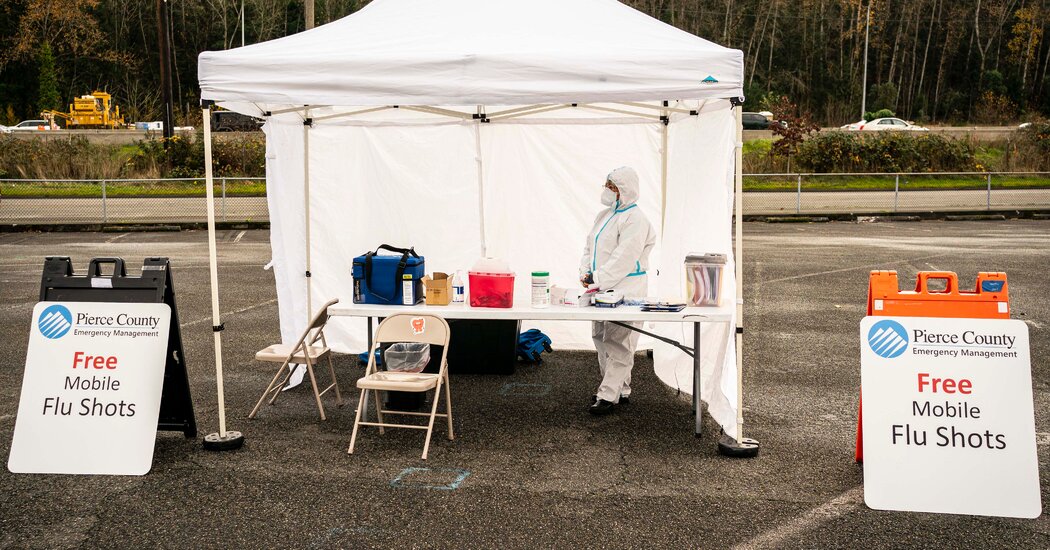
The coronavirus pandemic hasn’t prompted most Americans to take influenza more seriously. Instead, more people are likely to think of Covid the way they think of flu, experts say.When Dr. Arnold Monto, a public health researcher at the University of Michigan, lectures about influenza, he starts by saying: “Flu is bad.”“You don’t have to start a lecture about hypertension by saying, ‘Hypertension is bad,’” he noted. It’s self-evident.But he has to convince his audiences that flu is, in fact, bad.In good years, it kills Americans in the low tens of thousands and sickens many times more. Yet even in the time of Covid, flu, the other respiratory killer caused by a virus, is underestimated. Almost half of American adults don’t bother to get vaccinated against it. Despite the ongoing Covid experience, researchers and historians don’t expect Americans’ attitudes toward flu to change much.“Statistics on flu have been given to the public; the public has been beaten to death with them for decades,” said Dr. David Morens, a flu researcher and senior adviser to the director of the National Institute of Allergy and Infectious Diseases. “And they just don’t care.”Some researchers and historians are examining attitudes toward flu for clues about how Americans will deal with Covid in the years to come. Will Covid, like flu, be a serious infectious disease that the public shrugs off even as it continues to cause large numbers of deaths each year?Public attitudes toward flu, historians and public health experts say, are revelatory — and illustrate the paradoxical thinking about risks and diseases.“It’s a story of how we get used to living with the toll of a virus and don’t count it or see it or care or fear it too much,” said Dr. Robert Aronowitz, a historian of science at the University of Pennsylvania.Americans have taken flu’s toll for granted, Dr. Morens said, despite the fact that it’s “not so far behind heart disease and cancer.”“People get excited about acute things, shocking things that happen all at once,” he said, citing Covid or Ebola or, when the disease first emerged in the 1980s, AIDS.Just over half of Americans get vaccinated against influenza. And despite the fear of respiratory viruses that Covid might have instilled, the percentage of all Americans vaccinated during this latest flu season was about the same as it was in the 2019-2020 season. It was only because of lockdowns and the avoidance of crowds and other gatherings that flu nearly disappeared last year.Rapid tests for flu are widely available, but sick patients are not often tested. Antiviral drugs help if taken soon after symptoms begin, but they are taken infrequently.“I think, for the public, ‘flu’ means minor illness,” Dr. Monto said. But in bad flu years, hospitals are filled, and elective surgeries are postponed. “People forget that,” he said.In typical flu seasons, the virus kills mostly older people and babies. But when new strains emerged, flu killed an estimated 70,000 Americans in 1957 and an estimated 100,000 in 1968. More than half of those who died in those two pandemics were under 65.Flu patients at the Naval Armory of Georgia Tech during the 1957 flu pandemic.Atlanta Journal, via Associated PressYet flu almost never shows up on death certificates, even when it is the proximate cause of death. And with little testing, the federal government is forced to use statistical manipulations to make estimates of infections and deaths that have wide error bounds. Even with those uncertainties, the Centers for Disease Control and Prevention estimates that at least 24,000 to 36,000 Americans die of flu in an average year, and nearly 100,000 die in really bad years. Most recently, in 2018, the year before the coronavirus emerged, 380,000 Americans were hospitalized with flu and an estimated 28,000 died.And that is just the tip of an iceberg. As with Covid, many get a mild respiratory disease that they do not recognize as flu or they get a symptomless flu. Unaware that they are infected, they can then spread the virus.In years like this one, when the flu vaccine was at best minimally effective, many are skeptical about getting the shots, which are widely available. Dr. Monto said there are efforts underway to produce much better flu vaccines. But, he said, because Congress is not very interested in seasonal flu, the National Institutes of Health had to tie requests for funds for flu vaccine research to pandemic preparedness.Historians say a nonchalance about flu dates back to at least the 19th century.Nancy Bristow, chair of the history department at the University of Puget Sound, looked at newspaper articles and other sources from the end of the 19th century and into the 20th century and found “a perennial refusal to pay attention to flu as a serious illness.”Flu was not frightening, Dr. Bristow said, “because it was so familiar.” It was not even a reportable disease until the 1918 pandemic.People made light of the flu in advertisements. One published in the Atlanta Constitution in 1890 said: “Kerchew! Achew!-Hew!!! Most every one has the Grippe in some form, and we would like to get Our Grip on your purchase of Furniture, Carpets, Mantels, Etc.” (Flu was once referred to as Grip or Grippe — the French word for influenza.)An ad from the Golden Eagle Clothing Company suggested a “doctor’s prescription” for a “poorly-clad boy” who “was suffering from la grippe,” writing, “The doctor has influenz-ed his mother to purchase one of those $2.50 all wool boys’ suits.”Occasionally, public health officials issued warnings. One that Dr. Bristow found was published in 1916 in the Journal of the American Medical Association. It said: “Don’t laugh at the grip. It is a deadly and dangerous thing.”The laughter stopped in 1918, when a new influenza strain caused a pandemic with a frightening mortality rate. But when that pandemic ended, Dr. Bristow said, complacency resumed. People wanted to put that awful period behind them.Margaret O’Mara, a professor of history at the University of Washington, said that even though masks were common and mandatory during the pandemic, when she looked at photographs from 1920, nobody was wearing one.Attitudes toward serious diseases are so unpredictable and inconsistent, said Tom Ewing, a flu historian at Virginia Tech.“From the perspective of a historian, this question of when diseases become noticeably significant really varies,” he said.“Why do we become fascinated and obsessed by certain diseases that are seemingly out of proportion to their effects?” Dr. Ewing asked.He does not think today’s fears of Covid will spill over into similar concern about flu. Instead, he said, attitudes toward Covid will become more like attitudes toward flu.“Historians hate to prognosticate about the future,” Dr. Bristow said. But, she said, she sees a shift in views about Covid taking place already.President Biden told the nation in his State of the Union address this month, “COVID-19 no longer need control our lives.”“It’s fascinating,” Dr. Bristow said. “We are in the process of being told how to live with something we were told to be afraid of.”He added, “We are watching the culture trying to teach us not to be terrified.”

Read more →

NIH's All of Us Research Program releases first genomic dataset of nearly 100,000 whole genome sequences

Nearly 100,000 highly diverse whole genome sequences are now available through the National Institutes of Health’s All of Us Research Program. About 50% of the data is from individuals who identify with racial or ethnic groups that have historically been underrepresented in research. This data will enable researchers to address yet unanswerable questions about health and disease, leading to new breakthroughs and advancing discoveries to reduce persistent health disparities.
“Until now, over 90% of participants from large genomics studies have been of European descent. The lack of diversity in research has hindered scientific discovery,” said Josh Denny, M.D., chief executive officer of the All of Us Research Program. “All of Us participants are leading the way toward more equitable representation in medical research through their involvement. And this is just the beginning. Over time, as we expand our data and add new tools, this dataset will become an indispensable resource for health research.”
The genomic data is available via a cloud-based platform, the All of Us Researcher Workbench, and also includes genotyping arrays from 165,000 participants. Whole genome sequencing provides information about almost all of an individual’s genetic makeup, while genotyping arrays, the more commonly used genetic testing approach, capture a specific subset of the genome.
In addition to the genomic data, the Workbench contains information from many of the participants’ electronic health records, Fitbit devices and survey responses. The platform also links to data from the Census Bureau’s American Community Survey to provide more details about the communities where participants live. This combination of data will allow researchers to better understand how genes can cause or influence diseases in the context of other health determinants. The ultimate goal is to enable more precise approaches to health care for all populations. To protect participants’ privacy, the program has removed all direct identifiers from the data and upholds strict requirements for researchers seeking access.
“There is a unique depth and dimensionality to the All of Us platform that sets it apart from other resources in the field. It’s also designed with team science in mind, allowing researchers to explore topics in an open and collaborative way,” said Gail Jarvik, M.D., Ph.D., head of the Division of Medical Genetics at the University of Washington School of Medicine, Seattle. “As the Researcher Workbench matures, it will create nearly endless possibilities for discovery to understand the role of genes and variants, as well as many other factors that combine to affect health and disease.”
The Researcher Workbench is made possible through the generous contributions of All of Us participants. Beyond making genomic data available for research, All of Us participants have the opportunity to receive personal DNA results at no cost to them. So far, the program has offered genetic ancestry and trait results to more than 100,000 participants. Plans are underway to begin to share health-related DNA results on hereditary disease risk and medication-gene interactions later this year.
With this release of genomic data, All of Us now ranks among other large genomic research efforts worldwide, including the UK Biobank, the Million Veteran Program and the NIH’s Trans-Omics for Precision Medicine (TOPMed) program.
All of Us works with a consortium of partners across the U.S. to help reach participants and collect data and samples, including community organizations, medical centers and others. The Researcher Workbench is managed by Vanderbilt University Medical Center in collaboration with the Broad Institute of MIT and Harvard and Verily. The program’s genome centers generate the genomic data and process about 5,000 participant samples each week. These centers include Baylor College of Medicine, Johns Hopkins University, the Broad Institute, the Northwest Genomics Center at the University of Washington and partners. Color, a health technology company, works with the program to return personalized results to participants on genetic ancestry and traits, and the forthcoming health-related genetic results.
To learn more about All of Us data and resources for researchers, or to register for access, go to ResearchAllofUs.org. To learn more about getting involved as a research participant, visit JoinAllofUs.org.
Story Source:
Materials provided by NIH/All of Us Research Program. Note: Content may be edited for style and length.

Read more →

With a Flurry of High-Profile Coronavirus Cases, Washington Is Again on Edge

The cases have raised questions about the trajectory of the pandemic, even as the White House has signaled confidence about resuming normal activities.WASHINGTON — A flurry of high-profile coronavirus cases in the nation’s capital — including in people who have been around President Biden — has raised new questions about the trajectory of the two-year-old pandemic, even as the White House has signaled confidence in the country’s ability to resume normal activities.On Thursday, Mr. Biden canceled face-to-face meetings with Prime Minister Micheal Martin of Ireland after the prime minister received a positive result from a coronavirus test during a gala event on Wednesday night that both men attended.In the past week, Doug Emhoff, the husband of Vice President Kamala Harris, tested positive for the virus, as did former President Barack Obama. At least nine House Democrats received positive tests this week after a party retreat in Philadelphia and late-night voting at the Capitol.White House officials said Mr. Biden, 79, had not been in close contact with anyone who tested positive and did not appear worried about his safety. They said that the administration was monitoring a highly transmissible subvariant known as BA.2, which is spreading rapidly in parts of China and Europe, but that there appeared to be little reason to think there would be a U-turn back to social distancing and universal mask wearing in the United States.Jen Psaki, the White House press secretary, said on Thursday that the nation was in a better position to combat the new variant because of the number of people who have been vaccinated and the quality of the vaccines used.“It has been circulating here for some time,” Ms. Psaki said of BA.2. She noted that China had not used mRNA vaccines like the ones made by Pfizer and Moderna, calling it “an important component” of why caseloads are so high there.Doug Emhoff, the husband of Vice President Kamala Harris, tested positive for the virus this week.Pete Marovich for The New York TimesBut the recent cases in Washington, and the spread of yet another variant around the world, highlight a challenge for Mr. Biden and his team: how to embrace the country’s desire to move on while being careful not to declare victory over a virus that is still making people sick and killing more than 1,000 Americans each day.“Just because Covid isn’t disrupting some of our lives in certain communities as much as it was a few weeks ago, it doesn’t mean it’s gone,” Ms. Psaki said. “It’s not gone. And I think this variant is an example of that.”The tension over how to approach this juncture of the pandemic was evident in a statement announcing the departure of the president’s coronavirus response coordinator on Thursday.Mr. Biden said the United States had entered “a new moment” in the fight against the virus and acknowledged the pleasure that many people were feeling as they emerged from more than two years of fear and anxiety.“Americans are safely moving back to more normal routines, using the effective new tools we have to enable us to reduce severe Covid cases and make workplaces and schools safer,” Mr. Biden said.But he quickly added, “Our work in combating Covid is far from done.”That work includes persuading lawmakers in both parties to approve billions of dollars to continue fighting the virus. Administration officials say the money would be used to replenish supplies of vaccine, masks and new viral drugs used to treat Covid.Jeffrey D. Zients, the departing coronavirus response coordinator, insisted this week that the additional money for Covid “is not nice to have; this is need to have.” But a bipartisan agreement between lawmakers and the White House to repurpose money that had already been approved for states fell apart when some Democratic lawmakers refused to go along.The difficulty of passing a new Covid spending package underscores how much the national attitude has changed since the pandemic began. A year ago, the $1.9 trillion American Rescue Plan included more than $178 billion for vaccinations and other Covid-related health care expenditures. Now, Mr. Biden is struggling to make the case for much less.At the White House on Thursday, Ms. Psaki said Mr. Biden tested negative for the virus on Sunday and continues to be tested at least once a week, but had not done so since the disclosure of the Irish prime minister’s test.Daniel Mulhall, Ireland’s ambassador to the United States, confirmed Mr. Martin’s positive test early Thursday.Mr. Biden, who has been vaccinated and received a booster shot in late September, was scheduled to meet with Mr. Martin on Thursday morning at the White House, followed by a luncheon at the Capitol and a shamrock presentation at the White House.Instead, the leaders met virtually, with Mr. Biden seated near a bowl of shamrocks on a table and a television monitor showing Mr. Martin. The president said he was “deeply sorry for the inconvenience” of the virtual format.White House officials said Mr. Biden was not in close contact with Mr. Martin during Wednesday night’s gala, which the Centers for Disease Control and Prevention defines as being within six feet of someone for at least 15 minutes.Mr. Mulhall said on Twitter that he had accepted a leadership award for Mr. Martin on Wednesday at the gala for the Ireland Funds in Washington, an event that Mr. Biden and Speaker Nancy Pelosi also attended.“I filled in for the Taoiseach after he tested positive for #Covid19,” he wrote, using the Irish word for the country’s leader. “I wish the Taoiseach well for his recovery.”Irish journalists traveling with Mr. Martin’s delegation reported that he had attended the early part of the gala, and photos from the event appeared to show him seated next to Ms. Pelosi.The speaker’s office confirmed that Ms. Pelosi, who is vaccinated and boosted, had received a negative P.C.R. test result on Thursday morning, and would continue to test regularly and follow C.D.C. guidelines, though it was not clear which ones. It was also unclear whether the Office of the Attending Physician considered Ms. Pelosi, 81, to be a close contact of Mr. Martin.Ms. Pelosi appeared at her weekly news conference on Thursday, saying that she was tested nearly every day. Mr. Martin remained masked until food was served, she said, and was pulled aside during the appetizer course about his positive test.“We’re very, very sad that on St. Patrick’s Day, the taoiseach has this diagnosis,” she said at her indoor news conference, where she removed her mask to speak and take questions.The scheduled lunch — the Friends of Ireland Luncheon on Capitol Hill — proceeded on Thursday without Mr. Martin. Ms. Pelosi addressed the room, where lawmakers sat at round tables, while introducing Mr. Biden, who sat on a stool a few feet away. Neither wore a mask, and there were few face coverings in the room.“America has been blessed by Irish children, and one of those Irish children is now the president of the United States,” Ms. Pelosi said, just before they shook hands and Mr. Biden took the lectern. He did not stay for lunch.In a tradition going back to 1952, Irish ambassadors or political leaders present the American president with a bowl of shamrocks on or around St. Patrick’s Day, usually in the White House. The tradition is valued in Ireland, and by many Irish Americans, as a sign of the close ties between the two countries.Mr. Martin may now never visit the Oval Office in his official capacity: His first scheduled visit last year was canceled because of the pandemic and, as part of a coalition deal with two other Irish political parties, he is expected to hand over the prime ministership before next March.On Wednesday, Claire Cronin, the U.S. ambassador to Ireland, said on Twitter that she canceled her plans to join Mr. Martin on his trip to Washington because she had tested positive for the coronavirus.Emily Cochrane

Read more →

Covid-19: Is the world ready for a great re-opening?

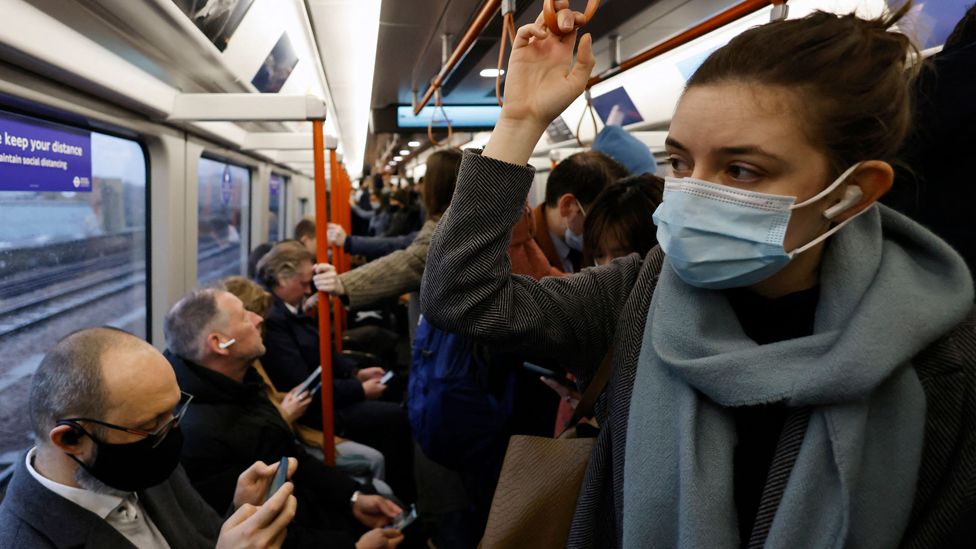
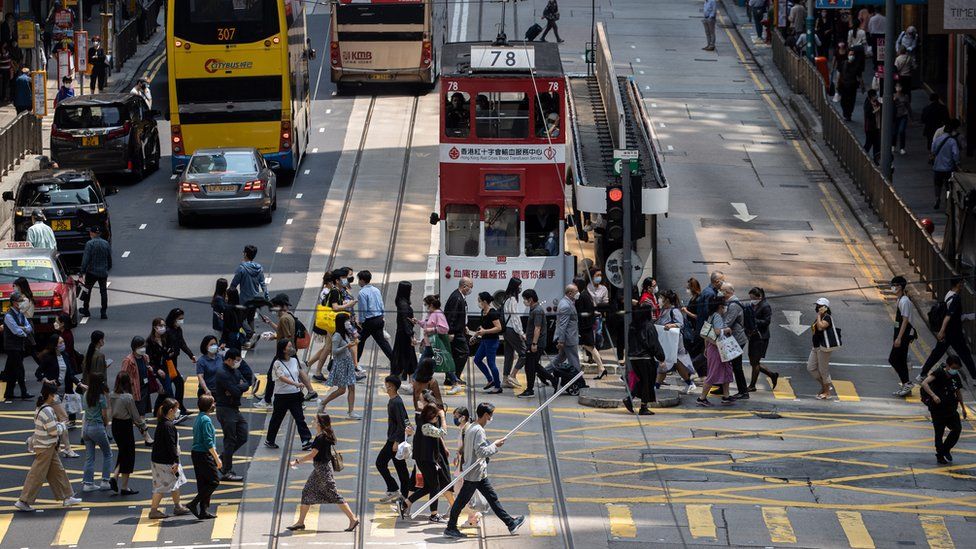
SharecloseShare pageCopy linkAbout sharingImage source, EPATwo years after the US went into its first lockdown, the country is getting nearer to a pre-pandemic existence. But what about the rest of the world?When California issued a statewide stay-at-home order on 19 March 2020, most people thought that life would return to normal relatively quickly.A full 24 months later, people are finally starting to see the light at the end of the tunnel, with restrictions being eased in the US and several other countries. But with some places experiencing record-numbers of cases yet again, it’s clear that the pandemic isn’t ready to let go its grip just yet. We asked our correspondents in the UK, Hong Kong, S Africa, New Zealand, Canada, Peru and the US to give us a snapshot.A very light touch – EnglandNick Triggle, LondonEngland’s last remaining Covid restriction – the legal requirement to isolate after a positive test – was lifted at the end of February.It came a month after the government lifted the requirement to wear masks in places such as shops and on public transport and the advice to work from home where possible.But the truth is England has had a pretty light-touch approach to regulations compared to many places since the summer.The masks mandate and working-from-home advice was only re-introduced in late 2021 as the Omicron variant took off.What are the UK’s Living with Covid plans?The approach is based on the fact that vaccines are providing great protection and England has seen very good uptake among those groups most at risk – 95% of over 60s have had a booster jab.It has meant that despite the surge in infections caused by the Omicron variant the number of people dying has been similar to what would normally be seen during a normal winter.There are signs infections may be starting to climb again, but it is causing little concern at the moment.Back in business, with masks – S AfricaPumza Fihlani, Johannesburg South Africa is largely back in business. The government lifted most lockdown restrictions last December which brought an end to a night-time curfew for the first time in nearly two years, as well as restrictions on the sale of alcohol (South Africa was one of a few countries to ban alcohol sales at the height of the pandemic in 2020). Today across the country’s main cities and towns, life has returned to normal with the hubbub of people commuting to work and play in full swing. There is one unmissable indicator that Covid is still with us however, the mandatory mask wearing in all public places – which is followed by most people. Image source, ReutersWith reason, because cases are once more decreasing according to official figures, following a fourth wave which hit the country a few months ago driven by the omicron variant. Most schools have re-opened but there are discussions about introducing vaccine mandates at tertiary institutions, which is proving a contentious issue. And what does socialising look like? Night clubs are still closed to the public but people can now be out until late at bars and taverns without worrying about being arrested for violating curfew.Was South Africa ignored over mild Omicron evidence?’It’s gone nuts’ – New ZealandSimon Atkinson, SydneyFor almost two years, my friend across the Tasman in Wellington has been very blasé about this pandemic.Then, this week, came a raspy Whatsapp voice message. “We’ve all got bloody Covid! It has gone nuts.”Her family is far from alone.While tough lockdowns and virtual isolation helped the country get a reputation as a Covid success story, now transmission rates have soared.And many Kiwis are struggling to grasp how their country has gone from fewer than 1,000 cases a day to more than 20,000 cases in just a couple of weeks. It’s not that long since Prime Minister Jacinda Ardern was still valiantly pursuing a strategy of elimination.Image source, ReutersSome comfort amid that psychological shock is that there have been fewer than 120 Covid deaths during the entire pandemic, largely thanks to 95% vaccination rates in the eligible population.Most restrictions have now been eased, and isolation requirements for Covid patients are getting reduced.But mandates, meaning unvaccinated people in some sectors lost their jobs, led to three weeks of protests in the capital Wellington and remain in place.Double-jabbed New Zealanders are now able to come home from overseas without quarantine or isolation requirements – a huge deal given borders were shut for almost two years.Travellers from 60 other countries, including the US and UK, will get the same treatment from 2 May – with a negative test.Panic and empty shelves – Hong KongGrace Tsoi, Hong KongThe Omicron variant has been a rude awakening for Hong Kong. The city follows mainland China’s “Zero Covid’ strategy, which involves stringent border control, aggressive contact tracing and strict quarantine rules, and managed to keep the virus at bay for the first two years of the pandemic. By the end of 2021, only about 12,000 cases were recorded. Today, it has the world’s highest death rate, with most of the victims being unvaccinated elderly. More than half a million have caught the virus. The virus is still spreading even though harsh social distancing measures have been in place. Restaurants cannot offer dine-in service after 6pm, and venues such as gyms and bars, have been shut since January. What went wrong with Hong Kong’s Covid plan?Businesses shut as China widens Covid lockdownsPeople are angry and confused by the handling of the crisis. Quoting government sources, local media reported on a possible citywide lockdown accompanied by compulsory testing for 7.4 million residents. Such news has sent people into panic, and shelves have been emptied in supermarkets. However, city leader Carrie Lam said this week universal testing was no longer a top priority. This devastating wave will eventually end. Most will either have acquired natural immunity after infection, or been vaccinated. But one can’t help asking if Hong Kong will still need to stick to the “Zero Covid” strategy when local businesses are struggling and international talents are fleeing the city?The other crisis – PeruKaty Watson, Sao PauloPeru was one of the quickest – and toughest – places to impose lockdown. Strict curfews were imposed, not even dog-owners could exercise their pets at the start of the pandemic, such was the policing of quarantine. But that didn’t stop Peru being hit badly and hospitals being overrun. In short, the necessity for people to carry on working in this poor country – added to the fact that the underfunded public health service wasn’t prepared enough – meant the death-toll soared.Image source, ReutersBut fast-forward two years and something that felt so all-consuming seems to be part of everyday life now – restrictions are easing and infections are falling. There are of course reminders of the pandemic – masks are still being worn and many places ask for proof of vaccines before people are allowed to enter. That said, Peruvians are probably more preoccupied with the country’s political crisis than health at the moment. The country’s President Pedro Castillo is now on his fourth cabinet in seven months. His predecessor, Martin Vizcarra, who led the country through the initial lockdown, was impeached in 2020. Between health and politics, it’s been a tumultuous few years in Peru.The drama of Peru’s Covid orphansA spring thaw – CanadaRobin Levinson King, TorontoThe spring will bring a thaw to more than just an icy winter in Canada, as Covid restrictions across the country are eased.With most of the Covid rules falling under provincial, not federal guidelines, the rollout has been staggered, but it is near universal.Every province or territory that had a vaccine passport – often required to access indoor services such as restaurants – will drop them by April, with proof of vaccine still required for some professions such as long-term care workers. Mask mandates are also falling by the wayside, including in schools.Image source, ReutersFederally, air and rail travel still require masks and proof of vaccination and even people who are fully vaccinated must test upon entering the country, at least for now, although the government has begun to ease up on testing requirements for Canadian citizens. These decisions come after a weeks-long anti-Covid restriction protest that held the national capital hostage and blockaded one of Canada’s most important trade routes. While the decision to ease restrictions not been officially attributed to the demonstrators, some may view the rapid changes as a concession, or a victory.For most of the pandemic, the country followed strict protocols, with restaurants and gyms shut down in several cities for months on end and, when they did reopen, they issued vaccine passports. Some in the country wish it had stayed that way. While polls suggest the majority of Canadians want restrictions to end, some individuals businesses are choosing to still require proof of vaccines and masks, which means that for some, the pandemic is far from over.Rush-hour returns – USTara McKelvey, Washington, DCAt Georgetown University in Washington, N95 masks, once a valuable commodity, sit in boxes unused, a sign of how Covid restrictions have changed in the city and across the US. Currently, the rules allow people to live their lives almost as before. Of course, the restrictions vary, depending upon where a person lives, but the general picture is one of freedom. Texas and Florida, two Republican states, have few, if any, mask requirements. Even Democratic-majority states, places that once had strict mask rules, have dropped the requirements, going further than the White House guidelines that were in place at the time. New York and New Jersey, for example, have ditched their indoor mask mandates. These policies reflect a greater confidence about the pandemic. Image source, Getty ImagesWhile the US leads the world in total Covid deaths per population, nationwide, new cases have dropped to 36,000 a day, down from a staggering 800,000. The number of individuals admitted to hospital is also down by 75%. As a result, the mood is relatively upbeat, says Silicia Lomax, who works for a health-policy consulting firm in Washington, with people returning to ordinary life. A couple months ago, she says, her commute on the subway was ghostly: “I could almost count on having a car to myself,” she says. “But now it’s pretty packed.”More on this storyCovid map: Where are cases the highest?Covid vaccines: How fast is worldwide progress?How will the vulnerable be protected from Covid? And other questions

Read more →

Harassment of public health officials widespread during the initial phase of the COVID-19 pandemic, study finds

A new study led by researchers at the Johns Hopkins Bloomberg School of Public Health identified 1,499 unique reports of harassment across local health departments in the U.S. during the first 11 months of the pandemic, from March 2020 to January 2021.
The study also found that more than half of surveyed local public health departments — 57 percent — had been targets of harassment. In addition, the study found that across state and local health departments, 222 public health officials left their positions during this time period. Over one-third of those departures — 36 percent — involved officials who had experienced some form of harassment.
The study, to be published online March 17 in the American Journal of Public Health, provides scope and context to departures of public health officials during the first phase of the pandemic. The findings underscore the importance of prioritizing worker safety and well-being in health departments and in public health systems, especially in times of crisis and discord.
“This is a wakeup call for the field about the need to prioritize the long-term protection of our public health workforce,” says Beth Resnick, DrPH, assistant dean for Practice and Training and senior scientist in the Department of Health Policy and Management at the Bloomberg School. “Taking care of the workforce needs to be a fundamental component of the public health infrastructure that doesn’t end when the pandemic does.”
The U.S. public health system is built on a network of local and state officials working to promote and protect health. According to estimates, there are over 2,500 local and state public health departments across the U.S. The pandemic — involving a new virus about which little was known and for which there were initially no treatments or vaccines — brought considerable challenges for public health departments. Documented incidents of threats and harassment have led to reduced job satisfaction and burnout among public health workers. The harassment and departures, which have continued beyond the study period, are happening at a time when sound public health guidance and leadership is needed most.
For their study, the researchers drew from two main sources, a survey and media reports. A survey of local public health departments conducted October 2020 to February 2021 by the National Association of County and City Health Officials (NACCHO) identified the 1,499 harassment cases. The researchers reviewed media reports about departures to get additional details. In addition to media reports, the researchers reviewed supplemental materials, including public health department news releases, social media accounts, local boards of health meeting minutes, and personal communications with journalists and health department representatives.

Read more →

Bone marrow cancer: Potential drug targets

New research from Mayo Clinic’s Center for Individualized Medicine finds that patients with ASXL1-mutant chronic myelomonocytic leukemia — an uncommon type of cancer of the bone marrow — have distinctive epigenetic changes that can activate harmful genes and cause the cancer to grow faster. The ASXL1 genetic mutation also can transform the disease into the more aggressive acute myeloid leukemia.
The study, published in Nature Communications, helps to clarify a potential therapeutic strategy and adds to the knowledge of ASXL1 gene expression.
Epigenetics refers to chemical modifications of a cell’s genetic material that control how genes are expressed and affect the interpretation of the DNA code. Research shows epigenetics play a critical role in the development and progression of many diseases, including cancer.
“The epigenome in patients with these ASXL1 gene mutations is changed in a way that allows the cancer cells to switch on genes that are detrimental to the patients,” says Moritz Binder M.D., a Mayo Clinic hematologist and scientist, and the lead author of the study. Dr. Binder is a 2021 Gerstner Family Career Development awardee.
“These epigenetic changes don’t affect the DNA blueprint itself,” Dr. Binder explains. “It affects how to the blueprint is read — which pages to read and which pages not to read.”
Chronic myelomonocytic leukemia is a cancer that typically affects people 60 and older. It starts in blood-forming cells of the bone marrow and invades the blood. Nearly 40% of patients with chronic myelomonocytic leukemia have a mutation in the ASXL1 gene.

Read more →

Physicists find direct evidence of strong electron correlation in a 2D material

In recent years, physicists have discovered materials that are able to switch their electrical character from a metal to an insulator, and even to a superconductor, which is a material in a friction-free state that allows electrons to flow with zero resistance. These materials, which include “magic-angle” graphene and other synthesized two-dimensional materials, can shift electrical states depending on the voltage, or current of electrons, that is applied.
The underlying physics driving these switchable materials is a mystery, though physicists suspect it has something to do with “electron correlations,” or effects from the interaction felt between two negatively charged electrons. These particle repulsions have little to no effect in shaping the properties in most materials. But in two-dimensional materials, these quantum interactions can be a dominating influence. Understanding how electron correlations drive electrical states can help scientists engineer exotic functional materials, such as unconventional superconductors.
Now, physicists at MIT and elsewhere have taken a significant step toward understanding electron correlations. In a paper appearing today in Science, the researchers reveal direct evidence of electron correlations in a two-dimensional material called ABC trilayer graphene. This material has previously been shown to switch from a metal to an insulator to a superconductor.
For the first time, the researchers directly detected electron correlations in a special insulating state of the material. They also quantified the energy scales of these correlations, or the strength of the interactions between electrons. The results demonstrate that ABC trilayer graphene can be an ideal platform to explore and possibly engineer other electron correlations, such as those that drive superconductivity.
“Better understanding of the underlying physics of superconductivity will allow us to engineer devices that could change our world, from zero-loss energy transmission to magnetically levitating trains,” says lead author Long Ju, assistant professor of physics at MIT. “This material is now a very rich playground to explore electron correlations and build even more robust phenomena and devices.”
Superlattice
An ABC trilayer graphene, stacked atop a layer of hexagonal boron nitride, is similar to the more well-studied magic-angle bilayer graphene, in that both materials involve layers of graphene — a material that is found naturally in graphite and can exhibit exceptional properties when isolated in its pure form. Graphene is made from a lattice of carbon atoms arranged in a hexagonal pattern, similar to chicken wire. Hexagonal boron nitride, or hBN, has a similar, slightly larger hexagonal pattern.

Read more →