The Palestinian cancer centre that can't take patients

SharecloseShare pageCopy linkAbout sharingImage source, Getty ImagesThe usually bustling corridors of the cancer unit in East Jerusalem’s Augusta Victoria Hospital stand eerily quiet but not because of any drop in Palestinians being diagnosed with the disease. Instead, the main cancer centre for the occupied West Bank and Gaza Strip has been refusing new patients. Some 500 have been turned away since September 2021.The Palestinian Authority (PA) – which is supposed to fund their medical care – owes the hospital some $72m (£55m; 65m euros). This has left it unable to afford the expensive drugs needed for chemotherapy and other treatments.”It’s the first time in our history that we’ve been forced to take the decision not to accept new patients,” says Dr Fadi al-Atrash, the hospital’s deputy CEO.”We’re facing a very critical situation where we might be forced to close some departments in future. We might have to stop the treatment of patients already in our care.””It means that more people might die of cancer because they’re not receiving their treatment on time, or according to the right schedule.”Funding cutThe PA says it is facing the worst financial crisis since it came into existence three decades ago. Like others around the world, its economy has been hit by Covid and soaring inflation. However, it is also mired in problems linked to the Palestinians’ decades-old conflict with Israel.Israel withholds vital tax revenues it collects on behalf of the PA because of the payments that it makes to Palestinians in Israeli jails and the families of those killed by Israeli forces. Israel argues that these encourage terrorism, while the Palestinians see them as welfare support.The same thorny issue has led to the US Congress prohibiting direct aid. Meanwhile, concerns that Palestinian school books glorify violence and promote anti-Semitism have blocked millions of euros from the European Union (EU) – historically, the biggest donor to the PA. Since 2020 most aid has not been handed over. When it comes to healthcare, it seems that the overall shortage of money is already leading to lives being lost.Turned awayEarlier this year, Salem al-Nawati, a 16-year-old with leukaemia from Gaza, collapsed at the PA Health Ministry in Ramallah, while his uncle was fighting for him to be given a hospital bed – and was declared dead soon afterNow, back at the family’s home, surrounded by Salem’s glowing school reports and Taekwondo medals, Jamal al-Nawati details the problems he faced.Gaza hospitals are ill-equipped to treat many serious cancer cases and without East Jerusalem as an option, his nephew was given a medical referral and PA financial guarantee to be treated in a private hospital in Nablus.Israel – which controls access for Gazans to the West Bank – initially refused Salem a travel permit, his family says for security reasons, delaying his exit by a month. By the time he made it to Nablus, the hospital turned him away because its bills had gone unpaid by the PA.”I was wondering what we’d done wrong, what had this poor patient ever done?” says Mr al-Nawati, recalling his feeling of helplessness.”Salem’s condition was deteriorating hour-by-hour, day-by-day. He was so sad, asking me why he was being refused treatment, and I was doing my best to reassure him.”Eventually, after an influential family friend intervened, PA officials offered to send Salem to an Israeli hospital, but his Israeli permit did not allow him to travel there. And then it was too late.Fears for the futureHolding signs reading “We want to live”, thousands of angry Palestinians have recently been demonstrating against rising prices. As in previous financial squeezes, government workers are now being paid reduced salaries.Israel has been worried enough by the unrest to loan the PA some $185m to help prop it up, while the Palestinian prime minister brought back $100m from Algiers following visits to Arab countries.For now, the economy limps on – although international experts I talk to in Jerusalem whisper about how it’s “not sustainable in the long-term”.Back at the Augusta Victoria Hospital, Dr Fadi al-Atrash has set aside his white coat for a smart suit, as he holds rounds of talks with donors and foreign diplomats, desperately seeking a solution.”We’re always caught up in international politics,” the cancer specialist laments. “As a Palestinian doctor you’re frustrated, because you know that if you had the means and resources, you could help your people.” “But you don’t have them,” he goes on. “And when I see the patients suffering, going without treatment, it’s a struggle for me not just as a doctor, but as a human being.”

Read more →

China: How is its zero-Covid strategy changing?

SharecloseShare pageCopy linkAbout sharingImage source, Getty ImagesChina’s zero-Covid policy has been among the strictest approaches to tackling the pandemic anywhere in the world.But a recent surge in infections is forcing it to reconsider how it deals with the pandemic.How serious is the current wave? The latest jump in daily cases, widely spread across the country, has been driven largely by the Omicron variant.Millions of people in China, including the entire north-eastern province of Jilin, and the tech-hub city Shenzhen in the south, have been ordered into lockdown. Other cities, such as Shanghai, have also tightened restrictions by enforcing strict controls on movements. Makeshift hospitals and quarantine centres have been set up across the country. Omicron v Covid: How long can China hold on?However, compared with the United States and Europe, infection rates remain low.In the week prior to 24 March, there were just over 14,000 new cases in the whole of mainland China. In the UK over a similar period, there were over 610,000 new infections.How is China’s policy changing?As more infections are detected across the country, China’s strict zero-Covid strategy is becoming increasingly difficult to sustain. However, most of its principal elements remain in place:Travel to and from China is strictly limited, and there are restrictions on internal movementTravellers from abroad with permission to enter China are screened and sent to government-designated hotels for a mandatory quarantine of at least two weeks, followed by a further period of monitoringRegular community testing programmes are carried out and if infections are detected, residents can be evicted and sent to quarantine facilities (along with targeted area lockdowns)All non-essential businesses have been shut, apart from food shops and some other essential suppliersSchools are closed and public transport is suspended, with almost all vehicle movement bannedImage source, Getty ImagesAs China’s healthcare system is put under increasing strain, some regulations have been relaxed: People with mild symptoms no longer need to attend designated hospitals, but they still need to isolate at centralised facilitiesQuarantine-period rules have been reducedCity-wide testing is no longer being carried out – replaced by local community testingSelf-testing kits are to be made available in stores across the country and online, but those who test positive will need to take PCR testsImage source, Getty ImagesHow successful has China’s zero-Covid policy been?China has had remarkable success containing the pandemic prior to the current outbreak.Since the end of 2019, it has reported just over 4,600 deaths (according to Our World in Data). In the United States, more than 970,000 have died and in the UK, a little over 160,000.That’s around three deaths per million people in mainland China, compared with 2,922 in the US and 2,402 in the UK.Reported infections in China have also been very low throughout the pandemic.Concerns have been expressed about the accuracy of the official data, but it seems clear that both infection and death rates have been low when compared with other countries. About 88% of the population is now fully vaccinated. Despite this, China is almost alone in adhering to strict zero-Covid policies.Australia, New Zealand and Singapore, relaxed their strict policies in the latter part of 2021 as vaccination rates improved.Cases did then surge in those three countries, largely as a result of the spread of the Delta and Omicron variants of coronavirus – but have remained relatively low in comparison with countries across Europe and in the United States.Read more from Reality CheckSend us your questions

Read more →

Baby goats and gardens to help with hospital stress

A hospital in the US is trying to deal with stress amongst staff and patients. They’ve created therapeutic gardens and had visits from baby goats.Find out more about fighting stress in hospitals on the People Fixing the World podcast. Produced and edited by Richard Kenny. Filmed by Dan Pred. Reporter: Myra Anubi.

Read more →

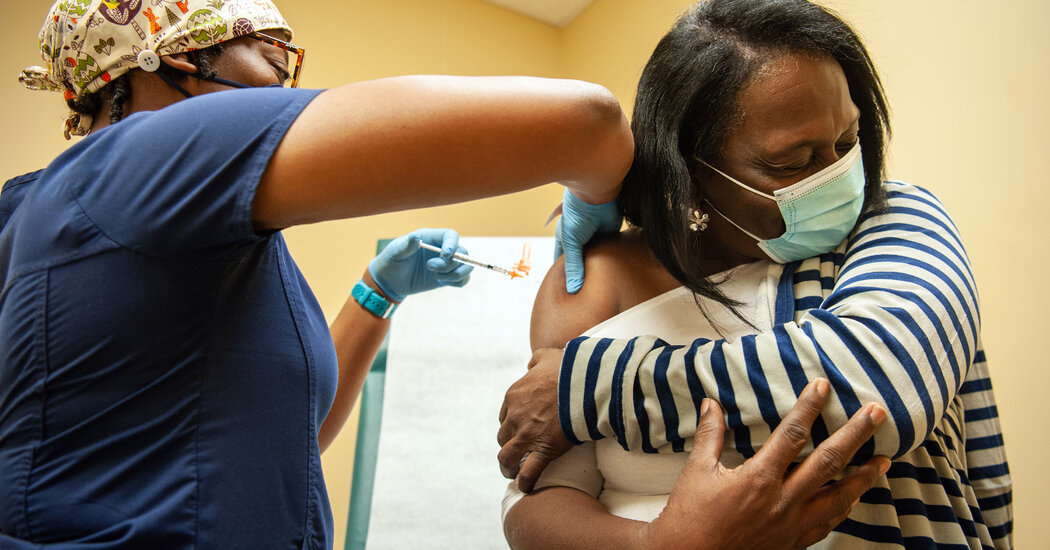
The use of at-home coronavirus tests jumped during the Omicron wave, but disparities remain, a survey suggests.

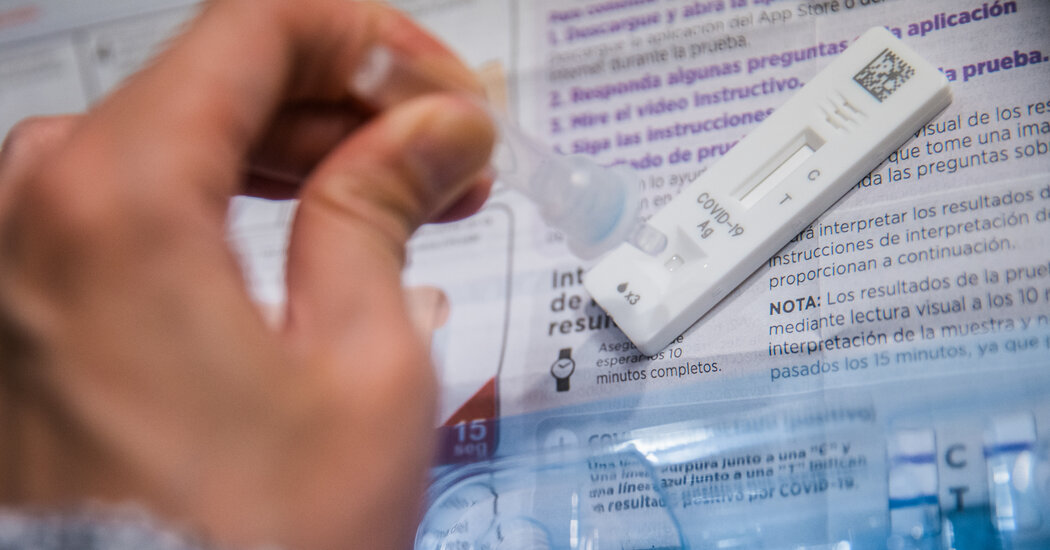
The use of at-home coronavirus tests surged during the winter Omicron wave in the United States, with white, high-income and highly educated people most likely to report using the tests, an online survey of U.S. adults suggests.Between Dec. 19 and March 12, 20.1 percent of survey respondents who said they had symptoms consistent with Covid-19 reported using an at-home test, up from 5.7 percent between late August and early December, when Delta was the predominant coronavirus variant in the United States.The use of at-home tests increased over the course of the fall and early winter, the survey found, peaking in January, when 11 percent of respondents reported having used an at-home test in the previous 30 days.Nearly 40 percent of those who used at-home tests said they did so because they had been exposed to someone with Covid-19; 28.9 percent said they tested themselves because they were experiencing Covid-like symptoms. Testing for work, school and travel was less common, the researchers found. Those who were vaccinated and boosted were more than twice as likely to report using at-home tests as those who were unvaccinated.The study was led by researchers at Boston Children’s Hospital and the Centers for Disease Control and Prevention. It is based on an online survey of more than 400,000 U.S. adults conducted between Aug. 23 and March 12. Participants were asked whether they had symptoms consistent with Covid, whether they had been tested for the virus within the previous 30 days and, if so, what kind of test they had used.The results are consistent with reports of rising demand for at-home tests as the highly contagious Omicron variant spread and Americans relied on self-testing as a precaution before and after holiday travel and gatherings. The availability of at-home tests has also increased in recent months as manufacturers have ramped up production and the Biden administration began mailing free tests to American households in January.Among respondents with household incomes of more than $150,000 a year, 9.5 percent reported using at-home tests, compared with 4.7 percent of those with household incomes between $50,000 and $74,999 and 3.1 percent of those with household incomes of less than $15,000. Among those with postgraduate degrees, 8.4 percent reported at-home testing, compared with 3.5 percent of those with a high school degree or less. White survey respondents were twice as likely as Black respondents to report using the tests. Improving education about testing and expanding access to free tests could help reduce the disparities, the researchers said.The findings come as the demand for testing falls and some states begin to shutter their public testing sites. It is not clear how many of those who tested positive on at-home tests reported their results to health authorities or confirmed their infections with follow-up P.C.R. tests. But some experts have expressed concerns that an increasing reliance on at-home tests could make it more difficult for officials to keep tabs on the virus.The self-reported use of at-home tests began declining last month, as the number of U.S. cases declined, according to the survey.

Read more →

In Difficult Cases, ‘Families Cannot Manage Death at Home’

Health care researchers argue that hospice facilities could better serve some terminal patients, and ease the burden on exhausted loved ones.Where do people most want to be when they die? At home, they tell researchers — in familiar surroundings, in comfort, with the people they love.That wish has become more achievable. In 2017, according to an analysis in The New England Journal of Medicine, home surpassed the hospital as the most common place of death — 30.7 percent of deaths occurred at home, compared with 29.8 percent at the hospital.“It’s probably the first time that’s happened in the United States in modern times,” said Dr. Haider Warraich, a cardiologist at the Veterans Affairs Boston Healthcare System and an author of the study, published in 2019. Technically, the proportion was even higher, since some people who died in nursing facilities (20.8 percent) were long-term residents and the nursing home effectively was their home.Dr. Warraich credited the change to the rise of hospice care, for which Congress authorized Medicare coverage 40 years ago. By 2019, more than half of Medicare beneficiaries who died were enrolled in hospice. “There’s been a cultural shift,” he said. “People don’t want to die in hospitals, and hospice helps make that possible.”But not always.When Lee Zeiontz was dying of lung cancer, she wanted to remain in her apartment on the Lower East Side of Manhattan with her cat on her bed and her neighbors stopping by. Lynda Hollander, her niece, hired a round-the-clock aide to supplement the hospice staff.But Ms. Zeiontz’s pain eventually intensified and her older relatives were uneasy about administering morphine. “I think they were afraid of her dying at home,” said Ms. Hollander, a social worker in West Orange, N.J. They moved Ms. Zeiontz to an inpatient hospice unit at Mount Sinai Beth Israel Hospital, where she died a day and a half later, at 70.Similarly, Alan Mironer had vowed to care for his wife, Lynne, with hospice help in their home in Edina, Minn., as she died of breast cancer. “He felt it was his responsibility,” their son, Mark, said. But as she weakened and became unable to walk to the bathroom, he said, “suddenly, it was so much more work to take care of her.” The elder Mr. Mironer, then 81, became overwhelmed.Neighbors told them about a small hospice facility in Edina, with room for eight patients. Ms. Mironer spent her final week there, dying at 78.Such experiences prompted an article this month in The New England Journal of Medicine that pointedly asks, “Is There Really ‘No Place Like Home’?”The lead author, Dr. Melissa Wachterman, a palliative care specialist at Harvard Medical School, and her co-authors argue that alternative locations, including free-standing inpatient hospice facilities and hospice units within hospitals, could better care for some terminal patients with difficult symptoms and provide relief for exhausted families. They also contend that financial incentives play a role in where death occurs.“There’s a lot of cultural pressure: ‘If you really loved this person, you’d keep them at home,’” Dr. Wachterman said in an interview. “We need to acknowledge that there are people whose needs are so great that families cannot manage death at home.”Ninety-eight percent of hospice patients covered by Medicare receive what is called “routine home care.” The hospice organization sends nurses, aides, a social worker and a chaplain, in addition to drugs and equipment like a hospital bed, to the patient’s home. But it can’t provide 24-hour care; that falls to family or friends, or helpers paid out of pocket.Often, that’s sufficient. But death can follow unpredictable trajectories, and some terminal conditions appear better suited to home death than others. Cancer patients have the greatest odds of dying at home, Dr. Warraich’s analysis showed. Patients with dementia are most likely to die in a nursing home, and those with respiratory disease in a hospital.Some patients “may not need someone at the bedside 24 hours a day, but they need someone available 24 hours a day,” Dr. Wachterman said.A handful of hospice patients receive “continuous home care,” which means nurses and aides are provided eight to 24 hours a day; this accounts for 0.2 percent of hospice days, according to the Medicare Payment Advisory Commission, an independent agency that advises Congress on Medicare issues. Another handful receive inpatient services in a hospice facility, hospital or nursing home.But inpatient care is hard to secure, accounting for just 1.2 percent of all hospice days in 2019. To be covered under Medicare, the patient must be diagnosed with a symptom that cannot feasibly be managed in any other setting, and “that’s a pretty high bar,” Dr. Wachterman said.The authors also argue that although Medicare pays more for inpatient care — $1,000 a day, on average, compared with $200 for home care — profit margins are higher at home. More than 70 percent of hospices are now for-profit agencies.Rankings on the quality of hospital care like those published by U.S. News & World Report may also prompt hospitals, who want to keep their mortality statistics low, to discharge patients to home hospice.Edo Banach, president and chief executive of the National Hospice and Palliative Care Organization, disputed the article’s financial assertions. “It’s not true that margins are necessarily higher for routine home care versus inpatient,” he said, attributing profit differences to the length of a patient’s stay rather than the setting.Instead, Mr. Banach primarily blamed a fear of Medicare audits, which are not uncommon, for the infrequent use of inpatient hospice care. “Providers are very reluctant to use that benefit unless it’s also clear that they won’t be hurt by the government on the back end” and forced to return contested payments, he said.Still, he said there was nothing in the authors’ recommendations that he fundamentally disagreed with, including their calls for changes like financial support for family caregivers who assist dying patients.The authors also advocate expanded access to continuous home care and lower barriers to inpatient end-of-life care, in hospice facilities (the national organization estimates that about 30 percent of hospices have them) or hospice units within nursing homes and hospitals.Of the three times I have accompanied family members to their deaths, we achieved the good-death-at-home paradigm once: My mother died at 80, with uterine cancer and after a major stroke, in her own bed. My father and I cared for her, with a hospice team. He died at 90, when sepsis overwhelmed him in a hospital before I could arrange for hospice care at home.My sister’s death in 2015 showed the possibility of a middle ground. Disabled by late-onset Tay-Sachs disease, a neurological condition, she had been hospitalized with an uncertain prognosis. I was her health care proxy.As she declined, she developed such severe pain that, between sobs, she was calling for our long-dead parents. I immediately enrolled her in hospice and began planning to move her back to her assisted-living facility, so that she could die in her own apartment.It soon became clear that would be impossible. In the hospital, hospice nurses visited twice a day, constantly raising the dose of her morphine drip before switching to more potent medications. Having staff nurses always nearby allowed us to provide comfort, relying on a team we never could have duplicated on our own.To its credit, the hospital understood our needs. It arranged for a private room with 24-hour access for my cousin and me. We turned off the TV and the intercom, dimmed the lights, played soothing music, allowed family and friends to come and kept the vigil. It wasn’t homey, but it was peaceful. My sister, just 62, died after 24 days in the hospital and 14 in hospice care.Far more hospice patients and families could probably benefit from a similar option when home care proves too difficult.“For many patients, ‘home’ isn’t the physical place,” Dr. Warraich said. “It’s a metaphor for a place that’s not medicalized, that’s comfortable and full of love.”

Read more →

Public Health Catastrophe Looms in Ukraine, Experts Warn

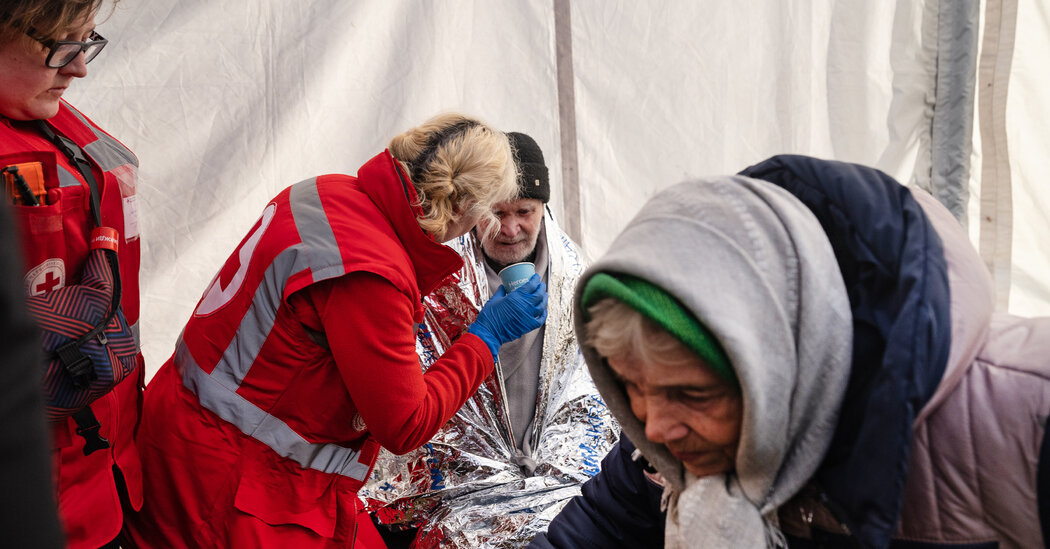
Even before the war, the country struggled with epidemics of H.I.V., tuberculosis and hepatitis. The conflict threatens to undo decades of progress.A convoy of five vans snaked slowly on Friday from the battered Ukrainian capital, Kyiv, toward Chernihiv, in the northeast of the country. On board were generators, clothes, fuel — and medications needed to treat H.I.V.With a main bridge decimated by shelling, the drivers crept along back roads, hoping to reach Chernihiv on Saturday and begin distributing the drugs to some of the 3,000 residents in desperate need of treatment.Organizers of efforts like this one are rushing to prevent the war in Ukraine from morphing into a public health disaster. The conflict, they say, threatens to upend decades of progress against infectious diseases throughout the region, sparking new epidemics that will be nearly impossible to control.Ukraine has alarmingly high numbers of people living with H.I.V. and hepatitis C, and dangerously low levels of vaccination against measles, polio and Covid-19. Overcrowded and unsanitary living conditions for refugees are breeding grounds for cholera and other diarrheal diseases, not to mention respiratory plagues like Covid-19, pneumonia and tuberculosis.“If they don’t get the medicines, there is a high risk that they will actually die because of the lack of therapy, if they don’t die under the shelling,” said Dmytro Sherembei, who heads 100% Life, the organization delivering medications to Chernihiv residents with H.I.V.Mr. Sherembei, 45, learned he had H.I.V. 24 years ago. He is one of more than 250,000 people in Ukraine living with the virus, a huge epidemic driven largely by the sharing of contaminated needles among intravenous drug users.Ukraine and the surrounding region also make up a world epicenter of multi-drug-resistant tuberculosis, a form of the disease impervious to the most powerful medications.The Ukrainian health ministry in recent years had made progress in bringing these epidemics under control, including a 21 percent drop in new H.I.V. infections and a 36 percent decline in TB diagnoses since 2010.But health officials now fear that delays in diagnosis and treatment interruptions during the war may allow these pathogens to flourish again, with consequences that ripple for years.“Last year, we were working to differentiate between different TB mutations,” Iana Terleeva, who heads tuberculosis programs for Ukraine’s Ministry of Health, said in a statement. “Now instead, we are trying to differentiate between aerial shelling, raids and other military hardware.”The fighting also has damaged health facilities throughout the country and spawned a refugee crisis, imperiling thousands of people with chronic conditions like diabetes and cancer who depend on continuing care.“Everything is at very high risk, as it is always in the battlefield,” said Dr. Michel Kazatchkine, a former U.N. secretary general envoy for Eastern Europe.“We should anticipate major health crises with regard to infectious diseases and chronic diseases across the region that I expect to be severe and durable,” he added.Dmytro Sherembei, second from left, with volunteers and workers with 100% Life.100% LifeSupplies gathered by 100% Life at the Kyiv Medical Center.100% LifeFamilies evacuated from Chernihiv waited to board a train in Kyiv to leave Ukraine this month. The World Health Organization and other agencies are stockpiling TB drugs for refugees arriving in Poland.Lynsey Addario for The New York TimesThe war “will have a huge impact on health systems that are already very fragile,” Dr. Kazatchkine said.More than three million Ukrainians have fled to neighboring countries, most of them to Poland, and nearly seven million are internally displaced. The refugees are arriving in countries unprepared for an onslaught of patients with medical needs, experts said.Moldova, for example, is one of the poorest nations in Europe, ill equipped to care for refugees or to stem infectious disease outbreaks. Countries like Kyrgyzstan and Kazakhstan buy drugs and vaccines produced by Russia and are heavily dependent on its economy.Russia itself has more people with H.I.V. than any country in Eastern Europe, and Western sanctions are likely to interrupt the already low levels of funding for services in the country.Within Ukraine, nearly 1,000 health care facilities are close to conflict zones or areas no longer under government control. The World Health Organization has recorded at least 64 attacks on such facilities, including 24 in which the buildings were damaged or destroyed.The hospitals that are still operational struggle to care for the sick and wounded, and are crippled by dwindling medical supplies, including oxygen and insulin, and a shortage of lifesaving equipment like defibrillators and ventilators.Hundreds of children with cancer have fled their homes, according to the World Health Organization. The armed conflict has even derailed routine childhood vaccinations.Only about 80 percent of Ukrainian children were immunized against polio in 2021, and the country had detected a few polio cases even before the war began. The vaccination coverage for measles in Ukraine is likewise too low to prevent outbreaks.At the Ukrainian Embassy in Berlin, people waited to receive a Covid vaccination.Filip Singer/EPA, via ShutterstockThese are the ingredients of a public health calamity, many experts fear. The W.H.O. and other organizations are deploying medical teams and shipping supplies, vaccines and drugs to Ukraine and to neighboring countries. But the aid may never reach areas of active conflict.‘It’s very scary’During the pandemic lockdowns, the Ukrainian government began disbursing three-month supplies of medications for H.I.V. and tuberculosis. But many Ukrainians forced to abandon their demolished cities were able to take only limited supplies of the medications needed to keep them alive.Elizaveta Grib, 16, fled her home in Kyiv with her mother and younger brother on Feb. 28, four days after the bombing began. They packed what they could in suitcases and made their way by train to Mykolaiv, a city near the southern port of Odessa that came under heavy bombardment by Russian forces.Ms. Grib’s tuberculosis was diagnosed in September 2020 and she took some of her medicines with her, but now is unsure how she might obtain the drugs long-term. Without treatment, her disease could become resistant to all available therapies, perhaps even claiming her life.“It’s very scary,” she said.At least 1,200 people with tuberculosis are thought to have fled Ukraine. The Alliance for Public Health, a nonprofit organization, is helping more than 400 such patients in countries like Poland and Moldova. The W.H.O., too, has readied a stockpile of tuberculosis drugs in Poland for refugees from Ukraine.Russia-Ukraine War: Key DevelopmentsCard 1 of 4On the ground.

Read more →

COVID-19 mixed with flu increases risk of severe illness and death

Adults in hospital who have Covid-19 and the flu at the same time are at much greater risk of severe disease and death compared with patients who have Covid-19 alone or with other viruses, research shows.
Patients with co-infection of SARS-CoV-2, which causes Covid-19, and influenza viruses were over four times more likely to require ventilation support and 2.4 times more likely to die than if they only had Covid-19, experts found.
Researchers say the findings show the need for greater flu testing of Covid-19 patients in hospital and highlight the importance of full vaccination against both Covid-19 and the flu.
The team from the University of Edinburgh, University of Liverpool, Leiden University and Imperial College London, made the findings in a study of more than 305,000 hospitalised patients with Covid-19.
The research — delivered as part of the International Severe Acute Respiratory and emerging Infection Consortium’s (ISARIC) Coronavirus Clinical Characterisation Consortium — is the largest ever study of people with Covid-19 and other endemic respiratory viruses.
ISARIC’s study was set up in 2013 in readiness for a pandemic such as this.

Read more →

Ukraine war: WHO says attacks on health facilities are rising daily

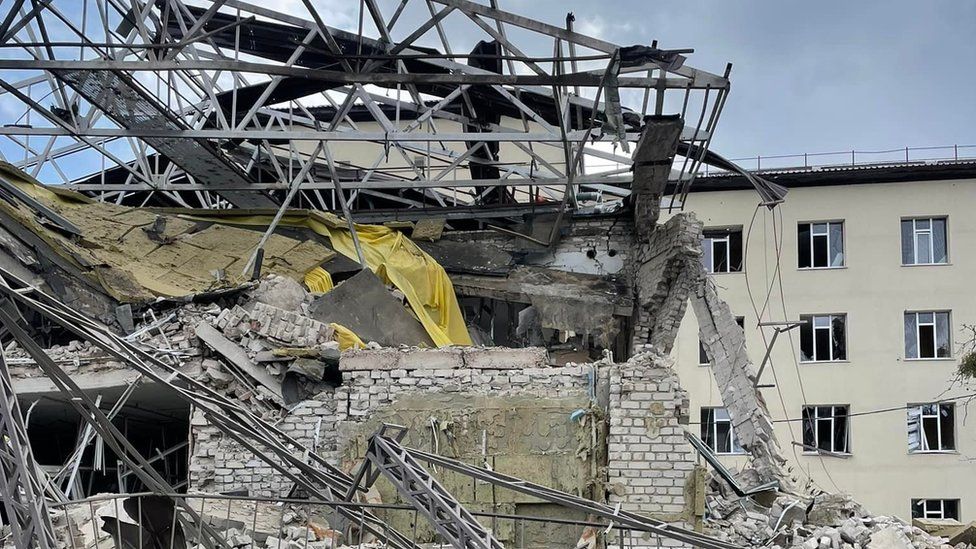
SharecloseShare pageCopy linkAbout sharingImage source, Volodymyr MatsokinThere have been more than 70 separate attacks on hospitals, ambulances and doctors in Ukraine with the number increasing on a “daily basis”, says the World Health Organization (WHO).It says the targeting of healthcare facilities has become part of the strategy and tactics of modern warfare.A recent casualty on 8 March was the newly refurbished central hospital in Izyum, south of Kharkiv. It was hit by what the Ukrainian authorities said were Russian shells.Video and photos posted online by the city’s deputy mayor showed extensive damage to the main hospital building. A new reception area built last year was completely destroyed. The footage has been verified by the BBC and other media outlets, although the exact circumstances of the attack are impossible to establish at this time. “After the first bombing, the windows of the hospital blew out,” the deputy mayor Volodymyr Matsokin told the BBC. A second attack destroyed the hospital’s operating rooms, he added.Ukraine: The doctors racing aid from the UK to the front lineOxygen stocks running dangerously low in UkraineUkraine war: The road to safety for Ukraine’s cancer childrenThat day hospital staff were treating children, pregnant women and three newborn babies as well as soldiers and civilians injured in fierce fighting in the region, according to the Ukrainian authorities.They were sheltering in the basement at the time of the attack and no-one was killed.”The government had invested millions to provide good facilities with modern equipment,” said Mr Matsokin.”Patients had to climb out of the rubble on their own to escape.”The BBC has contacted the Russian embassy in London about the attack but has received no response, although in the past Moscow has denied deliberately targeting civilians.Since 24 February, the WHO has reviewed and verified 72 separate attacks on healthcare facilities in Ukraine causing at least 71 deaths and 37 injuries. Image source, Google (l) and Volodymr Matsokin (r)Most have damaged hospitals, medical transports and supply stores, but the WHO has also recorded the “probable” abduction or detention of healthcare staff and patients.”We are concerned that this number is increasing daily,” the WHO’s Ukraine country representative Jarno Habicht told the BBC. “Health facilities should be safe places for both doctors and nurses, but also patients to turn to for treatment. This should not happen.”Because the war in Ukraine is an international armed conflict between two states, the Geneva Conventions apply.Expanded in the aftermath of World War Two, the conventions set out the basic rights of civilians and military personnel, and establish protection for the wounded and sick. They were ratified by what was then the Soviet Union in 1954.War in Ukraine: More coverage LIVE: Latest updates from Ukraine and nearbyWATCH: Destruction of Ukraine’s cities from aboveZELENSKY: How Ukraine’s leader tailors his addressesREAD MORE: Full coverage of the crisisUnder Article 18 of the Conventions, civilian hospitals “may in no circumstances be the object of attack, but shall at all times be respected and protected”.A breach of that rule can be investigated by the International Criminal Court in the Hague and, if found to be a war crime, individual perpetrators can be prosecuted and punished.There are though exemptions to the Conventions. The protection from attack is lost if the medical facility is placed near a legitimate military target or is thought to be committing an act “harmful to the enemy”. According to the International Committee of the Red Cross (ICRC), that could include the use of a hospital as a shield for healthy fighters or the staging of a medical unit in a position which impedes an enemy attack.Image source, Sergei OrlovNeve Gordon, professor of international law and human rights at Queen Mary University of London, said: “What we have today, in effect, is a situation where hospitals and medical units have become fair game.”If there are soldiers outside the hospital or it is simply next to a train station, it can be attacked. Or it could be that a wounded soldier has a cellphone and is calling other troops and telling them that there is someone nearby.”All these loopholes render it possible to claim the attack was legitimate.”The ICRC says that, in theory, before targeting a hospital which might be in breach of those rules, the attacking side should always give a warning, with a time limit, and the other side must have ignored that warning.There is no evidence this has happened in the Ukraine conflict.Prof Gordon would like to see a far stronger blanket ban on any attack on medical facilities under international law, similar to the ban on torture adopted by the United Nations which came into force in 1987. From Vietnam to SyriaExemptions to the Geneva Conventions have been used to justify attacks on hospitals and medical units in post-World War Two conflicts from Korea and Vietnam onwards.The trend though appears to be accelerating rapidly, driven in part by the use of ballistic missiles, drones, and other longer range munitions. The US advocacy group Physicians for Human Rights claims that Russian or local forces have been linked to at least 244 separate attacks on healthcare facilities in Syria since 2011.At one point, the charity Médecins Sans Frontières even made the decision to stop sharing the GPS co-ordinates of some health clinics it operated with the Syrian government or its Russian allies, amid concerns they were more likely to become direct targets as a result.Russian officials denied deliberately attacking hospitals in Syria and suggested “jihadists” in the country were routinely sheltering in protected civilian buildings.Image source, LUHANSK REGIONAL ADMINISTRATIONThe WHO is concerned that all this means attacks on medical facilities are fast becoming part of the wider “strategy and tactics” of modern warfare, regardless of the Geneva Conventions rules. Destroying health facilities, it warned, “is about the destruction of hope” and the denial of basic human rights. “We’ve never seen globally… this rate of attacks on healthcare,” its emergencies director Michael Ryan told a news conference this week.”This crisis is reaching a point where the health system in Ukraine is teetering on the brink. “It needs to be supported… but how can you do that if the very infrastructure that those people will go in to support is under direct attack?” You can follow Jim on Twitter.

Read more →

Biden Administration Likely to Offer Older Americans Second Booster Shots

Federal officials appear to be coalescing around a plan to offer people 65 and older — and possibly some younger adults — the option, in case infections surge again soon.WASHINGTON — The Biden administration is moving ahead with a plan to give at least everyone 65 and older — and possibly some younger adults as well — the option of a second booster of the Pfizer-BioNTech or Moderna coronavirus vaccine without recommending outright that they get one, according to several people familiar with the planning.Major uncertainties have complicated the decision, including how long the protection from a second booster would last, how to explain the plan to the public and even whether the overall goal is to shield whoever is deemed eligible only from severe disease or from less serious infections as well, since they could lead to long Covid.Much depends on when the next wave of Covid infections will hit, and how hard. Should the nation be hit by a virulent surge in the next few months, offering a second booster now for older Americans could arguably save thousands of lives and prevent hundreds of thousands of hospitalizations.But if no major wave hits until the fall, extra shots now could turn out to be a questionable intervention that wastes vaccine doses and that could deepen vaccination fatigue and sow doubt about the government’s strategy. The highly contagious Omicron subvariant BA.2 is helping to drive another surge of coronavirus cases in Europe and is responsible for about a third of new cases in the United States, but health officials have said they do not anticipate a major surge caused by the subvariant.Federal health officials have hotly debated the way forward, with some strongly in favor of a second booster now and others skeptical. But they appear to be coalescing around a plan to give at least older Americans the option, in case infections surge again before the fall. It was unclear how broad the group would be. In the fall, officials say, Americans of all ages should get another shot.A decision from the Food and Drug Administration on whether to authorize a second booster could come early next week, according to multiple people familiar with the deliberations. The Centers for Disease Control and Prevention might then advise those eligible to consider getting another shot, rather than recommending they do so.Giving some people the option of a second booster would be at best a stopgap measure. Many experts argue that the existing coronavirus vaccines need to be modified because the virus’s variants are diminishing their power; the question is how to reconfigure them. A surge in the fall is considered highly likely, whether it comes in the form of the Omicron variant, a subvariant like BA.2 or a new lineage entirely.More than a dozen studies are underway to find the next generation of vaccines, with the first results expected in May or June. If all goes well, that would allow enough time to produce new doses before the fall. One major hitch is that the Biden administration says it does not have the money it needs to reserve its place in line by paying vaccine manufacturers for doses in advance.On the plus side, data from the C.D.C. indicates that four to five months after a third shot, the Pfizer-BioNTech and Moderna vaccines remain about 78 percent effective against hospitalization due to Covid-19. That might even be an underestimate, because the study may have included a disproportionate number of people with immune deficiencies that make them more likely to become severely ill.On the other hand, 78 percent is still a drop from the 91 percent effectiveness that was found after two months, and the vaccines’ potency may fall further with more time. If a new wave hits in May or over the summer, even a somewhat modest decline in protection against hospitalization could have a huge impact on the nation’s roughly 55 million Americans 65 or older, who have borne the brunt of the pandemic. Pfizer and BioNTech have said emerging data, including from Kaiser Permanente, shows that the potency of its booster dose against severe disease wanes in three to six months.Already, one in 75 Americans 65 or older has died of Covid, making up three-fourths of the nation’s deaths from the virus, according to the C.D.C.’s data. More than 33 million people in that age group, or more than two-thirds, have received a first booster and would be eligible for a second.For some officials, the bottom-line question is this: How much should effectiveness against hospitalization drop before a second booster is justified for those most at risk?As it was in the fall, when boosters were first rolled out, the broader scientific community is divided over the policy. “I am not persuaded there is substantial waning of protection against severe disease after the third dose,” Dr. Philip Krause, a former senior regulator at the F.D.A., said in an interview.Federal health officials have hotly debated the way forward, with some strongly in favor of a second booster now and others skeptical.Emily Elconin for The New York TimesDr. Monica Gandhi, an infectious disease doctor and medical professor at the University of California, San Francisco, said that healthy younger people with one booster were fine at this point, but that older people “should probably start receiving fourth shots now.”There may be somewhat less resistance among scientists now than there was to the first booster shots, since evidence has emerged that those doses saved lives during the winter’s Omicron wave.Given the limited nature of data supporting a second round of booster shots, some federal officials say that some sort of neutral advice is as far the Biden administration can go. But in general, wishy-washy regulatory advice is not popular, as people and doctors often want concrete advice more than options.Dr. Judith A. Aberg, chief of the division of infectious diseases at Mount Sinai Health System, said the public could be frustrated with mere permission for a second booster.Unlike with the first round of regulatory decisions on booster shots, no meetings of the advisory committees of either the F.D.A. or the C.D.C. are planned ahead of the decision on second boosters. The panels’ recommendations are nonbinding but are usually followed. Bypassing those committees will draw criticism.“This is a complex decision that involves a pretty deep dive, and I think it would really benefit from public discussion,” said Dr. Jesse L. Goodman, a former chief scientist at the F.D.A. “I would not want to see an advisory committee skipped on this.”But administration officials seem willing to accept complaints about the process. The F.D.A. has scheduled an April 6 meeting of its advisory committee to discuss what the administration’s overall vaccine strategy should be moving forward.As for timing, federal officials appear to be simply making their best guess. If people get a second booster now and the virus has a resurgence in July, their protection may have already fallen off again. On the other hand, if the administration waits until a Covid wave hits, it will be too late to vaccinate tens of millions of people.The supply is there, at least for older people: States have 131 million doses of the Pfizer-BioNTech and Moderna vaccines on hand.Many experts say there is no evidence that an additional shot could hurt people’s immunity by habituating them to coronavirus vaccines.The biggest downside may be more vaccine fatigue and skepticism that the vaccines work and that the nation’s vaccine policy is really driven by data. With each successive shot that becomes available, fewer Americans get it. On the other hand, authorizing a second booster might prompt more people to get the first one, Dr. Aberg of Mount Sinai said.Besides the C.D.C., Britain and Israel have put out data on the waning effectiveness of booster shots. The latest report by Britain’s health security agency states that effectiveness against symptomatic infection drops to between 25 and 40 percent 15 weeks or longer after a booster dose of either Pfizer or Moderna.Many experts say there is no evidence that an additional shot could hurt people’s immunity by habituating them to coronavirus vaccines.Emily Elconin for The New York TimesBut the British health agency said how well boosters protect against hospitalization was harder to measure. Since Omicron typically caused milder illness than previous variants, more hospitalized patients tested positive for Covid but had been admitted for other reasons.Looking only at patients admitted for respiratory illness, the agency estimated that vaccine effectiveness against hospitalization for those 65 or older dropped to 85 percent from 91 percent 15 weeks or more after the booster. Like a smattering of other countries, Britain is offering a second booster to older people and others at high risk this spring.Israel’s data suggests that a second booster shot raises protection fourfold against hospitalization and twofold against infection. But no one knows for how long. Since Israel only recently began its second booster campaign, it has data for only two months or less. Other Israeli data suggests that a second booster restores antibody levels to their peak level after the first booster, but Dr. Aberg said that data set, too, had limitations.Neither Pfizer nor Moderna seem to have much of their own data to support their requests for emergency authorization; Pfizer is seeking second boosters for those 65 and older, while Moderna filed a sweeping request to offer second booster shots to all adults. Neither has submitted data from a randomized, placebo-controlled study — considered to be the gold standard of scientific evidence — on how well the dose would work.“We are going to have to make this decision on the basis of incomplete information,” said Dr. Peter J. Hotez, a vaccine expert with the Baylor College of Medicine in Houston.Sheelagh McNeill

Read more →

New study reveals why HIV remains in human tissue even after antiretroviral therapy

Thanks to antiretroviral therapy, HIV infection is no longer the life sentence it once was. But despite the effectiveness of drugs to manage and treat the virus, it can never be fully eliminated from the human body, lingering in some cells deep in different human tissues where it goes unnoticed by the immune system.
Now, new research by University of Alberta immunologist Shokrollah Elahi reveals a possible answer to the mystery of why infected people can’t get rid of HIV altogether.
Elahi and his team found that in HIV patients, killer T cells — a type of white blood cells responsible for identifying and destroying cells infected with viruses — have very little to none of a protein called CD73.
Because CD73 is responsible for migration and cell movement into the tissue, the lack of the protein compromises the ability of killer T cells to find and eliminate HIV-infected cells, explained Elahi.
“This mechanism explains one potential reason for why HIV stays in human tissues forever,” he said, adding that the research also shows the complexity of HIV infection.
“This provides us the opportunity to come up with potential new treatments that would help killer T cells migrate better to gain access to the infected cells in different tissues.”
After identifying the role of CD73 — a three-year project — Elahi turned his focus to understanding potential causes for the drastic reduction. He found it is partly due to the chronic inflammation that is common among people living with HIV.
“Following extensive studies, we discovered that chronic inflammation results in increased levels of a type of RNA found in cells and in blood, called microRNAs,” he explained. “These are very small types of RNA that can bind to messenger RNAs to block them from making CD73 protein. We found this was causing the CD73 gene to be suppressed.”
The team’s discovery also helps explain why people with HIV have a lower risk of developing multiple sclerosis, Elahi noted.
“Our findings suggest that reduced or eliminated CD73 can be beneficial in HIV-infected individuals to protect them against MS. Therefore, targeting CD73 could be a novel potential therapeutic marker for MS patients.”
Elahi said the next steps in his research include identifying ways the CD73 gene can be manipulated to turn on in patients living with HIV and off in those with MS.
Story Source:
Materials provided by University of Alberta. Original written by Tarwinder Rai. Note: Content may be edited for style and length.

Read more →