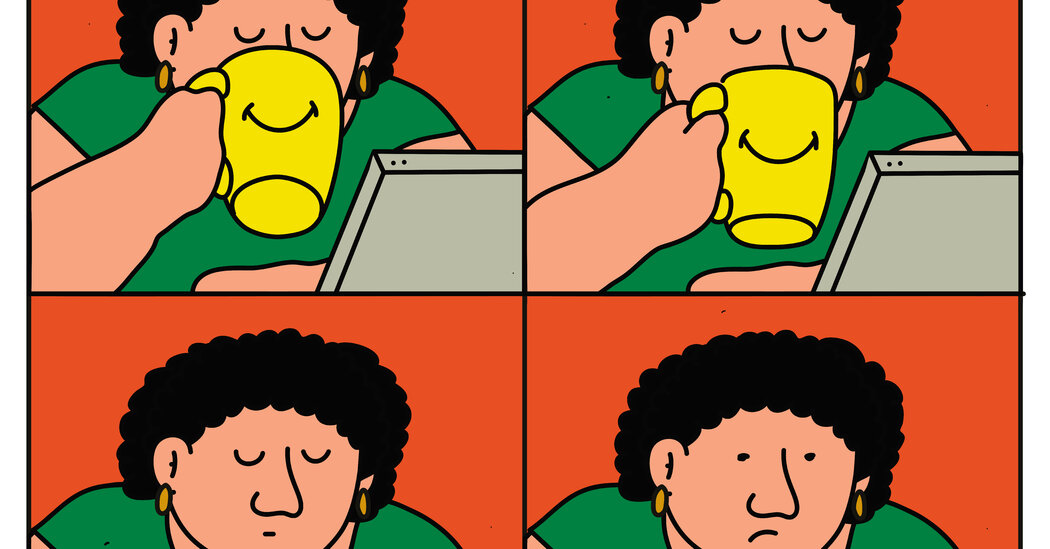
Are You Happy? Your Boss Is Asking.

To some, the pursuit of workplace happiness — and its price, like an $18,000 “happiness M.B.A.” for managers — can seem like a corporate attempt to turn feelings into productivity.Garry Ridge, who runs the chemical company WD-40, has a leadership style guided by two sources — Aristotle, and the BlackRock chief executive Larry Fink.“Pleasure in the job puts perfection in the work,” Mr. Ridge said first, quoting the Greek philosopher.Then he picked up a recent BlackRock memo. “Companies who forged strong bonds with their employees have seen lower levels of turnover and higher returns throughout the pandemic,” Mr. Ridge read aloud.This he punctuated with his own commentary: “Well, duh!”WD-40, which comes in a bright blue-and-yellow canister familiar to many homes with squeaky doors, is a cleaning product with a secret formula that can loosen a rusty bolt, scrub crayon off the wall, get bug splats off a car and remove rust from a bike chain. Mr. Ridge likes to remind the nearly 600 employees across his 17 offices about the usefulness of their work.But he also believes that some are buoyed by the company’s unorthodox culture. WD-40 has no managers, only coaches. Workers can receive “Mother Teresa” awards for giving their “time, talents and treasures” to the community. They might remind their colleagues during meetings to create “positive lasting memories” together.Long before the pandemic, many were skeptical of companies that advertised themselves as being in the business of keeping workers feeling happy. There were the tech companies whose college campus-style offices had ball pits and slides. There were the offices with lunch buffets and frozen rosé. There was the growing number of employers assessing staff happiness with surveys, often contracting consultants to cook up workplace fun.A gym at WD-40’s offices in San Diego. While the company’s chief executive quotes Aristotle, the gym wall favors James Brown.Ariana Drehsler for The New York TimesTo some people, the pursuit of workplace happiness — and its associated price tag, like an $18,000 program for managers on how to lead happy teams — can seem like a corporate alchemy that tries to turn feelings into productivity. It can feel like a push to smile and put aside demands that are less convenient for bosses, like remote work or higher pay.Those critiques have taken on new urgency as workers and employers clash over return-to-office plans, in what economists continue to characterize as a tight labor market. Some workers say they prefer flexibility, or raises adjusted to inflation, to corporate carrots like a Lizzo concert for Google employees and beer tastings at Microsoft.“It’s ‘I’m not going to help you solidify your schedule in advance in a way that will help you, but here’s a discount code,’” said Jessica Martinez, 46, a program officer at a global foundation that has long held Wine Wednesdays and is now distributing return-to-office gifts, like water bottles.The Return of Return-to-Office PlansAfter the Omicron variant crushed companies’ hopes for a return to in-person work late last year, a new R.T.O. chapter now appears to be opening.Conference Rooms:  These once-boring spaces are getting a reboot, with more democratic designs and cozier spaces.New Perks: Tech companies are hoping to lure their employees back to the office with concerts, food trucks and other offerings.The Right Mind-Set: Back at the office, the gossip, the loud talkers and the nosy colleagues are making a comeback. Here is how to deal with it.Work Wear: Retailers are scrambling to cater to the new demands of the hybrid workweek. Enter the “power casual” wardrobe.Inflation Woes: As prices continue to go up, the cost of an R.T.O. routine — travel, coffee, food — is adding to workers’ concerns.“People are trying to get everything back to ‘normal,’ but the truth is normal was terrible for some people,” she continued. “Why not just give people what they actually want?”At some workplaces, “happiness” can mean letting employees pick their own supervisors. It can mean getting rid of performance reviews. It also typically means measuring happiness levels — though not everyone agrees on what happiness even means. See the Dalai Lama, Dale Carnegie and Barbara Ehrenreich for starters.Behavioral economists and psychologists have, in recent years, shown employers that there’s a business case for their fixation on positivity. One study in the Journal of Labor Economics found that people who were given chocolates to eat and comedies to watch — common happiness generators — were 12 percent more productive than a group left alone. Another study in the Journal of Financial Economics showed that companies appearing in the list of the 100 best workplaces have higher shareholder returns than their peers.“There’s evidence that we get the causal arrow of happiness wrong,” said Laurie Santos, a cognitive scientist who teaches Yale’s popular course on happiness. “You think, ‘I’m feeling productive at work and things are going well at work and therefore I’m happy.’ But the evidence seems to suggest that the other arrow exists as well, that happiness can really affect your work performance.”Garry Ridge, right, who runs WD-40, with Jeff Lindeman from human resources, likes to remind employees about the usefulness of their work.Ariana Drehsler for The New York TimesThe notion that businesses should care about happiness arose with the increase of nonmanual jobs, said Alex Edmans, a finance professor at London Business School. As some work output became harder to measure — shifting to the quality and quantity of ideas, not the number of pins manufactured or tops screwed onto toothpaste tubes — managers determined they should ensure that their employees felt motivated. Compensation mattered, but so did the way people felt on the job.But many see a risk for workers in believing that their employers are cultivating an emotional relationship with them, when in reality the relationship is about money.“Your boss is not there to provide you with happiness,” said Sarah Jaffe, author of “Work Won’t Love You Back.” “No matter how much they say they’re focusing on happiness, they’re focusing on profits.”“Somebody is getting paid to bring in this new exciting culture of workplace happiness,” Ms. Jaffe added. “I would want to know how much my boss is spending.”Happy Ltd., a British consultancy, calls a program it runs for senior leaders its Happy M.B.A. The cost is roughly $18,000, and participants receive a certificate, not an actual degree, through the Institute of Leadership and Management. At a recent session, nonprofit and company managers traded tips that included letting employees pick their own supervisors.Woohoo, a Danish firm that helps create happiness staff surveys, and its software partner, Heartcount, typically charge companies roughly $4 per employee per month, on top of consulting fees that Woohoo’s founder, Alexander Kjerulf, declined to share because they vary widely.Woohoo and Heartcount consult with psychologists and statisticians to ensure that their assessments focus on people’s emotional, rather than logical, responses to their work. The weekly surveys, emailed out on Fridays, include questions like: Are you proud of the job you do? Have you been praised lately for the excellent work you have done? Woohoo then helps employers interpret the data.This quote on another WD-40 wall is from A.J. Downey’s novel “Cutter’s Hope.”Ariana Drehsler for The New York TimesWD-40 employees can receive “Mother Teresa” awards for giving their “time, talents and treasures” to the community.Ariana Drehsler for The New York TimesThis data, though, raises its own set of questions more slippery than those typically covered by an online survey. What does it even mean to be happy?Mr. Kjerulf defines it as the extent to which people experience positive emotions at work, or while thinking about work during their personal time. Leaders at WD-40 understand it to include a combination of meaningful work and a sense of belonging.Another workplace assessment firm, Culture Amp, which works with about 4,500 companies, doesn’t believe in measuring happiness at all, favoring instead metrics like engagement and well-being. Its leaders view happiness as something unstable that differs from person to person and is largely beyond employer control.“I admire the sentiment behind it, but the measurement is where it gets tricky,” said Myra Cannon, Culture Amp’s director of people science. “Happiness is fleeting.”One of the companies that Woohoo has supported is Vega, a software developer in Serbia. Vega publishes a monthly newsletter called Happiness Central, part of its intent to “over-communicate our achievements.” In twice-a-year “meme wars,” employees are rewarded for creating memes that “make fun of people at C-level positions” in the company. The chief executive sometimes surprises everyone walking through the door with fruit salad.“If people have better relationships with each other, especially within teams, we can expect better performance,” said the chief executive, Sasa Popovic, a Vega co-founder. “We can expect people to be more engaged, and then at the end our clients get a better service and are happier with our work.”But those office relationships don’t pay workers’ bills, a critique that has heightened as happiness becomes a fixture inside boardrooms.“In the early aughts, a lot of start-ups gave people terrible benefits and overworked their employees, and they tried to gloss over that by having snacks in the kitchen,” said Ms. Martinez, the foundation officer. But, she noted, the labor shortage is giving more workers leverage to say they won’t tolerate what they once did.“Vacancies are going unfilled because you treated people badly,” she said.The flexibility of working from home has made some workers more comfortable telling employers what actually makes them happy — the freedom to spend time with family, not free dinners at the office.A wellness room at WD-40.Ariana Drehsler for The New York TimesOutdoor space for eating or relaxing.Ariana Drehsler for The New York Times“Having cereal in the break room doesn’t make up for not being able to pick up your kids,” said Anna King, 60, a parent who works at an energy utilities company in Portland, Ore. “The real concerns are do your employees feel like they’re part of the team — not because they’re playing Ping-Pong together but because they’re accomplishing real goals and working decent hours?”As millions of workers make bold demands of their employers, especially around permanent flexibility, some say the focus on happiness is a distraction. “Mother Teresa” awards, after all, don’t improve worker conditions — and in fact can encourage workers to pour more hours into their corporate community at the expense of their personal lives.“I don’t think these things like meditation or whatever employers may be doing to increase well-being are bad initiatives,” said Heidi Shierholz, president of the Economic Policy Institute, a progressive think tank. “But they do not substitute for decent wages, decent benefits, sane scheduling.”

Read more →
North Korea: More than a million Covid cases feared

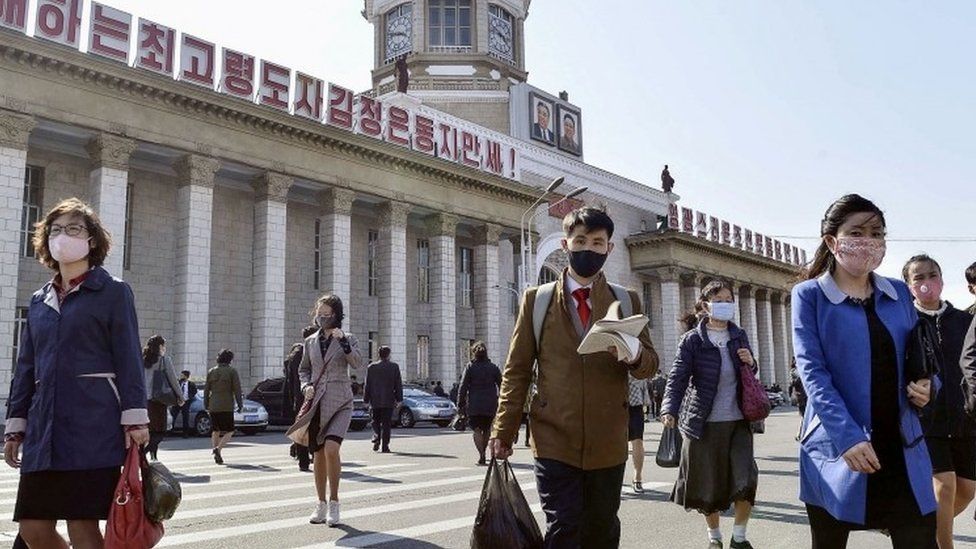
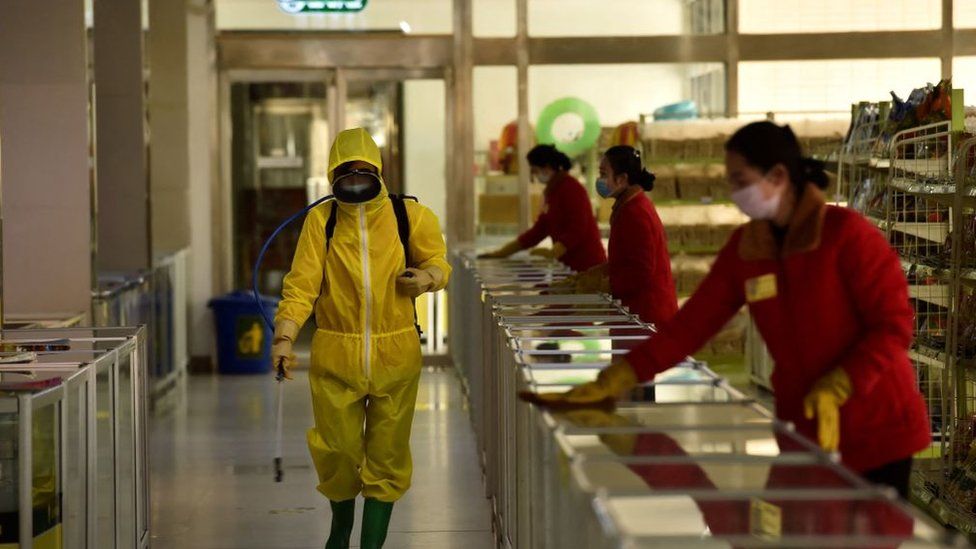
SharecloseShare pageCopy linkAbout sharingImage source, AFPNorth Korea’s leader Kim Jong-un has lambasted health officials and ordered the army to help distribute medicine, as a wave of Covid cases sweeps through the country.More than a million people have now been sickened by what Pyongyang is calling a “fever”, state media said.Some 50 people have died, but it’s unclear how many of those suspected cases tested positive for Covid.North Korea has only limited testing capacity, so few cases are confirmed. North Koreans are likely to be especially vulnerable to the virus due to lack of vaccinations and a poor healthcare system. A nationwide lockdown is in place in the reclusive country.State media said Mr Kim led an emergency politburo meeting at the weekend where he accused officials of bungling the distribution of the national medicine reserves. He ordered that the “powerful forces” of the army’s medical corps step in to “immediately stabilise the supply of medicines in Pyongyang City”.The country announced its first confirmed Covid cases last week – although experts believe the virus has likely been circulating for some time.Mr Kim has imposed “maximum emergency” virus controls, including lockdowns and gathering restrictions in workplaces.The international community offered to supply North Korea with millions of AstraZeneca and Chinese-made jabs last year, but Pyongyang claimed it had controlled Covid by sealing its borders early in January 2020.What will the pandemic look like in North Korea?Why doesn’t North Korea have enough food?How dangerous is the situation in North Korea?North Korea shares land borders with South Korea and China, which have both battled outbreaks. China is now struggling to contain an Omicron wave with lockdowns in its biggest cities.South Korea has offered to send unlimited aid to the North if requested, including vaccine doses, health workers, and medical equipment. On Saturday Mr Kim called the rapidly spreading Covid-19 outbreak a “great disaster”. “The spread of the malignant epidemic is [the greatest] turmoil to fall on our country since the founding,” the official KCNA news agency quoted him as saying.As well as the direct health impact, fears have been raised for food production in North Korea. It suffered a brutal famine during the 1990s, and today the World Food Programme estimates that 11 million of the country’s 25 million people are undernourished.If agricultural workers are unable to tend the fields, analysts say, the implications are extremely serious.You may also be interested in: This video can not be playedTo play this video you need to enable JavaScript in your browser.More on this storyN Korea has confirmed Covid: What’s likely to happen?Covid outbreak a great disaster – Kim Jong-unNorth Korea announces first death from Covid-19N Korea in lockdown over ‘first ever’ Covid cases

Read more →

Robotic surgery is safer and improves patient recovery time

Robot-assisted surgery used to perform bladder cancer removal and reconstruction enables patients to recover far more quickly and spend significantly (20 per cent) less time in hospital, concludes a first-of-its kind clinical trial led by scientists at UCL and the University of Sheffield.
The study, published in JAMA and funded by The Urology Foundation with a grant from the Champniss Foundation, also found robotic surgery reduced the chance of readmission by half (52 per cent), and revealed a “striking” four-fold (77 per cent) reduction in prevalence of blood clots (deep vein thrombus & pulmonary emboli) — a significant cause of health decline and morbidity — when compared to patients who had open surgery.
Patients’ physical activity — assessed by daily steps tracked on a wearable smart sensor — stamina and quality of life also increased.
Unlike open surgery, where a surgeon works directly on a patient and involves large incisions in the skin and muscle, robot-assisted surgery allows surgeons to guide minimally invasive instruments remotely using a console and aided by 3D view. It is currently only available in a small number of UK hospitals.
Researchers say the findings provide the strongest evidence so far of the patient benefit of robot-assisted surgery and are now urging National Institute of Clinical Excellence (NICE) to make it available as a clinical option across the UK for all major abdominal surgeries including colorectal, gastro-intestinal, and gynaecological.
Co-Chief Investigator, Professor John Kelly, Professor of Uro-Oncology at UCL’s Division of Surgery & Interventional Science and consultant surgeon at University College London Hospitals, said: “Despite robot-assisted surgery becoming more widely available, there has been no significant clinical evaluation of its overall benefit to patients’ recovery.

Read more →

Hormonal changes during menopause are directly related to decline in cardiovascular health

Levels of bad cholesterol rise during menopause, and 10% of this increase is due to shifts in sex hormones. That’s the finding of research published today in the European Journal of Preventive Cardiology, a journal of the ESC.
Women usually undergo menopause at the age of 48 to 52 years, leading to a decline in oestrogen and increase in follicle-stimulating hormone (FSH). Menopause is thought to predispose women to heart disease since it typically develops 10 years later than in men, and risk rises after menopause. Previous studies have shown that menopause is associated with heart disease-promoting levels of metabolites, but this study is the first to link this shift with changes in female sex hormones. The metabolite shifts were partially ameliorated with hormone replacement therapy (HRT).
“Menopause is unavoidable but it is possible that the negative metabolite shift can be diminished by eating healthily and being physically active,” said study author Dr. Eija K. Laakkonen of the University of Jyväskylä, Finland. “In particular, women should pay attention to the quality of fat in their diet and getting sufficient exercise to maintain cardiorespiratory fitness. HRT is an option that women should discuss with healthcare providers at this point in their lives.”
The analysis included 218 perimenopausal women not using HRT at baseline. Levels of 180 metabolites (lipids, lipoproteins and amino acids) and two hormones (oestradiol and FSH) were obtained from blood samples at baseline and every three to six months until early postmenopause. The menopausal state was assessed using menstrual diaries and blood FSH levels. Early postmenopause was defined as no periods for over six months and elevated FSH levels on at least two consecutive occasions. A total of 35 women (15%) started HRT during the study.
Dr. Laakkonen explained: “Our study investigated whether the menopausal hormonal change modulates the metabolite profile measured in blood samples taken before and after menopause. Because the menopausal transition, i.e. the time with variable hormone levels and irregular menses, varies tremendously from person to person, the time points for assessment were individualised.”
The researchers carried out detailed statistical analyses to determine what changes occur in metabolite levels during the menopausal transition and whether these changes related to the shift in sex hormone levels. They also tested whether the metabolite trajectory varied between HRT users and non-users.
The average age at baseline was 51.7 years and the median follow up was 14 months. Menopause was associated with a statistically significant change in levels of 85 metabolites. An exploratory analysis showed that the menopausal hormonal shift directly explained the change in 64 of the 85 metabolites, with effect sizes ranging from 2.1% to 11.2%. These included low-density lipoprotein (LDL) cholesterol, triglycerides, fatty acids. and amino acids. The analyses were adjusted for age at baseline, duration of follow up, education level, smoking status, alcohol use, physical activity, and diet quality. A second exploratory analysis revealed that HRT was associated with increases in high-density lipoprotein (“good”) cholesterol and reductions in LDL (“bad”) cholesterol.
Dr. Laakkonen said: “This study links hormonal changes during menopause to metabolic alterations that promote heart disease. Previous studies did not confirm menopausal status with hormone measurements, meaning that they could not differentiate menopausal effects from ageing. Our results should be interpreted with caution, since the links with sex hormones and HRT were found in exploratory analyses and need confirmation.”
She added: “Regarding HRT, very strong conclusions cannot be drawn solely based on our observational study since the number of women starting therapy was small and the type of drug was not controlled. Nevertheless, our findings indicate that initiating HRT early into menopause, i.e. during the menopausal transition, offers the greatest cardioprotective effect. Women considering HRT should discuss it with their healthcare professional since there are numerous choices and some potential contraindications such as cancer or stroke history that need to be considered.”
Story Source:
Materials provided by European Society of Cardiology. Note: Content may be edited for style and length.

Read more →

Ex-Nurse Convicted in Fatal Medication Error Gets Probation

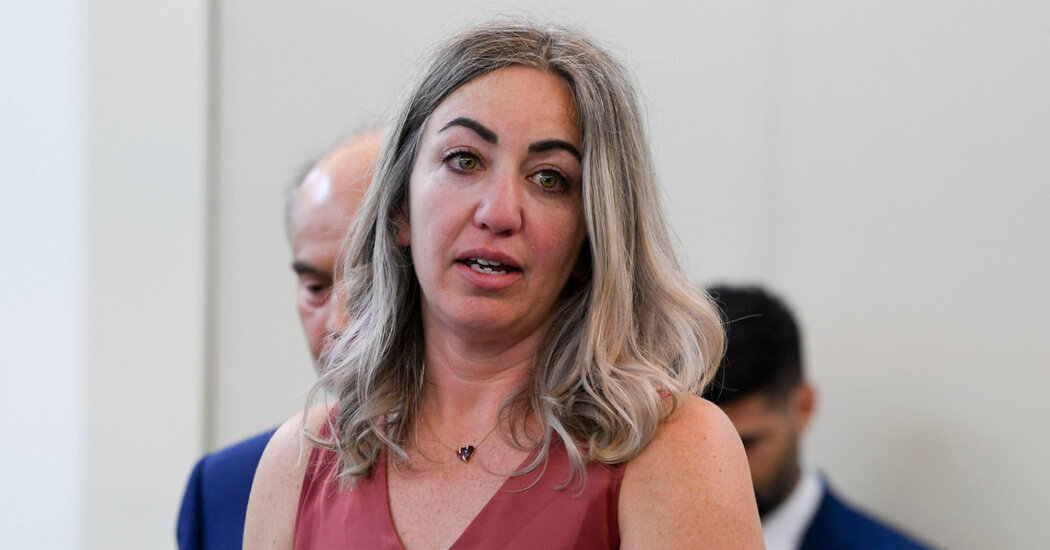
RaDonda Vaught, a former nurse at Vanderbilt University Medical Center in Tennessee, said at her sentencing, “‘I’m sorry’ doesn’t seem like enough.”A former nurse whose medication error killed a patient in Tennessee was sentenced to three years of probation on Friday, ending a case that had prompted concern among health care workers fearful that medical mistakes will be criminalized.The nurse, RaDonda Vaught, apologized to the relatives of the 75-year-old victim, Charlene Murphey, who was injected with a fatal dose of vecuronium, a paralyzing drug, instead of Versed, a sedative, while at Vanderbilt University Medical Center for a brain injury on Dec. 26, 2017, according to court papers.Ms. Murphey had been scheduled to get a PET scan that day and wanted medication to control her anxiety, a lawyer for Ms. Vaught said.“Saying ‘I’m sorry’ doesn’t seem like enough,” Ms. Vaught, 38, who broke down in tears, told Ms. Murphey’s family at the sentencing. “But you deserve to hear that. You deserve to know that I am very sorry for what happened.”Ms. Vaught, who was found guilty in March of gross neglect of an impaired adult and negligent homicide, was also issued a judicial diversion, which would expunge her criminal record if she successfully completes probation.“This offense occurred in a medical setting,” Judge Jennifer Smith of the Davidson County Criminal Court said at the sentencing. “It was not motivated by any intent to violate the law, but through oversight and gross negligence and neglect, as the jury concluded. The defendant also accepted responsibility immediately. She made every effort in the moment that she recognized her error to remedy the situation.”Ms. Vaught’s criminal conviction jolted nurses across the country, who have complained of being exhausted by working conditions during the pandemic and persistent staff shortages at hospitals. Her case was viewed as yet another threat to the profession — one that could have a chilling effect on patient care if nurses become more hesitant to report mistakes.Ms. Vaught said in March that the jury’s decision in her case would “have more of an impact on the nursing community and health care overall.”The American Nurses Association agreed, saying in a statement in March that it was “deeply distressed by this verdict and the harmful ramifications of criminalizing the honest reporting of mistakes.”On Friday, the association said it was “grateful to the judge for demonstrating leniency in the sentencing.”“Unfortunately, medical errors can and do happen, even among skilled, well-meaning, and vigilant nurses and health care professionals,” the association said.Demonstrators outside the courthouse in Nashville on Friday. Health care workers said they feared that medical mistakes could be criminalized.Mark Humphrey/Associated PressThe Davidson County district attorney’s office, which prosecuted the case, did not immediately respond to a request for comment on Saturday. Prosecutors did not oppose the probation sentence on Friday.“We’re very pleased and relieved with the outcome of the sentencing,” Peter Strianse, Ms. Vaught’s lawyer, said on Saturday.Ms. Murphey’s son, Michael Murphey, told the court on Friday that “knowing my mom, the way my mom was and stuff, she wouldn’t want to see” Ms. Vaught serve prison time.“That’s just mom,” he said. “Mom was a very forgiving person.”The Associated Press reported that Ms. Murphey’s husband did want Ms. Vaught to serve a prison sentence.As she waited to hear the judge’s sentencing, Ms. Vaught visibly shook and took deep breaths. After the sentencing, while others left the courtroom, she placed tissues on her eyes, rested her head on the table and cried.Outside the courthouse, nurses wearing purple gathered in support and cheered, News Channel 5 in Nashville reported.Speaking to reporters in March, Ms. Vaught said that what had happened in 2017 “was something that will always be with me.”“Any time you take care of a patient and you have some sort of thing that bonds you, you don’t — good or bad — you don’t forget that as a nurse or as any good health care provider,” she said.Mr. Strianse had argued that Ms. Vaught’s mistakes were partly made because of systemic problems at the hospital, such as communication problems with the pharmacy department.But prosecutors had argued that her mistakes were criminally negligent. She overrode the medical system on a computer when she could not find the Versed medication, typed in “VE” and chose the first medication (the paralyzer vecuronium) on the list, according to a Tennessee Bureau of Investigations report.She then “failed to respond to a number of ‘red flags,’” according to the report: The vecuronium comes in powder form, unlike the liquid Versed, and the vecuronium has a red cap that states “Warning: Paralyzing Agent.”Ms. Vaught later admitted to investigators that she had been “distracted with something” at the time and should not have “overrode the medication because it wasn’t an emergency,” according to the report. Ms. Vaught eventually lost her nursing license.Chandra and Michael Murphey listen as Judge Jennifer Smith announced the sentence on Friday.Pool photo by Nicole HesterErik Knutsen, a professor of medial malpractice law at Queen’s University in Ontario, Canada, said on Saturday that while he does not blame nurses for being concerned, especially during a pandemic, Ms. Vaught’s case does not signal “an open season on nurses.”Health care workers are accustomed to negligence lawsuits in which patients seek financial compensation, he said. Criminal prosecutions, however, are rarer and “feel personal” because, unlike other negligence lawsuits, the potential price is prison time.“A district attorney’s office, before they even think about bringing a criminal charge, would have to think, ‘Gee, do we have a reasonable shot here of convicting this person?’” Mr. Knutsen said.To have a chance at a conviction, the district attorney was likely to have believed that Ms. Vaught’s mistakes were particularly “egregious and preventable,” he said.It’s likely that prosecutors wanted to send a message and “deter that kind of behavior in the workplace that can hurt or kill,” Mr. Knutsen said.“I think this is going to be a very, very rare, one-off occurrence,” he said. The prosecutor, he added, had sent a clear message: “Nurses, be careful.”

Read more →

Bristol mum writes heart surgery book to help son

A mother has written a book about a heart surgery scar to help her son who has a heart condition.When Leo was seven-days-old he had the first of many surgeries on his heart. Now he is four-years-old and has been left with a scar from his neck to his navel. His mother Aimee, from Bristol, said she hoped the book would help Leo and his friends understand why he has the scar and why he should be proud of it.Video Journalist: Alex Howick

Read more →

Covid: What will the pandemic look like in North Korea?

SharecloseShare pageCopy linkAbout sharingImage source, ReutersFor almost two-and-a-half years, North Korea has stuck to its claim it has seen no cases of Covid-19. Not any more. This week, the country confirmed its first infections. The highly reclusive nation had responded to the pandemic by closing its borders, although few believed it had really managed to escape the virus.Now, the authorities are not only acknowledging the virus’ presence but declaring an all-out battle to control it, with North Korean leader Kim Jong-un calling it the “greatest turmoil” to fall on the nation since its founding. A national lockdown is in place.Few parts of the world have escaped Covid. Cases have been recorded at the base camp of Everest and in Antarctica. Individual nations’ responses to the pandemic have varied in severity, but have broadly meant vaccine programmes, testing, social distancing and limits on travel.How the pandemic in North Korea will unfold is likely to remain murky, given the nation’s secrecy. There are fears Covid it could be disastrous. “I’m really concerned about how many people are going to die,” said one of the experts who spoke to the BBC. Frail healthcare systemThe overwhelming challenge faced by North Korea is that the country lacks the most effective weapons against Covid. The population is unvaccinated, and, assuming that cases were at the very least low until now, largely unexposed to the virus. With no immunity, there are fears of large numbers of deaths and of serious illness. Testing is also very limited. The World Health Organization says North Korea has tested about 64,000 people since the start of the pandemic. In South Korea, which made test and trace a central part of its Covid strategy, the figure stands at about 172 million.Hard data has been an important tool for many governments, and even that in North Korea’s case is ambiguous. On Saturday state media reported half a million cases of unexplained fever, likely a reflection of difficulties identifying Covid cases, and a hint at the scale of the outbreak North Korea is facing. Image source, KCTV / AFPAnd, even in wealthy countries, Covid sparked concerns that healthcare systems could be overwhelmed. North Korea is especially at risk.”The healthcare system has been and is quite dire,” said Jieun Baek, the founder of Lumen, an NGO which monitors North Korea. “It’s a very decrepit system. Aside from two million people living in Pyongyang, the majority of the country has access to very poor quality healthcare.” Defectors speak of beer bottles being used to hold IV fluid, or of needles reused until they rust. As for things like masks, or sanitiser, “we can only imagine how limited those are” said Ms Baek.Lockdowns, but will they work?In the absence of a mass vaccination campaign, North Korea is set to turn to the sole major defence against Covid: lockdowns. “Brute force clampdowns on people’s movement will become even stricter,” Ms Baek predicted.Mr Kim has said North Korea should “actively learn” from how China responded to the pandemic.While most countries are now living with the virus, China has stuck to its zero-Covid policy of trying to eradicate the disease. Major cities, including financial hub Shanghai, remain under stay-at-home orders.This has come at a price, with Shanghai residents complaining about their conditions, lack of food and poor medical care. Public criticism of government policies is rare in China.Should North Korea impose similar restrictions, experts warn the situation with supplies could be much worse than, say, Shanghai’s. Even then, the measure might not be enough to halt the spread of the highly contagious Omicron strain. “Look how difficult it is in Shanghai, for them to stop Omicron – and that’s throwing absolutely everything they can think of at the epidemic, at the outbreak,” said Professor Ben Cowling, an epidemiologist from the University of Hong Kong.Image source, AFP”In North Korea I think it’s going to be very tough to stop this. I’d be very, very worried at this point.”North Korea also has longstanding problems with food production. It suffered a brutal famine during the 1990s and today, the World Food Programme estimates that 11m of the country’s 25m are undernourished.Its farming methods are outdated, making successful harvests difficult. If agricultural workers are unable to tend the fields, greater trouble lies ahead.Help is available, if North Korea will accept it Both China and the WHO have previously offered help to North Korea, in the form of vaccines, but the authorities have refused them. Mr Kim’s mention of China could signal a change of heart.”I suspect that they desperately want China’s help, and China will offer as much as it possibly can,” says Owen Miller, a lecturer in Korean studies at London’s SOAS university. China’s priority, he says, is keeping North Korea stable. But, he adds, North Korea might not want other outside help, which would mean a return to the 1990s when large numbers of aid agencies were present. It would be “very destabilising for the rulers to deal with this monitoring on their own territory”, he said. For the moment, there is no sign that even if North Korea is in the middle of a health crisis, it will change it approach to global relations. The US and South Korea have warned that the North could soon conduct another nuclear test – something North Korea watchers say could be a means of distracting the population. Mr Kim could also use his response to Covid as a way of rallying North Koreans and justifying further hardships.All this would mean further suffering and isolation. “They really only have one option. They’ve got to find a way to bring in vaccines and to rapidly vaccinate the population,” said Peter Hotez, a vaccine expert at the US National School of Tropical Medicine at Baylor College of Medicine.”The world is willing to ready to help North Korea, but they have to be willing to invite that help.”More on this storyN Korea in lockdown over ‘first ever’ Covid cases

Read more →

Novel biomaterial prevents rejection of transplants for type 1 diabetes

In type 1 diabetes, an autoimmune response attacks the pancreas’s insulin-producing beta cells, leading to marked fluctuations in blood sugar levels. Lifelong daily insulin treatments are standard for patients, but replacing lost beta cells through transplants of islets, a group of cells in the pancreas, represents an attractive option. This strategy requires that patients take lifelong immunosuppressive drugs to prevent rejection, however. To address this shortcoming, a team at Massachusetts General Hospital (MGH) and Harvard Medical School collaborated with researchers at the Georgia Institute of Technology and the University of Missouri to develop a novel biomaterial that, when mixed with islets, allows islets to survive after transplant without the need for long-term immunosuppression.
In a preclinical study conducted at MGH and published in Science Advances, the researchers tested the biomaterial — which includes a novel protein called SA-FasL that promotes immune tolerance and is tethered to the surface of microgel beads — in a nonhuman primate model of type 1 diabetes. The material was mixed with islets and then transplanted to a bioengineered pouch formed by the omentum — a fold of fatty tissue that hangs from the stomach and covers the intestines. After transplantation, animals received a single anti-rejection drug (rapamycin) for three months.
“Our strategy to create a local immune-privileged environment allowed islets to survive without long-term immunosuppression and achieved robust blood glucose control in all diabetic nonhuman primates during a six-month study period,” says lead author Ji Lei, MD, MBA, an associate immunologist at MGH and an assistant professor of Surgery at Harvard Medical School. “We believe that our approach allows the transplants to survive and control diabetes for much longer than six months without anti-rejection drugs because surgical removal of the transplanted tissue at the end of the study resulted in all animals promptly returning to a diabetic state.”
Lei, who is also director of the Human Islet/Cell Processing Special Service cGMP Facility at MGH, notes that transplanting islets to the omentum has several advantages over the current clinical approach of transplanting to the liver. “Unlike the liver, the omentum is a non-vital organ allowing its removal should undesired complications be encountered,” he explains. “Thus, the omentum is a safer location for transplants to treat diabetes and may be particularly well suited for stem-cell-derived beta cells and bio-engineered cells.”
Co-corresponding author James F. Markmann, MD, PhD, chief of the Division of Transplant Surgery and director of Clinical Operations at the Transplant Center at MGH stresses that the non-human primate study is a highly relevant pre-clinical animal model. “This localized immunomodulatory strategy succeeded without long-term immunosuppression and shows great potential for application to type 1 diabetes patients,” he says.
A clinical trial is being planned based on the researchers’ results.
Additional study authors include María M. Coronel, Esma S. Yolcu, Hongping Deng, Orlando Grimany-Nuno, Michael D. Hunckler, Vahap Ulker, Zhihong Yang, Kang M. Lee, Alexander Zhang, Hao Luo, Cole W. Peters, Zhongliang Zou, Tao Chen, Zhenjuan Wang, Colleen S. McCoy, Ivy A. Rosales, Haval Shirwan and Andrés J. García.
This work was supported by the Juvenile Diabetes Research Foundation, the National Institutes of Health, and the National Science Foundation.
Story Source:
Materials provided by Massachusetts General Hospital. Note: Content may be edited for style and length.

Read more →

Scientists explain what makes COVID-19 antibody 'J08' so potent

Last year, scientists at Scripps Research and Toscana Life Sciences studied the blood of 14 COVID-19 survivors to find the most potent antibodies against the SARS-CoV-2 virus. One of the leading molecules that emerged — now in stage II/III trials in Italy — was an antibody dubbed J08, which seemed to be capable of both preventing and treating COVID-19.
Now, the same group — a collaboration between scientists at Scripps Research and in Italy and France — has visualized exactly how J08 binds to different SARS-CoV-2 variants in different conformations, explaining what makes the monoclonal antibody so potent. The research, published in Proceedings of the National Academy of Sciences, suggests that the J08 antibody, because of its flexibility, will likely remain effective against future variants of COVID-19.
“Even though we can’t predict what variants of COVID-19 will emerge next, understanding the details of J08 reveals what works against the virus, and perhaps how we can engineer antibodies to be even more potent,” says senior author Andrew Ward, PhD, professor of Integrative Structural and Computational Biology at Scripps Research.
When a person is exposed to a virus like SARS-CoV-2, their body generates a variety of antibodies that bind to different sections of the virus to clear it from the body. Scientists designing vaccines and treatments against COVID-19 are interested in what makes some of these naturally produced antibodies — like J08 — more effective than others. In the months after Ward and his collaborators first identified J08, it became clear that the antibody, unlike many others, was potent against a variety of COVID-19 variants.
In the new work, the researchers determined the three-dimensional structure of J08 as it bound to the spike protein of SARS-CoV-2. They confirmed that J08 successfully attached to the Alpha, Beta, Gamma and Delta variants and neutralized the viruses — preventing them from replicating. However, J08 attached to the Omicron variant about 7 times more slowly, and then rapidly came off. About 4,000 times more J08 was needed to fully neutralize Omicron SARS-CoV-2 compared to the other variants.
“With variants other than Omicron, this antibody binds quickly and doesn’t come off for hours and hours,” says co-first author Gabriel Ozorowski, a senior staff scientist in the Ward lab at Scripps Research. “With Omicron, we were initially happy to find that it still binds, but it falls off very quickly. We identified the two structural changes that cause this.”
The team showed that, for all the variants, J08 binds to a very small section of the virus — a section that generally stays the same even as the virus mutates. Moreover, J08 could attach in two completely different orientations, like a key that manages to unlock a door whether it is right side up or upside down.

Read more →

Modifying the body's immune system to help treat Type 1 diabetes

In a new study, a team of researchers from the University of Missouri, Georgia Tech and Harvard University has demonstrated the successful use of a novel Type 1 diabetes treatment in a large animal model. Their approach involves transplanting insulin-producing pancreas cells — called pancreatic islets — from a donor to a recipient, without the need of long-term immunosuppressive drugs.
In people living with Type 1 diabetes, their immune system can malfunction, causing it to attack itself, said Haval Shirwan, a professor of child health and molecular microbiology and immunology in the MU School of Medicine, and one of the study’s lead authors.
“The immune system is a tightly controlled defense mechanism that ensures the well-being of individuals in an environment full of infections,” Shirwan said. “Type 1 diabetes develops when the immune system misidentifies the insulin-producing cells in the pancreas as infections and destroys them. Normally, once a perceived danger or threat is eliminated, the immune system’s command-and-control mechanism kicks in to eliminate any rogue cells. However, if this mechanism fails, diseases such as Type 1 diabetes can manifest.”
Diabetes affects the body’s ability to produce or use insulin, a hormone which helps regulate how blood sugar is used in the body. People living with Type 1 diabetes do not make insulin, and therefore are unable to control their blood sugar levels. That loss of control can lead to life-threatening complications such as heart disease, kidney damage and eye damage.
Over the last two decades, Shirwan and Esma Yolcu, a professor of child health and molecular microbiology and immunology in the MU School of Medicine, have targeted a mechanism, called apoptosis, that destroys “rogue” immune cells from causing diabetes or rejection of transplanted pancreatic islets by attaching a molecule called FasL to the surface of the islets.
“A type of apoptosis occurs when a molecule called FasL interacts with another molecule called Fas on rogue immune cells, and it causes them to die,” said Yolcu, one of the study’s first authors. “Therefore, our team pioneered a technology that enabled the production of a novel form of FasL and its presentation on transplanted pancreatic islet cells or microgels to prevent being rejected by rogue cells. Following insulin-producing pancreatic islet cell transplantation, rogue cells mobilize to the graft for destruction but are eliminated by FasL engaging Fas on their surface.”
One advantage of this new method is the opportunity to potentially forgo a lifetime of taking immunosuppressive drugs, which counteract the immune system’s ability to seek and destroy a foreign object when introduced into the body, such as an organ, or in this case, cell, transplant.

Read more →