Since You’re Already Getting a Flu Shot, Why Not One for Covid, Too?
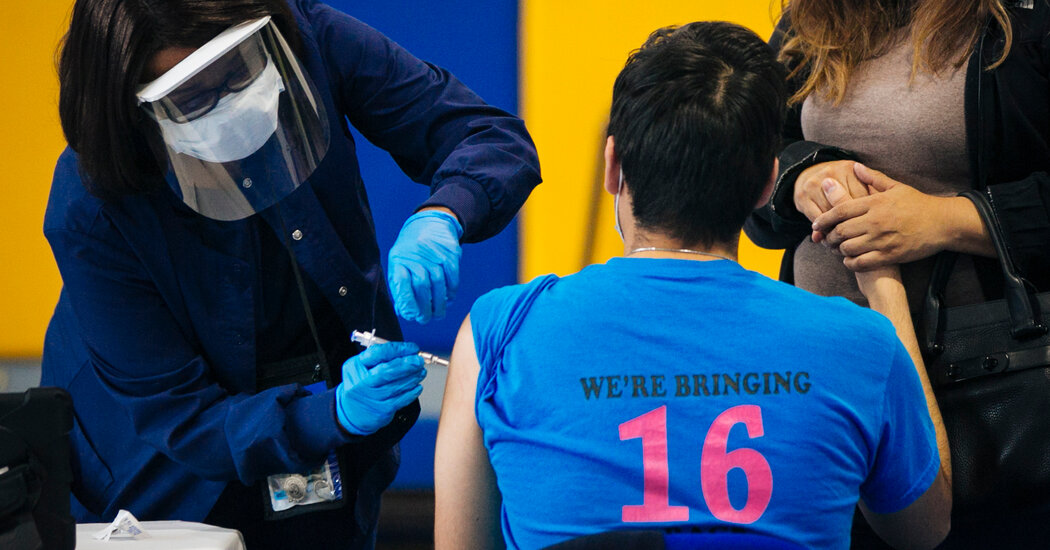
As the coronavirus morphs into a stubborn and unpredictable facet of everyday life, scientists and federal health officials are converging on a new strategy for immunizing Americans: a vaccination campaign this fall, perhaps with doses that are finely tuned to combat the version of the virus expected to be in circulation.The plan would borrow heavily from the playbook for distributing annual flu shots, and may become the template for arming Americans against the coronavirus in the years to come.But some experts question how well a renewed vaccination push would be received by a pandemic-weary public, whether the doses can be rolled out quickly enough to reach the people who need them most — and whether most Americans need additional shots at all.On June 28, scientific advisers to the Food and Drug Administration will meet to identify the coronavirus variant most likely to be percolating in the United States as temperatures cool. That should leave manufacturers time to decide whether the vaccines’ composition needs to be revised and to ramp up production, hopefully enough to churn out hundreds of millions of doses by October.Scientific advisers to the F.D.A. have said they would favor switching to a new version of the vaccines only if there were compelling evidence that the current ones were no longer effective and a modified version proved to be better.The idea is that eligible Americans would be urged to seek immunization against the coronavirus and the flu at the same time this fall, and in the same places: drugstores, doctors’ offices, walk-in clinics and the like. Some important details — like who would be eligible — will be sorted out next month at meetings of scientific advisers to the F.D.A. and the Centers for Disease Control and Prevention.The plan would mark a departure from the current sequential authorizations of booster shots for various age groups. But the shortcomings of the annual approach have been apparent to flu researchers for years.Scientists and federal health officials usually decide on the formulation of the flu vaccine in the spring, six months before the flu season. They guess at which version of the flu virus will arrive in the United States by looking at what is already circulating in the Southern Hemisphere, among other factors.But in some years, “by the time the vaccine is manufactured, the strains have changed, and then you might not have good matching,” Dr. Ofer Levy, director of the precision vaccines program at Boston Children’s Hospital and an adviser to the F.D.A., said.Among the candidates for a fall Covid shot is a booster designed for Omicron, the odd new avatar of the coronavirus, and combinations that include it. Moderna’s lead booster candidate contains 25 micrograms each of its original vaccine and one tailored to Omicron, Dr. Paul Burton, the company’s chief medical officer, said.Pfizer is also testing an Omicron-specific vaccine, but will not make a decision on its fall candidate until June, according to Jerica Pitts, a spokeswoman for the company.Even if the vaccine match isn’t perfect, the boost to immunity should offer some protection against any new variant in the fall, as the flu vaccine does.Scientists and federal health officials usually decide on the formulation of the flu vaccine in the spring, six months before flu season.Stephen Speranza for The New York TimesThe number of Americans who have opted to get booster doses has dwindled with each newly recommended shot. While 90 percent of American adults have received at least one dose of a Covid vaccine, 76 percent opted for a second dose and just 50 percent for a third.“Considering additional doses for a smaller and smaller return is creating an impression that we don’t have a very effective vaccination program,” Dr. Matthew Daley, a senior investigator at Kaiser Permanente Colorado who heads the C.D.C.’s vaccine working group, said in an interview. That concern also was articulated by Dr. Beth Bell, director of the National Center for Emerging and Zoonotic Infectious Diseases, at a meeting of the committee last month. Further, a nationwide campaign for another vaccination might stretch supplies, and exhaust pharmacists, providers and public health staff, some advisers warned. And the experts worry that a push for extra doses this fall, when the risks of severe illness and death are likely to be low for most Americans, might cut into the collective willingness to be immunized later if a new variant surfaces and the public urgently requires it.Repeated immunizations may even blunt a vaccine’s effectiveness. For example, people who are vaccinated against the flu in a single year develop stronger immunity than those who are vaccinated two years in a row, noted Florian Krammer, an immunologist at the Icahn School of Medicine at Mount Sinai in New York.Despite the misgivings, federal officials are gearing up for a fall campaign. Pairing the Covid vaccine with flu every year is the simplest way to convince Americans to line up for the vaccines, Peter Marks, director of the F.D.A.’s Center for Biologics Evaluation and Research, said.“It saves people time,” Dr. Marks said. “And it may mean that more people get both vaccines, which would be a good thing.”Agency scientists are actively debating the best composition for a fall vaccine with the World Health Organization, the National Institutes of Health, and the vaccine manufacturers, Dr. Marks said.The F.D.A. favors offering roughly the same formulations of the Pfizer-BioNTech and Moderna vaccines, in order to avoid befuddling people. Otherwise, “I worry that could actually paralyze a vaccine campaign, when the most important thing is that people get boosted at all,” Dr. Marks said.If the flu vaccine is any indication, however, many Americans will forgo another Covid shot. The Omicron variant has made it clear that preventing all infections is an unattainable goal, and many consider themselves at only a low risk of severe illness or death.Still, Dr. Marks noted that influenza campaigns also aim to prevent loss of productivity, not just medical consequences.Before the Omicron variant’s arrival, administration officials said the Covid vaccines were intended to prevent all symptomatic infections, but they have since backed off that stance.While the Covid vaccines blunted the spread of earlier variants by up to 70 percent, “that’s clearly not true with Omicron,” he said. “It would be nice to have something that did a better job.”Some experts said that instead of another round of injections, the best candidate for limiting infections would have been a nasal spray that would coat the nose and throat with antibodies to block the virus right at its entryway. But those sprays will not be available in the United States for two or three years at least.Until Omicron came around, the F.D.A.’s scientists were so excited about mRNA vaccines that they didn’t consider alternative boosters, Dr. Marks added: “We may have been temporarily blinded by the light.”Some experts worry that a push for extra doses in the fall, when the risk of severe illness and death are low, might reduce willingness to get another shot later if yet another dangerous new variant emerges.Tamir Kalifa for The New York TimesStill, minimizing the number of infections whenever possible is “obviously a very, very important secondary goal,” Dr. Sara Oliver, who represents the C.D.C. on the Covid-19 vaccine working group, said.Apart from curtailing the spread of the virus and societal disruption, reduced infections should reduce cases of long Covid, the constellation of symptoms that can persist for months, she said.The new plan may revive some longstanding tensions. Disagreements about who should recommend vaccines, and for whom, have roiled these agencies for months.Generally, the F.D.A.’s scientific advisers review the safety and effectiveness of vaccines, and recommend authorization or approval. Experts who advise the C.D.C. then issue guidelines on who should get the vaccines and when.During the pandemic, the lines between the White House, the F.D.A. and the C.D.C. have often been blurred. “Right now, one of the challenges is that we have a lot of voices who are speaking immunization policy, and historically we’ve just had one voice,” Dr. Daley said.When the F.D.A. authorized a second booster, for example, it did so only for adults 50 and older — a distinction that would normally have come from the C.D.C.’s vaccine advisers. The C.D.C. also made a subtle distinction that was lost on many Americans: It recommended that adults older than 50 may get a booster if they wished to, not that they should do so. But the White House’s new Covid czar, Dr. Ashish Jha, endorsed the second booster shots.“It’s not entirely clear that the White House is in the position of making vaccine recommendations per se, but nonetheless, he said that he recommended it,” Dr. Camille Kotton, an infectious disease physician at Massachusetts General Hospital and a scientific adviser to the C.D.C., said of Dr. Jha.It’s unclear who would pay for a fall vaccination campaign. The stalemate in Congress over Covid-19 funding jeopardizes the government’s ability to purchase and provide the vaccines to the people who are most in need.“Without urgent additional funding, we are unable to secure enough booster shots for every American who wants one if they are needed in the fall, and we are unable to secure newer, more effective vaccines that protect against new variants,” Sarah Lovenheim, assistant secretary for public affairs at the Department of Health and Human Services, said.

Read more →


Daily Aspirin Regimen May Cause Bleeding

Millions of Americans take aspirin to prevent a first heart attack or stroke. Now, doctors are advising against it — especially for people over 70.Regina Griffith was 64 when she met her new primary care doctor for a routine checkup. He recommended a daily low-dose aspirin for heart health, she recalled.It’s hard to be more fit than Ms. Griffith, the owner and chief instructor at a fitness studio in Montclair, N.J. She had a slightly elevated blood pressure at the doctor’s office (but not at home, using her own cuff); other than that, she had no significant health problems.Still, a daily aspirin didn’t seem like a big deal, and the doctor did not mention any downsides, so she took his advice. “I thought, ‘OK, I’m at a certain age,’” Ms. Griffith said. “It didn’t sound scary to take aspirin.”Millions of older Americans do likewise, and not always because of a doctor’s recommendation. Alan Turner, 64, an industrial designer in New Castle, Del., began taking aspirin on his own about five years ago, after his mother had several strokes. “I saw what that did to her,” he said. He had heard of other people his age taking prophylactic aspirin, so he “just went with it,” he said. “How much damage can you do with a baby aspirin a day?”Good question. For three decades, the United States Preventive Services Task Force, an independent and influential panel of experts, has been reviewing the growing evidence of aspirin use for preventing first heart attacks and strokes.Last month, it issued its latest recommendations on aspirin use, the first in six years. The panel warned adults over 60 against starting an aspirin regimen for primary prevention.“It carries possible serious harms” — notably, an increased risk of internal bleeding, said Dr. John Wong, a task force member. “And those harms are higher than we thought in 2016.” Dr. Wong is a primary care doctor and interim chief scientific officer at Tufts Medical Center in Boston.“Primary prevention” refers to patients who have never had a heart attack or stroke and do not have heart disease. (High blood pressure, or hypertension, is not considered heart disease.) That group is the task force’s focus.People taking aspirin for secondary prevention — because they have already had a heart attack, stroke or intervention like stenting or bypass surgery — face higher risk of subsequent cardiovascular events, and aspirin might remain part of their treatment.For adults aged 40 to 59, the net benefit of taking aspirin daily would be small, the task force concluded. They may choose to start a daily aspirin regimen if, based on widely used health calculators, they face a 10 percent or higher risk for cardiovascular disease over the next decade, but that should be an individual decision.It will take time for these new cautions to trickle down to the public. About one-third of Americans over 40 already take aspirin, a 2019 study found. Among those over 70, more than 45 percent take aspirin for primary prevention, probably representing significant overuse.“Many people don’t even think of aspirin as medication, they think of it as more like a vitamin,” said Dr. Amit Khera, the director of preventive cardiology at the University of Texas Southwestern Medical Center. “But just because it’s over-the-counter, doesn’t mean it’s not a drug with benefits and risks.”In 2019, Dr. Khera helped develop similar guidelines for the American College of Cardiology and American Heart Association, which recommended against routine aspirin use for primary prevention in people over 70. The American Geriatrics Society’s Beers Criteria, a list of medications considered inappropriate for older patients, is also considering recommending that “most older adults” avoid starting aspirin for primary prevention.The U.S. Preventive Services Task Force’s position on aspirin use for prevention has seesawed over the decades, noted Dr. Allan Brett, an internist at the University of Colorado, in a JAMA editorial accompanying the new guidelines. The task force initially recommended in 1989 that patients consider aspirin, then backed off, calling the evidence insufficient. It encouraged preventive aspirin for many adults in 2009 but had grown more skeptical by 2016.What has changed this time around? Three large, rigorous clinical trials published in 2018, following more than 47,000 older patients, “really highlighted the risks,” Dr. Khera said.Dr. Wong added: “Two didn’t find any significant reductions in heart attack or stroke, but there was an increased risk of bleeding.” The third clinical trial, which was limited to people with diabetes, a higher-risk group, found a small reduction in cardiovascular events — but with a higher bleeding risk. “The harm canceled out the benefit,” Dr. Wong said.The bleeding in question usually occurs in the gastrointestinal tract but can also include brain bleeds and hemorrhagic strokes. Although the risks are low — major bleeding occurred in 1 percent or fewer of older people taking aspirin in the 2018 studies — they increase with age. “These are serious bleeds,” Dr. Brett said. “They can require transfusions. They can put people in the hospital.”With the advent of other effective advances in preventing heart attacks and strokes — better blood pressure drugs, statins for lowering cholesterol, a reduction in smoking — the role for aspirin has narrowed, experts said.For people over 60, per the task force guidelines, or 70, per the cardiologists’ recommendations, the risks of starting aspirin now outweigh the benefits. This is particularly true for people with a history of bleeding, say from ulcers or aneurysms, or those taking medications like blood thinners, steroids or anti-inflammatories such as ibuprofen or naproxen.The 2016 task force recommendation raised the possibility that aspirin might play a role in preventing colon cancer. But, Dr. Wong said, “we’re no longer confident aspirin provides benefit for colorectal cancer. We don’t have enough evidence. We’re calling for more research.”The task force had frustratingly little to say, however, about people over 60 stopping aspirin if they have already begun taking it for primary prevention. It mentioned that people should consider stopping at about age 75 because any benefit would diminish with age, but it also said patients should not discontinue aspirin without talking to a health care professional.“There’s no urgency,” Dr. Khera said. “Put this on the agenda of things to discuss” at an upcoming appointment. But, he added, “for people generally healthy, with few risk factors, it’s reasonable to just stop.” Dr. Brett said he had been cautioning patients against routine aspirin use since 2018.Ms. Griffith, now 65, recently saw a different doctor in her new primary care practice. The doctor looked at her chart, which showed no heart disease and more than a year of aspirin use.“He said, ‘I don’t think you need to do that,’” she said.Ms. Griffith had already begun to question the practice and had cut back to an aspirin every other day. Now, she’s going to stop.

Read more →

Monkeypox: Time to worry or one to ignore?

SharecloseShare pageCopy linkAbout sharingImage source, SPLIf you’re still reeling from the Covid pandemic, well sorry but there’s another virus to get to grips with. This time it’s monkeypox and there are around 80 confirmed cases in 11 countries, including the UK, that would not normally expect to have the disease. So what is going on? Is it time to worry or are we getting overly excited having just lived through Covid?Let’s be clear: this is not another Covid and we’re not days away from lockdowns to contain the spread of monkeypox. However, this is an unusual and unprecedented monkeypox outbreak. It has taken scientists who specialise in the disease by complete surprise and it is always a concern when a virus changes its behaviour.Until now, monkeypox was pretty predictable. The virus’s natural home is wild animals, which are actually thought to be rodents rather than monkeys. Somebody in the rainforests of Western and Central Africa comes into contact with an infected creature and the virus makes the jump across species. Their skin erupts in a rash, which blisters and then scabs over. The virus is now outside its usual home and struggles to spread so it needs prolonged close contact to keep going. So outbreaks tend to be small and burn out on their own. Small numbers of cases have cropped up elsewhere in the world before, including the UK, but all can be immediately linked to somebody travelling to an affected country and bringing it home. That is no longer the case. For the first time the virus is being found in people with no clear connection to Western and Central Africa It is not clear who people are catching it from Monkeypox is spreading during sexual activities with most cases having lesions on their genitals and the surrounding areaMany of those affected are gay and bisexual young men “We’re in a very new situation, that is a surprise and a worry,” Prof Sir Peter Horby, the director of the University of Oxford’s Pandemic Sciences Institute, told me.While he says this is “not Covid-Two”, he said “we need to act” to prevent the virus getting a foothold as this is “something we really want to avoid”.Dr Hugh Adler, who has treated patients with monkeypox, agrees: “It’s not a pattern we’ve seen before – this is a surprise.”So what’s going on?We know this outbreak is different, but we don’t know why. There’s two broad options – the virus has changed or the same old virus has found itself in the right place at the right time to thrive. Monkeypox is a DNA virus so it does not mutate as rapidly as Covid or flu. Very early genetic analysis suggests the current cases are very closely related to forms of the virus seen in 2018 and 2019. It is too early to be sure, but for now there is no evidence this is a new mutant variant at play.Image source, Science Photo LibraryBut a virus doesn’t have to change in order to take advantage of an opportunity, as we have learned from unexpected large outbreaks of both Ebola and Zika virus in the last decade. “We always thought Ebola was easy to contain, until that wasn’t the case,” said Prof Adam Kucharski, from the London School of Hygiene and Tropical Medicine. It’s not clear why gay and bisexual men are disproportionately affected. Are sexual behaviours making it easier to spread? Is it just coincidence? Is it a community that is more aware of sexual health and getting checked out? It may also be getting easier for monkeypox to spread. The mass smallpox vaccinations of the past would have given older generations some protection against the closely related monkeypox. “It is probably transmitting more effectively than in the smallpox era, but we’re not seeing anything suggesting it could run rampant,” said Dr Adler, who still expects this outbreak to burn itself out.Image source, UKHSAUnderstanding how this outbreak started will help predict what happens next. We know we’re only seeing the tip of the iceberg as the cases being detected don’t fit into a neat picture of this person passed it on to that person etc. Instead many of the cases appear unrelated, so there are missing links in a chain that seems to spread across Europe and beyond. A recent massive superspreading event, in which large numbers of people gathered and caught monkeypox at the same venue such as a festival and then took it home to different countries, could explain the current situation.The alternative explanation for so many unconnected people getting infected is if the virus has actually been bubbling along unnoticed for quite some time involving a lot of people. Either way, we can expect to continue to find more cases. “I don’t think the general public need to be worried at this stage, but I don’t think we’ve uncovered all of this and we are not in control of this,” said Prof Jimmy Whitworth, from the London School of Hygiene and Tropical Medicine. But remember we are not in the same situation as we were with Covid. Monkeypox is a known virus rather than a new one, and we already have vaccines and treatments. It is mostly mild, although it can be more dangerous in young children, pregnant women and people with weak immune systems. But it spreads more slowly than Covid and the distinctive and painful rash makes it harder to miss than a cough that could be anything. This makes the job of finding people who may have been infected and vaccinating those at risk of catching it easier. However, the World Health Organization’s regional director for Europe, Hans Kluge, has warned that “as we enter the summer season… with mass gatherings, festivals and parties, I am concerned that transmission could accelerate”.Follow James on Twitter

Read more →

Monkeypox: 80 cases confirmed in 11 countries, says WHO

SharecloseShare pageCopy linkAbout sharingImage source, ReutersAbout 80 cases of monkeypox have been confirmed in 11 countries, the World Health Organization says, warning that more cases are likely to be reported.The WHO says that another 50 suspected cases are being investigated, without naming any countries.Earlier, infections were confirmed in Italy, Sweden, Spain, Portugal, the US, Canada and the UK – where the first European case was reported.Monkeypox is most common in remote parts of Central and West Africa.It is a rare viral infection which is usually mild and from which most people recover in a few weeks, according to the UK’s National Health Service. The virus does not spread easily between people and the risk to the wider public is said to be very low.There is no specific vaccine for monkeypox, but a smallpox jab offers 85% protection since the two viruses are quite similar.EXPLAINER: What is monkeypox? In a statement on Friday, the WHO said that “the recent outbreaks reported across 11 countries so far are atypical, as they are occurring in non-endemic countries”.It said it was “working with the affected countries and others to expand disease surveillance to find and support people who may be affected”.The WHO also warned against stigmatising groups because of the disease. “It can be a barrier to ending an outbreak as it may prevent people from seeking care, and lead to undetected spread,” it said.WHO’s Europe regional director Hans Kluge warned that “as we enter the summer season… with mass gatherings, festivals and parties, I am concerned that transmission could accelerate”.He added that all but one of the recent cases had no relevant travel history to areas where monkeypox was endemic.The first case of the disease in the UK was reported on 7 May. The patient had recently travelled to Nigeria, where they are believed to have caught the virus before travelling to England, the UK Health Security Agency said.There are now 20 confirmed cases in the UK, Health Secretary Sajid Javid said on Friday.Authorities in the UK said they had bought stocks of the vaccine and started offering it to those with “higher levels of exposure” to monkeypox.Spanish health authorities have also reportedly purchased thousands of smallpox jabs to deal with the outbreak, according to Spanish newspaper El País.Australia’s first case was detected in a man who fell ill after travelling to the UK, the Victorian Department of Health said.In North America, health authorities in the US state of Massachusetts confirmed that a man has been infected after recently travelling to Canada. He was in “good condition” and “poses no risk to the public”, officials said.More on this storyWhat is monkeypox and how do you catch it?Two more monkeypox cases take UK total to nineMonkeypox case confirmed in EnglandMonkeypox investigated in Europe, US, Australia

Read more →

Study discovers an underlying cause for infantile spasms and points to a novel therapy

Infantile spasm (IS) is a severe epileptic syndrome of infancy and accounts for 50% of all epilepsy cases that occur in babies during the first year of life. Current treatment options for this disorder are limited and most affected infants grow up to have developmental delays, intellectual disabilities and other types of severe epilepsy. A groundbreaking study, conducted in the laboratory of Dr. John Swann, director of the Gordon and Mary Cain Pediatric Neurology Research Foundation labs, investigator at the Jan and Dan Duncan Neurological Research Institute at Texas Children’s Hospital and professor at Baylor College of Medicine, has found that the levels of insulin growth factor -1 (IGF-1) and its downstream signaling are reduced in the brains of both IS patients and animal models. Furthermore, they found that the administration of an IGF-1 analog to an IS animal model successfully eliminated spasms and abnormal brain activity. This exciting study, published in the Annals of Neurology, has the potential to transform the treatment landscape for babies with infantile spasms.
Dr. Swann is a leading expert in epilepsy research and a few years back, his team’s pioneering discoveries resulted in an FDA-approved treatment for severe epilepsy among tuberous sclerosis patients. He and his team have had a longstanding interest and experience in studying infantile spasms, an epileptic disorder diagnosed in roughly 2500 babies in the United States each year.
Early-life brain injuries reduce IGF-1 levels and impair the IGF-1 signaling pathway
“It has been previously reported that IS patients with preexisting brain abnormalities have low levels of IGF-1 in their cerebrospinal fluid and based on that study, we were interested in investigating if IGF-1 levels were altered in the brains of IS animals and patients,” Swann said.
For their investigations, the team used a well-established method to induce spontaneous epileptic spasms in rodents. This methodology, developed in 2008 in the Swann lab, involves chronic infusion of tetrodotoxin (TTX) into the cortex of the infant rat brain, which causes injury at the infusion site and results in spasms that are virtually identical to the those seen in IS patients.
“As is expected after a brain injury, we saw an increase in IGF-1 levels in the non-neuronal support cells (aka glia) at the site of TTX infusion. However, we were most intrigued by the remarkable and widespread decrease in IGF-1 expression in cortical neurons in brain regions adjacent to or further away from the site of TTX injection — a phenomenon that had never been reported before,” Swann said.
Next, the team studied resected cortical tissue from IS patients who had prior perinatal strokes and had undergone surgery to control their intractable seizures. The results were remarkably similar to what they had seen in IS animals.
“More importantly, we found this reduction in cortical levels of IGF-1 had significant consequences in IS animal models because it dampened the overall activity of the IGF-1 molecular signaling pathways that regulate many important biological processes involved in early brain development and neuronal function,” said Dr. Carlos Ballester-Rosado, a postdoctoral associate in the Swann lab and first author of the study.
An IGF-1 analog eliminates infantile spasms in animals
To determine if increasing IGF-1 levels in the cortex of IS animals could ameliorate spasms, the team used a smaller version of IGF-1 that can cross the blood-brain barrier with greater ease than the full-length hormone. The IGF-1 tripeptide they tested is a natural by-product of IGF-1 breakdown that is found normally in the brain. Moreover, this analog has been previously demonstrated to successfully reverse behavioral defects in animal models of other neurodevelopmental disorders such as Rett syndrome and Phelan-McDermid syndrome.
“Using several lines of evidence, we first confirmed that this IGF-1 tripeptide was capable of activating the IGF-1 signaling cascade in mice,” Swann said. “We then found — to our astonishment — that administration of IGF-1 successfully eliminated spasms and an IS-specific chaotic brain activity pattern called hypsarrhythmia in most of the IS animals. We are excited because these findings raise the tantalizing possibility that this IGF-1 analog can be used to treat IS patients in the future.”
Others involved in the study are John Le, Trang Lam, Carrie Mohila, Sandi Lam, Anne Anderson and James Frost. The authors are affiliated with one or more of the following institutions: Cain Foundation Laboratories, the Jan and Dan Duncan Neurological Research Institute at Texas Children’s Hospital and Baylor College of Medicine. The study was funded by CURE Epilepsy’s Infantile Spasms Initiative, grants from the National Institute of Health (RO1 NS018309, RO1 NS105913 and R61/R33 NS112553) and Intellectual and Developmental Disabilities Centers (1U54 HD083092) from the Eunice Kennedy Shriver National Institute of Child Health and Human Development.
Story Source:
Materials provided by Texas Children’s Hospital. Original written by Rajalaxmi Natarajan. Note: Content may be edited for style and length.

Read more →

Haywire T cells attack protein in 'bad' cholesterol

Preventing atherosclerosis, the underlying cause of heart disease, means scientists need to understand how immune cells drive inflammation in the arteries.
The challenge is that the T cells involved in atherosclerosis are very rare and extremely hard to find in the bloodstream. “This is a classic needle-in-the-haystack problem,” says La Jolla Institute for Immunology (LJI) Professor Klaus Ley, M.D.
But T cells can’t hide forever. In a study published recently in Nature Cardiovascular Research, Ley and his colleagues describe a group of T cells that attack a protein called apolipoprotein B (APOB).
APOB is the main protein component of LDL, or “bad,” cholesterol. Dangerous plaques can form in the arteries as LDL levels increase in the bloodstream. These plaques can drive inflammation, block blood flow, and even break apart to trigger strokes and heart attacks.
Ley and his colleagues discovered that T cells that target APOB may contribute to inflammation and further the progression of atherosclerosis. In fact, follow-up experiments in mice showed that as the disease gets worse, a phenomenon called T cell “expansion” leads to more and more of these APOB-reactive T cells in the bloodstream.
“The APOB-specific T cells become more aggressive once the disease has started,” says Ley.
The new study is the first to describe the T cells involved in atherosclerosis with a high level of detail. Ley and his colleagues analyzed blood samples from eight women in a diverse cohort of women in their 50s and 60s (volunteers in the NIH-funded Women’s Interagency HIV Study).
The LJI team collaborated with scientists at Albert Einstein College of Medicine to carefully analyze more than 12,000 T cells from these patients using two cutting edge techniques: single-cell RNA sequencing and T cell receptor sequencing. In this huge pool of T cells, 110 cells stood out, and the scientists found these cells were capable of targeting APOB.
As they zoomed in further, the researchers found that the T cells targeting APOB resemble a type of T cell called a regulatory T cell (Treg), which normally regulates inflammation. Yet these T cells weren’t behaving like normal Tregs. It appears that these new T cells develop a new identity as heart disease develops.
This study is good news for the future of treating heart disease. Ley says detecting these T cells may lead to diagnostics to better detect heart disease — and disease severity — through a blood sample. The knowledge also brings Ley closer to developing a vaccine that dampens this dangerous immune cell activity to prevent atherosclerosis.
Going forward, Ley plans to look at a wider patient group that also includes men with atherosclerosis. He hopes to connect with more patients with cardiovascular disease and work with their doctors to collect small blood samples for clinical research. “The limiting factor in this work is access to patient samples,” he says.
This research was supported by a Japan Society for the Promotion of Science Overseas research fellowship, a Uehara Memorial Foundation research fellowship, and the National Institutes of Health (grants HL 136275, 145241, 148094, K01HL137557). The Zeiss LSM 880 Airyscan Confocal was funded by the NIH grant S10OD021831.
Story Source:
Materials provided by La Jolla Institute for Immunology. Original written by Madeline McCurry-Schmidt. Note: Content may be edited for style and length.

Read more →

Children who play adventurously have better mental health

Children who spend more time playing adventurously have lower symptoms of anxiety and depression, and were happier over the first Covid-19 lockdown, according to new research.
A study led by the University of Exeter asked parents how often their children engaged in play that was “thrilling and exciting,” where they might experience some fear and uncertainty.
The study, published in Child Psychiatry and Human Development, comes at a time when today’s children have fewer opportunities for adventurous play out of sight of adults, such as climbing trees, riding bikes, jumping from high surfaces or playing somewhere where they are out of adult sight. The study sought to test theories that adventurous play offers learning opportunities that help build resilience in children, thereby helping to prevent mental health problems.
With funding from a UKRI Future Leaders Fellowship, the research team surveyed nearly 2,500 parents of children aged 5-11 years. Parents completed questions about their child’s play, their general mental health (pre-Covid) and their mood during the first Covid-19 lockdown.
The research was carried out with two groups of parents: a group of 427 parents living in Northern Ireland and a nationally representative group of 1919 parents living in Great Britain (England, Wales and Scotland).
Researchers found that children who spend more time playing outside had fewer “internalising problems” — characterised as anxiety and depression. Those children were also more positive during the first lockdown.
The effects were relatively small, as would be expected given the range of factors that affect children’s mental health. However, results were consistent even after researchers factored in a wide range of demographic variables including child sex, age, parent employment status etc. and parent mental health. The study in the Great Britain group also found that the effect was more pronounced in children from lower income families than those growing up in higher income households.
Helen Dodd, Professor of Child Psychology at the of the University of Exeter, who led the study, said: “We’re more concerned than ever about children’s mental health, and our findings highlight that we might be able to help protect children’s mental health by ensuring they have plentiful opportunities for adventurous play. This is really positive because play is free, instinctive and rewarding for children, available to everyone, and doesn’t require special skills. We now urgently need to invest in and protect natural spaces, well-designed parks and adventure playgrounds, to support the mental health of our children.”
Dan Paskins, Director of UK Impact at Save the Children, said: “Every child needs and deserves opportunities to play. This important research shows that this is even more vital to help children thrive after all they have missed out on during the Covid-19 restrictions. More play means more happiness and less anxiety and depression. That’s why Save the Children is supporting the Summer of Play campaign which brings together organisations from around the country to pledge their support to enable children to have fun, spend time with friends and enjoy freedom.”
Welcoming the findings, Jacqueline O’Loughlin, Chief Executive of PlayBoard NI said: “This research emphasises the importance of adventurous play. Children and young people need freedom and opportunities to encounter challenge and risk in their everyday playful adventures. It is clear from the research findings that playing, taking risks and experiencing excitement outdoors makes a positive contribution to children’s mental health and emotional well-being. The rewards of allowing children to self-regulate and manage challenge in their play are widespread and far-reaching. Adventurous play helps children to build the resilience needed to cope with, and manage stress in challenging circumstances.”
Examples of adventurous activities that don’t cost anything are: Going for a torch walk in the dark Exploring woods alone or with a friend Camping out overnight Swimming or paddling in a river or lake Jumping from a swing Trying out new skills on a skateboard, rollerskates or cycling Creating obstacle courses inside or outside
Story Source:
Materials provided by University of Exeter. Note: Content may be edited for style and length.

Read more →

New research shows no evidence of structural brain change with short-term mindfulness training

In the mid-20th century, new evidence showed that the brain could be “plastic,” and that experience could create changes in the brain. Plasticity has been linked to learning new skills, including spatial navigation, aerobic exercise and balance training.
Yet it has remained an open question whether mindfulness interventions, like meditation, can alter the brain’s structure. Some research using the well-known eight-week Mindfulness-Based Stress Reduction course suggested so. However, that study was limited in scope and technology, and perhaps skewed by elective participant pools.
In new research, a team from the Center for Healthy Minds at the University of Wisconsin-Madison, led by Richard J. Davidson, found no evidence of structural brain changes with short-term mindfulness training.
Published May 20 in Science Advances, the team’s study is the largest and most rigorously controlled to date. In two novel trials, over 200 healthy participants with no meditation experience or mental health concerns were given MRI exams to measure their brains prior to being randomly assigned to one of three study groups: the eight-week MBSR course, a non-mindfulness-based well-being intervention called the Health Enhancement Program, or a control group that didn’t receive any type of training.
The MBSR course was taught by certified instructors and included mindfulness practices such as yoga, meditation and body awareness. The HEP course was developed as an activity that is similar to MBSR but without mindfulness training. Instead, HEP engaged participants in exercise, music therapy and nutrition practices. Both groups spent additional time in practice at home.
Following each eight-week trial, all participants were given a final MRI exam to measure changes in brain structure. Data from the two trials were pooled to create a large sample size. No significant differences in structural brain changes were detected between MBSR and either control group.
Participants were also asked to self-report on mindfulness following the study. Those in both the MBSR and HEP groups reported increased mindfulness compared with the control group, providing evidence that improvements in self-reported mindfulness may be related to benefits of any type of wellness intervention more broadly, rather than being specific to mindfulness meditation practice.
So, what about the prior study that found evidence of structural changes? Since participants in that study had sought out a course for stress reduction, they may have had more room for improvement than the healthy population studied here. In other words, according to the lead author of the new study, behavioral scientist and first author Tammi Kral, “the simple act of choosing to enroll in MBSR may be associated with increased benefit.” The current study also had a much larger sample size, increasing confidence in the findings.
However, as the team writes in the new paper, “it may be that only with much longer duration of training, or training explicitly focused on a single form of practice, that structural alterations will be identified.” Whereas structural brain changes are found with physical and spatial training, mindfulness training spans a variety of psychological areas like attention, compassion and emotion. This training engages a complex network of brain regions, each of which may be changing to different degrees in different people — making overall changes at the group level difficult to observe.
These surprising results ultimately underscore the importance of scrutiny for positive findings and the need for verification through replication. In addition, studies of longer-term interventions as well as ones singularly focused on meditation practices may lead to different results. “We are still in the early stages of research on the effects of meditation training on the brain and there is much to be discovered,” says Davidson.
This work was supported in part by National Institutes of Health (grants P01AT004952, P50- MH084051, R01-MH43454, T32MH018931, P30 HD003352-449015 and U54 HD090256), the Fetzer Institute, John Templeton Foundation and a National Academy of Education/ Spencer Foundation postdoctoral fellowship.
Story Source:
Materials provided by University of Wisconsin-Madison. Original written by Heather Harris. Note: Content may be edited for style and length.

Read more →

Scientists smash lethal bacteria that acts like a hammer

New research from The Australian National University (ANU) could lead to better treatment options for a rare but very lethal type of bacterial infection.
Professor Si Ming Man and his team say their latest research focuses on the family of bacteria that causes things like gangrene, sepsis and tetanus.
“While we understand a select few members of this family of bacteria, we were interested in what the others were doing to cause infection,” Professor Man said.
“Thankfully, this group of bacteria is rare — less than 1,000 cases a year in the US.
“But one in particular we looked at for this study, Clostridium septicum, kills four out of five people who get it within two days. It’s incredibly lethal.”
The team discovered Clostridium septicum can rapidly kill cells by releasing a toxin that acts “like a hammer” punching holes in the surface of the cell.

Read more →

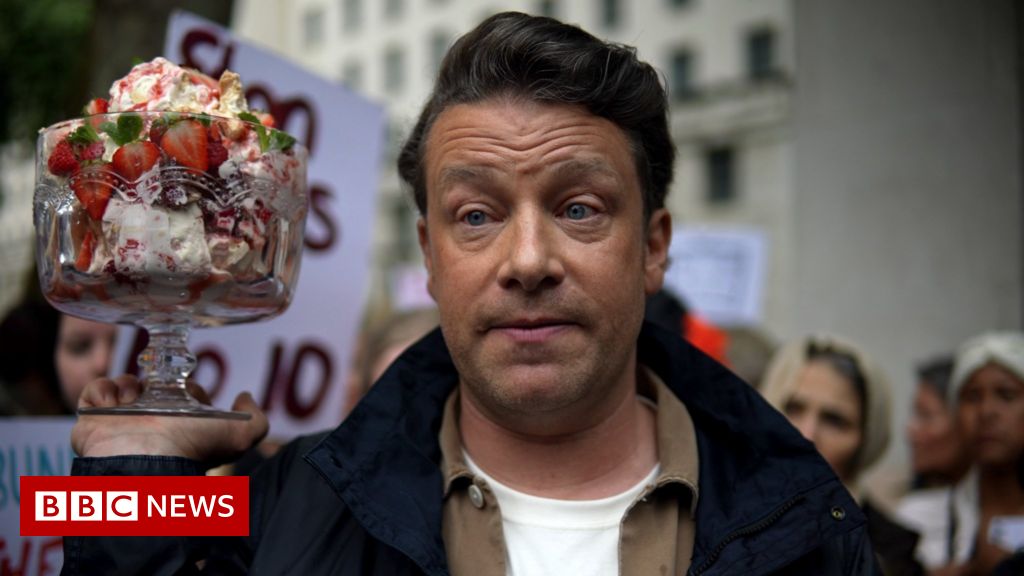
Jamie Oliver stages “Eton mess” protest outside No 10

Celebrity chef and campaigner Jamie Oliver has been protesting outside No 10 Downing Street with an Eton mess dessert following a government decision to delay implementing parts of its obesity strategy. The government announced last week that a ban on promotional offers around unhealthy food, like ‘buy one get one free’ deals, and a ban on junk food advertising, would be pushed back due to the cost of living crisis. Restrictions on where stores can display food high in sugar or fat will still go ahead in October.

Read more →