A Family Measures Milestones on an Alaskan Cycling Trip
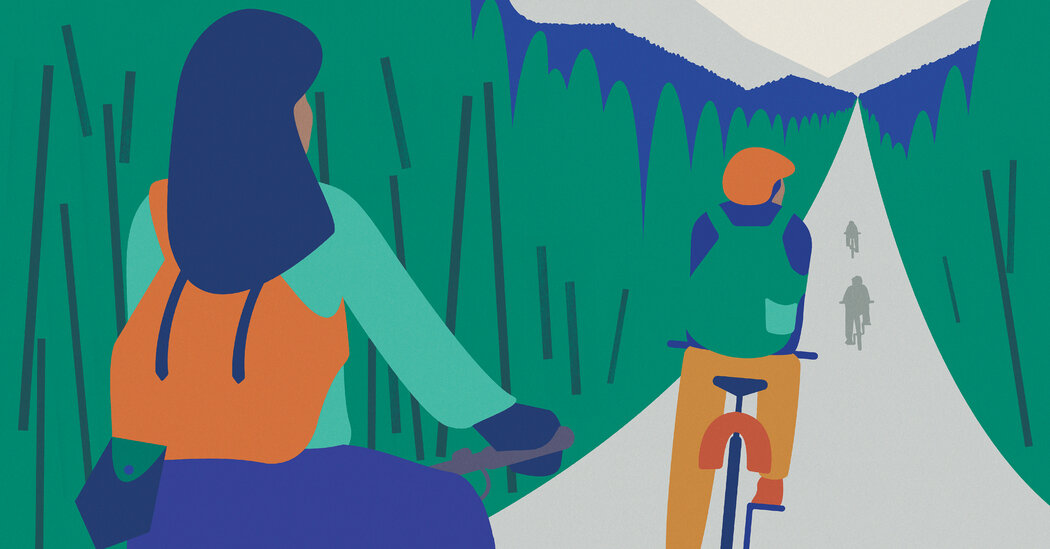
In the shadow of the iconic Denali peak in Alaska, a family bikes over the next rise and into the great unknown.My younger son was 8 months old, his brother almost 3, when we set out on our first backcountry adventure as a family, a combined cycling and camping trip in Alaska’s Denali National Park. We’d driven several hours north from Anchorage and began pedaling toward the unknown, which I’ve since come to recognize as the only reliable destination when traveling with kids. High above the muted tundra stood the tallest peak in North America, and a stunningly beautiful backdrop for a bike ride. In the foreground, nestled among sleeping bags and down coats, were two boys in a bicycle trailer, their forms as small as the mountains were big.Somewhere in my parenting psyche, I began that weekend to relate to a bike as a symbol of change, a time traveler whose shadow mirrored my own. It followed me up steep gravel slopes and down rutted washboard roads as I towed a sliver of my heart behind. It lingered nearby when my sons dropped their training wheels, each of their personalities reflected in supersize: one child exceedingly cautious, the other terrifyingly bold, alternately testing my patience and rendering my voice hoarse from admonishments to “be careful,” “slow down,” “please stop!” It struck me most of all when the four of us finally pedaled together, my husband and I giddy from our family’s collective ability to move. But five years ago, on a bluebird afternoon in May, I knew only that cruising through Denali with my family was both a beginning and an end, as every trip ultimately is.Forty-six miles from the park entrance, the colorful cliffs of Polychrome Pass marked our turnaround point, and a humbling triumph. It wasn’t our distance or speed that was notable, but the fact that we’d made it at all. Operating on the staccato schedule of young families everywhere, we’d stopped frequently along the way, pausing to stretch our legs and nurse the baby, change diapers and feed a toddler’s insatiable hunger for snacks. Though problems on our route were blessedly few, we’d nearly rear-ended a black bear one day, and dodged rock fall the next, the stakes of each obstacle heightened by having children on board.As we started off again down the long, winding hill, a single glance at my boys’ smiles, their joy magnified by the promise of spring, was sign enough that I should hold tight to this moment, before it disappeared. Alongside the panoramic view of snow-topped mountains and varnished rocks, there suddenly flashed another vision, one with a bicycle at its center. Wheels spinning so fast they looked still, the blurred frame of a family in motion, the ever-present tug of time.I didn’t understand then how much would change, or how quickly. Soon after, the park road was closed because of melting permafrost and landslides, locking a bike trip to Polychrome Pass into the archives of the past. I couldn’t see past the present chaos of family life, each hour messy and loud, to a picture of my older son one day pedaling himself to kindergarten. And nowhere in my imagination did I hold a space for the long pandemic months at home when biking often felt like the only normal thing we did. What I did realize was this: Bicycles would take us places, now and always. Between sightings of bear behinds and breastfeeding on the tundra, gazing beyond the well-trodden path into the park’s vastness seemed the closest thing to freedom I’d known since becoming a mother of two.Since the trip to Denali, our cycling styles have aged with our sons, who, at 5 and 7, are no longer babies, but boys. In summer, we’ve hauled kid carriers and backpacks, stacked bikes upon bikes, and covered remarkably few miles without whining. In winter, we’ve tunneled through snow drifts and slid on ice, often not in the manner we’d intended. Throughout each season, our fleet shifts in tandem with our lives. From toddler balance bikes to trailer bikes, panniers to sleds, tow ropes to sheer stubbornness, the only lesson worth recalling is that nothing stays the same for long.Often, we’ve found bicycles to be as essential for entertainment as they are for transportation, like they were during a weekend spent with my sister’s family in the Talkeetna Mountains north of Anchorage. With one balance bike, three pedal bikes, four children and three sweating, backpack-toting adults, we headed out in the rain along a muddy track. When the trail became too steep to ride, we stashed the bikes behind a tree and scrambled up to an alpine lake where we pitched the tent and peeled soggy clothes, picked M & Ms from trail mix and assured our kids that, yes, we would someday make it home again. In their imaginations, they might have biked a marathon up a mountain then climbed the world’s tallest peak. For the adults, weary from cajoling and bribing and wondering whose bad idea this had been, it felt almost as long. But by breakfast the next morning, everyone’s complaints had faded with the rain. When we returned to our bikes the kids whooped and cheered, elated by the prospect of wheeling downhill.As our range has expanded, so has our speed, which can be both a gift and a terror. One afternoon, on a local mountain bike trail, I found myself alternately sweating as I pushed uphill and shivering as I waited, enticing one son with sweets and the other with a promise that we were almost there, or at least I thought we were. As we neared the end of the loop, the trail narrowed and the boys jockeyed for position, the younger one making a bold, poorly timed pass. In a blur of wavering handlebars and splattering mud, they careened around the corner and past a bull moose that had just stepped into view below us. I pedaled frantically after them, fearing the worst. When I arrived at the bottom of the hill to find both boys hollering but unhurt and the moose trotting off in the distance, I squeezed them hard and close. We sat down on a log and I divided the last of the gummy bears into their damp, dirt-stained palms, slowly counting each one like a blessing.It would be a stretch to say that biking always makes us feel exercised and energized, our family unit cohesive and cheerful. Even bicycles don’t work miracles. Instead, they help carry us back to ourselves, offering a mirror in which we recognize time as fleeting, parenting as humbling, and family adventures as mostly worth chasing. Above all, they shift our horizons, never leaving us quite the same as we began.Earlier this year, heady with the excitement of our newfound mobility, the boys now aided by strong legs and multiple gears, I attempted a mom-and-sons’ snow-biking adventure. In the wake of warm days and cold nights that formed a solid crust layer on top of the spring snowpack, I set my sights on a popular route across a frozen lake. As usual, the devil was in the details or, in this case, the packing, which took most of the morning. With the car finally loaded and the sun high in the sky, I hauled us out the door, embodying a spirit of mulishness more than adventure.Tempers were short, especially my own, and by the time we started pedaling, the only place the boys wanted to go was home. The snow was too soft, the sun too hot, the lake too big. Under the bright optimism of an April day, I had broken the cardinal rule of family pursuits: Let go of expectations. Though they were capable on their bikes, they were still kids. When a headwind blew up, I dug a tow rope and a chocolate bar from my backpack and insisted we continue. Before we’d traveled a mile, my enthusiasm dissipated into defeat. Clearly, we wouldn’t make it to the end of the seven-mile lake, or anywhere, that day.As we returned to the trailhead, the boys found a fort made of driftwood, dropped their helmets, and began climbing. In their minds, they’d arrived at the perfect destination. Meanwhile, I nursed my disappointment, trying to ignore the humiliating fact that we’d barely left the parking lot.When I told them it was time to leave, my younger son surprised me with a question.“Mom, do you want to be buried? Or what’s the other thing you call it?”“Cremated?”“Yeah.”“What makes you ask?”In a kindergartner’s terms, he explained how he’d seen a log in the ice that reminded him of the word buried, which prompted him to think about what happens when we die. Apparently while I was silently fuming about the distance we didn’t cover, my son was contemplating the afterlife.Travel Trends That Will Define 2022Card 1 of 7Looking ahead.

Read more →
High-risk monkeypox contacts advised to isolate

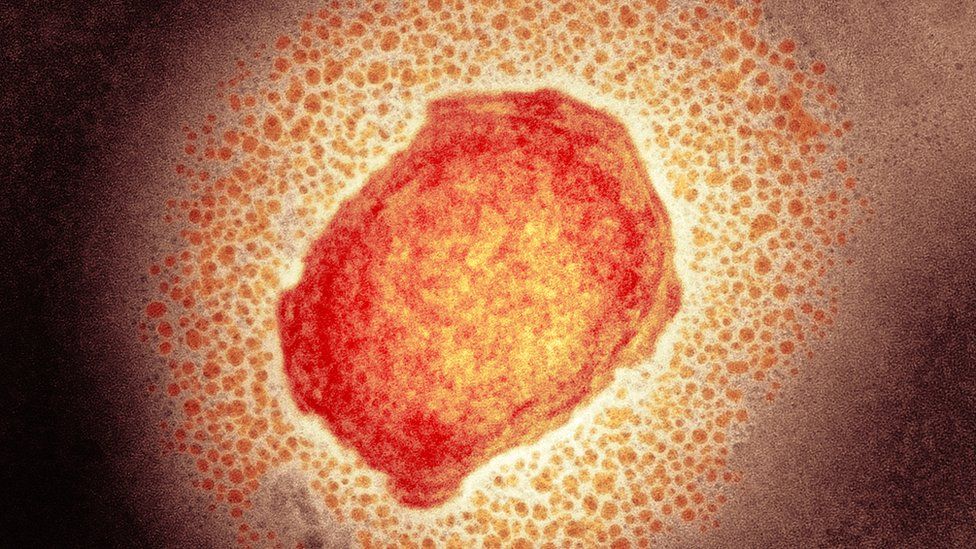
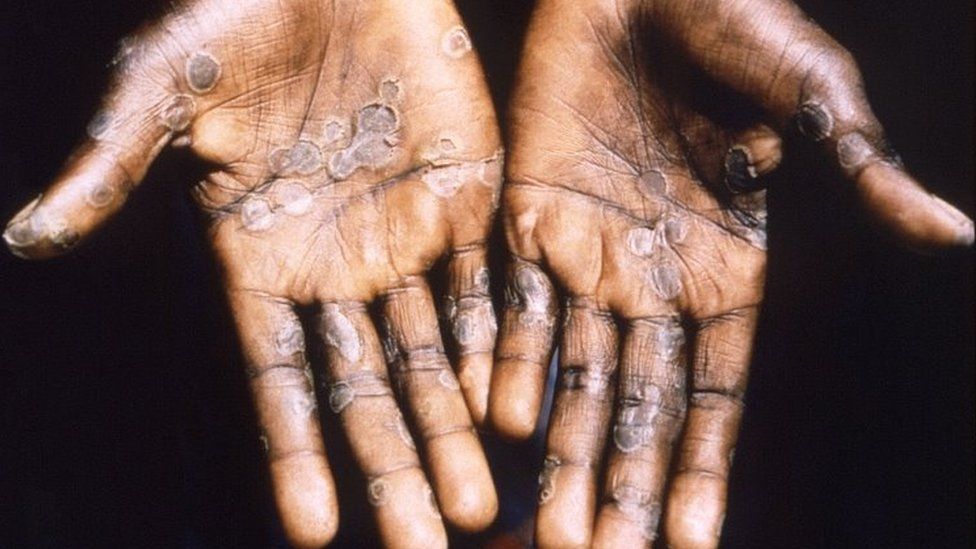
SharecloseShare pageCopy linkAbout sharingImage source, Science Photo LibraryAnyone at the highest risk of having caught monkeypox should isolate for 21 days, official guidance says.The advice, from the UK Health Security Agency (UKHSA), applies to anyone who has had direct or household contact with a confirmed case.Contacts are advised to provide their details for contact tracing, forgo travel, and avoid contact with immunosuppressed people, pregnant women, and children under 12.The UK has so far confirmed 20 cases. More than 80 have also been identified across Europe, the US, Canada, Israel, and Australia. Monkeypox is a rare viral infection most common in remote parts of Central and West Africa. The disease, first found in monkeys, does not tend to spread easily between people but can be transmitted through close physical contact, including sexual intercourse.Symptoms, which include a high temperature, aches, and a rash of raised spots that later turn into blisters, are typically mild and for most people clear up within two to four weeks. A person is considered at high risk of having caught the infection if they have had household or sexual contact with, or have changed the bedding of an infected person without wearing personal protective equipment (PPE). Other people who may have come into contact with a case do not need to stay at home and isolate, but should watch out for symptoms such as fever and a rash.What are the symptoms?Initial symptoms include fever, headaches, swellings, back pain and aching muscles.Once the fever breaks a rash can develop, often beginning on the face, then spreading to other parts of the body, most commonly the palms of the hands and soles of the feet.The rash, which can be extremely itchy or painful, changes and goes through different stages before finally forming a scab, which later falls off. The lesions can cause scarring.The infection usually clears up on its own and lasts between 14 and 21 days.Although there has been a small number of deaths attributed to the virus in west and central Africa since December, particularly in the Democratic Republic of Congo, none have been reported by the World Health Organisation in other countries where cases have been found. Monkeypox detected in three more countriesWhat is monkeypox and how do you catch it? Monkeypox: Time to worry or one to ignore?Speaking to the BBC, Dr Susan Hopkins, chief medical adviser for UKHSA, said community transmission was occurring in the UK. “We are finding cases that have no identified contact with an individual from west Africa, which is what we’ve seen previously in this country,” she said.The UKHSA has said that a notable proportion of early cases have been detected in gay and bisexual men and has urged members of those communities in particular to be alert. The cases have also been largely concentrated in urban areas. “We would recommend to anyone who is having changes in sex partners regularly, or having close contact with individuals that they don’t know, to come forward if they develop a rash,” said Dr Hopkins.Dr Hopkins added that close contacts of cases were being given an established smallpox vaccine that can help protect against monkeypox. “We’re not using [the vaccine] in the general population,” she said. “We’re using it in individuals who we believe are at high risk of developing symptoms, and using it early, particularly within four or five days of the case developing symptoms.”For contacts, [this] reduces your risk of developing disease, so that’s how we’re focusing our vaccination efforts at this point.”Smallpox vaccines are around 85% effective in preventing monkeypox infection, and several countries have said they have begun stockpiling them. Image source, PA MediaIt is not yet clear why this unexpected outbreak is happening now.One possibility is that the virus has changed in some way, although currently there is little evidence to suggest this is a new variant.Another explanation is that the virus has found itself in the right place at the right time to thrive.Director of the Wellcome Trust Sir Jeremy Farrar told the BBC there may have been a “superspreader” event where people gathered and picked up the infection and then took it home with them to different countries.Monkeypox may also spread more easily than it did in the past, when the smallpox vaccine was widely used.Prof Tom Solomon, from the University of Liverpool’s Pandemic Institute, said scientists were “not too alarmed” by the number of cases, adding that he was not aware of there ever being a monkeypox death in the UK.The public health expert told BBC Breakfast that he would not be surprised if infections were to double when new figures are released later on Monday – because they are now being actively looked for.Prof Solomon said: “This is a very mild disease, if you didn’t look for it you probably wouldn’t even know that it had been occurring. So the numbers will go up.”But the important thing is by identifying those cases we can isolate them, and isolate their contacts to stop the spread.”This monkeypox outbreak is undoubtedly unusual as this kind of spread has not been seen before. But that does not mean we are repeating Covid. Monkeypox is a known virus rather than the completely new coronavirus and we already have tools to help control it. The big challenge at the moment is we have no idea how many cases are out there.We know we are only seeing the tip of the iceberg because many of the new cases appear unconnected to each other.So we should expect the numbers of confirmed cases to continue to rise.Monkeypox: How worried should we be?The World Health Organization has said it is “working with the affected countries and others to expand disease surveillance to find and support people who may be affected”.Its head Tedros Adhanom Ghebreyesus also said the world was facing “formidable” challenges, including Covid, the war in Ukraine and monkeypox.Asked about the outbreak on Sunday, US President Joe Biden said the spread of the virus was “something that everybody should be concerned about” and that the US was “working hard” on its response.More on this story’Formidable’ challenges as monkeypox spreads – WHOMonkeypox detected in three more countriesConcern over monkeypox impact on sexual healthWhat is monkeypox and how do you catch it?

Read more →

World faces big challenges over Covid, monkeypox and wars – WHO

SharecloseShare pageCopy linkAbout sharingImage source, ReutersThe world is facing “formidable” challenges, including Covid, the war in Ukraine and monkeypox, the head of the World Health Organization has warned.Tedros Adhanom Ghebreyesus was speaking in Geneva, where the UN health agency’s experts were discussing the monkeypox outbreak in 15 nations outside Africa.More than 80 cases have been confirmed in Europe, the US, Canada, Australia and Israel.However, the risk to the wider public is said to be low.Monkeypox – the virus that is most common in remote parts of Central and West Africa – does not tend to spread easily between people and the illness is usually mild. Most people who catch the virus recover within a few weeks, according to the UK’s National Health Service.The outbreak has taken scientists by surprise, and UK health officials have issued new advice, saying high-risk contacts of cases should self-isolate for three weeks. Belgium became the first country to announce a three-week quarantine for infected persons on Friday.More confirmed cases are expected to be announced in the UK on Monday, the Guardian newspaper reports.EXPLAINER: What is monkeypox? ANALYSIS: Time to worry or one to ignore?Speaking at Sunday’s opening of his agency’s World Health Assembly, Dr Tedros said: “Of course the [Covid] pandemic is not the only crisis in our world. “As we speak our colleagues around the world are responding to outbreaks of Ebola in the Democratic Republic of Congo, monkeypox and hepatitis of unknown cause and complex humanitarian crises in Afghanistan, Ethiopia, Somalia, South Sudan, the Syrian Arab Republic, Ukraine and Yemen. “We face a formidable convergence of disease, drought, famine and war, fuelled by climate change, inequity and geopolitical rivalry,” the WHO head added. The WHO earlier said that a number of other suspected monkeypox cases were being investigated – without naming the countries involved – and warned that more infections were likely to be confirmed.After the outbreak was first identified in the UK, the virus began to be detected across Europe – with public health agencies in Spain, Portugal, Germany, Belgium, France, the Netherlands, Italy and Sweden all confirming cases.Further cases were confirmed in Austria and Switzerland on Sunday.The UK Health Security Agency has identified 20 cases so far and its chief medical adviser Dr Susan Hopkins told the BBC’s Sunday Morning programme: “We are detecting more cases on a daily basis.”She said the virus was now spreading in the community – with cases detected which have had no contact with anyone who has visited West Africa, where the disease is endemic.But the risk to the general population remains “extremely low”, with cases so far mostly found in some urban areas and among gay or bisexual men, Dr Hopkins said.Although there is no specific vaccine for monkeypox, several countries have said they are stocking smallpox vaccines, which are about 85% effective in preventing infection because the two viruses are quite similar.It is not yet clear why this unexpected outbreak is happening now.One possibility is that the virus has changed in some way, although currently there is little evidence to suggest this is a new variant.Another explanation is that the virus has found itself in the right place at the right time to thrive.Monkeypox may also spread more easily than it did in the past, when the smallpox vaccine was widely used.’I LEFT THREE KIDS AND A WIFE I ADORE’: Ukrainian tennis player who returned to defend his country’I EARN MORE THAN MY FRIENDS WHO WENT TO UNI’: Meet the young bricklayers building their livesMore on this storyConcern over monkeypox impact on sexual healthWhat is monkeypox and how do you catch it?

Read more →

'I was repeatedly ignored' – report finds maternity racism

SharecloseShare pageCopy linkAbout sharingThis video can not be playedTo play this video you need to enable JavaScript in your browser.Black and Asian women are being harmed by racial discrimination in maternity care, according to an inquiry. The year-long investigation into “racial injustice” was conducted by the charity Birthrights.Women reported feeling unsafe, being denied pain relief, facing racial stereotyping about their pain tolerance, and microaggressions. The government has set up a taskforce to tackle racial disparities in maternity care. Hiral Varsani says she was traumatised by her treatment during the birth of her first child. The 31-year-old from north London developed sepsis – a potentially life-threatening reaction to an infection – after her labour was induced, which she says was only spotted after a long delay. “I was shivering, my whole body was aching, my heart was beating really fast and I felt terrible. But everyone kept saying everything was normal,” she says. “It was almost 24 hours later before a doctor took my bloods for the first time and realised I was seriously ill.” Hiral had an emergency C-section and her daughter was taken into intensive care after also contracting sepsis. Why are black mothers at more risk of dying?Miscarriage: ‘I was in pain – they did not listen’She believes her race played a role in her care: “I experienced microaggressions and was stereotyped because of the colour of my skin.”The staff would say ‘hello princess’, and while I was having contractions in a corridor a midwife walked past and said, ‘Oh, you’re definitely going to need an epidural’. I had never even met her before. “I was repeatedly ignored, they just thought I was a weak little Indian girl, who was unable to take pain.”‘Bleed to death’ While death in pregnancy or childbirth is very rare in the UK, there are stark racial disparities in maternal mortality rates.Black women are more than four times more likely to die in pregnancy or childbirth than white women in the UK, while women from Asian backgrounds face almost twice the risk. Tinu Alikor was terrified she would become one of those statistics when she gave birth to her daughter 14 months ago. The mother-of-three from Kent says she was “mistreated and unheard” during her maternity care each time, but says her most recent experience was perhaps the worst. During Tinu’s second trimester, she had heavy, unexplained bleeding, and said she begged for an examination. “The blood was getting worse, I was scared, I thought I was losing my baby. I’ve have had two miscarriages before. “The doctors refused to examine me and just said I had a UTI. I was told I still had four days till the end of my antibiotics course, and I remember saying, ‘four days to what – till I bleed to death’?”When Tinu was eventually examined, she was immediately taken to hospital because of a serious bleed coming from her bladder, and she needed several blood transfusions. “If I had not have been hospitalised, I don’t think I’d be sitting here right now. And I don’t think my daughter would be. I’ve met some amazing midwives and doctors but I think all my experiences in my pregnancies and labour have been tainted by my race. “With all three of my labours, I wasn’t given any pain relief. I had to beg for it during my first two births, and even then, I was only ever given gas and air. “Racial stereotyping has got a lot to do with it. There is an assumption that black women have a higher pain tolerance. I don’t know where this comes from. It doesn’t hurt any less because I’m black.” ‘Smells of curry”The Birthrights investigation – supported by the law firm Leigh Day – found common themes across the testimony it heard. These included: Black and brown women reported feeling physically and psychologically unsafe during their careHealth care professionals failed to recognise serious medical conditions such as jaundice in black babies because “white bodies” were considered the normWomen described racial stereotyping, microaggressions and assumptions – leading to distress and trauma. One of the most common experiences was that of black, brown and mixed ethnicity women reporting pain relief being denied or delayed because of racist stereotypes, including black women’s perceived ability to tolerate pain and Asian women’s perceived inability to cope with painThere were many accounts of women and staff hearing Asian women being referred to as “princesses” or “precious” and black women as “aggressive” or “angry”Some women and health care professionals shared examples of overt racism, such as hearing staff saying that black women and babies have “thick, tough skin”, that the ward “smells of curry” when south Asian families were being cared for, and that Chinese people are “dirty”Melissa Brown, a midwife and officer for Birthrights, said maternity services were facing immense challenges. “We did hear positive examples of maternity care, but there is racism and racial discrimination at a structural and individual level which is putting black, brown and mixed ethnicity women at harm. There are many complex reasons for poorer health outcomes for ethnic minorities, and racism and discrimination is definitely playing a role.” The Birthrights report – which will be sent to MPs – highlights the need for urgent action, including training for health care professionals which highlights diversity.A Department of Health and Social Care spokesperson said the Maternity Disparities Taskforce would “level up maternity care for all women”.”It will address factors linked to unacceptable disparities in quality of care, experiences and outcomes.”More on this story’They thought I was a cry baby’Miscarriage: ‘I was in pain – they did not listen’Why are black mothers at more risk of dying?NHS to tackle ‘unfair’ maternity outcomes’Missing classroom of babies that should be alive’

Read more →

The sci-fi technology tackling malarial mosquitos

SharecloseShare pageCopy linkAbout sharingImage source, Target MalariaEnvironmental campaigner Liz O’Neill doesn’t mince her words about gene drives – the next generation of genetic modification (GM) technology.”It is extremely worrying,” says the director of UK anti-GM pressure group, GM Freeze. “To release something that has been specifically created in a laboratory in order to outfight nature, and spread without exception within wild populations, is extraordinary arrogant.”And once the genie is out of the bottle, you cannot put it back in.”Image source, Liz O’NeillThe way gene drives work sounds like something from a science fiction novel, but they are already being used in laboratory tests. It is complicated stuff, but here is a simple explanation. While standard GM introduces a new, lab-tweaked gene into a organism, gene drive technology goes one stage further. It introduces a gene drive – a lab-created gene that can also automatically replicate itself – that targets and removes a specific natural gene.This is how it works: if an animal (parent A) that contains a gene drive mates with one that doesn’t (parent B), then in the forming embryo that starts to combine their genetic material, parent A’s gene drive immediately gets to work.It recognises the natural gene version of itself in the opposite chromosome from parent B, and destroys it, by cutting it out of the DNA chain. Parent B’s chromosome then repairs itself – but does so, by copying parent A’s gene drive.So, the embryo, and the resulting offspring, are all but guaranteed to have the gene drive, rather than a 50% chance with standard GM – because an embryo takes half its genes from each parent.Genetic scissors Gene drives are created by adding something called Crispr, a programmable DNA sequence, to a gene. This tells it to target the natural version of itself in the DNA of the other parent in the new embryo. The gene drive also contains an enzyme that does the actual cutting. Image source, Getty ImagesSo, what is the point of such complex technology? It is hoped that gene drives can be used to greatly reduce the numbers of malarial mosquitos, and other pests or invasive species. This process is more effective than standard DNA because as every single offspring has the introduced gene trait it spreads much faster and further.One organisation at the forefront of this is Target Malaria, which has developed gene drives that stop mosquitos from producing female offspring. This is important for two reasons – only the females bite, and without females, mosquito numbers will plummet.The core aim is to greatly reduce the number of people who die from malaria – of which there were sadly 627,000 in 2020, according to the World Health Organization. It could also slash the economic impact of the disease. With 241 million cases in 2020, mostly in Africa, malaria is estimated to cost the continent $12bn (£9.7bn) in reduced economic output every year.The financial effect of invasive species – everything from cane toads, to lionfish, brown snakes, fruit flies, zebra muscles, and Japanese knotweed – is even higher. They cost the US and Canada $26bn (£21bn) a year, according to the US Department of Agriculture’s National Invasive Species Information Center. Globally, it puts the impact at $1.29tn over the past 50 years.Image source, Getty ImagesYet, campaigners like Liz O’Neill say that the risks of unforeseen consequences, such as the gene drive leading to harmful and unforeseen mutations and knock-on effects, are too high.”Gene drives are GM on steroids supercharged,” she says. “Every concern one would have about the use of any genetic modification is exponentially more worrying when talking about gene drives because of how far and wide they are designed to spread.”New Tech Economy is a series exploring how technological innovation is set to shape the new emerging economic landscape.However, while the technology has not yet been authorised for use in the wild, there are no bans against continuing laboratory research into it. After serious debate in 2018, the United Nations Convention on Biodiversity ruled that this may continue.Dr Jonathan Kayondo is a principal investigator for Target Malaria in Uganda. He points out that natural gene drives already exist – dominate or “selfish genes” that override weaker ones. He also stresses that in continuing to develop engineered gene drives safety remains the core concern.”Malaria is one of the oldest diseases on the planet, and despite decades of efforts, a child still dies of malaria every minute,” he says.Image source, Target Malaria”Innovative approaches are urgently needed as both the malaria mosquito and the malaria parasite are becoming increasingly resistant to current methods. Gene drive approaches could be part of an integrated approach to combat malaria, complementing existing interventions.”Dr Kayondo adds that Target Malaria is continuing to test gene drives on mosquitos at Imperial College in London, and at Italian research firm, Polo GGB.He adds: “The project is proceeding step-by-step, and at each phase the safety of the technology is being evaluated.”External scientific advice and independent external risk assessment are being sought for each stage and phase of the research, and the project will not proceed further if evidence of a concern about human, animal health or environmental safety makes the technology unacceptable to participating communities and national governments.”One of the world’s pioneering developers of gene drives is US biologist Kevin Esvelt, an assistant professor at Massachusetts Institute of Technology. He first came up with the technology back in 2013.Image source, Kevin EsveltProf Esvelt says that safety is the main concern, and it is being built into the latest gene drive technology.”Given the potential for gene drives to alter entire wild populations and therefore ecosystems, the development of this technology must include robust safeguards and methods of control,” he says.Prof Esvelt adds that this technology is being provided by something called “daisy chain”. This is where a gene drive is designed to become inert after a few generations. Or halving its spread every generation until it eventually stops.Using this technology he says it is possible to control and isolate the spread of gene drives.”A town could release GM organisms with its boundaries to alter the local population [of a particular organism] while minimally affecting the town next door,” he says.

Read more →

Several Jif Peanut Butter Products Recalled Over Potential Salmonella

The J.M. Smucker Company said it initiated a voluntary recall and advised consumers to dispose of some potentially contaminated products.The J.M. Smucker Company has recalled several Jif peanut butter products sold in the United States and Canada because of potential salmonella contamination that federal regulators said has been tied to 14 illnesses.In a statement posted Friday on the federal Food and Drug Administration’s website, the company encouraged consumers who bought the potentially contaminated products to immediately dispose of them.The products listed include several types of creamy, crunchy, reduced-fat and natural peanut butter products in various sizes, as well as a 40-ounce jar of natural honey.The Smucker Company said it was “coordinating a thorough investigation” with the F.D.A. The recalled items were sold nationwide.Salmonella is a bacteria that can grow in foods and, when ingested, can cause fever, diarrhea, vomiting and abdominal cramps. In young children, older people or those with weakened immune systems, the infection can be more serious, and potentially fatal.The F.D.A. said salmonella cases connected to the peanut butter had been reported in a dozen states as of Sunday. Two people had been hospitalized, it said.The agency said that epidemiologic evidence indicated that Jif brand peanut butter produced at the Smucker Company facility in Lexington, Ky., was “the likely cause of illnesses in this outbreak.”The recall affects Jif brand peanut butter products with lot code numbers 1274425 through 2140425, with the digits ending with 425. The lot numbers are included alongside best-if-used-by date.Every month, the F.D.A. announces the recall of several products — some over cross-contamination with allergens, others because “foreign materials,” such as metal, have been found in food, and sometimes over bacterial contamination.In October, hundreds of people across the United States were sickened in a salmonella outbreak linked to imported red, white and yellow onions. Last summer, 31 people were sickened after eating hydroponic lettuce.

Read more →

‘Everybody Should Be Concerned’ About Monkeypox, Biden Warns

Only one case of the virus has so far been identified in the U.S., but public health officials say the disease is likely to spread.President Biden raised the alarm on Sunday about monkeypox, a viral infection fast spreading around the world, and warned that the disease, which can be spread as easily as through handling a contaminated object, is something “that everybody should be concerned about.”Monkeypox, rarely seen outside Africa, has been found in recent weeks in Europe and the United States.As of Saturday, 92 cases and 28 suspected cases had been identified in 12 countries outside of those African nations where it is endemic, according to the World Health Organization. There has been one confirmed case in the United States — a man in Boston was diagnosed last week — but public health officials believe case numbers will soon increase.Though only occasionally fatal, the speed at which the monkeypox virus is spreading has raised fears of another pandemic that would further strain health systems already stretched thin by Covid-19.“They haven’t told me the level of exposure yet, but it is something that everybody should be concerned about,” Mr. Biden said at Osan Air Base in South Korea, where he met with American troops before flying to Japan during his first official visit to Asia as president. “We’re working on it hard to figure out what we do and what vaccine may be available.”He added, “But it is a concern in the sense that if it were to spread it would be consequential.”President Biden on Sunday at Osan Air Base in South Korea.Doug Mills/The New York TimesThe Centers for Disease Control and Prevention says there is “no proven, safe treatment” for monkeypox, but the Food and Drug Administration has approved the use of smallpox vaccines and antiviral treatments to help control outbreaks.Dr. Ashish Jha, the White House Covid-19 response coordinator, said later on Sunday that the United States had the resources, including the smallpox vaccines, to keep the virus at bay.“I am confident we’re going to be able to keep our arms around it,” Dr. Jha said in an interview on ABC’s “This Week.”“We’re going to track it very closely and use the tools we have to make sure that we continue to prevent further spread and take care of the people who get infected,” he said.Two smallpox vaccines are approved for use in the United States, and they are generally effective at preventing monkeypox infection as well. (One is specifically approved for that purpose.) The United States has stockpiled millions of doses for use in a possible outbreak.Most of the cases outside Africa have been found in Britain, Spain and Portugal. On Sunday, Austria reported its first case.The case reported last week in Boston was the first in the United States in nearly two decades. The man who got ill had recently traveled to Canada, which has had two cases this year.What to Know About the Monkeypox VirusCard 1 of 5What is monkeypox?

Read more →

The Michigan Mink Mystery: How Did an Interspecies Outbreak Unfold?

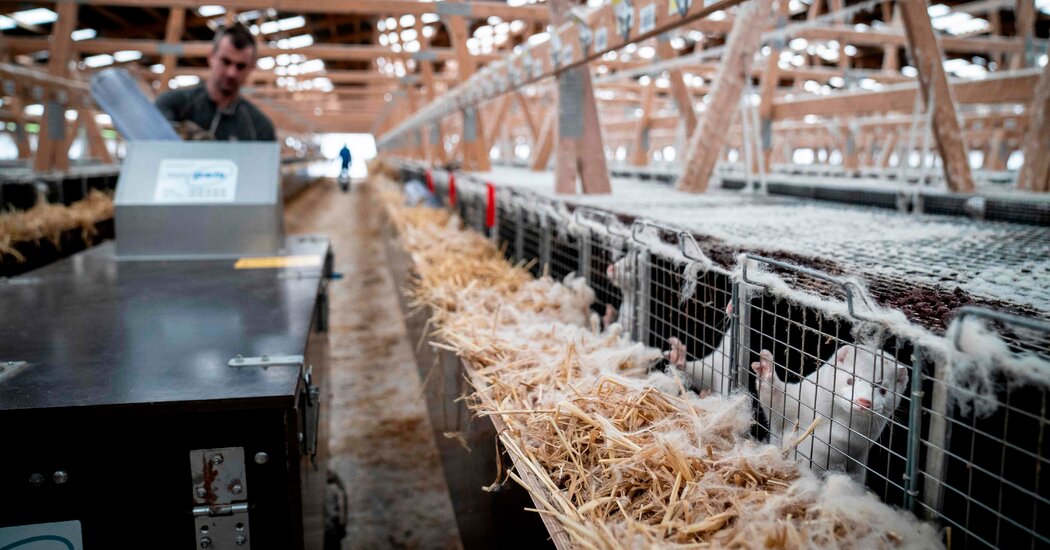
The puzzling coronavirus cases highlight ongoing surveillance challenges and blind spots.In late September of 2020, captive mink on a farm in Michigan suddenly fell ill. They stopped eating, struggled to breathe and bled from the nose, according to a report from the World Organization for Animal Health. Two thousand animals died.Laboratory testing soon confirmed that the mink were infected with the coronavirus.The Centers for Disease Control and Prevention dispatched a team of outbreak investigators, who collaborated with other agencies to swab mink, farm workers and a menagerie of other animals, from rats to raccoons, to determine how the virus had spread.“We tried to leave no stone unturned,” said Dr. Casey Barton Behravesh, who directs the C.D.C.’s One Health Office.Last month, the C.D.C. confirmed that four Michigan residents, including two farm employees, had been infected with the same unique coronavirus variant that was found in the mink. It was the first, and so far only, known instance of possible animal-to-human transmission in the United States.But many questions remain: When, and in whom, did the variant first emerge? How did a taxidermist with no connection to the farm contract it? Could there be a link between the Michigan mink outbreak and a white-tailed deer variant that scientists recently discovered in neighboring Ontario?“It really feels very much like a puzzle,” said Dr. Samira Mubareka, a virologist at Sunnybrook Research Institute and the University of Toronto. “It’s not just pieces that are missing — it’s contiguous, interlocking pieces that are missing.”Since the early days of the pandemic, when the coronavirus tore through fur farms, scientists have worried that mink might become a long-term reservoir for the virus and a potential source of new variants.To date, coronavirus infections have been detected in mink on 18 American farms, the most recent in Wisconsin in February. Even as Congress considers a ban on mink farming, there is still no national system for proactive surveillance on mink farms, which are not required to report cases to federal authorities. And officials have not released much information about the outbreak investigations they have conducted; some of those details are reported here for the first time.Together, the secrecy and spotty surveillance make it difficult to determine how much of a risk mink farms pose, scientists say. And it threatens to leave experts blind to the emergence of worrisome new variants that could spill back into humans, extending the pandemic.“Combined with a desperate need for better more systematic surveillance in humans and animals, we could really benefit from increased transparency regarding spillover and spillback risk,” said Vivek Kapur, a veterinary microbiologist at Penn State University.The investigationA member of a cleanup and culling operation for mink in Denmark in 2020. Morten Stricker/Ritzau Scanpix, via Agence France-Presse — Getty ImagesThe Netherlands and Denmark were the first countries to report mink farm outbreaks, in the spring and summer of 2020. Scientists pieced together an unsettling chain of events: It appeared that humans had transmitted the virus to mink; that the virus had mutated as it moved among the mink, and that the animals then spread the altered virus back to humans.“All of that jumping back and forth over the fence is what we saw,” said Dr. Marion Koopmans, a virologist at Erasmus University Medical Center in Rotterdam. “And that’s something that, as a virologist, you don’t really like.”The Netherlands and Denmark took “quick and decisive” action, said Adriana Diaz, a doctoral student at the University of London who studied these responses. Dutch authorities conducted antibody testing on all farms and required farmers to report respiratory symptoms in mink and regularly submit carcasses for examination. Still, the virus proved difficult to control, and both nations ultimately shuttered their mink farms.The United States took a different tack, developing a set of voluntary guidelines to help farmers keep the virus at bay, including asking farm workers to wear masks and notifying authorities of suspected cases.But there was no national screening program and federal officials relied upon farm owners to self-report outbreaks. “All of our federal surveillance efforts are voluntary,” said Dr. Tracey Dutcher, the science and biodefense coordinator for the Animal and Plant Health Inspection Service at the United States Department of Agriculture.The C.D.C. investigated outbreaks only when officially invited. Some owners of affected farms declined to participate, and field teams only performed on-site investigations on eight farms, Dr. Barton Behravesh said.On the Michigan farm, C.D.C. investigators worked with the U.S.D.A. and state agencies to test humans and animals for the virus. They collected swabs and samples from 159 mink on the farm; all but two were actively infected, Dr. Barton Behravesh said.None of the other animals tested around the farm — two dogs, a cat, raccoons, opossums, striped skunks, rats, groundhogs and rabbits — were infected, but one dog tested positive for antibodies, officials said.Two of the farm’s employees were infected with the same version of the virus that was spreading among the mink. The variant had two mutations that had also been found in farmed mink in Europe and in people connected to mink farms.Officials found the same mutations in a sample collected from another Michigan resident nearly two months after the mink outbreak and then in a fourth person connected to that resident. The third case was a local taxidermist, according to internal health department emails obtained by the Documenting Covid-19 Project and the Detroit Free Press, and the fourth case was the man’s wife, the organizations later reported. (Michigan’s Department of Health & Human Services declined to confirm these details for privacy reasons.) Neither had any known connection to the mink farm.Unanswered questionsA deer in a research facility at Texas A&M University. Studies have shown deer to have picked up the coronavirus from humans, who in theory could pass it back to deer.Sergio Flores for The New York TimesThese findings suggest a likely scenario, experts said: A person passed the virus to the mink, and the mutations emerged as the virus spread among the animals, which then transmitted them back to the farm workers. “We concluded that there was likely mink-to-person spread on this particular Michigan farm,” Dr. Barton Behravesh said.But determining when, and in whom, the mutations first appeared requires many more virus samples from farm workers, local residents and mink, collected before and after the outbreak. “That data doesn’t exist,” said Arinjay Banerjee, a virologist at the University of Saskatchewan.Throughout 2020, testing was difficult for Americans to access and few patient samples were being sequenced. Surveillance in animals was even worse; until this spring, federal officials explicitly recommended against routinely testing animals for the virus.“Widespread testing wasn’t available, then there became a shortage of certain supplies,” Dr. Behravesh said. “So we didn’t want there to be, you know, a mad rush to test animals.”Without more samples, it’s impossible to rule out the possibility that the variant emerged in humans, who then spread it to mink, scientists said.A bigger puzzle is how the taxidermist and his wife got it. The most likely possibility, several experts said, is that the variant was circulating more widely in the human population than was known, and the couple caught it from another infected person.Another, more speculative, possibility is that they picked up the variant from another animal species. “Taxidermists deal with other dead animals,” said Linda Saif, a virologist and immunologist at Ohio State University.But because the cases were detected “weeks to months” after the two fell ill, testing any animals they may have been in contact with “was either not feasible or not indicated,” said Lynn Sutfin, a spokesperson for the Michigan D.H.H.S.The pair also had close contact with deer while hunting “on or very near to their own illness onset dates,” according to the health department emails obtained by the Documenting Covid-19 Project and the Free Press.Studies suggest that humans have repeatedly introduced the virus to white-tailed deer, which then transmit it easily among themselves. People could have passed the mink variant to deer, which might have transmitted it to the taxidermist and his wife. “Given the very high viral burdens that have been noted in white-tailed deer, the spillover to them could certainly have occurred from the deer,” Dr. Kapur said.Alternately, deer might have picked up the virus directly from infected mink, which have been known to escape from farms. Feral cats on mink farms have also tested positive for the virus and may act as vectors between captive mink and wildlife.Or deer might come into contact with mink farm waste, Dr. Kapur said. On farms with outbreaks, airborne dust, as well as the straw and hay that the mink bed down on, can be highly contaminated with virus, Dutch researchers found.Another finding makes a potential deer link intriguing, scientists said. Canadian researchers recently detected a unique coronavirus variant circulating in deer in southwestern Ontario. Although the deer variant was strikingly different from other known variants, the closest matches were viral samples collected from people and mink in Michigan in late 2020.One possibility, still theoretical, is that whatever version of the virus was circulating among mink and humans made its way into deer, where it evolved into a new variant. “There could be interactions and interspecies transmission that have been cryptic and we haven’t really picked up on ,” said Dr. Mubareka, an author of the Ontario study.Dr. Banerjee was skeptical that deer played a role in the case of the taxidermist and his wife. “I think that’s just speculation at best,” he said. But he acknowledged that the data are so sparse that many possibilities remain. “Are there other animals we are missing?” he asked.Missed opportunitiesMink on a farm in Wisconsin, prior to the pandemic. Some officials say the mink risk had diminished, with just two U.S. mink farms reporting infected animals after 2020.Sara Stathas/AlamyEven the data that exist are not always clear-cut. As part of another investigation in the fall of 2020, the U.S.D.A. tested a dozen cattle on a Wisconsin mink farm with a coronavirus outbreak. Although the cattle tested negative for the virus, three had low levels of antibodies, said Travis Weger, a U.S.D.A. spokesperson.However, these findings “did not meet the criteria for a positive result,” Mr. Weger said in an email, and could have been triggered by antibodies to other coronaviruses known to infect cattle. Experimental studies suggest that cattle are not susceptible to SARS-CoV-2, he added.Still, outside experts said that it is difficult to draw conclusions without more analysis — and that the findings suggest a need to monitor livestock, especially as new variants emerge.Some also expressed concern that officials have not disclosed these and other findings from the mink investigations.Dr. Barton Behravesh, of the C.D.C., said that the viral sequences obtained during the investigations are available on GISAID, a repository of viral genomes, and that more details would eventually be published in scientific journals.The U.S.D.A. is using funding from the American Rescue Plan to ramp up animal surveillance and would like to do more active monitoring on mink farms, Dr. Dutcher said: “We’re still working through some of the questions and conversations with industry.”Although the U.S.D.A has no reports of active outbreaks after 2020, mink infections can be silent. Researchers found antibodies in mink on a Wisconsin farm in February 2022 and on a farm in another, unnamed state in May 2021. There was no evidence of symptomatic outbreaks on either farm, which had supplied samples from healthy animals for research, Mr. Weger said in an email.But the presence of antibodies suggests that the virus spread on the farms undetected.“Without surveillance, how would you know?” said Dr. Jim Keen, the director of veterinary sciences at the Center for a Humane Economy, a nonprofit animal welfare organization that supports banning mink farming in the United States.Some mink herds have now been vaccinated, which might help slow transmission on farms. But vaccination could make infections more likely to be asymptomatic, Dr. Keen said.The United States should be regularly testing both mink and farm employees, sequencing positive samples and communicating the results in a timely way, Ms. Diaz said.As new variants emerge, some perhaps capable of infecting new species, ongoing surveillance is needed to understand the “web of transmission that may be going on with wildlife, farmed animals and humans,” Dr. Saif said. “If you don’t look for something, you’re not going to find it.”

Read more →

Long Covid Symptoms and Treatment: What We Know So Far

There is no universal definition of the complex condition, but clues about causes and potential treatments are beginning to emerge.Among the many confounding aspects of the coronavirus is the spectrum of possible symptoms, as well as their severity and duration. Some people develop mild illness and recover quickly, with no lasting effects. But studies estimate that 10 to 30 percent of people report persistent or new medical issues months after their initial coronavirus infections — a constellation of symptoms known as long Covid. People who experience mild or moderate illness, as well as those without any underlying medical conditions, can nonetheless experience some debilitating long-term symptoms, including fatigue, shortness of breath, an erratic heart rate, headaches, dizziness, depression and problems with memory and concentration.Such lingering medical issues are so varied that one study by a patient-led research group evaluated 203 symptoms that may fluctuate or even appear out of the blue after people seem to have recovered.As Dr. Ziyad Al-Aly, the chief of research and development at the VA St. Louis Healthcare System and a clinical epidemiologist at Washington University in St. Louis, said, “If you’ve seen one patient with long Covid, you’ve seen one patient with long Covid.”How doctors currently diagnose long CovidThere is little consensus on the exact definition of long Covid, also known by the medical term PASC, or post-acute sequelae of Covid-19. While the World Health Organization says long Covid starts three months after the original bout of illness or positive test result, the Centers for Disease Control and Prevention sets the timeline at just after one month.Some researchers and health care providers use other time frames, making efforts to study and quantify the condition more difficult, said Dr. Al-Aly, who has conducted many studies on long-term post-Covid issues.When patients experiencing persistent symptoms go to their doctors, tests like electrocardiograms, chest X-rays, CT scans and blood work don’t always identify physiological problems, Dr. Al-Aly said. Researchers are working to pinpoint certain biological factors, called biomarkers, that correlate with persistent Covid symptoms. These could include signs of inflammation or certain molecules produced by the immune system that might be measured by blood tests, for example.For now, doctors must rely on their patients’ descriptions of symptoms and rule out alternative explanations or causes. Some post-Covid clinics have multidisciplinary teams of specialists evaluate patients to figure out the best treatment options.What causes long Covid?It’s unclear what exactly drives long Covid, but research has begun to offer some clues. Some experts theorize that an immune response that goes into overdrive when you first get sick may lead to inflammation and damage throughout the body, eventually resulting in long Covid symptoms, said Dr. Michael Peluso, an infectious disease physician at the University of California, San Francisco.“We know that during acute Covid-19, some people have a really revved-up immune response and some people have a reduced immune response, and that response can determine the trajectory of how well somebody does,” he said.Another explanation, experts say, could be that your immune system never fully shuts down after the initial infection.Who is at risk?Research offers some hints about which patients might face a greater risk of long-term symptoms. In a study of 209 patients published in January, researchers found four factors that could be identified early in a person’s coronavirus infection that appeared to correlate with an increased risk of having ongoing symptoms two to three months later.One factor was the level of coronavirus RNA in the blood early in the infection, an indicator of viral load. Another was the presence of autoantibodies — antibodies that mistakenly attack tissues in the body as they do in conditions like lupus and rheumatoid arthritis. A third factor was the reactivation of Epstein-Barr virus, which can cause mononucleosis and infects most people, often when they are young, and then usually becomes dormant.The fourth factor was having Type 2 diabetes, although experts say that in studies involving larger numbers of patients, diabetes might be only one of several medical conditions that increase the risk of long Covid.Studies from post-Covid clinics have also found other pre-existing medical conditions that may put people at risk for long Covid. In a report on the first 100 patients treated for neurological and cognitive symptoms at a post-Covid clinic at Northwestern Memorial Hospital in Chicago, 42 percent reported previously having depression or anxiety, though such patients might simply be more comfortable seeking neurological treatment, doctors said. Other pre-existing conditions included autoimmune diseases and headaches.Studies also suggest that the risk of developing long Covid peaks in middle age, Dr. Peluso said. The average age of patients in the Northwestern study was 43. An analysis of 78,252 private health insurance claims across the United States found that people between the ages of 36 and 64 made up about two-thirds of the long Covid patients. (But that study did not include most Medicare recipients, so it involved relatively few older patients.)Women may be disproportionately affected, with some studies finding that about 60 percent of patients are female. A similar pattern has emerged in other long-term conditions like ME/CFS (myalgic encephalomyelitis/chronic fatigue syndrome), which has several symptoms similar to those of long Covid.Because the pandemic has had a significant impact on Black and Latino communities in the United States, and those groups have more limited access to medical care, they may have high numbers of long Covid cases as well, Dr. Peluso said.Can vaccines protect against long Covid?The picture is still coming into focus, but several studies suggest that getting a Covid vaccine can reduce — but not eliminate — the risk of longer-term symptoms.The United Kingdom’s Health Security Agency conducted an analysis of eight studies that had looked at vaccines and long Covid before mid-January. Six found that vaccinated people who then became infected with the coronavirus were less likely than unvaccinated patients to develop symptoms of long Covid. The remaining two studies found that vaccination did not appear to conclusively reduce the chances of developing long Covid.In that analysis, one study, which has not been peer-reviewed, of about 240,000 U.S. patients found that those who had received even one dose of a Covid vaccine before their infections were seven to 10 times less likely than unvaccinated patients to report symptoms of long Covid 12 to 20 weeks later. But another large study of electronic patient records at the U.S. Veterans Health Administration, also not yet peer reviewed, found that those who were vaccinated had only a 13 percent lower risk than unvaccinated patients of having symptoms six months later. Vaccinated patients mostly benefited by being less likely to develop lung problems and blood-clotting difficulties, said Dr. Al-Aly, one of the study’s authors.“Reliance on vaccination as a sole mitigation strategy is wholly inadequate,” Dr. Al-Aly said. “It is like going to battle with a shield that only partially works.”Seeking medical careIf you are concerned about any lingering symptoms after a confirmed or suspected coronavirus infection, don’t be afraid to ask for help. Checking in with your primary care provider is a good first step. More doctors are becoming aware of long Covid symptoms and can recommend tests that might at least rule out other causes of your symptoms.“Even though we say that long Covid is when symptoms last for a month or three months after infection, you don’t have to wait that long to get help,” Dr. Al-Aly said. “People should really honor their symptoms.”If you’re not getting help from a primary care doctor, you may want to seek out a post-Covid clinic, though Dr. Al-Aly acknowledged that “it’s easier said than done.” Access to post-Covid clinics can be difficult for those without adequate medical insurance. And, in some states, people may have to travel hundreds of miles to get to the nearest one. You can look up post-Covid clinics near you on the Survivor Corps database.Bring your medical records if you’re visiting a new provider and make a list of all your symptoms, especially if you’re experiencing cognitive issues and are likely to forget some health concerns when your appointment comes around.Some long Covid issues can be managed with existing medications or treatments for symptoms like headaches or gastrointestinal problems. Physical therapy and “cognitive rehab,” including approaches often used for patients who have experienced strokes or brain injuries, can also be helpful over time. Some people benefit from tailored physical and mental health rehabilitation services and breathing exercises, which can help them slowly build back strength and endurance for physical activities.Other possible tools against long Covid, including antiviral treatments, are only beginning to be studied. The National Institutes of Health is devoting more than $1 billion to a major research effort called the Recover Initiative, but progress has been slow so far. Lawmakers are pushing for better funding for long Covid research and medical care.Several groups, such as Body Politic, Long Covid Alliance and Survivor Corps, provide emotional support, as well as resources for seeking treatment, disability benefits and patient advocacy.People with long Covid may also want to consider joining a research trial, Dr. Peluso said. You may be able to find continuing clinical studies at universities and academic centers near you, or sign up to be part of the Recover Initiative.“Participating in research can be very empowering,” Dr. Peluso said.

Read more →

‘I Want to Reset My Brain’: Female Veterans Turn to Psychedelic Therapy

TIJUANA, Mexico — Plumes of incense swirled through the dimly lit living room as seven women took turns explaining what drove them to sign up for a weekend of psychedelic therapy at a villa in northern Mexico with sweeping ocean views.A former U.S. Marine said she hoped to connect with the spirit of her mother, who killed herself 11 years ago. An Army veteran said she had been sexually assaulted by a relative as a child. A handful of veterans said they had been sexually assaulted by fellow service members.The wife of a Navy bomb disposal expert choked up as she lamented that years of unrelenting combat missions had turned her husband into an absent, dysfunctional father.Kristine Bostwick, 38, a former Navy corpsman, said she hoped that putting her mind through ceremonies with mind-altering substances would help her make peace with the end of a turbulent marriage and perhaps ease the migraines that had become a daily torment.“I want to reset my brain from the bottom up,” she said during the introductory session of a recent three-day retreat, wiping away tears. “My kids deserve it. I deserve it.”A growing body of research into the therapeutic benefits of psychedelic therapy has generated enthusiasm among some psychiatrists and venture capitalists.The women practicing yoga in preparation for their psilocybin ceremony.Military veterans and veterans’ spouses during their first group therapy session at the psychedelic retreat.Measures to decriminalize psychedelics, fund research into their healing potential and establish frameworks for their medicinal use have been passed with bipartisan support in city councils and state legislatures across the United States in recent years.Much of the expanding appeal of such treatments has been driven by veterans of America’s wars in Afghanistan and Iraq. Having turned to experimental therapies to treat post-traumatic stress disorder, traumatic brain injuries, addiction and depression, many former military members have become effusive advocates for a wider embrace of psychedelics.Psychedelic retreat participants often pay thousands of dollars for the experience. But these female veterans and spouses of veterans who had traveled to Mexico for treatment at the Mission Within were attending for free, courtesy of the Heroic Hearts Project and the Hope Project. The groups, founded by an Army ranger and the wife of a Navy SEAL, raise money to make psychedelic therapy affordable for people from military backgrounds.The Mission Within, on the outskirts of Tijuana, is run by Dr. Martín Polanco, who since 2017 has focused almost exclusively on treating veterans.“I became aware early on that if we focused our work on veterans, we would have a greater impact,” said Dr. Polanco, who said he had treated more than 600 hundred American veterans in Mexico. “They understand what it takes to achieve peak performance.”Kristine Bostwick, center, a former Navy corpsman, being comforted by Andrea Lucie.A candelight ceremony initiating the psychedelic retreat.In the beginning, he said, he treated male veterans almost exclusively. But recently, he started receiving many requests from female veterans and military wives and began running women-only retreats.With the exception of clinical trials, psychedelic therapy is currently performed underground or under nebulous legality. As demand soars, a handful of countries in Latin America, including Costa Rica, Jamaica and Mexico, have become hubs for experimental protocols and clinical studies.Understand Post-Traumatic Stress DisorderThe invasive symptoms of PTSD can affect combat veterans and civilians alike. Early intervention is critical for managing the condition.Removing the Stigma: Misconceptions about how PTSD develops and its symptoms, can prevent people from seeking treatment. Psychedelic Drugs: As studies explore the therapeutic value of substances like MDMA, veterans are becoming unlikely advocates for their decriminalization. Virtual Reality: A treatment using new technology to immerse patients in a simulation of a memory could help them overcome trauma. Pandemic Trauma: Covid-19 has exacerbated mental health issues among medical workers, putting them at great risk of developing PTSD.Dr. Polanco, who is not licensed in the United States, has been practicing on the fringes of mainstream medicine for years, but his work is now drawing interest from more established specialists in mental health. Later this year, researchers at the University of Texas at Austin and Baylor University intend to examine his protocols in two clinical studies.The use of psychedelic treatments is not currently part of the standard of care for treatment of mental health conditions at Veterans Hospitals, according to Randal Noller, a spokesman for the Veterans Affairs Department. But with special approval, it is possible they could be administered as part of a research protocol, and the department’s Office of Mental Health and Suicide Prevention is “closely monitoring the developing scientific literature in this area,” Mr. Noller said.In Mexico, two of the substances that Dr. Polanco administers — ibogaine, a plant-based psychoactive commonly used to treat addiction, and 5-MeO-DMT, a powerful hallucinogen derived from the poison of the Sonoran desert toad — are neither unlawful nor approved for medical use. The third, psilocybin mushrooms, may be taken legally in ceremonies that follow Indigenous traditions.During the course of a weekend retreat, Dr. Polanco’s patients start on Saturday with a ceremony using either ibogaine or psilocybin. The initial trip is intended to trigger disruptive thinking and deep introspection.Angie Kessel, right, a retreat staff member, preparing the tea made from ginger, lemon, honey and psychedelic mushrooms.The mushrooms that produce psilocybin, a naturally occurring psychedelic drug.“You become your own therapist,” Dr. Polanco said.On Sunday, participants smoke 5-MeO-DMT, often described as something between a mystical and a near-death experience.Dr. Charles Nemeroff, the chairman of the department of psychiatry and behavioral sciences at the University of Texas at Austin, which recently started a center for psychedelic research, said that the hype about the curative potential of psychedelics has outpaced hard evidence. The risks — which include episodes of psychosis — are considerable, he said.“Currently, we have no way to predict who will respond or not therapeutically or who might have a bad experience,” he said. “There is so much we still don’t know.”The women at the Mexico retreat understood the risks. But several said they had lost faith in conventional treatments like antidepressants and had heard enough inspiring stories from friends to take a leap of faith.The start of the psilocybin tea ceremony.Staff members monitoring the women after they drank the psychedelic brew.By the time the seven women gathered in a circle for the mushroom ceremony on a recent Saturday, each had signed a hold-harmless waiver. They had filled out questionnaires that measure post-traumatic stress and other psychological ailments and had undergone a medical checkup.Leading the ceremony was Andrea Lucie, a Chilean-American expert in mind-body medicine who spent most of her career working with wounded U.S. veterans. After blowing burning sage onto cups of mushroom tea served on a tray decorated with flowers and candles, Ms. Lucie read a poem by María Sabina, a Mexican Indigenous healer who led mushroom ceremonies.“Heal yourself with beautiful love, and always remember, you are the medicine,” recited Ms. Lucie, who is from a Mapuche Indigenous family in Chile.After imbibing, the women laid on mattresses on the floor and put on eye shades as soothing music played on a speaker.Jenna Lombardo-Grosso resting after drinking the psychedelic tea.After ingesting the tea, Ms. Bostwick wept quietly and laid her head on Ms. Kessel’s chest.The first stirrings came about 40 minutes into the ceremony. A couple of women lowered their shades and wept. One giggled and then roared with laughter.Then the wails began. Jenna Lombardo-Grosso, the former Marine who lost her mother to suicide, stormed out of the room and huddled with Ms. Lucie downstairs.Ms. Lombardo-Grosso, 37, sobbed and screamed: “Why, why, why!” She later explained that the mushrooms had surfaced traumatic childhood episodes of sexual abuse.Inside the ceremony room, Samantha Juan, the Army veteran who was sexually abused as a child, began crying and pulled out her journal. It was her third time at a retreat administered by Dr. Polanco, where she said she had confronted a lifetime of traumatic memories that led her to drink heavily and lean on drugs to escape her pain after leaving the Army in 2014.“I’ve learned how to give myself empathy and show myself grace,” said Ms. Juan, 37.Her goal on this retreat, she said, was to make peace with a sexual assault that she said she had endured in the Army.“In today’s journey, the focus is forgiveness,” Ms. Juan had said shortly before taking the mushrooms. “I don’t want that kind of grip on me anymore.”Kim Gilster after drinking the psychedelic mushroom tea.A plant-based dinner being served in the evening.As the effects of the mushrooms wore off, there was a prevailing sense of calm. The women swapped stories about their trips, cracked jokes and got lost in long embraces.The jitters returned the next morning as the women waited for their turn to smoke 5-MeO-DMT, a trip that Dr. Polanco calls “the slingshot” for the speed and intensity of the experience.Seconds after her lungs absorbed the toad secretions, Ms. Juan let out guttural screams and shifted on her mat. Ms. Bostwick looked panicked and unsteady as she shifted from laying on her back to a position on all fours. Ms. Lombardo-Grosso vomited, gasped for air and jolted violently as a nurse and Ms. Lucie held her steady.When she regained consciousness, Ms. Lombardo-Grosso sat up and began weeping.“It felt like an exorcism,” she said. “It felt like sulfur coming up, black, and now there’s nothing but light.”Ms. Lombardo-Grosso after smoking 5-MeO-DMT.Ms. Bostwick after smoking 5-MeO-DMT.That night, Alison Logan, the wife of a Navy explosive ordnance disposal expert who was on the brink of getting divorced, looked downcast. The trips, she said, had brought her sadness to the fore, but provided no insights nor sense of resolution.“It felt like a lot of pain without any answers,” she said.But the other participants said their physical ailments had vanished and their mood had brightened.Ms. Bostwick said that she was “mystified,” but ecstatic, that her migraines were gone and that for the first time in a long time she felt a sense of boundless possibility.“I feel like my body let go of so much of the anger and frustration and all the petty stuff that we hold on to,” she said. “I was overflowing with negativity.”Ms. Lucie leading a group therapy session at the end of the retreat.Samantha Juan, an Army veteran who attended the retreat, playing with Jack, a specially trained service dog for military veterans with PTSD.During the days after the retreat, Ms. Juan said she felt “full of energy and ready to take each day head on.”Ms. Lombardo-Grosso said the retreat had helped her make peace with the loss of her mother and tilted her outlook toward the future from a sense of dread to one of optimism.“I feel whole,” she said a few days later from her home in Tulsa. “Nothing is missing anymore.”A beach near the retreat in Mexico.

Read more →