Miscarriage: 'We had to put baby’s remains in fridge'

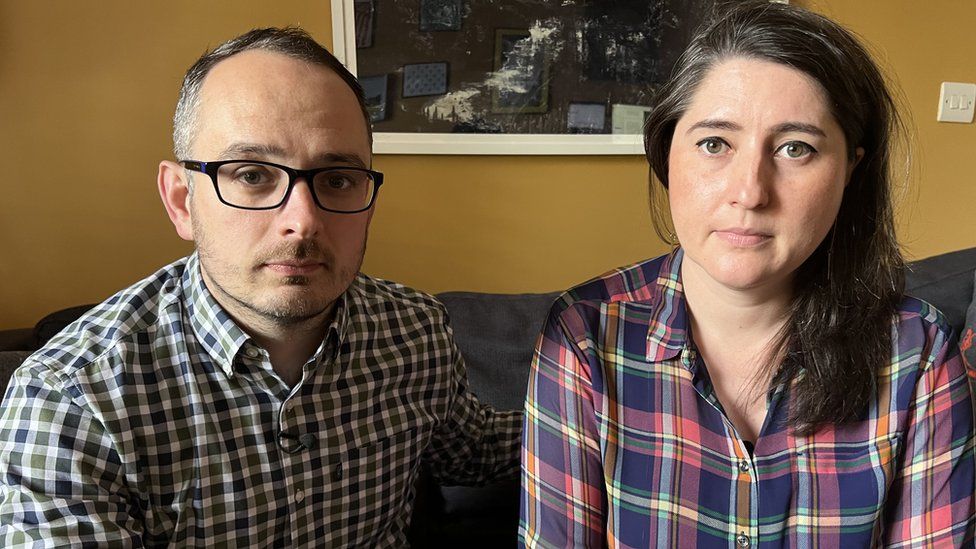
SharecloseShare pageCopy linkAbout sharingSitting at the kitchen table, sometimes with their heads in their hands, Laura and Lawrence recount the “hell” that unfolded the day they lost their baby.It culminated in them doing something unfathomable.”I took a tupperware box containing my baby’s remains home from hospital in a taxi, cleared up some space in our fridge and put the box in there,” says Lawrence. The couple had gone to University Hospital Lewisham’s A&E department after Laura had a late miscarriage at home. But they were advised there was nowhere safe to store the baby’s remains, and they felt their only option was to take their baby home. Greenwich and Lewisham NHS Trust says a full investigation is under way. But the case has raised wider concerns about miscarriage care in the UK. ‘I. Am. So. Sorry’: Talking about my pregnancy lossesThe impact of miscarriage on families around the worldMiscarriage: Tens of thousands have PTSD symptomsMiscarriage: The Search for AnswersLaura and Lawrence knew there was something very wrong when Laura started bleeding profusely almost four months into their pregnancy. They went to the early pregnancy unit at University Hospital Lewisham and were advised their baby still had a heartbeat and that all was well. But days later, after another scan, doctors confirmed their baby had died. The couple were sent home and were told to wait for a bed to become available for Laura to give birth to their dead baby. Two days later, Laura woke up in severe pain. She ran to the bathroom, and that’s where she delivered her baby. She said at first she hadn’t understood what had happened. But as she removed what had fallen into the toilet, she realised it was the remains of her baby. “And it was then,” she said, “I saw it was a boy.”She screamed, and in utter panic ran out of the bathroom, closed the door and told her partner: “Don’t go in there.”Total chaosThe couple dialled 999 but were told it was not an emergency. So they wrapped their tiny son’s remains in a wet cloth, placed him in the box, and made their way to A&E. They say when they arrived, it was total chaos. “We were put in the general waiting room and told to sit at the back,” said Laura.”I was there holding my baby in a tupperware box, crying, with 20 or 30 other people in that waiting room.”Eventually they were taken into a bay where Laura was told she would need surgery to remove the placenta. All this time, the couple say, their baby remained in the box in the hot and stuffy A&E department, with staff saying there was nowhere safe to store him.”Nobody would even open the box and look at our baby,” said Laura.”It was almost as though no-one wanted to acknowledge it. Because if they did, then they would have to deal with the problem,” added Lawrence.It got to midnight, and they decided they had no option but to take their baby’s remains home.”There was no-one at the hospital willing to take charge of our baby. No-one seemed to know what was going on,” said Lawrence.”Our baby had been in a hot room for nearly five hours now. So we decided together that I would take him home.”He describes going home in a taxi with the box on his lap.”It was a lonely, surreal moment clearing space in my fridge.” “It just felt so grotesque,” added Laura.In a statement, Lewisham and Greenwich NHS Trust said: “We are deeply sorry and offer our sincerest condolences to Ms Brody and her partner for the tragic loss of their baby and these traumatic experiences.” “A full investigation is under way to understand where failings in care may have occurred so that any necessary changes and improvements can be made.” ‘Tipped into hell’Laura and Lawrence got in touch with the BBC after seeing some of our special reports on miscarriage care around the world. They say they are speaking out to try to ensure this doesn’t happen to anyone else.”It feels like there’s no safety net when things go wrong with pregnancy,” said Laura.”And even with all the staff and experts working really hard, the processes are so flawed, that it just felt like we’d been tipped into hell.”There are national guidelines for all four nations in the UK, on how best to care for women who experience miscarriages.But there are concerns staff are not being given enough time and training to understand them and put them into practice.The Department of Health says new guidelines are due to help hospitals deliver more personalised miscarriage care.Prof Dame Lesley Regan, consultant gynaecologist and spokesperson for the Royal College of Obstetricians and Gynaecologists, said because late miscarriage was rare – it happens in around one in every 100 pregnancies – many A&E staff might not know how to respond.She said: “I think late losses are much less understood, and some healthcare professionals find it very frightening.”Best practice for managing late miscarriage: Communication should be empathic, sensitive, non-judgementalThe labour ward should have a special bereavement room People coming to A&E with baby’s remains should be transferred to the gynaecology or maternity departmentBaby’s remains should be transferred with them, with facilities for sensitive storage Information should be made available on issues such as post-mortems, sensitive disposal of remains and funeral optionsSource: Miscarriage Association and National Bereavement Care PathwayRuth Bender Atik, head of The Miscarriage Association, described Laura and Lawrence’s case as “unbearable”, but warned against assuming all care was “awful”.”There simply should be an available cold place in A&E where these pregnancy remains or tiny little babies can be safely, respectfully and carefully stored with clear labelling,” she said.However, Zoe Clark-Coates, of the charity Saying Goodbye, and co-chair of the government’s Pregnancy Loss Review, said similar problems were not rare, and that some couples had been told to store their baby’s remains over a weekend until hospitals could accept them.Women are often advised to bring in their baby or pregnancy remains so that tests may be carried out to try to understand why the pregnancy ended.If you are affected by pregnancy loss, there are links to help.Follow Tulip on Twitter.

Read more →

Shanghai lockdown: China's financial hub set to lift Covid curbs

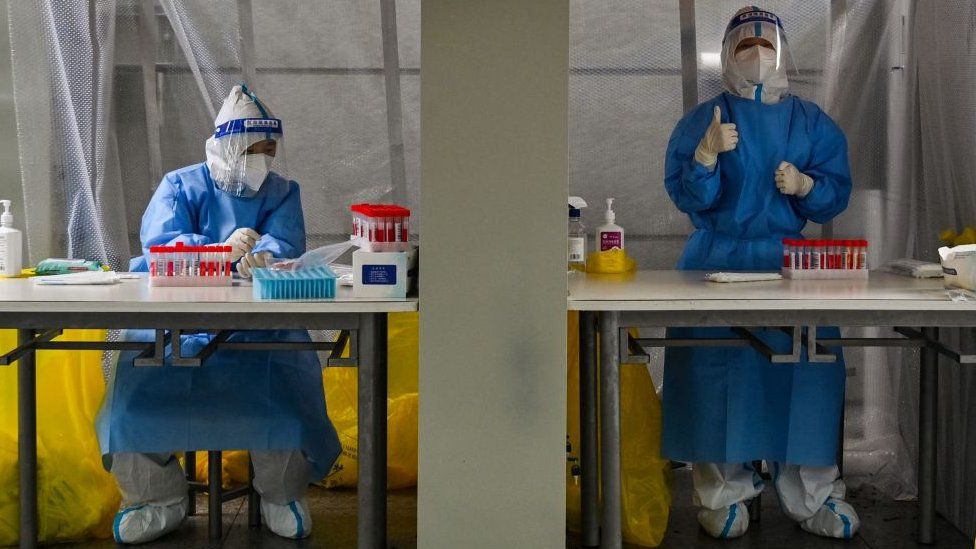
SharecloseShare pageCopy linkAbout sharingImage source, Getty ImagesAuthorities in Shanghai have announced that some Covid-19 lockdown measures imposed on businesses will be lifted from Wednesday.Plans have also been introduced to support the city’s economy, which has been hit hard by the restrictions.The commercial centre has been under a strict lockdown for almost two months.Meanwhile, China’s capital Beijing has reopened parts of its public transport system as well as some shopping malls and other venues as infections ease.The announcement in Shanghai came as official figures showed on Sunday that new daily coronavirus cases fell to 122 from 170 over the previous 24 hours.Officials said guidelines to curb the spread of Covid-19 and control the number of people returning to work will be revised.The move will see “unreasonable restrictions” being lifted on restarting work and production at companies, vice mayor Wu Qing told a news briefing.Companies will no longer need to be on a “whitelist” to resume production starting from 1 June. Why is Shanghai in a lockdown?China unemployment rate near pandemic peakShanghai moves to impose tightest restrictions yet The announcement came as the city launched a 50-point plan aimed at revitalising Shanghai’s economy, which before the lockdown was worth more than $600bn (£475bn).The new measures included reducing some taxes for car buyers, speeding up the issuance of local government bonds, and fast-tracking approvals of building projects.Under the plans, drivers who switch to an electric vehicle will be able claim a $1,500 subsidy.Additional help for businesses will include allowing firms to delay insurance and rent payments, as well as subsidies for utility charges.Banks will also be asked to renew loans to small and medium-sized businesses totalling $15bn this year.At the same time vouchers will be handed out to help support retailers and e-commerce platforms, particularly for businesses in the cultural, tourism and fitness industries.The latest moves aimed to revitalise the city’s hard-hit economy come on top of measures rolled-out at the end of March.Shanghai is China’s biggest city with a population of around 25 million and is a key financial, manufacturing and shipping hub.The lockdown has seen many of its residents lose income, struggle to find enough food and cope mentally with prolonged isolation.Manufacturers in Shanghai, including western car makers Volkswagen and Tesla, have been particularly impacted by the restrictions as staff were kept away from factories or had to work in so-called “closed loop” conditions, where they lived at the plants.Also on Sunday, authorities in Beijing eased curbs in several parts of the city after officials said the outbreak is now under control.Most of the capital’s public transport system – including buses, trains and taxis – will resume in three districts including the central area of Chaoyang.Shopping malls and other venues have also been allowed to reopen in some parts of the city.Workers in two districts in the south west and north east of the city have also been allowed to return to work.However, tutoring businesses, Internet cafes and karaoke bars remained closed.You may also be interested in:This video can not be playedTo play this video you need to enable JavaScript in your browser.More on this storyWhy is Shanghai in a lockdown?China unemployment rate near pandemic peakShanghai moves to impose tightest restrictions yetThe hard life of a homeless Shanghai deliveryman

Read more →

A Balm for Psyches Scarred by War

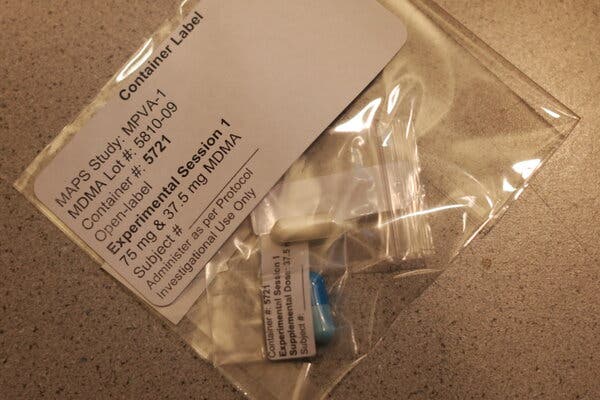
Nigel McCourry removed his shoes and settled back on the daybed in the office of Dr. Michael Mithoefer, a psychiatrist in Charleston, S.C.“I hadn’t been really anxious about this at all, but I think this morning it started to make me a little bit anxious,” Mr. McCourry said as Annie Mithoefer, a registered nurse and Dr. Mithoefer’s colleague and spouse, wrapped a blood pressure cuff around his arm. “Just kind of wondering what I’m getting into.”Mr. McCourry, a former U.S. Marine, had been crippled by post-traumatic stress disorder ever since returning from Iraq in 2004. He could not sleep, pushed away friends and family and developed a drinking problem. The numbness he felt was broken only by bouts of rage and paranoia. He was contemplating suicide when his sister heard about a novel clinical trial using the psychedelic drug MDMA, paired with therapy, to treat PTSD. Desperate, he enrolled in 2012. “I was willing to do anything,” he recalled recently.PTSD is a major public health problem worldwide and is particularly associated with war. In the United States, an estimated 13 percent of combat veterans and up to 20 to 25 percent of those deployed to Iraq and Afghanistan are diagnosed with PTSD at some point in their lives, compared with seven percent of the general population.Although PTSD became an official diagnosis in 1980, doctors still have not found a surefire cure. “Some treatments are not helpful to some veterans and soldiers at all,” said Dr. Stephen Xenakis, a psychiatrist and retired U.S. Army brigadier general. As many as half of veterans who seek help do not experience a meaningful decline in symptoms, and two-thirds retain their diagnosis after treatment.But there is growing evidence that MDMA — the illegal drug known as Ecstasy or Molly — can significantly lessen or even eliminate symptoms of PTSD when the treatment is paired with talk therapy.Last year, scientists reported in Nature Medicine the most encouraging results to date, from the first of two Phase 3 clinical trials. The 90 participants in the study had all suffered from severe PTSD for more than 14 years on average. Each received three therapy sessions with either MDMA or a placebo, spaced one month apart and overseen by a two-person therapist team. Two months after treatment, 67 percent of those who received MDMA no longer qualified for a PTSD diagnosis, compared with 32 percent who received the placebo. As in previous trials, MDMA caused no serious side effects.Mr. McCourry was among the 107 participants in earlier, Phase 2 trials of MDMA-assisted therapy; these were conducted between 2004 and 2017 and sponsored by the Multidisciplinary Association for Psychedelic Studies, or MAPS, a research group that has led such studies in the United States and abroad. Fifty-six percent of Phase 2 participants no longer met the criteria for PTSD after undergoing several therapeutic sessions with MDMA. At least one year after participation, that figure increased to 67 percent.A decade later, Mr. McCourry still counts himself among the successes. He had his first MDMA session in 2012 under the guidance of the Mithoefers, who have worked with MAPS to develop the treatment since 2000. He shared the video of that session with The New York Times. “I was suffering so badly and had so little hope, it was inconceivable to me that doing MDMA with therapists could actually turn all of this around,” he said.The second Phase 3 trial should be completed by October; FDA approval could follow in the second half of 2023.“We currently deal with PTSD as something that needs to be managed in an ongoing way, but this approach represents real hope for long-term healing,” said Rachel Yehuda, a professor of psychiatry and neuroscience at the Icahn School of Medicine at Mount Sinai in New York.“What makes this moment different from 20 years ago is the widespread recognition that we should leave no stone unturned in identifying new treatments for PTSD,” said Dr. John Krystal, the chair of psychiatry at Yale School of Medicine, who was not involved in the research. Although data from the second Phase 3 trial are needed, he says, the results so far are “very encouraging.”A need for new treatmentsDr. Michael Mithoefer and Annie Mithoefer have used MDMA doses in their therapy sessions. Though PSTD is a common diagnosis among veterans, there is no catch-all cure or treatment.Travis Dove for The New York TimesMr. McCourry, 40, lives in Portland, Ore., and comes from a military family. He joined the Marines in 2003 because he wanted to make a positive difference, he said: “When I went over to Iraq, I felt like we were there because it was for the overall good.”Understand Post-Traumatic Stress DisorderThe invasive symptoms of PTSD can affect combat veterans and civilians alike. Early intervention is critical for managing the condition.Removing the Stigma: Misconceptions about how PTSD develops and its symptoms, can prevent people from seeking treatment.Psychedelic Drugs: As studies continue to point to the therapeutic value of substances like MDMA, veterans are becoming unlikely advocates for their decriminalization.Seeking Peace: Mission Within is a Mexican retreat that uses hallucinogens to treat PTSD. Some female U.S. veterans and veteran spouses have turned to it to heal from trauma.Virtual Reality: A treatment using new technology to immerse patients in a simulation of a memory could help them overcome trauma.But he soon became disillusioned. Rather than fighting for freedom, he guarded convoys of oil. He regularly saw civilians killed. He survived an explosion that knocked him unconscious, and he suspected it may have caused lasting traumatic brain injury. He never received a diagnosis because the symptoms of traumatic brain injury — problems with thinking, sleeping and mood — overlap with those of PTSD, and the Army lacks tests that can objectively distinguish between the two conditions, Dr. Xenakis said.“I just felt like I put my life in harm’s way really for nothing,” Mr. McCourry said. “I watched friends die really for nothing.”Two months into his deployment, Mr. McCourry was caught in a firefight. Amid a hail of bullets and mortar rounds, he spotted a white truck approaching from the opposite direction. Despite signaling the truck to stop and firing a warning shot, it kept approaching.Mr. McCourry began shooting at it. Later, he learned that the people in the truck were a father and his two daughters. The father survived, but the girls did not. “The death of those girls, it haunted me,” Mr. McCourry said.In 2005, between tours of duty, Mr. McCourry sought help from a battalion medical officer for his sleep and anxiety issues. When the doctor dismissed his concerns, “I kind of lost my mind and started yelling at him,” Mr. McCourry said. Shortly after, he was honorably discharged on the basis of a personality disorder — a diagnosis that was not legitimate grounds for discharge and that Mr. McCourry vehemently disputed.At first, Mr. McCourry felt overjoyed to be home, but he soon noticed that something felt off. He was tense around friends and family. He was easily offended by any hint of perceived disrespect and found it increasingly difficult to control his anger. When he learned that nearly his entire former squad had been killed by a roadside bomb, he felt an unsettling mixture of numbness and guilt. “At that point, things spiraled,” he said.Veterans frequently struggle with the readjustment process after returning from war, but they often do so quietly. “By and large, soldiers don’t like to reveal that they have any problems, so they tend to minimize their symptoms,” said Dr. Elspeth Cameron Ritchie, the chair of psychiatry at MedStar Washington Hospital Center and a specialist in military and veterans’ issues. “Many don’t like to talk about their feelings.”Some veterans, including Mr. McCourry, also experience a phenomenon called moral injury, which frequently occurs alongside PTSD and can complicate treatment. According to Dr. Robert Koffman, a psychiatrist and retired U.S. Navy captain, moral injury develops in service members who feel responsible for perpetrating or for failing to prevent an act that violates their deeply held beliefs. The result is often intense feelings of shame and guilt.For years, vivid nightmares and paranoia prevented Mr. McCourry from sleeping properly, and he began having suicidal thoughts. Eventually, he sought help at a Veterans Affairs clinic. He received a diagnosis of severe PTSD, and the doctors recommended conventional treatments including therapy and medications.These treatments bring relief for some patients with PTSD, but they are not effective for all, said Paula Schnurr, executive director of the V.A.’s National Center for PTSD: “My take on the literature is that there is room for improvement.”Some research indicates that conventional therapy for PTSD tends to be less effective for active duty military and veterans, around 40 percent of whom drop out of treatment. “With PTSD, a pathological avoidance of triggers — which can include psychotherapy — is a core feature of the disorder,” said Dr. Joseph Pierre, a professor of psychiatry at the University of California, Los Angeles.Mr. McCourry tried therapy, but it “didn’t help at all,” he said. The medications he was prescribed only complicated his symptoms by causing serious side effects, including disorientation and drowsiness — a common experience.For those who do not find relief through available treatments, PTSD can become chronic, debilitating and even life-threatening. On average, 17 veterans die by suicide every day, Dr. Koffman said.“I just remember wanting the suffering to end,” Mr. McCourry said. “I didn’t see any hope, and there didn’t seem like there was any path to improving. I just really wanted to die.”Finding the inner healerDr. Michael Mithoefer, left, and Annie Mithoefer have been working with MAPS since 2000. Dr. Mithoefer likened MDMA-assisted therapy to immunotherapy for cancer: “We’re stimulating the body’s own capacity for defense and healing.”Travis Dove for The New York TimesWhen Mr. McCourry first heard about MDMA-assisted therapy, he doubted it would make a difference. He met with the Mithoefers for three 90-minute preparatory sessions designed to establish trust and provide guidance on how to respond to difficult memories and feelings that might arise during treatment.The experimental sessions would last eight hours. Although Mr. McCourry knew he would be taking MDMA, under the study’s double-blind protocol he and the Mithoefers did not know what dose he would be randomly assigned. Possibilities ranged from a very low 30 milligram dose to a relatively high 125 milligram dose. Mr. McCourry’s fell in the middle, at 75 milligrams.On the day of Mr. McCourry’s appointment in 2012, as he sought to relax, Dr. Mithoefer reassured him. “We talked about not having an agenda about what should happen,” he said. “But some people find it nice to have an overall intention.”Mr. McCourry’s voice wavered. “If I had an overall intention, it’s basically just to have greater depth of understanding of mental processes and why I think the things I do,” he said. “To try to understand myself better.”Then, he swallowed the pill with a swig of water, put on eye shades and lay back. Melodic, chanting music filled the room.After about an hour, a warm sensation began to wash over Mr. McCourry in intermittent waves, and the music sounded more beautiful than before. He felt himself relax, even as he began to worry about where things were going.Soon, though, the tone of the music no longer felt inviting but ominous. Mr. McCourry considered removing the eye shades and asking the Mithoefers to stop the music. “But then I remembered that if anything uncomfortable came up, I was supposed to breathe into it versus run away from it,” he recalled.The sense of inner conflict mounted and tightened into a knot in his chest. He began remembering with embarrassment all the times he had pushed friends away when they had tried to be kind to him, and he wondered why he had behaved that way. He suddenly felt more connected to Dr. and Ms. Mithoefer and was open to exploring those questions with them.He removed the eye shades and described “this new hardness” he had developed since returning from Iraq.“What if you just let people be nice to you?” Ms. Mithoefer gently asked.“I’d have to give up control of my life in some situations,” Mr. McCourry said.“How would that look, giving up control? If someone’s trying to be nice to you?”“It could be a good experience, but I don’t even consider it before I put up these walls between me and people,” Mr. McCourry said.Trauma can result in enduring changes in genes, hormones and the brain, according to Dr. Yehuda of Mount Sinai. People with PTSD often show exaggerated levels of stress hormones, for example, and tend to have heightened activity in the amygdala, the brain region associated with processing threats and danger.That negative experiences can alter the body so significantly, however, leaves room for the possibility that equally powerful positive experiences could do the same. For many people, MDMA-assisted therapy seems to provide such a transformational reset, Dr. Yehuda said.But taking MDMA on its own, like a traditional medication, does not automatically alleviate PTSD. Rather, when paired with therapy, the drug seems to catalyze a patient’s innate capacity for psychological healing.Dr. Mithoefer likened this process to the way immunotherapy helps to fight cancer. “We’re stimulating the body’s own capacity for defense and healing,” he said.Scientists still do not fully understand how MDMA catalyzes healing. Evidence in mice indicates that the drug opens what neuroscientists refer to as a “critical period,” a window that typically occurs during childhood in which the brain is more malleable and better able to learn.“This critical-period explanation really offers a different way of thinking about it,” said Dr. Gül Dölen, a neuroscientist at Johns Hopkins University and senior author of the findings, which were published in Nature in 2019. “MDMA is allowing you to do a cognitive reappraisal and reformulate all of the personal narrative you’ve written around the trauma.”In the Mithoefers’ office, Mr. McCourry realized that the reason he was shutting people out was because permitting them to get close would require trusting them — and trusting them would mean surrendering control. In Iraq, extreme self-reliance and distrust of others had been protective mechanisms that had helped to keep him alive. Now, those tools had become detractors.“That’s what PTSD is, really,” Dr. Mithoefer said as the three of them talked through these revelations. “You know you’re back, but there’s parts of you that haven’t taken that in yet.”Different paths to healingJohn Reissenweber saw combat in Vietnam but considered PTSD a weakness, until his wife, Stacy Turner, encouraged him to see a psychiatrist.Marissa Leshnov for The New York TimesNot everyone’s experience with MDMA-assisted therapy is as straightforward as Mr. McCourry’s.While serving in Vietnam, John Reissenweber sustained major injuries in a mortar explosion and accidentally killed a 2-year old boy. He came home a different person: always on edge and with “one of the most acid tongues there were,” he recalled recently. Like Mr. McCourry, he felt a constant need for control, and he turned to alcohol for solace.Mr. Reissenweber, now 73, never considered that PTSD might have explained his feelings and behaviors. His previous mind-set held that “to have PTSD, you’re weak.”In 2017, Mr. Reissenweber’s wife convinced him to see a psychiatrist, who diagnosed him with PTSD. Despite regular appointments, his mental health did not improve. In 2019, he enrolled in the Phase 3 MDMA-assisted therapy trial.Entering the first of three sessions with MAPS-trained therapists in San Francisco, Mr. Reissenweber worried that the drug would cause him to “really come undone.” But in the weeks after the session, he felt more connected to himself and others, he said. The second session also went well.“I could take a walk outside and feel the air against my skin,” he said. “I could focus on somebody and imagine what they were thinking.”But in the third and final session, Mr. Reissenweber resolved to directly face his trauma, which took the form of a black pit. “You can’t shy away from it anymore,” he told himself, and jumped in. But rather than passing through the pit into the light, as he expected, he became stuck in the darkness and was terrified.Mr. Reissenweber could not sleep for over a week afterward, and he sometimes began shaking inexplicably. Eventually, his therapist helped him realize that the pit had represented his anger and hurt. “I’m still processing from that thing,” he said.Despite the difficulty, Mr. Reissenweber said his experience with MDMA-assisted therapy significantly changed his life for the better. He now finds traditional therapy to be productive and has been able to deeply connect with others, including his spouse, who he calls his guardian angel.“It made me realize there was a reason for my hurt and my fears, and that I could change the outcome,” he said.Clarity and compassionMr. McCourry with his dog, Kiko, at home. He recently became a father and, after a 10-year struggle, had his discharge order changed to combat-related PTSD.Amanda Lucier for The New York TimesMr. McCourry emerged from his first session of MDMA-assisted therapy with what he described as an aerial map of his mind. “It’s just been so tangled up, I didn’t even know where to start,” he told the Mithoefers.He slept soundly that night, and his sleep problems never returned.In one of his later sessions with MDMA, he revisited the memory of the two girls he had accidentally killed and saw that he had been harboring a tremendous amount of self-loathing for the person he had become in Iraq. He was able to replace the contempt he felt toward “Nigel the Marine,” as he put it, with compassion.Mr. McCourry recently became a father and — after a nearly 10-year long bureaucratic struggle — successfully convinced the Navy to correct his reason for discharge to combat-related PTSD, instead of passive-aggressive personality disorder.He still sometimes becomes overwhelmed in stressful situations and “just starts to mentally shut down,” he said. But he is now able to recognize when this is happening and to better manage his feelings.“It’s really important for me that these experiences I’m sharing are used to show people that there is hope,” Mr. McCourry said. “I’ll keep doing what I can to support this therapy until it’s legalized.”

Read more →

Can I Stop Isolating If I’m Still Testing Positive for the Virus?

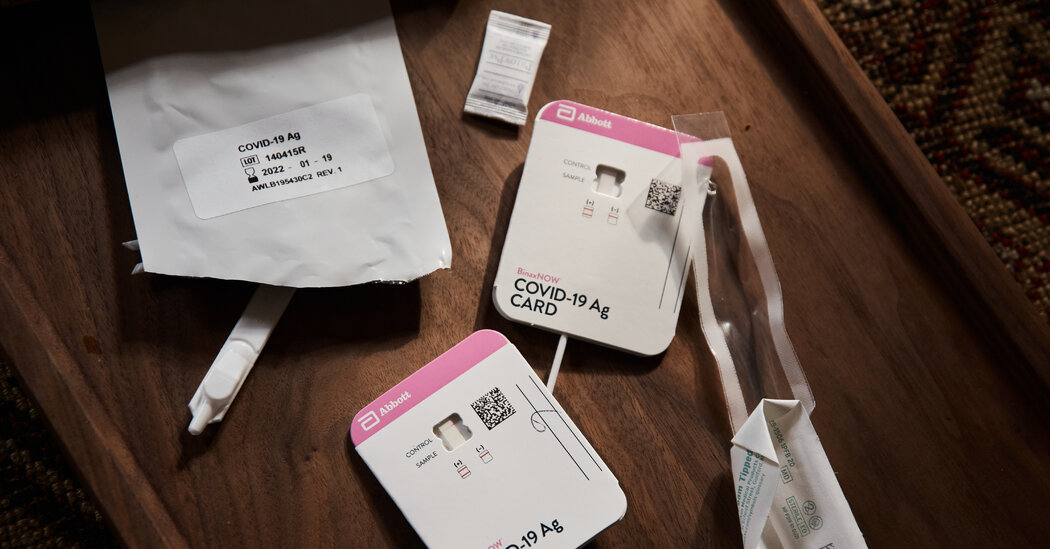
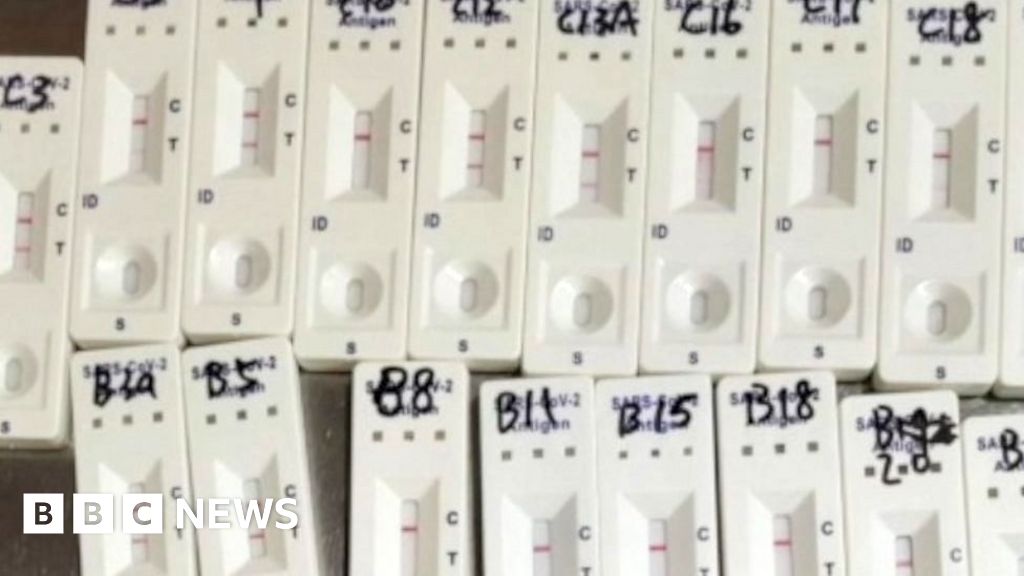
Some people may test positive for the coronavirus for 10 days or longer, but interpreting those results remains difficult, experts said.The Omicron variant of the coronavirus moves fast. Symptoms typically appear just a few days after infection, with viral levels peaking less than five days after the pathogen first becomes detectable.But for some people, the virus seems to linger, with at-home tests coming back positive day after day, even after other people in the household return to work or school. So why do some people test positive for the virus for 10 or 12 or even 14 days — and are they still infectious after so long?“It’s a great question — it’s one that I get asked all the time,” said Dr. Peter Chin-Hong, an infectious disease specialist at the University of California, San Francisco.It is also one without an easy answer. Although rapid antigen tests, which detect proteins on the outside of the coronavirus, can flag people carrying high levels of the virus, they are not perfect predictors of infectiousness.Studies suggest that while most people stop testing positive on antigen tests sometime during the first 10 days of their illnesses, a notable subset of people continue to test positive for longer, for reasons that scientists do not entirely understand.In some cases, these people may still be shedding infectious virus, but in others, the tests may be picking up viral debris from a waning infection, experts say, making it difficult to know how to interpret the results.“Some people may not be infectious at the end of their course even if still antigen-positive, whereas others may be infectious even if antigen-negative,” said Dr. Yonatan Grad, an immunologist and infectious disease expert at the Harvard T.H. Chan School of Public Health.Indeed, scientists disagreed on the best course of action for people who test positive for more than 10 days. While some say that the most prudent path is to continue to isolate, others argue that prolonged isolation is unnecessary for most otherwise healthy people.Given the uncertainty, some experts have advised that test results at the end of an infection be viewed as just one potentially useful piece of information considered in concert with other factors, including a patient’s symptoms and immune status. Along those lines, Dr. Chin-Hong recommended “using the rapid test as a guide but not the be-all and end-all.”What we knowStudies conducted before the emergence of Omicron demonstrated that people with Covid-19 were most likely to spread the virus in the few days before and after developing symptoms.The Centers for Disease Control and Prevention cited these findings when explaining its decision to shorten its isolation guidelines late last year. While the old guidelines recommended that patients isolate for 10 days, the current recommendations say that many people can leave isolation after five days, although they should wear a mask through Day 10.Research also suggests that rapid antigen tests are most likely to be positive early in the course of illness, but there is considerable variation.According to a new analysis of people who sought repeat testing at a California site during the Omicron wave, an estimated 71 percent were antigen-positive four days after their symptoms appeared or after they first tested positive for the virus. That percentage declined over the following days, but an estimated 20 percent were still positive on Day 11, according to the study, which has not yet been published in a scientific journal.“For some people, they’re seeing fairly prolonged courses of being antigen-positive,” Dr. Grad said. “I think we chalk it up to some variation in people’s immune system and ability to respond to infection and clear this virus.”Indeed, a pair of recent studies, neither of which has been reviewed by experts, suggest that some people with Omicron infections shed infectious virus — capable of replicating in a “cell culture,” or a dish of live cells in the laboratory — for more than a week.“That’s a pretty good indication that they’re likely to be infectious,” said Dr. Amy Barczak, an infectious disease expert at Massachusetts General Hospital, who found that 25 percent of people still had viable virus on Day Eight or beyond.In the other study, which enrolled vaccinated students and staff at Boston University, researchers found that while most participants no longer had positive viral cultures six days after their symptoms began, a small number had viable virus as late as Day 12.What we don’t knowScientists are not sure why some people test positive longer than others and find that even some young, healthy and fully vaccinated people may test positive for an extended period.Julia Rendleman for The New York TimesHowever, there is not a perfect correlation between someone’s antigen test results and whether their virus can be grown in culture. In a small, preliminary subanalysis, the Boston University researchers found that while a negative antigen test was a reliable indicator that the person would also have negative viral cultures, a positive test was not predictive of a positive culture.“You can be somewhat reassured by a negative test, but the positive test is not particularly helpful,” said Dr. Tara Bouton, an infectious disease specialist at the Boston University School of Medicine and an author of the study.Dr. Barczak’s team found that some people tested antigen-positive slightly beyond the point of having positive viral cultures. This suggests that at the end of an infection, there may be a brief period during which the tests are simply detecting lingering bits of viral protein. The study was not large enough to draw conclusions about how common this would be or how long the effect might last, she said.Precisely why some people test positive longer than others is not entirely known. In general, people with weaker immune systems are likely to take longer to fight off the virus, scientists said, although even young, healthy and fully vaccinated people may be positive for extended periods.Another possibility is that people exposed to large doses of the virus might take longer to clear it from their systems, said Aubree Gordon, an infectious disease epidemiologist at the University of Michigan School of Public Health.Tests also differ in their sensitivity, and people differ in how they perform them. “Some people do a swab test and it’s like they barely touch their nose,” Dr. Gordon said. “Whereas with other individuals — actually, with a family member recently, I had to be like, ‘Don’t hurt yourself,’ because they were really, really getting in there.”What to doOne lesson is that prolonged positive results are common enough that people who leave isolation before Day 10 should continue to take precautions, such as wearing a well-fitting mask, experts said.Beyond that, scientists disagreed. Some recommended that people isolate until they test antigen-negative, even if it takes more than 10 days.“We can now tailor recommendations to individual experiences using the rapid test results to guide us,” Dr. Grad said. “And since we know that some people can have prolonged courses, it seems reasonable to me that if you are able to continue isolating if positive, you should do so.”But several others said that, as a matter of public health policy, it does not make sense to ask most otherwise healthy people to isolate, or even keep testing, for more than 10 days.“Nobody’s saying that there aren’t some people, maybe statistically speaking at the end of the tail, who might transmit after Day 10,” Dr. Chin-Hong said. But people at that stage of infection would not be likely to play a large role in spreading the virus, and continued testing could keep many people out of work or school without much public health benefit, he said. “And also you raise an equity issue,” he added, “like, ‘Who on Earth can have enough tests?’”Even then, experts say, there are some circumstances in which people should continue to test and potentially isolate beyond Day 10. They include people whose symptoms are not improving and those who are immunocompromised, as they may shed infectious virus for longer periods of time. (The C.D.C. recommends that people with weakened immune systems isolate for up to 20 days.)There are also recent reports that people who take the antiviral drug Paxlovid may see their symptoms rebound after stopping the medication. “If they have symptoms that come back again after treatment, then it might be reasonable to extend isolation and to think about using tests,” Dr. Bouton said. “Viral load may come up in that situation.”And people who have recently recovered from Covid might want to take a rapid test as a precaution before engaging in any particularly risky activities, such as meeting with an immunocompromised person or attending a large, indoor event. If they test positive, they should proceed as though they might be contagious, Dr. Gordon said.“They’re probably less contagious than they were in the in the first few days,” she added. “But I would still certainly advise some caution.”

Read more →

Monkeypox wasn’t created in a lab – and other claims debunked

SharecloseShare pageCopy linkAbout sharingImage source, Facebook/ An0maly/ NTISince cases of monkeypox began to emerge in Europe, beliefs about the virus have been shared widely on social media that appear to be recycled from the Covid-19 pandemic.There are no plans for a monkeypox lockdownA common fear shared online is that restrictions on movement are being planned. One account told followers to get ready for “monkeypox lockdowns” and “monkeypox tyranny”. Image source, TwitterWhile fears about the monkeypox outbreak are understandable, scientists say this virus is not like Covid, and most experts think its spread will be limited. It is much harder to pass on than Covid, we already have available vaccines and treatments, and people appear to be infectious only once symptoms appear – making it easier to spot and isolate.So restrictions such as lockdowns or mass vaccinations are “really not going to be the way to respond to this”, says Prof Peter Horby, director of the Pandemic Sciences Centre at the University of Oxford. Instead, isolation measures and vaccines are currently being targeted at infected people or their close contacts. What is monkeypox and how do you catch it? Monkeypox case confirmed in EnglandDr Rosamund Lewis, of the World Health Organization (WHO) Emergencies Programme, confirmed there was no need for mass vaccination, and the WHO has also recommended against any travel restrictions. There’s no evidence it was released from a labIt’s no surprise people’s minds now turn to Covid when news of an unfamiliar virus breaks. But the Institute for Strategic Dialogue has noted that recent outbreaks of monkeypox were also “reviving the spread of a set of cut-and-paste… conspiracies” which have been used over the past two years to mislead people during the Covid pandemicSocial media accounts and news outlets in Ukraine, Russia, China and the US have all made accusations that the outbreak was the result of a laboratory leak, or the use of monkeypox as a biological weapon. However, it’s possible to identify where a virus is likely to have come from by sequencing its DNA. Geneticist Fatima Tokhmafshan likens this to scanning a barcode on a parcel to “map the different paths [it] has taken”. The genetic sequences we have so far for the virus all trace it back to the strain of monkeypox which commonly circulates in West Africa: “That tells us this is not something manufactured”. Image source, UKHSAThere were a handful of cases in the UK in 2018 and in 2021, and a larger outbreak in the US, also in 2021, each brought over by human travellers or imported animals. “So it’s entirely plausible that that’s exactly what’s happened this time, “says Prof Horby, “and it’s by far the most likely scenario.” The earliest case identified in the UK in the current outbreak was traced to someone who had travelled from Nigeria.As for the idea that monkeypox escaped from a lab, “there is absolutely no basis for that claim at all”, Prof Horby says.No evidence the outbreak was plannedThere are those claiming online that the current monkeypox outbreak was deliberately planned – with many pointing the finger at Bill Gates or Anthony Fauci, in an echo of Covid conspiracies. This unfounded assertion is being shared across Russia media, on the Chinese social app Weibo, and on Instagram. It can also be found on Facebook in Romanian, German, English, Arabic, French, Slovenian, Hungarian and Punjabi.Image source, TwitterThe claims point to a document prepared by a US-based biosecurity organisation, the Nuclear Threat Initiative (NTI). In 2021, NTI conducted a workshop to encourage leaders from around the world to plan for the possibility of future pandemics. The participants were asked to work through a fictional scenario – a “deadly, global pandemic involving an unusual strain of monkeypox virus… [that] spread globally”. “The risks posed by monkeypox”, according to the NTI, “have been well documented for years” and cases have been on the increase, making it an obvious virus to choose for this workshop.Outbreaks of infection are a fact of life, so an organisation predicting and planning for them is not in itself suspicious. Monkeypox is not linked to Covid vaccinesThis claim has taken two forms – some point to the fact the AstraZeneca vaccine uses a virus found in chimpanzees, modified so it cannot replicate and spread. Image source, TwitterThese social media posts then suggest a link between vaccines employing that chimp virus and the monkeypox outbreak.However, monkeypox is caused by a totally different type of virus to the one found in the AstraZeneca vaccine – and is actually thought to be mostly found in rodents, not monkeys. The second type of claim spreading online is that the Covid vaccine somehow suppresses your immune system, making you more vulnerable to other infections.

Read more →

Seeing how odor is processed in the brain

A specially created odor delivery device, along with machine learning-based analysis of scalp-recorded electroencephalogram, has enabled researchers at the University of Tokyo to see when and where odors are processed in the brain. The study found that odor information in the brain is unrelated to perception during the early stages of being processed, but when perception later occurred, unpleasant odors were processed more quickly than pleasant odors. Problems with odor perception can be an early symptom of neurodegenerative diseases, so uncovering more of the neural bases of odor perception could help towards better understanding of those diseases in future.
Does the smell of a warm cup of coffee help you start your day the right way? Or can you not stand the strong, heady stuff? According to new research, how quickly your brain processes the smell of your morning beverage might depend on whether you think that odor is pleasant or not.
A team at the University of Tokyo created a special device that can deliver 10 diverse odors in a way that is accurate and timely. The odors were administered to participants who rated their pleasantness while wearing noninvasive scalp-recorded electroencephalogram (EEG) caps, which record signals inside the brain. The team was then able to process the EEG data using machine learning-based computer analysis, to see when and where the range of odors was processed in the brain with high temporal resolution for the first time.
“We were surprised that we could detect signals from presented odors from very early EEG responses, as quickly as 100 milliseconds after odor onset, suggesting that representation of odor information in the brain occurs rapidly,” said doctoral student Mugihiko Kato from the Graduate School of Agricultural and Life Sciences at the University of Tokyo.
Detection of odor by the brain occurred before the odor was consciously perceived by the participant, which didn’t happen until several hundred milliseconds later. “Our study showed that different aspects of perception, in particular odor pleasantness, unpleasantness and quality, emerged through different spatial and temporal cortical processing,” said Kato.
“The representation of unpleasantness in the brain emerged earlier than pleasantness and perceived quality,” said Project Associate Professor Masako Okamoto, also from the Graduate School of Agricultural and Life Sciences. When unpleasant odors (such as rotten and rancid smells) were administered, participants’ brains could differentiate them from neutral or pleasant odors as early as 300 milliseconds after onset. However, representation of pleasant odors (such as floral and fruity smells) in the brain didn’t occur until 500 milliseconds onwards, around the same time as when the quality of the odor was also represented. From 600-850 milliseconds after odor onset, significant areas of the brain involved in emotional, semantic (language) and memory processing then became most involved.
The earlier perception of unpleasant odors may be an early warning system against potential dangers. “The way each sensory system recruits the central nervous system differs across the sensory modalities (smell, light, sound, taste, pressure and temperature). Elucidating when and where in the brain olfactory (smell) perception emerges helps us to understand how the olfactory system works,” said Okamoto. “We also feel that our study has broader methodological implications. For example, it was not known that scalp-recorded EEG would allow us to assess representation of odors from time periods as early as 100 milliseconds.”
This high temporal resolution imaging of how our brains process odors may be a stepping stone towards better understanding the mechanisms of neurodegenerative diseases in future, such as Parkinson’s and Alzheimer’s diseases, in which a dysfunction in the sense of smell is an early warning sign. The team is interested in exploring several further research avenues. “In our daily life, odors are perceived along with other sensory information like vision, and each sense influences the perception of the other,” said Kato. “Although we presented olfactory stimuli alone in the current study, we think that analyzing brain activity under more natural conditions, such as presenting odors with a movie, is important.” Perhaps Smell-O-Vision might yet make a comeback?
Funding
This work was supported by the Grant-in-Aid for Scientific Research on Innovative Areas from Japan Society for the Promotion of Science to M.O. (18H04998 and 21H05808) and JST-Mirai program to K.T. (JPMJMI17DC and JPMJMI19D1).
Story Source:
Materials provided by University of Tokyo. Note: Content may be edited for style and length.

Read more →

Gene linked to severe learning disabilities governs cell stress response

A gene that has been associated with severe learning disabilities in humans has been found to also play a vital role in cells’ response to environmental stress, according to a Duke University study appearing May 24 in the journal Cell Reports.
Cells are stressed by factors that may damage them, such as extreme temperatures, toxic substances, or mechanical shocks. When this happens, they undergo a range of molecular changes called the cellular stress response.
“Every cell, no matter from which organism, is always exposed to harmful substances in their environment that they have to deal with all the time,” said Gustavo Silva, assistant professor of biology at Duke and senior author on the paper. “Many human diseases are caused by cells not being able to cope with these aggressions.”
During the stress response, cells press pause the genes related to their normal housekeeping activities, and turn on genes related to crisis mode. Just like in a house being flooded, they put down the window cleaner, turn off the TV, and run to close the windows, then they patch holes, turn on the sump pump, and if needed, rip up carpet and throw away irreparably damaged furniture.
While studying mechanisms related to the cells’ health and their response to stress, the team saw that, under stress, a group of proteins was being modified inside the cells. They dug into it and found that the master regulator of this process is a gene called Rad6.
“When there is a stressor, cells need to change what proteins are produced,” said Vanessa Simões, associate in research in the Silva lab and lead author of the paper. “Rad6 goes in and gets the (protein-building) ribosomes to change their program and adapt what they are producing for the new stressful circumstances.”
Rad6 isn’t just any random gene. It can be found, sometimes under a different name, in almost all multicellular organisms. In humans, it is known for its association with a set of symptoms called “Nascimento Syndrome,” that include severe learning disabilities.

Read more →

Modelling the behavior and dynamics of microswimmers

Microswimmers are biological entities that range from sperm to phytoplankton to bacteria, meaning that their study can have implications for fields in science as diverse as human health and ecology.
A new paper published in EPJ E looks at the dynamics of microswimmers under gravity. It is authored by a team from the Institute for Theoretical Physics at the Berlin Institute of Technology: Felix Rühle, Arne W. Zantop, and Holger Stark.
“My supervisor Professor Holger Stark and our team have long been interested in the collective behaviour of microswimmers,” Rühle says. “Within this field, patterns formed by biological organisms, such as algae and bacteria, are known as bioconvection.”
As an example, Rühle points to algal patches in the ocean which can be an ecological problem.
The team focus on squirmers  —  a model for a spherical microswimmer swimming in Stokes flow  —  to identify different dynamical states for such systems.
“For this project, we were interested in a specific kind of pattern formation that happens under gravity  —  swimmers reorient each other mediated by the flow field they create in the fluid,” Rühle continues. “But, at the same time, they have a tendency to point upwards  —  anti-parallel to gravity. The motion directed by a combination of these effects is called gyrotaxis, and we show how and when clusters form under these conditions in numerical simulations.”
While bioconvection can have many possible causes, such as the diffusion of oxygen, access to sunlight or turbulent flows, Rühle explains that the team’s simulations show that two “ingredients” are sufficient for clusters to form. These are gravity and hydrodynamic interactions with the strength of the reorienting gravity torque  —  which arises due to the centre of mass being below the geometrical centre ,  controlling the size of the clusters.
“This insight furthers our understanding of biological patterns in general,” Rühle concludes.
Story Source:
Materials provided by Springer. Note: Content may be edited for style and length.

Read more →

New gels could help the medicine go down

For most children and even some adults, swallowing pills or tablets is difficult. To make it easier to give those medicines, researchers at MIT and Brigham and Women’s Hospital have created a drug-delivering gel that is much easier to swallow and could be used to administer a variety of different kinds of drugs.
The gels, made from plant-based oils such as sesame oil, can be prepared with a variety of textures, from a thickened beverage to a yogurt-like substance. The gels are stable without refrigeration, which could make them easier to get to children in developing nations, but they could also be beneficial for children anywhere, the researchers say. They could also help adults who have difficulty swallowing pills, such as older people or people who have suffered a stroke.
“This platform will change our capacity for what we can do for kids, and also for adults who have difficulty receiving medication. Given the simplicity of the system and its low cost, it could have a tremendous impact on making it easier for patients to take medications,” says Giovanni Traverso, the Karl van Tassel Career Development Assistant Professor of Mechanical Engineering at MIT, a gastroenterologist at Brigham and Women’s Hospital, and the senior author of the study.
Traverso and his colleagues showed that they could use the gels to deliver several types of medications for the treatment of infectious disease, in the same doses that can be delivered by pills or tablets, in animal studies. The research team is now planning a clinical trial that is expected to begin within a few months.
Former MIT postdoc Ameya Kirtane, now an instructor at Brigham and Women’s Hospital; MIT postdoc Christina Karavasili; and former technical associate Aniket Wahane are the lead authors of the study, which appears today in Science Advances.
Easy to swallow
Nearly 10 years ago, while working on other kinds of ingestible drug-delivery systems, the research team started to think about new ways to make it easier for children to take medications that are normally given as pills. There are existing strategies that can help with this, but none is a perfect solution. Some antibiotics and other drugs can be suspended in water, but that requires clean water to be available, and the drugs need to be refrigerated after being mixed. Also, this strategy doesn’t work for drugs that are not soluble in water.

Read more →