Study finds few COVID-19 patients get rebound symptoms after Paxlovid treatment

Mayo Clinic researchers studied the outcomes of 483 high-risk patients treated for COVID-19 with a five-day oral regimen of nirmatrelvir and ritonavir, together marketed as Paxlovid. Only a handful developed COVID-19 rebound symptoms, and the researchers say more studies are needed to determine why.
Overall, the treatment benefited everyone in the study. All recovered, including the patients who developed rebound symptoms, which were generally mild. The findings appear in the journal Clinical Infectious Diseases.
“We found that rebound phenomenon was uncommon in this group of patients,” says senior author Aditya Shah, M.B.B.S., a Mayo Clinic infectious diseases physician and researcher. “The four individuals who experienced rebound (symptoms) represent only 0.8% of the group, and all of them recovered quickly without additional COVID-directed therapy.”
Most of the patients had been vaccinated, and many had received booster vaccinations. The median age was 63. While these patients were high-risk for COVID, none was immunocompromised. Only two patients were admitted to the hospital, and it was for reasons other than COVID-19.
The study zeros in on four patients with rebound symptoms: A 75-year-old man with coronary artery disease who had increased cough and muscle aches 19 days after treatment. A 40-year-old woman with obesity, hypertension and kidney disease who developed fatigue and sore throat six days after treatment. A 69-year-old man with hypertension and obesity who exhibited nasal discharge and cough 10 days following therapy. A 70-year-old man with a history of prostate cancer, obesity, hypertension and high cholesterol, who developed significant sinus congestion 10 days after treatment.Why did some rebound?
Researchers think one explanation could be that a replication of the SARS-CoV-2 virus — the virus that causes COVID-19 — may have triggered a secondary immune response that showed up as mild COVID-19 symptoms. They suggest further prospective studies could answer the question. They also note that all four patients with rebound symptoms had many serious health problems known as comorbidities — a factor shown to complicate recoveries. And all four patients had been vaccinated more than 90 days before becoming infected with COVID-19.
Mayo Clinic funded the study. Others on the study team include first author Nischal Ranganath M.D., Ph.D.; John O’Horo, M.D.; Douglas Challener, M.D.; Sidna Tulledge-Scheitel, M.D.; Marsha Pike, D.N.P.; Michael O’Brien; and Raymund Razonable, M.D. — all of Mayo Clinic.
Story Source:
Materials provided by Mayo Clinic. Original written by Robert Nellis. Note: Content may be edited for style and length.

Read more →

Brain signal irregularity may provide clues to understanding epileptic process

Researchers from the UPF Department of Information and Communication Technologies (DTIC) propose a new method to differentiate signals from the epileptic focus from those recorded in other parts of the brain without the presence of an epileptic seizure. This technique may help detect epilepsy-induced features from these signals much quicker than conventional analysis techniques. The results have been published in the journal Physical Review E.
Around 1% of the world’s population suffers from epilepsy, a neurological disorder that causes epileptic seizures. In these seizures, a group of neurons displays abnormal excessive neuronal activity in the brain.
But 9% of all epileptic patients suffer from what is known as pharmacoresistant focal-onset epilepsy. In these patients, epileptic seizures cannot be controlled by medication. For them, one potential therapy is the neurosurgical resection of the brain area where seizures start.
Nevertheless, various diagnostic techniques must be performed to try to locate this focus. The brain’s electrical activity is measured by means of electroencephalography, a technique that uses electrodes to collect the electroencephalographic signals (EEG signals). In this work, signals were used recorded using intracranial electrodes (see photo), directly connected to the surface of the brain, to record the patient’s electrical activity and thus locate the focus.
But, does this study seek to pinpoint exactly where in the brain the epileptic seizure begins? Anaïs Espinoso, a PhD researcher with the “Nonlinear Time Series Analysis” (NTSA) research group at UPF and first author of the publication, explains that “this is not the goal of the work, the signals of the epileptic focus have a different dynamic from those that do not come directly from the focus. We study these dynamics and we want to achieve the technique that can best accentuate the differences between the two types of signals.”
For this reason, they studied the signals produced by five patients suffering from pharmacoresistant focal-onset epilepsy. They applied EEG signal analysis techniques to see various aspects such as phase synchronization and irregularity, a conceptually simple and effective approach to characterize electroencephalographic recordings of patients with epilepsy. Espinoso explains that “many studies of electroencephalographic signals apply complex techniques that encourage the analysis of a large number of patients. These studies, moreover, analyse the signal directly, but this can be altered by physiological artefacts or during the signal acquisition process.”
“It is a simple and effective method that allows analysing various signals very quickly, and you also don’t have to wait for the person to suffer an epileptic fit to get results. Suffering a fit can lead to a number of problems for the patient, such as seizures, involuntary muscle movements, loss of consciousness, etc. Thus, signals without epileptic fits gain in importance when it comes to supplementing the diagnosis”

Read more →

Novel host cell pathway hijacked during COVID-19 infection uncovered

An international team of scientists, led by the University of Bristol, has been investigating how the SARS-CoV-2 virus, the coronavirus responsible for the COVID-19 pandemic, manipulates host proteins to penetrate into human cells. After identifying Neuropilin-1 (NRP1) as a host factor for SARS-CoV-2 infection, new findings published in the journal of the Proceedings of the National Academy of Sciences (PNAS) today [14 June] describe how the coronavirus subverts a host cell pathway in order to infect human cells.
SARS-CoV-2 continues to have a major impact on communities and industries around the world. In an attempt to find innovative strategies to block SARS-CoV-2 infection, the team previously identified NRP1 as an important receptor at the surface of cells that is hijacked by SARS-CoV-2 to enhance infection.
NRP1 is a dynamic receptor that senses the microscopic cellular environment through the recognition of proteins containing specific neuropilin-binding sequences, called ligands. By mimicking this neuropilin-binding sequence, SARS-CoV-2 is able to subvert this receptor to enhance its entry and infection of human cells.
In this new study, the group led by Bristol’s Faculty of Life Sciences, Professor Peter Cullen from the School of Biochemistry and Drs Boris Simonetti, Senior Researcher and James Daly, Research Associate, in the Cullen lab, has now identified NRP1 and its ligands are transported within the host cell by a protein complex, called ESCPE-1. The protein complex captures NRP1 and regulates its transport between compartments inside the cell.
The function of this pathway is still not completely clear, but the team found that using gene editing to remove ESCPE-1 from human cells effectively blocked SARS-CoV-2 infection by around 50%, suggesting that this process is beneficially hijacked by the virus during the infection process.
Pete, Boris and James, explained: “This study represents an advance in the understanding of the pandemic coronavirus, and how it subverts host biology in order to infect cells. The identification of this pathway used by SARS-CoV-2 opens avenues for designing therapeutic interventions that can prevent ESCPE-1 and NRP1 from associating with the Spike protein to reduce infection.”
Story Source:
Materials provided by University of Bristol. Note: Content may be edited for style and length.

Read more →

Suicide rates didn't increase during pandemic, study finds

Many people, including mental health experts, anticipated a dramatic increase in suicide rates following the outbreak of Covid-19. But in fact, this has not been the case and most of the research published in scientific journals points to either no change or a decrease in rates of suicide following the pandemic.
This is according to a new international study on the impact of Covid-19 on rates of suicide and self-harm in low- and middle-income countries (LMICs). Led by Dr Duleeka Knipe from the Population Health Sciences Institute at the Bristol Medical School at the University of Bristol, the research was conducted by a group of scientists from across the globe, including Stellenbosch University (SU) and the South African Medical Research Council (SAMRC).
The findings of their study were published recently in the journal PLOS Global Public Health.
The researchers systematically collected and synthesised evidence on the impact of the pandemic on suicide and self-harm in LMICs, as part of an ongoing systematic review that continuously identifies and collates research on suicidal behaviour through a comprehensive automated search of multiple databases in all languages. They used this extensive database to identify all studies with data about the impact of the pandemic on suicide deaths and rates of self-harm in LMICs. They also assessed the quality of the studies and the methodology used to ensure that badly designed studies with unreliable data did not contaminate their findings.
“The most robust evidence, from time-series studies, indicated either a reduction or no change in suicide and self-harm in LMICs following the pandemic,” says one of the researchers, Prof Jason Bantjes from the SAMRC and the Institute for Life Course Health Research at SU.
“These findings are important and raise interesting questions about why when looking at the best available data we do not find any changes in suicide rates in LMICs following the pandemic. This is not to say the pandemic has not caused social and psychological distress and economic hardship, but it would seem from the available evidence that this has not translated into an increase in suicidal behaviour at an aggregate population level.”
According to Bantjes, this finding echoes the results of a previous study published in The Lancet Psychiatry which found that suicide rates in high-income countries also remained largely unchanged or declined in the early phase of the pandemic compared with expected levels based on suicide trends before the pandemic.

Read more →

Can Virtual Reality Help Autistic Children Navigate the Real World?

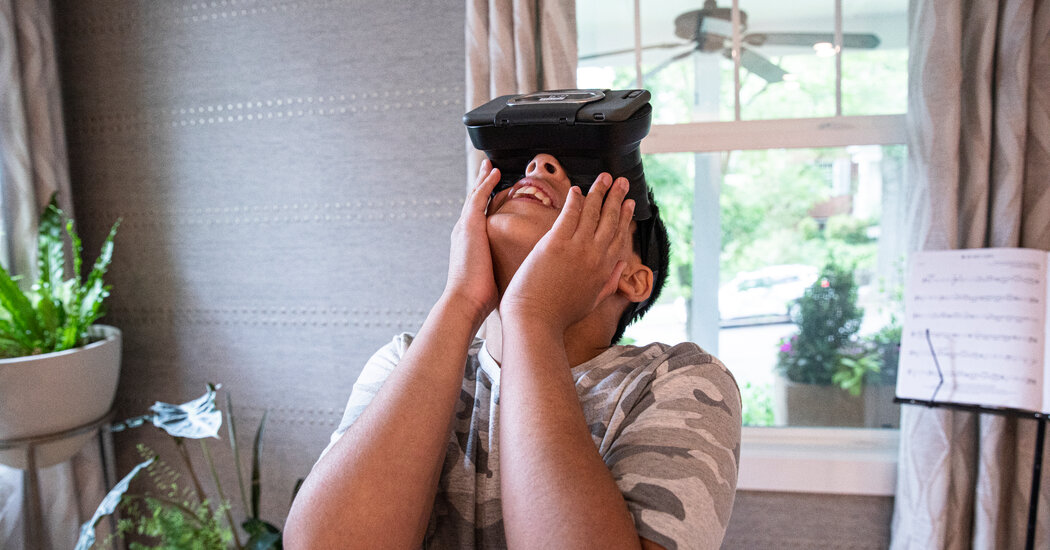
One company, Floreo, is hoping their tools will lead the way, despite some criticisms from autism self-advocates.This article is part of Upstart, a series on young companies harnessing new science and technology.Vijay Ravindran has always been fascinated with technology. At Amazon, he oversaw the team that built and started Amazon Prime. Later, he joined the Washington Post as chief digital officer, where he advised Donald E. Graham on the sale of the newspaper to his former boss, Jeff Bezos, in 2013.By late 2015, Mr. Ravindran was winding down his time at the renamed Graham Holdings Company. But his primary focus was his son, who was then 6 years old and undergoing therapy for autism.“Then an amazing thing happened,” Mr. Ravindran said.Mr. Ravindran was noodling around with a virtual reality headset when his son asked to try it out. After spending 30 minutes using the headset in Google Street View, the child went to his playroom and started acting out what he had done in virtual reality.“It was one of the first times I’d seen him do pretend play like that,” Mr. Ravindran said. “It ended up being a light bulb moment.”Like many autistic children, Mr. Ravindran’s son struggled with pretend play and other social skills. His son’s ability to translate his virtual reality experience to the real world sparked an idea. A year later, Mr. Ravindran started a company called Floreo, which is developing virtual reality lessons designed to help behavioral therapists, speech therapists, special educators and parents who work with autistic children.Mr. Ravindran adjusts his son’s VR headset between lessons. “It was one of the first times I’d seen him do pretend play like that,” Mr. Ravindran said of the time when his son used Google Street View through a headset, then went into his playroom and acted out what he had experienced in VR. “It ended up being a light bulb moment.”Valerie Plesch for The New York TimesThe idea of using virtual reality to help autistic people has been around for some time, but Mr. Ravindran said the widespread availability of commercial virtual reality headsets since 2015 had enabled research and commercial deployment at much larger scale. Floreo has developed almost 200 virtual reality lessons that are designed to help children build social skills and train for real world experiences like crossing the street or choosing where to sit in the school cafeteria.Last year, as the pandemic exploded demand for telehealth and remote learning services, the company delivered 17,000 lessons to customers in the United States. Experts in autism believe the company’s flexible platform could go global in the near future.That’s because the demand for behavioral and speech therapy as well as other forms of intervention to address autism is so vast. Getting a diagnosis for autism can take months — crucial time in a child’s development when therapeutic intervention can be vital. And such therapy can be costly and require enormous investments of time and resources by parents.The Floreo system requires an iPhone (version 7 or later) and a V.R. headset (a low-end model costs as little as $15 to $30), as well as an iPad, which can be used by a parent, teacher or coach in-person or remotely. The cost of the program is roughly $50 per month. (Floreo is currently working to enable insurance reimbursement, and has received Medicaid approval in four states.)A child dons the headset and navigates the virtual reality lesson, while the coach — who can be a parent, teacher, therapist, counselor or personal aide — monitors and interacts with the child through the iPad.The lessons cover a wide range of situations, such as visiting the aquarium or going to the grocery store. Many of the lessons involve teaching autistic children, who may struggle to interpret nonverbal cues, to interpret body language.Mr. Ravindran’s son raises his hand to answer a question about world geography in a virtual classroom while his father looks on via his iPad. Valerie Plesch for The New York TimesFloreo lessons are designed to help autistic children build social skills and train for real world experiences like going to the grocery store. Valerie Plesch for The New York TimesAutistic self-advocates note that behavioral therapy to treat autism is controversial among those with autism, arguing that it is not a disease to be cured and that therapy is often imposed on autistic children by their non-autistic parents or guardians. Behavioral therapy, they say, can harm or punish children for behaviors such as fidgeting. They argue that rather than conditioning autistic people to act like neurotypical individuals, society should be more welcoming of them and their different manner of experiencing the world.“A lot of the mismatch between autistic people and society is not the fault of autistic people, but the fault of society,” said Zoe Gross, the director of advocacy at the Autistic Self Advocacy Network. “People should be taught to interact with people who have different kinds of disabilities.”Mr. Ravindran said Floreo respected all voices in the autistic community, where needs are diverse. He noted that while Floreo was used by many behavioral health providers, it had been deployed in a variety of contexts, including at schools and in the home.“The Floreo system is designed to be positive and fun, while creating positive reinforcement to help build skills that help acclimate to the real world,” Mr. Ravindran said.In 2017, Floreo secured a $2 million fast track grant from the National Institutes of Health. The company is first testing whether autistic children will tolerate headsets, then conducting a randomized control trial to test the method’s usefulness in helping autistic people interact with the police.Early results have been promising: According to a study published in the Autism Research journal (Mr. Ravindran was one of the authors), 98 percent of the children completed their lessons, quelling concerns about autistic children with sensory sensitivities being resistant to the headsets.Ms. Gross said she saw potential in virtual reality lessons that helped people rehearse unfamiliar situations, such as Floreo’s lesson on crossing the street. “There are parts of Floreo to get really excited about: the airport walk through, or trick or treating — a social story for something that doesn’t happen as frequently in someone’s life,” she said, adding that she would like to see a lesson for medical procedures.However, she questioned a general emphasis by the behavioral therapy industry on using emerging technologies to teach autistic people social skills. A second randomized control trial using telehealth, conducted by Floreo using another N.I.H. grant, is underway, in hopes of showing that Floreo’s approach is as effective as in-person coaching.But it was those early successes that convinced Mr. Ravindran to commit fully to the project.“There were just a lot of really excited people.,” he said. “When I started showing families what we had developed, people would just give me a big hug. They would start crying that there was someone working on such a high-tech solution for their kids.”Clinicians who have used the Floreo system say the virtual reality environment makes it easier for children to focus on the skill being taught in the lessons, unlike in the real world where they might be overwhelmed by sensory stimuli.Celebrate the Children, a nonprofit private school in Denville, N.J., for children with autism and related challenges, hosted one of the early pilots for Floreo; Monica Osgood, the school’s co-founder and executive director, said the school had continued to use the system.“When I started showing families what we had developed, people would just give me a big hug,” said Mr. Ravindran.Valerie Plesch for The New York TimesShe said putting on the virtual headset could be very empowering for students, because they were able to control their environment with slight movements of their head. “Virtual reality is certainly something that is a real gift for our students that we will continue to use,” she said.Kelly Rainey, a special instruction manager with the Cuyahoga County Board of Developmental Disabilities in Ohio, said her organization had used Floreo over the past year to help students with life and social skills. Her colleague Holly Winterstein, an early childhood intervention specialist, said the tools were more effective than the conversation cards typically used by therapists. The office started out with two headsets but quickly purchased equipment for each of its eight staff members.“I do see infinite possibilities,” Ms. Winterstein said.“Social skills from Floreo are sticking,” said Michea Rahman, a speech language pathologist who focuses on underserved populations in Houston (and a Floreo customer). The system “is probably one of the best or the best social skills tool I have ever worked with.” (She added that 85 percent of her patients are Medicaid-based.)To date, the company has raised roughly $6 million. Investors include LifeForce Capital, a venture capital firm focusing on health care software, and the Autism Impact Fund, an early-stage venture capital fund that invests in companies addressing neurological conditions. (Mr. Ravindran declined to specify if the company was profitable.)For Mr. Ravindran, the company has become a mission. “When I started exploring virtual reality as a therapy modality, I didn’t know if it was a hobby project, or if it was going to be a business that I put a little bit of money behind, hired some people, then went off to do something else,” he said. “At some point, I got to this place where if felt, if I don’t build it, no one would.”

Read more →

Risking a Society’s Retribution, Growing Numbers of Girls Resist Genital Cutting

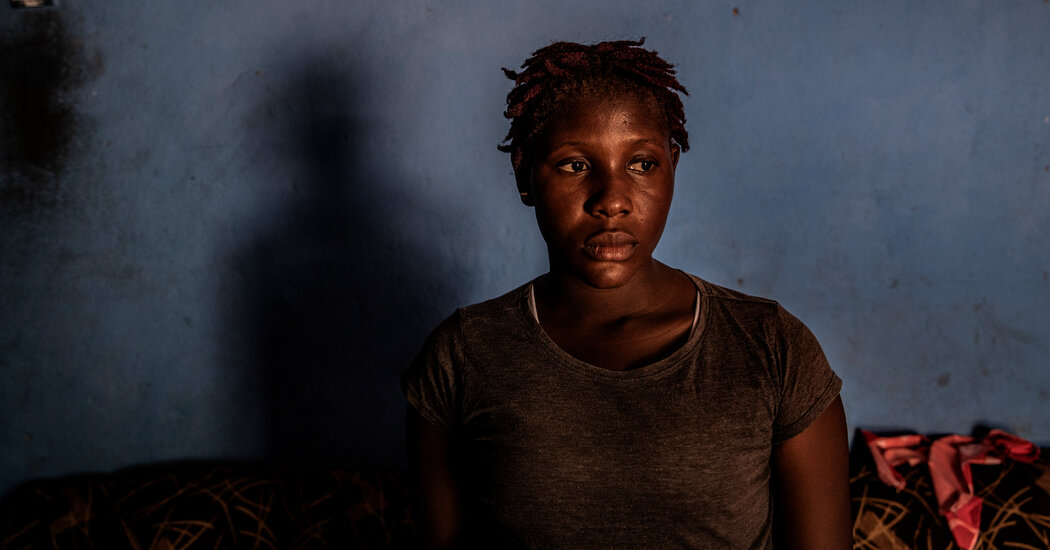
Sierra Leone is one of a few countries in sub-Saharan Africa that have not banned cutting. Now, young women are defying mothers and grandmothers by refusing to undergo the procedure.KAMAKWIE, Sierra Leone — When Seio Bangura’s final high school exam results arrived not long ago, she learned she had earned grades high enough to get into college. It was a thrilling moment for the daughter of farmers who never finished primary school. But Ms. Bangura is not making plans for university. Instead, she spends most days siting on a bench, watching others head to class or work.Ms. Bangura, 18, left home almost five years ago, after her parents gave her a choice: to be initiated in a ceremony centered on genital cutting, or leave. The ceremony allows entrance to bondo, or “the society,” a term for the gender-and-ethnicity-based groups that control much of life here.“My mom said, ‘If you won’t do bondo, you have to go,’” Ms. Bangura said, her voice low but her chin defiantly raised. The choice cut her off from her family’s financial support and left her unable to pay for further education or to marry.For more than two decades, there has been a push across the developing world to end female genital cutting, a centuries-old ritual tied up in ideas of sexual purity, obedience and control. Today, Sierra Leone is one of only a few countries in sub-Saharan Africa that have not banned it. Cutting is still practiced by almost every ethnic group in every region of the country. But the practice is now at the center of intense debate here.Progressive groups, many supported by international organizations, are pushing to ban cutting, while conservative forces say it is an essential part of the culture that is practiced across tribal and religious lines.As that battle plays out in the media and in parliament, growing numbers of girls and young women like Ms. Bangura are taking the matter into their own hands. It is an act of defiance almost unimaginable a generation ago: They are refusing to participate in initiation, telling their mothers and grandmothers they will not join bondo.More than 90 percent of women over 30 in Sierra Leone have undergone genital cutting, compared with just 61 percent of those ages 15 to 19, according to the most recent household survey on the subject, conducted by UNICEF in 2019. The practice is normally carried out on girls at the onset of puberty, although there are areas of the country where it is done on girls who are much younger.Refusing bondo comes at great social cost. Women who have not joined are, by custom if not by law, not permitted to marry; to represent their communities in religious or cultural events; to participate in celebrations or funerals; or to serve as chief or in parliament. A “bondo devil,” a key figure in women’s rituals, in Port Loko, Sierra Leone.Finbarr O’Reilly for The New York TimesIn most cases, the initiation involves excision of the clitoris and labia minora with a razor by a senior society member called a sowei, who has no medical training but is believed to be spiritually powerful. The ceremony is carried out in women-only encampments, which were once rural but are now sometimes in towns, known as the “bondo bush.”Laws against cutting have had uneven enforcement and mixed results. Some countries, such as Egypt and Ethiopia, have seen rates fall dramatically. But in others, such as Senegal and Somalia, the decline has been negligible. Globally, the number of girls at risk of being cut continues to grow, because countries without laws or enforcement against cutting have large and rapidly growing youth populations.The Great ReadMore fascinating tales you can’t help but read all the way to the end.Using the Vatican’s own archives, a soft-spoken scholar has become arguably the most effective excavator of the church’s hidden sins.TikTok choreography, dancing umpires, a ballet-trained first-base coach: The Savannah Bananas, a collegiate summer league baseball team, has amassed a following by leaning into entertainment.There is growing evidence that MDMA — the illegal drug known as Ecstasy or Molly — can significantly lessen or even eliminate symptoms of PTSD when the treatment is paired with talk therapy.While Sierra Leone has one of the world’s highest rates of cutting, it is also one of the few places where the practice seems to be showing a sustained decline, as more and more young women resist.Every morning as she gets ready for school, Isha Kamara and her grandmother, Hawa, debate bondo. Hawa Kamara says it is high time for Ms. Kamara to be initiated. Ms. Kamara, 20, who is in her last year of high school and wants to manage a bank one day, says she’s not interestedAll her life, Ms. Kamara, who has lived with her grandmother since she was orphaned as a small child, has heard about the plans for her initiation. But after she read about cutting in a magazine and heard lectures at school — “They told us that anything God put on our bodies belongs there and should stay” — she started saying she would not join the society.Her grandmother warned she’d have no friends. Ms. Kamara said her friends were also planning to refuse initiation. Her grandmother warned that she would die single and lonely; Ms. Kamara said she expected plenty of people would want to marry a bank manager.Her grandmother tried bribery and promised new outfits. Ms. Kamara just cocked an eyebrow at that one.The nagging is most fierce on the days when the sounds of the traditional drums echo through Port Loko for an initiation. Ms. Kamara has offered to do a no-cutting bondo, a practice being promoted by some feminist groups, but her grandmother has said that is worthless.Only one counterargument has found any resonance: “It’s a lot of money,” Hawa Kamara said, referring to the cost of the ceremony. A family must pay the sowei who leads the rites, and stage a feast or contribute to a community celebration. “I suppose we could spend it on her studies rather than calling people to come for a feast that will be eaten up quickly,” she said.Isha Kamara, 20, is not interested in the ritual and wants to go to college and manage a bank.Finbarr O’Reilly for The New York TimesWhile big international organizations such as UNICEF and U.N. Women are driving the push to end cutting, the views of many girls and young women are being influenced by homegrown activism. Radio shows, billboards and traveling drama groups have spread the message that cutting is dangerous, can cause serious difficulties for women in childbirth, undermines their sexual health and violates human rights. Ms. Bangura, who has been living with the family of her friend Aminata since she left her family home, heard the message that cutting was dangerous from her pastor at church and from a teacher at school. Most of her friends were eager to join bondo, she said, but, like her, some were hesitant, and they discussed it quietly among themselves. This is a significant change from years past. Everything about the society is meant to be secret, and breaking the taboo of discussing what happens there, including the initiation rites, is said to bring the risk of a curse.The problem, Ms. Bangura discovered, is that social change does not happen fast, or neatly.Ms. Bangura, with Kai Samura and her newborn, whom she is staying with in the town of Kamakwie, after being forced from her home village.Finbarr O’Reilly for The New York TimesKai Samura, who owns the house where Ms. Bangura stays now, said she thought Ms. Bangura’s family was overreacting. “If they abandon her because she refuses, it’s unjust,” she said.Ms. Samura, 39, underwent initiation at age 8, but has told her own daughters they are free to choose, and should wait until they are 18 to decide. (Her husband is a vehement opponent of the practice, but says the affair is a woman’s domain.)She reckons she and her husband are less rigid about bondo because they live in a town and social controls are more lax, but she understands the village view:Getting a daughter initiated is crucial for the family’s social status, and for the girl’s own future.“People don’t hate their kids,” said Chernor Bah, who runs Purposeful, a feminist advocacy organization in Freetown that works to end cutting. “They are making what they perceive as a rational, best-interest decision for the lives of their children.”A proposed amendment to the Child Right Act, which has been under review by Sierra Leone’s Ministry of Gender and Children Affairs, would codify cutting as a “harmful practice” and make it illegal to perform the procedure on girls under 18. This is far less than the outright ban than many opponents want. But the path to outlawing the procedure is not a clear one. Powerful individuals and institutions continue to champion the practice — some overtly, some discreetly — on the grounds that it is a key part of Sierra Leone’s culture and values. They often bolster the claim with the assertion that the anti-cutting movement is a Western import, an attempt to erode traditional values and a push to promiscuity.Sierra Leone’s first lady, Fatima Bio, a powerful political figure with a public profile as high as her husband’s, has said publicly that she underwent cutting and that she has seen no evidence that it is harmful, but when confronted by activists she agreed to give the issue further study. Haircare in the village of Fonkoye in northern Sierra Leone.Finbarr O’Reilly for The New York TimesSierra Leone’s education minister, David Moinina Sengeh, said in an interview that he was “not aware” if education about cutting was part of the national curriculum and that he did not feel the subject should be addressed in schools.“I don’t control what people do at home,” he said.His position is emblematic of the contested ground of cutting. Mr. Moinina Sengeh, who holds a Ph.D. from the Massachusetts Institute of Technology, is known as one of the most progressive figures in Sierra Leone’s government. He is credited with ending a ban on pregnant girls attending school. On cutting, however, he will not take a position. The curriculum should not “be making a moral decision on whether something is good or right” and should not say, “Get cut or don’t get cut,” he said.Politicians seeking votes often volunteer to pay for a mass initiation in a community — even politicians who have publicly opposed cutting, said Naasu Fofanah, a prominent Freetown entrepreneur and deputy chair of the progressive Unity Party. She said that several years ago, when she was advising a former president, Ernest Bai Koroma, on the issue, she successfully convinced most sowei leaders to endorse a ban on cutting children, which, she said, would have been a major step forward. But activists seeking a full ban blocked the move, she said.Ms. Fofanah herself underwent the cutting at age 15 and remembers the pain and shock of the actual procedure (about which she had no forewarning). But she also said it was, overall, a positive and affirming ritual.Girls’ school uniforms hung to dry on a laundry line in the Congo Town area of Freetown.Finbarr O’Reilly for The New York Times“It was a beautiful experience for me,” she said, recalling her grandmother leading dancers in celebration of her transition into womanhood, and being told “that nobody’s ever going to speak down to you. You’ve now become this woman.”It wasn’t hard to reconcile what had been done to her body, because she knew her mother, her grandmother and her aunts had all been through it as well. “So you endure, and you’re just like, ‘OK, that’s done, let’s get on with it,’” she said.Still, Ms. Fofanah, who studied bondo initiation for her masters thesis at the University of Westminster in England, did not take her own daughters for initiation and talked a niece out of it, telling her she “didn’t need it” because the family had sufficient resources to open other paths for her. Yet, she felt a blanket ban was ill-conceived.“If we are saying, when it comes to this practice, women cannot express themselves and say, ‘I am 18 or I’m 21 or I’m 30, it’s my culture, I’m going to’ — where do human rights meet my rights as a woman?” she said. “Are you saying I’m not capable of making an informed decision, of saying I want to go through this practice?”UNICEF surveys have found that the proportion of women who think that cutting should stop is rising steadily; in the most recent survey it was nearly a third, and the opinion was held across education levels. But even women who said they thought cutting should end often also said they would send their own daughters to bondo; the top reason they gave was “social acceptance.” In a third of couples, women wanted the practice to continue while their husbands said it should be ended.When Sierra Leone experienced an epidemic of Ebola virus from 2014 to 2016, the government temporarily outlawed the practice, and traditional and faith leaders helped promote the ban. It has since ended, but activists said it made a space for a public conversation about bondo that had never existed before, and likely contributed to a rise in young women resisting.A number of anti-cutting groups in Sierra Leone have been trying to build support for an alternative process, what they call a “bloodless rite,” that preserves the instruction about the role and responsibility of women but does not include cutting. This approach also has the advantage of preserving an income stream, and social power, for soweis.Kadiatu Bangura, with her daughters Adama, left, and Mariama, inherited the role of sowei but was convinced by her eldest daughter, Zeinab, to quit.Finbarr O’Reilly for The New York TimesKadiatu Bangura inherited the role of sowei and estimated that she cut more than 100 girls in the town of Port Loko before her daughter Zeinab, who is now 22, asked her to quit. Zeinab heard anti-cutting messages at church and confronted her mother, shocked that this was the core of the role her mother was esteemed for holding.Kadiatu Bangura said she tried to help her daughter see the whole picture: “The bad side is the cutting — but the good side is there is dancing and celebrating and they drum for you and when you lead, they follow.” There was community and a sense of shared values in the society, and the rites without cutting did not have the same power, she said.Nankali Maksud, who leads work on the subject for UNICEF globally, said that the public conversation about cutting in Sierra Leone, and in other countries where the practice has prominent proponents, had evolved. “As people get more educated they are challenging the blanket ‘F.GM. is bad’ messaging,” she said, using an acronym, often used by opponents of the procedure, for female genital mutilation. “UNICEF has had to regroup. We’re now having to be much more clear: We mean in children. We don’t mean in women. Women should have a right to be able to do what they want to do with their bodies.”In other countries where cutting is practiced in some communities but not in others, girls can find it easier to leave home, she said. In Kenya, for example, there are shelters and organizations that support girls who resist cutting. Sierra Leone, where the hegemony of bondo is still entrenched, has nothing of the sort.That leaves young women who resist the ritual, such as Seio Bangura, reliant on charity when they find it, or, often, turning to commercial sex work as one of the few ways a woman on her own can earn a living. Ms. Bangura sometimes sells nuts and cakes in the market, trying to save enough from the dollar or two she earns every week to pay for college. She goes to church. Mostly, she sits, waiting for Sierra Leone to catch up to her.

Read more →

Major tampon makers pledge to tackle US shortages

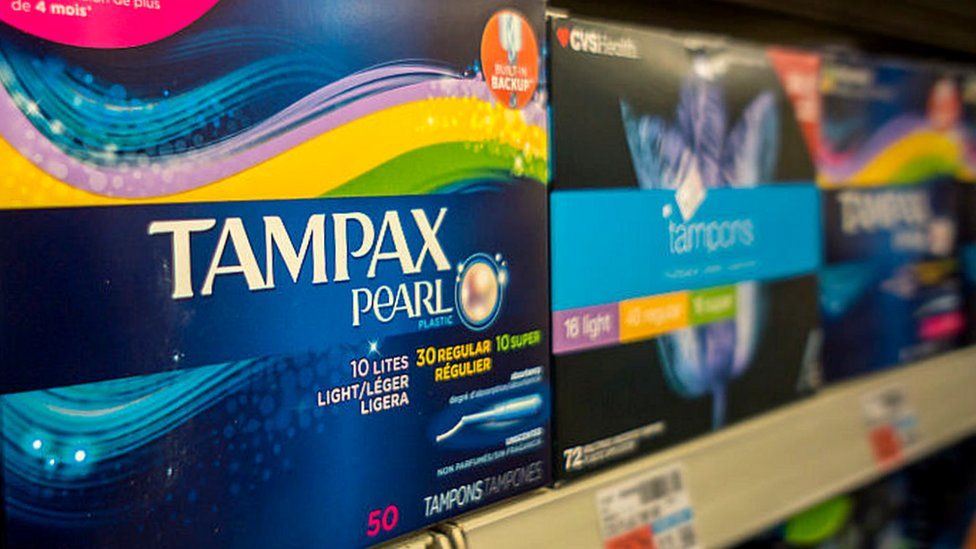
SharecloseShare pageCopy linkAbout sharingImage source, Getty ImagesMajor tampon manufacturers in the United States have pledged to make more of the sanitary products to address shortages in the country.One firm told the BBC the pandemic had caused staff shortages at its plants.Social media users have been posting about their experiences as they struggle to find sanitary products.One Reddit user said they visited eight stores to find tampons with a cardboard applicator, before deciding to buy them online “at a noticeable mark-up”.It comes as the war in Ukraine is making the raw materials used in sanitary products more costly.The shortage is also adding to concerns that supply chain disruptions could further push up prices for essential goods around the world.A spokesperson for Edgewell Personal Care, which makes Playtex and o.b. tampons, said that its stocks have been “impacted due to extensive workforce shortages caused by two separate Omicron surges in the US and Canada in late 2021 and early 2022, respectively”.”We have been operating our manufacturing facilities around the clock to build back inventory and anticipate returning to normal levels in the coming weeks,” the spokesperson added.Online groups hunt for baby formula during US shortageStudent gives period pads to Ukrainian refugeesMeanwhile, Procter & Gamble (P&G), the maker of the Tampax tampon brand, said in a statement that it was “working hard to ramp up production”.”We can assure you this is a temporary situation,” said the company, which sells around 4.5bn boxes of tampons globally each year. P&G’s chief financial officer, Andre Schulten, said at a recent earnings call that it has been “costly and highly volatile” to acquire raw materials such as cotton and plastic for tampons.”It is so important at this point for people to buy only what they need. I am not a supply chain expert but we know that some of the shortages we all experienced early in the pandemic were due to hoarding,” Elise Joy, the co-founder and executive director of US charity Girls Helping Girls Period, said.”Menstrual products are not a luxury item, and if we all take or buy what we need it will go a long way to making sure more people can get basic supplies,” she added.A spokesperson for the US pharmacy chain Walgreens told the BBC that it was “experiencing some temporary brand-specific tampon shortage in certain geographies”. “While we will continue to have products at shelf and online, it may only be in specific brands while we navigate the supply disruption,” the spokesperson added.You may also be interested in:This video can not be playedTo play this video you need to enable JavaScript in your browser.More on this storyOnline groups hunt for baby formula during US shortageUS mothers warned against DIY formula amid shortageCharities call for menstrual leave for severe painStudent gives period pads to Ukrainian refugees

Read more →

Bipolar disorder: The group changing attitudes about the condition

SharecloseShare pageCopy linkAbout sharingImage source, Getty ImagesLiving with bipolar disorder is not easy. Many people do not understand the condition and patients suffer discrimination as a result. An online community in India is now trying to change such attitudes, writes Urvashi Sarkar. Vijay Nallawala was 40 when his family noticed that something was not quite right with him. “I would suddenly be euphoric. And then I would abruptly plunge into depression, getting up in the wee hours of the night and writing extremely dismal poetry. The swings were very abrupt,” he says. This wasn’t the first time though – Mr Nallawala says he first started to experience such symptoms when he was 14. “But nobody quite knew what was the problem, except that something was amiss.” The women abandoned due to mental illnessThis time he sought medical help. In 2003, he was diagnosed with bipolar disorder – a condition that makes people go through extreme mood swings. People can suffer episodes of depression – which make them feel very low or lethargic – or mania – where they feel high and overactive. Mr Nallawala, now 60, has been stable for the “last five or six years”, he says. But his struggles made him realise the need to create awareness about the condition. In 2012, he began blogging about it. A friend then encouraged him to set up Bipolar India, a website which creates awareness about the disorder, collates mental health resources and gives others with the condition a platform to share their experiences. Today it has over 500 members.Image source, Vijay NallawalaAt least 0.3% of Indians live with bipolar disorder, data from India’s National Mental Health Survey 2016 shows. But stigma and lack of awareness around it continue to have a devastating impact on the lives of patients who routinely face discrimination.A dearth of qualified professionals – India has just 0.75 psychiatrists per 100,000 people – makes matters worse. Nine years after he set up Bipolar India, Mr Nallawala spends a chunk of his day checking messages on the community’s main Telegram group. It has members from all big cities including Mumbai, Delhi, Bengaluru, and Chennai and regularly organises in-person meets. Mr Nallawala says he wanted to build a sense of community and offer emotional and sometimes financial support to those living with the condition. Why an Indian housewife kills herself every 25 minutes”Our community could actively avert four suicide situations though we aren’t trained as suicide gatekeepers. In one instance, we managed to raise funds for someone who needed urgent hospitalisation,” he says.Patients often suffer because of the lack of access to healthcare. India’s laws make it mandatory for insurance companies to provide coverage for mental illnesses. But firms rarely do that, Mr Nallawala says. Bipolar India has tried to bridge the gap. The group has launched a programme which connects its members to organisations that are willing to offer them jobs. “We firmly believe that recovery from mental illness is incomplete without rehabilitation,” Mr Nallawala says.Image source, Getty ImagesThe group has helped people such as Tripti Mishra, 57, who had to see 13 doctors before she found someone who could explain the disorder to her. “I don’t think [the earlier doctors] were really listening. I wanted to know what was happening to me and why it was happening,” says Ms Mishra, who lives in Durgapur city in West Bengal state. A retired professor of computer science, Ms Mishra still considers herself lucky – she says she had an extremely supportive family.She says that joining Bipolar India changed her life. “I realised I am not alone and this is a powerful feeling. I could talk to other people, discuss coping strategies, and share mutual fears, guilt, and insecurities,” she says. “In families, these feelings may not be completely accepted or acknowledged.”‘I want to give my autistic son a voice’The group is also open for caregivers to join. Mumbai-based Venkateshprasad Narayan Iyer and his wife are caregivers to their 31-year-old daughter who is bipolar with schizoaffective disorder. They joined BipolarIndia because they felt that they “have to take care” of themselves.”We realised that apart from dealing with the emotional, spiritual and financial crisis of your child, we have to take care of ourselves. The caregiver also falls into depression but needs to have continued love and compassion for their child and also a zest for living,” Mr Iyer says. Image source, Venkateshprasad IyerBut this is hardly easy in the absence of reliable, affordable institutional facilities to help take care of patients, especially when they are experiencing particularly low phases. This means that there is no respite for caregivers, who also worry about the future of the people they love. Debashish Ghosh and his wife Supriya (names changed), based in Gurgaon city, have been full-time caregivers for 15 years to their 38-year-old daughter who has schizophrenia. But they still find it hard to come to terms with their daughter being “a little different from others”. “She desires a career, marriage and child but her fluctuating moods prevent her from stability. She cannot earn despite wanting to. Who will take care of her after us?” Mr Ghosh asks.The couple say that ever since their daughter was diagnosed, they have avoided meeting friends and families, afraid they would judge her. Experts say people with mental illnesses are stigmatised because references to bipolar disorder and schizophrenia are still rare in India.”There is more openness and acceptability about depression than before. But depression is spoken about in a generic sense and people may not really understand the illness being discussed,” says Dr Milan Balakrishnan, a consultant psychiatrist and former secretary of Bombay Psychiatric Society.Dr Balakrishnan says initiatives like Bipolar India can go a long way in changing such attitudes. “Such groups have a powerful impact because they provide support and checks in different situations, say if medication is stopped, or if people are experimenting with substances that can trigger relapses. Caregivers burn out very fast,” he says. “The group offers a beacon of hope for these communities.”More on this storyThe women abandoned due to mental illnessWhy an Indian housewife kills herself every 25 minutes’I want to give my autistic son a voice’

Read more →

Vaping – is it a risk-free option?

SharecloseShare pageCopy linkAbout sharingImage source, Izzy EspositoThey are brightly coloured, easy-to-use and come in flavours from cotton candy to blue raspberry – disposable vapes are surging in popularity. They’re also a major part of the government’s plan in England to get the remaining six million smokers to quit by 2030.So how safe is vaping, particularly for young people who have never smoked?Izzy Esposito, 18, from Borehamwood, started vaping last summer when all her friends tried it out, and she now vapes at all hours of the day.”I can just sit in bed and vape and be on Facetime to my friends at the same time,” she says.”It’s always in my hand, so you just do it all the time.”It got to the point where I was getting through two vapes a week, with 3,500 puffs in each.”Izzy recently had to cut down after her gums started bleeding and she got sores in her mouth and on her lips.”I didn’t want to brush my teeth because it was that painful,” she says.Image source, Getty ImagesDisposable vapes are the latest trend in vaping. They are cheaper than a pack of cigarettes and can be used straight from the packet. Once finished, they’re thrown away. Izzy is attracted by the colours and the flavours, and the fact she can buy one to match her outfit on a night out.She used to smoke occasionally at weekends, but she finds vaping a lot more convenient.”I vape so much more than I ever smoked. On a night out I could get through a whole vape.”E-cigarettes have helped many thousands of people stop smoking by removing the dangerous and toxic tobacco smoke from their habit, giving a huge health boost.But the e-cigarette vapour which is inhaled can still contain small amounts of chemicals, including nicotine, which could carry risks of their own. Scientists just haven’t worked out what they are yet.There is concern that young people are taking up vaping because they see it as completely risk-free.’Madness’Prof John Britton, honorary professor at the University of Nottingham, who advised the government on its recent report on ending smoking, says: “It’s inconceivable to say that vaping is safe, it is a balance of risks.”If you don’t use nicotine in any shape or form, it is madness to start vaping.”Prof Britton anticipates that in 40 or 50 years’ time, we will start to see people developing lung cancer, chronic bronchitis and other serious lung conditions as a result of their vaping.But those numbers are likely to be small – and far smaller than the health issues caused by smoking. The latest data shows most teenagers aren’t vapers – only 11% of 11-17 year olds tried it in 2021. But new data for 2022 hasn’t been published and some are predicting a rise.University College London (UCL) research estimates that there are 74,000 e-cigarette users aged 16 to 17 in England alone.And another UCL study suggests disposable vapes are soaring in popularity among 18-year-old vapers, with more than half now using the products.Image source, Getty Images”So what you’ve got is young people and teenagers who are probably experimenting with them, but they don’t become long-term users,” says Prof Linda Bauld, professor of public health at the University of Edinburgh.Before, they might have become teenage smokers which would have been far more harmful, but she says more should still be done to protect young people. The UK has some of the strictest e-cigarette regulations in the world. Almost all forms of e-cigarette marketing are banned, the amount of nicotine in the product is limited and only those aged 18 and over can buy them legally.”It’s important we keep these vaping products away from young people, because they’re not products for them,” says Prof Bauld.’Sore throat so bad’Megan Munday, 18, started using vapes to cut down on cigarettes, and found the flavours “quite addictive”.She said the vapes left her hardly able to talk “and gave me a sore throat so bad that it felt like I was being stabbed in the back of the throat when I swallowed”.”It was that bad that I had to take time off of work because of it,” she says, adding that she has stopped using them.Image source, Getty ImagesDentists say they are seeing some side effects of vaping, such as bad breath, ulcers, soreness in some areas and a dry mouth. This could lead to a lack of saliva and, potentially, tooth decay. Bleeding gums can happen after people stop smoking as blood circulation improves, often at the same time as starting vaping. It shows the gums are coming back to life and isn’t necessarily a bad sign. So far, dental experts say nicotine seems unlikely to be a big factor in cancer or gum disease.Prof Richard Holliday, senior lecturer and honorary consultant in restorative dentistry at Newcastle, said: “We’re still monitoring this and we don’t have all the answers, but there’s nothing hugely worrying coming out so far.”‘Potentially more harmful’Not everyone is so reassured, though.David Thickett, professor of respiratory medicine at the University of Birmingham, is worried about the effects of delivering high doses of nicotine to the lungs through vaping.Although nicotine gums and patches have been used for many years to relieve cigarette cravings and are considered safe, he can’t be so sure about nicotine in vaping.”That means it’s potentially more harmful in the way that it’s delivered with a vape,” Prof Thickett says.In a study mimicking vaping in the lab, it was found to damage important immune system cells in the lungs, and cause inflammation.More research is needed on people who vape to confirm the findings, but some of the effects were similar to those seen in regular smokers and people with chronic lung disease.Prof Thickett warns that vapers don’t always receive enough support to wean themselves off nicotine after switching to e-cigarettes.He said e-cigarettes were safer than traditional cigarettes, but they could still be harmful in the long term and research was still in its early stages.More on this storyUnderage teens sold e-cigarettes and vape liquidVaping nearly killed me, says British teenagerE-cigarettes may be offered on NHS in world firstRelated Internet LinksUsing e-cigarettes to stop smoking – NHSStop smoking treatments – NHSThe BBC is not responsible for the content of external sites.

Read more →

Battles Over Birth Control in Missouri Foreshadow a Post-Roe World

The demise of Roe v. Wade would make the need for effective birth control more urgent than ever. Yet many American women still have a hard time obtaining it.ROLLA, Mo. — For more than half a century, Tri-Rivers Family Planning has operated on a shoestring budget, providing contraceptives, pregnancy testing, treatment for sexually transmitted diseases and other reproductive health care to a mostly low-income and female clientele here in the Ozark Mountains.The clinic has never performed abortions. But with the Supreme Court widely expected to revoke the constitutional right to abortion that it established in Roe v. Wade, its work has never been more essential — and its nurse practitioners and patients have never felt more threatened.Last year, the Republican-led Missouri Senate voted to ban taxpayer funding for two common methods of preventing pregnancy: intrauterine devices and emergency contraception — the so-called morning-after pill, also known as Plan B — which many abortion opponents regard as “abortifacients” because they can prevent a fertilized egg from implanting in a woman’s uterus. Lawmakers later abandoned the effort, but some have indicated that if Roe falls, they may try again.“The attacks are relentless — any little angle they can chip away at what we do, they are doing it,” said Lisa Ecsi Davis, the clinic’s director of operations, who has worked at Tri-Rivers for 30 years. “It’s exhausting.”The demise of Roe would make the need for effective birth control more urgent than ever. Yet nearly six decades after the Supreme Court guaranteed the right to use contraception, and more than 10 years after the Affordable Care Act mandated that private insurers cover it, many American women still have a hard time getting access.Lisa Ecsi Davis, the director of operations, has worked at the clinic for 30 years.Whitney Curtis for The New York TimesFunding for Title X, the federal safety net program that helps finance family planning clinics like Tri-Rivers, has been flat for more than a decade. Private insurers do not always cover the full cost of contraception, despite the A.C.A. requirement. Six states allow pharmacists to refuse to fill birth control prescriptions for religious or moral reasons, without taking steps to help patients get them filled elsewhere.“This is our daily life,” lamented Rachel Goss, the executive director of the Family Planning Council of Iowa, which administers Title X grants in that state. “You’re fighting this constant uphill battle just to provide safe — and right now, legal — care.”Congressional Democrats, sensing a potent political issue in the upcoming midterm elections, are pushing to expand access to birth control.Last week, they introduced legislation to require insurers to fully cover any F.D.A.-approved birth control pills, including emergency contraception, which costs as much as $50 over the counter — far too much for those struggling financially. Read More on the U.S. Abortion DebateEvolving Language: As they fight for abortion rights, progressive groups and organizations are adopting more inclusive terms, such as “pregnant people” and “cheastfeeding.”Sports: The end of Roe v. Wade could have far-reaching implications for college athletes across the nation — and Oklahoma’s mainstay softball championships in particular.Without Exception: While most of the population supports carve-outs allowing abortions in cases like rape or incest, many of the bans that would go into effect after Roe do away with them.Mental Health: Anti-abortion groups argue that having an abortion can affect a woman’s mental health. But a new study shows that being denied one can be more harmful.But some Republicans on the far right have sought to broadly limit access to emergency contraception, which prevents pregnancy when taken within several days of unprotected sex.“The idea that we might now be facing fights on contraception is something that is very hard to wrap your head around,” said Elizabeth Nash, an expert in state policy at the Guttmacher Institute, a research group that supports abortion rights. If abortion opponents persuade lawmakers to define pregnancy as starting at fertilization, she said, it “could cause complications in being able to provide contraceptive care.”Texas already bars its state family planning programs from paying for emergency contraception. Missouri, one of 13 states with “trigger laws” that would immediately ban abortion if Roe is overturned, is becoming another front in the battle over birth control — and may foreshadow what is to come in a post-Roe world.In February, it became the fourth state — after Arkansas, Mississippi and Texas — to eject Planned Parenthood, a major provider of birth control nationally, from its Medicaid program. Planned Parenthood has asked the Biden administration to intervene, saying the move violated federal law. A spokeswoman for the federal Centers for Medicare and Medicaid Services said the agency was “considering the policy options within its authority.”Pamphlets for family planning were displayed at the clinic.Whitney Curtis for The New York TimesIn the meantime, Medicaid patients must find care elsewhere — and often endure long waits for appointments, said Michelle Trupiano, the executive director of the Missouri Family Health Council, the nonprofit that administers Title X grants in the state.Here in Rolla, a small city of about 20,000 people that sits along historic Route 66, Hailey Kramer, the chief nurse practitioner at Tri-Rivers, said her patients make clear that birth control is a deeply personal decision.Kaitlyn Ball, 24, became pregnant while taking birth control pills and now has a 3-year-old; she does not want to get pregnant again. After consulting with Ms. Kramer, she got an I.U.D.Taylor Gresham, a 25-year-old dancer, has been a patient at Tri-Rivers since the summer before her senior year in high school, when she discovered she was pregnant. After she got an abortion, the clinic provided her with Depo-Provera. Her mother thought it was a good idea, she said, because “a high school kid is probably not going to take a pill every day.”After she graduated, Ms. Gresham opted for an I.U.D.; more recently, she started taking birth control pills again. “I’m on a better routine with my life,” she explained.In 1965, in a case that provided the legal blueprint for Roe, the Supreme Court declared that married couples had a constitutional right to use contraception. Its decision in the case, Griswold v. Connecticut, established a right to privacy that the court said was implied, if not delineated, in the “penumbras” of the Constitution — the same rationale it invoked eight years later in Roe.Kaitlyn Ball, 24, became pregnant while taking birth control pills. After consultation she got an I.U.D.Whitney Curtis for The New York TimesGriswold put contraception at the forefront of the national conversation at a time when policymakers were focused on ending poverty; in 1969, President Richard M. Nixon declared that “no American woman should be denied access to family planning assistance because of her economic condition.” Title X was established by Congress the next year to help pay for the care that so-called family planning clinics provide to low-income patients, who are charged fees based on family size and income.Old newspaper clippings show that Rolla’s mayor came to the ribbon-cutting when Tri-Rivers — initially an affiliate of Planned Parenthood — was founded in 1971, and more than 100 Rolla merchants made donations to get the clinic going.Last year, Tri-Rivers cared for more than 1,800 patients, more than half of whom were uninsured. The clinic gets $250,000 a year, just under half its total budget, in Title X dollars — an amount that has “stayed the same for many years,” said Toni Stubblefield, its president and chief executive.The clinic, which serves roughly a 10-county area and sits halfway between St. Louis and Springfield, once had two satellites. One closed years ago, the other last year, a victim of tight budgets and Covid-19.The State of Roe v. WadeCard 1 of 4What is Roe v. Wade?

Read more →