Breast duct treatment for early breast cancer eliminates all signs of disease in laboratory experiments

Delivering a targeted immunotoxin into breast ducts via openings in the nipple wiped out all visible and invisible precancerous lesions in laboratory studies, led by researchers at the Johns Hopkins Kimmel Cancer Center, of very early stage breast cancers.
A description of the work performed on mice, which the authors say provides a strong pre-clinical foundation for conducting feasibility and safety trials with patients who have stage 0 breast cancers, is published in the June 8 issue of the Proceedings of the National Academy of Sciences.
Stage 0 breast cancer, also known as ductal carcinoma in situ (DCIS), is characterized as the presence of abnormal, precancerous cells inside milk ducts in the breast, and it affects about 69,000 women each year in the United States. Many women have breast removal surgery and radiation treatments for these very early cancers, and in some cases, they receive chemotherapy or hormone therapies, says senior study author Saraswati Sukumar, Ph.D., a Johns Hopkins professor of oncology and pathology.
“In our research, we proposed an alternative treatment in which injecting the immunotoxin drug through the duct could result in cleaning out the DCIS,” says Sukumar. “To our big surprise, the drugs killed every single lesion present in that breast duct. I had never seen such dramatic results in my life.”
During their investigations, the researchers first assessed the cell-killing effects of HB21(Fv)-PE40, a targeted immunotoxin, in four cell lines of different molecular subtypes of breast cancer. The toxin consists of HB21, a monoclonal antibody — a protein that can bind to a specific target (in this case, to the human transferrin receptor, a carrier protein found in breast cancers). HB21 is fused to PE40, a fragment of a bacterial toxin that halts protein production in the cells and leads to cell death. Results showed that the treatment induced strong cancer-killing effects in all cell lines. The researchers also administered the treatment to about 10 mice to look for toxins circulating in the blood after treatment, and found no toxins five to 30 minutes after injection.
Next, they injected HB21(Fv)-PE40 into the breast ducts of two mouse models of DCIS: MCF7 and SUM225. In MCF7 mice, the treatment was given once per week for three weeks. Treatments were followed up with noninvasive imaging. To compare, they also administered the treatment into the body and delivered the HB21 antibody alone into the ducts in some of the mice. The two models represented all of the classifications for common types of human breast cancers: estrogen and progesterone receptor-positive and human epidermal growth factor receptor 2 (HER2) negative, estrogen and progesterone receptor-negative and HER2-positive.

Read more →

Biomarkers found that could be drug targets against a deadly form of brain cancer

Biomarkers that could be targets for novel drugs to treat glioblastoma brain tumors have been identified by investigators at Georgetown Lombardi Comprehensive Cancer Center, providing hope for a cancer that is highly lethal.
Currently, the drug most often used to treat glioblastoma, temozolomide, is uniquely able to cross the blood/brain barrier to attack the tumor but resistance develops rapidly, and many patients do not survive for more than a year after diagnosis. This new finding provides early evidence that there may be a benefit in targeting specific alterations in cancer cells with newer agents once a patient’s tumor becomes resistant to temozolomide.
The finding appeared June 22, 2022, in Science Advances.
“As a field, we have struggled to deal with the short-term effectiveness of temozolomide, as many of the drugs used successfully in other cancers are disappointing when they are subsequently tested in glioblastoma clinical trials. One way to deal with this problem is to learn enough about how we can target features that help drug-resistant glioblastoma survive,” says Rebecca B. Riggins, PhD, Associate Professor and Associate Director of Education and Training at Georgetown Lombardi and co-corresponding author of the study. “We focused on the details of how temozolomide damages DNA to help radiation treatments work better. Our team found that temozolomide-resistant glioblastoma relies on a protein called CLK2, and that inhibiting the activity of CLK2 could cause widespread confusion, leading to cancer cell death.”
The targets the researchers identified were alterations in a key structural component of both DNA and RNA, specifically in guanine, one of the four bases that comprise DNA. Modifications to guanine can ultimately have an impact on CLK2, which has been implicated in the aggressiveness of the tumor. Beyond identifying vulnerable modifications, the researchers were able to identify drugs that help stabilize RNA and could potentially slow or stop the resistance that typically develops to temozolomide.
Only about 5% of patients diagnosed with glioblastoma live for five years after diagnosis and median survival is a little over a year; survival rates haven’t changed much since the mid-1970s. Temozolomide (Temodar) has been the standard of care since 2005 in combination with surgery and radiation.
Temozolomide’s targeting of guanine also impacts structures that regulate key cancer-causing genes. If these cancer-causing genes, called oncogenes, could be kept turned off, the drug might have a longer period of activity. Some of this knowledge was gleaned from studies in a neurogenerative disease, Amyotrophic Lateral Sclerosis (ALS), commonly known as Lou Gehrig’s disease. ALS has some features that are similar to glioblastoma, therefore they might also inform new strategies for glioblastoma treatment, the researchers theorized.
“Some of the mechanisms underlying neurodegenerative diseases appear to be relevant to temozolomide resistance in glioblastoma,” says Deanna M. Tiek, PhD, a F99/K00 fellow at the Northwestern University Feinberg School of Medicine and The Robert H. Lurie Comprehensive Cancer Center and co-corresponding author. Tiek was a PhD student in Riggins’ lab when this research began. “This work demonstrates that inspiration and insight can come from places we might not have considered, and that it’s so important to take a risk, do the experiment, and see if you were right or not.”
The investigators are now undertaking studies in small animal models, where they will test to see if the novel CLK2 inhibitor can efficiently enter the brain and shrink temozolomide-resistant glioblastoma. “We are also investigating whether other anti-cancer drugs that attack guanine and are commonly used in triple-negative breast cancer and colorectal cancer, for example, change RNA structures in a similar way, which could make CLK2 inhibition more effective in recurrent, drug-resistant forms of those cancers as well,” concludes Riggins.

Read more →

Scientists identify sensor underlying mechanical itch

Scientists at Scripps Research have identified a protein in sensory nerves that works as a key detector of itch — specifically the “mechanical” itch stimulus of crawling insects, wool fibers, or other irritating objects that touch the skin.
The discovery, published June 22, 2022, in Nature, is the first identification of a sensor for mechanical itch rather than chemically-triggered itch. It could lead to better treatments for itch conditions such as eczema and psoriasis.
“These findings help us untangle the complexity of itch sensation, and suggest that PIEZO1 inhibitors could be very useful clinically,” says study senior author Ardem Patapoutian, PhD, a professor in the Department of Neuroscience at Scripps Research, and a Howard Hughes Medical Institute investigator.
Itch is a distinct sensation with its own nerve circuitry and evolutionary purpose — likely to alert organisms to potentially harmful chemicals, insects and parasites. Researchers over the past decade or so have identified itch-specific subsets of spinal neurons that extend nerve fibers into the skin and are sensitive to chemical triggers of itch such as the allergy mediator histamine. But so far, relatively little has been discovered about the circuitry of mechanical itch.
PIEZO1’s role in mechanical itch was unexpected. Patapoutian won a share of last year’s Nobel Prize for Medicine or Physiology for his lab’s pioneering research on PIEZO1 and its sister-protein PIEZO2. These unique, propeller-shaped “mechanosensor” ion channels are embedded in the outer membranes of many cell types. They become activated when mechanically distorted, opening their ion channels and triggering various downstream events. Since 2010, Patapoutian and colleagues have shown that PIEZO2 is a key mechanosensor for light touch, the feeling of the positioning of the body and limbs, and the urge to urinate — all via nerves in various tissues and organs. By contrast, the researchers have found that PIEZO1 has a variety of non-sensory roles throughout the body, for example in blood vessels and red blood cells.
While their initial studies suggested that PIEZO1 was not expressed in sensory neurons, other recent investigations have suggested that it is expressed at low levels in some subsets of these neurons. In the new study, Patapoutian and his team, including study first author Rose Hill, PhD, a postdoctoral research associate, followed up on this surprising lead.
In experiments in mice, they confirmed that PIEZO1 is expressed, and appears to be a functional, mechanical pressure-sensitive ion channel protein in two different types of sensory neuron that were already implicated in chemical itch. Mice with an overactive form of PIEZO1 were markedly more sensitive to itch sensations. By contrast, mice lacking PIEZO1 in their sensory neurons scratched themselves far less when stimulated on the skin with filaments that normally would trigger strong itch sensations. The researchers also showed that a PIEZO1-blocking compound alleviates scratching behaviors in mice with the equivalent of eczema.
“We did see a dramatic effect on itch with this compound, and though it wasn’t specific enough against PIEZO1 to develop into a drug, we hope eventually to develop a much more PIEZO1-specific compound for treating itch conditions,” Hill says.
Curiously, the absence or enhancement of PIEZO1 activity in mice caused at least a small reduction or increase of scratching due to chemical itch triggers such as histamine — implying that mechanical and chemical itch signals are indeed transmitted in some cases by the same sensory neurons.
The researchers are now investigating whether variants of the PIEZO1 gene in the human population are related to itch sensitivity. The Patapoutian lab published a paper in 2018 showing that a mildly overactive form of PIEZO1, which also has the effect of making red blood cells relatively resistant to malaria parasites, is present in about a third of people of African ancestry.
“PIEZO1 transduces mechanical itch in mice” was co-authored by Rose Hill, Meaghan Loud, Adrienne Dubin, Brooke Peet, and Ardem Patapoutian.
Funding was provided by the Howard Hughes Medical Institute, the National Institutes of Health (R35 NS105067), and the Helen Hay Whitney Foundation.

Read more →

Attitudes around older motherhood too often emphasize risk and pregnancy timing

Cdn policy papers consistently treat older #mothers as problems, highlighting (real) health risks but also presenting them as unnatural and irresponsible reproductive citizensIn current policy texts, medical guidelines and educational materials, the dominant discourse surrounding women who give birth later in life largely focuses on the negatives: the health risks to mother and child, for instance, or the difficulties of being a new parent at an older than optimal age.
That’s the topic of an article published in the journal Health, Risk and Society by Francesca Scala, a professor of political science in the Faculty of Arts and Science. In it, she argues that much of the official language around older motherhood is rooted in both ageism and ableism, as well as being out of step with current childbirth trends. According to Statistics Canada, the average age of childbirth has been rising steadily since the mid-1960s, and more women are giving birth between the ages of 35 to 39 than between 20 and 24. But societal expectations of mothers remain largely unchanged.
Emphasizing the negatives
Scala and her co-author Michael Orsini at the University of Ottawa analysed two dozen English-language policy documents, government reports and professional statements and guidelines containing terms such as “advanced maternal age,” “delayed childbearing,” “older mothers” and “infertility.” Documents dated between 1993 and 2020.
They identified three principal themes in their research: older mothers were considered risky maternal subjects, were unnatural or were irresponsible reproductive citizens.
The researchers don’t deny the biomedical risks that are present in later-in-life pregnancy such as preeclampsia and gestational diabetes. Older women are designated a risk group, and their children are at increased risk of chromosomal abnormalities (though until recently risks associated with advanced paternal age, such as schizophrenia or autism, were rarely mentioned).
More problematic is the idea of older mothers as unnatural. “There is this model of intensive mothering ideology that is pervasive in our society, where motherhood is an all-encompassing role for women,” Scala explains. “It rests on the idea that women are the primary caregivers and are solely responsible for the health and well-being of their children. Older mothers challenge our idea about the ‘good mother’ — someone who is youthful, energetic and has the time and resources to fully dedicate themselves to raising children.”
There is also mention in the texts of the possible negative psychological effects a child may experience in having a mother old enough to be their grandmother. This concern appears in the Canadian Medical Association’s White Paper on Reproductive Technologies. There is little said about the repercussions of advanced paternal age.
“We see a lot of information on government websites about the ideal time for childbearing, from a fertility standpoint, even though studies show that older women are often better prepared to have children,” Scala argues. “They have the financial resources to take care of their offspring and they have relationship stability.”
This presumption of delayed childbearing being problematic or a financial burden on the state can impact access to in-vitro fertilization as well, she says. Certain provinces in Canada will not extend insurance coverage if a woman uses IVF past the age of 42, for example, due to increased risks associated with pregnancy and birth and low success rate of treatment.
“Our goal as social scientists was not to challenge statistics around biomedical risks, but to see if older mothers themselves were being problematized in these discussions,” Scala states.
“Instead of putting the onus on women to adhere to their ‘biological clock,’ I would like to see more discussion about how broader social and economic forces shape women’s path to motherhood. How can we, as a society, support women having children at their ideal time, for example, with accessible daycare, so they are not penalized for having children too early or too late?”
Story Source:
Materials provided by Concordia University. Original written by Patrick Lejtenyi. Note: Content may be edited for style and length.

Read more →

Fights in pro hockey don't deter greater violence, study finds

Allowing fights among players in the National Hockey Leagues does not deter greater violence in the modern game, according to a new study.
In fact, teams and players that fight more often are also responsible for a disproportionate number of violent penalties across the league.
The results refute the arguments by league officials for keeping fighting in the game, said Michael Betz, author of the study and associate professor of human sciences at The Ohio State University.
“The issue of fighting is polarizing within the hockey community and for casual fans. As a former hockey player and a researcher, I wanted to see if the arguments in support of fighting held up,” said Betz, who played goalie as a collegian at Ohio State and briefly as a professional in the ECHL (East Coast Hockey League).
“What I found was that not a single approach I tried yielded any evidence that fighting or even the threat of fighting deters more violent play in the NHL.”
The study was published today (June 22, 2022) in the journal PLOS ONE.
The issue is especially important now with the increased understanding of the consequences of traumatic brain injuries, Betz said.

Read more →

Hormones are linked with sleep apnea, snoring in postmenopausal women

Middle-aged women with low levels of estrogen and progesterone are more likely to snore and to report symptoms of obstructive sleep apnea, according to a new study published this week in the open-access journal PLOS ONE by Kai Triebner of University of Bergen, Norway, and colleagues.
The prevalence of obstructive sleep apnea — in which breathing stops and starts during sleep — is known to be higher in women after menopause. However no population-based study has previously examined whether this is the result of altered sex hormone levels.
In the new study, the researchers analyzed data from 774 women aged 40 to 67 in the European Community Respiratory Health Survey, conducted in seven countries between 2010 and 2012. Women in the study participated in questionnaires on their respiratory health, women’s health factors, lifestyle and sleep, and gave blood samples for hormone analysis.
551 of the women in the study (71.2%) had been told they snored, and 411 of those women also reported other symptoms of sleep apnea. Among all women, a doubling of serum concentrations of estrone was associated with 19% decreased odds of snoring. A doubling of progesterone levels was associated with 9% decreased odds of snoring. Among snorers, a doubling of the concentrations of three estrogens (17β-estradiol, estrone and estrone 3-sulfate) was associated with 17% to 23% decreased odds of women having been told they breathe irregularly during sleep. A doubling of progesterone concentration, among snorers, was associated with 12% decreased odds of having woken with a choking sensation in the previous year.
The authors conclude that adjusting female sex hormones might be a strategy to decrease the high prevalence and associated morbidity of obstructive sleep apnea, but say that further longitudinal studies are required to confirm the findings.
The authors add: “Female sex hormones are crucial for health and disease, and especially after menopause the hormone status should be considered to develop holistic treatment strategies.”
Story Source:
Materials provided by PLOS. Note: Content may be edited for style and length.

Read more →

Covid vaccines are being rolled out to US children under 5

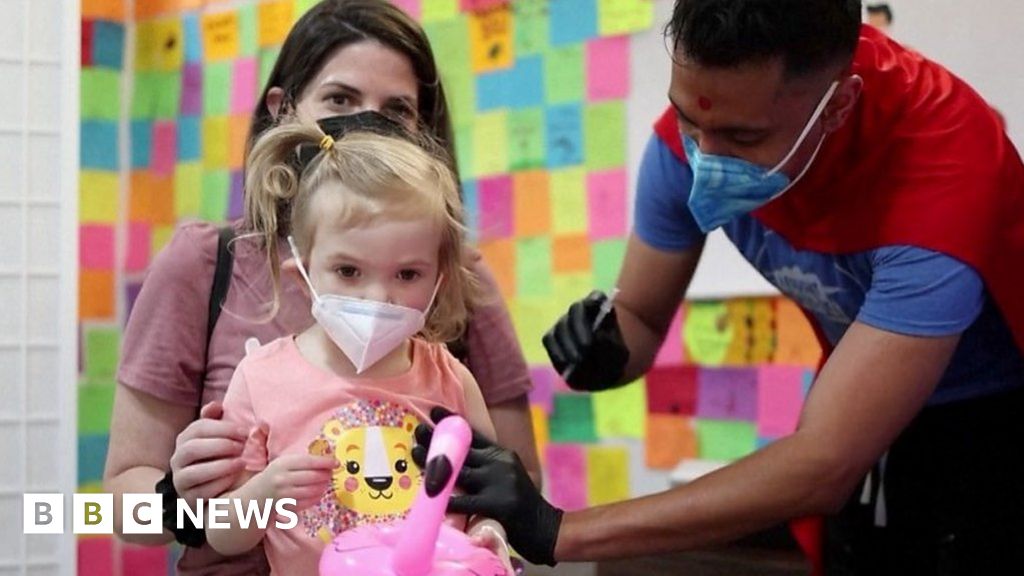
Moderna and Pfizer Covid vaccines – in smaller doses – are now available to about 17 million children in the US after the shots received the greenlight for young children from the Centers for Disease Control and Prevention over the weekend. While some parents are eager to finally get their children vaccinated against Covid-19, others are more hesitant about the jab.

Read more →

Pushing T cells down 'memory lane' may improve cancer therapy

Scientists at St. Jude Children’s Research Hospital identified a molecular mechanism that in a preclinical study unlocked the promise of CAR T-cell therapy for treatment of solid tumors. The results were published today in the journal Nature.
“Our work extends from the basic biology of T lymphocytes to a possible application in the clinic, with an exploration of deep molecular mechanisms along the way,” said co-corresponding author Doug Green, Ph.D., St. Jude Department of Immunology chair. “We found that just like many of us, if you are an activated T cell, things that happen early in your life can impact your later development. We identified that an interaction between the protein c-Myc and the complex cBAF early in T-cell activation influences cell fate trajectory.”
Chimeric antigen receptor (CAR) T cells are a type of immunotherapy that modifies a patient’s immune cells to target cancer cells. This type of therapy has had remarkable success in treating children and adults with leukemia and lymphoma, particularly in relapsed patients. However, CAR T cells have not had the same success against solid tumors, with problems involving persistence and function.
Currently too many CAR T cells become effector cells, those that directly kill infected or cancerous cells. Too few become memory cells that persist and create more T cells over the long term. The researchers believed that if they created more memory cells, they could improve CAR T-cell therapy.
“Effector cells do a job and then die,” Green said. “Memory cells stick around and can generate effector cells (while maintaining the memory cell pool) and therefore they can launch continued attacks. So, we think that memory cells likely do a better job of getting rid of tumors.”
A molecular mystery
The researchers needed to find what guides T cells to become effector or memory types and then use that knowledge to modify the process. The process begins when a T cell is activated by an antigen, such as a piece of virus or cancer-related molecule. That parental T cell divides into two daughter cells, which can become effector or memory cells.

Read more →

New understanding of congenital heart disease progression opens door to improved treatment options

A team of investigators from Texas Heart Institute, Texas Children’s Hospital and Baylor College of Medicine uncovered new insights into the mechanisms underlying the progression of congenital heart disease (CHD) — a spectrum of heart defects that develop before birth and remain the leading cause of childhood death.
The research published in Nature represents the first reported single-cell genomics evidence of unique differences in heart muscle cells and immune systems of CHD patients. Uncovering these key differences and how these diseases progress provides an opening for researchers to devise new ways to treat CHD.
While the eventual outcome of heart failure in CHD is well documented, the underlying cause of declining heart function in these patients is still poorly understood. That knowledge gap in understanding has led to roadblocks in developing new therapies capable of extending a patient’s life.
To address these unanswered questions, Texas Heart Institute and Baylor College of Medicine’s James F. Martin, MD, PhD, collaborated with Iki Adachi, MD, Director of the Mechanical Circulatory Support Program at Texas Children’s and Associate Professor at Baylor College of Medicine, and Diwakar Turaga, MD, PhD, a Texas Children’s Hospital pediatric cardiac critical care specialist and Assistant Professor at Baylor College of Medicine, to profile heart and blood samples from CHD patients. The team studied patients with hypoplastic left heart syndrome (HLHS), Tetralogy of Fallot (TOF) and dilated (DCM) and hypertrophic (HCM) cardiomyopathies undergoing heart surgery.
Dr. Martin is an internationally recognized physician-scientist who has made numerous fundamental contributions to our understanding of cardiac developmental and disease pathways, as well as tissue regeneration.
“Using several exciting new technologies such as single-cell RNA sequencing, we were able to interrogate samples from congenital heart disease patients at the single cell level. One of our goals is to improve the natural history of this terrible disease afflicting children,” said Dr. Martin, Director of the Cardiomyocyte Renewal Laboratory at the Texas Heart Institute and Vivian L. Smith Professor in the Department of Integrative Physiology at Baylor College of Medicine. “There is still a lot of work to do as the team, including co-first authors Drs. Matthew C. Hill, Zachary A. Kadow and Hali Long, heads toward that goal.”
Dr. Turaga is a physician-scientist dedicated to bringing cardiac regenerative medicine therapies to the bedside.
“This is the first step in developing a comprehensive cell atlas of congenital heart disease,” said Dr. Turaga, physician in the Cardiac Intensive Care Unit at Texas Children’s, as well as an expert in genomics and microscopy. “We are creating a roadmap for therapies targeting individual cell types and unique gene pathways in CHD that include both the heart and the immune system, something that had not been reported before. As the technology matures, this will become the standard of care in treatment of CHD.”
Dr. Adachi is a congenital heart surgeon at Texas Children’s Hospital who is specialized in reconstructive surgical procedures of CHD lesions including those analyzed in this study.
“What we achieved with this study is absolutely exciting but represents just the beginning,” said Dr. Adachi, director of the world’s largest pediatric Heart Transplant and Ventricular Assist Device Program. “The collaboration between the extremely sophisticated laboratory at the Texas Heart Institute and the top pediatric heart center at Texas Children’s definitely has the potential to go further.”
The findings of the study not only provide a new roadmap to develop personalized treatments for CHDs, but also provide the scientific community with a critical resource of rare pediatric heart samples that can be used to make further discoveries and deepen our understanding of CHD.
Story Source:
Materials provided by Texas Children’s Hospital. Note: Content may be edited for style and length.

Read more →

After Poliovirus Is Found in London, U.K. Declares Emergency

No cases of polio have been identified so far, but health officials urged those who were not fully immunized to seek vaccines immediately.Health authorities in Britain have declared a national incident after finding evidence suggesting local spread of poliovirus in London.No cases of polio have been identified so far, and the risk to the public is low. But health authorities urged anyone who is not fully immunized against poliovirus, particularly young children, to immediately seek vaccines.“Most of the U.K. population will be protected from vaccination in childhood, but in some communities with low vaccine coverage, individuals may remain at risk,” said Dr. Vanessa Saliba, a consultant epidemiologist for the U.K. Health Security Agency.The last case of polio in Britain was in 1984, and the country was declared polio-free in 2003. Before the introduction of the polio vaccine, epidemics were common in Britain, with up to 8,000 cases of paralysis reported every year.Routine surveillance of sewage in the country picks up poliovirus once or twice a year, but between February and May, officials identified the virus in several samples collected in London, according to Dr. Shahin Huseynov, technical officer for the World Health Organization’s vaccine-preventable diseases and immunization program in Europe.Genetic analysis suggests that the samples have a common origin, most likely an individual who traveled to the country around the New Year, Dr. Huseynov said. The last four samples collected appear to have evolved from this initial introduction, likely in unvaccinated children.“The importance of this finding is that even in well developed countries, the countries where usual vaccination coverage is quite high, it is still important to ensure that all children have access to vaccines,” he said.British officials are now collecting additional samples and trying to identify the source of the virus. But the wastewater treatment plant that identified the samples covers about 4 million people, almost half of the city, making it challenging to pinpoint the source.Polio is spread most often by an infected person who does not properly wash their hands and then touches food or water ingested by someone else. The virus thrives in the gut and emerges in the feces of infected people. In up to 1 percent of patients, the virus can infect the spine and cause paralysis.“Most of the disease is asymptomatic, it is only about one in 500 children who are actually paralyzed,” said Dr. David Heymann, an infectious disease expert at the London School of Hygiene and Tropical Medicine who previously led the W.H.O.’s polio eradication program.In Britain, immunization for polio is carried out with an injected inactivated poliovirus, which cannot be shed through feces. But some countries of the world rely on an oral polio vaccine that contains a live, weakened version of the virus. Immunized people can briefly shed this virus in their feces, which can then turn up in sewage.That’s what health officials believe happened in this case. The virus in the collected samples came from a type of oral polio vaccine that is used to contain outbreaks, according to Dr. Huseynov. In recent months, that type of vaccine has been used only in Afghanistan, Pakistan and some countries in the Middle East and Africa, he said.Wild poliovirus has been eliminated from every country in the world, except Afghanistan and Pakistan. But vaccine-derived polio continues to cause small outbreaks, particularly in communities with low vaccination coverage.“Polio persists in some of the poorest parts of the world. Until it is eradicated worldwide the risk of importation and spread in the U.K. and elsewhere will continue,” said Nicholas Grassly, a vaccine epidemiologist at Imperial College London.Recent figures in London suggest immunization coverage of 86.6 percent, according to the Global Polio Eradication Initiative.The analysis so far suggests community transmission, most likely among young children. A less likely possibility is that a single immunocompromised individual has shed the virus for months.“The big issue here is whether it’s been continuously circulating in the U.K. or whether it’s an immunodeficient person,” said Dr. Walter Orenstein, associate director of the Emory Vaccine Center and a former director of the United States’ Immunization Program.If it’s the latter, Orenstein said, “they need to find that immunodeficient person.”

Read more →