Why Don’t Many Hotels Install Carbon Monoxide Alarms?

Three carbon monoxide deaths at a resort in the Bahamas called attention to the dangers of the odorless gas. In the U.S., where it often takes multiple poisonings for hotels to install alarms, a debate about detector policies has been intensifying.He was not the first guest to fall ill in Room 205. Just when Pawel Markowski thought that nothing could shake him more than nearly losing his life to a carbon monoxide leak at a hotel in Catoosa, Okla., his lawyer sent him the Fire Department’s report.“We have previously responded to this exact room number two other times in the last two weeks,” Denus Benton, Catoosa’s fire chief, wrote.“I don’t know what these people were waiting for — someone to die?” said Mr. Markowski, 44, whom a colleague discovered “unresponsive” on the floor of his hotel room on March 16, according to medical reports.Incidents like Mr. Markowski’s rarely break through beyond the local news. But when, in May, a carbon monoxide leak killed three Americans at the luxurious Sandals Emerald Bay resort in the Bahamas, it generated hundreds of news stories and sparked conversations about the invisible, odorless gas.After the tragedy, Sandals announced that it would install carbon monoxide detectors in all its hotel rooms in the Caribbean. In doing so, the company inadvertently called attention to the fact that most resorts and hotels, the world over, do not place detectors in guest rooms.The company’s action also fed into a simmering debate about how to prevent carbon monoxide poisonings in hotels in the United States. Though smoke alarms are normally required in American hotel rooms, no state and few hotel brands require in-room carbon monoxide detectors, which can be purchased for as little as $30. Some firefighters, doctors, activists and lawmakers have been pushing hotels to install them in every room. The lodging industry says that is unnecessary and too expensive.Those who want stricter detector requirements say the frequency of incidents necessitates change. In the past year, in addition to Mr. Markowski’s almost-fatal stay at a Hampton Inn & Suites outside Tulsa, carbon monoxide leaks at six other U.S. hotels killed two and injured at least 35 other guests and employees, including 10 children. In most of these cases, there was no working detector on site, according to interviews with fire officials, front desk staff and local news reports.In the past 20 years, at least 1,090 people have been injured by carbon monoxide leaks in U.S. hotels, with 32 people — including 7 children — dying, according to the Jenkins Foundation, a nonprofit that tracks carbon monoxide incidents at hotels. A study published in the journal Preventive Medicine Reports last year suggested that these figures could be many times higher given that so few incidents are publicly reported.The International Fire Code, which guides state and corporate policies but does not carry the force of law, was updated in 2012 to say that hotels should either place carbon monoxide monitors in common areas or in guest rooms. But when the code was updated in 2015, the lodging industry successfully lobbied to remove that requirement, according to interviews with key stakeholders.Many states and brands do require carbon monoxide detectors in rooms with fireplaces and near fuel-burning appliances, such as hot water heaters, in compliance with the current International Fire Code and other building codes. But in more than a dozen states, this only applies to newer hotels. At least six states do not require detectors in hotels at all.Both Airbnb and VRBO, which have dealt with at least 10 carbon monoxide deaths in Brazil and Mexico over the past four years, urge hosts to install detectors near every sleeping area, but do not require them. Airbnb offers hosts free detectors, but in a 2018 study, public health researchers found that only 58 percent of hosts said they had installed them.The Sandals Emerald Bay resort recently had a carbon monoxide leak that killed three people and injured a fourth. Dimitrios Kambouris/Getty Images for Sandals“How many people need to die and be permanently brain injured for it to matter to them as an industry?” asked Kris Hauschildt, whose parents died from carbon monoxide poisoning in a hotel room in Boone, N.C., in 2013. It was only seven weeks later, after an 11-year-old boy died in the same room, that investigators identified a leak from a pool heater.Ms. Hauschildt created the Jenkins Foundation, in part, to track the poisonings at hotels, something no entity was previously doing. In 2021, her findings helped compel the National Fire Protection Association, a nonprofit group that establishes safety codes that set some state policies, to require detectors in both new hotels and old hotels.The lodging industry generally takes the position that poisonings are too rare to rationalize costly changes, like requiring detectors in every one of the country’s 5 million or so guest rooms. Proper maintenance and installing detectors near devices capable of emitting carbon monoxide should prevent virtually all poisonings, lobbyists representing major hotel chains have argued.“Few hotel guest rooms have fireplaces or fuel-fired appliances capable of producing carbon monoxide, so warning devices such as CO alarms are a secondary defense,” a spokeswoman for the American Hotel & Lodging Association, which represents Hilton, Hyatt, Marriott and many other hotel companies, said in an email. “The proper maintenance of fuel-fired appliances precludes the likelihood of an inadvertent carbon monoxide exposure.”Kris Hauschildt at her home in Kalama. Wash. She holds a photograph of her parents, who died of carbon monoxide poisoning while staying in a hotel in North Carolina. Kristina Barker for The New York TimesRoom 205 and the “great mimicker”Mr. Markowski, who lives in York, Pa., has been traveling to Catoosa almost every week since early 2019, when he became the general manager of a factory there. He chose the Hampton Inn & Suites, which is owned by Hilton, because it is about six miles from the factory.His first inkling that something was wrong came soon after he checked into Room 205 on the evening of March 14, when he struggled to fall asleep. But he dismissed it as just another bad night, just as he dismissed the feeling of being unusually tired the next day. It was only the next night, back in Room 205, that he could no longer deny there was something wrong.“I felt kind of drunk or something,” he said.He vaguely recalls descending to the lobby to ask if there might be something wrong with the room. It is not clear whether the front desk clerk knew that two other guests had recently called 911 from Room 205. One guest was throwing up and the other had chest pain, according to Mr. Benton, Catoosa’s fire chief.“They went to the hospital,” Mr. Benton said, referring to the two earlier guests. “The hospital turned them loose.”It’s common for hotel staff and doctors to miss the signs of carbon monoxide poisoning, experts say. This is partly because the symptoms — headache, dizziness, weakness, shortness of breath, nausea, vomiting, chest pain, confusion, blurred vision, tingling of the lips — could be caused by so many things.“That’s why they call it ‘the great mimicker,’” said Charon McNabb, a co-founder of the National Carbon Monoxide Awareness Association, a nonprofit based in Bloomfield Hills, Mich.Diagnostic confusion also seemed to have played a role in the Sandals case. The night before they were supposed to check out, two of the people who died, Robbie Phillips, 65, a travel adviser who was actually one of the top sellers for Sandals, and her husband, Michael, 68, visited a medical facility complaining of nausea and vomiting, according to local authorities. Donnis Chiarella, 65, who was staying on the other side of the wall, also visited a clinic, her son told ABC News. All returned to their adjoining beachfront villas, where the Phillipses and Ms. Chiarella’s husband, Vincent, 64, were found unresponsive the next morning according to local authorities. Later that day, all three were pronounced dead. Ms. Chiarella, who had to be hospitalized, was the lone survivor.Further complicating diagnosis is the fact that there often aren’t any major hints before the invisible, odorless gas renders someone too disoriented to take action, said Patrick Morrison, the chief of field services for the International Association of Fire Fighters, the largest union of firefighters and paramedics in the United States. He said his union supports requiring detectors in all hotel sleeping quarters for this reason.“If you cannot get out to fresh air, you’ll be overcome by it,” Mr. Morrison said. “That’s why people die in their sleep.”Mr. Markowski returned to his room, where at some point he recalls lying on the floor screaming.Fuel and a bird’s nestCarbon monoxide is released when a device burns a fuel such as gas, oil, propane, kerosene, wood or charcoal. The most common causes of carbon monoxide poisoning in hotels are boilers and heaters used to warm swimming pools and water for an entire wing, said Dr. Lindell K. Weaver, who specializes in carbon monoxide poisoning at Intermountain Healthcare in Salt Lake City. Gas dryers, fire places, portable gas-powered pool cleaning devices and portable generators are other sources of carbon monoxide leaks.If these devices are working properly — or, in the case of generators, if they are used in a safe location outside — they shouldn’t pose a danger. Carbon monoxide, in tiny amounts, will exit through the exhaust vent. Problems typically occur when the device malfunctions or the vent is blocked or broken. In Mr. Markowski’s case, fire reports identified a bird’s nest plugging the vents in the room with the hot water tanks.The gas can follow air currents through vents, tiny holes and even dry wall, sometimes ending up far away from the original source of the leak. In this case, the gas likely entered Room 205 through holes and crevasses in the floor, according to fire authorities.Filling a room with carbon monoxide causes an effect similar to removing oxygen from the air. That’s because when people breathe in carbon monoxide, it binds with hemoglobin in the blood, causing less oxygen to get transported to vital organs such as the brain and heart.A missed 7:30 meetingEarly on the morning of March 16, Jason Morgan, the plant manager at the factory, learned that his boss, Mr. Markowski, had failed to show up to a 7:30 a.m. meeting. Calling and texting did not elicit a response.Upon arriving at the hotel, Mr. Morgan spotted the Kia Soul Mr. Markowski always rented outside. After convincing the woman at the front desk to let him into the room, he found his boss curled up in a fetal position on the floor.“He couldn’t talk. He didn’t know where he was at,” he said.Fire fighters responding to Mr. Morgan’s call realized that this was their third call to Room 205 in recent weeks and pulled out a carbon monoxide detector. Most in-room alarms are calibrated to go off at levels at which people could be injured if they stay in the room — somewhere around 70 parts per million for more than an hour or 400 p.p.m. for more than four minutes, said Dr. Weaver. Mr. Markowski’s room was at 764 p.p.m., according to Fire Department reports. The water heater room registered at 1,500 p.p.m.At the hospital, doctors screened Mr. Markowski’s blood for the percentage of red blood cells bound with carbon monoxide — the level is affected by the severity of the leak to which a person has been exposed and the length of their exposure. A normal reading is around 2.5 percent; 50 percent is almost always fatal; people with heart disease or lung disease often die at around 35 percent, said Dr. Weaver. Mr. Markowski’s blood registered at 37.2 percent, according to medical reports. He said that doctors told him he was lucky to be alive.“I’m 44 years old and I’m in pretty good shape, so maybe that helped me,” he said.Among those who are poisoned, about 30 to 50 percent experience lasting effects including cognitive issues and heart damage, said Dr. Weaver, who travels with a portable carbon monoxide detector.Isolated incidents or a systemic problem?In Mr. Markowski’s case, in addition to the bird’s nest, two exhaust flues were found detached from the hot water tanks according to fire reports. In contradiction of safety codes in Oklahoma, there was no carbon monoxide alarm near the tanks according to a lawsuit that Mr. Markowski filed against both the hotel owner and Hilton Worldwide Holdings, the company that licenses its name and sets standards for around 2,200 franchise hotels.When contacted for comment, Hilton said that the Catoosa hotel was independently owned and operated and that questions should go to the hotel’s owner. Kalpesh Desai, the owner, said he could not comment because he was involved in active litigation. Josie Hill, a spokeswoman for Hilton, referred questions about carbon monoxide policies to the American Hotel & Lodging Association.The lodging association said that it encourages members to adhere to the International Fire Code, which urges installing detectors near fuel-burning devices.Thomas G. Daly, a consultant and former Hilton employee who has helped the lodging association lobby against stricter carbon monoxide rules, said detectors aren’t the issue. “If equipment isn’t maintained and there is leak, that’s human error,” he said.Requiring detectors in every room is “outrageously expensive,” he said, because it involves not only installing a detector every six years or so but also testing and upkeep. It’s also “the wrong place” to put monitors, Mr. Daly said, given that it’s smarter to catch leaks at the source.But others say that Mr. Markowski’s case is representative of a broken system where it often takes multiple poisoning incidents before leaks are identified and many people only survive because someone happens to come looking for them. It should be on lawmakers and hotel brands to ensure safety, they say.Mr. Desai’s hotel was built in 2010, before Oklahoma required detectors in hotels. The state later required them near fuel-burning devices, but there was no compliance mechanism. Mr. Benton said he didn’t think hotels were aware of the new rule — he didn’t even know of the requirement. Fewer than one-third of states have statutes that outline who is responsible for verifying that hotels have detectors.Regardless, the emphasis on fuel burning devices “is a real red herring,” said Gordon Johnson, a lawyer specializing in carbon monoxide cases. The issue, he said, “is not where the carbon dioxide is created, it’s where it escapes,” and that can be multiple floors or rooms away from the source.An array of portable carbon monoxide monitors, which range in cost from $20 to $200 and have different levels of sensitivity. Kristina Barker for The New York TimesLeslie Lienemann, a lawyer from Minnesota who, with her son, was poisoned by a carbon monoxide leak in a Warren, Mich., hotel in 2019, said the lodging industry’s cost argument is offensive. She and her son wound up in the emergency room because a plumber had incorrectly installed a water heater without an exhaust pipe at a Hawthorn Suites by Wyndham. There was no working detector anywhere at the hotel, according to court documents. They later learned that three years earlier a cleaning woman had stumbled on two guests in another room who’d passed out from a leak.“My son’s life is worth more than the $35 that you’d spend on a carbon monoxide detector,” said Ms. Lienemann, who is suing the company that owns the hotel and the plumbing company that installed the water heater.In a statement, Wyndham Hotels & Resorts said that the hotel is individually owned and operated and required to abide by local laws. Michigan requires carbon monoxide detectors in hotels built after 2009. The owner and the plumber did not respond to calls or emails.Soon after the incident, the hotel replaced the fire alarms in every guest room with combination fire alarm-carbon monoxide detectors that cost $31.99 each.During a deposition, a hotel manager who was not accused of any wrongdoing shared that not long after they were installed, one of the alarms revealed that a new pool heater vent, angled up too high, was releasing carbon monoxide into a guest’s open window.“It was detected, thank God,” said Bassam Mikhael, the manager.Kitty Bennett and Sheelagh McNeill contributed research.52 Places for a Changed WorldThe 2022 list highlights places around the globe where travelers can be part of the solution.Follow New York Times Travel on Instagram, Twitter and Facebook. And sign up for our weekly Travel Dispatch newsletter to receive expert tips on traveling smarter and inspiration for your next vacation. Dreaming up a future getaway or just armchair traveling? Check out our 52 Places for a Changed World for 2022.

Read more →
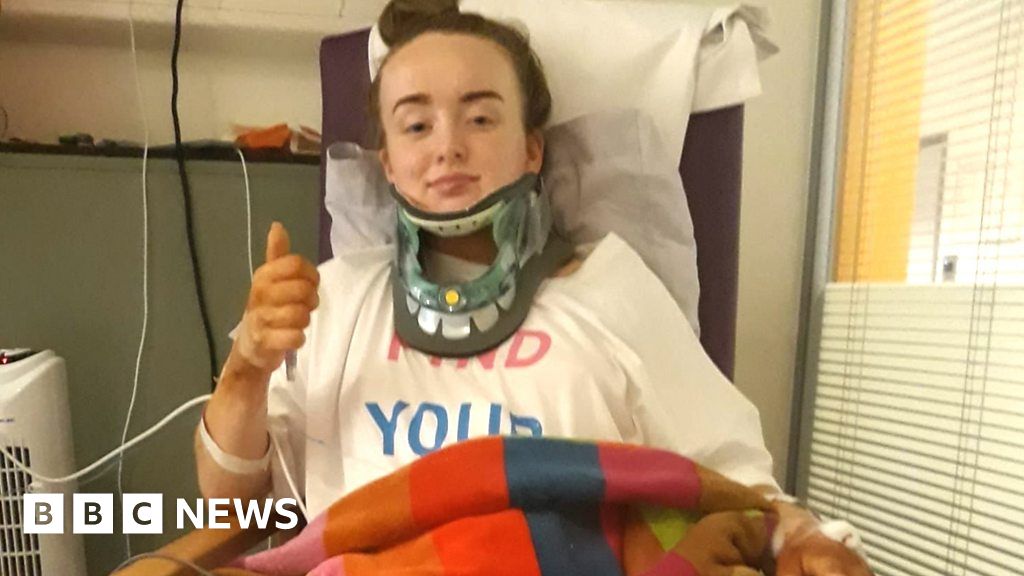
Shauna Lennon: From wheelchair to walking on stage at graduation

In August 2021, Shauna Lennon from County Tyrone was in a serious car accident. The University of Ulster student’s injuries initially led to her having to use a wheelchair. She returned to complete her degree in 2022. Not only did she receive a first class honours in biomedical engineering, but set herself the goal of walking on stage to collect her degree. Video journalist: Niall McCracken

Read more →

Monkeypox: First deaths outside Africa in Brazil and Spain

Published28 minutes agoSharecloseShare pageCopy linkAbout sharingImage source, Getty ImagesBrazil and Spain have reported their first monkeypox deaths. A 41-year-old man in Brazil became the first fatality from the virus outside Africa. Spain announced its first death soon afterwards, which is also the first in Europe. Last week, the World Health Organization (WHO) declared the monkeypox outbreak a global health emergency. But infections are usually mild and the risk to the general population is low.According to Brazil’s health ministry, the victim there suffered from lymphoma and a weakened immune system, and “comorbidities aggravated his condition”. Brazil has so far reported 1,066 confirmed cases and 513 suspected cases of the virus. Data from Brazil’s health ministry indicates that more than 98% of confirmed cases were in men who have sex with men.Shortly afterwards, Spain’s health ministry confirmed Europe’s first death from the virus. In a report, it said that of 3,750 monkeypox patients with available information, 120 or 3.2% had been hospitalised and one had died. It did not give any further information about the victim.According to the Centers for Disease Control and Prevention, there are 21,148 cases worldwide.The monkeypox virus is a member of the same family of viruses as smallpox, although it is much less severe and experts say chances of infection are low.It occurs mostly in remote parts of central and west African countries, near tropical rainforests. Health officials are recommending people at highest risk of exposure to the virus – including some gay and bisexual men, as well as some healthcare workers – should be offered a vaccine.Last week, WHO director general Dr Tedros Adhanom Ghebreyesus said declaring the outbreak a global health emergency would help speed up the development of vaccines and the implementation of measures to limit the spread of the virus.Dr Tedros said the risk of monkeypox is moderate globally, but high in Europe. But, he added, “this is an outbreak that can be stopped with the right strategies in the right groups”. The WHO is issuing recommendations, which it hopes will spur countries to take action to stop transmission of the virus and protect those most at risk.This video can not be playedTo play this video you need to enable JavaScript in your browser.More on this storyWHO declares highest alert over monkeypox6 days agoWhat is monkeypox and how do you catch it?19 July

Read more →

New smartphone clip-on can detect Zika virus in blood samples

As seen with the COVID-19 pandemic, detection methods that are rapid, simple, accurate, and sensitive are vital for detecting viral pathogens and for controlling the spread of infectious diseases. Unfortunately, laboratory-based methods often require trained personnel and involve complex procedures. In a new study, researchers at the University of Illinois Urbana-Champaign have combined their efforts to develop an instrument that can be clipped on to a smartphone to rapidly test for Zika virus in a single droplet of blood.
Zika virus is primarily transmitted through Aedes aegypti mosquitoes. Although the disease is largely asymptomatic or results in mild symptoms in adults, it causes developmental disorders in newborn babies if their mothers are infected during early pregnancy. Currently, the virus is circulating in more than 87 countries, infecting thousands of people annually, necessitating better testing and control measures.
“Mosquito-borne viruses cause serious diseases, but they have similar symptoms. If you have Zika, malaria, dengue, or chikungunya, you just might show up to the doctor with a fever and they won’t know why,” said Brian Cunningham (CGD Director/MMG), the Intel Alumni Endowed Chair of Electrical and Computer Engineering. “But it’s important to know whether it’s Zika, especially if the patient is a pregnant woman, because the consequences to a developing fetus are really severe.”
Zika virus infections are currently detected through polymerase chain reaction tests performed in a laboratory, which can amplify the genetic material of the virus, allowing scientists to detect it. In the new study, researchers used Loop-Mediated Isothermal Amplification to detect the virus in the blood samples using an approach suitable for point-of-care clinics. While PCR requires 20-40 repeated temperature shifts to amplify the genetic material, LAMP only requires one temperature — 65 °C — making it easier to control. Additionally, PCR tests are very sensitive to the presence of contaminants, especially the other components in a blood sample. As a result, the sample is first purified before it can be used. On the other hand, LAMP does not require any such purification step.
A cartridge, that contains reagents required to detect the virus, is inserted into the instrument to perform the test while the instrument is clipped onto a smartphone. Once the patient adds a drop of blood, one set of chemicals break open the viruses and the blood cells within five minutes. A heater below the cartridge heats it up to 65 °C. A second set of chemicals then amplifies the viral genetic material, and the liquid inside the cartridge fluoresces bright green if the blood sample contains the Zika virus. The entire process takes 25 minutes.
“The other cool aspect is that we’re doing the readout with a smartphone,” Cunningham said. “We’ve designed a clip-on device so that the smartphone’s rear camera is looking at the cartridge while the amplification occurs. When there’s a positive reaction, you see little green blooms of fluorescence that eventually fill up the entire cartridge with green light.”
The researchers are now developing similar devices to simultaneously detect other mosquito-borne viruses and are working on making the devices even smaller. “Although our clip-on detector is pretty small, a lot of the space is taken up by the batteries. In the next version, it will be powered by the phone’s battery,” Cunningham said.
The study “Smartphone clip-on instrument and microfluidic processor for rapid sample-to-answer detection of Zika virus in whole blood using spatial RT-LAMP” was published in the journal Analyst and can be found at 10.1039/d2an00438k.
The work was carried out in collaboration with Rashid Bashir (CGD/M-CELS), an Abel Bliss Professor of Engineering; Enrique Valera, a research assistant professor of bioengineering; Minh Do, a Thomas and Margaret Huang Endowed Professor of Electrical and Computer Engineering; and William King, a professor of electrical and computer engineering. The study was funded by the National Institutes of Health and the National Science Foundation Partnership for Innovation program.

Read more →

Space travel: Bone aging in fast forward

Long periods in space damage bone structure irreparably in some cases and can make parts of the human skeleton age prematurely by up to 10 years. This is what a sport scientist at Friedrich-Alexander-Universität Erlangen-Nürnberg (FAU) has now discovered in conjunction with other researchers from Germany, Canada and the USA. Adapted training programs in conjunction with medication could provide better protection for astronauts on future space missions. The researchers have published their findings, which will now be also be used for treating rheumatic conditions in clinical practice, in the scientific journal Nature Scientific Reports.
Will humans one day fly to Mars? Such a mission has been the subject of debate for several decades and does not depend simply on technical requirements. “If human beings are in space for three years at a time, we need to keep an eye on the health risks involved as well,” says Dr. Anna-Maria Liphardt. “This already applies today for missions where astronauts are subject to zero-gravity conditions for usually no longer than six months.”
After space travel: Bones age by up to ten years
Liphardt is a sports scientist and gained her doctoral degree at the German Aerospace Center (DLR) and the German Sport University Cologne and now researches the effects of rheumatic-inflammatory diseases on the human skeleton at Universitätsklinikum Erlangen. In conjunction with fellow researchers from Germany, Canada and the USA, she investigated how bone structure changes in space and recovers back on Earth in a long-term study. 14 men and three women were checked before their flights into space as well as six and twelve months after their return. The bone density and strength of the tibia and radius (shin bone and lower arm bone) were measured as well as the trabecular microstructure inside the bones. The bone turnover was also measured using biomarkers in their blood and urine.
The results are worrying: Even twelve months after the end of their missions in space, nine out of the 17 astronauts had not completely recovered and had a reduction in bone strength and bone mineral density of up to 2 percent. “This may not sound like much, but it corresponds to age-related bone loss of at least a decade,” explains Anna-Maria Liphardt. “For those affected, this means they will have to expect a much earlier onset of osteoporosis and susceptibility for fractures.” In contrast to aging on Earth, the inner structure of astronauts’ bones are affected more than the periosteum on the exterior surface. Some of the astronauts examined even have irreparable damage to the rod-shaped units or trabeculae. “We were able to demonstrate that regeneration is more difficult the longer the astronauts were in space,” says Liphardt.
Training and medication must be adapted
Astronauts with higher bone turnover before spaceflight also had more significant problems with bone regeneration. “Bone turnover is the process by which cells are broken down and new ones form,” explains Liphardt. “People with higher activity levels have a higher bone turnover and the challenge is to keep up these activity levels during missions in space.” Even though the ISS has various types of equipment such as a running machine, exercise bike and a weight training program for the astronauts to maintain their levels of activity, adapting the training programs during spaceflight to better meet the individual needs of the astronauts is crucial. Liphardt: “Developing new sports equipment that works in zero-gravity conditions and that does not take up much space is particularly challenging.”
Astronauts could also benefit from medication if it is taken during spaceflight in addition to exercise programs. This medication includes, for example, bisphosphonates, which are already successfully used for treating and preventing osteoporosis because they prevent bone degradation. “Bisphosphonates are already used by NASA, but we do not yet know enough about exactly how they work in microgravity,” explains Liphardt. “We recommend conducting further systematic research into the combination of medical therapy and physical exercise.”
Findings for clinical practice
The researchers’ study not only supplied findings for future missions to space. Muscle and bone loss due to a lack of activity are also key problems in chronic diseases here on Earth. “In the field of rheumatology, it is not always clear which damage is caused by the inflammation and which by inactivity,” says Liphardt. “Our study could thus also lay the foundations for new or adapted therapies.”
A new generation of high-resolution peripheral quantitative computer tomography (HR-pQCT) machines used during the study with the astronauts could be beneficial for these therapies. These machines are capable of producing high resolution images of the interior structure of bones. “An algorithm was used in older machines in order to generate the individual parameters of the microstructure from the images it produced,” explains Liphardt. “This led to imprecise results, especially in trabecular changes to the bone.” The Department of Medicine 3 at Universitätsklinikum Erlangen now has a latest generation HR-pQCT machine — which is set to benefit not astronauts but patients suffering from diseases of the muscular and skeletal systems.

Read more →

A stable gut helps elite athletes perform better

New research has found that microbial instability in the gut could hinder the performance of elite endurance athletes, and that short-term, high-protein diets are associated with this type of imbalance.
Researchers from across the UK analysed the performance and gut health of a group of well-matched, highly trained endurance runners, to explore the impact of both high-protein and high-carbohydrate diets.
The study found that in those following a high-protein regime, this resulted in a disturbance in the stability of the gut microbiome. This was also accompanied by a 23.3% reduction in time trial performance.
Analysis found a significantly reduced diversity and altered composition of the gut phageome, as well as higher levels of certain types of virals and bacterial compartments. Those participants whose gut microbiome was more stable performed better during time trials.
Gut imbalance impacts different people in different ways, but can manifest itself in acute symptoms such as cramps or nausea. As there is cross-talk between the gut and the brain, authors suggest this could be important.
Those following a high-carbohydrate diet resulted in an improved time trial performance of 6.5%.
Dr Justin Roberts, Associate Professor in Health and Exercise Nutrition at Anglia Ruskin University (ARU) and co-author of the study, said: “These results suggest that athletic performance may be linked with gut microbial stability, where athletes who had more stable microbial communities consistently performed best in each dietary intervention compared to those with a more turbulent gut microbiota.
“While we cannot be certain that the high amount of protein in the body was entirely responsible for the significant drop in time-trial performance, it was found that there were certainly changes to the gut microbiome following a short-term high-protein diet which appeared to be associated with performance.
“These results suggest that consuming a high-protein diet may negatively impact the gut via an altered microbial pattern, while a high-carbohydrate intake, for example containing a variety of grains and vegetables, was associated with greater gut microbial stability.
“The diets were well controlled and carefully balanced and so we think it is unlikely that the protein itself caused a drop in performance. Instead we think it is possible that the changes to the gut microbiome could impact intestinal permeability or nutrient absorbtion, or the messages between the gut and the brain, affecting perceived effort and therefore performance.”
The study was published in the American Society for Microbiology’s journal mSystems and was carried out by researchers from Northumbria University, Anglia Ruskin University (ARU), University of Reading, Newcastle University, University of Kent, University of Hertfordshire and Northwest University in South Africa.
Story Source:
Materials provided by Anglia Ruskin University. Note: Content may be edited for style and length.

Read more →

New DNA repair-kit successfully fixes hereditary disease in patient-derived cells

Genetic mutations which cause a debilitating hereditary kidney disease affecting children and young adults have been fixed in patient-derived kidney cellsusing a potentially game-changing DNA repair-kit. The advance, developed by University of Bristol scientists, is published in Nucleic Acids Research.
In this new study, the international team describe how they created a DNA repair vehicle to genetically fix faulty podocin, a common genetic cause of inheritable Steroid Resistant Nephrotic Syndrome (SRNS).*
Podocin is a protein normally located on the surface of specialised kidney cells and is essential for kidney function. Faulty podocin, however, remains stuck inside the cell and never makes it to the surface, terminally damaging the podocytes. Since the disease cannot be cured with medications, gene therapy which repairs the genetic mutations causing the faulty podocin offers hope for patients.
Typically, human viruses have been utilised in gene therapy applications to carry out genetic repairs. These are used as a ‘Trojan Horse’ to enter cells carrying the errors. Currently dominating systems include lentivirus (LV), adenovirus (AV) and adeno-associated virus (AAV), which are all relatively harmless viruses that readily infect humans. However, these viruses all share the same limitation in that they are restricted in space within their viral shells. This in turn constrains the amount of cargo they can deliver, namely the DNA kit required for efficient genetic repair, which significantly limits the scope of their application in gene therapy.
By applying synthetic biology techniques, the team led by Dr Francesco Aulicino and Professor Imre Berger from Bristol’s School of Biochemistry, re-engineered baculovirus, a for humans harmless insect virus which is no longer constrained by limited cargo capacity.
“What sets apart baculovirus from LV, AV, and AAV is the lack of a rigid shell encapsulating the cargo space.” said Dr Francesco Aulicino, who led the study. The shell of baculovirus resembles a hollow stick — it simply becomes longer when the cargo increases. This means a lot more sophisticated tool-kit to repair a genetic defect can be delivered by the baculovirus, making it much more versatile than commonly-used systems.

Read more →

Plant-based 'meat' 'healthier and more sustainable than animal products'

Plant-based dietary alternatives to animal products are better for the environment and for human health when compared with the animal products they are designed to replace, say the authors of a new study.
A new paper published in Future Foods argues that because these foods are ‘specifically formulated to replicate the taste, texture, and overall eating experience of animal products’, they are a much more effective way of reducing demand for meat and dairy than simply encouraging people to cook vegetarian whole foods.
The study, conducted by psychologists at the University of Bath, concludes that plant-based meat and dairy alternatives ‘offer a healthier and more environmentally sustainable solution which takes into account consumer preferences and behaviour.’
The review examined 43 studies into the health and environmental impacts of plant-based foods, as well as consumer attitudes. One study found that almost 90% of consumers who ate plant-based meat and dairy were in fact meat-eaters or flexitarians; another found that plant-based products with a similar taste, texture, and price to processed meat had the best chance of replacing meat.
The paper also found that these plant-based products caused lower levels of greenhouse gas emissions than the animal products they were replacing. One paper found replacing 5% of German beef consumption with pea protein could reduce CO2 emissions by up to eight million tonnes a year. Another found that compared to beef burgers, plant-based burgers were associated with up to 98% less greenhouse gas emissions.
The report authors suggest that plant-based products generally require much less agricultural land, need less water and cause less pollution than animal products.

Read more →

It doesn't matter much which fiber you choose — just get more fiber!

That huge array of dietary fiber supplements in the drugstore or grocery aisle can be overwhelming to a consumer. They make all sorts of health claims too, not being subject to FDA review and approval. So how do you know which supplement works and would be best for you?
A rigorous examination of the gut microbes of study participants who were fed three different kinds of supplements in different sequences concludes that people who had been eating the least amount of fiber before the study showed the greatest benefit from supplements, regardless of which ones they consumed.
“The people who responded the best had been eating the least fiber to start with,” said study leader Lawrence David, an associate professor of molecular genetics and microbiology at Duke University.
The benefit of dietary fiber isn’t just the easier pooping that advertisers tout. Fermentable fiber — dietary carbohydrates that the human gut cannot process on its own but some bacteria can digest — is also an essential source of nutrients that your gut microbes need to stay healthy.
“We’ve evolved to depend on nutrients that our microbiomes produce for us,” said Zack Holmes, former PhD student in the David lab and co-author on two new papers about fiber. “But with recent shifts in diet away from fiber-rich foods, we’ve stopped feeding our microbes what they need.”
When your gut bugs are happily munching on a high-fiber diet, they produce more of the short-chain fatty acids that protect you from diseases of the gut, colorectal cancers and even obesity. And in particular, they produce more of a fatty acid called butyrate, which is fuel for your intestinal cells themselves. Butyrate has been shown to improve the gut’s resistance to pathogens, lower inflammation and create happier, healthier cells lining the host’s intestines.

Read more →

Advanced imaging reveals mired migration of neurons in Rett syndrome lab models

Using an innovative microscopy method, scientists at The Picower Institute for Learning and Memory at MIT observed how newborn neurons struggle to reach their proper places in advanced human brain tissue models of Rett syndrome, producing new insight into how developmental deficits observed in the brains of patients with the devastating disorder may emerge.
Rett syndrome, which is characterized by symptoms including severe intellectual disability and impaired social behavior, is caused by mutations in the gene MECP2. To gain new insight into how the mutation affects the early stages of human brain development, researchers in the lab Mriganka Sur, Newton Professor of Neuroscience in MIT’s Department of Brain and Cognitive Sciences, grew 3D cell cultures called cerebral organoids, or minibrains, using cells from people with MECP2 mutations and compared them to otherwise identical cultures without the mutations. Then the team led by postdoc Murat Yildirim examined the development of each type of minibrain using an advanced imaging technology called third harmonic generation (THG) three-photon microscopy.
THG, which Yildirim has helped to pioneer in Sur’s lab working with MIT mechanical engineering Professor Peter So, allows for very high-resolution imaging deep into live, intact tissues without having to add any chemicals to label cells. The new study, published in eLife, is the first to use THG to image organoids, leaving them virtually undisturbed, Yildirim said. Previous organoid imaging studies have required using technologies that cannot image all the way through the 3D tissue, or methods that require killing the cultures: either slicing them into thin sections or chemically clearing and labeling them.
Three-photon microscopy employs a laser, but Yildirim and So custom engineered the lab’s microscope to apply no more power to the tissue than a cat toy laser pointer (less than 5 milliwatts).
“You should make sure you are not changing or affecting the neuronal physiology in any adverse way,” Yildirim said. “You should really keep everything intact and make sure you are not bringing something external that could be damaging. That’s why we are so careful about power (and chemical labeling).”
Even at low power, they achieved adequate signal to achieve label-free, intact imaging of fixed and live organoids. To validate that they compared their THG images to images made via more traditional chemical labeling methods.

Read more →