New national guidelines aim to prevent obesity in midlife women

Women between 40 and 60 years old are the focus of new national guidelines aimed at preventing unhealthy weight gain that can lead to serious illness. The study review paper and clinical guidelines are published in the Annals of Internal Medicine.
“More than two-thirds of middle-aged women are overweight or obese. Given women’s increased risk for weight gain in midlife, there is a critical need for intervention aimed at preventing obesity and the host of serious health outcomes associated with it,” said Kimberly D. Gregory, MD, MPH, corresponding author of the clinical guidelines and vice chair, Women’s Healthcare Quality and Performance Improvement in the Department of Obstetrics and Gynecology at Cedars-Sinai.
Gregory is part of the Women’s Preventive Services Initiative (WPSI), which developed the recommendations based on the review of clinical trials involving nearly 52,000 middle-aged women. The initiative was launched in 2016 by the American College of Obstetricians and Gynecologists and operates in collaboration with the U.S. Department of Health and Human Services, Health Resources and Services Administration.
“In the past, most studies and recommendations have focused on investigating the benefits and harms of weight-loss tools used by women who were already overweight. But as a prevention strategy, these new guidelines strongly encourage healthcare providers to begin addressing the issue of weight gain and obesity risk with patients who are at normal weight,” said Gregory.
Obesity has been declared epidemic in the United States, with 42% of adults having a body mass index (BMI) of over 30, according to the Centers for Disease Control and Prevention (CDC). A BMI of 18.5-25 is regarded as healthy, and one between 25 and 30 qualifies as overweight.
According to the study, women gain weight at an average of 1.5 pounds per year during midlife, which increases their risk for transitioning to an overweight or obese BMI. The new guidelines emphasize the need to help with weight management by counseling women while they are at a healthy weight and not waiting until they are overweight or have developed obesity.
“Women are at higher risk for severe obesity due to menopause and age-related physiological changes,” said Amanda Velazquez, MD, director of Obesity Medicine in the Department of Surgery at Cedars-Sinai. “Significant weight gain is associated with a serious risk of developing cardiovascular disease, hypertension, Type 2 diabetes, fatty liver disease and numerous cancers. That is why advising middle-aged women with normal to overweight BMI on the need to limit weight gain is critical,” said Velazquez, who did not participate in the study.
The WPSI review suggests that some behavioral counseling approaches to prevent future weight gain in midlife women could result in modest weight loss. Obesity and weight-loss expert Velazquez says it is important to remember that weight management is a lifelong journey and investment in good health and that there is plenty of help available.
“Do not give up. It is never too late to start making changes. There are quite a few weight management tools available, including individualized lifestyle plans, support groups that provide accountability and community, nutritional counseling, and new weight-loss medications. For people with severe obesity, a BMI over 40, bariatric surgery may be an option to consider,” said Velazquez.
Story Source:
Materials provided by Cedars-Sinai Medical Center. Note: Content may be edited for style and length.
Read more →

Why breast-fed premature infants have a healthier gut than formula-fed ones

Human breastmilk has long been considered “liquid gold” among clinicians treating premature infants in a newborn intensive care unit (NICU). Breastmilk-fed “preemies” are healthier, on average, than those fed formula. Why is that true, however, has remained a mystery.
New research from the University of Maryland School of Medicine’s (UMSOM) Institute for Genome Sciences (IGS), published online in the journal mBio in June found it is not just the content of breastmilk that makes the difference. It is also the way the babies digest it.
The research, led by Bing Ma, PhD, Assistant Professor of Microbiology and Immunology at UMSOM and a researcher at IGS, discovered a strain of the Bifidobacterium breve bacteria or B. breve in the gut of breastfed babies who received higher volumes of breastmilk than their counterparts. Those preemies had better nutrient absorption because they developed an intact intestinal wall, one week after birth. B. breve was much less prevalent in both formula-fed babies and breastfed babies with “leaky gut.” Babies with leaky gut do not develop a barrier to protect against bacteria and digested food from getting into the bloodstream. For the first time, the team also found that the way B. breve metabolizes breastmilk keeps breastfed babies healthier and allows them to gain weight by strengthening their underdeveloped intestinal barrier.
An immature or “leaky” gut can lead to necrotizing enterocolitis (NEC), which is the third leading cause of newborn death in United States and worldwide. In fact, NEC impacts up to 10 percent of premature babies with a devasting mortality rate as high as 50 percent.
“Our discovery could lead to promising and practical clinical interventions to strengthen the babies’ gut and, therefore, increase survival rates of the most vulnerable preemies,” said Dr. Ma.
Bifidobacterium in the gut or microbiome has long been known to have health benefits. It includes a diverse set of strains that have very different properties. Some strains are only found in adults; some are mostly in adolescence. One strain, Bifidobacterium infantis, has been seen predominantly in full-term infants.

Read more →

Gene therapy approach shows promise in treating ALS

Amyotrophic lateral sclerosis (ALS) is a neurodegenerative disease characterized by the progressive loss of motor neurons in the brain and spinal cord responsible for voluntary movements and muscle control.
In a new study, published July 11, 2022 in the journal Theranostics, researchers at University of California San Diego School of Medicine report that a gene therapy approach, developed at UC San Diego, measurably delayed disease onset in humanized mouse and rat models of familial ALS, an inherited form of the disease that runs in families. (Most ALS cases are sporadic, of unknown cause, though environmental and genetic factors may play a part.)
In previous research, senior author Brian P. Head, PhD, adjunct professor in the Department of Anesthesiology at UC San Diego School of Medicine and research health scientist at the VA San Diego Healthcare System and colleagues had crossed a mouse model genetically engineered to express a neuroprotective protein called caveolin-1 with a transgenic mouse model of ALS. The double transgenic model exhibited better motor function and longer survival.
The latest work involved injecting a harmless adeno-associated viral vector carrying synapsin-Caveolin-1 cDNA (AAV9-SynCav1) into the spinal cords of familial ALS mice to see if it would delay disease progression and preserve physical strength and mobility.
Researchers found that SynCav1 protected and preserved spinal cord motor neurons and extended longevity in the mice. Subsequent experiments with a rat model of ALS produced similar results.
“These data suggest that SynCav1 might serve as a novel gene therapy for neurodegenerative conditions in ALS and other forms of central nervous system disease of unknown etiology,” the authors wrote, advocating for further studies.
The Theranostics paper follows a study published in 2021 in which Head and colleagues used a SynCav1 gene therapy approach to prevent learning and memory loss in a mouse model of Alzheimer’s disease (AD), a key step toward eventually testing the approach in humans with the neurodegenerative disease.
“Because the neuroprotective efficacy afforded by SynCav1 occurred independent of targeting the known toxic monogenic protein (i.e., mutant hSOD1), these findings suggest that SynCav1 may serve as a novel gene therapy for other neurodegenerative conditions in addition to ALS and AD,” said Head. “However, it is essential for further studies to determine the effect of SynCav1 on disease progression at later stages of the disease.”
Incidence of ALS is approximately 3 to 5 per 100,000 persons globally. The disease affects approximately 18,000 persons in the United States. Current approved pharmaceutical treatments, such as Rilutek and Radicava, may slow disease progression and improve quality of life, but there is no cure. Mean survival time after diagnosis is two to five years.
The SynCav1 gene therapy is patented through UC San Diego and the Department of Veterans Affairs, and licensed to Eikonoklastes Therapeutics, based in Cincinnati, Ohio.
Co-authors include: Shanshan Wang, Taiga Ichinomaya, Paul Savchenko, Donsheng Wang, Xiaojing Li, Tiffany Duong, Wenxi Li, Jacqueline A. Bonds, Atushi Miyanohara, David M. Roth, Hemal H. Patel, Piyush M. Patel and Martin Marsala, all at UC San Diego; Atsushi Sawada, University of the Ryukyus, Japan; Eun Jung Kim, UC San Diego and Yonsei University College of Medicine, South Korea.

Read more →

Researchers create biosensor by turning spider silk into optical fiber

Researchers have harnessed the light-guiding properties of spider silk to develop a sensor that can detect and measure small changes in the refractive index of a biological solution, including glucose and other types of sugar solutions. The new light-based sensor might one day be useful for measuring blood sugar and other biochemical analytes.
“Glucose sensors are crucial to people with diabetes, but these devices tend to be invasive, uncomfortable and not cost-efficient,” said research team leader Cheng-Yang Liu from National Yang Ming Chiao Tung University in Taiwan. “With spider silk attracting attention for its superior optomechanical properties, we wanted to explore using this biocompatible material to optically detect various sugar concentrations in real-time.”
Liu and colleagues from Taiwan Instrument Research Institute and Taipei Medical University describe their new sensor in the Optica Publishing Group journal Biomedical Optics Express. They show that it can be used to determine concentrations of fructose, sucrose and glucose sugars based on changes in a solution’s refractive index. Spider silk is ideal for this application because it can not only transmit light like an optical fiber but is also very strong and elastic.
“Our new spider silk-based fiber optic sugar sensor is practical, compact, biocompatible, cost-effective and highly sensitive,” said Liu. “With further development, it could lead to better at-home medical monitoring devices and point-of-care diagnostic and testing devices.”
From silk to sensor
To make the sensor, the researchers harvested dragline spider silk from the giant wood spider Nephila pilipes, which is native to Taiwan. They enveloped the silk, which is just 10 microns in diameter, with a biocompatible photocurable resin and cured it to form a smooth protective surface. This created an optical fiber structure that was 100 microns in diameter, with the spider silk acting as the core and the resin as the cladding. They then added a biocompatible nano-layer of gold to enhance the fiber’s sensing abilities.

Read more →

Scientists uncover new therapeutic target for treating colorectal tumors

Inflammatory bowel disease (IBD) is an umbrella term for two diseases, Crohn’s disease and ulcerative colitis, that are characterized by the prolonged inflammation of the gastrointestinal tract. This condition often leads to the development of colorectal tumors. Understanding the pathogenesis of IBD is, therefore, crucial to mitigate the incidence of colonic tumors.
It turns out that innate immune receptors, particularly those expressed in the gut, such as C-type lectin receptors (CLRs), are responsible for the development of IBD. However, CLRs also play a vital role in the regulation of gut microbiota and defense against pathogens. As a result, a balance needs to be struck to maintain intestinal homeostasis.
Dendritic cell immunoreceptor (DCIR) is one such CLR that is responsible for maintaining homeostasis of the immune and skeletal systems. Previous studies have suggested that DCIR negatively regulates both innate and acquired immune responses. Blocking DCIR could, therefore, potentially boost immunity against colon tumor. However, its role in intestinal immunity has remained unclear.
Against this backdrop, a research group led by Professor Yoichiro Iwakura of Tokyo University of Science (TUS) in Japan has now shed light on this issue. In their study, to be published online on 02 August 2022 in the international journal Cell Reports, the group studied the development of colitis and colon tumor in mice models deficient in DCIR.
To this end, the group fed the mice with drinking water containing dextran sodium sulfate (DSS), a synthetic sulfated polysaccharide, and azoxymethane (AOM), a neurotoxic chemical, to induce colon tumors similar to that observed in humans with IBD.
To their surprise, they found that the mice lacking DCIR showed reduced colitis severity and AOM-DSS-induced colorectal tumor growth. Moreover, compared to the wild-type mice (control), the DCIR-deficient mice showed lower body weight loss as well as reduced proinflammatory cell infiltration in the colon.
What do these observations imply? Prof. Iwakura explains, “Our findings point to the fact that intestinal carcinogenesis and inflammation are facilitated by DCIR signalling, which points to the possibility that blocking DCIR might prevent ulcerative colitis and colon cancer.”
Corroborating this possibility, the study further revealed that the use of an antibody called “anti-NA2” against asialo-biantennary-N-glycans (NA2), a ligand (binding molecule) to DCIR, reduced DSS colitis symptoms and prevented colorectal tumor growth.
The researchers are excited by these findings. Speaking about the practical applications of their study, Prof. Iwakura says, “Our results suggest that therapeutics targeting DCIR and its ligands could be used to effectively treat autoimmune diseases, IBD, and cancer, which have been traditionally difficult to treat.”
Sure enough, this study could open doors to novel therapeutic strategies for treating colorectal tumors, improving not only the lives of patients with IBD but also our understanding of the pathogenesis of human diseases.
Story Source:
Materials provided by Tokyo University of Science. Note: Content may be edited for style and length.

Read more →

Early physical therapy associated with less health care resource use for patients with acute lower back pain

Early initiation of physical therapy (PT) for U.S. patients with acute lower back pain (LBP) was associated with less health care resource use in the first month and the first year after the initial onset of symptoms, according to a new study by Johns Hopkins Medicine. These health care resources included advanced imaging, specialty appointments, epidural steroid injections and emergency room (ER) visits. Patients who began PT early were half as likely to visit the ER within 30 days of symptom onset than those who did not receive early PT, which the study defined as starting within two weeks of symptom onset.
The study was published by BMC Health Services Research in July 2022.
Lower back pain affects a sizeable portion of the U.S. population, ranging from 1.4% to 20%, and it accounts for substantial health care expenditures.
“Our goal was to determine if early PT for patients with lower back pain had an impact on their overall health care resource utilization,” says Richard Skolasky Jr., Sc.D., M.A., the study’s senior author and the director of the Johns Hopkins Spine Outcomes Research Center. “We were especially curious about the 30 days after initial symptom onset, as this is when patients are most likely to seek care.”
Using Truven MarketScan, a group of U.S.-based administrative health care insurance claims databases, the researchers selected nearly 980,000 U.S. claims cases. The de-identified patients in these claims had an average age of 47 and initially presented with acute LBP from 2010 through 2014. Approximately 11% of the patients received early PT.
From the cases reviewed, the team assessed the use of health care resources and the cost of the LBP-related services that were coded with a musculoskeletal system diagnosis. The team then compared these results at 30 days and at one year after presentation between patients who received early PT and those who did not.
Compared with those who did not receive early PT, the early PT group had a significantly lower incidence of using health care resources, such as ER visits, in the first month and the first year after presenting with acute LBP. The early PT group also spent less money on LBP-related services in the first 30 days after symptom onset.
“As the U.S. population ages, the prevalence of lower back pain is expected to increase, along with the associated costs of treating it,” says Skolasky. “Furthermore, with advances in imaging and treatments, the cost of managing lower back pain has increased substantially. Our findings have important implications that may guide health care policy when examining downstream health care costs and resource utilization.”
The research team believes that future research on the effects of early PT should incorporate measures of clinical outcomes to determine its impact on patient health.
Story Source:
Materials provided by Johns Hopkins Medicine. Note: Content may be edited for style and length.

Read more →

Flare-ups of gout are linked to heart attack and stroke

Experts at the University of Nottingham, in collaboration with experts at Keele University, have found that the risk of heart attacks and strokes temporarily increases in the four months after a gout flare.
The research showed that gout patients who suffered from a heart attack or stroke were twice as likely to have had a gout flare in the 60 days prior to the event, and one and a half times more likely to have a gout flare in the 61-120 days prior.
The results of the study, led by Professor Abhishek in the School of Medicine at the University of Nottingham, are published in the journal JAMA.
Gout is a common form of arthritis that affects one in 40 adults in the UK. It is caused by high levels of uric acid, a chemical produced by breakdown of tissues in the body and present in certain foods and drinks.
At high levels, uric acid is deposited in and around joints as needle shaped urate crystals. Once released from their deposits, these crystals cause severe inflammation manifesting as joint pain, swelling, redness, and tenderness that often lasts for 1-2 weeks. These episodes, called gout flares, often recur. Inflammation is also a risk factor for heart attack and stroke.
People with gout tend to have more cardiovascular risk factors, although there have been no previous studies about whether gout flares are linked with an increased risk of heart attack and stroke. In this study, the experts examined whether there was a temporary increase in risk of heart attack or stroke after a gout flare.

Read more →

An effective new treatment for chronic back pain targets the nervous system

People challenged with chronic back pain have been given hope with a new treatment that focuses on retraining how the back and the brain communicate, a randomised controlled trial run by researchers at UNSW Sydney and Neuroscience Research Australia (NeuRA) and several other Australian and European universities has shown.
The study, funded by the Australian National Health and Medical Research Council (NHMRC), was described today in a paper published in the Journal of the American Medical Association. The study, carried out at NeuRA, divided 276 participants into two groups: one undertook a 12-week course of sensorimotor retraining and the other received a 12-week course of sham treatments designed to control for placebo effects, which are common in low back pain trials.
Professor James McAuley from UNSW’s School of Health Sciences, and NeuRA said sensorimotor retraining alters how people think about their body in pain, how they process sensory information from their back and how they move their back during activities.
“What we observed in our trial was a clinically meaningful effect on pain intensity and a clinically meaningful effect on disability. People were happier, they reported their backs felt better and their quality of life was better. It also looks like these effects were sustained over the long term; twice as many people were completely recovered. Very few treatments for low back pain show long-term benefits, but participants in the trial reported improved quality of life one year later.”
The new treatment challenges traditional treatments for chronic back pain, such as drugs and treatments that focus on the back such as spinal manipulation, injections, surgery and spinal cord stimulators, by viewing long-standing back pain as a modifiable problem of the nervous system rather than a disc, bone or muscle problem.
“If you compare the results to studies looking at opioid treatment versus placebo, the difference for that is less than one point out of 10 in pain intensity, it’s only short term and there is little improvement in disability. We see similar results for studies comparing manual therapy to sham or exercise to sham,” Prof. McAuley said.

Read more →

Researchers ID the high-efficiency hacks cannabis cells use to make cannabinoids

For the first time, plant biologists have defined the high-efficiency “hacks” that cannabis cells use to make cannabinoids (THC/CBD). Although many biotechnology companies are currently trying to engineer THC/CBD outside the plant in yeast or cell cultures, it is largely unknown how the plant does it naturally.
“This really helps us understand how the cells in cannabis trichomes can pump out massive quantities of tetrahydrocannabinol (THC) and terpenes — compounds that are toxic to the plant cells at high quantities — without poisoning itself,” says Dr. Sam Livingston, a botanist at the University of British Columbia who led the research.
“This new model can inform synthetic biology approaches for cannabinoid production in yeast, which is used routinely in biotechnology. Without these ‘tricks’ they’ll never get efficient production.”
For centuries, humans have cultivated cannabis for the pharmacological properties that result from consuming its specialized metabolites, primarily CBD and terpenoids. Today, production within the $20 billion global cannabis market largely relies on the biological activity of tiny cell clusters, called glandular trichomes, found mainly on the plant’s flowers.
The study, published today in Current Biology, reveals the microenvironments in which THC is produced and transported in cannabis trichomes, and sheds light on several critical points in the pathway of making THC or CBD within the cell.
Dr. Livingston and co-author Dr. Lacey Samuels used rapid freezing of cannabis glandular trichomes to immobilize the plant’s cellular structures and the metabolites in situ. This enabled them to investigate cannabis glandular trichomes using electron microscopes that revealed cell structure at the nano level, showing that the metabolically active cells in cannabis form a “supercell” that acts as a tiny metabolic biofactory.
Until now, synthetic biology approaches have focused on optimizing the enzymes responsible for making THC/CBD — like building a factory with the most efficient machinery to make as much product as possible. However, these approaches haven’t developed an efficient way to move intermediate substances from one enzyme to another, or from inside the cell to the outside of the cell where final products can be collected. This research helps to define the subcellular “shipping routes” that cannabis uses to create an efficient pipeline from raw materials to end products without accumulating toxins or waste products.
“For more than 40 years, everything that we thought about cannabis cells was inaccurate because it was based on dated electron microscopy,” says Dr. Samuels, a plant cell biologist at UBC. “This work defines how cannabis cells make their product. It’s a paradigm shift after many years, producing a new view of cannabinoid production. This work has been challenging, partly the result of legal prohibition and also due to the fact that no protocol for the genetic transformation of cannabis has been published.”
Story Source:
Materials provided by University of British Columbia. Note: Content may be edited for style and length.

Read more →

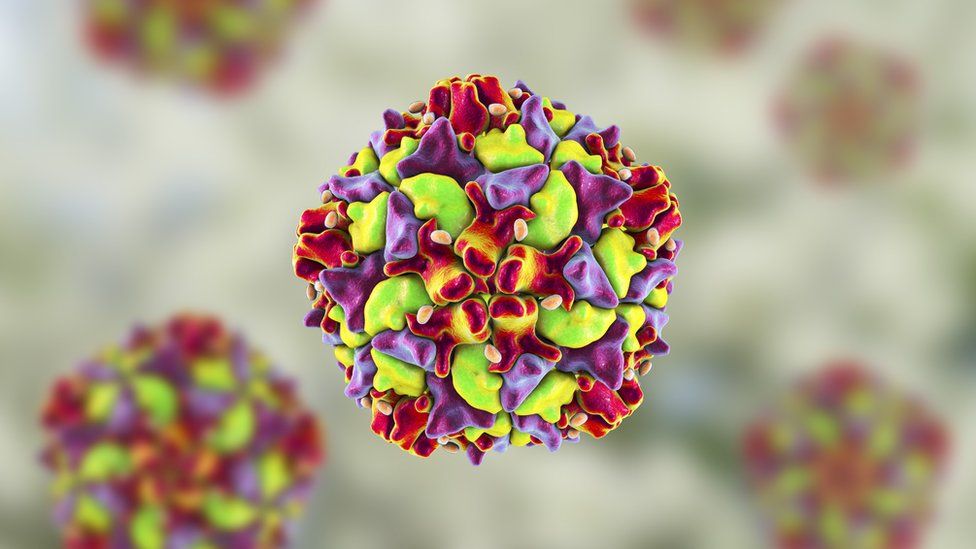
Polio: Virus found in wastewater of New York City suburb

Published46 minutes agoSharecloseShare pageCopy linkAbout sharingImage source, Getty Images Health officials say the polio virus was present in a New York City suburb’s wastewater a month before a case was detected in July, The case – the first in the US since 2013 – was found in an unnamed patient in Rockland County. Officials say no new cases have been identified, and it is not yet clear whether it is actively spreading.Polio was largely eradicated from the US by a vaccination campaign that began in 1955.According to the US Centres for Disease Control and Prevention (CDC), the presence of polio in the community’s wastewater suggests there may be others who are shedding the virus in their stool. Officials last month said the Rockland County patient was unvaccinated, and said the man was likely exposed to an individual who received a vaccine that contains the weakened live virus.Laboratory tests found the strain in the confirmed case was genetically linked to one found in Israel, though that does not mean the patient had travelled there, officials said. It was also linked to samples of the virus in the United Kingdom. Last month, UK health officials said that the virus that causes polio was detected in a concerning number of sewage samples in London.There is no cure for polio, but it can be prevented by a vaccine. Mostly affecting children, it causes muscle weakness and paralysis, and in the most serious cases permanent disability and death.An inactivated polio vaccine is used in both the US and the UK as part of the routine childhood programme. In the US, about 93% of toddlers have received at least three doses of the polio jab, according to vaccination data from the CDC. Thanks to the robust vaccine programme, annual US cases fell rapidly from fewer than 100 in the 1960s to fewer than 10 in the 1970s – and the US was declared polio-free by 1979.On Monday, New York’s top health official Mary Bassett urged Americans of all ages to get their polio vaccine.”Given how quickly polio can spread, now is the time for every adult, parent, and guardian to get themselves and their children vaccinated,” she said. More on this storyPolio virus detected in London sewage samples22 JuneWhat is polio and how can you protect yourself?23 JuneUS reports first polio case in nearly a decade21 July

Read more →