Ragweed allergy: Aggressiveness of pollen is determined by its place of origin and by the environment

The different geographic and climatic regions from which ragweed pollen originates, as well as the degree of environmental pollution, may influence the severity of allergic reactions such as hay fever and asthma. Pollen from plants in different areas exhibit different levels of aggressiveness. This is the conclusion reached by an inter-university study team led by MedUni Vienna and involving the University of Vienna and the University of Natural Resources and Applied Life Sciences. The study was recently published in the journal Frontiers in Allergy.
The research team developed an allergy model in which mice inhaled pollen from ragweed plants (Ambrosia artemisiifolia) collected in different geographic locations. They found that even a small amount of pollen (a total of 180 pollen grains) is sufficient to produce an allergic reaction, much less than the high pollen concentrations found in the air during the seasonal flowering period. As a result of climate change, the European flowering season is getting longer, and the plant is able to spread to more northerly areas. Furthermore, the regional origin of the pollen determines the severity of the allergic reaction it produces. The lead researcher and coordinator of the “Atopica” project, Michelle Epstein from MedUni Vienna, explained: “Our study shows that pollen from distinct environments can differ in its aggressiveness. So not only the concentration of the pollen in the air but also intrinsic changes (from within) related to the environment could alter the pollen’s ability to sensitise and cause more severe allergic symptoms.”
Wolfram Weckwerth, Professor at the Department of Functional and Evolutionary Ecology of the University of Vienna and one of the authors, said: “We now know that environmental factors change the aggressiveness of pollen. The next steps are further characterisation of the pollen, especially at the molecular level, to unambiguously identify the mixture of allergenic components.” Anke Bellaire, a collaborator at the Department of Structural and Functional Botany at the Department of Botany and Biodiversity, University of Vienna, and also one of the authors, added: “Following these exciting results, we plan to continue ultrastructural subcellular analysis of ragweed pollen for further characterisation.”
Gerhard Karrer, professor of botany at the University of Natural Resources and Applied Life Sciences, who was part of the team that collected the pollen in Austria, said: “The control of ragweed is a major public health concern and an adaptation strategy for mitigating and managing the impacts of climate change.”
According to the researchers, there is a high probability that climate change and other environmental factors will also affect a number of other pollen-producing plants. This applied research model now provides a strategy for further studies investigating the impacts of climate change on pollen allergy.
33 million Europeans suffer from ragweed allergy
Ragweed (Ambrosia artemisiifolia) is a highly allergenic plant whose pollen causes hay fever in sensitized people and can lead to asthma. Currently, over 33 million Europeans suffer from ragweed allergy and researchers predict an increase to 77 million cases by 2060 as a result of climate change. The EU’s annual economic burden of allergic asthma is already estimated to be as much as €151 billion. Ragweed is an invasive plant that is spreading particularly rapidly in Europe in the French Rhône Valley, in northern Italy, Hungary and Croatia. The season begins in August and extends throughout autumn. However, with global warming, the season is getting longer, and warmer temperatures will encourage ragweed plants to grow in more northerly areas and at higher altitudes. A single plant can produce about a billion grains of pollen per season, and these can travel over a thousand kilometres on the wind.
It is hoped that these study results, obtained as part of the European Union’s Seventh Framework Programme, Atopica (Atopic diseases in changing climate, land use and air quality, Grant Agreement No. 282687), will pave the way for ragweed alerts and regulations aimed at allergy prevention.
Story Source:
Materials provided by Medical University of Vienna. Note: Content may be edited for style and length.

Read more →

Digital support for reduced alcohol consumption

A digital support tool on your phone can help if you want to reduce your alcohol consumption. This has been shown in a study by researchers at Linköping University. They have developed and evaluated a digital tool which helps individuals reduce their alcohol intake on their own.
“At the beginning of the study, the participants indicated that it was very important for them to reduce their alcohol consumption. But most indicated that they didn’t know how to do it. Those who got access to the digital support began to feel more self-assured about how they could go about actually changing their behaviour,” says Marcus Bendtsen, who has led the study and is associate professor at the Department of Health, Medicine and Caring Sciences at Linköping University.
Marcus Bendtsen believes that there is too little discussion about concrete methods of creating long-lasting change. Warning messages and communicating the risks of various behaviours aren’t enough. In Sweden, the sale of alcohol is regulated by the state, and the tax on alcohol is relatively high. Despite this, alcohol consumption has remained at the same level for a long time. Around 3 in 10 adults, or 3 million Swedes, drink alcohol in such a way that it is classified as risky drinking. In such cases, the risk of diseases such as cancer, stroke and heart problems is considerably higher. People who are risky drinkers are also at a much higher risk of other physical and psychological negative consequences, and so are family members and other people close to the drinker . The researchers behind the study, which has been published in the journal BMC Medicine, looked for a new way to reach those who want help to drink less.
“People who want to quit smoking are encouraged and supported by those around them. But there is stigma around wanting to stop drinking alcohol. There is a common conception that one should be able to handle one’s own alcohol consumption, and many don’t seek help, even if they want to change their behaviour,” says Marcus Bendtsen.
Digital support, such as a mobile app or support online, could be one way to reach more people who need help. Digital tools can be scaled up and used by many, without costs increasing much. They can also work better for people who do not want to turn to the healthcare system, because a digital tool can be used without personal contact. No one else needs to know that you use the tool, which reduces the stigma barrier for seeking help.
To investigate whether their digital tool could contribute to reduced alcohol intake, the researchers wanted to reach out to people in the very moment when they were motivated to reduce their alcohol consumption. The study participants were recruited online through targeted adverts shown to people looking for information about how to drink less alcohol. Those who chose to participate in the study were randomly allocated into two groups. One group was immediately given access to the new digital tool. The other group was offered existing web-based resources, and was asked to motivate themselves to reduce their consumption. They later received access to the digital tool.

Read more →

A brain mechanism underlying the evolution of anxiety

New research using genome editing technology has allowed scientists to create a model and assess a gene mutation associated with neuropsychiatric disorders in humans. The study has revealed how the mutation functions in the brain and affects anxiety and sociality.
Monoamine neurotransmitters such as serotonin and dopamine play important roles in our cognitive and emotional functions. Their evolutionary origins date back to metazoans, and while the function of related genes is strongly evolutionarily conserved, genetic variation within and between species has been reported to have a significant impact on animal mental characteristics such as sociality, aggression, anxiety, and depression.
A research group led by Dr Daiki Sato and Professor Masakado Kawata has previously reported that the vesicular monoamine transporter 1 (VMAT1) gene, which transports neurotransmitters to secretory vesicles in neurons and secretory cells, has evolved through natural selection during human evolution. In particular, the 136th amino acid locus of this gene has evolved in the human lineage from asparagine (Asn) to threonine (Thr), and moreover, a new allele (isoleucine, Ile) has emerged and increased in its frequencies around the world. Previous reports suggested that people with the Ile genotype are less prone to depression and anxiety than those with the Thr genotype, but it was unclear how these human-specific mutations function in the brain and lead to changes in neuropsychiatric behavior.
In this study, Sato, Kawata (Tohoku University),Yukiko U. Inoue (National Center of Neurology and Psychiatry), and their colleagues prepared Vmat1 gene-edited mice in which the 136th amino acid locus was replaced with the human genotype (Thr or Ile) via genome editing technology, and compared gene expression, neural activity, and behavior among genotypes. The Ile-type mice showed decreased levels of anxiety-like behaviors, consistent with human studies. In addition, the genotype affected post-synaptic gene expression and neural activity in the amygdala, a brain region involved in emotional regulation. The functional role of the VMAT1 gene in the central nervous system remains unclear, and this study may provide a steppingstone toward elucidating its molecular mechanisms. Moreover, there are few studies in which the effects of single amino acid substitutions under natural selection during human evolution have been verified using genome editing technology. This study demonstrates the functional importance of human-specific variants in the regulatory circuits of neurotransmitters involved in cognitive and emotional functions and is expected to shed light on the pathogenic mechanisms of neuropsychiatric disorders such as anxiety and depression.
Story Source:
Materials provided by Tohoku University. Note: Content may be edited for style and length.

Read more →

B vitamins can potentially be used to treat advanced non-alcoholic fatty liver disease

Scientists at Duke-NUS Medical School in Singapore have uncovered a mechanism that leads to an advanced form of fatty liver disease — and it turns out that vitamin B12 and folic acid supplements could reverse this process.
These findings could help people with non-alcoholic fatty liver disease, an umbrella term for a range of liver conditions affecting people who drink little to no alcohol, which affects 25 per cent of all adults globally, and four in 10 adults in Singapore.
Non-alcoholic fatty liver disease involves fat build-up in the liver and is a leading cause of liver transplants worldwide. Its high prevalence is due to its association with diabetes and obesity — two major public health problems in Singapore and other industrialised countries. When the condition progresses to inflammation and scar tissue formation, it is known as non-alcoholic steatohepatitis (NASH).
“While fat deposition in the liver is reversible in its early stages, its progression to NASH causes liver dysfunction, cirrhosis and increases the risk for liver cancer,” said Dr Madhulika Tripathi, first author of the study, who is a senior research fellow with the Laboratory of Hormonal Regulation at Duke-NUS’ Cardiovascular & Metabolic Programme.
Currently, there are no pharmacological treatments for NASH because scientists don’t understand the mechanics of the disease. Although scientists know that NASH is associated with elevated blood levels of an amino acid called homocysteine, they didn’t know what role, if any, it plays in the development of the disorder.
Dr Tripathi, study co-author Dr Brijesh Singh and their colleagues in Singapore, India, China and the US confirmed the association of homocysteine with NASH progression in preclinical models and humans. They also found that, as homocysteine levels increased in the liver, the amino acid attached to various liver proteins, changing their structure and impeding their functioning. In particular, when homocysteine attached to a protein called syntaxin 17, it blocked the protein from performing its role of transporting and digesting fat (known as autophagy, an essential cellular process by which cells remove malformed proteins or damaged organelles) in fatty acid metabolism, mitochondrial turnover, and inflammation prevention. This induced the development and progression of fatty liver disease to NASH.
Importantly, the researchers found that supplementing the diet in the preclinical models with vitamin B12 and folic acid increased the levels of syntaxin 17 in the liver and restored its role in autophagy. It also slowed NASH progression and reversed liver inflammation and fibrosis.
“Our findings are both exciting and important because they suggest that a relatively inexpensive therapy, vitamin B12 and folic acid, could be used to prevent and/or delay the progression of NASH,” said Dr Singh. “Additionally, serum and hepatic homocysteine levels could serve as a biomarker for NASH severity.”
Homocysteine may similarly affect other liver proteins, and finding out what they are is a future research direction for the team. They hope that further research will lead to the development of anti-NASH therapies.
Professor Paul M. Yen, Head of the Laboratory of Hormonal Regulation at Duke-NUS’ Cardiovascular & Metabolic Disorders Programme, and senior author of the study, said, “The potential for using vitamin B12 and folate, which have high safety profiles and are designated as dietary supplements by the US Food and Drug Administration, as first-line therapies for the prevention and treatment of NASH could result in tremendous cost savings and reduce the health burden from NASH in both developed and developing countries.”
Professor Patrick Casey, Senior Vice-Dean for Research at Duke-NUS, said, “Currently, the only treatment for patients with end-stage liver disease is to receive a transplant. The findings by Dr Tripathi and her colleagues demonstrate that a simple, affordable and accessible intervention could potentially halt or reverse the damage to the liver, bringing new hope to those suffering from fatty liver diseases. The team’s findings underscore the value of basic scientific research, through which the scientific community continues to have a major positive impact on the lives of patients.”
The research was published in the Journal of Hepatology.

Read more →

Treating cancer by sticking cells in place

Future treatments for advanced cancer could work by sticking cancer cells in place and preventing their spread around the body. A new study by researchers at the University of California, Davis, and the University of Washington shows how an antibody strengthens bonds between cells. The work is published Aug. 3 in Proceedings of the National Academy of Sciences.
The monoclonal antibody 19A11, developed by Professor Barry Gumbiner at the University of Washington and Seattle Children’s Research Institute, binds E-cadherin, a protein that helps cells stick together, especially in epithelial layers that line the skin, the gut and other organs. Cadherins and other adhesion molecules are important for maintaining the structure of vessels and preventing cancer metastasis, as well as playing a role in inflammation and related conditions such as Crohn’s disease and inflammatory bowel disease.
Researchers have previously found that treatment with 19A11 can prevent spread of lung cancer cells in mice.
Bin Xie, graduate student in biophysics, Professor Sanjeevi Sivasankar, Department of Biomedical Engineering, and colleagues at UC Davis and in Seattle, carried out detailed studies of how 19A11 binds to E-cadherin. Using X-ray crystallography, they found that the antibody binds E-cadherin near the site where it attaches to another E-cadherin molecule. With a combination of simulations and atomic force microscopy, they showed that 19A11 has two binding modes, one of which increases the adhesive strength of E-cadherin. That increased adhesion comes from the formation of a type of chemical link called a salt bridge between the molecules.
By better understanding how this antibody can increase stickiness between cells, the researchers hope to find ways to design even more effective treatments along the same lines.
Additional authors on the paper are: Andrew Priest at UC Davis; Allison Maker, Seattle Children’s Research Institute and University of Washington; David Dranow, Jenny Phan and Thomas Edwards, Seattle Structural Genomics Center for Infectious Disease and UCB Pharma; Bart Staker and Peter Myler, Seattle Structural Genomics Center for Infectious Disease and Seattle Children’s Research Institute. The work was partly supported by grants from the NIH and used resources of the Advanced Photon Source, a U.S. Department of Energy (DOE) Office of Science User Facility operated by Argonne National Laboratory.
Story Source:
Materials provided by University of California – Davis. Original written by Andy Fell. Note: Content may be edited for style and length.

Read more →

Air pollution, including during wildfires, shows ill effects in children

New research linking air pollution data from federal monitors in the Sacramento area of California, including during significant fires, is showing ill effects of pollution exposure among children, a new University of California, Davis, study suggests.
Blood samples show that children have elevated markers of inflammation, such as interleukin 6, if they were exposed to higher air pollution. Further, higher air pollution was linked to lower cardiac autonomic regulation in children, which impacts how fast the heart beats and how hard it pumps, according to the study.
In the study, published Aug. 3 date in the journal New Directions for Child and Adolescent Research, researchers looked at blood samples from more than 100 healthy children ages 9-11 in the Sacramento area where pollutants near their homes were recorded by the Environmental Protection Agency. The study was authored by Anna M. Parenteau, a doctoral student, and Camelia E. Hostinar, associate professor, both from the UC Davis Department of Psychology. The work took place at UC Davis.
These findings are important because exposure to pollutants released during wildfires has been related to numerous negative health outcomes in children, who have smaller bodies and organ systems than adults, including asthma and decreased lung function, as well as neurodevelopmental outcomes like attention deficit hyperactivity disorder, autism, and deficits in school performance and memory, researchers said.
Looked at particulates
Researchers looked at fine particulate matter data from the EPA (PM2.5) — or the fine particles that can penetrate lungs and pass into the bloodstream — finding the children’s blood contained markers of systemic inflammation. Additionally, PM2.5, which refers to particulate matter measuring 2.5 micrometers or smaller by the EPA, was linked to lower cardiac autonomic regulation assessed using an electrocardiogram. Specifically, researchers used data files maintained by the EPA, which have daily air quality summary information from each outdoor monitor in the country.
In total, 27 of the children studied had inflammation markers in their blood recorded during significant fires when their neighborhoods recorded significant levels of PM2.5 in the air. These times when fires were burning included during the Mendocino Complex Fire in 2018, which was active about 100 miles from the lab where blood was drawn. The findings were similar to those found in an earlier study, in which the blood of young primates was collected by UC Davis researchers after significant wildfires.
“By examining daily and monthly levels of particulate matter in relation to children’s inflammation and autonomic physiology, this study further demonstrates the immediate consequences of exposure to air pollution, which may increase risk of future disease,” Parenteau said. Furthermore, Parenteau added: “As climate change continues to impact children and families, it is paramount to understand the impact of environmental contaminants such as air pollution on children’s physiology.”
Previous studies with children have shown significant associations between ambient air pollution and allergic sensitization, respiratory symptoms, and ultra-structural and cellular changes to their lungs and airways, researchers said.
Researchers have found children may be especially susceptible to the effects of air pollution, given that, compared to adults, they have a higher intake of contaminants and greater lung surface area relative to their body weight.
Continued developmental research on environmental contaminants can sound the alarm about the effects of air pollution and inform policy changes that could promote long-term population health, researchers concluded.
Co-authors, all who had graduated and completed research at UC Davis during the study, include researchers from University of Trier, Germany; UC San Francisco; Whitman College; and University of Denver.
Story Source:
Materials provided by University of California – Davis. Original written by Karen Michele Nikos-Rose. Note: Content may be edited for style and length.

Read more →

An easier and safer way to synthesize medicines

Despite being some of the most versatile building blocks in organic chemistry, compounds called carbenes can be too hot to handle. In the lab, chemists often avoid using these highly reactive molecules due to how explosive they can be.
Yet in a new study, published today in the journal Science, researchers from The Ohio State University report on a new, safer method to turn these short-lived, high-energy molecules from much more stable ones.
“Carbenes have an incredible amount of energy in them,” said David Nagib, co-author of the study and a professor of chemistry and biochemistry at Ohio State. “The value of that is they can do chemistry that you just cannot do any other way.”
In fact, members of the Nagib Lab specialize in harnessing reagents with such high chemical energy, and have helped invent a multitude of new substances and techniques that would otherwise be chemically unobtainable.
In this study, the researchers developed catalysts made out of cheap, Earth-abundant metals, like iron, copper and cobalt, and combined them to facilitate their new method of harnessing carbene.
They were able to successfully use this new strategy to channel the power of reactive carbenes to fabricate valuable molecules on a larger scale and much more quickly than traditional methods. Nagib compared this leap to engineers figuring out how to use steel to build skyscrapers rather than brick and mortar.

Read more →

Covid-19: North Korea claims to have recovered from outbreak

Published54 minutes agoSharecloseShare pageCopy linkAbout sharingImage source, ReutersNorth Korea says everyone who fell sick since the country confirmed its first Covid-19 infections has recovered.On Friday state media reported zero fever cases for a seventh straight day. North Korea refers to “fever” rather than “Covid” patients due to a lack of testing equipment.The country announced its first Covid outbreak in May and has reported fever infections and deaths since.But there is widespread doubt over the data, especially the number of deaths.”No new fever cases were reported during the past week and all those receiving treatment have recovered across the country,” the Korean Central News Agency (KCNA) reported on Friday.North Korea has entered a phase of “stability”, it added, but the country would “redouble efforts to maintain perfection in the execution of state anti-epidemic policies”.Pyongyang has not confirmed how many people tested positive for Covid. But state media said around 4.77 million fever patients have fully recovered and 74 have died since late April, which is a fatality rate of 0.002% – the lowest in the world.Many experts find these statistics hard to believe.North Korea has one of the worst healthcare systems in the world, and has no Covid-19 treatment drugs or vaccines, experts say.In contrast, South Korea – which has an advanced healthcare system and a highly vaccinated population – has a reported Covid fatality rate of 0.12%, according to official data.Shin Young-Jeon, a professor at Hanyang University’s medical school in Seoul, told Reuters that North Korea’s stated fatalities were nearly impossible and that the death toll could be up to 50,000.South Korea’s Unification Minister Kwon Young-se, responsible for inter-Korean affairs, this week said there were “credibility issues” with the data, but Covid seemed “somewhat under control” in the North.More on this storyUncovering the mystery of North Korea’s Covid outbreak2 JuneNorth Korea fighting Covid with tea and salt water20 MayN Korea has confirmed Covid: What’s likely to happen?14 May

Read more →

The Mysterious Dance of the Cricket Embryos

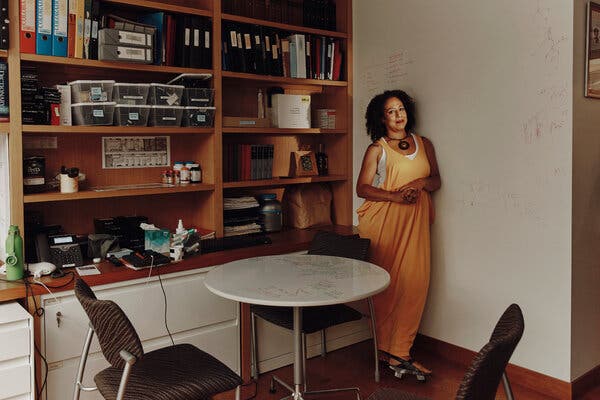
In June, 100 fruit fly scientists gathered on the Greek island of Crete for their biennial meeting. Among them was Cassandra Extavour, a Canadian geneticist at Harvard University. Her lab works with fruit flies to study evolution and development — “evo devo.” Most often, such scientists choose as their “model organism” the species Drosophila melanogaster — a winged workhorse that has served as an insect collaborator on at least a few Nobel Prizes in physiology and medicine.But Dr. Extavour is also known for cultivating alternative species as model organisms. She is especially keen on the cricket, particularly Gryllus bimaculatus, the two-spotted field cricket, even though it does not yet enjoy anything near the fruit fly’s following. (Some 250 principal investigators had applied to attend the meeting in Crete.)“It’s crazy,” she said during a video interview from her hotel room, as she swatted away a beetle. “If we tried to have a meeting with all the heads of labs working on that cricket species, there might be five of us, or 10.”Crickets have already been enlisted in studies on circadian clocks, limb regeneration, learning, memory; they have served as disease models and pharmaceutical factories. Veritable polymaths, crickets! They are also increasingly popular as food, chocolate-covered or not. From an evolutionary perspective, crickets offer more opportunities to learn about the last common insect ancestor; they hold more traits in common with other insects than fruit flies do. (Notably, insects make up more than 85 percent of animal species).Cassandra Extavour, a principal investigator on the study, in her office at Harvard University. “We should pick the right tool, and that includes the right organism, for the sort of question we want to ask,” she said.Tony Luong for The New York TimesNotebooks and a plate of crickets in Seth Donoughe’s home lab near the University of Chicago. He described embryology as the study of how a developing animal makes “the right parts at the right place at the right time.”Mustafa Hussain for The New York TimesDr. Extavour’s research aims at the fundamentals: How do embryos work? And what might that reveal about how the first animal came to be? Every animal embryo follows a similar journey: One cell becomes many, then they arrange themselves in a layer at the egg’s surface, providing an early blueprint for all adult body parts. But how do embryo cells — cells that have the same genome but aren’t all doing the same thing with that information — know where to go and what to do?“That’s the mystery for me,” Dr. Extavour said. “That’s always where I want to go.”Seth Donoughe, a biologist and data scientist at the University of Chicago and an alumnus of Dr. Extavour’s lab, described embryology as the study of how a developing animal makes “the right parts at the right place at the right time.” In some new research featuring wondrous video of the cricket embryo — showing certain “right parts” (the cell nuclei) moving in three dimensions — Dr. Extavour, Dr. Donoughe and their colleagues found that good old-fashioned geometry plays a starring role.Humans, frogs and many other widely studied animals start as a single cell that immediately divides again and again into separate cells. In crickets and most other insects, initially just the cell nucleus divides, forming many nuclei that travel throughout the shared cytoplasm and only later form cellular membranes of their own.A time-lapse video of two cricket embryos inside their respective eggs, captured during a five-day period of their development. Video by Seth DonougheIn 2019, Stefano Di Talia, a quantitative developmental biologist at Duke University, studied the movement of the nuclei in the fruit fly and showed that they are carried along by pulsing flows in the cytoplasm — a bit like leaves traveling on the eddies of a slow-moving stream.But some other mechanism was at work in the cricket embryo. The researchers spent hours watching and analyzing the microscopic dance of nuclei: glowing nubs dividing and moving in a puzzling pattern, not altogether orderly, not quite random, at varying directions and speeds, neighboring nuclei more in sync than those farther away. The performance belied a choreography beyond mere physics or chemistry.“The geometries that the nuclei come to assume are the result of their ability to sense and respond to the density of other nuclei near to them,” Dr. Extavour said. Dr. Di Talia was not involved in the new study but found it moving. “It’s a beautiful study of a beautiful system of great biological relevance,” he said.Journey of the nucleiFluorescent cell nuclei dividing in the cricket embryo. Video by Taro NakamuraThe cricket researchers at first took a classic approach: Look closely and pay attention. “We just watched it,” Dr. Extavour said.They shot videos using a laser-light sheet microscope: Snapshots captured the dance of the nuclei every 90 seconds during the embryo’s initial eight hours of development, in which time 500 or so nuclei had amassed in the cytoplasm. (Crickets hatch after about two weeks.)Typically, biological material is translucent and difficult to see even with the most souped-up microscope. But Taro Nakamura, then a postdoc in Dr. Extavour’s lab, now a developmental biologist at the National Institute for Basic Biology in Okazaki, Japan, had engineered a special strain of crickets with nuclei that glowed fluorescent green. As Dr. Nakamura recounted, when he recorded the embryo’s development the results were “astounding.”That was “the jumping-off point” for the exploratory process, Dr. Donoughe said. He paraphrased a remark sometimes attributed to the science fiction author and biochemistry professor Isaac Asimov: “Often, you’re not saying ‘Eureka!’ when you discover something, you’re saying, ‘Huh. That’s weird.’”Initially the biologists watched the videos on loop, projected onto a conference-room screen — the cricket-equivalent of IMAX, considering that the embryos are about one-third the size of a grain of (long-grain) rice. They tried to detect patterns, but the data sets were overwhelming. They needed more quantitative savvy.Dr. Donoughe contacted Christopher Rycroft, an applied mathematician now at the University of Wisconsin-Madison, and showed him the dancing nuclei. ‘Wow!’ Dr. Rycroft said. He had never seen anything like it, but he recognized the potential for a data-powered collaboration; he and Jordan Hoffmann, then a doctoral student in Dr. Rycroft’s lab, joined the study.Over numerous screenings, the math-bio team contemplated many questions: How many nuclei were there? When did they start to divide? What directions were they going in? Where did they end up? Why were some zipping around and others crawling?Jordan Hoffmann helped to identify higher-order geometric patterns in the movements of the nuclei.Tom Jamieson for The New York TimesDr. Donoughe, a biologist and data scientist, enjoys “thinking about the spacing of cells, the sizes of cells, the shapes of cells.”Mustafa Hussain for The New York TimesTaro Nakamura engineered a strain of crickets with nuclei that glowed fluorescent green.Kosuke Okahara for The New York TimesChristopher Rycroft, an applied mathematician at the University of Wisconsin-Madison and a principal investigator on the new study.Tony Luong for The New York TimesDr. Rycroft often works at the crossroads of the life and physical sciences. (Last year, he published on the physics of paper crumpling.) “Math and physics have had a lot of success in deriving general rules that apply broadly, and this approach may also help in biology,” he said; Dr. Extavour has said the same.The team spent a lot of time swirling ideas around at a white board, often drawing pictures. The problem reminded Dr. Rycroft of a Voronoi diagram, a geometric construction that divides a space into nonoverlapping subregions — polygons, or Voronoi cells, that each emanate from a seed point. It’s a versatile concept that applies to things as varied as galaxy clusters, wireless networks and the growth pattern of forest canopies. (The tree trunks are the seed points and the crowns are the Voronoi cells, snuggling closely but not encroaching on one another, a phenomenon known as crown shyness.)In the cricket context, the researchers computed the Voronoi cell surrounding each nucleus and observed that the cell’s shape helped predict the direction the nucleus would move next. Basically, Dr. Donoughe said, “Nuclei tended to move into nearby open space.”Geometry, he noted, offers an abstracted way of thinking about cellular mechanics. “For most of the history of cell biology, we couldn’t directly measure or observe the mechanical forces,” he said, even though it was clear that “motors and squishes and pushes” were at play. But researchers could observe higher-order geometric patterns produced by these cellular dynamics. “So, thinking about the spacing of cells, the sizes of cells, the shapes of cells — we know they come from mechanical constraints at very fine scales,” Dr. Donoughe said.A simulation of cell nuclei dividing and moving within the cricket egg. Each colored blob represents the space around each nucleus. Video by Jordan HoffmannTo extract this sort of geometric information from the cricket videos, Dr. Donoughe and Dr. Hoffmann tracked the nuclei step-by-step, measuring location, speed and direction.“This is not a trivial process, and it ends up involving a lot of forms of computer vision and machine-learning,” Dr. Hoffmann, an applied mathematician now at DeepMind in London, said.They also verified the software’s results manually, clicking through 100,000 positions, linking the nuclei’s lineages through space and time. Dr. Hoffmann found it tedious; Dr. Donoughe thought of it as playing a video game, “zooming in high-speed through the tiny universe inside a single embryo, stitching together the threads of each nucleus’s journey.”Next they developed a computational model that tested and compared hypotheses that might explain the nuclei’s motions and positioning. All in all, they ruled out the cytoplasmic flows that Dr. Di Talia saw in the fruit fly. They disproved random motion and the notion that nuclei physically pushed each other apart.Instead, they arrived at a plausible explanation by building on another known mechanism in fruit fly and roundworm embryos: miniature molecular motors in the cytoplasm that extend clusters of microtubules from each nucleus, not unlike a forest canopy.The team proposed that a similar type of molecular force drew the cricket nuclei into unoccupied space. “The molecules might well be microtubules, but we don’t know that for sure,” Dr. Extavour said in an email. “We will have to do more experiments in the future to find out.”The geometry of diversityDr. Donoughe’s “embryo-constriction device.”Seth DonougheThis cricket odyssey would not be complete without mention of Dr. Donoughe’s custom-made “embryo-constriction device,” which he built to test various hypotheses. It replicated an old-school technique but was motivated by previous work with Dr. Extavour and others on the evolution of egg sizes and shapes.This contraption allowed Dr. Donoughe to execute the finicky task of looping a human hair around the cricket egg — thereby forming two regions, one containing the original nucleus, the other a partially pinched-off annex.Then, the researchers again watched the nuclear choreography. In the original region, the nuclei slowed down once they reached a crowded density. But when a few nuclei sneaked through the tunnel at the constriction, they sped up again, letting loose like horses in open pasture.This was the strongest evidence that the nuclei’s movement was governed by geometry, Dr. Donoughe said, and “not controlled by global chemical signals, or flows or pretty much all the other hypotheses out there for what might plausibly coordinate a whole embryo’s behavior.”Fluorescent nuclei in a cricket embryo that has been constricted by a human hair. Video by Seth DonougheBy the end of the study, the team had accumulated more than 40 terabytes of data on 10 hard drives and had refined a computational, geometric model that added to the cricket’s tool kit.“We want to make cricket embryos more versatile to work with in the laboratory,” Dr. Extavour said — that is, more useful in the study of even more aspects of biology.The model can simulate any egg size and shape, making it useful as a “testing ground for other insect embryos,” Dr. Extavour said. She noted that this will make it possible to compare diverse species and probe deeper into evolutionary history.But the study’s biggest reward, all the researchers agreed, was the collaborative spirit.“There’s a place and time for specialized knowledge,” Dr. Extavour said. “Equally as often in scientific discovery, we need to expose ourselves to people who aren’t as invested as we are in any particular outcome.”The questions posed by the mathematicians were “free of all sorts of biases,” Dr. Extavour said. “Those are the most exciting questions.”

Read more →

As Monkeypox Spreads, U.S. Declares a Health Emergency

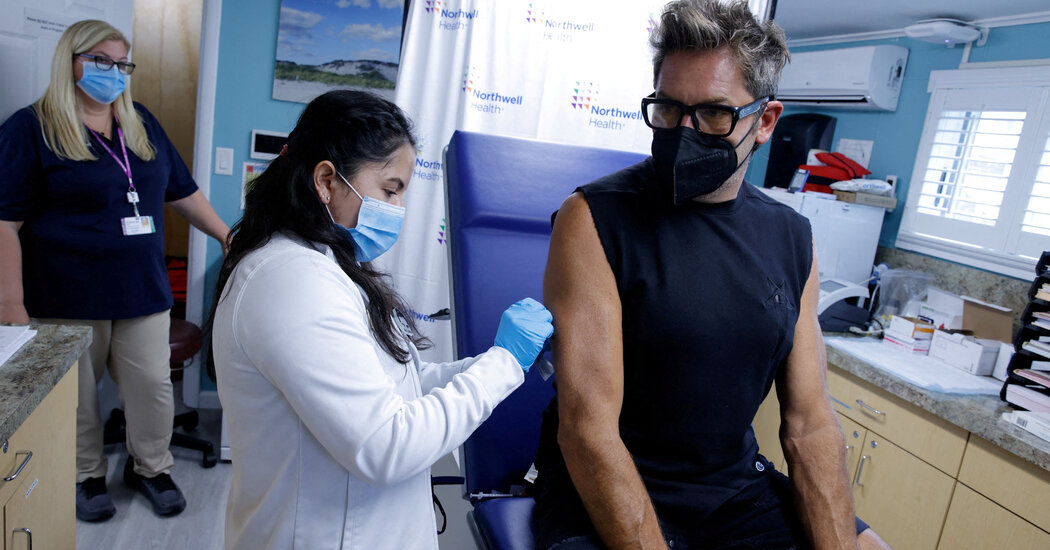
The designation will free up emergency funds and lift some bureaucratic hurdles, but many experts fear containment may no longer be possible.WASHINGTON — The Biden administration on Thursday declared the growing monkeypox outbreak a national health emergency, a rare designation signaling that the virus now represents a significant risk to Americans and setting in motion new measures aimed at containing the threat.The declaration by Xavier Becerra, President Biden’s health secretary, marks just the fifth such national emergency since 2001, and comes as the country remains in a state of emergency over the coronavirus pandemic. The World Health Organization declared a global health emergency over the outbreak late last month.Mr. Becerra’s announcement, at an afternoon news briefing where he was joined by a raft of other top health officials, gives federal agencies power to quickly direct money toward developing and evaluating vaccines and drugs, to gain access to emergency funding and to hire additional workers to help manage the outbreak, which began in May.“We’re prepared to take our response to the next level in addressing this virus,” Mr. Becerra said, adding that “we urge every American to take monkeypox seriously, and to take responsibility to help us tackle this virus.”Mr. Biden has faced intense pressure from public health experts and activists to move more aggressively to combat monkeypox, which has infected more than 6,600 people in the United States. Lawrence O. Gostin, a health law expert at Georgetown University, called Thursday’s declaration “a pivotal turning point in the monkeypox response, after a lackluster start.”Supplies of the monkeypox vaccine, called Jynneos, have been severely constrained, and the administration has been criticized for moving too slowly to expand the number of doses. Less than a decade ago, the United States had 20 million Jynneos doses; by May, the vast majority of them had expired.In echoes of the early coronavirus response, tests have been difficult to obtain, surveillance has been spotty and it has been challenging to get an accurate count of cases. The administration has also been faulted for not doing enough to educate people in the L.G.B.T.Q. community, who are at high risk, before gay pride celebrations in June.“We have 5 percent of the world’s population and 25 percent of the world’s cases,” said Dr. Carlos del Rio, an infectious disease physician at Emory University in Atlanta. “That, to me, honestly, is a failure. We were caught sleeping at the wheel.”To address the vaccine shortage, Dr. Robert Califf, the Food and Drug Administration commissioner, who joined Mr. Becerra on Thursday, said his agency was exploring a strategy that would expand the number of available Jynneos doses by administering the shots differently — into layers of the skin, rather than the fat underneath. If it works, one-fifth of the current dose could be used to protect against the virus.Dr. Califf said the agency was optimistic about the idea and expected to make a final decision “within the next few days,” adding, “It’s important to note that overall safety and efficacy profile will not be sacrificed for this approach.”What to Know About the Monkeypox VirusCard 1 of 7What is monkeypox?

Read more →