Body posture affects how oral drugs absorbed by stomach

A common, economic, and easy method of administering drugs is orally, by swallowing a pill or capsule. But oral administration is the most complex way for the human body to absorb an active pharmaceutical ingredient, because the bioavailability of the drug in the gastrointestinal tract depends on the medication’s ingredients and the stomach’s dynamic physiological environment.
In Physics of Fluids, by AIP Publishing, researchers from Johns Hopkins University and Johns Hopkins School of Medicine employ a biomimetic in-silico simulator based on the realistic anatomy and morphology of the stomach — a “StomachSim” — to investigate and quantify the effect of body posture and stomach motility on drug bioavailability.
“Oral administration is surprisingly complex despite being the most common choice for drug administration,” said co-author Rajat Mittal. “When the pill reaches the stomach, the motion of the stomach walls and the flow of contents inside determine the rate at which it dissolves. The properties of the pill and the stomach contents also play a major role.
“However, current experimental or clinical procedures for assessing the dissolution of oral drugs are limited in their ability to study this, which makes it a challenge to understand how the dissolution is affected in different stomach disorders, such as gastroparesis, which slows down the emptying of the stomach.”
Stomach contents, motility, and gastric fluid dynamics all play a role in a drug’s bioavailability, and stomach contractions can induce pressure and generate complex pill trajectories. This results in varying rates of pill dissolution and nonuniform emptying of the drug into the duodenum and, sometimes, gastric dumping in the case of modified-release dosage.
Together, these issues pose several challenges for the design of drug delivery.
“In this work, we demonstrate a novel computer simulation platform that offers the potential for overcoming these limitations,” said Mittal. “Our models can generate biorelevant data on drug dissolution that can provide useful and unique insights into the complex physiological processes behind the oral administration of pills.”
The modeling appears to be the first of its kind to couple gastric biomechanics with pill movement and drug dissolution to quantify an active pharmaceutical ingredient passing through the pylorus into the duodenum. The model enabled the researchers to calculate and compare the emptying rate and the release of a dissolved active pharmaceutical ingredient into the duodenum for a variety of physiological situations.
Story Source:
Materials provided by American Institute of Physics. Note: Content may be edited for style and length.

Read more →

Chemists achieve 'molecular editing' feat

Chemists from Scripps Research and the University of California, Los Angeles, have developed methods for the precise, flexible modification of a broad class of chemical compounds called bicyclic aza-arenes, which are commonly used to build drug molecules.
The landmark achievement, reported August 9, 2022, in Nature, reflects a powerful new approach that generally offers much easier and more flexible molecular design, enabling chemists to synthesize innumerable chemical products — including potential blockbuster drugs — that were previously out of reach.
“These new methods effectively give chemists a unified, practical, late-stage ‘molecular editing’ toolkit for modifying bicyclic aza-arenes at desired sites in any desired order — greatly expanding the diversity of drugs and other useful molecules that could be built from these popular starting compounds,” says study co-leader Jin-Quan Yu, PhD, the Bristol Myers Squibb Endowed Chair in Chemistry and Frank and Bertha Hupp Professor of Chemistry at Scripps Research.
Yu and his lab collaborated on the research with the lab of Kendall Houk, PhD, Distinguished Research Professor in the Department of Chemistry and Biochemistry at UCLA. The first authors of the study were postdoctoral researchers Zhoulong Fan, PhD, and Xiangyang Chen, PhD, of the Yu and Houk labs respectively.
Building organic molecules with laboratory chemistry techniques, a practice known as organic synthesis, has always been more challenging than building things at macro scale. Down at the molecular scale, how sets of atoms move and bond to each other is governed by a highly complex mix of forces. Although chemists have developed hundreds of reactions that can transform starting compounds into other compounds, they have lacked toolkits for modifying widespread carbon centers containing carbon-hydrogen bonds only.
The ambitious goal, or “Holy Grail,” of many synthetic chemists has been to develop flexible and universal molecular editing methods that modify as many carbon atoms as possible at any site by breaking carbon-hydrogen bonds in the starting molecules. Specifically, synthetic chemists have wanted to, in a streamlined and easy way, modify the atom of their choice — typically carbon — on the backbone of a given organic molecule, and to modify more than one of these carbon atoms on the molecule, and in any order. This ability would make the construction of new molecules as straightforward as creating a sentence by changing individual words at will. But the difficulty of devising reactions that can direct a modification to one specific atom, and not others that may be virtually identical in traditional chemical terms, has tended to make the concept of molecular editing seem like an impossible dream.

Read more →

Two-medication strategy offers both benefit and risk after coronary artery bypass surgery

A new analysis shows that a combination of two anti-platelets drugs can benefit patients after the most common type of cardiac surgery — while also increasing the risk of potentially dangerous bleeding. This double-edged finding from Weill Cornell Medicine and NewYork-Presbyterian investigators suggests physicians should carefully weigh the use of these medications after this procedure.
In an analysis reported Aug. 9 in JAMA, a team led by Dr. Mario Gaudino, a coronary artery bypass surgeon, examined data from 1,668 grafts in which surgeons use a piece of vein taken from the leg to circumvent blocked coronary arteries. Sometimes, however, blood clots form within the grafted vein, obstructing blood flow. Typically, patients are given aspirin; however, some evidence suggests that aspirin along with a prescription strength anti-platelet agent, such as one called ticagrelor, can more effectively prevent this clotting.
“We found that, yes, this dual therapy significantly reduces the risk that the grafts will fail. However, for the first time, we have shown that this approach also carries a significant risk of clinically important bleeding,” said Dr. Gaudino, the Stephen and Suzanne Weiss Professor in Cardiothoracic Surgery at Weill Cornell Medicine and a cardiothoracic surgeon at NewYork-Presbyterian/Weill Cornell Medical Center. “So, the benefit comes at a price.”
Taken together, these results indicate physicians should base their decisions on patients’ individual circumstances and avoid using this approach for those with conditions that put them at risk of bleeding, he said.
Every year, approximately 300,000 patients undergo coronary artery bypass grafts to treat narrowed or blocked arteries that deprive the heart muscle of oxygen-rich blood. In more than 90 percent of these procedures, surgeons take a graft from one of the patient’s saphenous veins, which carry blood up the inner side of the legs. However, within a year, as many as a quarter of these grafts become obstructed.
Some studies have examined the benefit of giving patients both aspirin and ticagrelor, an approach known as dual antiplatelet therapy (DAPT). However, these studies were small and came to conflicting conclusions. The team, including first author Dr. Sigrid Sandner, a master’s student in clinical epidemiology at the Weill Cornell Graduate School of Medical Sciences, reached out to researchers on four such trials to obtain access to their raw data. The team then compiled that data, in effect creating a much larger study capable of generating more robust conclusions.
They found a failure rate of approximately 11 percent in patients who received a combination of aspirin and ticagrelor, while blockages occurred in 20 percent of grafts when patients received only aspirin. However, as compared with aspirin alone, DAPT brought on more bleeding events that, while generally not life threatening, required medical attention.
In these previous trials, patients received DAPT for a full year. However, most graft failure occurs in the first few months after surgery. Next, Dr. Gaudino, who is also director of the Joint Clinical Trials Office at Weill Cornell Medicine and NewYork-Presbyterian, hopes to test aspirin and ticagrelor over one to three months to see if a shortened course offers the same benefit with less risk of bleeding.
Story Source:
Materials provided by Weill Cornell Medicine. Note: Content may be edited for style and length.

Read more →

Microrobotics in endodontic treatment, diagnostics

With its irregularities and anatomical complexities, the root canal system is one of the most clinically challenging spaces in the oral cavity. As a result, biofilm not fully cleared from the nooks and crannies of the canals remains a leading cause of treatment failure and persistent endodontic infections, and there are limited means to diagnose or assess the efficacy of disinfection. One day, clinicians may have a new tool to overcome these challenges in the form of microrobots.
In a proof-of-concept study, researchers from Penn Dental Medicine and its Center for Innovation & Precision Dentistry (CiPD), have shown that microrobots can access the difficult to reach surfaces of the root canal with controlled precision, treating and disrupting biofilms and even retrieving samples for diagnostics, enabling a more personalized treatment plan. The Penn team shared their findings on the use of two different microrobotic platforms for endodontic therapy in the August issue of the Journal of Dental Research ; the work was selected for the issue’s cover.
“The technology could enable multimodal functionalities to achieve controlled, precision targeting of biofilms in hard-to-reach spaces, obtain microbiological samples, and perform targeted drug delivery, ” says Dr. Alaa Babeer, lead author of the study and a Penn Dental Medicine Doctor of Science in Dentistry (DScD) and endodontics graduate, who is now within the lab of Dr. Michel Koo, co-director of the CiPD .
In both platforms, the building blocks for the microrobots are iron oxide nanoparticles (NPs) that have both catalytic and magnetic activity and have been FDA approved for other uses. In the first platform, a magnetic field is used to concentrate the NPs in aggregated microswarms and magnetically control them to the apical area of the tooth to disrupt and retrieve biofilms through a catalytic reaction. The second platform uses 3D printing to create miniaturized helix-shaped robots embedded with iron oxide NPs. These helicoids are guided by magnetic fields to move within the root canal, transporting bioactives or drugs that can be released on site.
“This technology offers the potential to advance clinical care on a variety of levels,” says Dr. Koo, co-corresponding author of the study with Dr. Edward Steager, a senior research investigator in Penn’s School of Engineering and Applied Science.
“One important aspect is the ability to have diagnostic as well as therapeutic applications. In the microswarm platform, we can not only remove the biofilm, but also retrieve it, enabling us identify what microorganisms caused the infection. In addition, the ability to conform to the narrow and difficult-to-reach spaces within the root canal allows for a more effective disinfection in comparison to the files and instrumentation techniques presently used.”
A Collaborative System

Read more →

Daniella Topol of Rattlestick Theater’s New Calling: Nursing

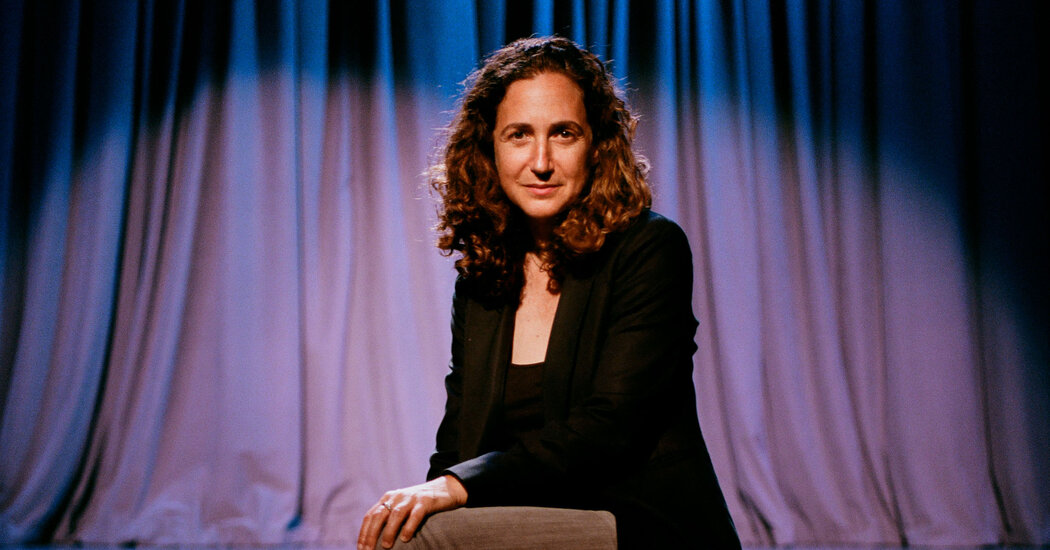
The artistic director of Rattlestick Playwrights Theater is making an unusual career change after preparing the company for a major renovation.There’s been a lot of turnover in theater leadership lately. Some have been drummed out of their jobs. Others have quit to do something else in the arts. Many have retired.Daniella Topol, the artistic director of Rattlestick Playwrights Theater and a career-long theater director, is leaving to become a nurse.The unusual move arrives at a pivotal time for Rattlestick, a small Off Broadway company that, in addition to rejuvenating following the long pandemic shutdown, is about to embark on a much-needed renovation of its cozy but imperfect West Village home, located in a 19th-century church parish house.Topol, 47, has been leading Rattlestick since 2016, succeeding David Van Asselt, who co-founded the company. Just before assuming the leadership position, she directed at Rattlestick a production of “Ironbound” by Martyna Majok, who went on to win a Pulitzer Prize for “Cost of Living.”Marin Ireland played a Polish immigrant in New Jersey in Martyna Majok’s “Ironbound,” directed by Topol for Rattlestick in 2016.Sara Krulwich/The New York TimesThree years later, another production Topol directed at Rattlestick altered her trajectory. While working on “Novenas for a Lost Hospital,” a play that both chronicled and mourned the demise of St. Vincent’s Hospital in Greenwich Village as patrons moved from location to location connected to the story, she consulted with nurses and nursing students, and something sparked.“A seed was planted and then we continued forward — a pandemic happened six months after that, and there was a lot of reflection around, ‘Where are we as a field?’ ‘Where are we as a city?’ ‘Where are we as a country?’ ‘Where are we going?’ ‘What role do we play or not play?’ ‘How do I as white woman hold power and privilege?’ ‘How don’t I?’ ‘Where do I fit in a constellation in a way that is productive?’” she said. “I have been doing, obviously, a lot of reflection about my own personal life, and meaningful and challenging experiences that I have had, on a very personal level, and many of them have centered inside of maternal care complexities, and so it sort of felt like it was aligning with the stars.”She said she is not sure exactly what she wants to do as a nurse, but she plans to stay in New York, and said that maternal health and birth equity — a term used to describe efforts to reduce racial and class inequities for new mothers and their infants — have become particular interests, intensified by the overturning of Roe v. Wade. “I’ve been pregnant many times — I’ve had a late-term loss, early term losses, and I have a child,” said Topol, who lives in Brooklyn with her husband and 10-year-old daughter. “I feel like it’s a way to hold the loss and let that help inform my next steps on a very personal level.”Ensemble members in “Novenas for a Lost Hospital,” a play marking the death of St. Vincent’s Hospital. “A seed was planted,” Topol said of her work on this 2019 production.Sara Krulwich/The New York TimesSo now, while preparing to direct a final play for Rattlestick this fall and working on other theater projects, she is taking prerequisite courses and volunteering at a hospital; Rattlestick is beginning a search for her successor, and she hopes that she will overlap with that person and then leave sometime next year, before starting nursing school next summer or fall.“I’ve only been a theater person,” she said. “Here I am, I’m waking up at 4:30 a.m. to study science and memorize muscles and bones and I’m dissecting a pig. It’s all kinds of things I never thought I would do.”Topol said there were other factors as well. She said that she has thought about “how long should anybody stay in any kind of leadership position,” and that the civil rights unrest of 2020 had intensified that thinking: “Part of the reckoning was about who is running companies, where does power lay, and how much power sharing is there — defining what the trajectory of the field is.”“There are other wonderful artists who can take over Rattlestick and do a beautiful job leading it and imagine things I haven’t been able to imagine,” she added.As the paths of Topol and Rattlestick diverge, she’s interested in highlighting the theater’s survival and growth, and its commitment to a smooth transition.Dael Orlandersmith in her one-woman show “Until the Flood,” which was produced at Rattlestick in 2018 during Topol’s tenure.Sara Krulwich/The New York TimesThe company, founded in 1994, is small — its annual prepandemic budget was $1.2 million, of which 80 percent was raised from foundations and donors — but has consistently attracted attention for its ambitious work, including not only Majok’s early play, but also work by Annie Baker, Samuel D. Hunter, Dael Orlandersmith and Heidi Schreck. The theater describes its mission, in part, as prompting “social change,” and much of its programming reflects that; its first post-shutdown play was “Ni Mi Madre,” a much-praised autobiographical examination of culture and sexuality by Arturo Luís Soria, whom the theater has now commissioned to write a follow-up.“What I’ve loved about Rattlestick is we’re small and scrappy and authentic and take chances and aren’t burdened by huge institutional issues of massive unaffordable space — we’re like a motorcycle, not a cruise ship,” Topol said. “You don’t get the luxury of the cruise ship — you get the scrappy ride of the motorcycle — but you get the flexibility to be able to twist and turn as things go.”Topol said she feels comfortable leaving in part because the theater now has a fully financed plan to redo its performance space, which it rents harmoniously from St. John’s in the Village, an Episcopal church. The theater space, where it has been located since 1999, has had two serious challenges: The only way to get there is to climb a narrow stairway, which means the theater is not accessible to those who can’t navigate those stairs; and the only way to use the bathroom is to traverse the stage.Rattlestick has now raised the $4 million — about half from the city — to finance a project that will, at its most basic, add an elevator and patron bathrooms, but will also modernize the entrance and the theater itself by relocating the front door, adding a box office and a small lobby, and removing the raised stage so that the performance and seating areas are flexible, as well as accessible. The theater will be able to seat up to 93 people — about the same as it does now. “It’s not ‘bigger is better,’” Topol said. “It feels like we are really right-sized for the work that we are doing.”“I was shocked, but also, as I thought about it, I saw where there was a connection with who she was,” Jeff Thamkittikasem, the chairman of Rattlestick’s board, said of Topol’s move.Dana Golan for The New York TimesThe renovation will allow Rattlestick to stay in the West Village, which has become a very pricey area, but is the neighborhood where the theater has long been located and is determined to remain. Rattlestick also shares a rehearsal space on Gansevoort Street with three other theater organizations. “It is critical to maintain places for artists in our neighborhoods,” said the renovation’s architect, Marta Sanders.Construction, Topol hopes, will begin next summer, pending city approval, and would last a year; during construction, the theater would present work at other locations. The theater is continuing to raise money for programming and operations.The chairman of the theater’s board, Jeff Thamkittikasem, acknowledged surprise at Topol’s move, but said he had become supportive.“When I first heard about it, I tried to talk her out of it, but my mom is a nurse, and at some point it switched for me and I saw that connection about wanting to care for others in a much more direct, physical way,” he said. “I was shocked, but also, as I thought about it, I saw where there was a connection with who she was.”Thamkittikasem said the organization is healthy and that the board has retained a search firm to look for Topol’s successor. He added, “Rattlestick is in a very strong place since Daniella took over — we’re stronger financially, we have good connections to foundations and funders, we have an active board and a solid staff, and our reputation has grown.”

Read more →

Future medical applications in drug design

Morphogens are molecules that travel from biological cell to cell to pattern tissues in the embryo. These molecules are important not only for the embryo during development, but also for the adult during tissue repair. However, the way these morphogens are distributed to ensure patterning occurs is still not fully understood.
Using a combination of experiments and mathematical modeling, a research team from the University of Tokyo and their international collaborators has learned more about the role morphogens play in tissue patterning. The results are relevant to medical applications, such as drug design. The team’s findings are published in the journal eLife.
The Wnt morphogen has emerged as a key regulator of heart development in vertebrates. These Wnt proteins are molecules that play an important role in cell development. However, it is still generally unclear to scientists exactly how Wnt regulates heart development. There are differences among the vertebrate classes, as well as redundancy in some species. However, scientists can study how Wnt regulates heart development in the Xenopus, an aquatic frog that is native to sub-Saharan Africa. The Xenopus, with its lungs and three-chamber heart, is cost-effective and useful to scientists in their study of human diseases.
In Xenopus heart development, scientists have already established that the Wnt6 morphogen is sent out by the epidermis, those outer layers of cells that make up the skin, to pattern the cardiogenic mesoderm, which is the group of cells in the embryo that will form the heart. From this patterning, a relatively thin pericardium (the membrane around the heart) and a broad myocardium (the heart’s muscular tissue) develop. Scientists are still working to better understand how the Wnt6 morphogen distribution is regulated to ensure reproducible positioning of the pericardium and myocardium in the cardiogenic mesoderm. “It is still unclear how reproducible patterning can be achieved with diffusing molecules, especially when that patterning concerns differentiation of thin tissues.” said Takayoshi Yamamoto, an assistant professor at the University of Tokyo and the first author and corresponding on the paper.
Scientists do know that in early embryo development, the range of Wnt8 morphogen signaling is precisely regulated heparan sulfate and secreted Wnt binding proteins, including Frzb (which is also known as sFRP3). Heparan sulfate is a carbohydrate that is important is embryo development. Wnt signaling is one of the main processes by which tissue takes shape during the development of the embryo. The research team wondered whether mechanisms similar to those that operate in early embryos also regulate distribution of Wnt6 morphogen in the cardiogenic mesoderm.
The Wnt receptor, Frizzled7, is essential for heart development. The expression of Frizzled7 is increased by Wnt signaling in the development of the nervous system in the Xenopus and in the development of human embryonic carcinoma cells, but there are no such reports in heart development. So the research team focused their study to analyze the way Wnt signaling occurs in the development of the heart, focusing on the extracellular components — the Frizzled7 cell-surface receptor, sFRP1 (an inhibitor of Wnt6 that can also travel from cell to cell) and heparan sulfate.
“With a combination of experiments and mathematical modeling, this receptor-feedback appears essential to shape a steep gradient of Wnt signaling. In addition, computer simulation revealed that this feedback imparts robustness against variations of Wnt ligand production and allows the system to reach a steady state quickly,” said Yamamoto.
Wnt6 and sFRP1 molecules not only regulate normal heart development in the embryo, but also regulate repair and regeneration after heart muscle injury, such as in the case of a myocardial infarction, or heart attack. “Our findings will be relevant to medical applications, for example, for drug design, since cell-surface molecules such as Frizzled or a specific modification of heparan sulfate or even the secreted molecule sFRP1, generally provide better drug targets than molecules inside cells. To reveal the precise regulation of morphogens and to consider medical applications, regulatory mechanisms of these components must be investigated further,” said Yamamoto.
The research was conducted in collaboration with researchers at the University of Aberdeen in the U.K.
Story Source:
Materials provided by University of Tokyo. Note: Content may be edited for style and length.

Read more →

A mutated eye offers a glimpse of a key protein for preventing cancer

Around 15 years ago, a group of researchers discovered mutant zebrafish. The eyes of these zebrafish did not develop correctly, resulting in them being significantly smaller than the eyes of wild zebrafish. Now, one of these researchers — Prof. Ichiro Masai — who leads the Developmental Neurobiology Unit at the Okinawa Institute of Science and Technology (OIST), alongside his former PhD student Dr. Swathy Babu, has used this mutation to understand the role of a protein in preventing cell death. This could have vast implications for the development of cancer therapy and for understanding how the cell cycle is regulated.
“Many cells that develop tumors reportedly have an issue with this protein,” said Prof. Masai, senior author of this research, which was published in eLife. “Furthermore, the importance of the protein for regulating the cell cycle and helping DNA repair has also previously been hypothesized, but not rigorously tested.”
Say the DNA of a cell is damaged. When the process of replicating the DNA to duplicate the cell takes place, the replication will halt at the damaged point. The cell will then activate a number of proteins to try to repair the DNA in multiple different ways. But if all the pathways that the cell utilizes fail, the cell will die. Prof. Masai hypothesized that they were seeing an increase in the number of cell deaths in the zebrafish mutants, which resulted in the eyes not developing properly.
Enter banp, a protein that’s been thought by researchers for some time to be involved in suppressing tumors and regulating the cell cycle. However, all previous research had been conducted on cell cultures as deleting the gene in mice or other model organisms resulted in the embryo dying. But zebrafish embryos, which develop outside the body of the parent, provided an ideal model for testing the theory.
For her PhD in the Developmental Neurobiology Unit, Dr. Babu looked at the role that banp played in regulating the cell cycle. The gene that encodes the banp protein is located on chromosome 25. First, the researchers sequenced the banp gene from the mutated fish and found an extensive mutation on the gene. They then took developing zebrafish that did not carry this mutation and introduced another mutation onto the banp gene. The resulting zebrafish also had eyes that did not develop correctly. This added to their theory that banp plays a key role in repairing DNA.
The next question regarded what banp did and how the mutations impacted the development of an organism. Recently, when banp was reported as an important protein for converting DNA to RNA, the researchers decided to compare the expressed genes in mutant zebrafish with those of the wild-type zebrafish. They found that banp seemed to promote the expression of 31 genes, which had multiple direct and indirect impacts. Specifically, the researchers in this study looked at different mechanisms that the cell would utilize to repair the DNA during cell proliferation. They found that each of these mechanisms required proteins produced by the banp gene that wasn’t produced to the same extent in the mutated version. Without banp operating as usual, DNA repair simply couldn’t take place.
“Banp seems to be a multiple regulator, influencing many different proteins, from DNA repair to cell duplication to tumor suppression,” said Dr. Babu, first author of the research paper.
Thus, a mutation on the banp gene seems to be linked to cell death. The scientists hope that this research will lead to further investigations of the links to cancer and cell cycle regulations.
Story Source:
Materials provided by Okinawa Institute of Science and Technology (OIST) Graduate University. Original written by Lucy Dickie. Note: Content may be edited for style and length.

Read more →

A role for cell 'antennae' in managing dopamine signals in the brain

A historically overlooked rod-like projection present on nearly every cell type in the human body may finally be getting its scientific due: A new study has found that these appendages, called cilia, on neurons in the brain have a key role in ensuring a specific dopamine receptor’s signals are properly received.
The research was conducted in mouse models of a disorder called Bardet-Biedl syndrome, and applies to one of five proteins that regulate dopamine signaling, called dopamine receptor 1. In certain regions of the brain, this receptor can be thought of as an “on” switch that initiates motivated behavior — basically any behavior linked to pursuit of a goal.
The study showed that if the receptor either gets stuck on cilia or never has a chance to localize to these cell “antennae,” messages telling the body to move are reduced.
“There’s something about dopamine receptor 1 needing to get to and from neuronal cilia that’s required for proper signaling,” said lead author Kirk Mykytyn, associate professor of biological chemistry and pharmacology in The Ohio State University College of Medicine. “This is the first demonstration that cilia are important for dopamine receptor 1 signaling.”
The study is published in the Journal of Neuroscience.
Bardet-Biedl syndrome (BBS) is part of a class of human diseases called ciliopathies — caused by dysfunctional cilia on a range of cell types — and is characterized by multiple organ system defects, adult blindness, obesity and intellectual disabilities.

Read more →

How We Mourn Covid’s Victims

LONDON — Piece by piece, the Covid-19 sanctuary was born on a hilltop in the town of Bedworth in central England. The process was meant to be a metaphor for a human life. Like bones fused over time, it grew taller as the memorial’s creators spent months joining intricate pieces of wood into a skeletal structure that finally stood on its own, 65 feet high.Then they burned it all down.There have always been monuments to commemorate the loss of life from calamitous events, such as the thousands of memorials dedicated to world wars, the Sept. 11 attacks, the Holocaust.“Sanctuary,” near Coventry, England, in May, before its creators burned it down.Andrew Boyers/ReutersThe structure was built of nearly 1,000 carvings of pine and birch arches, spires and cornices.Andrew Boyers/ReutersBut the Covid-19 pandemic, now in its third year, has presented a unique challenge for grieving families. It is not a singular event, in one location. As the death toll of more than six million worldwide continues to rise, communities and families are trying to keep up, building memorials at the same time that the tragedy is unfolding, its end not yet written.New monuments are being installed. Old projects are expanding. Photographs and biographies of Covid-19 victims in Malaysia and South Africa are updated online. Landscapes in villages and cities are transformed by remembrance, from a waist-high structure in Rajannapet, India, to spinning pinwheels fixed along a walkway in São Paulo, Brazil.Names are painted on a wall along the River Thames in London and on rocks arrayed in hearts on a farm in New Jersey. Thousands of fluttering flags were planted at the Rhode Island State House. Ribbons are tied to a church fence in South Africa.Bandung, Indonesia, in December 2021: A memorial dedicated to health care workers who died during the pandemic.Timur Matahari/Agence France-Presse — Getty ImagesShandong Province, China, in September 2020:A collection of 558 memorial tablets at a Taoist temple were inscribed with the names and hometowns of people who died.Tingshu Wang/ReutersWall Township, N.J., in October 2021: Mike Baronick saw his wife’s name during his first visit to a memorial wall. The wall began on a Jersey Shore beach before finding a permanent home on a community farm.Seth Wenig/Associated Press“People died alone in hospitals, or their loved ones could not even see them or hold their hands, so maybe some of these memorials have to do with a better send-off,” said Erika Doss, a University of Notre Dame professor who studies how Americans use memorials.“We really do need to remember, and we need to do it now,” Dr. Doss said. “Covid isn’t over. These are kind of odd memorials in that names are being added. They are kind of fluid. They are timeless.”It is not easy for the builders of these memorials to capture death. It is elusive and vast, like the airborne virus that claimed lives and left the question of how to make a physical manifestation out of a void.For the builders of the sanctuary in Bedworth, a former coal mining town, the answer was to turn away from their communal artistry of nearly 1,000 carvings of pine and birch arches, spires and cornices, and to reduce it to ash at sunset on May 28.New York in March 2021: Images of victims were projected over the Brooklyn Bridge as the city commemorated a Day of Remembrance.Kena Betancur/Agence France-Presse — Getty ImagesLima, Peru, in January 2021: A memorial to doctors who died of Covid-19.Paolo Aguilar/EPA, via ShutterstockRio de Janeiro in August 2020: People were silhouetted among crosses and balloons placed by members of the non-governmental organization Rio de Paz in tribute to Brazil’s Covid victims.Ricardo Moraes/ReutersWhat the moment needed, one organizer said, was an event of catharsis and rebirth, in which people who had seen the sanctuary standing can now go back and see it gone.“It will still be there in their mind,” Helen Marriage, a producer of the project, said. “Feel the emptiness, which is the same way you feel with this dead, loved person.”London in May 2021: Hearts painted on the National Covid Memorial Wall next to the River Thames.Daniel Leal/Agence France-Presse — Getty ImagesWall of HeartsOver a year after it started, new names are still being added to the thousands scrawled on hearts painted on a wall along the River Thames in London.A walk along its nearly half-mile stretch shows how death gutted generations and left few countries untouched. Arabic, Portuguese, Spanish and Urdu are among the languages in messages to “Grandpa,” “Mum,” “Daddy,” “Nana.”Uncle Joshua. My brother. My first friend.Their authors tried to understand death. “Angel wings gained too soon” was how someone described Sandra Otter’s death on Jan. 30, 2021. “Keep on Rocking” was the message to Big Pete.The virus claimed neighbors, comedians and drinking buddies, their stories told in marker on the wall. Dr. Sanjay Wadhawan “gave his life saving others.” Cookie is “still remembered at the post office.” To all London “cabbies, RIP.”Some tried to make sense of loss. Angela Powell was “not just a number.” One person wrote, “This was murder,” and another said, “They failed them all.” A woman named Sonia addressed Jemal Hussein: “Sorry you died alone.”The wall’s founders were citizens and activists, who started painting the empty hearts last year toward the end of one of Britain’s lockdowns. It is visible from Parliament across the river, to represent the more than 150,000 people who had Covid-19 on their death certificates in Britain.Soon, the hearts held countless names.“We have no control over it,” said Fran Hall, a volunteer who regularly paints new hearts and covers up any abusive graffiti that appears.“We could be painting one section, and people are adding hearts further down,” she said. “It is still happening. It is really organic.”Prague in March 2021: Thousands of crosses were drawn onto the pavement at the Old Town Square to commemorate the anniversary of the death of the first Czech Covid patient.Michal Cizek/Agence France-Presse — Getty ImagesShared GriefDacia Viejo-Rose, who researches society’s use of memorials at the University of Cambridge, said the “coming out” of grief over Covid-19 was compelling because so many suffered in isolation.“It became so much about what are the statistics of people dying, that we lost track of individual suffering,” she said. “We lost track of the individual stories.”People who are grieving will often seek solace at a memorial that is unrelated, she said.One day in June, Du Chen, a student from China who is studying at Manchester University, knelt to write in Mandarin on one of the painted hearts in London, to “wish everybody well.”“People are not just commemorating the people they have lost, but also the way of life before the pandemic,” he said.A family of tourists from Spain paused, saying their people suffered, too. Alba Prego, 10, ran her fingers along photographs attached to a heart mourning a California man, Gerald Leon Washington, who died at 72 in March.“The people who wrote that loved him very much,” she said.Around her, unmarked hearts awaited new names.With the death toll climbing, there will be more.Johannesburg in July 2020: Silva Cossa, a caretaker, tied ribbons onto a fence at St. James Presbyterian Church. The ribbons represent South Africans who have died from Covid.Themba Hadebe/Associated PressWhite RibbonsSpace is also being found for remembrance on a fence at St. James Presbyterian Church in Bedfordview, a suburb on the edge of Johannesburg. In early 2020, caretakers began tying white satin ribbons on the fence for people who died of Covid-19.By June 25, 2020, about three months after Covid-19 was declared a pandemic, they tied the 2,205th ribbon. By December, there were 23,827.In January 2021, the month with the highest average deaths in South Africa, the church said it would tie one ribbon for every 10 people who died.More than 102,000 people have died from Covid-19 in South Africa, although the rate has slowed, the latest figures show. In early July, the fence had 46,200 ribbons tied to it, said the Rev. Gavin Lock.Families “suffered huge trauma in not being able to visit loved ones in hospital, nor view the deceased, and in some cases not able to follow customary rites,” he said.Washington, D.C., in September 2021: An art exhibition blanketed the National Mall with more than 700,000 white flags, each representing a person lost to Covid.Kenny Holston for The New York TimesWhite FlagsIn Washington, D.C., more than 700,000 white flags, one for each person lost to Covid, were planted on 20 acres of federal land. From Sept. 17 through Oct. 3, 2021, mourners wandered through the rustling field, writing messages and names on the flags.“I miss you every day, baby,” a woman whispered as she planted a flag, in a moment captured in a documentary published by The New York Times.By May 12 this year, when the death toll in the United States reached one million, President Biden ordered flags to be flown at half-staff for four days at the White House and in public areas.The white flags have kept going up.Suzanne Brennan Firstenberg, the artist behind the installation, “In America: Remember,” said a memorial using new flags was being planned for New Mexico in October. In June, thousands were planted at the State House lawn in Providence, R.I., to commemorate the 3,000 people who died of Covid-19 there.“What we are seeing is this push for handling it at the state and local level, because no one sees it happening at the national level,” Ms. Firstenberg said.“The plane is still crashing,” she said. “And it is super hurtful to families to not somehow acknowledge that the pain is still there.”Visitors at the exhibit in Washington, D.C., in September 2021.Patrick Semansky/Associated Press

Read more →

The Long, Long Wait for a Diabetes Cure

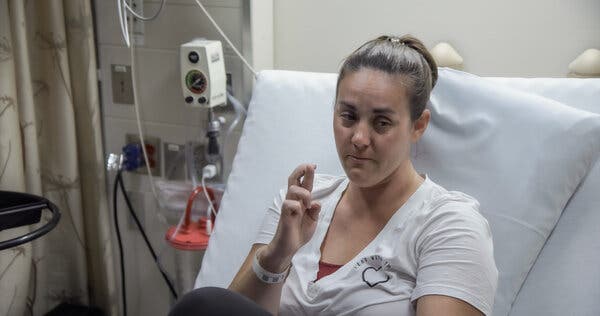
In the three decades since she was first diagnosed with Type 1 diabetes, Lisa Hepner has clung to a vague promise she often heard from doctors convinced medical science was on the cusp of making her body whole again. “Stay strong,” they would say. “A cure is just five years away.”But the cure has yet to arrive, and Ms. Hepner, 51, a filmmaker from Los Angeles, remains hobbled by her body’s inability to make insulin, the sugar-regulating hormone produced by the pancreas. “I might look fine to you,” she said, “but I feel crappy 70 percent of the time.”Staying healthy can be exhausting for many of the 37 million Americans with some form of diabetes. There’s the round-the-clock monitoring of sugar levels; the constant, life-sustaining insulin injections; and the potential threats from diabetes’ diabolical complications: heart disease, blindness, kidney damage and the possibility of losing a gangrenous limb to amputation.“‘The cure is five years away’ has become a joke in the diabetes community,” Ms. Hepner said. “If it’s so close, then what’s taking so long? And in the meantime, millions of us have died.”That attenuated sense of hope drove Ms. Hepner to spend nearly a decade following the fortunes of ViaCyte, a small San Diego biotech company working to create what would essentially be an artificial pancreas. If successful, its stem-cell-derived therapy would eliminate the pin-pricks and insulin injections that circumscribe the lives of the 1.5 million Americans with Type 1 diabetes. Vertex Pharmaceuticals, a Boston biotech company developing a similar therapy, has already made significant headway.Since its theatrical debut in June, “The Human Trial,” the documentary she produced with her husband, Guy Mossman, has electrified the diabetes community, especially those with Type 1, a disease that the uninitiated often conflate with the more common Type 2.Unlike Type 2, which tends to emerge slowly in adulthood and can sometimes be reversed early on with exercise and dietary changes, Type 1 is an autoimmune disease that often strikes without warning in childhood or adolescence.Type 1 is also far less prevalent, affecting roughly 10 percent of those with diabetes. A pancreas transplant can cure the disease, but donated organs are in short supply and the surgery carries substantial risks. In most years, only a thousand transplants are done in the United States. To ensure the body does not reject the implanted pancreas, recipients must take immunosuppressant drugs all their lives, making them more susceptible to infections.Maren Badger, one of the first patients to have experimental cell colonies implanted under her skin, in a scene from the film.AbramoramaTherapies developed from human embryonic stem cells, many experts say, offer the best hope for a lasting cure. “The Human Trial” offers a rare glimpse into the complexities and challenges of developing new therapies — both for the patients who volunteer for the grueling clinical trials required by the Food and Drug Administration, and for the ViaCyte executives constantly scrambling to raise the money needed to bring a new drug to market. These days, the average cost, including the many failed trials along the way, is a billion dollars.At a time when the soaring price of insulin and other life-sustaining drugs has tarnished public perceptions of the pharmaceutical industry, the film is also noteworthy for its admiring portrayal of a biotech company whose executives and employees appear genuinely committed to helping humanity. (Limiting the cost of insulin remains politically volatile. On Sunday, during a marathon vote on the Democrats’ climate and health bill, Republicans forced the removal of a provision with a $35 cap on insulin prices for patients with private insurance, though the cap remained in place for Medicare patients.)“The Human Trial,” which can also be viewed online, has become a rallying cry for Type 1 patients, many of whom believe only greater visibility can unleash the research dollars needed to find a cure.Those who have seen the film have also been fortified by seeing their own struggles and dashed hopes reflected in the journeys of the film’s two main subjects, Greg Romero and Maren Badger, who became among the first patients to have the experimental cell pouches implanted under their skin.The despair that drives them to become human guinea pigs can be hard to watch. Mr. Romero — whose father also had the disease, went blind before he was 30 and then died prematurely — confronts his own failing vision while grappling with the pain of diabetes-related nerve damage. “I hate insulin needles, I hate the smell of insulin. I just want this disease to go away,” Mr. Romero, 48, says numbly at one point in the film.Type 1 can leave patients feeling alienated and alone, in part because of flawed assumptions about the disease. Tim Hone, 30, a medical writer in New York who has been living with Type 1 since he was 15, said friends and acquaintances sometimes suggested that he was responsible for causing his illness. “I’ve had people scold me and say that if I went on a diet and stopped eating Snickers bars I could reverse my disease,” Mr. Hone said.The stigma often drives people with Type 1 to hide the disease. In his quest to feel “normal” at college, Todd Boudreaux said, he avoided telling friends about his illness, a decision that could have had dangerous ramifications in the event of a seizure brought on by low blood sugar levels.Greg Romero, one of the subjects in the documentary. “I hate insulin needles, I hate the smell of insulin. I just want this disease to go away,” he said.Abramorama“I didn’t want to be defined by my illness, and I didn’t want to be seen as weak, but having Type 1 does make you different and it’s important that everyone around knows so they can help if you have severe low blood sugar,” said Mr. Boudreaux, 35, who lives in Monterey, Calif., and works for the nonprofit group Beyond Type 1.Ms. Hepner, too, has spent much of her life downplaying the disease, even with her husband, Mr. Mossman. She recalled his confusion early in their relationship when he awoke to find her discombobulated and drenched in sweat, the result of hypoglycemia, or low blood sugar. The more Mr. Mossman, a cinematographer, learned about the disease, the more he pressed her to make the film.For years, Ms. Hepner stood her ground, worried about drawing unwanted attention to her health. “It’s a competitive world out there and I just didn’t want people to think, ‘Oh, she’s not thinking straight because her blood sugar is high,’” she said.But over time, the ubiquity of pink-ribbon breast cancer awareness campaigns and highly publicized efforts to cure Alzheimer’s made Ms. Hepner realize her filmmaking skills could change public perceptions of Type 1, a disease that is nearly invisible, in part because many people who have it do not look sick.She hopes to change other misperceptions, including the notion that diabetes is a relatively inconsequential and “manageable” illness, one that has been popularized by Big Pharma’s feel-good drug television commercials that feature self-assured patients playing tennis and basketball and piloting hot air balloons.In fact, the industry spends a fraction of its research dollars on finding a cure, with the rest directed toward developing medications and devices that make it easier to live with the disease, according to the Juvenile Diabetes Cure Alliance.The payoff from those investments is undeniable. For those who can afford them, continuous glucose-monitoring devices can obviate the need for self-administered finger-prick testing, and the machines can be paired with iPhone-size insulin pumps that eliminate much of the guesswork over dosing.Ms. Hepner with her son Jack in a scene from the film. “We need to stop trying to normalize this disease because, let’s face it, having diabetes isn’t normal,” she said.AbramoramaMs. Hepner has profound appreciation for the wonders of insulin: At one point in the film she pays homage to its inventor, Frederick Banting, during a visit to his home in Canada. But she notes that insulin-dependent diabetes is no picnic. Many people without insurance cannot afford the thousands of dollars it costs annually for the drug, forcing some to skimp and ration. And a miscalculated or ill-timed dose can lead to seizures, unconsciousness and even death. Even with all the advances in care, only about 20 percent of adults with Type 1 are able to maintain healthy blood sugar levels, according to a 2019 study. On one occasion, Ms. Hepner woke up in the I.C.U. after her insulin pump failed.“We need to stop trying to normalize this disease because, let’s face it, having diabetes isn’t normal,” she said. “It’s the other pandemic, one that killed 6.7 million people last year around the world.”Despite her frustrations, it would be inaccurate to describe Mr. Hepner and her film as pessimistic. At the risk of giving away too much, “The Human Trial” ends on a hopeful note. And despite a number of near-brushes with bankruptcy, ViaCyte succeeded in gaining the funding to keep the laboratory lights burning.Then there is more recent news that did not make it into the film. Last month, ViaCyte was acquired by Vertex, the competing biotech company that has been developing its own stem-cell treatment. That treatment has shown early success, and last year the company announced that a retired postal worker who took part in clinical trials had been cured of Type 1 diabetes.After almost a lifetime of hearing a cure was just around the corner, Dr. Aaron Kowalski, chief executive of the JDRF (Juvenile Diabetes Research Foundation), the world’s biggest funder of Type 1 research, counts himself as an optimist. A dozen more drug companies are pursuing a cure than a decade ago, he said, and the organization this year plans to spend $100 million on cure research. “It’s not a matter of if this will happen, it’s a matter of when,” said Dr. Kowalski, who is a scientist and has had the disease since childhood, as has a younger brother. “Our job is to make sure it happens faster.”Until that day, he added, people with diabetes, both Type 1 and Type 2, could use a little empathy and understanding.

Read more →