Disease warning as Pakistan flood death toll rises

Published1 day agoSharecloseShare pageCopy linkAbout sharingImage source, Getty ImagesAid workers warn a lack of clean drinking water is causing an increase in diseases in Pakistan, as the floods death toll passes 1,200.Access to clean water was the biggest problem for those trying to find food and shelter, said medical charity, Medecins Sans Frontieres.The government met on Saturday to assess the scale of the floods which have submerged a third of the country.At least one in three of the victims of the flooding are said to be children. Government minister Ahsan Iqbal said that the country did not have the resources to deal with the unprecedented crisis.The flooding was the worst climate-induced disaster in recent world history, he said. Some 1.4 million homes had been destroyed in record monsoon rains which have affected more than 33 million people. The country’s top disaster management official said that 2022 had brought some harsh realities of climate change for Pakistan.”This year we did not witness a spring season – we faced four heatwaves which caused large-scale forest fires across the country,” said Akhtar Nawaz.Pakistan floods: Images show huge scale of devastationPakistan floods are monsoon on steroids – UN’The water came and now everything is gone’Meanwhile, UN children’s agency Unicef said more children were at risk of dying from disease in Pakistan due to the shortage of clean water.”There is now a high risk of water-borne, deadly diseases spreading rapidly, diarrhoea, cholera, dengue, malaria,” Unicef’s Abdullah Fadil said. “There is therefore a risk of many more childdeaths.”Estimates suggest the floods have caused at least $10bn (£8.5bn) of damage in Pakistan, and many people face serious food shortages. Nearly half of the country’s crops have been destroyed. The country was already suffering from an economic crisis.One province, Balochistan, has received 436% more rain than the 30-year average this monsoon, according to Reuters.Pakistan produces less than 1% of global greenhouse gas emissions but its geography makes it extremely vulnerable to climate change.Many factors contribute to flooding, but a warming atmosphere caused by climate change makes extreme rainfall more likely.The world has already warmed by about 1.2C since the industrial era began and temperatures will keep rising unless governments around the world make steep cuts to emissions.More on this storyPakistan floods: Images show huge scale of devastation4 days agoTime running out for Pakistan’s flood-hit families3 days agoHow Pakistan floods are linked to climate change2 days ago

Read more →

Post-Roe Decision, Abortion Pill Providers Work to Broaden Access

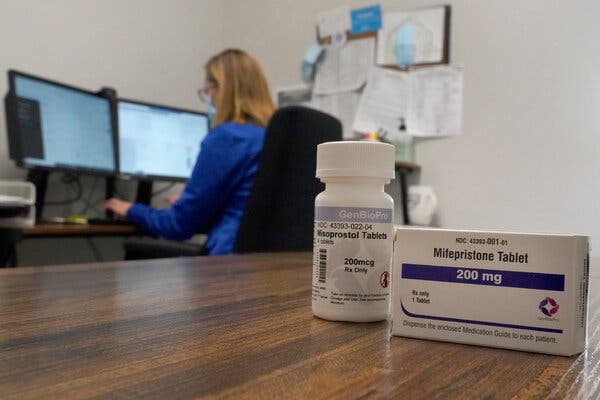
As bans and restrictions proliferate across the country, abortion pill providers are pushing the envelope of regulations and laws to meet the surging demand for medication abortion in post-Roe America.Some are using physician discretion to prescribe pills to patients further along in pregnancy than the 10-week limit set by the Food and Drug Administration. Some are making pills available to women who are not pregnant but feel they could need them someday. Some are employing a don’t-ask-don’t-tell approach, providing telemedicine consultations and prescriptions without verifying that patients are in states that permit abortion.These changes are easing access to the pills for patients in states that have curtailed abortion, and also in states where it remains legal, but where clinics have longer wait times as patients flood in from restrictive states.Some of the practices, like not confirming that telemedicine patients are located in states that allow abortion, may run afoul of anti-abortion state laws or fall into uncharted legal territory, but they may also be challenging to police, reproductive health experts said.“We’re going to see these different approaches by organizations as they assess what the laws say and develop their rationale for how to provide care,” said Elizabeth Nash, state policy analyst for the Guttmacher Institute, a research group supporting abortion rights. “We just don’t have a road map about how to provide medication abortion post-Roe, so it’s all being created right now.”Abortion opponents criticized the efforts, calling them risky for women. Tessa Longbons, senior research associate at the Charlotte Lozier Institute, an anti-abortion organization, said the method had greater rates of complications and failure after 10 weeks that “could just put women at risk.” Providing pills to women who are not pregnant, she said, creates a risk that a woman “could take it anytime or someone that it wasn’t initially prescribed to could end up taking it.”Medication abortion, which was legalized in the United States in 2000, typically involves two drugs: mifepristone, which blocks a hormone necessary for pregnancy development, followed 24 to 48 hours later by misoprostol, which causes contractions that expel pregnancy tissue.Patients with some medical issues, like bleeding disorders, are not prescribed abortion pills. But for the many patients who are medically eligible, data indicates medication abortion is safe and effective, with a small percentage of patients requiring a procedure to fully remove pregnancy tissue and an even smaller proportion experiencing serious complications.The method is less expensive, less invasive and, especially with telemedicine, more private than surgical abortions. By 2020, it accounted for over half of U.S. abortions and has become even more sought-after since Roe was overturned.In the fast-changing abortion landscape, new online medication-abortion services are starting, and existing services are expanding, often adopting some of the new practices. Legally, this is a new frontier, both supporters and opponents of abortion rights say. It’s unclear, for example, whether any anti-abortion state laws — which typically target providers, not patients — address providing pills to someone who is not pregnant.Read More on Abortion Issues in AmericaSounding the Alarm: A United Nations panel reviewing racial issues in the United States called on the Biden administration to take action to protect abortion access for minorities and low-income people, adding that these groups could be disproportionately hit by the end of Roe.In Michigan: A state board in Michigan refused to place an abortion rights referendum on the November ballot because of a dispute over word spacing on the petition, which included more than 750,000 signatures.Fetal Personhood: A push to grant fetuses the same legal rights as people is gaining momentum, as anti-abortion activists move beyond bans and aim to get the procedure classified as murder.“As these new practices are developing, it is likely that they will be in a legal gray area,” said John Seago, president of Texas Right to Life, who said current Texas laws only involve providing abortion to women known to be pregnant.Other practices, like those that help patients in states with bans obtain pills, might violate those laws. But questions remain. Most providers using these practices prescribe and distribute pills only within states where abortion is legal. If those legally prescribed pills are then used by residents of anti-abortion states, it’s unclear if those states can prosecute out-of-state providers.Dr. Seago, who has a doctorate in bioethics, said new legislation would probably be introduced to combat the new practices. “Legislators are committed to figuring out how to enforce these laws,” he said.Beyond the F.D.A. ThresholdIn the fast-changing abortion landscape, new online medication-abortion services are starting and existing services are expanding.Jeff Roberson/Associated PressBefore Roe was overturned, few American services offered pills beyond the F.D.A.’s 10-week threshold, but many are now.Abortion Telemedicine, which was started after a draft of the Supreme Court ruling overturning Roe leaked in May, serves patients throughout the first trimester, which is 13 weeks into pregnancy.That company, and others serving patients at 11 or 12 weeks’ gestation, can legally use medical discretion to do so because studies suggest that abortion pills are safe and effective at that stage. The World Health Organization supports medication abortion through 12 weeks’ gestation.Dr. Daniel Grossman, a professor of obstetrics, gynecology and reproductive sciences at the University of California, San Francisco, said that late in the first trimester, medication abortion is safe and effective, but that there’s “a somewhat higher risk of some complications, including heavy bleeding,” and an additional dose of misoprostol is often needed to fully expel the tissue.Some services, including Abortion Telemedicine, automatically send a second round of the four misoprostol tablets for patients undergoing late first-trimester abortions.Reproductive health experts said patients should be advised that, while earlier in pregnancy, expelled tissue resembles a heavy period, after 10 weeks, it can appear more fetus-like. Dr. Abigail R.A. Aiken, an associate professor at the University of Texas, Austin, who leads a medication-abortion research group, said preparing patients for what the tissue might look likecould also help them guard against legal risk in states banning abortion — for example, in a situation where a patient is surprised by what they see and “then is disclosing that to someone who’s like ‘Well, I’m going to report you.’”Joann, 23, a single mother, was already 10 weeks pregnant when she decided to abort, so she contacted Abortion Telemedicine. She said she initially planned to carry her pregnancy to term, but then her 3-year-old son was diagnosed with autism and her employer, the U.S. military, decided to transfer her to another state. Joann, who asked to be identified only by her first name to protect her privacy, was in Colorado at the time, where abortion is legal, but her community was conservative.The service’s nurse practitioner told her that since she’d be taking the pills after 10 weeks’ gestation, she should expect more pain and bleeding, and counseled that the expelled tissue might resemble a fetus “so that I would be prepared for it,” Joann said.At 11 weeks and two days pregnant, she took the mifepristone, followed by the first four-tablet dose of misoprostol the next day and the second round six hours later. The cramping hurt, but “it was bearable,” she said.Providing Pills Before PregnancyHana is not pregnant but sought abortion pills just in case she did have an unwanted pregnancy in a state with a strict abortion ban, a practice called advance provision.Adriana Zehbrauskas for The New York TimesSome services are offering “advance provision” of abortion pills to patients who aren’t pregnant. Christie Pitney, a midwife who works with Aid Access, a medication-abortion service based in Europe that works with U.S. providers, likened it to travelers who “get medication for traveler’s diarrhea or for altitude sickness before you actually need to use it.” She said patients completed medical consultations before receiving prescriptions and were asked to contact the service again for an evaluation before taking the pills. Mifepristone’s shelf life is three to five years and misoprostol’s is 18 to 24 months, experts say.Several reproductive health experts have recently endorsed advance provision, suggesting that safety risks are low if patients are medically screened before being prescribed pills and before taking them, and if they have access to medical care if needed. Still, providers acknowledge that in an environment where many states restrict abortion, some patients may not follow appropriate guidelines. An article supporting advance provision, co-written by Dr. Grossman at U.C.S.F., noted that patients could take the pills in inappropriate circumstances or give them to others, and recommended further study.Ms. Pitney said Aid Access, which began offering advance provision in the United States in September 2021, was receiving about 40 requests per day earlier this year, but that the week after the Supreme Court decision, over 10,000 requests poured in.Hana, 31, said she sought advance provision because she lives in Arizona, a conservative state where a ban or other restrictions could take effect, and which is one of 19 states prohibiting telemedicine abortion. Hana, a claims researcher for a health insurer, who asked to be identified by only her first name to protect her privacy, said she tried to order from Aid Access the day the Supreme Court overturned Roe, but couldn’t get onto the website because traffic was so heavy. Two days later, she succeeded.After patients complete medical consultation forms, Aid Access ships from within the United States to patients in states with legal telemedicine abortion, while patients in restrictive states, like Hana’s, receive pills from a pharmacy in India. In 2019, the F.D.A. tried unsuccessfully to get Aid Access to halt overseas shipping. The organization’s founder, Dr. Rebecca Gomperts, a Dutch physician, said that U.S. Customs had occasionally stopped packages, but that most arrived without incident.“I have it hidden in my closet,” said Hana, who lives alone, but doesn’t want guests to stumble upon the medication. “I’m a little nervous,” she said, but added, “It’s really nice to have it just in case.”An Honor System for Patients’ LocationAbortion medication in the storage bin of a shuttered abortion clinic in Texas.Evelyn Hockstein/ReutersSome services check IP addresses to ensure that during telemedicine-abortion consultations patients are located in states where the practice is legal, but a growing number have decided not to verify location.“We don’t have any barriers such as an ID verification or GPS validation,” Dr. Jayaram Brindala, the founder of Abortion Telemedicine, said. His company arranges video consultations in 17 states where telemedicine abortion is legal and its appointment-booking form asks patients where they live, but “it’s on their honor,” he said.Some patients indicate they reside in states with abortion restrictions and are traveling to states where abortion is legal to receive pills at an address there, where the company can legally ship them, Dr. Brindala said.Ms. Pitney, the midwife with Aid Access, who also runs a service based in the United States called Forward Midwifery, said a shipping address was the only geographical information those services required. Only if patients mention they are doing the medical consultation from a state that prohibits telemedicine abortion or shipping of pills will she say she cannot legally treat them and refer them to Plan C, an online clearinghouse for information about medication abortion.Plan C recently added information about “virtual mailboxes” with commercial mail-forwarding companies: addresses in states where pills can legally be shipped and forwarded to patients in restrictive states. Forwarding companies are most likely unaware of the contents of the nondescript packages.“You’re using a legal mailing service and you’re using a legal telehealth service and you’re getting F.D.A.-approved products from a clinician with a prescription and the providers are fully compliant with the rules,” said Elisa Wells, co-founder and co-director of Plan C, which tested mail-forwarding companies by shipping bottles filled with garbanzo beans to approximate the rattling of pill bottles.Some medication-abortion providers are trying to broaden access while following F.D.A. guidelines and verifying patients’ locations.Abortion on Demand, which serves patients only up to nine weeks’ gestation, checks that patients do their video consultations from one of 22 states or Washington, D.C., all locations where telemedicine abortion is legal, and it will not ship to mail-forwarding companies or P.O. Boxes.“We very explicitly say that we’re sort of banning anything that may not just put us in legal jeopardy, but really put patients and put patients’ friends who are helping them in legal jeopardy,” Leah Coplon, director of clinical operations, said.Still, she said, her organization recently expanded to Pennsylvania. That state allows telemedicine abortion, but since Abortion on Demand has no office in Pennsylvania, state law prevents it from shipping pills there. Instead, Pennsylvania patients pick up pills at FedEx sites in New Jersey or Maryland.“We’ve had a lot of interest,” she said. “If the Pennsylvania model works well, there may be the potential to expand it in other areas.”

Read more →

California Biotech Executive Is Guilty in $77 Million Blood-Testing Scheme

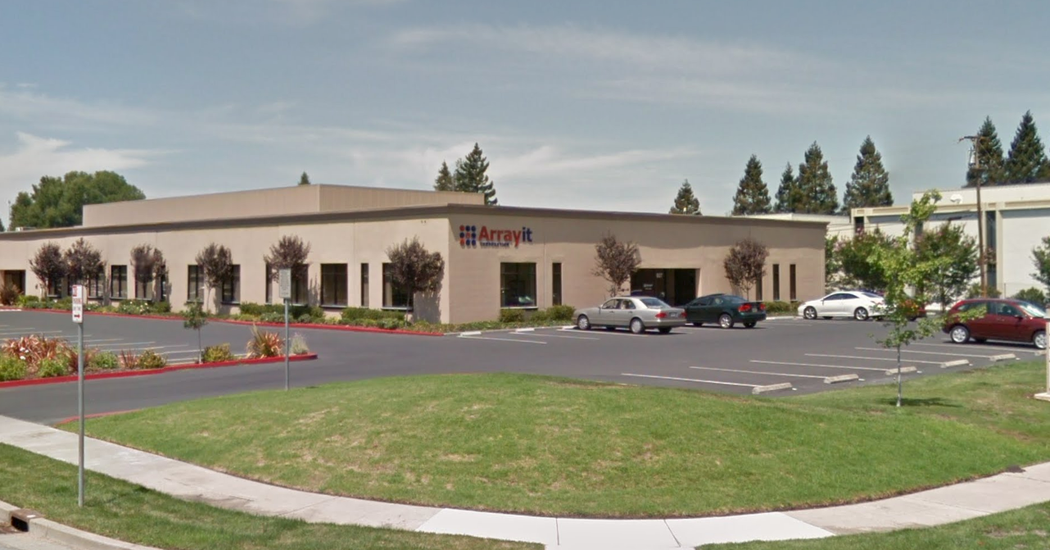
Arrayit Corporation claimed to have invented a technology to test for any disease using a drop of blood, including Covid-19 and cancer.A biotech executive in California was convicted on Thursday of orchestrating a $77 million scheme involving false and fraudulent claims for Covid-19 and allergy testing, federal prosecutors said.The executive, Mark Schena, 59, served as the president of Arrayit Corporation, a biomedical company that claimed to have invented technology to test for any disease using only a finger-prick drop of blood. According to the Arrayit website, its “microarray” technology could test for ovarian cancer, Parkinson’s disease, colon cancer and male fertility, among other diseases and conditions.Mr. Schena was convicted of a total of nine federal charges, including conspiracy to commit heath care, wire and health care fraud and three counts of securities fraud. He faces up to 20 years in prison for conspiracy to commit health care fraud and conspiracy to commit wire fraud, as well as 20 years for each count of securities fraud.Starting in 2018, Mr. Schena paid kickbacks and bribes to recruiters and doctors to run allergy testing for 120 different allergens, including hornet stings, shrimp, peanuts, dairy and Bermuda grass, regardless of medical necessity, federal prosecutors said.The U.S. Justice Department said he then developed “a deceptive marketing plan” that falsely promoted the test’s accuracy “when it was not, in fact, a diagnostic test.”According to the department, Mr. Schena submitted fraudulent claims to Medicare and private insurance for unnecessary allergy testing. The company billed more per patient to Medicare for blood-based allergy testing than any other laboratory in the United States, the Justice Department said. Some commercial insurers were billed more than $10,000 per test.As Arrayit’s allergy-testing business foundered during the coronavirus pandemic, the company turned to Covid-19 testing and claimed to have developed a blood-based test using its purported technology.As Arrayit falsely claimed that its Covid test was more accurate than a PCR test, the U.S. Food and Drug Administration had informed Mr. Schena that the Arrayit test was not accurate enough to receive an emergency use authorization. Mr. Schena concealed that rejection from investors.Mr. Schena described himself to investors as “the father of microarray technology,” and falsely stated that he was on the shortlist for the Nobel Prize, the Justice Department said.A phone number listed for the company has been disconnected. A lawyer for Mr. Schena, Todd A. Pickles, declined to comment on Friday.Arrayit compared itself to Theranos, the failed blood-testing start-up, at least once in its Facebook page, writing that its technology can use drops of blood “which are 250,000 times smaller than the volume of the Theranos nanotainer,” according to the Justice Department’s initial complaint in 2020.Elizabeth Holmes, the founder of Theranos who once promised to revolutionize health care through a simple blood test, and Ramesh Balwani, a former top executive at the company, were accused of exaggerating the abilities of its blood-testing machines in order to appeal to investors and customers.In January, Ms. Holmes was convicted of four counts of fraud, and in July, Mr. Balwani was found guilty of 12 counts of fraud.

Read more →

Scientists find cold spells in the tropics increase heart attack risk

Scientists have long known that temperature changes impact the incidence of heart attacks. However, most of the research done so far has been in temperate climates, where temperatures range widely.
Now, a team of researchers has investigated how the narrow temperature ranges of a tropical climate impact the incidence of a specific type of myocardial infarction (the medical term for a heart attack) in Singapore. The researchers say their findings, published in the journal Science of the Total Environment, could have health policy implications for populations within cosmopolitan cities in the tropics.
“Using 10 years of nationally collected data, we found strong evidence that a drop of 1°C in ambient temperature increased the risk of a type of acute myocardial infarction in the population by 12 per cent,” said co-senior author Professor Marcus Ong, Director of the Health Services & Systems Research Programme and the Pre-hospital & Emergency Research Centre (PERC) at Duke-NUS Medical School.
“Furthermore, people aged 65 and above appeared to be about 20 per cent more vulnerable to cooler temperatures compared to younger people,” added Prof Ong, who is also Senior Consultant at the Department of Emergency Medicine at Singapore General Hospital (SGH).
The study, which was conducted in collaboration with Singapore’s National Environment Agency (NEA), analysed daily patient records from the Singapore Myocardial Infarction Registry. The researchers were specifically looking for people who experienced non-ST-segment elevation myocardial infarction (NSTEMI). This is a type of acute heart attack that happens when a blood vessel feeding the heart becomes partially blocked. When doctors examine the patient’s electrocardiogram (ECG) results, they don’t find the easily identifiable ST elevation that signifies another type of heart attack, STEMI, which occurs when the coronary artery is completely blocked. Since the 1980s, the incidence of NSTEMI has risen while that of STEMI has declined.
The researchers were able to collect 60,643 reports of NSTEMI between 2009 and 2018. They then statistically analysed how the onset of NSTEMI in these patients correlated with local meteorological data obtained from weather stations across Singapore, including mean temperature and rainfall.
Cooler ambient temperatures were independently associated with an increased risk of NSTEMI up to 10 days after a temperature drop. There were no gender differences relating to the effects of warmer or cooler temperatures on NSTEMI risk. Nor were changes in rainfall associated with an increased risk.
“Our study found that even in a relatively warm part of the world, cooler ambient temperatures increased the risk of heart attacks,” said Dr Andrew Ho, one of the study’s first authors, who is an Assistant Professor with PERC and an Associate Consultant with SGH’s Department of Emergency Medicine. “This improves our understanding that deviations from the temperature that one is used to can lead to harmful bodily stress. Consistent with our previous studies that showed that the elderly were more susceptible to environmental stressors including air pollution, we found some evidence that this group of individuals were at greater risk of heart attacks at cooler temperatures.”
“There are several individual-level risk factors for cardiovascular disease, but none are as widely experienced as weather patterns,” said Dr Joel Aik, an environmental epidemiologist and co-senior author of the study from NEA, who is also an Adjunct Assistant Professor with PERC. “Daily weather variations have the capacity to trigger cardiovascular disease events in at-risk individuals, with particular implications for Singapore’s ageing population. In the context of climate change, these findings highlight a risk factor of substantial public health concern.”
Further research over a longer period is needed to confirm the results. The team also recommends research that helps to identify the biological pathways involved in increased vulnerability of the elderly to cold-related NSTEMI in the tropics.
Story Source:
Materials provided by Duke-NUS Medical School. Note: Content may be edited for style and length.

Read more →

COVID-19: U.S. life expectancy continued to decrease in 2021, study finds

An updated analysis of American COVID-19 deaths throughout 2021 highlights a continued drop in overall life expectancy as well as persistent disparities by race and ethnicity.
Lead author Theresa Andrasfay, a postdoctoral scholar at the University of Southern California Leonard Davis School of Gerontology, and coauthor Noreen Goldman at the Princeton School of Public and International Affairs first examined the pandemic’s effect on U.S. life expectancy in October 2020. Their initial study, published in Proceedings of the National Academy of Sciences in January 2021, showed that 2020 presented the largest single-year decline in life expectancy in at least 40 years and the lowest life expectancy estimated since 2003.
The updated analysis, published in PLOS ONE, indicates that U.S. life expectancy at birth decreased by 2.2 years from 78.8 in 2019 to 76.6 in 2021. The estimated decrease in life expectancy for 2021 is 0.6 years larger than the decrease observed in 2020, Andrasfay said.
“Despite the availability of effective vaccines, life expectancy continued to decline in 2021. Part of this is due to the large number of COVID-19 deaths that occurred in the beginning of 2021, before many individuals were eligible for vaccination,” she said. “But even once all adults became eligible for vaccination, many chose not to be vaccinated and even vaccinated individuals were not completely protected against the highly transmissible Delta and Omicron variants.”
The study highlighted that significant racial disparities in loss of lifespan have endured throughout the pandemic. Between 2019 and 2021, non-Latino whites lost 2 years on average, while non-Latino Blacks lost 3.5 years and Latinos lost 3.7 years of life expectancy. As noted in Andrasfay and Goldman’s previous analyses, Black and Latino Americans have experienced a disproportionate burden of coronavirus infections and deaths, reflecting persistent structural inequalities that heighten risk of exposure to and death from COVID-19. Goldman noted that “although Whites experienced a larger drop in life expectancy between 2020 and 2021 than the Black and Latino populations, resulting in a very modest reduction in racial and ethnic differences, the disparities in life expectancy loss since the start of the pandemic remain regrettably and unacceptably large.”
Although COVID-19 is the primary cause of continued life expectancy reductions in 2021, “increases in other causes of death relative to pre-pandemic levels contribute to these life expectancy declines,” the authors wrote. The pandemic appears to have played a role in the increase of drug overdose deaths in 2020 and 2021, and increased mortality from conditions such as heart disease or diabetes may be attributable to complications of Covid-19 infections and/or health care shortages and delays.
This week the CDC also released provisional estimates of life expectancy in 2021. “We did not have access to the same level of detailed data as the CDC, so we arrived at slightly different life expectancy estimates,” Andrasfay said. “Despite these differences, our results are largely in agreement in that we find continued life expectancy reductions in 2021 and persistent racial and ethnic disparities.”
“COVID-19 mortality has been lower in the first half of 2022 compared to 2021, so if there is a successful booster campaign in the fall and the dominant strains have lower fatality rates than previous variants, it is possible that 2022 life expectancy may improve relative to 2021, though it is unlikely to return to levels seen prior to 2020,” she added. “However, what happens with 2022 life expectancy will ultimately depend on this coming fall and winter.”
Story Source:
Materials provided by University of Southern California. Original written by Beth Newcomb. Note: Content may be edited for style and length.

Read more →

How historical precedents impeded recognition of airborne COVID-19 transmission

Millions of people have died of coronavirus infection since 2020 because influential institutions took too long to recognize that it is primarily airborne, and a new University of Colorado Boulder-led historical analysis sheds light on the delay. The authors trace this deadly resistance one hundred years back in history, to the rejection of sickly air called “miasma,” the rise of germ theory and our own stubborn tendency to retain beliefs in spite of accumulating evidence to the contrary.
While the SARS-CoV-2 virus was invisibly infecting people in 2020 through the air in hospitals, churches, workplaces and restaurants, people across the world were focused on disinfecting surfaces and washing their hands. Many governments and businesses installed plexiglass barriers that actually increased coronavirus spread, said Jose-Luis Jimenez, lead author of a new comprehensive historical assessment of major medical mistakes involving disease transmission, now published in the journal Indoor Air.
“History set us up for a poor response to the pandemic,” said Jimenez, fellow at the Cooperative Institute for Research in Environmental Sciences (CIRES) and distinguished professor of chemistry at CU Boulder. “We might have had millions of fewer deaths, hundreds of millions fewer cases, if we’d taken appropriate, effective action from the start.”
The overview, written with colleagues from 10 countries, illuminates the often deadly impact of “belief perseverance,” in which it can take years or decades to challenge a set of beliefs — especially when the consequence of changing a set of beliefs is costly. It’s less expensive to ask people to wash hands or disinfect surfaces than it is to update a ventilation system, for example, or to re-engineer school classrooms, city buses and corporate boardrooms.
The authors, who include physicians, virologists, public health specialists, aerosol scientists, engineers, historians, a sociologist and an architect, spin through numerous examples of fatal mistakes in the history of research on infectious diseases. In 1847, for example, a scientist working in Austria showed that handwashing by medical doctors reduced deadly puerperal fever in a clinic. His work was dismissed because at the time, established medical and scientific beliefs blamed “a miasma in the air.” Handwashing made no sense to the establishment, and the suggestion that physicians, themselves, might be spreading disease, offended many.
Half a century later, another prominent researcher, Charles Chapin, ridiculed the idea of spooky miasmas or infected air. Chapin’s own work on infection had suggested to him that “contact infection” was the predominant way most infections spread. But he also knew how difficult it was to persuade people to wash their hands and disinfect surfaces if they thought some diseases might spread through the air, and how difficult it would be to figure out how to clean the air itself. So he argued his “contact infection” theory without evidence and managed to effectively label airborne disease transmission as superstition.

Read more →

Motion of DNA linked to its damage response, ability to repair itself

A multidisciplinary team of Indiana University researchers have discovered that the motion of chromatin, the material that DNA is made of, can help facilitate effective repair of DNA damage in the human nucleus — a finding that could lead to improved cancer diagnosis and treatment. Their findings were recently published in the Proceedings of the National Academy of Sciences.
DNA damage happens naturally in human body and most of the damage can be repaired by the cell itself. However, unsuccessful repair could lead to cancer.
“DNA in the nucleus is always moving, not static. The motion of its high-order complex, chromatin, has a direct role in influencing DNA repair,” said Jing Liu, an assistant professor of physics in the School of Science at IUPUI. “In yeast, past research shows that DNA damage promotes chromatin motion, and the high mobility of it also facilitates the DNA repair. However, in human cells this relationship is more complicated.”
Liu and his colleagues found that chromatin on the site of DNA damage moves much faster than those away from the DNA damage. They also found that the chromatin in cell nuclei is not moving randomly. It’s a coherent movement, with the DNA moving as a group over a short distance.
The researchers also found evidence that DNA damage may affect the DNA’s group movement by reducing the coherence. These findings indicate that chromatin motion is under tight control when DNA is damaged. This is important to prevent the damaged DNA from harmful contact and to improve the accuracy and efficacy of DNA repair, Liu said.
“Our findings reveal a fundamental role of the chromatin motion in DNA damage response and DNA repair,” Liu said. “These findings can help to understand the mechanism of DNA repair in human cells and cancer initiation in humans. Practically, we can use these findings as the metrics for the drug response of many different drugs used to treat cancer. We can test different drugs to see if the chromatin motion can be modified to enhance DNA repair.”
In order to conduct this research, Liu and his colleagues had to develop the computational tools necessary for analyzing massive amounts of data. With data sizes as large as a terabyte in some cases, Liu and his colleagues worked with IU’s University Information Technology Services to establish the Scalable Data Archive of highly dynamic cell images, which centralizes data storage, data transfer, and data processing.
In the future, the researchers hope to study single DNA molecules and how they are moving, and how individual and group dynamics differ and change in response to DNA damage. They’d also like to learn more about DNA movement in specific genes that are known to be more vulnerable to DNA damage.
Story Source:
Materials provided by Indiana University. Original written by Amanda Chambliss. Note: Content may be edited for style and length.

Read more →

Transgender parents bring child-centered perspective to parenthood, research finds

Many transgender parents with children between one-and-a-half and six years of age hesitate to label their child’s gender identity, according to new research from a team at Penn State and Guilford College. In addition, the results suggest that many children with transgender parents play in ways that conform to gendered societal expectations, while others play in more gender-expansive ways.
“Previous research has shown that misgendering, or incorrectly labeling someone’s gender identity, often harms a person’s mental and physical health,” said Samantha L. Tornello, assistant professor of human development and family studies at Penn State and principal investigator of the Gender Diverse Parents Study, who noted that gender identity is a person’s internal sense of their own gender — for example, woman, man, nonbinary, or another gender identity. “This new research suggests that transgender parents may offer their children supportive environments to explore their own gender identity and expression.”
Tornello and lead co-author Rachel G. Riskind, the Christina B. Gidynski Associate Professor of Psychology at Guilford College, also found a strong link between child age and the likelihood of labeling — the older the child, the more likely parents were to label their child’s gender identity. Transgender parents of elementary-school-aged children may be more likely than transgender parents of toddlers to label their child’s gender identity.
“This study can’t speak to whether transgender parents assign their children gendered names or pronouns, or otherwise socialize them in gendered ways,” Riskind said. “But it does suggest that transgender parents hesitate to label their child’s gender identity before their child can communicate it themselves.”
The study utilized web-based surveys of 64 nonbinary and binary transgender parents from across the United States. Binary transgender people are those who identify primarily as women, girls, men, or boys; nonbinary people are those whose gender identity is not captured by these labels.
The study measured children’s gender expression: their interest in masculinized and feminized toys (e.g., toolsets and jewelry), activities (e.g., climbing and playing house), and personality characteristics (e.g., enjoying tumble play and liking pretty things). Participants rated how often their child engaged with and enjoyed each item or activity.
The surveys also asked parents about the sex their child was assigned at birth and about their child’s current gender identity.
The team found that 41% of the participants did not report their child’s current gender identity, choosing either “unknown,” “choose not to label,” or “self-describe,” with a text field to write in their response. For “self-describe,” parents often described a gender-fluid child or a child who had not verbalized their gender identity. Several parents wrote, “I think it’s too early to know.” Although the surveys revealed that, on average, children’s play was conventionally gendered, there was a great deal of diversity within the sample. Older children of nonbinary parents, for example, may be more likely to engage in gender-expansive play.
The study published on Aug. 17 in the journal Frontiers in Psychology.
According to Tornello, “Some believe that parent gender identity has either everything, or nothing, to do with child gender expression. But this study suggests that the truth is somewhere in between.”
“This is one of the largest studies to focus on the gender of young children with transgender parents. It will further inform our understanding of gender development, parenting, and child development more broadly.”
Story Source:
Materials provided by Penn State. Original written by Mary Campbell. Note: Content may be edited for style and length.

Read more →

Low testosterone may increase risk of COVID-19 hospitalization for men

Among men diagnosed with COVID-19, those with low testosterone levels are more likely to become seriously ill and end up in the hospital than men with normal levels of the hormone, according to a study by researchers at Washington University School of Medicine in St. Louis and Saint Louis University School of Medicine.
The team analyzed the cases of 723 men who tested positive for COVID-19, mostly in 2020 before vaccines were available. The data indicate that low testosterone is an independent risk factor for COVID-19 hospitalization, similar to diabetes, heart disease and chronic lung disease.
They found that men with low testosterone who developed COVID-19 were 2.4 times more likely to require hospitalization than men with hormone levels in the normal range. Further, men who were once diagnosed with low testosterone but successfully treated with hormone replacement therapy were no more likely to be hospitalized for COVID-19 than men whose testosterone levels had always tested in the normal range.
The findings, published Sept. 2 in JAMA Network Open, suggest that treating men with low testosterone may help protect them against severe disease and reduce the burden on hospitals during COVID-19 waves.
“It is very likely that COVID-19 is here to stay,” said co-senior author Abhinav Diwan, MD, a professor of medicine at Washington University. Diwan, who treats patients at Barnes-Jewish Hospital, is also a professor of cell biology & physiology, and of obstetrics & gynecology. “Hospitalizations with COVID-19 are still a problem and will continue to be a problem because the virus keeps evolving new variants that escape immunization-based immunity. Low testosterone is very common; up to a third of men over 30 have it. Our study draws attention to this important risk factor and the need to address it as a strategy to lower hospitalizations.”
Diwan and co-senior author Sandeep Dhindsa, MD, an endocrinologist at Saint Louis University, previously had shown that men hospitalized with COVID-19 have abnormally low testosterone levels. However, severe illness or traumatic injury can cause hormone levels to drop temporarily. Data from men who are already hospitalized with COVID-19 doesn’t really answer the question of whether low testosterone is a risk factor for severe COVID-19 or a result of it. For that, the researchers needed to know whether men with chronically low testosterone levels get sicker than men with normal levels.

Read more →

Study raises red flags about corporatization of health care, researcher says

New research reveals private equity firms that acquire physician-owned medical practices appear to be imposing measures to squeeze out more profits.
After they were acquired by private equity firms, the clinics saw more patients and billed more for visits among a large, commercially insured population, according to a study published today in JAMA Health Forum by researchers at Oregon Health & Science University and other institutions.
Researchers examined a total of 578 physician practices specializing in dermatology, gastroenterology and ophthalmology that were acquired by private equity firms across the U.S. from 2016 to 2020.
“The reason this is of concern to patients and policymakers is that private equity is often driven by profit margins of 20% or more,” said senior author Jane M. Zhu, M.D., assistant professor of medicine (general internal medicine and geriatrics) in the OHSU School of Medicine. “To do that, they have to generate higher revenues or reduce costs. Increasing private equity in these physician practices may be a symptom of the continuing corporatization of health care.”
It’s not clear whether these practices hurt clinical outcomes for patients. However, the findings raise concerning parallels with the rapid growth of private equity acquisition of nursing homes and hospital systems.
“Private equity investment in nursing homes has been associated with an increase in short-term mortality and changes to staffing,” the authors write, citing previous research.

Read more →