Specific sequence of drugs reduces cost of treating metastatic breast cancer while preserving quality of life

Giving standard chemotherapy drugs in a specific sequence for some types of metastatic breast cancer can help reduce overall costs and improve the value of care while preserving quality of life, according to a study led by UNC Lineberger Comprehensive Cancer Center and UNC Gillings School of Global Public Health researchers.
The study’s results appeared Sept. 2, 2022, in the Journal of Clinical Oncology.
The researchers developed three different computer models to predict how a hypothetical set of 10,000 patients with specific types of metastatic breast cancer would respond to different sequences and types of chemotherapy. For this study, the patient’s cancer was either no longer responding to hormone therapies (endocrine resistant) or was a type of the disease called triple-negative breast cancer.
Currently, there are many chemotherapy choices to treat metastatic breast cancer. Oncologists have some preferences of which drugs to use early in treatment, but there is little clear evidence on the best order in which to give the drugs. The researchers consulted oncologists and experts in the field to choose which chemotherapy drugs were preferred choices to include in the study.
Mimicking clinical practice, and based upon existing data, the researchers then assumed that if a person started treatment with one drug, they would change to a second-choice treatment after their cancer stopped responding to the first drug, or if the side effects weren’t tolerable. The purpose of the study was to test whether putting the drugs in one sequence compared to another could keep the patient on treatment for similar times while decreasing their side effect and/or cost burden.
“The cost of cancer drugs in the U.S. has rapidly increased, even for generics. As a society, we urgently need more strategies to reduce cancer drug costs without compromising outcomes, and our analysis provides quantifiable evidence to help providers choose lower priced, but equally effective sequences of drugs,” said Stephanie B. Wheeler, PhD, MPH, professor of health policy & management at UNC Gillings and associate director of community outreach and engagement at UNC Lineberger and corresponding author of the article. “More spending on cancer care does not necessarily confer greater health benefits.”
The costs calculated in this study were inclusive of medical and nonmedical costs borne by patients, including lost productivity. In this simulation, after two years, nearly all women would have completed the first three sets of treatment, but the cancer would cause the death of about one-third of the women. Productivity days lost due to sickness were similar across chemotherapy sequences, so most of the cost difference was due to drug savings. In the simulation, patients were placed in three groups, depending on what treatments they had already received for earlier episodes of breast cancer.
Outcomes in the three groups were: For people who had not previously received the common chemotherapy drug categories, including a taxane (e.g., paclitaxel) or an anthracycline (e.g., capecitabine), treatment with paclitaxel then capecitabine followed by doxorubicin corresponded to the highest expected gains in quality of life and lowest costs. For people who had previously received a taxane and an anthracycline drug, treatment with carboplatin, followed by capecitabine, followed by eribulin, corresponded to the highest expected gains in quality of life and lowest costs. For people who had previously received a taxane but not an anthracycline, treatment sequences beginning with capecitabine or doxorubicin, followed by eribulin, were most cost-effective.”The drugs we studied are already recommended and reimbursed for the treatment of metastatic breast cancer, but the optimal sequencing of them has been unclear, which has led to considerable variation in physician preference and practice. Our study suggests that treatment sequencing approaches that minimize costs early may improve the value of care,” Wheeler said. “The implications of this study are fairly straightforward for medical oncologists and those developing value-based clinical pathways to implement in practice now.”
UNC Lineberger’s Katherine E. Reeder-Hayes, MD, MBA, MSc, section chief of breast oncology and associate professor of medicine at UNC School of Medicine and one of the study’s authors, said the treatment choices for metastatic breast cancer are constantly changing, and new options for targeted therapy have emerged even since this study was conducted. “Many oncologists and patients find that there aren’t any more targeted therapies that fit the cancer’s molecular profiles, so they are left with the choice of a number of chemotherapy drugs that may feel pretty similar or have an unclear balance of pros and cons.
“In that scenario, I hope our study will help expand the framework that we use to make these decisions from one where we just think about the biologic action of the drug to one where we also consider the bigger picture of what the treatment experience is like for the patient, including their financial burden, investment of time, and side effects,” Reeder-Hayes added. “The most potent drug isn’t always the next best choice depending on what the patient values and wants to accomplish with their treatment.”
Looking ahead, the researchers have developed a financial navigation program to further support patients in managing the out-of-pocket costs of their cancer care. This program has been effective and well received by patients, caregivers and providers. The team is currently scaling up the intervention in nine rural and non-rural oncology practices across North Carolina to understand how well it works in different care settings. Cancer patients who need financial support managing the cost of their cancer care are being recruited for this undertaking.
Read more →

COVID-19 amplified hardship for many Harvey victims

A study by Rice University, the University of Notre Dame and the Environmental Defense Fund shows the economic and mental health consequences on victims of Hurricane Harvey and COVID-19 were cumulative. The results appear in Environmental Research.
The result springs from separate surveys on the impact of Harvey and COVID-19, led by Katherine Ensor, the Noah G. Harding Professor of Statistics at Rice; Marie Lynn Miranda, director of the Children’s Environmental Health Initiative at Notre Dame and former Rice provost; and Elena Craft, senior director for climate and health at the Environmental Defense Fund.
The study originated with 2018’s Texas Flood Registry (TFR), a first-of-its-kind registry to track the short and long-term health and housing impacts of a hurricane through online survey data. As COVID-19 came into play, the researchers realized the tools that support the TFR could be used to track the impact of the pandemic and assess whether multiple exposures magnify preexisting harms.
“We’ve already looked at how prior exposure to Hurricane Harvey and other flooding events affect economic and mental health outcomes,” said Rashida Callender, a research associate at Rice and lead author on the project. “We know prior exposure to natural disasters of short duration such as a flood can reduce resilience, but there’s never been a study that looked at prior flooding exposure and how that affects outcomes during a longer-term, nonweather-related disaster such as a pandemic.”
The new study built upon technical infrastructure from the existing TFR to launch the national COVID-19 Registry in April 2020. Its purpose is to track experiences during the pandemic, including health, behavior and economic changes.
The analysis incorporates answers from approximately 3,000 participants returned questionnaires to both the TFR and COVID-19 registries.

Read more →

Mild traumatic brain injury increases risk of behavioral and emotional problems in kids

University of Rochester researchers have been at the forefront of efforts to understand how blows to the head impact the brain, including how concussions change brain structure . Now researchers at the Del Monte Institute for Neuroscience have found that kids who experience a traumatic brain injury (TBI), even a mild one, have more emotional and behavioral problems than kids who do not.
“These hits to the head are hard to study because much of it depends on recall of an injury since the impacts do not all require a visit to a doctor,” said Daniel Lopez, a Ph.D. candidate in the Epidemiology program and first author of the study out today in NeuroImage. “But being able to analyze longitudinal data from a large cohort and ask important questions like this gives us valuable information into how a TBI, even a mild one, impacts a developing brain.”
Researchers used MRI and behavioral data collected from thousands of children who participated in the Adolescence Brain Cognitive Development (ABCD) Study. They revealed children with a mild TBI experienced a 15-percent increased risk of an emotional or behavioral problem. The risk was the highest in children around ten years old. Researchers found that children who had a significant hit to the head but did not meet diagnostic criteria for a mild TBI also had an increased risk of these behavioral and emotional problems.
The University of Rochester Medical Center is one of 21 research sites collecting data for the National Institutes of Health ABCD Study. Since 2017, 340 children from the greater Rochester area have been part of the 10-year study that is following 11,750 children through early adulthood. It looks at how biological development, behaviors, and experiences impact brain maturation and other aspects of their lives, including academic achievement, social development, and overall health.
Researchers hope future ABCD Study data will better reveal the impact these head hits have on mental health and psychiatric problems. “We know some of the brain regions associated with increased risk of mental health problems are impacted during a TBI,” said Ed Freedman, Ph.D., associate professor of Neuroscience and co-principal investigator of the ABCD Study at the University of Rochester. Freedman also led this study. “With more time and data, we hope to gain a better understanding of the long-term impact of even a mild TBI.”
Additional co-authors include Zachary Christensen, John J. Foxe, Ph.D., Laura Ziemer, and Paige Nicklas, all members of the Frederick J. and Marion A Schindler Cognitive Neurophysiology Lab that is part of the Del Monte Institute for Neuroscience at the University of Rochester. The research was supported by the National Institute on Drug Abuse, and the UR Intellectual and Developmental Disabilities Research Center.
Story Source:
Materials provided by University of Rochester Medical Center. Note: Content may be edited for style and length.

Read more →

Nanorattles shake up new possibilities for disease detection

Researchers at Duke University have developed a unique type of nanoparticle called a “nanorattle” that greatly enhances light emitted from within its outer shell.
Loaded with light scattering dyes called Raman reporters commonly used to detect biomarkers of disease in organic samples, the approach can amplify and detect signals from separate types of nanoprobes without needing an expensive machine or medical professional to read the results.
In a small proof-of-concept study, the nanorattles accurately identified head and neck cancers through an AI-enabled point-of-care device that could revolutionize how these cancers and other diseases are detected in low-resource areas to improve global health.
The results appeared online September 2 in the Journal of Raman Spectroscopy.
“The concept of trapping Raman reporters in these so-called nanorattles has been done before, but most platforms had difficulty controlling the interior dimensions,” said Tuan Vo-Dinh, the R. Eugene and Susie E. Goodson Distinguished Professor of Biomedical Engineering at Duke.
“Our group has developed a new type of probe with a precisely tunable gap between the interior core and outer shell, which allows us to load multiple types of Raman reporters and amplify their emission of light called surface-enhanced Raman scattering,” Vo-Dinh said.

Read more →

New checkpoint gene demonstrates ability to supercharge immune cells against cancer

University of Minnesota researchers and their collaborators at the National Cancer Institute (NCI) investigated the role of a new intracellular checkpoint gene in regulating T-cell function against solid tumors. Known as CISH, the team published results in Med, a Cell Press journal, that show the checkpoint gene plays a key role in suppressing the ability of human T-cells to recognize and attack cancer cells.
When CISH is disabled, T-cells more effectively recognize mutated proteins produced by tumors. CISH inhibition also preserved T-cell fitness and made T-cells more responsive to existing checkpoint therapies, suggesting a new avenue to make breakthroughs in cancer immunotherapy.
“It is a true bench-to-bedside story that is currently being deployed in patients with metastatic gastrointestinal cancer who have exhausted virtually all other treatment options,” said Beau Webber, PhD, an assistant professor at the University of Minnesota Medical School and member of the Masonic Cancer Center. “We are applying what we found in the lab to patients seeking care for gastrointestinal cancer.”
As CISH resides within the cell, it cannot be inhibited using antibody blockades in the same way that other checkpoint molecules have been targeted. To overcome this challenge, the research team led by University faculty Branden Moriarity, PhD, and Dr. Webber utilized CRISPR gene editing — a process of cutting a DNA sequence to delete and insert other sequences — to safely and effectively knockout the CISH gene in human T-cells. This process robustly enhanced T-cells’ ability to recognize and kill tumor cells, and served as the preclinical basis for the first-in-human clinical trial using CRISPR engineered T cells at the University of Minnesota — only the second CRISPR clinical trial authorized by the Food and Drug Administration at the time.
“This work is the culmination of a tremendous, multidisciplinary effort encompassing basic mechanistic immune biology, cutting-edge techniques in genome editing, and the latest advancements in adoptive cellular immunotherapy,” said Dr. Webber.
Gene editing offers a powerful new tool that allows researchers to hard-wire checkpoint inhibition into the specific immune cells that are fighting the tumor, thereby accelerating clinical translation of new approaches. Intracellular checkpoint genes, like CISH, are of particular interest because they offer a new avenue to enhance immune cell function against cancer.
The research team continues its ongoing clinical trial and is conducting correlative studies to evaluate the efficacy and safety of CISH edited tumor infiltrating lymphocytes. They are also investigating additional strategies to further improve the function of engineered immune cells against solid cancers.
Funding was provided by Intima Bioscience and the Intramural program CCR at NCI..
Story Source:
Materials provided by University of Minnesota Medical School. Original written by Alex Smith. Note: Content may be edited for style and length.

Read more →

Adults don't get better at recognizing masked faces as time goes on, new study finds

More than two years after the start of the pandemic, adults still have difficulty recognizing people when their face is obscured by a mask, found a new study out of York University.
Many people might have assumed their ability to recognize people’s faces despite their mask would improve over time, but not according to the latest research by scientists from York and Ben-Gurion University in Israel. The research, Recognition of masked faces in the era of the pandemic: No improvement, despite extensive, natural exposure, was published today in the journal Psychological Science.
Researchers found repeated exposure of masked faces throughout the pandemic has made zero difference in adults’ ability to recognize these half-hidden faces.
“Neither time nor experience with masked faces changed or improved the face mask effect,” says York University Assistant Professor Erez Freud of Faculty of Health, the study’s senior author. “This tells us that the adult brain doesn’t not seem to have the ability to change how it processes faces, even when presented with masked faces over an extended period of time.”
The ongoing pandemic provided an unprecedented opportunity for the researchers to examine the plasticity of the mature face processing system.
The researchers repeatedly tested more than 2,000 adults by show them a series of faces, upright and inverted, with and without masks. Different groups of adults were tested at six different points in time during the pandemic. In addition, the researchers tested the same group near the start of the pandemic and 12-months later. In both the cross-sectional and longitudinal studies, adults showed absolutely no increase in their ability to recognize masked faces.
Previous research showed that adults’ facial recognition abilities decreased by about 15 per cent when the person wore a mask using the Cambridge Face Memory Test (CFMT), which as considered as the standard to tap face recognition abilities. Face masks also interfere with how unmasked faces are processed — which is normally made in a holistic manner, rather than by the individual parts of the face. This new study not only used the CFMT, but also the Glasgow Face Match Test, an additional measure of face perception, to determine if anything changed since the last study.
“This shows that face processing in humans, at least in adults, is rigid even after prolonged real-life exposure to partially covered faces,” says Freud.
Face sensitivity first shows up in newborns who exhibit a preference for faces or things that look similar to a face, and especially to familiar faces. In contrast to the mature face processing system, repeated exposure to faces as a child plays an important role in refining the face processing system, which continues to develop until the end of puberty.
Freud says it would be interesting to see if children’s ability to recognize masked faces changes over time with exposure, and whether the pandemic has interfered with their normal ability to recognize faces.
Story Source:
Materials provided by York University. Note: Content may be edited for style and length.

Read more →

Researchers develop messenger RNA therapy for ovarian cancer, muscle wasting

Researchers at Oregon State University and Oregon Health & Science University have developed a promising, first-of-its-kind messenger RNA therapy for ovarian cancer as well as cachexia, a muscle-wasting condition associated with cancer and other chronic illnesses.
The treatment is based on the same principles used in SARS-CoV-2 vaccines, and the scientists say mRNA technology, though still in its infancy in terms of therapeutic application, holds tremendous clinical potential for the management of disease. Messenger RNA carries instructions to cells regarding the manufacture of proteins.
The findings, achieved through a mouse model and published today in the journal Small, are important because ovarian cancer is a particularly deadly form of cancer, with a five-year survival rate of less than 30% if it has spread beyond the ovaries.
“Usually patients don’t learn they have ovarian cancer until it’s at an advanced stage and has reached the abdominal cavity,” said Oleh Taratula, an OSU College of Pharmacy professor based in Portland. “Treatment has been limited to surgical removal of as much of the cancer as possible, followed by chemotherapy. Most patients do initially respond to chemotherapy, but the responses generally aren’t long lasting.”
In addition to cancers of the ovaries, stomach, lungs and pancreas, cachexia is associated with many other chronic illnesses including multiple sclerosis, renal failure, cystic fibrosis, Crohn’s disease, rheumatoid arthritis and HIV.
People with cachexia will lose weight even if they eat, and not just fat but muscle mass as well. The debilitating syndrome kills as many as 30% of the cancer patients it afflicts.

Read more →

Blocking an ion channel improves muscle function and survival in mice with severe Duchenne muscular dystrophy

Researchers at Johns Hopkins Medicine report that an experimental drug first developed to treat kidney disease prolongs survival and improves muscle function in mice genetically engineered to develop a severe form of Duchenne muscular dystrophy (DMD).
According to the Muscular Dystrophy Association (MDA), DMD affects 1 in every 5,000 live male births and results in severe muscle wasting and weakness because of the lack of a protein called dystrophin, which is needed to strengthen muscle cells and protect them from mechanical injury. The dystrophin gene is in the X chromosome, so DMD mainly affects boys. Girls only get the disease if both X chromosomes are affected. Muscle symptoms begin between the ages of 2 and 4, and by their early teens, most individuals with DMD are unable to walk. Dystrophin is also important to heart muscle, so heart failure often occurs in later teenage years into the early 20s. According to the MDA, people with DMD generally live until their late 20s or early 30s. There is no cure, but physical therapy and corticosteroids reduce inflammation and help delay muscle decline, helping symptoms and improving quality of life. Newer gene-targeting treatments are being tested, but they remain limited to a small number of patients targeted.
The new study, published Sept. 13 in the Journal of Clinical Investigation — Insight, reports that a drug blocking the ion channel called TRPC6 in mice with severe DMD doubled their survival and improved their skeletal and cardiac muscle function. It also reduced bone deformities associated with weak muscles.
Ion channels are groups of proteins mostly found at the outer cell membrane that act like pores to allow elements like calcium or sodium to pass into or out of the cell in a controlled way. TRPC6 is one of these proteins that mostly allows calcium to pass into the cell. It is activated by stress hormones and mechanical forces, and has been found to contribute to abnormal calcium entry into muscle cells lacking dystrophin. This can result in cell damage and ultimately cell death, according to David Kass, M.D., Abraham and Virginia Weiss Professor of Cardiology at the Johns Hopkins University School of Medicine and senior author of the study.
“In 2014, my laboratory first showed that calcium entering heart muscle cells from Duchenne mice rose more when they were stretched as compared to normal cells. This induced abnormal rhythms. We found that blocking TRPC6 prevented this excess calcium from entering the heart and reduced arrhythmia,” Kass says. “We thought maybe a long-term TRPC6 blocker would help with this syndrome. Unfortunately, the drug we had back then worked fine in cells but was metabolized too fast in animals, so it was not usable.”
For the new study, the researchers used a mouse model of DMD that mimics the severe disease found in humans. The mice had a median lifespan of two months (equal to late teens for a human). Starting three days after birth, researchers treated male and female DMD mice with a TRPC6 inhibitor drug (BI 749327, developed by Boehringer-Ingelheim Pharmaceuticals) or with a placebo. Mice receiving the placebo had a median survival rate of four weeks and 100% mortality by nine weeks. Mice getting the inhibitor had nearly double this lifespan.
Heart function improved by nearly 50%, and mice moved around 50% more and faster when compared with DMD mice that did not get the drug. These findings were supported by another experiment in which TRPC6 was genetically removed so the DMD mice never expressed the protein. They also had prolonged lifespan (nearly three times controls) and improved muscle function.
“We believe this may be one of the first studies to prolong survival in this very severe model of Duchenne with a compound that can be administered orally. While the molecule does not restore dystrophin, it blocks abnormal behavior of another protein that is caused by the lack of dystrophin,” says Kass. “This is not a cure for Duchenne, but if human trials replicate these findings, it could mean patients may survive into their late 40’s and 50’s with the possibility for an improved quality of life.”
According to the Muscular Dystrophy Association, an estimated 20,000 children globally are diagnosed with Duchenne each year.
Authors of the study include Brian Lin, Joseph Shin, William Jeffreys, Nadan Wang, Clarisse Lukban, Megan Moorer, Esteban Velarde, Olivia Hanselman, Seoyoung Kwon, Suraj Kannan, and Ryan Riddle from The Johns Hopkins University, Christopher Ward from the University of Maryland, and Steven Pullen and Antonio Filareto (RBB) from Boehringer-Ingelheim Pharmaceuticals in Ridgefield, Connecticut.
Funding was supported by sponsored research from Research Beyond Borders Boehringer-Ingelheim and NIH R35 HL 135827, AHA PD fellowship 20POST35180102 and 1K99HL 155840.
Steven Pullen and Antonio Filareto are employees of Boehringer-Ingelheim. All other authors do not have any conflicts of interest to report.

Read more →

Risk factor for developing Alzheimer's disease increases by 50-80% in older adults who caught COVID-19

Older people who were infected with COVID-19 show a substantially higher risk — as much as 50% to 80% higher than a control group — of developing Alzheimer’s disease within a year, according to a study of more than 6 million patients 65 and older.
In a study published today in the Journal of Alzheimer’s Disease, researchers report that people 65 and older who contracted COVID-19 were more prone to developing Alzheimer’s disease in the year following their COVID diagnosis. And the highest risk was observed in women at least 85 years old.
The findings showed that the risk for developing Alzheimer’s disease in older people nearly doubled (0.35% to 0.68%) over a one-year period following infection with COVID. The researchers say it is unclear whether COVID-19 triggers new development of Alzheimer’s disease or accelerates its emergence.
“The factors that play into the development of Alzheimer’s disease have been poorly understood, but two pieces considered important are prior infections, especially viral infections, and inflammation,” said Pamela Davis, Distinguished University Professor and The Arline H. and Curtis F. Garvin Research Professor at the Case Western Reserve School of Medicine, the study’s coauthor.
“Since infection with SARS-CoV2 has been associated with central nervous system abnormalities including inflammation, we wanted to test whether, even in the short term, COVID could lead to increased diagnoses,” she said.
The research team analyzed the anonymous electronic health records of 6.2 million adults 65 and older in the United States who received medical treatment between February 2020 and May 2021 and had no prior diagnosis of Alzheimer’s disease.
They then divided this population two groups: one composed of people who contracted COVID-19 during that period, and another with people who had no documented cases of COVID-19. More than 400,000 people were enrolled in the COVID study group, while 5.8 million were in the non-infected group.
“If this increase in new diagnoses of Alzheimer’s disease is sustained, the wave of patients with a disease currently without a cure will be substantial, and could further strain our long-term care resources,” Davis said. “Alzheimer’s disease is a serious and challenging disease, and we thought we had turned some of the tide on it by reducing general risk factors such as hypertension, heart disease, obesity and a sedentary lifestyle. Now, so many people in the U.S. have had COVID and the long-term consequences of COVID are still emerging. It is important to continue to monitor the impact of this disease on future disability.”
Rong Xu, the study’s corresponding author, professor of Biomedical Informatics at the School of Medicine and director of the Center for AI in Drug Discovery, said the team plans to continue studying the effects of COVID-19 on Alzheimer’s disease and other neurodegenerative disorders — especially which subpopulations may be more vulnerable — and the potential to repurpose FDA-approved drugs to treat COVID’s long-term effects.
Previous COVID-related studies led by CWRU have found that people with dementia are twice as likely to contract COVID; those with substance abuse disorder orders are more likely to contract COVID; and that 5% of people who took Paxlovid for treatment of COVID symptoms experienced rebound infections within a month.
Story Source:
Materials provided by Case Western Reserve University. Note: Content may be edited for style and length.

Read more →

Susan L. Solomon, Crusader for Stem Cell Research, Dies at 71

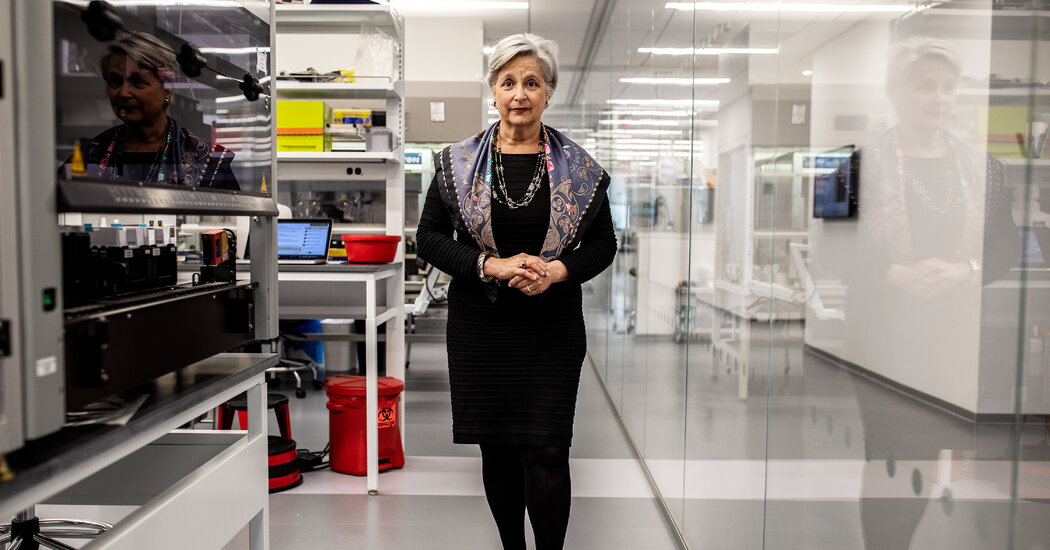
Vexed by lags in producing cures for diabetes and cancer, she helped raise $400 million to start a foundation that has made breakthroughs in treating major diseases.Susan L. Solomon, whose frustration over lags in finding a cure for her teenage son’s Type 1 diabetes prompted her to establish what became a leading independent stem cell research laboratory, died on Sept. 8 at her home in Amagansett, N.Y. She was 71.The cause was ovarian cancer, according to her husband, Paul Goldberger, the former architecture critic of The New York Times and The New Yorker.In 2005, Ms. Solomon abandoned a successful career as a lawyer, new media entrepreneur and management consultant to join Mary Elizabeth Bunzel, a former journalist, in founding the New York Stem Cell Foundation, of which Ms. Solomon was chief executive for 17 years, stepping down only recently.The foundation’s goal is to accelerate cures for major diseases through stem cell research, and its lab, the New York Stem Cell Foundation Research Institute, on West 54th Street in Manhattan, describes itself as the largest independent stem cell research lab in the country. It has been credited with making inroads against Parkinson’s, Alzheimer’s, neurodegenerative diseases and vision loss, as well as mitochondrial disease in pregnant women, which can lead to stunted growth, kidney disease or neurological disorders in their offspring.Ms. Solomon and Ms. Bunzel started the foundation in response to the refusal of the administration of President George W. Bush to make a major investment in stem cell research. Their hope was that stem cells — basic cells that can generate new cells with specialized functions — could be transformed into cells that produce insulin and thus help people with Type 1 diabetes. The pancreas of such a patient does not produce enough insulin on its own to help the body convert blood sugar into energy.Stem cell research became a political issue for the Bush White House because the cells were originally harvested only from fertilized embryos, which many social conservatives consider human lives. Some private research organizations also shied away from stem cell research at the time, fearing they might jeopardize their funding from the federal government.Ms. Solomon first envisioned the New York Stem Cell Foundation in her kitchen after her mother died of cancer and her son developed Type 1 diabetes, a chronic condition that required him to constantly monitor his blood sugar levels and inject himself with insulin.Her goal was to expedite breakthroughs in medical research into treatment or cures that would be readily available to patients. “She imagined the impossible and made it happen,” said Dr. Roy Geronemus, chairman of the foundation’s board.The foundation has grown into an institution with a $40 million annual budget and more than 114 employees, including 45 full-time scientists, as well as its own laboratory. It has also overseen fellowships that support researchers at other institutions.As chief executive, Ms. Solomon helped raise more than $400 million for stem cell research, beginning with early contributions from the former New York City mayor Michael R. Bloomberg; the investor Stanley Druckenmiller and his wife, Fiona; and a foundation run by the hedge-fund manager Julian Robertson, who died last month.Ms. Solomon told the journal futuremedicine.com in 2012 that in helping to found the organization she was prompted in part by “a giant gap between the work being done at academic institutions and the delivery of pills and treatments on the commercial side.”“We, as a small organization, could never provide the funding that the government can,” she said. “But what we can do is create a path, resources, fellowship programs and a laboratory, and lead research. We are providing the proof of concept, so that when public opinion and public funding is available, then that work can be scaled up.”Ms. Solomon said she was prompted by “a giant gap” between the academic research on stem cells and the production of treatments for patients.Demetrius Freeman for The New York TimesSusan Lynn Solomon was born on Aug. 23, 1951, in Brooklyn. Her father, Seymour, founded Vanguard Records with his brother Maynard. Her mother, Ruth (Katz) Solomon, was a pianist and manager of concert musicians.After graduating from the Fieldston School in the Bronx, Ms. Solomon earned a bachelor’s degree in history from New York University in 1975 and a law degree from Rutgers in 1978.Her eclectic career began at the law firm of Debevoise & Plimpton in New York, where she helped initiate an employment discrimination case on behalf of women who said they were denied the opportunity to become New York City firefighters.She left the law firm in 1981 to become counsel and director of business affairs for Warner Amex Satellite Entertainment. She later worked for United Satellite Communications; CBS Films; Sotheby’s, where she was chief executive of its first effort to create an online auction platform; and Lancit Media, a producer of TV programming for children, where she was also chief executive. In 2000, she established and ran Solomon Partners LLC to provide strategic management consultingHer marriage in 1968 to Gary Hirsh, the drummer for the band Country Joe and the Fish, ended in divorce. She married Mr. Goldberger in 1980. In addition to her husband, who is now a contributing editor at Vanity Fair and a professor of design and architecture at the Parsons School of Design and the New School, Ms. Solomon is survived by three sons, Adam Hirsh, from her first marriage, and Ben and Alex Goldberger; and six grandchildren.She never gave up hope that some day researchers would develop a treatment for the disease that her son Ben has been dealing with for three decades, since he was 9 years old. He is now the executive editor of Time magazine.“I’m not going to rest until we find a cure for Type 1 diabetes,” Ms. Solomon told The Wall Street Journal in 2016. “It’s going to happen in my lifetime. I believe it.”

Read more →