Uganda's Ebola outbreak: Trainee doctors go on strike over safety fears

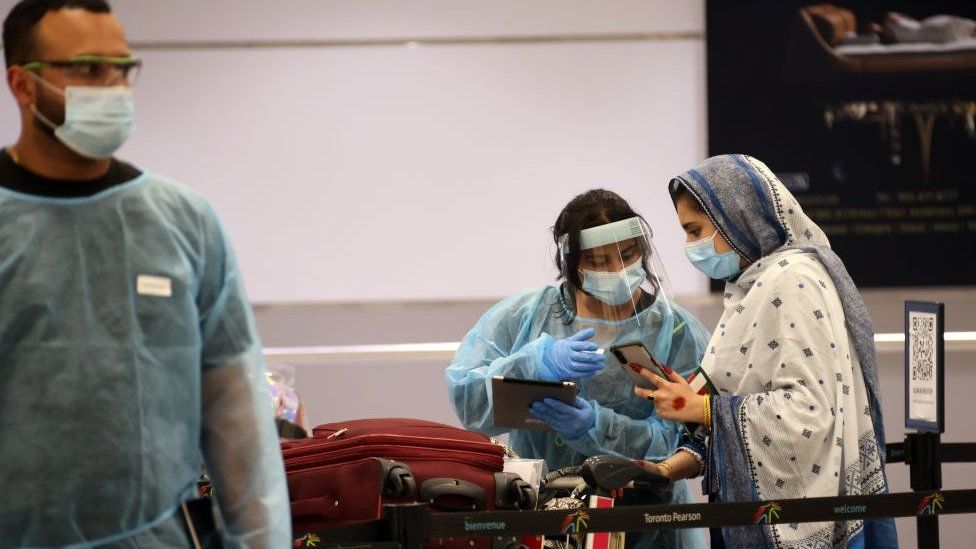
Published15 hours agoSharecloseShare pageCopy linkAbout sharingImage source, Getty ImagesTrainee medics battling Ebola in Uganda’s virus epicentre accuse the government of putting their lives at risk.”Most times you come into contact with a patient and you use your bare hands,” one worker told the BBC anonymously.All trainees at Mubende’s regional hospital say they are on strike and are demanding to be moved somewhere safer.But Ugandan health ministry spokesman Emmanuel Ainebyoona told the BBC there was “no strike at the hospital”.Yet all 34 of the hospital’s interns – including doctors, pharmacists and nurses – have announced their decision to strike in a joint statement.They say they are being put at undue risk because they lack appropriate safety kit, risk allowances and health insurance.Six interns at the hospital have already been exposed to the virus, and are awaiting their test results in isolation.Since the outbreak began earlier this month, official government data shows 36 people are suspected of contracting Ebola, of whom 23 have died.A 24-year-old-man was the first known Ebola death, and six members of his family also died. No effective Ebola vaccine is available here yet, because the Sudan strain circulating in central Uganda is different to the Zaire strain that has afflicted West Africa and DR Congo and which can be immunised against.Experts say it is unrealistic to think Ebola will ever be eradicated, but it is now easier to prevent a crisis.You may also be interested in:Why does Ebola keep coming back?Uganda’s organ transplant revolution brings hope to thousandsA quick guide to UgandaAdditional reporting by Natasha Booty

Read more →

Diets rich in refined fiber may increase liver cancer risk in some individuals

Many people commonly consume fiber-enriched foods to promote weight loss and prevent chronic diseases such as diabetes and cancer.
However, in some individuals — particularly those with a silent vascular deformity — consumption of highly refined fiber may increase the risk of liver cancer, new research from The University of Toledo has found.
The discovery, detailed in a paper published in the journal Gastroenterology, builds on UToledo’s growing area of research expertise that our gut plays an underappreciated role in the origin of disease.
“We have worked for a long time on this idea that all diseases start from the gut,” said Dr. Matam Vijay-Kumar, a professor in the Department of Physiology and Pharmacology in the College of Medicine and Life Sciences and the paper’s senior author. “This study is a notable advancement of that concept. It also provides clues that may help identify individuals at a higher risk for liver cancer and potentially enable us to lower that risk with simple dietary modifications.”
Expanding Research
Four years ago, Vijay-Kumar’s team published a major paper in the journal Cell that found a high percentage of mice with immune system defects developed liver cancer after being fed a diet fortified with inulin.

Read more →

Canada to end Covid vaccine travel requirements,make ArriveCan app optional

Published16 hours agoSharecloseShare pageCopy linkAbout sharingImage source, Getty ImagesCanada has said it is dropping all remaining Covid border restrictions, including vaccine requirements for travellers. As of 1 October, travellers will also no longer need to provide proof of Covid vaccination, to undergo any testing or to isolate and quarantine.The mask mandate on planes and trains will also be lifted. The ArriveCan app – used to upload health documents when entering Canada – will become optional. Federal health minister Jean-Yves Duclos said in an announcement on Monday that Canada is “in a much better position” than it was earlier in the pandemic, in part due to availability of Covid-19 vaccines and treatment options.The country’s high vaccination rate – with around 82% of the population having received two doses – and a falling death rate are also factors.Around 32 Canadians are currently dying each day from the the virus. Covid-19 cases are slowly rising in Canada and signs point to a resurgence ahead of autumn, Mr Duclos said, but he added this is “largely explained by the domestic transmission of the virus”.He said Ottawa is open to reintroducing measures, especially if a new, highly-transmissible variant emerges. Vaccine mandates for travellers entering the US remain in place, and some American lawmakers have urged President Joe Biden to drop remaining restrictions. Other countries, including the United Kingdom, dropped Covid entry requirements earlier this year. Covid-19 mandates were opposed by some in Canada and were the subject of the ‘Freedom Convoy’ protests in Ottawa, which were held in support of truckers who refused to get vaccinated to cross the US-Canada border.The February protests gridlocked Canada’s capital for two weeks.Supporters of the convoy also staged blockades at key border crossings between the US and Canada, disrupting the flow of goods between the two countries.The protests were eventually cleared after Prime Minister Justin Trudeau invoked the never before used Emergencies Act, which gives the government additional powers in times of national crisis.The World Health Organisation declared in early September that Covid-19 deaths have hit their lowest point but experts have warned about ongoing threat of the virus, especially if new variants emerge. Despite the end of the restrictions, Mr Duclos urged people to get their booster shots and encouraged people to continue wearing masks in public. More on this storyCovid-19 pandemic is over in the US – Joe Biden7 days agoTrucker protests force Canada car plant shutdowns10 February

Read more →

Kevin Sinfield: Rugby league star to run ultra marathons for MND

Rugby League star Kevin Sinfield has launched his most difficult challenge yet to raise money for motor neurone disease research. He’s already raised more than £5m, inspired by his friend and former teammate Rob Burrow who is living with the disease. For his latest challenge, he’ll run seven ultra marathons in seven days, starting on 13 November. BBC Breakfast interviewed Sinfield and Burrow, together with former Scottish rugby union player Doddie Weir, who has also been diagnosed with the disease.Read more: Intense exercise increases MND risk, say scientistsRugby league star’s 300-mile challenge for MND

Read more →

Anxiety during pregnancy can lead to earlier births, study finds

Women who experience anxiety about their pregnancies give birth earlier on average than those who don’t, according to research published by the American Psychological Association.
The study, which examined the relationship between pregnancy length and different measures of anxiety, could help doctors understand when and how best to screen for anxiety during pregnancy to help prevent preterm birth.
“Anxiety about a current pregnancy is a potent psychosocial state that may affect birth outcomes,” said lead study author Christine Dunkel Schetter, PhD, of the University of California Los Angeles. “These days, depressive symptoms are assessed in many clinic settings around the world to prevent complications of postpartum depression for mothers and children. This and other studies suggest that we should also be assessing anxiety in pregnant women.”
The study was published in the journal Health Psychology.
Previous research has found that up to one in four pregnant women has clinically elevated anxiety symptoms and that anxiety can be a risk factor for preterm birth, or birth before 37 weeks of pregnancy. However, those studies have used a variety of measures of anxiety and have looked at both general anxiety and pregnancy-specific anxiety, which includes worries about childbirth, parenting and the baby’s health. Researchers have also measured anxiety at different points in pregnancy, from early to late pregnancy and most often in the second trimester.
To sort out these various effects of timing and anxiety type, the researchers examined data from a diverse sample of 196 pregnant women in Denver and Los Angeles who took part in the Healthy Babies Before Birth study. Forty-five percent of the women identified as non-Hispanic white, 36% as Hispanic white, 10% as Asian and 9% as Black or African American.

Read more →

'Placenta-on-a-chip' mimics malaria-infected nutrient exchange between mother-fetus

Placental malaria as a consequence of Plasmodium falciparum infections can lead to severe complications for both mother and child. Each year, placental malaria causes nearly 200,000 newborn deaths, mainly due to low birth weight, as well as 10,000 maternal deaths. Placental malaria results from parasite-infected red blood cells that get stuck within tree-like branch structures that make up the placenta.
Research on human placenta is experimentally challenging due to ethical considerations and inaccessibility of the living organs. The anatomy of the human placenta and architecture of maternal-fetal interface, such as between maternal and fetal blood, are complex and cannot be easily reconstructed in their entirety using modern in vitro models.
Researchers from Florida Atlantic University’s College of Engineering and Computer Science and Schmidt College of Medicine have developed a placenta-on-a-chip model that mimics the nutrient exchange between the fetus and mother under the influence of placental malaria. Combining microbiology with engineering technologies, this novel 3D model uses a single microfluidic chip to study the complicated processes that take place in malaria-infected placenta as well as other placenta-related diseases and pathologies.
Placenta-on-a-chip simulates blood flow and mimics the microenvironment of the malaria-infected placenta in this flow condition. Using this method, researchers closely examine the process that takes place as the infected red blood cells interact with the placental vasculature. This microdevice enables them to measure the glucose diffusion across the modeled placental barrier and the effects of blood infected with a P. falciparum line that can adhere to the surface of placenta using placenta-expressed molecule called CSA.
For the study, trophoblasts or outer layer cells of the placenta and human umbilical vein endothelial cells were cultured on the opposite sides of an extracellular matrix gel in a compartmental microfluidic system, forming a physiological barrier between the co-flow tubular structure to mimic a simplified maternal-fetal interface in placental villi.
Results, published in Scientific Reports,demonstrated that CSA-binding infected erythrocytes added resistance to the simulated placental barrier for glucose perfusion and decreased the glucose transfer across this barrier. The comparison between the glucose transport rate across the placental barrier in conditions when uninfected or P. falciparum infected blood flows on outer layer cells helps to better understand this important aspect of placental malaria pathology and could potentially be used as a model to study ways to treat placental malaria.
“Despite advances in biosensing and live cell imaging, interpreting transport across the placental barrier remains challenging. This is because placental nutrient transport is a complex problem that involves multiple cell types, multi-layer structures, as well as coupling between cell consumption and diffusion across the placental barrier,” said Sarah E. Du, Ph.D., senior author and an associate professor in FAU’s Department of Ocean and Mechanical Engineering. “Our technology supports formation of microengineered placental barriers and mimics blood circulations, which provides alternative approaches for testing and screening.”
Most of the molecular exchange between maternal and fetal blood occurs in the branching tree-like structures called villous trees. Because placental malaria may start only after the beginning of second trimester when intervillous space opens to infected red blood cells and white blood cells, the researchers were interested in the placental model of maternal-fetal interface formed in the second half of pregnancy.
“This study provides vital information on the exchange of nutrients between mother and fetus affected by malaria,” said Stella Batalama, Ph.D., dean, FAU College of Engineering and Computer Science. “Studying the molecular transport between maternal and fetal compartments may help to understand some of the pathophysiological mechanisms in placental malaria. Importantly, this novel microfluidic device developed by our researchers at Florida Atlantic University could serve as a model for other placenta-relevant diseases.”
Study co-authors are Babak Mosavati, Ph.D., a recent graduate in FAU’s College of Engineering and Computer Science; and Andrew Oleinikov, Ph.D., a professor of biomedical science, FAU Schmidt College of Medicine.
The research was supported by the Eunice Kennedy Shriver National Institute of Child Health and Human Development, the National Institute of Allergy and Infectious Diseases, and the National Science Foundation.
Story Source:
Materials provided by Florida Atlantic University. Original written by Gisele Galoustian. Note: Content may be edited for style and length.

Read more →

Remdesivir-resistant version of COVID-19 detected in organ transplant recipients

Recent studies have shown that patients with weakened immune systems — which enables the virus that causes COVID-19 to remain longer in the body, copy itself, and continually change — may enable the development of new, slightly different versions of the virus (variants). These patients include those treated with drugs that suppress the immune system to keep it from rejecting a newly transplanted organ.
A new study, led by researchers at NYU Grossman School of Medicine and NYU Long Island School of Medicine, shows that two kidney transplant patients treated with immunosuppressive drugs, and who later had a lengthy COVID-19 infection, developed a version of the virus with a genetic change (mutation) that made it resistant to the antiviral therapy remdesivir.
This treatment is among the first antiviral drugs approved for use in the pandemic and remains an important weapon against the pandemic coronavirus. Remdesivir is especially important for treating transplant recipients since the more recently developed Paxlovid (a combination of nirmatrelvir and ritonavir) can interfere with immunosuppressants sometimes used in these patients, say the study authors.
The study results reflect a standard problem in antiviral medicine, in which the rapid and error-prone reproductive process of viruses continuously creates slightly different genetic versions of themselves. Some randomly develop the qualities needed to resist the drug treatment. In the case of SARS-CoV-2, the pandemic virus, remdesivir is thought to work by interfering with the virus’s ability to create copies of itself through the action of a polymerase, a viral enzyme.
According to the findings, both patients were initially infected with a version of the coronavirus that did not carry the mutation that provides resistance to remdesivir. However, following treatment with the antiviral agent, the virus developed the V7921 RNA-dependent polymerase (V7921) gene mutation, which has previously been shown in laboratory settings to make the virus more resistant to remdesivir.
“Our findings may help explain how the coronavirus continues to develop resistance to treatment,” says study lead author John Hogan, MD, an assistant professor in the Department of Medicine at NYU Langone Health. “It is possible that the antiviral treatment itself, combined with the patients’ weakened immune systems, may have driven the evolution of this concerning mutation.”
Despite the availability of vaccines and several drug therapies for COVID-19, experts say people with compromised immune systems, such as transplant patients and those with cancer or untreated HIV, remain at high risk for the disease. The new study, publishing online Sept. 26 in the journal Clinical Infectious Diseases, is the first to identify the remdesivir-resistant V7921 mutation in organ-transplant patients treated with the antiviral drug, according to Hogan.

Read more →

Frozen embryo transfers linked with high blood pressure risks in pregnancy

In vitro fertilization (IVF) using frozen embryos may be associated with a 74% higher risk of hypertensive disorders in pregnancy, according to new research published today in Hypertension, an American Heart Association journal. In comparison, the study found that pregnancies from fresh embryo transfers — transferring the fertilized egg immediately after in vitro fertilization (IVF) instead of a frozen, fertilized egg — and pregnancy from natural conception shared a similar risk of developing a hypertensive disorder.
High blood pressure during pregnancy often signals preeclampsia, a pregnancy complication including persistent high blood pressure that can endanger the health and life of the mother and fetus. Approximately 1 out of every 25 pregnancies in the United States results in preeclampsia, according to the American Heart Association.
One IVF treatment process available utilizes frozen embryos: after an egg is fertilized by sperm in the lab, it is frozen using a cryopreservation process before being thawed and transferred to the uterus at a later date. The procedure is becoming more common because of the significantly improved freezing technology or cryopreservation methods that started in the late 2000s and because more patients are choosing to freeze embryos, according to the study authors. Yet, frozen embryo transfer is known to be associated with a higher risk of hypertensive disorders in pregnancy than both natural conception and fresh embryo transfer. However, prior to this study, it was unknown whether this was due to the freezing process or a risk factor from the parents.
“Frozen embryo transfers are now increasingly common all over the world, and in the last few years, some doctors have begun skipping fresh embryo transfer to routinely freeze all embryos in their clinical practice, the so-called ‘freeze-all’ approach,” said Sindre H. Petersen, M.D., the study’s lead author and a Ph.D. fellow at the Norwegian University of Science and Technology in Trondheim, Norway.
Researchers examined national data from medical birth registries from Denmark, Norway and Sweden of nearly 2.4 million women who were ages 20 to 44 years old who had single deliveries and gave birth during the study period — from 1988 through 2015. These data were the basis of a population-based study that also included a comparison of women who had both an IVF pregnancy and a naturally conceived pregnancy, called sibling comparison. This approach was used to isolate if the potential reason for the hypertensive disorders was attributable to parental factors or to the IVF treatment.
The study included more than 4.5 million pregnancies, of which 4.4 million were naturally conceived; more than 78,000 pregnancies were fresh embryo transfers; and more than 18,000 pregnancies were frozen embryo transfers. Among all of the pregnancies, more than 33,000 were grouped for sibling comparison — mothers who conceived via more than one of these methods. The study is the largest to-date using sibling comparison. The odds of developing hypertensive disorders in pregnancy after fresh vs. frozen embryo transfers compared to natural conception were adjusted for variables such as birth year and the mother’s age.

Read more →

Monkeypox Appears to Recede, but Risks and Uncertainties Linger

Scientists do not yet know how well the vaccine and the drug used to treat the infection are working. Two new trials will provide answers.Nearly four months after the first report of monkeypox in the United States, the virus is showing promising signs of retreat, easing fears that it may spill over into populations of older adults, pregnant women and young children.Supplies of the vaccine have improved, and federal health officials have begun clinical trials to gain a better understanding of who benefits, and how much, from both the vaccine and the drug used to treat those who become infected.That’s the good news. But unhappily, case numbers are accelerating in a few states and jurisdictions, including Indiana, Virginia and Massachusetts. Black and Hispanic men make up nearly two-thirds of the infected, but only about one-fourth of those vaccinated so far.“Our progress is incredibly uneven,” said David Harvey, the executive director of the National Coalition of STD Directors.“This outbreak is far from finished,” he added.Recent reports suggest that a single dose of the vaccine, Jynneos, may not be protective enough, raising fresh concerns about the Biden administration’s plan to distribute fractional doses.And federal health officials have warned that the virus could become resistant to tecovirimat, the only safe treatment for those who are infected.“When you only have one drug in your armamentarium, that can be somewhat precarious,” said Dr. Anthony S. Fauci, the Biden administration’s top medical adviser. “But you’ve got to go with what you have at the same time as you try and develop additional drugs.”As of Friday, there were nearly 25,000 cases of monkeypox in all 50 states, the District of Columbia and Puerto Rico. The United States accounts for nearly 40 percent of the global tally.But new cases have been decreasing steadily for weeks, to a daily average of 208 on Sept. 22 from more than 500 in early August. The Los Angeles Department of Public Health recently confirmed the nation’s first death from monkeypox, in a severely immunocompromised individual. Health officials in Texas are investigating another death that may be related to the infection.Two cases of encephalomyelitis — inflammation in the brain and spinal cord — have been reported, both in previously healthy gay men in their 30s.A line for monkeypox shots in Los Angeles County, which confirmed the nation’s first death from monkeypox this month.Caroline Brehman/EPA, via ShutterstockOverall, however, federal health officials are optimistic that the epidemic is waning. While testing and vaccines will continue to be important, officials envision a future in which monkeypox is not gone, but manageable with contact tracing, vaccination and early treatment.“I think it’s going to look a little bit more like more episodic cases, smaller clusters,” said Dr. Demetre Daskalakis, the deputy coordinator of the White House’s monkeypox response.What to Know About the Monkeypox VirusCard 1 of 7What is monkeypox?

Read more →

More Trans Teens Are Choosing ‘Top Surgery’

Small studies suggest that breast removal surgery improves transgender teenagers’ well-being, but data is sparse. Some state leaders oppose such procedures for minors.Michael, 17, arrived in the sleek white waiting room of his plastic surgeon’s office in Miami for a moment he had long anticipated: removing the bandages to see his newly flat chest.After years of squeezing into compression undershirts to conceal his breasts, the teenager was overcome with relief that morning last December. Wearing an unbuttoned shirt, he posed for photos with his mother and the surgeon, Dr. Sidhbh Gallagher, happy to share his bare chest with the doctor’s large following on social media.“It just felt right — like I’d never had breasts in the first place,” Michael said. “It was a ‘Yes, finally’ kind of moment.”Michael is part of a very small but growing group of transgender adolescents who have had top surgery, or breast removal, to better align their bodies with their experience of gender. Most of these teenagers have also taken testosterone and changed their name, pronouns or clothing style.Few groups of young people have received as much attention. Republican elected officials across the United States are seeking to ban all so-called gender-affirming care for minors, turning an intensely personal medical decision into a political maelstrom with significant consequences for transgender adolescents and their families.Gender-related surgeries, in particular, have been thrust into the spotlight. Arizona and Alabama passed laws this year making it illegal for doctors to perform gender-related surgeries on transgender patients under 18. Conservative commentators with large followings on social media have recently targeted children’s hospitals that offer gender surgeries, leading to online harassment and bomb threats.Genital surgeries in adolescents are exceedingly rare, surgeons said, but top surgeries are becoming more common. And while major medical groups have condemned the bans on gender-related care for adolescents, the surgeries have presented challenges for them.Michael is part of a very small but growing group of transgender adolescents who have had top surgery to better align their bodies with their experience of gender.Eva Marie Uzcategui for The New York TimesMuch research has shown that as adults, transgender men generally benefit from top surgery: It relieves body-related distress, increases sexual satisfaction and improves overall quality of life. A few small studies of transgender adolescents suggest similar benefits in the short term.But some clinicians have pointed to the rising demand and the turmoil of adolescent development as reasons for doctors to slow down before offering irreversible procedures. Although medical experts believe the likelihood to be small, some patients come to regret their surgeries.The World Professional Association for Transgender Health, an international group of gender experts who write best practices for the field, had been planning for months to set new age minimums for most gender-related surgeries, including endorsing top surgery for adolescents age 15 and up. Although the guidelines are not binding, they provide a standard for doctors across the world. But this month, the group abruptly withdrew the proposals, a shift reflecting both political pressures and a lack of consensus in the medical community.There are no official statistics on how many minors receive top surgeries each year in the United States. The New York Times surveyed leading pediatric gender clinics across the country: Eleven clinics said they carried out a total of 203 procedures on minors in 2021, and many reported long waiting lists. Another nine clinics declined to respond, and six said that they referred patients to surgeons in private practice.Dr. Gallagher, whose unusual embrace of platforms like TikTok has made her one of the most visible gender-affirming surgeons in the country, said she performed 13 top surgeries on minors last year, up from a handful a few years ago. One hospital, Kaiser Permanente Oakland, carried out 70 top surgeries in 2019 on teenagers aged 13 to 18, up from five in 2013, according to researchers who led a recent study.“I can’t honestly think of another field where the volume has exploded like that,” said Dr. Karen Yokoo, a plastic surgeon at the hospital.Experts said that adolescent top surgeries were less frequent than cosmetic breast procedures performed on teenagers who were not transgender. Around 3,200 girls aged 13 to 19 received cosmetic breast implants in 2020, according to surveys of members of the American Society of Plastic Surgeons, and another 4,700 teenagers had breast reductions.An evolving fieldDr. Gallagher’s office in Miami.Eva Marie Uzcategui for The New York TimesIn the past decade, the number of people who identify as transgender has grown significantly, especially among young Americans. Around 700,000 people under 25 identified as transgender in 2020, according to the Williams Institute, a research center at the University of California, Los Angeles, nearly double the estimate in 2017.Gender clinics in Western Europe, Canada and the United States have reported that a majority of their adolescent patients were seeking to transition from female to male.Because breasts are highly visible, they can make transitioning difficult and cause intense distress for these teenagers, fueling the demand for top surgeries. Small studies have shown that many transgender adolescents report significant discomfort related to their breasts, including difficulty showering, sleeping and dating. As the population of these adolescents has grown, top surgery has been offered at younger ages.Another notable change: More nonbinary teenagers are seeking top surgeries, said Dr. Angela Goepferd, the medical director of the Gender Health Program at the Children’s Minnesota hospital, who is nonbinary. (The program does not perform operations but refers patients to independent surgeons.) These adolescents may want flatter chests but not other masculine features brought on by testosterone, like a deeper voice or facial hair.After many months of deliberations over its new guidelines, the World Professional Association for Transgender Health initially decided to endorse top surgeries for adolescents 15 and up, part of a suite of changes that would have made gender treatments available to children at younger ages. But the organization backtracked this month, after some major medical groups it had hoped would support the new guidelines bristled at the new age minimums, according to Dr. Marci Bowers, a gynecologic and reconstructive surgeon and the president of WPATH, who is transgender.“We needed consensus,” Dr. Bowers said. “I just think we need more strength for our argument and a better political climate, frankly, in order to propose this at a younger age.”Instead, the guidelines kept the previous recommendations, published a decade ago, allowing surgeries for minors on a case-by-case basis.Because teenagers in most states must be 18 before they can provide medical consent, surgeons require parental consent and approval letters from mental health care providers. The two- to four-hour procedure costs anywhere from $9,000 to $17,000, depending on facility and anesthesia fees. The procedure is often not covered by insurance until patients turn 18.As demand has grown, Dr. Gallagher, the surgeon in Miami, has built a thriving top surgery specialty. The doctor frequently posts photos, FAQs and memes on Facebook, Instagram and TikTok, proudly flouting professional mores in favor of connecting with hundreds of thousands of followers.Her feeds often fill with photos tagged #NipRevealFriday, highlighting patients like Michael whose bandages were just removed. On her office windowsill sits a framed nameplate with one of her best-known catchphrases on TikTok: “Yeet the Teet,” slang for removing breasts.Dr. Gallagher said she performed top surgeries on about 40 patients a month, and roughly one or two of them are under 18. Younger patients are usually at least 15, though she has operated on one 13-year-old and one 14-year-old, she said, both of whom had extreme distress about their chests.The surgeon said that most of her patients, teenagers and adults alike, found her on TikTok. Her online presence has drawn sharp criticism from right-wing media, as well as from some parents and doctors who say she uses the platform to market to children.“She goes to the beat of her own drum,” Dr. Bowers said. “For a lot of us, that’s troubling.”Dr. Gallagher said she doubted she had the influence her critics ascribe to her. “Most of the time I’m just trying to deliver educational content,” she said.‘Comfortable in my own skin’Michael and his mother, Annie. He learned more about top surgery through Dr. Gallagher’s TikTok page.Eva Marie Uzcategui for The New York TimesWhen Michael first saw Dr. Gallagher’s TikTok page last summer, he was immediately intrigued. (Michael and others in this article asked to be identified by first or middle names because they were concerned about their privacy.) He liked the photos of her patients, observing that their scars had healed well, and liked that she seemed to be an ally of the transgender community.Michael’s mother, Annie, had gradually come around to the idea of surgery after years of watching him suffer, she said.Since hitting puberty at age 10, Michael said he felt a gnawing discomfort about his breasts. By the time he was 12, he wore hooded sweatshirts every day in their Miami suburb.In eighth grade, after he had several severe panic attacks at school, Michael said he started seeing a therapist, who encouraged him to talk about his body issues. He experimented with small ways to appear more masculine, such as tucking his long curly hair into a beanie and wearing boys’ clothes.“It was the first thing I ever did to try and make myself more comfortable in my own skin,” Michael said.He came out to his parents as a transgender boy when he was 14. A year later, at the start of the pandemic, he started weekly testosterone injections while doing remote school. He got into strength-training and his voice dropped, a second puberty he relished but was grateful to undergo privately.Michael started in-person school feeling “10 times happier,” he said, but his chest still tormented him. Testosterone and exercise had shrunk his breast tissue, making it easier to conceal with a binder. But the garment could restrict his breathing and give him panic attacks. He began seeing a psychiatrist, who prescribed antidepressants.When Michael was 17, Annie said, she decided that waiting another year for surgery would put him in too much pain. Because her insurance covered the procedure only for adults, she took out a loan to help pay for it.Michael’s psychiatrist initially wrote a letter signing off on the surgery. But he later revoked it, putting the surgery in limbo, Annie said. After Michael started a higher dose of antidepressants, the psychiatrist endorsed the surgery as planned.Now, nine months after the operation, Michael is in his senior year of high school. He said he is focused on the parts of his life that have little to do with his gender: doing theater tech at school, seeing friends, painting and applying to college.He also feels less pressure to prove his masculinity than before, he said. He’s growing out his hair and uses he, she and they pronouns. In June, he took his girlfriend to the prom, wearing a brown suit and a pearl necklace.Weighing the risksJamie, a college student in Maryland, began identifying as a transgender boy in the eighth grade, but has since returned to identifying as a woman.Cheriss May for The New York TimesIn 2018, doctors at the pediatric gender clinic at Children’s Hospital Los Angeles published a study of 136 transgender patients ages 13 to 25, half of whom had undergone top surgery. Adolescents who had not undergone the procedure reported significantly more distress because of their chests.Roughly one-third of those who underwent surgery reported ongoing loss of nipple sensation. Only one patient expressed occasional feelings of regret, when imagining wanting to breastfeed a future child.“There’s very few things in the world that have a zero percent regret rate. And chest surgery, clinically, I’ve experienced that,” said Dr. Johanna Olson-Kennedy, the lead author of the study and medical director of the clinic in Los Angeles, which began offering surgeries in 2019.But the study had caveats: Most patients were surveyed less than two years after their surgeries, and nearly 30 percent could not be contacted or declined to participate.Few researchers have looked at so-called detransitioners, people who have discontinued or reversed gender treatments. In July, a study of 28 such adults described a wide array of experiences, with some feeling intense regret and others having a more fluid gender identity.Because so few studies have looked at detransitioning, many doctors are asking young patients and their parents to provide consent without acknowledging the unknowns, said Kinnon MacKinnon of York University in Toronto, the researcher who led the study, who is transgender.“I know personally many, many, many trans men that have benefited and are happy with their medical transition and their top surgery. I would put myself in that category,” Dr. MacKinnon said. “But just as a researcher, I do feel like there are questions that are deserving of answers and have implications for clinical care.”Jamie, a 24-year-old college student in Maryland, was raised as a girl and began identifying as a transgender boy in the eighth grade. After being sexually assaulted and dropping out in her junior year of high school, she said she started taking testosterone. Three months later, just after she turned 18, she underwent top surgery at a private practice in Massachusetts.For the next few years, Jamie said, she thrived. Testosterone made her feel energetic, and her anxiety dissipated. She went back to school and got certified as an emergency medical technician.But when she was 21, her father, who was dying of Alzheimer’s, no longer recognized her. She fixated on her wide hips, which she worried stood out next to her facial hair and deep voice. After a date where she had sex with a straight man, she said, she realized she had made a mistake.“I realized I lost something about myself that I could have loved, I could have enjoyed, I could have used to feed children,” Jamie said. She said she grieved for months and contemplated suicide.This spring, after a year of fighting her insurance company to cover the procedure, she had surgery to reconstruct her breasts. She never told her original surgeon that she had changed her mind, partly because she also blamed herself. Sometimes, she said, “I still don’t like being a woman.”Many surgeons say that they rarely hear about patients with regret. But it’s unclear how many, like Jamie, never inform them.Dr. Gallagher of Miami said that she follows up with patients for up to a year. “I can say this honestly: I don’t know of a single case of regret,” Dr. Gallagher said in May, adding that regret was much more common with cosmetic procedures.But one of her former top surgery patients, Grace Lidinsky-Smith, has been vocal about her detransition on social media and in news reports.“I slowly came to terms with the fact that it had been a mistake borne out of a mental health crisis,” Ms. Lidinsky-Smith, 28, said in an interview.She had top surgery when she was 23. About 16 months later, Ms. Lidinsky-Smith said she called and emailed her medical providers, including Dr. Gallagher’s office, to tell them she had detransitioned.When asked about Ms. Lidinsky-Smith’s case, Dr. Gallagher amended her stance, recalling that years ago, a former patient had left a voice mail message saying they regretted their surgery.“At the time, we wondered, ‘Is it a hoax?’” Dr. Gallagher said.Chilling effectA clinic for transgender children in Dallas, Texas stopped accepting new patients for hormone therapy and gender affirming care under pressure from the Gov. Greg Abbott’s office.Shelby Tauber for The New York TimesRepublican politicians in states across the country are pushing to ban all gender-affirming care for adolescents, focusing much of their rhetoric on surgeries.In Florida, where the medical board is considering such a ban for minors, Gov. Ron DeSantis has argued that surgeons should be sued for “disfiguring” children. In Texas, where parents of transgender children have been investigated for child abuse, Gov. Greg Abbott has called genital surgeries in adolescents “genital mutilation.”Dr. Bowers, the president of WPATH, said that politicians should not be involved in personal medical decisions. “They just don’t understand this care, so they just want to shut it down,” Dr. Bowers said. “That is a very dangerous precedent.”Although most of the new state actions against gender care for minors are tied up in litigation, they have had a chilling effect.Earlier this year, a Dallas children’s hospital shut down the only pediatric gender clinic in Texas, citing political pressure from the governor’s office. This month, a woman was arrested on charges of making a false bomb threat to Boston Children’s Hospital after it was targeted online for its pediatric gender program. Dr. Gallagher also received threats online and said she might hire security guards for her office.Other clinics have dropped scheduled procedures. William, 14, who has identified as a boy since he was a young child, was supposed to see a plastic surgeon in Plano, Texas, for top surgery in May. But the surgeon canceled the appointment in March because the medical center’s malpractice insurer stopped covering top surgeries for minors.In August, William and his family flew to California, paying $10,000 more to get the procedure out of state.Two weeks later, William started ninth grade as just another boy in school. He looks forward to swimming with his shirt off and going to class without wearing a binder.“It’s like something was unburied,” William said. “My chest was just covering what was always there.”

Read more →