New Infectious Threats Are Coming. The US Probably Won’t Contain Them.

The coronavirus revealed flaws in the nation’s pandemic plans. The spread of monkeypox shows that the problems remain deeply entrenched.If it wasn’t clear enough during the Covid-19 pandemic, it has become obvious during the monkeypox outbreak: The United States, among the richest, most advanced nations in the world, remains wholly unprepared to combat new pathogens.The coronavirus was a sly, unexpected adversary. Monkeypox was a familiar foe, and tests, vaccines and treatments were already at hand. But the response to both threats sputtered and stumbled at every step.“It’s kind of like we’re seeing the tape replayed, except some of the excuses that we were relying on to rationalize what happened back in 2020 don’t apply here,” said Sam Scarpino, who leads pathogen surveillance at the Rockefeller Foundation’s Pandemic Prevention Institute.No single agency or administration is to blame, more than a dozen experts said in interviews, although the Centers for Disease Control and Prevention has acknowledged that it bungled the response to the coronavirus.The price of failure is high. Covid has killed more than one million Americans so far, yielding untold misery. Cases, hospitalizations and deaths are all falling, but Covid was the third leading cause of death in the United States in 2021 and seems likely to keep killing Americans for years.Monkeypox is spreading more slowly now, and has never posed a challenge of Covid’s magnitude. But the United States has reported more monkeypox cases than any other country — 25,000, about 40 percent of the global total — and the virus is likely to persist as a constant, low-grade threat.Both outbreaks have revealed deep fissures in the nation’s framework for containing epidemics. Add to that plummeting public trust, rampant misinformation and deep schisms — between health officials and those treating patients, and between the federal government and states. A muddled response to future outbreaks seems almost inevitable.“We really are poorly, poorly prepared,” said Larry O. Gostin, director of the O’Neill Institute for National and Global Health Law at Georgetown University.New infectious threats are certainly on the way, mostly because of the twin rises in global travel and vaccine hesitancy, and the growing proximity of people and animals. From 2012 to 2022, for example, Africa saw a 63 percent increase in outbreaks of pathogens that jump to people from animals, compared with the period from 2001 to 2011.“In people’s minds, perhaps, is the idea that this Covid thing was such a freak of nature, was a once-in-a-century crisis, and we’re good for the next 99 years,” said Jennifer Nuzzo, director of the Pandemic Center at Brown University School of Public Health.“This is the new normal,” she added. “It’s like the levees are built for the one-in-a-100-years crisis, but then the floods keep happening every three years.”Chronic UnderfundingFrom left: Dr. Rochelle Walensky, the C.D.C. director, Dr. Anthony Fauci, the Biden administration’s top medical adviser, and Dr. Robert Califf, the F.D.A. commissioner, during a Senate hearing on monkeypox. Anna Rose Layden for The New York TimesIdeally, here’s how the national response to an outbreak might unspool: Reports from a clinic anywhere in the country would signal a new pathogen’s arrival. Alternatively, ongoing wastewater surveillance might sound the alarm for known threats, as it has recently for polio in New York State.What to Know About the Monkeypox VirusCard 1 of 7What is monkeypox?

Read more →

Her Face Started Drooping. What Was Wrong?

And if this was Bell’s palsy, why wasn’t there improvement after a full year?“I don’t want everybody to see my face,” the 64-year-old woman told her mother-in-law over the phone. She wanted to cancel the Zoom that had to stand in for their usual holiday get-together. It was December 2020, and thanks to Covid-19, no one was traveling. When she finally agreed to participate in the video gathering, no one mentioned the strange changes that were so obvious.In retrospect, it was clear to the woman that her face had been changing for more than a year. The first hint came the previous winter. At a massage, before the pandemic shut everything down, the left side of her face hurt when she put it on the cushion. She had to move around to get comfortable. It was odd, but she didn’t give it much thought — at least not then. A few months later, her left eye started to feel irritated and watered all the time. She, like everyone else, wore a face mask whenever she left the house, so initially she figured the mask was somehow chafing her eyelid. But no matter what kind of mask she wore or how she positioned it on her face, the tears and irritation persisted.By late summer, she could see that the face she knew so well was changing. Sure, she was getting older, but it was more than that. The lower lid of her left eye sagged, and the edge was red and looked irritated — even when she hadn’t worn a mask for days. And her smile was different, crooked. Her whole mouth seemed pulled over to the right, as if the left side had just given up. That side of her face now looked flat and droopy, like her eyelid. She went to see her primary-care physician, who sent her to a neurologist. The neurologist asked her to raise her eyebrows and then to smile. The woman knew from her own experiments in front of the mirror that her left eyebrow didn’t go up and that when she smiled, the left side of her mouth remained unmoved. This looks like Bell’s palsy, the neurologist said. The drooping is caused by an inflammation of a related nerve — often because of a virus. The source of the injury, however, is rarely identified. It can take weeks, occasionally months, for the nerve to start to recover. But, the specialist assured the woman, faces recover — returning often, but not always, back to normal. She would need an M.R.I. to make sure there wasn’t anything else going on. Sometimes a brain tumor could press on the nerve, causing these same sorts of changes, and missing that would be disastrous.There was no mass on the M.R.I., the specialist assured her after viewing her results. This was Bell’s palsy.“Just Give It Time” She waited for months, but saw no improvement. A friend wondered if this could be a symptom of Lyme disease. That could cause a facial droop, she was told. She called her primary-care doctor. Could he test her for Lyme? He did, and the test was negative. Just give it time, he urged. She did, but her face remained strange. It was affecting her work. She was an illustrator, spending hours bent over the paper and colored pencils she still used in her craft. When she looked down now, the tears that collected in that lower lid distorted what she saw. And when she ate, she often bit her lip. She was a good cook. She loved food. But eating was becoming a chore. Worst of all, she felt embarrassed about her lopsided face. She was always an attractive woman. She modeled when she was younger. Now she was grateful that the pandemic limited her social activities.After the holidays, she called her primary-care doctor again: Could he test her for Lyme again? She’d read that the test wasn’t very good, and her face was still strange and droopy. That test was negative, too. She went to a “Lyme literate” doctor. He did some special tests that he said could pick up hidden Lyme infections. When his test was positive, he prescribed several antibiotics to take for four months. She took them dutifully, but they didn’t help. If she did have Lyme disease, it wasn’t what caused her face to droop. The neurologist ordered a second M.R.I. — still no mass. It had been almost two years since her face started to change. The neurologist wasn’t sure what was going on. Usually a Bell’s palsy started to improve after a few weeks. Recovery might not be complete, she explained, but she wasn’t sure why this woman’s face hadn’t improved at all. Photo illustration by Ina JangThat fall, a friend told the patient about a clinic at New York University that specialized in facial palsies. She quickly found it on the internet: the Facial Paralysis and Reanimation Center. She studied the faces of the doctors at the clinic. Dr. Judy Lee was a specialist in disorders of the ear, nose and throat and a plastic and reconstructive surgeon. She had a warm smile and a kind face. The patient made an appointment to see her. Lee listened to the woman’s story. She too questioned the diagnosis of Bell’s palsy. Although the patient’s symptoms were consistent with Bell’s, the story didn’t quite fit. That type of nerve damage comes on quickly — usually over hours, sometimes days. This woman described a process that took months. The two M.R.I.s proved she hadn’t had a stroke — the most common cause of a droopy cheek and lip. Shingles could also cause this sort of palsy, but the patient didn’t have other symptoms of the illness so that seemed unlikely. Lee ordered yet another M.R.I. She, too, was worried about a mass, and she had only seen the reports of the previous M.R.I.s. A Brightness in the Nerve Lee presented the new M.R.I. to her colleagues the following week. It was a meeting they held monthly to discuss the toughest cases. The neuroradiologist pointed out a brightness in the nerve that looked like inflammation. It was at the point after the nerve passes through the inner ear and enters the temporal bone, on its way to the muscles of the face. That’s not where you would usually see inflammation in Bell’s palsy. Moreover, that type of inflammation, caused by injury to the nerve, should be healed after a year and a half. And there was still no visible mass. Was this brightness, this inflammation, evidence of a tumor? Probably, the team agreed. They just had to find it. The patient needed a biopsy. If a tumor was visible, they would have their diagnosis. And, no matter what else they saw, they would biopsy the nerve itself. Lee called the patient and explained what they proposed. “We can’t see anything, but we know it has to be there,” she said. A biopsy would show exactly what they were up against. The patient was reluctant. If you can’t see anything, she asked, why do you think it’s there? Because, Lee explained, nothing else makes sense. The surgery took place a few weeks later. In the operating room, Dr. David Friedmann cut away the bone behind the ear. He identified the nerve and traced its course as it made its way toward the facial muscles. No mass was visible anywhere. He cut out a few tiny segments of nerve. Testing indicated that the nerve was already dead, but he didn’t want to risk causing any additional injury. Friedmann sent the samples to the lab. The answer came back within the week. She had a squamous-cell carcinoma growing in her nerve. That answer provoked more questions. Where had this come from? It was unlikely to have started there in the nerve. Was it spread from a skin cancer, one of the most common forms of squamous-cell carcinoma? The patient had several skin cancers removed when she was younger, so that was possible. Still, squamous cells are found almost everywhere in the body. The doctors at N.Y.U. ordered a PET scan. There was no sign of cancer anywhere else. Even so, the cancer cells in her facial nerve had to have come from someplace. As the doctors well knew, just because a cancer isn’t seen doesn’t mean there’s no cancer. She was treated for what is called a metastatic disease with an unknown primary: She had radiation and chemotherapy that lasted until early this summer. But even before being treated for the cancer, she had an operation to fix her face. A muscle from her leg was carefully positioned over the atrophied muscle in her left cheek. It will take months for those muscles to start working to replace the ones destroyed by the cancer. She realizes that the face she had known her whole life will never be back. But she hopes that the surgery, plus physical therapy, will at least let her smile again.Lisa Sanders, M.D., is a contributing writer for the magazine. Her latest book is “Diagnosis: Solving the Most Baffling Medical Mysteries.” If you have a solved case to share, write her at Lisa.Sandersmdnyt@gmail.com.

Read more →

Abortion: India Supreme Court says amended law to cover single women too

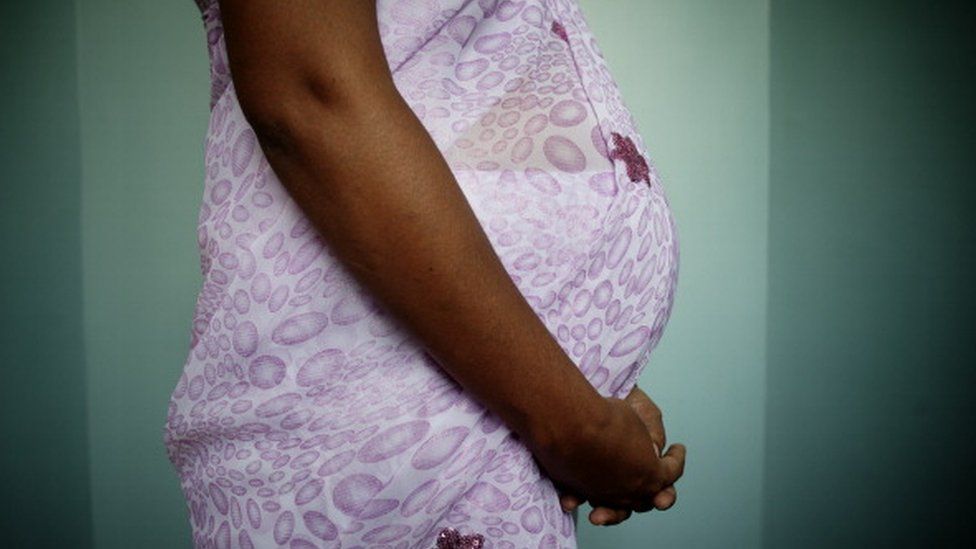
Published1 day agoSharecloseShare pageCopy linkAbout sharingImage source, Getty ImagesIndia’s Supreme Court has said that all women, including those not married, could get an abortion up to 24 weeks.The court ruling came on a plea seeking clarity on the amended 2021 abortion law which listed several groups that did not include single women.The court said all women, regardless of their marital status, were entitled to safe and legal abortion.It said that excluding single women in consensual relationships would be “unconstitutional”.Abortions have been legal in India since 1971, but over the years authorities have made strict rules for who can terminate a pregnancy because of the abortions of millions of female foetuses, leading to a terribly skewed gender ratio in the country. Traditionally, Indians have shown a preference for male children over daughters.Last year, the government amended the Medical Termination of Pregnancy Act (MTP) to allow several categories of women to seek abortions between 20 and 24 weeks.The list included rape survivors, minors, women with mental disabilities, women with foetuses that had major abnormalities and married women whose marital status had changed during the pregnancy.The judgement on Thursday clarified that the amendment did not distinguish between married and unmarried women and that it must also include unmarried women in consensual relationships.Does India really have more women than men?India’s preference for sons over daughters remainsThe bench, comprising Justices DY Chandrachud, AS Bopanna and JB Pardiwal said a woman’s marital status could not be grounds to deprive her of the right to abort an unwanted pregnancy.The judges also said that under this law, the meaning of rape would include sexual assault by husbands. India is yet to criminalise marital rape. Under current laws, sex “by a man with his own wife” who’s not a minor is not rape.In May, the Delhi high court had delivered a split verdict in a case seeking to outlaw the British-era law, with the two judges expressing opposing views on the matter.The case is now being heard in the Supreme Court.Read more India stories from the BBC:India official mocks student’s sanitary pad requestMoonlighting debate divides Indian firms and workersWhy is India raiding this Islamic group?India village ends 75-year wait for government jobThe Indian state getting a bad rap over stray dogsUnanswered questions in India sisters’ hangingApple makes iPhone 14 in India in shift from ChinaMore on this storyThe women who can’t get an abortion in lockdown13 July 2020India’s preference for sons over daughters remains17 MayIndia court split on criminalising marital rape11 May

Read more →

Harjot Kaur Bhamra: Bihar IAS officer mocks schoolgirl's sanitary pad request

Published3 hours agoSharecloseShare pageCopy linkAbout sharingImage source, Getty ImagesA female civil servant’s response to a schoolgirl’s request for free sanitary pads has sparked backlash in India.The teenager made the request at a workshop organised with Unicef in the eastern state of Bihar.The official responded by saying the girl would soon expect the government to provide free clothes, shoes and even condoms.Periods are a taboo topic in India, with menstruating women often forced to live under severe restrictions. Nearly 23 million girls drop out of school annually after they start their periods due to a lack of access to menstrual hygiene facilities.In Bihar, one of India’s poorest states, only 59% of women use a hygienic method of menstrual protection, according to the latest National Family Health Survey (NFHS-5), the most comprehensive household survey of health and social indicators by the government.At Tuesday’s Sashakt Beti, Samriddh Bihar (Empowered Daughters, Prosperous Bihar) event in the state capital, Patna, the student asked senior official Harjot Kaur Bhamra if the government could provide girls with free sanitary pads that cost 20-30 rupees ($0.25-$0.37; £0.23-£0.34) in the market.The student also spoke about the broken toilets at her school and the difficulty in using them. Reports say the audience mainly comprised 15 and 16-year-old students. Stripped for standing up to ‘period-phobic’ collegeWhy are menstruating women removing their wombs?Ms Bhamra, who is a senior bureaucrat in the women and child welfare ministry and heads the Women and Child Development Corporation in the state, seemed to be annoyed by the schoolgirl’s questions.”Why do you need to take everything from the government?” she said. “This way of thinking needs to change. Do it yourself.”When the teenager persisted in asking for solutions from the government which is voted in by the citizens, Ms Bhamra responded in anger: “This is height of stupidity. Don’t vote, then. Become Pakistan. Do you vote for money and services?”After a video of her exchange was shared on social media, many called her comments “shameful” and said the officer was “unfit” to be a public servant. Ms Bhamra later claimed that reporting on the event was “false, malicious and wrong” and threatened to take legal action against a Hindi newspaper which first reported her comments.”I am known to be one of the most vociferous champions of women’s rights and empowerment,” she said, and blamed “mischievous elements” for trying to “malign” her reputation.Read more India stories from the BBC:Moonlighting debate divides Indian firms and workersWhy is India raiding this Islamic group?India village ends 75-year wait for government jobThe Indian state getting a bad rap over stray dogsProtesting shelters let cows loose in India stateUnanswered questions in India sisters’ hangingApple makes iPhone 14 in India in shift from ChinaMore on this storyCoronavirus sparks a sanitary pad crisis in India22 May 2020Why India must battle the shame of period stain28 May 2020Better period huts for women banished for bleeding4 June 2021India scraps tampon tax after campaign21 July 2018

Read more →

CDC Says Early Data Offers Positive Signs About Monkeypox Vaccine

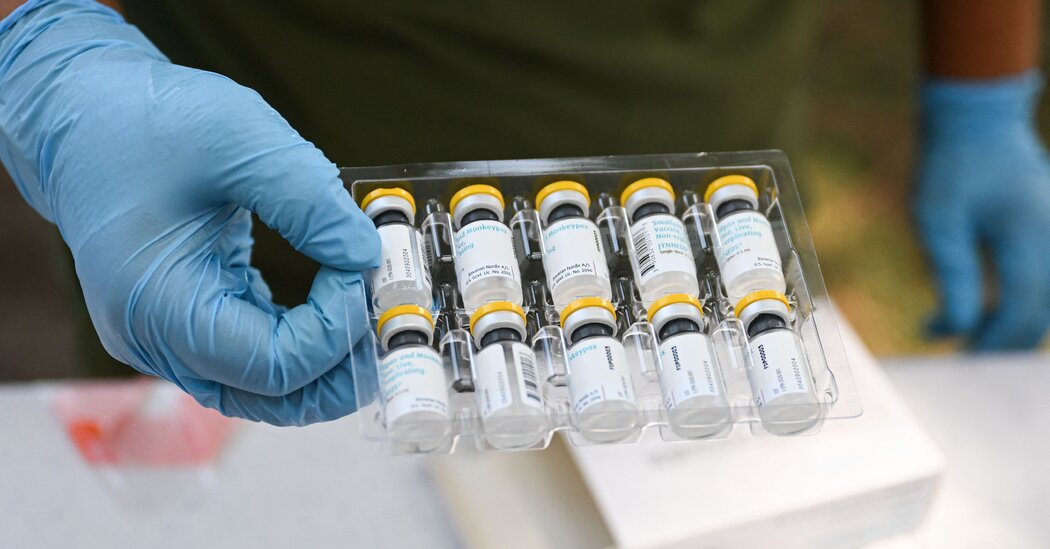
Officials said people who received a single dose of the vaccine were substantially less likely to get infected than those who did not, but the study came with major limitations.WASHINGTON — Americans who received a single dose of the monkeypox vaccine were significantly less likely to be infected by the virus over the summer than those who did not, according to a study published on Wednesday by the Centers for Disease Control and Prevention that offered a limited glimpse of the shot’s protectiveness.The findings, gleaned from 32 states between the end of July and early September, were some of the first federal data that suggested how well the Jynneos vaccine, the main shot being used to respond to the monkeypox outbreak, prevents infections. Unvaccinated people were 14 times as likely to be infected as those who received an initial shot, the research showed.“These new data provide us with a level of cautious optimism that the vaccine is working as intended,” Dr. Rochelle P. Walensky, the C.D.C. director, said at a White House briefing, adding that “even one dose of the monkeypox vaccine offers at least some initial protection against infection.”Though monkeypox cases have declined in recent weeks, the release of the data appeared to serve in part as an effort to reinvigorate the inoculation campaign and as a prompt to the hundreds of thousands of Americans at high risk who still have not been vaccinated.

Read more →

Lasker Award Honors Development of Noninvasive Prenatal DNA Test

The prestigious medical prizes also recognized the creator of a global Covid dashboard and discoveries of proteins and cell bindings to fight disease.It was a startling discovery: Tiny pieces of an unborn baby’s DNA were found floating through its mother’s bloodstream — not inside the mother’s cells, where genetic material is usually found, but rather outside them.But when Dr. Yuk Ming Dennis Lo, a researcher in Hong Kong, described the finding in 1997, it was greeted with something of a shrug. Industry experts were so indifferent that after Dr. Lo’s team licensed the fetal DNA detection technology to a British company, he said, the company turned around and gave the license back.Two decades later, the significance of the technique is no longer in doubt. Dr. Lo eventually helped turn his discovery into a noninvasive prenatal test for Down syndrome that has been performed tens of millions of times and adopted in more than 60 countries.His work was recognized on Wednesday with a Lasker Award, which is among the most prestigious prizes in medicine, coming with $250,000 in winnings and a reputation for preceding a Nobel Prize. Dr. Lo won in the clinical medical research category.The Lasker Foundation also awarded prizes in two other categories. Lauren Gardner, who created the Johns Hopkins University Covid-19 Dashboard, was given the public service award. A group of three researchers whose work relates to how cells interact with their surroundings received the basic medical research award, which goes to a fundamental discovery that opens new scientific territory.Dr. Lo, of the Chinese University of Hong Kong, published his signature discovery in 1997, shortly after he moved back to Hong Kong, his birthplace, from Britain, where he had done his graduate studies. It was several months before Hong Kong would be returned to China, and a resulting exodus of professionals from the city had created plum university openings for young scientists like him.For eight years, Dr. Lo had been trying to find reasonably high concentrations of fetal DNA in the mother’s bloodstream. Such a discovery, he hoped, could help to obviate the need for risky prenatal testing methods, which relied on sampling fetal tissue, and could open the door to noninvasive screenings instead.Read More on the Coronavirus PandemicA Persistent Variant: Ten months have passed since Omicron’s debut. Since then it has displayed a remarkable capacity to evolve new tricks.A Blunted Response: Major data gaps, the result of decades of underinvestment in public health, have undercut the U.S. government’s response to Covid — and now to monkeypox.Biden’s Comments: In an interview that aired on CBS’s “60 Minutes,” President Biden said that “the pandemic is over.” But 400 to 500 Americans are still dying every day of Covid-19.Updated Boosters: As masks have fallen away and quarantines have diminished, the new vaccines are one of the last remaining weapons in America’s arsenal against the coronavirus. So far, the rollout is methodical, but muted.Dr. Lo had been looking in the mother’s blood cells for the unborn baby’s genetic material. But he had also come across reports describing how DNA from a tumor had been found circulating not in blood cells, but in the watery portion of cancer patients’ blood, the plasma. If tumor DNA could be found in that portion of the bloodstream, why not fetal DNA, too?“I had the strange thought that the cancer growing in the patients is a little bit like the placenta that has implanted into the uterus,” he said.He started searching for traces of fetal DNA in the plasma. “That was a good guess,” he said. Homing in on fetal DNA in the mother’s plasma remained tricky. Dr. Lo needed a way to detect the extra copy of chromosome 21 that causes Down syndrome. Separating out the mother’s DNA from the baby’s in tests did not work well enough. Instead, in 2008, Dr. Lo alighted on a technique in which he looked at a large sample of randomly chosen DNA fragments from the mother’s plasma and investigated whether those from chromosome 21 were very slightly elevated.Dr. Lo likened the task to trying to figure out whether someone had one or two coins in their wallet. Unable to look inside the wallet, he could study their overall weight instead and, using an extremely finely tuned balance, could look for telltale extra fractions of a pound.“I started to actually build that molecular balance,” he said.Lauren Gardner, a civil and systems engineer at Johns Hopkins University, created a Covid-19 dashboard that she said has remained the most detailed global snapshot of the pandemic.Lasker FoundationThe other Lasker awardees, too, managed improbable technical feats, albeit in different fields.Lauren Gardner, a civil and systems engineering professor at Johns Hopkins University, received the public service award for leading the creation of a Covid-19 dashboard that she has said still offers the most detailed global picture of the pandemic.On Jan. 21, 2020, a doctoral student of hers, Ensheng Dong, approached her about tracking cases of a novel pneumonia in his home country, China. Mr. Dong had the tools: He could mine Chinese websites for early case data, and he knew how to build online maps. Dr. Gardner said that she remembered the costs of not having access to timely data during outbreaks of Zika and Middle Eastern respiratory syndrome, or MERS, and she wanted to ensure that would not be the case again.“I was thinking it would be mostly of interest to the research community,” she said.Within a couple of months, the dashboard was receiving tens of millions of page views and more than 4.5 billion requests for data per day. In the absence of similarly fast or comprehensive case data from public health bodies like the World Health Organization or the Centers for Disease Control and Prevention, the university dashboard became a go-to source for policymakers, scientists and ordinary citizens alike.It became so visible, Dr. Gardner said, that she later received calls from the U.S. State Department voicing concerns about how certain geopolitically sensitive countries were represented on their map.Dr. Gardner said that the dashboard drew some of its power from being run out of a university, rather than the government. That feature stood in good stead during periods in 2020 when the Trump administration was downplaying case counts. But she said they were ultimately filling a void in public data that should have been addressed by the government.“We were doing for the U.S. what the C.D.C. should’ve been doing, and for the world what the W.H.O. should’ve been doing,” she said. “But they didn’t have the resources to do it, and that needs to change.”With governments reducing investments in detecting and reporting Covid cases, the future of the dashboard may be dictated more by the loss of high-quality data than by the direction of the pandemic itself, Dr. Gardner said.However, she said she hoped that public demand for accessible health data would outlive the dashboard, even if there remained major challenges, such as a deficit of funding and an absence of national standards for how to report infectious disease cases.“The best thing we’ve done is create this expectation for access to this type of data among the people that are affected,” Dr. Gardner said. Similar maps and dashboards, she said, could be useful well before the next pandemic: “Influenza data exists, but not in an accessible format that’s easy to digest, where I can see as a Marylander or Texan if there’s flu coming my way.”From left, Richard O. Hynes of the Massachusetts Institute of Technology, Timothy A. Springer of Boston Children’s Hospital and Dr. Erkki Ruoslahti of the Sanford Burham Prebys Medical Discovery Institute.Lasker FoundationThe Lasker Award for basic medical research went to three scientists who described how cells bind to their surrounding networks of proteins and other molecules — findings that pointed the way toward treatments for a number of diseases.Two of the winners — Richard O. Hynes, of the Massachusetts Institute of Technology, and Dr. Erkki Ruoslahti, of the Sanford Burham Prebys Medical Discovery Institute in San Diego — independently identified a protein that helps to fasten cells to that surrounding network.The third, Timothy A. Springer, of Boston Children’s Hospital, found proteins that guided immune cells in the body and helped them recognize foreign antigens. That work, in the 1980s, drew skepticism from some scientists. Dr. Springer recalled a professor once passing a napkin down the bar at a scientific conference that read simply, “It doesn’t work.”But it did. The research later formed the basis for treatments for dry eye disease and multiple sclerosis, as well as ulcerative colitis and Crohn’s disease, two types of inflammatory bowel disease.As the three scientists, each in their own labs, homed in on the structure of the proteins they were studying, which are now known as integrins, it became clear that they were all part of the same molecular family. Dr. Springer recalled Dr. Hynes inviting him to his lab, where they compared the sequences of their respective proteins. He eventually met Dr. Ruoslahti at a conference organized by Dr. Hynes.“It was like different kinds of apples — a Gala apple to a Fuji apple,” Dr. Springer said.Despite their achievements, the Lasker awardees are still honing their findings. For Dr. Lo in Hong Kong, that has meant trying to use his critical insight from the 1990s — that tumors and unborn babies both leave genetic signatures in the bloodstream — to develop tests that screen for cancers. The tests are best at detecting bigger tumors but can find some early-stage cancers, too.“If your method is sensitive enough,” he said, “it can actually save lives.”

Read more →

Advanced melanoma survival improves significantly when immunotherapy is given before targeted therapy

A clinical trial led by clinicians at Georgetown Lombardi Comprehensive Cancer Center showed a remarkable 20 percent advantage in the two-year overall survival rate for people with advanced melanoma who first received immunotherapy (72 percent survival rate) versus those who initially got targeted therapies (52 percent survival rate). Progression-free survival, where the cancer is stable or improving, was also trending in favor of those who started on immunotherapy.
The multicenter, phase III trial, DREAMseq, was led by oncology professor Michael Atkins, MD, deputy director of Georgetown Lombardi Comprehensive Cancer Center, on behalf of the ECOG-ACRIN Cancer Research Group and sponsored by the National Cancer Institute. The findings appeared September 26, 2022, in the Journal of Clinical Oncology and were presented preliminarily at the inaugural American Society of Clinical Oncology (ASCO) Virtual Plenary Series in November 2021.
“While still a potentially devastating disease, advances in treatment for patients with metastatic melanoma have been nothing short of remarkable this past decade,” Atkins said. “In addition to DREAMseq, results from a major nationwide clinical trial (1) that enrolled patients at Georgetown Lombardi showed that if an immunotherapy called pembrolizumab was given both before and after, rather than after just surgery to remove tumor tissue, the two-year tumor-free survival rate increased from 49% to 72%. These two findings, along with other recent advances, point to significant promise for many people with melanoma.”
The DREAMseq trial found that for patients with melanoma that have a mutation in the BRAF gene, specifically a BRAF V600 mutation, immunotherapy is the better initial approach than giving drugs that specifical target this mutated pathway.
Starting in 2015, 265 trial participants with metastatic melanoma were randomly assigned to two groups: one group received a targeted drug combination (dabrafenib and trametinib) followed by an immunotherapy combination (ipilimumab and nivolumab) if their cancer resisted the first combination and the other group received the immunotherapy combination first and the targeted therapy if necessary. The trial was stopped early due to the clear evidence of benefit for giving immunotherapy first.
According to the National Cancer Institute, there will be an estimated 99,780 new cases diagnosed and 7,650 deaths due to melanoma in 2022. A steep drop in melanoma deaths from 2015 to 2019 of about 4% per year is largely attributable to advances in treatment.
“With further analysis of the data since our initial report, we not only know that patients with metastatic BRAF-mutant melanoma in general do better when combination immunotherapy is administered prior to combination targeted therapy, but we also have a better idea as to why. Specifically, combination immunotherapy, in contrast to targeted therapy, produces more long-lasting tumor shrinkage, reduces the risk of disease progression in the central nervous system and doesn’t interfere with the subsequent effectiveness of the alternative treatment approach,” said Atkins.
“NCI-designated cancer centers and consortiums like ours are valuable and essential for practice-changing research,” said Andrew Pecora, MD, who led the clinical trial at John Theurer Cancer Center, a part of Georgetown Lombardi. “Our clinical trial collaborations allow more opportunities for patients across a wider geographic area to have access to these important studies and that in turn leads to advances that can make a significant difference in people’s lives.”
A sub-analysis of the DREAMseq findings to look at the impact of the treatments on quality of life was recently presented and further analysis of the primary finding is ongoing and will be reported in 2023. What this study does not resolve is which immunotherapy regimen is the best initial treatment, Atkins explains. That question is continuing to be addressed in other clinical trials.
The investigators are conducting cellular therapy trials that are designed to improve the immune system’s ability to fight cancer and, so far, the outcomes are encouraging. Also, in a national trial led by Georgetown Lombardi’s Geoffrey T. Gibney, MD, investigators are looking at biomarkers that may help clinicians decide when it is safe to stop an immunotherapy in order to prevent toxicity and lift the burden from patients of the need for frequent visits to the oncology clinic for therapy. Preliminary data look promising, and the approach is currently being validated in a large nationwide trial (2). Those results are still several years away.

Read more →

Breaks in 'junk' DNA give scientists new insight into neurological disorders

‘Junk’ DNA could unlock new treatments for neurological disorders as scientists discover its breaks and repairs affect our protection against neurological disease.
The groundbreaking research from the University of Sheffield’s Neuroscience Institute and Healthy Lifespan Institute gives important new insights into so-called junk DNA and how it impacts on neurological disorders such as Motor Neurone Disease (MND) and Alzheimer’s.
Until now, the repair of junk DNA, which makes up 98 per cent of DNA, has been largely overlooked by scientists, but the new study published in Nature found it is much more vulnerable to breaks from oxidative genomic damage than previously thought. This has vital implications on the development of neurological disorders.
The researchers also identified the pathway of how oxidative breaks are formed and repaired. Repairing these breaks in junk DNA is essential for producing proteins which protect us from disease.
Oxidative stress is an unavoidable consequence of cellular metabolism and can be influenced by factors such as diet, lifestyle and environment. In the long term, oxidative stress can cause damage to the body’s cells, proteins and DNA, accelerating the ageing process and contributing to the development of neurological diseases such as dementia.
It is hoped this study could pave the way for further research which may potentially help speed up the detection of biomarkers of disease, and allow for earlier intervention to help prevent the onset or progression of neurological disorders such as Alzheimer’s and MND in those who have the relevant gene.
Professor Sherif El-Khamisy, Chair in Molecular Medicine at the University of Sheffield, Co-founder and Deputy Director of the Healthy Lifespan Institute, said:”The significance of repairing DNA breaks in the invisible non-coding genome will open up a whole new field of research, including new targets for therapeutic interventions and biomarkers. By therapeutically targeting components of the pathway it may help us delay or treat neurological diseases such as dementia.
“Until now the repair of what people thought is junk DNA has been mostly overlooked, but our study has shown it may have vital implications on the onset and progression of neurological disease.
“The research also shows that it could have implications for making cancer treatments more effective.”
Professor Ilaria Bellantuono, Co-Director of the Healthy Lifespan Institute at the University of Sheffield, said: “This work is important as it paves the way towards being able to identify new drugs to prevent the development of multiple diseases simultaneously and boost resilience in older people.”
The research, funded by the Wellcome Trust and the Lister Institute, may also have important implications for new cancer treatments as the researchers believe that inhibiting the activity of a key component of the pathway (NuMA) may help stop the survival of non dividing dormant cancer cells, which are difficult to treat.
Future research is expected to centre around working with patients to investigate the pathogenic variants linked to this pathway and working with industry to develop therapeutic interventions to which may help those with common neurological disorders such as Dementia, Alzheimer’s, MND and Huntington’s Disease.
Story Source:
Materials provided by University of Sheffield. Note: Content may be edited for style and length.

Read more →

An emergency department-based ICU improves survival without raising costs, study finds

Across the country, many intensive care units are strained for capacity. This prolongs the boarding process in the emergency department, when critically ill patients — for whom every minute and hour is crucial — wait for open ICU beds.
To provide more rapid access to critical care, University of Michigan Health opened its Emergency Critical Care Center in 2015, one of the first ICUs in the country to be housed within an emergency department.
A previous study found that the deployment of this model improved quality of care and patient outcomes by decreasing both mortality rates and ICU admission rates for emergency department patients. And according to a new study published in JAMA Network Open, the ED-based ICU model does so without raising costs.
In a follow-up study, researchers at Michigan Medicine analyzed over 230,000 adult emergency department visits between September 2012 and late April 2017, comparing costs from before and after the Emergency Critical Care Center opened in mid-2015. Results reveal that direct total cost per visit, when adjusting for inflation, held flat after implementation of the ED-ICU model.
“For all patients visiting the emergency department, from those with ankle sprains to those with critical illness, we are seeing similar costs per visit with better clinical outcomes — which equates to higher value by utilizing the ED-ICU model,” said Benjamin Bassin, M.D., first author of the paper and director of the Emergency Critical Care Center, or EC3, at U-M Health.
When examining solely critically ill ED patients, researchers found total direct cost per encounter decreased by 22.1% with implementation of the ED-ICU. The reduced costs, researchers say, are likely due to early, coordinated critical care delivered in the ED-ICU, rather than when an ICU bed became available.

Read more →

Immune function remodeled by mitochondrial shape

A new study focused on the immune system’s Th17 cells suggests that the shape and function of their mitochondria (the powerhouse of cells) is important in autoimmune and inflammatory disorders, such as multiple sclerosis. T helper 17 (Th17) cells are a type of CD4+ T immune cell, which collectively help make antibodies, activate enemy-eating cells and recruit more soldiers to the battlefront.
The research, led by Erika Pearce, Ph.D., at the Bloomberg~Kimmel Institute for Cancer Immunotherapy at the Johns Hopkins Kimmel Cancer Center, suggests that learning how mitochondria impact Th17 cells is key to understanding how to control them.
The study, published Sept. 28 in the journal Nature, identifies several avenues for trying to influence the behavior of these important cells, with the goal of dampening their autoimmune activity.
When a T cell is first exposed to an enemy, it responds to signals from the enemy and the environment to become one of several types of specialized T cells, each armed with distinct functions in the immune response. While all T helper cell subtypes are crucial to the body’s fight against foreigners, their imbalance can also cause disease, including type 1 diabetes, asthma, allergies and chronic inflammation.
“If we could control T cells, we could arguably control many, if not most, infections, autoimmunities and cancers,” says Pearce, the study’s senior author and a Johns Hopkins Bloomberg Distinguished Professor in the Department of Oncology and the Department of Biochemistry and Molecular Biology.
The study began when researchers in Pearce’s laboratory, which was then at the Max Planck Institute in Freiburg, Germany, noticed a trait peculiar to Th17 cells. Among three main T effector cell types, only Th17 cells had elongated mitochondria; that is, their inner powerplants were fused together into larger structures. “That was strange because elongated mitochondria are usually seen in resting cells and not in activated cells,” says first author Francesc Baixauli, Ph.D., a former postdoctoral fellow at the Max Planck Institute.

Read more →